1
Ambonnay, France


Egly-Ouriet
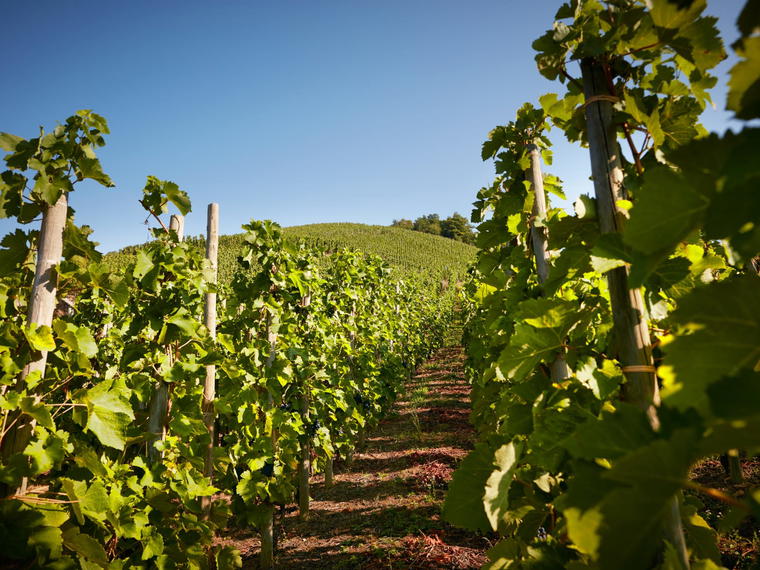
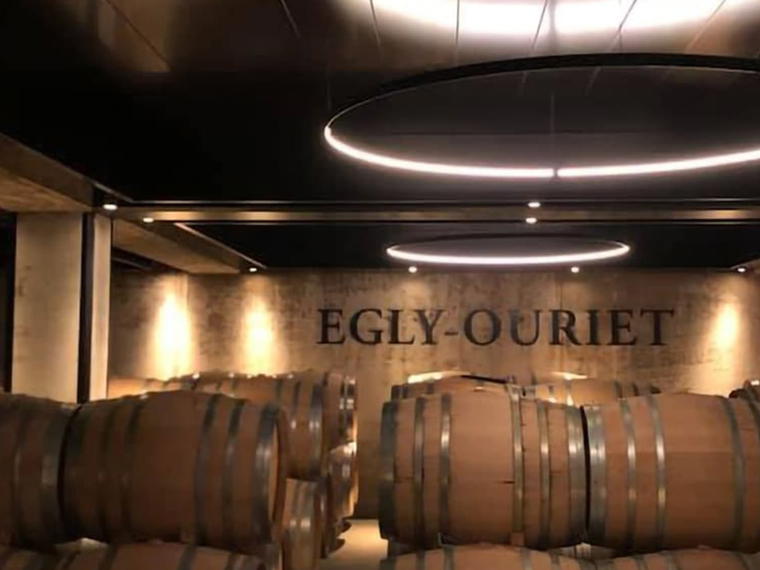
Egly-Ouriet is Francis Egly's fourth-generation grower domaine in Ambonnay. Its Pinot Noir-led Grand Cru Extra Brut and extended-aged cuvées show a patient, vineyard-centered approach to Champagne.
Results
Ambonnay, France
Egly-Ouriet is Francis Egly's fourth-generation grower domaine in Ambonnay. Its Pinot Noir-led Grand Cru Extra Brut and extended-aged cuvées show a patient, vineyard-centered approach to Champagne.
Greve in Chianti, Italy
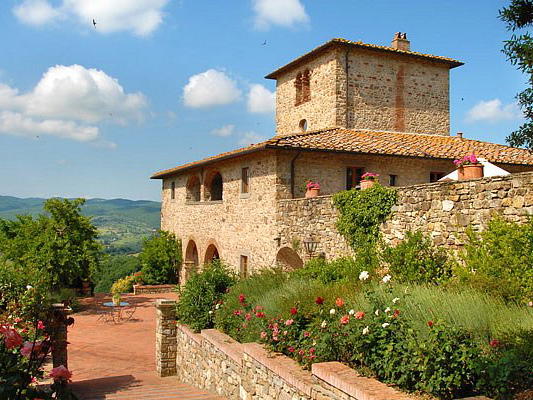
Fontodi has shaped the identity of Chianti Classico's Panzano in Chianti zone since its first vintage in 1979, with Giovanni Manetti steering a program built on Sangiovese grown in some of the appellation's most discussed soils..
Florence, Italy
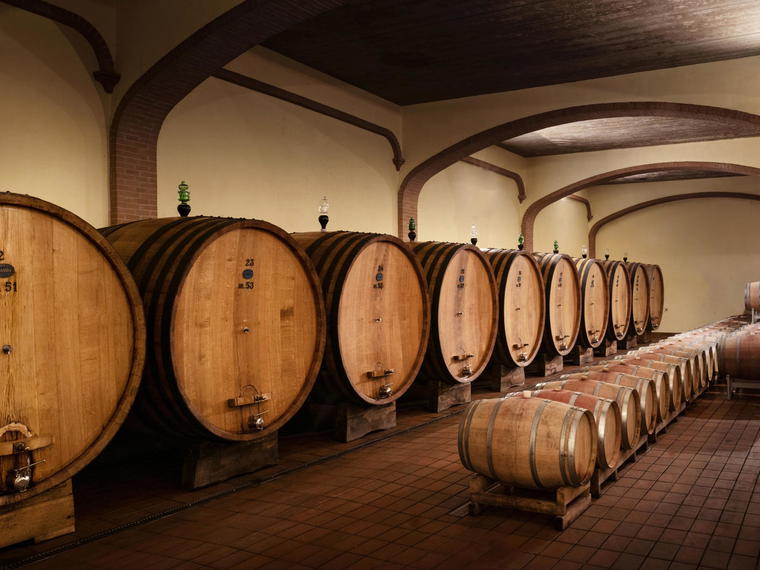
On the Oltrarno side of the Arno, Marchesi de' Frescobaldi brings one of Tuscany's most consequential wine dynasties directly to a Florence address. For anyone tracing Tuscan terroir from vineyard to glass, it warrants serious attention.
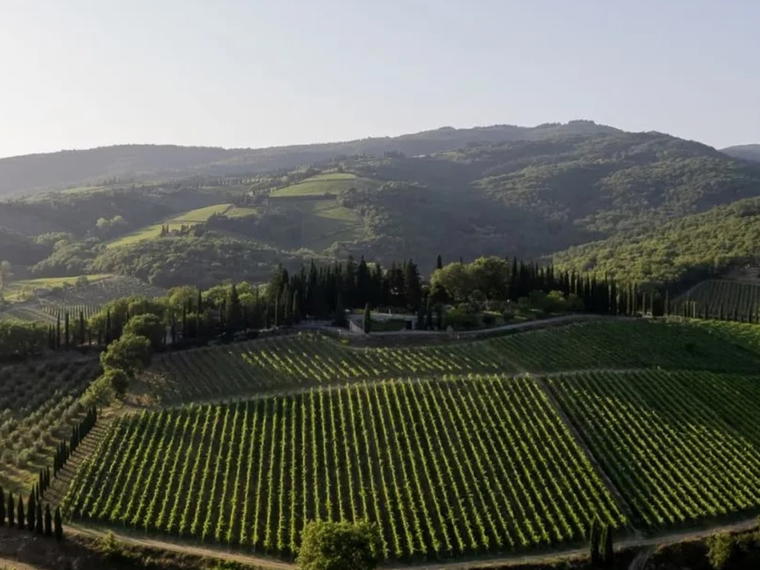
Radda in Chianti, Italy
Montevertine is a small estate in Radda in Chianti that has shaped the identity of Sangiovese-dominant winemaking in Tuscany since its first vintage in 1971.
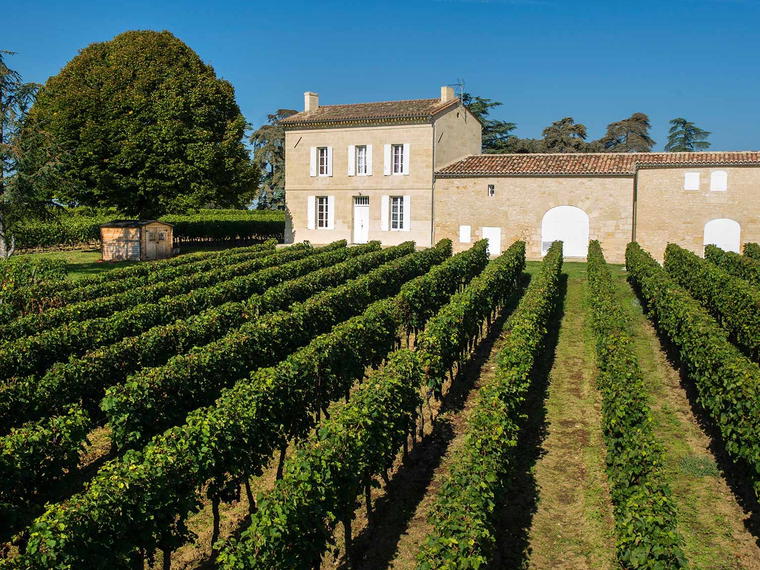
Ribera del Duero, Spain
Pingus is the Ribera del Duero estate that changed how the world reads Spanish Tempranillo. Under winemaker Peter Sisseck, its flagship wine operates in a global allocation tier usually reserved for Burgundy grands crus.
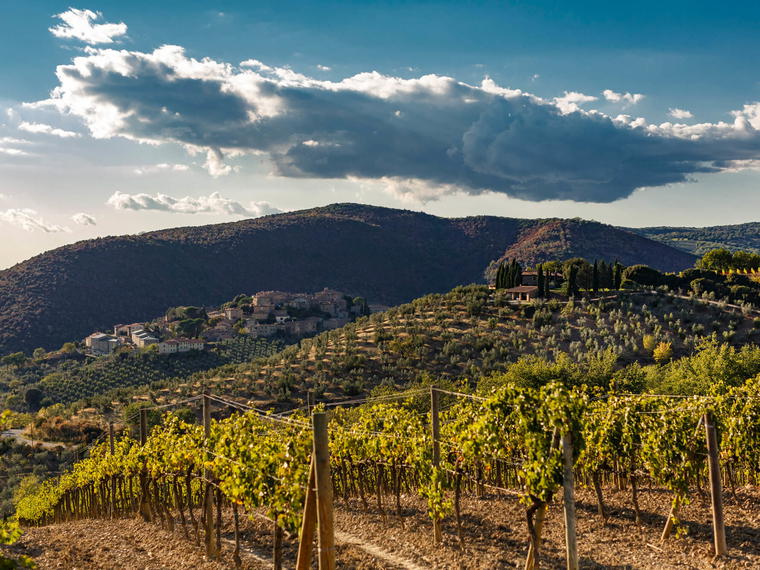
Montalcino, Italy
Cult-status Poggio di Sotto crafts Montalcino's most coveted Brunello from 50-year-old Sangiovese vines, where Pier Paolo Pagiusco's traditional methods create allocation-only wines commanding devotion from collectors worldwide.
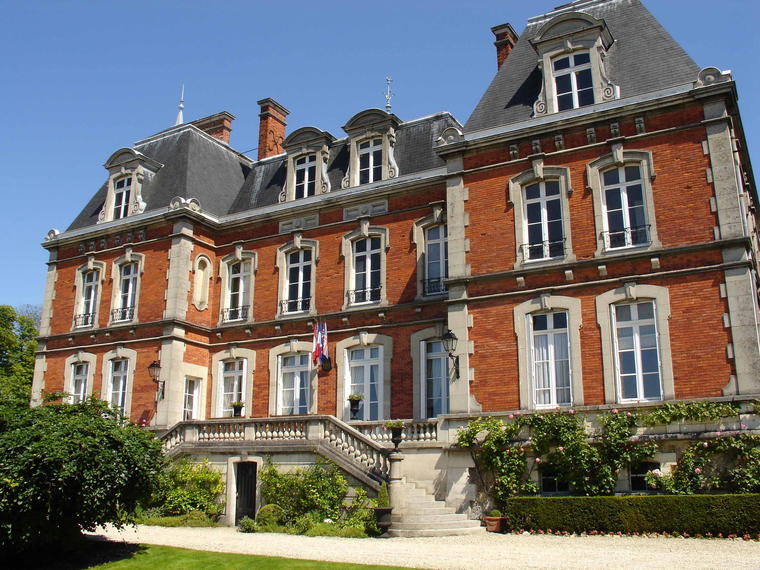
Épernay, France
Pol Roger began in Aÿ in 1849 and moved to Épernay in 1851. The Champagne house owns 92 hectares of vines, blends across its vineyards and grower sources, and ages its wines in deep, cool cellars.
Suvereto, Italy
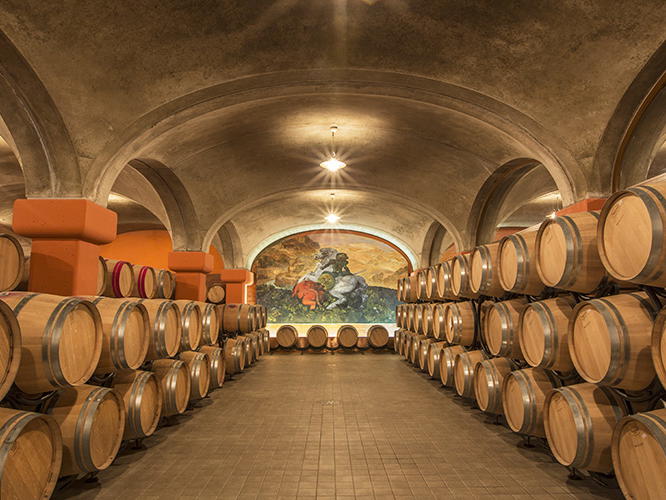
Tua Rita occupies a specific position in the Suvereto story: a winery that helped put the Tuscan coastal hills on the international fine wine map when its first vintage appeared in 1992.
Oberhausen an der Nahe, Germany
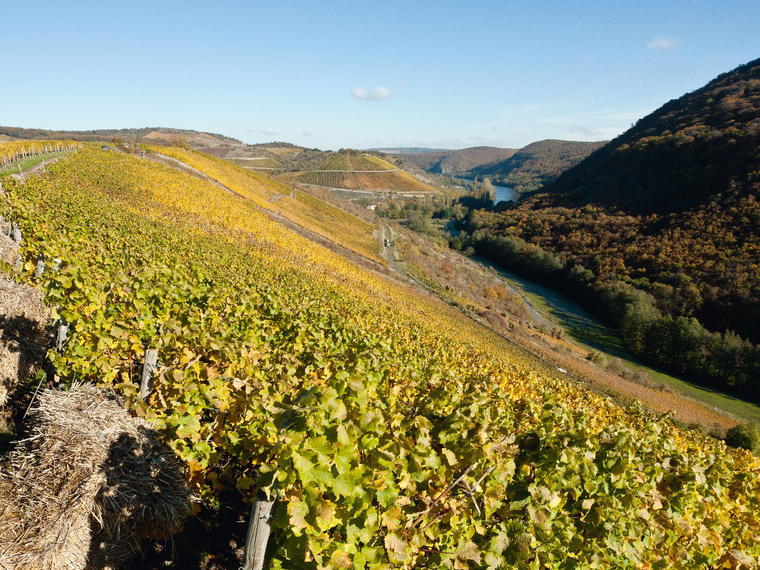
Weingut Hermann Dönnhoff operates from Oberhausen an der Nahe, in one of Germany's most geologically complex wine valleys..
Bernkastel-Wehlen, Germany
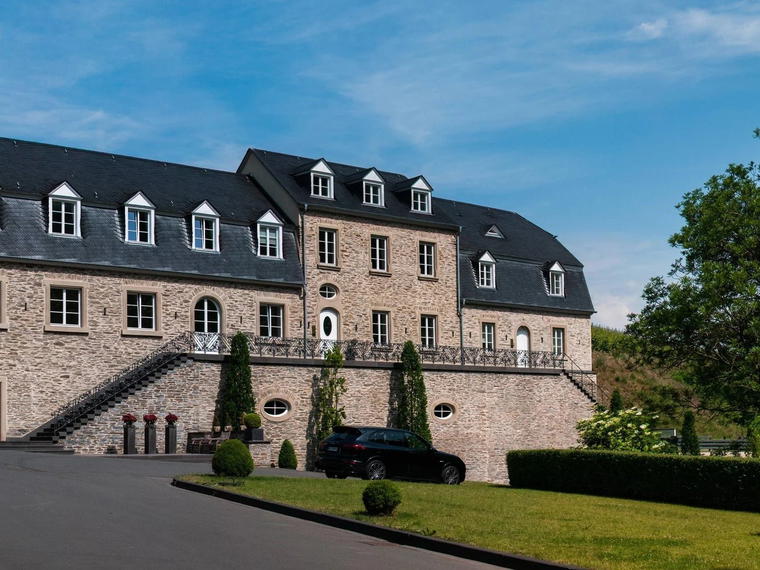
Weingut Markus Molitor operates from Zeltingen-Rachtig in the Mosel's Bernkastel-Wehlen zone, producing Riesling from some of the river's most closely watched slate sites. Serious collectors track its releases alongside peers such as Weingut Joh. Jos. Prüm.
Cuis, France
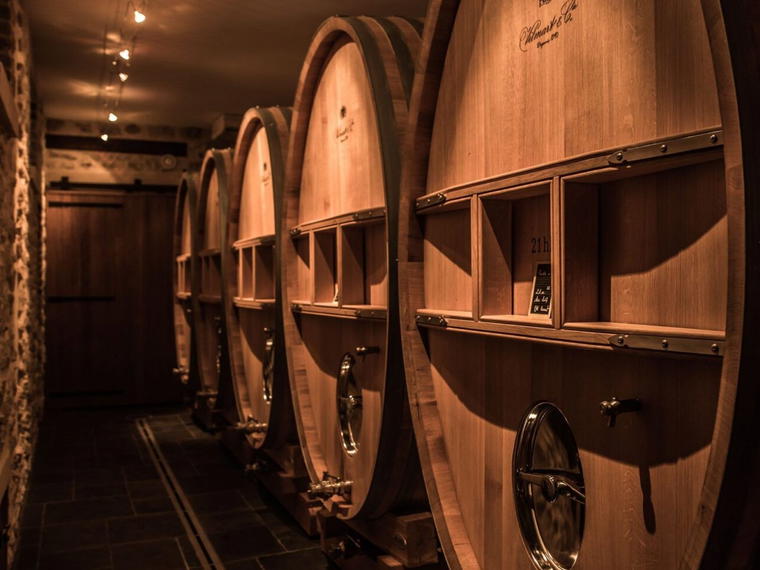
Pierre Gimonnet & Fils has farmed the Côte des Blancs since 1947, producing Champagne from some of the appellation's most respected Chardonnay plots. Olivier and Didier Gimonnet continue to oversee production from the family's base in Cuis, with the house.
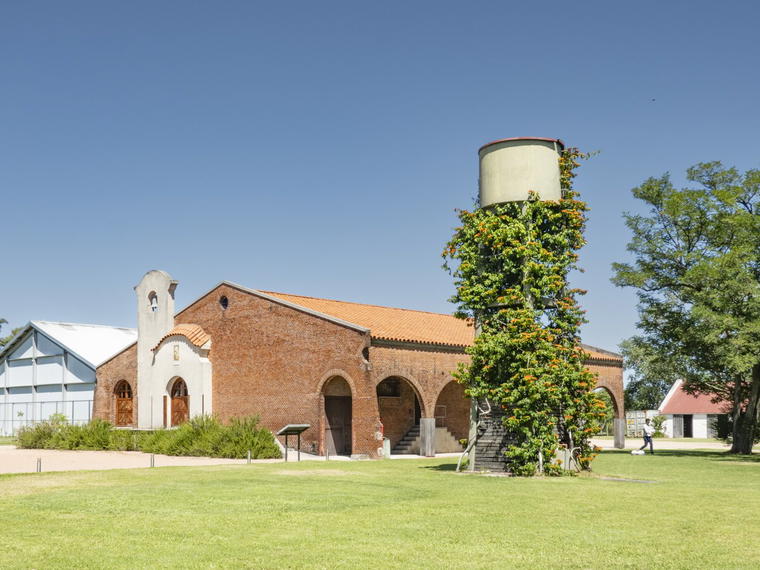
Montevideo, Uruguay
Bodega Bouza is a working winery on the outskirts of Montevideo where dining and production share space with an extraordinary collection of vintage cars and motorcycles.
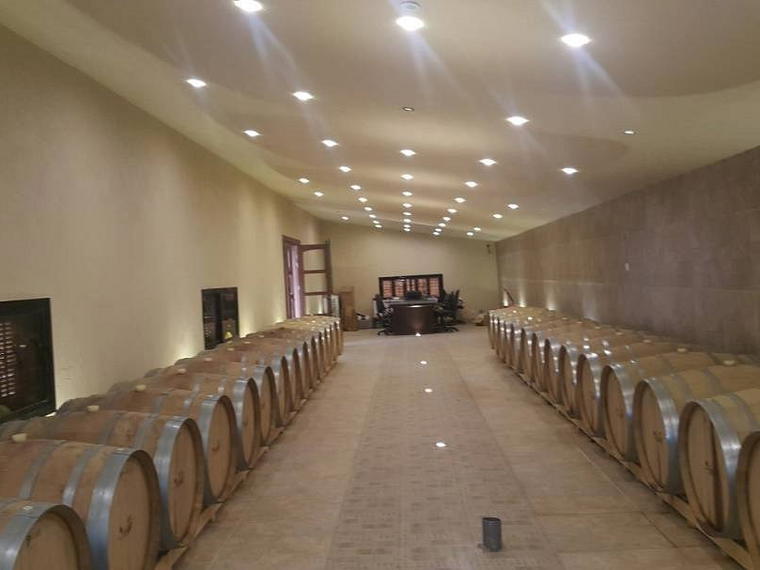
Bekaa Valley, Lebanon
Set against a backdrop where Roman temples dedicated to Bacchus once stood, the winery positions itself within Lebanon's small tier of prestige producers. Visitors approaching the region encounter a winemaking tradition that predates most European appellations by several millennia.
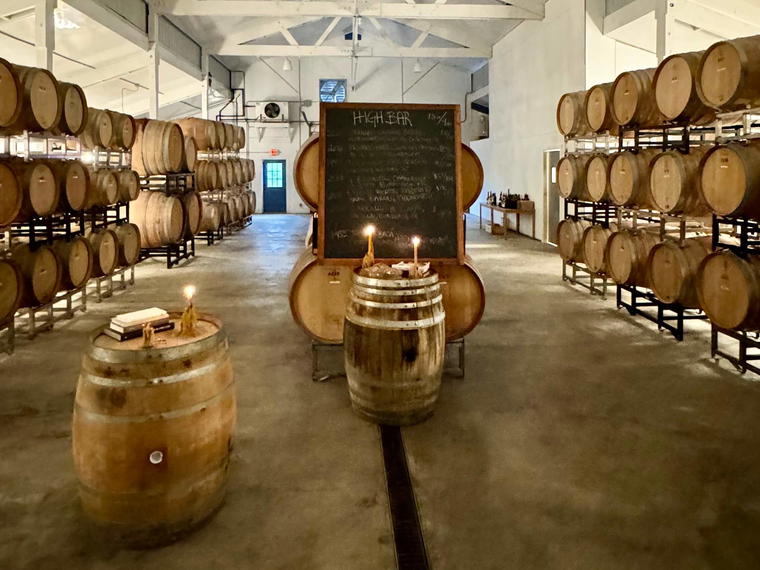
Amity, United States
Antica Terra is a Willamette Valley winery operating from Amity, Oregon, with a first vintage dating to 1989 and winemaker Maggie Harrison at the helm. The property sits among a small peer group of Oregon producers who trade on allocation-model distribution and minimal-intervention philosophy.
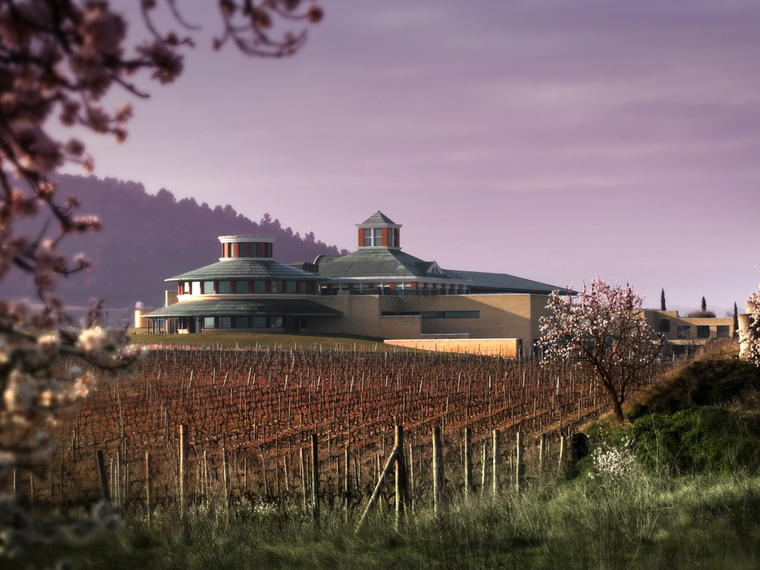
Valle de Mena, Spain
Set against the Cantabrian foothills with views across the surrounding hills and valleys, it represents one of the region's most serious engagements with both viniculture and wine heritage.
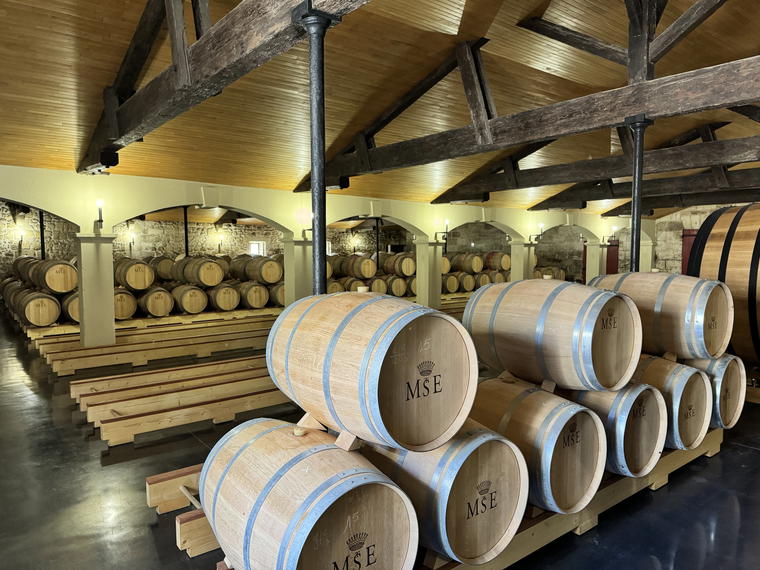
Margaux, France
One of Margaux's oldest continuously operating estates, Chateau Malescot St.
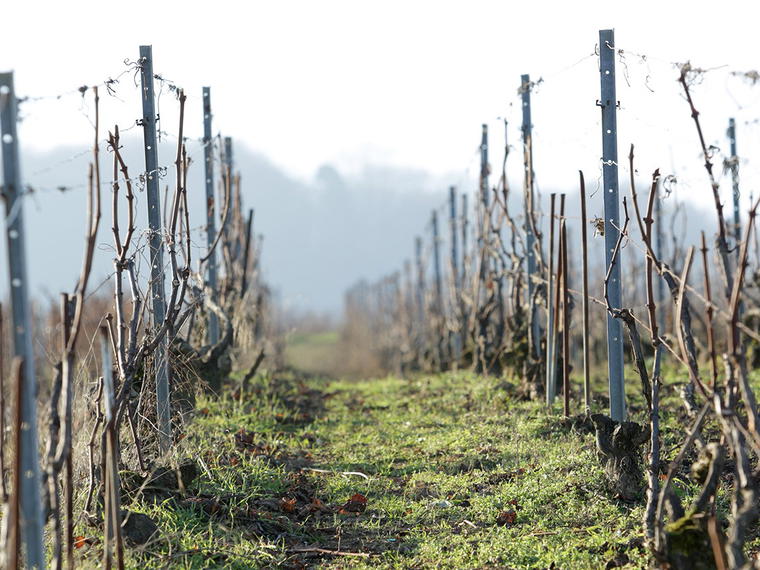
Avize, France
Agrapart & Fils works roughly seven hectares of grand cru Chardonnay in Avize, one of the Côte des Blancs villages that defines the intellectual edge of grower Champagne.
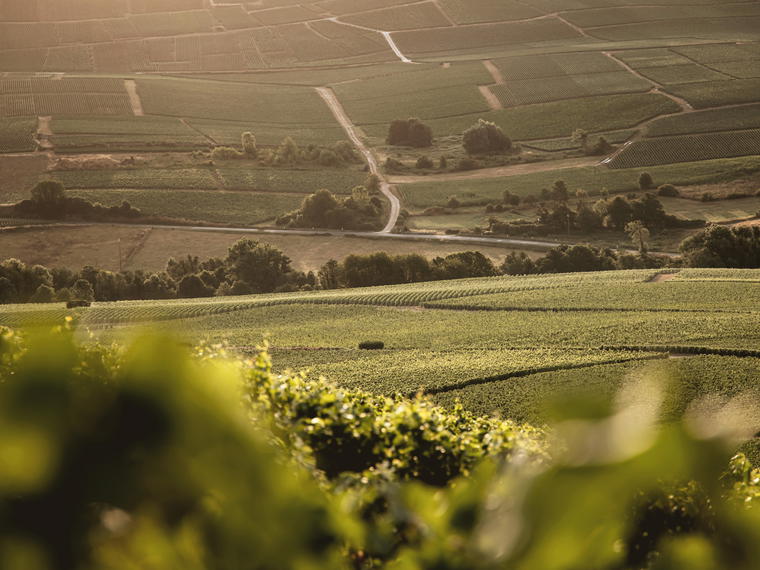
Ludes, France
Bérêche et Fils is a grower Champagne estate at Le Craon de Ludes, led by brothers Raphaël and Vincent Bérêche. Its range includes Brut Réserve, Le Cran and Les Beaux Regards, wines that give different views of the family’s vineyard and cellar work.
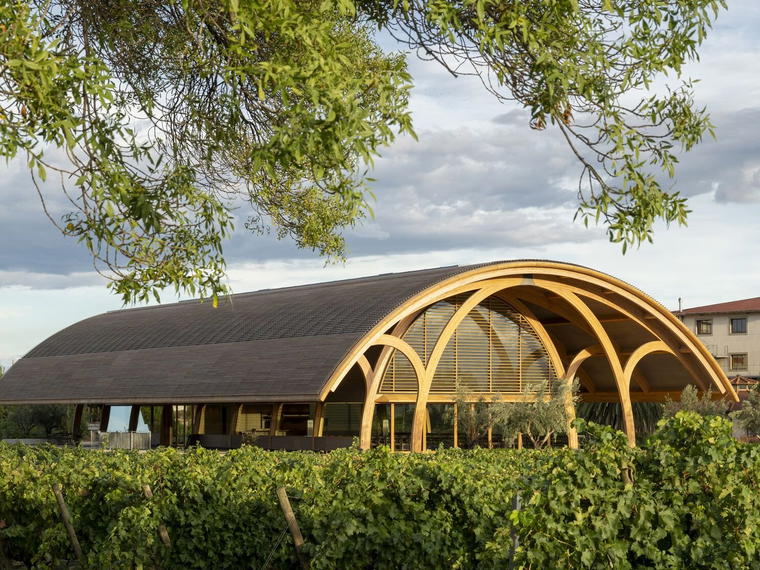
Oyón, Spain
The winery represents a significant scale of production within the Spanish appellation system, with medals across multiple tiers confirming consistent quality from a house with deep roots in the region.
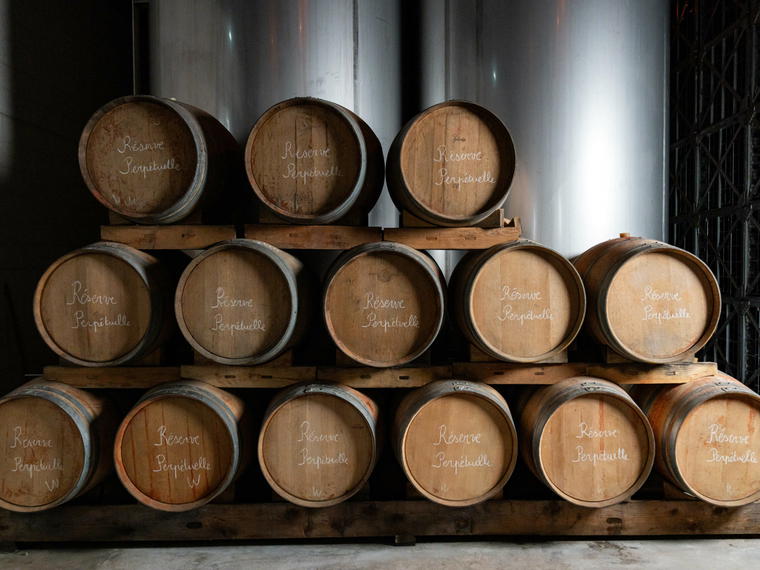
Reims, France
Under winemaker Alice Paillard, the house pursues low-dosage, terroir-driven Champagne from a range built on transparency and traceability — each bottle carries its disgorgement date, a rarity in the category.
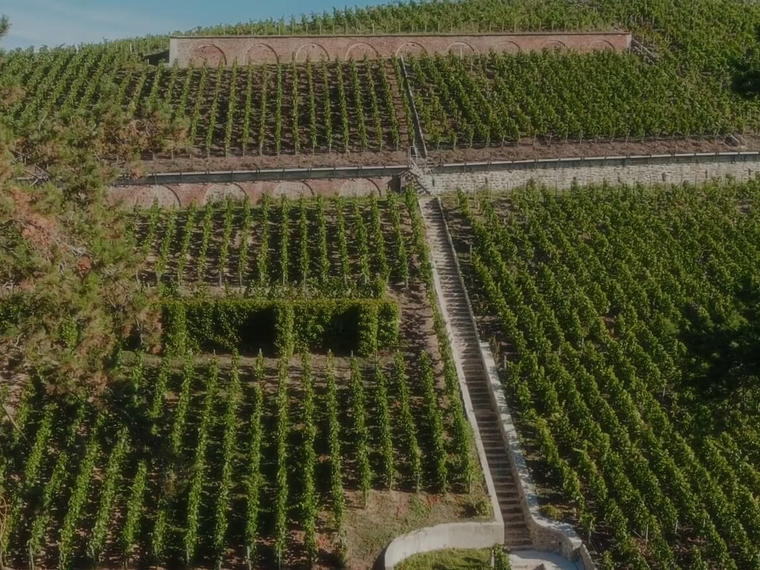
Aÿ-Champagne, France
Philipponnat's visitor house is in Mareuil-sur-Ay. Its range spans Royale Réserve, signature Blanc de Noirs and single-vineyard Clos des Goisses; appointment-only experiences pair cellar visits with cuvée tastings.
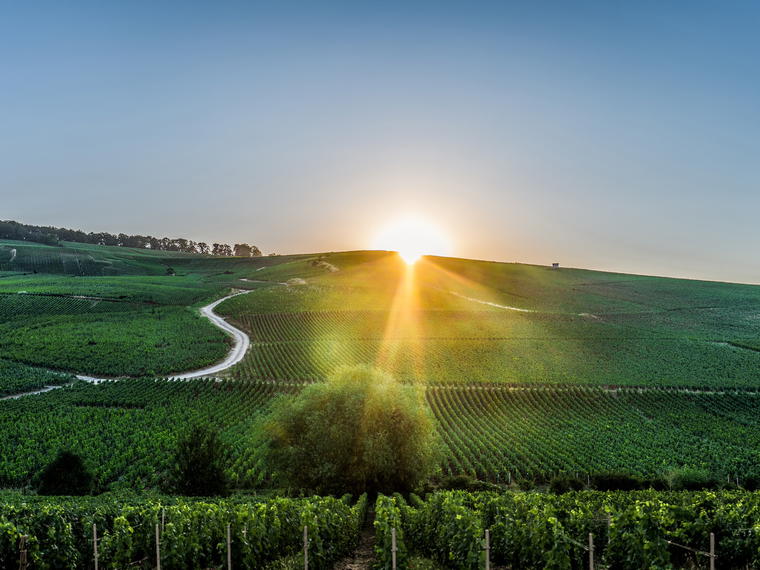
Reims, France
One of Champagne's most storied houses, Charles Heidsieck has produced wine since 1851 from its base at 12 Allée du Vignoble in Reims. Under Chef de Cave Cyril Brun, the house occupies a restrained, cellar-driven position in the prestige tier. The cellars, carved from Gallo-Roman chalk crayères beneath the city, are among the more historically significant in the region.
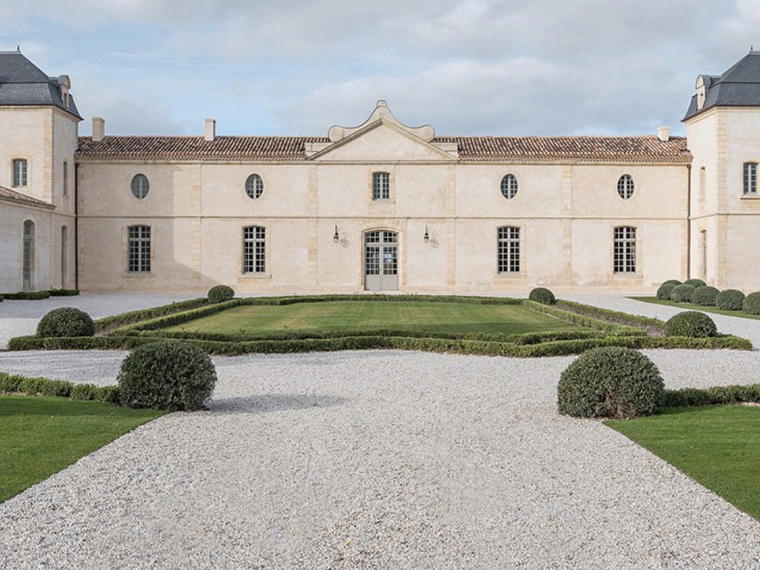
Saint-Estèphe, France
Château Calon Ségur has produced wine in Saint-Estèphe since 1779, placing it among the oldest continuously active estates in the Médoc.
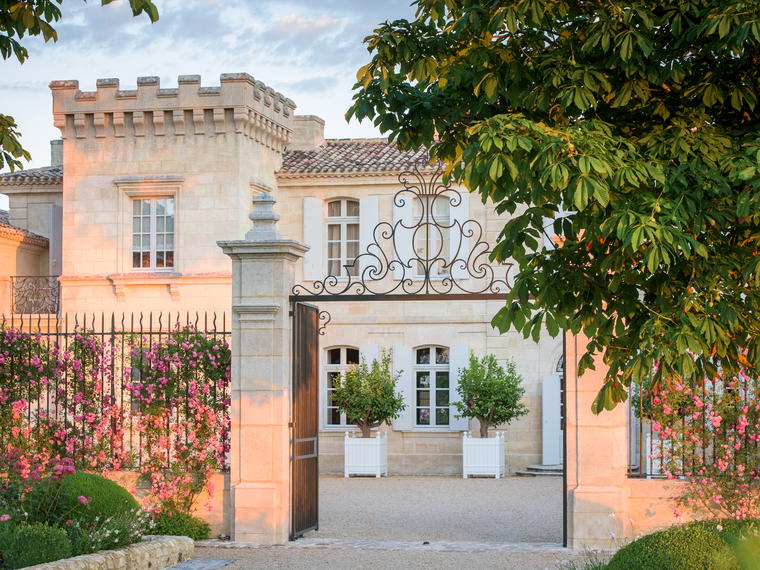
Saint-Émilion, France
One of Saint-Émilion's oldest continuously producing estates, Château Canon has operated from its limestone plateau position since 1770. The estate's approach to the plateau's clay-limestone soils anchors it in the regenerative viticulture conversation that is reshaping the appellation's upper tier.
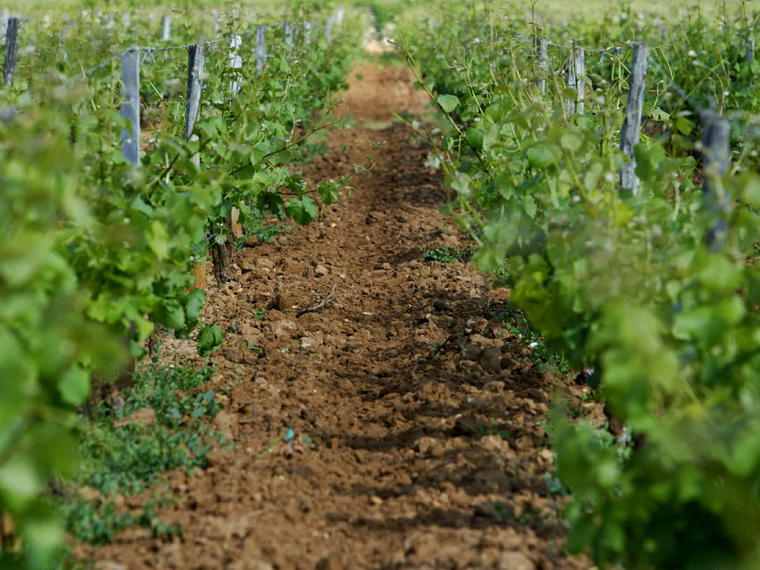
Barsac, France
Château Climens is among Barsac's most closely watched addresses for Sémillon-based sweet wine. The estate sits within the Barsac appellation, where the combination of red fissured clay over limestone bedrock and proximity to the Ciron river drives the botrytis conditions that define the region's character. For collectors and serious sweet wine drinkers, it occupies a distinct tier in the Bordeaux dessert wine hierarchy.
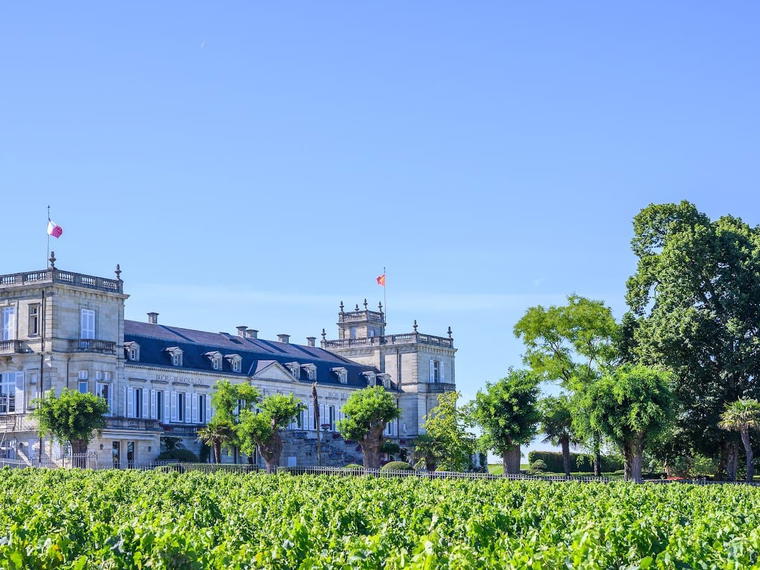
Pauillac, France
Well-known 'beautiful stones' terroir defines Château Ducru-Beaucaillou's 75-hectare Saint-Julien estate, where Bruno Borie crafts investment-grade Bordeaux from century-old vines, creating wines of unusual elegance that collectors worldwide consider essential.
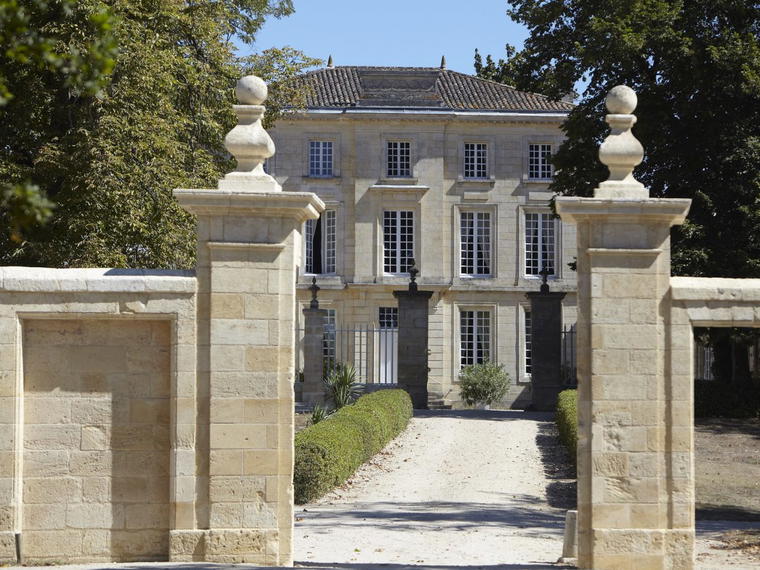
Saint-Émilion, France
One of Saint-Émilion's oldest documented estates, Château Figeac holds a first vintage dating to 1776 and sits on a gravel plateau at the western edge of the appellation, placing it in a distinct terroir tier from the limestone-dominant Right Bank norm. Guided by winemaker Frédéric Faye and.
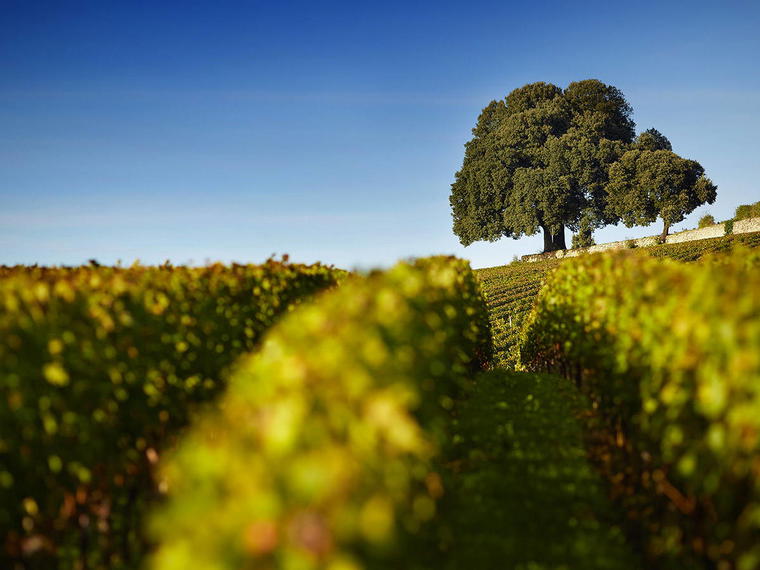
Saint-Émilion, France
The estate occupies one of the appellation's most geologically complex sites, where clay, limestone, and sandy soils converge across a single slope. For serious collectors, it sits at the upper tier of Right Bank Bordeaux.
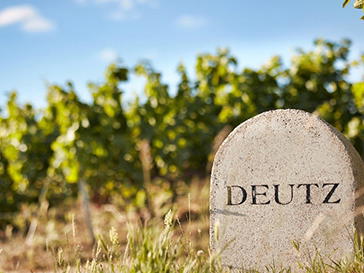
Aÿ, France
Deutz is one of the grand Champagne houses based in Aÿ, under the direction of winemaker Michel Davesne and. The house operates from 16 Rue Jeanson in the heart of Aÿ-Champagne, a village whose grand cru vineyards underpin some of the region's most structured and age-worthy wines.
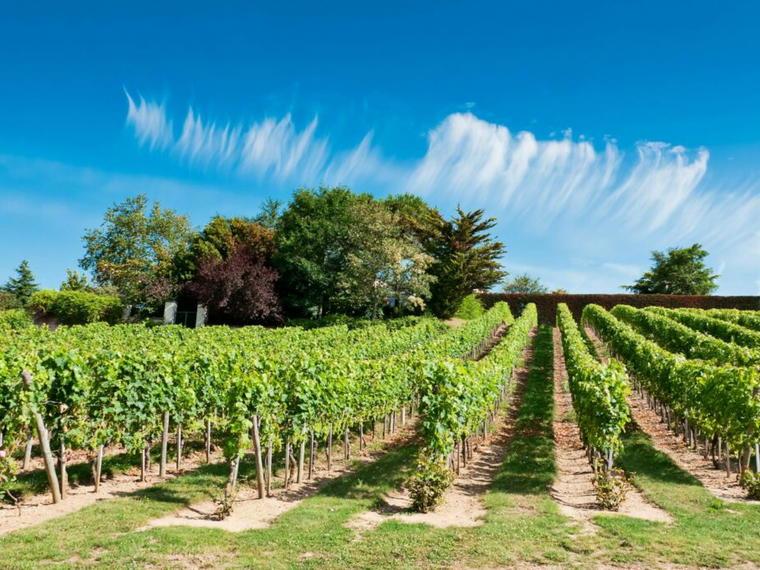
Saint-Andelain, France
In the Loire's Pouilly-Fumé appellation, Didier Dagueneau represents the clearest argument for Sauvignon Blanc as a fine wine grape capable of genuine complexity and age..
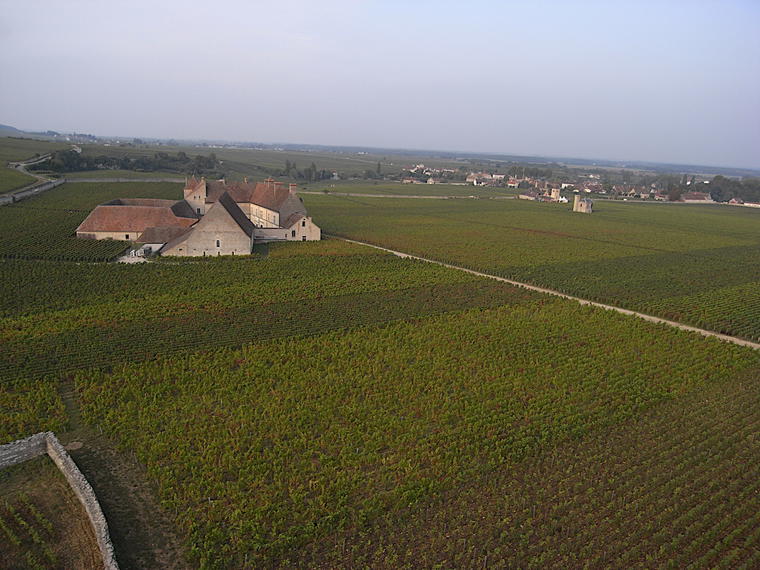
Vosne-Romanée, France
Domaine Anne Gros has operated from its address at 11 Rue des Communes in Vosne-Romanée since Anne Gros took charge of the estate in 1988, building a reputation in the village's demanding upper tier. Its wines are read as precise expressions of Côte de Nuits terroir rather than winemaker intervention.
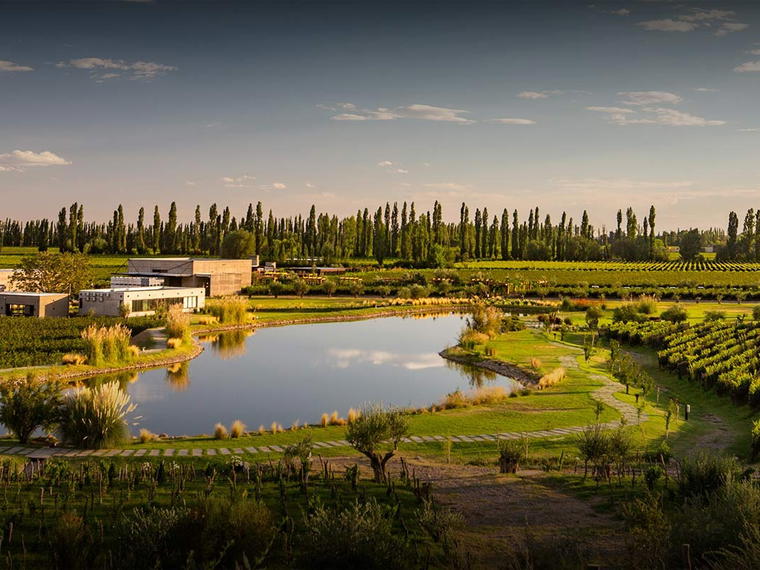
Luján de Cuyo, Argentina
Durigutti Winemakers operates out of Las Compuertas, one of Luján de Cuyo's most closely watched sub-zones, where high-altitude growing conditions and old-vine material define the region's premium identity. For visitors interested in where Argentine fine wine is heading, this address is worth tracking.
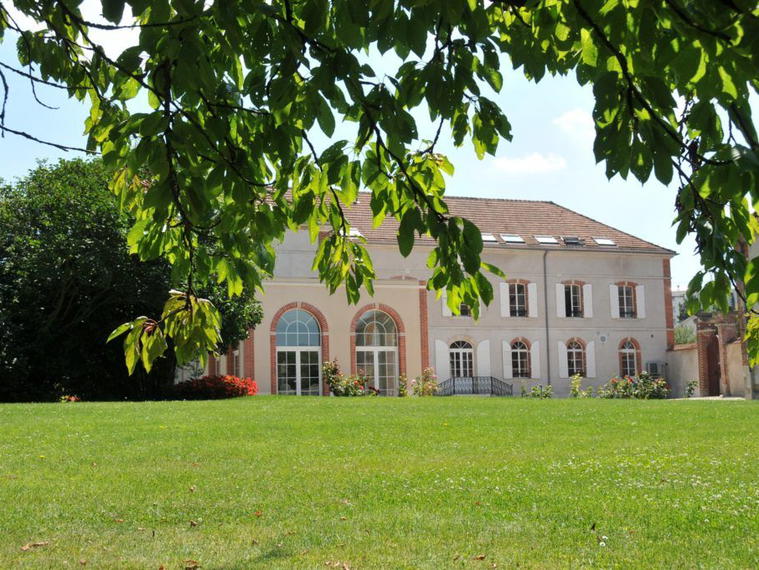
Épernay, France
Gosset, operating from Épernay since its founding year of 1584, holds the distinction of being among Champagne's oldest continuously operating houses. Winemaker Odilon de Varine leads a production philosophy oriented toward depth and maturation.
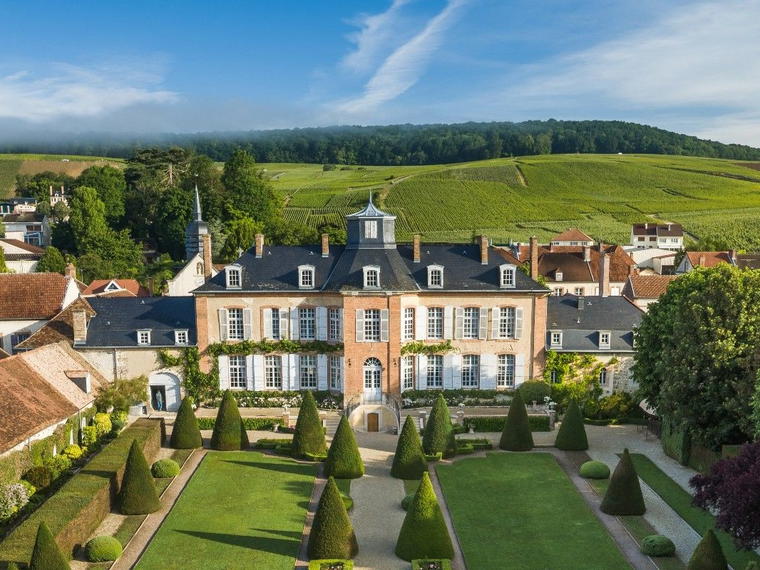
Reims, France
Founded by Apolline Henriot in 1808, Henriot is a Reims Champagne house with deep ties to the Côte des Blancs. Alice Tétienne leads its cellar; the house became part of Terroirs & Vignerons de Champagne in 2023.
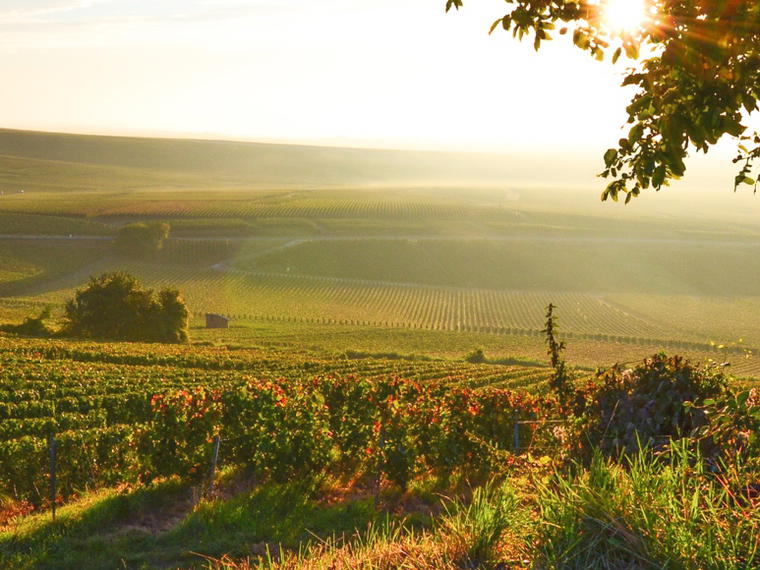
Vertus, France
In Vertus, Larmandier-Bernier makes Chardonnay-led Champagnes from biodynamically farmed, organically certified vineyards. Latitude, Longitude and Terre de Vertus show distinct facets of the estate's work; visits require an appointment.
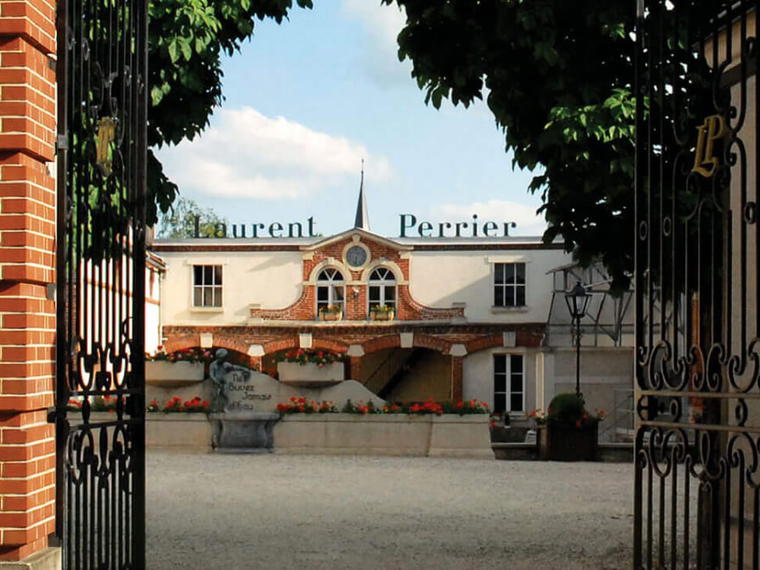
Tours-sur-Marne, France
Laurent-Perrier began in Tours-sur-Marne in 1812. Its range includes La Cuvée, Cuvée Rosé, Grand Siècle and a 100% Chardonnay Blanc de Blancs Brut Nature.
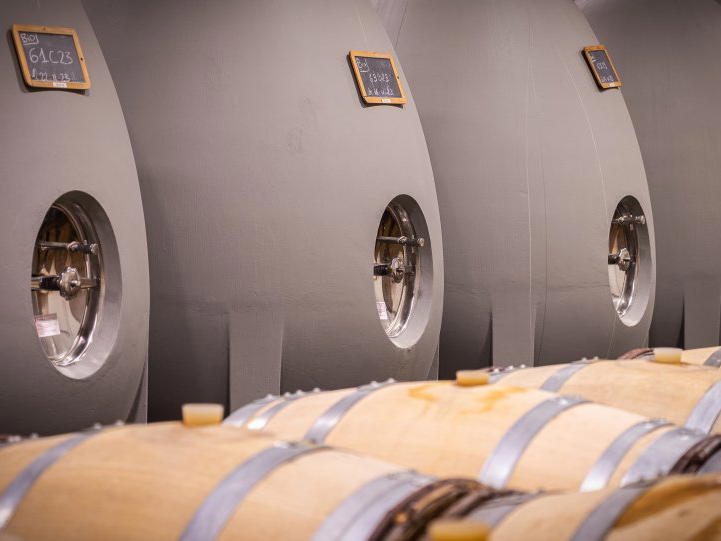
Tain-l'Hermitage, France
One of the Northern Rhône's most historically rooted négociants, Paul Jaboulet Aîné has operated out of Tain-l'Hermitage since 1834. Visiting puts you at the centre of one of France's most concentrated fine wine appellations.
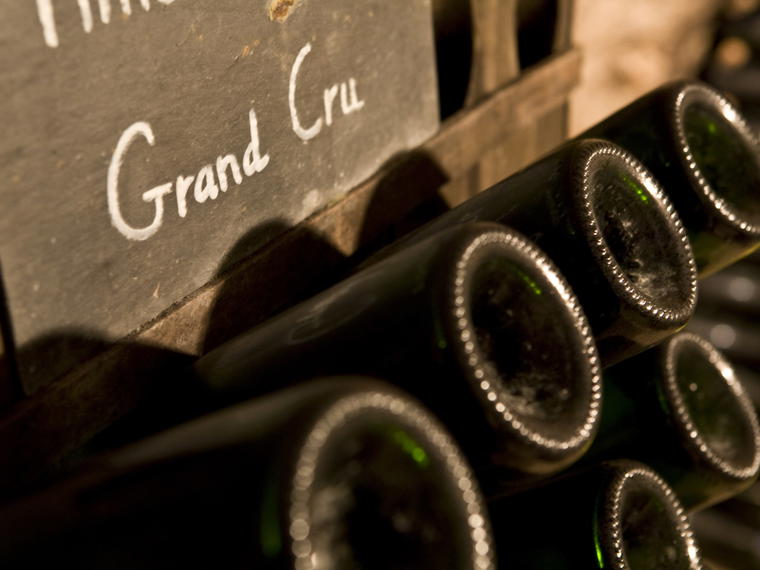
Le Mesnil-sur-Oger, France
Rodolphe Péters leads his family’s Champagne estate in Le Mesnil-sur-Oger. Cuvée de Réserve blends Chardonnay from several Côte des Blancs grand cru villages, while vintage Les Chétillons comes from three plots in one Le Mesnil lieu-dit.
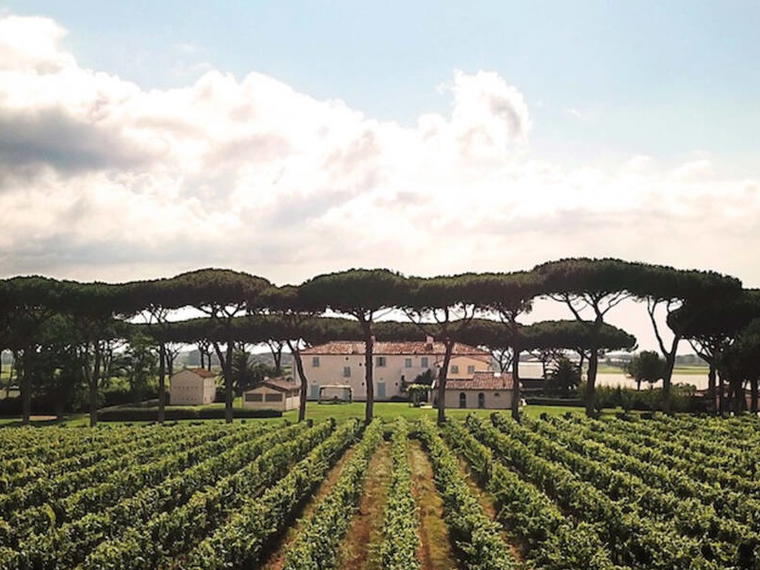
Bolgheri, Italy
Tenuta Guado al Tasso is Antinori's flagship Bolgheri estate, responsible for one of the Tuscan coast's most closely followed Cabernet-led blends since its first vintage in 1990.
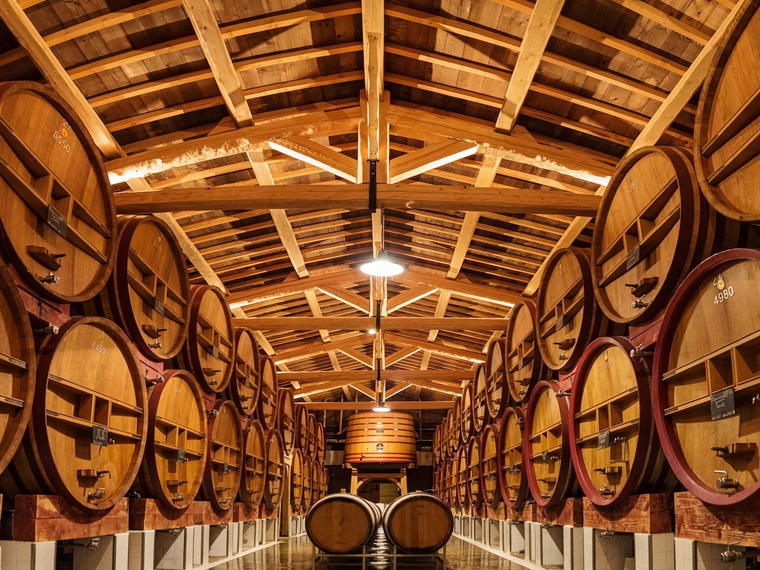
Flayosc, France
Operating from within the Château de Berne estate in Flayosc, Château de Beaucastel holds a first vintage dating to 1779, placing it among the older continuous wine-producing addresses in Provence.
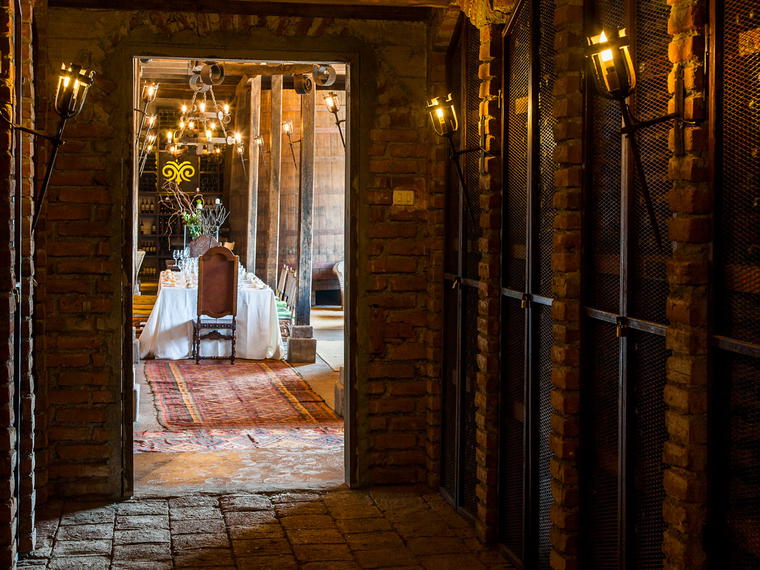
Santa Cruz, Chile
Viña Viu Manent sits at kilometre 37 of the Ruta del Vino in Chile's Colchagua Valley. The estate's antique horse-drawn carriage tour across old-vine plots is the clearest expression of what distinguishes Colchagua's heritage wineries from their more industrial neighbours. Peer comparisons run to Clos Apalta and Viña Montes within the same valley corridor.
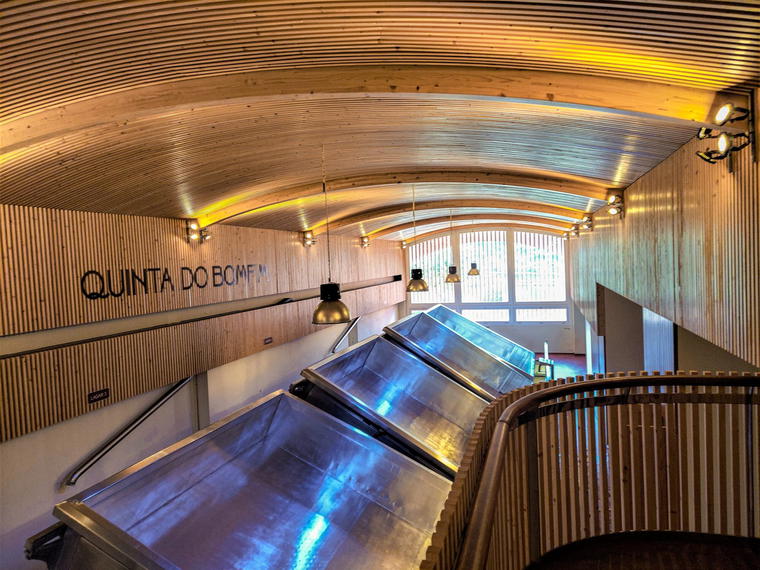
Pinhão, Portugal
Quinta do Bomfim is a five-generation Symington family estate in Pinhão. Positioned above the Douro River, the quinta's pergola terrace defines one of the valley's most considered tasting experiences, where the view and the wine are calibrated to arrive together.
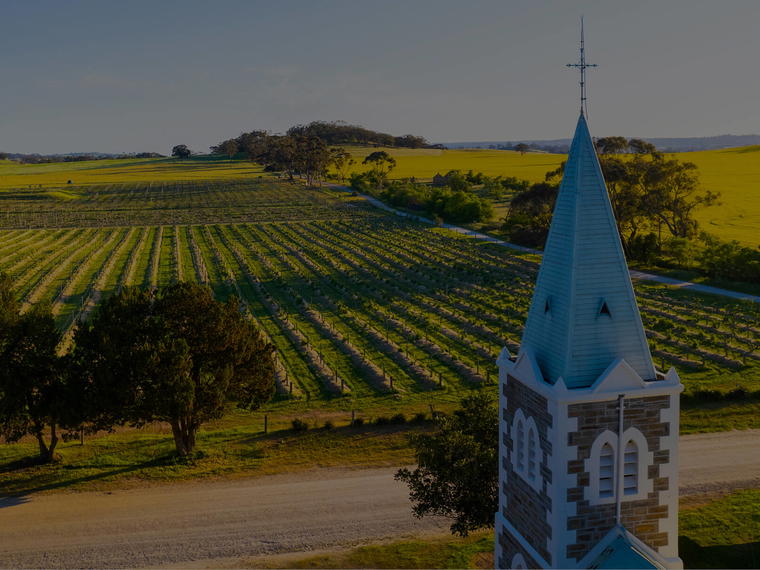
Keyneton, Australia
Henschke in Keyneton sits at the centre of South Australian wine history, with the Hill of Grace vineyard producing some of the country's most scrutinised Shiraz from vines planted in the 1860s.
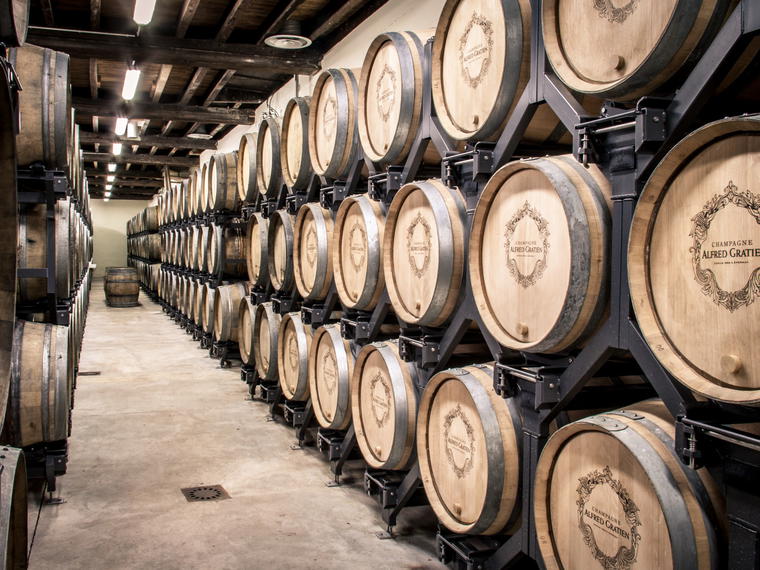
Épernay, France
One of Champagne's oldest continuously operating houses, Alfred Gratien has produced méthode traditionnelle wines from Épernay since 1864. For those seeking Champagne built on craft discipline rather than volume, Alfred Gratien represents a considered alternative to the grandes marques.
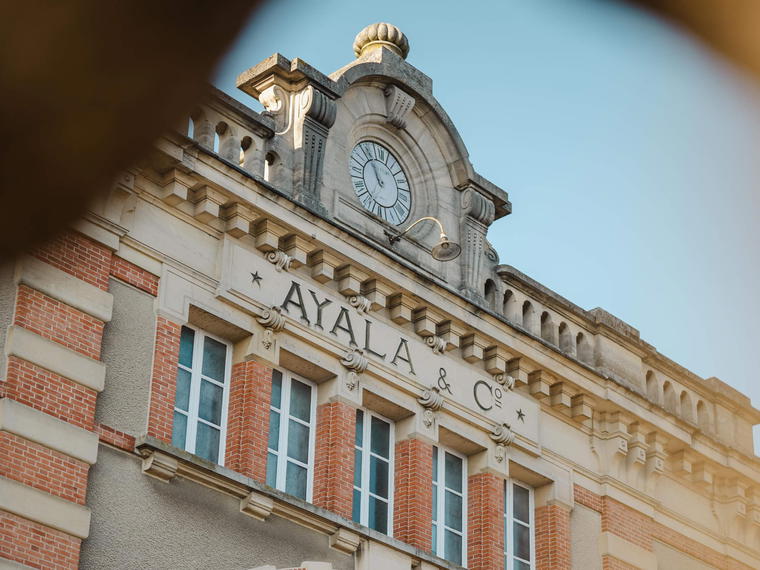
Aÿ, France
Under winemaker Caroline Latrive, the house draws directly on the Marne Valley's Pinot Noir-dominant terroir to produce wines that sit at the restrained, precision end of the regional spectrum. It belongs to a small cohort of Aÿ-based producers where address is itself a statement of intent.
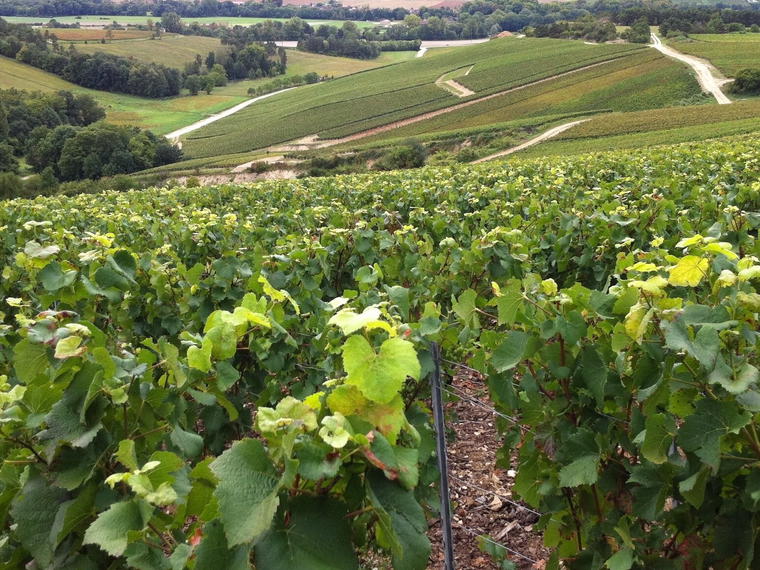
Celles-sur-Ource, France
Cédric Bouchard is one of Champagne's most closely watched grower-producers, working from Celles-sur-Ource in the Côte des Bar with a first vintage dating to 2000. His approach centres on single-vineyard, single-variety parcels that allow the chalky-clay soils of the southern Aube to express themselves without interference.
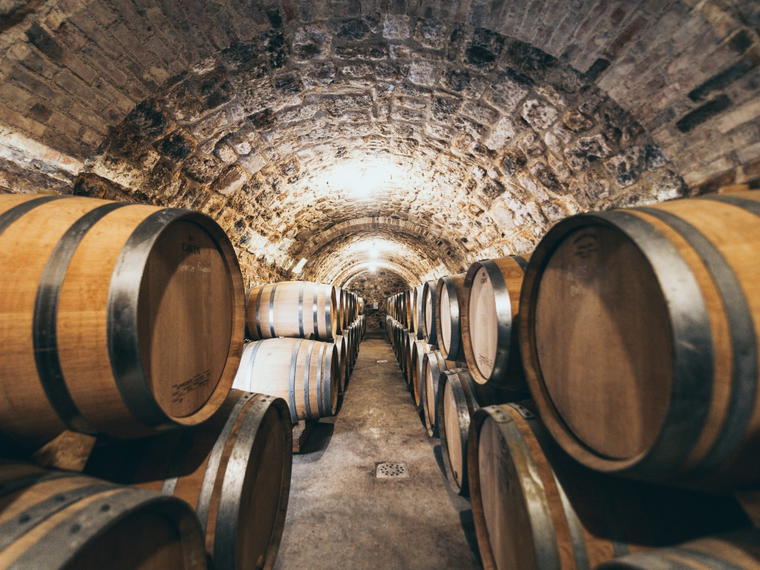
Merfy, France
Chartogne-Taillet in Merfy makes Sainte-Anne, a blend of village plots and harvest years, and Le Rosé, made from Pinot Noir and Chardonnay. Alexandre Chartogne also bottles parcel wines such as Orizeaux and Les Barres.
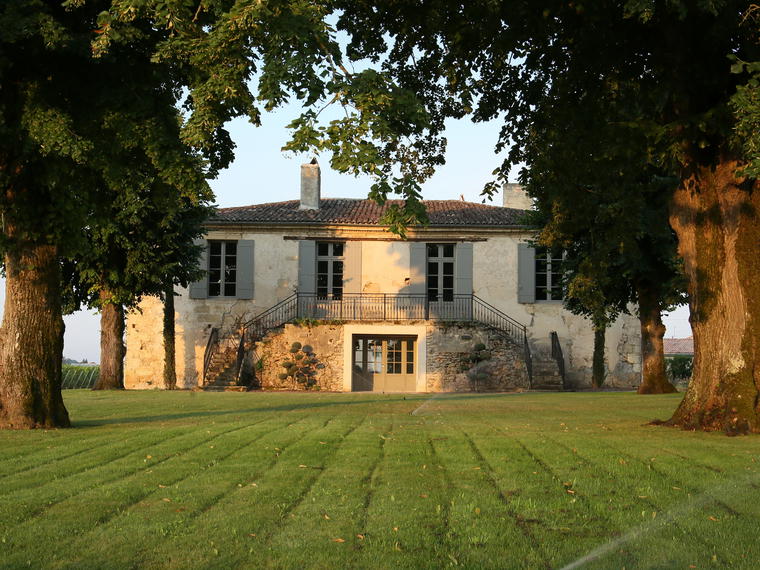
Barsac, France
The estate sits within Sauternes' secondary commune and produces wines that reflect the Barsac appellation's drier, more mineral expression of botrytised Sémillon.
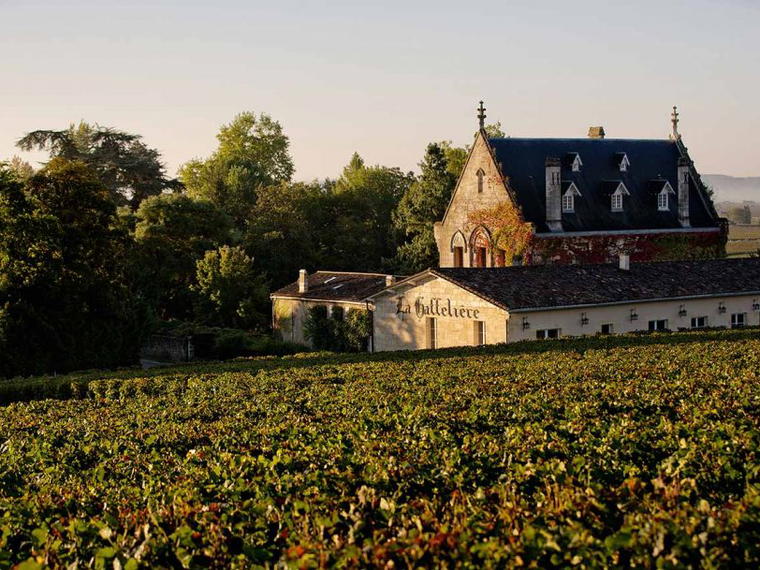
Talence, France
Château La Gaffelière operates from the Talence address shared with La Mission Haut-Brion, a location that places it inside one of Bordeaux's most studied stretches of urban-fringe viticulture. Visitors approaching this address encounter the layered character of left-bank Bordeaux at close range.
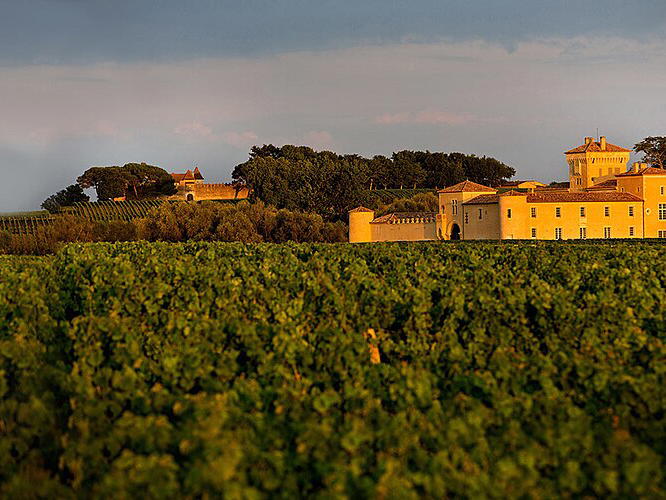
Bommes, France
A Premier Cru Classé estate in Bommes at the heart of Sauternes, Château Lafaurie-Peyraguey has produced botrytised Sémillon-dominant wines since its first recorded vintage in 1824. The estate sits at the dense centre of Bommes' classified growth cluster, alongside neighbours including Clos Haut-Peyraguey and Château Rayne-Vigneau.
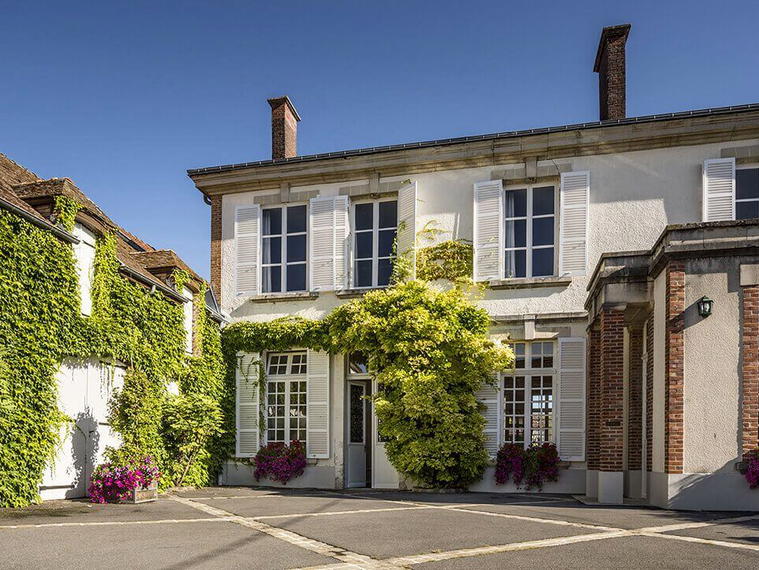
Le Mesnil-sur-Oger, France
François Delamotte founded his Champagne house in Reims in 1760. The house became established in Le Mesnil-sur-Oger in 1927 and now makes a focused range of Brut, Blanc de Blancs, vintage Blanc de Blancs and Rosé. Chardonnay from the Côte des Blancs is central to its identity.
Blancs-Coteaux, France
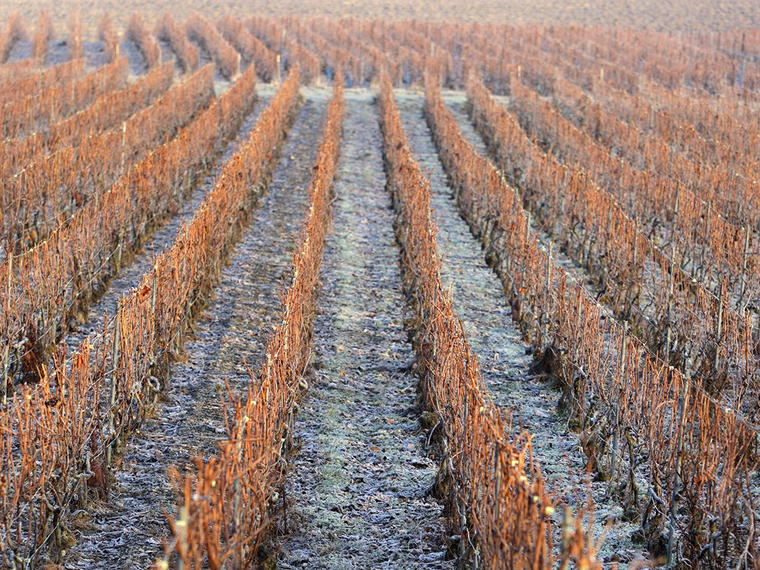
Its 75 plots span several Champagne areas, and the house says 80% of its wines are fermented and aged in wood.
Beaune, France
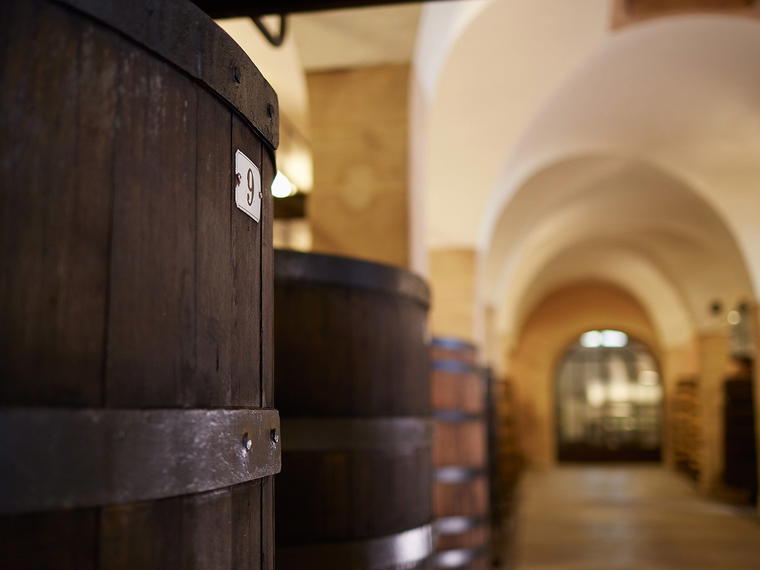
One of Burgundy's most established négociant houses, Maison Louis Latour operates from the heart of Beaune at 18 Rue des Tonneliers, where centuries of Côte d'Or winemaking tradition meet a serious allocation-driven portfolio.
Reims, France
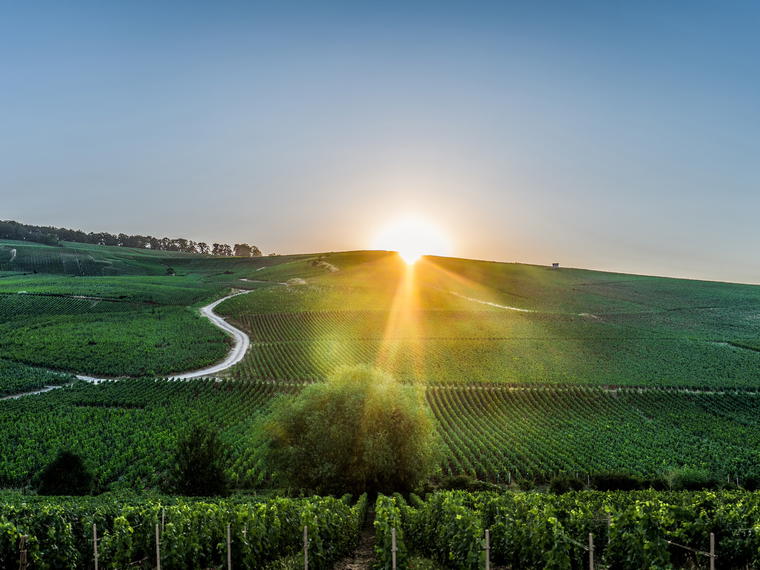
Founded in Reims in 1785, Piper-Heidsieck makes Cuvée Brut, an Essentiel Extra Brut range, and selected vintage Champagnes. Compare the blend and release details before choosing a bottle.
Rilly-la-Montagne, France
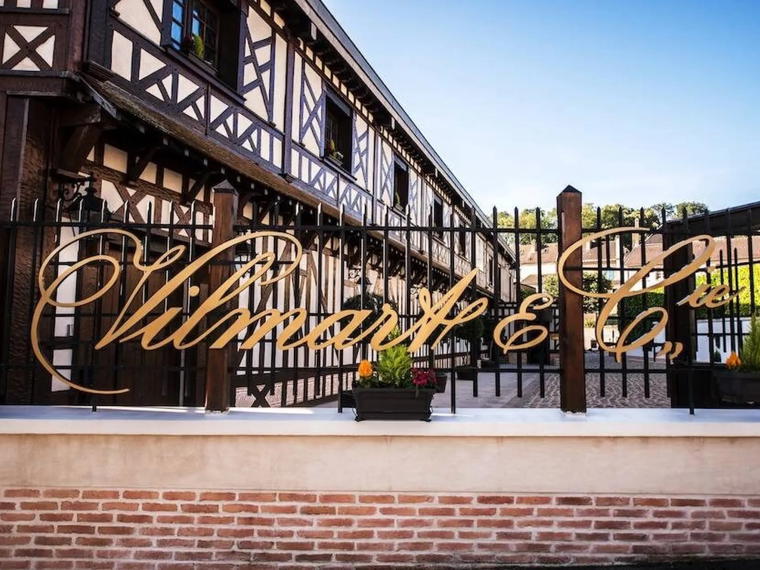
Founded in 1890, Vilmart & Cie farms 11 hectares of Premier Cru vines in Rilly-la-Montagne and Villers-Allerand. The house ferments in wood and offers bookable tastings and cellar experiences.
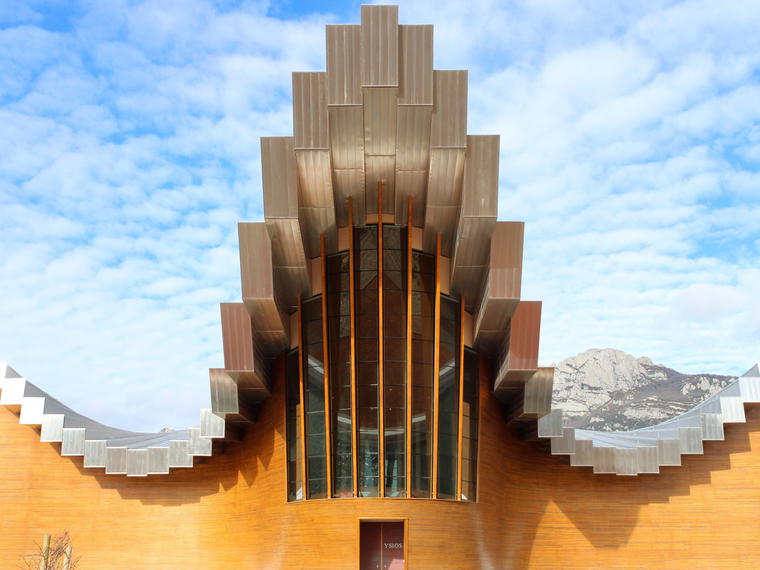
Laguardia, Spain
Bodegas Ysios sits in the Rioja Alavesa appellation outside the medieval walls of Laguardia, where Santiago Calatrava's wave-form architecture has made the winery as recognizable as any bottle it produces. For wine travel in northern Spain, this is a reference point for understanding how Tempranillo translates the Sierra de Cantabria's particular soils and altitude.
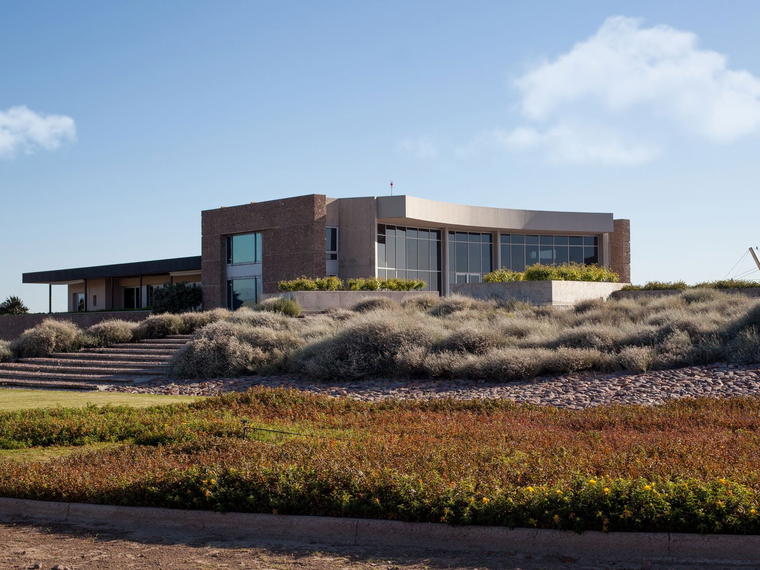
Tunuyán, Argentina
Bodega DiamAndes sits at 1,000 metres above sea level in the Uco Valley foothills, part of the Bordeaux-backed Clos de los Siete group and owned by the Bonnie family of Château Malartic-Lagravière. The estate spans 130 hectares of Andean-facing vineyard in Vista Flores, Tunuyán.
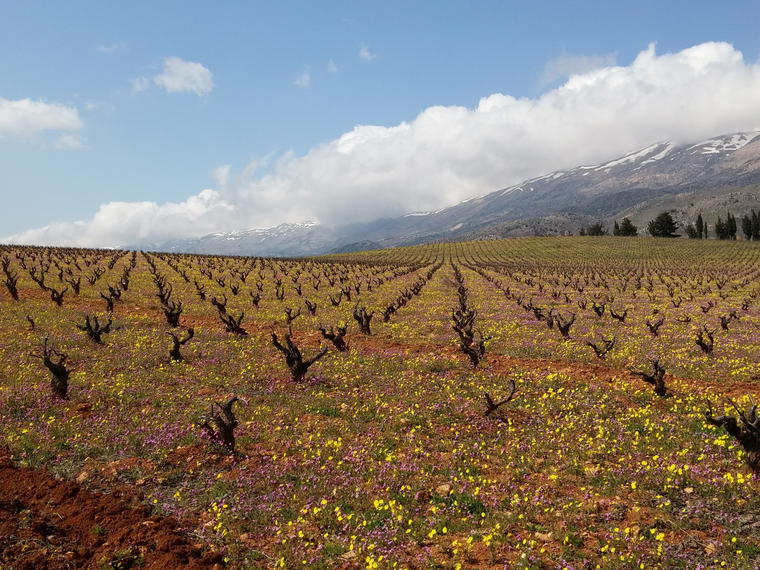
Kafraya, Lebanon
Château Kefraya sits in the Bekaa Valley's western reaches, where altitude and continental exposure shape wines that carry the imprint of Lebanon's most demanding growing terrain. For those exploring the country's serious wine tradition, Kefraya is a logical reference point.
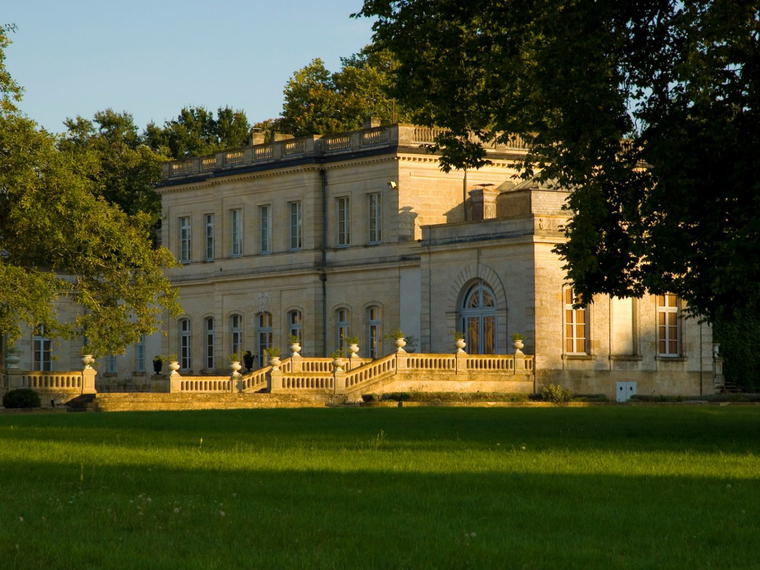
Sauternes, France
One of Sauternes' oldest estates, Château Filhot has been producing botrytis-affected sweet whites since 1779 under the stewardship of the de Vaucelles family..
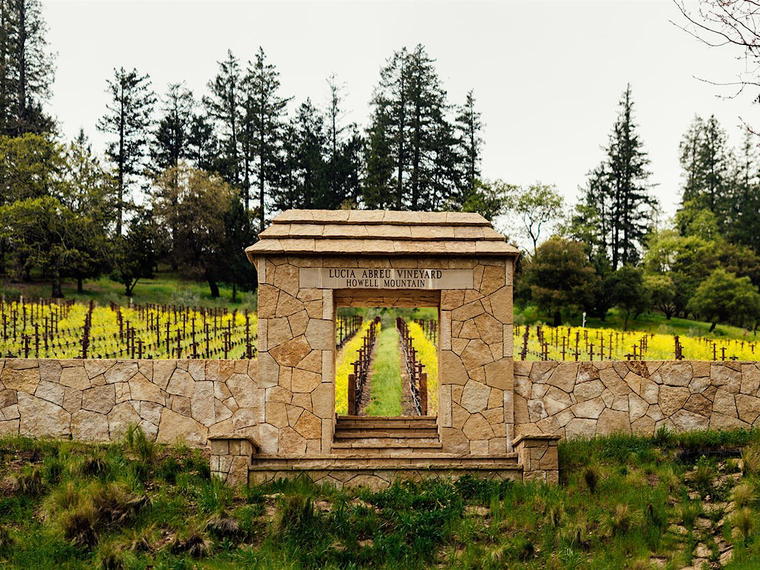
St. Helena, United States
Abreu Vineyards occupies a specific tier in the St. For collectors and serious tasters, it represents one of the more deliberate approaches to Cabernet Franc and Cabernet Sauvignon within the appellation.
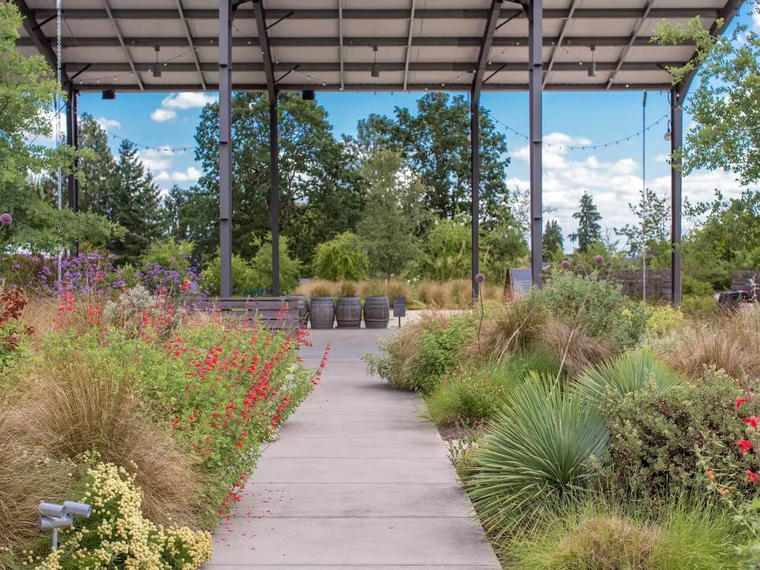
Dundee, United States
Under winemaker Nate Klostermann, the estate holds a consistent place in Oregon's cool-climate conversation. Located on OR-99W in the heart of Dundee, it sits alongside a cluster of producers that have defined the region's identity for decades.
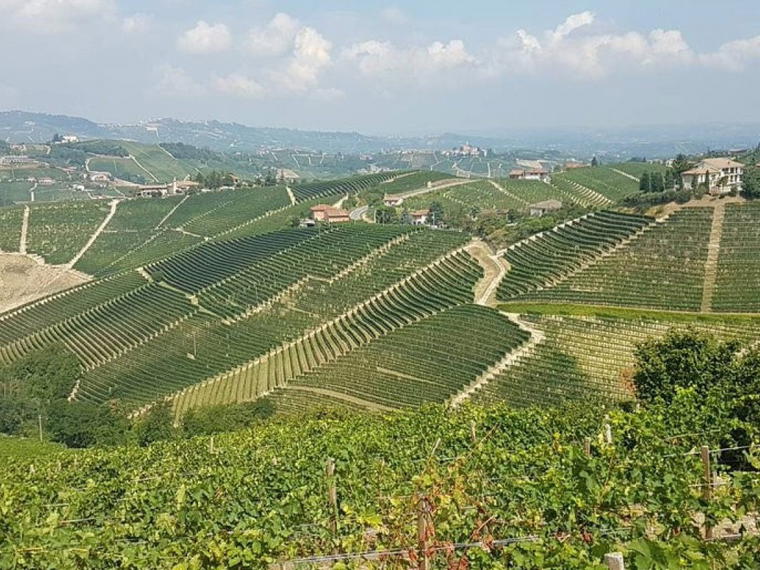
Neive, Italy
Bruno Giacosa in Neive sits among the more closely watched addresses in Piedmont wine. For collectors tracing the arc of Barolo and Barbaresco, this is a foundational reference point.
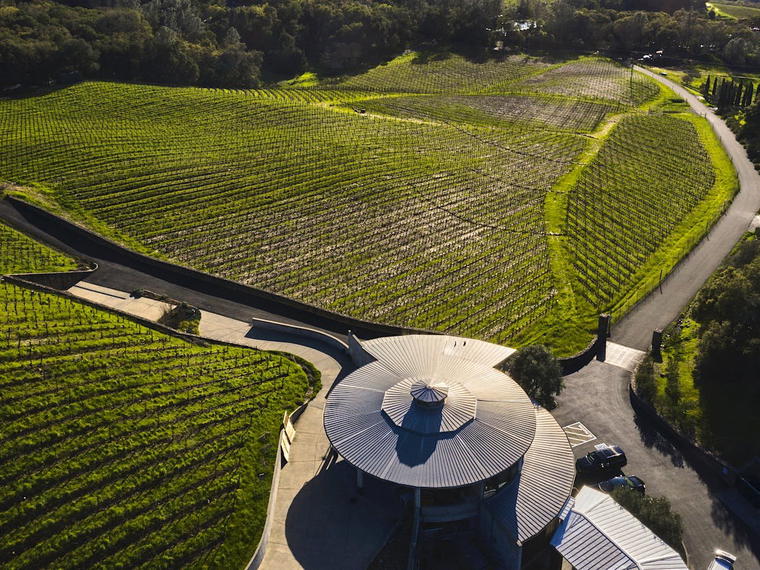
St. Helena, United States
Bryant Family Vineyard operates from Sage Canyon Road in St. Helena, where Howell Mountain's elevation and volcanic soils shape a Cabernet Sauvignon program that has drawn serious collector attention for decades. Visits are by appointment, consistent with the private, production-focused model that defines this tier of the valley.
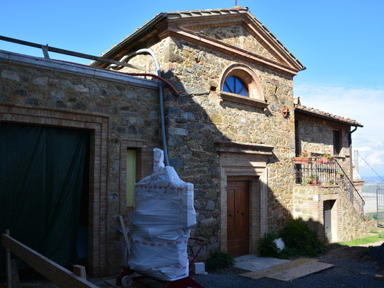
Montalcino, Italy
Cerbaiona is a small Montalcino estate with roots going back to 1981, now stewarded by winemaker Matthew Fioretti and. It sits within the upper tier of artisan Brunello producers, where low yields, traditional winemaking, and a specific hillside position define the wine's character rather than commercial scale.
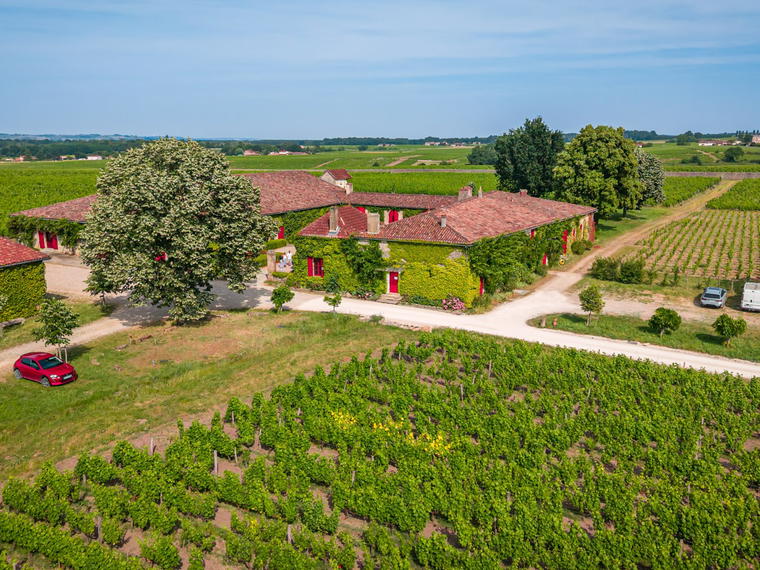
Barsac, France
One of Barsac's most enduring addresses, Château Nairac has produced botrytised Sémillon under the same appellation rules as its Sauternes neighbours since its first recorded vintage in 1879. A visit positions the visitor squarely inside the classical Graves-adjacent sweet wine tradition.
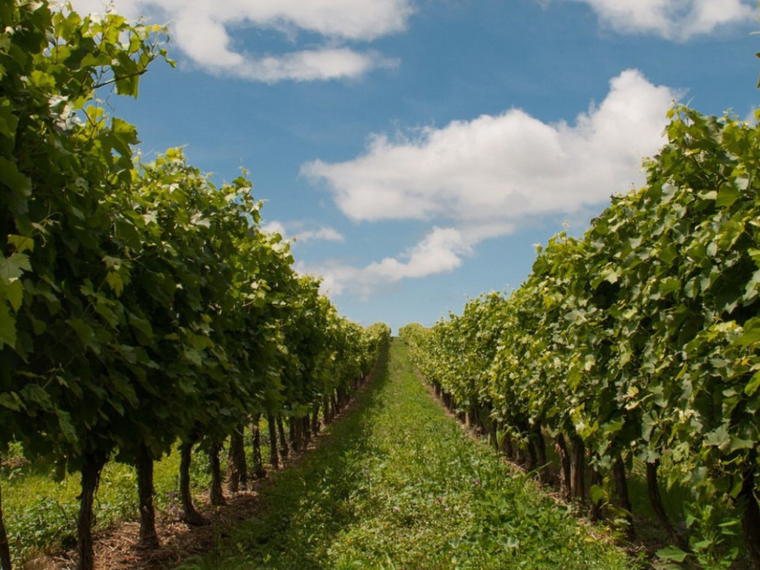
Châteauneuf-du-Pape, France
Clos Des Papes is one of Châteauneuf-du-Pape's most consistently referenced domaines, led by winemaker Paul-Vincent Avril and. Visitors planning a southern Rhône itinerary will find it a logical anchor point for the village.
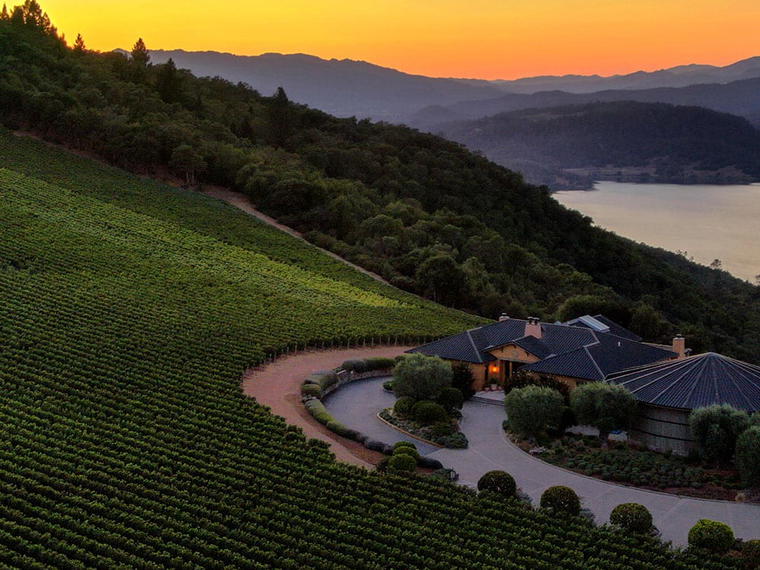
St. Helena, United States
Colgin Cellars has operated from St. Helena since its first vintage in 1992, building a reputation among Napa Valley's allocation-driven collector tier.
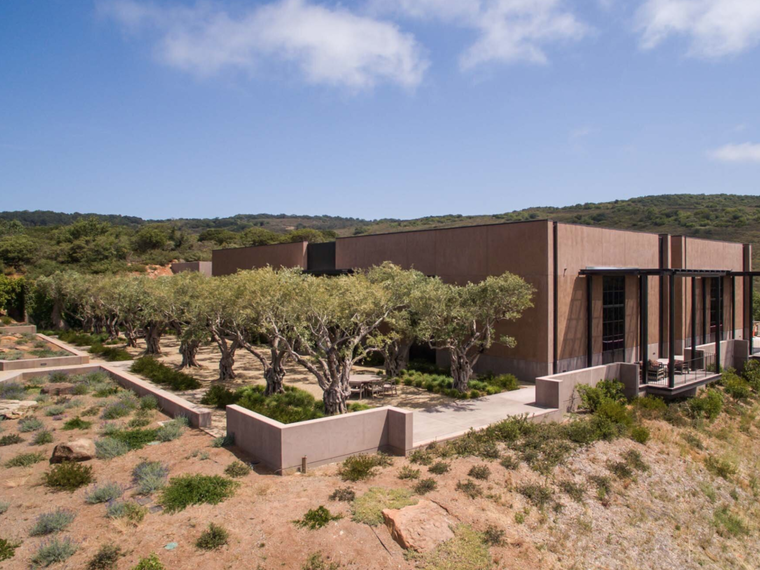
St. Helena, United States
Continuum Estate, positioned along Sage Canyon Road in St. Helena, carries the Mondavi family's post-Robert chapter into Napa's allocation-tier Cabernet conversation.
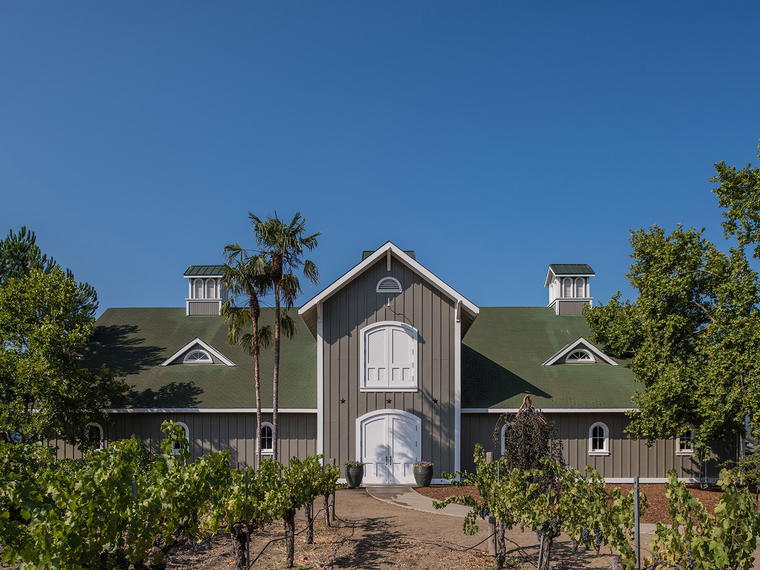
St. Helena, United States
Corison Winery in St. Visitors seeking serious Napa Cabernet in a format shaped by decades of consistent production will find it here.
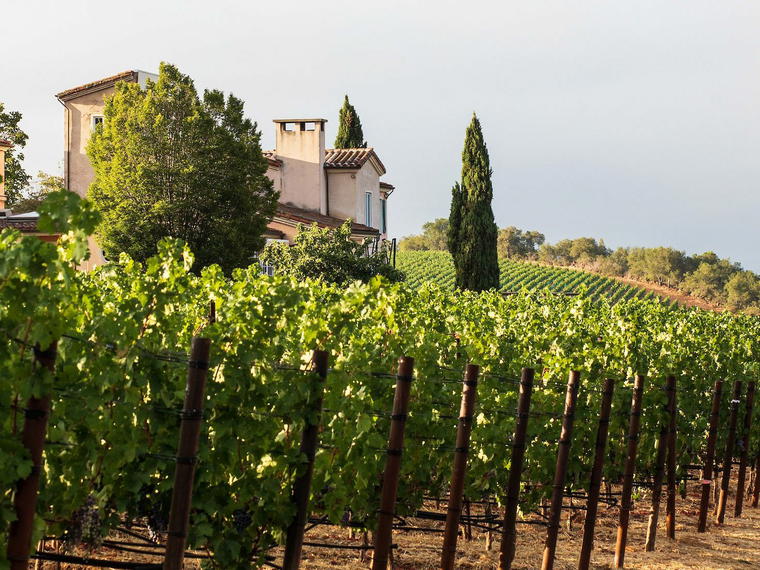
Napa, United States
Dalla Valle Vineyards has operated from Silverado Trail since its first vintage in 1986, placing it among Napa's longer-established estate producers..
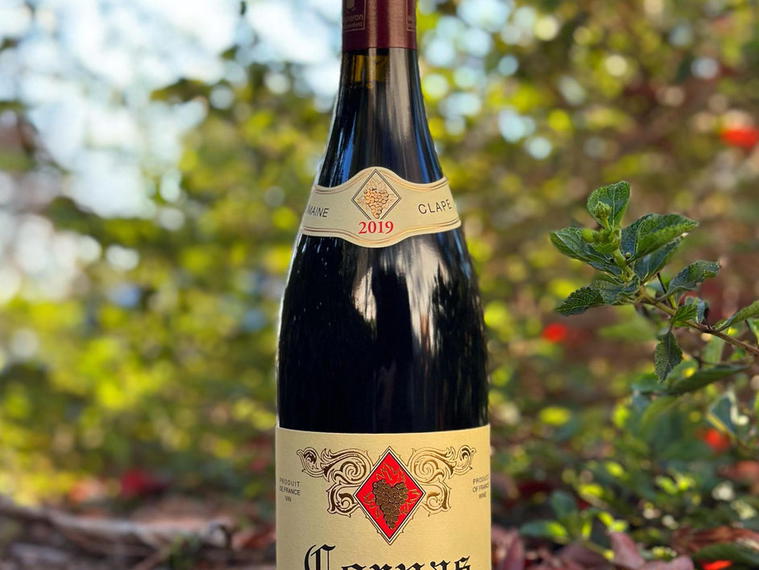
Cornas, France
Domaine Auguste Clape is among the more consequential addresses in Cornas, a small northern Rhône appellation built almost entirely on Syrah.
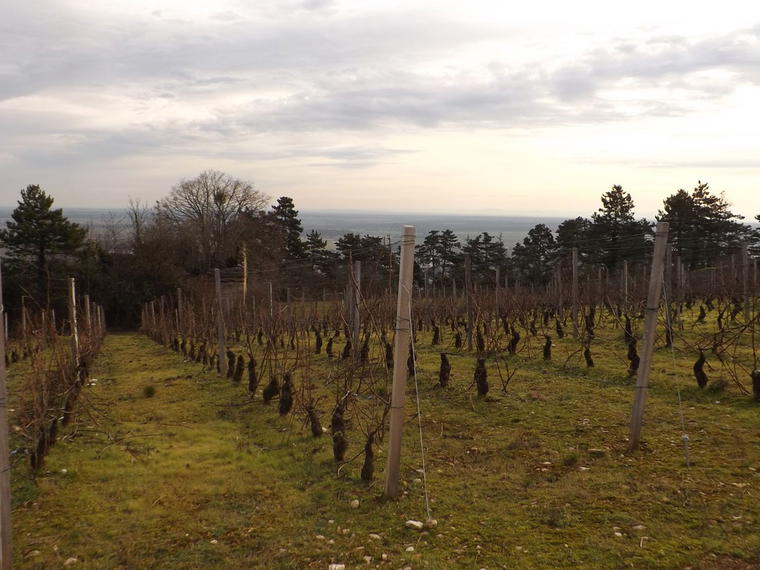
Chablis, France
Winemaker Vincent Dauvissat works a small portfolio of premier and grand cru parcels that have become reference points for what mineral, age-worthy Chablis can achieve. Bottles rarely reach retail and are sought by collectors across Europe and North America.
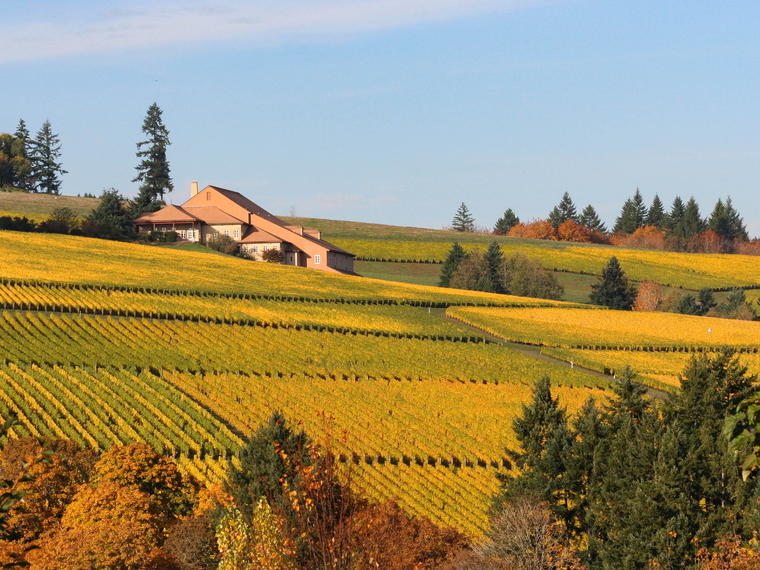
Dayton, United States
Domaine Drouhin occupies a distinct tier in Oregon's Willamette Valley, where Burgundian winemaking tradition and nearly four decades of Pinot Noir and Chardonnay production have shaped its position among the region's most referenced estates. Its first vintage dates to 1988, placing it among the earliest serious Pinot houses in the valley.
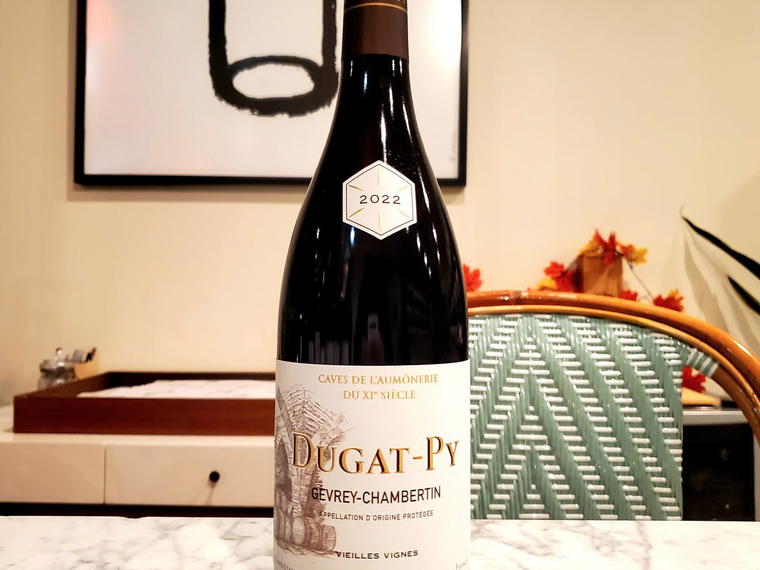
Gevrey-Chambertin, France
The domaine works from the village of Gevrey-Chambertin, where old-vine parcels across premier and grand cru sites define a house style that collectors track closely. Access is limited and demand consistently outpaces supply.
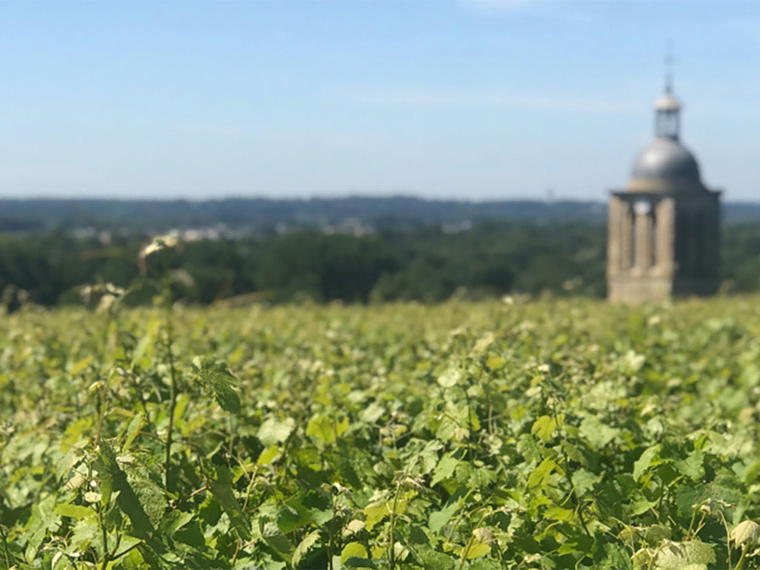
Vouvray, France
Domaine Huet is among the Loire Valley's most consequential addresses for Chenin Blanc, producing Vouvray across the full spectrum of sweetness levels from a trio of distinct vineyards..
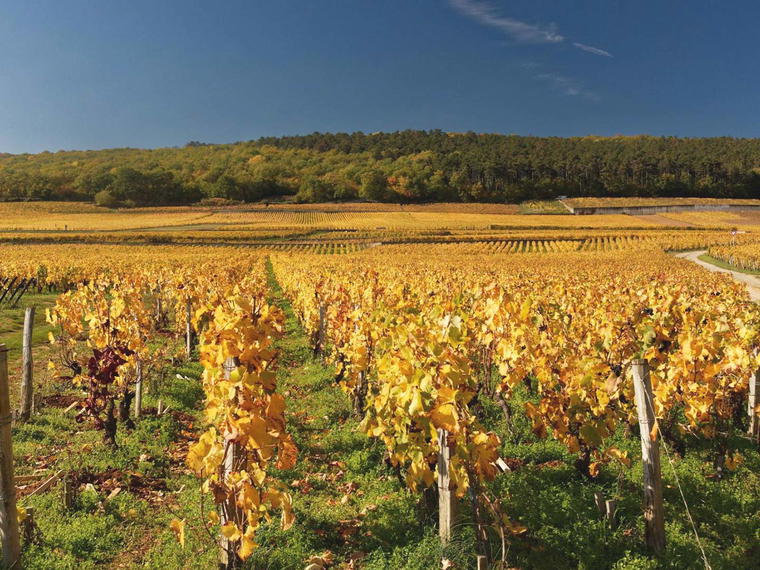
Gevrey-Chambertin, France
Domaine Rossignol-Trapet sits at the heart of Gevrey-Chambertin, where brothers Nicolas and David Rossignol tend some of the Côte de Nuits' most closely watched Grand Cru parcels.
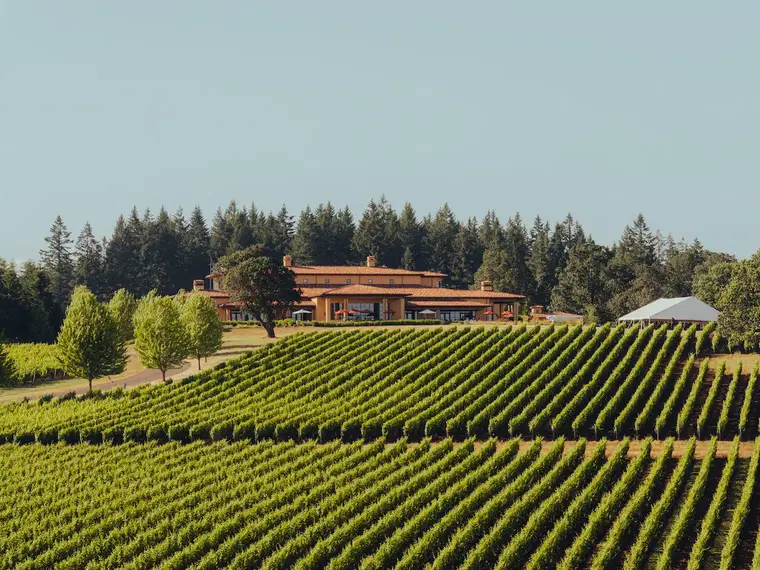
Dayton, United States
Domaine Serene has shaped Oregon's Pinot Noir conversation since its first vintage in 1989, operating from the Willamette Valley's Dundee Hills with a program led by winemakers Michael Fay and Remi Cohen. Visits center on structured tasting experiences set against the estate's hillside vineyards.
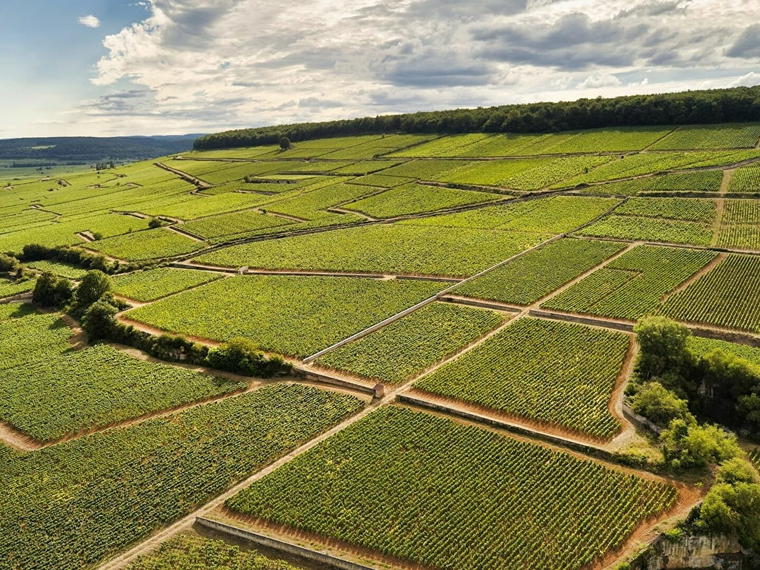
Morey-Saint-Denis, France
Domaine Taupenot-Merme is a family domaine on the Route des Grands Crus in Morey-Saint-Denis, where winemaker Romain Taupenot oversees holdings across some of Burgundy's most demanding appellations.
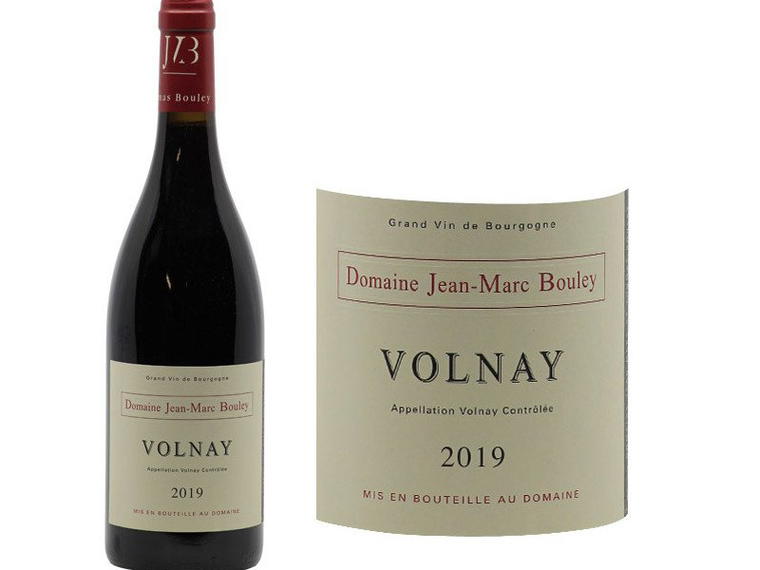
Volnay, France
Domaine Thomas Bouley operates from the village of Volnay, one of the Côte de Beaune communes most associated with Pinot Noir of notable finesse and restraint. The domaine earned inclusion at the La Paulée 2026 event, placing it within the prestige tier of producers selected for that celebrated celebration of Burgundy. Visitors approaching Volnay find a working agricultural village where the cave and vines remain the primary subject.