Domaine Drouhin

Falstaff Winery - Listed
Domaine Drouhin occupies a distinct tier in Oregon's Willamette Valley, where Burgundian winemaking tradition and nearly four decades of Pinot Noir and Chardonnay production have shaped its position among the region's most referenced estates. Its first vintage dates to 1988, placing it among the earliest serious Pinot houses in the valley.

Pearl is the En Primeur Club membership app — saves, bookings, and concierge access live there. Same editors, same standards.
- Address
- 6750 NE Breyman Orchards Rd, Dayton, OR 97114
- Phone
- (503) 864-2700
- Website
- domainedrouhin.com
- Directions
- Get directions
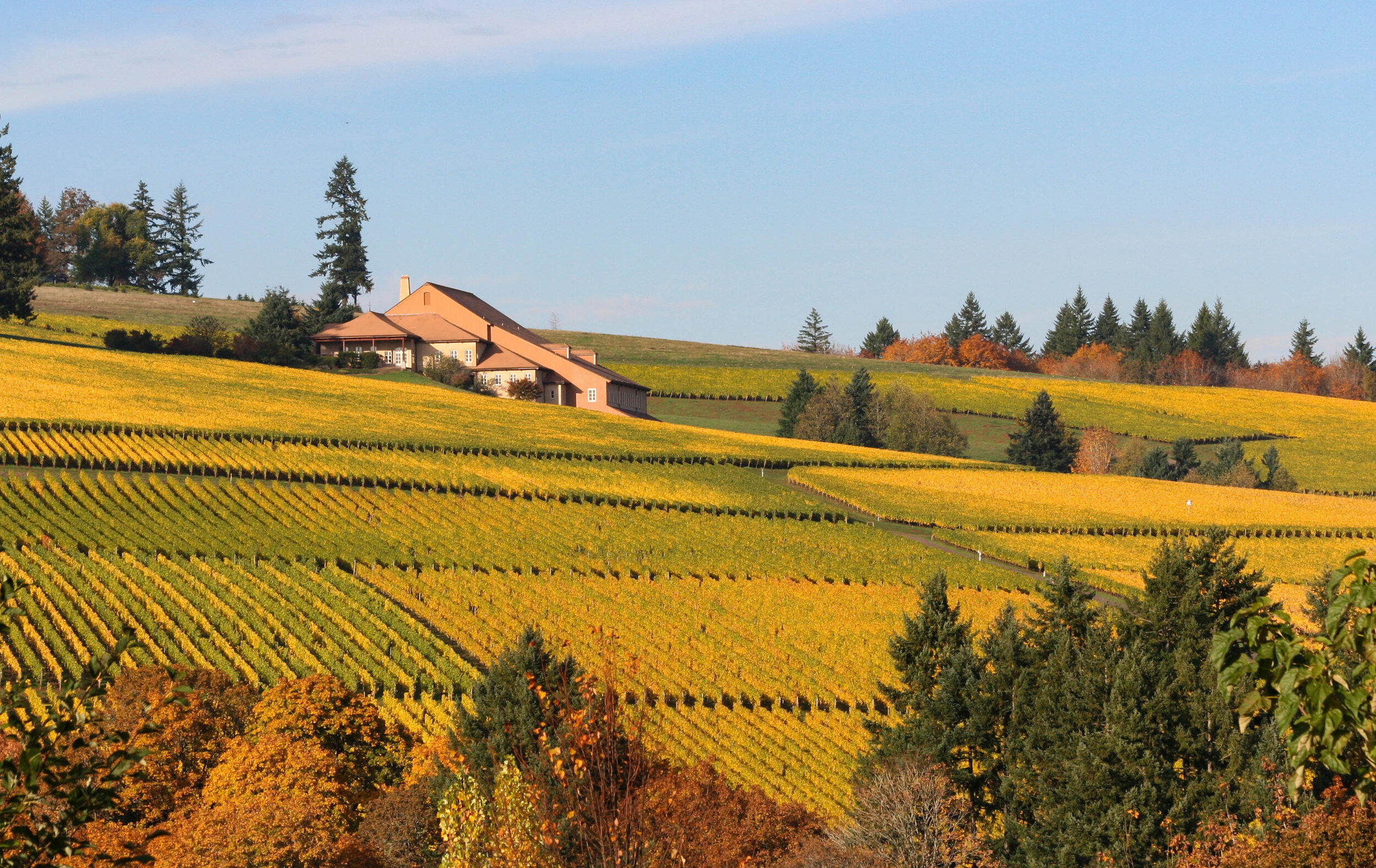
Burgundy Logic in the Willamette Valley
Oregon's wine country does not announce itself loudly. The roads into the Chehalem Mountains and Red Hills of Dundee roll through farmland before the vineyards appear, and the wineries themselves tend toward restraint in architecture as much as in the wines they produce. The property sits on refined ground in the Dundee Hills, where the volcanic Jory soils that define so much of this region's serious Pinot Noir converge with what the domaine brings from the other side of the Atlantic: a Burgundian framework for thinking about terroir, site selection, and cellar work that dates back to the Drouhin family's roots in Beaune.
That Burgundian framework is not metaphorical. When Robert Drouhin identified Oregon as a region worth taking seriously in the 1980s, the winemaking logic he imported was operational, not decorative. The domaine's first vintage came in 1988, making it one of the earlier entrants in what would become a serious generation of Oregon Pinot houses. The structure that followed drew directly on the Maison Joseph Drouhin template: estate fruit, minimal intervention in the cellar, and a conviction that place should speak louder than technique. Nearly four decades on, that founding logic remains legible in how the wines are made today.
The Winemaker's Approach
Winemaking at Domaine Drouhin is the responsibility of Véronique Drouhin-Boss, who trained in Burgundy before taking on the Oregon cellar. It is embedded in how decisions get made about picking dates, fermentation protocols, and aging choices.
The broader context here matters. Oregon Pinot winemaking has diverged significantly over the past two decades. One camp has moved toward riper, more extracted wines built for immediate appeal and broader market access. Another, smaller group has held to a lower-alcohol, more site-driven approach that prioritizes structure and aging potential over approachability at release. Domaine Drouhin sits clearly in the second camp. The Burgundy training that Drouhin-Boss brings is calibrated toward the latter: wine that shows better at five to ten years than at two, and that reads as a place first and a stylistic statement second.
Estates like Domaine Serene Winery occupy overlapping territory in terms of prestige tier, though with somewhat different stylistic signatures. Oregon Pinot Noir has moved from a promising regional curiosity to a category that competes in the same conversations as premier and grand cru Burgundy at certain quality levels. Domaine Drouhin, with its combination of European pedigree, consistent track record since 1988, and site-driven philosophy, sits near the best of that refined conversation. It is a designation that signals genuine depth rather than regional novelty. Across the wider American wine scene, comparably rated properties include estates like Accendo Cellars in St. Helena and Alpha Omega Winery in Rutherford, which operate in different varietals and regions but carry equivalent prestige-tier signals. Understanding where Domaine Drouhin sits within American wine more broadly requires some category mapping. The restraint-led, Burgundy-adjacent school of American Pinot remains a niche within a national wine culture that still defaults to Napa Cabernet as its prestige anchor. Houses in California's Sonoma Coast, Santa Barbara County, and Anderson Valley pursue related goals, as do select producers in Santa Cruz Mountains and the Russian River Valley. The Willamette Valley, however, carries a more coherent regional identity around this style than most American Pinot regions, partly because of the early influence of estates with direct European lineage. Domaine Drouhin's first vintage in 1988 predates most of what the valley has become. Adelsheim Vineyard in Newberg represents a comparable early generation of serious Oregon producers. The broader American category has expanded significantly since then, with producers from Adelaida Vineyards in Paso Robles to Andrew Murray Vineyards in Los Olivos and Alexander Valley Vineyards in Geyserville establishing distinct regional identities. Alban Vineyards in Arroyo Grande has done something similar for Rhône varieties on the Central Coast. What these estates share is the premise that American wine can build a serious identity from specific place and consistent philosophy rather than from brand scale alone. Aberlour in Aberlour and Achaia Clauss in Patras illustrate how old-world production heritage translates into consistent critical positioning across very different categories and regions.What the 2025 Recognition Reflects
Oregon Pinot in a National Frame
A Pricing-First Comparison
Comparable venues nearby, for context on price, style, and recognition.
| Venue | Cuisine | Price | Awards |
|---|---|---|---|
| Domaine DrouhinThis venue — the venue you are viewing | Dundee Hills, Pinot Noir, Chardonnay | $30–50 | Falstaff Winery - Listed |
| Stoller Family Estate | Dundee Hills, Pinot Noir, Chardonnay | $20–30 | Not listed |
| Sokol Blosser Winery | Dundee Hills, Pinot Noir, Pinot Gris | $20–30 | Not listed |
| White Rose Estate | Dundee Hills, Pinot Noir, Chardonnay | $20–30 | Not listed |
| Archery Summit | Dundee Hills, Pinot Noir, Chardonnay | $30–50 | Not listed |
| Domaine Serene Winery | Dundee Hills, Pinot Noir, Chardonnay | $50–100 | Falstaff Winery - Listed |
Recognition history
Dated appearances from independent guides and award organizations, with the underlying list record or original source where available.
Falstaff Winery - Listed
Falstaff
Continue exploring
More in Dayton
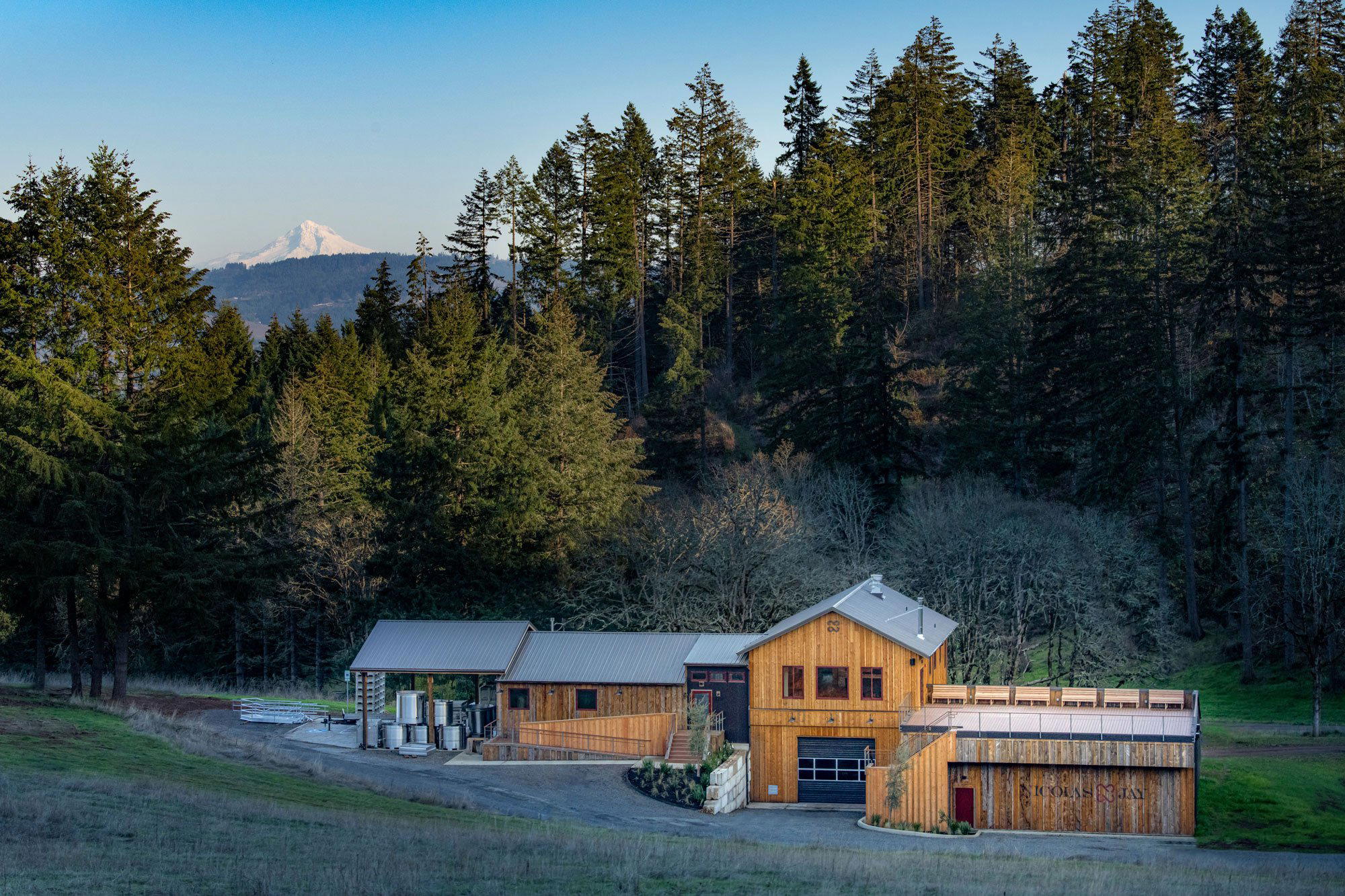
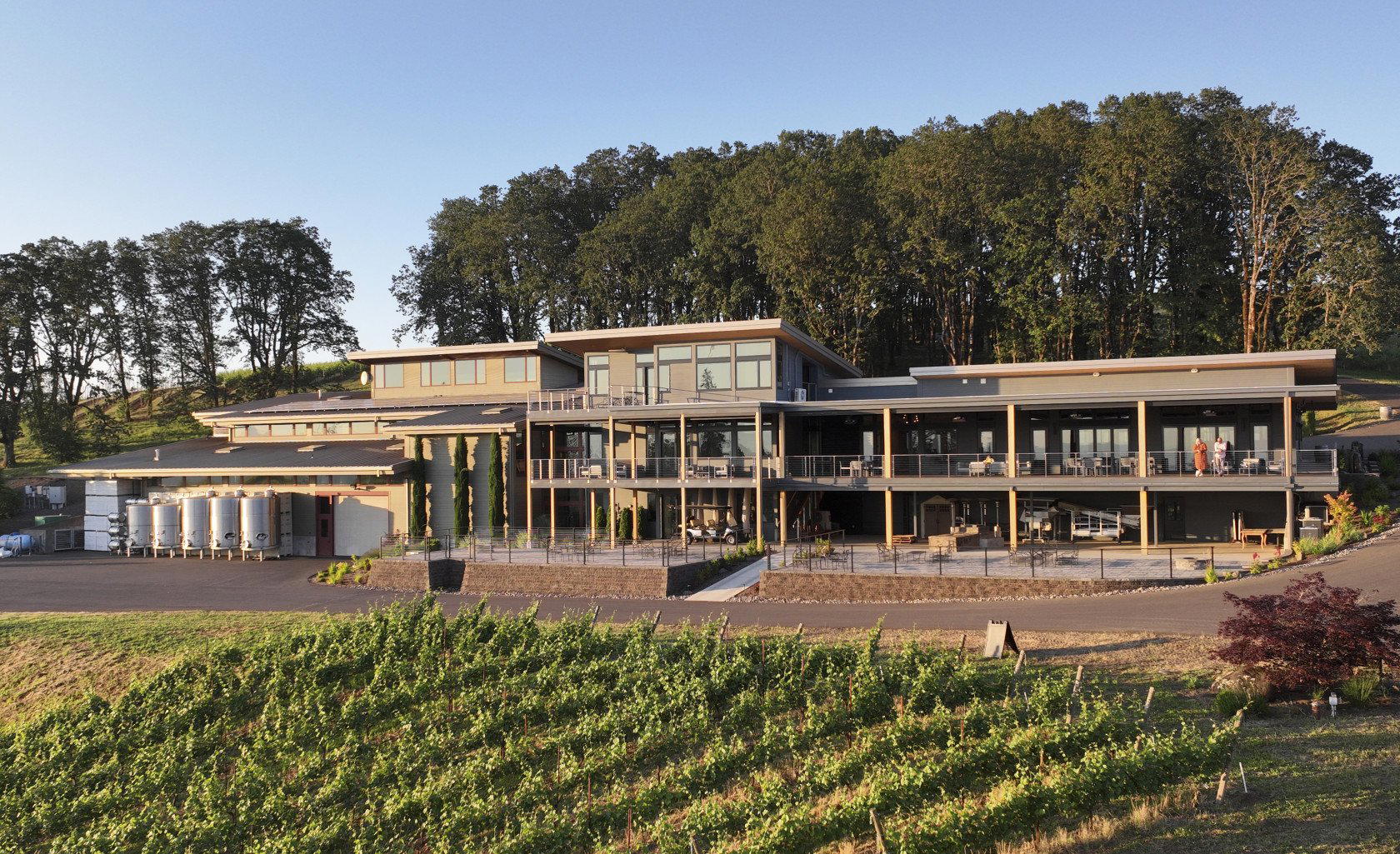
Wineries in Dayton
Browse all →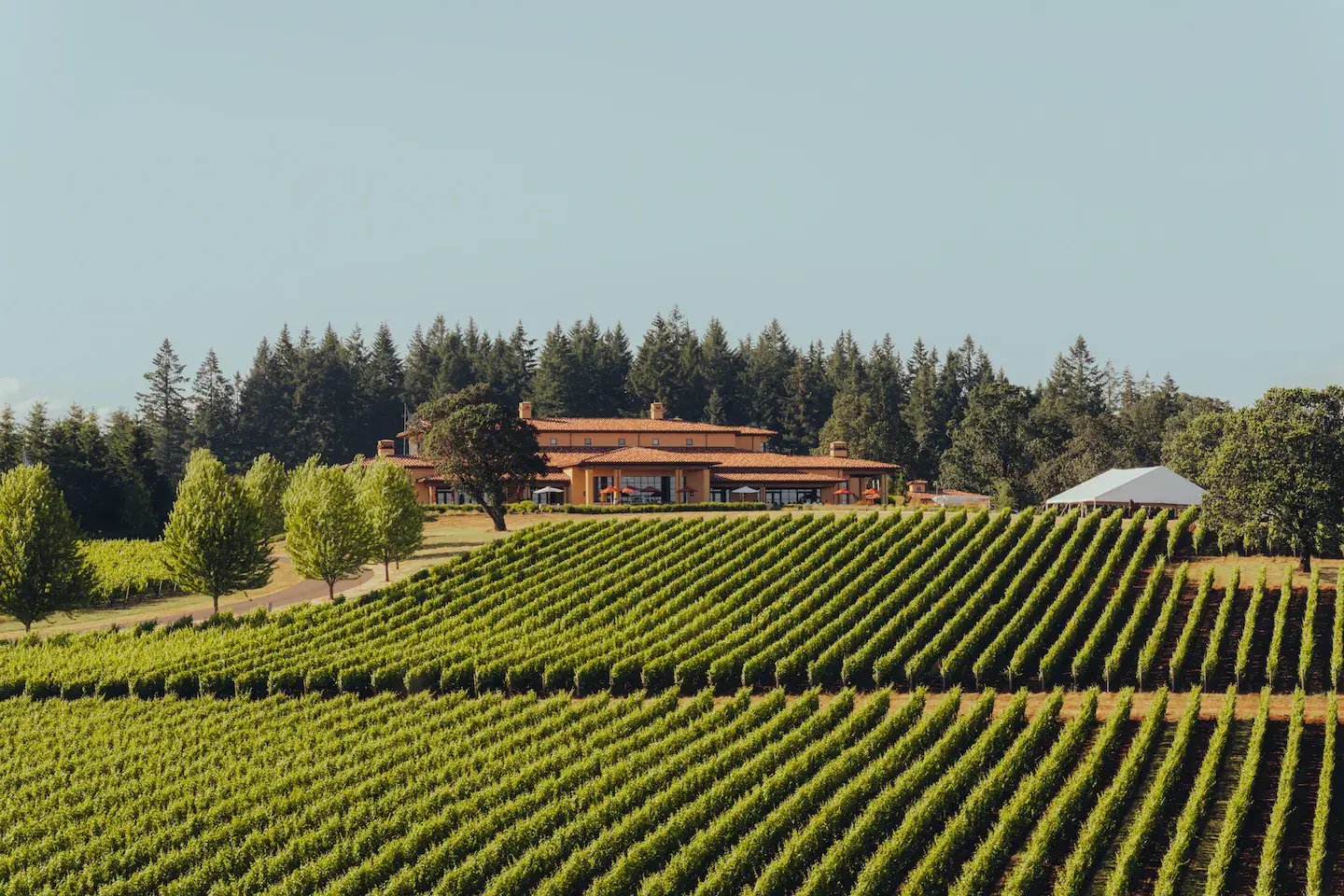
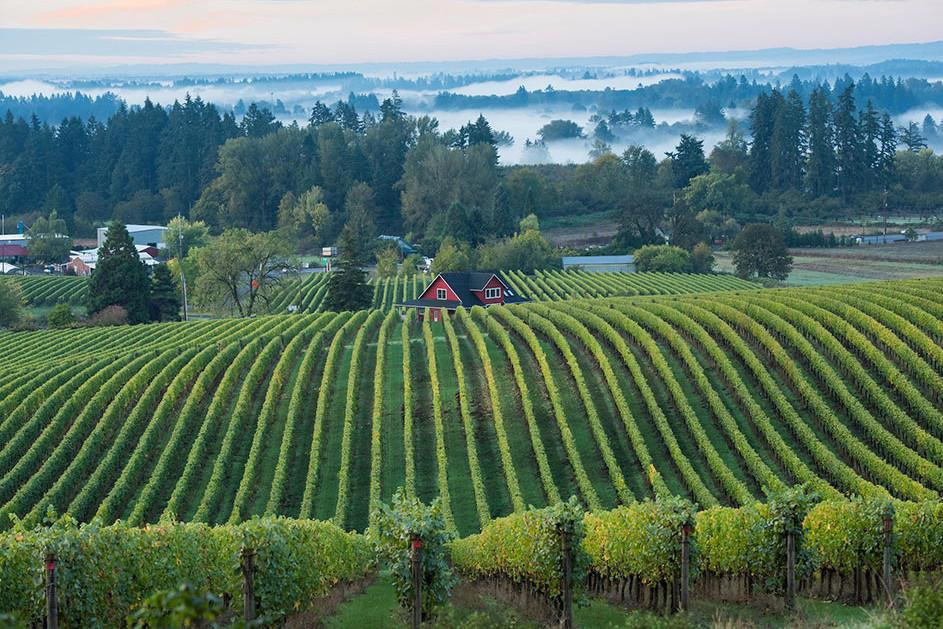
Bars in Dayton
Browse all →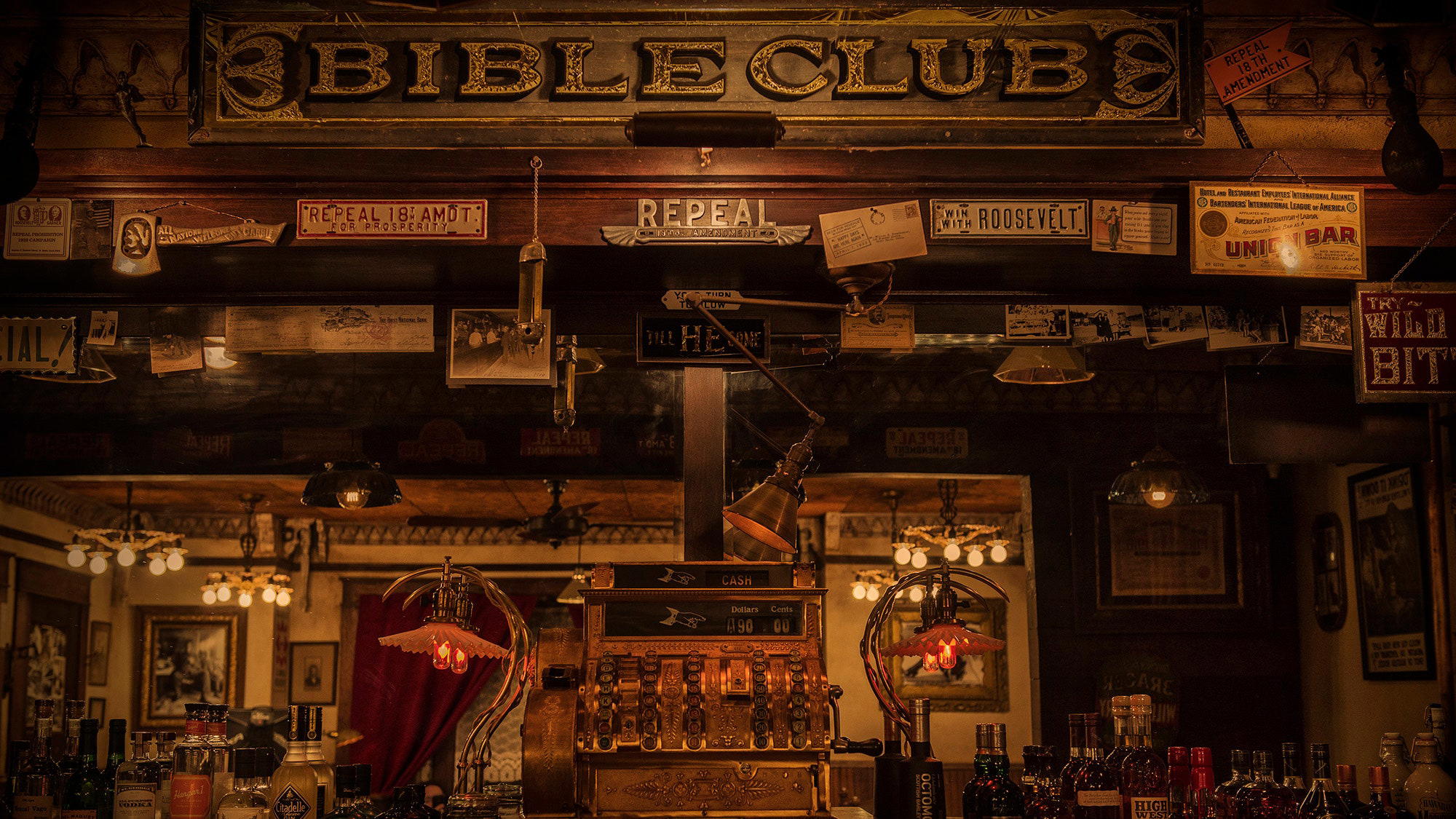
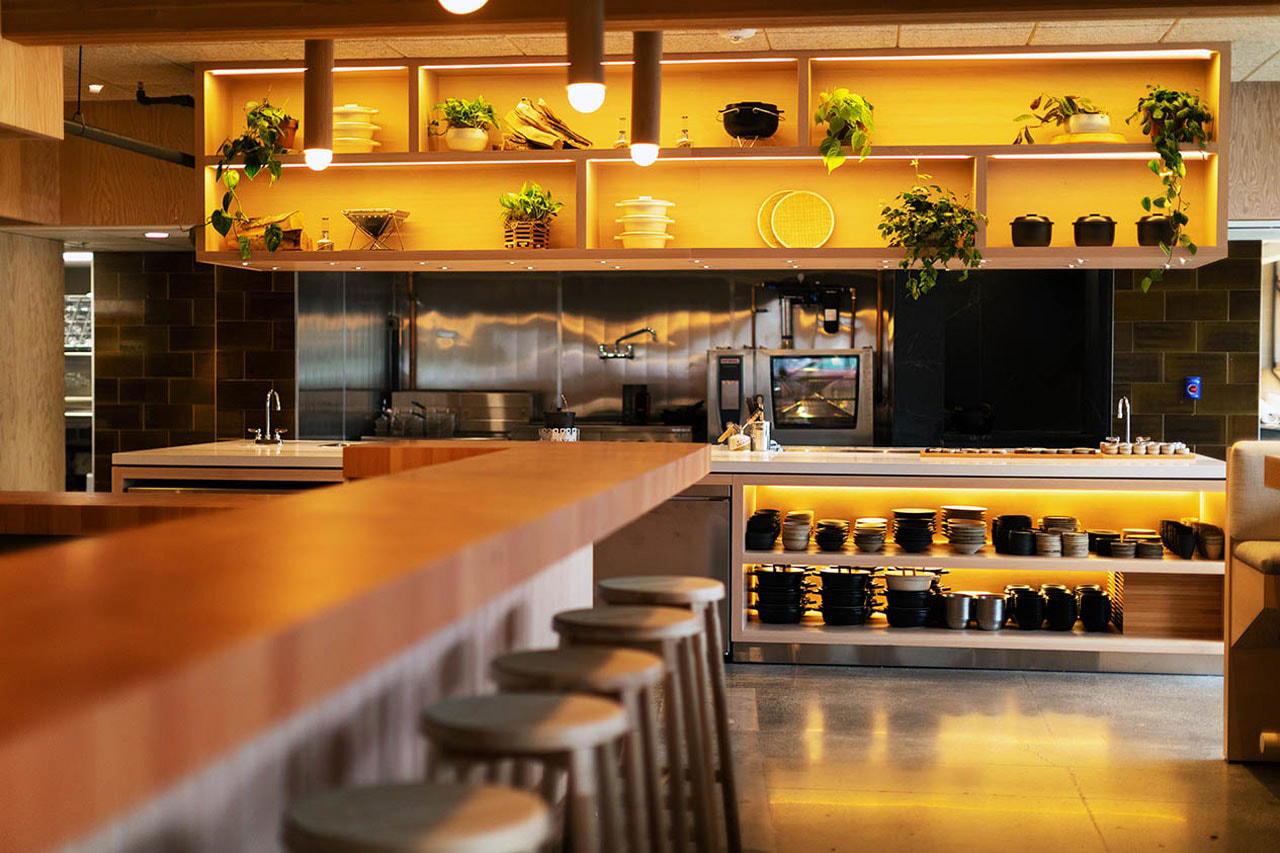
Restaurants in Dayton
Browse all →
Details
- Elegant
- Scenic
- Sophisticated
- Rustic
- Romantic Getaway
- Wine Education
- Special Occasion
- Estate Grounds
- Terrace
- Panoramic View
- Sustainable
- Vineyard
- Mountain
- Garden
- Pinot Noir
- Chardonnay
- Still Red
- Still White
- Seated Tasting
- Flight
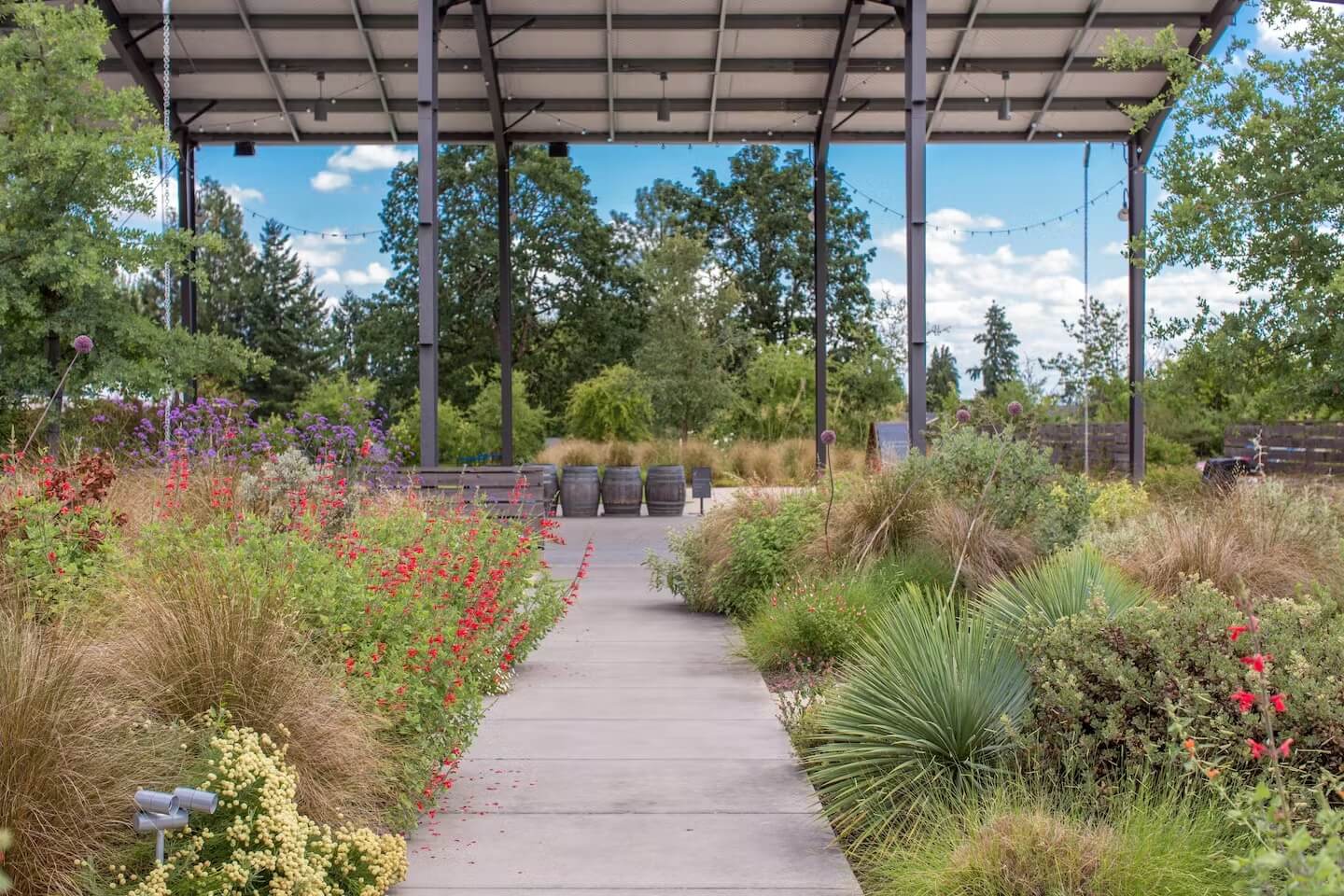
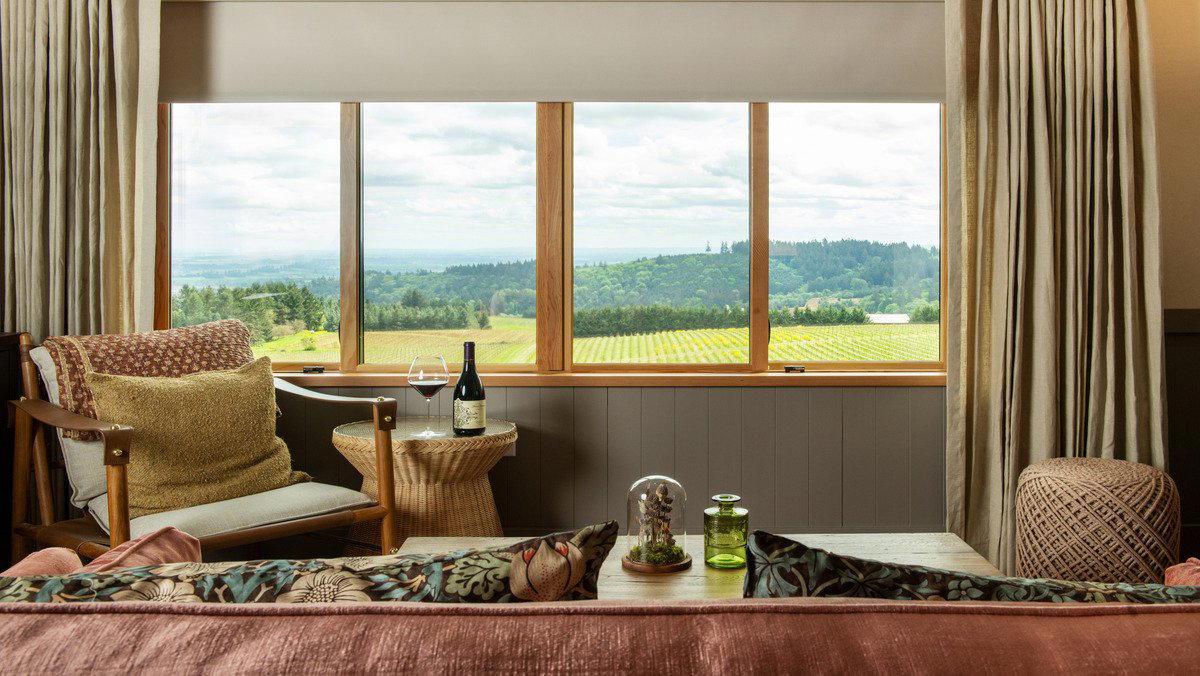
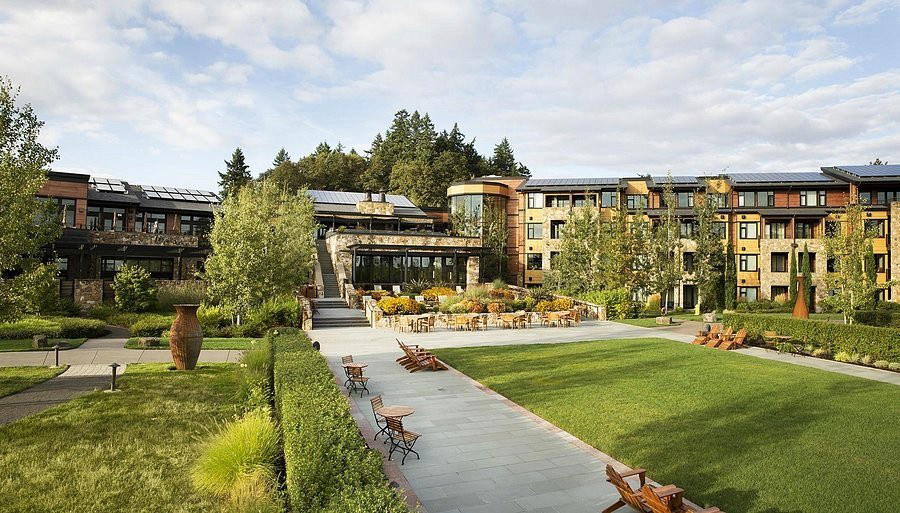
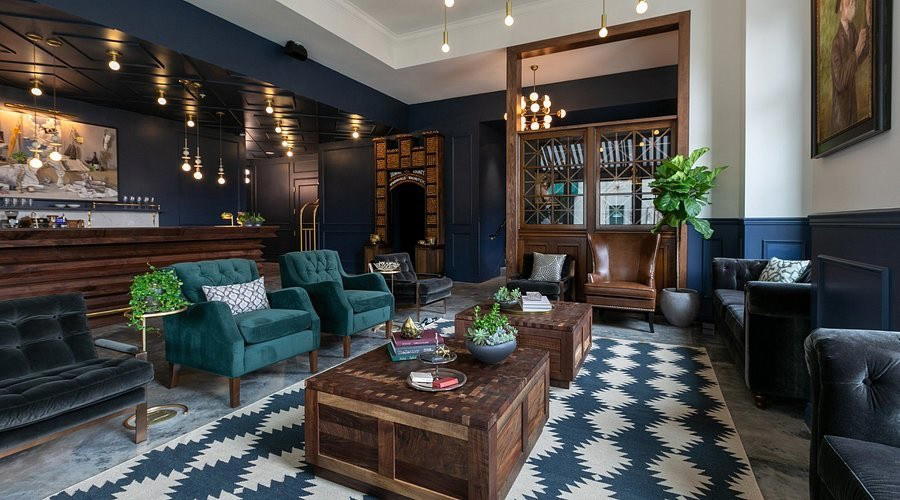
Relaxed and elegant with dramatic terrace views over vineyards and mountains, peaceful Secret Garden, and pleasant tasting room atmosphere.