Skip to Main Content
← Collection
Épernay, France

Pol Roger

WinemakerDominique Petit
First Vintage1849
Production110,000 cases
ClassificationGrand Cru
Pearl

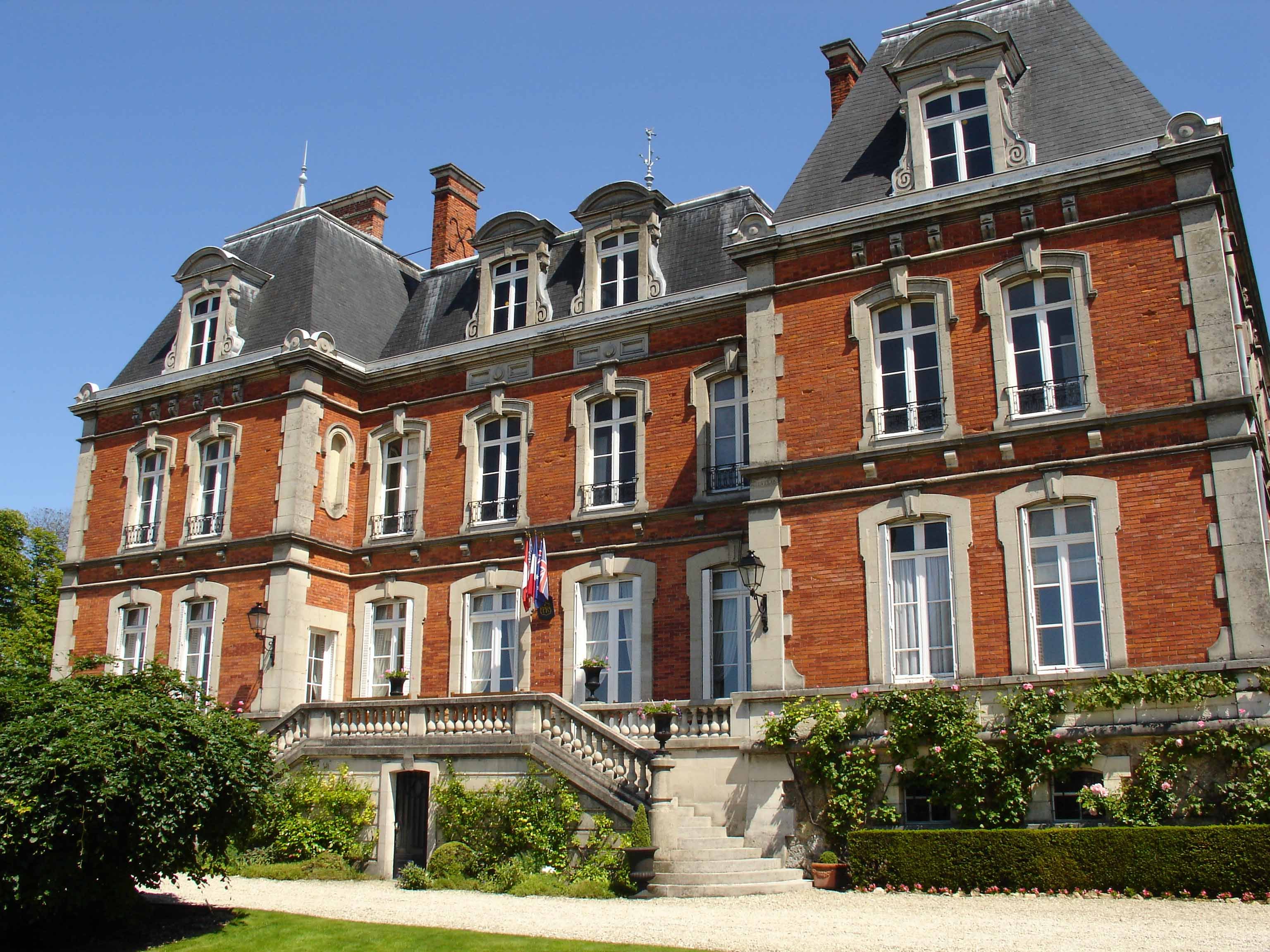
One of Champagne's most historically anchored houses, Pol Roger has produced from its Épernay base since 1849 under the same family ownership. Winemaker Dominique Petit leads a portfolio recognised with a Pearl 4 Star Prestige rating in 2025. The address on rue Winston Churchill — named in honour of the house's most celebrated admirer — tells you something about the scale of its reputation.

Pearl is the En Primeur Club membership app — saves, bookings, and concierge access live there. Same editors, same standards.

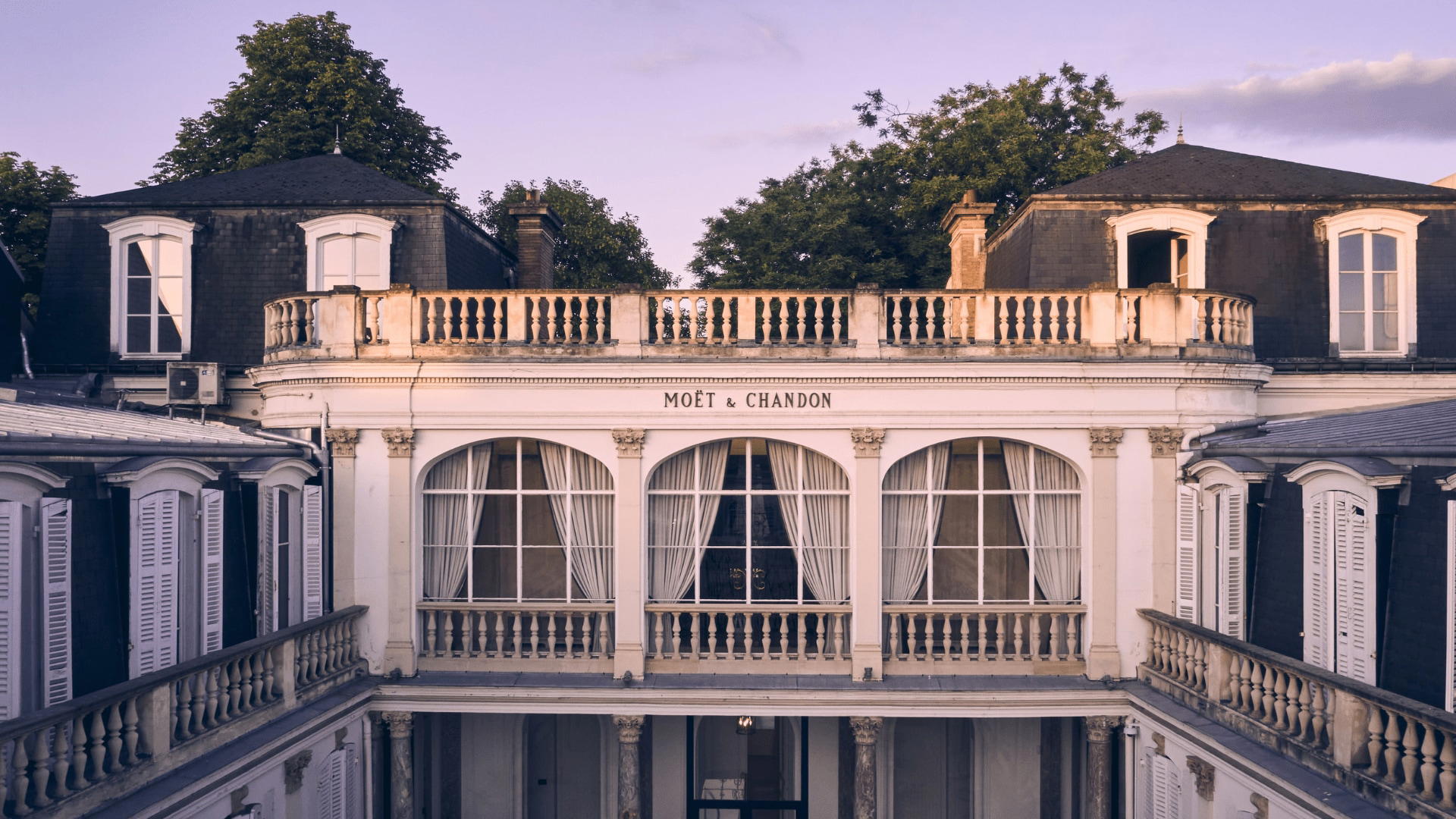
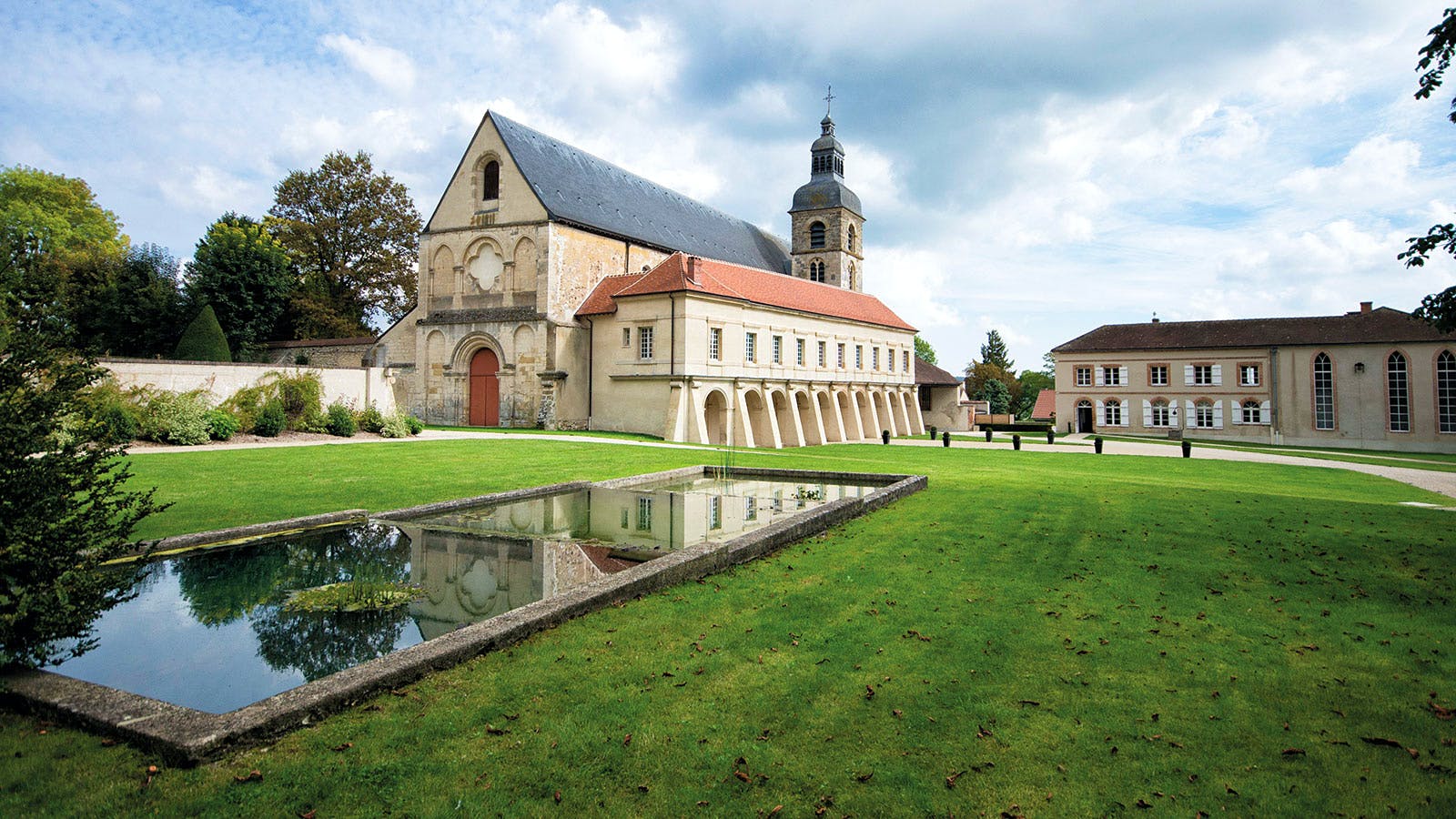
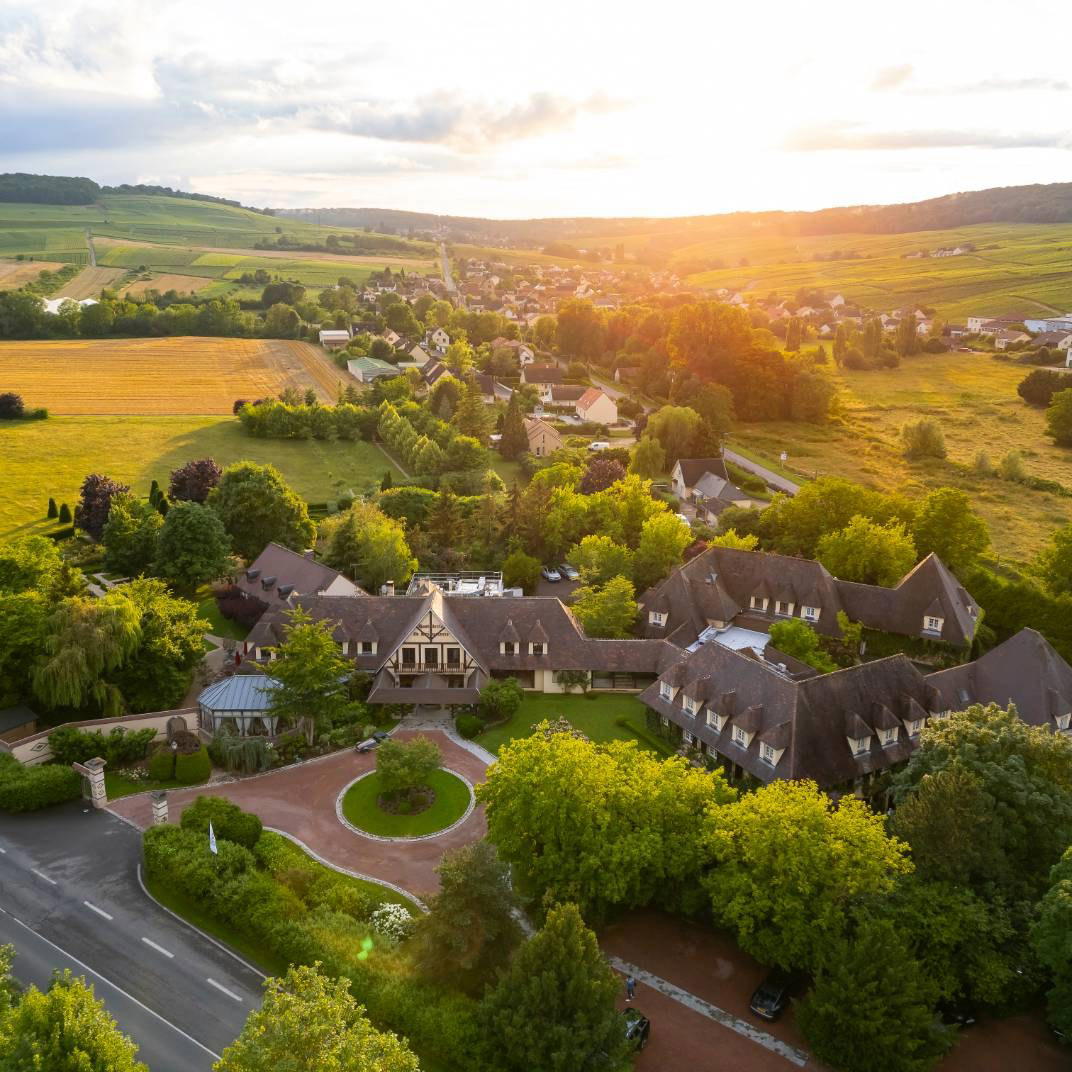
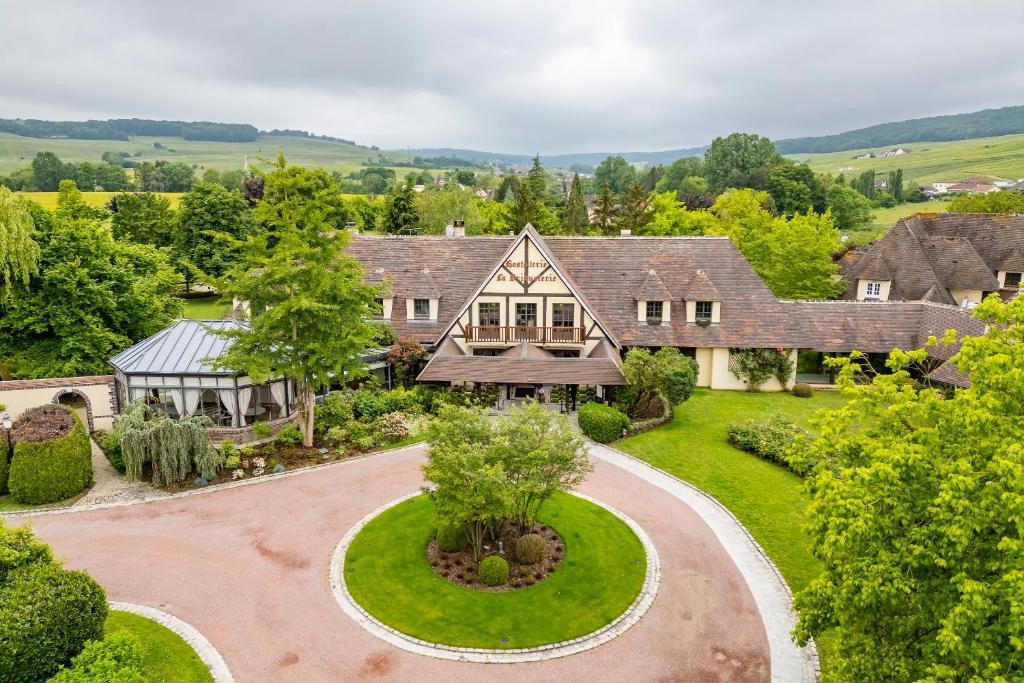
Pol Roger winery in Épernay, France
About

What Rue Winston Churchill Tells You Before You Arrive

Épernay's Avenue de Champagne is one of the most visited wine corridors in Europe, a kilometre of grand facades where Moët & Chandon and their neighbours receive coach parties and corporate delegations in roughly equal measure. Pol Roger sits one street back, at 1 rue Winston Churchill — a road the city renamed in part to honour the house's longest-standing and most devoted customer. That slight remove from the main boulevard is not accidental. It signals something about how the house positions itself: present in Épernay's premier league, but operating at a quieter register than the grand theatrical houses on the avenue itself.

The naming of the street is not merely local colour. Winston Churchill reportedly received a case of Pol Roger on his 75th birthday and is said to have ordered several hundred cases annually during the postwar decades. For a house founded in 1849, that kind of documented, multigenerational loyalty from a singular public figure does more for positioning than most advertising campaigns. It places Pol Roger in a specific tier of Champagne houses: long-established, family-controlled, and more interested in the depth of its reputation than the breadth of its visitor count.

The House in Context: Épernay's Mid-Scale Prestige Tier

Champagne's grande marque houses divide, broadly, into two operating models. The first is volume-led and visitor-infrastructure-heavy, with large caves designed to move thousands of tourists through per week. The second is allocation-led and appointment-oriented, where access is controlled and the tasting experience is built around depth rather than throughput. Pol Roger operates firmly in the second category, sitting alongside houses like Alfred Gratien and Gosset in a cohort that prioritises the quality of contact over the quantity of visitors.

That positioning matters for anyone planning a visit. The houses in this tier tend to require advance booking, often through trade contacts or directly through the house, and the experience they offer is calibrated accordingly. You are less likely to be walking through a gift shop corridor and more likely to be standing in a working cellar with someone who can speak to the technical decisions behind what is in your glass. For the traveller building an itinerary around serious Champagne engagement rather than a photo opportunity on the avenue, this distinction is the one that shapes the day.

Pol Roger's 2025 Pearl 4 Star Prestige recognition from EP Club places it clearly in the upper tier of houses by quality assessment. For context on what that rating means in peer terms: it aligns Pol Roger with the kind of houses you would find at premium allocations and on serious wine lists globally, rather than with the broader commercial range of Champagne production.

Winemaker Dominique Petit and the Technical Programme

The winemaking at Pol Roger is led by Dominique Petit, whose role at a house with a first vintage dating to 1849 carries a particular kind of weight. Champagne's grande marque tradition is built on consistency across decades — the house style must be recognisable whether the vintage year was difficult or generous, and the non-vintage blends must deliver continuity across dozens of base wine components from multiple years and villages. The winemaker's job, in this context, is less about personal expression than it is about stewardship of a very long-running stylistic argument.

Pol Roger's house style has historically been associated with precision and restraint , finer bubbles, longer ageing on lees than many competitors, and a preference for structure over immediate exuberance. These are not claims unique to Pol Roger's marketing; they are characteristics documented by critics and collectors who have tracked the house across multiple decades and compared it directly to Épernay and Reims peers. That consistency is, in many ways, the product: proof that the winemaking programme holds across time and across leadership transitions.

The Tasting Experience: What a Visit Involves

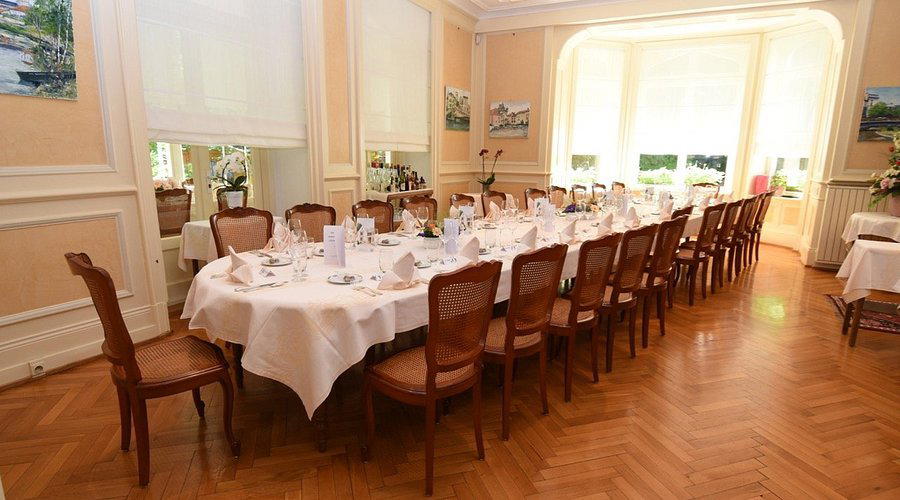
Walking into Pol Roger's reception on rue Winston Churchill, you encounter something closer to a serious wine appointment than a tourist attraction. The format here is structured around education and depth. Guides tend to be technically literate, capable of discussing dosage decisions, the composition of reserve wine libraries, and the specific characteristics of different cuvée tiers without resorting to the kind of generalised storytelling that fills out tours at higher-volume operations.

The cellars at Pol Roger extend beneath the property and represent the kind of infrastructure that takes generations to build: deep chalk caves maintaining consistent temperatures year-round, riddling and ageing capacity that enables longer lees contact than commercially pressured houses can afford to offer. The physical experience of those caves , low light, cool air, the geological reality of the chalk , is something the volume houses on the avenue can replicate in format, but rarely in atmosphere. There is less theatre here, and more working winery.

Because the house operates on an appointment basis, the ratio of guide to visitor tends to be considerably lower than on the avenue, which means the conversation in the tasting room can go where the group's knowledge and curiosity take it. That flexibility is what separates appointment-model tastings from the fixed-script tours that dominate high-volume venues. If you want to ask about the reserve wine programme in detail, or push on how the Blanc de Blancs is assembled relative to the NV brut, the format allows for it.

Visitors planning a Champagne itinerary should note that Pol Roger is one of several serious houses in this part of the Marne valley worth building a day around. Our full Épernay guide covers the broader scheduling logic, but the practical advice is consistent: morning appointments at the more technical houses, afternoon for the grand avenue experiences, and book well in advance for any house in the prestige allocation tier.

How Pol Roger Fits a Wider Wine Travel Itinerary

For travellers who approach wine regions with the same seriousness they bring to, say, Albert Boxler in Niedermorschwihr or Château Bélair-Monange in Saint-Emilion, Pol Roger represents the Champagne house that rewards preparation. Knowing the difference between the NV White Foil, the vintage releases, and the prestige Sir Winston Churchill cuvée before you arrive makes the tasting conversation considerably more productive. The house has been producing since 1849, which means there is a historical depth to the portfolio that repays prior reading.

The same logic applies to other prestige French producers across regions. Whether you are visiting Château Bastor-Lamontagne in Preignac, Château Batailley in Pauillac, or Château Branaire Ducru in St-Julien, the houses that operate in the serious allocation tier tend to share a common profile: family ownership or long-term stewardship, a winemaking programme with documented continuity, and a visitor experience built around depth rather than spectacle.

For those whose itineraries extend beyond France, the same visiting discipline applies at Château Boyd-Cantenac in Cantenac, Château Cantemerle in Haut-Médoc, Château Clinet in Pomerol, Chartreuse in Voiron, Aberlour in Aberlour, and Accendo Cellars in St. Helena: bring knowledge, book ahead, and treat the appointment as a conversation rather than a transaction.

Planning a Visit to Pol Roger

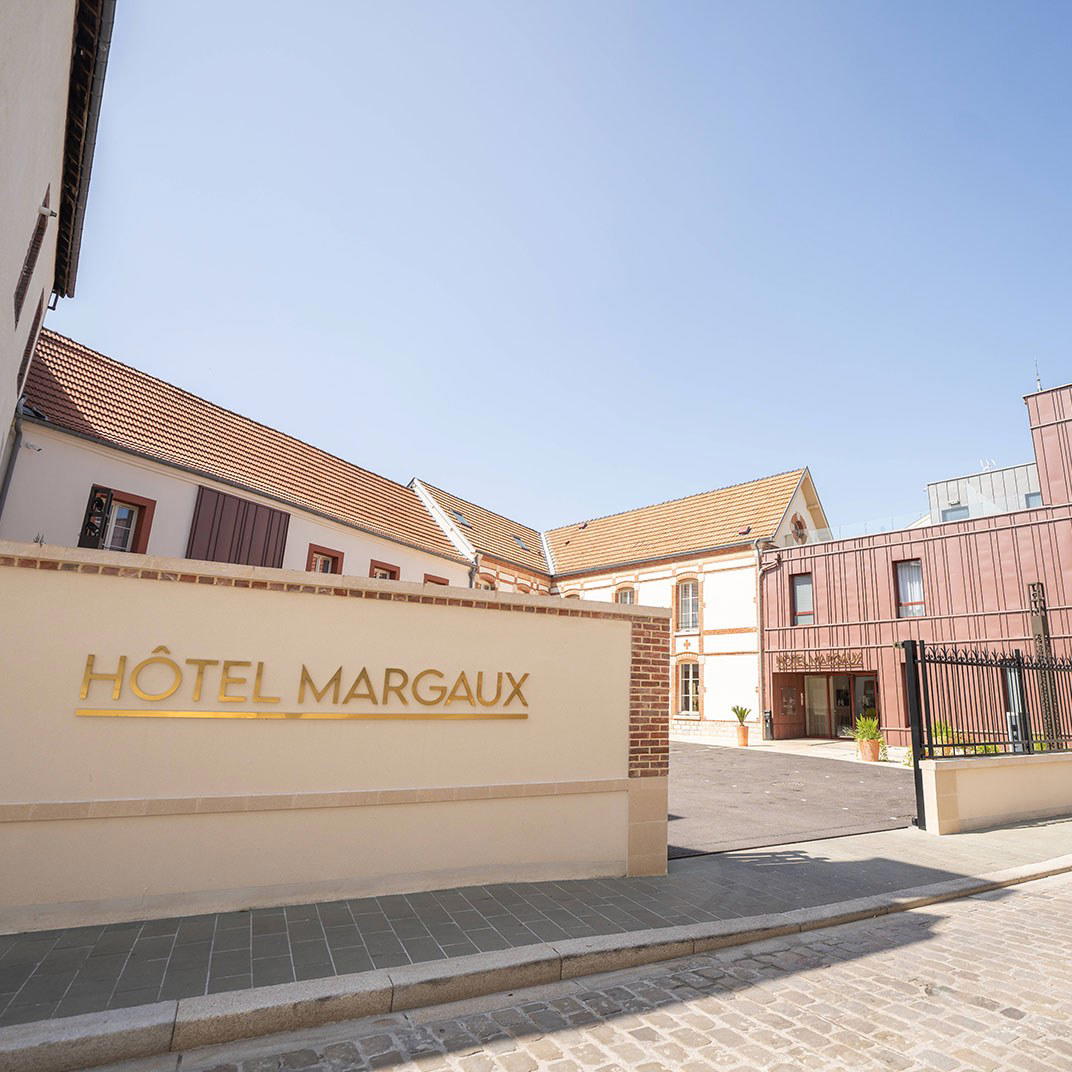
Pol Roger is located at 1 rue Winston Churchill, Épernay, a short walk from the main Avenue de Champagne. Given the house's appointment-led model, visits should be arranged directly through the house rather than arriving without notice. The 2025 EP Club Pearl 4 Star Prestige rating positions this as a premium tier experience within the Épernay Champagne house circuit, and the booking process reflects that: expect lead times, a structured format, and a tasting calibrated for serious engagement rather than casual drop-in sampling. Épernay is approximately 25 minutes by TGV from Reims and around 1 hour 20 minutes from Paris Gare de l'Est, making it practical as a day visit from either city or as the anchor for a longer Champagne region stay.

Frequently asked questions

Cuisine-First Comparison

A fast peer set for context, pulled from similar venues in our database.

At a Glance
Vibe
  • Classic
  • Elegant
  • Sophisticated
  • Iconic
Best For
  • Celebration
  • Special Occasion
  • Wine Education
Experience
  • Cave Tasting
  • Historic Building
Views
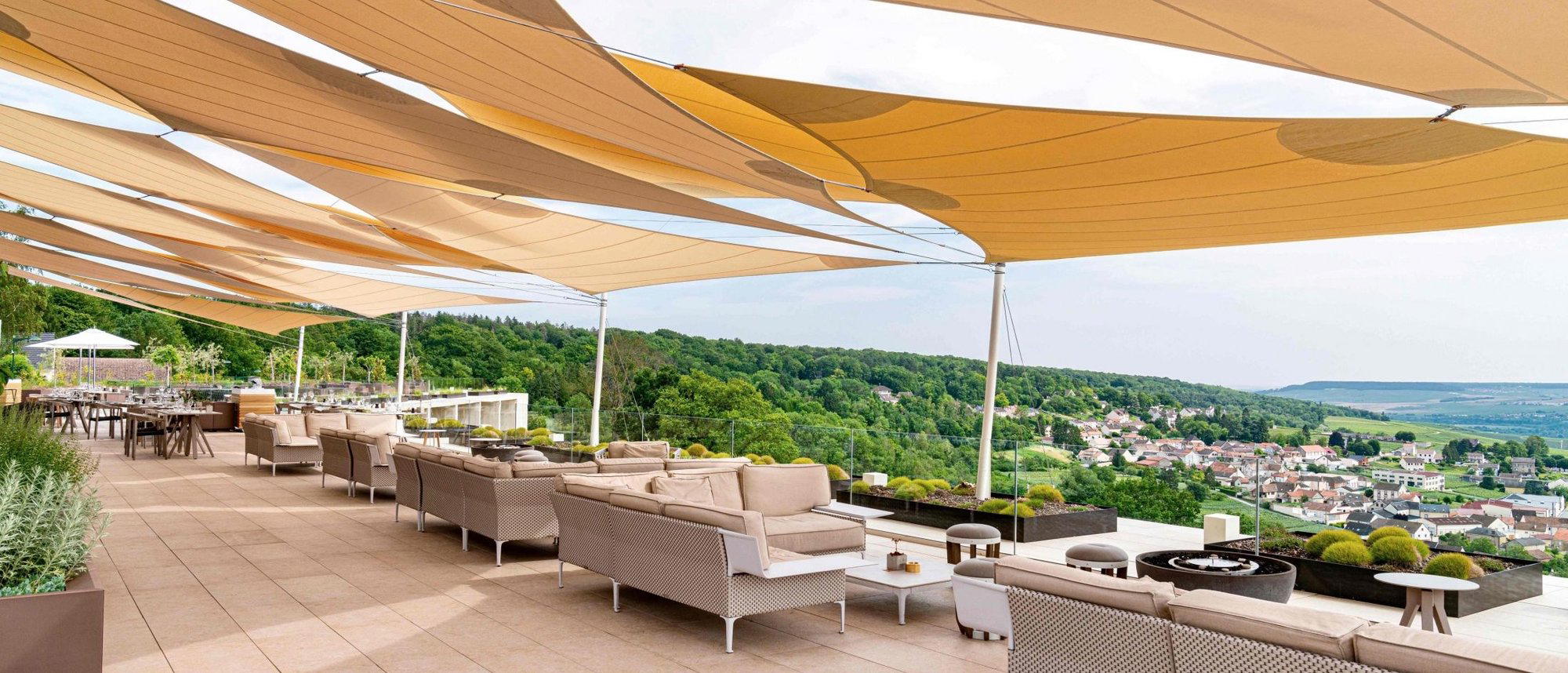
  • Vineyard
Dress CodeSmart Casual
Noise LevelQuiet
CapacityMedium

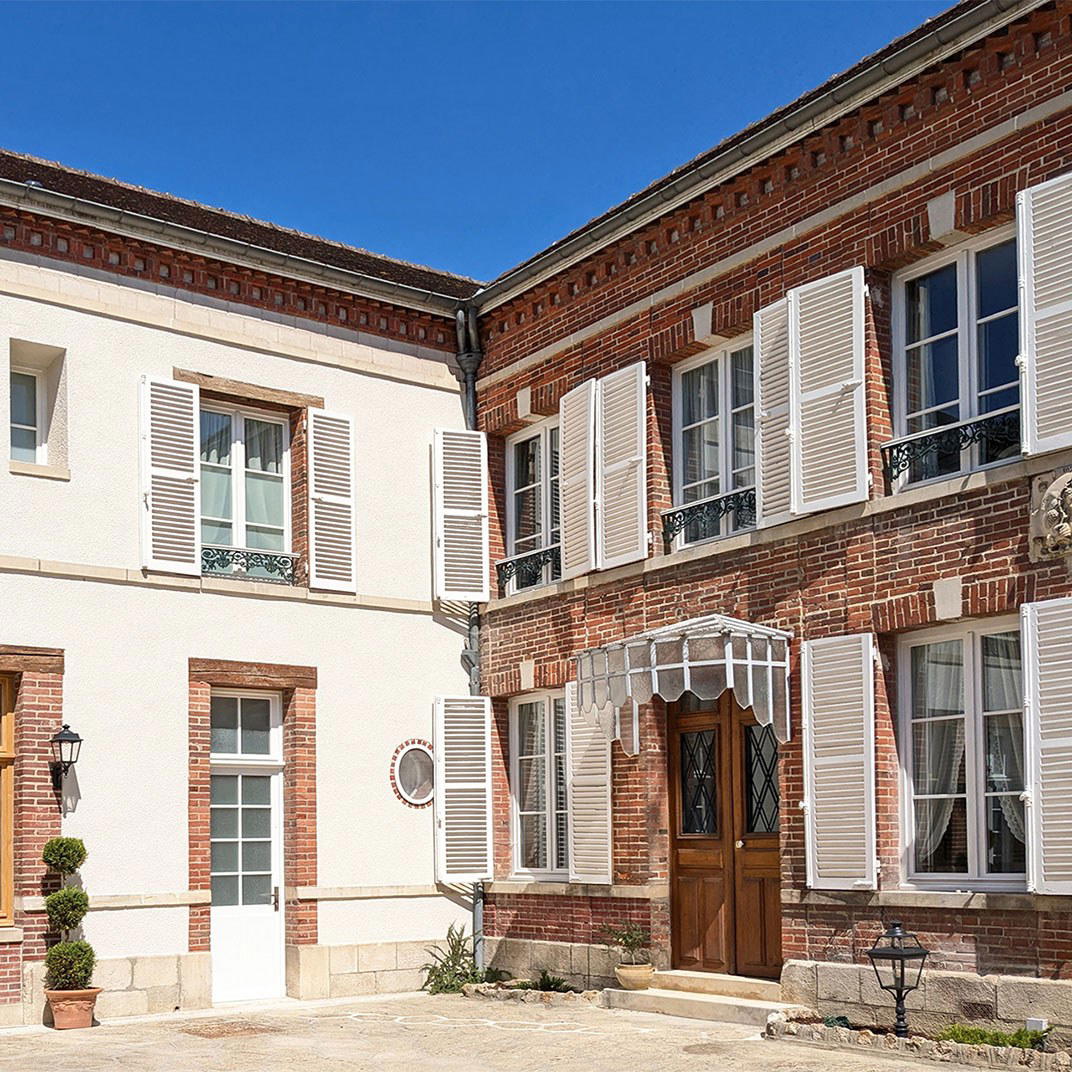
Elegant and refined atmosphere in historic 19th-century buildings with modernized facilities, cool cellar ambiance at 9°C, and a sense of timeless tradition.

Additional Properties
AVAChampagne AOC
VarietalsPinot Noir, Chardonnay, Pinot Meunier
Wine Stylessparkling
Wine ClubNo
DTC ShippingNo