Fontodi

Fontodi has shaped the identity of Chianti Classico's Panzano in Chianti zone since its first vintage in 1979, with Giovanni Manetti steering a program built on Sangiovese grown in some of the appellation's most discussed soils..
Pearl is the En Primeur Club membership app — saves, bookings, and concierge access live there. Same editors, same standards.
- Address
- Località San Leolino, 89, 50022 Greve in Chianti FI
- Phone
- +39 055 852005
- Website
- fontodi.com
- Directions
- Get directions
 Saves & bookings on Pearl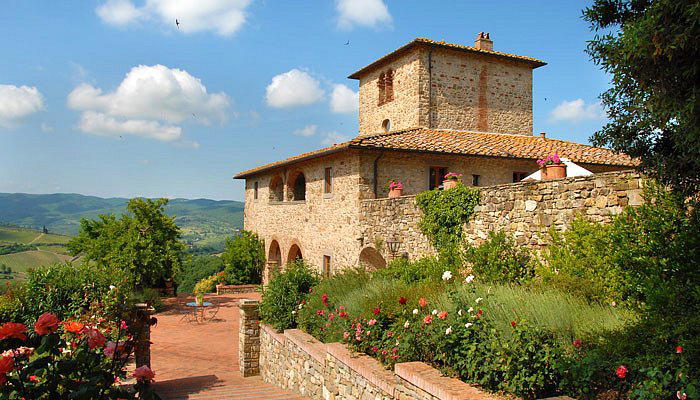
Where the Conca d'Oro Speaks
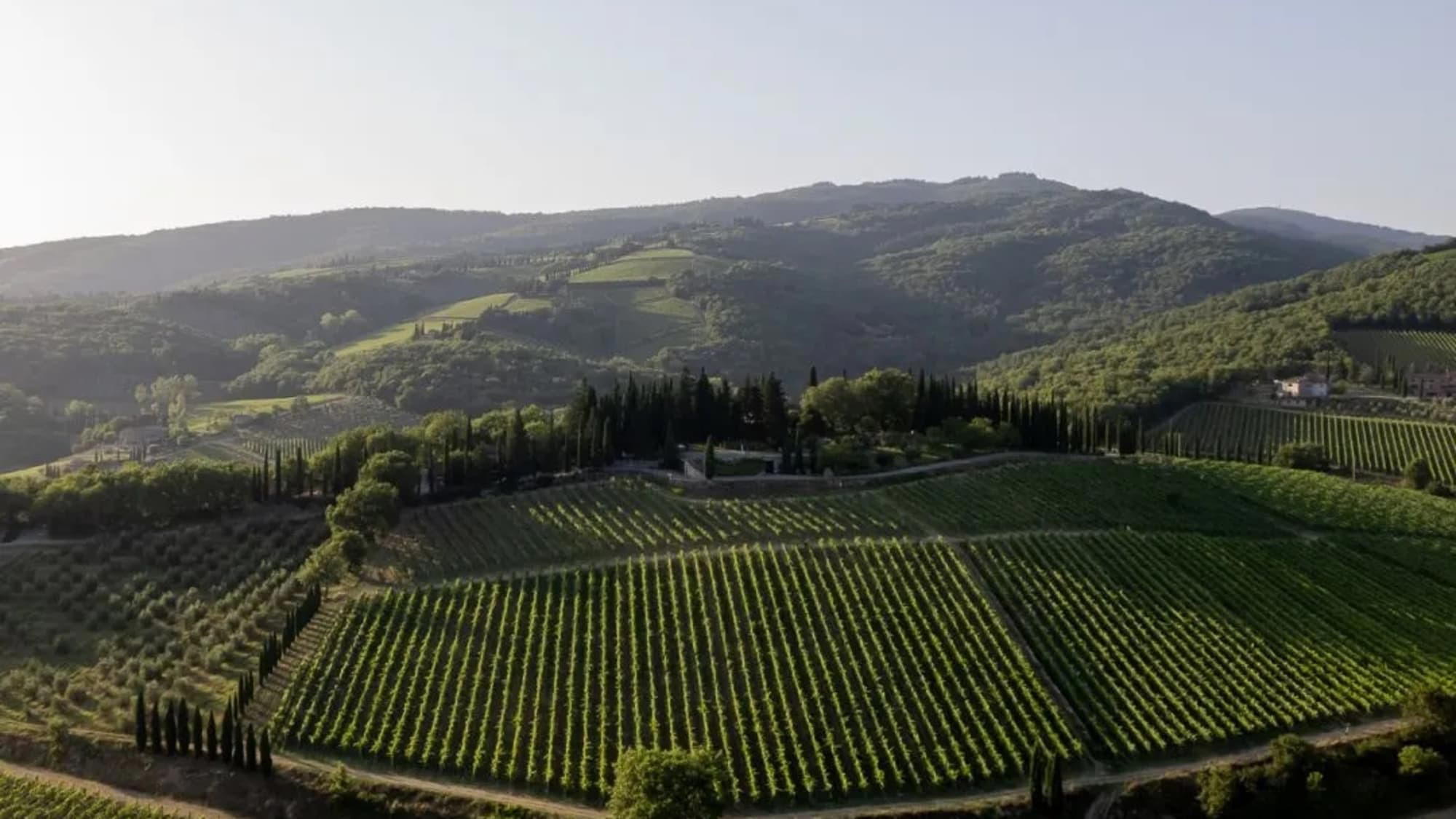
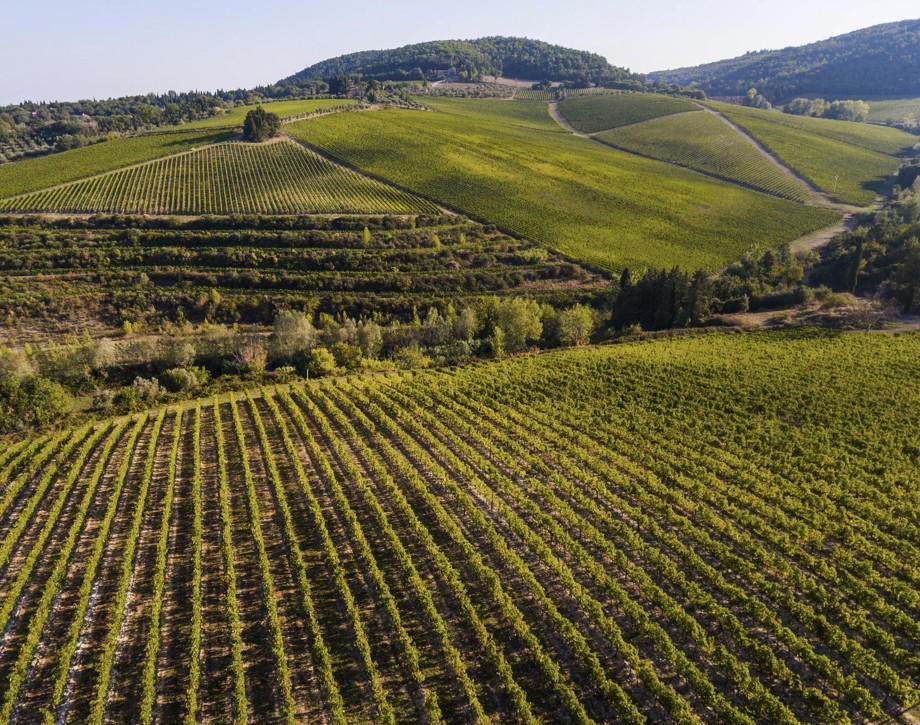
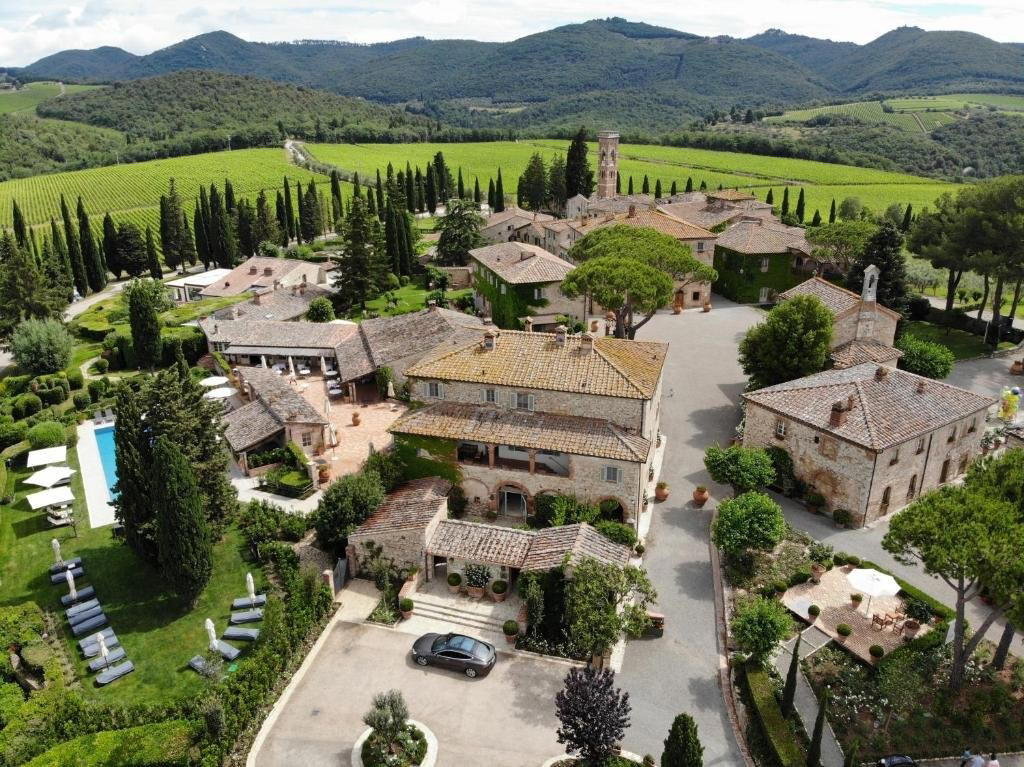
The road into Panzano in Chianti rises through a corridor of olive groves and vine rows before opening onto a natural bowl of south-facing slopes that local growers call the Conca d'Oro, the golden amphitheatre. The name is not promotional flourish. The topography is real: a horseshoe of hills that traps heat, maximises sun exposure through the growing season, and produces a microclimate measurably warmer and drier than much of the surrounding Chianti Classico zone. Fontodi sits within that bowl, at Località San Leolino just outside Greve in Chianti, and its wines are inseparable from what that specific geography does to Sangiovese.
This is the editorial baseline for understanding the estate: the land is the argument, and every decision in the cellar is either a response to what the Conca d'Oro gives or a deliberate restraint to preserve it. That framing places Fontodi in a recognisable tradition among serious Italian wine producers who treat terroir expression as discipline rather than marketing, a peer group that includes estates like Castello di Volpaia in Radda in Chianti and, further afield, Aldo Conterno in Monforte d'Alba.
Sangiovese and the Argument for a Single Grape
Chianti Classico as a denomination spent decades recovering from overproduction and blending compromises. The estates that rebuilt its credibility in the 1980s and 1990s did so largely through a reinvestment in Sangiovese, not as a blending base but as the subject of serious viticulture and precise cellar work. Fontodi was among the producers who made that case with consistency from an early stage, with its first vintage recorded in 1979, a period when few Tuscan estates were bottling with the ambition that the territory merited.
The Conca d'Oro's soils are predominantly galestro and alberese, the schist-rich, well-draining Tuscan profiles that slow water uptake and concentrate flavour through mild stress. On slopes oriented to absorb southern sun, Sangiovese ripens with intensity but retains the structural acidity that separates fine Chianti Classico from simple fruit-forward wine. The estate's approach to farming these conditions has long been certified organic, which in practical terms means the soil biology is managed without synthetic inputs, preserving the microbial complexity that connects vine roots to specific mineral profiles in the ground.
That soil connection is what producers in this category are ultimately selling: a readable link between a defined place and what ends up in the glass. Among Italian regions, Tuscany has increasingly been able to articulate that argument, following a trajectory not unlike what Lungarotti in Torgiano did for Umbria or what Planeta in Menfi accomplished for Sicily: using a flagship estate to prove that a region's identity runs deeper than generic varietal production.
Giovanni Manetti and the Winemaking Position
Within Chianti Classico, the producer tier splits between large négociant-style houses, multi-estate cooperatives, and family-run estates where the winemaker is also the landowner with a direct stake in every vintage decision. Fontodi belongs to the last category. Giovanni Manetti has been the name associated with the estate's direction, and that continuity of oversight across multiple decades matters more as a structural signal than as biographical detail: single-family custody through a long run of vintages produces a coherent stylistic record that buyers and critics can read as a consistent position, not a moving target.
That consistency is part of what earns recognition in the upper bracket of estate producers. It is a recognized estate with a long run of consistent quality. It is the kind of credential that sits alongside long-term critical recognition and allocation demand as an indicator of where an estate sits relative to its peers.
Flaccianello and the Super-Tuscan Question
The broader Super-Tuscan category, which emerged as producers began working outside DOC constraints in the late 1970s and 1980s, created a parallel prestige tier that coexisted uneasily with the classical denomination system. Some estates in that period abandoned Sangiovese for international varieties. Fontodi moved in a different direction: its flagship single-vineyard wine, Flaccianello della Pieve, is a 100 percent Sangiovese produced from a select parcel within the estate, and it sits in the high-end of the Tuscan market as evidence that the grape did not need international blending partners to justify a premium price point.
This is a position worth understanding in context. The Super-Tuscan debate is now largely settled, with Sangiovese-first estates having made their case over forty years of consistent output. But in the early Flaccianello vintages, that argument was genuinely contested. The wine's long track record, from a first vintage that preceded the Super-Tuscan marketing wave, gives it a different kind of authority than estates that positioned within an already-established prestige tier.
For comparison, L'Enoteca Banfi in Montalcino and Poggio Antico in Monte San Vito represent other points on the map of Tuscan estate production, each with distinct relationships to denomination rules and market positioning. The Chianti Classico zone, however, has its own internal hierarchy, and Fontodi's location in the Panzano sub-zone within Greve in Chianti is increasingly discussed as one of the appellation's most clearly differentiated terroir pockets.
Planning a Visit to Fontodi
Fontodi is located at Località San Leolino, 89, just outside the town of Greve in Chianti in the Florentine Chianti hills. Greve itself is the main market town of the Chianti Classico zone and serves as a practical base for visiting multiple estates; for broader context on dining and wine visits in the area, see our full Greve in Chianti restaurants guide. Contact the estate to confirm tasting visit availability and booking requirements before planning a trip. The estate operates by appointment only.
Fontodi in the Wider Italian Producer Map
Italian wine at the premium level covers a wide geographic and stylistic range. Visitors oriented toward producer experiences across the country might place Fontodi alongside different operations in terms of category and region: Ca' del Bosco in Erbusco for Franciacorta sparkling production, Nonino Distillery in Pavia di Udine or Distilleria Marzadro in Nogaredo for grappa, and Distilleria Romano Levi in Neive for artisanal spirits with a long Piedmontese tradition. Each occupies a distinct lane; Fontodi's lane is Sangiovese-focused Tuscan estate wine with a defined terroir argument and a 45-year track record behind it.
For those building a broader Italian itinerary that extends to spirits and other wine categories, Campari in Milan and Poli Distillerie in Schiavon (Vicenza) round out a picture of Italian production that runs well beyond still wine. And for those whose interest in terroir-driven production extends to California, Accendo Cellars in St. Helena represents a comparable small-scale, single-site focus on the other side of the Atlantic. The through-line in all these cases is a producer committed to a specific place and a specific argument about what that place produces, which is, ultimately, the case Fontodi has been making since 1979.
Comparison Snapshot
Comparable venues nearby, for context on price, style, and recognition.
| Venue | Cuisine | Price | Notes |
|---|---|---|---|
| FontodiThis venue — the venue you are viewing | Sangiovese, Syrah | $$$ | Not listed |
| Cerbaiona | Sangiovese Grosso, Sangiovese | $$$$ | Cerbaia contrada |
| Stock Spirits (Stock 84) | Winery | Not listed | Trieste |
| Casoni Fabbricazione Liquori | Winery | $$ | Finale Emilia |
| Masseto | Merlot | $$$$ | Castagneto Carducci |
| Ornellaia | Cabernet Sauvignon, Merlot | $$$$ | Bolgheri |
Recognition history
Dated appearances from independent guides and award organizations, with the underlying list record or original source where available.
Falstaff Winery - 5 Stars
Falstaff
Continue exploring
More in Greve in Chianti
Wineries in Greve in Chianti
Browse all →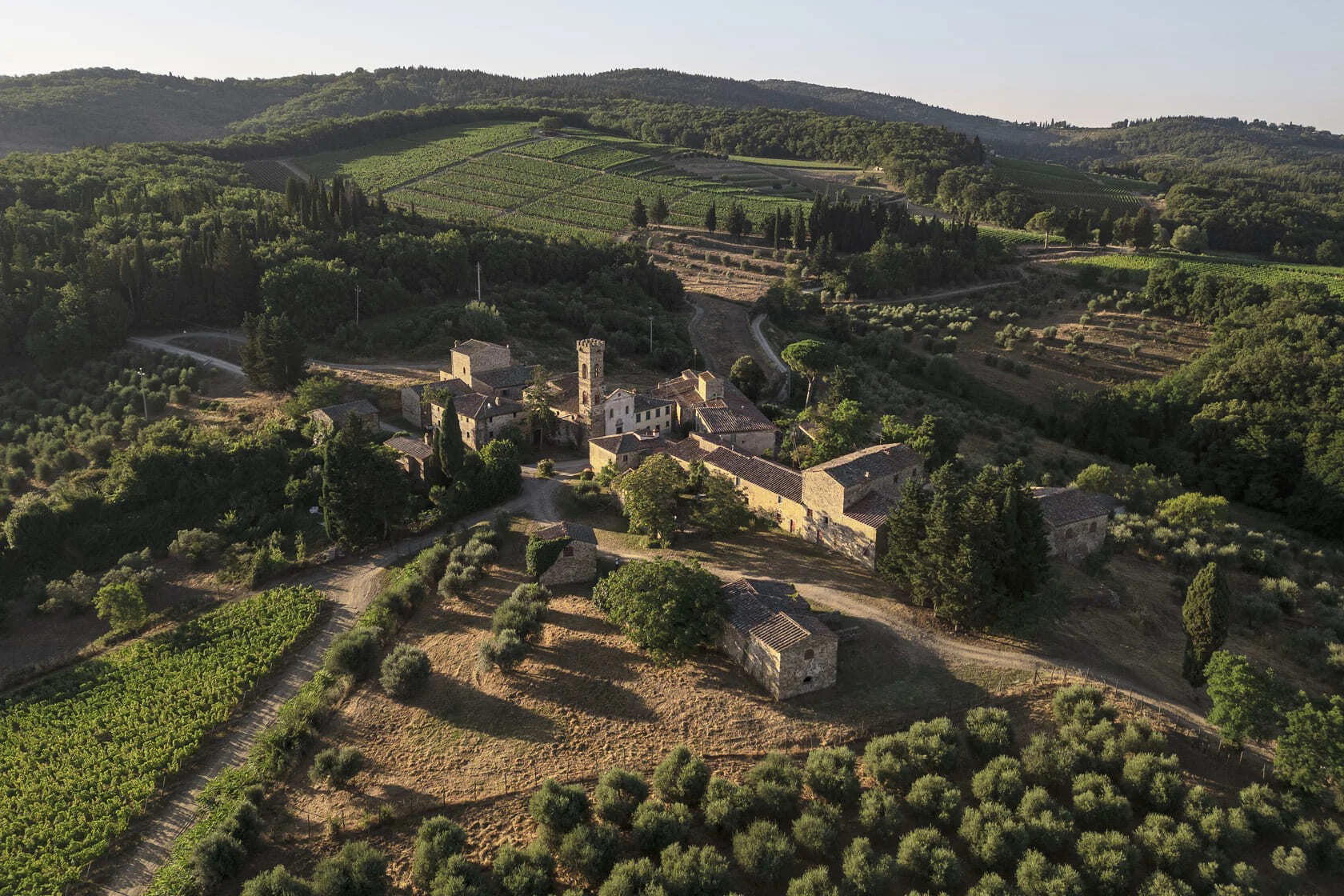
Bars in Greve in Chianti
Browse all →
Restaurants in Greve in Chianti
Browse all →
At a Glance
- Scenic
- Rustic
- Elegant
- Intimate
- Wine Education
- Romantic Getaway
- Group Outing
- Vineyard Tour
- Estate Grounds
- Barrel Room
- Panoramic View
- Private Tasting
- Organic
- Sustainable
- Vineyard
- Mountain
- Chianti Classico
- Sangiovese
- Syrah
- Sauvignon Blanc
- Still Red
- Still White
- Guided Tour And Tasting
- Cellar Tour
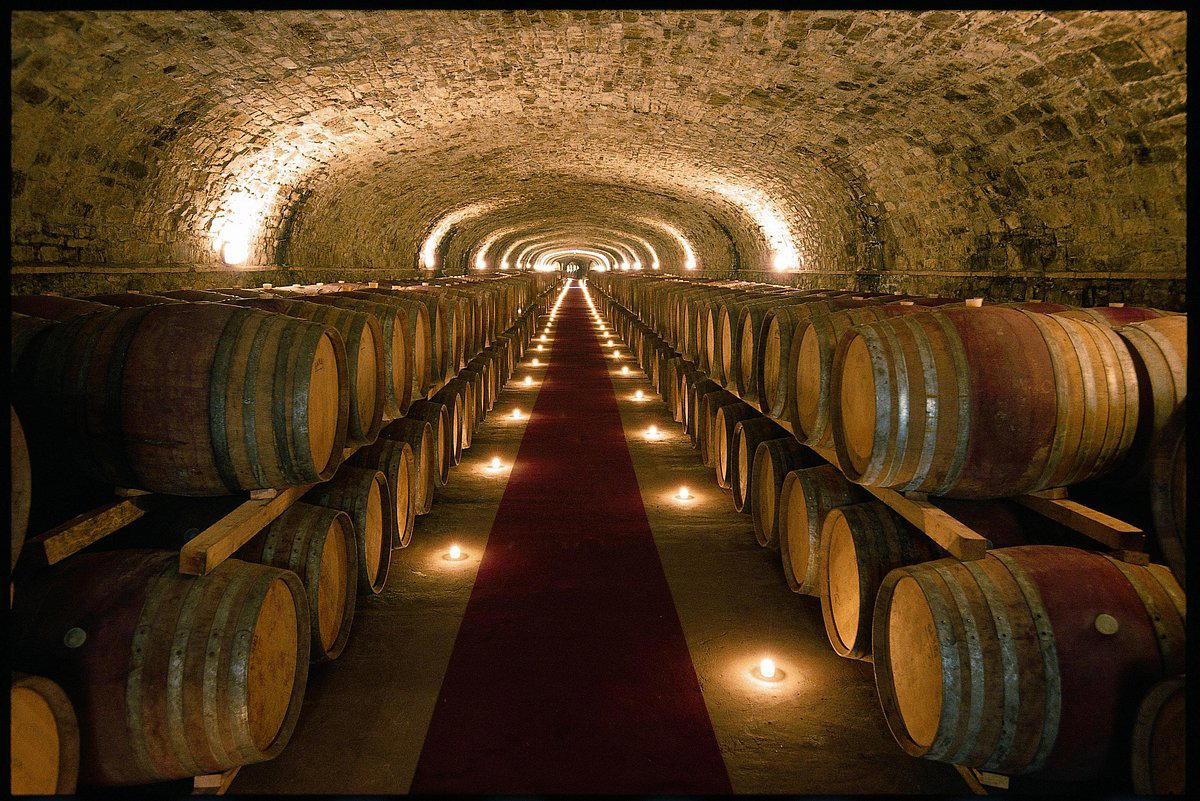
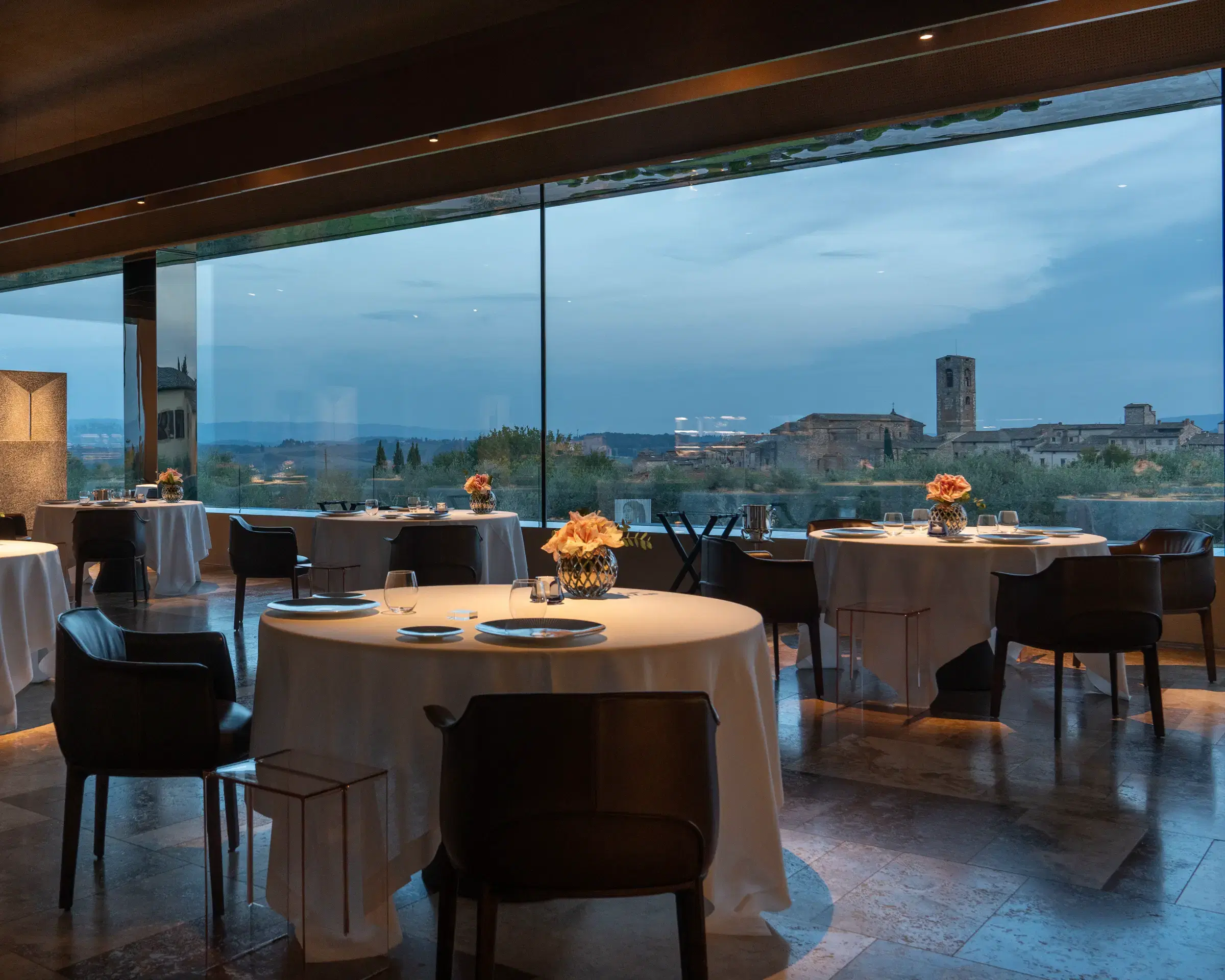
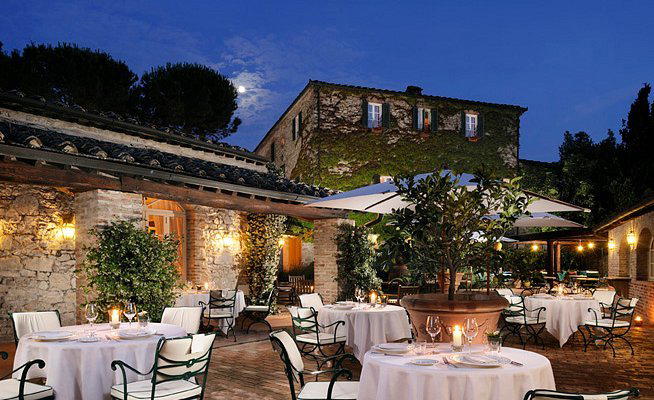
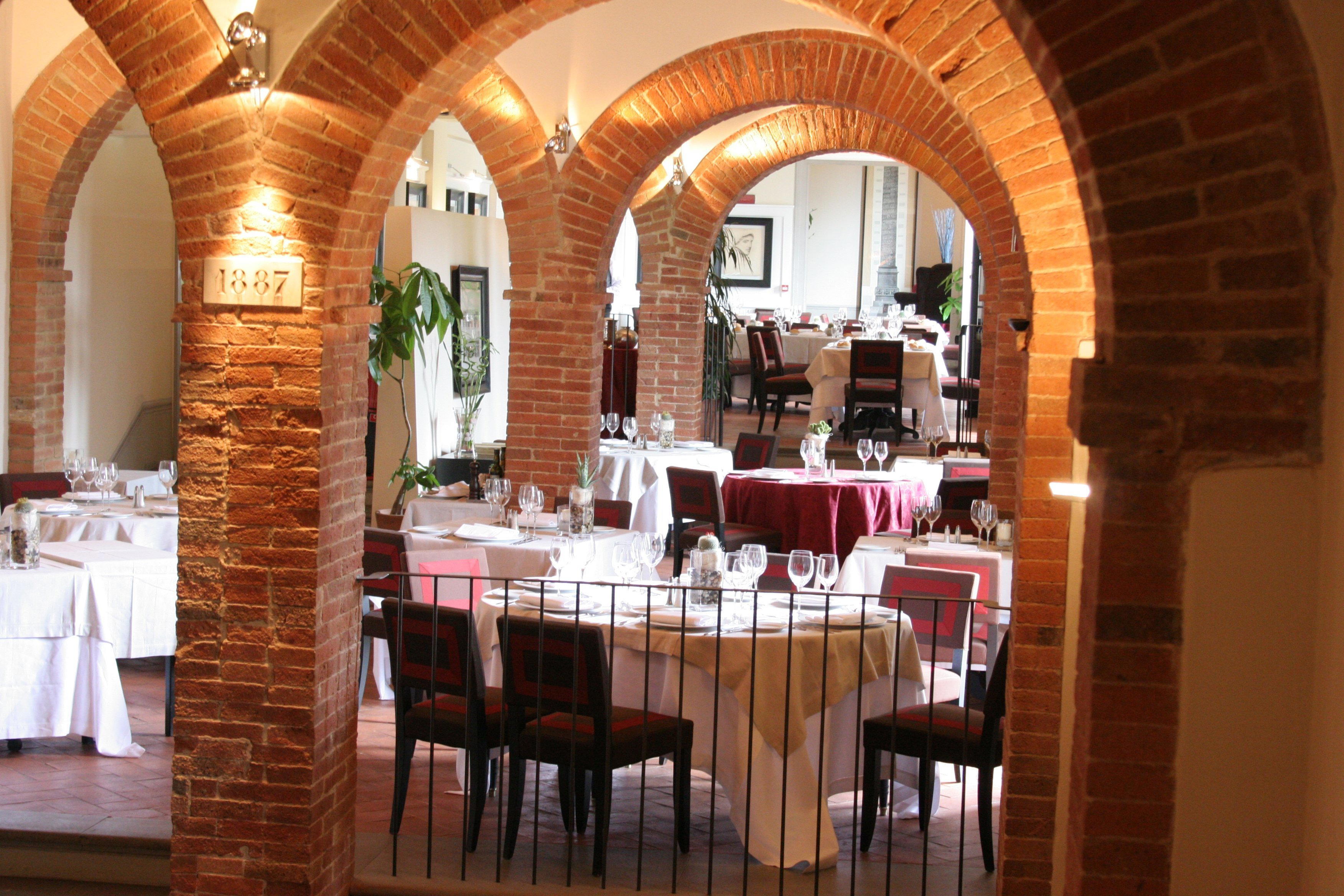
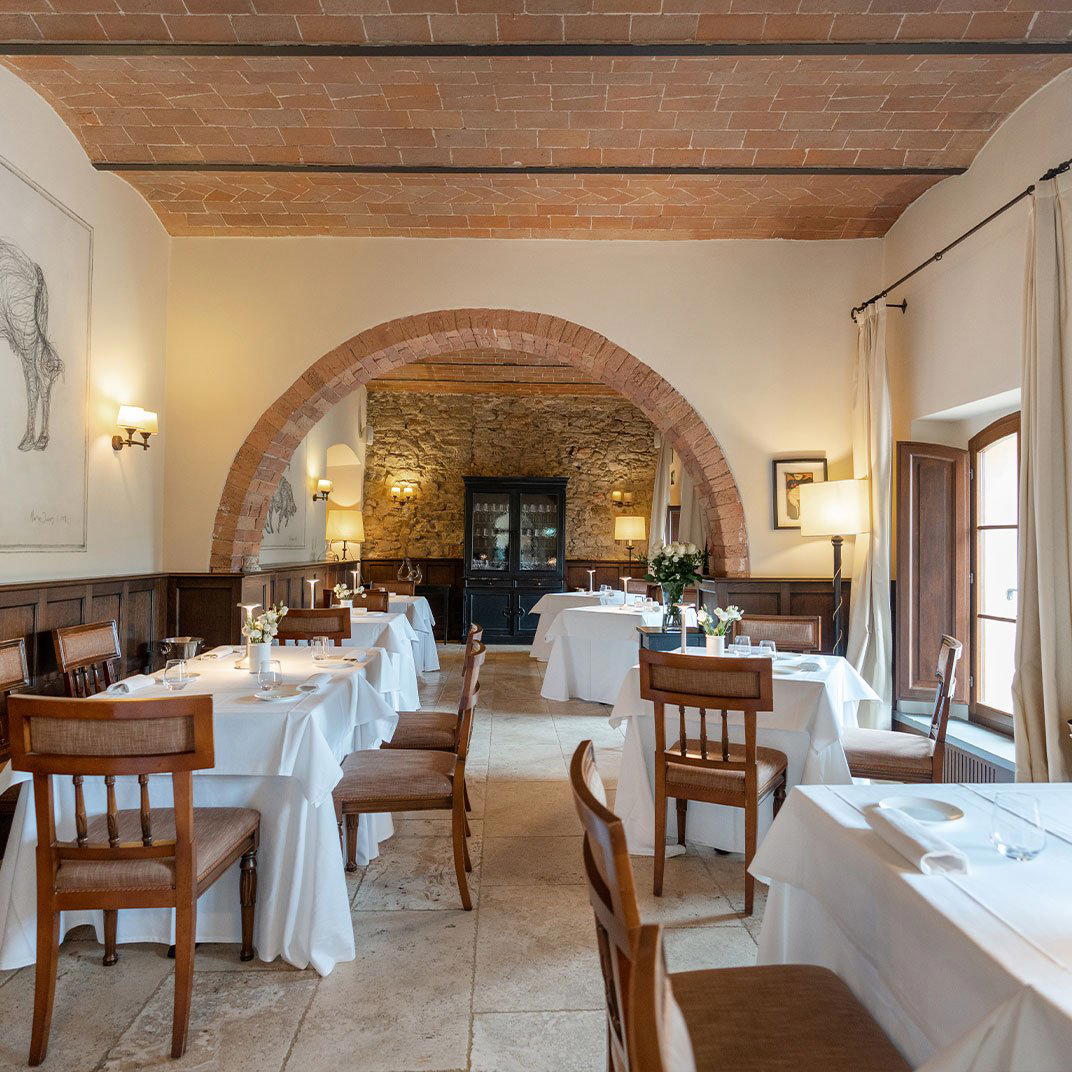
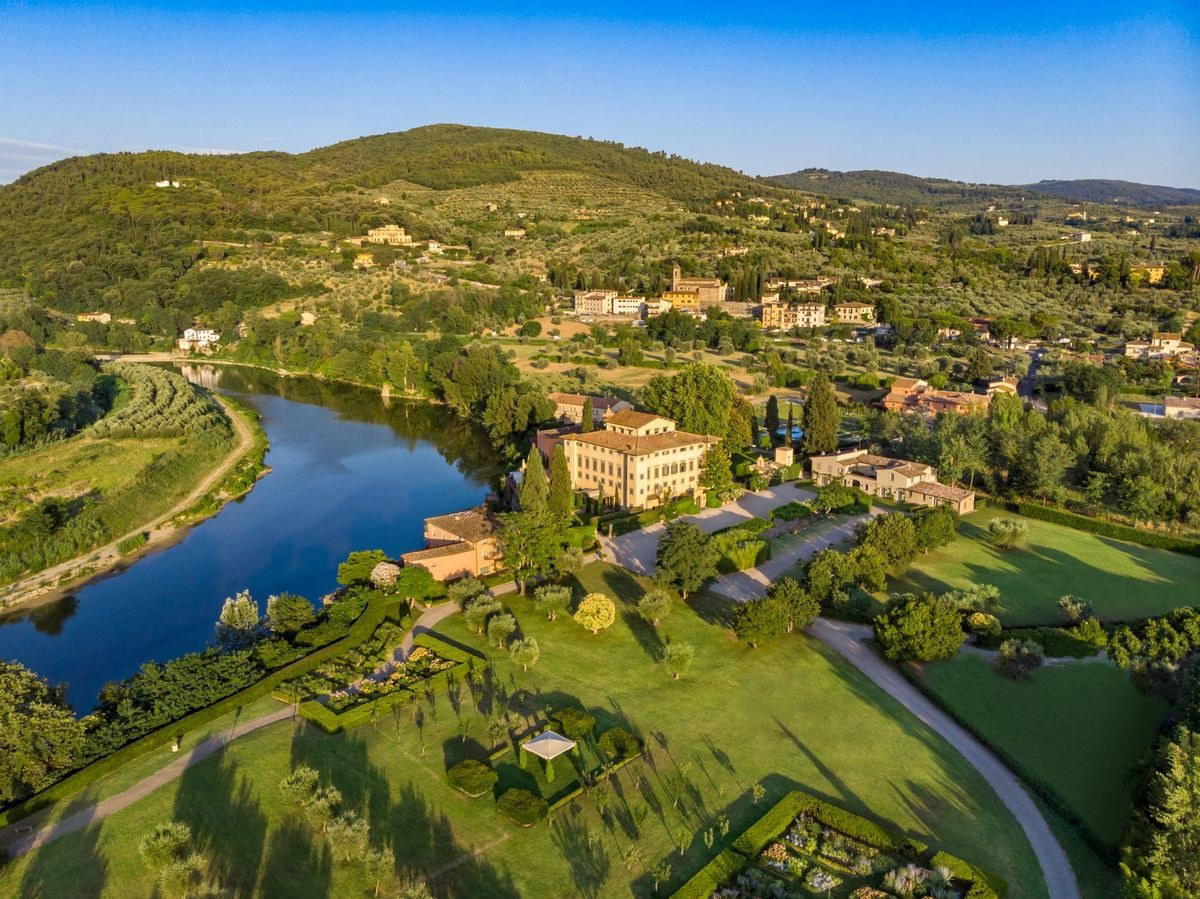
Natural amphitheatre setting with dramatic panoramic views of vine-covered hills and olive groves; intimate, unhurried atmosphere focused on wine quality over commercial tourism.