
One of Sauternes' oldest estates, Château Filhot has been producing botrytis-affected sweet whites since 1779 under the stewardship of the de Vaucelles family..
Pearl is the En Primeur Club membership app — saves, bookings, and concierge access live there. Same editors, same standards.
- Address
- Rte de Filhot, 33210 Sauternes
- Phone
- +33 5 56 76 61 09
- Website
- filhot.com
- Directions
- Get directions
 Saves & bookings on Pearl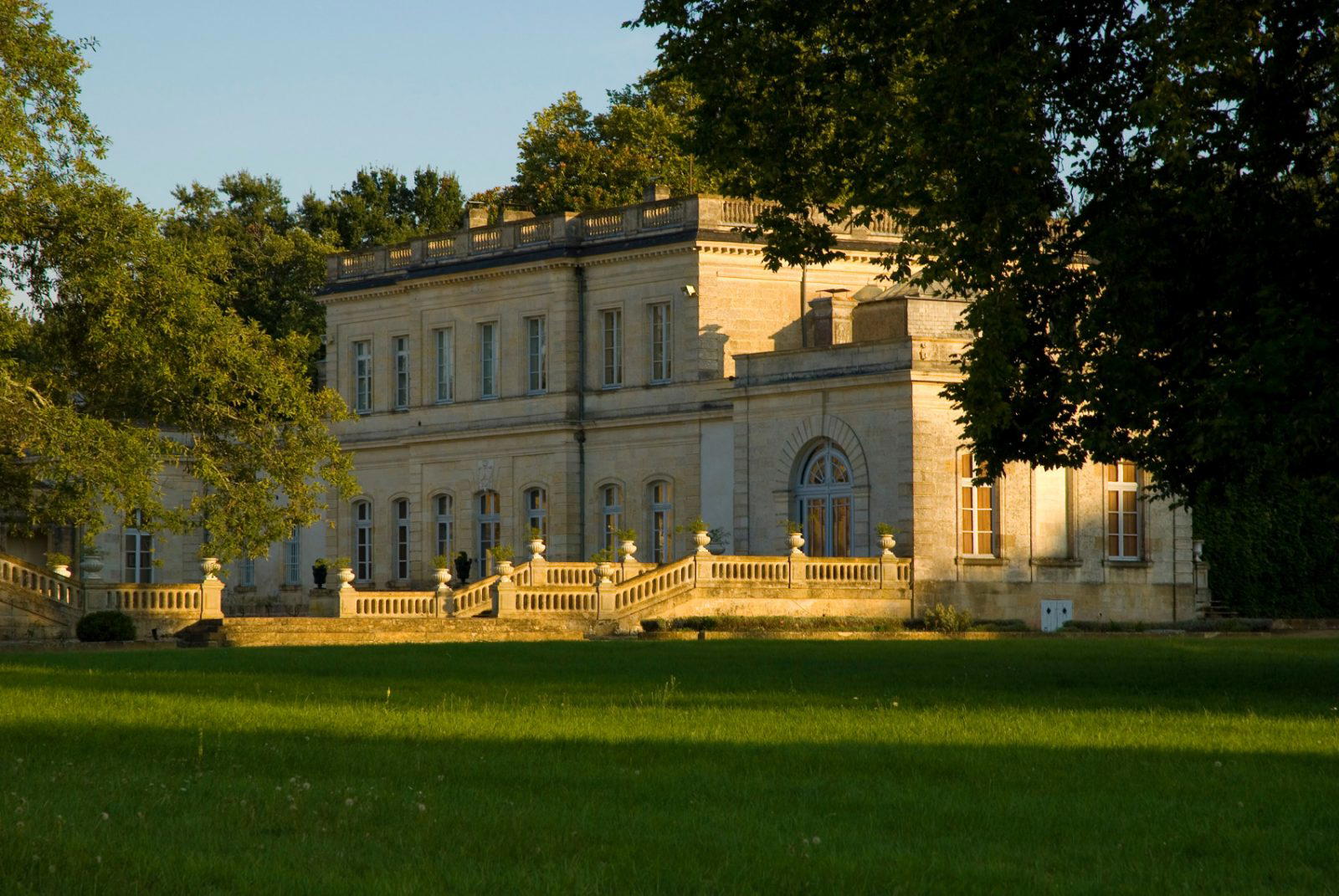
Two and a Half Centuries of Botrytis in the Graves Gravel
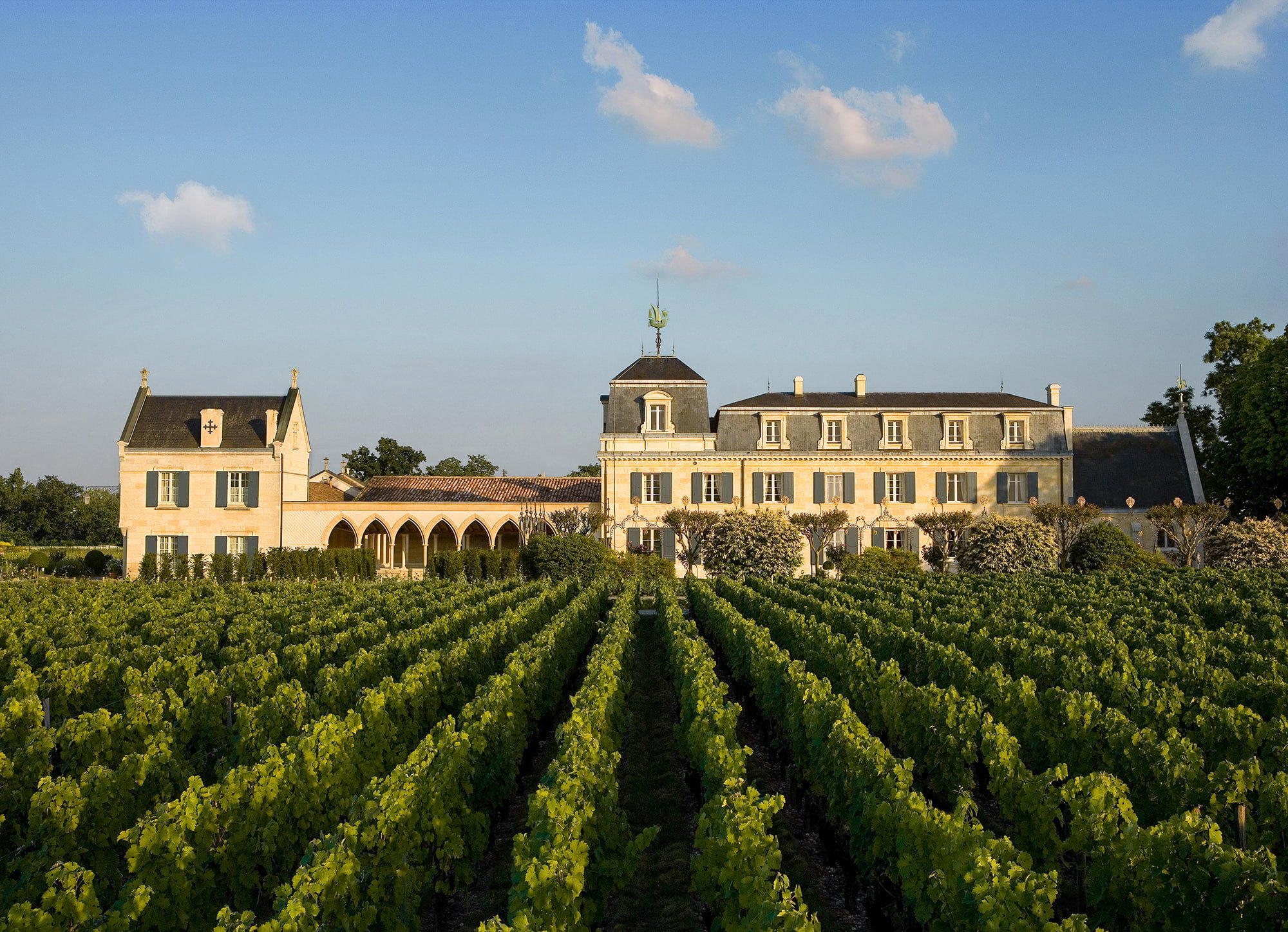
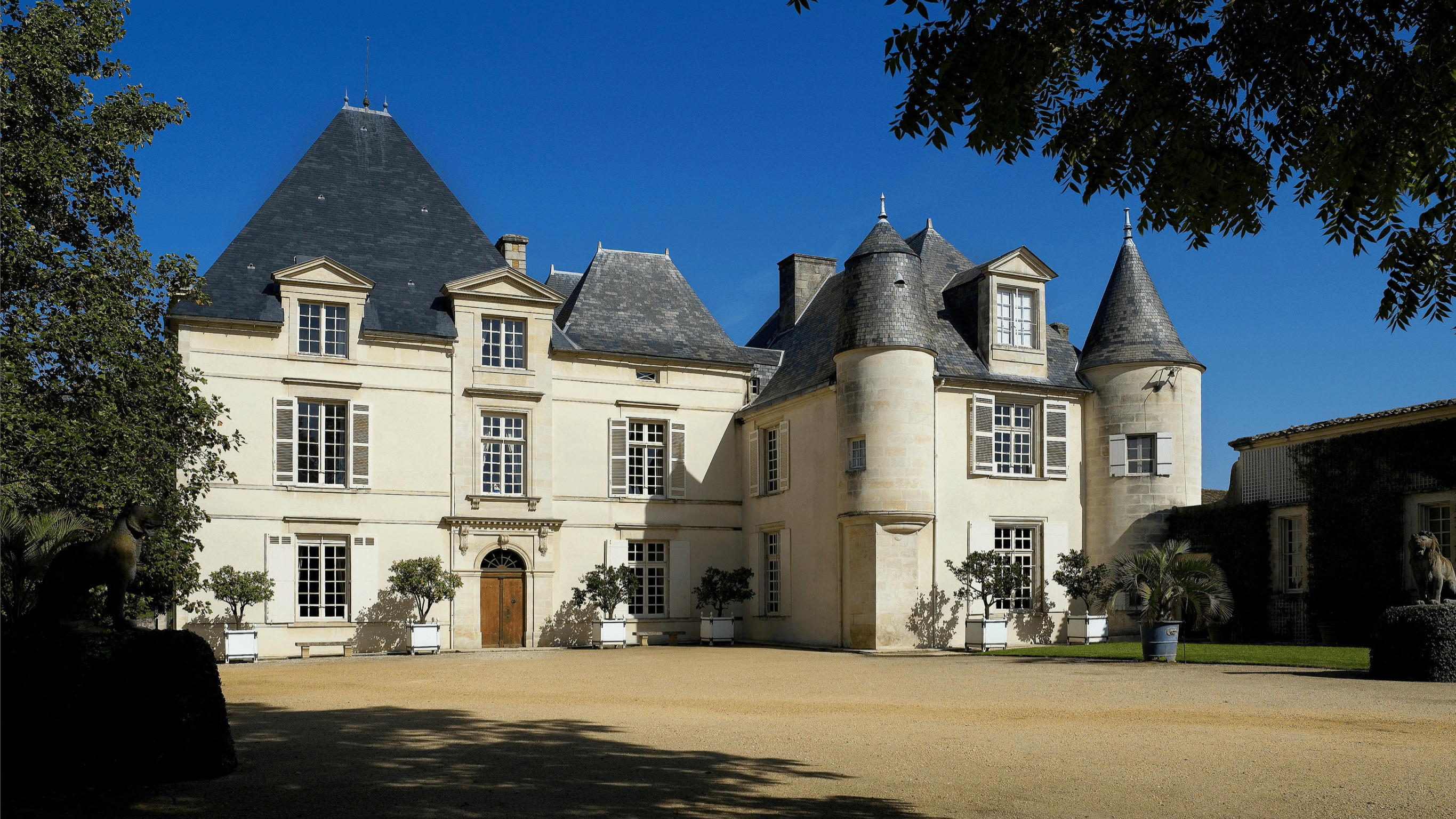
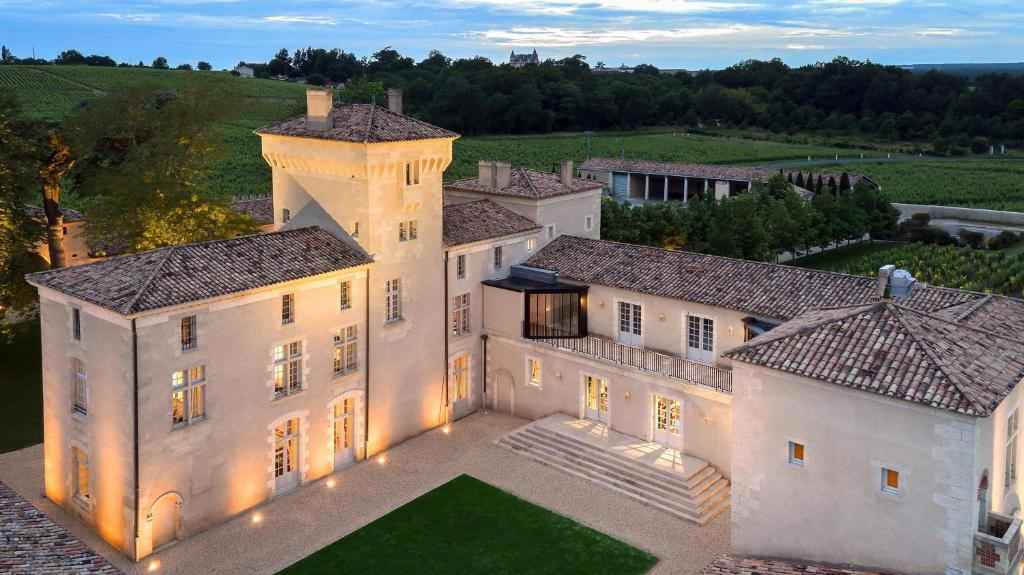
The southern edge of the Sauternes appellation moves at a different pace than the châteaux clustered near the village itself. The lanes narrow, the vines stretch further from the road, and the estates feel less curated for passing trade. Château Filhot sits in this quieter register, its 18th-century façade set back from the Route de Filhot in a posture that communicates age rather than ambition. For a winery that dates its first vintage to 1779, that restraint is earned. The property predates the 1855 Classification that would formally rank it as a deuxième cru classé, placing it in a tier occupied by estates like Château d'Arche and Château Bastor-Lamontagne in Preignac, all working within the same appellation rules but each expressing the Ciron-mist conditions differently.
In Sauternes, the physical environment is inseparable from what ends up in the glass. The morning fogs that rise from the Ciron tributary meeting the Garonne create the humidity that encourages Botrytis cinerea, the noble rot that concentrates sugars, glycerol, and aromatic compounds in Sémillon grapes. This is not winemaking in any conventional sense of the term: it is weather management, harvest patience, and the discipline to pick in successive tries over weeks rather than days. That fundamental premise has not changed at Filhot since the 18th century, and it is what distinguishes the appellation's leading estates from the broader Bordeaux sweet wine category as a whole.
Where Filhot Sits in the Sauternes Hierarchy
The Sauternes classification divides into three tiers: the single premier cru supérieur (Château d'Yquem), eleven premiers crus classés, and fifteen deuxièmes crus classés. Filhot has not followed that route as a marketing priority, positioning instead through historical depth and the consistent application of traditional botrytised winemaking.
For comparative context, that tier sits alongside recognised properties from other sub-regions: Château Bélair-Monange in Saint-Emilion, Château Branaire Ducru in St-Julien, and Château Cantemerle in Haut-Médoc all carry the same designation, suggesting that the award reflects cross-appellation standing rather than regional ranking alone.
The Tasting Experience: Format, Setting, and What to Expect
Visiting a Sauternes estate requires a different mental framework than touring a dry red wine château in the Médoc. The wines themselves demand context: their sweetness is a function of selective harvest under specific meteorological conditions, not a stylistic add-on. Understanding that before you arrive shapes how you receive what's poured. At Filhot, the estate's long history provides an immediate point of orientation. The château building and its grounds are part of the experience in a way that a newer or more industrial producer cannot replicate.
Winemaker Gabriel de Vaucelles oversees production here, part of the family lineage that has managed the property across generations. In the Sauternes context, continuity of this kind carries specific meaning: the know-how for reading botrytis development across an estate's varied plots is accumulated over decades, not learned from a textbook. That generational knowledge informs decisions about when each parcel is ready to harvest, how many passes the team makes through the vines, and which barrels merit the château's main label versus a secondary bottling.
The tasting room format at French classified estates tends toward the appointment-based visit, where a member of the team walks guests through the range with the cellar or the estate itself as backdrop. This is a more structured experience than the walk-in tasting bar format you find in, say, California's Napa Valley or in parts of Alsace. Estates like Albert Boxler in Niedermorschwihr operate with similar intimacy, where the tasting functions as a direct conversation with the producer rather than a consumer-facing retail exercise. At Filhot's scale and classification level, visitors are engaging with the wine through a lens that the château controls, which is both its limitation and its particular appeal.
For reference on how appointment-based estate visits work in other premium European wine regions, the structured tasting format at Chartreuse in Voiron offers a parallel in terms of producer-led narrative, though the category is entirely different. The principle holds: when the producer guides the format, the visit rewards patience and preparation over spontaneity.
Sauternes as a Region: Why the Appellation Matters
Filhot does not exist in isolation; it is one point in a constellation of properties that make the Sauternes appellation one of the most unusual in France. No other region in Bordeaux produces sweet wine at this classification level under these specific climatic conditions. The Ciron river's influence, the specific combination of Sémillon, Sauvignon Blanc, and Muscadelle permitted in the blend, and the appellation's insistence on natural botrytis (rather than late harvest or cryo-extraction techniques used elsewhere) place these wines in a category that has no direct equivalent.
The region's estates span a spectrum in terms of investment, production philosophy, and market positioning. D'Yquem operates in a category of its own, pricing and allocating at premier cru supérieur levels that place it closer to first-growth Médoc châteaux than to its Sauternes peers. The deuxième crus, including Filhot, occupy a more accessible bracket, with prices that reflect the classification but remain within reach for serious collectors rather than requiring institutional budgets. Château Boyd-Cantenac in Cantenac and Château Batailley in Pauillac represent a comparable position in their respective Médoc sub-regions, carrying classified status without the allocation scarcity of their appellation's leading names.
For a full picture of what the Sauternes area offers beyond individual estates, including dining and accommodation options, see our full Sauternes restaurants guide. And for those planning a broader Bordeaux swing, the Château Duhart-Milon Pauillac visit offers a useful contrast: the structural differences between a classified Médoc red and a Sauternes sweet white illuminate how differently two 1855 classified properties can express Bordeaux's range. Producers from entirely different categories, such as Aberlour in Aberlour or Accendo Cellars in St. Helena, serve as useful comparative anchors for understanding how single-estate identity is constructed across different craft beverage traditions.
Planning Your Visit
Château Filhot is located on the Route de Filhot, 33210 Sauternes, in the southern part of the appellation. Like most classified Sauternes châteaux, visits are leading arranged in advance; arriving without an appointment at a deuxième cru classé property is rarely productive, particularly outside the main harvest period in autumn. The harvest season, typically running from late September into November depending on botrytis progression, is the most instructive time to visit: the multiple picking passes are underway, and the estate is operating at full intensity. Spring and early summer visits offer a quieter atmosphere with the vines in growth, and many estates schedule tastings with older vintages during this period, which can be the more rewarding tasting experience for those interested in how these wines develop with age. Given that Filhot's website and direct contact details are not currently listed through EP Club's database, visitors are advised to approach booking through a specialist wine travel operator or to contact the château directly via the address above before planning travel.
Recognition history
Dated appearances from independent guides and award organizations, with the underlying list record or original source where available.
Falstaff Winery - 1 Stars
Falstaff
Continue exploring
More in Sauternes
Wineries in Sauternes
Browse all →
Bars in Sauternes
Browse all →
Restaurants in Sauternes
Browse all →
At a Glance
- Elegant
- Romantic
- Classic
- Scenic
- Romantic Getaway
- Wine Education
- Special Occasion
- Celebration
- Estate Grounds
- Vineyard Tour
- Historic Building
- Garden
- Garden
- Vineyard
- Sauternes
- Sémillon
- Sauvignon Blanc
- Muscadelle
- Dessert
- Estate Tasting
- Vineyard Tour
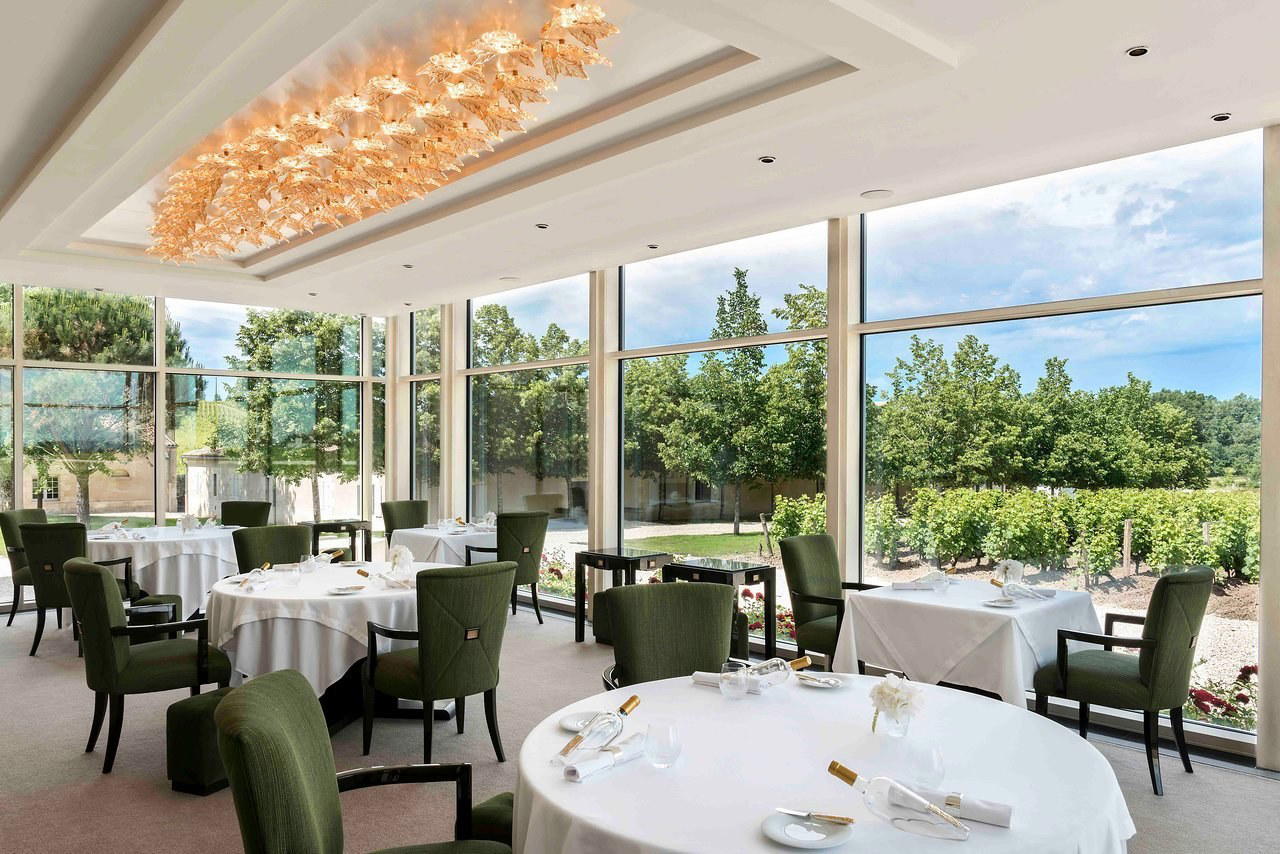
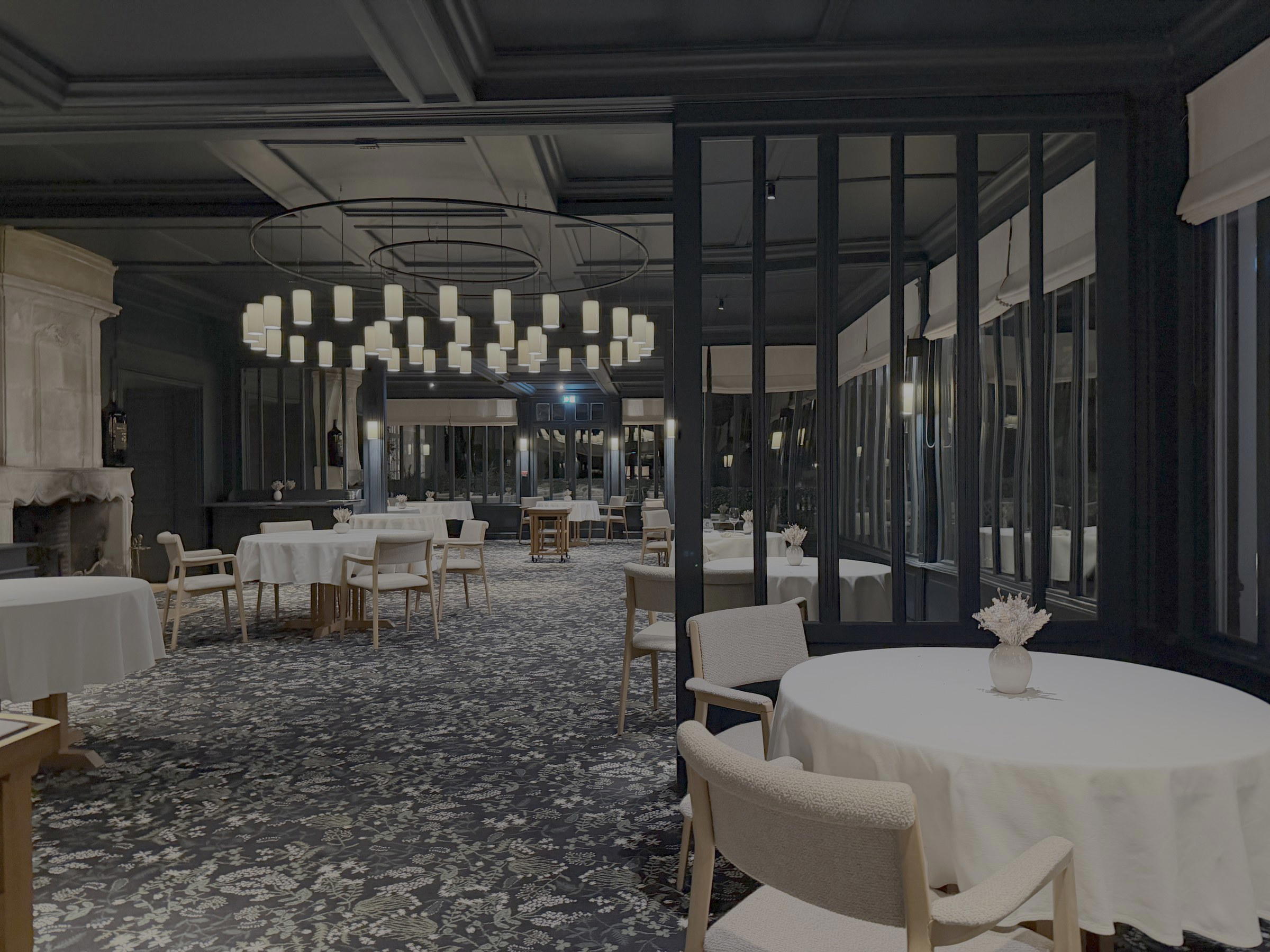
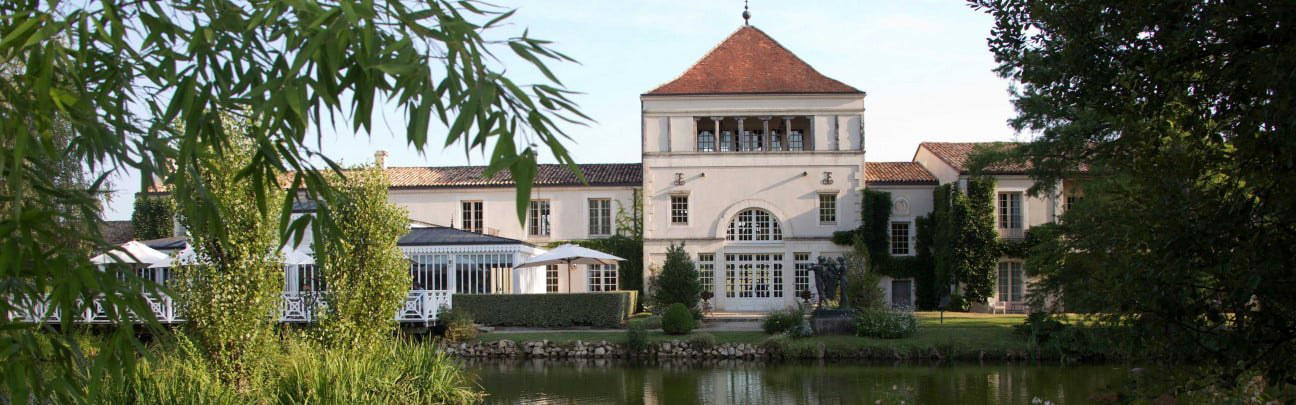
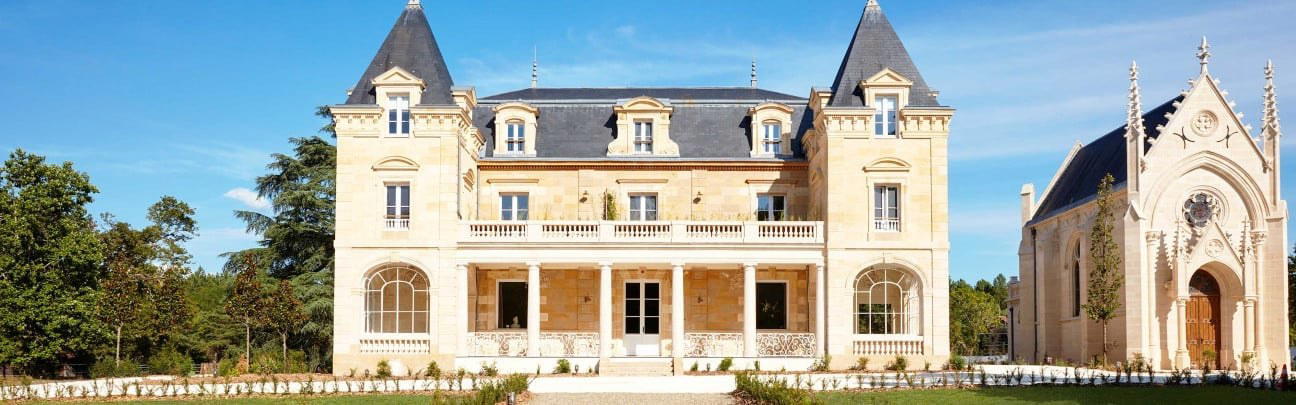
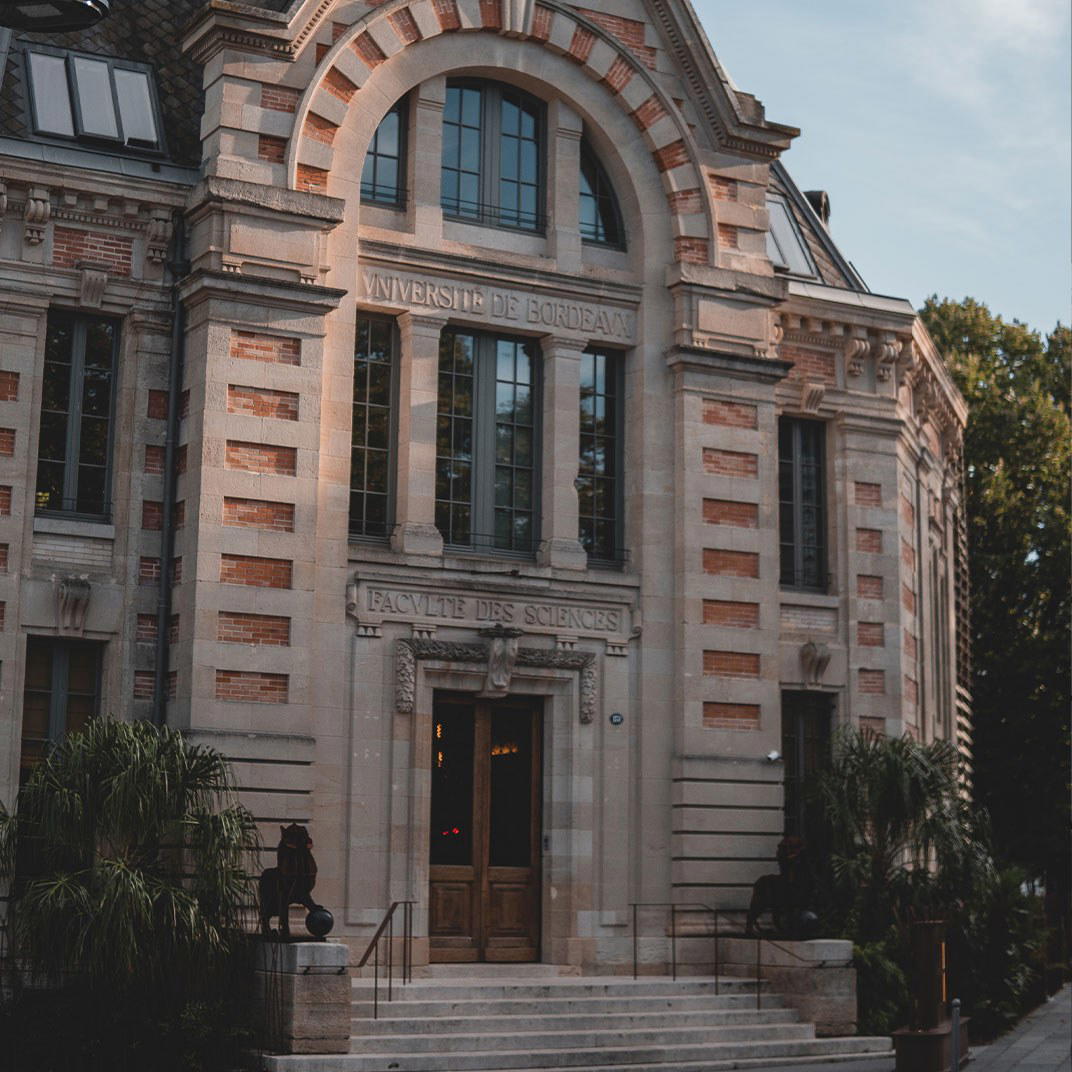
Stately and refined, with the atmosphere of a historic European estate surrounded by forests, parkland, and formal gardens that evoke timeless elegance and heritage.
Know Before You Go
- Getting there
- Rte de Filhot, 33210 Sauternes