Dalla Valle Vineyards

Dalla Valle Vineyards has operated from Silverado Trail since its first vintage in 1986, placing it among Napa's longer-established estate producers..
Pearl is the En Primeur Club membership app — saves, bookings, and concierge access live there. Same editors, same standards.
- Address
- 7776 Silverado Trail, Napa, CA 94558
- Phone
- +1 707-944-2676
- Website
- dallavallevineyards.com
- Directions
- Get directions
 Saves & bookings on Pearl
Silverado Trail and the Allocation Tier
The eastern side of Napa Valley operates differently from the more travelled Highway 29 corridor. Silverado Trail runs parallel but quieter, and the properties along it tend toward smaller production, appointment-only access, and the kind of mailing-list economics that make booking a visit to a place like Dalla Valle Vineyards a medium-term planning exercise rather than a weekend impulse. The winery at 7776 Silverado Trail is a useful reference point for understanding how Napa's upper production tier actually works: the wine comes first, visitor access is secondary, and allocation determines who gets what before geography becomes relevant.
The winery's first vintage dates to 1986, giving it nearly four decades of estate history on Silverado Trail, long enough to have developed its own soil data, microclimate records, and vineyard block intelligence that newer operations simply cannot replicate on a compressed timeline.
The Booking Reality
Anyone researching Dalla Valle through standard online channels will quickly encounter the allocation model that governs access to wines at this level. The winery does not operate as a walk-in tasting room in the way that many Napa properties along Highway 29 do, particularly those oriented toward tourism traffic. Visits here are appointment-based, and the more compelling access point for serious buyers is the mailing list, which controls release allocations before any broader availability. This structure is common among Napa's premium estate producers, Blackbird Vineyards and Darioush Winery both operate within similar access frameworks, where the relationship between producer and buyer is cultivated over time rather than transacted at a tasting bar.
For visitors planning a Napa trip around properties at this tier, the practical sequence matters. Contact should happen weeks or months before travel, not days before. Mailing list position affects allocation availability, and tasting appointments at estate producers in this category are not guaranteed simply because you have a reservation at a nearby hotel. The broader Napa restaurant and winery guide covers how to structure a valley itinerary around this kind of appointment-first access, which applies to several properties beyond Dalla Valle alone.
Winemaking Continuity and What It Signals
Maya Dalla Valle and Rebekah Wineburg share winemaking responsibilities at the estate. In a valley where winemaker transitions can shift a property's critical standing within a few vintages, continuity at the production level carries real weight.
Napa's premium Cabernet tier has become increasingly stratified over the past decade. The valley's identity remains anchored in Cabernet Sauvignon, and the estates that hold sustained recognition in the upper allocation brackets tend to share a few characteristics: long vineyard tenure, winemaker consistency, and a production scale that keeps supply tight relative to demand. Dalla Valle fits that pattern. Properties like Accendo Cellars in St. Helena and Alpha Omega Winery in Rutherford operate within the same general framework of small-lot estate production in Napa, each with its own AVA positioning and winemaking approach, but sharing the allocation-driven access model.
The first vintage year of 1986 is worth weighing carefully. Many Napa properties that entered production in that era have either been absorbed by larger conglomerates, pivoted toward higher-volume visitor programming, or quietly declined in critical standing. Dalla Valle has remained an independent estate producer across nearly four decades, a structural fact that shapes everything from vineyard management decisions to the pace at which allocation lists grow.
Positioning Within the Valley
Napa's premium winery tier has never been monolithic. The valley contains everything from large visitor-oriented operations with architecture designed for throughput, Artesa Vineyards and Winery being a useful reference point for that model, to design-forward boutique labels like Ashes and Diamonds Winery, which operates with a mid-century aesthetic and a different kind of brand positioning. Dalla Valle sits apart from both of those models. It is neither a high-design destination property nor a volume-tourism operation. The estate is oriented around the wine itself, with visitor experience structured to serve that priority.
That positioning has parallels elsewhere in California. Adelaida Vineyards in Paso Robles and Alban Vineyards in Arroyo Grande both represent estate-first models in their respective regions, where the land and the wine drive decisions rather than tasting room economics.
For buyers working across multiple California regions, the comparison set also extends north. Alexander Valley Vineyards in Geyserville and Andrew Murray Vineyards in Los Olivos each offer reference points for how estate producers outside Napa manage access and allocation, often with less competitive mailing list dynamics but similar commitments to single-property viticulture. Internationally, the estate model has its own analogues: Achaia Clauss in Patras and Aberlour in Aberlour each demonstrate how long-established producers in different wine traditions build identity through production continuity over decades. Dalla Valle's 1986 start date puts it in that company of producers whose track record spans enough vintages to make year-on-year comparison meaningful.
The Clos Selene Winery provides another Napa-specific comparison point for buyers weighing estate options in the valley's mid-to-upper pricing tiers, where the gap between properties with sustained critical recognition and those trading on historical reputation has widened in recent years.
Planning a Visit
Silverado Trail runs the length of the valley and is accessible from both the northern end near Calistoga and the southern approaches toward the city of Napa. The winery address at 7776 Silverado Trail places it in the mid-valley stretch where several appointment-only estates operate in close proximity, making it possible to schedule multiple visits in a single day if all appointments are confirmed in advance. Given the appointment-only format, arriving without prior contact is not a practical approach. The mailing list is one reliable long-term access path for allocations, while tasting appointments represent a separate inquiry process. Visitors who have secured both should plan their valley schedule around confirmed times rather than treating the estate as one stop among many casual visits. The Adelsheim Vineyard model in Newberg offers a useful comparison for how estate producers in other premium regions structure appointment access, and the same advance-planning logic applies here.
A Tight Comparison
Comparable venues nearby, for context on price, style, and recognition.
| Venue | Cuisine | Price | Notes |
|---|---|---|---|
| Dalla Valle VineyardsThis venue — the venue you are viewing | Not listed | $$$$ | Not listed |
| Tournesol | Not listed | $$$$ | Coombsville, Cabernet Sauvignon, Cabernet Franc |
| Kongsgaard | Atlas Peak, Chardonnay, Syrah | $$$$ | Not listed |
| The Vice | Not listed | $$$$ | St. Helena, Cabernet Sauvignon, Pinot Noir |
| Meteor Vineyard | Not listed | $$$$ | Coombsville, Cabernet Sauvignon, Petit Verdot |
| Domaine Carneros | Carneros, Pinot Noir, Chardonnay | $$$$ | Not listed |
Recognition history
Dated appearances from independent guides and award organizations, with the underlying list record or original source where available.
Falstaff Winery - Listed
Falstaff
Continue exploring
More in Napa
Wineries in Napa
Browse all →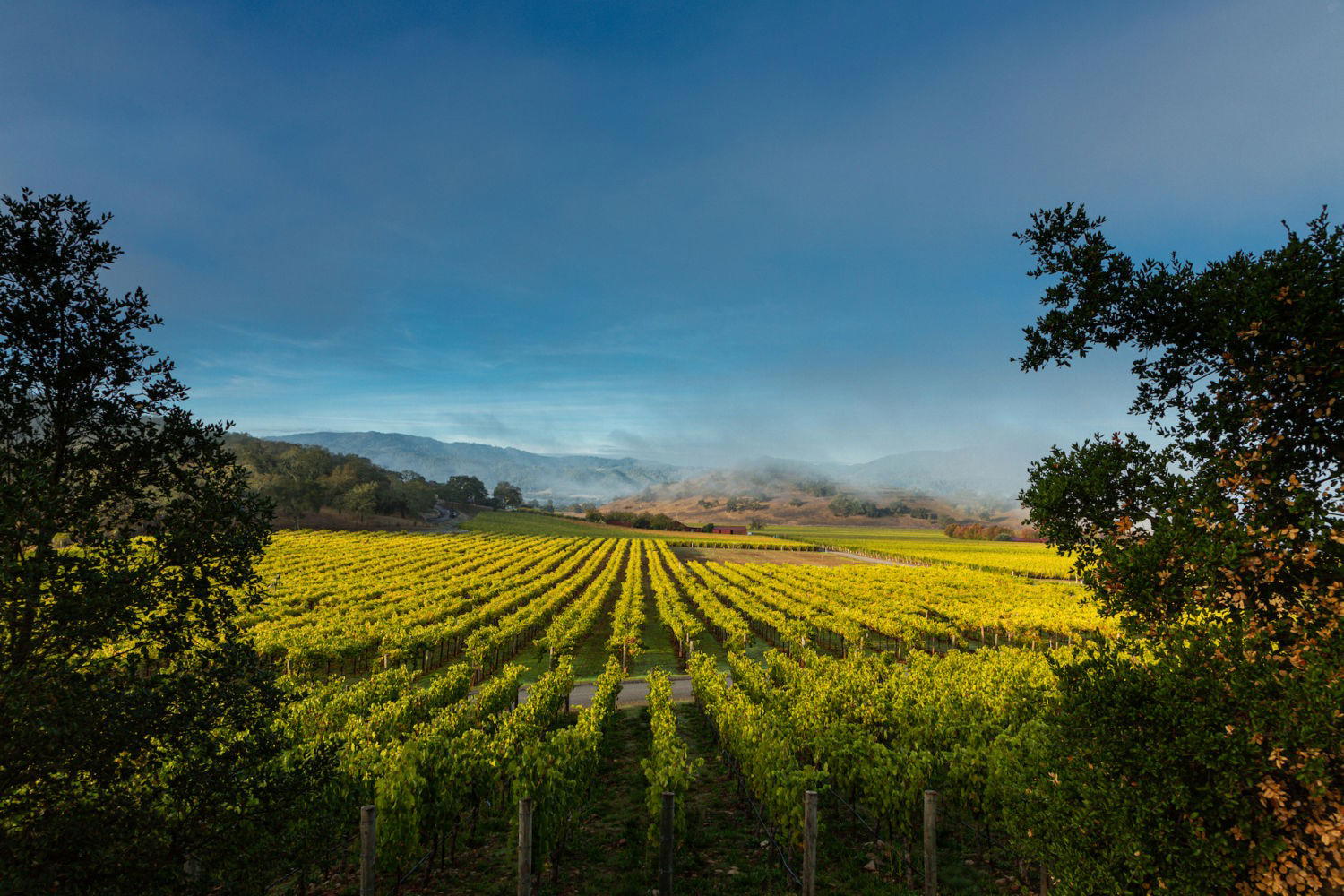
Bars in Napa
Browse all →
Restaurants in Napa
Browse all →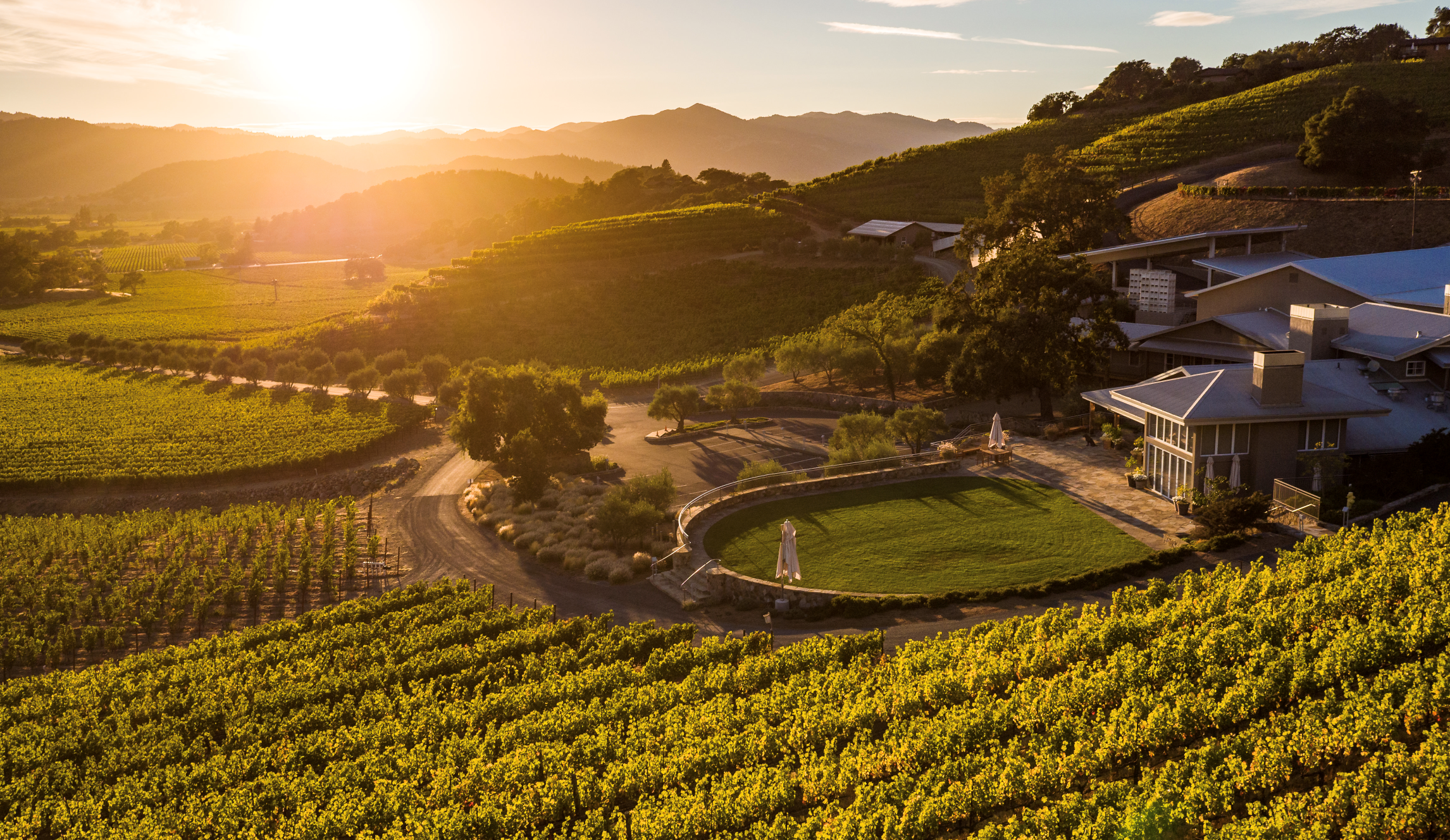
At a Glance
- Elegant
- Sophisticated
- Scenic
- Intimate
- Classic
- Special Occasion
- Wine Education
- Romantic Getaway
- Vineyard Tour
- Estate Grounds
- Panoramic View
- Vineyard
- Mountain
- Oakville AVA
- Cabernet Sauvignon
- Cabernet Franc
- Petit Verdot
- Still Red
- Private Tasting
- Cave Tasting
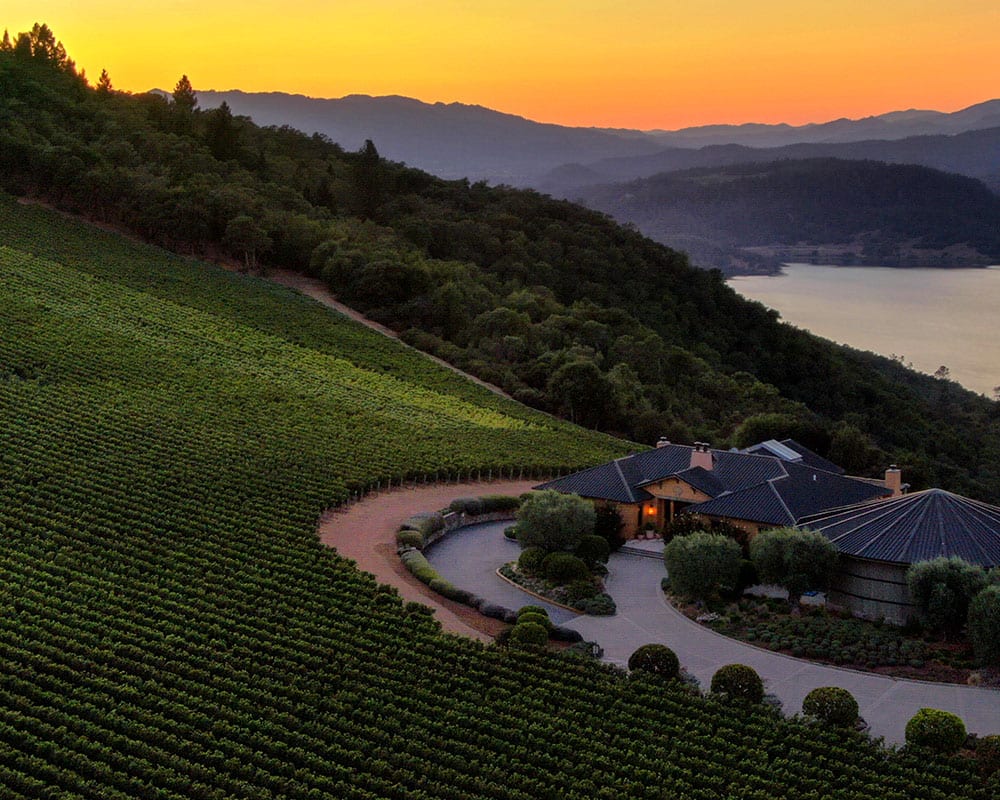
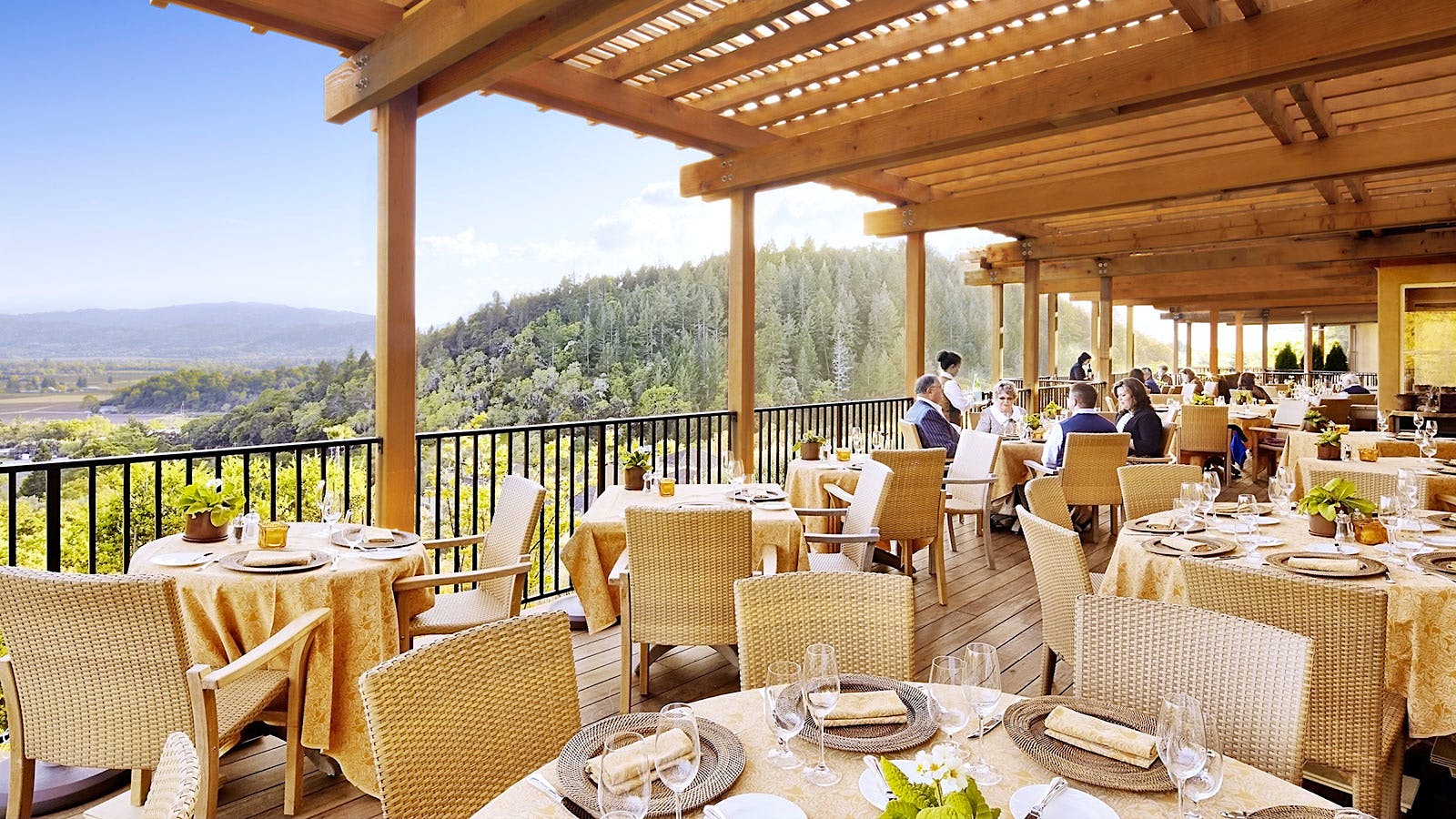
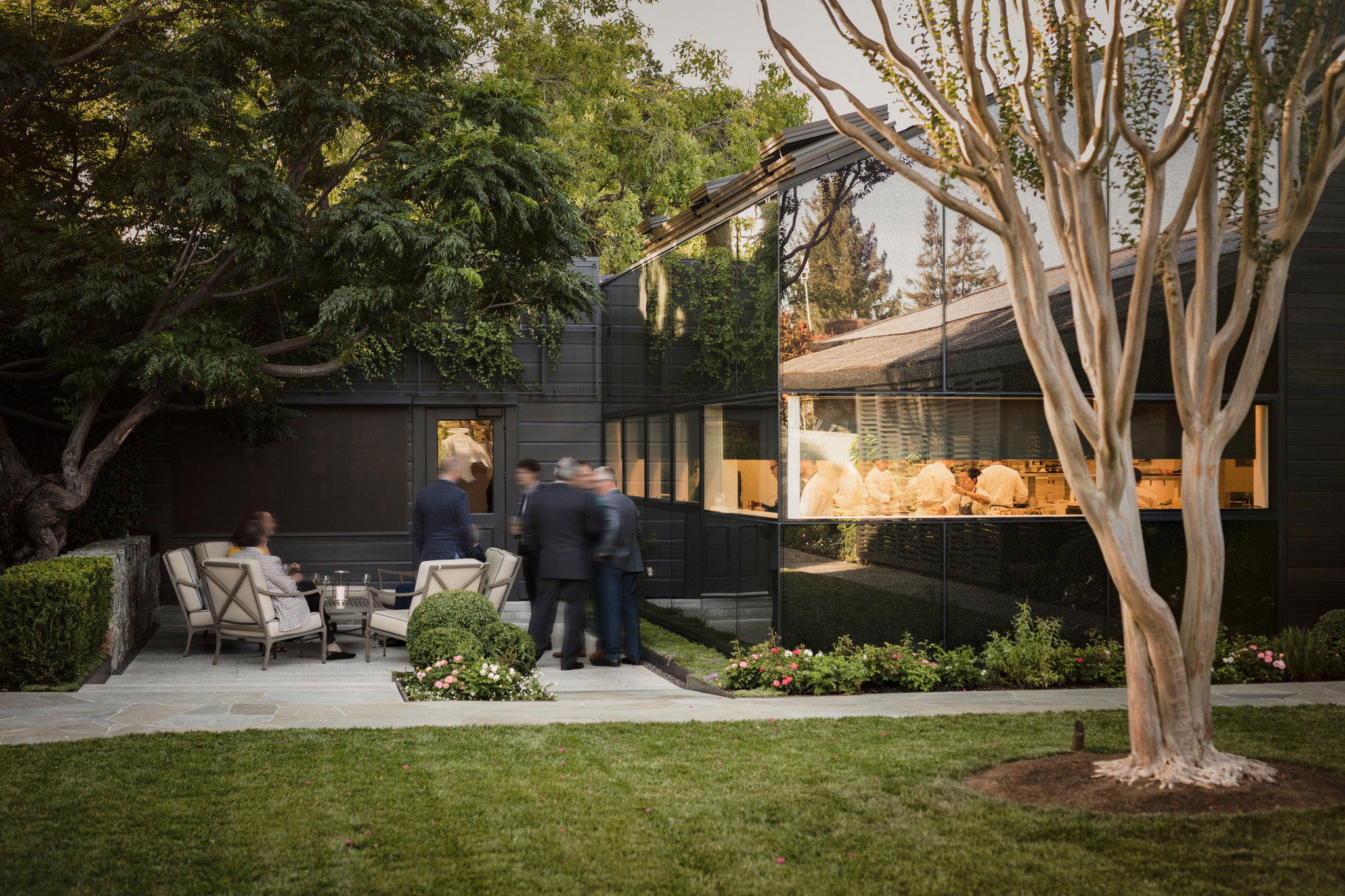
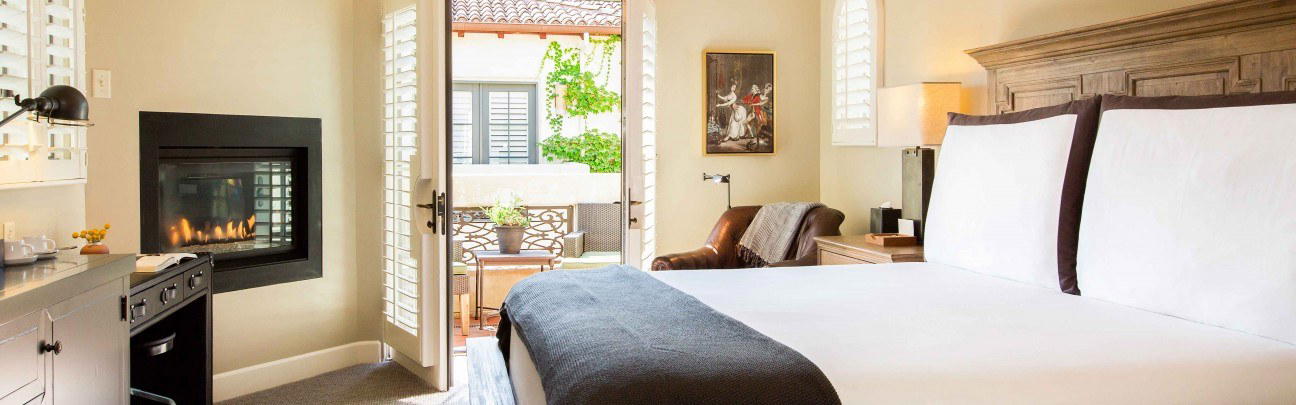
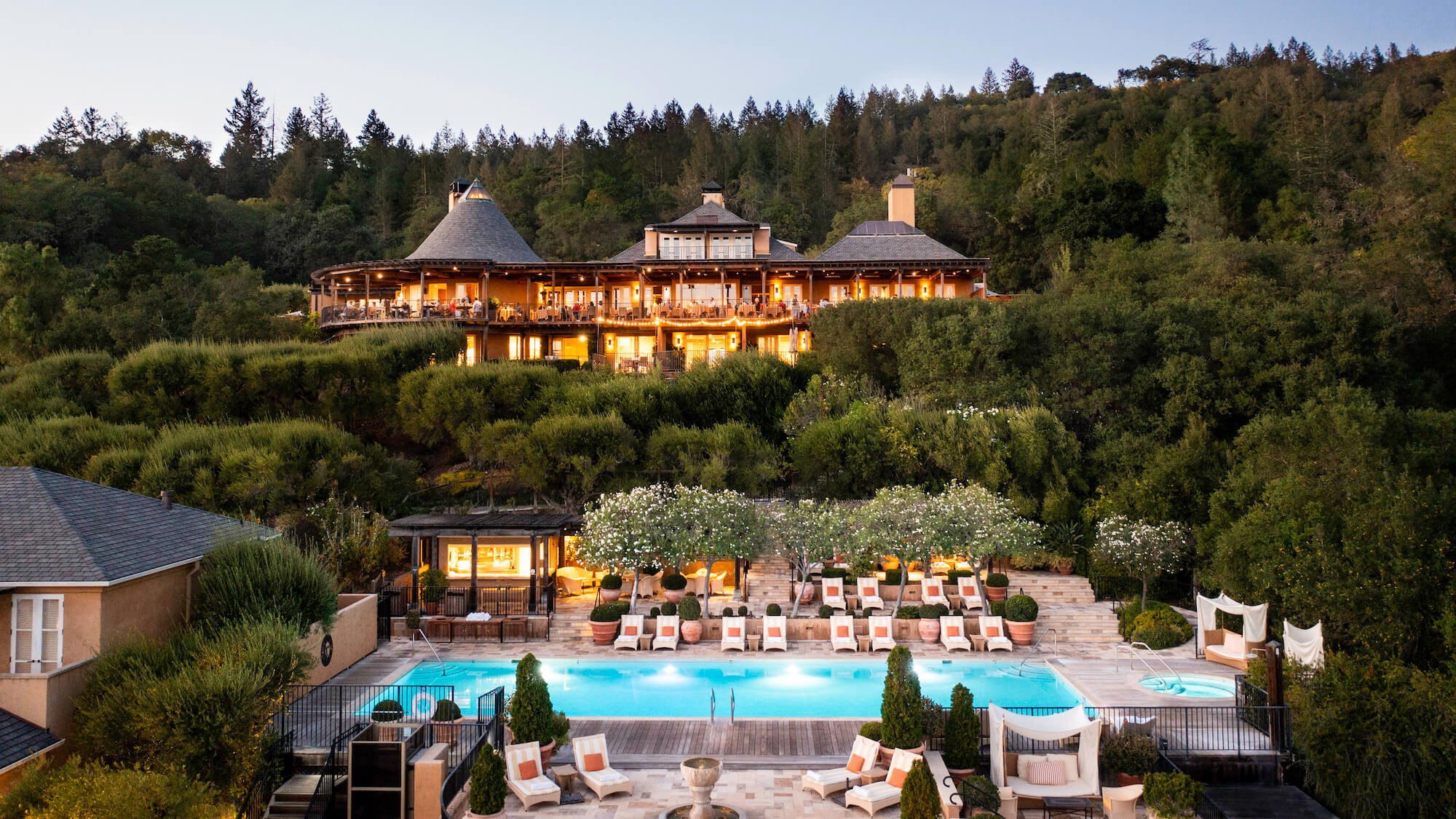
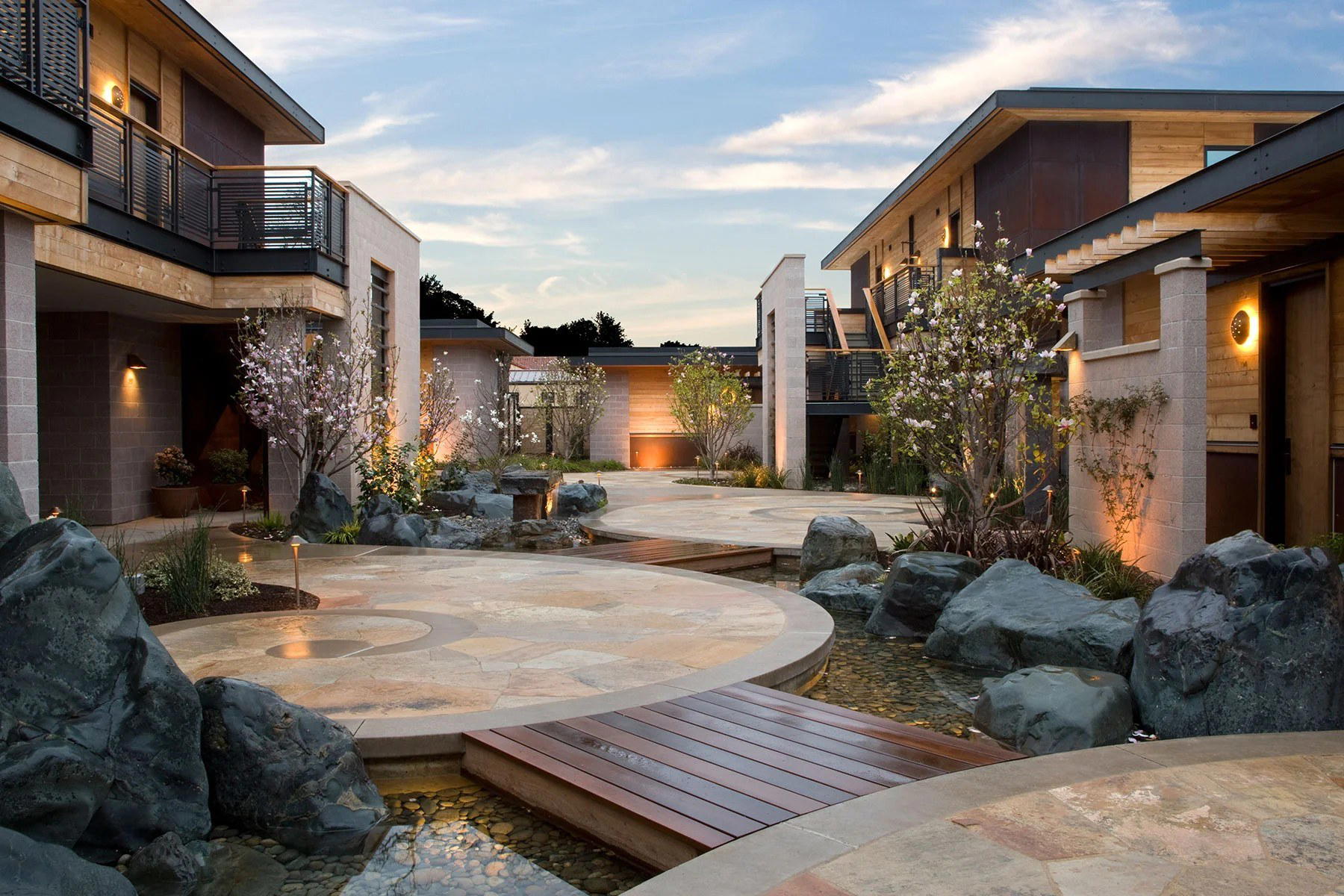
Elegant hillside setting with refined, sophisticated atmosphere overlooking vineyards.