Skip to Main Content
← Collection
Tours-sur-Marne, France

Laurent-Perrier

WinemakerMichel Fauconnet
RegionTours-sur-Marne, France
First Vintage1812
Pearl

Founded in 1812 and operating from its historic address on the Avenue de Champagne in Tours-sur-Marne, Laurent-Perrier is one of Champagne's most enduring independent houses. Under winemaker Michel Fauconnet, the house has maintained a distinct stylistic identity within a region dominated by larger conglomerates. Laurent-Perrier holds a Pearl 4 Star Prestige rating (2025) from EP Club.

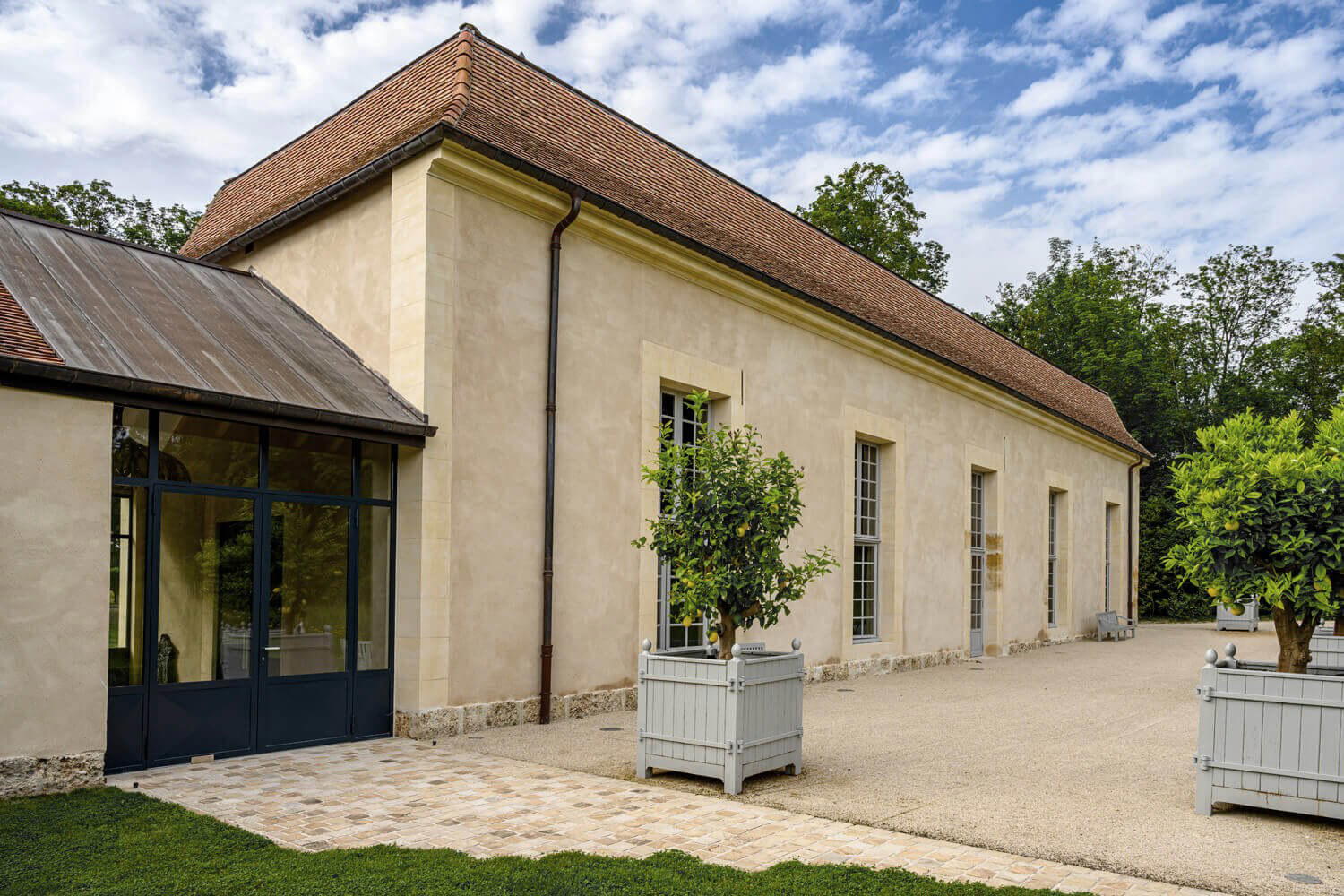
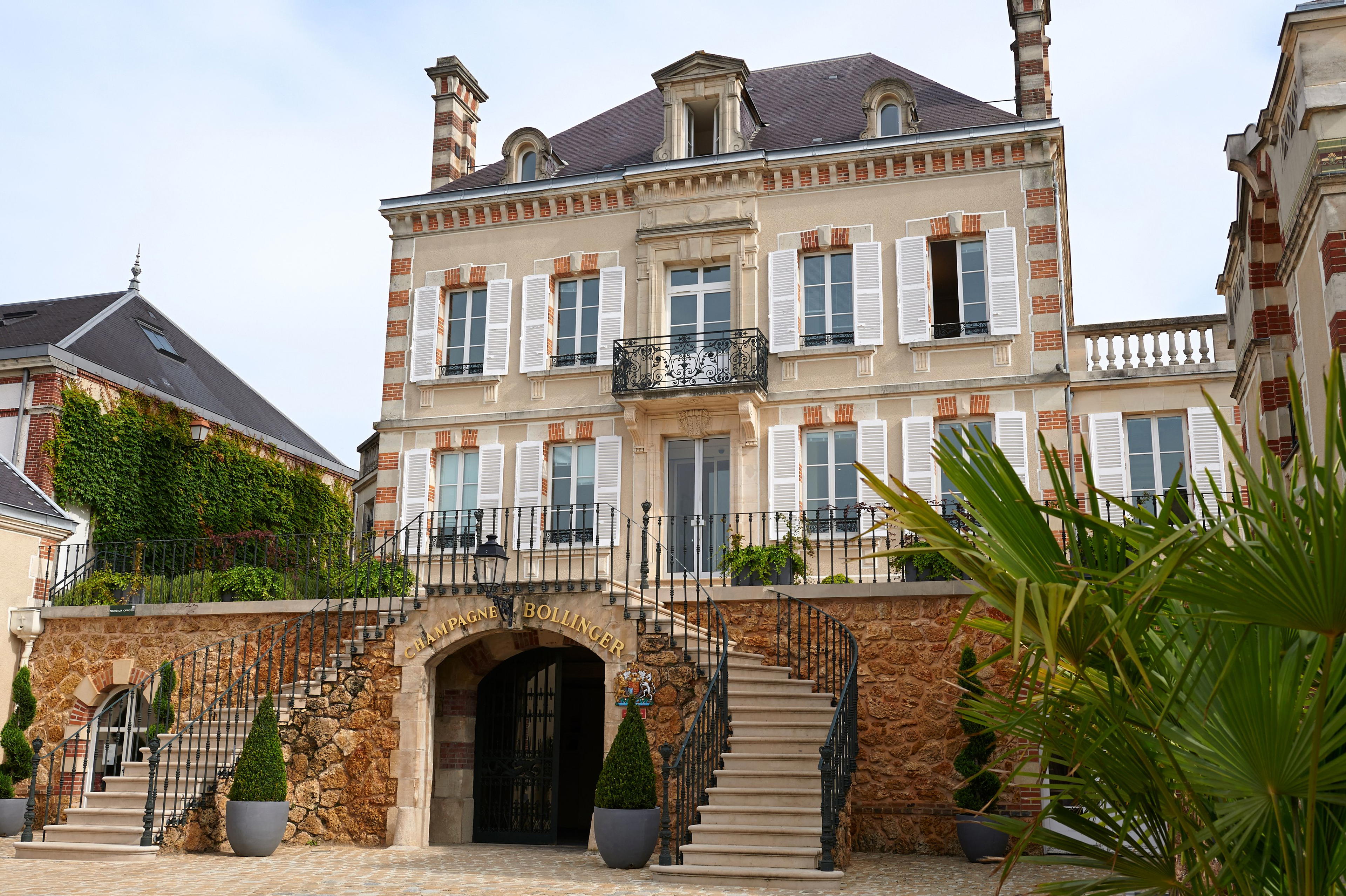
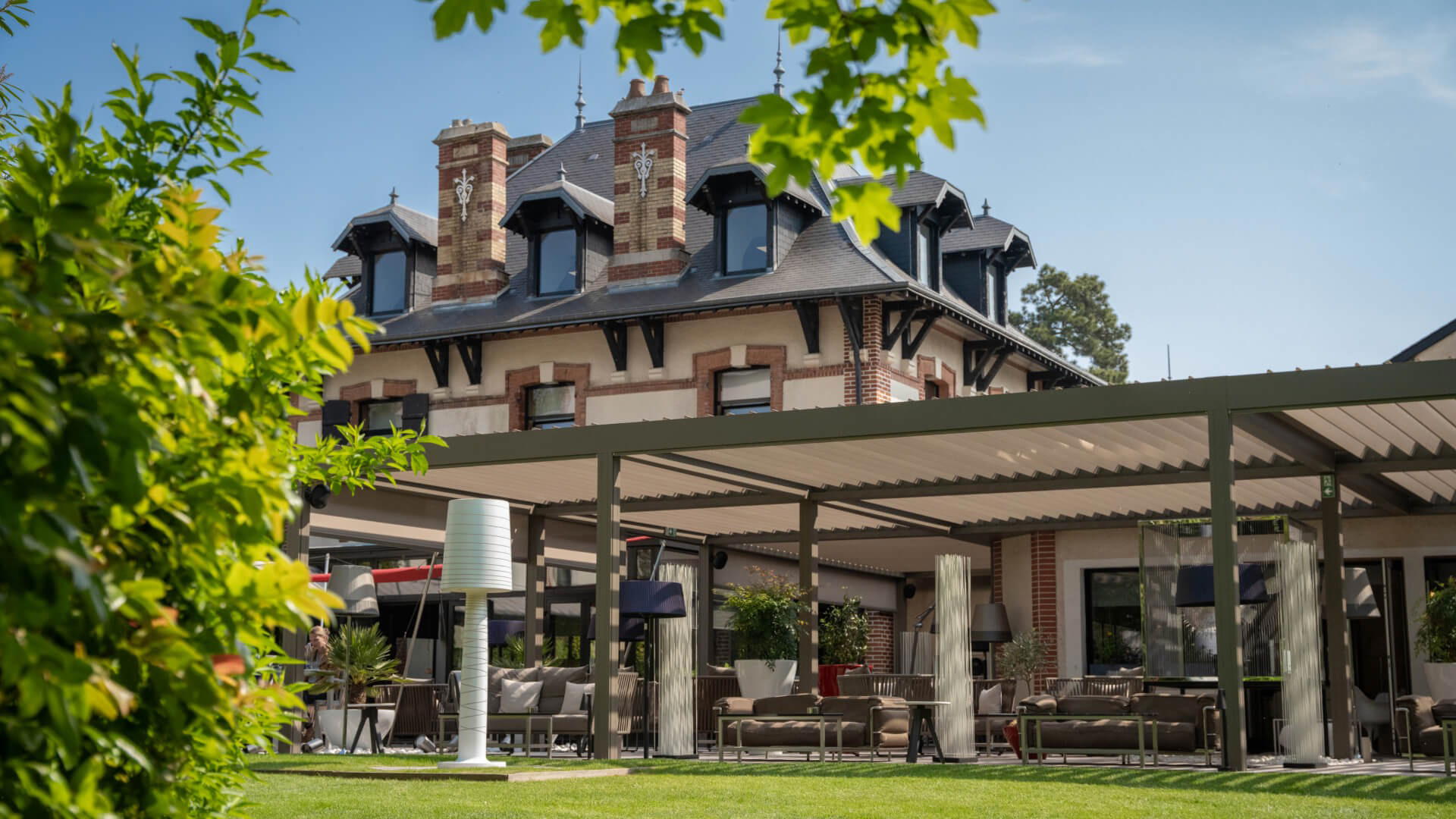
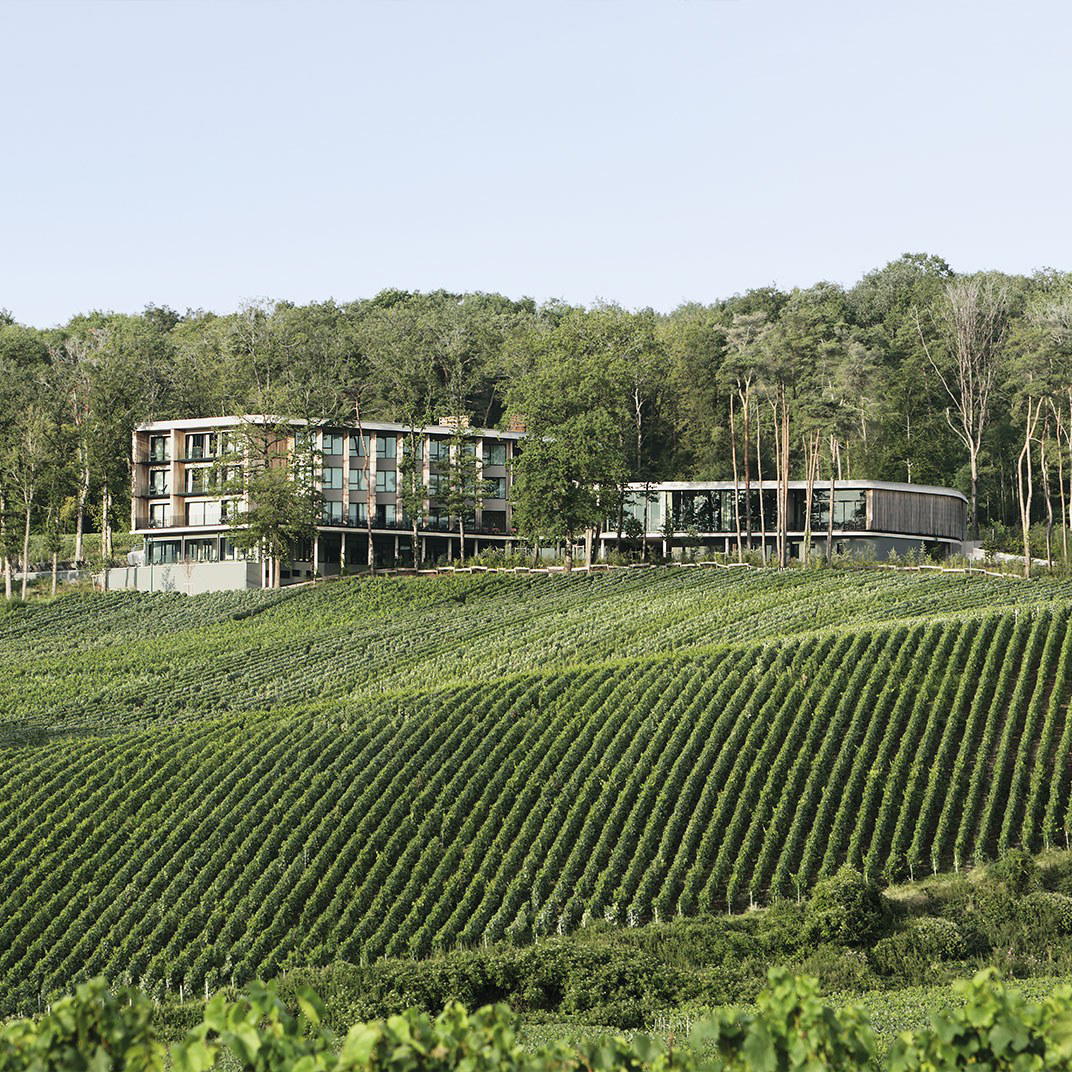
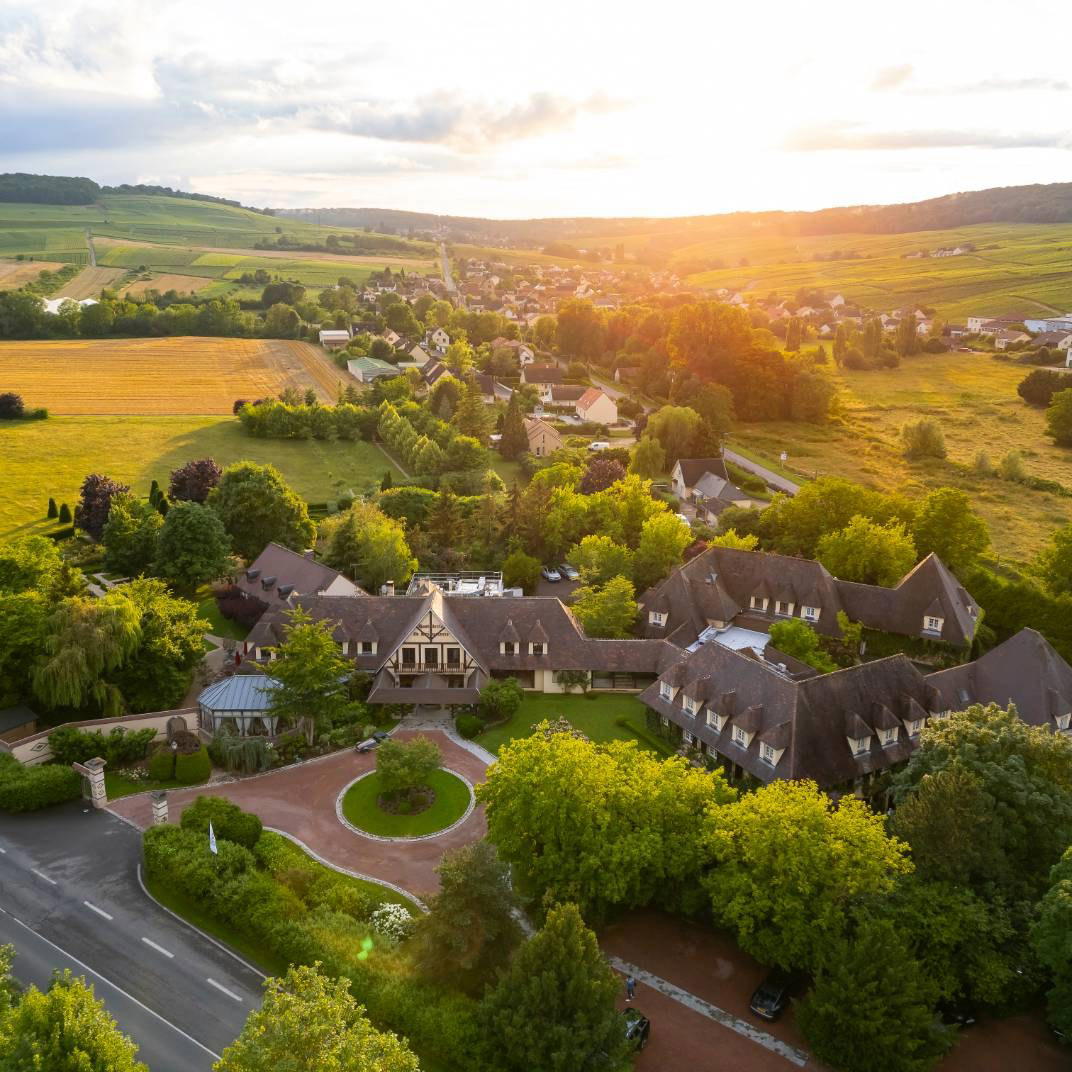
Laurent-Perrier winery in Tours-sur-Marne, France
About

The Avenue de Champagne and the Houses That Shaped It

The Avenue de Champagne in Épernay and its immediate environs have long served as the physical address of Champagne's institutional memory. Yet Tours-sur-Marne, a few kilometres east along the Marne valley, carries its own quiet authority. The village sits at a confluence of three of Champagne's most significant growing sub-zones, and the presence of Laurent-Perrier at 32 Avenue de Champagne is not incidental to that geography. Houses that established themselves in this corridor during the nineteenth century did so with specific access to vineyards in mind, and Laurent-Perrier's founding in 1812 places it squarely in the era when the grandes marques were staking their claims across the region.

For context on how the Champagne house landscape has evolved, see our full Tours-sur-Marne restaurants guide. The village rewards visitors who approach it as a working wine town rather than a tourist destination, and Laurent-Perrier's presence is central to understanding its character.

Members Only

The shortlist, unlocked.

Hard-to-book tables, cellar releases, and concierge-planned trips.

Get Exclusive Access →

Michel Fauconnet and the House Style

The editorial angle on Laurent-Perrier almost inevitably runs through Michel Fauconnet, the house's winemaker, because in Champagne the chef de cave is the primary continuity mechanism for stylistic identity. Unlike Bordeaux châteaux where a single estate's terroir anchors the wine from year to year, a Champagne house's character is a constructed thing, rebuilt from hundreds of individual parcels and reserve wines with each non-vintage release. That construction requires a guiding hand with institutional knowledge, and Fauconnet occupies that role at Laurent-Perrier.

The house's long-standing association with freshness, precision, and restrained dosage places it in a stylistic tier that values tension over richness. This is not a universal approach in Champagne; several major houses, including some of Laurent-Perrier's closest competitors on the Avenue de Champagne corridor, work with higher dosage levels and a richer, more immediately approachable style. The contrast matters for a buyer choosing between houses. Laurent-Perrier's approach, as expressed through Fauconnet's blending philosophy, prioritises Chardonnay-forward structure and extended aging over the fruit-driven profiles that dominate entry-level Champagne volume. Comparable houses operating with similar restraint-led philosophies include Lanson, which has historically also worked with low or no dosage across parts of its range.

For those tracking the broader independent producer category across French wine regions, the commitment to house style over commercial accessibility is a thread that connects Laurent-Perrier to producers well outside Champagne. Albert Boxler in Niedermorschwihr represents a similar philosophy applied to Alsace Riesling and Gewurztraminer, where a clearly defined stylistic identity shapes releases across multiple decades. In the still wine world, Accendo Cellars in St. Helena operates with comparable attention to restrained intervention, though the context of Napa Cabernet makes that restraint read differently against its peer set.

From 1812 to a 2025 Prestige Rating

Two centuries of continuous operation is a data point, not a marketing claim. For a Champagne house, that duration implies survival through phylloxera, two World Wars, and multiple cycles of consolidation that absorbed dozens of smaller producers into the large négociant groups. Laurent-Perrier remained independent through that period, which is itself a signal about the house's commercial model and the priorities of its ownership. Many of the grandes marques that once lined the Avenue de Champagne are now subsidiaries of luxury conglomerates; Laurent-Perrier's continued independence gives it a different kind of strategic flexibility, particularly around production volumes and stylistic decisions that might otherwise be driven by group-level commercial targets.

EP Club's 2025 Pearl 4 Star Prestige rating formalises what the house's sustained standing in the trade has long suggested: this is a producer operating at a level where peer comparison is with other prestige-tier Champagne houses, not with the mid-market volume players. That tier is relatively compact. Within Bordeaux, an analogous prestige positioning can be found at Château Branaire Ducru in St-Julien and Château Batailley in Pauillac, both of which operate with long institutional histories and clear stylistic identities that position them against specific sub-regional peer sets rather than the broader Bordeaux market. The parallel is instructive: prestige in French wine is rarely about a single exceptional vintage, but about the consistency of a house's output over time.

Other producers holding comparable prestige-tier positions in their respective categories include Château Bélair-Monange in Saint-Emilion, Château Boyd-Cantenac in Cantenac, and Château Clinet in Pomerol. For Sauternes benchmarking, Château Bastor-Lamontagne in Preignac and Château d'Arche in Sauternes occupy a similar second-tier prestige bracket with strong house identities. Beyond France entirely, Château Cantemerle in Haut-Médoc and Château d'Esclans in Courthézon round out the picture of how prestige positioning works across different French appellations.

Planning a Visit to Tours-sur-Marne

Tours-sur-Marne is a working village, not a wine tourism hub on the scale of Épernay or Reims, and visitors should plan accordingly. The house address at 32 Avenue de Champagne is accessible by car from Épernay in under ten minutes, and from Reims in approximately thirty. Visiting Champagne houses in this corridor typically requires advance appointment, and Laurent-Perrier is no exception to the regional norm. Contacting the house directly before arrival is the standard approach; walk-in access to cellars and tasting rooms is not a feature of how the larger Marne valley houses generally operate.

The village itself rewards a wider exploration of the Champagne appellation's geography. The surrounding area demonstrates why the Marne valley was historically central to the development of the grandes marques: the combination of chalk subsoil, aspect, and proximity to multiple premier cru and grand cru villages made this corridor a natural base for blending houses. For visitors building a longer Champagne itinerary, the contrast between a house like Laurent-Perrier in Tours-sur-Marne and smaller grower-producers in nearby villages gives a more complete picture of how the region actually operates across its different production models.

For those interested in how other French spirits and wine producers manage visitor experiences at production sites, Chartreuse in Voiron offers an instructive comparison, as does Aberlour in Aberlour for the Scotch whisky equivalent. In each case, the production site visit functions as both an educational experience and a direct commercial channel, with the depth of the experience varying considerably by appointment type and group composition.

Frequently Asked Questions

What wines is Laurent-Perrier known for?
Laurent-Perrier's identity in the trade is anchored in its Chardonnay-forward, low-dosage approach, which runs through its non-vintage, rosé, and prestige cuvée ranges. The house has been particularly associated with its Blanc de Blancs style and with its rosé, which was an early example of the now widely produced saignée-method rosé Champagne. Winemaker Michel Fauconnet shapes releases around freshness and precision rather than richness, a consistent house signal across the range. EP Club's Pearl 4 Star Prestige rating (2025) places the house in the upper tier of independent Champagne producers, with a stylistic peer set that includes Lanson and other houses working with lower-intervention production methods.
Is Laurent-Perrier more formal or casual?
By the standards of the Marne valley's major houses, Laurent-Perrier occupies a formal register. This is a prestige-tier producer with a 2025 Pearl 4 Star Prestige rating, operating from a historic address in Tours-sur-Marne, and visits function as trade or consumer appointments rather than open tastings. The tone is that of a serious wine house with institutional depth, not a casual drop-in cellar door. If you are planning a visit, building it into a wider Champagne itinerary with confirmed appointments is the practical approach; see our full Tours-sur-Marne guide for context on what the village and surrounding area offer.

Price and Recognition

A fast peer set for context, pulled from similar venues in our database.

Collector Access

Access the Cellar?

Our members enjoy exclusive access to private tastings and priority allocations from the world's most sought-after producers.

Get Exclusive Access
Members Only

The shortlist, unlocked.

Hard-to-book tables, cellar releases, and concierge-planned trips.

Get Exclusive Access →