Cedric Bouchard

Falstaff Winery - 3 Stars
Cédric Bouchard is one of Champagne's most closely watched grower-producers, working from Celles-sur-Ource in the Côte des Bar with a first vintage dating to 2000. His approach centres on single-vineyard, single-variety parcels that allow the chalky-clay soils of the southern Aube to express themselves without interference.

Pearl is the En Primeur Club membership app — saves, bookings, and concierge access live there. Same editors, same standards.
- Address
- 4 Rue du Creux Michel, 10110 Celles-sur-Ource
- Phone
- +33 3 25 29 69 78
- Website
- champagne-rosesdejeanne.fr
- Directions
- Get directions
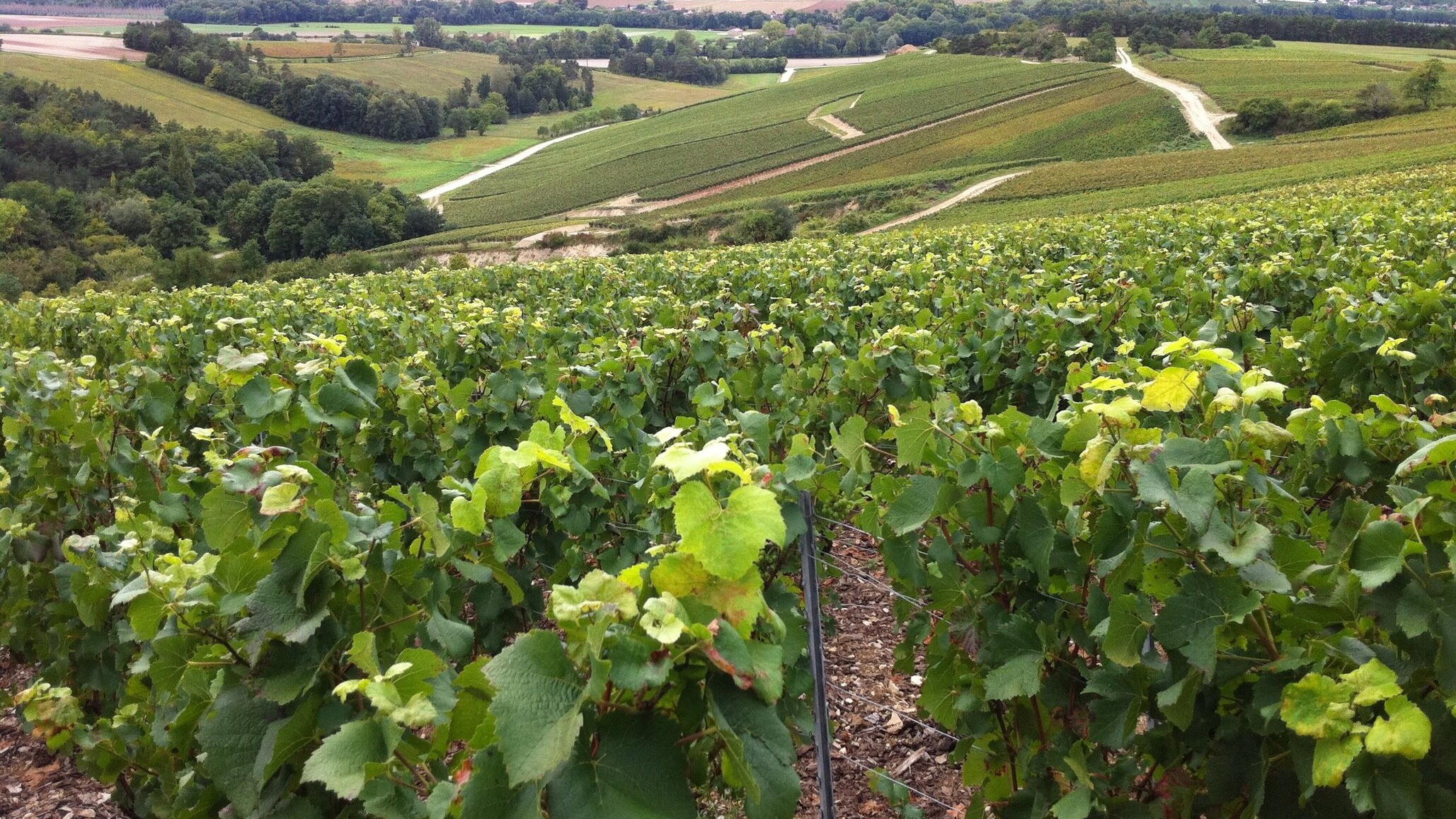
The Côte des Bar and the Case for Southern Champagne
For most of the twentieth century, the Côte des Bar occupied an awkward position in the Champagne hierarchy. Grapes grown around Celles-sur-Ource and the surrounding Aube villages fed the blending vats of the grandes maisons in Reims and Épernay, providing backbone and yield without receiving the credit. That dynamic shifted gradually over the 2000s and 2010s, as a generation of grower-producers began bottling their own harvests and insisting that the region's chalky-clay soils had something specific to say. Cédric Bouchard is among the producers most associated with that repositioning. His first vintage was 2000, which places him at the start of the grower-Champagne movement rather than as a later arrival capitalising on its momentum.
The village of Celles-sur-Ource sits in the Côte des Bar sub-region, roughly 150 kilometres south of Reims. The geology here differs meaningfully from the chalk-dominant soils of the Montagne de Reims or the Côte des Blancs. Kimmeridgian limestone and clay appear alongside chalk deposits, producing a heavier, more mineral-driven profile in the wines than the creamier expressions typical of the Marne. That soil character is the starting point for understanding what Bouchard is doing: the wines are arguments about place, not about production style as an end in itself.
Single Parcels, Single Varieties, and What the Land Produces
The grower-Champagne world has fragmented considerably since 2000 into those who farm multiple varieties across multiple sites and those who work with narrow, tightly defined parcels. Bouchard belongs to the latter camp. His releases are built around individual vineyard plots, typically working with a single grape variety per wine, which allows a direct comparison between site and expression without the softening effect of blending. Pinot Noir dominates the Côte des Bar, and it forms the backbone of the domaine's output, though specific cuvée details are not reproduced here given the wine list changes with each vintage.
Logic of single-parcel, single-variety Champagne is that it removes the winemaker as intermediary between soil and glass. Blending across sites is Champagne's traditional strength, and the ability of houses like those in the Marne to construct consistent house styles year on year is a genuine technical achievement. But consistency across vintages, by definition, moderates terroir expression. Bouchard's model accepts vintage variation as the price of specificity. Collectors and critics who follow the domaine closely tend to compare individual releases against prior vintages of the same parcel rather than against a house style, which is a fundamentally different mode of engagement than buying non-vintage Champagne.
Terroir Expression in the Aube Context
The broader question the domaine raises is what southern Champagne terroir actually tastes like when it is given unambiguous expression. Aube Pinot Noir grown on heavier soils tends toward a darker, more structured profile than the same variety on pure chalk further north. The wines often carry a more pronounced earthy or mineral register alongside red fruit, with acidity that reads differently from the laser-sharp lines of Blanc de Blancs from Le Mesnil-sur-Oger or Avize. These are generalisations about the sub-region, but they help locate Bouchard's output within a larger conversation about Champagne's internal geography.
That geography is worth understanding for any collector building a serious Champagne allocation. The Côte des Bar now has a small but established tier of growers whose wines trade at significant premiums and allocate quickly, partly because production volumes are low and partly because demand from American, Japanese, and Northern European markets has absorbed available stock. Bouchard sits at the upper end of that tier. For comparison across French wine regions, the allocation dynamics and critical positioning share some characteristics with small-production Burgundy domaines, where vineyard specificity and limited supply create a similar pattern of collector demand. Producers in Champagne operating at that level, such as those working with grand cru Chardonnay parcels in the Côte des Blancs, follow broadly comparable logic even if the grape variety and geology differ substantially.
Planning Around Celles-sur-Ource
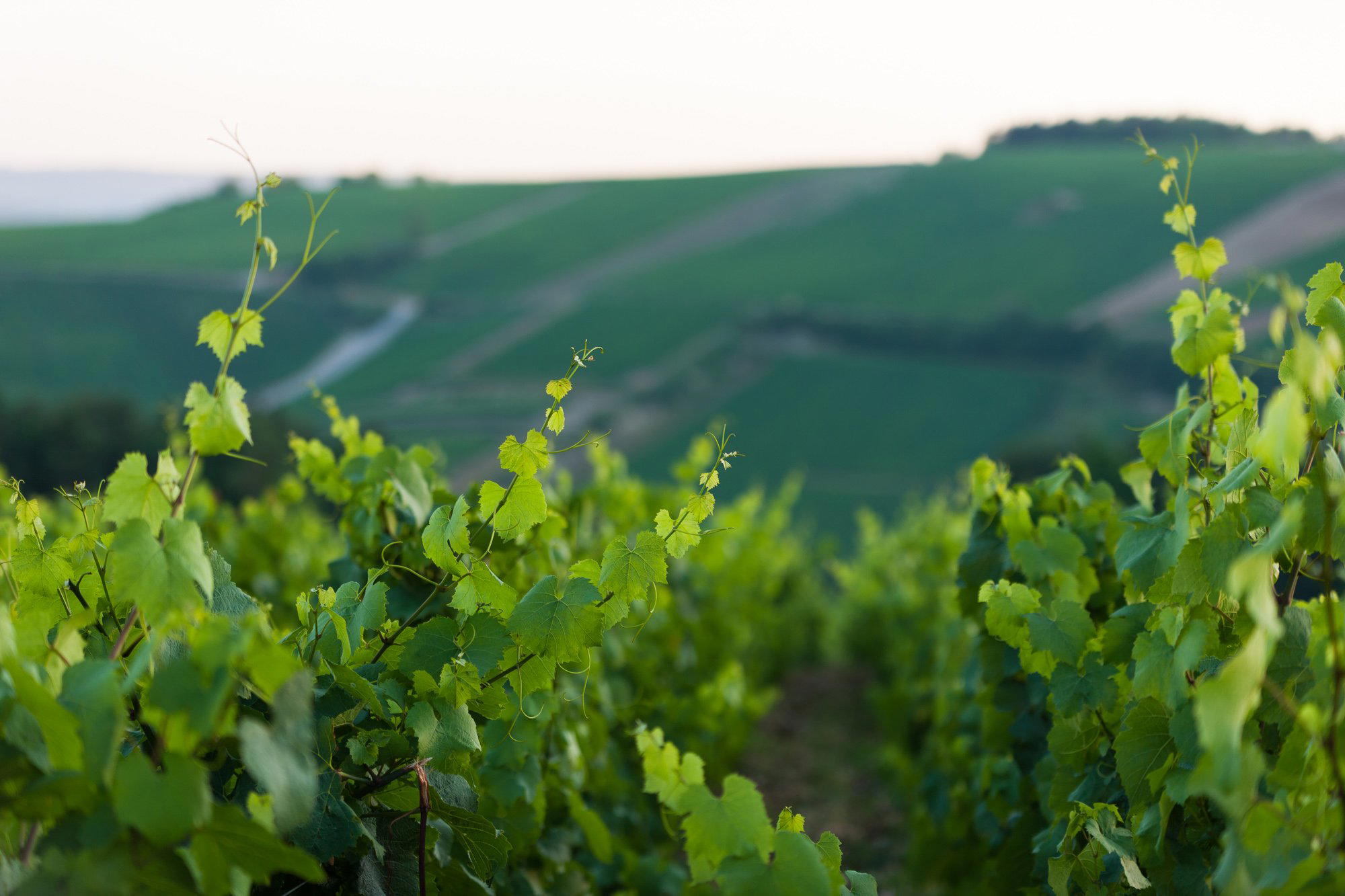
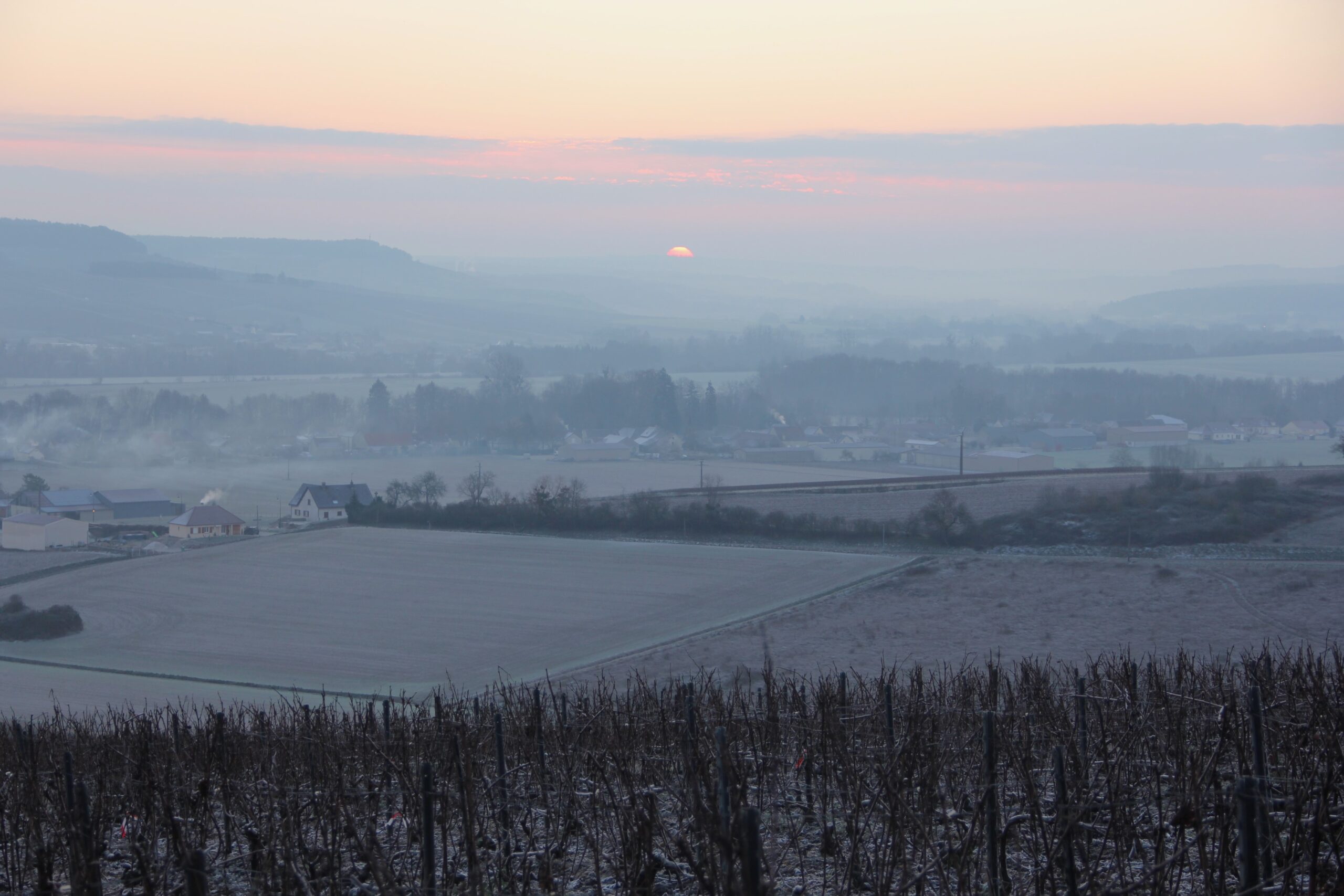
Celles-sur-Ource is a working agricultural village rather than a tourist destination. The surrounding Aube landscape in autumn, when harvest is underway and the vineyards shift from green to amber and red, gives a clearer sense of what this sub-region produces than any visit at other times of year, though the domaine does not publicise visitor arrangements. Serious buyers typically approach through specialist importers and négociants rather than through direct domaine visits, and allocation access generally requires an established relationship with a merchant who carries the wines. The physical address, 4 Rue du Creux Michel, 10110 Celles-sur-Ource, confirms the domaine's location for those tracing the village geography, but contact details are handled through trade channels.
For those building a broader Champagne itinerary, the Côte des Bar is accessible from Troyes, roughly 30 kilometres to the north, which has its own established food and hotel infrastructure. Combining a visit to the southern Aube with tastings at other Aube growers makes more logistical sense than day-tripping from Épernay, given the distance between the two Champagne sub-regions. Our full Celles-sur-Ource restaurants guide covers broader eating and visiting options in the area.
For coverage beyond France, EP Club also profiles Aberlour in Aberlour and Accendo Cellars in St. Helena.
A Quick Peer Check
Comparable venues nearby, for context on price, style, and recognition.
| Venue | Cuisine | Awards | Notes |
|---|---|---|---|
| Cedric BouchardThis venue — the venue you are viewing | Pinot Noir, Chardonnay | Falstaff Winery - 3 Stars | Not listed |
| Domaine Georges Roumier | Pinot Noir, Chardonnay | Michelin 3 Grapes · Falstaff Winery - Listed | Chambolle-Musigny |
| Domaine Comte de Vogue | Pinot Noir, Chardonnay | Michelin 1 Grape · Falstaff Winery - 4 Stars | Chambolle-Musigny |
| Domaine Leroy | Pinot Noir, Chardonnay | Michelin 3 Grapes · Falstaff Winery - Listed | Vosne-Romanée |
| Domaine Mongeard-Mugneret | Pinot Noir, Chardonnay | Not listed | Vosne-Romanée |
| Domaine Roulot | Chardonnay, Pinot Noir | Michelin 1 Grape · Falstaff Winery - Listed | Meursault |
Recognition history
Dated appearances from independent guides and award organizations, with the underlying list record or original source where available.
Falstaff Winery - 3 Stars
Falstaff
Continue exploring
More in Celles-sur-Ource
Wineries in Celles-sur-Ource
Browse all →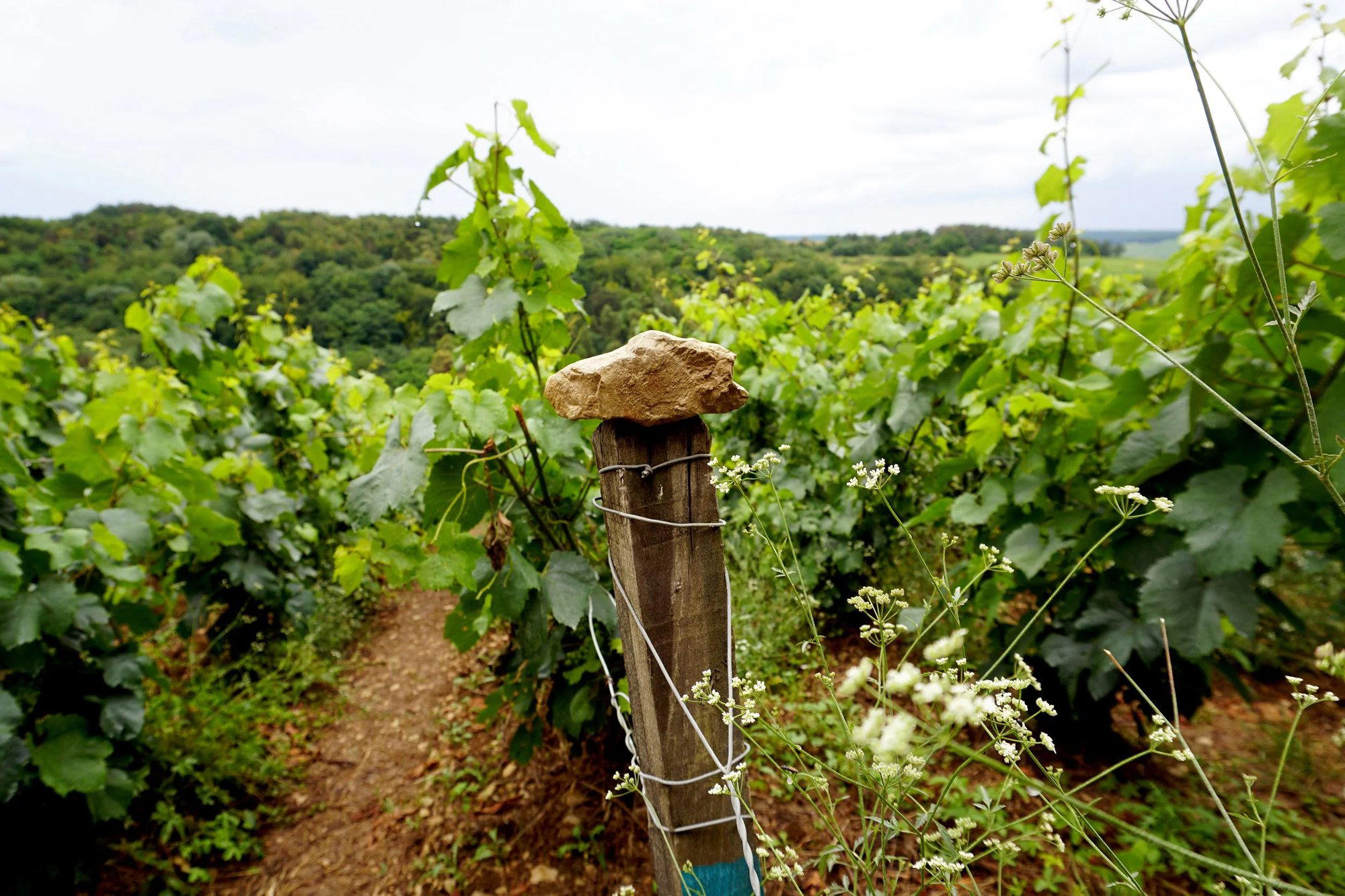
Bars in Celles-sur-Ource
Browse all →
Restaurants in Celles-sur-Ource
Browse all →
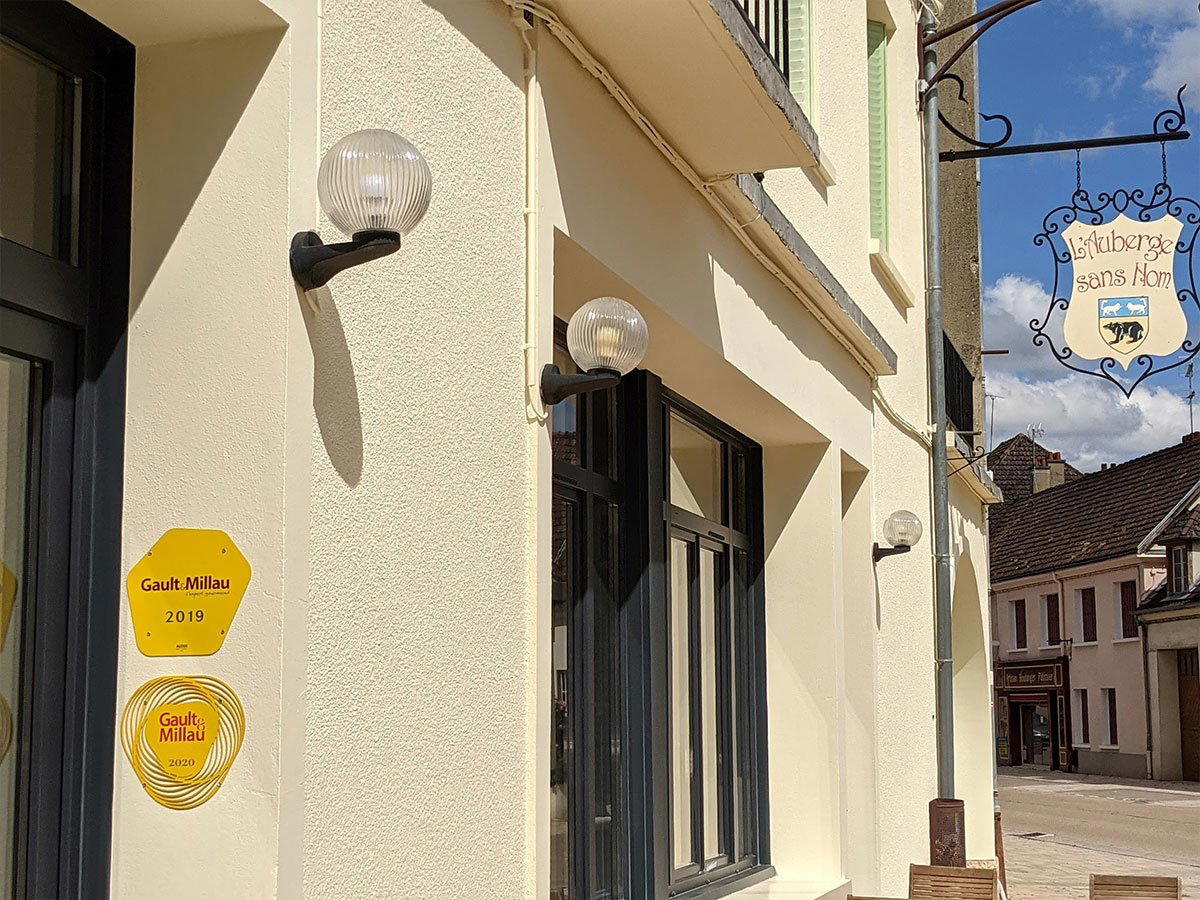
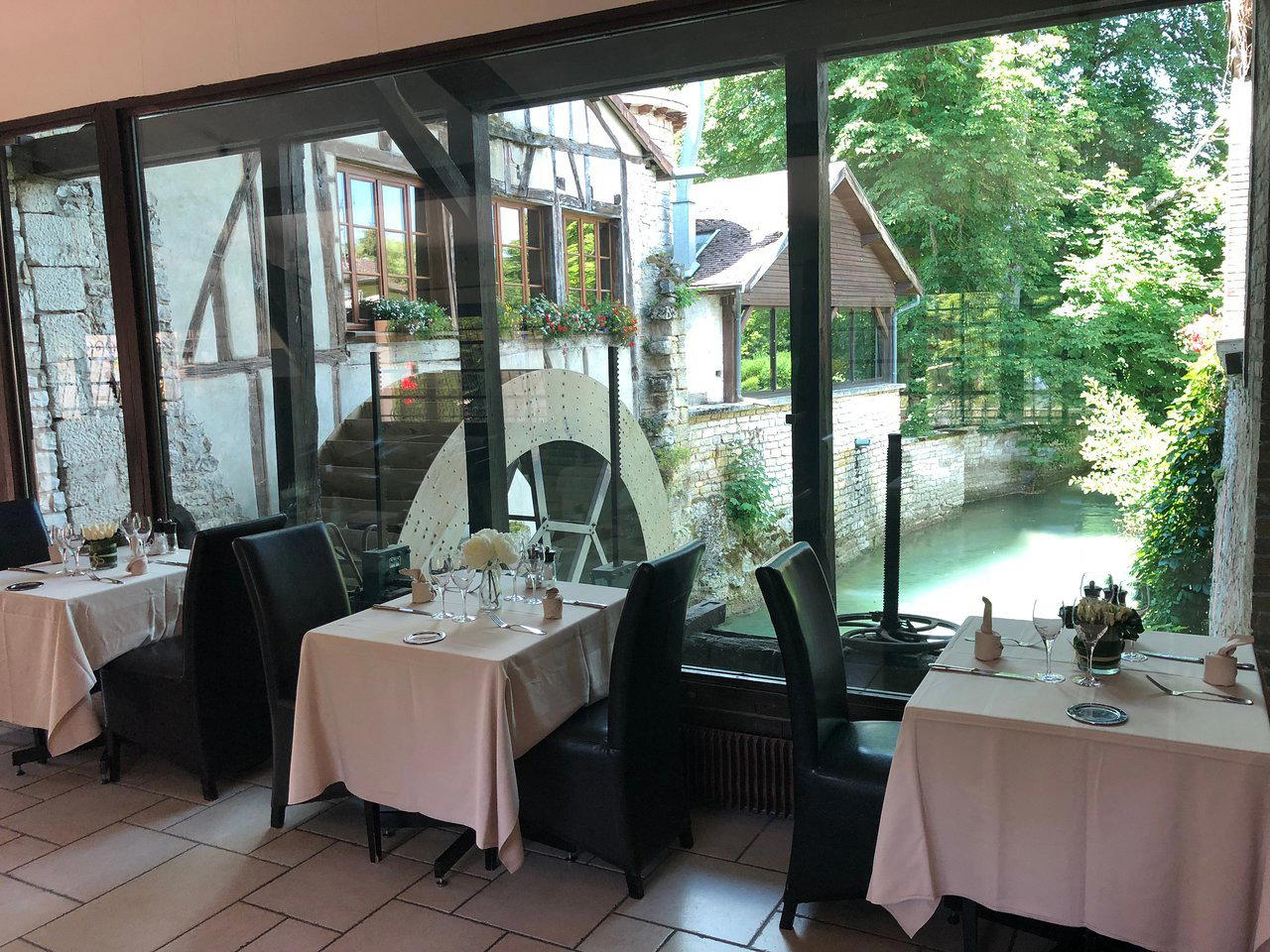
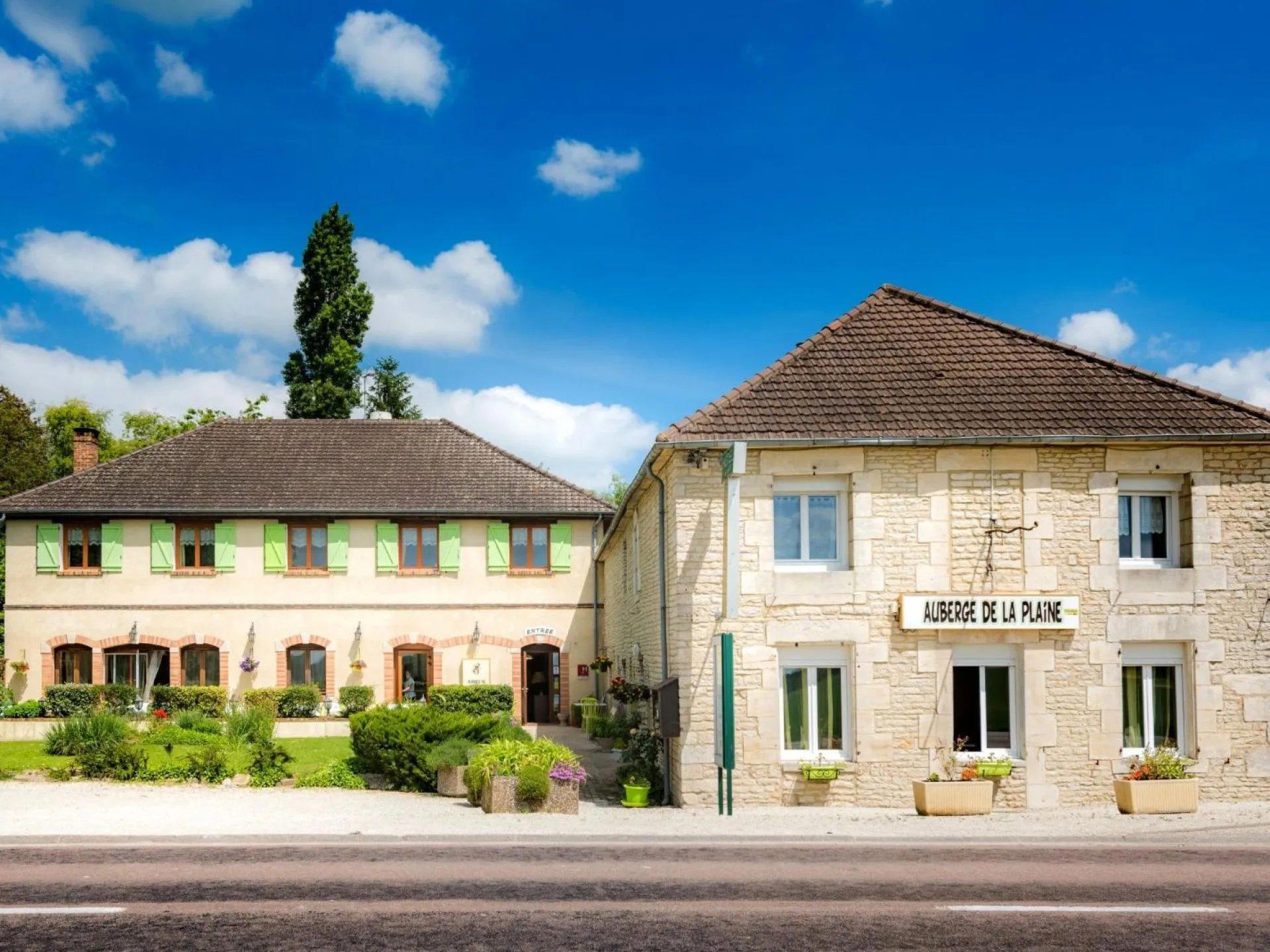
Details
- Rustic
- Intimate
- Elegant
- Wine Education
- Solo Exploration
- Special Occasion
- Vineyard Tour
- Estate Grounds
- Organic
- Vineyard
- Pinot Noir
- Chardonnay
- Pinot Blanc
- Sparkling
- Cave Tasting
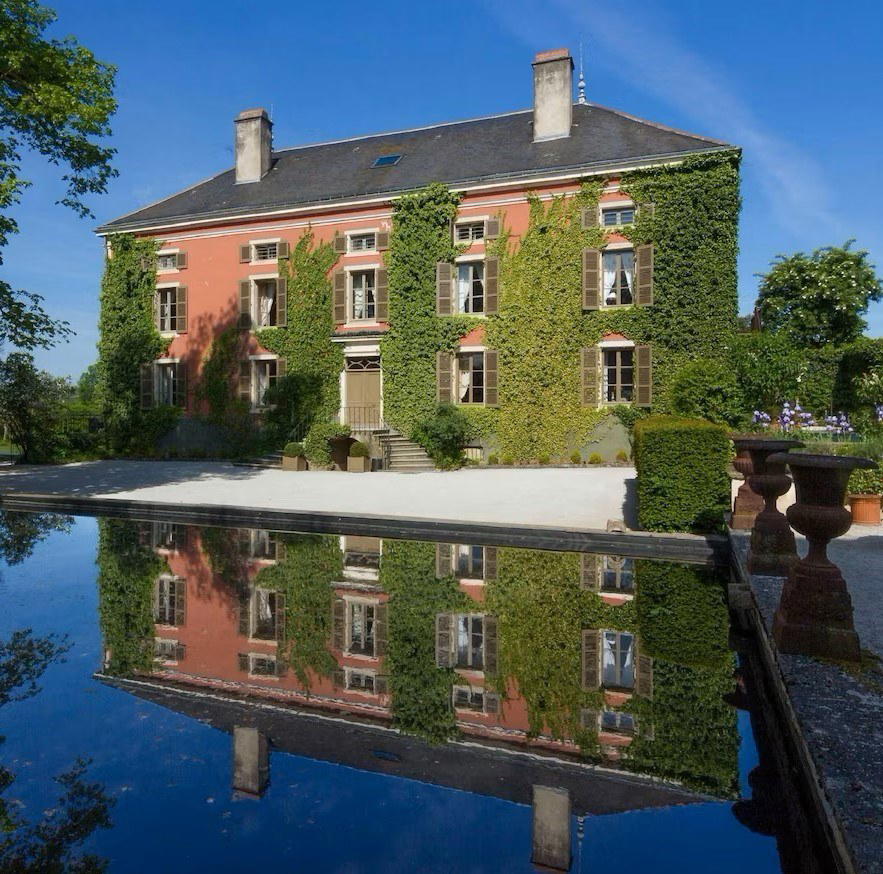
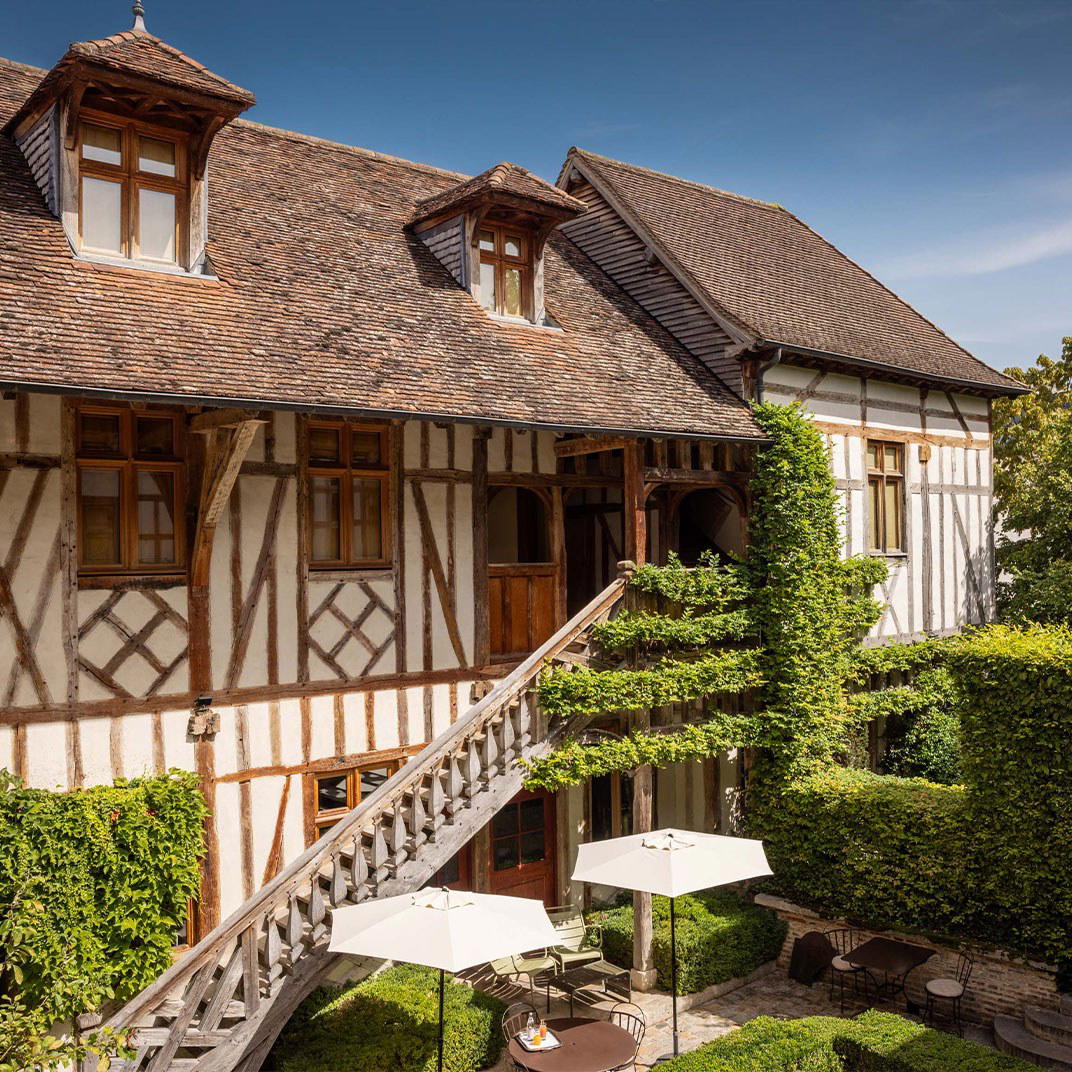
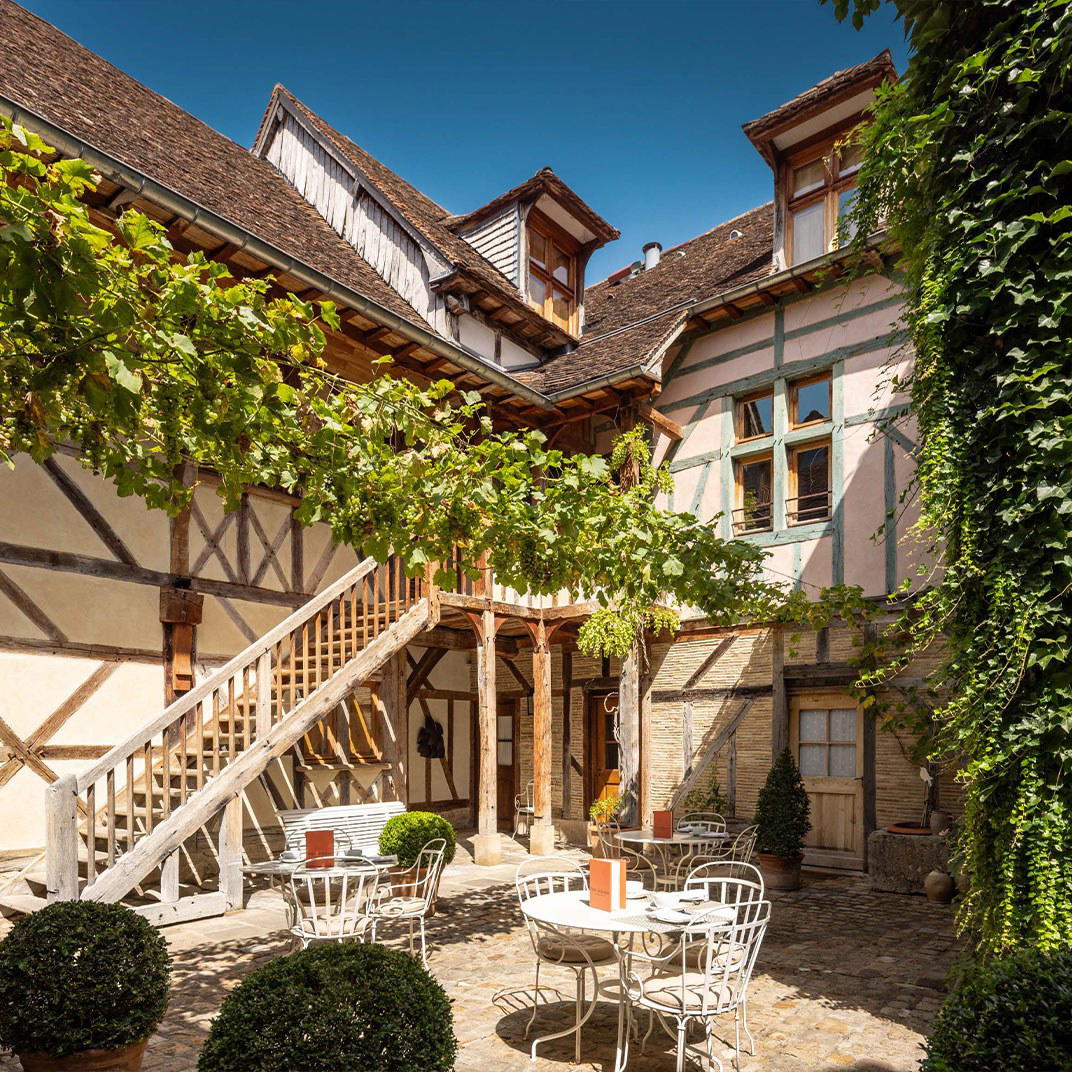
Intimate and understated rural setting amid impeccably tended vineyards on slopes above the village.