Bodega Bouza

World's 50 Best #55
Bodega Bouza is a working winery on the outskirts of Montevideo where dining and production share space with an extraordinary collection of vintage cars and motorcycles.

Pearl is the En Primeur Club membership app — saves, bookings, and concierge access live there. Same editors, same standards.
- Address
- Cno. de la Redención 7658, 12500 Montevideo, Departamento de Montevideo
- Phone
- +598 95 400 030
- Website
- bodegabouza.com
- Directions
- Get directions
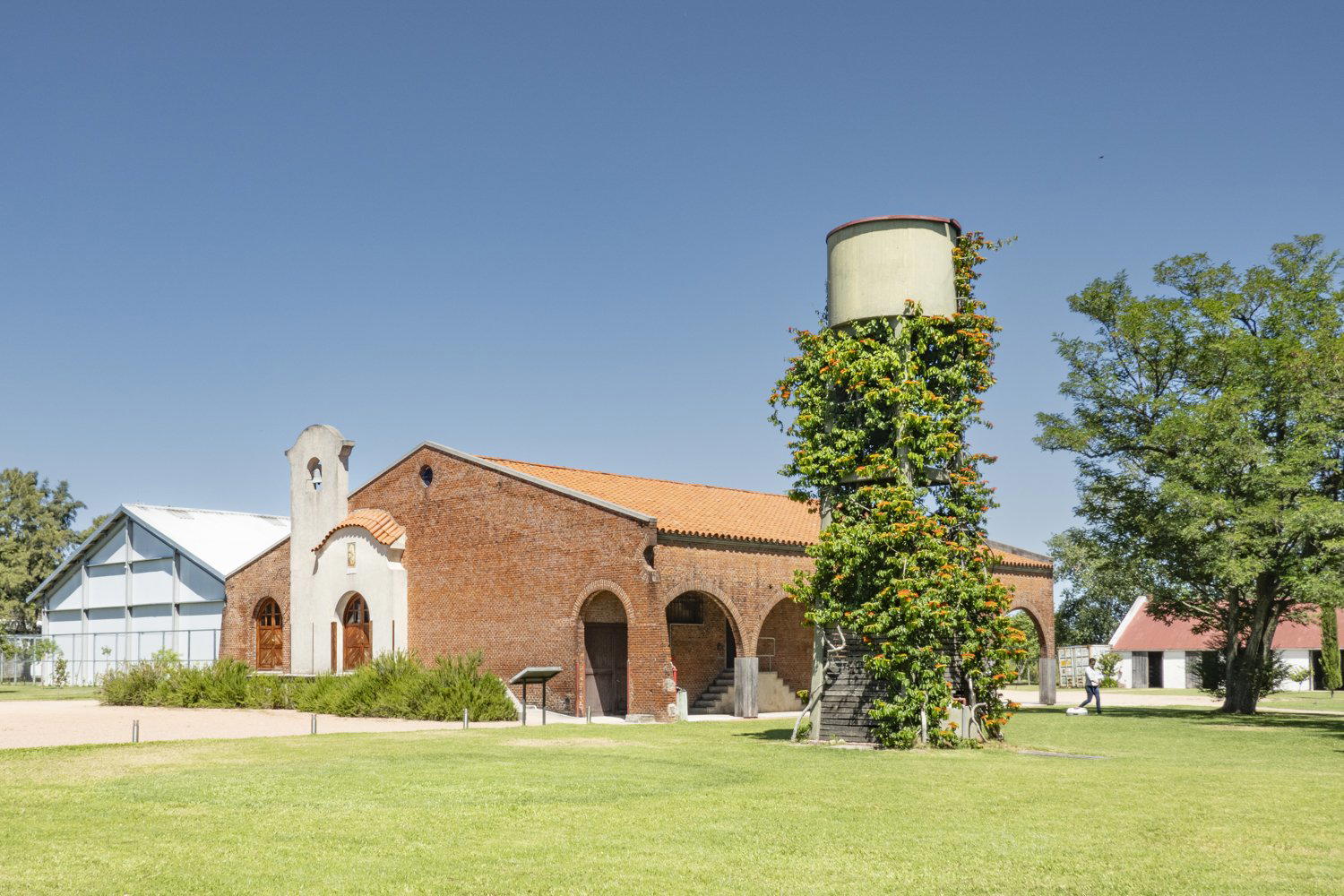
A Winery Dining Room Unlike Any Cellar You Have Sat In Before
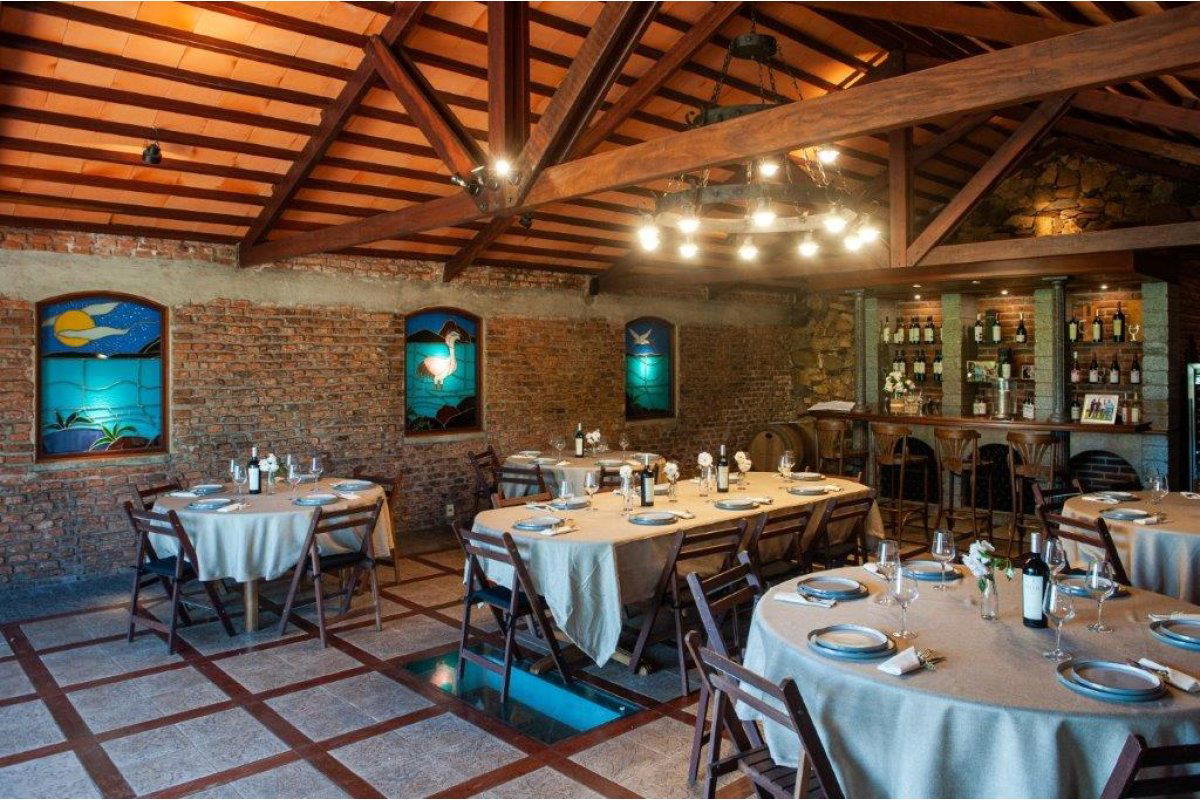
Drive out along Camino de la Redención toward the periphery of Montevideo and the urban density gradually gives way to something quieter: low-slung buildings, open sky, and the particular stillness that tends to accompany productive land. Bodega Bouza sits at number 7658 on that road, and the first thing that registers when you enter the main building is not a barrel room or a tasting counter but a collection of more than thirty vintage cars and motorcycles arranged across the restaurant floor. The Bouza family's collection, which spans decades of automotive history, doubles as the décor for a winery dining experience that is, on a purely visual level, quite unlike anything else operating in Uruguay's wine circuit.
The combination is not gimmick for its own sake. In a country where premium wine tourism remains concentrated in regions further from the capital, such as Varela Zarranz in Canelones and Bodega Carrau in Las Piedras, Bouza's urban-edge location and its theatrical interior represent a deliberate positioning: a winery experience aimed squarely at Montevideo residents and visiting travellers who want production-site authenticity without a two-hour drive.
What Happens Between Harvest and Glass
Uruguay's wine identity has been shaped substantially by what happens in the cellar rather than purely in the vineyard. The country's maritime climate, moderated by Atlantic proximity, produces grapes with relatively high natural acidity, and the decisions made at the barrel and blending stage carry unusual weight in determining the final character of a wine. Tannat, the variety most closely associated with Uruguayan viticulture, responds with particular sensitivity to aging decisions: extended time in wood can soften its characteristic tannin structure while preserving the dark-fruit density that defines the variety at its finest. Shorter aging, or aging in older or larger-format wood, maintains more of the grape's inherent grip and freshness.
Bouza was founded in 2000, which places it in the cohort of wineries that emerged during Uruguay's post-dictatorship wine modernisation period, when investment in cellar equipment and trained oenology began to shift the country's production quality upward. Two-plus decades of operation means the winery has accumulated both institutional knowledge about its own terroir and a track record of vintage decisions that can be assessed against the broader arc of Uruguayan fine wine development. Estates with that kind of temporal depth tend to make more confident aging decisions, because the cellar team has observed how their specific parcels behave across years of variable Atlantic weather.
For a comparison of how different Montevideo-area producers have approached fermentation and production philosophy, ANCAP Alcoholes and Bodega Traversa both operate within the city's broader drinks production scene, though with distinct market positioning and product focus.
Bouza in Uruguay's Regional Winery Circuit
Uruguay's premium wine geography is more dispersed than its Argentine or Chilean neighbours, and that dispersal creates a genuine decision-making challenge for wine-focused travellers working out an itinerary. The established route extends from Montevideo's immediate hinterland through Canelones (the country's most densely planted department) and out to more isolated estates such as Bodega Cerro del Toro in Piriápolis, Bodega Oceánica José Ignacio in Maldonado, and, at the furthest northern extreme, Cerro Chapeu (Carrau) in Rivera near the Brazilian border. To the west, the Colonia del Sacramento corridor adds another axis, anchored by estates including Bodega Los Cerros de San Juan and El Legado in Carmelo.
Within that geography, Bouza occupies a specific niche: reachable from the Montevideo city centre within a reasonable taxi or rideshare journey, the winery functions as an entry point for travellers who want to understand Uruguayan wine production in a structured setting before committing to longer regional trips. Its restaurant format means a visit can anchor a half-day rather than requiring a full expedition, which matters for visitors working within a limited urban schedule.
The Spirits Parallel
Montevideo's drinks production extends beyond wine, and understanding that broader context helps place Bouza's wine-and-dining focus in sharper relief. Distilleries including Destilería Montevideo, Espíritu Libre Destilería, and Portón del Uruguay have developed a parallel craft production sector in the capital that draws on similar logic of local identity and terroir expression, just routed through different base materials and aging vessels. A visitor spending several days in Montevideo with a serious interest in how fermentation and aging shape Uruguayan drinking culture could reasonably build an itinerary that includes Bouza alongside one or two distillery visits without leaving the greater metropolitan area.
Planning a Visit
Bouza's address on Camino de la Redención places it outside the dense city grid but within practical reach by car or rideshare from Montevideo's Old City or Pocitos neighbourhoods. The winery was founded in 2000 and operates a full restaurant alongside its production facility, making it a venue where a meal and a cellar-side context for the wines on the table sit in the same space. For current booking details, hours, and menu information, check directly with the winery, as contact specifics are best confirmed closer to your travel dates. A broader overview of where Bouza sits within Montevideo's dining and drinking circuit is available in our full Montevideo restaurants guide.
For travellers building a multi-country itinerary that includes wine, the comparison reference points extend well beyond Uruguay: producers such as Aberlour in Aberlour and Accendo Cellars in St. Helena illustrate how different production traditions in Scotland and Napa approach the aging and cellar decisions that Bouza is making in its own Atlantic-influenced context.
Peers in This Market
Comparable venues nearby, for context on price, style, and recognition.
| Venue | Cuisine | Price | Awards | Notes |
|---|---|---|---|---|
| Bodega BouzaThis venue — the venue you are viewing | Tannat, Albariño | $50–100 | World's 50 Best #55 | Not listed |
| Portón del Uruguay | Winery | Not listed | Not listed | Montevideo |
| ANCAP Alcoholes | Montevideo | Not listed | Not listed | Rambla Baltasar Brum |
| Bodega Traversa | Tannat, Sauvignon Blanc | $30–50 | Not listed | Montevideo |
Recognition history
Dated appearances from independent guides and award organizations, with the underlying list record or original source where available.
World's 50 Best Vineyards #55
World's 50 Best
Full recognition history (5 entries)
World's 50 Best Vineyards #38
World's 50 Best
World's 50 Best Vineyards #30
World's 50 Best
World's 50 Best Vineyards #26
World's 50 Best
World's 50 Best Vineyards #44
World's 50 Best
Continue exploring
More in Montevideo
Wineries in Montevideo
Browse all →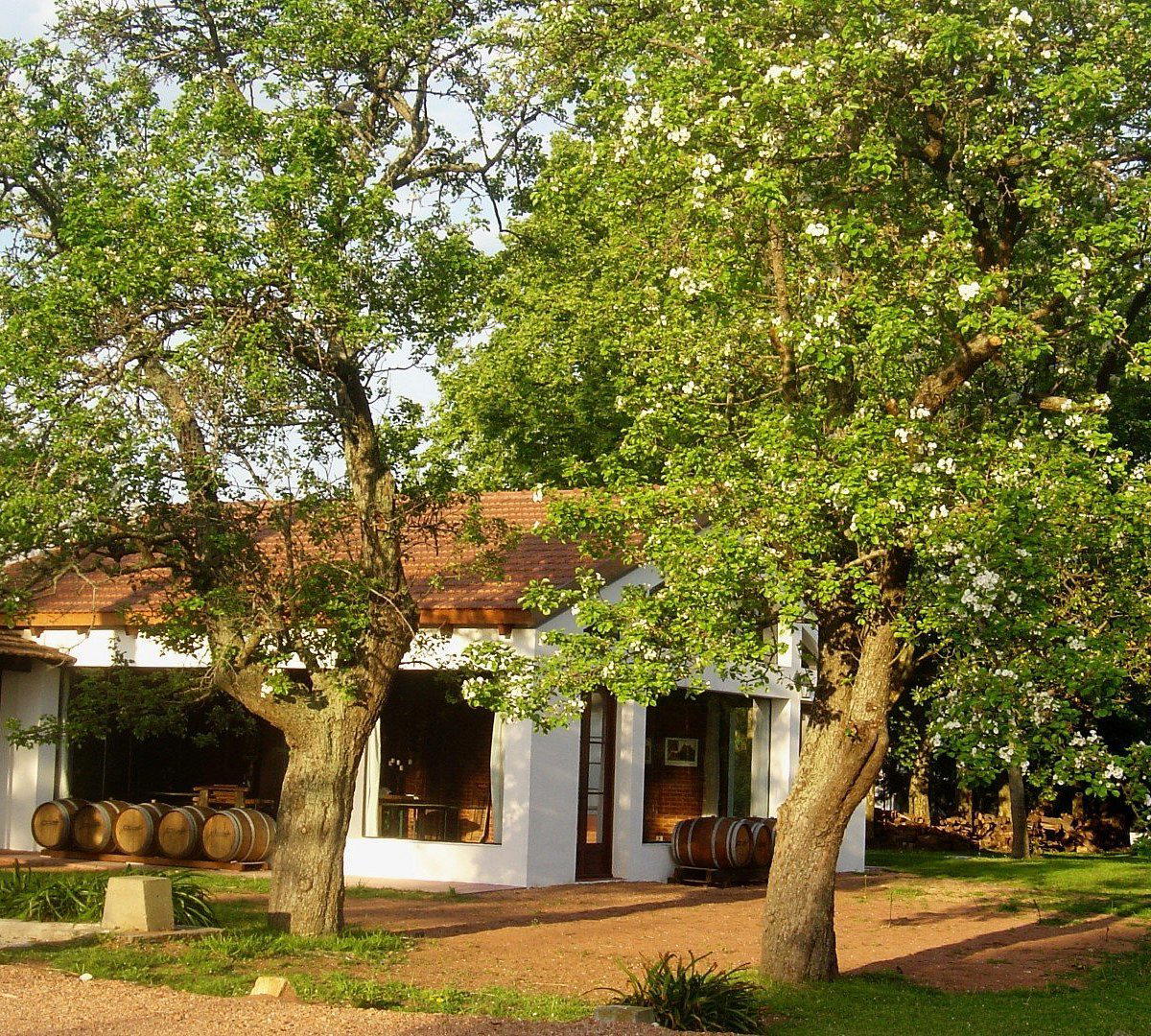
Bars in Montevideo
Browse all →
Restaurants in Montevideo
Browse all →

Details
- Elegant
- Rustic
- Scenic
- Intimate
- Sophisticated
- Romantic Getaway
- Wine Education
- Special Occasion
- Vineyard Tour
- Estate Grounds
- Terrace
- Historic Building
- Sustainable
- Vineyard
- Garden
- Tannat
- Albariño
- Merlot
- Tempranillo
- Chardonnay
- Pinot Noir
- Riesling
- Semillon
- Still Red
- Still White
- Cave Tasting
- Terrace Tasting
- English
- Spanish
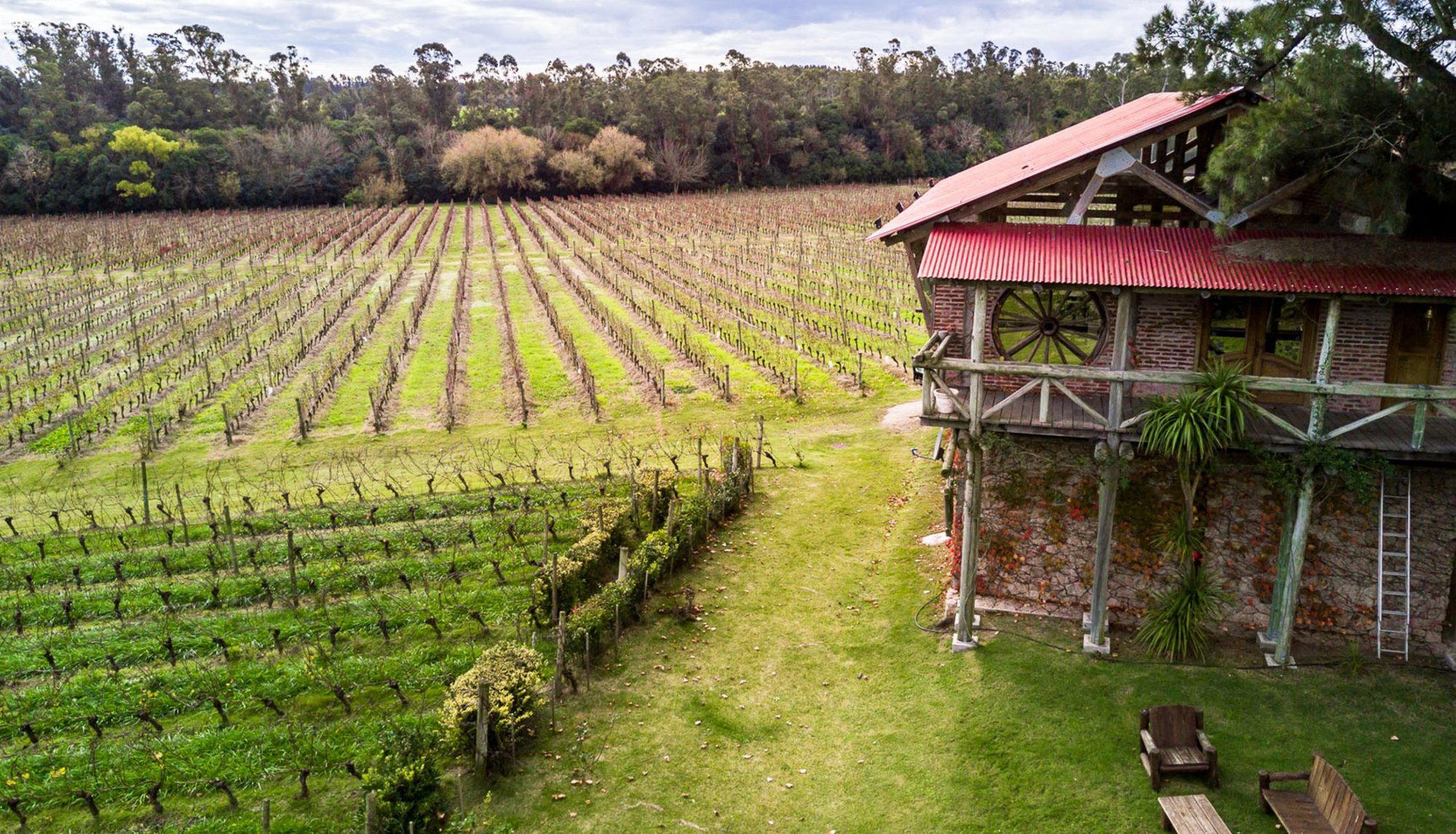
Elegant and tranquil atmosphere in a renovated 1942 French-style homestead surrounded by vineyards, with terrace tastings amid classic cars and estate gardens.