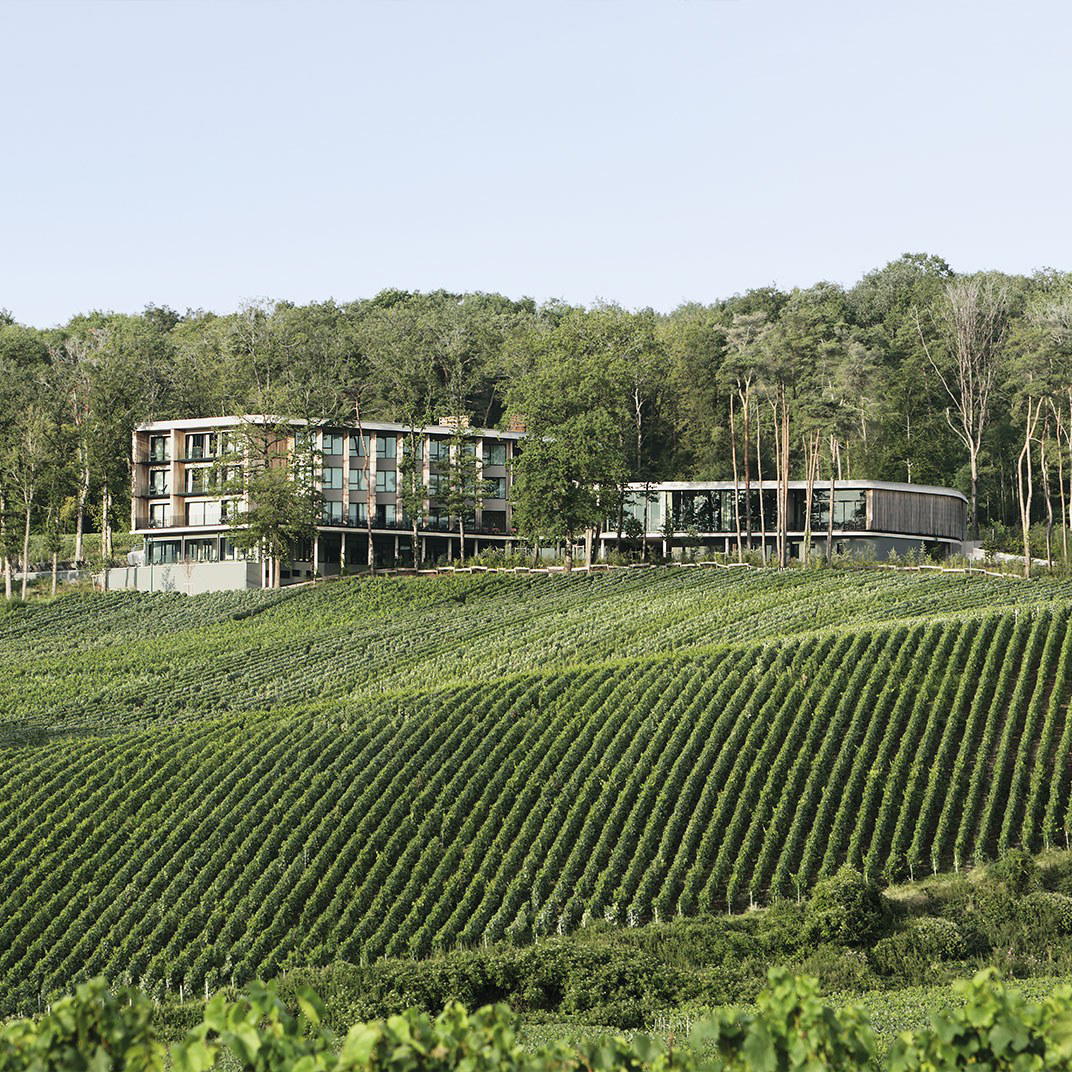
Laherte Frères

Laherte Frères, based in Chavot-Courcourt within the Blancs-Coteaux appellation, is a grower Champagne producer whose work under winemaker Aurélien Laherte reflects the expressive diversity of the Côte des Blancs and Vallée de la Marne. With a first vintage dating to 1983 and a 2025 Pearl 4 Star Prestige rating, the domaine occupies a respected position among France's precision-focused grower houses.

Chavot-Courcourt and the Grower Champagne Argument
The village of Chavot-Courcourt sits in the Blancs-Coteaux commune, a stretch of the Côte des Blancs where the chalk geology that defines Champagne's structural DNA is particularly pronounced. This is not a zone that trades on grand cru classification or historical négociant prestige. Instead, it has become a reference point for the argument that place-specific grower production can articulate Champagne terroir with a clarity that large-house assemblage rarely attempts. Laherte Frères, at 3 Rue des Jardins, is one of the producers making that argument most consistently. For broader context on dining and drinking in the area, see our full Blancs-Coteaux restaurants guide.
What the Land Puts in the Glass
Grower Champagne's credibility rests on a single premise: that the winemaker's primary job is to translate a specific plot of earth into a specific wine, rather than to engineer consistency across a blended volume. In the Côte des Blancs and adjoining Vallée de la Marne, that translation involves navigating contrasting soil profiles — the cool chalk of the Côte expressing Chardonnay in high-acid, mineral terms, while the clay-limestone of the Marne yields Meunier with a rounder, earthier character. Laherte Frères works across both registers. Winemaker Aurélien Laherte, now the sixth generation at the domaine, has built a portfolio that makes this contrast legible rather than smoothing it into a house style.
The shortlist, unlocked.
Hard-to-book tables, cellar releases, and concierge-planned trips.
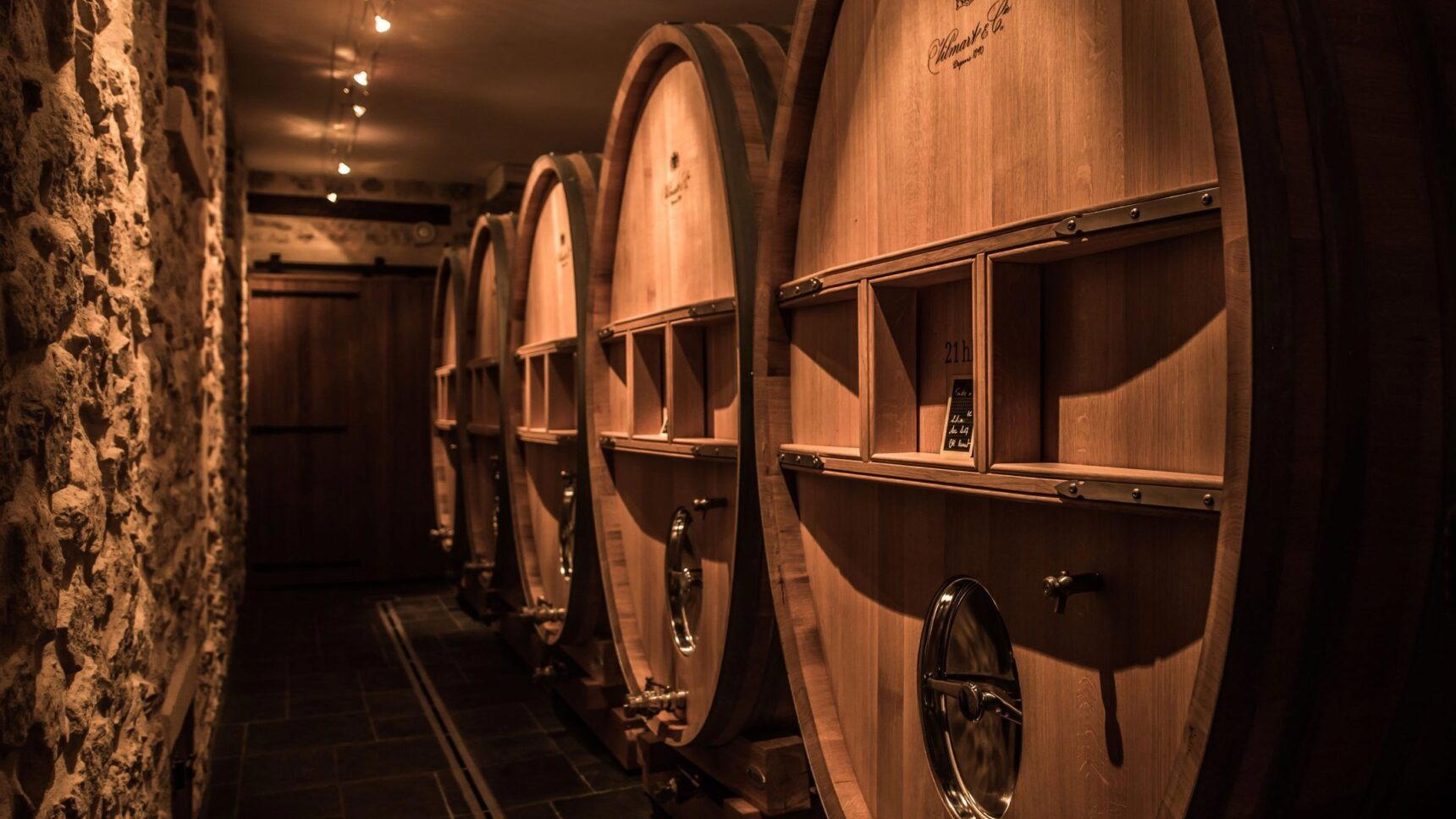
Get Exclusive Access →The commitment to terroir expression in this part of Champagne carries a specific technical discipline. Sustainable viticulture, low-intervention cellar work, and a preference for extended lees aging are not marketing positions here — they are the practical means by which chalk and clay register in the final wine rather than being overwritten by dosage or heavy sulphur. Laherte Frères has operated within this framework since the domaine's direction shifted toward grower-focused production, and the approach is now well-established enough that the wines carry a recognisable internal logic across different cuvées.
A 2025 Pearl 4 Star Prestige Rating in Context
The 2025 Pearl 4 Star Prestige award places Laherte Frères in a tier of French producers recognised for consistent quality and character-led output rather than volume or brand recognition. Within Champagne's grower segment, this kind of recognition matters differently than a Michelin star matters to a restaurant: it signals that a small-production house has cleared a bar set by specialists who assess the category closely, rather than by general popular reception. The first vintage on record at the domaine is 1983, giving Laherte Frères over four decades of production history , long enough that any current quality signals reflect sustained commitment rather than a recent pivot.
For comparison, other French producers recognised in adjacent categories include Veuve Fourny & Fils, another Côte des Blancs grower whose approach shares the terroir-led rigour that defines this end of the Champagne spectrum. Outside Champagne, producers working with similar precision-over-volume logic include Albert Boxler in Niedermorschwihr, whose Alsace whites demonstrate what deep generational knowledge of a specific site can yield over time.
The Chavot-Courcourt Setting
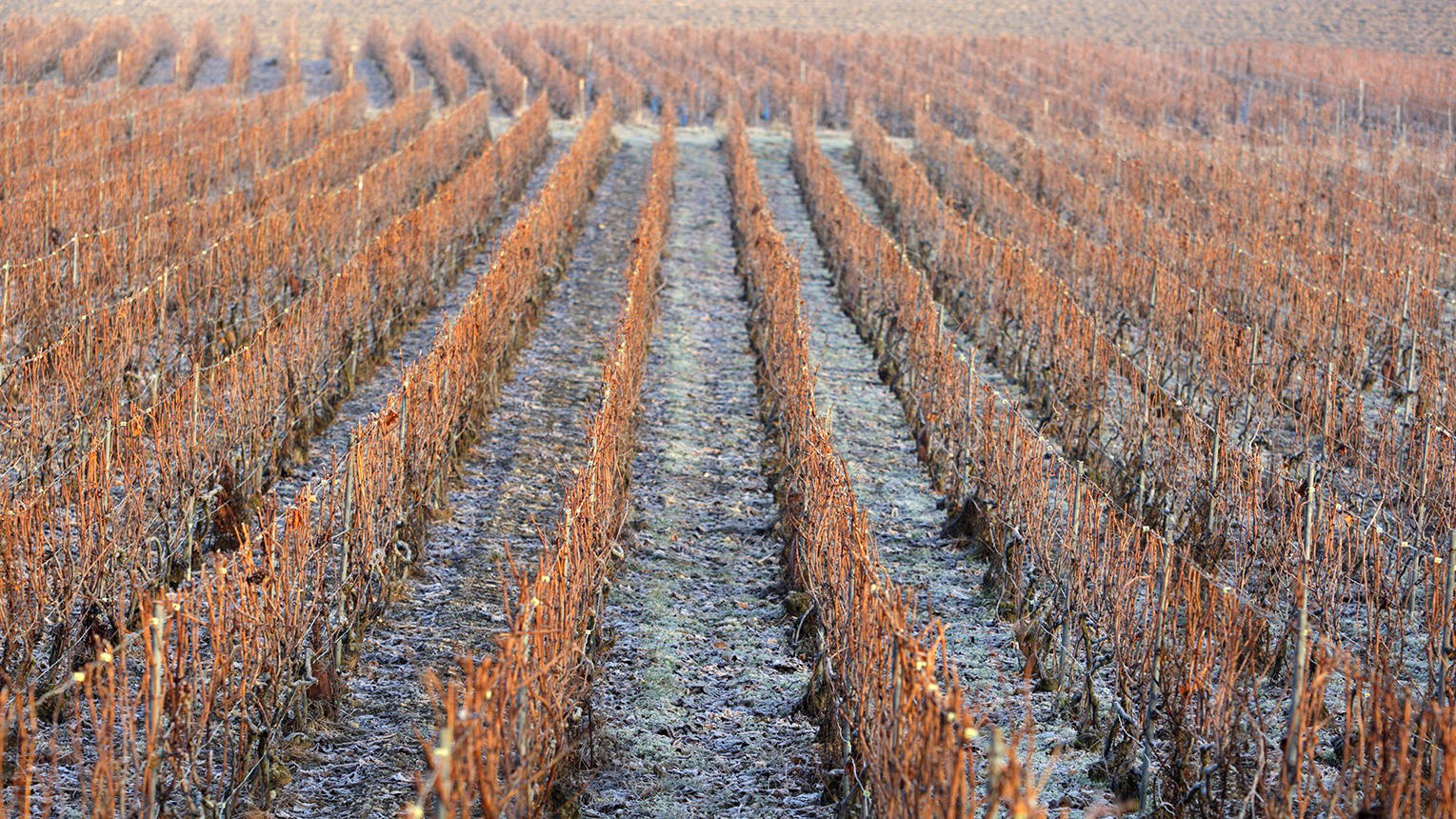
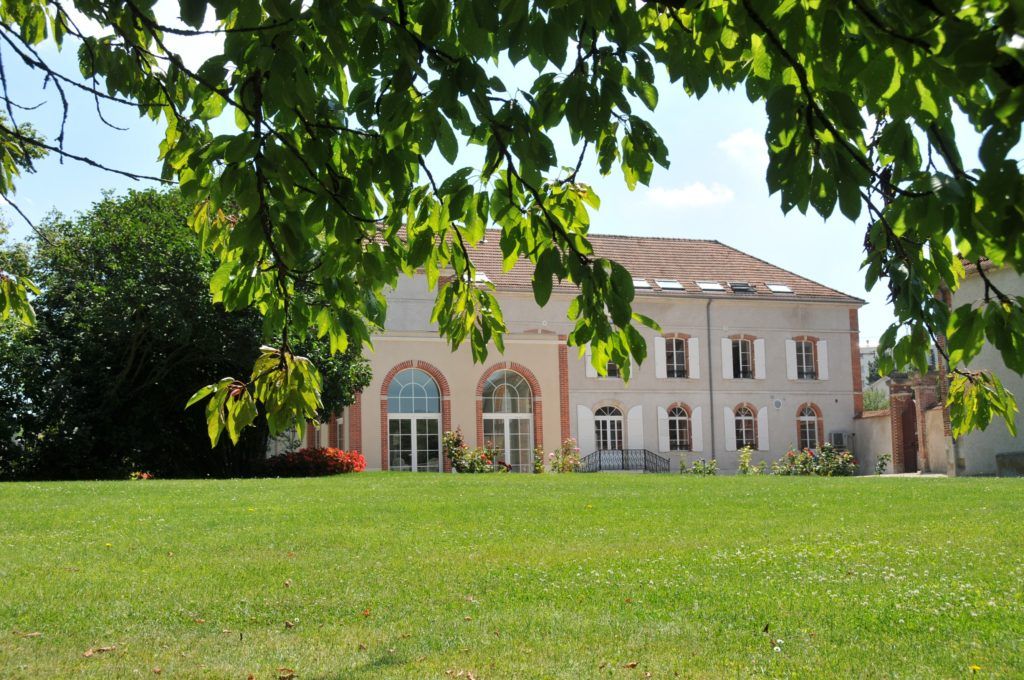
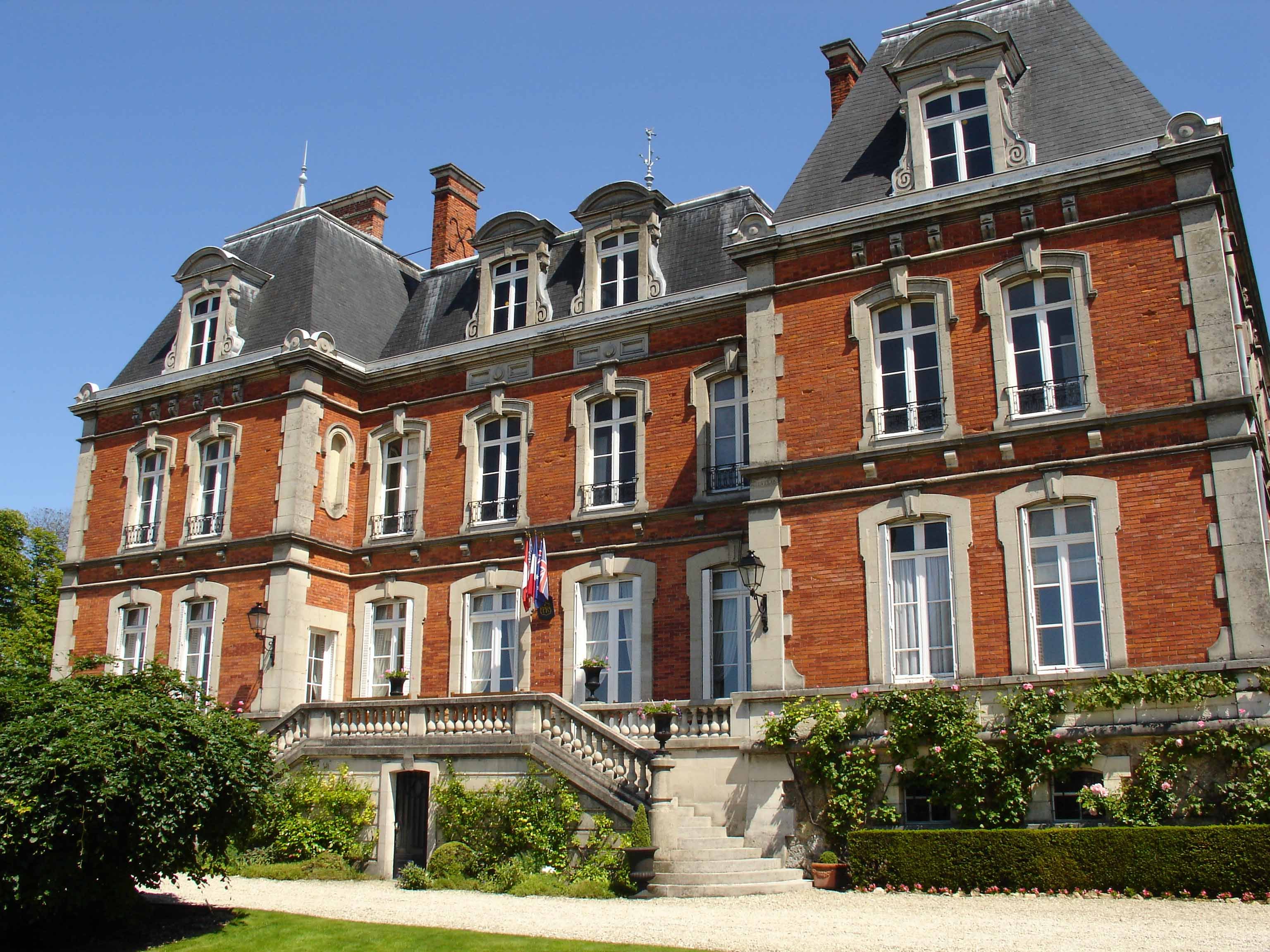
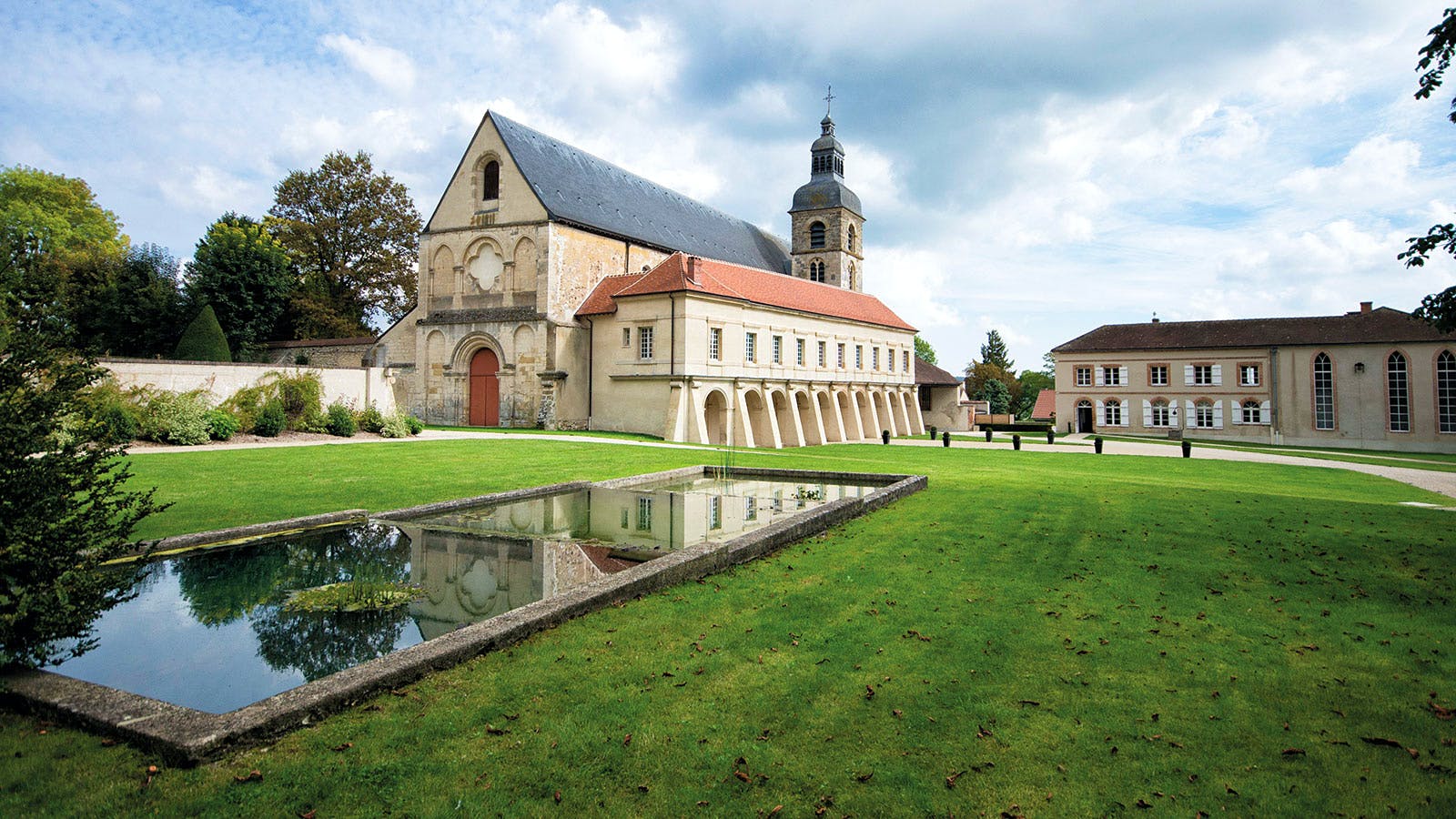
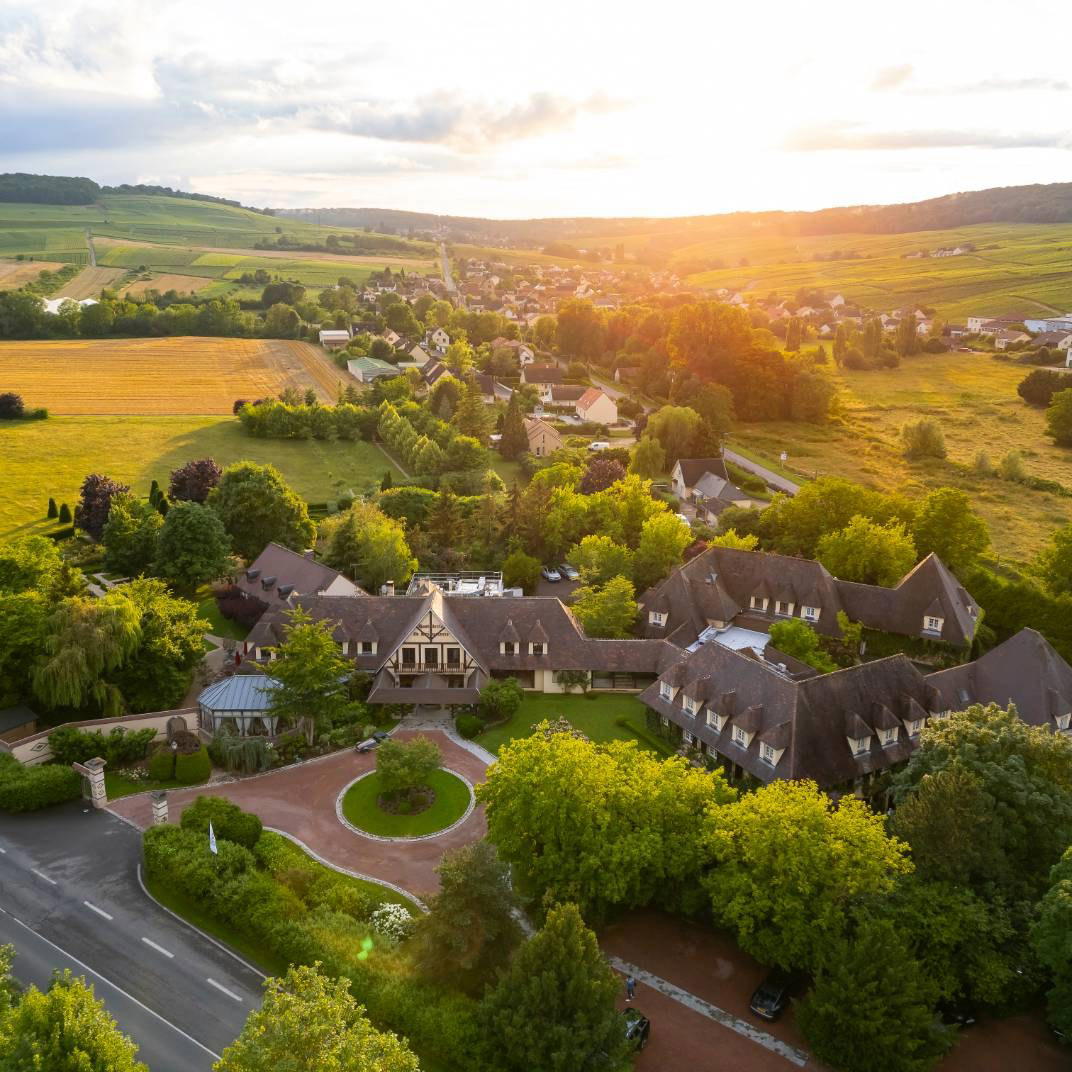
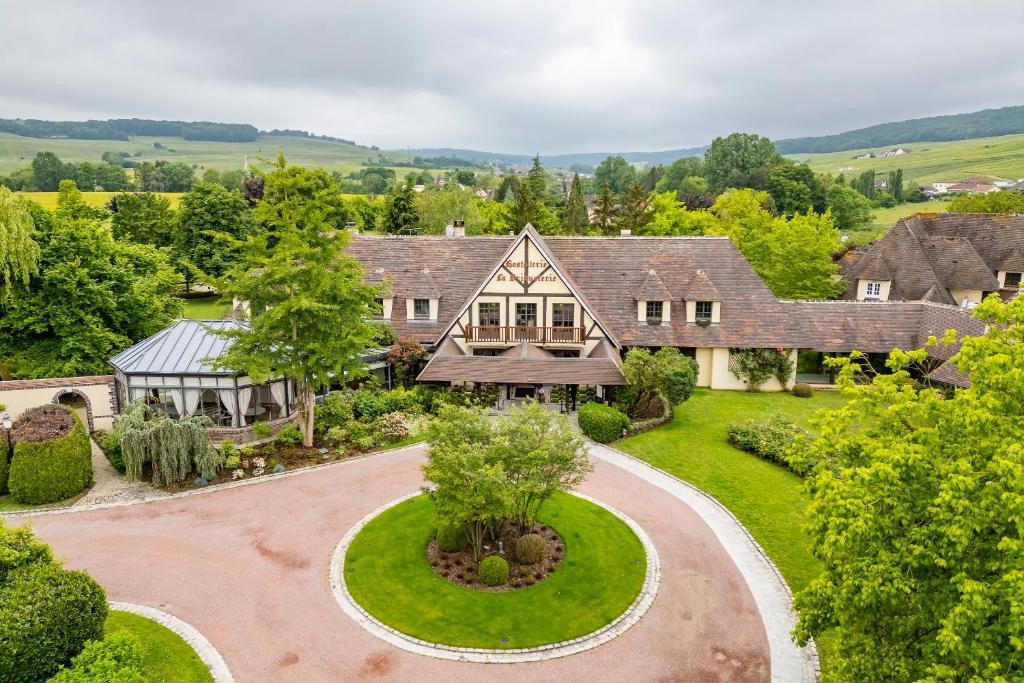
Approaching the domaine along the Rue des Jardins, the physical scale is immediately telling. This is a working agricultural address, not a tourist destination engineered for reception. The vines are close, the buildings functional, and the atmosphere is the particular quiet of a Champagne village in mid-week , a kind of purposeful stillness that distinguishes serious grower estates from the polished visitor centres of the major houses in Épernay and Reims. That contrast is part of what makes visits to grower producers in communes like Chavot-Courcourt a different exercise from the standard Champagne tour. The emphasis falls on the wine and the site rather than on the theatre of brand hospitality.
Blancs-Coteaux as a denomination reflects the chalk-dominant character of this part of the region. The name itself carries a geographical specificity that positions the appellation within the broader Côte des Blancs narrative , white slopes, chalk subsoil, a microclimate shaped by elevation and aspect. These are the conditions under which Chardonnay achieves its most austere, age-worthy form in Champagne, and they are the conditions that Laherte Frères has been working with across six family generations.
Where Laherte Frères Sits in the Broader French Wine Map
Champagne growers occupy a distinct niche within French fine wine. They are not classified in the way that Bordeaux châteaux are , there is no 1855-style hierarchy to anchor expectation. Recognition comes instead through critical attention, allocation demand, and the kind of specialist press coverage that the grower movement has attracted since the 1990s. In that framework, Laherte Frères sits alongside a cohort of small houses whose reputations are built on cuvée-by-cuvée quality rather than brand scale.
The broader French fine wine world offers useful reference points. In Bordeaux, producers like Château Branaire Ducru in St-Julien, Château Batailley in Pauillac, and Château Bélair-Monange in Saint-Emilion operate within a classified-growth system that provides structural context. In Sauternes, Château Bastor-Lamontagne in Preignac and Château d'Arche in Sauternes work within their own appellation logic. Champagne growers like Laherte Frères operate without that scaffolding, which means their reputations are built more directly on the wines themselves. Other classified producers worth understanding as reference points include Château Boyd-Cantenac in Cantenac, Château Cantemerle in Haut-Médoc, and Château Clinet in Pomerol.
For those interested in how terroir-driven producers operate outside France, Accendo Cellars in St. Helena offers a California counterpoint, while Château d'Esclans in Courthézon illustrates how Provençal rosé has developed its own prestige tier through similar discipline. For something entirely different in the French artisanal tradition, Chartreuse in Voiron demonstrates how generational craft and secrecy produce a category-defining product. In Scotch whisky, Aberlour in Aberlour operates with a comparable emphasis on provenance and long production timelines.
Planning a Visit
Chavot-Courcourt is accessible by car from Épernay, which sits roughly ten kilometres to the northeast, and from Reims further north. The domaine address , 3 Rue des Jardins, 51530 Chavot-Courcourt , places it in the heart of a small village where production and winemaking happen in close proximity. Visiting grower Champagne producers in this part of the region typically requires advance contact, as tastings are not walk-in affairs and the scale of operation means that appointment-based visits are the norm rather than the exception. Given that no booking details are listed publicly, reaching out directly through whatever current contact the domaine maintains is the practical approach. Given Laherte Frères' recognition and the wider trend of increased international attention on Champagne growers since the mid-2000s, allocations on specific cuvées can be limited, and relationships with importers often determine access more than any walk-in request.
The shortlist, unlocked.
Hard-to-book tables, cellar releases, and concierge-planned trips.
Get Exclusive Access →Frequently Asked Questions
Comparable Spots, Quickly
A fast peer set for context, pulled from similar venues in our database.
| Venue | Cuisine | Price | Awards | Notes |
|---|---|---|---|---|
| Laherte Frères | This venue | |||
| Veuve Fourny & Fils | ||||
| Château Bastor-Lamontagne | ||||
| Château Branaire Ducru | ||||
| Château Canon-la-Gaffeliere | ||||
| Château Cantemerle |
Access the Cellar?
Our members enjoy exclusive access to private tastings and priority allocations from the world's most sought-after producers.
Get Exclusive AccessThe shortlist, unlocked.
Hard-to-book tables, cellar releases, and concierge-planned trips.
Get Exclusive Access →