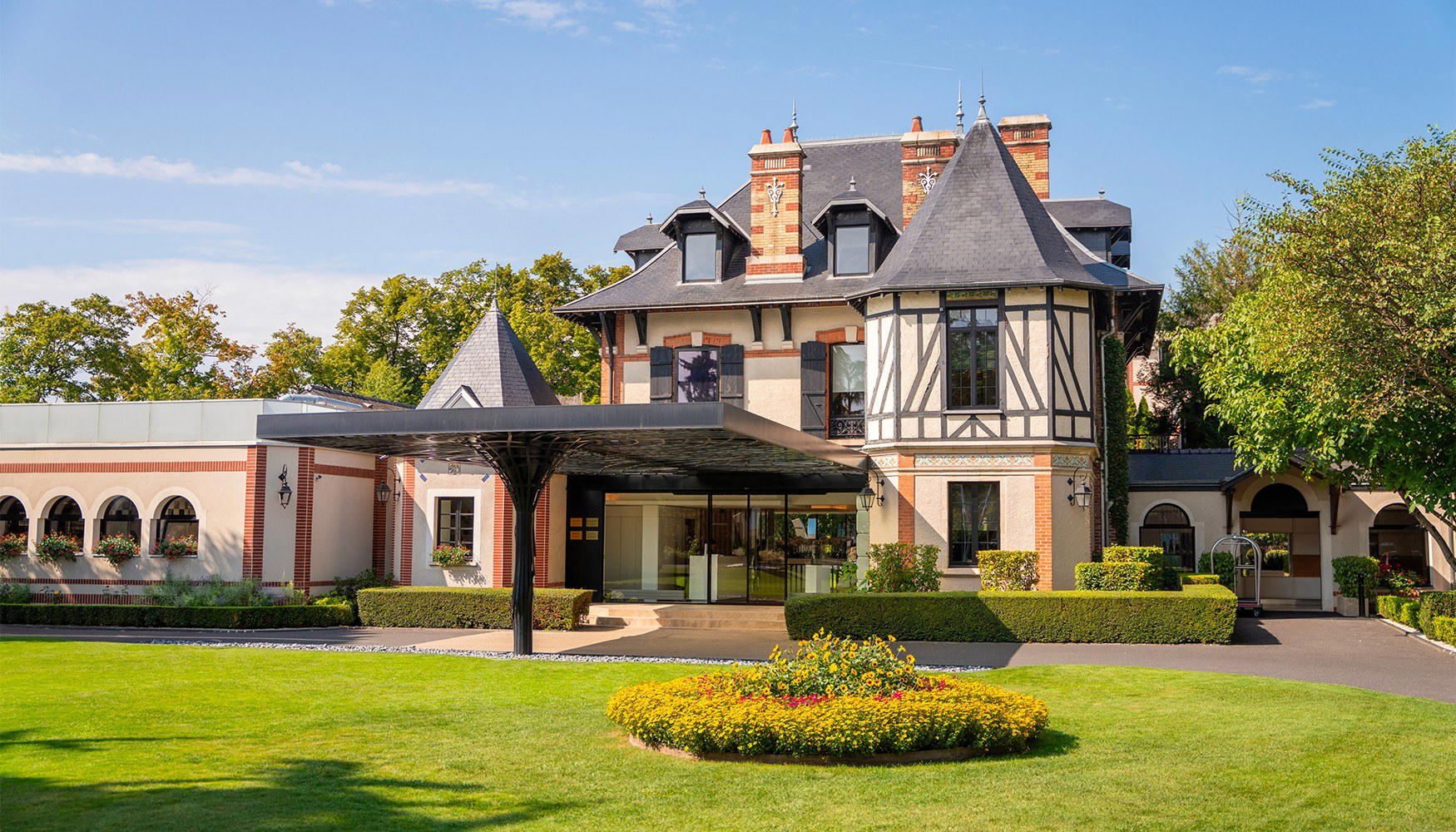
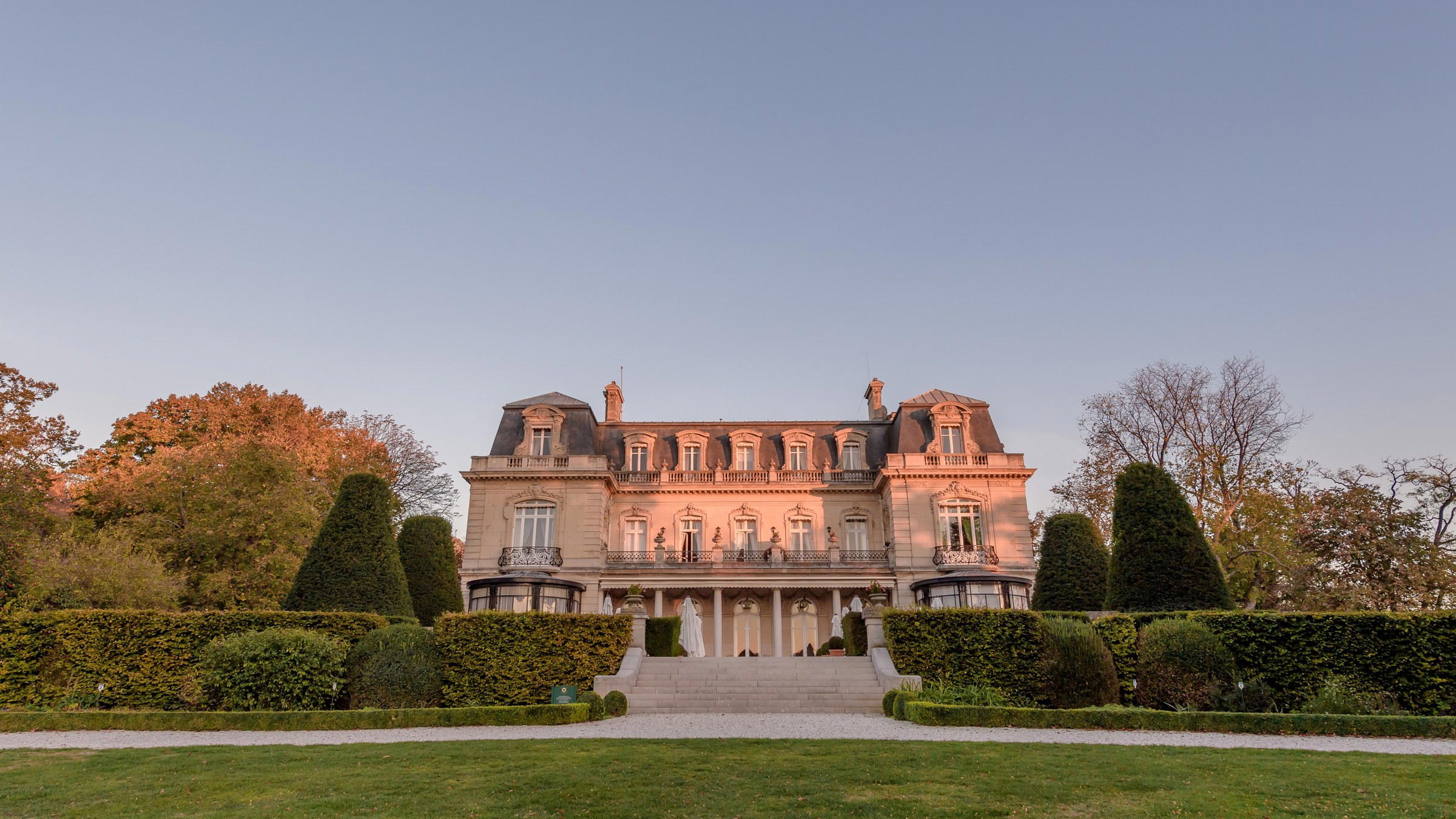
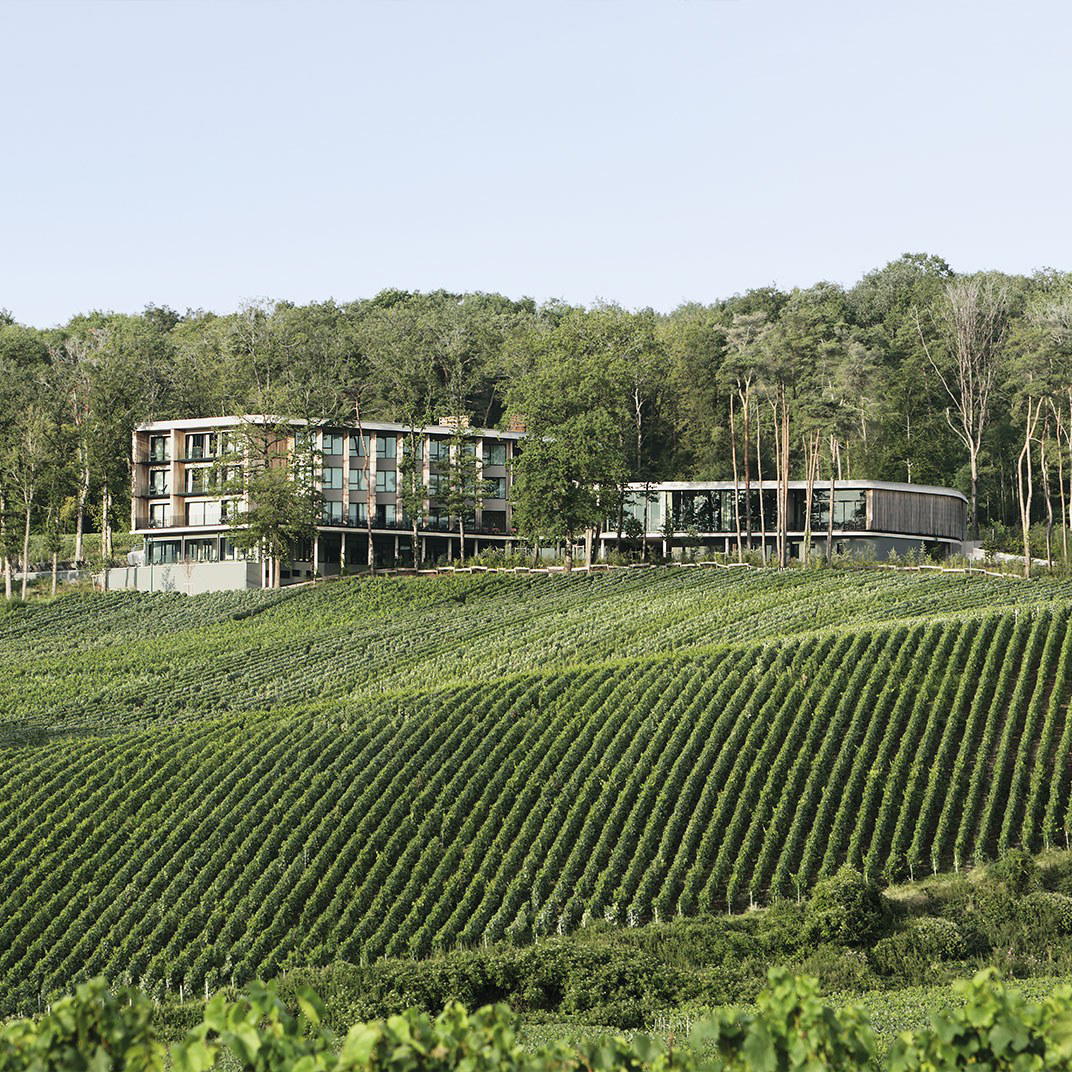
One of Champagne's oldest houses, Piper-Heidsieck has been producing wine since 1785 from its base on the Allée du Vignoble in Reims. Under winemaker Émilien Boutillat and recognised with a Pearl 4 Star Prestige award in 2025, the house occupies a serious position within the Reims prestige tier, where history and viticultural discipline carry equal weight.
Pearl is the En Primeur Club membership app — saves, bookings, and concierge access live there. Same editors, same standards.

Where Chalk Meets Two and a Half Centuries of Method
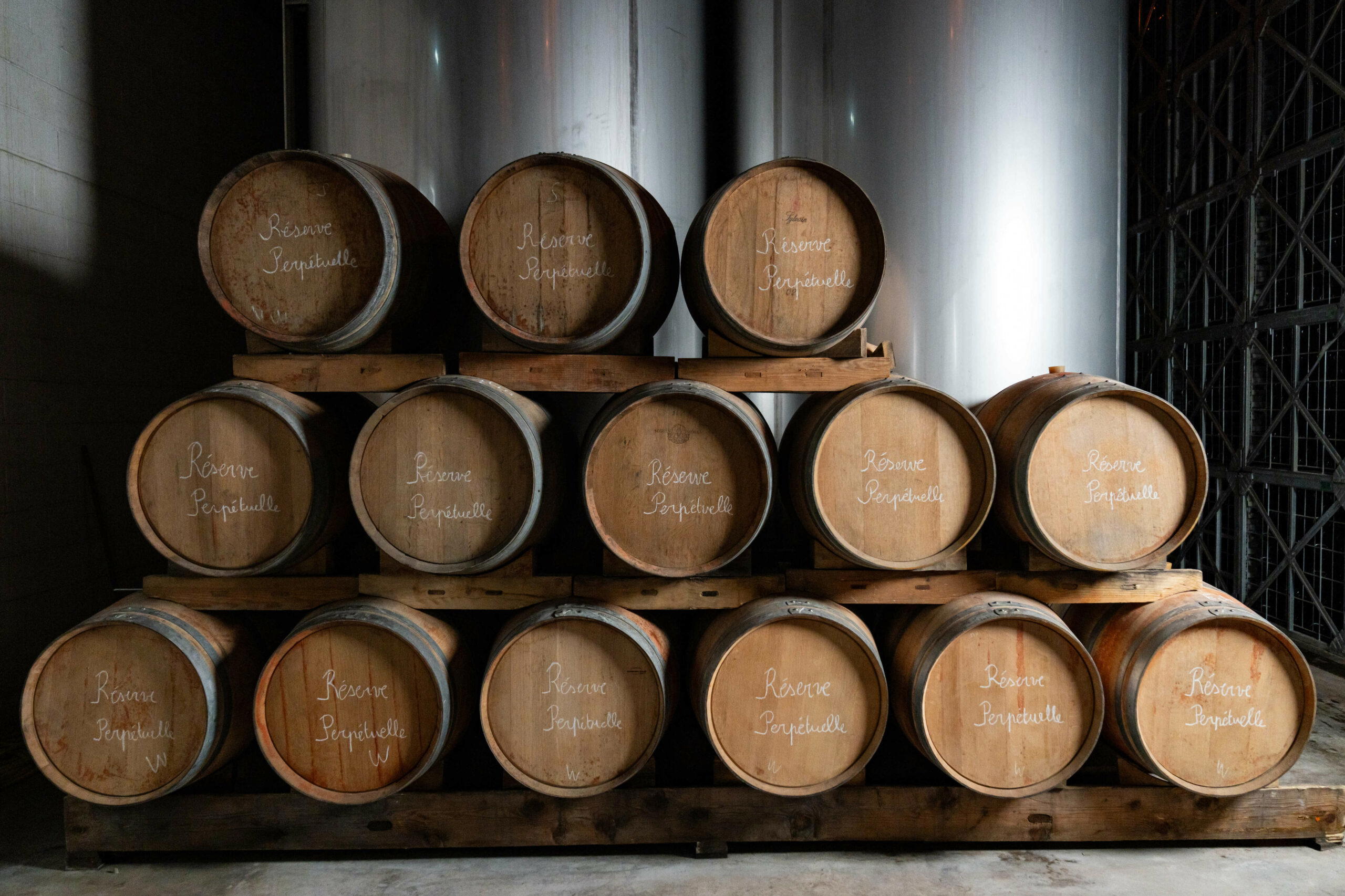
The approach to Piper-Heidsieck along the Allée du Vignoble in Reims situates you immediately within the logic of Champagne's grande maison geography. The address sits within the broader corridor of chalky subsoil that gives this part of the Marne its productive identity, the same geology that carved the cathedral city's famous crayères — labyrinthine chalk cellars descending metres below street level, maintaining a near-constant 10–12°C year-round, the temperature at which traditional-method Champagne ages with the slowest, most nuanced development. These cellars are not merely storage; they are the defining infrastructure of Reims winemaking, and every significant house in the city — Pommery, Veuve Clicquot Ponsardin, Charles Heidsieck , builds its identity partly around what happens underground.
Piper-Heidsieck belongs to that founding generation. The house was established in 1785, placing it among the earliest commercial Champagne operations at a moment when the méthode champenoise was still being codified rather than replicated. That date is not ornamental provenance: it means the house has accumulated vintages across periods when Champagne's viticulture looked entirely different , before phylloxera reshaped the vine stock of all Europe, before the AOC system formalised what could and could not be called Champagne, and before carbon footprint analysis became a factor in purchasing decisions. The 2025 Pearl 4 Star Prestige recognition positions it firmly within the current upper tier of assessed producers.
Viticulture, Sustainability, and the New Grammar of Prestige Champagne
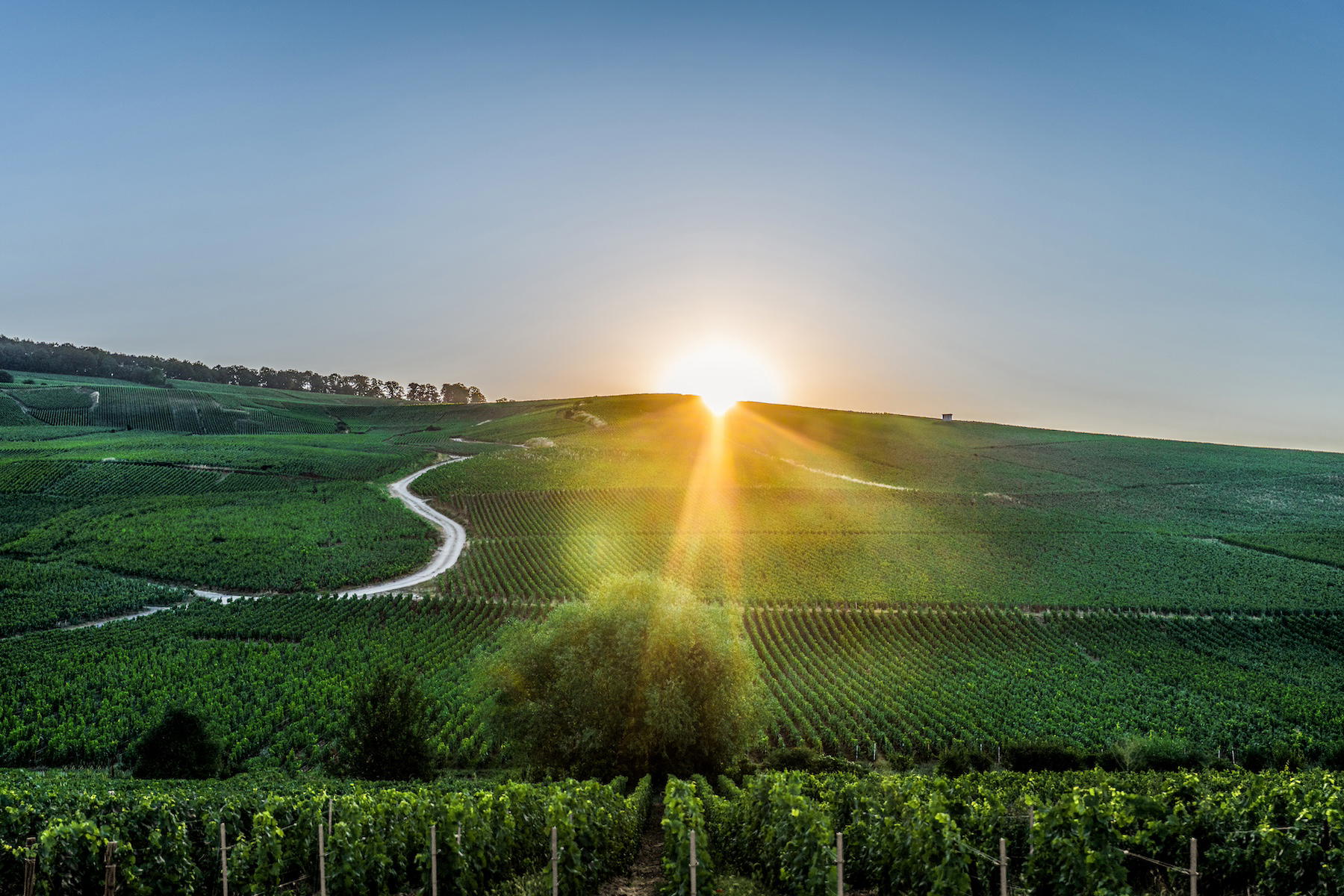
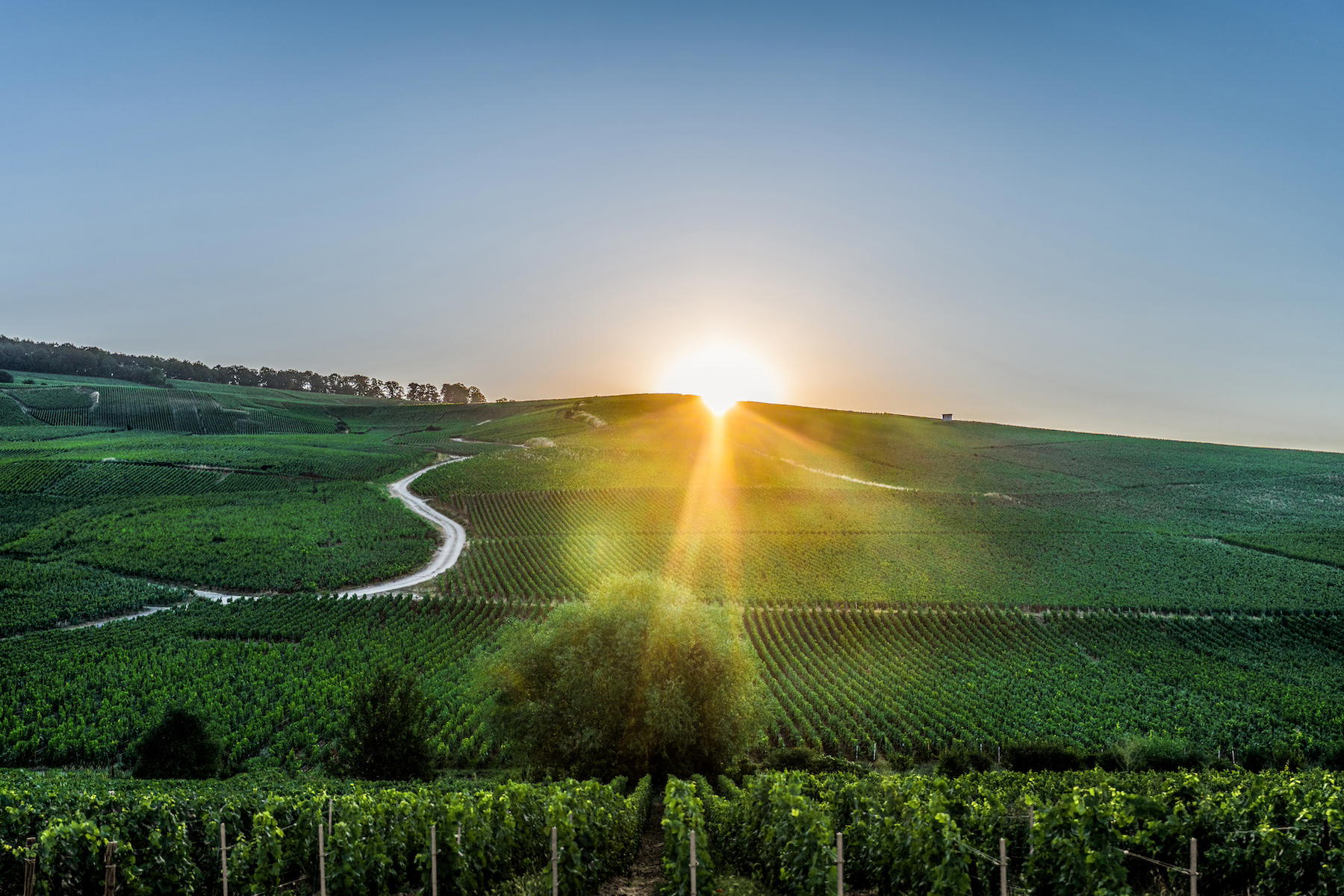
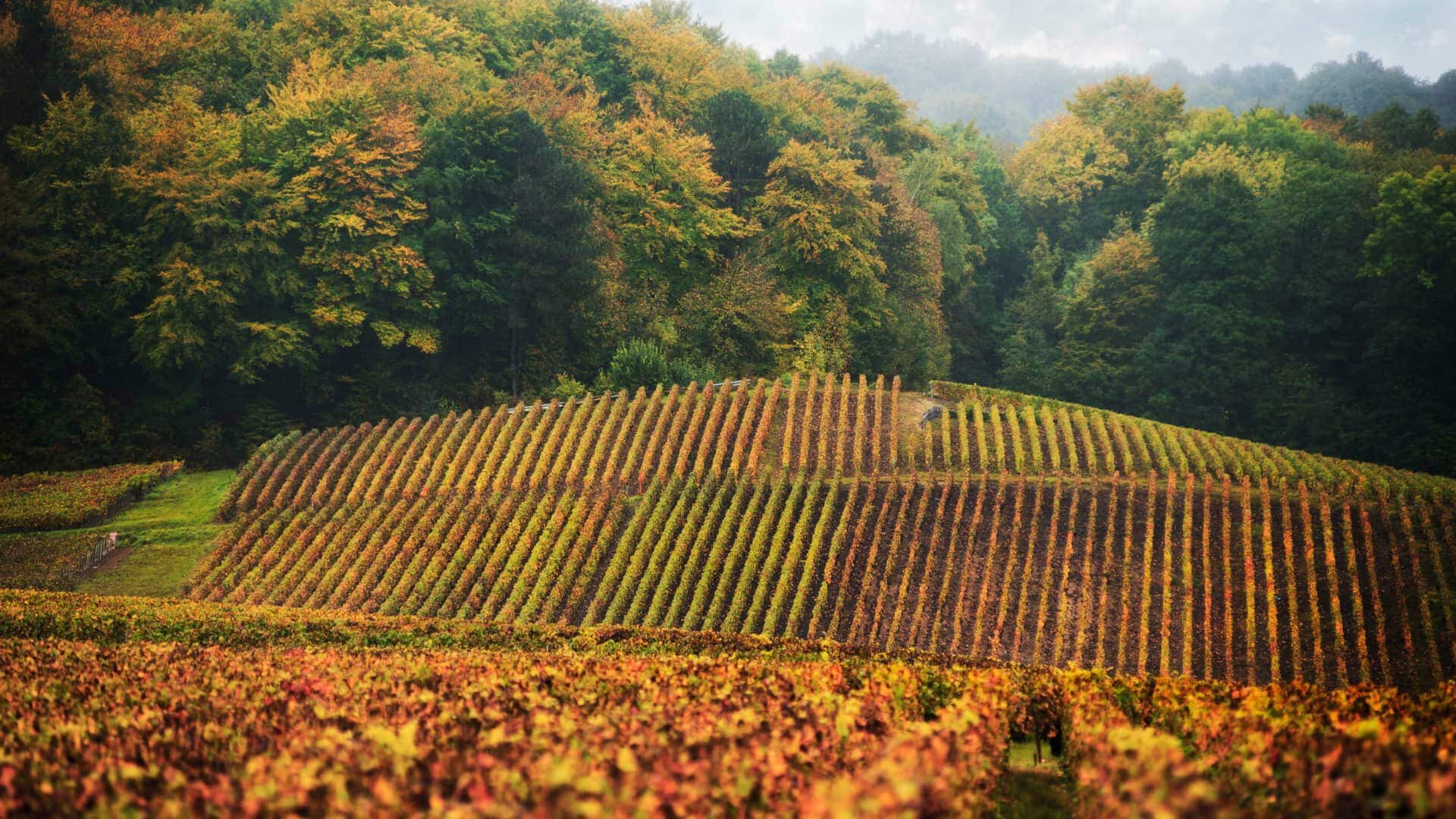
The current conversation in prestige Champagne has shifted noticeably toward what happens in the vineyard rather than simply what happens in the cellar. Houses at the volume-led end of the market have been slower to move on this; the grower Champagne movement, which accelerated through the 2010s, pushed the discourse toward terroir specificity and reduced-intervention farming, and the larger houses have had to respond. Across Reims, the more credentialled operations have begun making measurable commitments: reduced synthetic inputs, soil health programmes, biodiversity corridors between plots, and in some cases moves toward certified organic or biodynamic status.
Piper-Heidsieck, with winemaker Émilien Boutillat leading the cellar programme, operates within this evolving frame. The house's scale , it sources across the Champagne appellation, drawing from Montagne de Reims, Côte des Blancs, and Vallée de la Marne , means any sustainability commitment requires coordination across a large grower network, the logistical challenge that distinguishes grande maison stewardship from single-domaine grower production. This is a different kind of viticultural discipline than what you find at a small producer like Albert Boxler in Niedermorschwihr, where one team controls every vine row; at a house of Piper-Heidsieck's reach, the environmental ambition has to travel through contracts, protocols, and supplier relationships.
The direction of travel across the sector is clear. Buyers selecting prestige Champagne in 2025 are increasingly asking questions that would have seemed peripheral a decade ago: what is the viticulture certification status, how is water managed across the estate parcels, what is the policy on synthetic fungicides in high-pressure vintages? Houses that can answer these questions with specificity are separating themselves from those that offer only broad intent. Bruno Paillard and Henriot, both operating at the prestige tier in Reims, have each made documented moves in this direction, raising the baseline expectation for any house competing at that level.
The House in Its Peer Context
Reims operates as a two-speed Champagne capital. The cathedral and the tourism infrastructure attract visitors who approach the grandes maisons primarily as experiential destinations , cellar tours, tasting rooms, branded architecture. That tier of engagement is real and economically significant. But a parallel tier exists, made up of buyers, sommeliers, and collectors who use Reims as a sourcing reference point and assess houses on allocation terms, vintage track record, and cellar release schedules rather than visitor experience.
Piper-Heidsieck addresses both audiences. The house's 1785 founding date and its sustained commercial presence across two centuries give it the kind of institutional depth that supports serious assessment. The Pearl 4 Star Prestige award for 2025 is a current, verifiable data point placing it within a peer set that includes other recognised houses in the city. Within that set, the differentiation comes down to house style, cuvée architecture, and the specific sourcing decisions Boutillat has made. Non-vintage Brut remains the commercial engine of every grande maison, but it is the prestige cuvée tier , and how the house manages the relationship between reserve wine blending and vintage declaration , that separates the credentialled operations from those coasting on brand recognition alone.
For broader context on how Piper-Heidsieck fits within Reims's producer landscape, our full Reims restaurants guide covers the city's food and drink scene with neighbourhood-level detail. Visitors planning time across France's premium wine regions might also cross-reference producers operating under different production frameworks: Château Bastor-Lamontagne in Preignac, Château Batailley in Pauillac, Château Bélair-Monange in Saint-Emilion, Château Boyd-Cantenac in Cantenac, and Château Branaire Ducru in St-Julien each represent different expressions of French prestige production, as does Chartreuse in Voiron for those interested in France's broader artisanal heritage. Further afield, Accendo Cellars in St. Helena and Aberlour in Aberlour offer useful points of comparison for how prestige production operates across different categories and climates.
Planning Your Visit
Piper-Heidsieck is located at 12 Allée du Vignoble, 51100 Reims, in the zone that concentrates several of the city's major houses. Reims is approximately 45 minutes by TGV from Paris Gare de l'Est, making it practical as either a day visit or a longer itinerary. The spring and autumn shoulder seasons typically offer cleaner visit windows than high summer, when the major Reims houses see peak visitor volumes. As no current booking contact details are held in our database, reaching out via the house's official website is the recommended starting point; cellar tour availability at prestige houses in Reims generally requires advance booking, particularly for structured tasting formats rather than walk-in retail access.
Continue exploring
More in Reims
Wineries in Reims
Browse all →Bars in Reims
Browse all →Restaurants in Reims
Browse all →At a Glance
- Elegant
- Sophisticated
- Classic
- Iconic
- Celebration
- Special Occasion
- Wine Education
- Cave Tasting
- Historic Building
- Sustainable
Atmospheric underground chalk cellars with elegant, historic atmosphere evoking timeless sophistication.