
Pierre Gimonnet & Fils has farmed the Côte des Blancs since 1947, producing Champagne from some of the appellation's most respected Chardonnay plots. Olivier and Didier Gimonnet continue to oversee production from the family's base in Cuis, with the house. The address is 1 Rue de la République, 51530 Cuis.
Pearl is the En Primeur Club membership app — saves, bookings, and concierge access live there. Same editors, same standards.
- Address
- 1 Rue de la République, 51530 Cuis
- Phone
- +33 3 26 59 78 70
- Website
- champagne-gimonnet.com
- Directions
- Get directions
 Saves & bookings on Pearl
Chalk, Chardonnay, and the Côte des Blancs
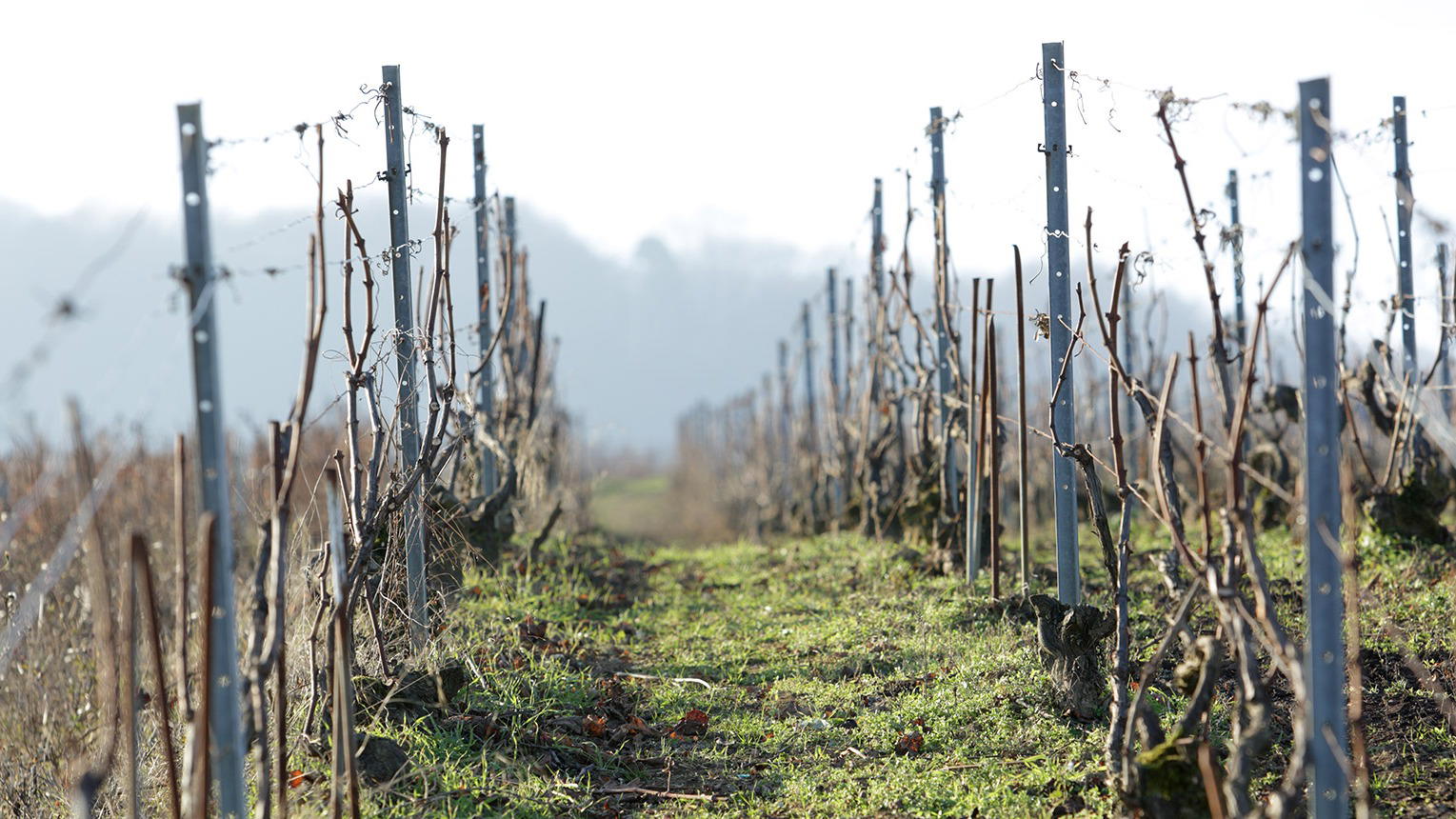
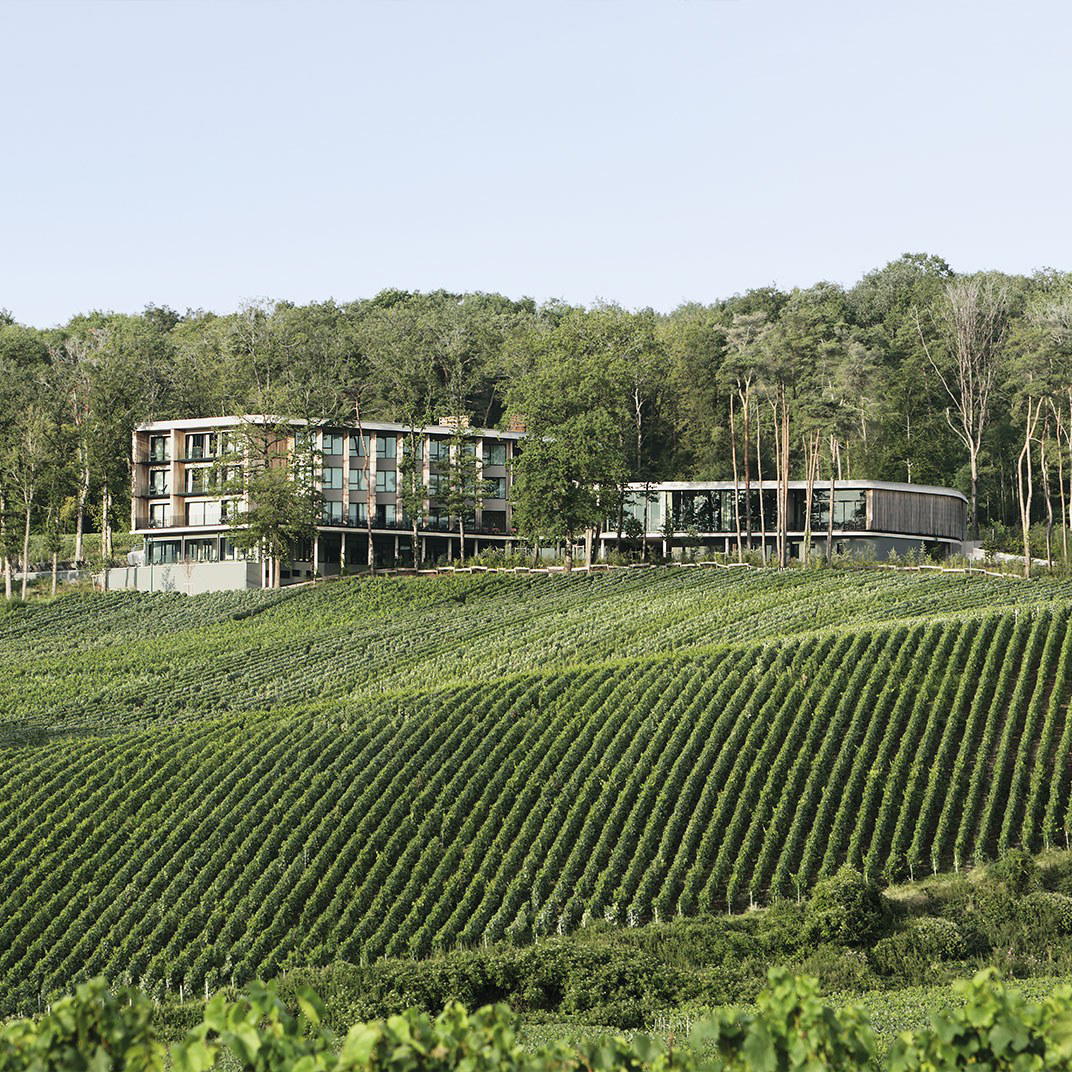
The village of Cuis sits at the southern end of the Côte des Blancs, a narrow ridge running south from Épernay where the subsoil is almost entirely Belemnite chalk. This geology is not incidental to what happens here. It is the argument. The chalk drains freely, reflects heat upward through the vine canopy, and forces roots deep enough to access mineral-rich groundwater year-round. Chardonnay, planted across nearly all of the Côte des Blancs, responds to this substrate with a tension and vertical energy that is difficult to replicate on other soil types. Pierre Gimonnet & Fils has been farming these plots since 1947, making it among the longer-standing grower-producers in the sub-region, and its location in Cuis places it at a slightly cooler, more easterly-facing slice of the ridge than the grand cru villages of Cramant or Avize a few kilometres north.
That positional distinction matters. Cuis holds premier cru classification, one step below grand cru on the Champagne échelle des crus scale, yet the chalk composition and altitude of its east-facing slopes produce wines that register as leaner and more austere in youth than those from the warmer, more southern exposures. The tradeoff is longevity and a particular kind of mineral precision that collectors in certain markets actively seek. Pierre Gimonnet & Fils, with Olivier and Didier Gimonnet currently overseeing production, sits squarely inside that tradition.
What the Land Produces
Blanc de Blancs Champagne from the Côte des Blancs occupies its own interpretive tier within the appellation. Where most large-house Champagnes blend Pinot Noir and Meunier into the cuvée to add body and aromatic complexity, a blanc de blancs relies entirely on Chardonnay to deliver everything: structure, fruit, acidity, and the capacity to age. The Gimonnet holdings span multiple premier cru and grand cru parcels across the Côte des Blancs, which gives the winemaking team the option to blend across village characters, the riper, rounder profile of plots closer to Cramant against the more reserved, chalky register of Cuis itself. This parcel diversity is a production advantage that distinguishes established grower houses from newer entrants without the same depth of vineyard access.
Chalk-driven Chardonnay tends to carry a signature that Champagne writers describe through references to oyster shell, wet stone, and green citrus in youth, giving way to toasted brioche and lanolin with bottle age. These are not marketing constructs but measurable aromatic compounds that reflect both the terroir and the slow secondary fermentation in bottle that defines traditional method sparkling wine. The Gimonnet style aligns with this tension-forward expression rather than the richer, more immediately accessible profile associated with Pinot-dominant Champagne or with blanc de blancs from warmer sector exposures. For producers working in a similar register from different French appellations and terroir conditions, Château Bastor-Lamontagne in Preignac and Château Branaire Ducru in St-Julien offer useful comparison points for understanding how terroir specificity shapes house identity across French appellations.
Grower Champagne in Context
The grower Champagne category has shifted significantly over the past two decades. Through most of the twentieth century, large négociant houses controlled both the supply chain and the narrative. Growers sold grapes; houses made and branded the wine. The rise of récoltant-manipulant producers, who grow, produce, and sell under their own label, inverted part of that hierarchy and gave consumers direct access to terroir-specific expressions unavailable in blended-house cuvées. Pierre Gimonnet & Fils operates within this grower-producer framework, with the first vintage on record dating to 1947, predating much of the récoltant-manipulant movement's wider recognition by several decades.
This longevity is relevant context. Many grower producers that attracted significant international attention from the 2000s onward were working with vine stock planted in the postwar decades. Houses like Gimonnet, which began bottling in that same postwar period, have access to older vine material on established parcels, which tends to yield lower quantities of more concentrated fruit. In the Côte des Blancs specifically, older Chardonnay vines on chalk require less irrigation and, under low-intervention farming, produce smaller clusters with higher skin-to-juice ratios, factors that can affect both mineral intensity and ageing potential. Whether or not the house employs certified organic or biodynamic practices is not documented in public sources, but the structural conditions for terroir-expressive viticulture are present in both the soil and the vine age.
The underlying logic is consistent even when the grapes and wine types differ.
Visiting Cuis
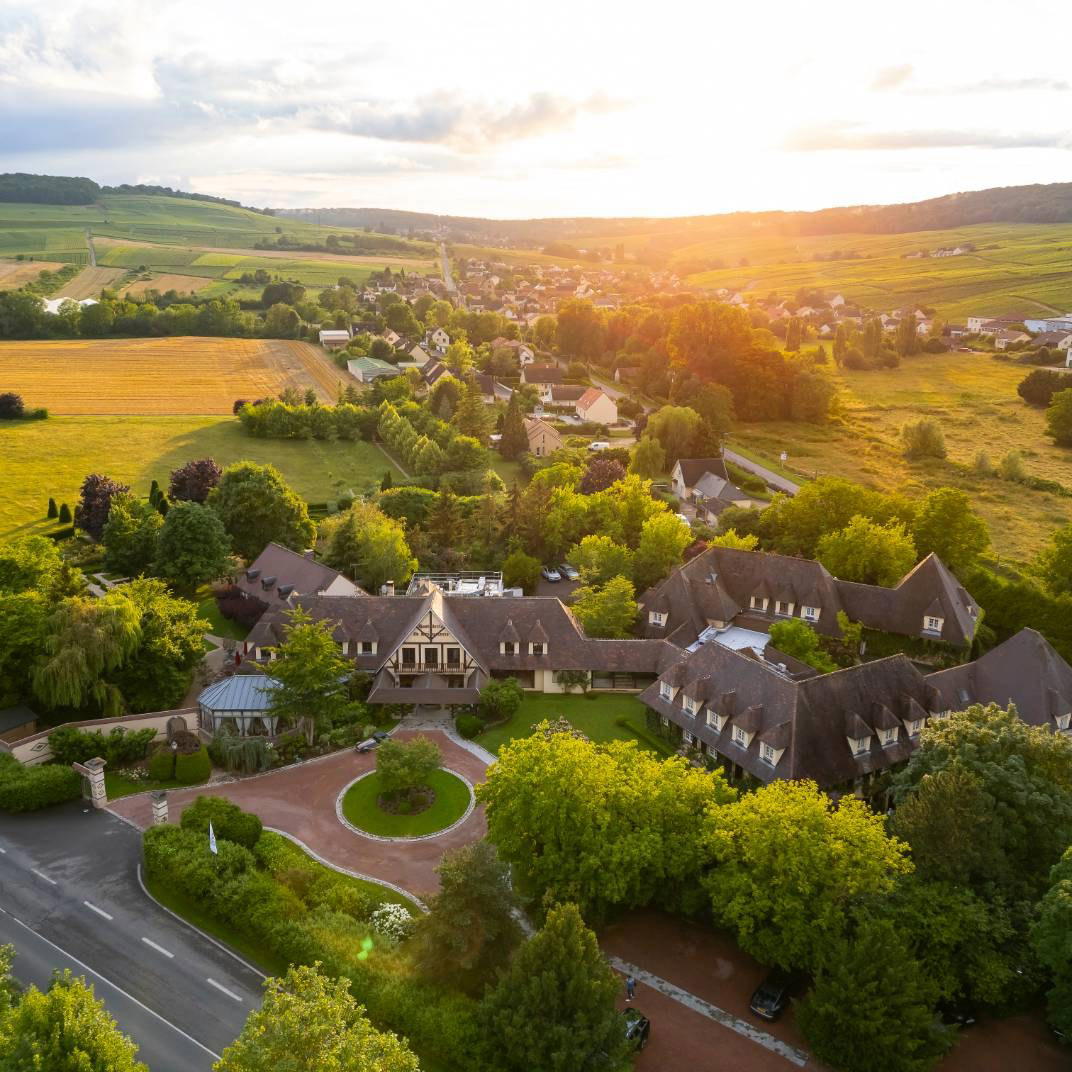
Cuis is a working agricultural village rather than a wine tourism destination in the way Épernay or Reims have been developed. The Rue de la République address places Pierre Gimonnet & Fils at the centre of the village, accessible by car from Épernay in under fifteen minutes via the D10 road that runs the length of the Côte des Blancs. Visitors should contact the domaine in advance, as visits are by appointment only.
The surrounding area rewards the drive. Cramant, Avize, and Oger, all within a short distance north and south of Cuis, represent the grand cru tier of the Côte des Blancs and offer further context for understanding how village position and slope aspect modulate Chardonnay character across a geologically consistent ridge. The contrast between a Cramant-based Champagne and a Cuis-based Champagne from the same producer or same vintage is among the more instructive tastings available in the appellation.
Side-by-Side Snapshot
Comparable venues nearby, for context on price, style, and recognition.
| Venue | Cuisine | Price | Notes |
|---|---|---|---|
| Pierre Gimonnet & FilsThis venue — the venue you are viewing | Chardonnay, Pinot Noir | $$$ | Not listed |
| A. Margaine | Chardonnay, Pinot Noir | $$$ | Villers-Marmery |
| Laurent-Perrier | Chardonnay, Pinot Noir | $$$ | Tours-sur-Marne |
| Delamotte | Chardonnay, Pinot Noir | $$$ | Le Mesnil-sur-Oger |
| Champagne Philipponnat | Pinot Noir, Chardonnay | $$$$ | Ay-Champagne |
| Domaine Arlaud | Pinot Noir, Aligote | $$$ | Morey-Saint-Denis |
Recognition history
Dated appearances from independent guides and award organizations, with the underlying list record or original source where available.
Falstaff Winery - 4 Stars
Falstaff
Falstaff Winery - Listed
Falstaff
Continue exploring
More in Cuis
Wineries in Cuis
Browse all →
Bars in Cuis
Browse all →
Restaurants in Cuis
Browse all →
At a Glance
- Elegant
- Classic
- Quiet
- Sophisticated
- Wine Education
- Special Occasion
- Cave Tasting
- Vineyard Tour
- Vineyard
- Côte Des Blancs
- Chardonnay
- Pinot Noir
- Sparkling
- Still White
- Cave Tasting
- Private Tasting
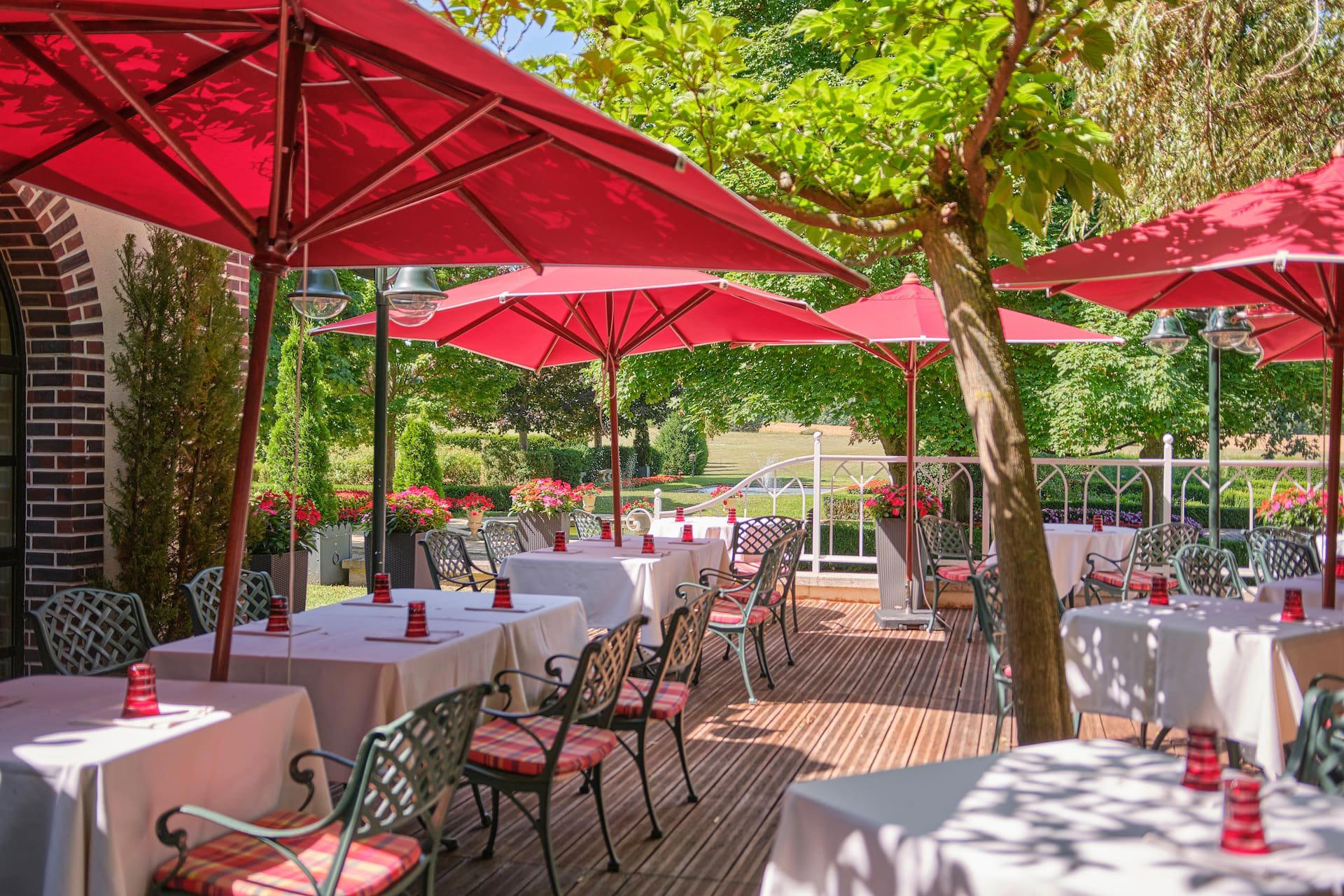
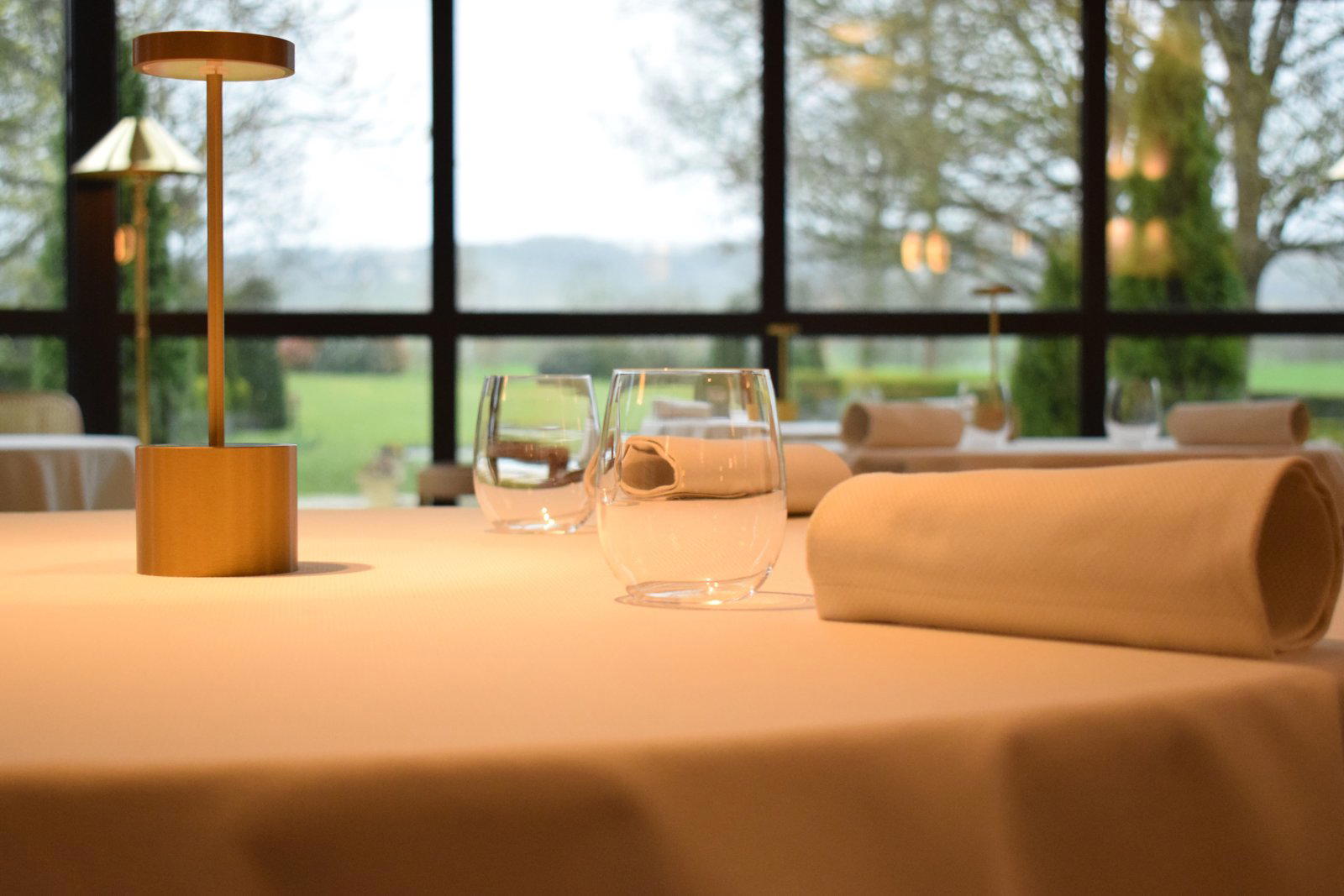
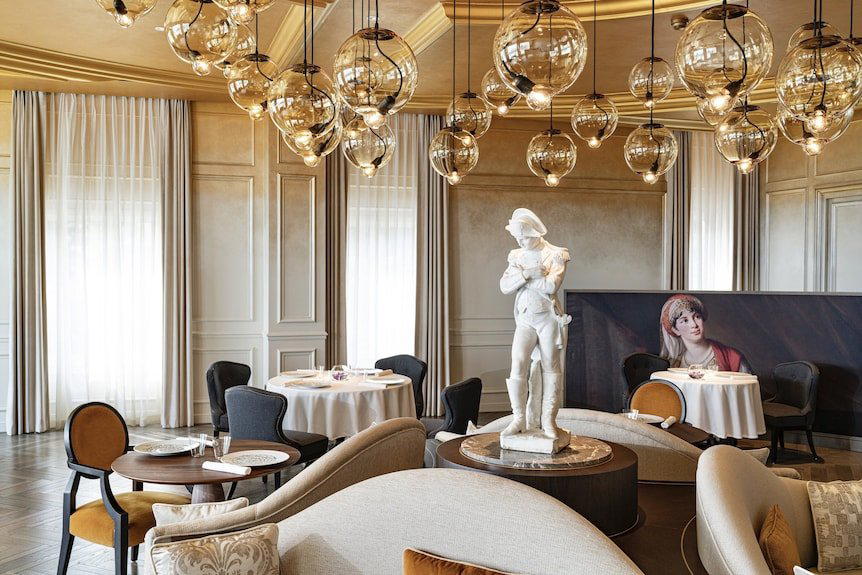
Refined and precise with piercing acidity, salivating minerality, and Côte des Blancs freshness in a classic chalk terroir setting.