Clos des Papes

Clos Des Papes is one of Châteauneuf-du-Pape's most consistently referenced domaines, led by winemaker Paul-Vincent Avril and. The estate works across the appellation's permitted varieties, producing both red and white wines that sit in the upper tier of the appellation's comparable set. Visitors planning a southern Rhône itinerary will find it a logical anchor point for the village.
Pearl is the En Primeur Club membership app — saves, bookings, and concierge access live there. Same editors, same standards.
- Address
- 13, avenue Pierre de Luxembourg, 84230 Châteauneuf-du-Pape, France
- Phone
- +33490837013
- Website
- clos-des-papes.fr
- Directions
- Get directions
 Saves & bookings on Pearl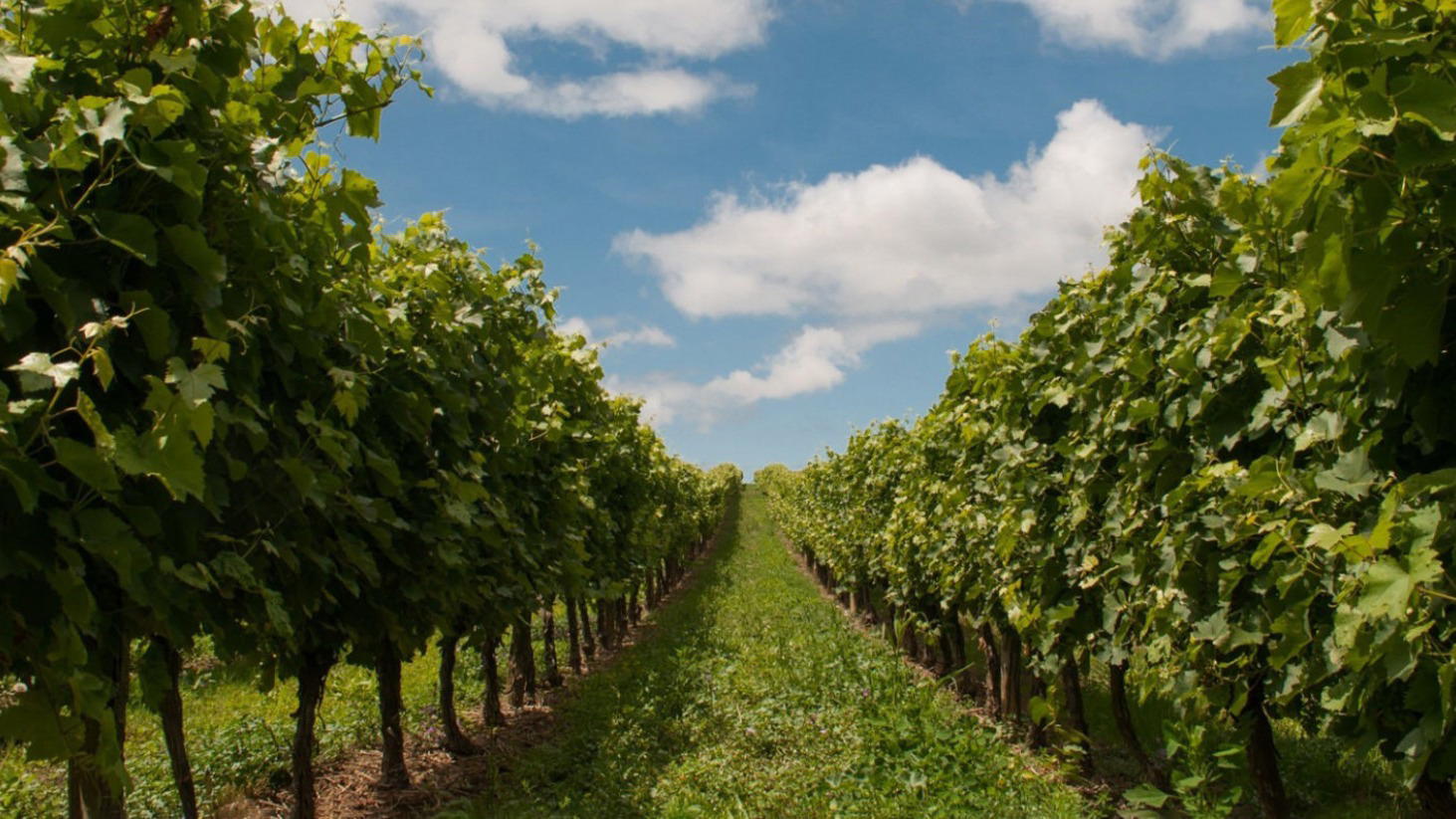
Where the Southern Rhône Sets Its Standard
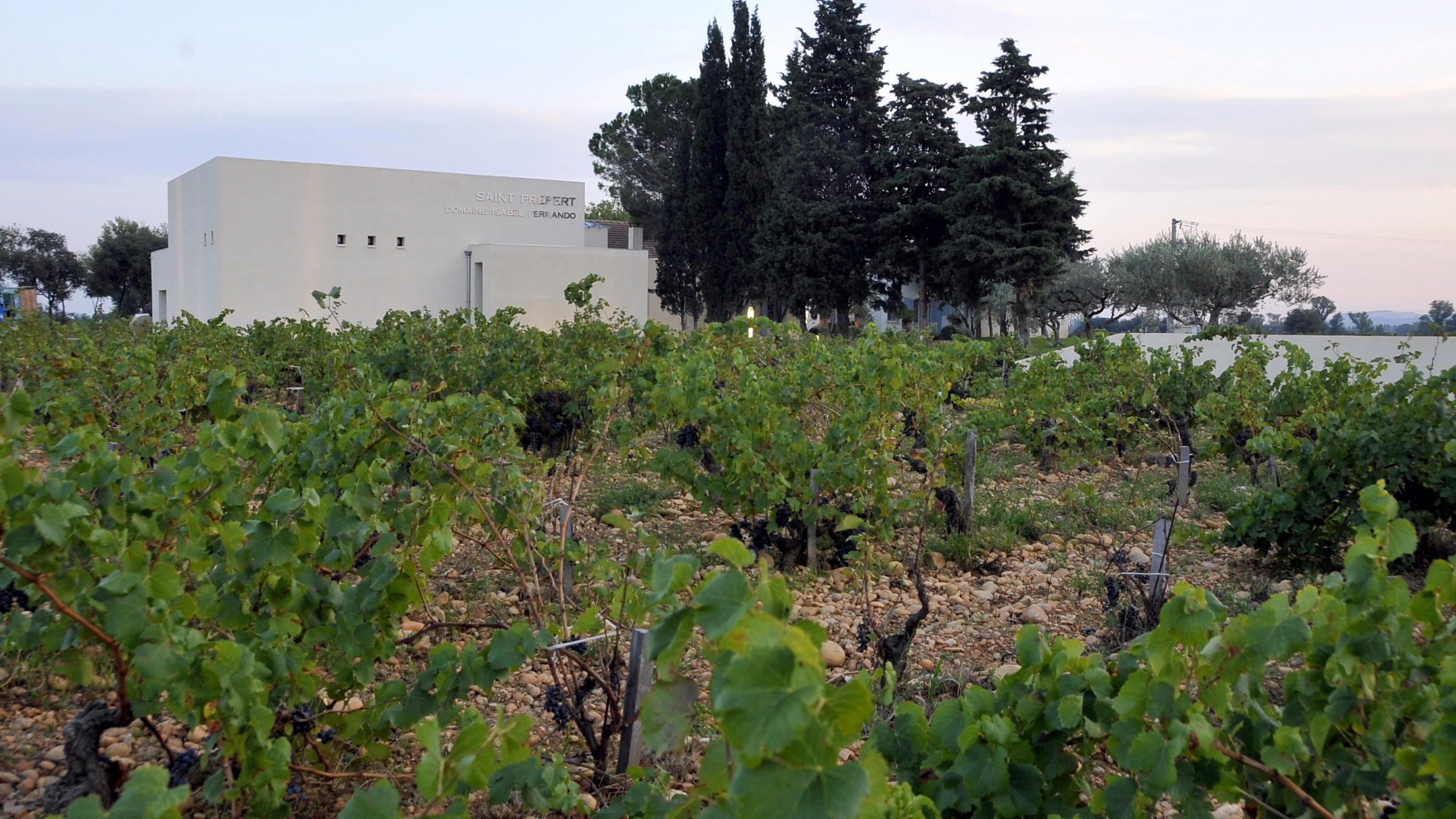
The village of Châteauneuf-du-Pape sits on a plateau above the Rhône, its vineyards spread across soils that shift from the famous galets roulés, the large, heat-retaining rounded stones, to sandy clay and red clay-limestone. The appellation permits eighteen grape varieties, a figure that gives producers unusual latitude and makes house style a genuine differentiator. Within that framework, a small number of domaines have built reputations substantial enough to function as reference points for the broader appellation. Clos Des Papes is among them.
That recognition is not incidental, Châteauneuf-du-Pape is an appellation where prestige-tier producers are few enough that each one carries weight in defining what the appellation can achieve at its ceiling.Paul-Vincent Avril and the Logic of Non-Intervention
Winemaking philosophy that has defined Clos Des Papes over recent decades is closely associated with Paul-Vincent Avril. His approach sits within a broader tradition in Châteauneuf-du-Pape that resists the kind of heavy extraction and new-oak influence that shaped the appellation's international image in the 1990s and early 2000s. Where some producers in the southern Rhône moved toward concentrated, deeply extracted wines calibrated for international critics, the counter-current, represented by Avril and a handful of peers, favoured wines with more structural tension and longer development arcs.
That restrained approach is not distinctive to this address. Chateau Rayas, the appellation's most discussed producer, built its reputation on Grenache-dominant wines from sandy soils that produce elegance rather than power. Clos Des Papes works from a different soil mix and a different varietal approach, but both sit within the tradition of producers who have consistently argued that Châteauneuf-du-Pape's leading wines are made in the cellar through restraint, not addition.
The contrast with producers like Domaine de la Solitude illustrates how wide the appellation's stylistic range remains. Different soil parcels, different blending philosophies, and different cellar choices produce wines that share an appellation name but diverge considerably in character. That range is part of what makes Châteauneuf-du-Pape worth sustained attention rather than a single visit.
Reading the Wines in Context
Châteauneuf-du-Pape produces both red and white wines under the appellation rules. The whites, dominated by Grenache Blanc, Clairette, Roussanne, and Bourboulenc, have historically been overshadowed by the reds in international markets but have attracted growing critical attention over the past decade. Domaines that handle both colours with equal seriousness occupy a different position than those whose whites are an afterthought to the red program.
The appellation's reds age on a longer curve than many consumers expect. Wines from serious producers at the prestige tier typically require five to ten years from vintage before they show their full range, and the leading vintages, 2010, 2015, 2016, and 2019 are frequently cited, extend further. Visitors tasting at the domaine should calibrate accordingly: a young wine from a leading vintage may be closed or tight in ways that a cellar visit alone cannot fully reveal. Coming with some knowledge of current vintage conditions, or asking directly about drinking windows, is especially practical preparation.
Planning a Visit to the Domaine
The domaine is located at 13, avenue Pierre de Luxembourg in the village of Châteauneuf-du-Pape, which sits roughly 15 kilometres north of Avignon. The village itself is small, a single main street, a ruined papal castle at its peak, and vineyards visible in every direction, which means logistics are direct once you are in the area. Avignon is the nearest city with significant transport infrastructure, including TGV connections, and most visitors to the appellation use it as a base.
Visits are by appointment only.
In Bordeaux, estates such as Château Batailley in Pauillac, Château Branaire Ducru in St-Julien, and Château Bélair-Monange in Saint-Emilion tend to operate within structured trade and tourism frameworks. Château Bastor-Lamontagne in Preignac and Château Boyd-Cantenac in Cantenac similarly reflect the structured château visit model of the Médoc and Sauternes. Châteauneuf-du-Pape operates differently, smaller scale, more direct, and often more personal, which is part of its appeal for visitors who find Bordeaux's formality limiting.
Price and Positioning
Comparable venues nearby, for context on price, style, and recognition.
| Venue | Cuisine | Price | Notes |
|---|---|---|---|
| Clos Des PapesThis venue — the venue you are viewing | Châteauneuf-du-Pape, Grenache, Mourvèdre | $$$$ | Not listed |
| Domaine La Barroche | Châteauneuf-du-Pape, Grenache, Mourvèdre | $$$$ | Not listed |
| Domaine de la Solitude | Châteauneuf-du-Pape, Grenache, Syrah | $$$ | Not listed |
| Domaine du Pegau | Châteauneuf-du-Pape, Grenache, Syrah | $$$ | Not listed |
| Domaine du Clos Saint Jean | Châteauneuf-du-Pape, Grenache, Syrah | $$$ | Not listed |
| Chateau Rayas | Not listed | $$$$ | northern Châteauneuf-du-Pape, Grenache Noir, Grenache Blanc |
Recognition history
Dated appearances from independent guides and award organizations, with the underlying list record or original source where available.
Falstaff Winery - Listed
Falstaff
Continue exploring
More in Châteauneuf-du-Pape
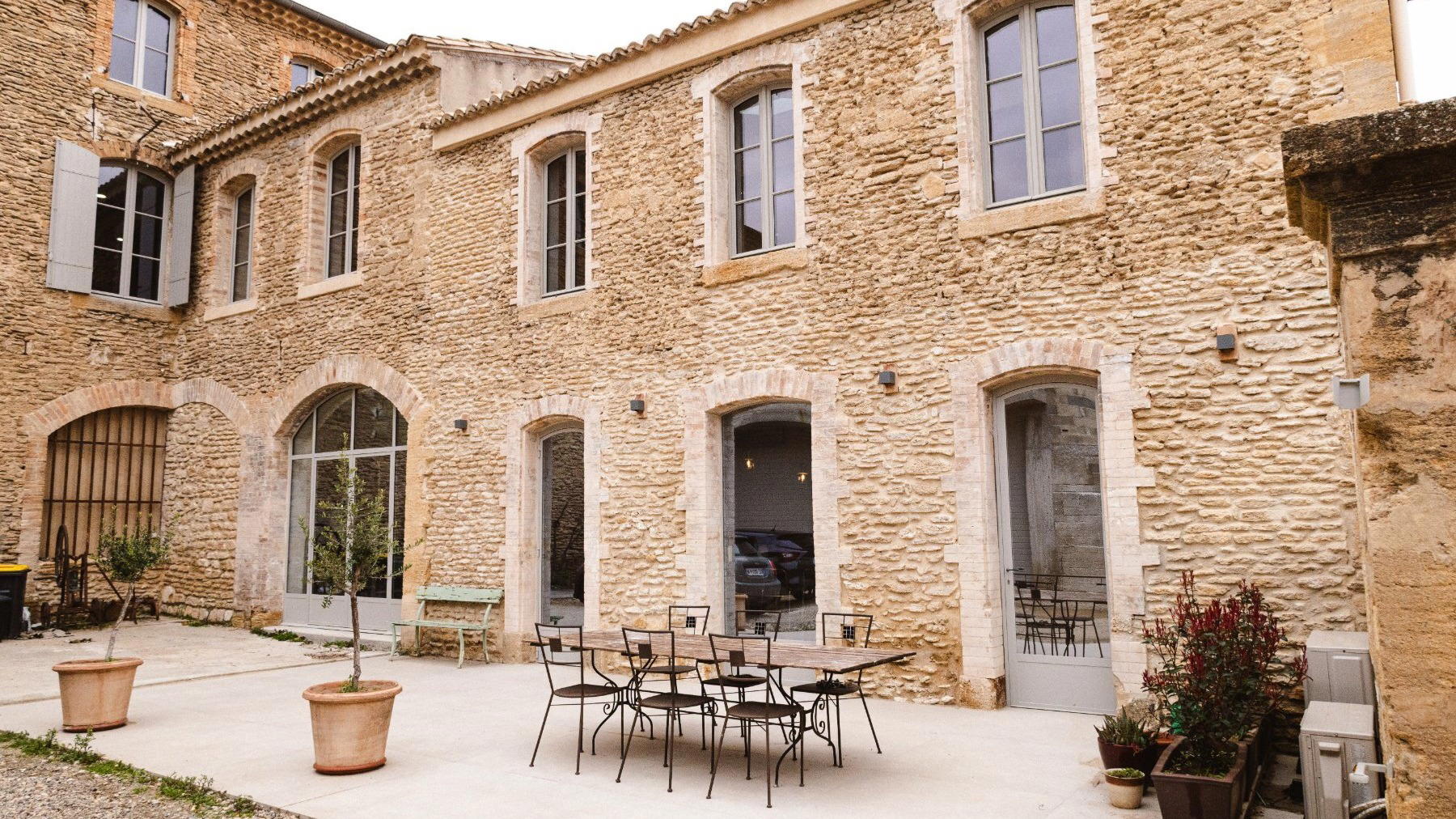
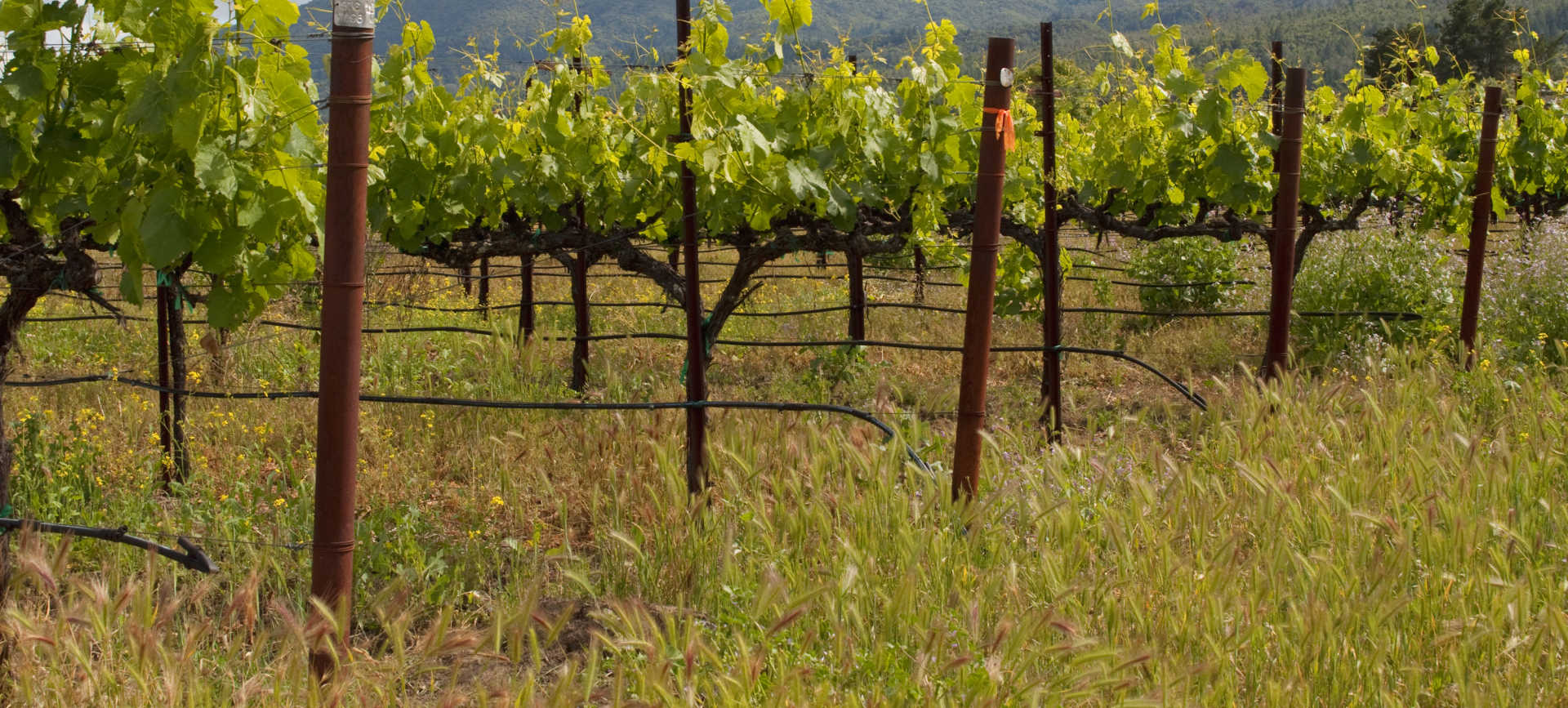
Wineries in Châteauneuf-du-Pape
Browse all →
Bars in Châteauneuf-du-Pape
Browse all →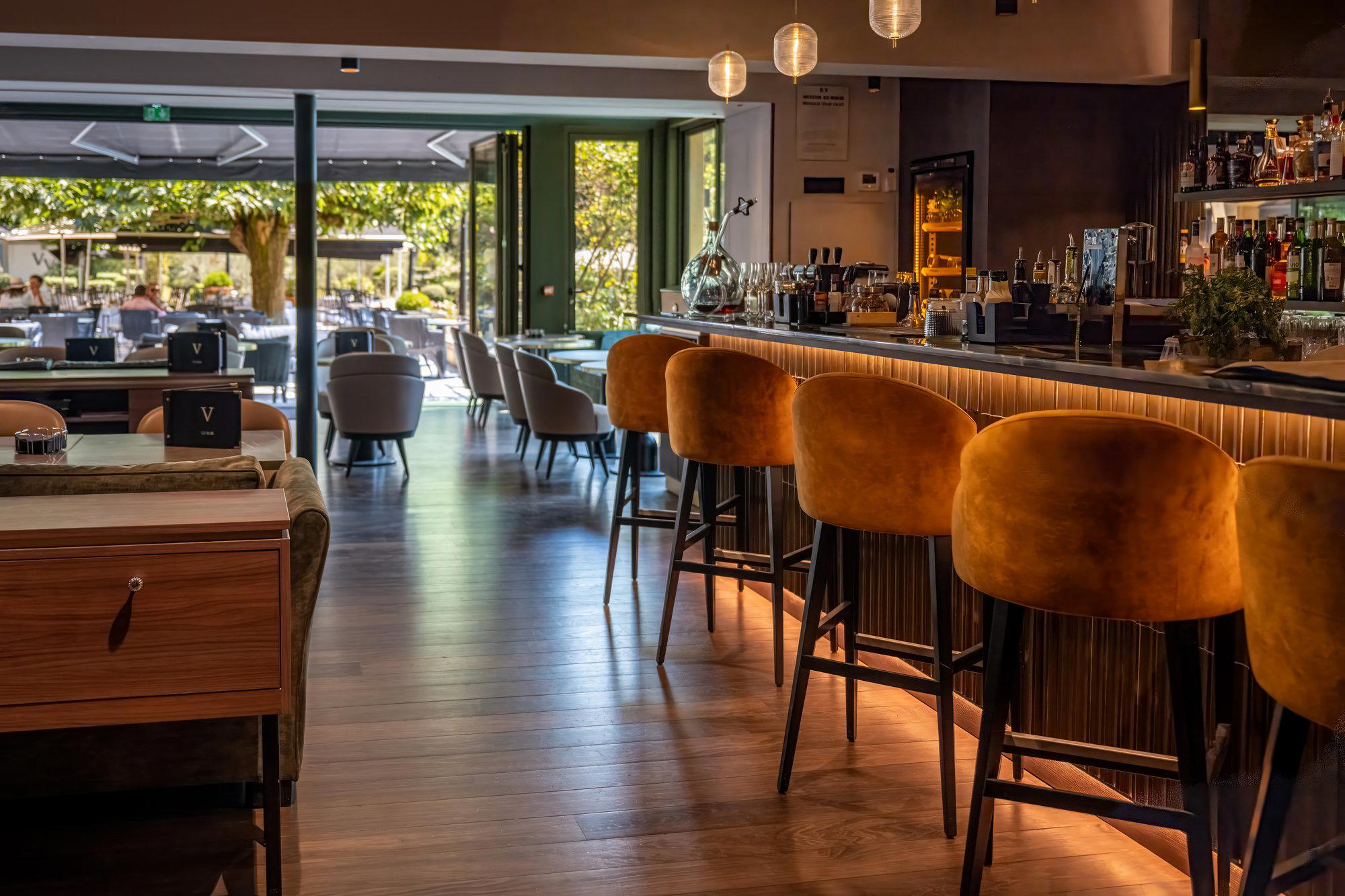
Restaurants in Châteauneuf-du-Pape
Browse all →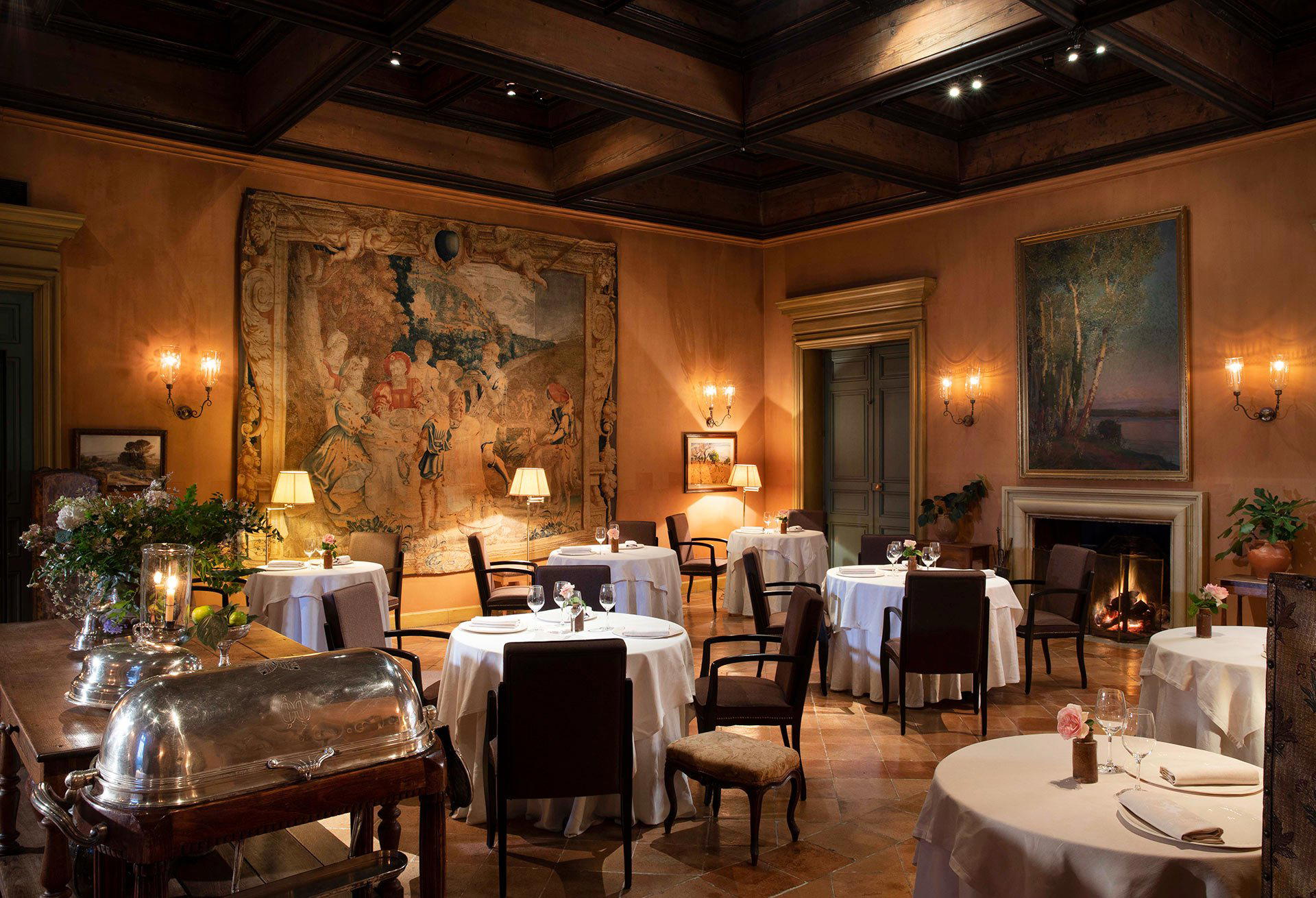
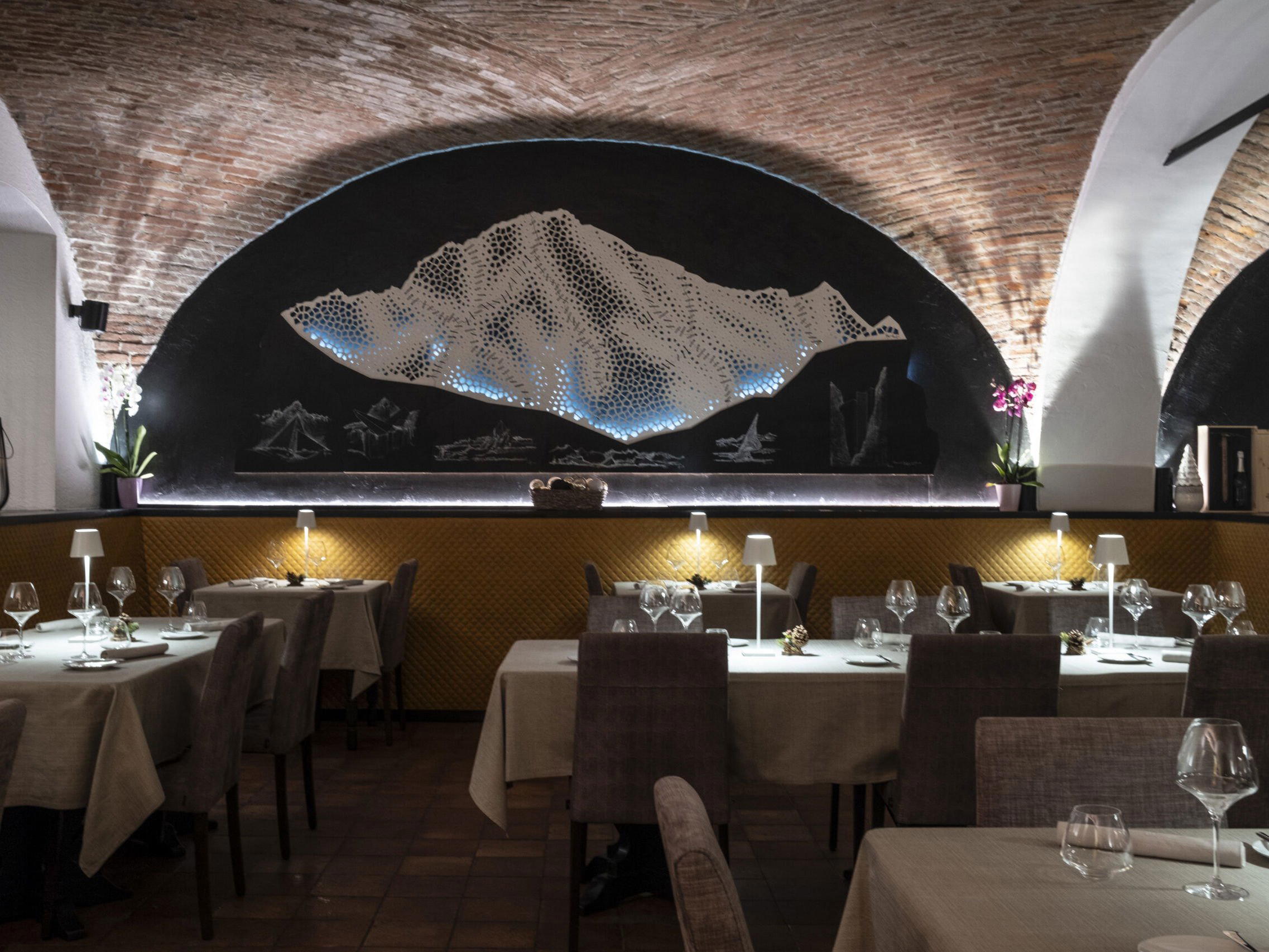
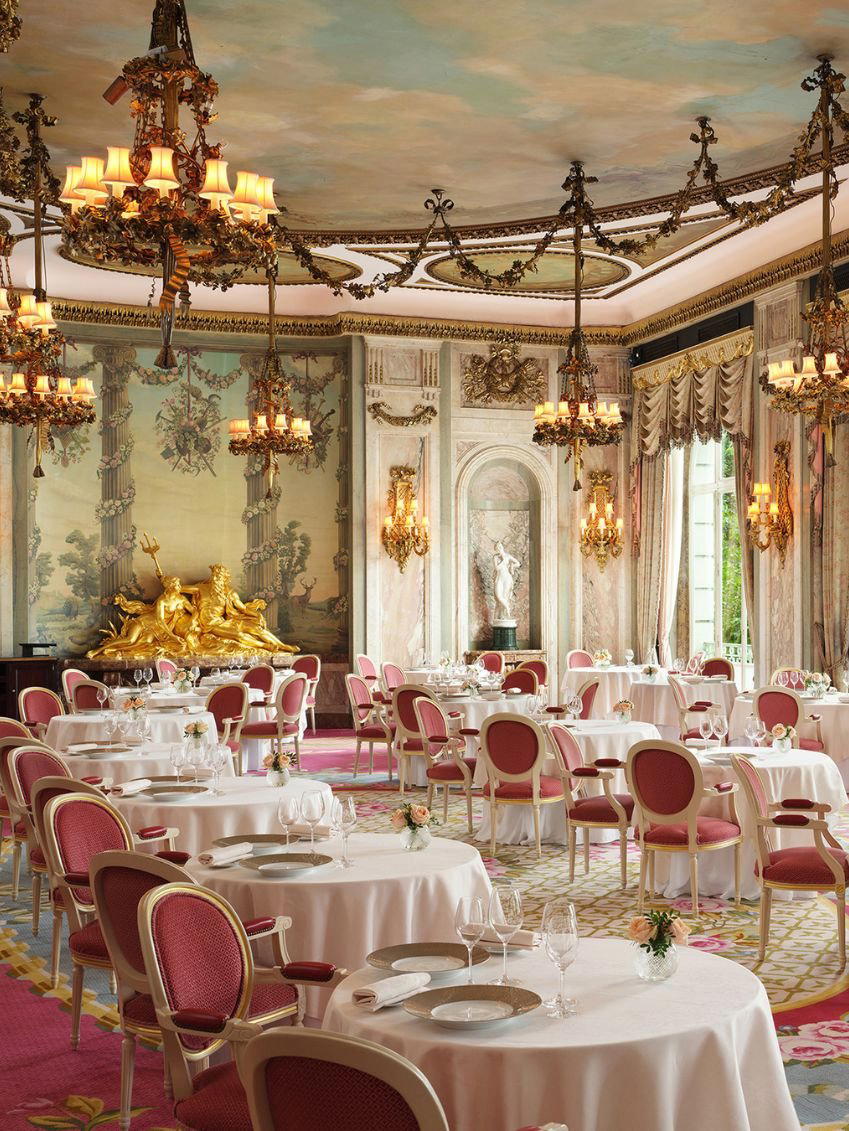
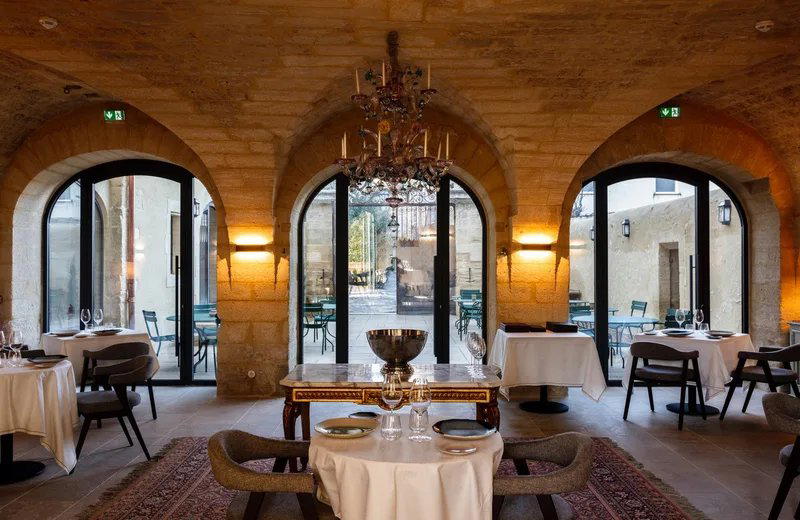
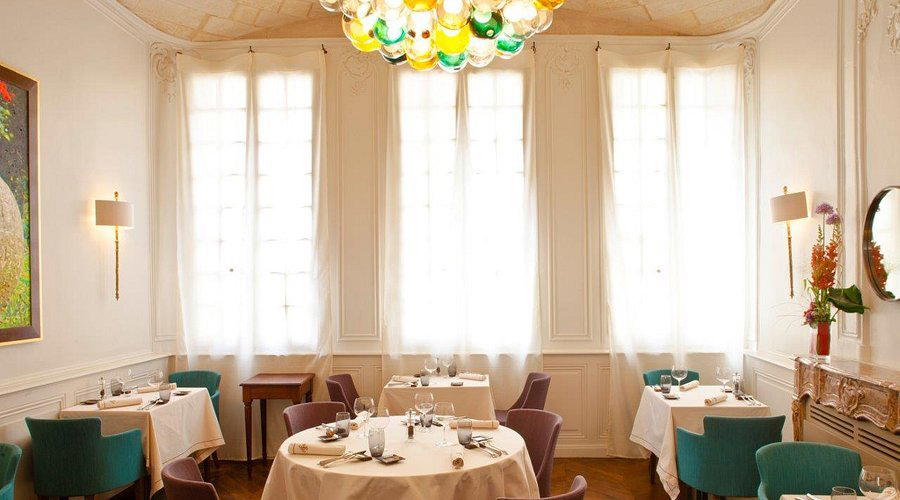
At a Glance
- Classic
- Elegant
- Rustic
- Well Known
- Sophisticated
- Wine Education
- Special Occasion
- Solo Exploration
- Vineyard Tour
- Cave Tasting
- Estate Grounds
- Organic
- Biodynamic
- Vineyard
- Châteauneuf Du Pape AOC
- Grenache
- Mourvèdre
- Syrah
- Roussanne
- Grenache Blanc
- Clairette
- Bourboulenc
- Picpoul
- Counoise
- Cinsault
- Muscardin
- Vaccarèse
- Still Red
- Still White
- Cave Tasting
- Private Tasting
Current opening hours
- Monday
- 8–11 AM, 2–5 PM
- Tuesday
- 8–11 AM, 2–5 PM
- Wednesday
- 8–11 AM, 2–5 PM
- Thursday
- 8–11 AM, 2–5 PM
- Friday
- 8–11 AM, 2–5 PM
- Saturday
- Closed
- Sunday
- Closed
Hours can change for holidays and private events. Last verified .
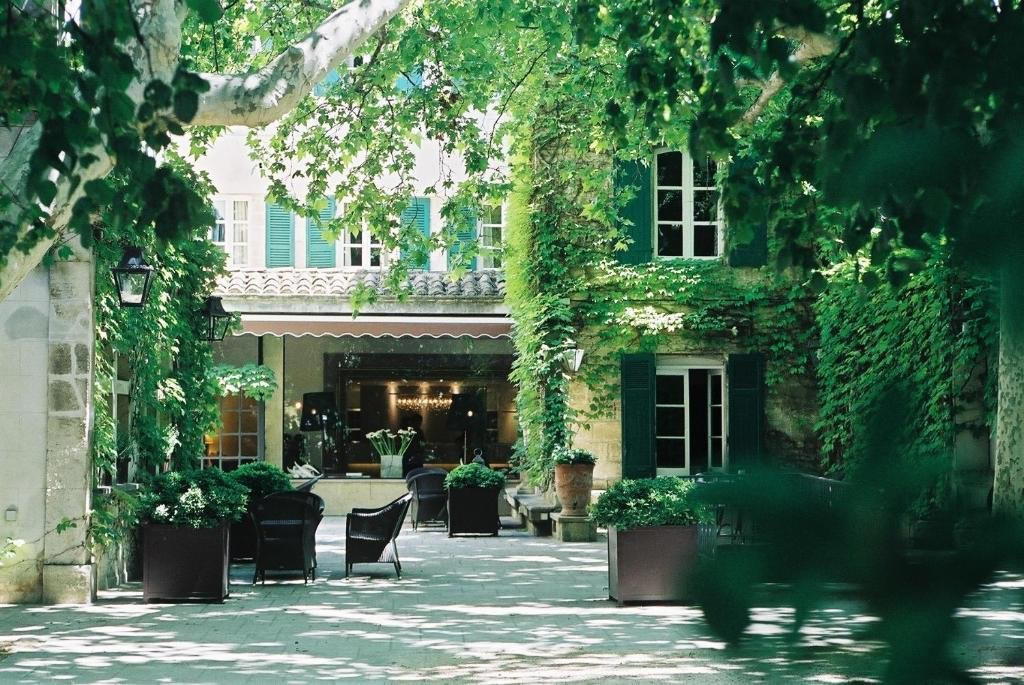
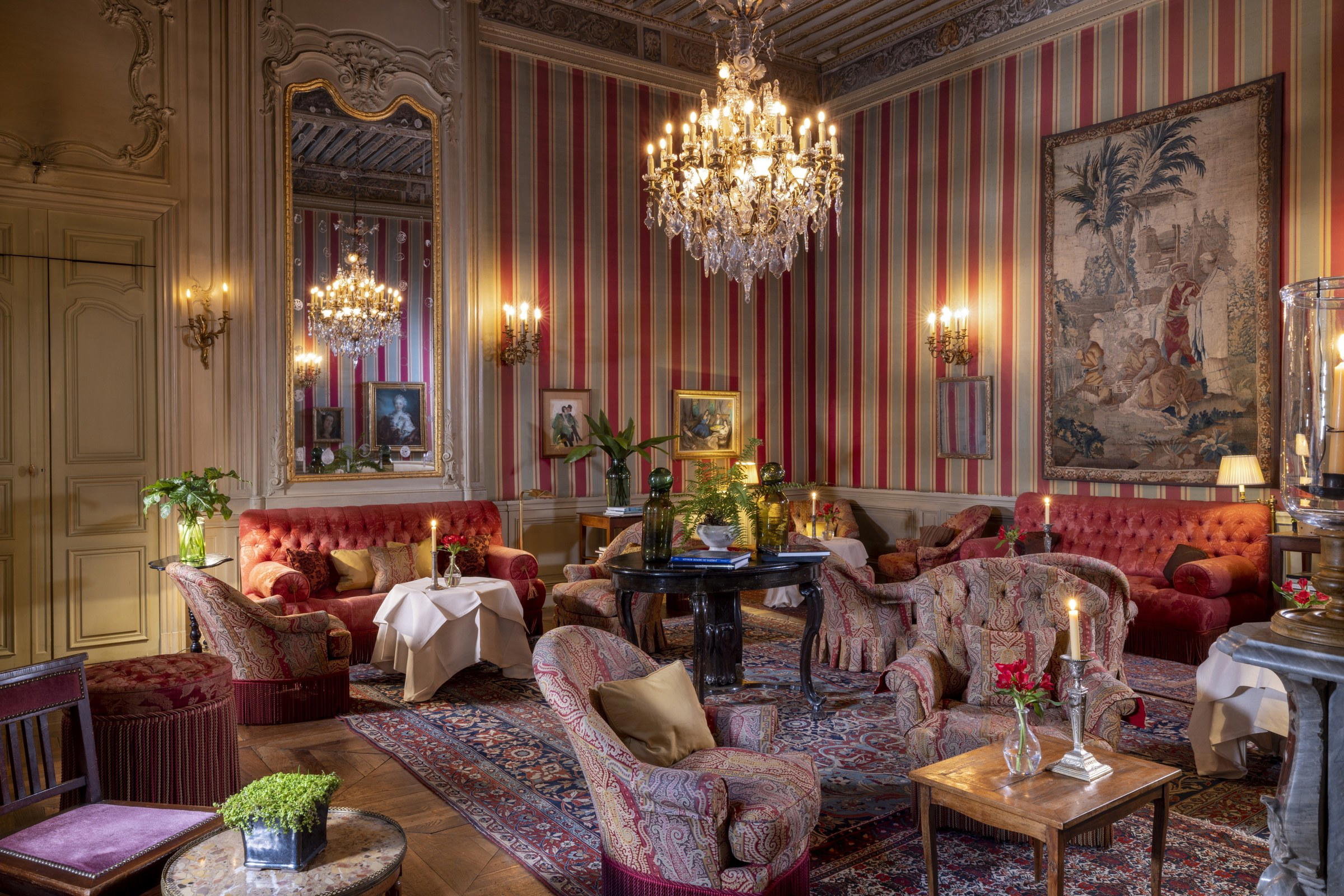
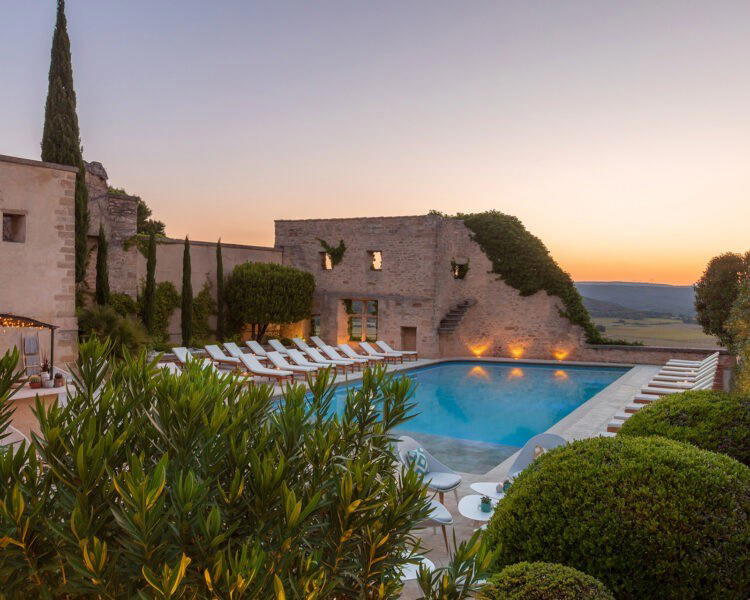
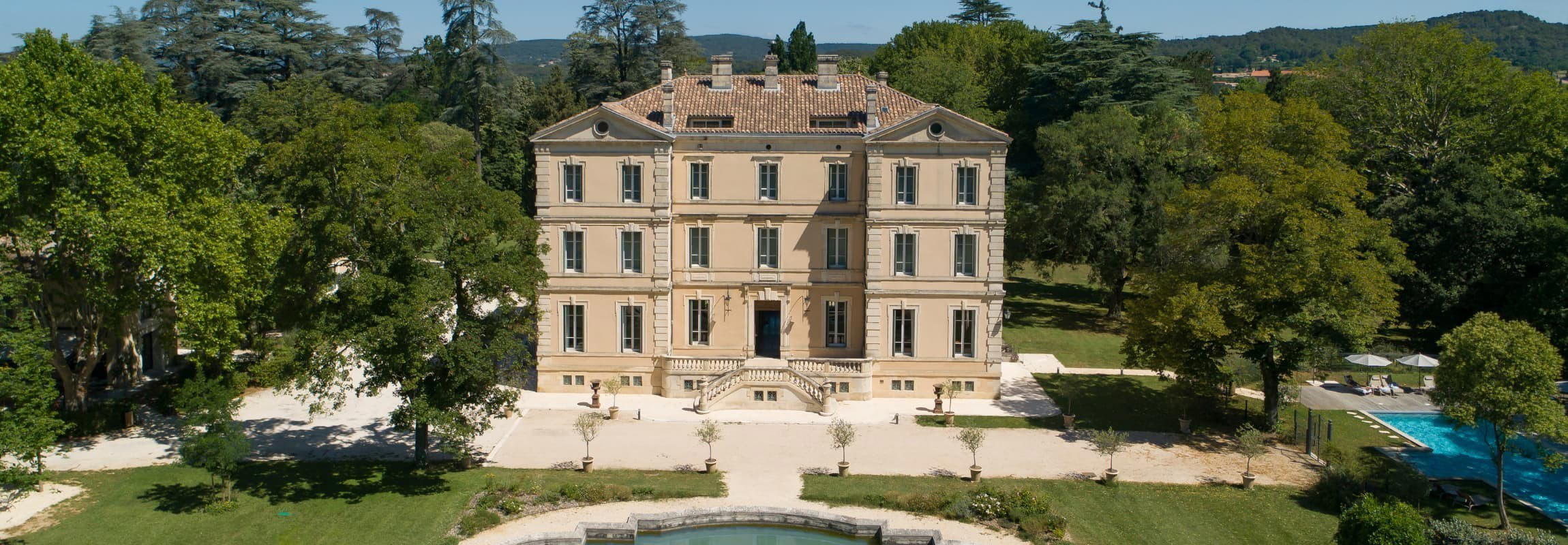
Traditional and elegant with a focus on terroir-driven authenticity in a classic winery setting.