Greve in Chianti, Italy
Vitique
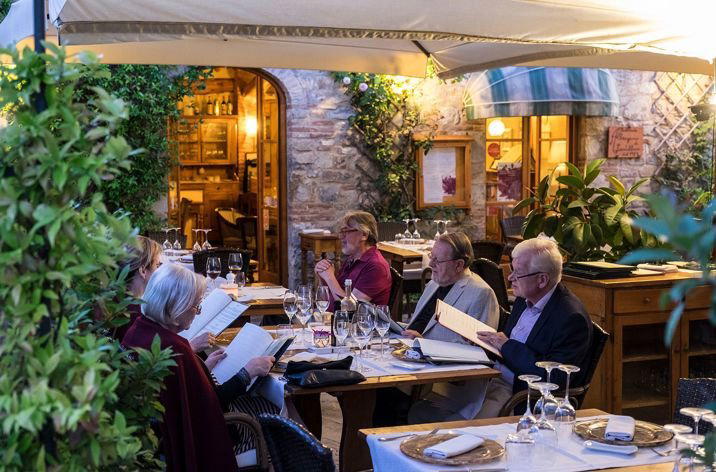
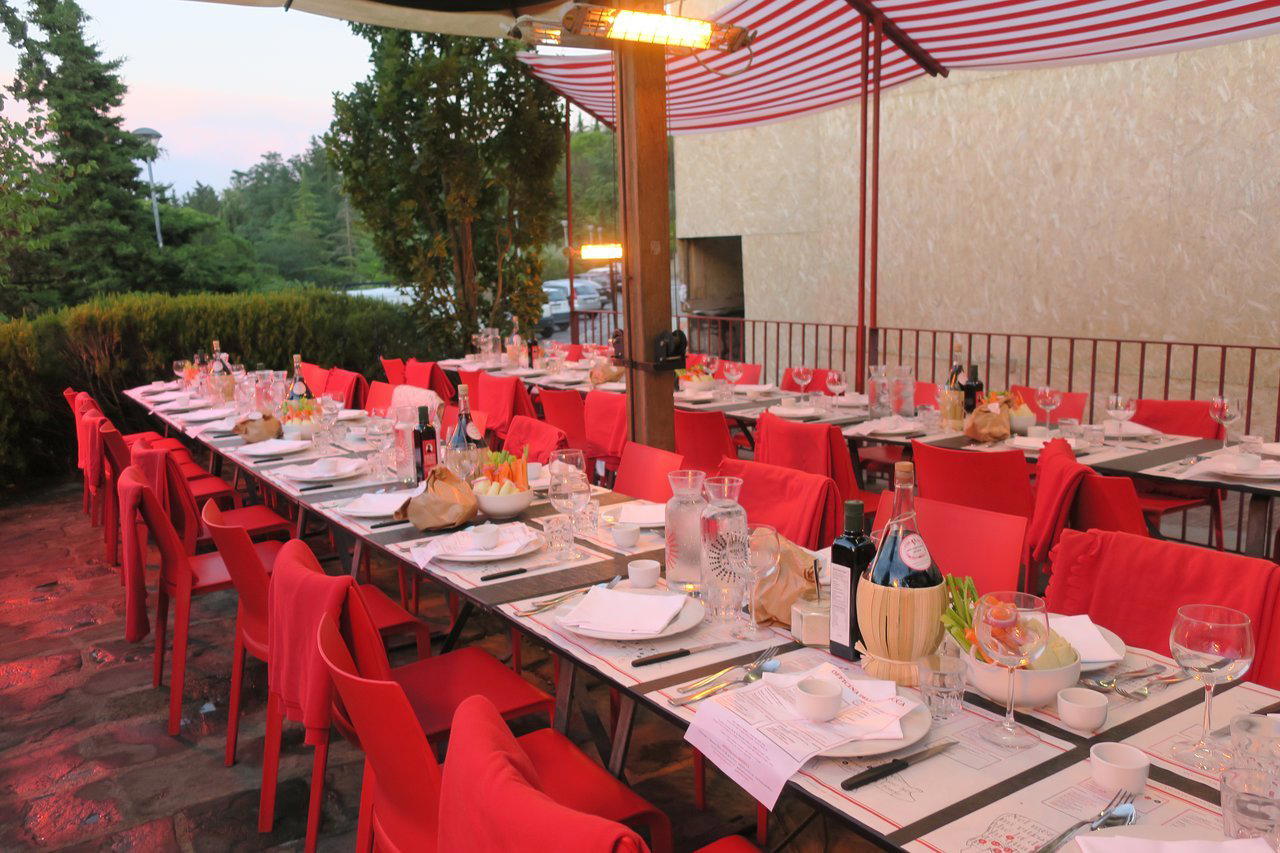
A tasting-menu-only restaurant in the hills above Greve in Chianti, Vitique brings a deliberately contemporary sensibility to a region defined by its traditions. Price range sits at €€€.
Restaurants, hotels, bars and wineries in Greve in Chianti from the En Primeur Club guide.
Accolades in Greve in Chianti

The three restaurants in our guide sit in three neighborhoods: Amerigo in Savigno, Vitique in Greve in Chianti, and Antica Macelleria CECCHINI in Panzano in Chianti.
Amerigo, in Savigno, is the Michelin-starred restaurant in our guide. Cuisine is Contemporary Tuscan, with a la carte and tasting-menu formats and an extensive wine list. The entrance passes through a shop selling local wines and preserves. Emilian dishes on the menu include tomato-free lasagne, pumpkin-filled pasta with game ragù, tigelle and Mora Romagnola ham. Opinionated About Dining ranked it 49th for Casual in Europe in 2026.
Vitique, in Greve in Chianti, is a tasting-menu restaurant with an exceptional, sommelier-led wine program and an extensive list. It holds a Michelin Plate for 2024. Menus are creative and multi-course, with meat and fish. Rare vintages from the Herita Marzotto estates are poured with the courses. The room is a refined enoteca in the hills above Greve in Chianti.
Antica Macelleria CECCHINI, in Panzano in Chianti, joins a working macelleria to a prix fixe Tuscan steakhouse. Meals are theatrical multi-course meat feasts in the Tuscan beef tradition, taken from nose to tail, with Chianina-forward cuts and hyperlocal sourcing. The wine program has an extensive list.
Fontodi in Panzano in Chianti, Podere Poggio Scalette in Ruffoli and Viticcio in Greve in Chianti hold Falstaff winery star awards dated 2026.
Fontodi, in Panzano in Chianti, is a family-run organic estate in the Conca d'Oro, a valley shaped like an amphitheater. Falstaff awarded the winery five stars for 2026. Flaccianello is made entirely from Sangiovese, and the estate ages wine in terracotta pots. Giovanni Manetti leads the program, with Sangiovese grown in some of Chianti Classico's most discussed soils.
Podere Poggio Scalette, in Ruffoli, is a family-run Chianti Classico estate on terraced vineyards along the Ruffoli hill. Falstaff awarded it four stars for 2026. The Fiore family farms a compact Sangiovese portfolio, including the historic Il Carbonaione parcel of century-old Lamole Sangiovese. Old stone farmhouses, olive groves and woods sit with the vines.
Viticcio, in Greve in Chianti, is a Chianti Classico winery and farmhouse with organic production. Falstaff awarded it three stars for 2026. Guided tastings, cellar tours and private tastings cover Tuscan reds, whites and olive oil, with Tuscan snacks included in the tasting format. The estate dates to 1964 and also makes wine in Maremma. Daniele Innocenti is the winemaker.
Our guide counts one Michelin-starred restaurant citywide in Greve in Chianti, and one Michelin star in total. The restaurant is Amerigo, in Savigno, cooking Contemporary Tuscan a la carte and as a tasting menu, with an extensive wine list.
Greve in Chianti is the neighborhood with the most venues in our guide, with 19. Venues there include Vitique, a tasting-menu restaurant with an exceptional sommelier-led wine program, and Enoteca Falorni, the bar, with an exceptional wine program. Estates in this neighborhood include Viticcio, Terreno, Giacomo Grassi, Villa Buonasera, Antico Borgo di Sugame and Tenuta Riseccoli.
Tasting menus are at Vitique and at Amerigo. Vitique, in Greve in Chianti, serves a tasting menu only, with an exceptional sommelier-led list and rare vintages from the Herita Marzotto estates. It holds a Michelin Plate for 2024. Amerigo, in Savigno, offers a tasting menu beside a la carte, with Contemporary Tuscan cooking and an extensive wine list.
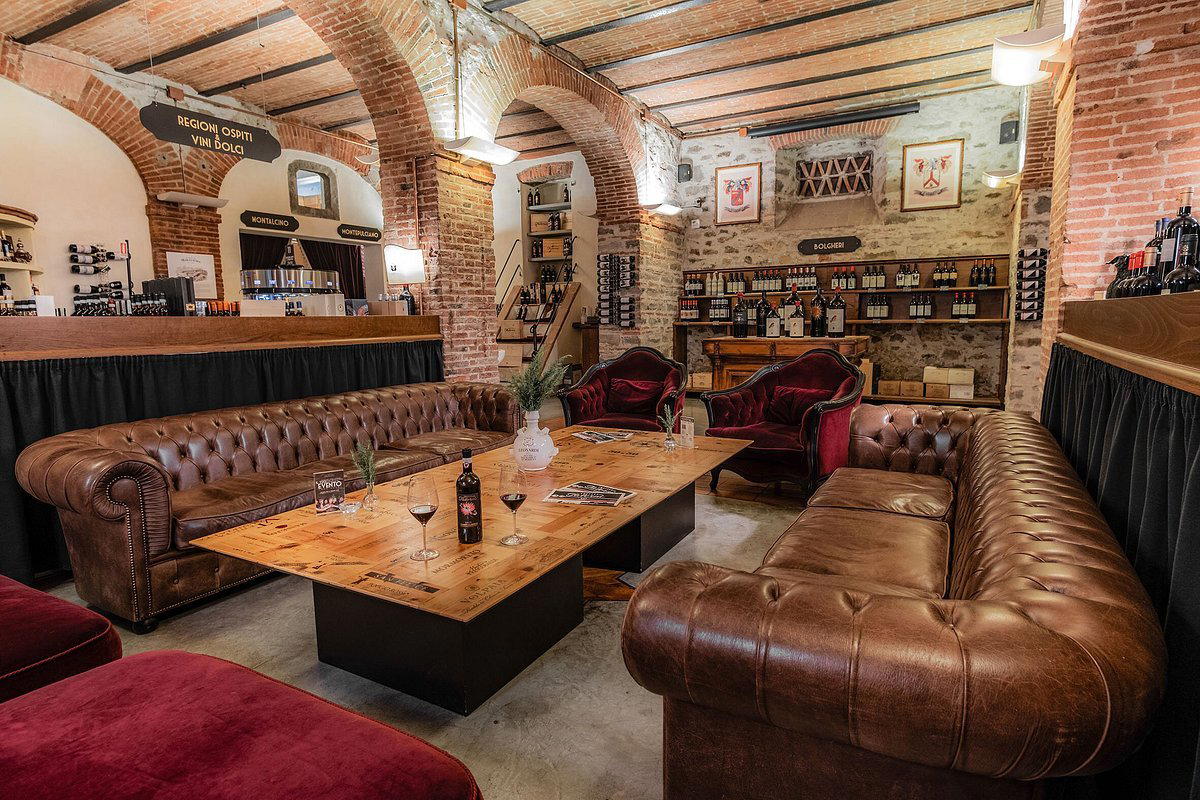
Our guide shows a self-serve enomatic tasting of over 100 Tuscan wines in a historic underground cellar at Enoteca Falorni in Greve in Chianti, a sommelier-led extensive list paired with rare vintages from Herita Marzotto estates at Vitique in Greve in Chianti, Sangiovese at Fontodi in Panzano in Chianti, including 100% Sangiovese Flaccianello, and terraced Sangiovese at Podere Poggio Scalette in Ruffoli, including the Il Carbonaione plot.
By Emmett Haley · Updated October 8, 2026 · Editorial standards
Greve in Chianti
Selected entries from the current guide for Greve in Chianti.
Greve in Chianti, Italy
A tasting-menu-only restaurant in the hills above Greve in Chianti, Vitique brings a deliberately contemporary sensibility to a region defined by its traditions. Price range sits at €€€.
Greve in Chianti, Italy
In the hill village of Panzano in Chianti, Antica Macelleria Cecchini occupies a position unlike any other butcher shop in Tuscany: part working macelleria, part cultural institution. The sourcing is hyperlocal, the cuts are Chianina-forward, and the setting draws visitors from across Italy and beyond who come specifically for the meat, not despite it.
Greve in Chianti
Selected entries from the current guide for Greve in Chianti.
No venues found.
Greve in Chianti
Selected entries from the current guide for Greve in Chianti.
Greve in Chianti, Italy
Enoteca Falorni occupies Piazza delle Cantine in the heart of Greve in Chianti, where the wine cellar tradition of the Chianti Classico zone finds one of its most direct expressions. The address places it at the centre of a town that has organised itself around wine for centuries, making it a practical and contextual starting point for anyone working through the region's producers.
Greve in Chianti
Selected entries from the current guide for Greve in Chianti.
Greve in Chianti, Italy
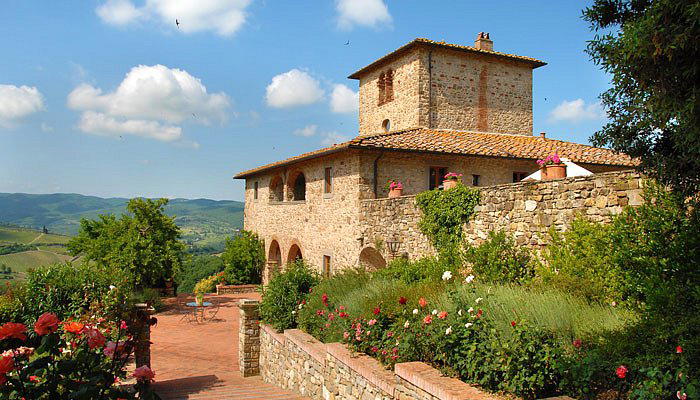
Fontodi has shaped the identity of Chianti Classico's Panzano in Chianti zone since its first vintage in 1979, with Giovanni Manetti steering a program built on Sangiovese grown in some of the appellation's most discussed soils.
Greve in Chianti, Italy
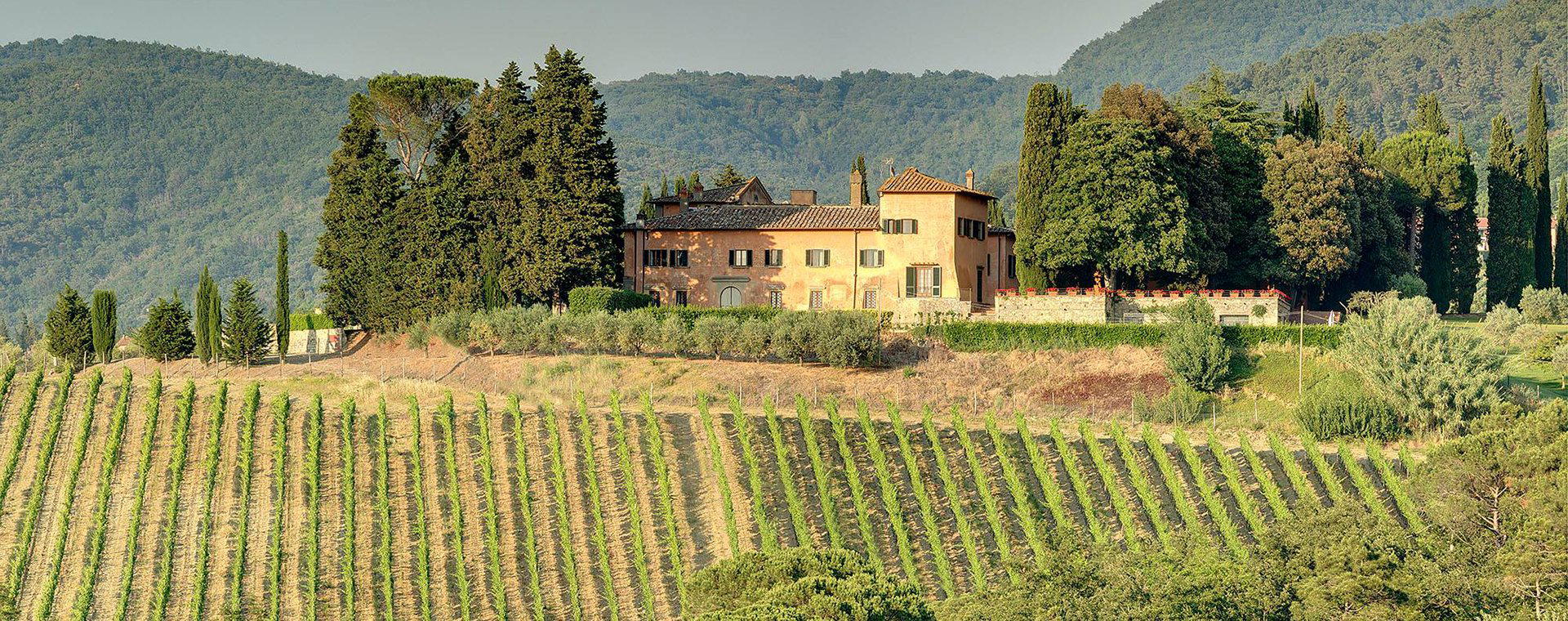
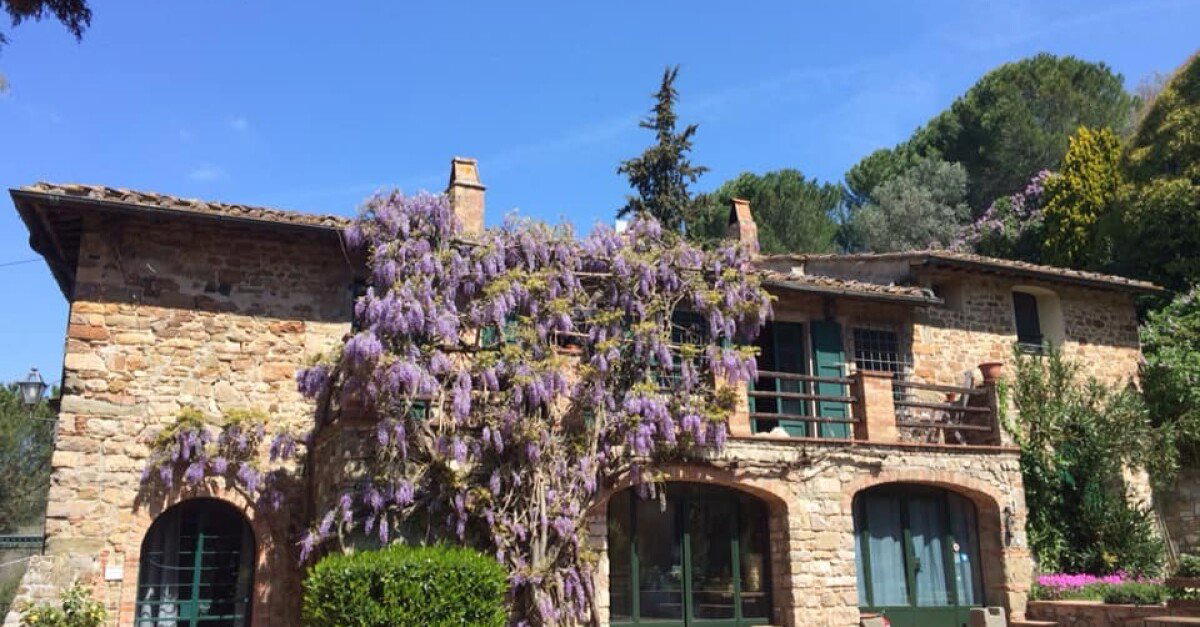
Ambrogio e Giovanni Folonari Tenute reads Tuscany through estate agriculture rather than cellar theatrics: Chianti Classico, Super Tuscan, Brunello, Bolgheri, and Maremma expressions sit within one family-led frame. In Greve in Chianti, the appeal is the contrast between Renaissance architecture, working vineyards, and a modern cellar language shaped by a Folonari wine history that reaches back to the late 1700s.
Greve in Chianti, Italy
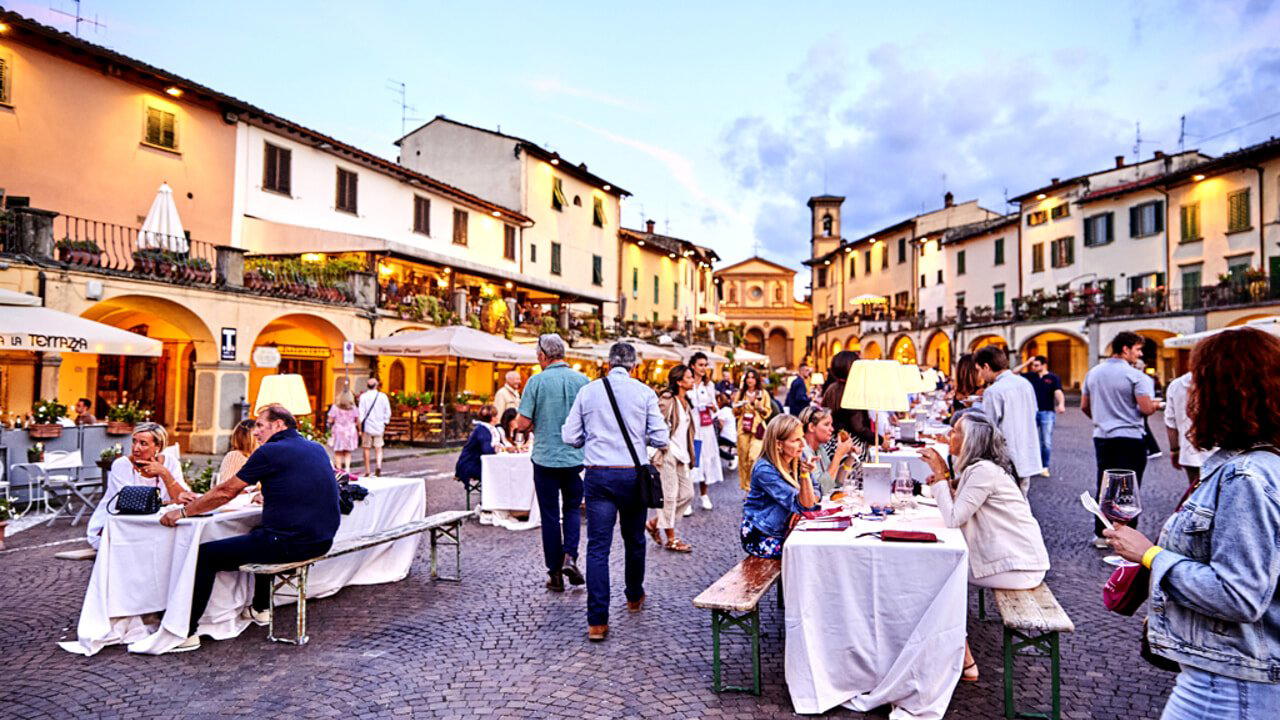
Antico Borgo di Sugame fits the Chianti Classico agriturismo model at its most land-driven: a small organic estate in Greve in Chianti with Sangiovese-led vineyards, olive groves, woodland and self-catering apartments. The draw is not polished resort theatre, but the chance to read the Greve valley through wine, altitude, galestro soil and a working farm rhythm.
Greve in Chianti, Italy
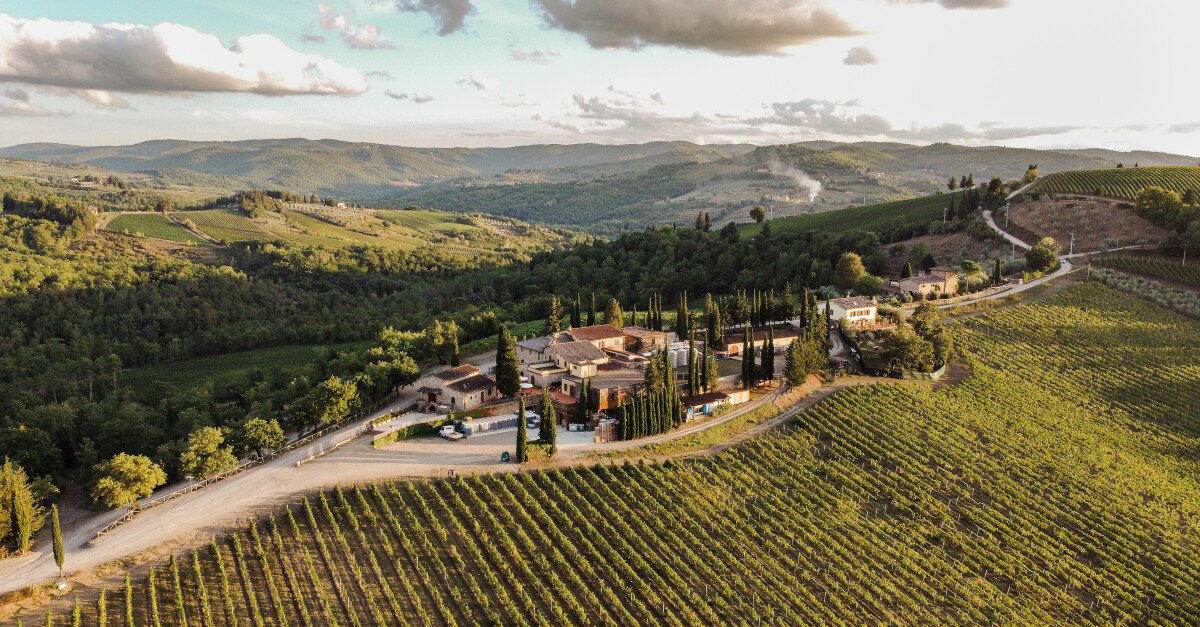
Azienda Agricola La Torraccia di Presura belongs to the quieter, agrarian side of Greve in Chianti: vineyards, olive groves, pine woods and a tasting format built around place rather than spectacle. The estate, founded in 1986, focuses on Chianti Classico DOCG from Sangiovese, with IGT reds, sparkling wine and Vin Santo widening the view of its Tuscan ground.
Greve in Chianti, Italy
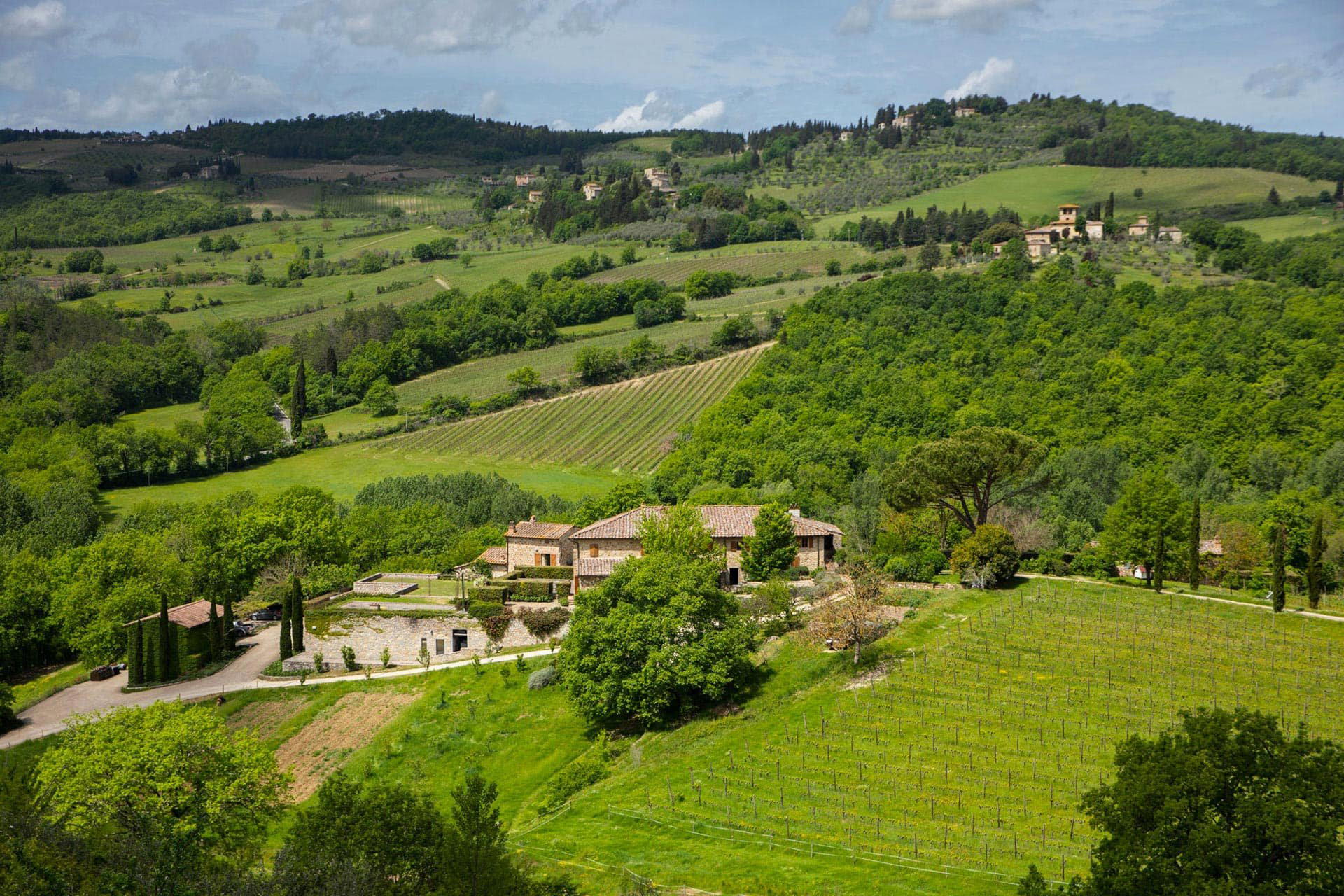
Cafaggio is a Chianti Classico estate in Greve in Chianti shaped by the Conca d’Oro of Panzano: south-facing vineyards, galestro limestone, calcareous sandstone, olive groves, and a long agricultural memory. Its appeal is terroir-led rather than spectacle-led, with Sangiovese, organic farming since 2014, and a documented history reaching back to 1408 anchoring the experience.
Greve in Chianti, Italy
Candialle is a small Chianti Classico estate in Greve in Chianti, shaped by the Conca d’Oro’s amphitheatre of vineyards, galestro and alberese soils, and a disciplined focus on Sangiovese. The draw is not scale or ceremony but a farm-winery reading of place: organic and regenerative viticulture, long vinifications, and a cellar that treats texture and freshness as seriously as power.
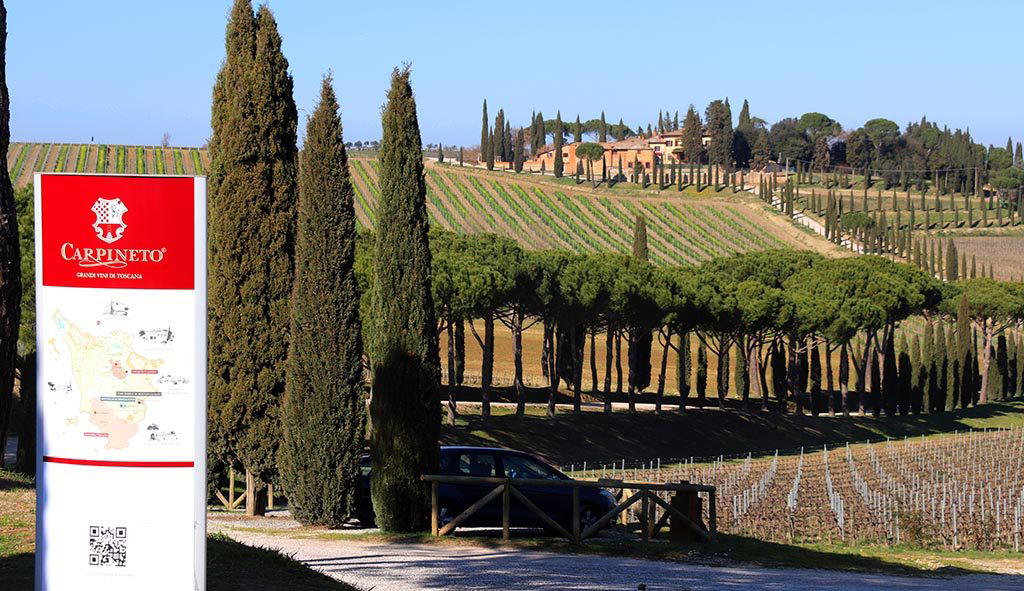
Greve in Chianti, Italy
Carpineto is a Chianti Classico estate visit shaped by countryside, cellar work and a museum-led view of Tuscan wine culture. Founded in 1967 in Dudda, it gives visitors a structured look at Sangiovese, sustainable farming and a broader Tuscan portfolio spanning Chianti Classico, Vino Nobile di Montepulciano and Brunello di Montalcino.
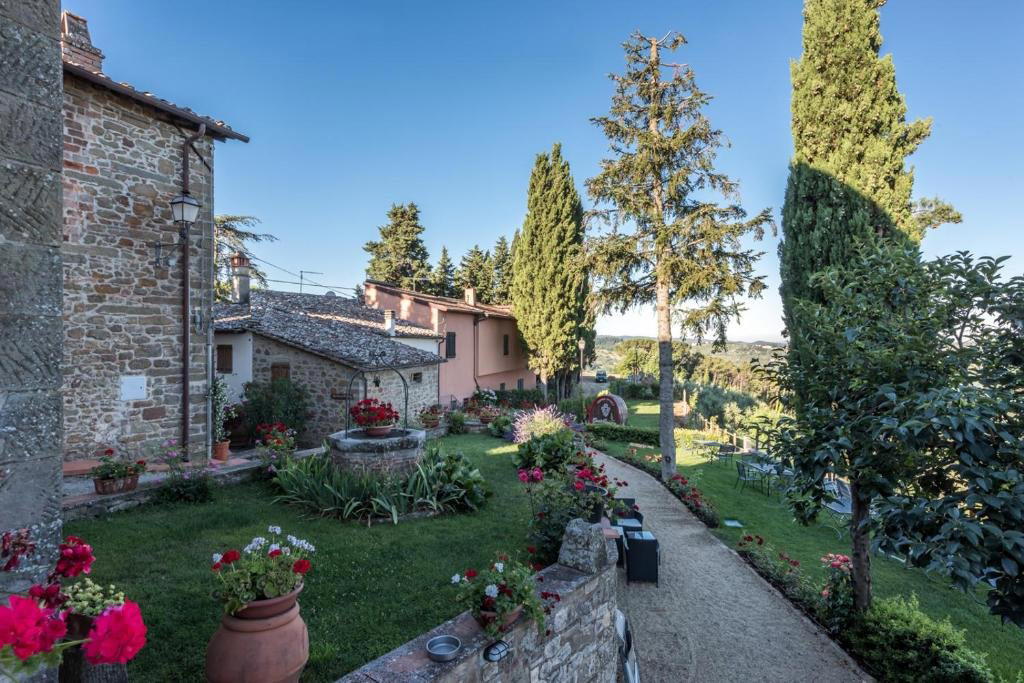
Greve in Chianti, Italy
Castellinuzza is a small family-run winery and agriturismo in Greve in Chianti, shaped by the cooler Lamole hills and a traditional Chianti Classico vocabulary of Sangiovese, Canaiolo and concrete aging. The interest here is terroir rather than spectacle: high-altitude vineyards, a historic cellar and a quiet rural setting make it a grounded Tuscan wine stop.
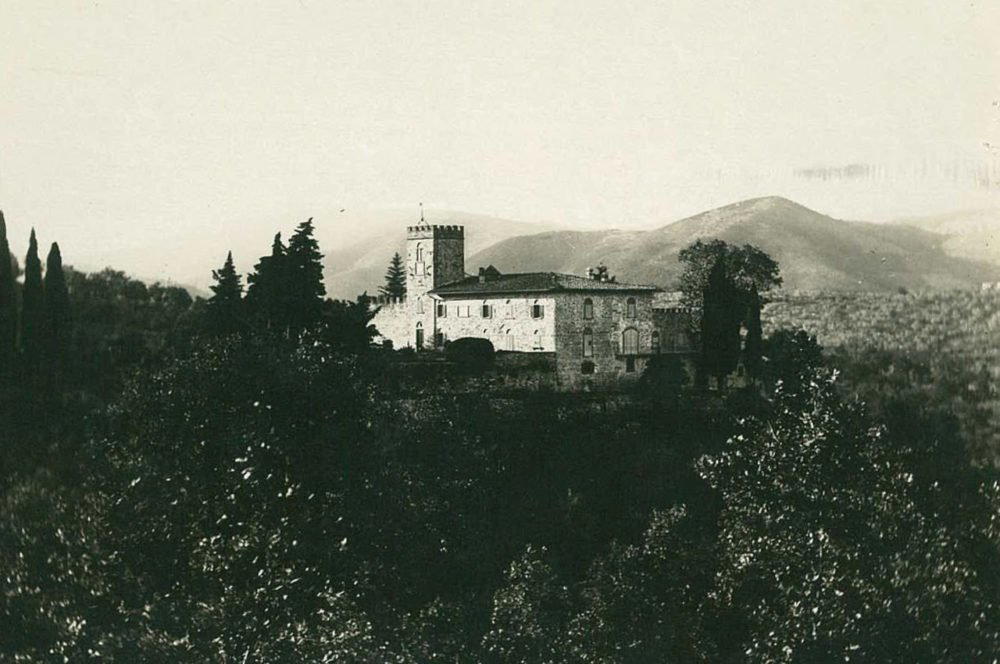
Greve in Chianti, Italy
Castello di Querceto frames Chianti Classico through altitude, old estate structure, and a broad Sangiovese-led cellar rather than visitor spectacle. The Greve in Chianti estate dates its François family chapter to 1897, works within Chianti Classico DOCG, and gives wine travelers a castle-and-cellar format with still reds, whites, and Vin Santo in view.
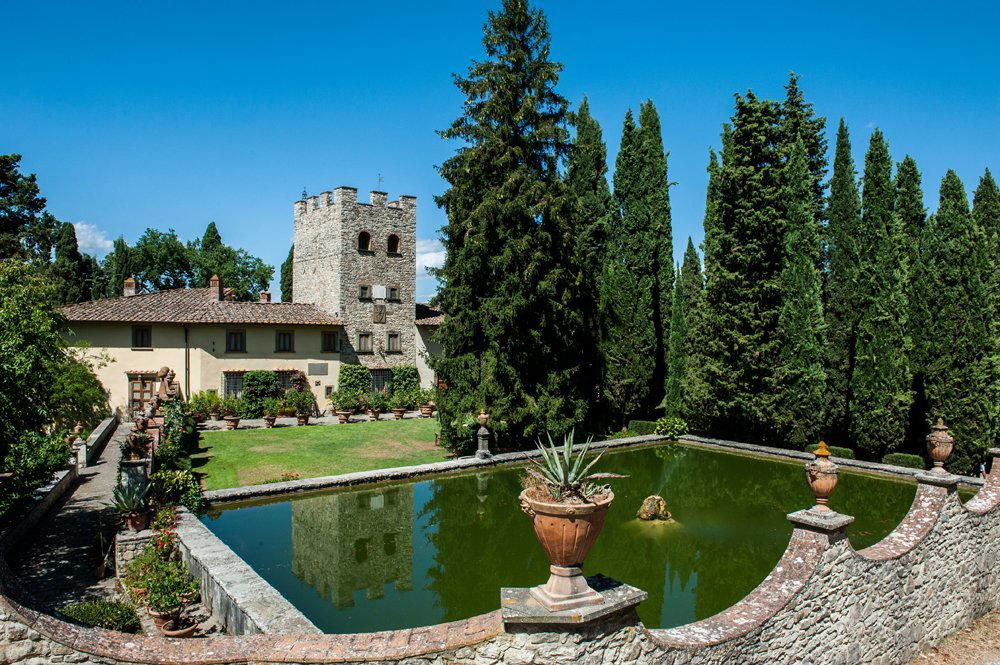
Greve in Chianti, Italy
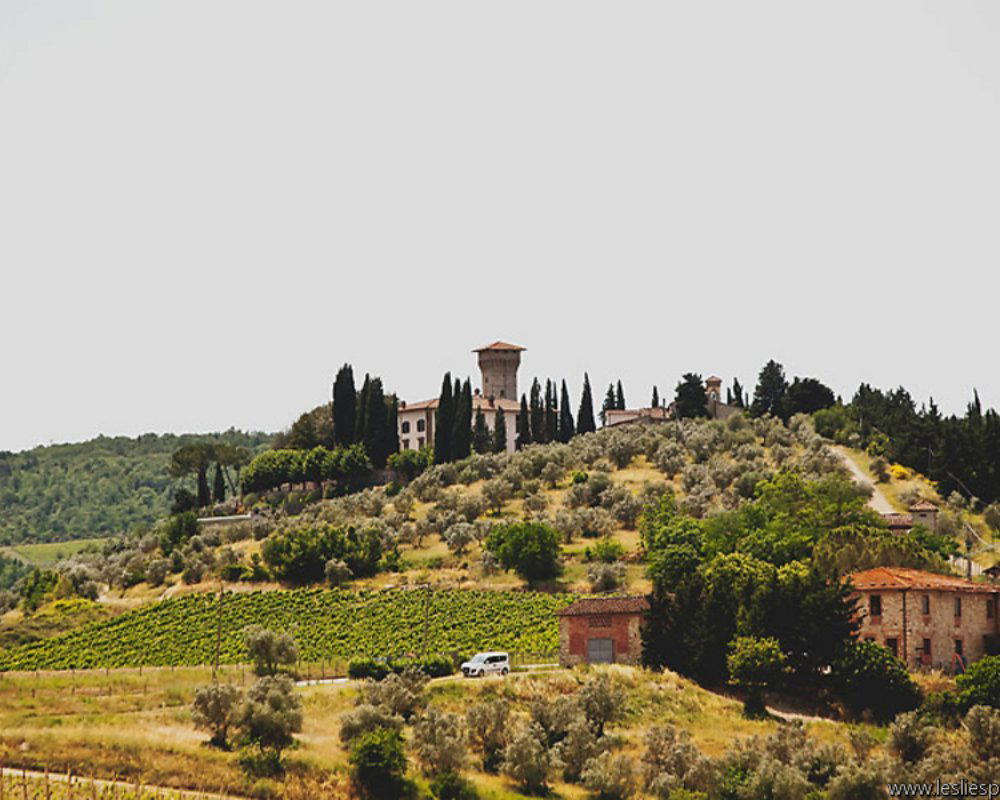
A historic Chianti Classico estate in Greve in Chianti, Castello di Verrazzano is strongest as a terroir-led wine visit: hilltop castle setting, organic vineyard work, cellar tour and food-paired tastings. The draw is not spectacle, but a clear reading of Sangiovese, altitude and Tuscan estate history in one organized format.
Greve in Chianti, Italy
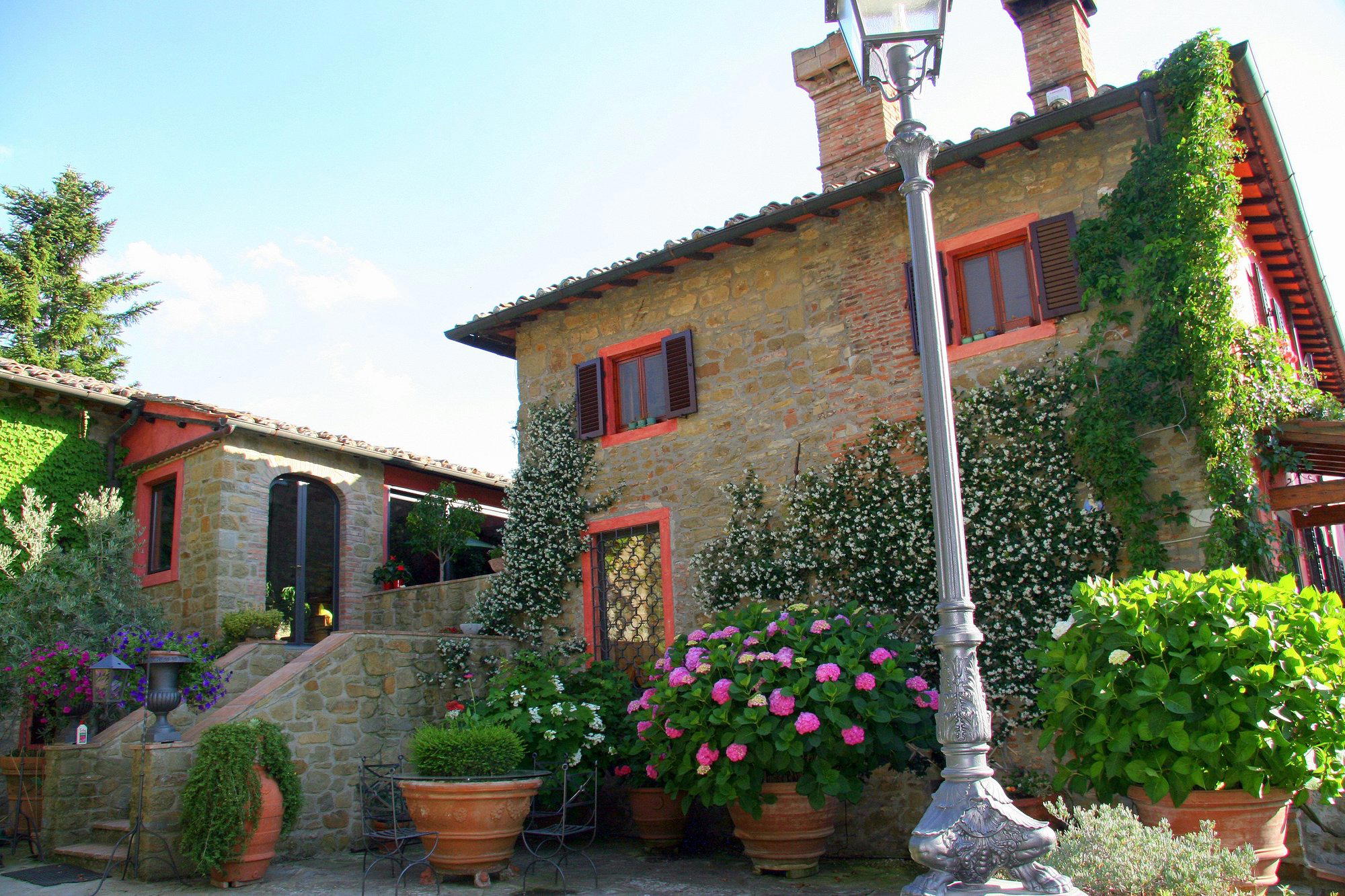
Castello Vicchiomaggio brings Chianti Classico into focus through a Renaissance castle estate above the Greve Valley, where Sangiovese, olive groves and agriturismo hospitality share the same agricultural frame. Its appeal is not only the view, but the way a 140-hectare Tuscan property connects historic architecture, organic vineyard work, guided tastings and estate dining.
Greve in Chianti, Italy
Cennatoio is a small organic Chianti Classico estate in Greve in Chianti, shaped by Galestro soils, south-facing vines and a family stewardship that began in 1970. The draw is not spectacle but proportion: Sangiovese Grosso, Cabernet Sauvignon and Merlot read through a rural Tuscan setting of vineyards, olive groves and a traditional barrel cellar.

Greve in Chianti, Italy
Chioccioli is a family-run Chianti Classico estate in Greve in Chianti, built around parcel-by-parcel vineyard work, Sangiovese-led wines, and a small-scale tasting format. Its strongest argument is terroir: marl and limestone soils, 300–500 metre vineyard elevations, biodiverse woods, and a portfolio that extends from Chianti Classico DOCG to Gran Selezione, Metodo Classico, and estate-linked spirits.
Greve in Chianti, Italy
Fattoria di Lamole is a small family-run organic estate in Greve in Chianti, set among the high terraces of Lamole within Chianti Classico DOCG. Its appeal is terroir-led: Sangiovese from clayey-calcareous soils, a documented family presence dating to 1071, and production of roughly 12,000 bottles a year from 16.5 hectares.
Greve in Chianti, Italy
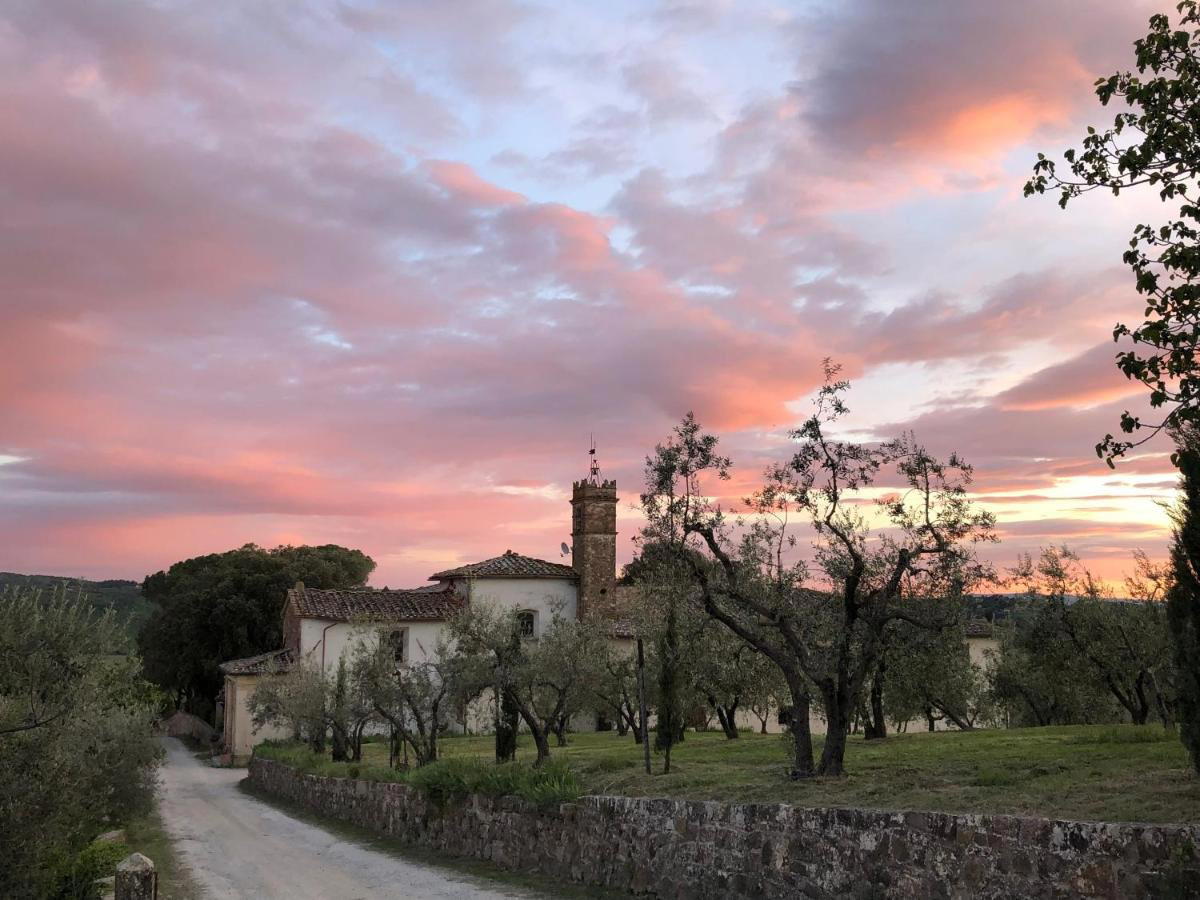
Fattoria di Rignana reads as Chianti Classico in agrarian form: vines, olive groves, woods and historic rooms working as one estate rather than as separate attractions. Its appeal is the terroir-led combination of organic farming, Sangiovese-based wines, DOP olive oil, farmhouse hospitality and a restored 18th-century villa in Greve in Chianti.
Greve in Chianti, Italy
A low-key Chianti Classico agriturismo where the wine experience is tied closely to the farm setting rather than trophy architecture or critic-score theatre. Fattoria La Presura works in the traditional Sangiovese register, pairs guided tastings with a restored farmhouse atmosphere, and makes the strongest case for travellers who want vineyard context, olive groves, and a slower rural rhythm in Strada In Chianti.
Greve in Chianti, Italy
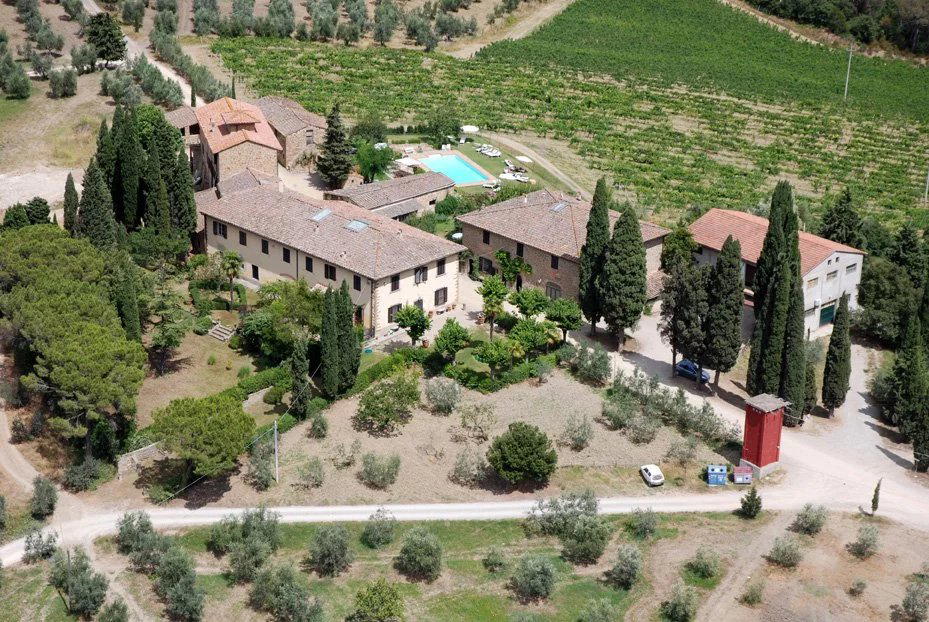
Fattoria Le Bocce is a Chianti Classico estate in Greve in Chianti with a rural Panzano setting, native-variety vineyards, and a production model kept on site from vinification through aging and packaging. The point here is terroir rather than spectacle: Sangiovese, Canaiolo, Colorino, vineyard views, quiet estate grounds, and a practical farm-winery atmosphere.
Greve in Chianti, Italy
Fattoria Santo Stefano is a family-run agriturismo winery in Greve in Chianti, where Sangiovese, olive groves, hillside altitude and farm hospitality sit in the same frame. The draw is not trophy-wine theatre but a grounded Chianti Classico visit: estate tastings, olive oil, historic rural buildings and a broad view of Tuscan wine country.
Greve in Chianti, Italy
Giacomo Grassi suits travellers who want Chianti Classico at farm scale rather than château theatre. In Greve in Chianti, the emphasis is on organic production, Sangiovese, olive oil and a quiet tasting-room format tied to a small Tuscan estate.
Greve in Chianti, Italy
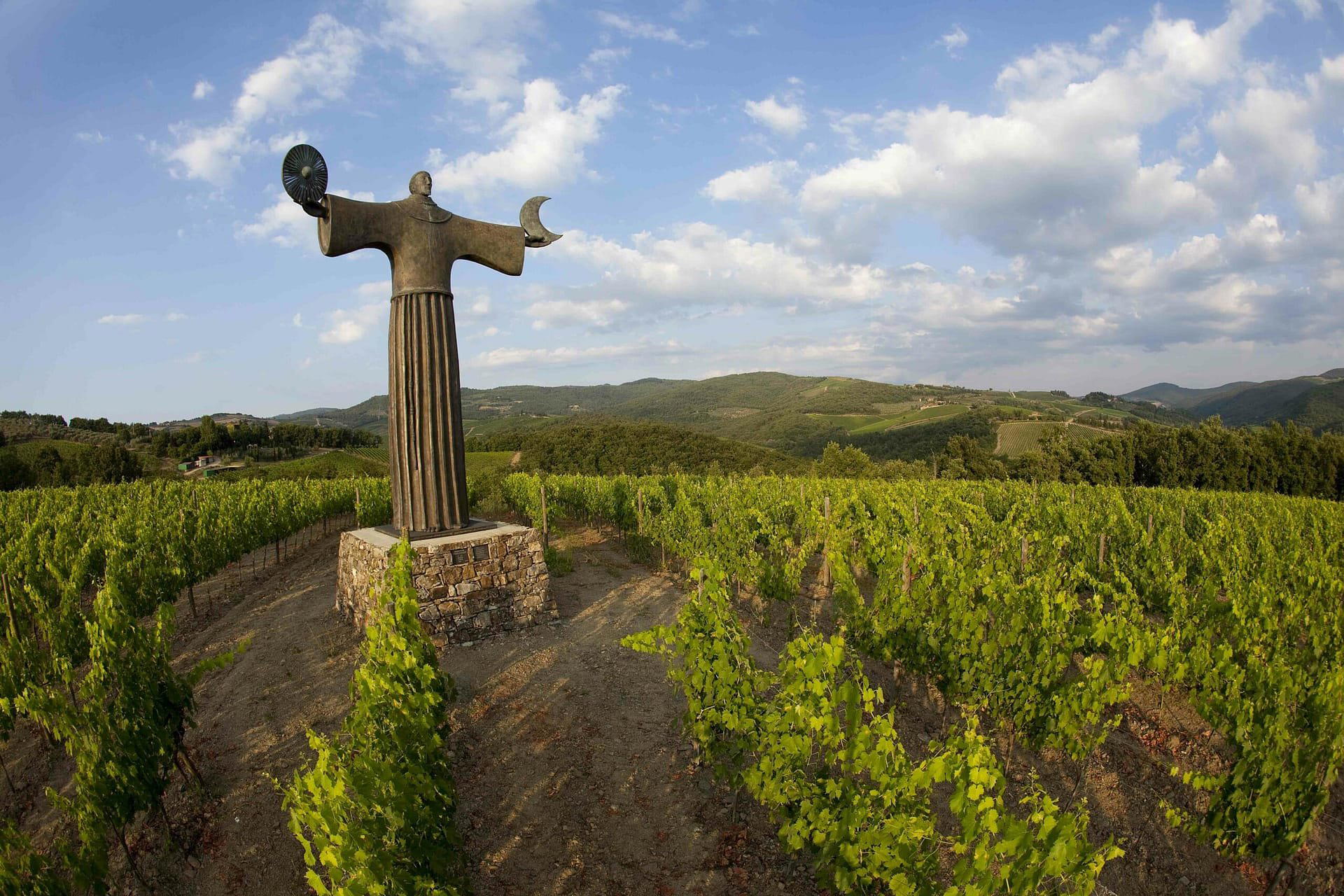
I Fabbri belongs to the high, terraced Lamole side of Chianti Classico, where altitude, sandstone drainage and Sangiovese define the conversation more than cellar theatre. The Grassi family’s agricultural presence dates to 1620, and the modern estate, formalized in 2000, links small-scale organic and biodynamic farming with tastings, wine lunches and cooking classes in Greve In Chinati.
Greve in Chianti, Italy
Il Molino di Grace belongs to the Chianti Classico conversation where sangiovese, old vines, and the freedom of IGT Toscana meet on the same estate. Near Panzano in Chianti, the winery’s modern chapter dates to the mid-1990s, with recognition from Gambero Rosso and Wine & Spirits giving context to a focused red-wine portfolio.
Greve in Chianti, Italy
Isola delle Falcole is a tiny Chianti Classico estate in Greve in Chianti, founded in 2015 and shaped around south-facing, high-elevation galestro soils. Its scale is part of the point: just over 10,000 bottles across three labels, with Sangiovese at the centre and a quiet, vineyard-led style rather than a large visitor apparatus.
Greve in Chianti, Italy
A small family-run villa winery in Greve in Chianti, L'orcio a Ca' di Pesa is built around Chianti Classico, Sangiovese, olive oil, and a private-tasting format rather than cellar-door volume. Choose it for a quiet, heritage-led look at Panzano wine culture, with the land and the house treated as part of the same agricultural story.
Greve in Chianti, Italy
La Madonnina - Triacca is a large Chianti Classico estate in Greve in Chianti, shaped by hillside vineyards, woodland, pasture and the historic Villa Franchi setting. Its interest lies in scale and terroir: 345 hectares of estate land, 100 hectares under vine, Sangiovese at the core and a production profile that reads as working countryside rather than polished wine tourism.
Continue exploring