



















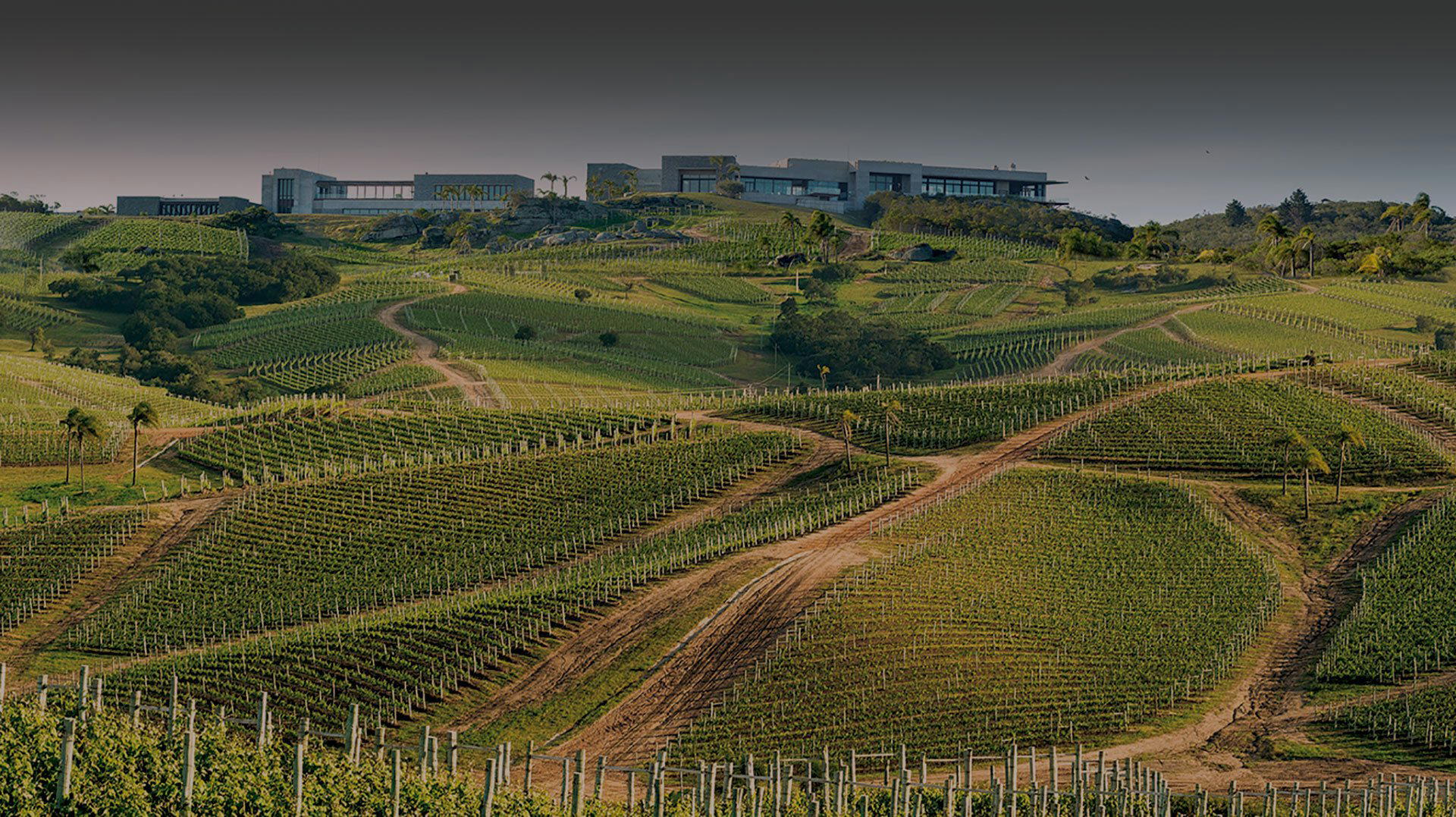
Maldonado, Uruguay
Country dossier
Restaurants, hotels, bars and wineries across Uruguay in the En Primeur Club guide.
Accolades in Uruguay

Montevideo holds 25 venues citywide in our guide, the largest city total in Uruguay. Manzanar in Carrasco serves wood-fired asado with an extensive wine list, Jacinto in Ciudad Vieja serves modern Mediterranean cuisine with a wine list, and Baker's Bar in Cordón pours craft cocktails and craft beer.
Manzanar is a family-run restaurant in Carrasco with wood-fired asado, international influences, craft cocktails, and an extensive wine list. The a la carte menu ranges across lamb, steak, grilled corvina, sushi, ceviche, and small plates. It holds World’s 50 Best Latin America’s Best Restaurants #86 for 2025.
Jacinto sits in Ciudad Vieja and brings a wine list to a modern Mediterranean bistro. Chef Lucía Soria, a protégée of Francis Mallmann, cooks with seasonal local ingredients and Italian and Spanish influences.
Baker's Bar in Cordón pours craft cocktails, classic cocktails, and craft beer, including dirty martinis and Sazerac. It is one of the few Uruguayan venues with global bar recognition, at Top 500 Bars #475 in 2026.
Lo de Tere in Puerto and Parador la Huella in Jose Ignacio have exceptional wine programmes and extensive wine lists. La Bourgogne in Punta del Este serves a tasting menu with a wine list, and Hotel Fasano Punta del Este in La Barra holds a Michelin 1 Key for 2026.
Lo de Tere in Puerto is a seafood restaurant with an exceptional wine programme and an extensive wine list. The menu centres on sustainably caught Atlantic seafood and premium Uruguayan meats, and the room has marina views. World Culinary Awards named it Uruguay’s Best Restaurant in 2025, and it appears in Latin America’s 50 Best Restaurants at #92.
La Bourgogne in Punta del Este serves classic French cuisine with an extensive wine list, a tasting menu and an a la carte menu. Chef Jean-Paul Bondoux uses French technique, with Uruguayan seafood and produce from the restaurant’s own farm.
Parador la Huella in Jose Ignacio is a fire-grilled seafood restaurant with an exceptional wine programme, an extensive wine list, and craft cocktails. The menu runs a la carte and small plates. It appears in Latin America’s 50 Best Restaurants and holds Opinionated About Dining Top Restaurants in South America #25 for 2026.
Hotel Fasano Punta del Este in La Barra is a luxury boutique hotel with bungalows set in landscaped gardens and a private river beach. Rooms and suites are spread across a main building and private bungalows. It holds a Michelin 1 Key for 2026, Forbes Recommended, and Virtuoso Luxury Hotel Partner.
Canelones is the centre of Uruguay’s wine production in our guide, with wineries clustered across rural towns and a strong concentration of awarded estates.
Bodega Bouza in Melilla is a family-owned winery making single-parcel Tannat from estate vineyards, with vintage cars displayed in its restaurant. It holds World’s 50 Best Vineyards #55 for 2025.
Varela Zarranz in Joaquín Suarez is a historic winery founded in 1888, with a pathway of century-old olive trees leading to the estate. It has Uruguay’s largest collection of French oak barrels in use.
Antigua Bodega Stagnari in La Paz is a historic family-owned winery built in 1928 on pink granite soils, producing wines across its six generations. It holds a Falstaff Winery listing for 2026.
Artesana in Las Brujas sits on Atlantic-influenced soils in the Canelones wine corridor and is Uruguay’s only Zinfandel producer. It also makes estate-grown Tannat-led wines and offers chef-prepared tastings and vineyard tours.
Colonia del Sacramento has 4 venues citywide in our guide, including restaurants, a hotel and a winery. Carmelo has 5 venues citywide, comprising wineries and a hotel.
Costa Colonia Riverside Boutique Hotel in Colonia del Sacramento has a wine list and serves Uruguayan dishes a la carte. The restaurant overlooks the Río de la Plata from the UNESCO-listed quarter and holds Michelin Selected for 2025.
napo in Casco Historico serves Neapolitan-style pizzas with thin crusts, baked in a wood-fired oven visible from the dining area. The restaurant sits in the colonial quarter, and the menu is served a la carte.
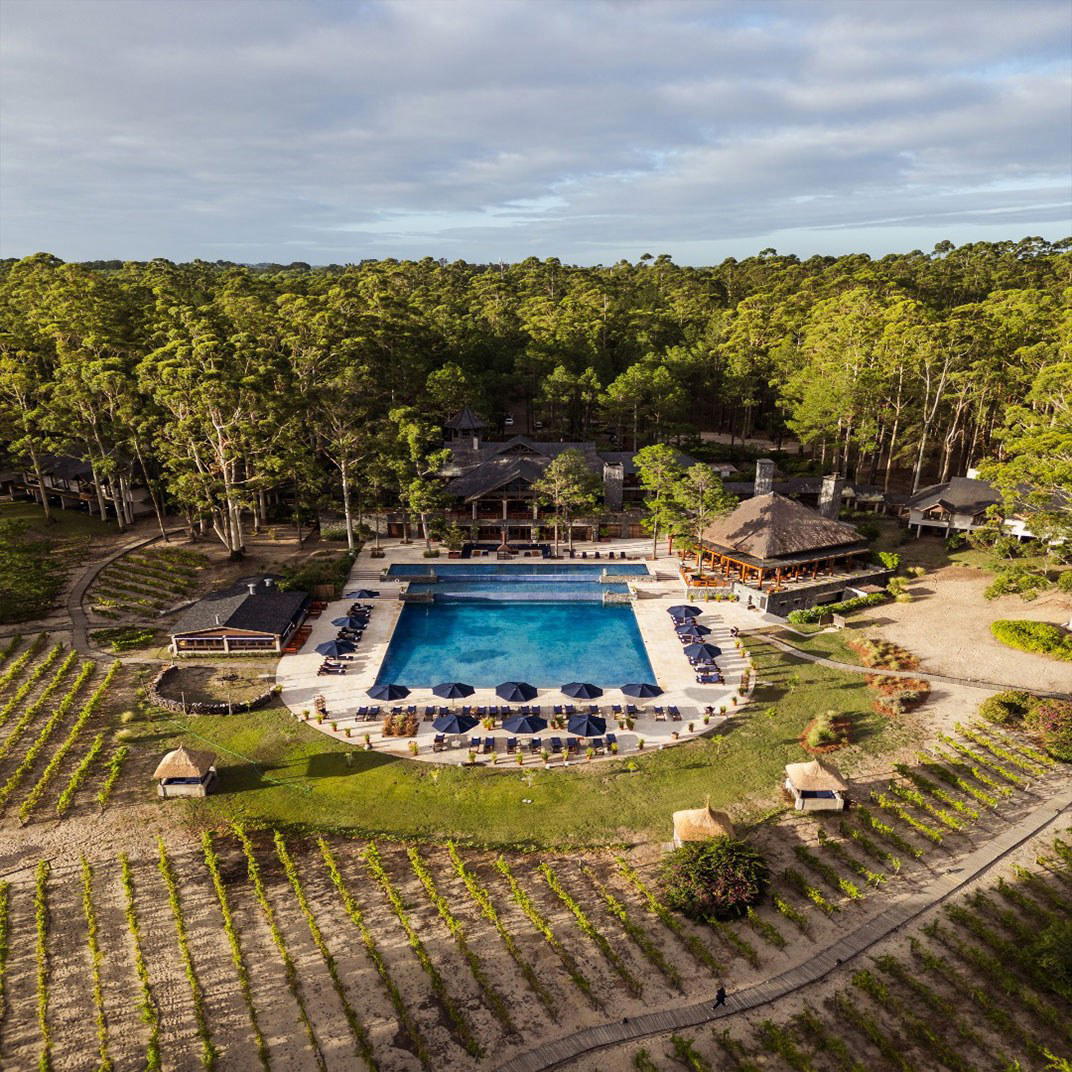
Carmelo Resort & Spa in Carmelo sits in a 45-hectare pine and eucalyptus forest on the Río de la Plata coast, with a private beach, vineyards, and an Asian-inspired spa. It holds Michelin Selected for 2025.
Canelones has the largest concentration of wineries in our guide. Its 14 venues are all wineries. Varela Zarranz in Joaquín Suarez has Uruguay’s largest collection of French oak barrels in use, Antigua Bodega Stagnari in La Paz holds a Falstaff Winery listing for 2026, and Artesana in Las Brujas produces estate-grown Tannat-led wines and Zinfandel.
Uruguay has no Michelin-starred restaurants in our guide. La Bourgogne in Punta del Este serves classic French cuisine with a tasting menu and an extensive wine list, while Lo de Tere in Puerto has an exceptional wine programme and sustainably caught Atlantic seafood.
La Bourgogne in Punta del Este and Lo de Tere in Puerto serve tasting menus. La Bourgogne also serves an a la carte menu, with an extensive wine list. Lo de Tere has an exceptional wine programme, an extensive wine list, and sustainably caught Atlantic seafood.
Bahia Vik José Ignacio in José Ignacio holds Star Wine List recognition for 2026. The beachfront hotel combines individually designed rooms with Uruguayan artwork in bungalows and a slate-and-glass main building.
By Emmett Haley · Updated October 8, 2026 · Editorial standards
Uruguay
Selected entries from the current guide for Uruguay.
Maldonado, Uruguay
Punta del Este, Uruguay
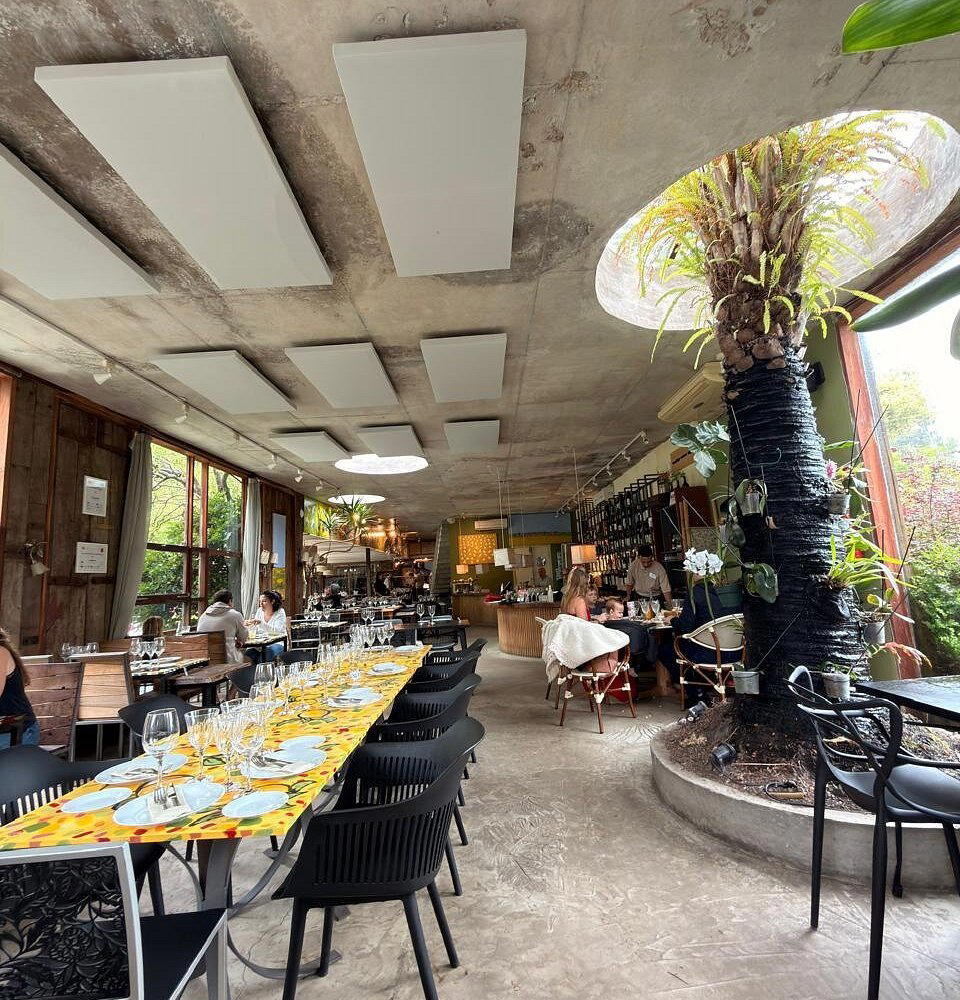
On a corner of Avenida Pedragosa Sierra, L'Incanto brings Neapolitan pizza tradition to Punta del Este with wood-fired doughs prepared by Carlos Guerra following classic leavening methods. The menu reads as a credible Italian programme, pizza, cured meats, cheeses, and a cocktail list anchored in classics, served in a well-furnished room with a fresh outdoor terrace.
Punta del Este, Uruguay
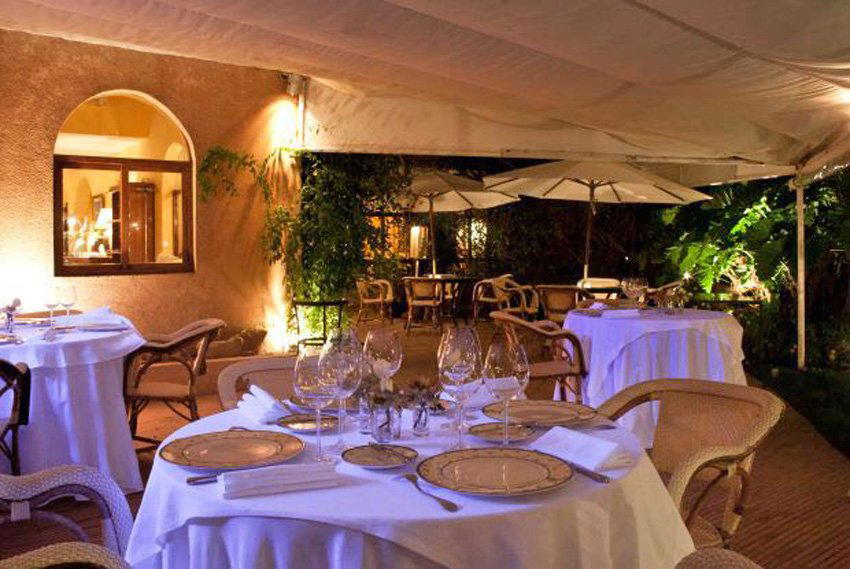
At the intersection of Avenida del Mar and Pedragosa Sierra in Punta del Este, La Bourgogne has held a position in La Liste's global rankings for consecutive years, scoring 76 points in 2025 and 75 in 2026.
Montevideo, Uruguay
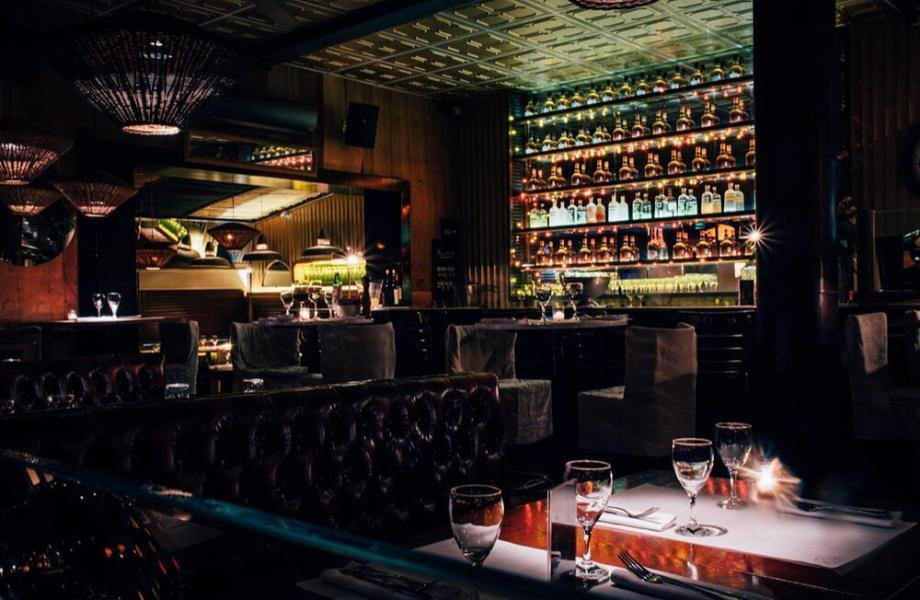
Café Misterio sits at Costa Rica 1700 in Montevideo's Punta Carretas neighbourhood, where the city's café culture does its most considered work. The address places it within a residential pocket that rewards unhurried afternoons, and the name alone has earned it a persistent local reputation. For visitors trying to read Montevideo's dining customs through a single room, it serves as a reliable reference point.
Colonia del Sacramento, Uruguay
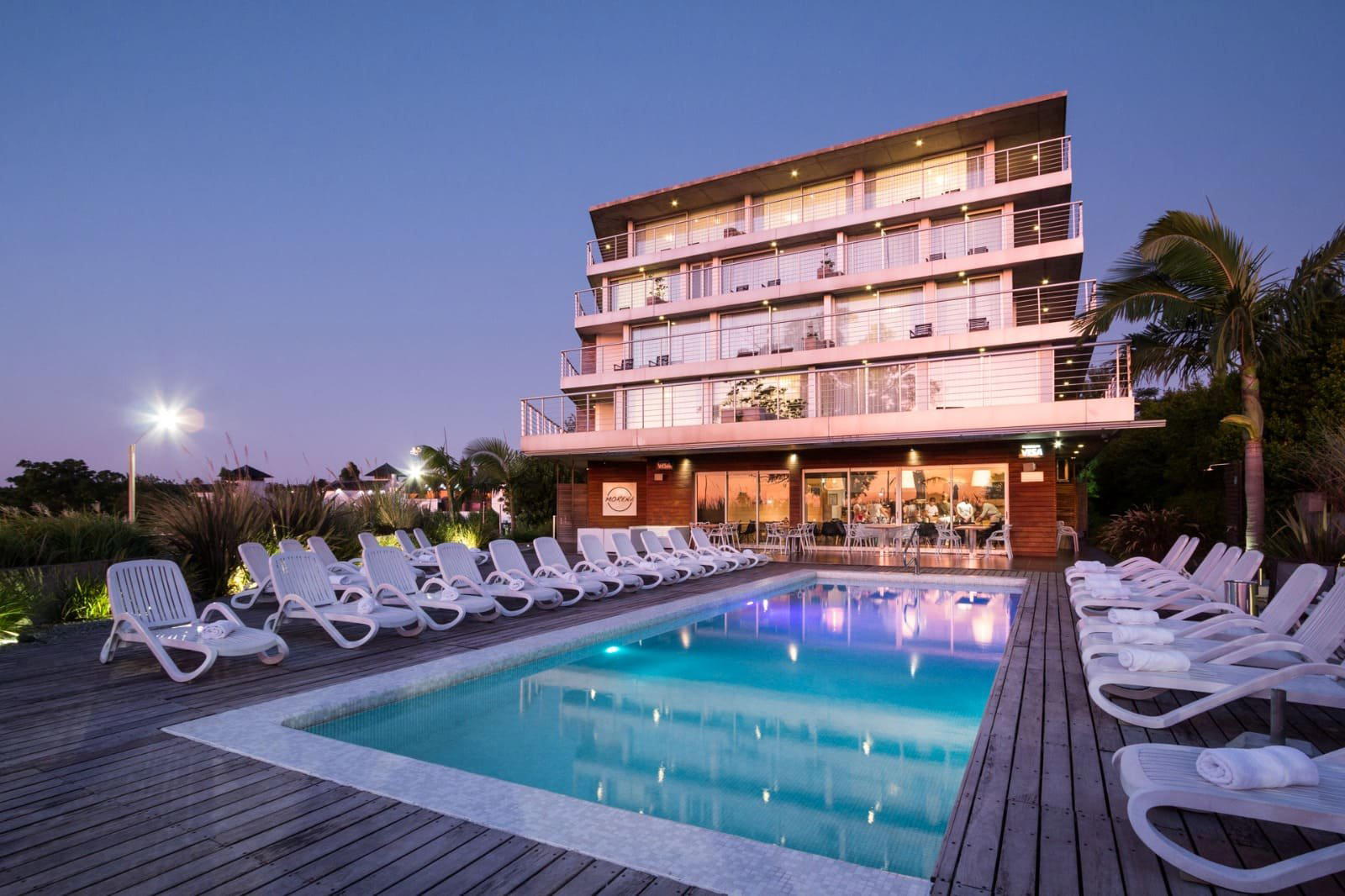
Costa Colonia Riverside Boutique Hotel occupies a historic address in Colonia del Sacramento's UNESCO-listed quarter, where the Río de la Plata sets the pace and the town's colonial architecture frames the view. Small-scale and design-conscious, it belongs to a tier of Uruguayan properties that trade volume for character. Visitors arriving from Buenos Aires by ferry step into a slower rhythm almost immediately.
Punta del Este, Uruguay
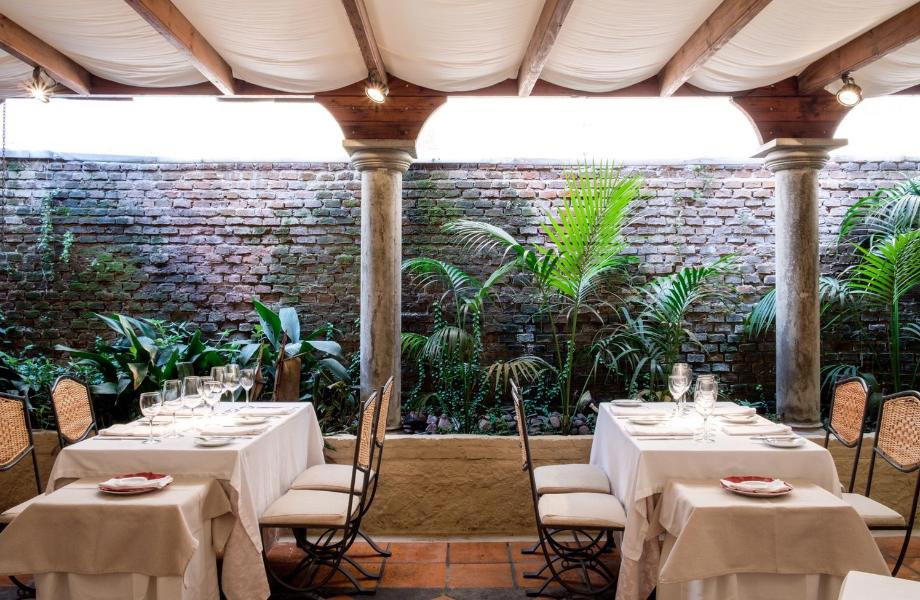
Named Best Restaurant in Uruguay 2024, Lo de Tere occupies a prime position on Punta del Este's Rambla with marina views and a menu built around sustainably caught Atlantic seafood and premium Uruguayan meats. The combination of serious local sourcing credentials and waterfront setting places it at the summit of the resort city's fine dining tier.
Montevideo, Uruguay
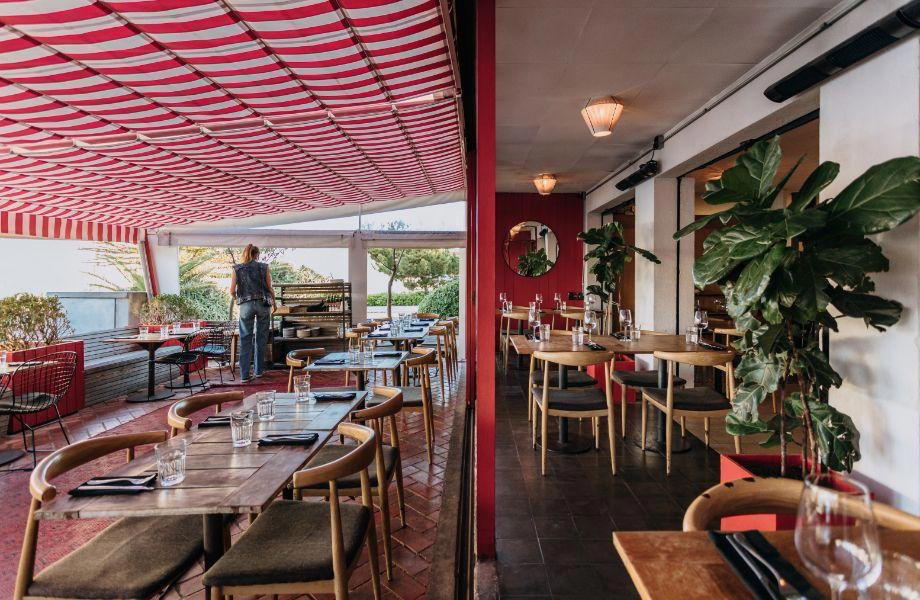
Manzanar in Montevideo offers contemporary Uruguayan fine dining centered on a wood-fired grill and international influences. Must-try dishes include Rack of lamb with Italian salmoriglio, Rib-eye steak with chimichurri, and seasonal Grilled corvina. Family-run by the Barbero sisters, the kitchen blends traditional asado technique with sushi, ceviche, and creative small plates. Recognized by The World’s 50 Best Discovery program and known for collaborations with chefs like Francis Mallmann, Manzanar delivers warm, smoky flavors, inventive sauces, and a lively Carrasco terrace overlooking Rostand plaza. Expect attentive service, craft cocktails, and a menu that changes with the sea and the seasons.
José Ignacio, Uruguay
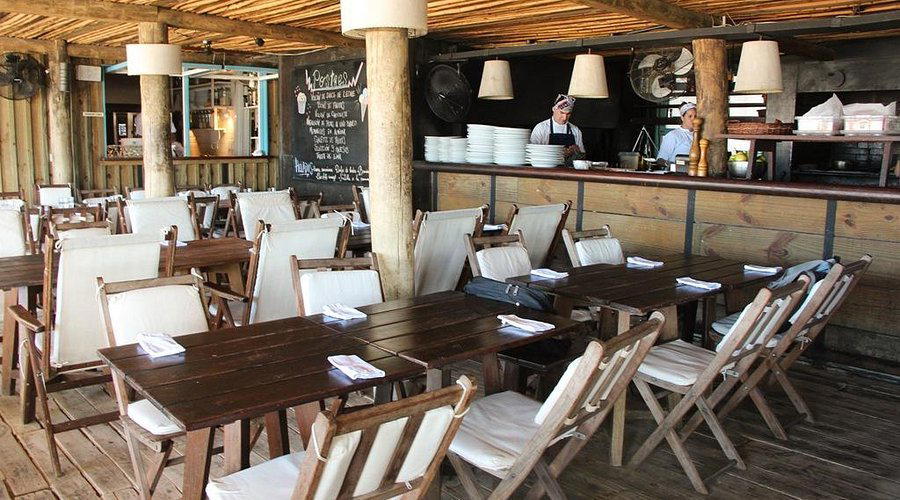
Parador la Huella defines barefoot luxury dining in Montevideo, where Chef Vanessa González's fire-grilled seafood mastery meets Atlantic beachfront views in Uruguay's most celebrated coastal restaurant, recognized as the country's best by Latin America's 50 Best Restaurants.
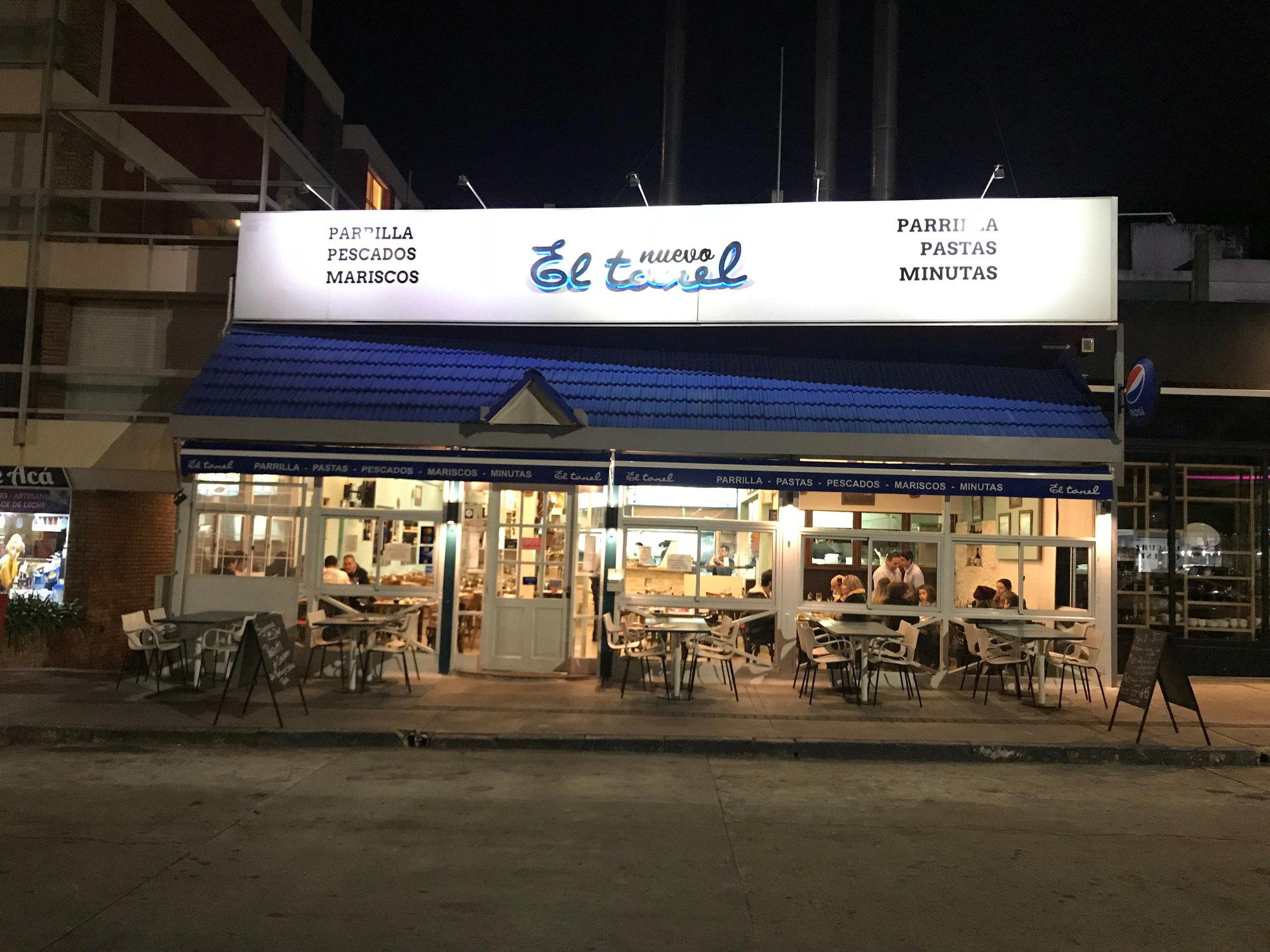
Punta del Este, Uruguay
Almuerzos Barbacoa belongs to Punta del Este’s informal side: outdoor midday eating, fire-led cooking, and a coastal rhythm that sits apart from the resort town’s polished dining rooms. Its value is less about chef mythology than about the Uruguayan habit of gathering around grill smoke, local beef culture, and a slower lunch hour near Maldonado’s summer circuit.
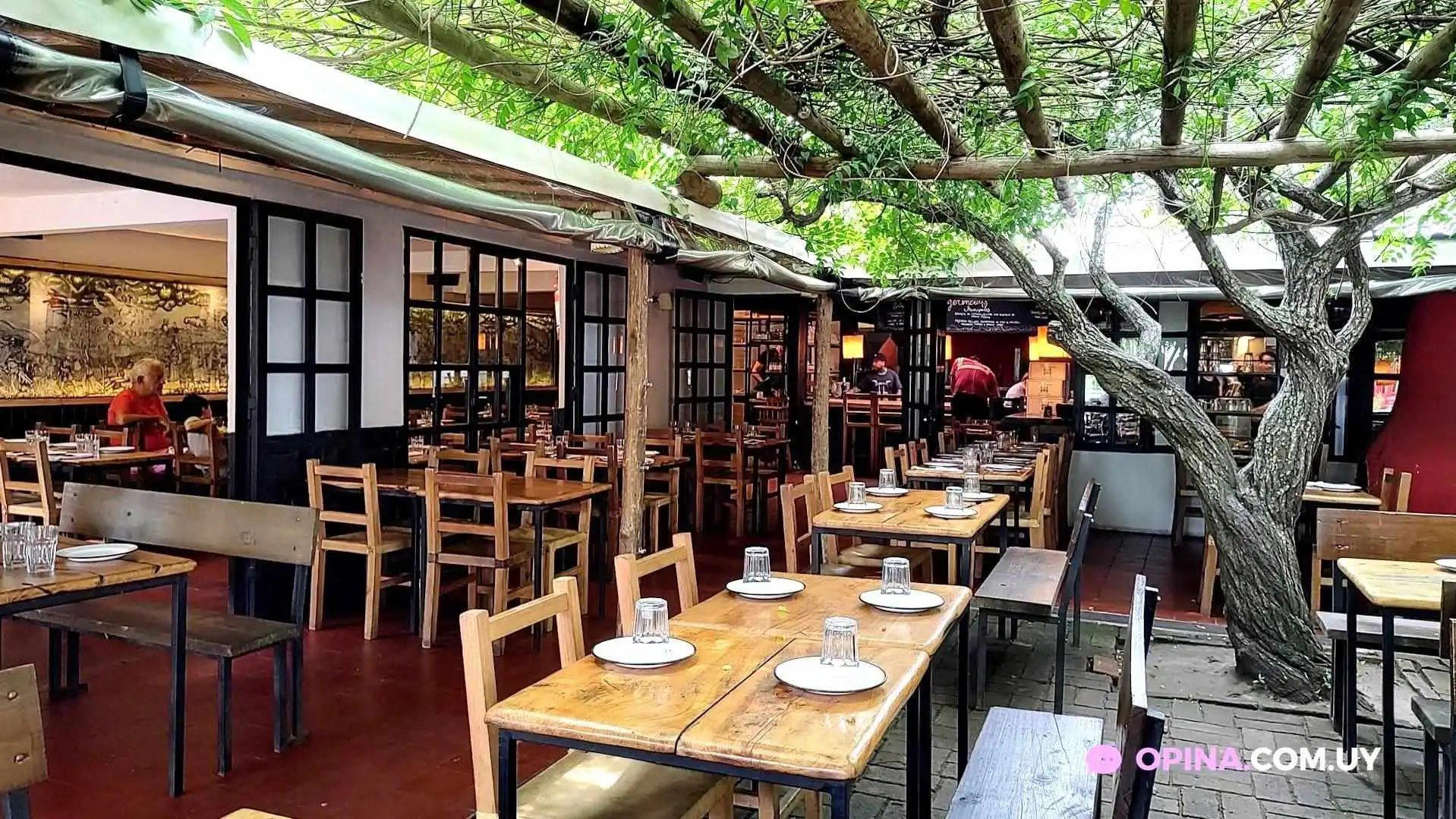
Punta del Este, Uruguay
Cantina del Vigía sits on Zelmar Michelini in Maldonado, the quieter municipal heart behind Punta del Este's resort peninsula. The address places it among the neighbourhood cantinas and informal dining rooms that serve the city's year-round population rather than its seasonal visitors, making it a reference point for understanding how the region eats when the summer crowds recede.
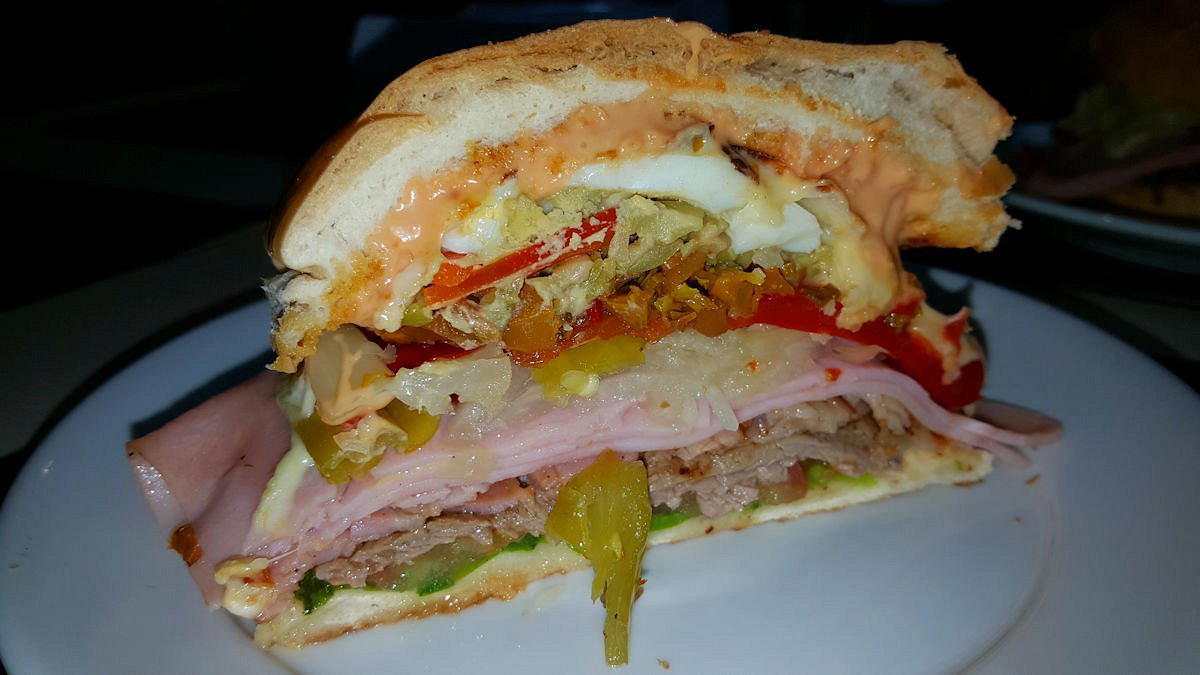
Montevideo, Uruguay
The Chivito and What It Tells You About Montevideo In Montevideo, the chivito is not a sandwich. That framing undersells it. It is the city's primary fast-food identity, a cultural artifact that sits roughly where the choripán does in Buenos...
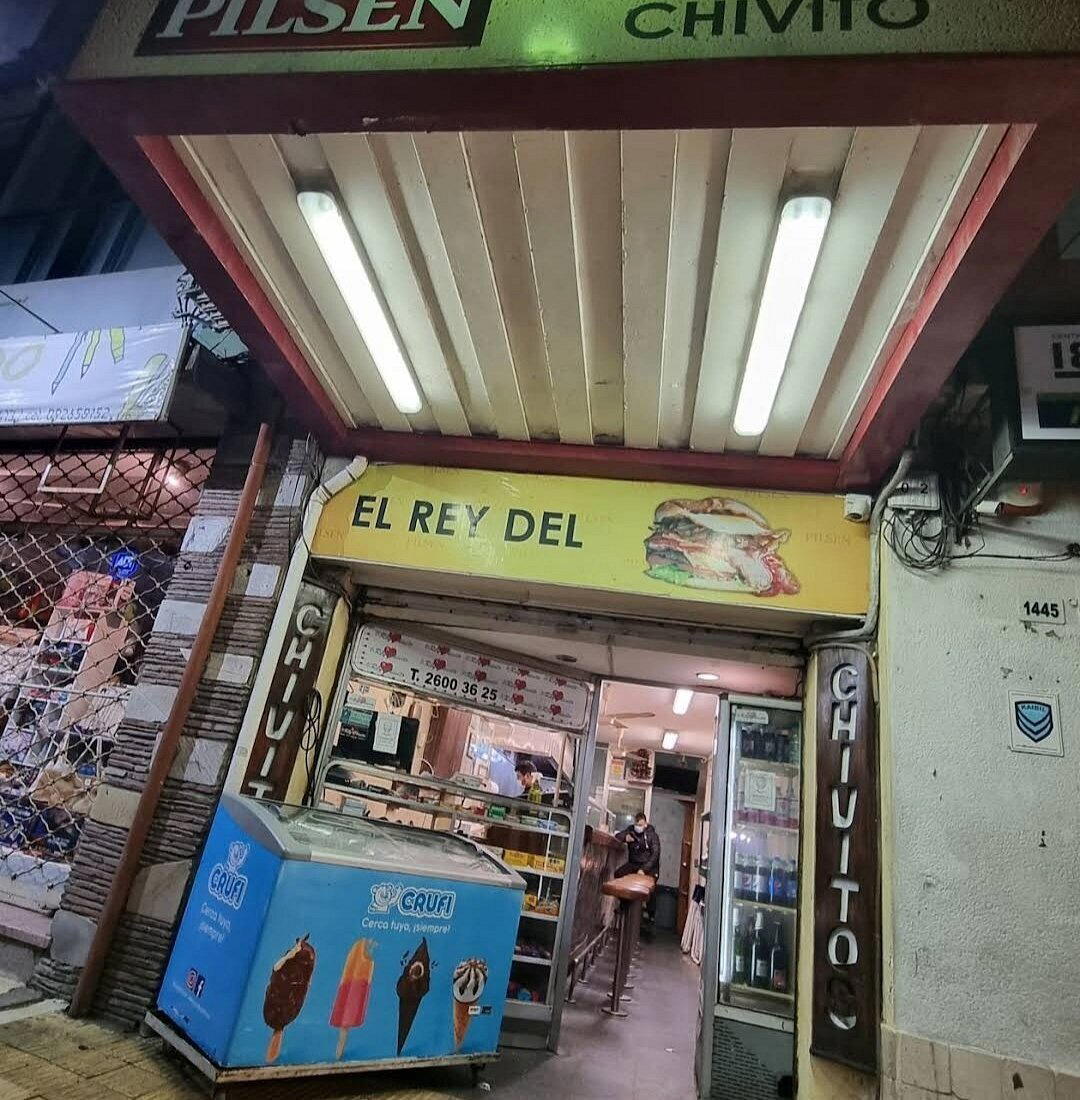
Montevideo, Uruguay
El Rey del Chivito sits on General Paz in Montevideo, anchoring a tradition that defines how Uruguayans eat on the go: the chivito, a stacked sandwich of beef, egg, ham, and cheese that functions as the country's de facto national dish. Where Montevideo's smarter bistros chase international formats, this address holds the line on a local institution that requires no translation.
Montevideo, Uruguay
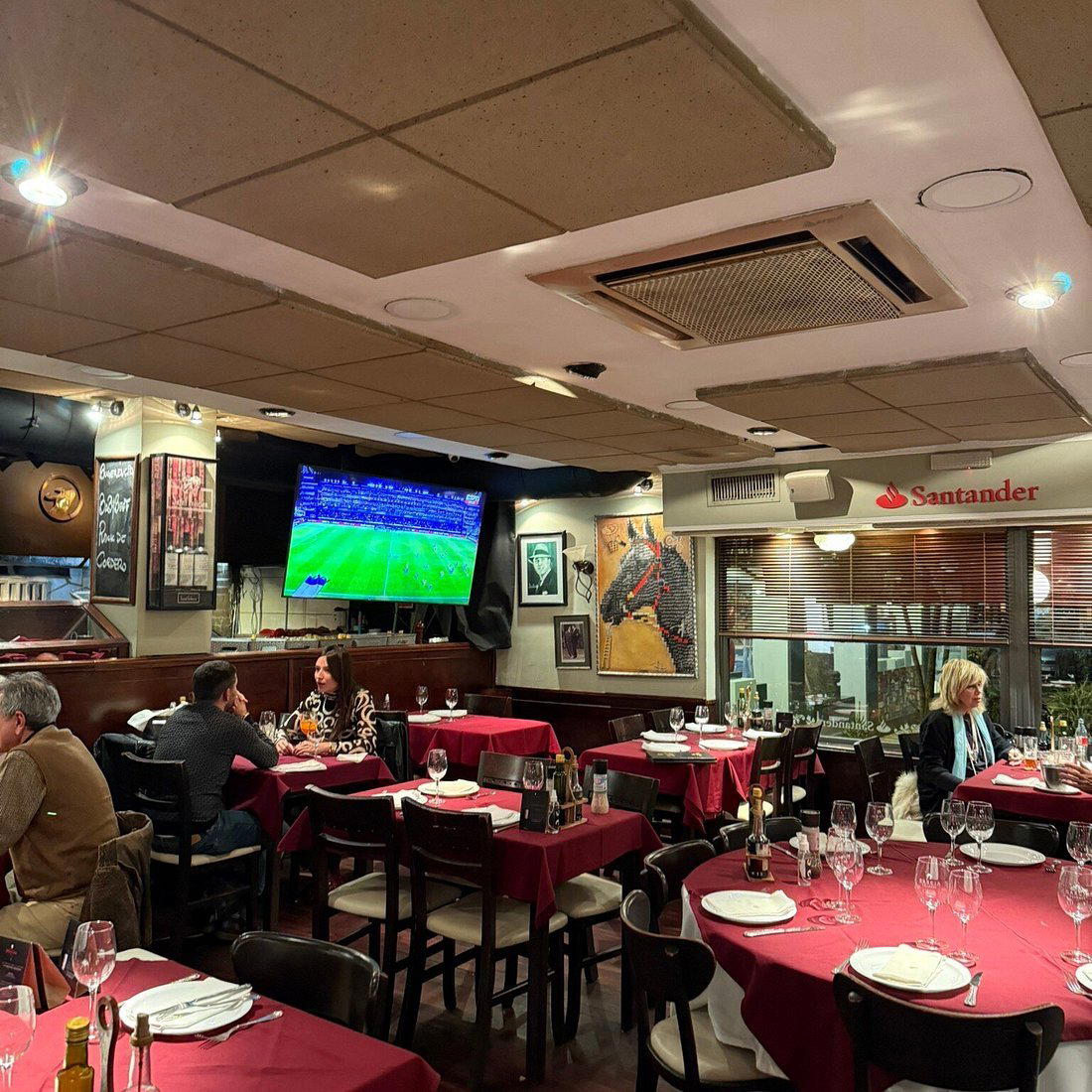
A parrilla address on Avenida Arocena in Montevideo's Carrasco-adjacent corridor, García Parrilla Clásica y Bar operates within Uruguay's most deeply rooted dining tradition: the wood-fired grill. The name signals a deliberate classicism at a time when the city's restaurant scene has fractured into competing formats and influences. For visitors tracking how Montevideo treats its own culinary inheritance, it offers a grounded reference point.
San Carlos, Uruguay
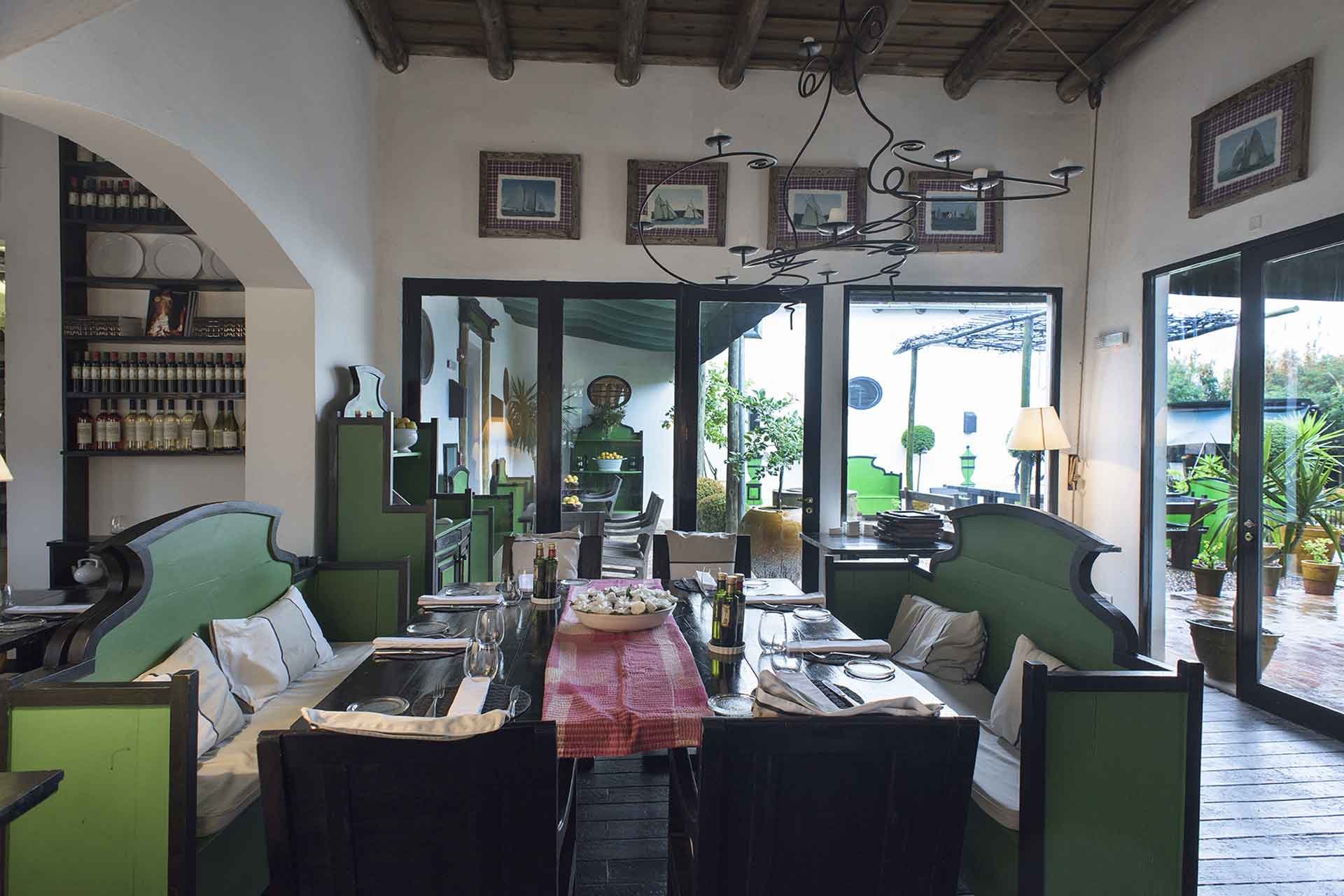
In the village of Garzón, Maldonado Department, this restaurant operates at the intersection of Uruguay's asado tradition and a more considered, slower approach to the meal. The pacing here is deliberate, the setting rural, and the broader context is a small town that has quietly become one of South America's more interesting dining destinations over the past decade.
Montevideo, Uruguay
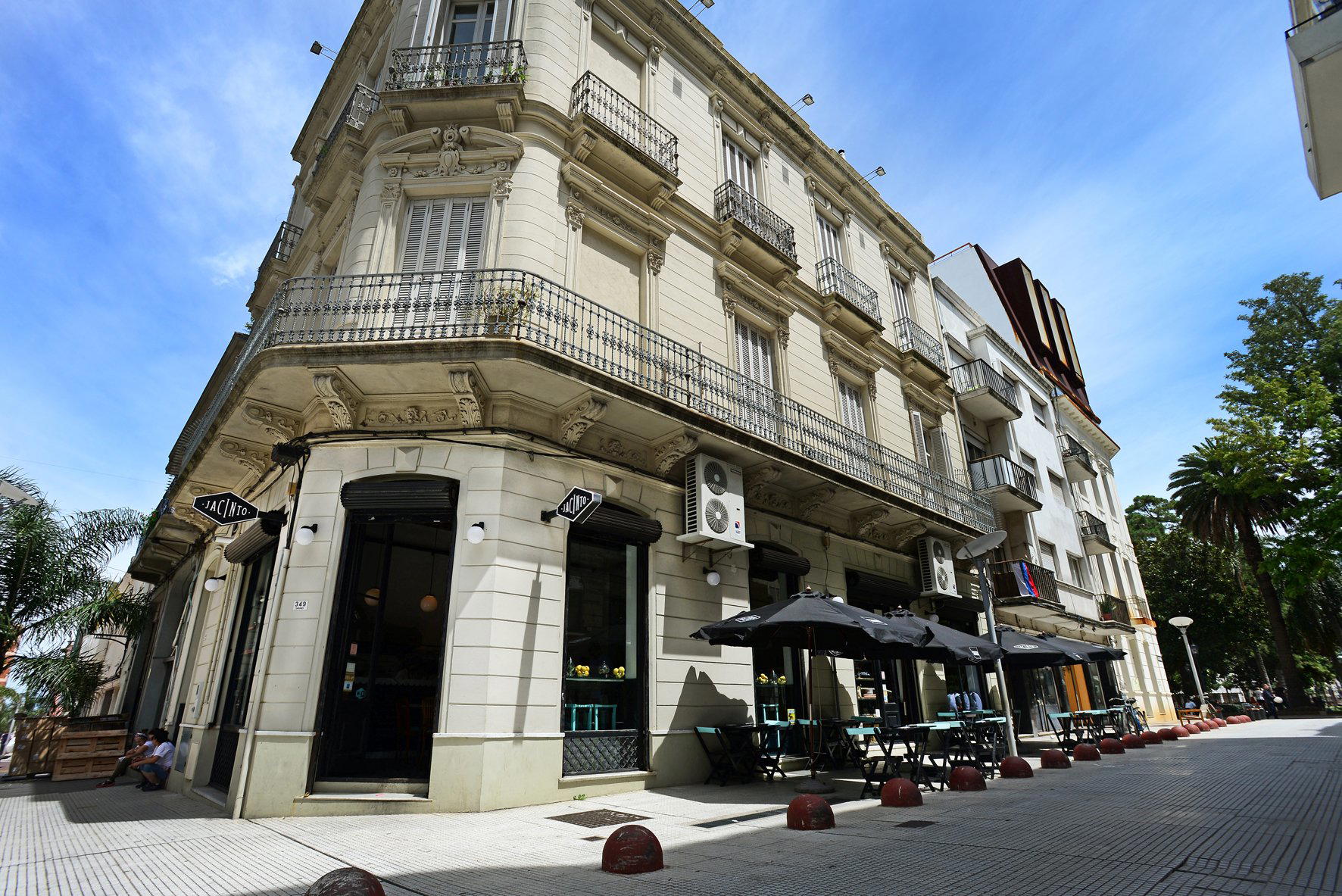
On Sarandí in Montevideo's Ciudad Vieja, Jacinto occupies a section of the city where the physical character of the old quarter frames the dining experience directly. The restaurant sits within the cohort of sourcing-conscious, produce-led addresses that have given the neighborhood its contemporary dining identity, positioning it alongside restaurants with a considered approach in the Uruguayan capital.
Montevideo, Uruguay
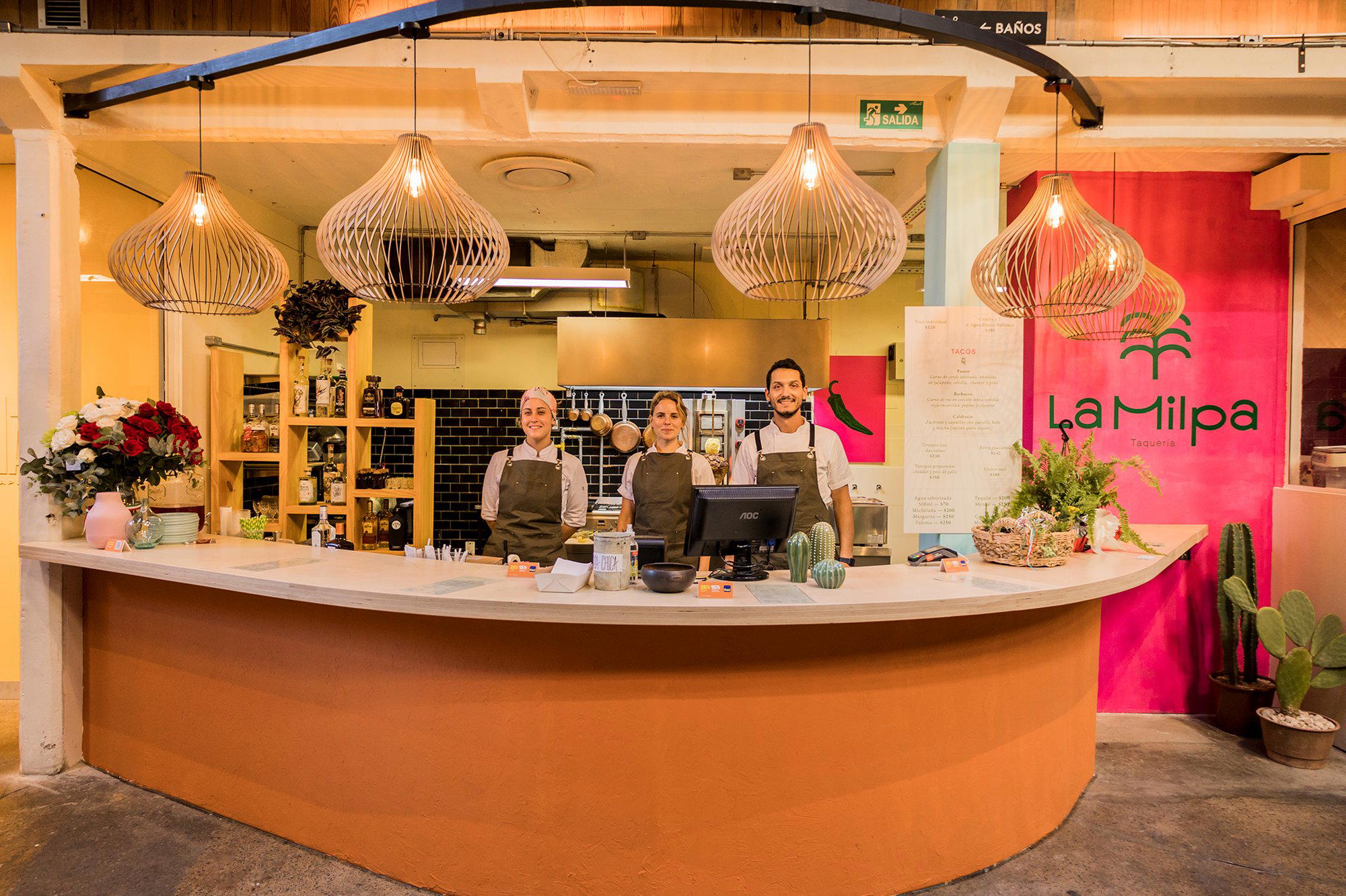
La Milpa occupies a residential address in Montevideo's Cordón neighbourhood, operating within Uruguay's tradition of neighbourhood dining where the ritual of the meal matters as much as what arrives on the plate. The address at Chaná 2120 places it away from the tourist circuit, in a part of the city where locals set the pace and the room's rhythm reflects it.
Punta del Este, Uruguay
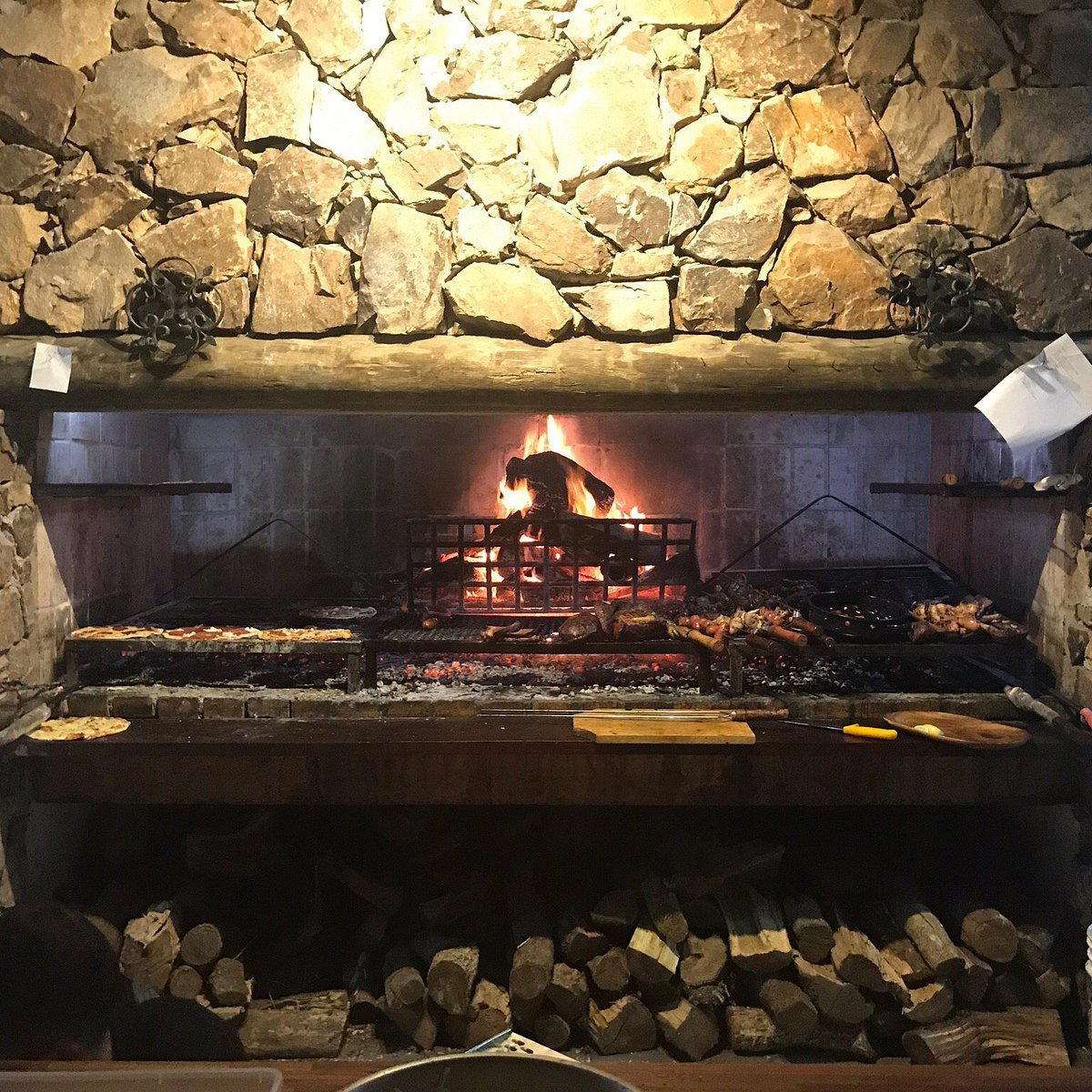
Las Nenas Steak House occupies a corner address in Punta del Este where the beef-first traditions of Uruguay's interior meet the resort city's summer-season appetite. In a city where steak is both cultural currency and competitive sport, Las Nenas positions itself inside that conversation at Pernambuco street in Maldonado. For context on where it sits among the city's broader dining options, see our full Punta del Este restaurants guide.

Paso Antolin, Uruguay
MaizAjo is a good-value pick in Paso Antolín for contemporary Uruguayan cooking in a cozy, modern, casual room. Book it for asado, chorizo criollo, empanadas, local desserts, and a relaxed wine-supported meal, but avoid it if the occasion requires private dining, outdoor seating, or a tightly paced service.
Colonia del Sacramento, Uruguay
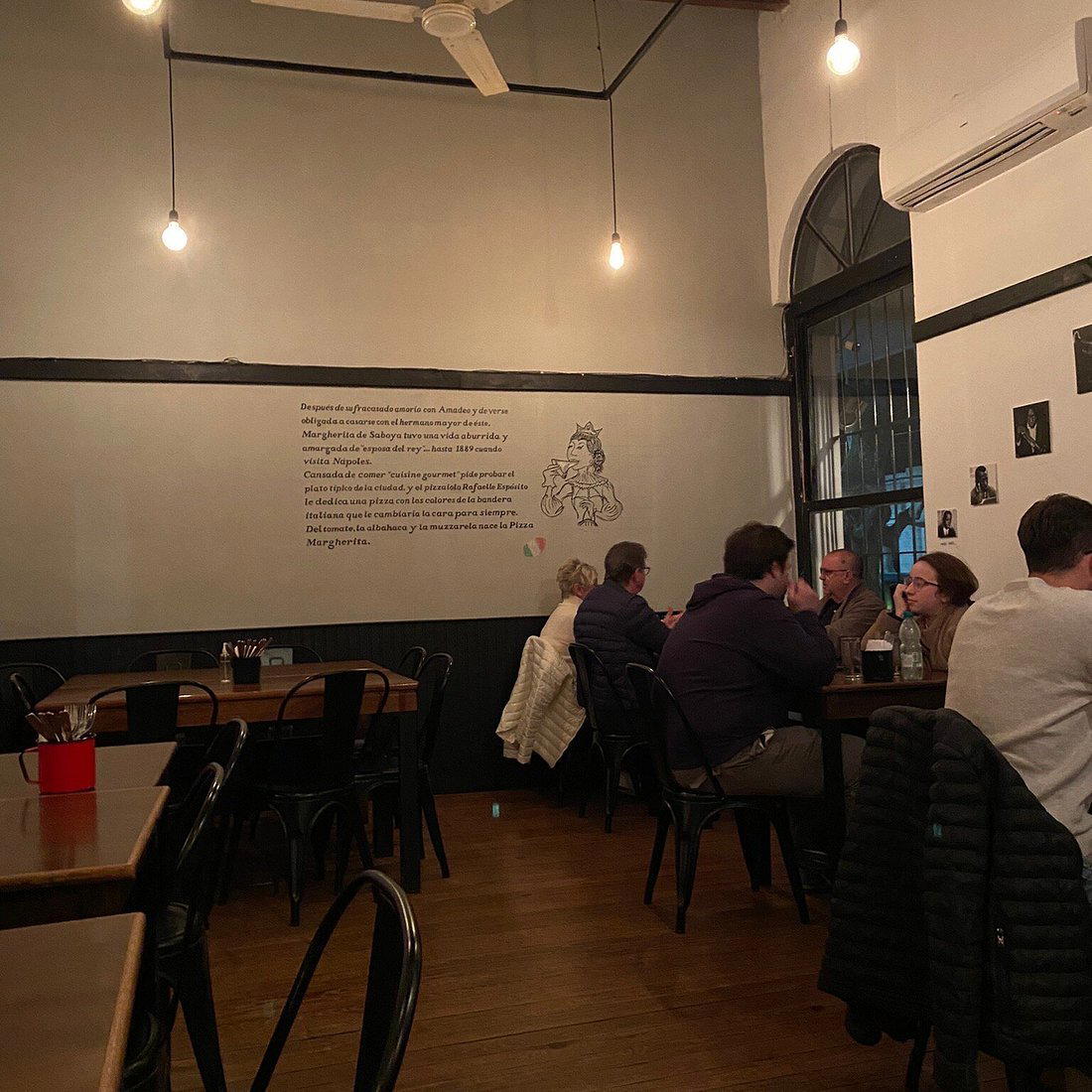
On 18 de Julio in Colonia del Sacramento's colonial quarter, Napo occupies a position in one of Uruguay's most visited historic towns, where ingredient provenance and regional cooking traditions shape the dining conversation. The restaurant sits within a city better known for cobblestones and ferry crossings than for culinary ambition, which makes finding a kitchen with genuine local grounding all the more notable. For travellers arriving from Buenos Aires or Montevideo, Napo represents a reason to stay beyond the afternoon.
Montevideo, Uruguay
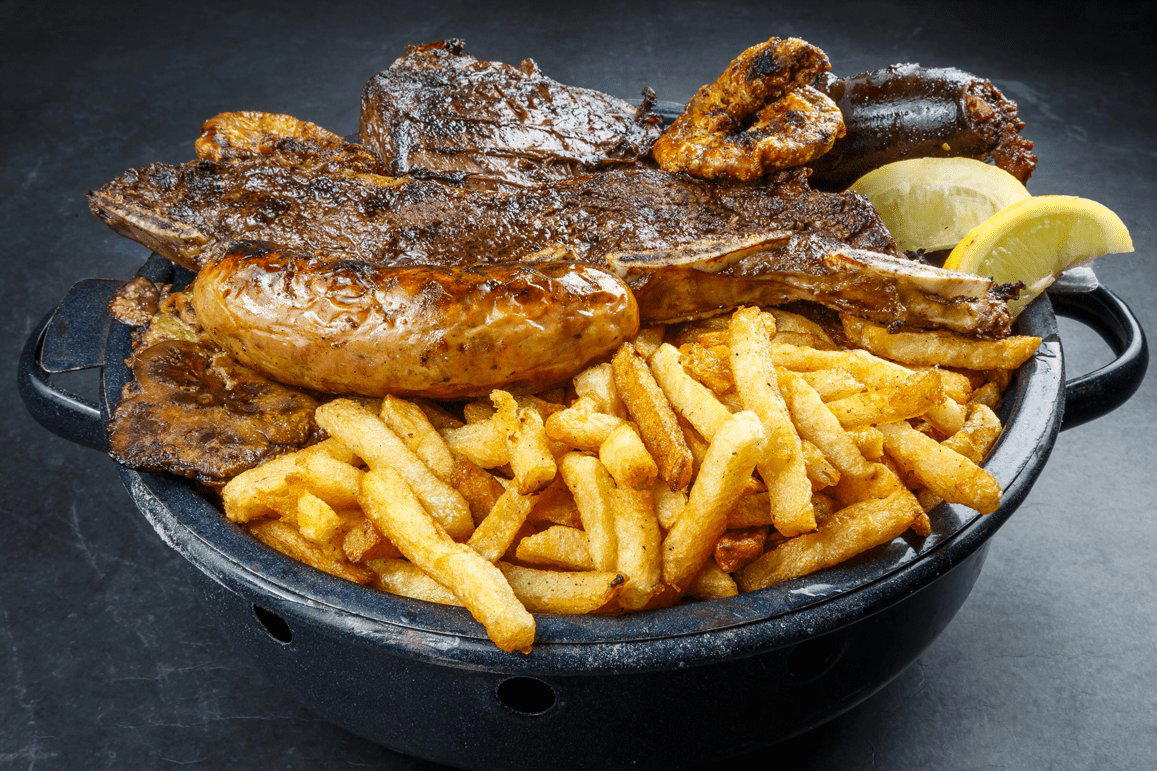
A neighborhood parrillada on Acevedo Díaz in Montevideo's Cordón district, Parrillada El Alemán sits within a city where wood-fired beef is a civic ritual as much as a meal. The name signals the German immigrant thread woven into Montevideo's broader European-inflected food culture, and the address places it squarely in the residential grid that feeds locals rather than tourists. For those tracking where Uruguayan asado culture actually lives, this is the kind of address that matters.
Montevideo, Uruguay
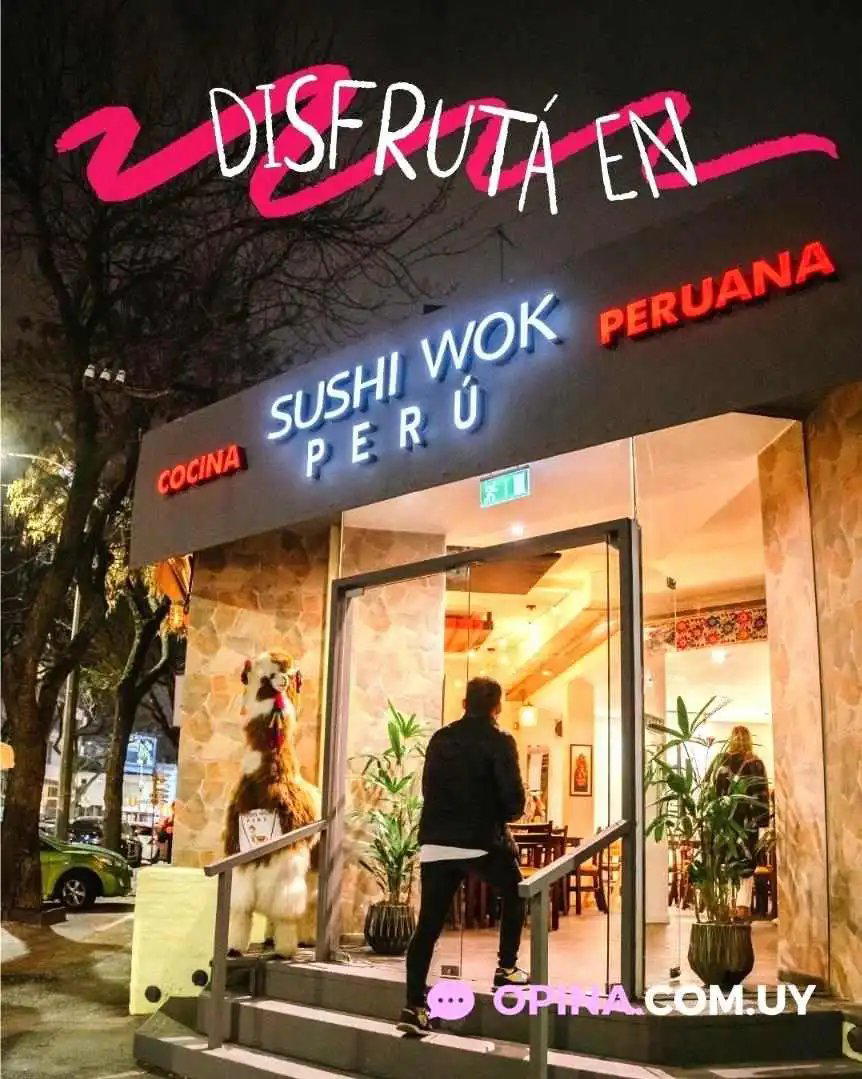
On a residential stretch of Montevideo's Punta Carretas district, Sushi Wok Perú draws together the Nikkei and Chifa culinary traditions that have shaped Peruvian cooking over more than a century. The address on Manuel Vicente Pagola places it within walking distance of the neighbourhood's quieter dining circuit, offering a counterpoint to the city's dominant parrilla culture.
Uruguay
Selected entries from the current guide for Uruguay.
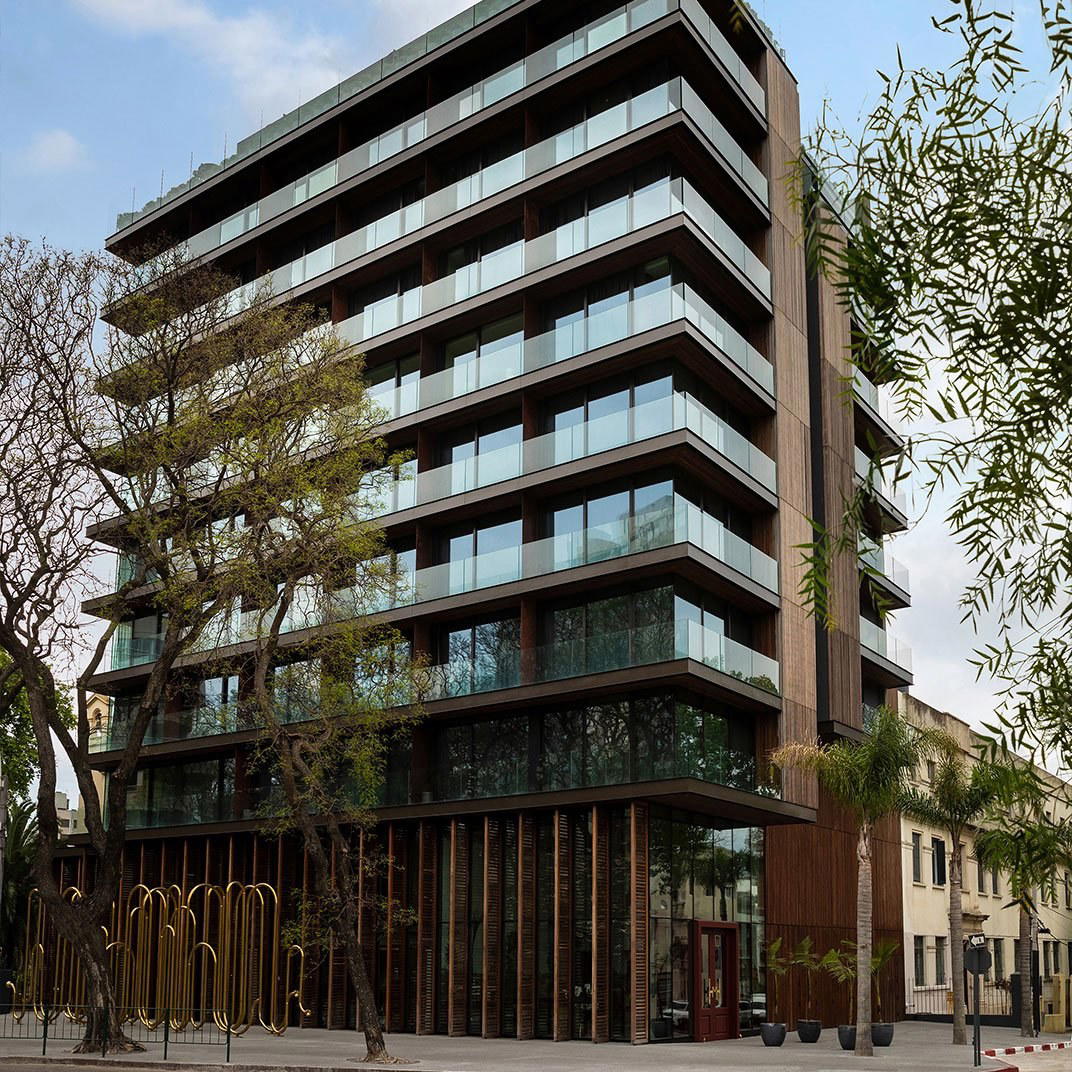
Montevideo, Uruguay
An 80-room Leading Hotels of the World member set in Pocitos, one of Montevideo's most sought-after residential districts, Hotel Montevideo pairs custom-designed interiors with balcony-equipped rooms and a skybar overseen by two of Uruguay's most recognised culinary figures. At rates from $184 per night, it occupies the upper tier of the city's boutique luxury market without the scale of its larger rivals.
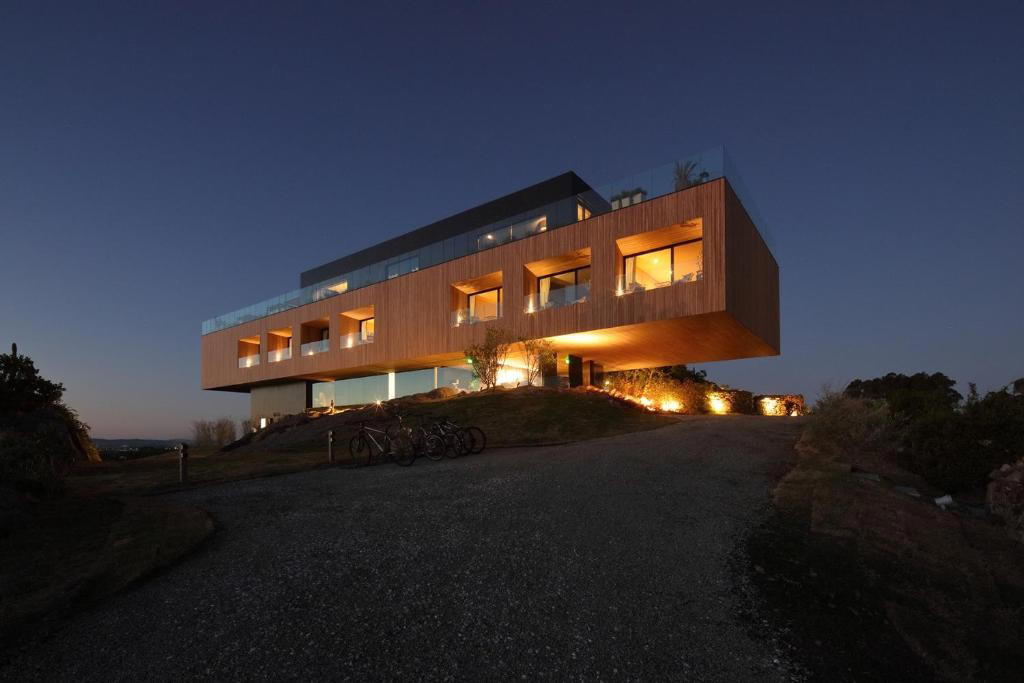
Punta del Este, Uruguay
Hotel Fasano Punta del Este occupies 490 hectares in La Barra, opening in 2010 as the Fasano brand's first address outside Brazil. Isay Weinfeld's award-winning architecture frames views across the Maldonado river, while 30 rooms and suites spread across a main building and private bungalows. January bookings require at least four months' advance notice; full accommodation opens November through March.
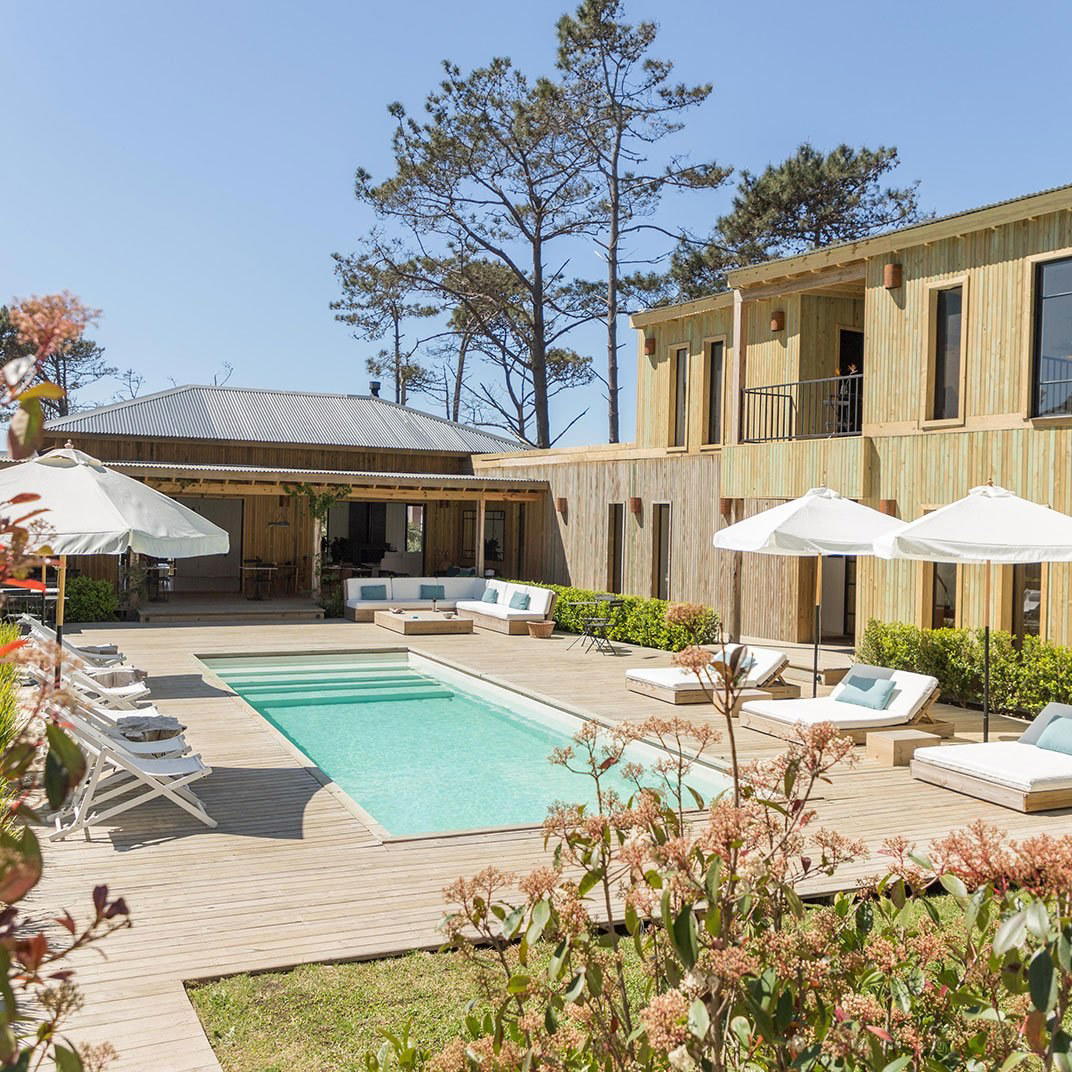
La Barra, Uruguay
A nine-room boutique property positioned between pine forest and ocean in La Barra, Casa Flor operates at the quieter end of Uruguay's coastal accommodation spectrum. The white-on-white interiors, surf-inspired artwork by local artist Nicolás Caubarrere, and a residential-scale footprint place it firmly in the design-led, low-key tier that distinguishes La Barra from its louder neighbour down the coast.
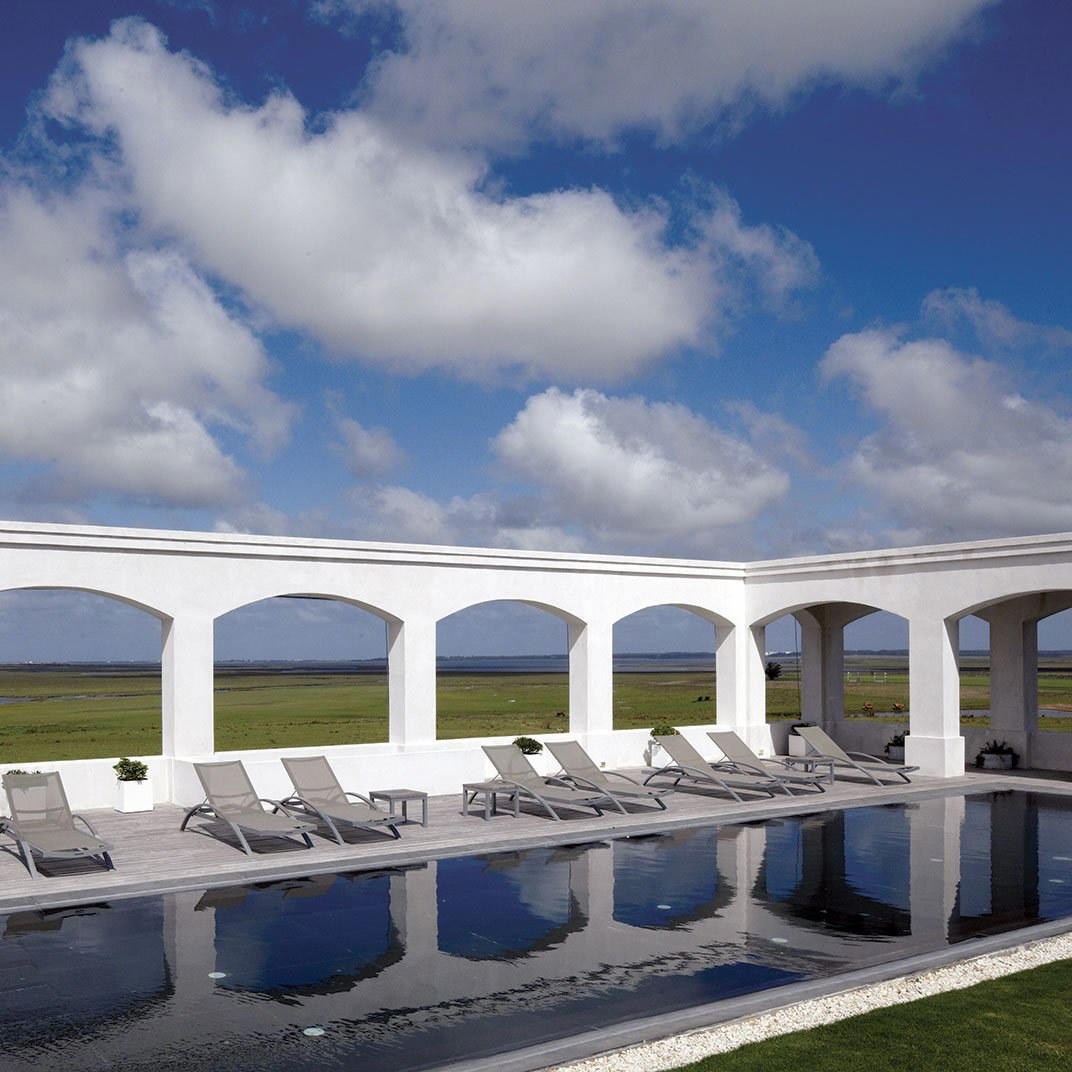
José Ignacio, Uruguay
Set on 4,000 acres outside José Ignacio, Estancia Vik is a 12-room colonial structure that doubles as a working art institution. Uruguayan architect Marcelo Daglio's white adobe mansion holds sculptures by Pablo Atchugarry, a ceiling fresco spanning the width of the living room, and a fiber-optic pool mirroring Southern constellations. From $579 per night, open seasonally September through May.
José Ignacio, Uruguay
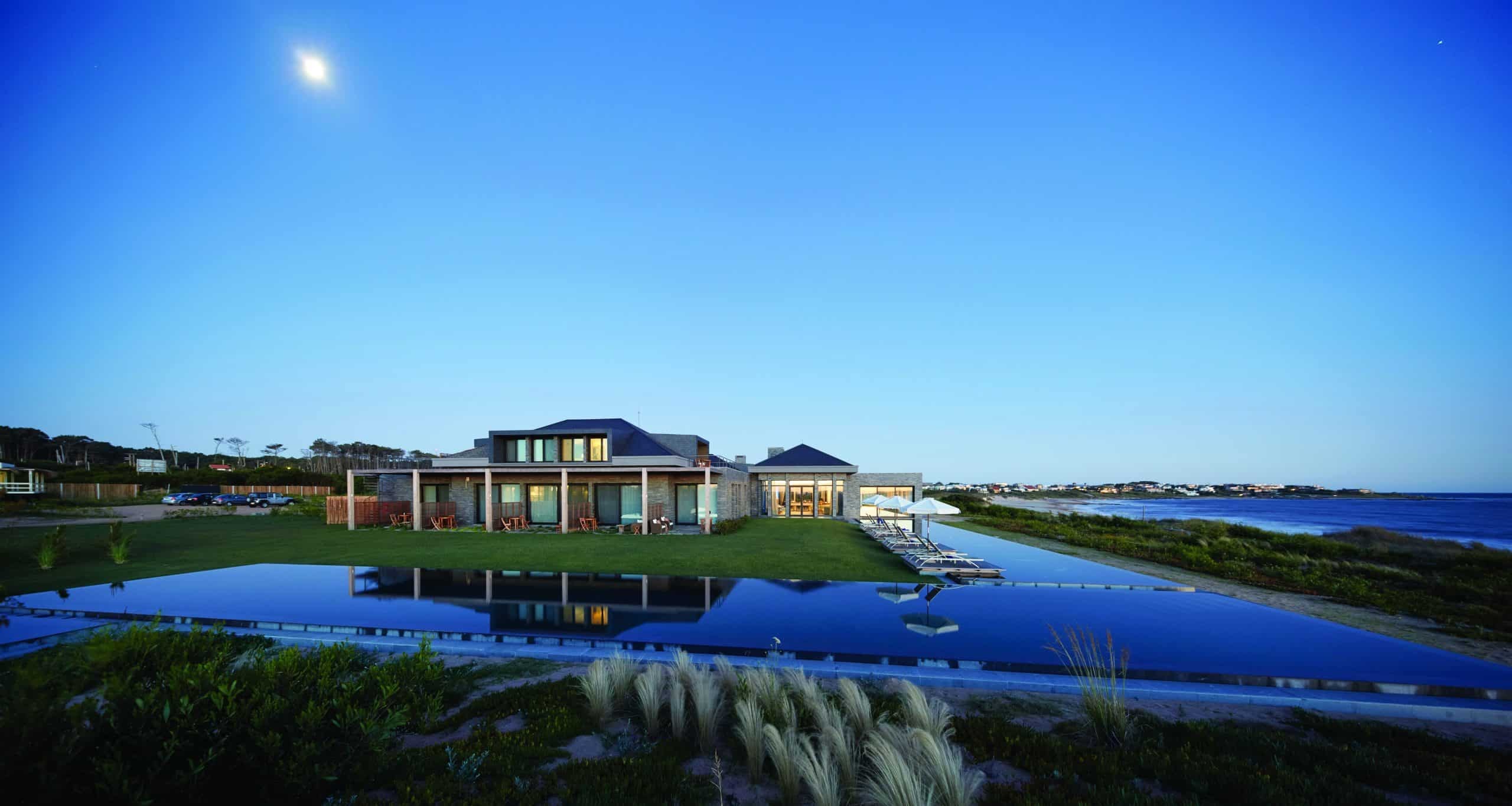
Bahia Vik José Ignacio operates at the intersection of contemporary art and coastal hospitality, with 37 accommodations each designed by a different artist along Uruguay's Atlantic shore. Guests have access to three Vik properties in José Ignacio, four pools, and a wellness centre, with the hotel open seasonally from October through late April. It holds Star Wine List recognition for 2026.
José Ignacio, Uruguay
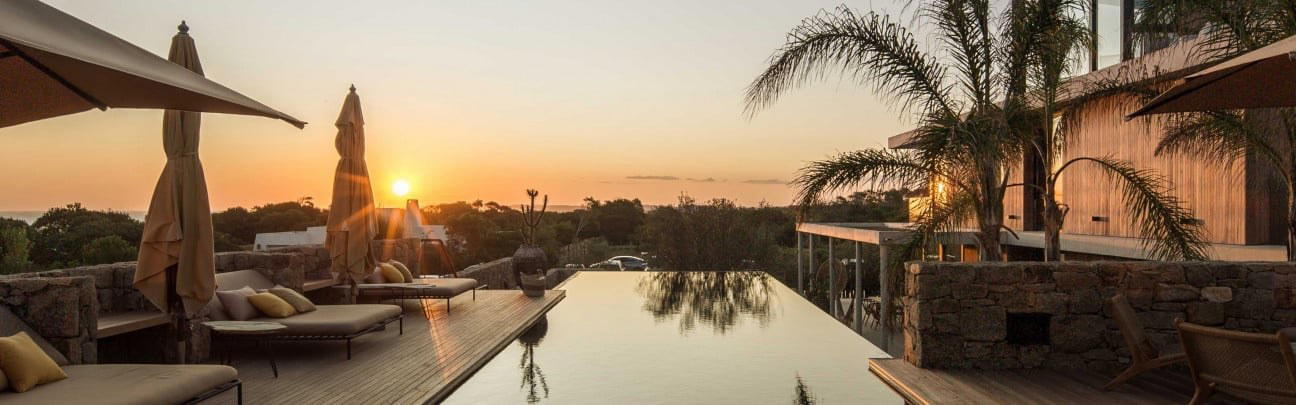
Posada Ayana is a boutique hotel in José Ignacio, Uruguay, distinguished by the first James Turrell Skyspace installation in South America. Steps from the beach, it occupies the quieter, art-forward end of the village's small luxury spectrum, where low-key atmosphere and considered design matter more than scale or formal programming.
Montevideo, Uruguay
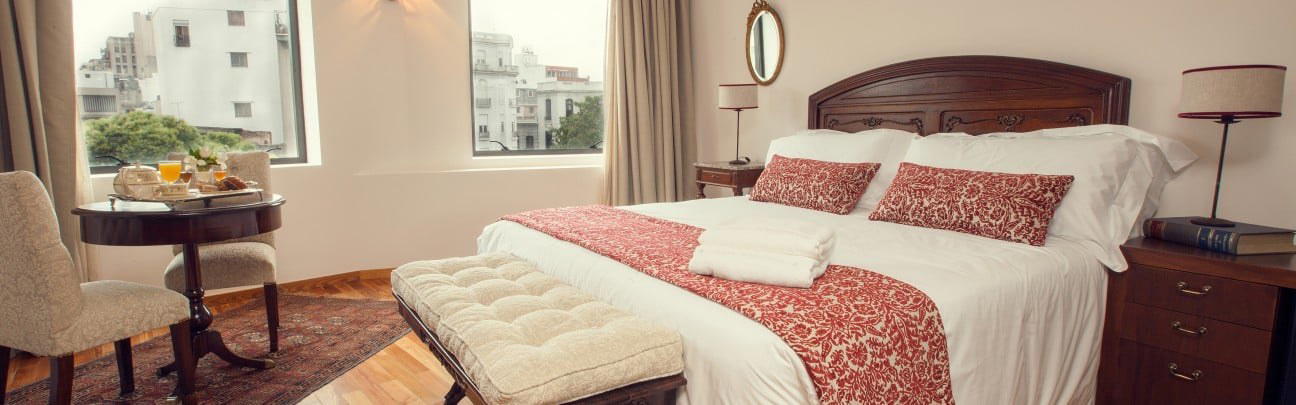
Alma Historica Boutique Hotel occupies a restored historic building on Solís in Montevideo's Ciudad Vieja, earning Michelin Selected recognition in 2025. The property sits within a cohort of small, design-conscious hotels that have repositioned Uruguay's capital as a credible destination for travellers who prioritise architectural character over chain-hotel scale. For Montevideo, that distinction still matters.
Punta del Este, Uruguay
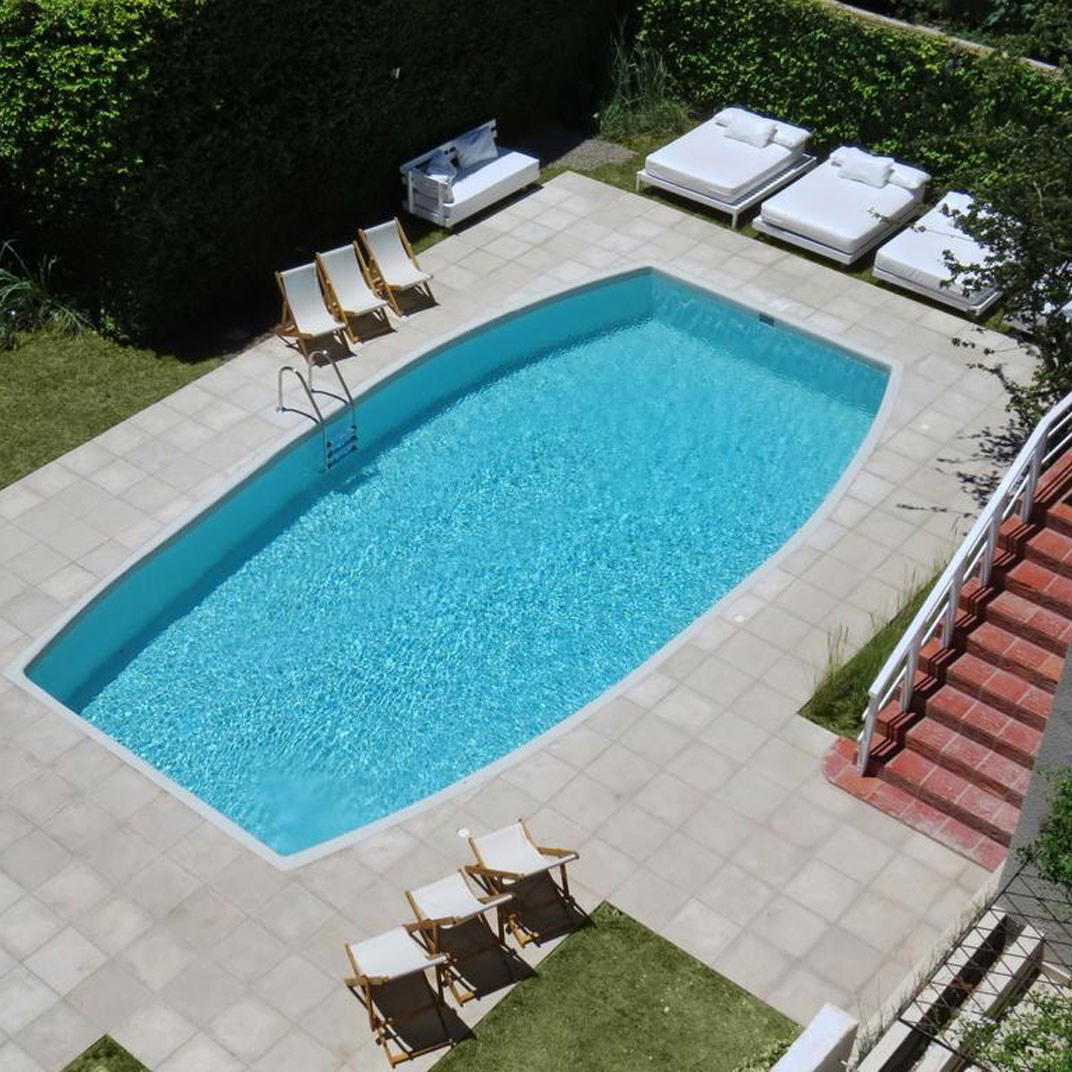
Atlántico Boutique Hotel occupies a corner address on the Península in Punta del Este, where the Atlantic and Río de la Plata coasts converge. Recognised by the Michelin Guide's 2025 Selected Hotels list, it sits within the boutique tier that defines the Península's residential character. For travellers seeking a smaller, locally rooted property close to the centre, it competes in a niche separate from the resort-scale options east of the city.
Carmelo, Uruguay
Carmelo Resort & Spa sits on Uruguay's Río de la Plata coast, selected by the Michelin Guide Hotels 2025 as part of its curated South American portfolio. The property occupies a quiet stretch of the Carmelo wine country, where river light and eucalyptus groves define the setting as much as the architecture. It operates at a different register from Uruguay's better-known coastal circuit around Punta del Este.
Montevideo, Uruguay
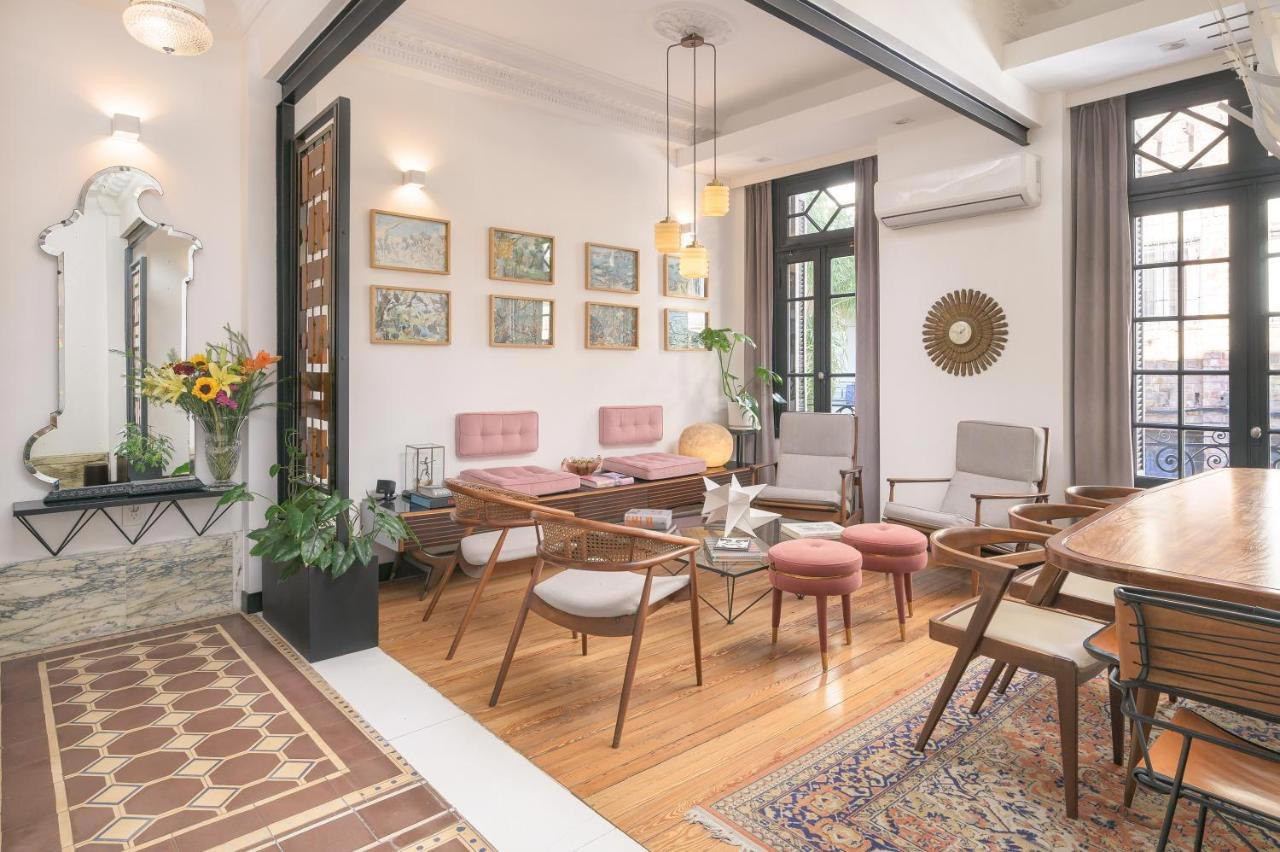
FAUNA Montevideo holds a Michelin Selected distinction in the 2025 Michelin Hotels guide, placing it among a small group of Montevideo properties recognised by that framework. Located on Sarandí 287 in the heart of the Old City, it operates at the intersection of heritage architecture and considered design that defines the neighbourhood's most compelling accommodation options.
Punta del Este, Uruguay
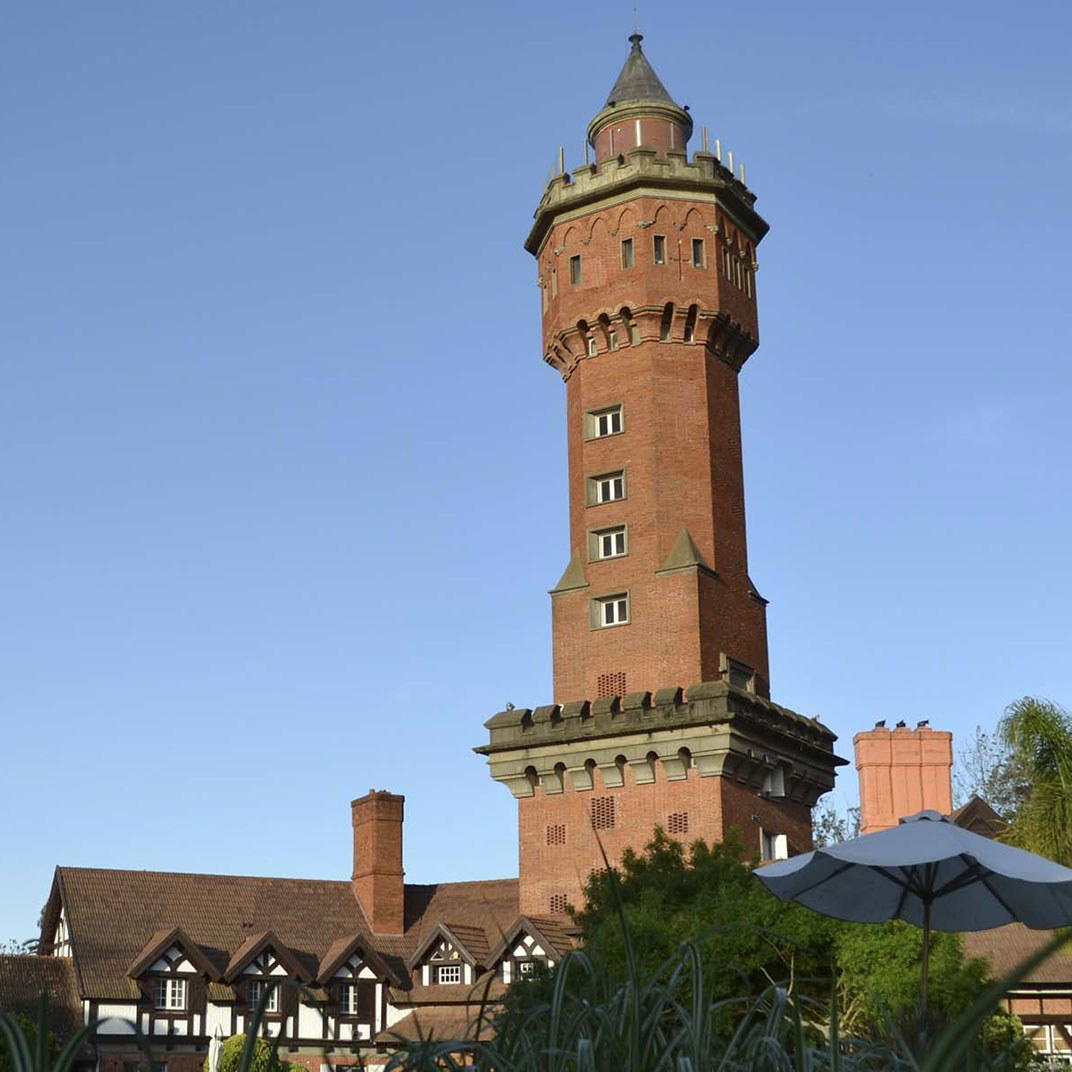
A Michelin Selected property on Punta del Este's Playa Brava coast, Hotel L'Auberge sits within Barrio Parque de Golf, one of the resort town's most established residential addresses. The hotel positions itself in the quieter, design-conscious tier of the local market, away from the high-rise density of the Peninsula. A considered choice for travellers who prioritise neighbourhood character over central proximity.
Montevideo, Uruguay
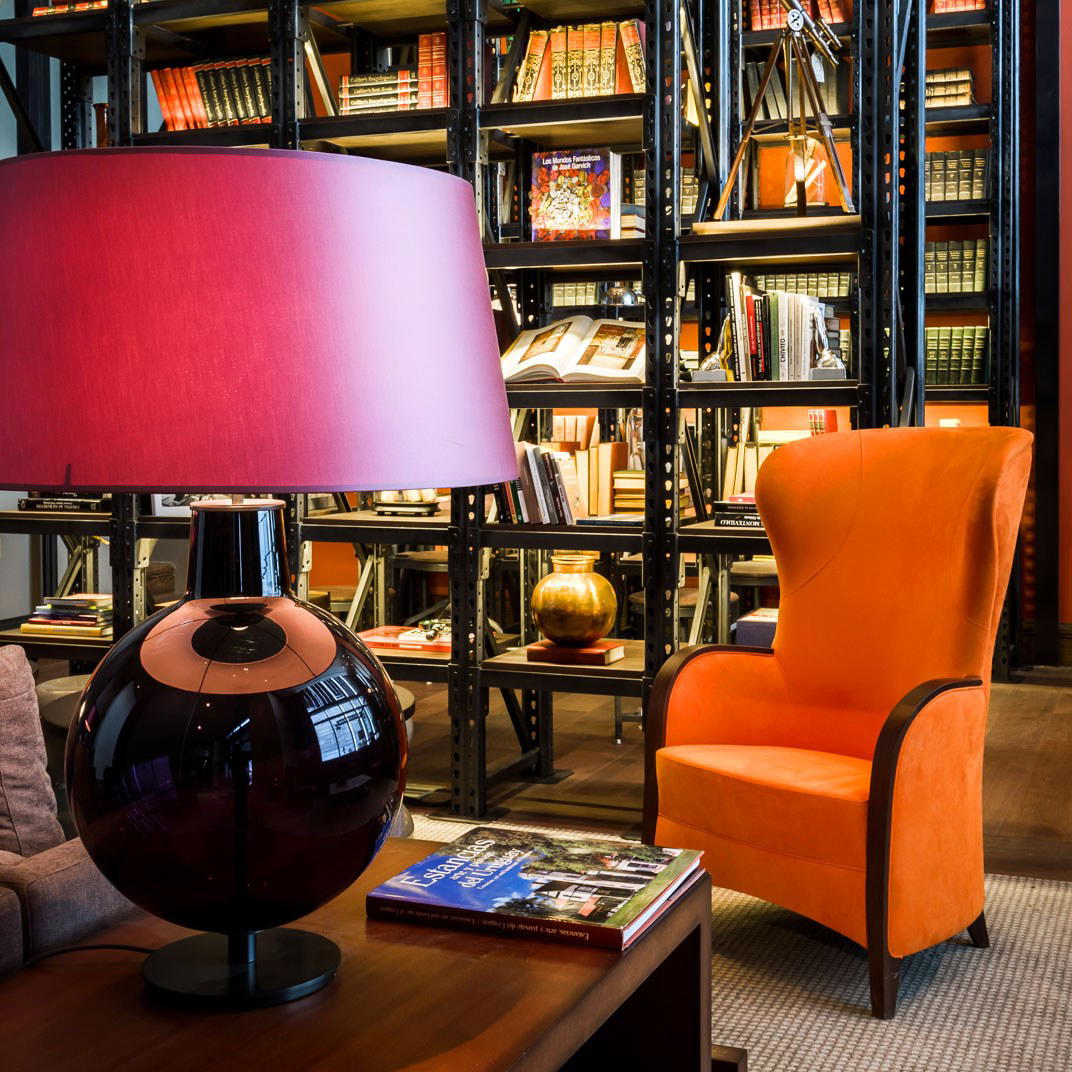
A Michelin Selected hotel on Montevideo's Rambla República del Perú, Hyatt Centric Montevideo positions itself at the intersection of the city's waterfront and its emerging premium accommodation tier. The Centric brand sits between full-service luxury and design-led boutique, with a focus on neighbourhood connectivity that suits travellers who want the city, not a retreat from it.
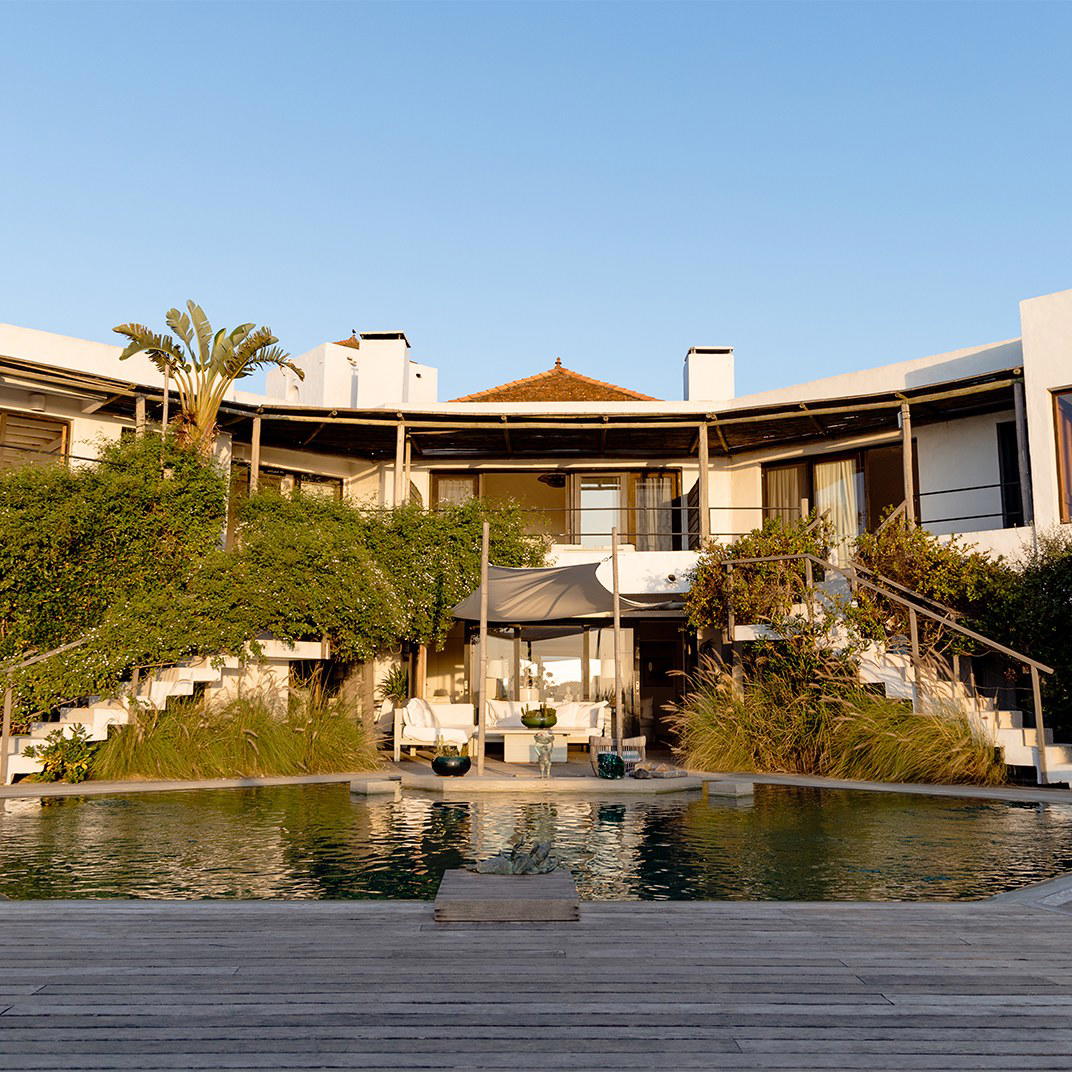
José Ignacio, Uruguay
The address on Calle de la Bahia places guests within the compact, largely car-free village, with the Atlantic and the lighthouse headland as immediate reference points.
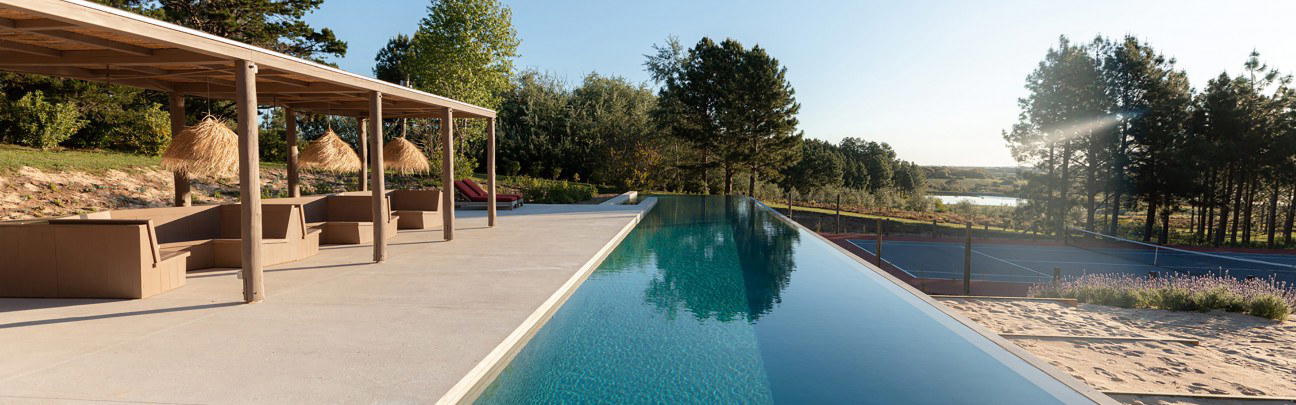
José Ignacio, Uruguay
A MICHELIN Selected wine lodge on Uruguay's most sought-after stretch of coast, LUZ Culinary Wine Lodge in José Ignacio pairs a culinary-forward identity with the unhurried rhythm of the Uruguayan countryside. The property sits within the small constellation of design-conscious stays that have made this fishing village one of South America's most talked-about seasonal retreats.

José Ignacio, Uruguay
Playa Vik Jose Ignacio sits at the intersection of contemporary art and coastal architecture on the Atlantic-facing edge of Uruguay's most quietly serious resort village. Selected by the Michelin Guide Hotels 2025, it operates within the Vik collection alongside Bahia Vik and Estancia Vik, making Jose Ignacio one of South America's most concentrated exercises in design-led hospitality. The property faces the beach directly, and that orientation shapes everything from room placement to the relationship between interior and sky.
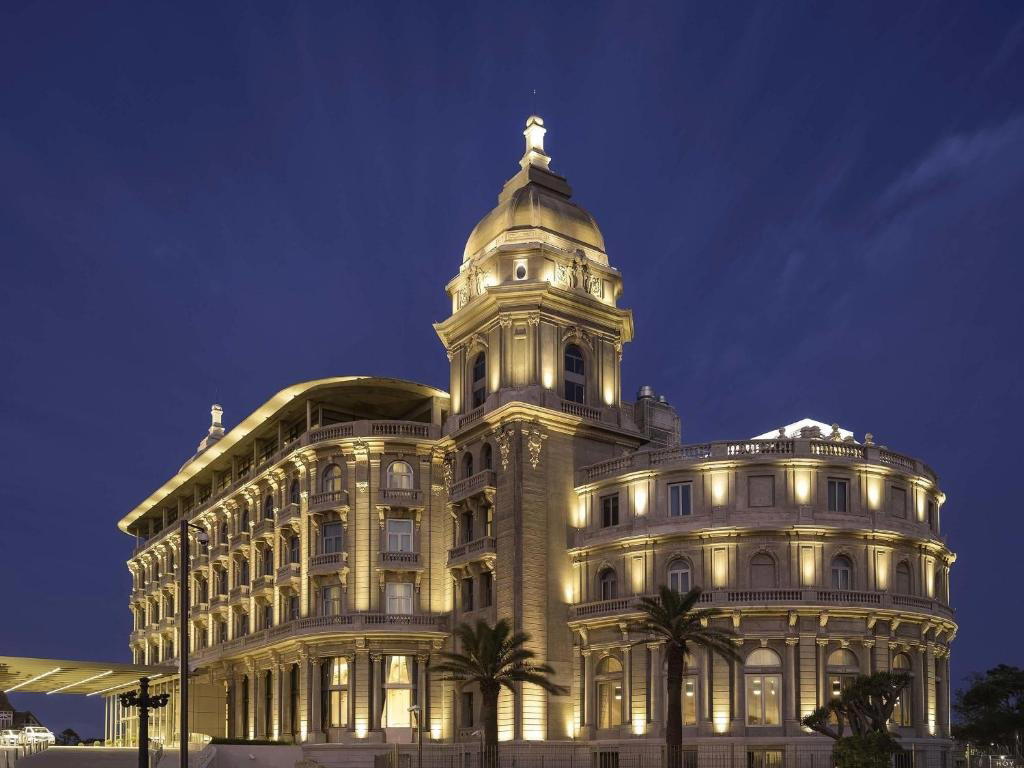
Montevideo, Uruguay
A restored early-20th-century landmark on Montevideo's Carrasco rambla, the Sofitel Casino Carrasco pairs 116 rooms and suites with a spa, casino, restaurant, bar, and Tea Gallery under Accor's French hospitality framework. The property sits in Carrasco, the city's most residential and historically affluent district, making it a reference point for leisure travellers seeking a grand-hotel register in Uruguay's capital.
Uruguay
Selected entries from the current guide for Uruguay.
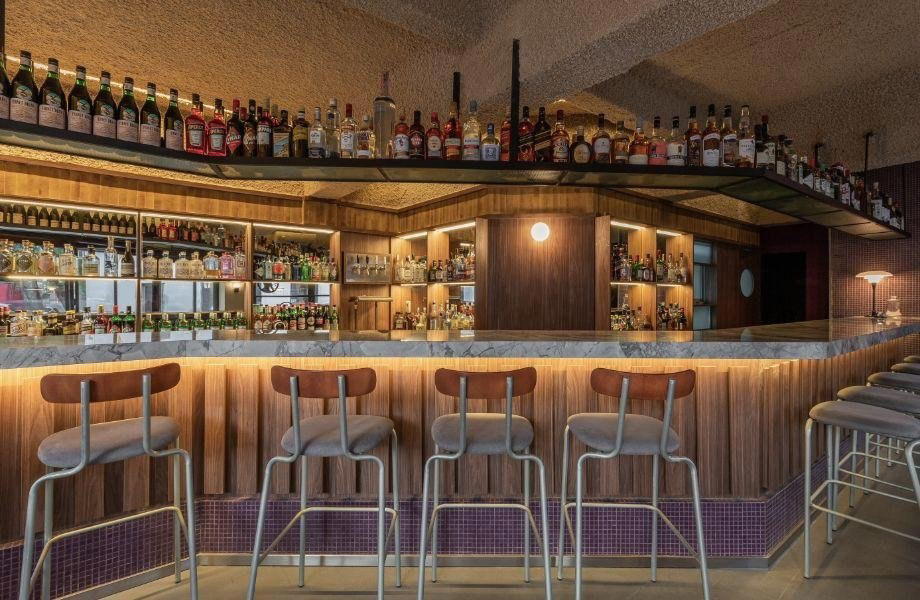
Montevideo, Uruguay
Ranked #431 in the Top 500 Bars (2025), Baker's Bar occupies Montevideo's Parque Rodó neighbourhood as one of the few Uruguayan venues earning global bar recognition. The programme sits inside a craft-cocktail tradition that remains underrepresented in South America, making its placement on the international list a meaningful signal for the city's drinking culture.
Montevideo, Uruguay
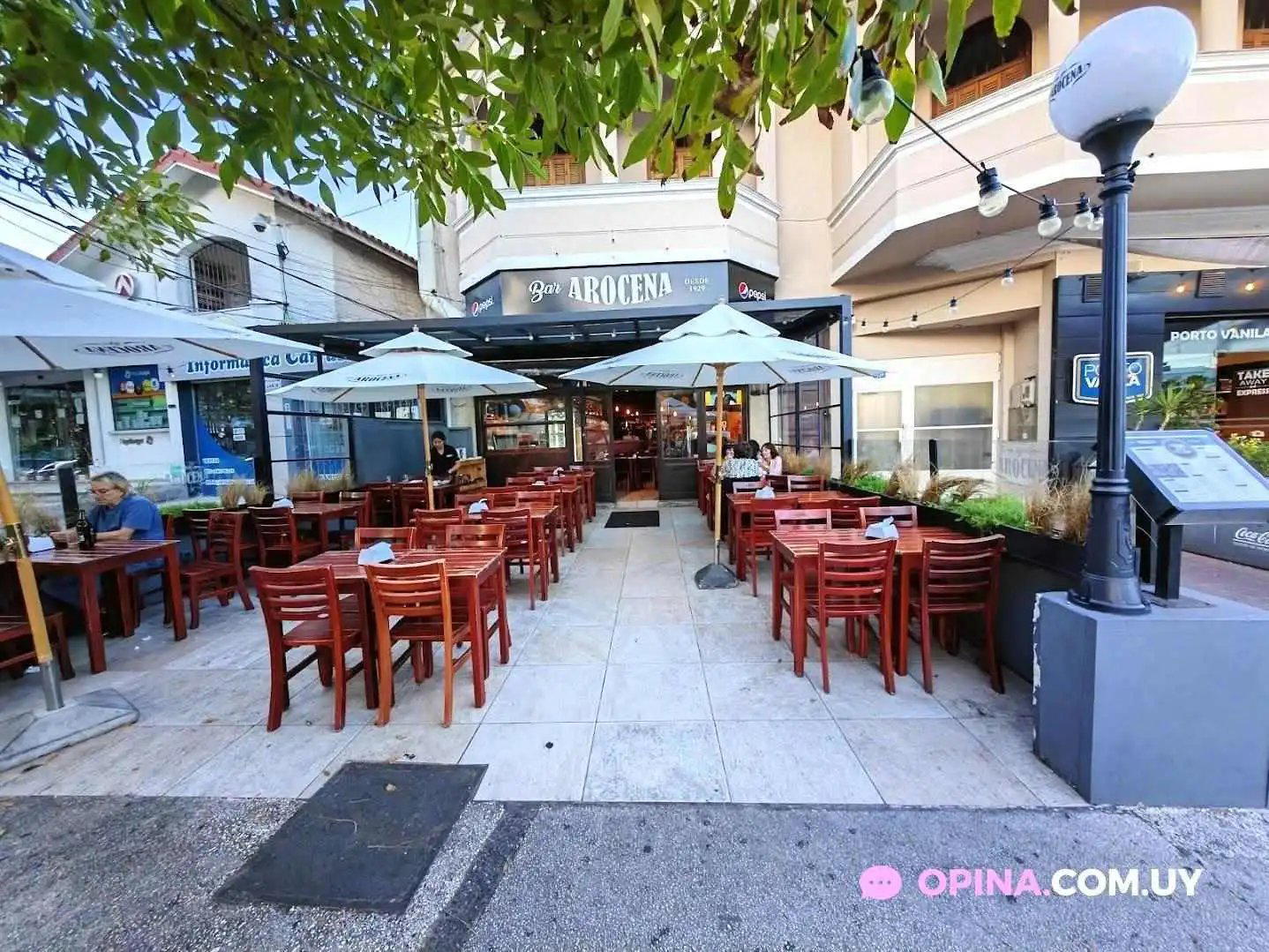
Bar Arocena sits on Avenida Alfredo Arocena in Montevideo's northeastern reaches, operating within a city bar scene that has quietly developed serious cocktail credentials over the past decade. The address places it outside the tourist-facing Centro and Ciudad Vieja circuits, positioning it as a neighbourhood fixture rather than a destination built for visitors. What that means in practice depends on when you go and who's behind the bar.
Montevideo, Uruguay
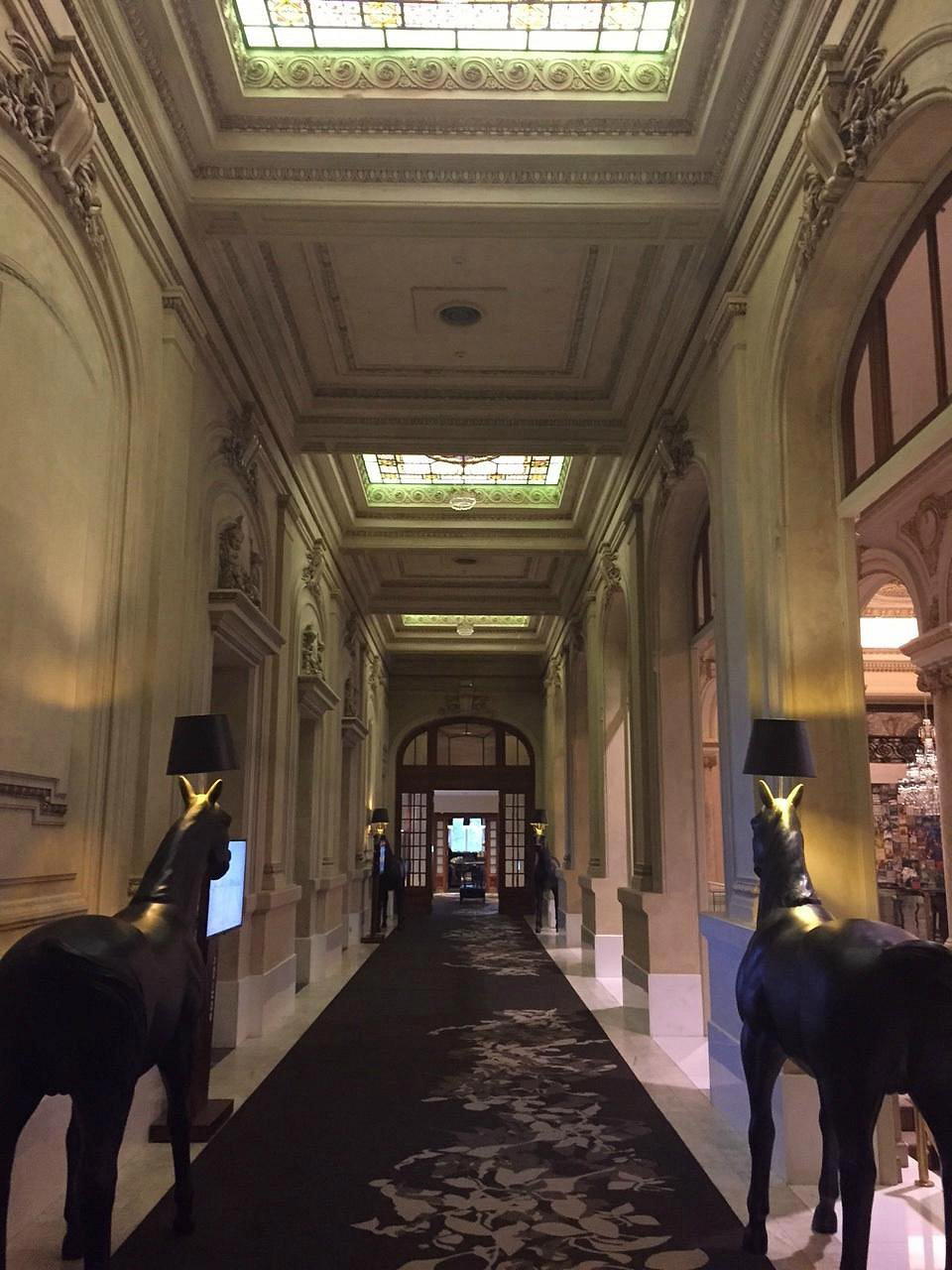
Bar Sofitel belongs to Montevideo’s waterfront hotel-bar circuit, a category shaped as much by the Rambla and international-hotel polish as by the city’s late, relaxed drinking rhythm.
Montevideo, Uruguay
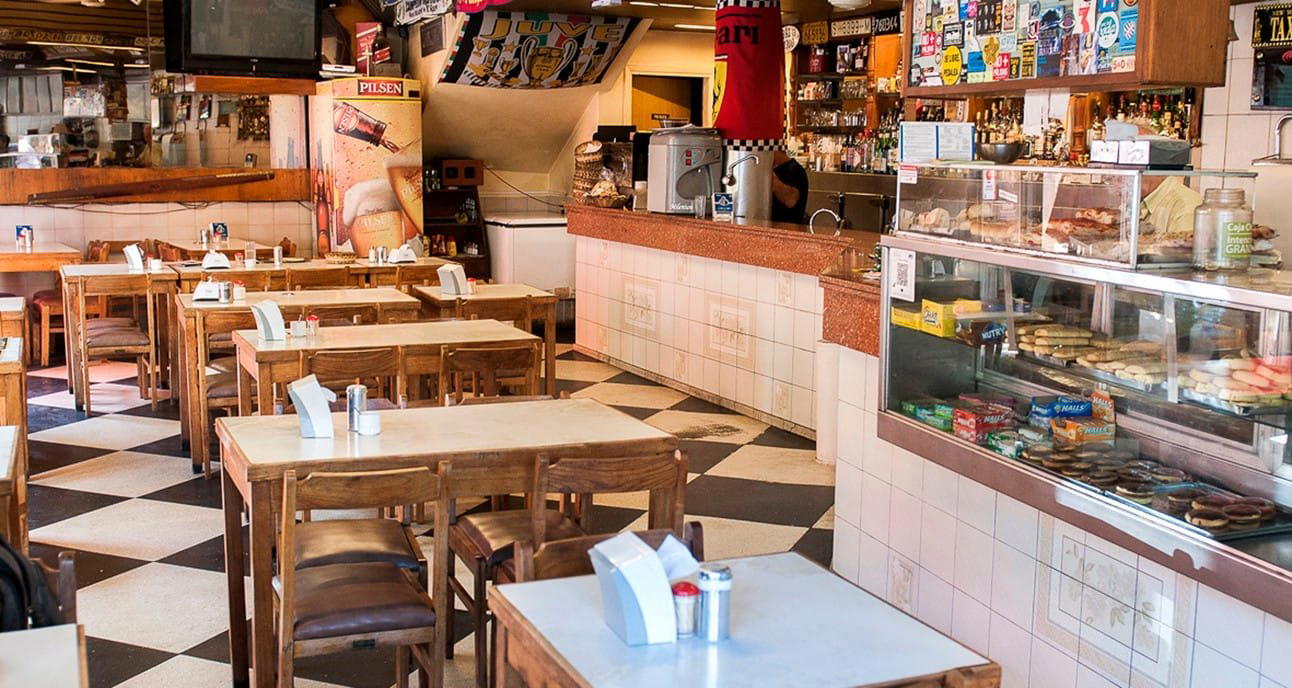
A bar and pizza address on Bulevar España in Montevideo's Parque Rodó corridor, Las Flores operates at the intersection of neighbourhood casual and considered drinking. The back bar format and pizza-led menu position it within a city increasingly serious about its cocktail and spirits culture. For those moving through the Rambla-adjacent stretch, it reads as a reliable evening anchor.
Uruguay
Selected entries from the current guide for Uruguay.
Maldonado, Uruguay
Montevideo, Uruguay
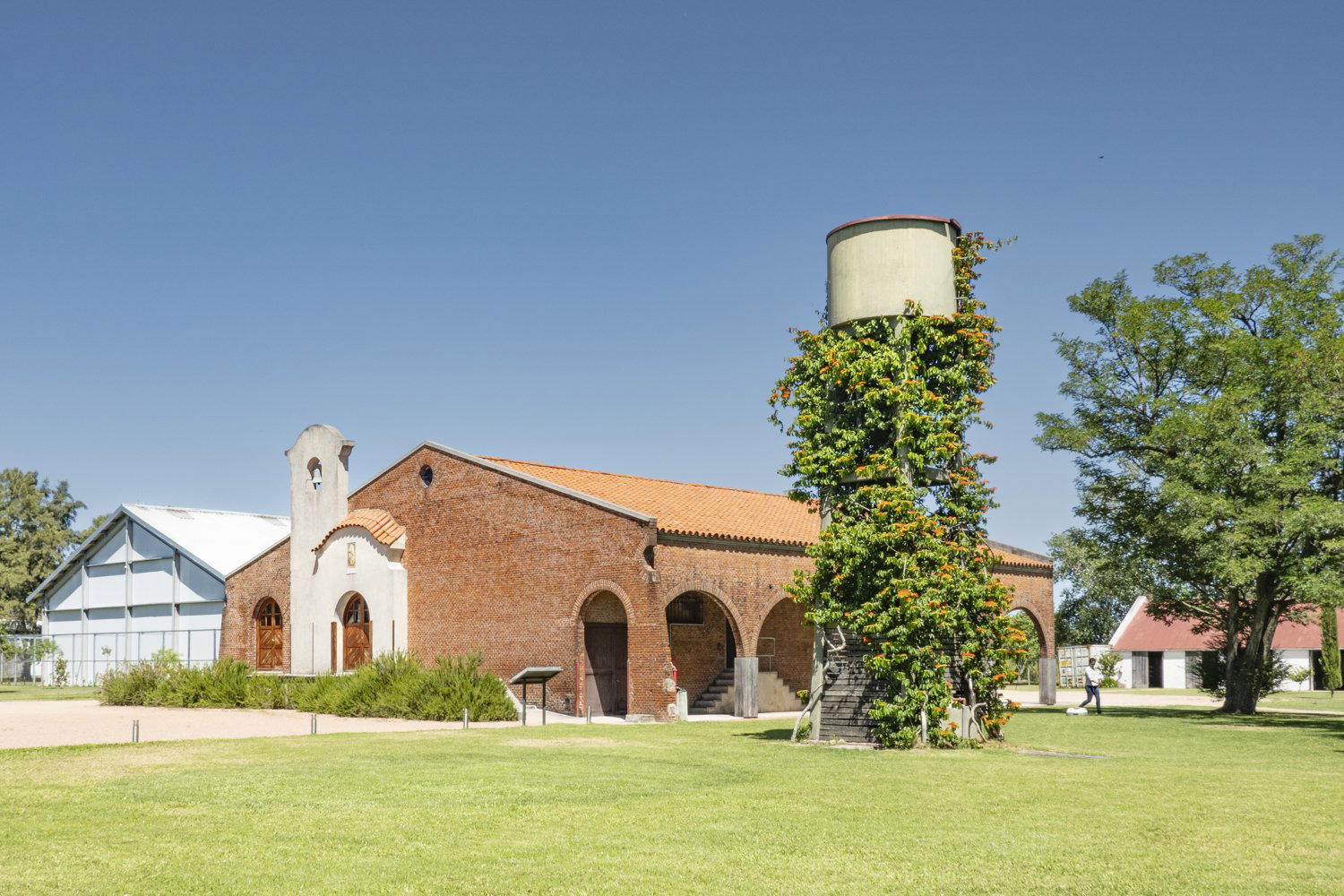
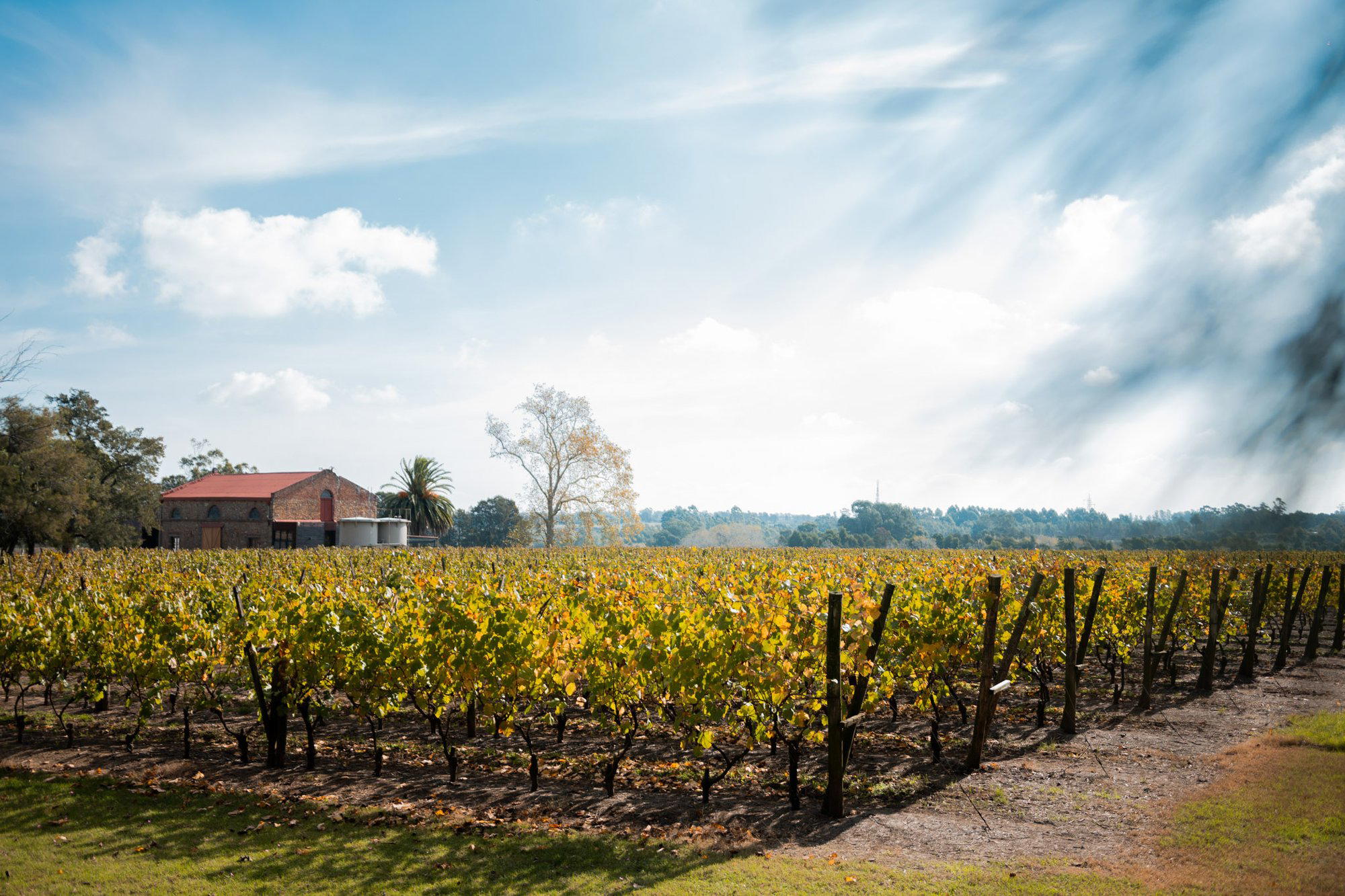
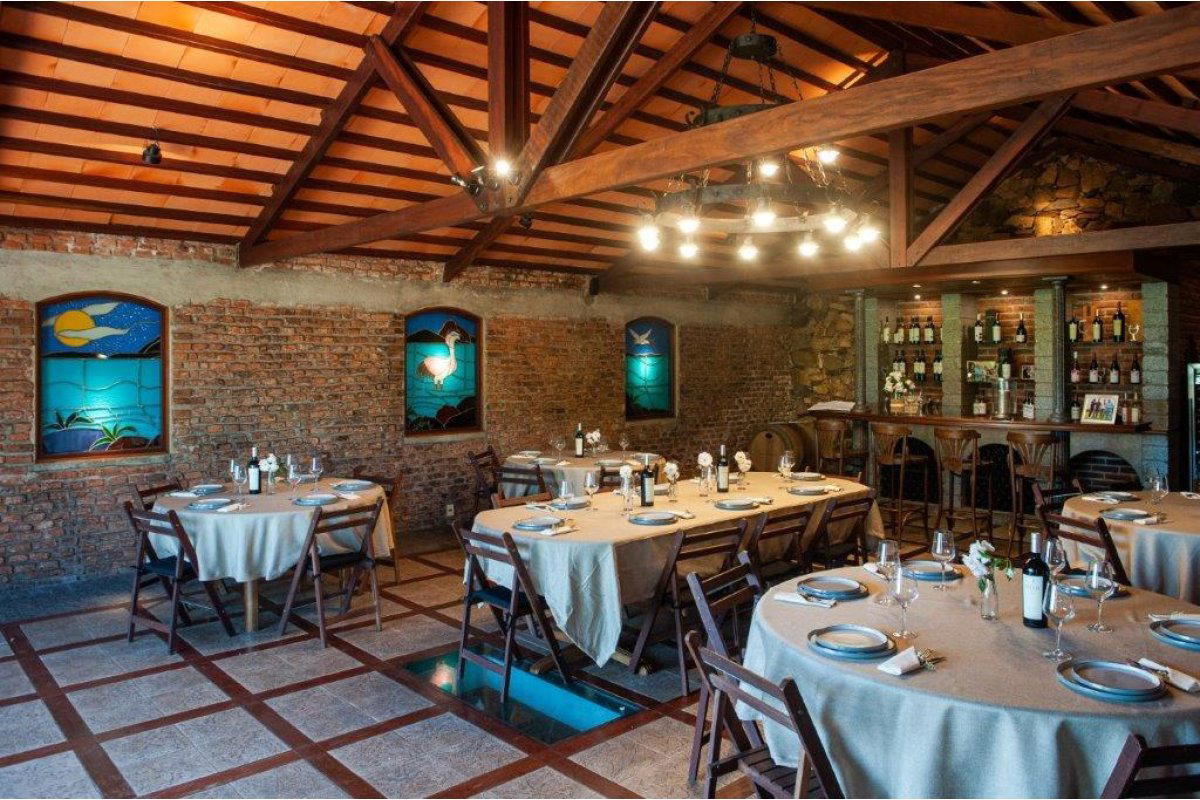
Bodega Bouza is a working winery on the outskirts of Montevideo where dining and production share space with an extraordinary collection of vintage cars and motorcycles.
Canelones, Uruguay
Canelones, Uruguay
The estate sits within Canelones, the department responsible for the majority of Uruguay's fine wine output, where Atlantic-influenced soils produce Tannat and Albariño of genuine regional character. A visit here is a study in how Uruguayan viticulture has matured from quantity to considered quality.

Canelones, Uruguay
Bracco Bosca sits along the Canelones wine corridor at kilometre 43 of the Sosa Díaz highway. The address places it in the Piedra del Toro zone, where Atlantic-influenced soils define the region's most expressive Tannat and white varieties. For visitors tracing Uruguay's serious winery circuit, it represents a credentialed stop in one of South America's most quietly compelling wine departments.
Carmelo, Uruguay
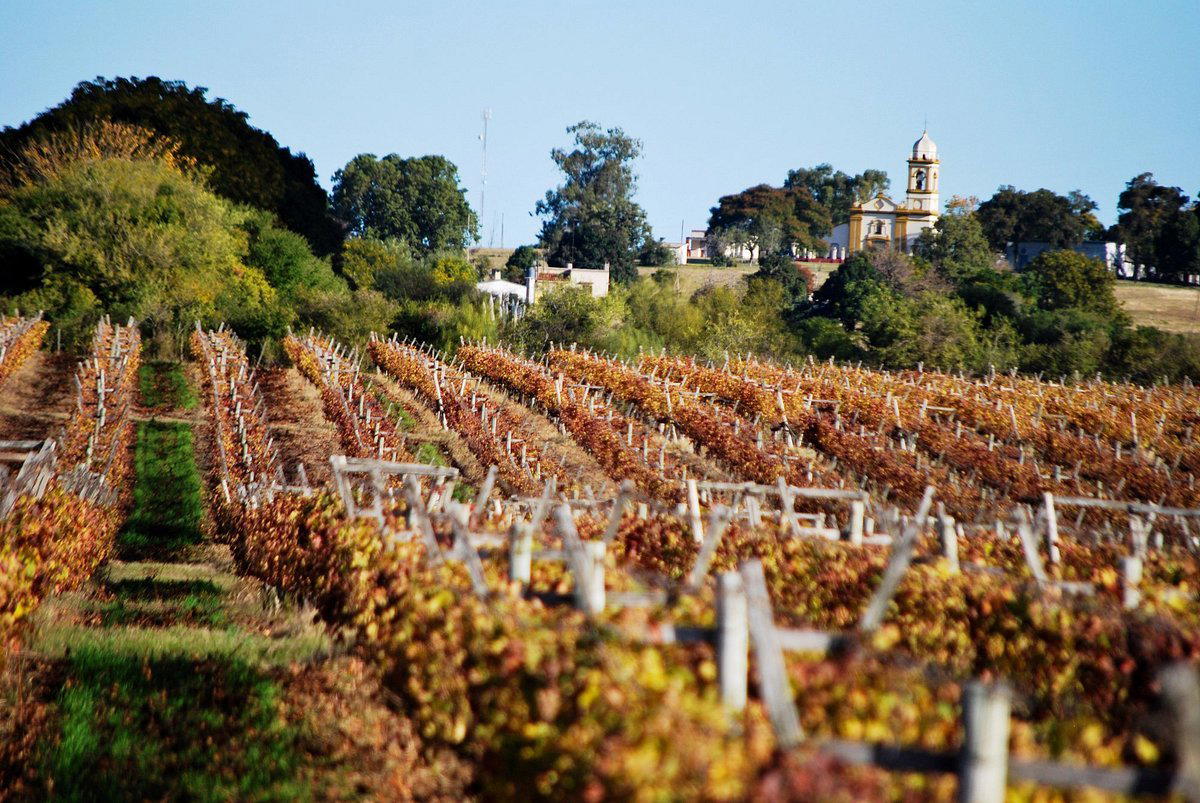
Familia Irurtia sits on Ruta 97 outside Carmelo, in Uruguay's Colonia wine country, where the Rio de la Plata's humid river air shapes a growing environment unlike anything found further inland. Visitors arriving from Buenos Aires via the Buquebus crossing reach Carmelo in under two hours.

Montevideo, Uruguay
ANCAP Alcoholes sits at Paraguay 1598 in Montevideo's urban core, operating within Uruguay's state-owned energy and chemical enterprise and. Its position in the city's spirits and alcohol production scene places it alongside a small tier of Montevideo producers navigating the intersection of industrial heritage and craft distinction. For those tracing Uruguay's distilling tradition, this address is a logical reference point.
Canelones, Uruguay
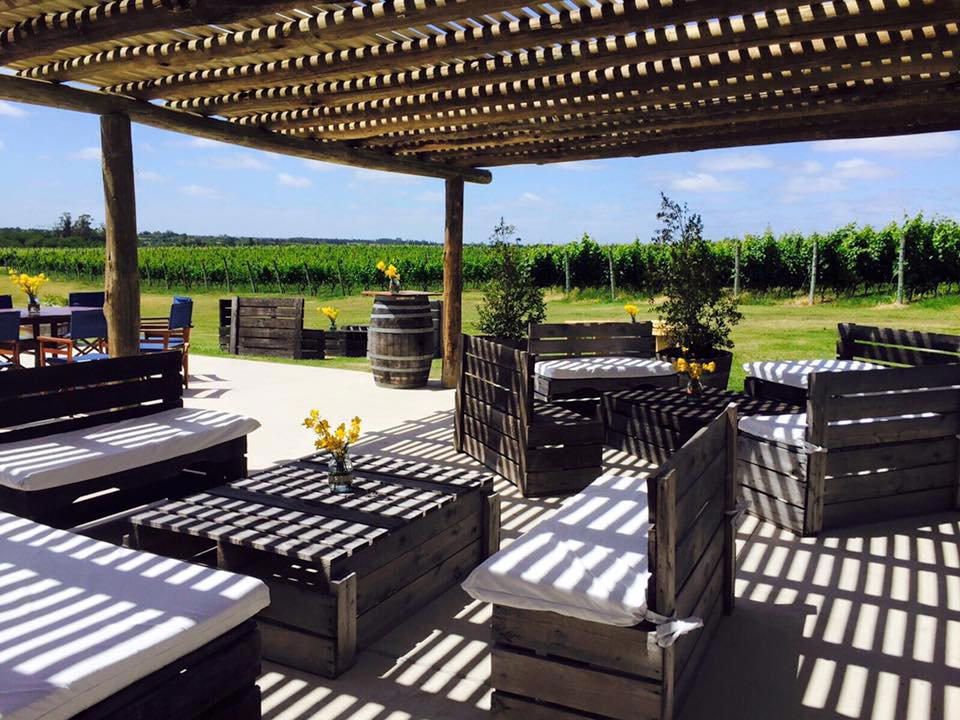
Artesana sits on Ruta 48 in the Canelones wine corridor, where Uruguay's most concentrated winemaking activity plays out across Atlantic-influenced soils. Plan visits in advance; contact and booking details are best confirmed directly before travelling.
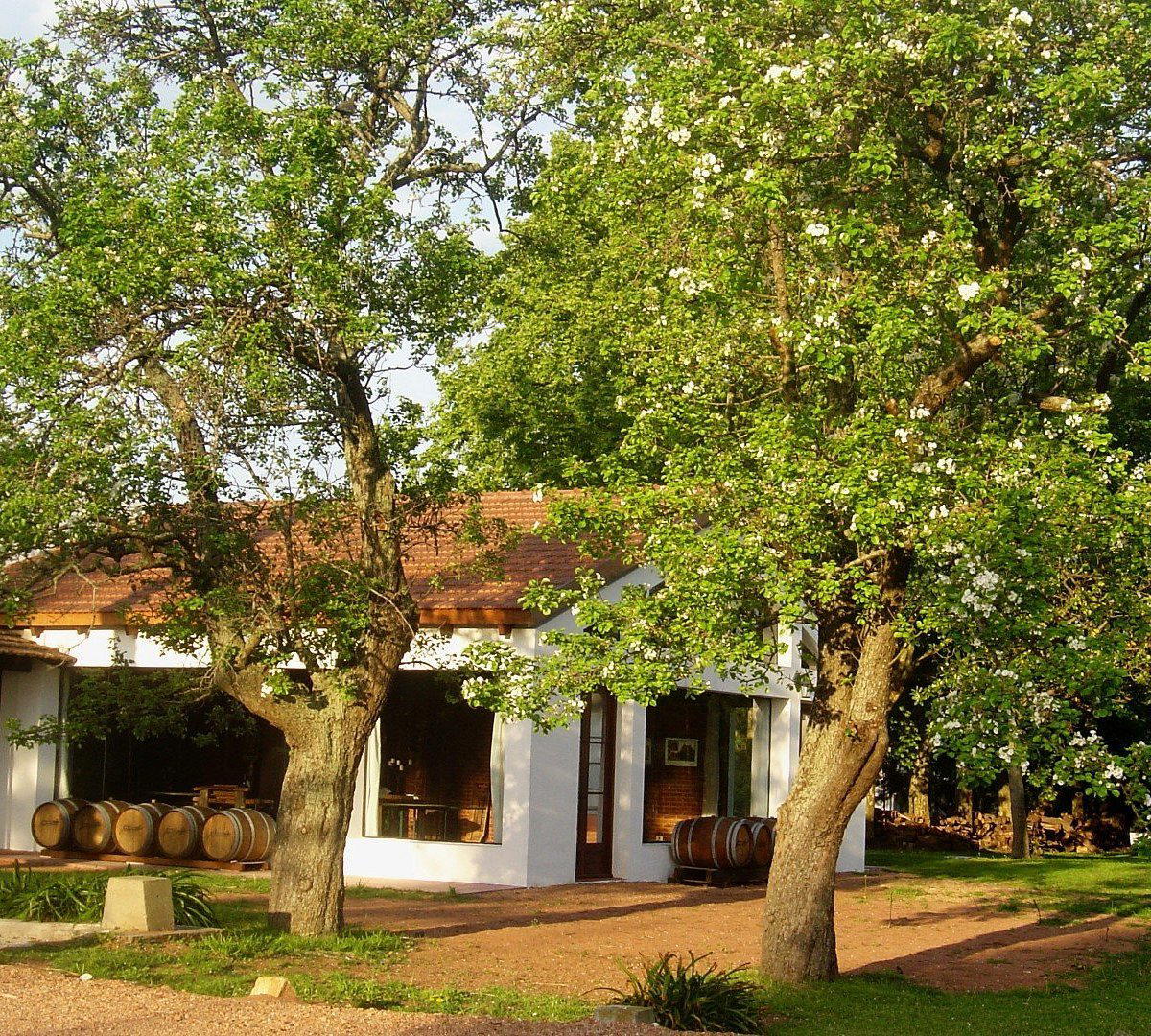
Las Piedras, Uruguay
Bodega Carrau operates from Las Piedras in Uruguay's Canelones department. One of the country's most established family wine producers, Carrau has roots across multiple Uruguayan regions, with a Las Piedras address that places it inside the Atlantic-influenced corridor where Tannat finds some of its most structured expression. A serious reference point for understanding what Uruguayan terroir can deliver at the prestige tier.
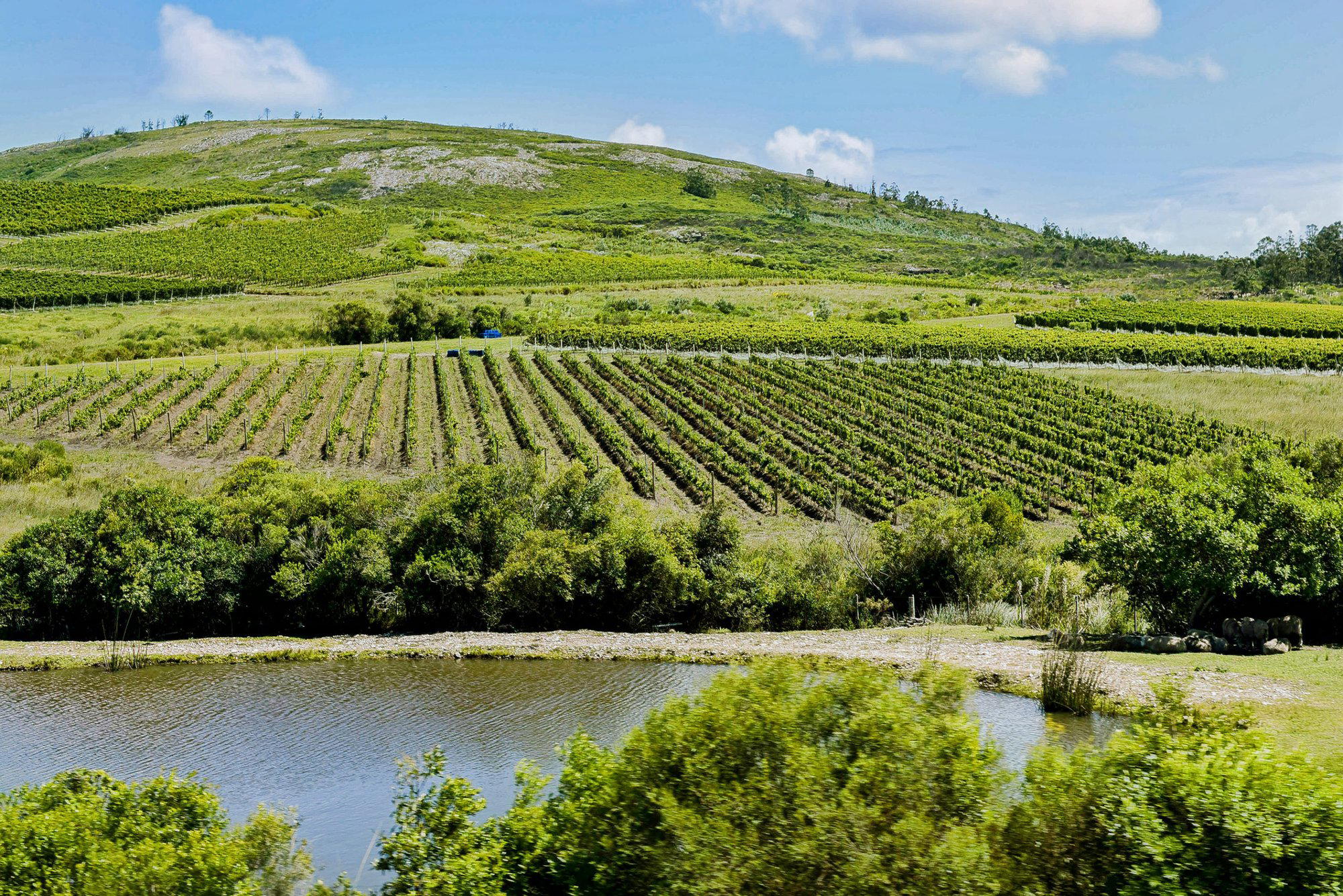
Piriápolis, Uruguay
Set in Piriápolis, a resort town that sits at the quieter end of the Atlantic coast compared to Punta del Este, the bodega represents the kind of small-production winemaking that has given Uruguay's terroir-driven category growing international credibility.
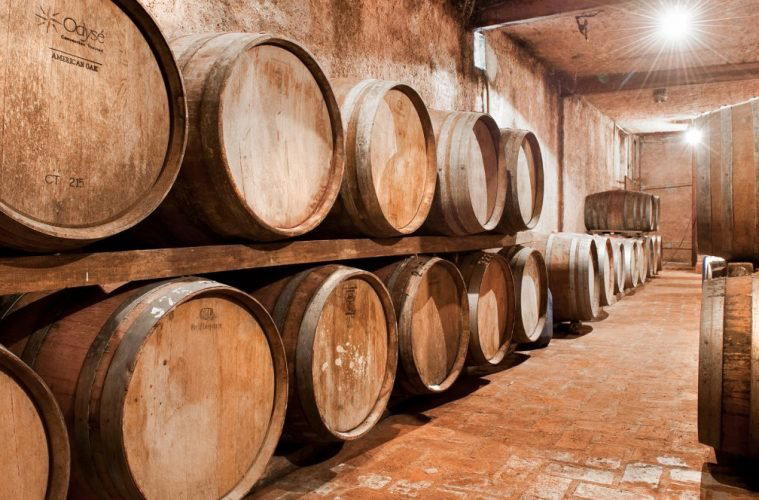
Canelones, Uruguay
For visitors coming from Montevideo, it represents a compact and credible entry point into the Canelones wine circuit.
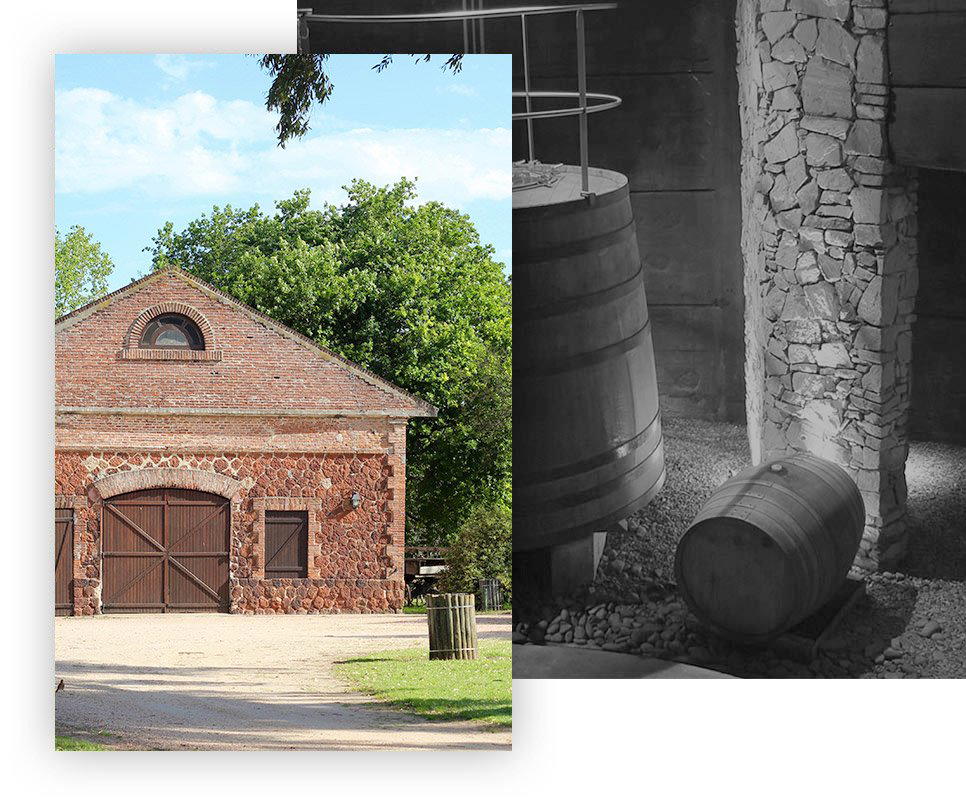
Canelones, Uruguay
Bodega Juanicó is a historic Canelones wine estate where Uruguay’s Tannat story is easier to read in the land than on a label alone. The draw is scale, old brick-and-stone winery architecture, vineyard and garden views, and an estate format that suits visitors who want context around Canelones rather than a quick tasting-room stop.
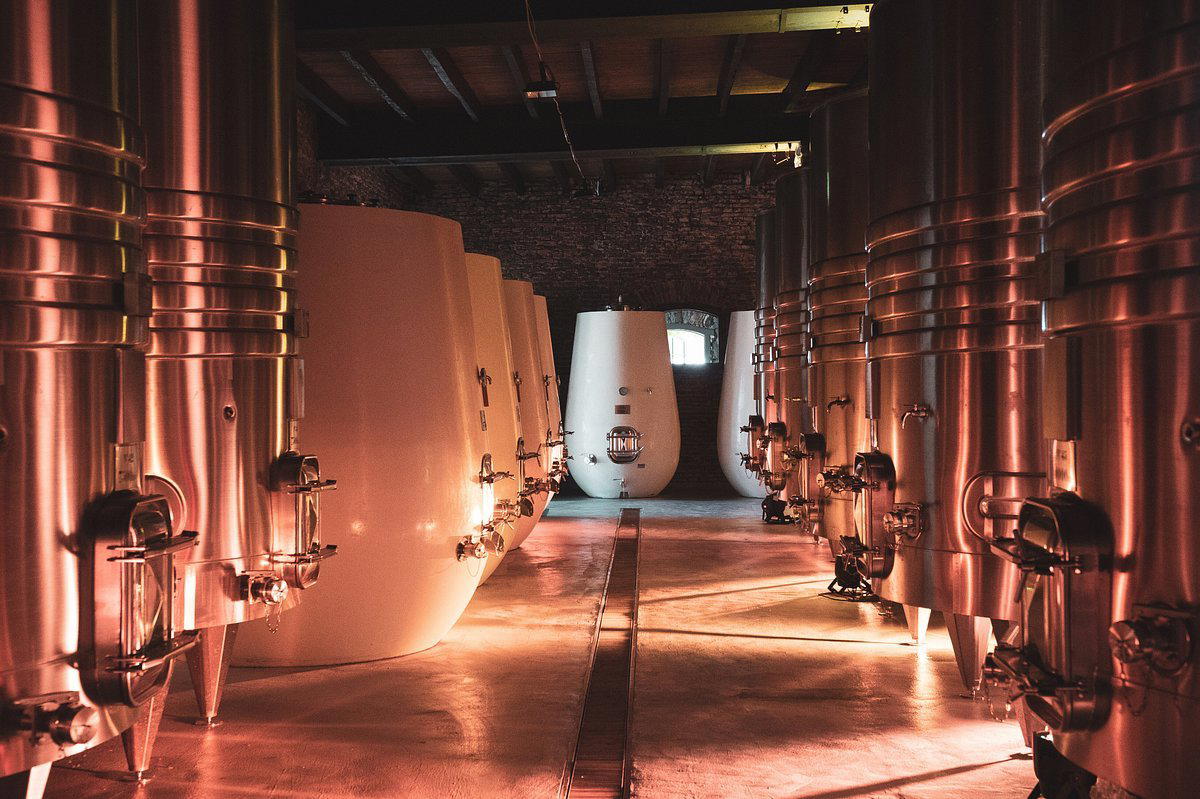
Colonia del Sacramento, Uruguay
Bodega Los Cerros de San Juan sits along Ruta 21 in the Colonia department, where the region's Atlantic-influenced climate and clay-heavy soils have shaped wine production for generations. For visitors making the journey from Colonia del Sacramento, it represents a grounded encounter with how this corner of the Río de la Plata estuary expresses itself in the glass.
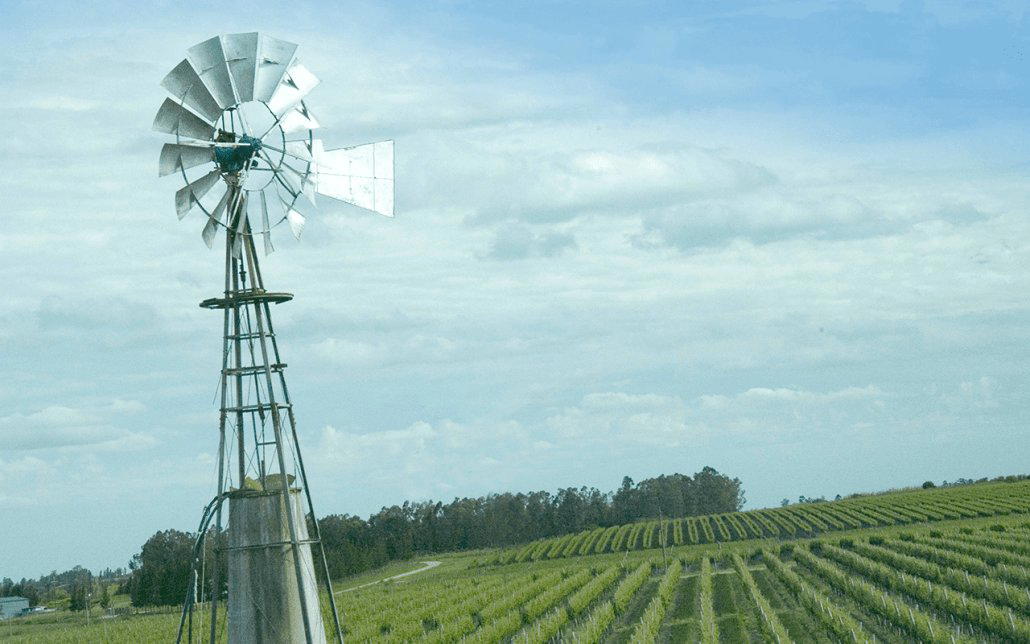
Canelones, Uruguay
The winery sits within a Canelones producer cohort that has reshaped how international buyers read Uruguayan Tannat and white varieties. For visitors tracking sustainability-oriented production in South America, it represents one of the region's more considered addresses.
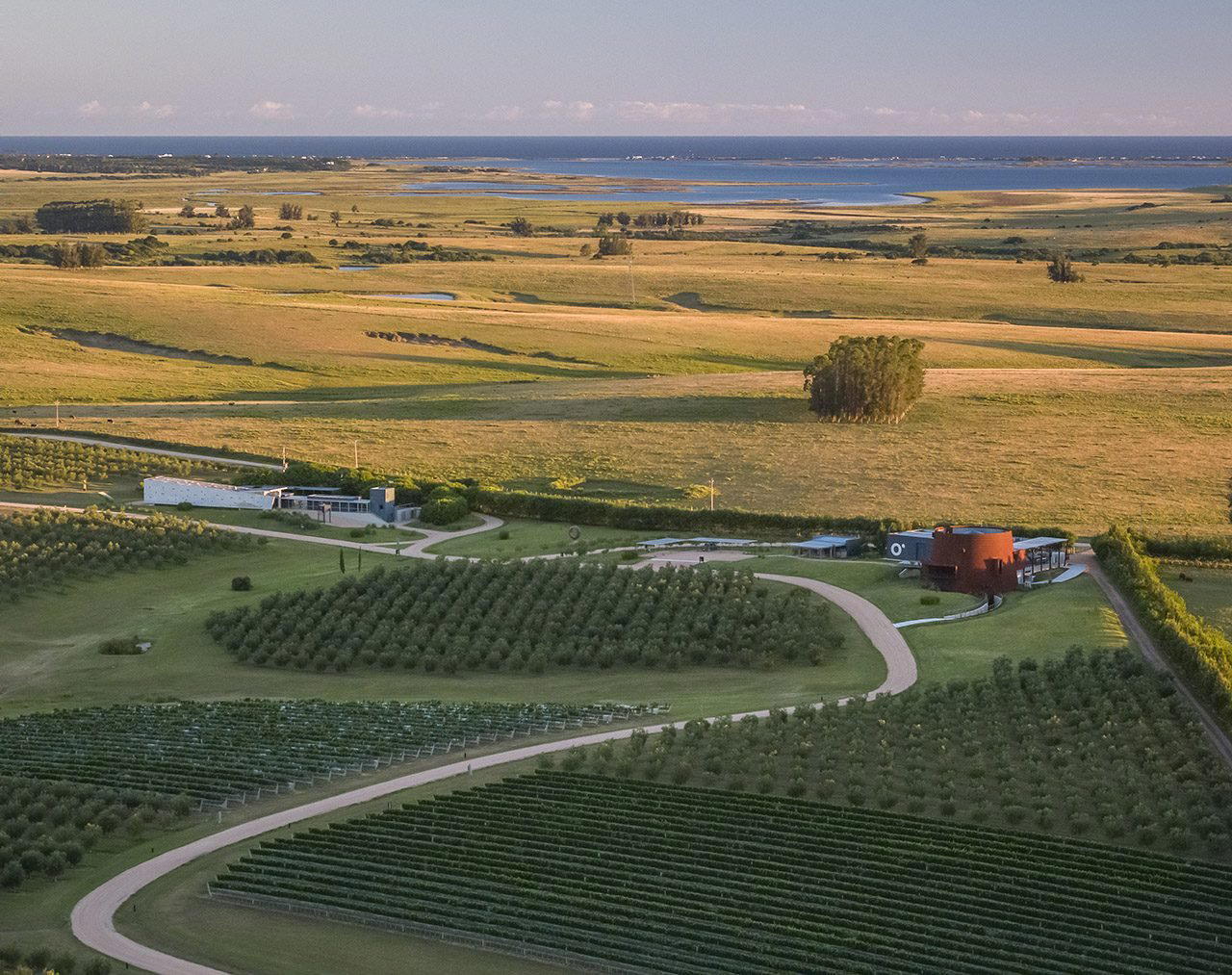
Maldonado, Uruguay
Set against the coastal edge of José Ignacio in Maldonado, Bodega Oceánica is one of Uruguay's most distinctively sited wineries. The Atlantic proximity shapes everything about how these wines read in the glass. For visitors exploring Maldonado's wine corridor, it represents a compelling argument for oceanic terroir as a serious viticultural force.
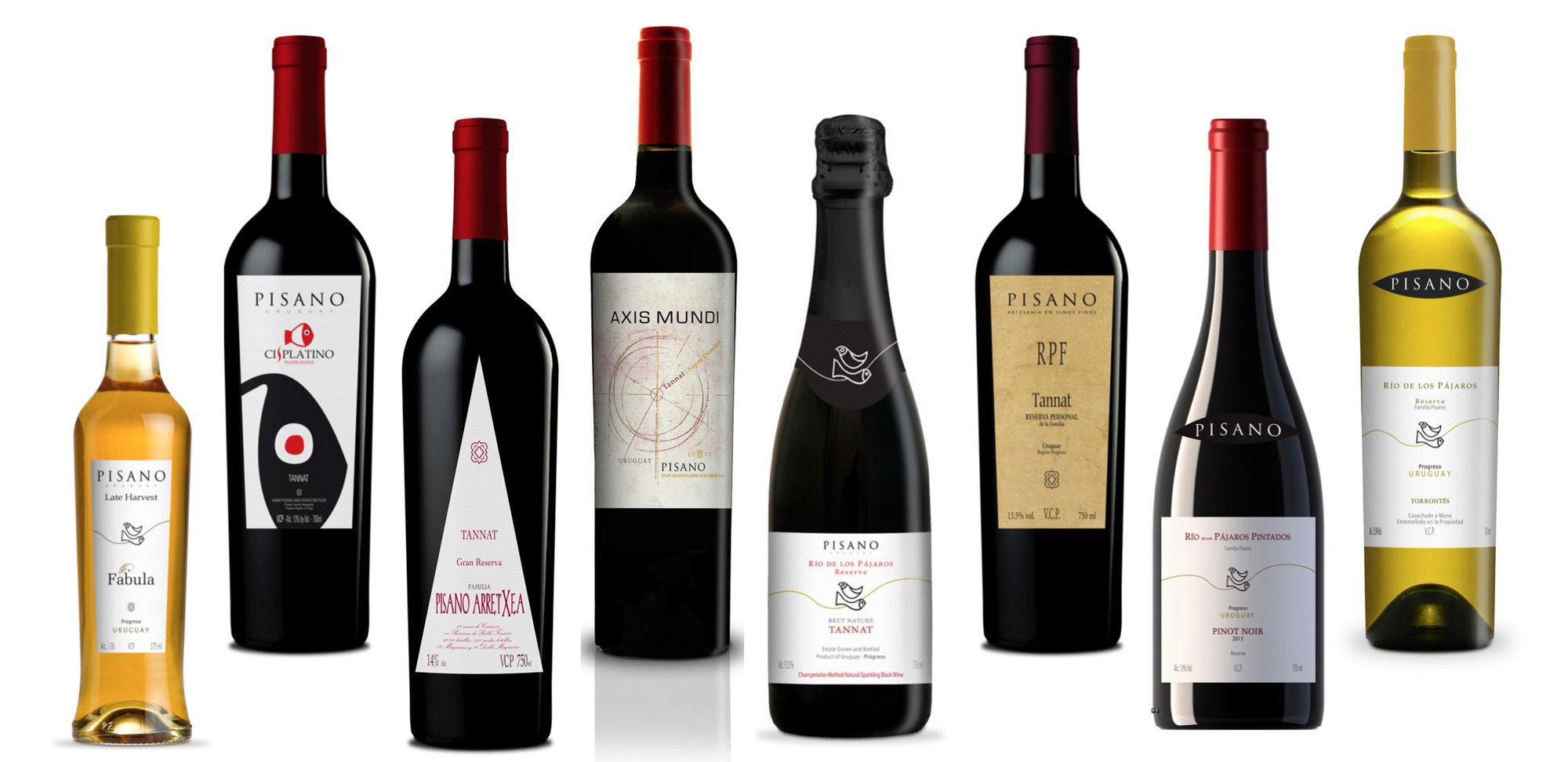
Canelones, Uruguay
Bodega Pisano sits on Ruta 68 in the Canelones wine belt. The winery places Canelones in a regional conversation that now reaches well beyond Uruguay's borders, with viticulture shaped by the department's Atlantic-influenced clay and loam soils.
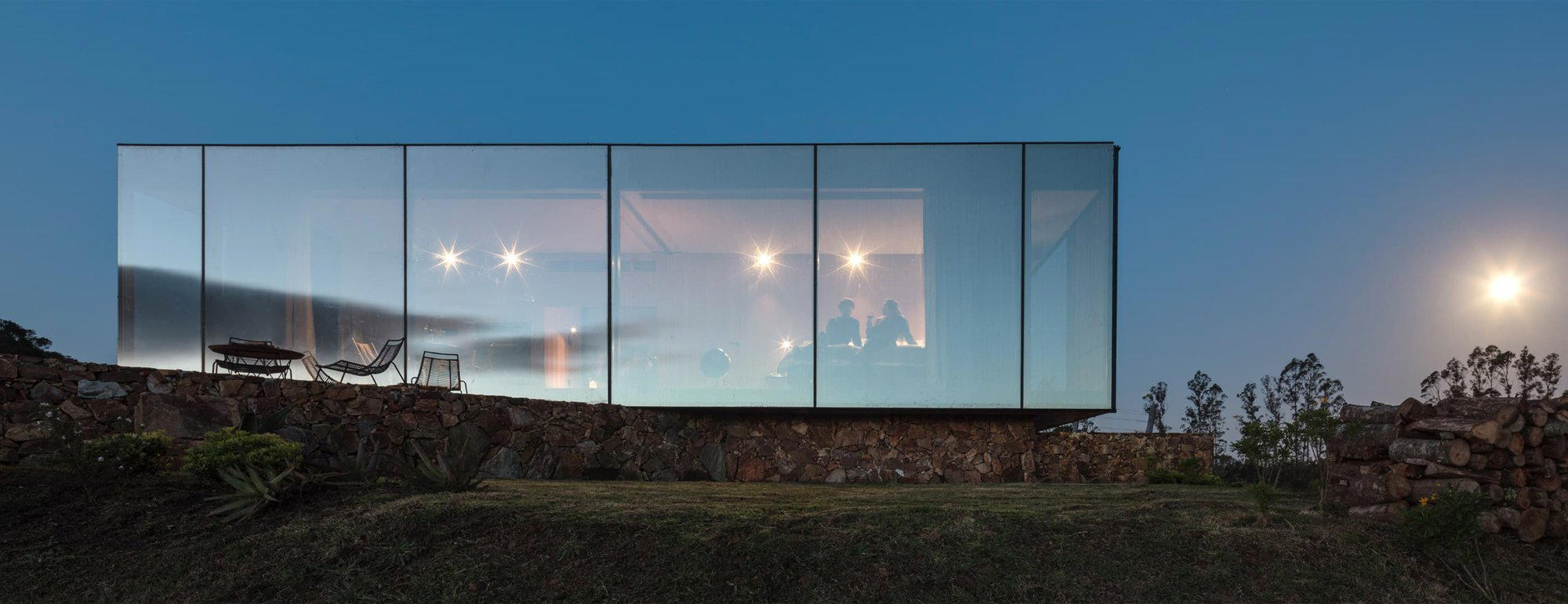
Maldonado, Uruguay
The address places it in Uruguay's Atlantic-facing wine country, where maritime influence and granite-clay soils define the regional character. For visitors to the Punta del Este area with an interest in Uruguayan premium wine, it warrants close attention.
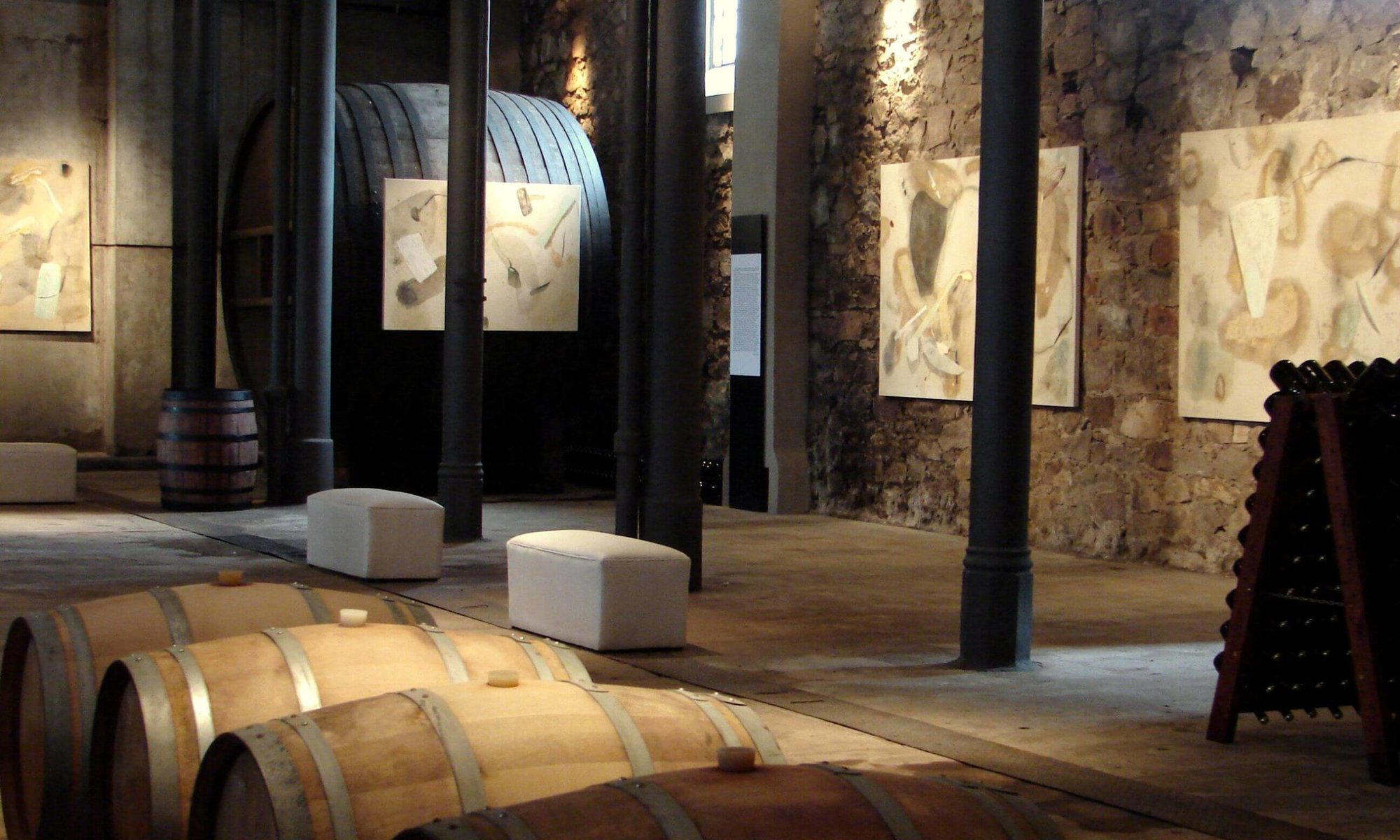
Las Piedras, Uruguay
The address on Av. Don Pedro de Mendoza places it within a department that has supplied fruit to the country's wine industry for over a century, making it a logical stop for anyone tracing Uruguayan viticulture from its roots.
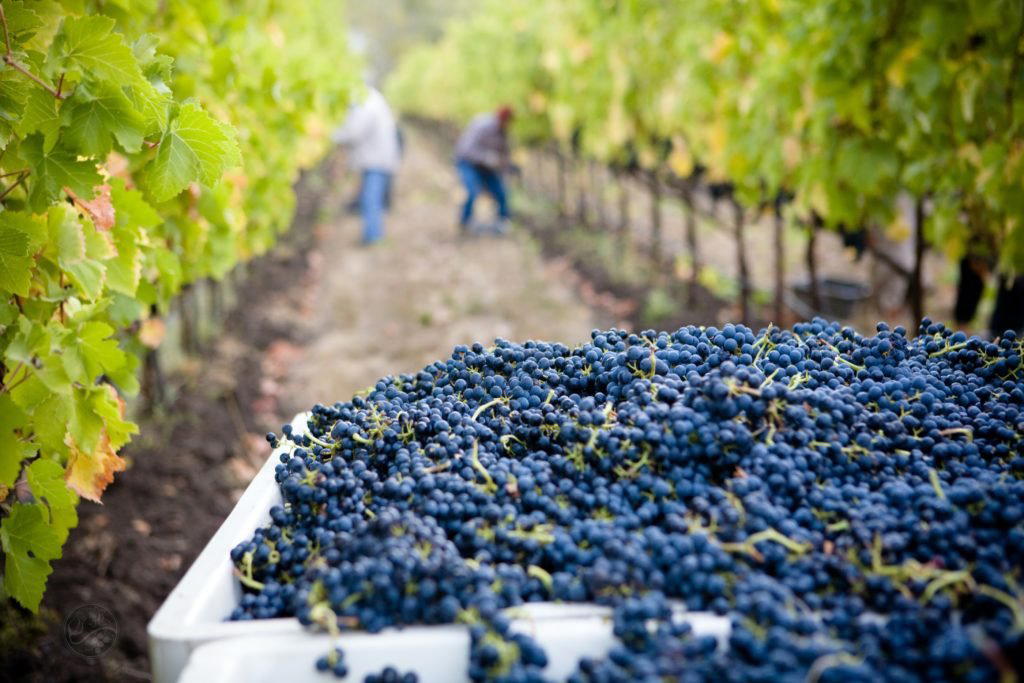
Canelones, Uruguay
The winery operates within a regional tradition where Italian immigrant heritage and Atlantic-influenced viticulture converge, producing wines shaped as much by cellar decisions as by terroir.
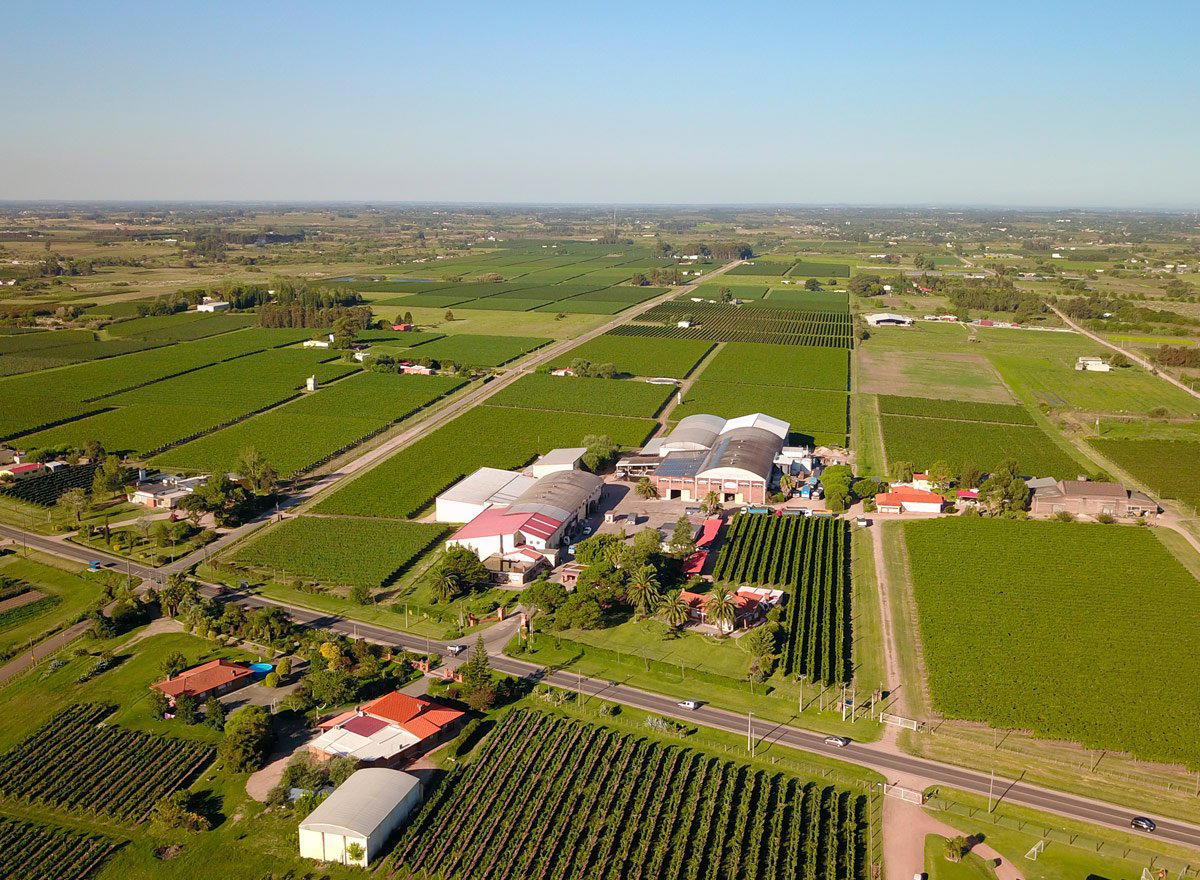
Montevideo, Uruguay
The bodega sits within Uruguay's small but serious urban winemaking scene, where Atlantic-influenced viticulture and Tannat-forward programs define the category.
Canelones, Uruguay
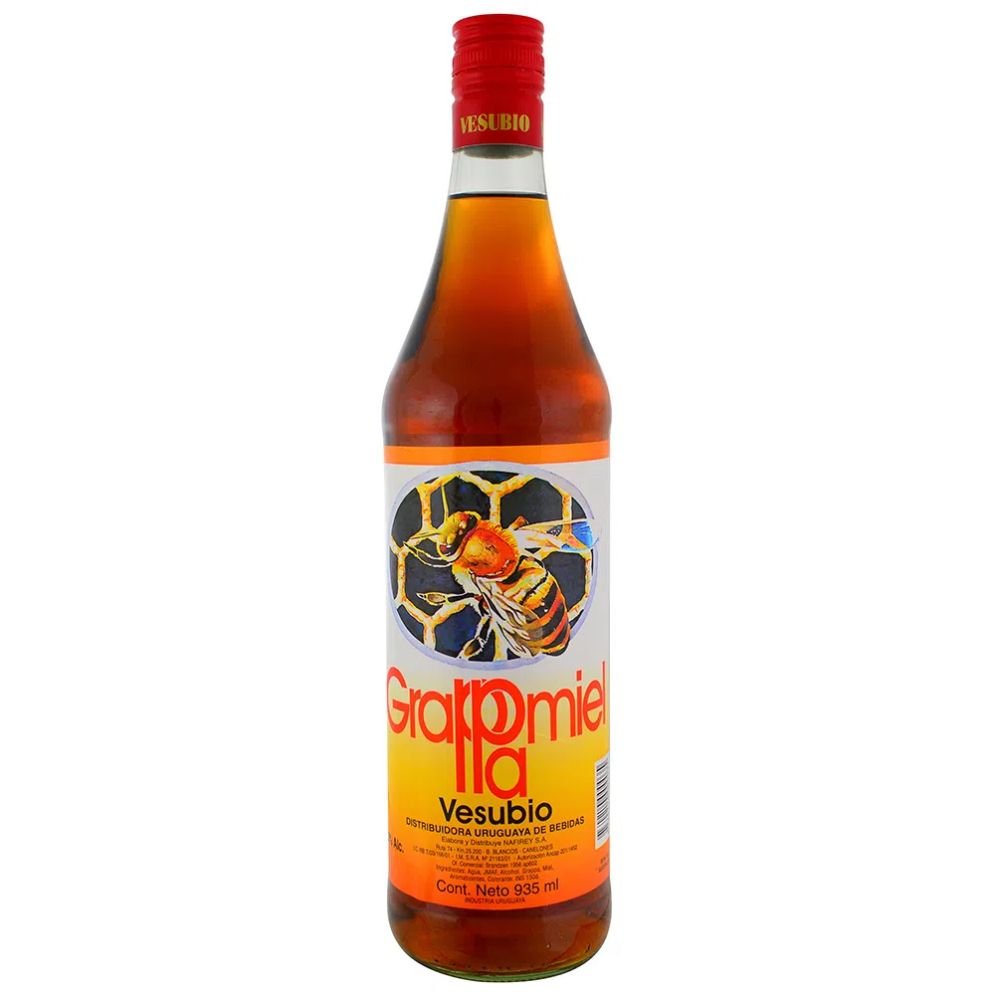
Grappamiel del Uruguay operates from Camino Hudson 5425 in the Canelones wine belt, one of Uruguay's most consequential wine-producing departments. For visitors oriented around Uruguayan wine, Canelones is the natural starting point, and Grappamiel is among the addresses that justify the detour.
Carmelo, Uruguay
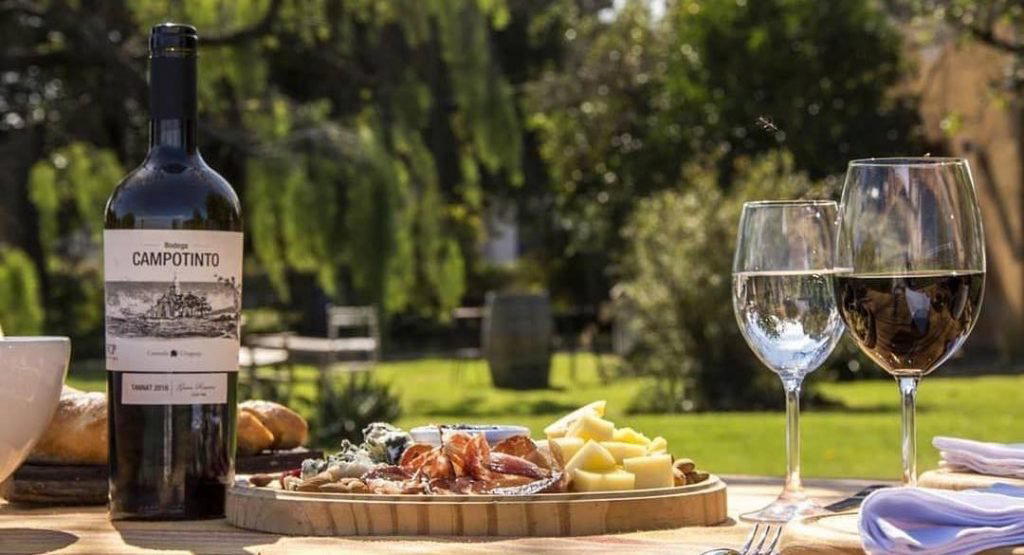
Campotinto is open as a Carmelo winery and posada experience in Colonia, Uruguay.
Rivera, Uruguay
Carmelo, Uruguay
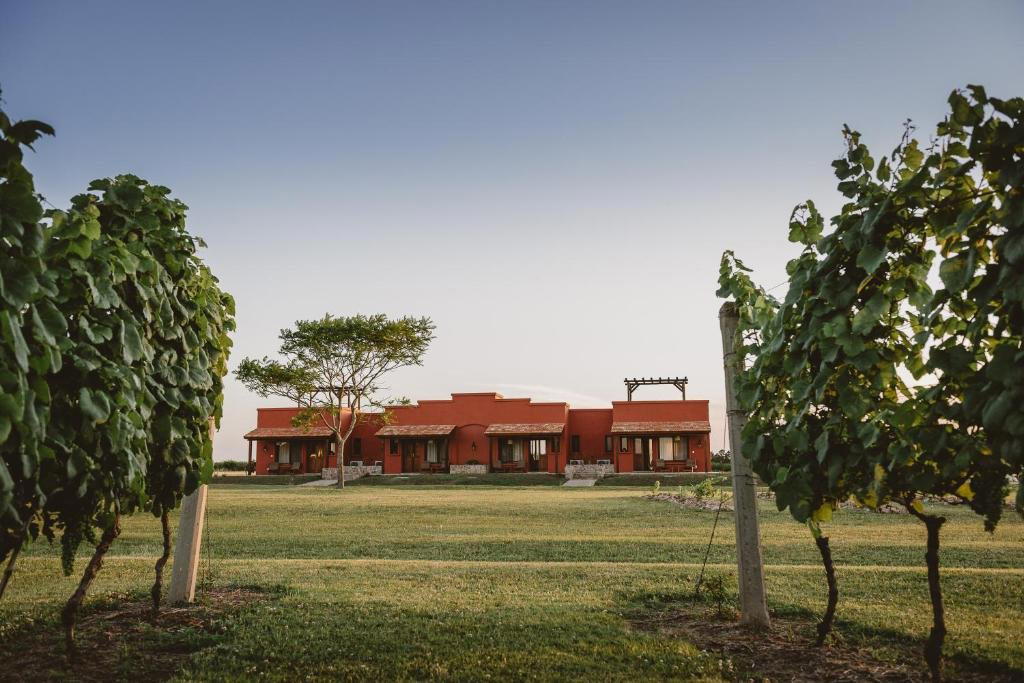
El Legado sits along Ruta 97 in Carmelo, Uruguay's most concentrated wine corridor, where the Río de la Plata's maritime influence and clay-rich soils define how tannat and other southwestern Atlantic varieties express themselves.