
On the Oltrarno side of the Arno, Marchesi de' Frescobaldi brings one of Tuscany's most consequential wine dynasties directly to a Florence address. For anyone tracing Tuscan terroir from vineyard to glass, it warrants serious attention.
Pearl is the En Primeur Club membership app — saves, bookings, and concierge access live there. Same editors, same standards.
- Address
- Via Santo Spirito, 11/13, 50125 Firenze FI
- Phone
- +39 055 27141
- Website
- frescobaldi.com
- Directions
- Get directions
 Saves & bookings on Pearl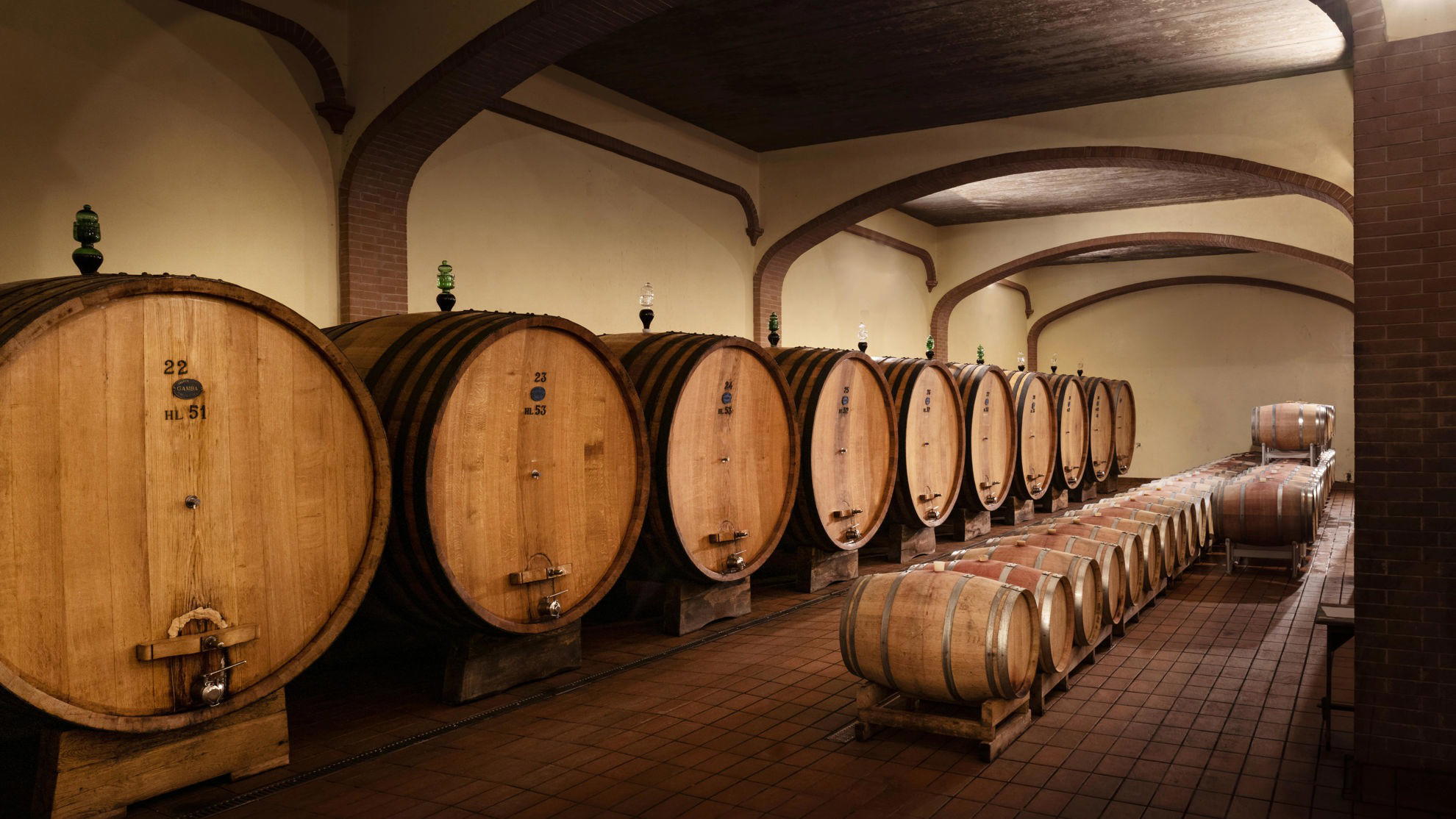
The Oltrarno Setting and What It Signals
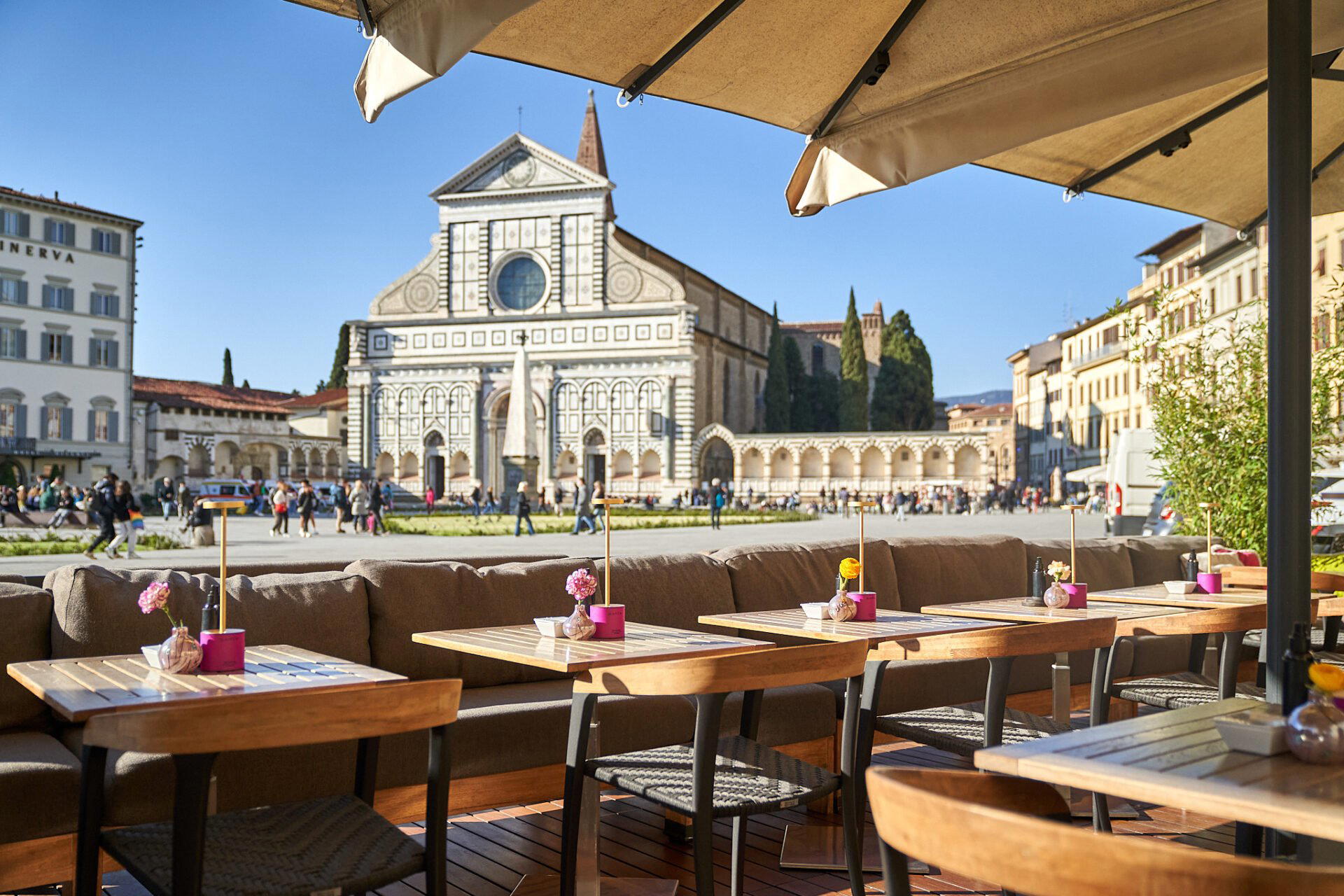
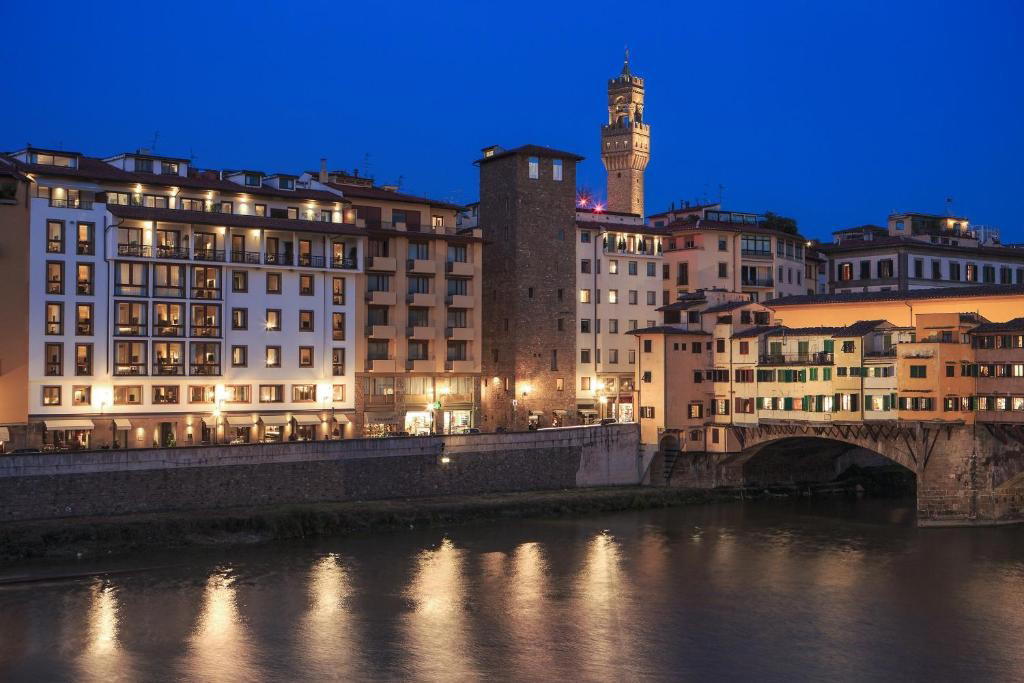
Via Santo Spirito runs through the Oltrarno, Florence's south-bank quarter that has long operated at a different register from the tourist-heavy centro storico across the river. The streets here are narrower and less performative; the buildings carry the worn confidence of a neighbourhood that doesn't need to announce itself. Arriving at number 11/13, you are already inside a particular argument about what Florentine hospitality looks like when it is directed at wine rather than pasta and bistecca. The Frescobaldi family name, attached to Tuscan viticulture for over seven centuries, carries its own weight before you reach the door.
That historical depth is not mere atmosphere. It shapes the specific conversation this address is designed to have. While the broader Florence restaurant and wine scene encompasses everything from neighborhood trattorias to modern tasting menus, Marchesi de' Frescobaldi positions itself as a direct point of entry to a lineage that spans Chianti Classico, Brunello di Montalcino, and the coastal appellations of Bolgheri. The Oltrarno location, calm and residential by Florentine standards, suits that purpose better than a space on or near the Piazza della Repubblica would.
Terroir as the Organizing Logic
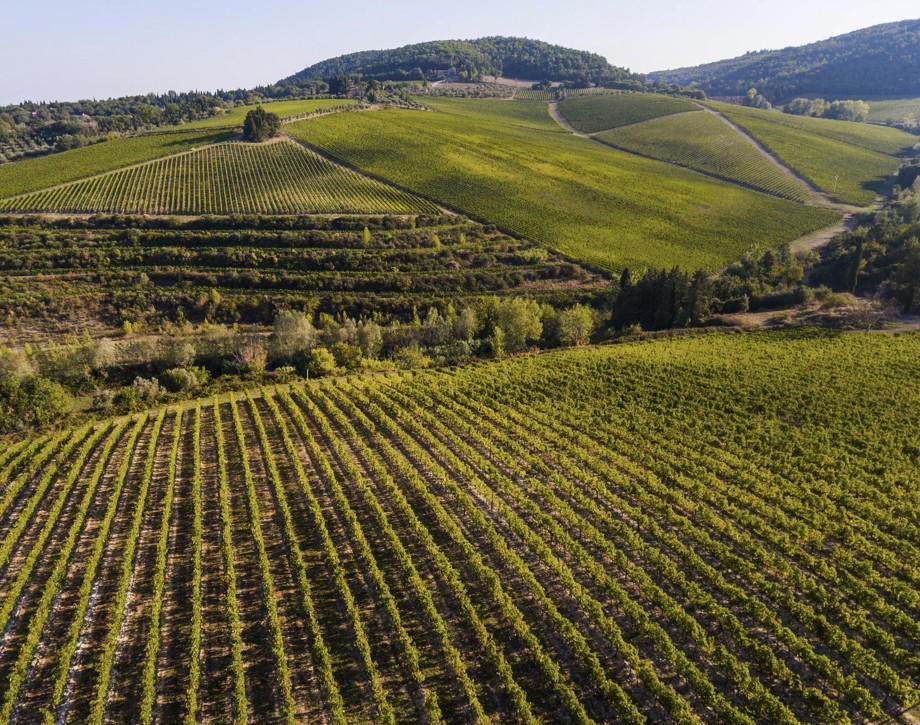
Understanding what Marchesi de' Frescobaldi offers requires understanding something about how Tuscany's wine geography actually works. The region is not a single terroir but a collection of different ones, and the Frescobaldi holdings reflect that diversity across multiple estates. Nipozzano in the Chianti Rufina zone sits at altitude on soils with a significant galestro component, producing Sangiovese with more acid structure and longer aging potential than many Classico bottlings. Castelgiocondo in Montalcino reaches into Brunello territory, where the southwest-facing slopes and the area's particular marl-clay soils push ripeness while retaining the minerality that separates serious Brunello from fruit-forward impersonators. Ornellaia, in which the family holds a stake, represents the Bolgheri coastal strip where Cabernet Sauvignon and Merlot behave with a salinity and freshness that continental Tuscany cannot replicate.
These are not abstract distinctions. They are the reason a tasting format anchored to Frescobaldi wines can function as a legitimate geography lesson in how Tuscan soils differ from one appellation to the next. For comparison, the Chianti Classico zone is also represented at this tier through properties like Castello di Volpaia in Radda in Chianti, which occupies a similarly rigorous position within its sub-appellation. Marchesi de' Frescobaldi, by contrast, draws across multiple zones rather than going deep on a single one.
How This Address Fits the Wider Tuscan Picture
Tuscany's premium wine addresses have multiplied in Florence over the past decade, with family estates increasingly opening urban formats that complement their rural visitor centers. The Antinori family opened their Chianti Classico winery to widespread attention, and Banfi operates L'Enoteca Banfi in Montalcino as a dedicated food-and-wine pairing address within the Brunello heartland. Frescobaldi's choice to anchor in Florence itself, rather than at one of the estate properties, reflects a different strategic logic: the city as distribution point for a portfolio that spans too many zones to be honestly represented from any single rural location.
Within Italy's broader fine wine geography, Tuscany's multi-estate operators occupy a different tier from single-site specialists. Poggio Antico in Monte San Vito and Lungarotti in Torgiano represent the kind of focused, estate-specific model where every bottle in the glass can be traced to a particular hillside. Frescobaldi's scale allows for breadth; whether that breadth or the single-estate depth suits you better is an honest editorial question, and the answer depends on what you are trying to learn. If you want altitude-influenced Rufina Sangiovese alongside coastal Bolgheri reds in the same afternoon, the multi-estate model is the only logical route.
For context outside Tuscany, Italy's fine wine geography includes comparably serious addresses in the north and south. Aldo Conterno in Monforte d'Alba represents the Barolo standard against which Tuscan ambition is often quietly measured, and Planeta in Menfi shows how a multi-estate family operator in Sicily has built comparable range across southern terroirs. Ca' del Bosco in Erbusco holds a parallel position in Franciacorta. Frescobaldi's Florentine address places the family's argument for Tuscan supremacy inside the city where that argument carries cultural weight.
Planning Your Visit
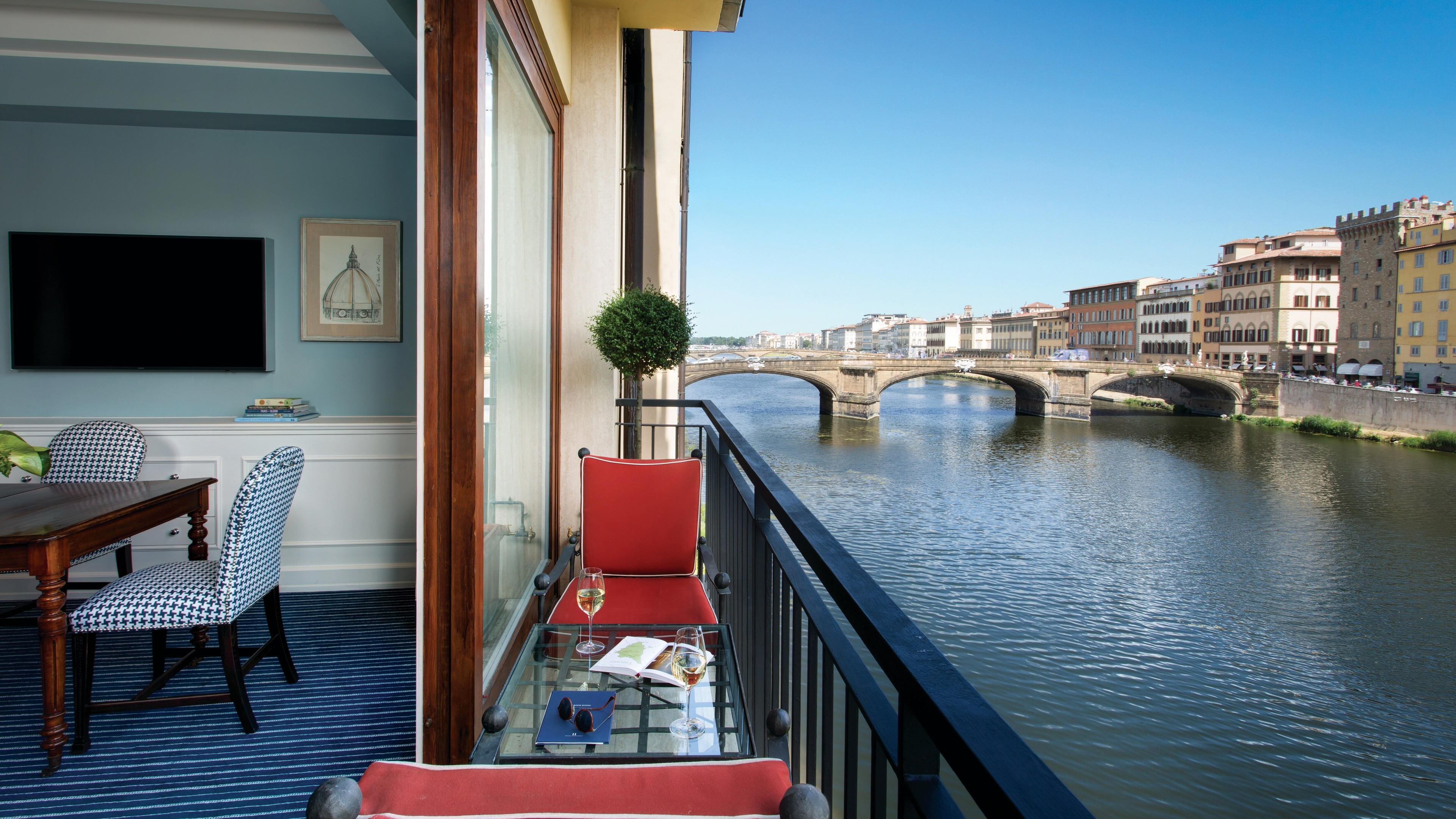
Via Santo Spirito 11/13 sits on the Oltrarno side of the Arno, a ten-minute walk from the Ponte Vecchio through the Palazzo Pitti end of the quarter. The address is on foot from the Santa Maria Novella rail station in approximately twenty minutes, or a short taxi ride from anywhere in central Florence. Florence's spring and autumn shoulder seasons, broadly April through May and September through October, represent one comfortable time to combine a visit here with wider Tuscan travel; summer heat in the city is significant and the tourist density in July and August compresses the quieter Oltrarno character this address depends on.
For those building a broader Italian wine itinerary that extends beyond Tuscany, the EP Club covers other Italian addresses including Peter in Florence, as well as distillery destinations such as Nonino Distillery in Pavia di Udine, Distilleria Marzadro in Nogaredo, Distilleria Romano Levi in Neive, and Campari in Milan. For wine addresses beyond Italy entirely, Accendo Cellars in St. Helena and Aberlour in Aberlour extend the range of what the EP Club maps across the premium tier.
Fast Comparison
Comparable venues nearby, for context on price, style, and recognition.
| Venue | Cuisine | Price | Notes |
|---|---|---|---|
| Marchesi de’ FrescobaldiThis venue — the venue you are viewing | Sangiovese, Merlot | $$$ | Not listed |
| Peter in Florence | Italian varieties | $$$ | Florence |
| Altesino | Sangiovese, Trebbiano Toscano | $$$ | Montalcino |
| Distillerie Buton (Vecchia Romagna) | Trebbiano | $$$ | Bologna |
| Tenuta Brancalupo | Sagrantino, Trebbiano Spoletino | $$$ | Montefalco |
| Cerbaiona | Sangiovese Grosso, Sangiovese | $$$$ | Cerbaia contrada |
Recognition history
Dated appearances from independent guides and award organizations, with the underlying list record or original source where available.
Falstaff Winery - 5 Stars
Falstaff
Continue exploring
More in Florence
Wineries in Florence
Browse all →
Bars in Florence
Browse all →
Restaurants in Florence
Browse all →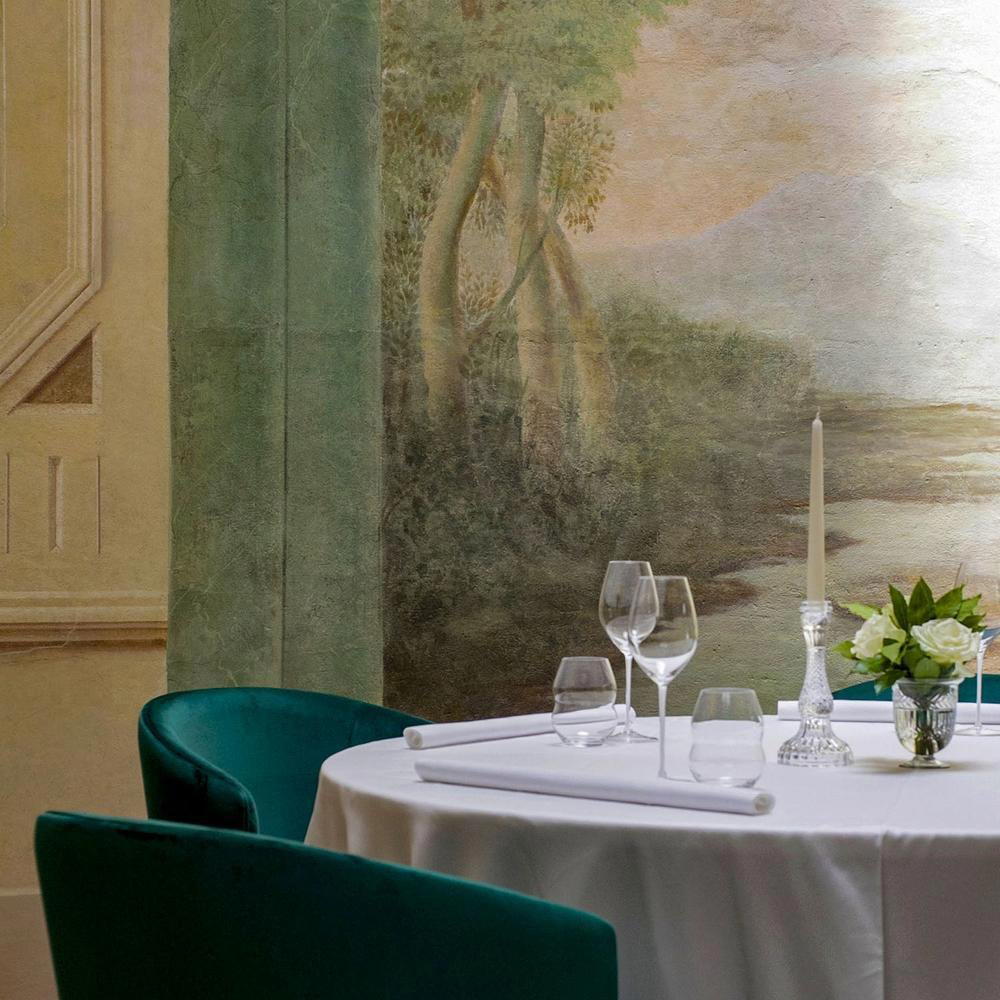
At a Glance
- Elegant
- Classic
- Scenic
- Sophisticated
- Wine Education
- Romantic Getaway
- Group Outing
- Special Occasion
- Vineyard Tour
- Estate Grounds
- Barrel Room
- Historic Building
- Terrace
- Panoramic View
- Sustainable
- Vineyard
- Garden
- Chianti Rufina DOCG
- Sangiovese
- Merlot
- Cabernet Sauvignon
- Pinot Noir
- Chardonnay
- Pinot Grigio
- Cabernet Franc
- Still Red
- Still White
- Estate Tasting
- Vineyard Tour
- Barrel Room Tasting
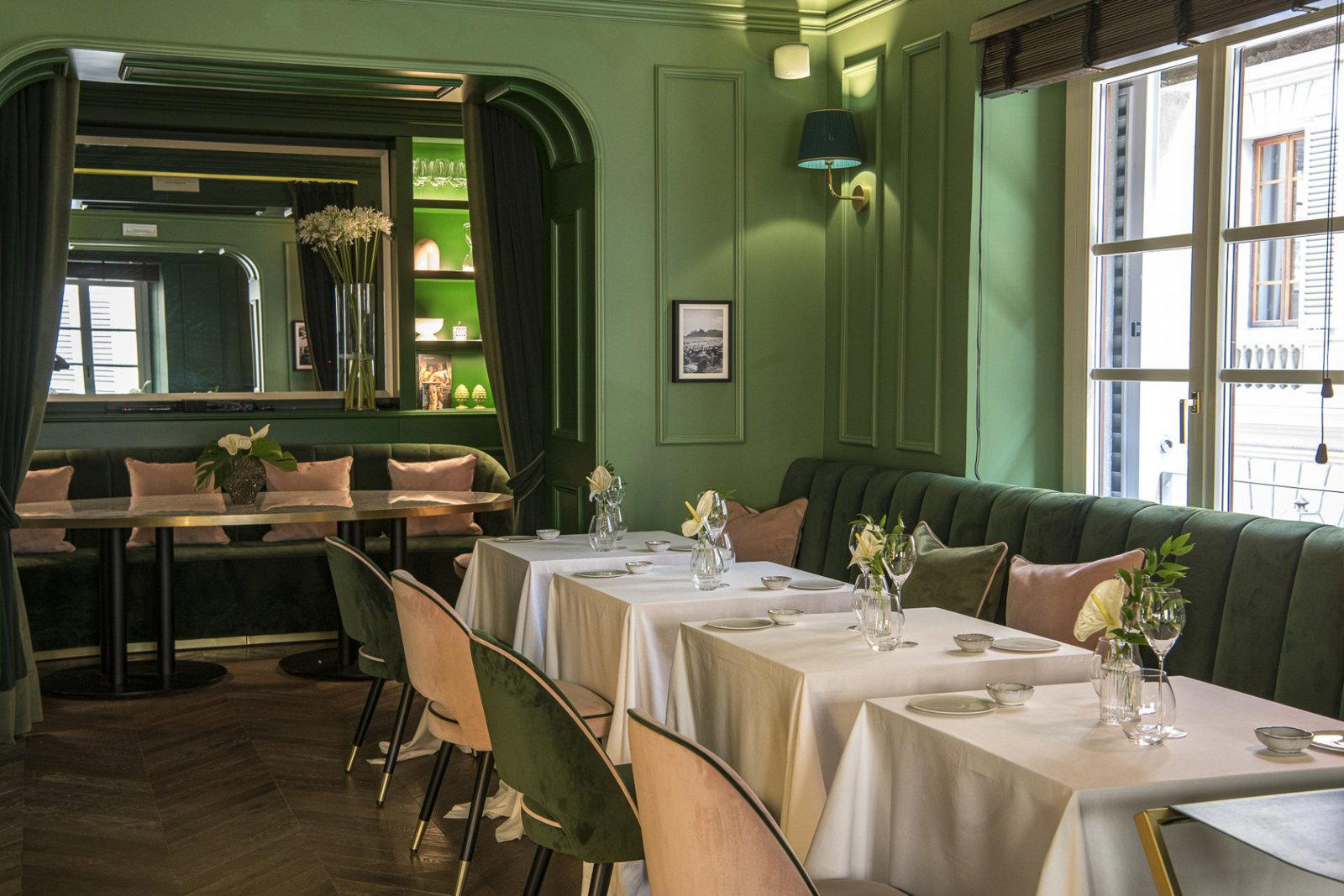
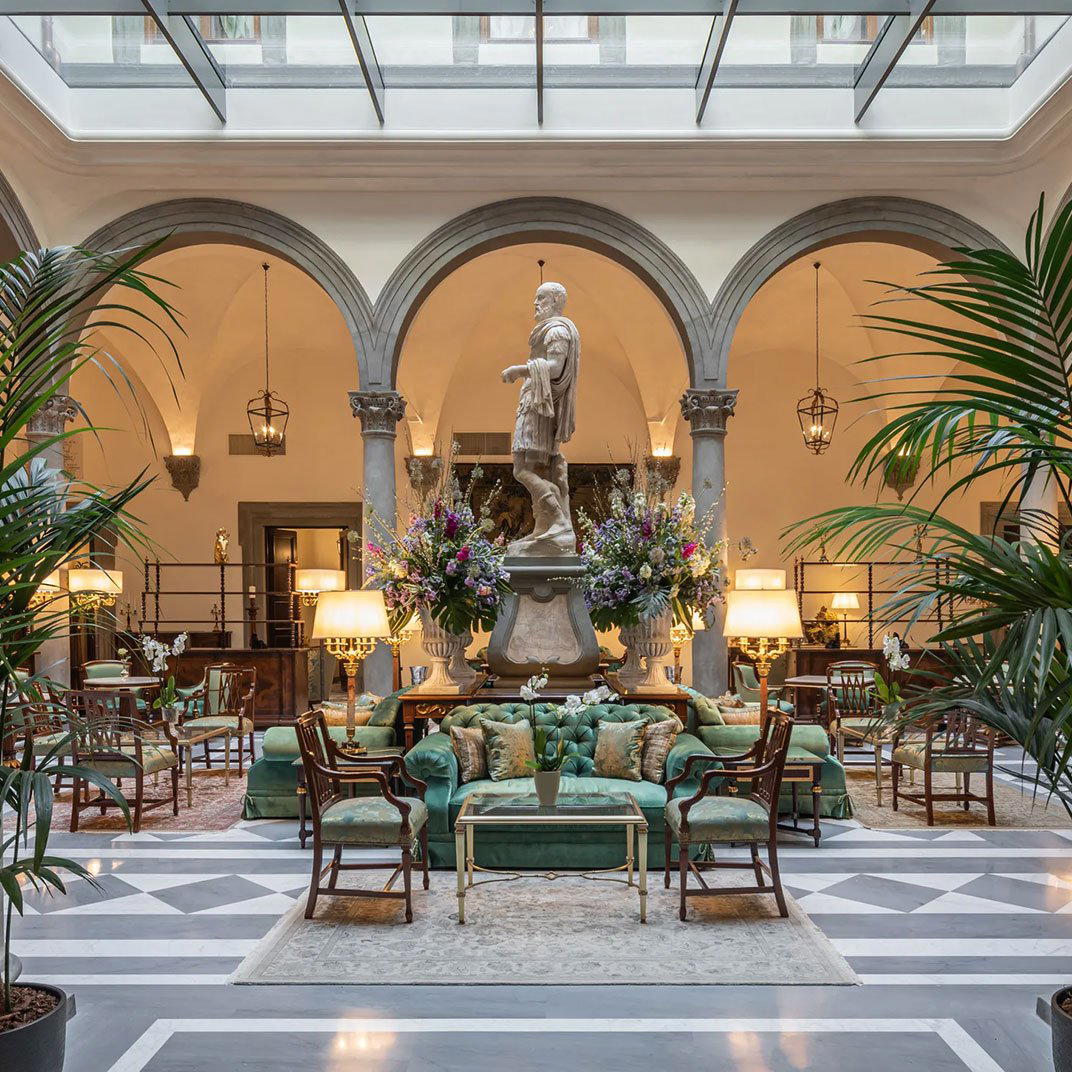
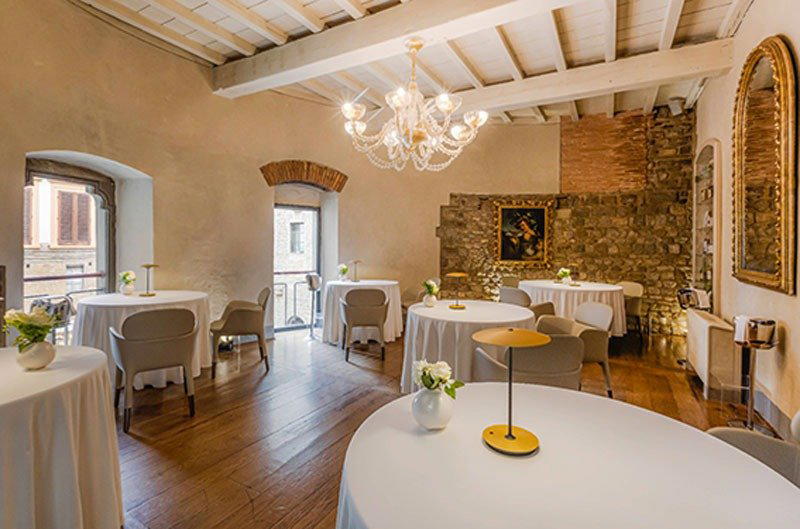
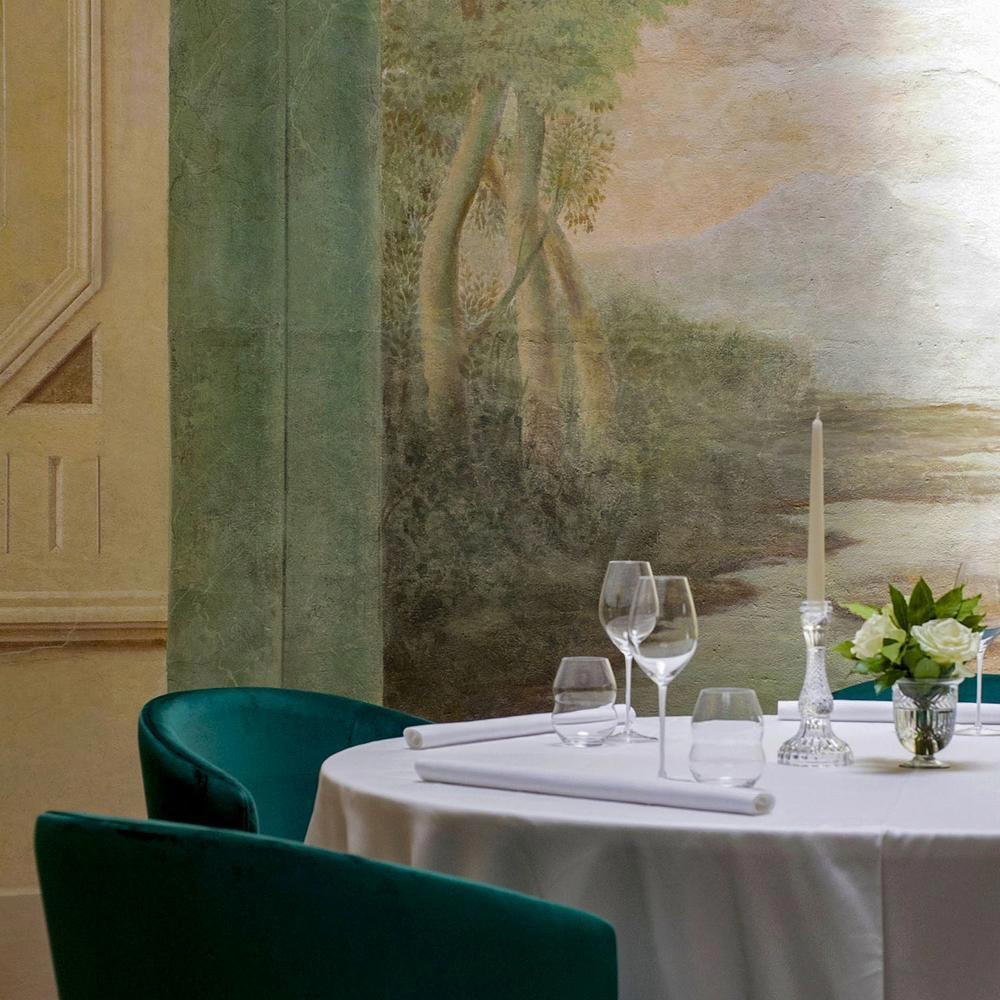
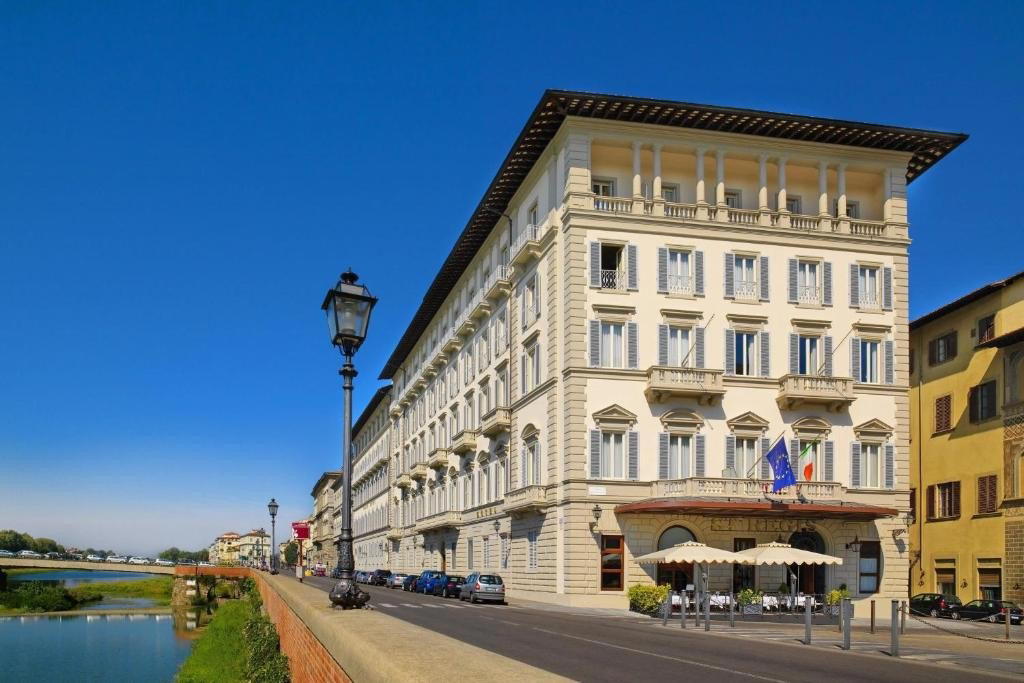
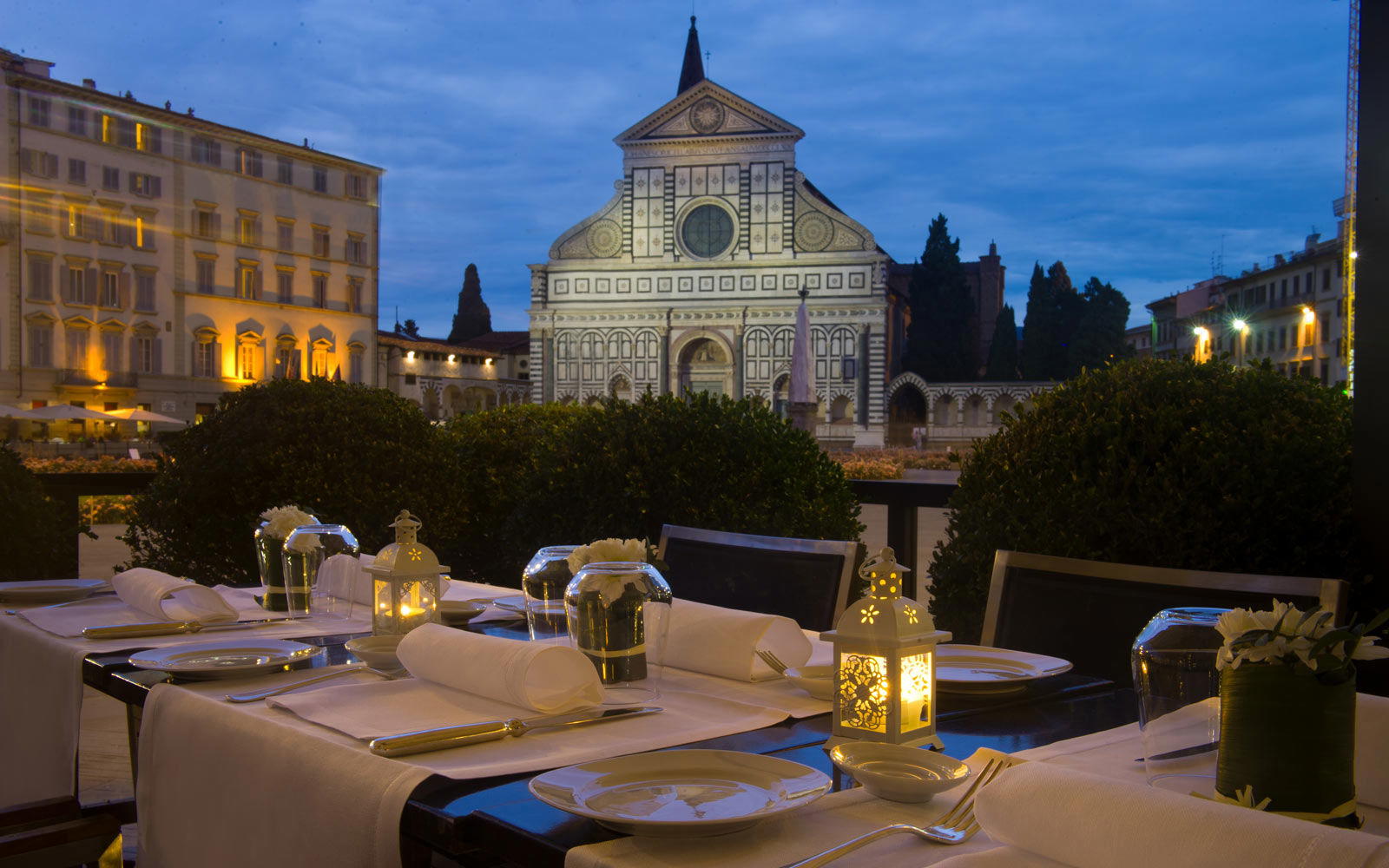
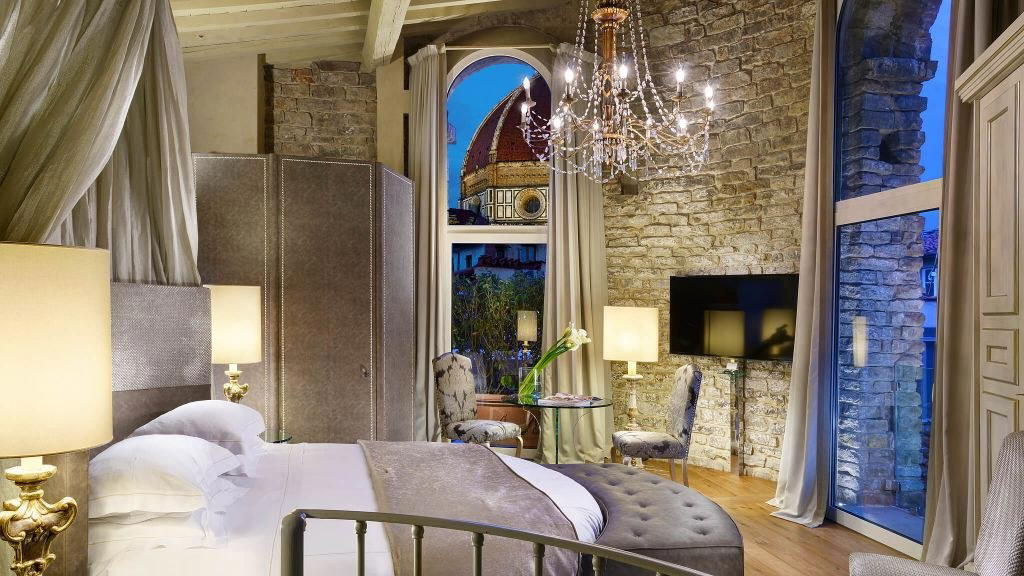
Historic yet modern estate atmosphere with elegant tasting rooms overlooking vineyards, combining traditional Tuscan charm with contemporary wine production facilities.