1
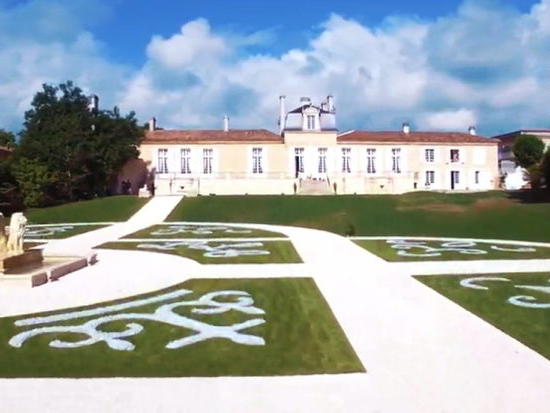
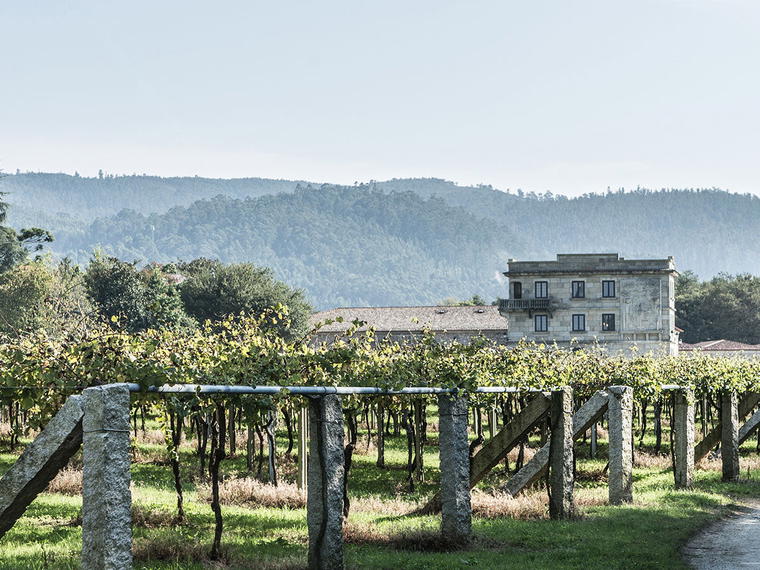
Logroño, Spain



Marqués de Murrieta
Marqués de Murrieta belongs to Rioja’s old export story rather than the newer architecture-led cellar circuit.
Results
Logroño, Spain
Marqués de Murrieta belongs to Rioja’s old export story rather than the newer architecture-led cellar circuit.
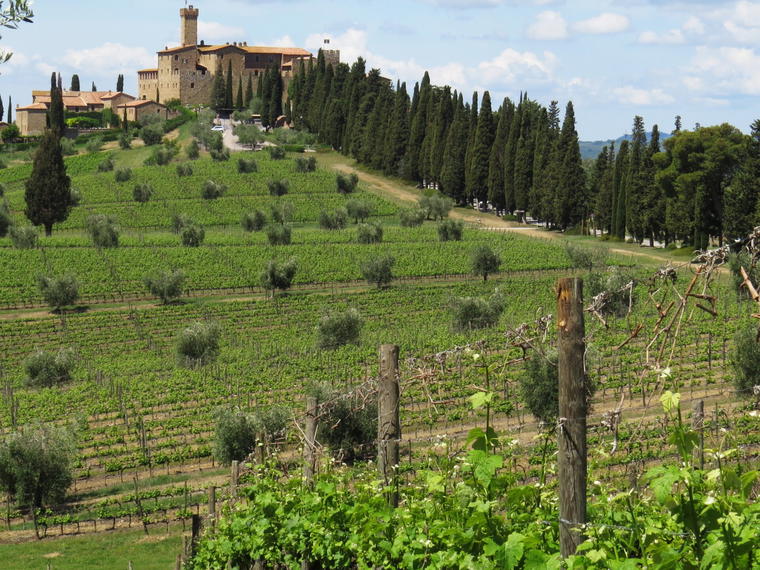
Montalcino, Italy
A medieval castle estate in the hills above Montalcino, Castello Banfi operates as a wine resort and hospitality destination at the serious end of Brunello di Montalcino production..
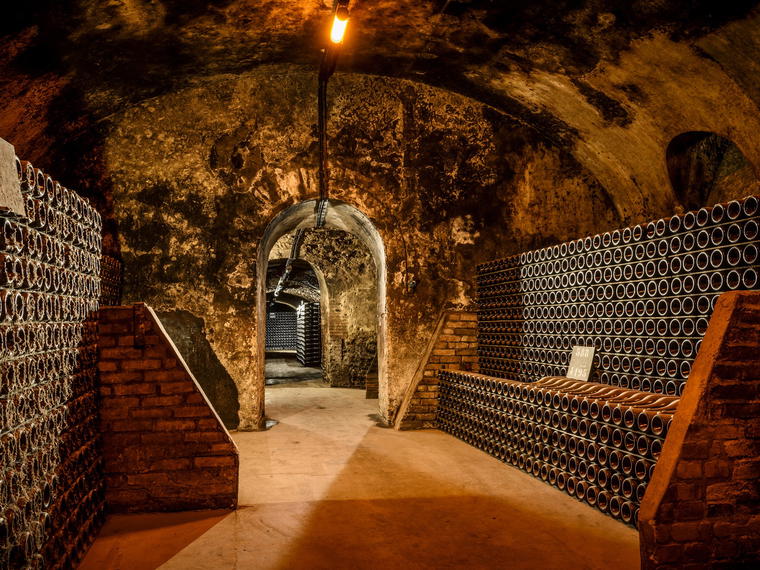
Aÿ, France
Founded in 1818, Billecart-Salmon farms 100 hectares of estate vines within a total 300-hectare supply area across 40 crus. Its Mareuil-sur-Aÿ house is known for Le Rosé and for parcel-by-parcel vinification in oak and stainless steel.
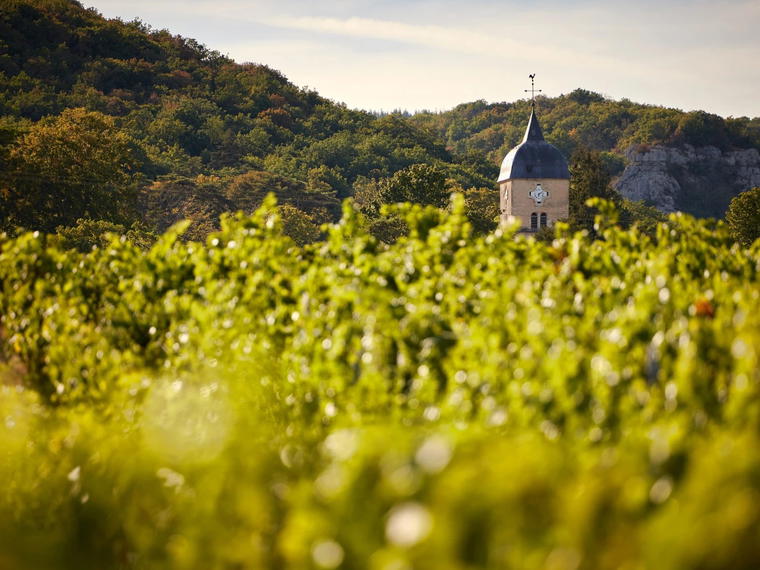
Chambolle-Musigny, France
Domaine Georges Roumier has been producing Chambolle-Musigny since its first vintage in 1921, now under the stewardship of winemaker Christophe Roumier. Access is narrow, demand is sustained, and the wines speak to the village's signature tension between aromatic lift and structural depth.
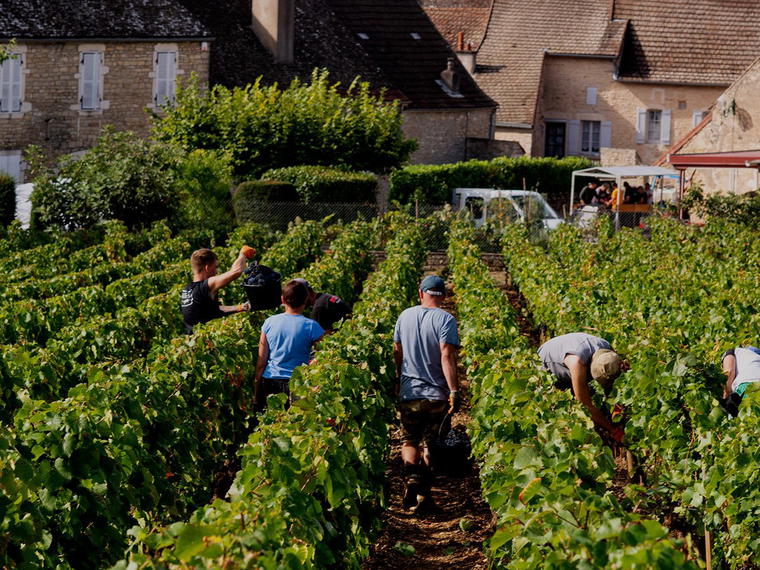
Saint-Aubin, France
Domaine Hubert Lamy operates from the village of Saint-Aubin in Burgundy's Côte de Beaune, producing Chardonnay and Pinot Noir from a set of appellations that span premier cru and village-level terroirs. Recognised at the Pearl prestige tier by La Paulée 2026, the domaine sits in a peer group defined by precision viticulture and site-specific expression rather than volume. Saint-Aubin remains among Burgundy's most rewarding sources for those who follow producer reputation over appellation fame.
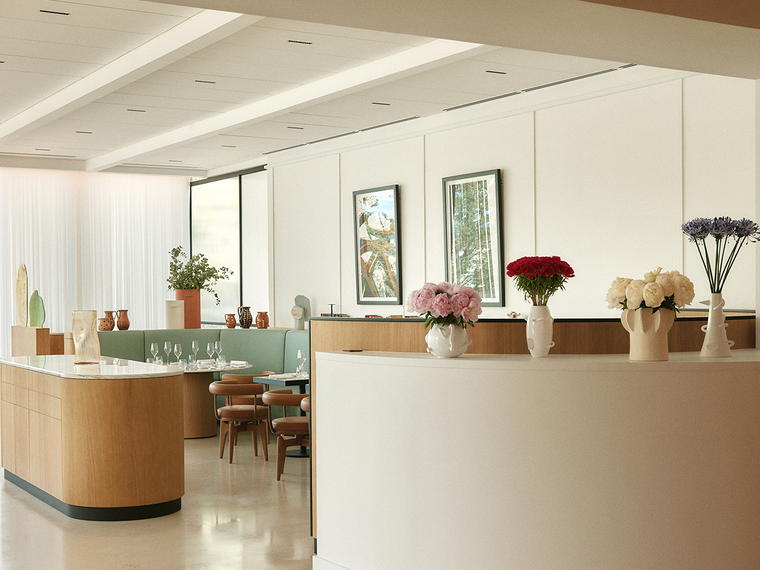
Reims, France
Taittinger places Reims Champagne in direct contact with its chalk foundation: the visit is built around cellars cut into fourth-century quarries beneath the city. For travellers comparing the grandes maisons, the draw is less about spectacle than geology, age, and scale, with the house's first vintage in 1943 and Alexandre Ponnavoy now attached to the winemaking direction.
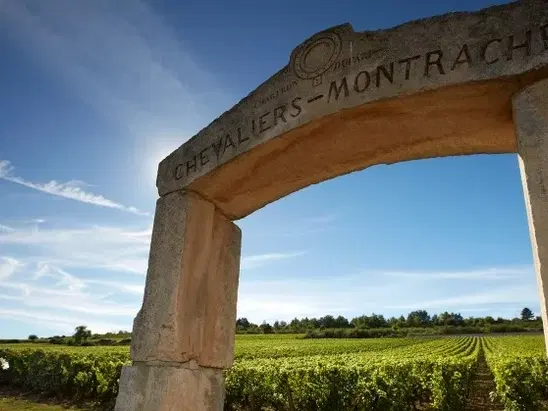
Puligny-Montrachet, France
Among the Côte de Beaune's most referenced white wine addresses, Domaine Leflaive operates from Puligny-Montrachet with a portfolio built almost entirely on Chardonnay across some of Burgundy's most scrutinised grand and premier cru parcels.
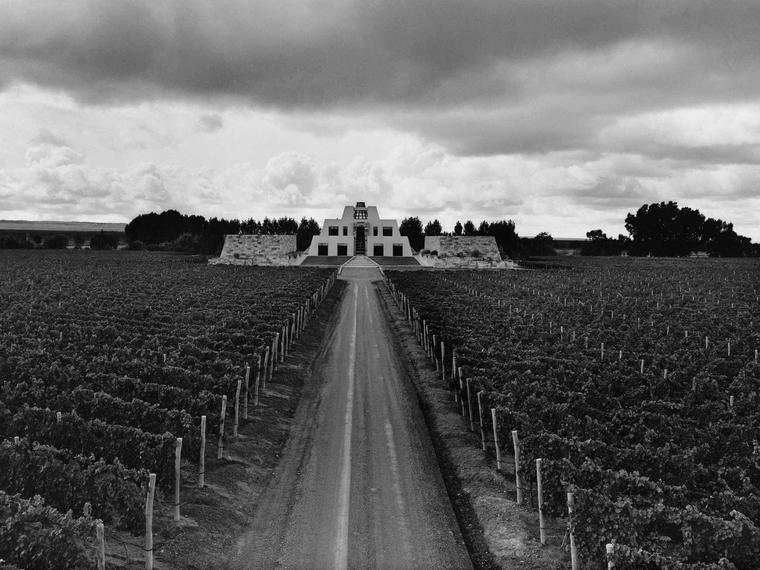
Agrelo, Argentina
Catena Zapata sits in Agrelo, in Mendoza’s Luján de Cuyo zone, where altitude, dry air and alluvial soils have shaped Argentina’s modern fine-wine argument. The draw is not only the Mayan-pyramid architecture, but the way the visit frames Malbec and high-altitude viticulture as serious terroir rather than export shorthand.
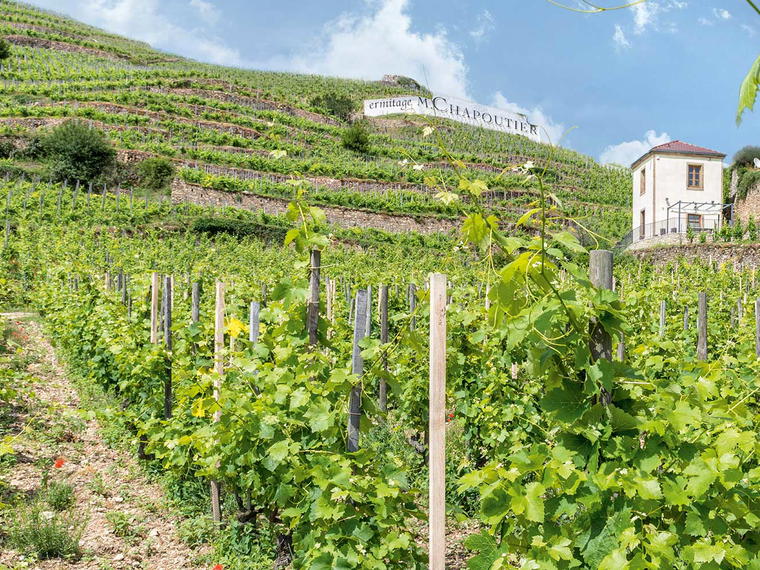
Tain-l'Hermitage, France
Chapoutier sits at the serious end of the Northern Rhône's producer hierarchy, operating from Tain-l'Hermitage with more than three decades of certified biodynamic viticulture under winemaker Michel Chapoutier..
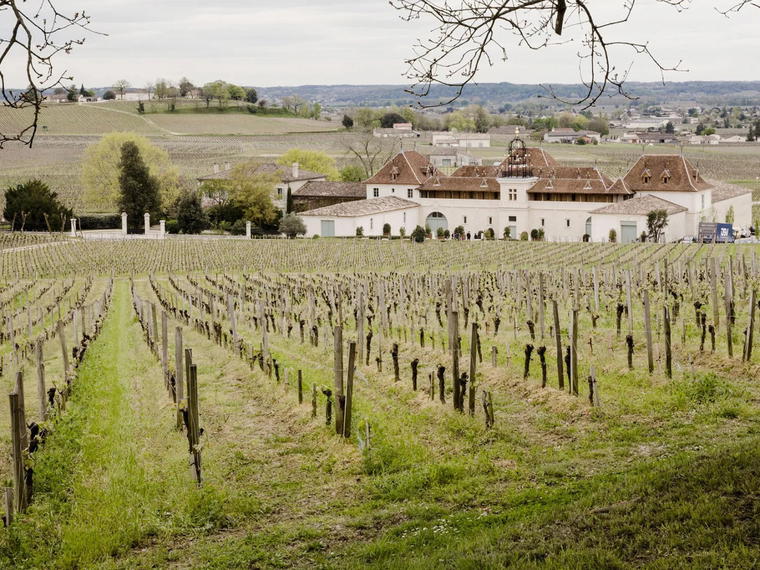
Saint-Émilion, France
One of Saint-Émilion's most closely watched estates, Château Angélus earned its Premier Grand Cru Classé 'A' status through decades of precise work on the limestone and clay soils of the appellation's western slope. Under Hubert de Boüard de Laforest, the estate's Merlot-dominant blends have become a reference point for Right Bank power and structure.
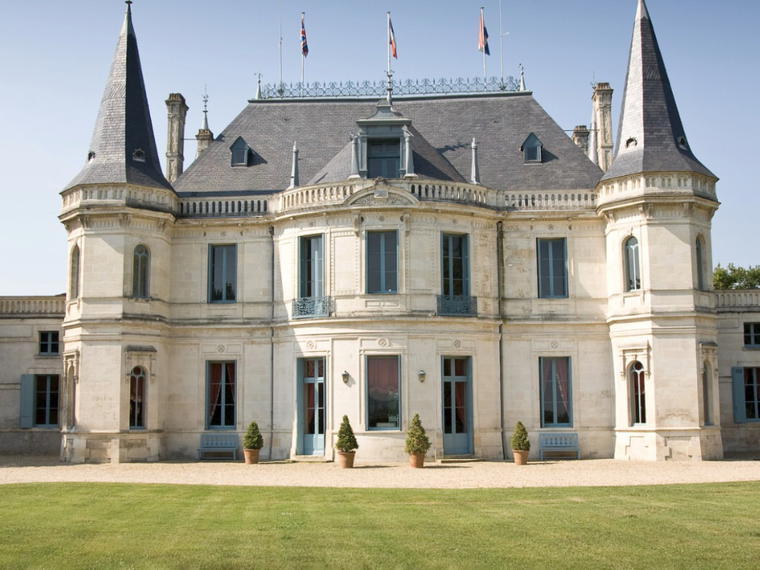
Margaux, France
Château Palmer has been producing wine from the Margaux appellation since 1824, placing it among the oldest continuously operating estates on the Médoc's left bank.
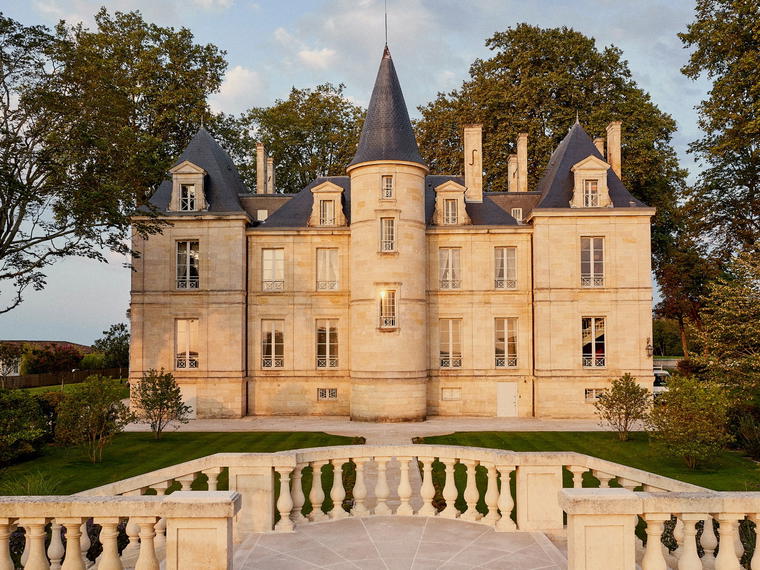
Pauillac, France
Château Pichon-Longueville-Comtesse-de-Lalande has produced wine from its Pauillac estate since 1780, placing it among the Médoc's most historically continuous properties.
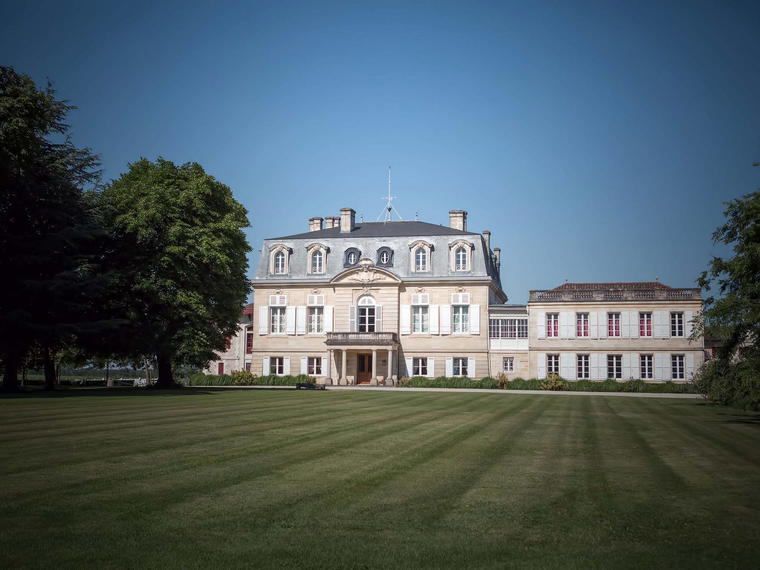
Pauillac, France
A Fifth Growth in name only, Château Pontet-Canet has spent decades closing the gap on Pauillac's upper classification tier. Under winemaker Jean-Michel Comme, the estate has become a reference point for biodynamic viticulture in the Médoc. The estate does not welcome general-public visits; access is reserved for wine professionals and the trade, by appointment only.
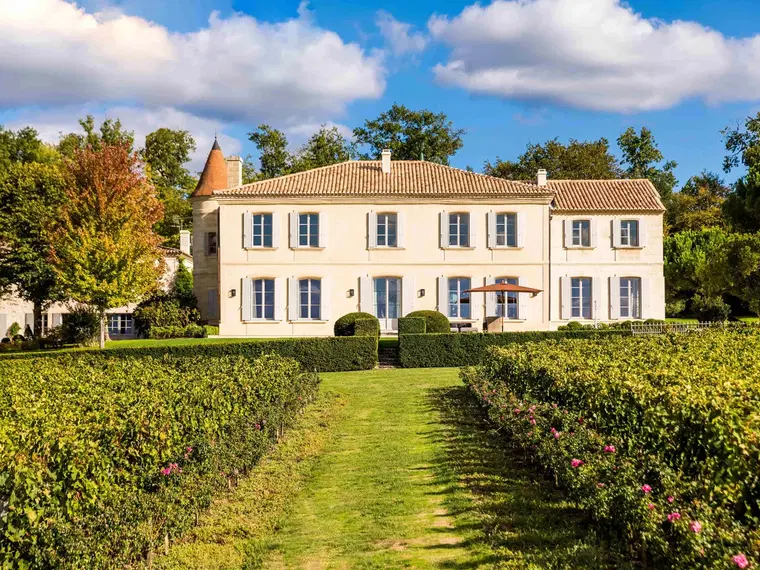
Saint-Laurent-des-Combes, France
Sitting on the limestone plateau above Saint-Émilion, Château Troplong Mondot has produced wine from its hilltop terroir since 1829.. The site's elevation and clay-limestone soils give its Merlot-dominant blends a structure that places them in direct conversation with the appellation's grands crus classés.
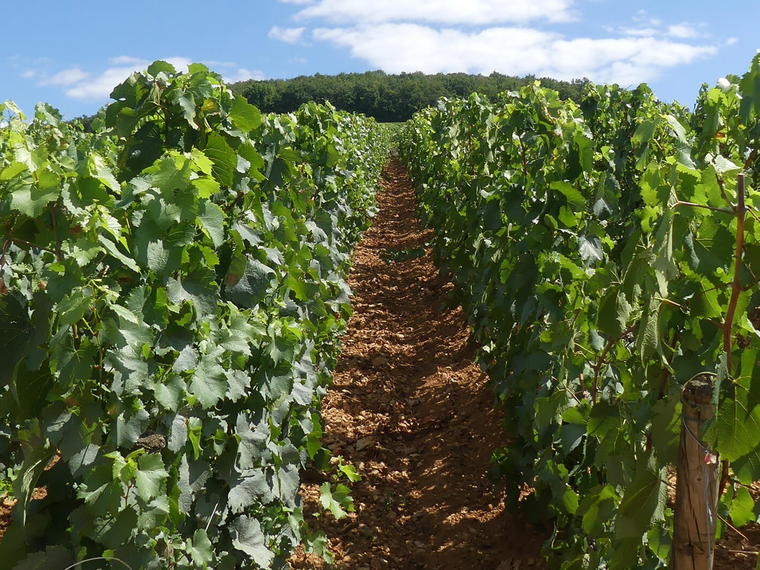
Pernand-Vergelesses, France
One of Burgundy's most singular domaines, Bonneau du Martray has produced Corton-Charlemagne and Corton from a single, contiguous block of Grand Cru land since 1847. For collectors tracking allocation-level white Burgundy, this is a reference address.
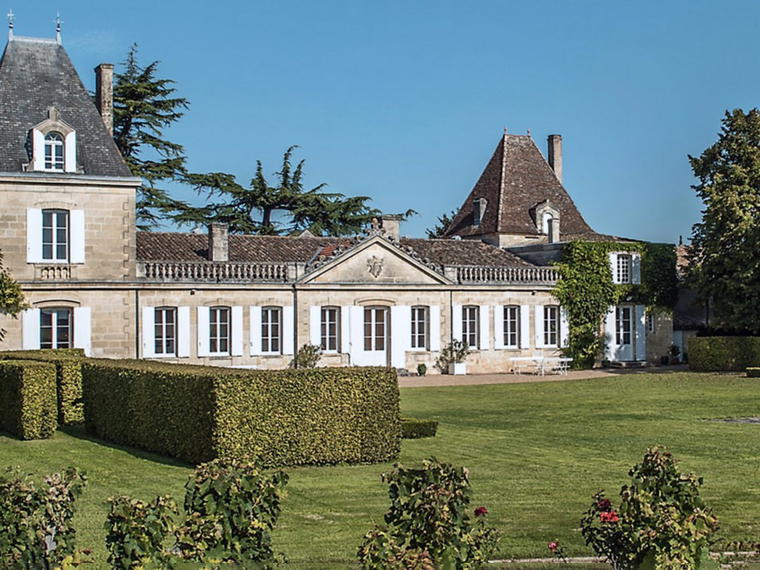
Pomerol, France
Vieux Château Certan occupies a singular position on the Pomerol plateau, producing Merlot-dominant blends from one of the appellation's most storied parcels of clay-gravel terroir.
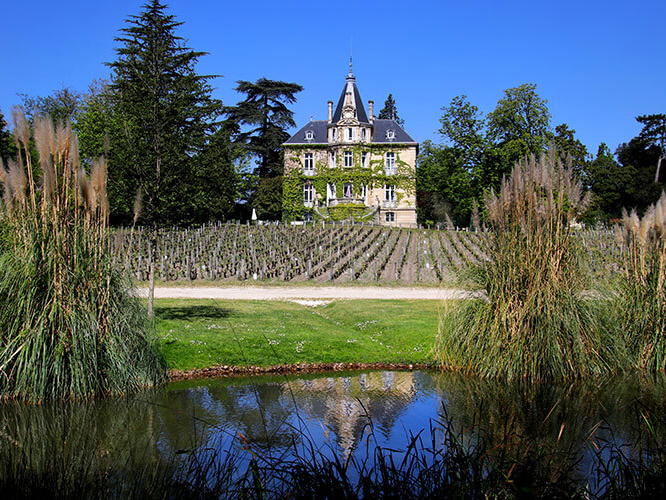
Bordeaux, France
The estate sits within the Pessac-Léognan appellation adjacent to Haut-Brion, with winemaker Guillaume Pouthier overseeing production. It represents a distinct tier of Left Bank precision inside a region more often associated with Pomerol's clay-driven Merlot.
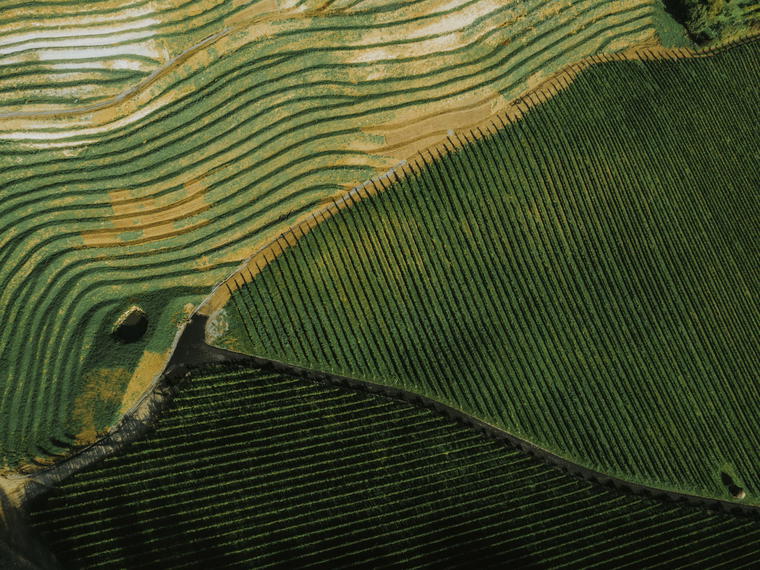
Ehrenhausen, Austria
The property combines serious vineyard craft with winemakers' chalets scattered across its hillside terrain, offering a rare combination of immersive accommodation and estate wine access in Austria's southern wine country.
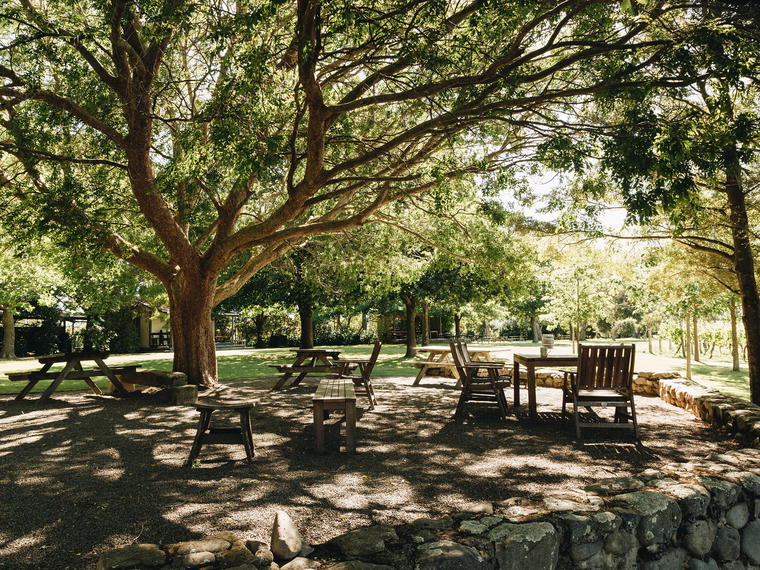
Martinborough, New Zealand
Ata Rangi is one of Martinborough's founding organic estates, established in 1980 and now. The name translates as 'new beginning,' a phrase that has proven accurate: what began as a dairy farmer's pivot to viticulture now sits among the Wairarapa's most respected addresses. The estate's boutique scale and organic credentials place it in a distinct tier within New Zealand fine wine.
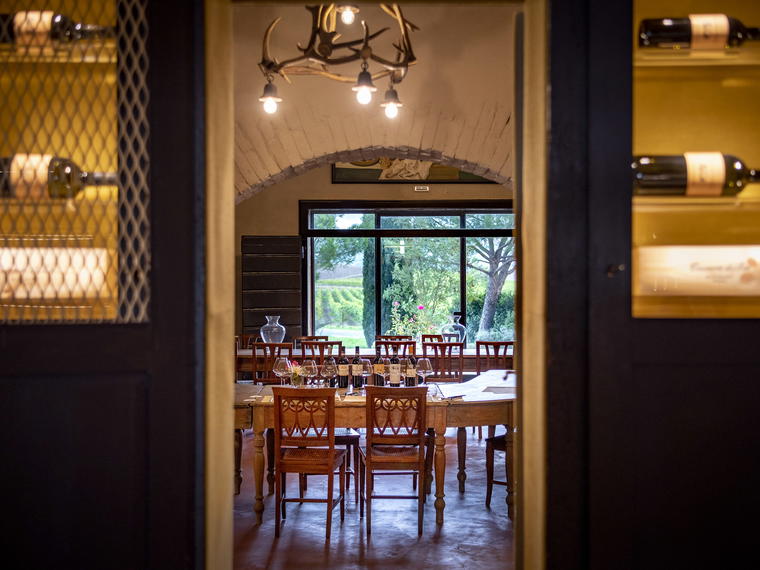
Montalcino, Italy
Tastings are guided with the kind of direct, knowledgeable hospitality that positions this address firmly within Montalcino's upper tier of estate experiences rather than its tourist-facing wine shops.
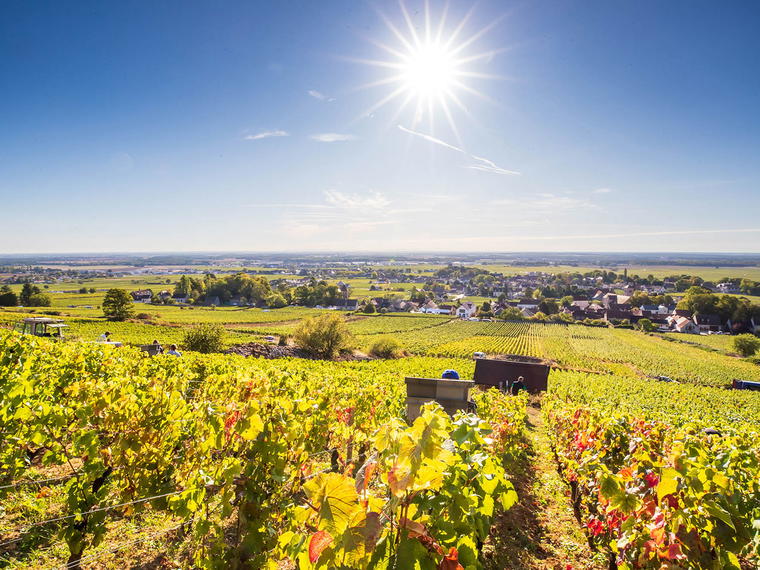
Marsannay-la-Côte, France
Domaine Bruno Clair has shaped Marsannay's identity since its first vintage in 1979, operating across some of Burgundy's most geologically varied terroirs under winemaker Philippe Brun.
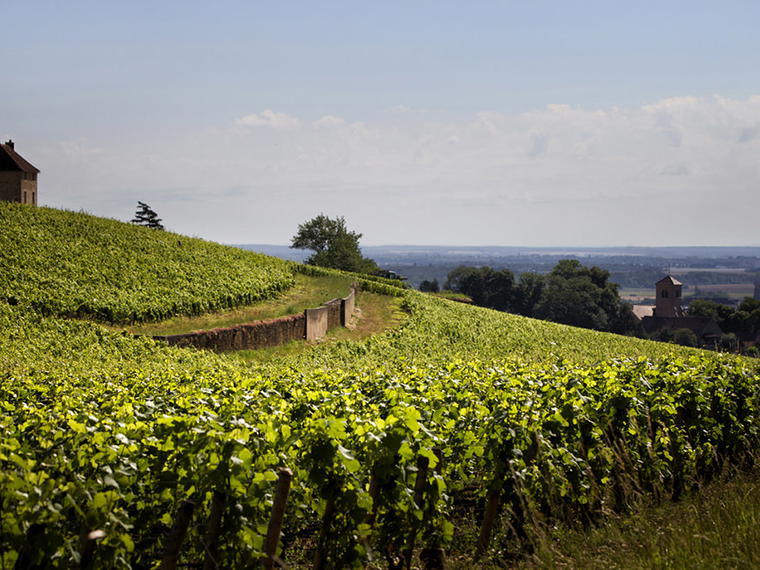
Gevrey-Chambertin, France
Domaine Denis Mortet is one of Gevrey-Chambertin's most closely watched estates, producing Pinot Noir from village, premier cru, and grand cru parcels across the Côte de Nuits since 1992.
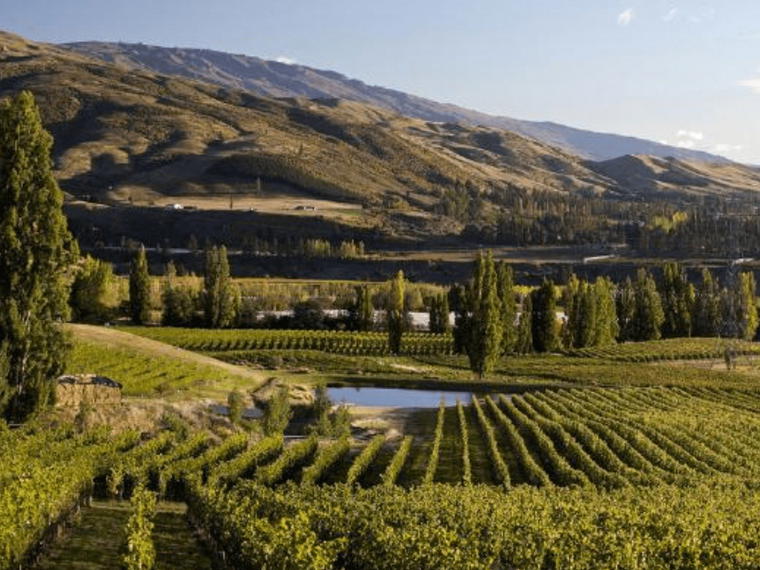
Bannockburn, New Zealand
Felton Road Wines belongs to Bannockburn’s severe, high-contrast wine country, where organic and biodynamic farming is part of the regional argument rather than a lifestyle accessory. Its setting in New Zealand’s far southern vineyard belt, framed by mountains and four estate vineyards, makes the land the main subject: altitude, light, dry air, and farming discipline come before cellar theatrics.
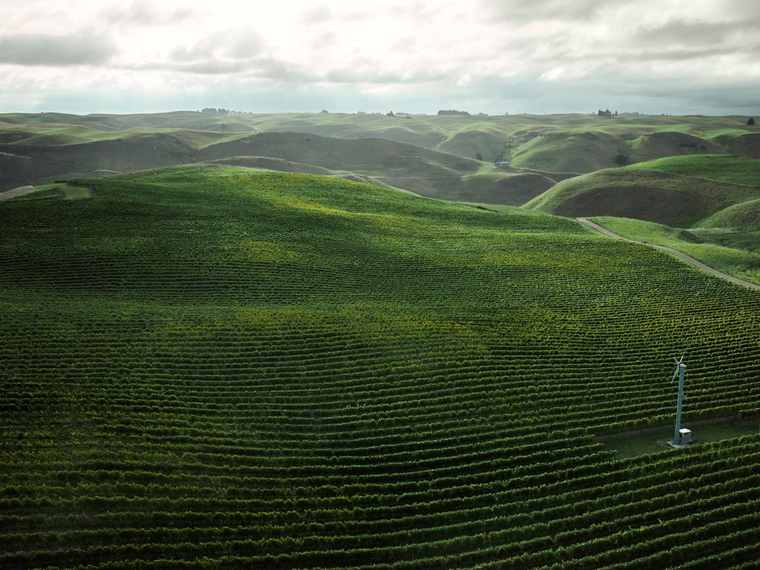
Kumeu, New Zealand
The estate is the country's most closely watched address for Burgundian-influenced Chardonnay, drawing visitors who arrive expecting restraint, site-specificity, and a tasting experience calibrated around terroir rather than spectacle.
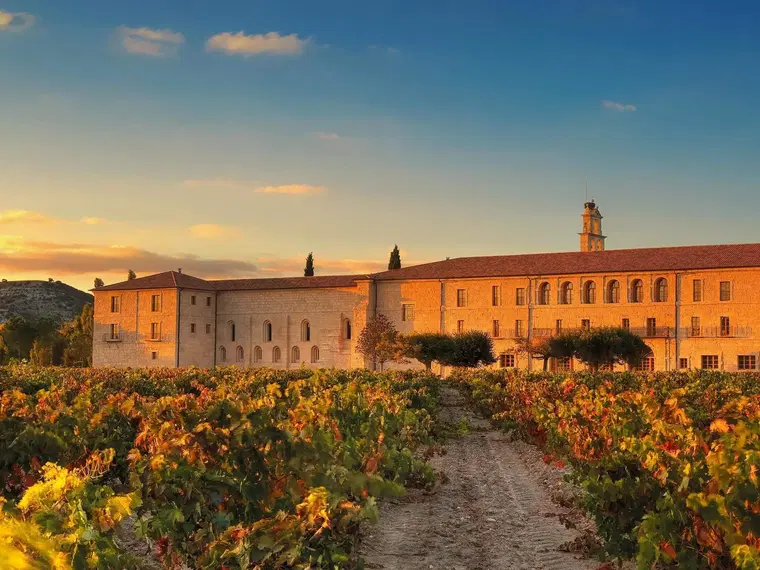
Sardón de Duero, Spain
The estate sits outside the Ribera del Duero DO boundaries, which gives it unusual latitude to work with non-standard blends and single-plot expressions that most of the appellation's producers cannot.
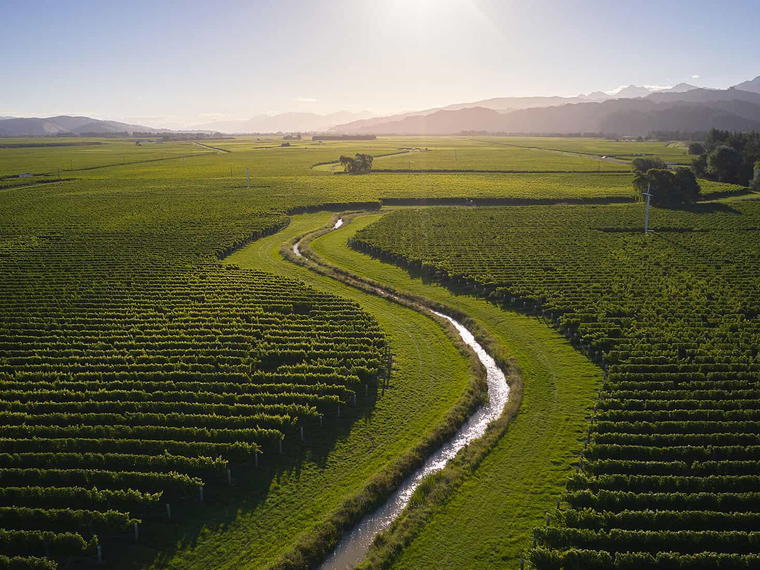
Blenheim, New Zealand
Cloudy Bay Vineyards sits on Jacksons Road in the heart of Marlborough, where the Wairau Valley's stony soils and intense UV light shaped one of the wine world's most recognisable Sauvignon Blanc addresses.
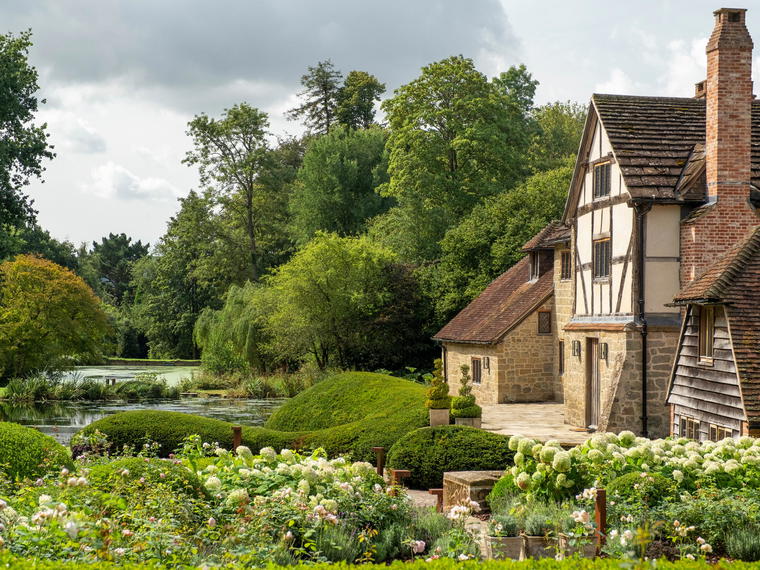
Horsham, United Kingdom
Nyetimber is one of England's most recognised sparkling wine estates, operating from its West Sussex home near Horsham and. The estate's 1968 spearmint Routemaster bus has become a travelling emblem of a producer that helped define the credibility of English sparkling wine on the international stage. Visits and tastings place guests at the source of a wine programme built on decades of single-minded focus on méthode traditionnelle production.
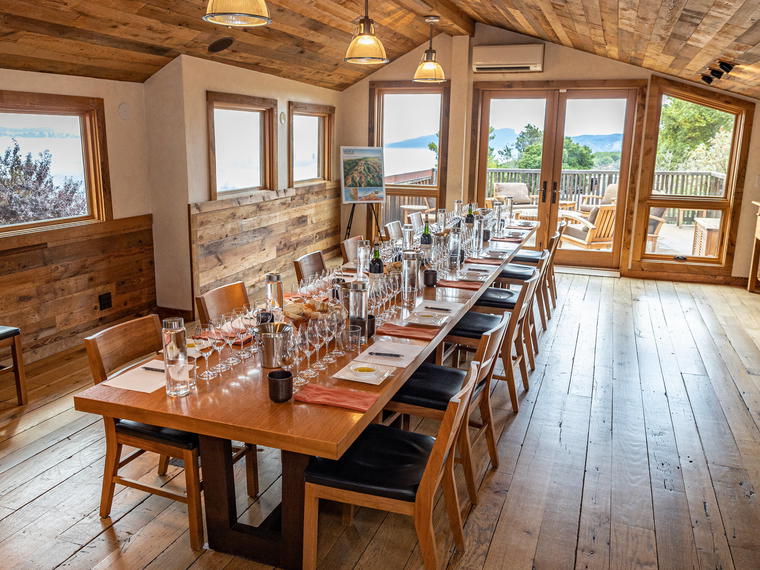
Cupertino, United States
At 800 metres on the rugged Santa Cruz Mountains above Cupertino, Ridge Vineyards has been farming some of the oldest vines in the United States since its first vintage in 1962.
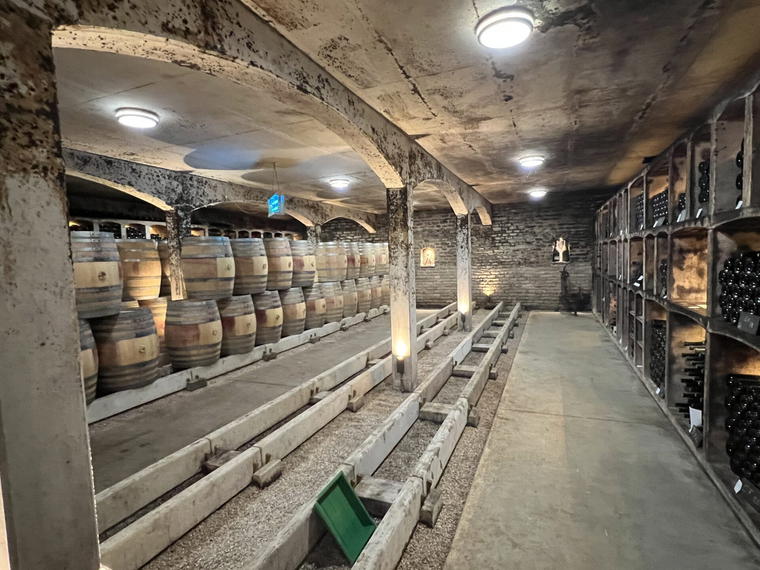
Vosne-Romanée, France
Domaine Georges Mugneret-Gibourg has produced Vosne-Romanée and Nuits-Saint-Georges from the same family address since 1945, now. Sisters Marie-Christine and Marie-Andrée Mugneret lead one of the Côte de Nuits' most allocation-constrained producers, drawing collectors who treat a successful purchase as the beginning of a multi-year relationship rather than a single transaction.
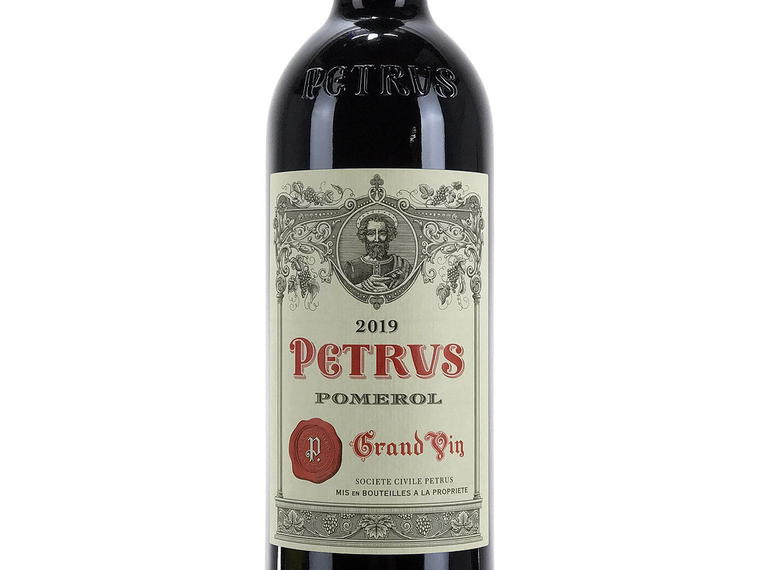
Pomerol, France
Château La Fleur Petrus sits in the heart of Pomerol on gravelly-clay soils that define the appellation's most serious addresses. Visits require advance planning; allocations are limited and demand from collectors keeps the estate's releases tightly distributed.
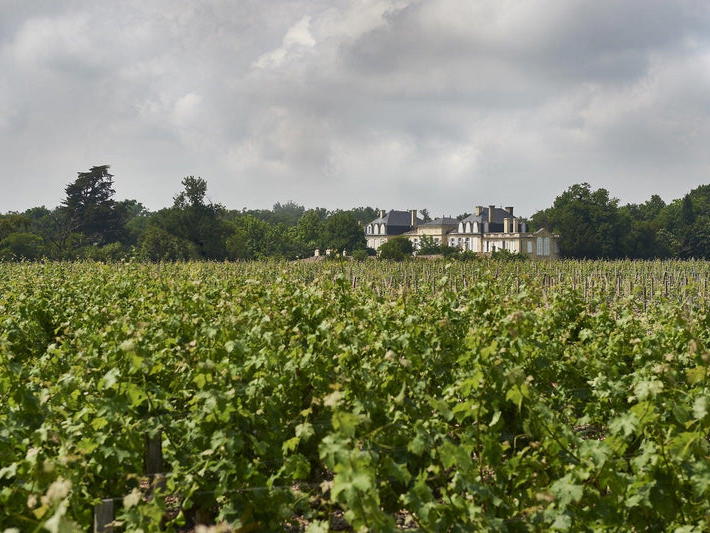
Saint-Julien-Beychevelle, France
Château Léoville Barton has produced Saint-Julien Cabernet-dominant blends continuously since 1821, making it one of the Médoc's longest-running family-held estates.
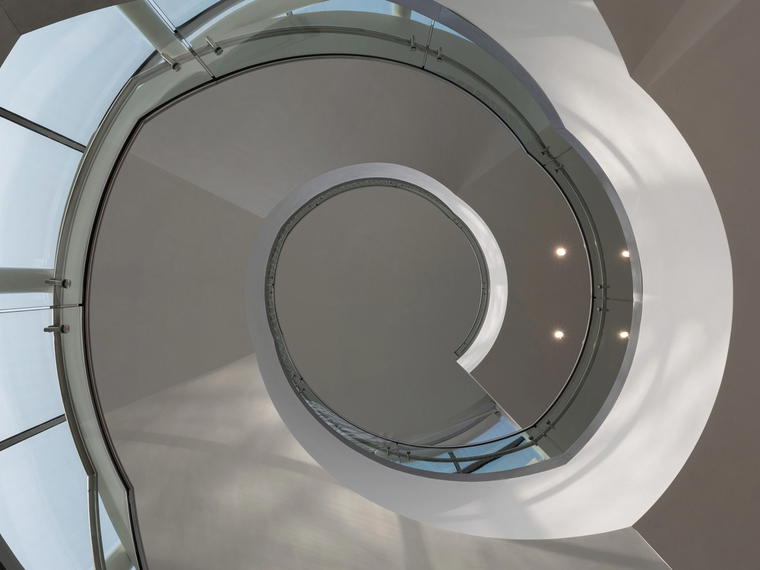
Pauillac, France
Château Lynch-Bages has anchored Pauillac's fifth-growth tier since its first recorded vintage in 1779. The estate produces Cabernet Sauvignon-dominant blends that consistently price and trade above their classification, making it one of the Médoc's most closely watched fifth growths. Visits to the property connect wine tourism with the full Pauillac terroir story.
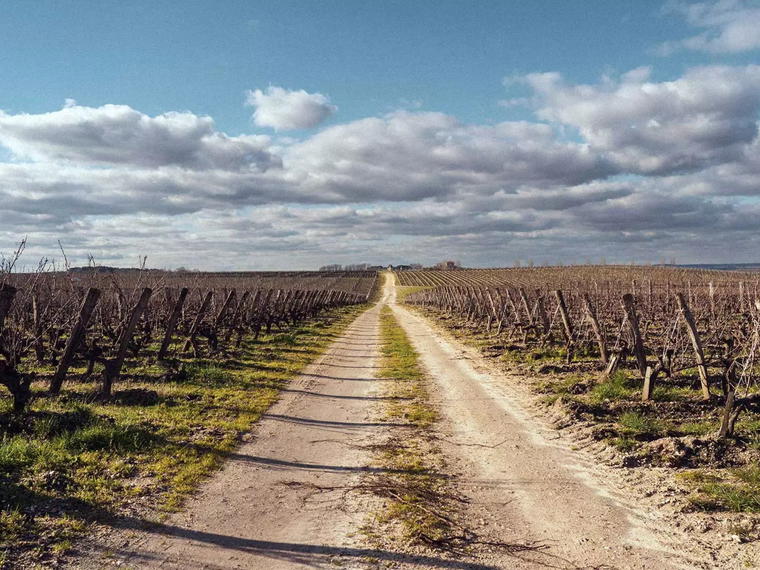
Fargues, France
Château Rieussec sits at the apex of Sauternes production, a Premier Grand Cru Classé estate in Fargues whose botrytis-affected Sémillon has set the benchmark for sweet Bordeaux for generations.
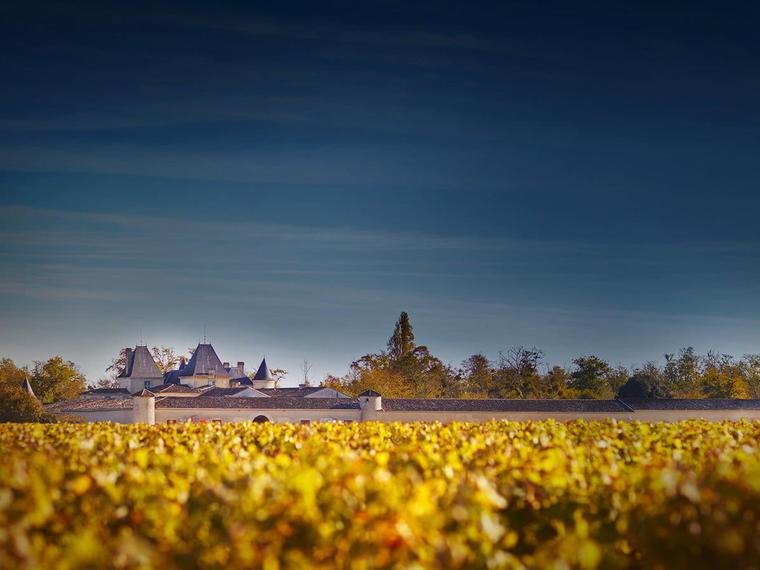
Preignac, France
The property sits within the dense concentration of classified Sauternes and Barsac estates that make this corner of Bordeaux one of the world's most compelling destinations for late-harvest wine.
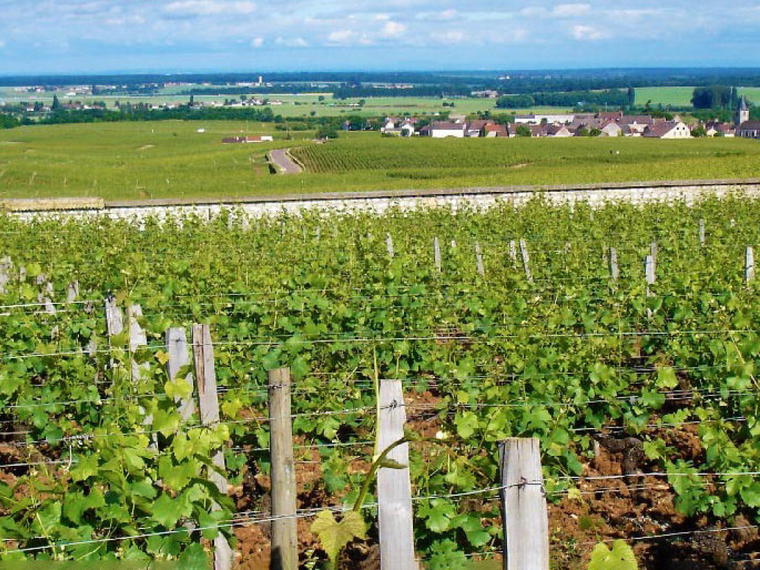
Vosne-Romanée, France
Domaine Méo-Camuzet has shaped the identity of Vosne-Romanée since its first vintage in 1929, operating across some of the Côte de Nuits' most consequential parcels under the stewardship of Jean-Nicolas Méo and Christian Faurois.
Hermanus, South Africa
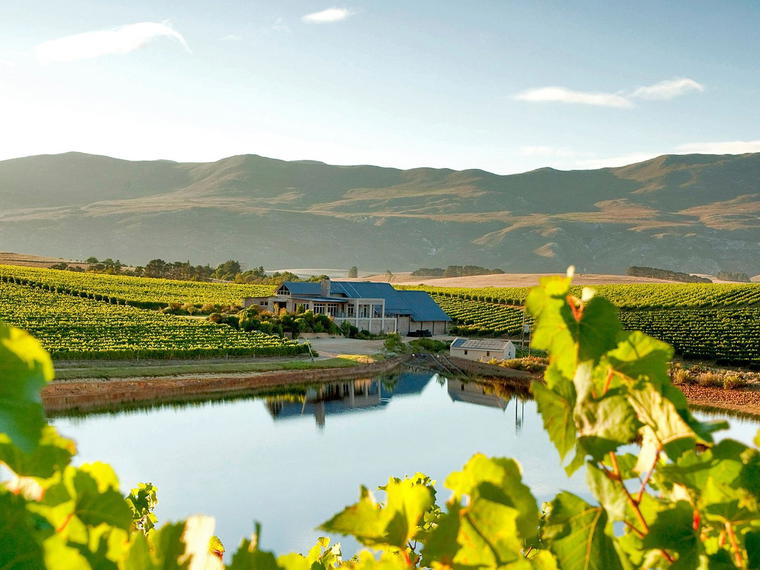
Creation Wines puts the Hemel-en-Aarde conversation in plain view: cool-climate South African wine, ecological intent, and a setting whose name translates as “heaven and earth.” The point here is terroir rather than spectacle, with Hermanus acting as the gateway to a wine region defined by maritime influence, high ridges, and a quieter premium register than the Cape's grander estates.
West Kelowna, Canada
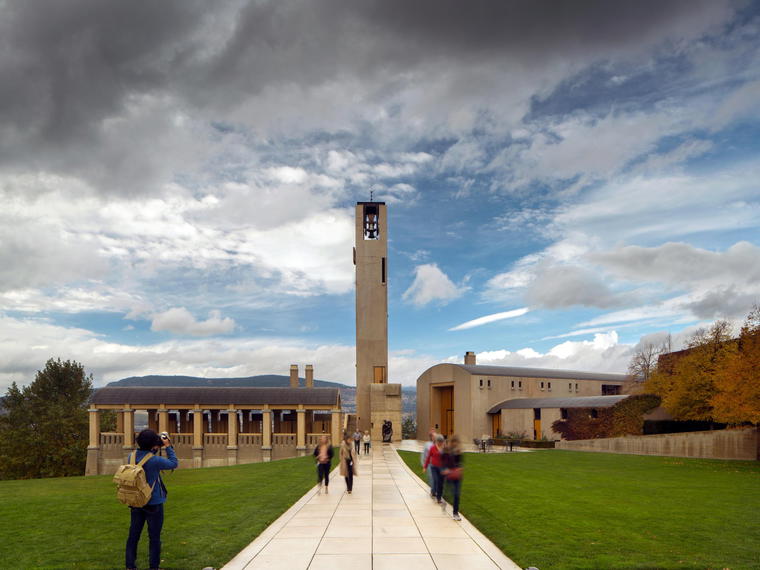
Mission Hill Family Estate gives West Kelowna’s winery scene a monumental architectural marker: a 12-storey bell tower, French bronze bells, and a site that reads as Okanagan ambition made physical. The stronger editorial reason to pay attention is terroir: this is a useful lens on how the valley’s dry climate, lake influence, and modern Canadian wine confidence meet in one high-profile estate setting.
Tunuyán, Argentina
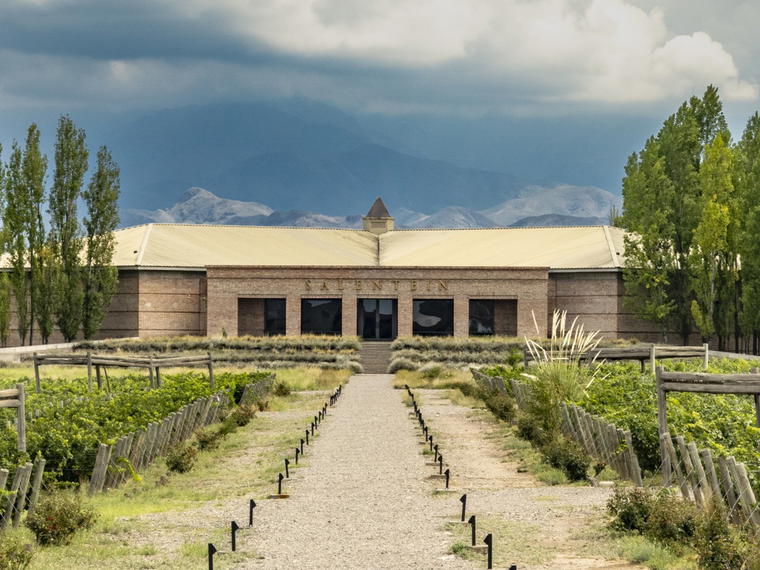
Established in 1996 in the Uco Valley's Tunuyán district, Bodegas Salentein occupies a cross-shaped winery building that has become a reference point for Mendoza's high-altitude viticulture. The 2025 Decanter awards confirmed 13 wines in the medal tier, including seven Silvers, placing it firmly among the valley's most decorated estates. The property combines wine production, art collections, and a restaurant under one roof at kilometre 14 of Ruta 89.
Cantenac, France
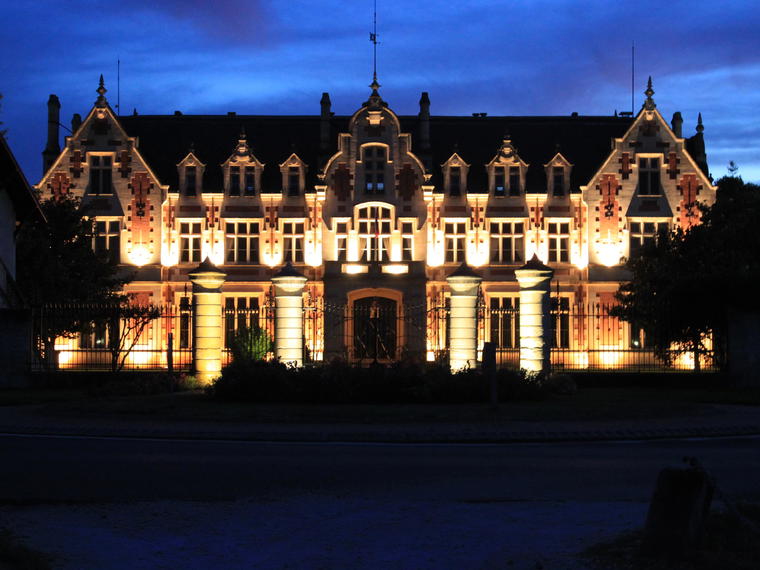
A Second Grand Cru Classé of Margaux with a first vintage documented to 1850, Château Brane Cantenac sits among Cantenac's most established estates under the direction of winemaker Henri Lurton..
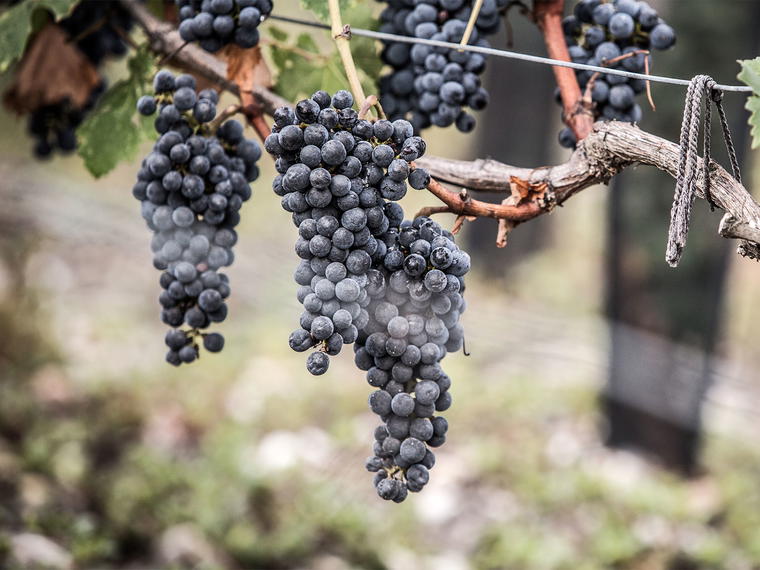
Pauillac, France
Château Clerc Milon is a Fifth Growth Pauillac estate with a first vintage recorded in 1871, now working under winemaker Jean-Emmanuel Danjoy.. Visits are best arranged directly through the estate.
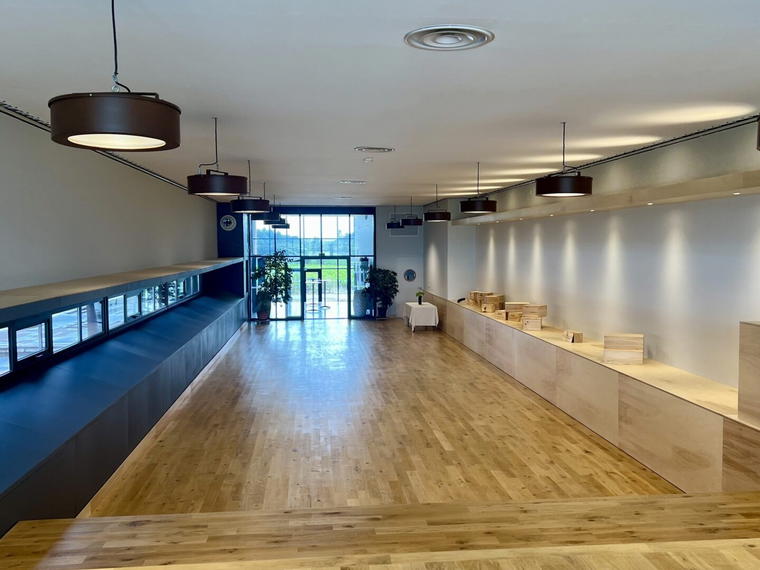
Bommes, France
Château Sigalas-Rabaud sits within Sauternes' Bommes commune, producing Premier Cru Classé botrytised whites under winemaker Laure de Lambert Compeyrot. For collectors and visitors with a serious interest in sweet Bordeaux, it represents one of the appellation's more focused addresses.
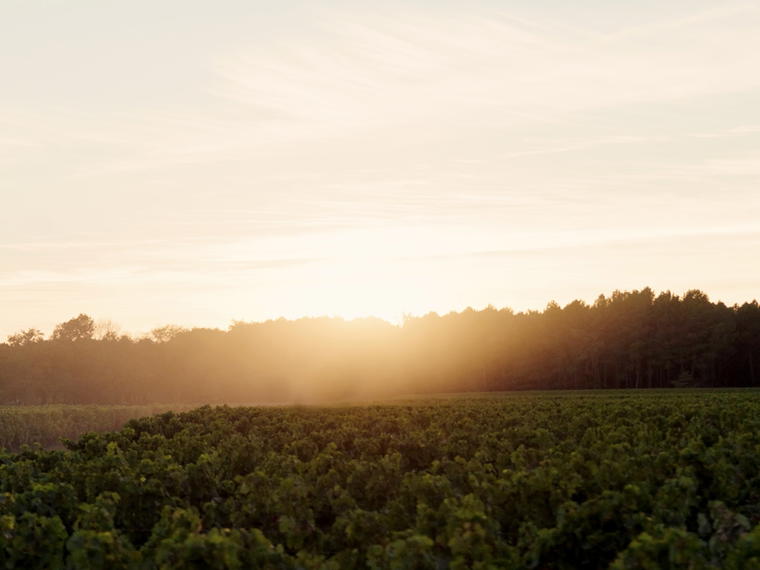
Léognan, France
Domaine de Chevalier has produced wine from the gravelly soils of Léognan since 1863, with winemakers Rémi Edange and Thomas Stonestreet overseeing both its red and white programs. Visitors with an interest in Pessac-Léognan's signature approach to Cabernet-Sauvignon blends and oak-aged Blanc will find the property a considered reference point.
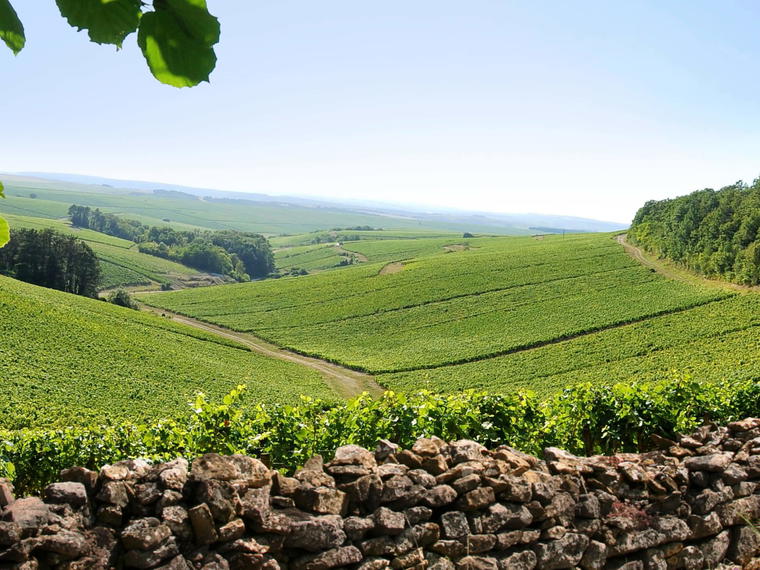
Beaune, France
One of Burgundy's most historically significant négoçiant houses, Maison Louis Jadot operates from its base on the Route de Savigny in Beaune, where centuries of vineyard relationships translate into a range spanning village appellations to Grand Cru.
Napa, United States
Joseph Phelps Vineyards in St. Helena has shaped Napa's premium wine identity since its first vintage in 1973, with winemaker Ashley Hepworth continuing a half-century tradition of Bordeaux-influenced winemaking on Taplin Road. Visits to the property offer direct access to wines that remain benchmarks for the valley's Cabernet-forward tier.
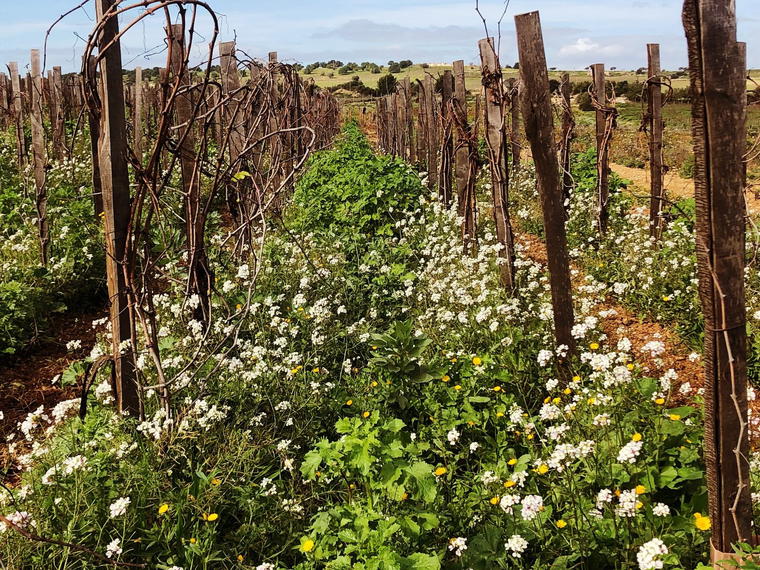
Vittoria, Italy
The property works the volcanic soils and sun-intense climate of the Cerasuolo di Vittoria zone, translating terroir conditions that few other Italian regions can replicate into wines of considerable critical standing.
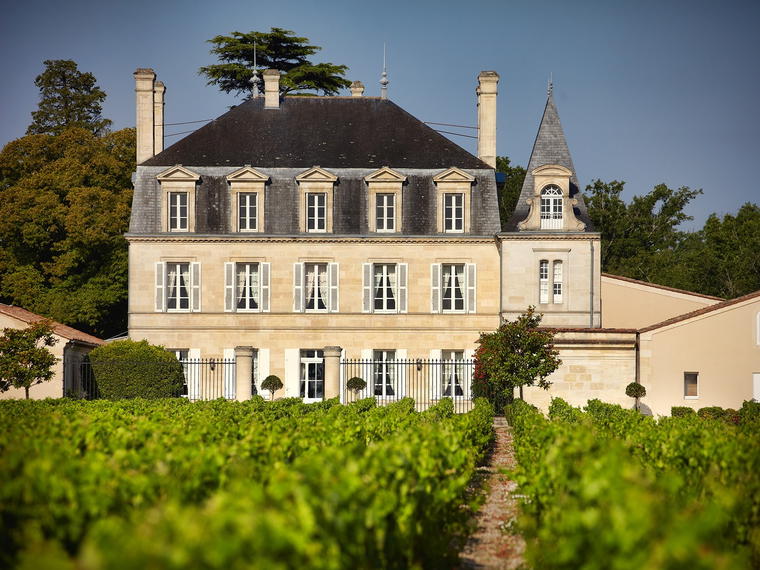
Pauillac, France
One of Pauillac's more quietly confident Fifth Growths, Château Grand-Puy-Lacoste has been producing structured Cabernet-dominant wines since its first recorded vintage in 1820. Under winemaker Hélène Genin and.
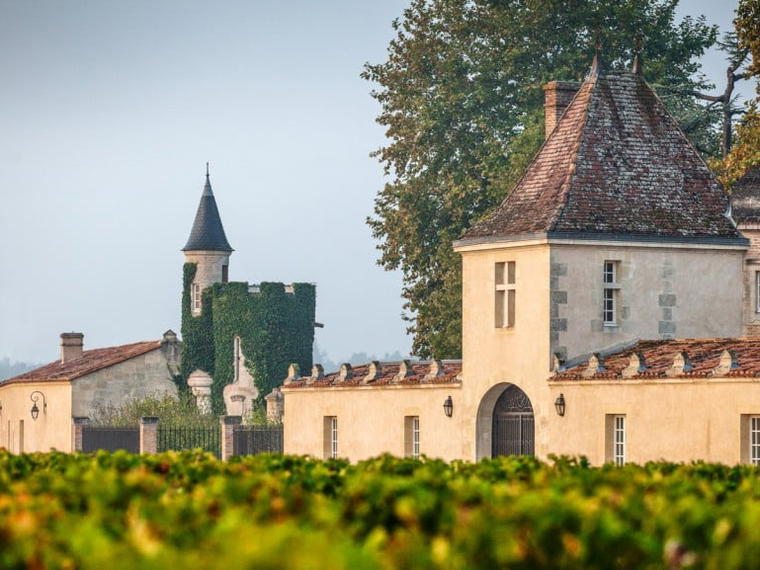
Margaux, France
Positioned among the appellation's Second Growths, it offers a precise, structured expression of the Margaux style that rewards comparison with its immediate neighbours on the Médoc's gravelly plateau.
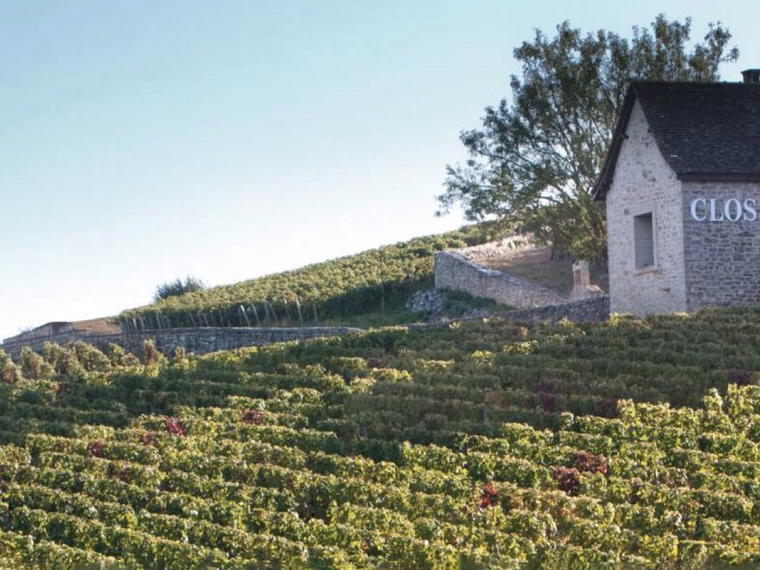
Morey-Saint-Denis, France
One of Burgundy's most precisely bounded monopole estates, Domaine des Lambrays has produced wine from its Clos des Lambrays Grand Cru since 1774.. Visitors arrive at 31 Rue Basse to engage with a single-site lineage that few Côte de Nuits addresses can match.
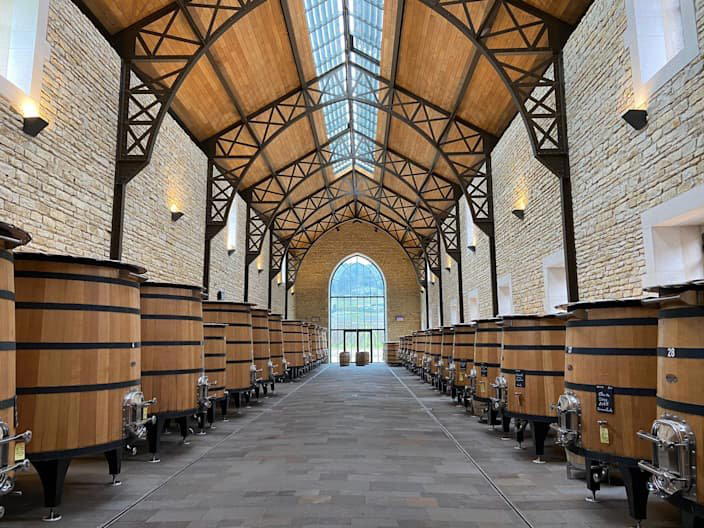
Chambolle-Musigny, France
Domaine Hudelot-Noëllat has been producing Chambolle-Musigny and wider Côte de Nuits wines since 1978, with Charles Van Canneyt now leading the cellar work.
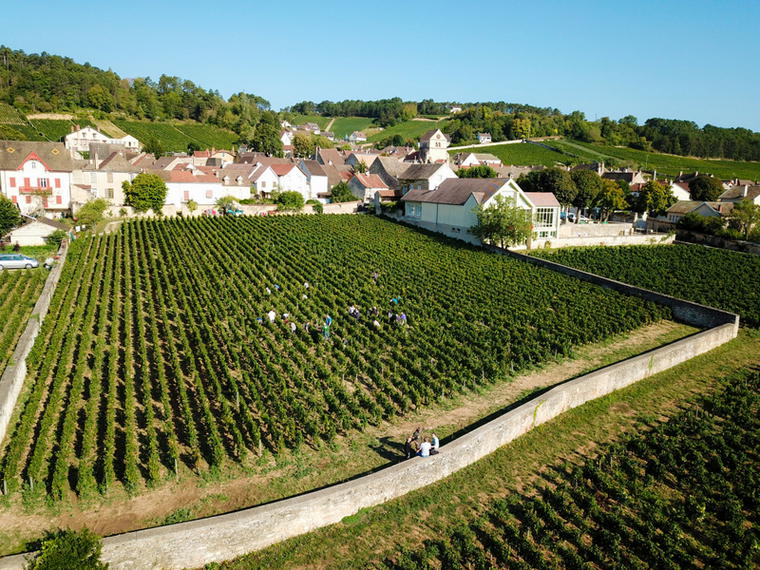
Volnay, France
One of Volnay's most enduring domaines, Domaine Michel Lafarge has been producing village and premier cru Pinot Noir from the Côte de Beaune since 1953, now under the stewardship of Frédéric and Chantal Lafarge. Allocation access is limited and typically requires an established relationship with the domaine.
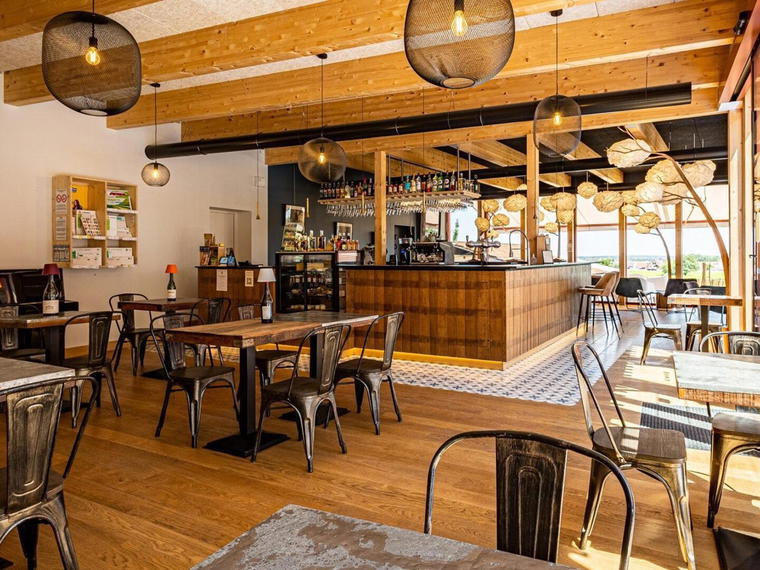
Morey-Saint-Denis, France
One of Burgundy's most historically grounded domaines, Ponsot has produced wine from Morey-Saint-Denis since 1934, with current direction under Rose-Marie Ponsot.
Gevrey-Chambertin, France
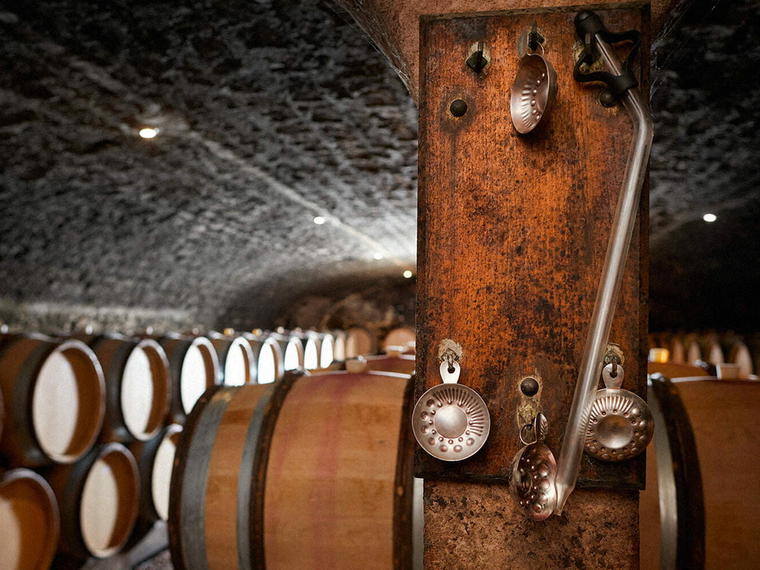
One of Gevrey-Chambertin's most respected family domaines, Trapet Père et Fils has farmed its grand and premier cru parcels biodynamically for decades under winemaker Jean-Louis Trapet..
Hermanus, South Africa
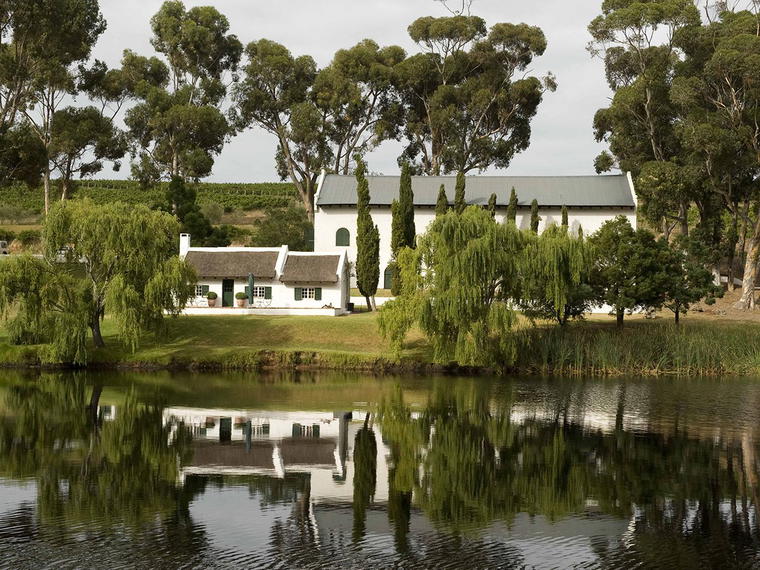
Hamilton Russell Vineyards sits in the Hemel-en-Aarde Valley outside Hermanus, one of South Africa's most closely watched addresses for Pinot Noir and Chardonnay. Visiting means engaging with both a working vineyard and the broader argument about where South African fine wine is heading.
Vila Nova de Gaia, Portugal
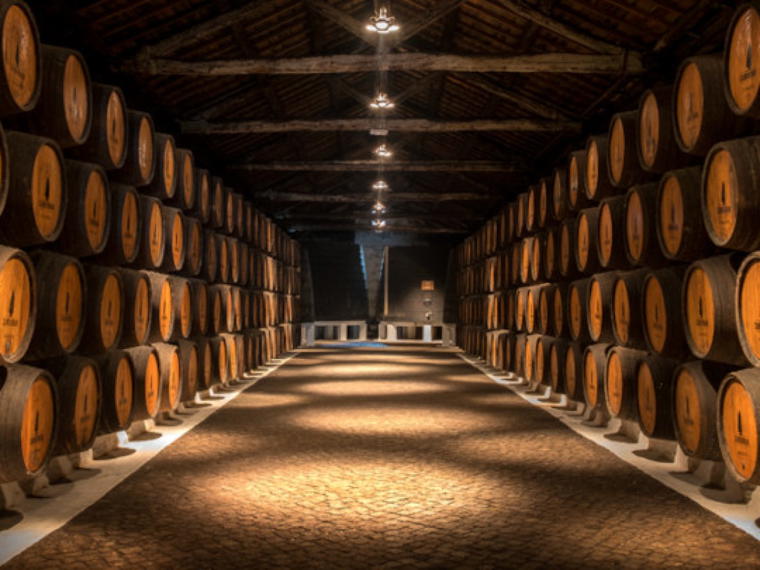
Perched on the southern bank of the Douro in Vila Nova de Gaia, Taylor's Port is one of the oldest British-founded Port houses. The lodge sits within the UNESCO World Heritage corridor that defines this stretch of river, offering tastings and cellar visits that connect directly to the Douro Valley's winemaking traditions. For Port enthusiasts visiting the Gaia lodges, Taylor's remains a serious reference point.
Vosne-Romanée, France
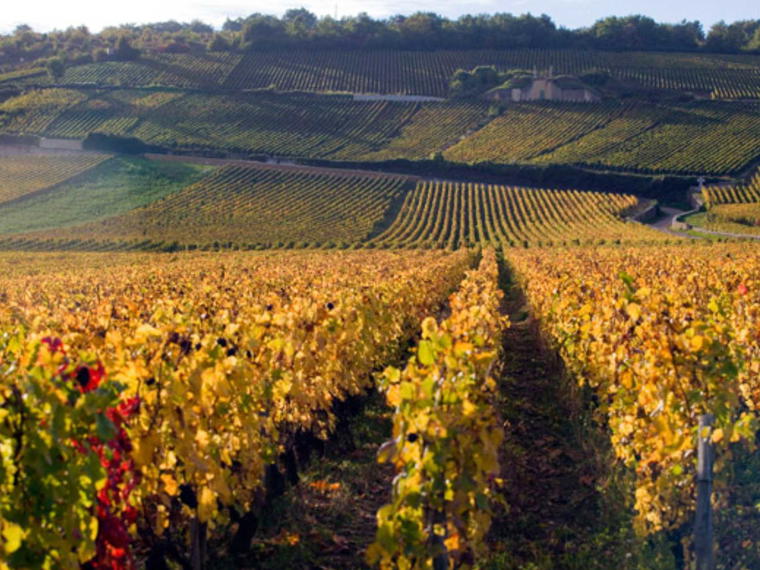
The domaine produces Pinot Noir across some of the Côte de Nuits's most closely watched appellations, from village-level Vosne to premier and grand cru parcels that trade at allocation rather than retail.
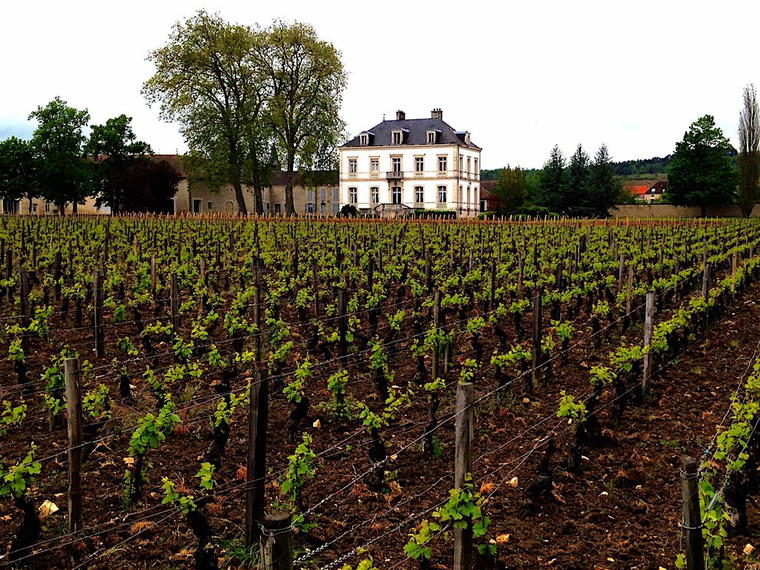
Volnay, France
Domaine de Montille has shaped Volnay's identity since its first vintage in 1863, with winemaker Étienne de Montille working a portfolio of village and premier cru parcels that read as a precise map of the appellation's terroir.
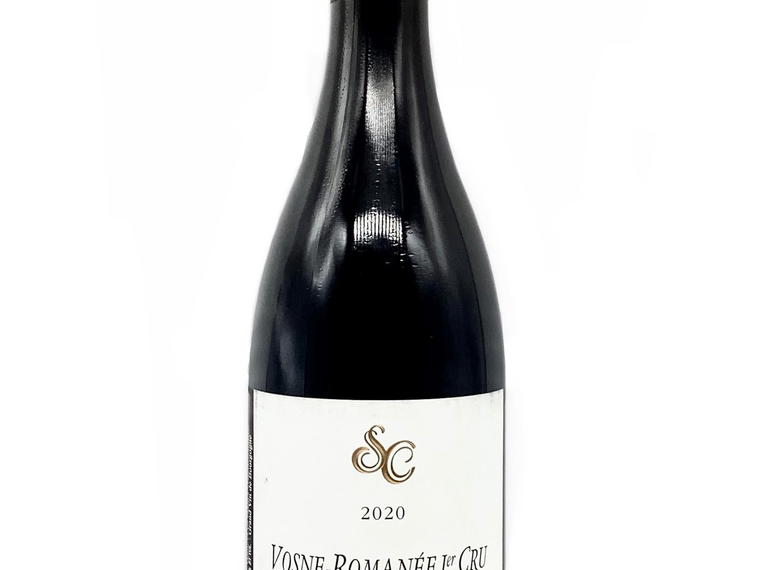
Vosne-Romanée, France
Accessing the domaine directly requires patience, the right relationships, and a clear understanding of how Burgundy's allocation system works. This is a producer for collectors who plan ahead.
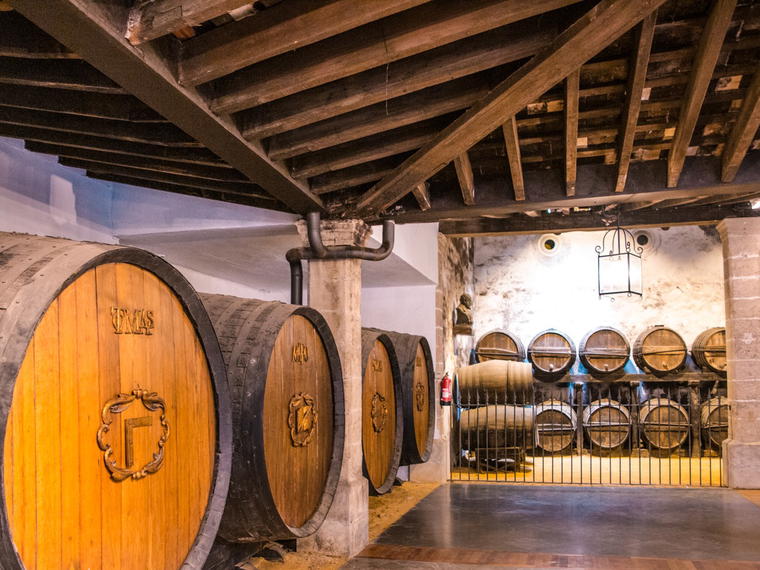
Jerez, Spain
González Byass in Jerez is the bodega behind Tío Pepe, one of Spain's most recognised fino sherries, operating from a nineteenth-century estate in the heart of Old Town since 1841. The Hotel Bodega Tío Pepe occupies the original workers' cottages on the same grounds, placing guests directly inside Andalusia's most historically layered sherry-producing estate.
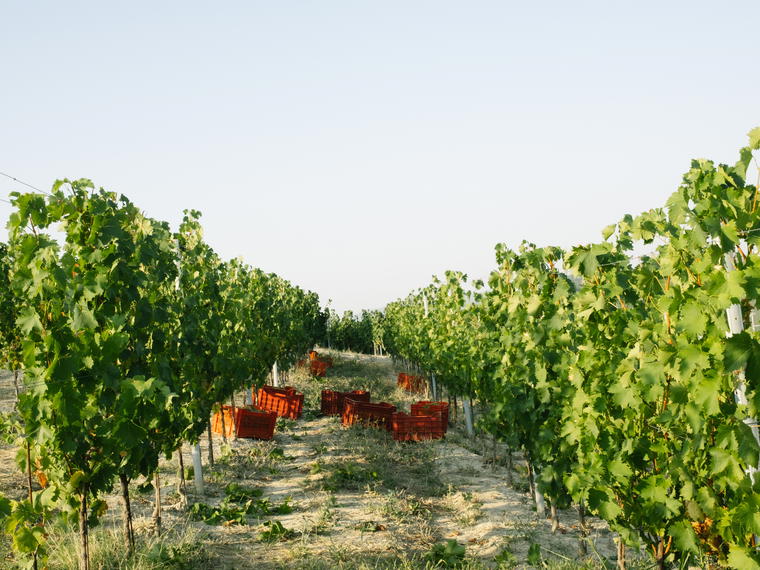
Alba, Italy
One of Piedmont's most established wine estates, the Ceretto family has shaped Langhe viticulture since the 1930s.. The combination of multi-generational continuity and documented terroir work puts Ceretto in a distinct tier among Alba's winery visits.
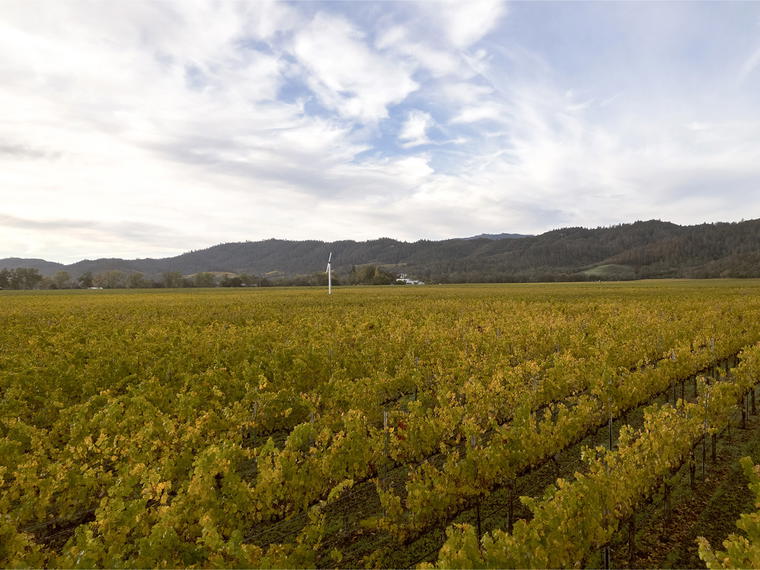
Oakville, United States
Robert Mondavi Winery, established in Oakville in 1966, holds a foundational position in California's premium wine tradition. The estate's To Kalon Reserve range, produced under winemaker Geneviève Janssens, sits at the upper tier of Napa Cabernet programming.
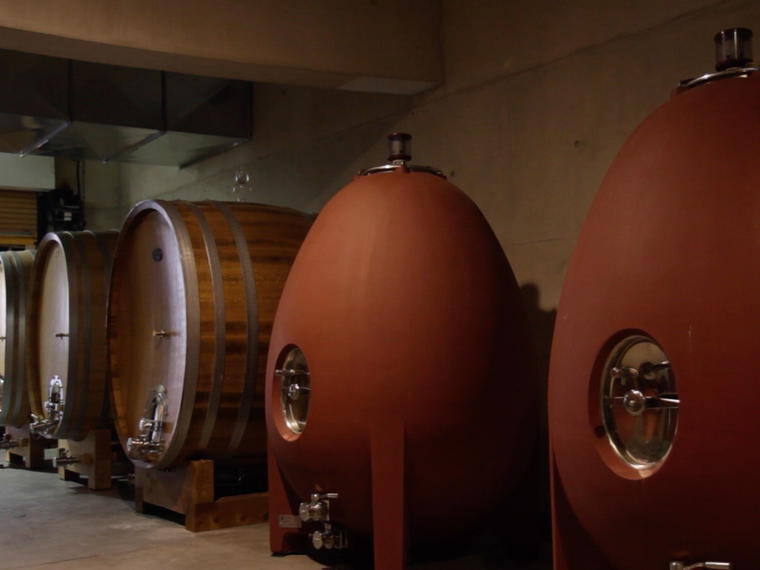
Panquehue, Chile
The Panquehue property pairs nineteenth-century heritage cellars with contemporary winemaking infrastructure, positioning it among Chile's most historically grounded producers for visitors seeking depth alongside their tasting.
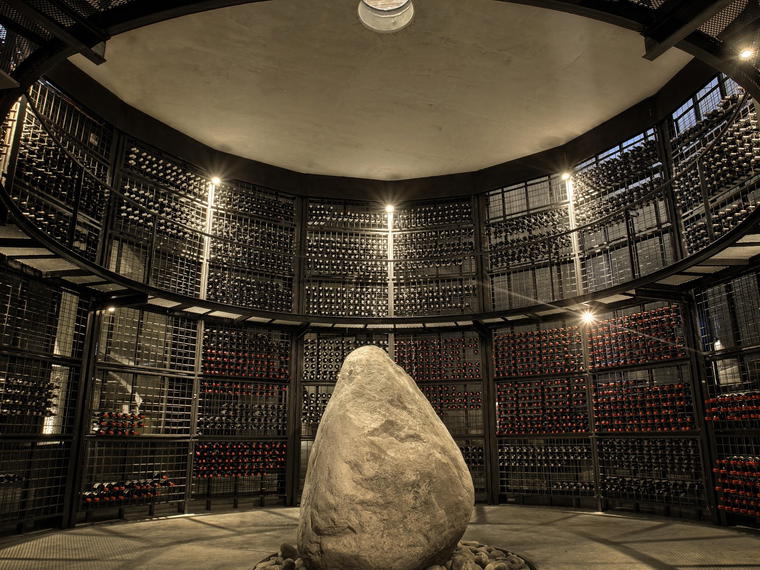
Tunuyán, Argentina
Zuccardi Valle de Uco sits at the architectural and viticultural forefront of Argentina's Uco Valley, drawing visitors to its landmark 2016 winery at Paraje Altamira, San Carlos.
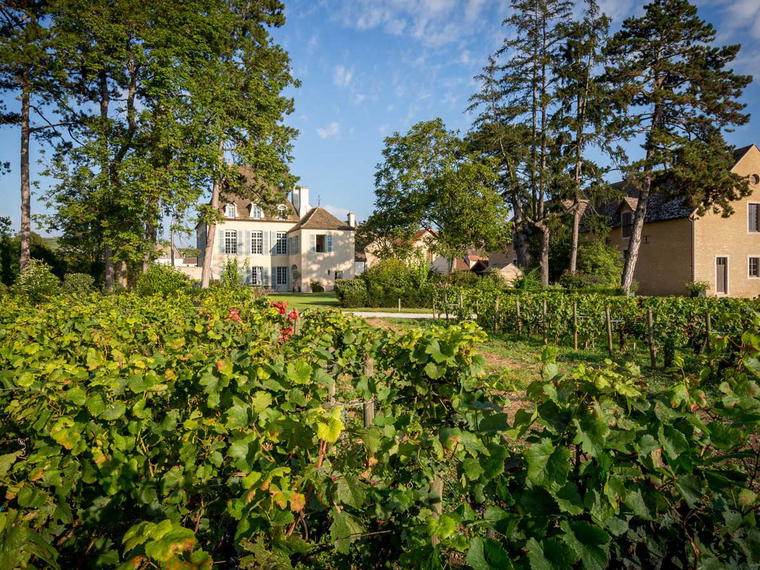
Beaune, France
One of Burgundy's most decorated négociant-éleveurs, Albert Bichot has operated from its address on Boulevard Jacques Copeau in Beaune for generations. For visitors to Beaune, it offers a point of entry into the full range of Burgundian appellations under one roof.
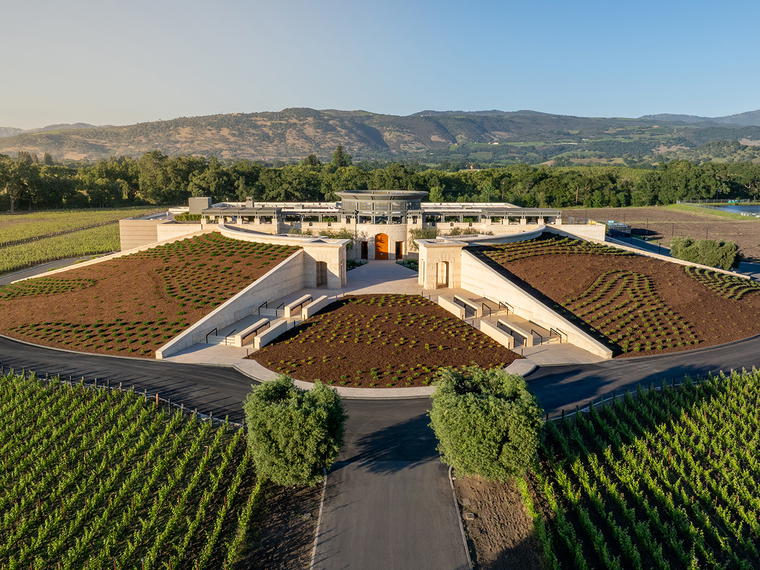
Oakville, United States
Opus One releases a single Cabernet-dominant Bordeaux blend each year from its Oakville estate, a format that places it among the more deliberately constrained prestige wineries in Napa Valley. Winemaker Michael Silacci oversees a program rooted in Old World discipline applied to New World terroir.
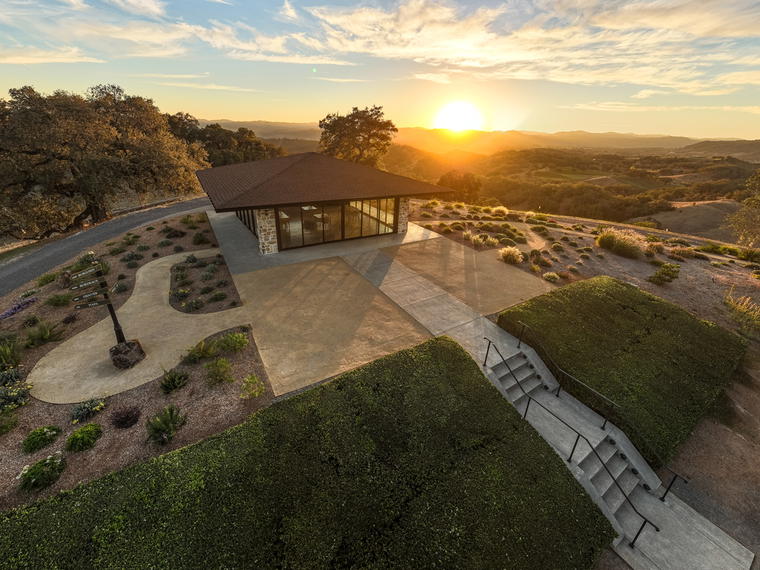
Healdsburg, United States
Founded in 1972 as an homage to Bordeaux, Jordan Vineyard & Winery sits on Alexander Valley Road in Healdsburg, producing Cabernet Sauvignon and Chardonnay from a French-inspired château estate.
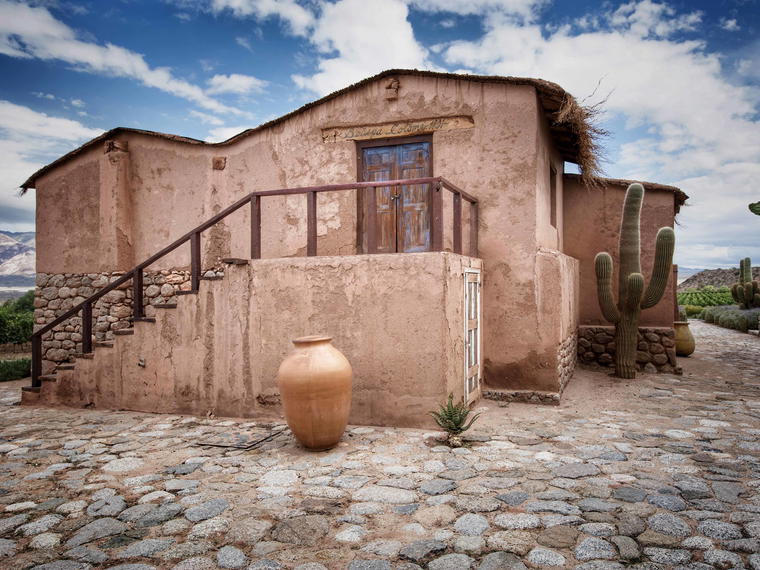
Molinos, Argentina
At 3,111 metres above sea level, Bodega Colomé operates at an altitude that defines everything the wines become. The Altura Máxima vineyard, among the highest commercially farmed plots on earth, produces Malbec and Torrontés shaped by ultraviolet intensity, wide diurnal swings, and soils that no lower-altitude appellation can replicate.
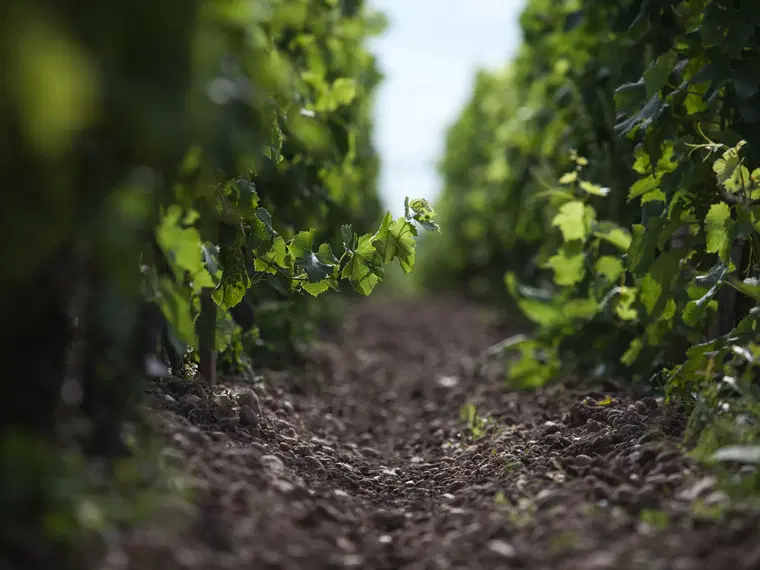
Saint-Julien-Beychevelle, France
One of the Médoc's most architecturally distinguished estates, Château Beychevelle has produced wine from its Saint-Julien terroir since 1583.
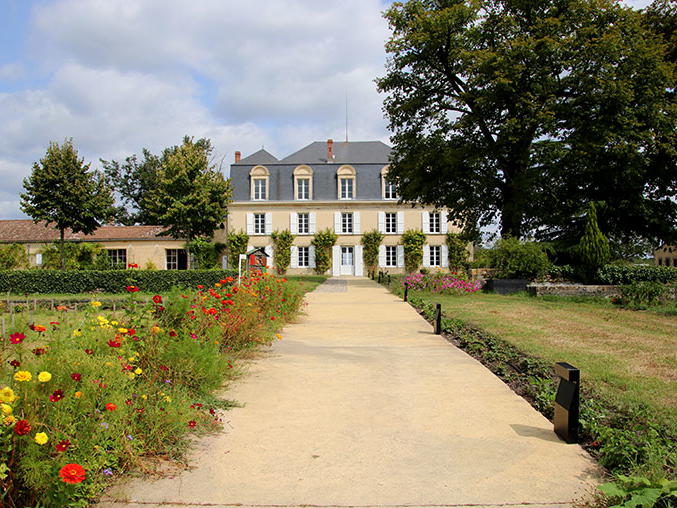
Sauternes, France
The estate sits within the Sauternes appellation, where morning mists from the Ciron river create the conditions for noble rot, and winemaker Luc Planty oversees a program that positions Guiraud among the appellation's most serious Premier Cru Classé producers.
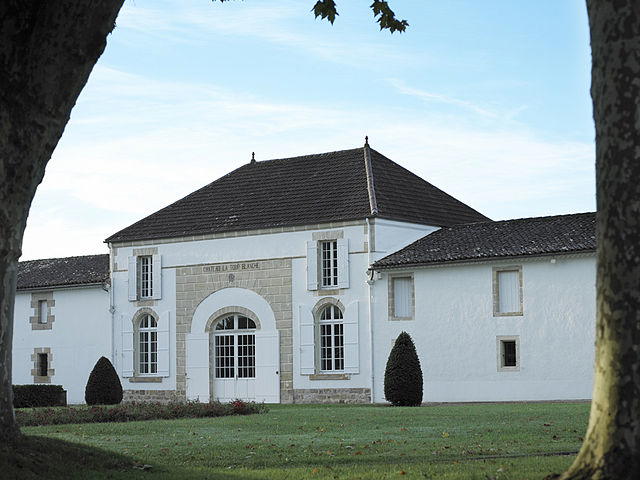
Bommes, France
Under winemaker Frédéric Nivelle, the property makes botrytis-driven whites whose profile places them in serious conversation with the commune's other ranked châteaux.
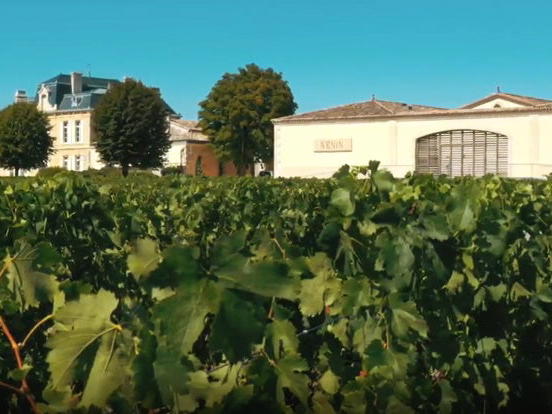
Libourne, France
The property sits near Libourne, the commercial hub of right-bank Bordeaux, placing it within reach of Saint-Émilion and the broader Pomerol appellation's most compelling terroir expressions.
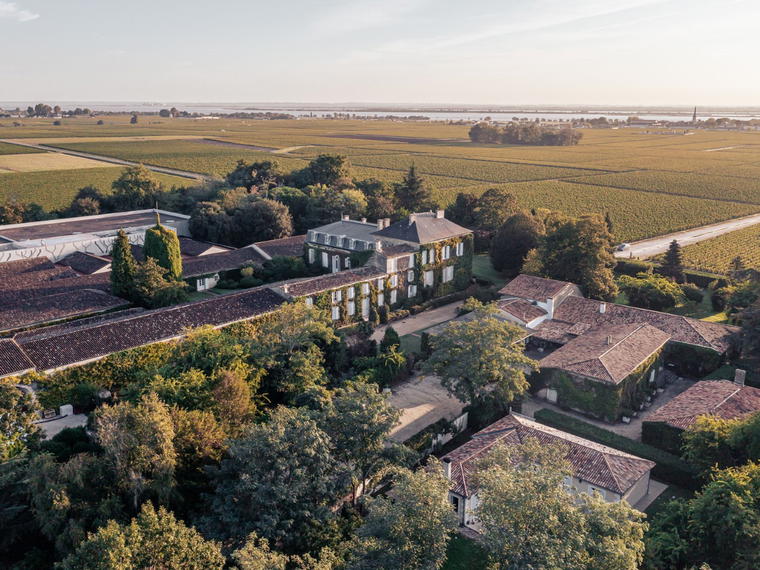
Saint-Julien-Beychevelle, France
Under winemaker Jean-Michel Laporte, the estate sits firmly within the classic Médoc tradition, where barrel selection and blending discipline define the character of each vintage. It occupies the upper tier of classified Saint-Julien producers.
Beaune, France
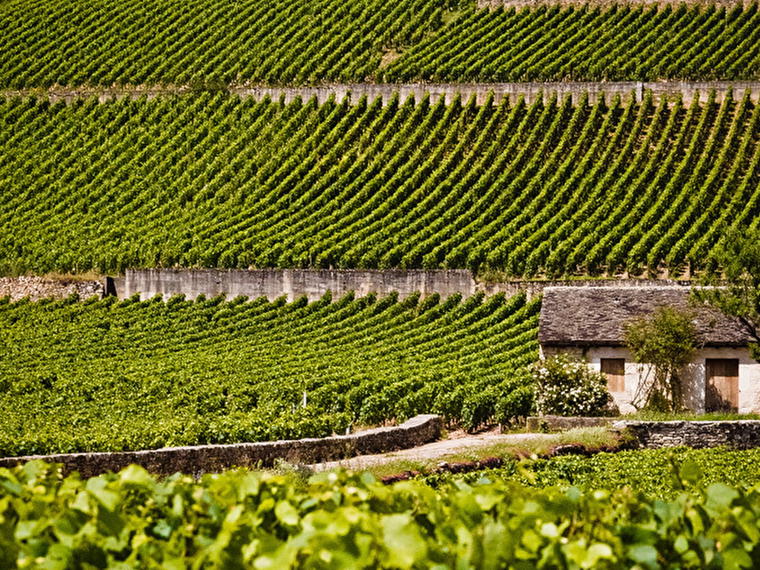
One of Burgundy's oldest continuously operating négociants, Domaine Bouchard Père et Fils has been vinifying Côte d'Or terroir from its base in Beaune since 1727.
Pacs del Penedès, Spain
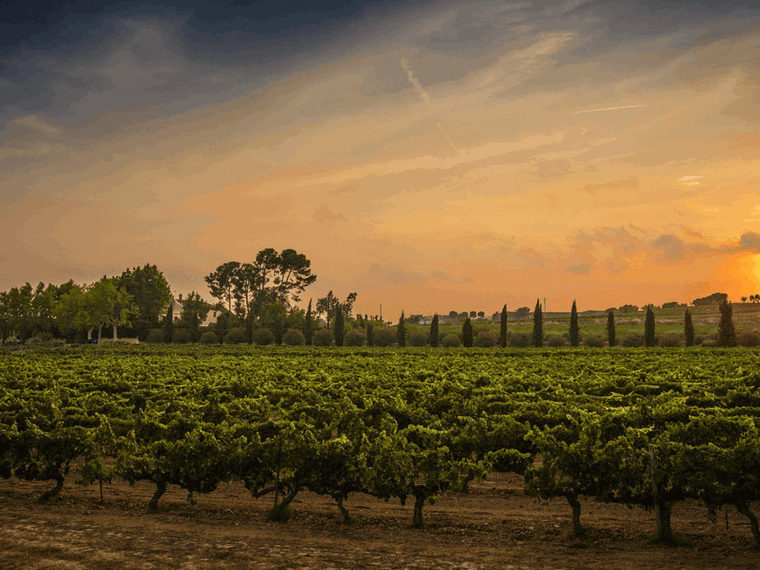
The experience places it in a distinct tier among Spanish wine estates where the land itself becomes the full evening programme.
Haro, Spain
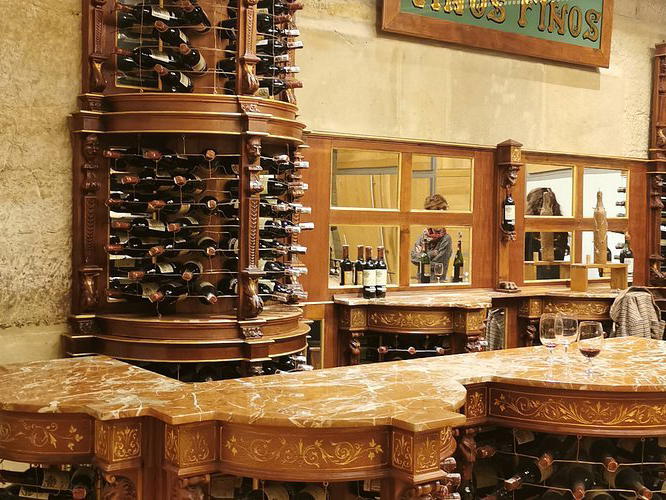
López de Heredia (Viña Tondonia) is one of Rioja's most deliberate producers, ranking No. 3 on the World's Best Vineyards 2019 list and. Based in Haro, the winery is defined by extended barrel and bottle aging that runs counter to modern production timelines, releasing wines that arrive on the market years — sometimes decades — after harvest.
Ampuis, France
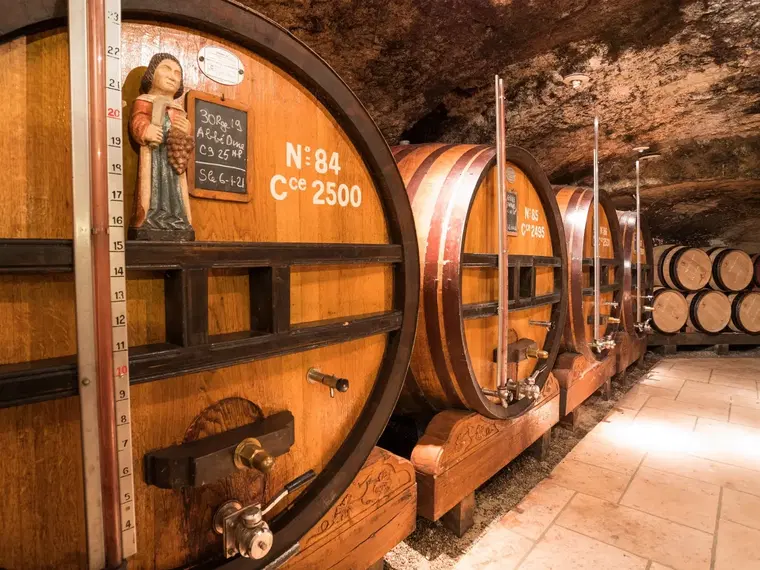
E. Guigal has anchored Ampuis and the broader Northern Rhône since its founding vintage in 1946, operating from the Château d'Ampuis — a Renaissance-era palace on the banks of the Rhône. Winemaker Philippe Guigal oversees a range that runs from accessible Côtes du Rhône to the single-vineyard La La La Syrahs that define how the appellation is understood internationally.
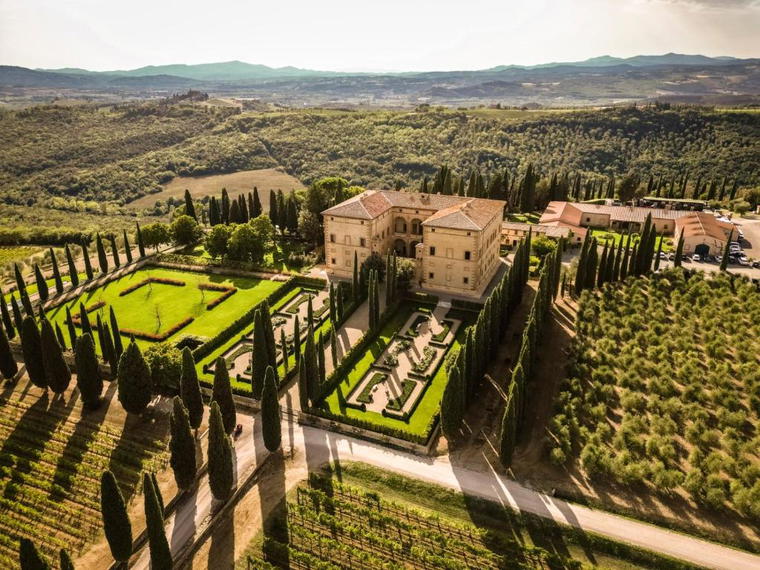
Montalcino, Italy
Under winemaker Bernardo Bossi Bonilla, the property produces Brunello di Montalcino from the Sant'Angelo in Colle hill, a subzone known for warmer soils and structured, age-worthy expression. For visitors seeking historical depth alongside serious contemporary winemaking, Argiano occupies a distinct place in the appellation.
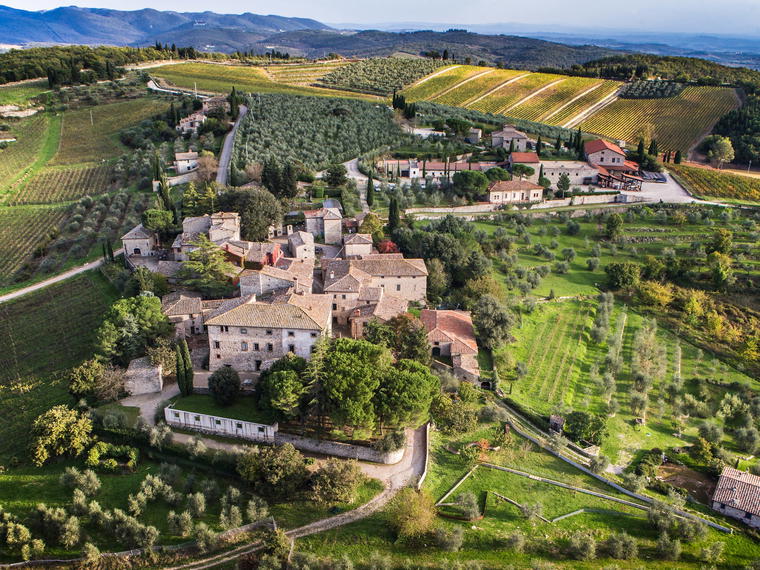
Gaiole in Chianti, Italy
Castello di Ama has produced estate Chianti Classico from the hamlet of Ama since 1978, under the long stewardship of winemaker Marco Pallanti.. The estate also integrates a contemporary art programme across its grounds.
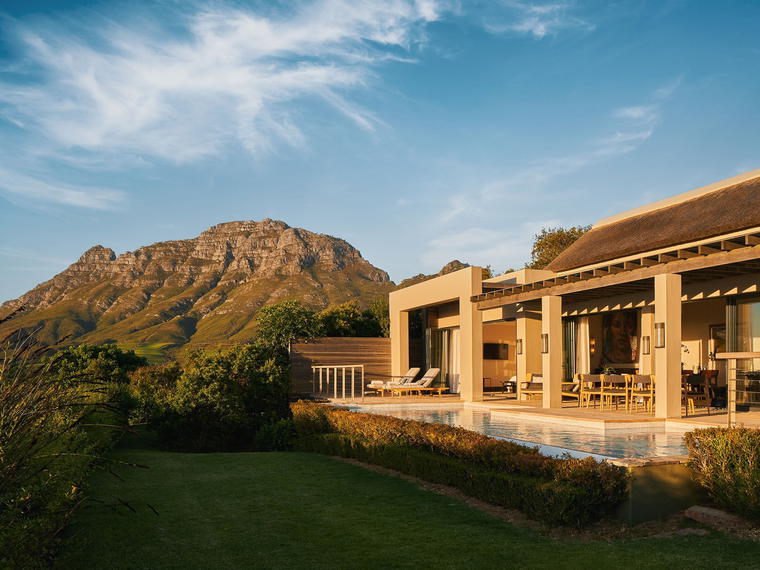
Stellenbosch, South Africa
Owned by British jeweler Laurence Graff OBE, it occupies the upper tier of the Cape Winelands' integrated wine-and-hospitality category, where architectural ambition and vineyard setting carry as much weight as what's in the glass.
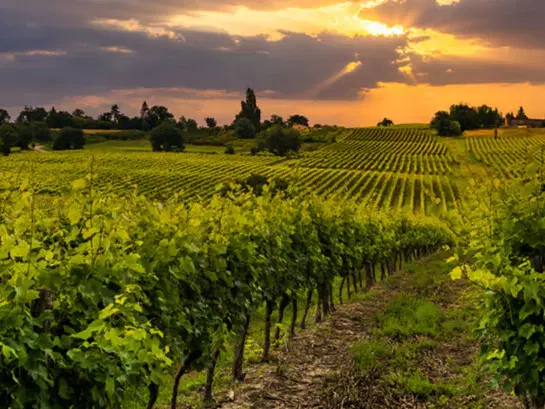
Gevrey-Chambertin, France
Domaine Fourrier has produced Gevrey-Chambertin from the same address since 1945, with Jean-Marie Fourrier directing a cellar programme built on extended élevage and restraint across a range of village, premier cru, and grand cru Pinot Noir.