
Château Climens is among Barsac's most closely watched addresses for Sémillon-based sweet wine. The estate sits within the Barsac appellation, where the combination of red fissured clay over limestone bedrock and proximity to the Ciron river drives the botrytis conditions that define the region's character. For collectors and serious sweet wine drinkers, it occupies a distinct tier in the Bordeaux dessert wine hierarchy.
Pearl is the En Primeur Club membership app — saves, bookings, and concierge access live there. Same editors, same standards.
- Address
- Climens lieu-dit, 33720 Barsac
- Phone
- +33 5 56 27 15 33
- Website
- chateau-climens.com
- Directions
- Get directions
 Saves & bookings on Pearl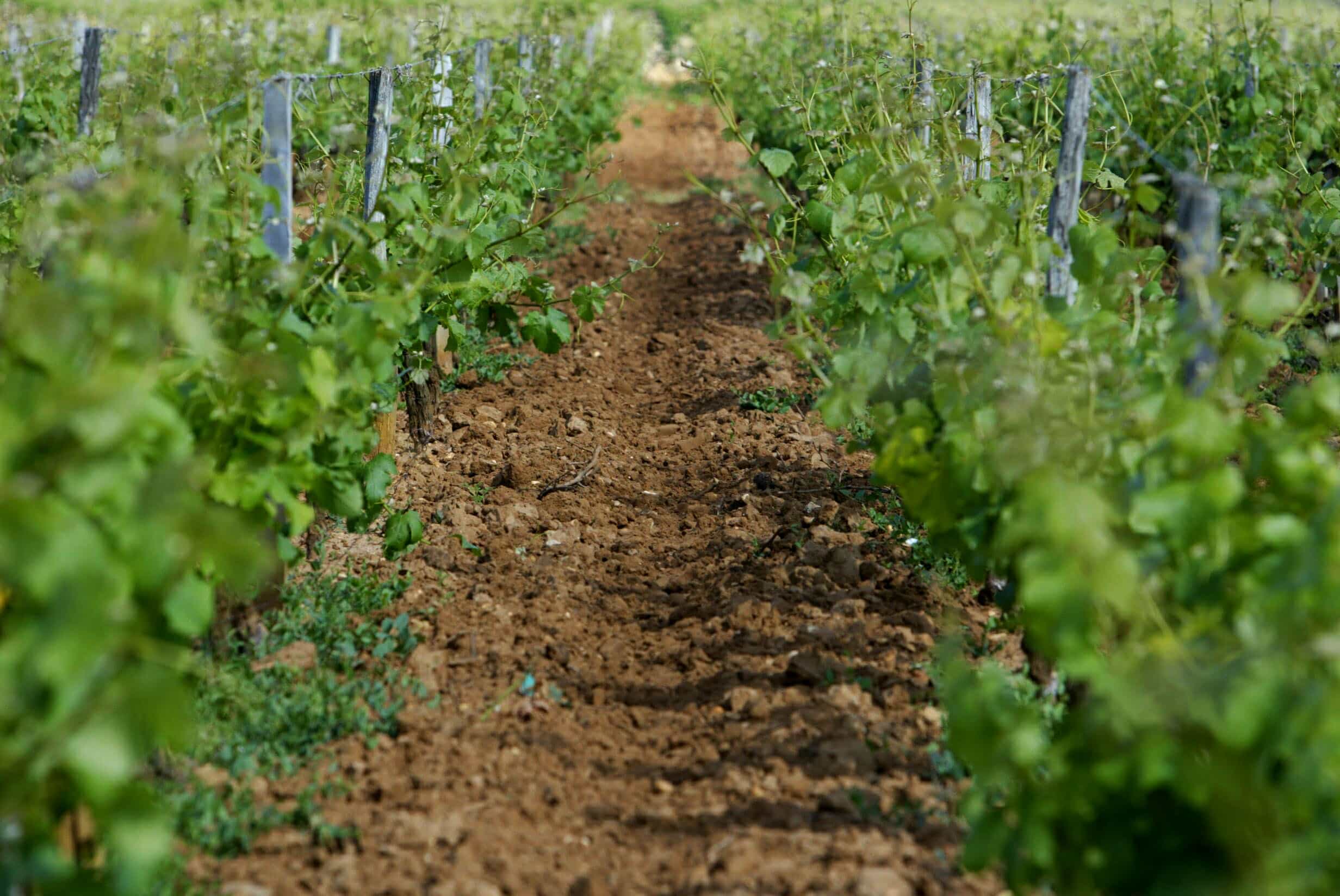
Barsac, Botrytis, and the Geology Beneath
The Barsac appellation sits immediately south of Sauternes, sharing the same climatic trigger: cold water from the Ciron river meeting the warmer Garonne, generating the morning mists that allow Botrytis cinerea to develop selectively across Sémillon bunches. What separates Barsac from its neighbour is geology. The subsoil here shifts from the deep gravel beds that characterise the Médoc and parts of Sauternes into something older and harder: a plate of red fissured limestone known locally as boulbènes, overlaid with a relatively thin layer of clay. That substrate drains quickly, stresses the vine in the right direction, and pulls mineralic tension into a wine that might otherwise read as pure sweetness. Château Climens, working from a parcel entirely within Barsac, is perhaps the clearest argument that the appellation deserves to be understood on its own terms rather than as a southern annex of Sauternes.
Those two data points, separated by 170 years, describe a consistent arc of quality that very few Bordeaux addresses can claim without interruption. For context on how Barsac's classified estates position relative to one another, Château Doisy-Daëne and Château Nairac offer useful points of comparison within the same commune, each working with the same botrytis imperative but arriving at somewhat different stylistic registers.
What the Terroir Actually Does
Limestone bedrock beneath Barsac performs a function that is easier to describe in effect than in chemistry. Drainage is rapid enough that the vine's root system has to reach further down to find water, which slows the vegetative cycle and concentrates sugar more gradually. The result, in most years, is a wine that achieves its sweetness without the heaviness that can arrive when botrytis overwhelms a vine grown on richer, more retentive soil. Climens, working almost exclusively with Sémillon on this particular terroir, produces wines where the sugar registers at high levels on paper but where a saline, almost chalky lift in the mid-palate creates a counterweight. This is the classic Barsac argument: residual sweetness as architecture rather than ornamentation.
Harvest protocol in this part of Bordeaux demands successive passes through the vineyard, called tries, picking only the bunches where botrytis has reached the correct stage of desiccation. A property aiming for this level of precision will typically complete five to eight passes in a productive vintage, with each selection adding labour cost that most volume-oriented appellations would reject as economically unsustainable.
Bérénice Lurton and the Lurton Network in Bordeaux
Lurton family name appears across a considerable swathe of Bordeaux production, from the Médoc down through the Graves and into the sweet wine appellations. At Château Climens, winemaker Bérénice Lurton has steered the estate through a period that has seen increasing pressure on the region's biodynamic credentials and a broader shift in how fine sweet wine is discussed critically. For those building a picture of how production philosophy spreads through wine families across appellations, the contrast with Lurton-adjacent estates operating in dry red categories, such as Château Branaire Ducru in St-Julien or Château Boyd-Cantenac in Cantenac, illustrates how broadly the region's established families have shaped its current quality tier.
Climens is also part of a documented shift in Barsac toward biodynamic viticulture, a move that affects harvest timing, soil treatment, and the vine's overall vigour in ways that eventually express themselves in the wine's aromatic profile. In the context of Bordeaux sweet wine, where the production cost is already high and yields are inherently low due to botrytis selection, biodynamic conversion represents a significant additional commitment. Comparable choices made at different price tiers and in different categories, such as the low-intervention approach at Albert Boxler in Niedermorschwihr or the production discipline evident at Accendo Cellars in St. Helena, suggest that the most closely watched estates across global fine wine increasingly treat the vineyard as the primary site of quality decisions rather than the cellar.
Climens Among Its Barsac Peers
Premium sweet wine appellations occupy a peculiar position in the contemporary fine wine market. Demand for the category has compressed relative to dry reds and whites over the past two decades, while the cost of production at the top tier has not. The estates that have maintained pricing and allocation coherence tend to be those with the longest classification histories and the clearest terroir argument. Climens sits in that position within Barsac, as does its immediate neighbour Château Doisy-Daëne, though the two addresses have diverged somewhat in style. Château Nairac, classified as a Deuxième Cru in 1855, offers a further data point for understanding how the appellation's internal hierarchy maps onto current critical reception.
Comparisons outside Bordeaux are also useful for calibrating where Climens sits in the broader world of premium sweet wine. The precision-oriented approach at Château Bastor-Lamontagne in Preignac occupies an adjacent geographic and stylistic space within the Sauternes-Barsac zone, while estates with entirely different production contexts, such as Chartreuse in Voiron or Aberlour in Aberlour, illustrate how different the definition of a prestige producer becomes when you move category and geography. Within its own zone, Climens occupies the upper end without the volume or the promotional machinery of some larger Bordeaux châteaux. Allocation is therefore the practical constraint: this is a wine acquired through relationships with merchants and négociants rather than from an open retail shelf.
For those exploring the wider Bordeaux estate spectrum, the contrast with Médoc Cru Classé addresses like Château Batailley in Pauillac, Château Cantemerle in Haut-Médoc, or Château Bélair-Monange in Saint-Emilion is instructive. Those estates work within the logic of dry red production, where vintage variation plays out across tannin and structure. At Climens, vintage variation plays out across the extent and quality of botrytis development, which introduces a different kind of risk and, in the leading years, a different kind of reward. Estates in Provence working with dry whites and rosés, such as Château de l'Aumérade and Château de Selle, operate in a category where botrytis is the enemy rather than the goal, which sharpens the point about how place-specific the logic of a great sweet wine estate actually is.
Planning a Visit and Finding the Wine
Barsac itself is a small commune along the left bank of the Garonne, reachable from Bordeaux by train (the line toward Langon stops at Barsac station) or by road in under an hour. The address at Climens lieu-dit places the estate within the commune's agricultural core, among the flat limestone plateau that gives the appellation its geological character. Estate visits at properties of this classification tier in Bordeaux typically require advance contact; walk-in access is not the model here. For anyone planning time in the region, the full Barsac guide covers the broader commune context, including how to structure a visit across multiple classified estates in a single day. Acquiring the wine itself is most reliably done through a Bordeaux négociant or a specialist merchant with en primeur allocation access, since the estate's annual production is limited by the harvest's botrytis selectivity and does not enter the general market in volume.
Recognition history
Dated appearances from independent guides and award organizations, with the underlying list record or original source where available.
Falstaff Winery - 4 Stars
Falstaff
Continue exploring
More in Barsac
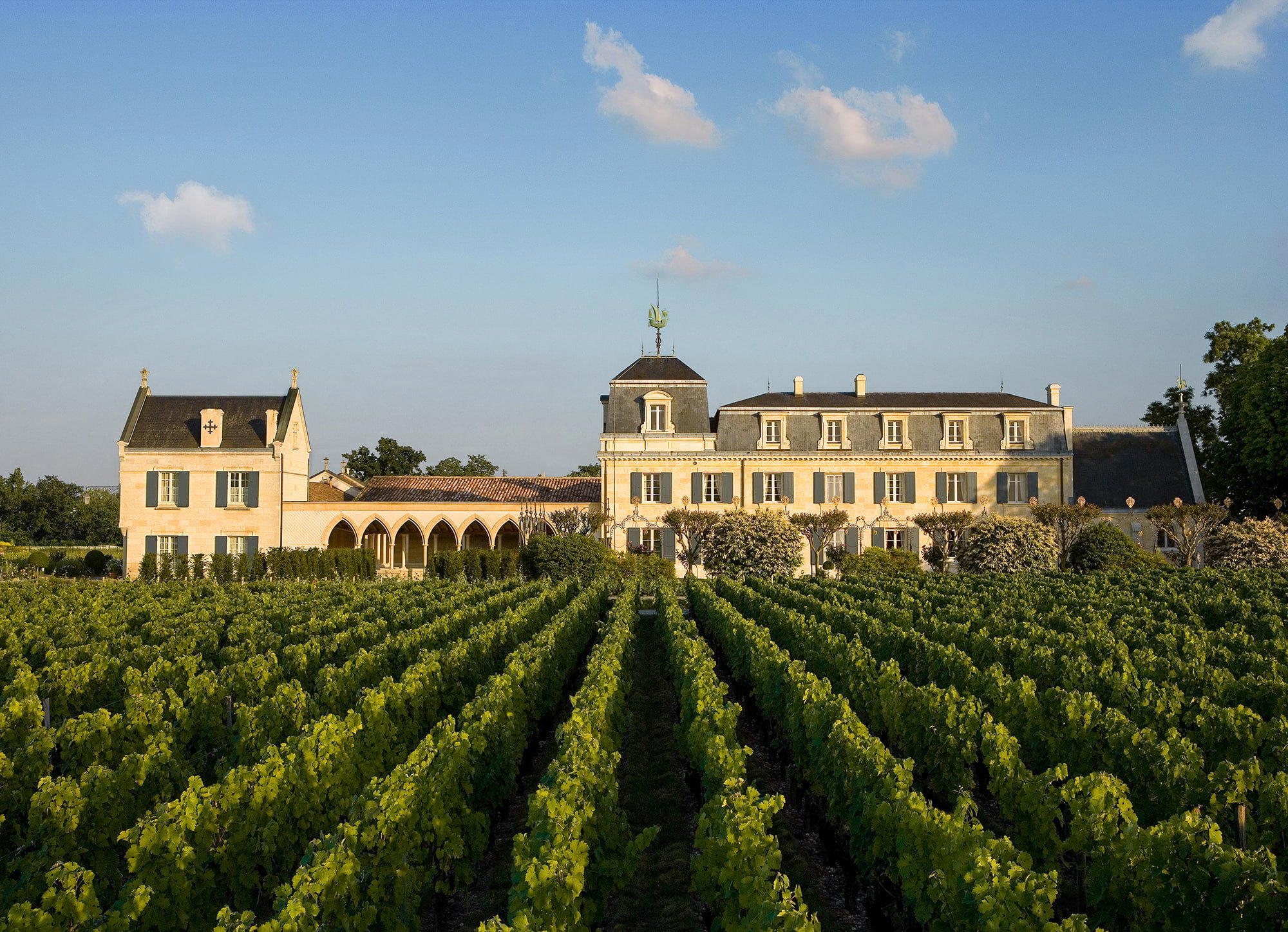
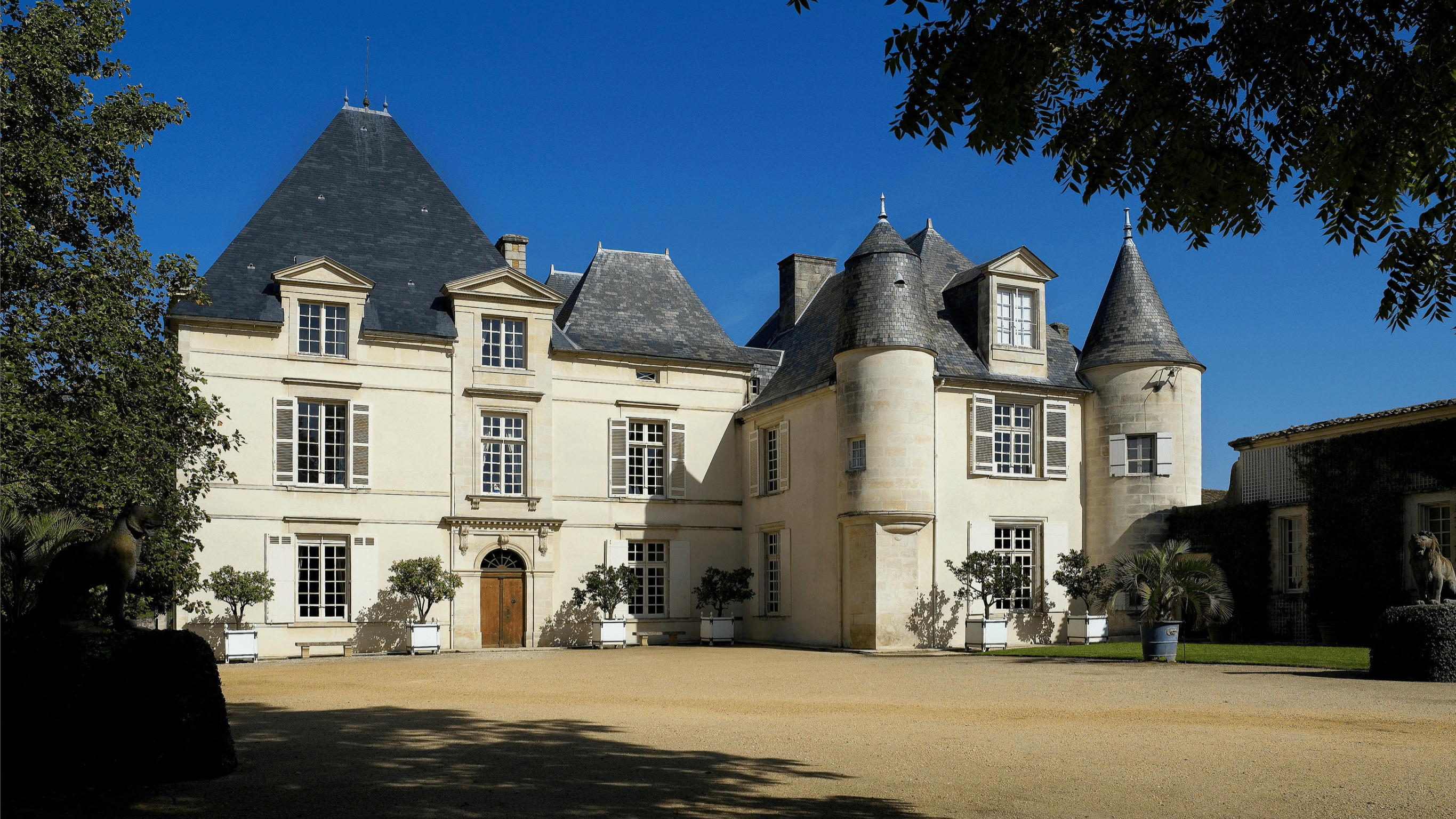
Wineries in Barsac
Browse all →
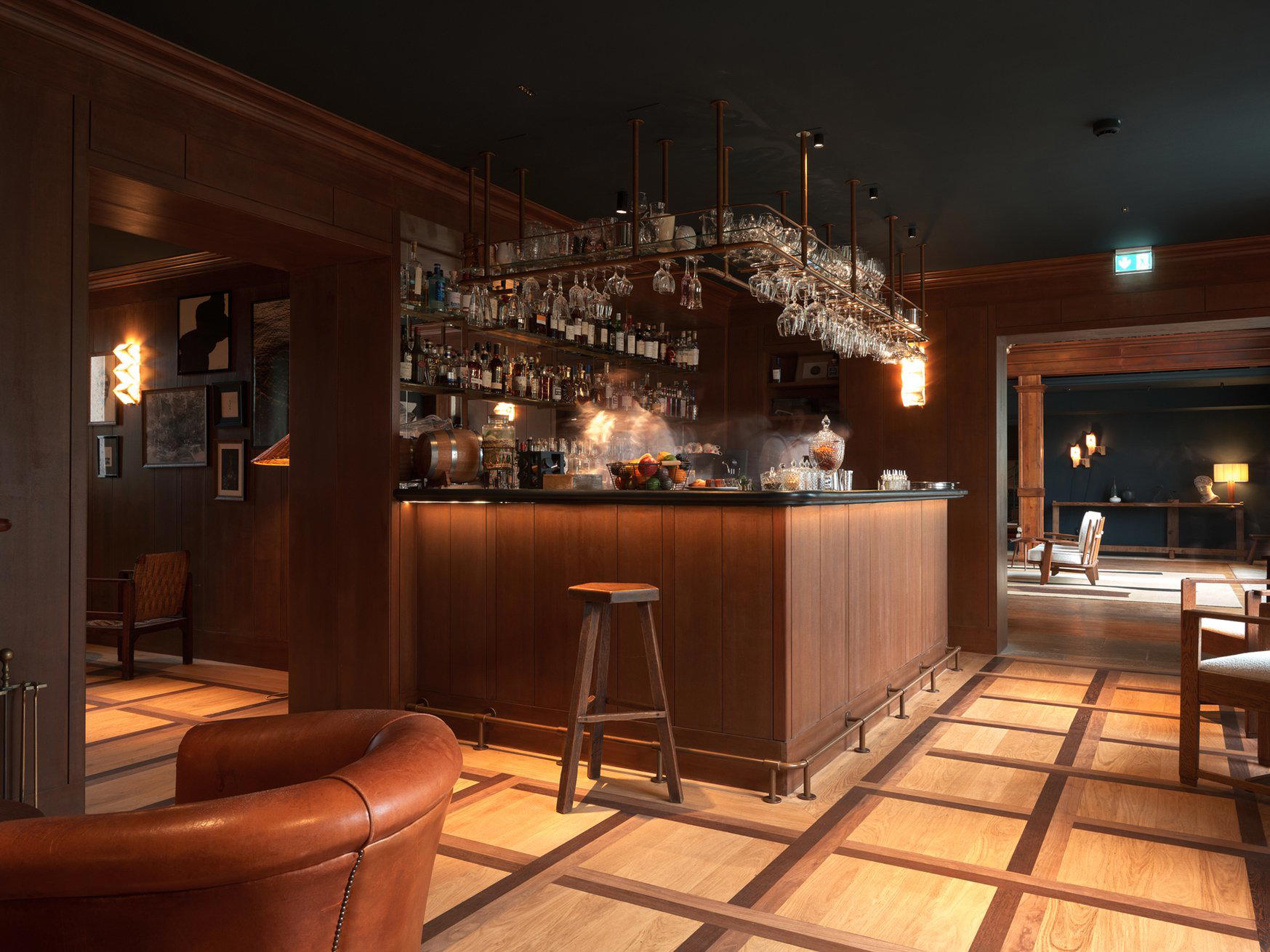
Bars in Barsac
Browse all →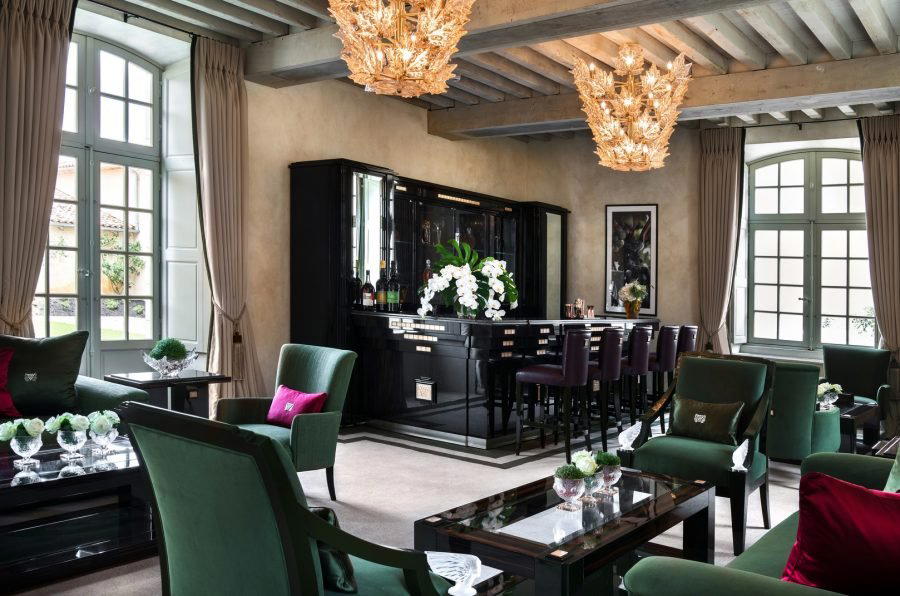
Restaurants in Barsac
Browse all →
At a Glance
- Elegant
- Classic
- Scenic
- Sophisticated
- Intimate
- Wine Education
- Special Occasion
- Vineyard Tour
- Estate Grounds
- Historic Building
- Biodynamic
- Vineyard
- Barsac AOC
- Semillon
- Dessert
- Cave Tasting
- Private Tasting
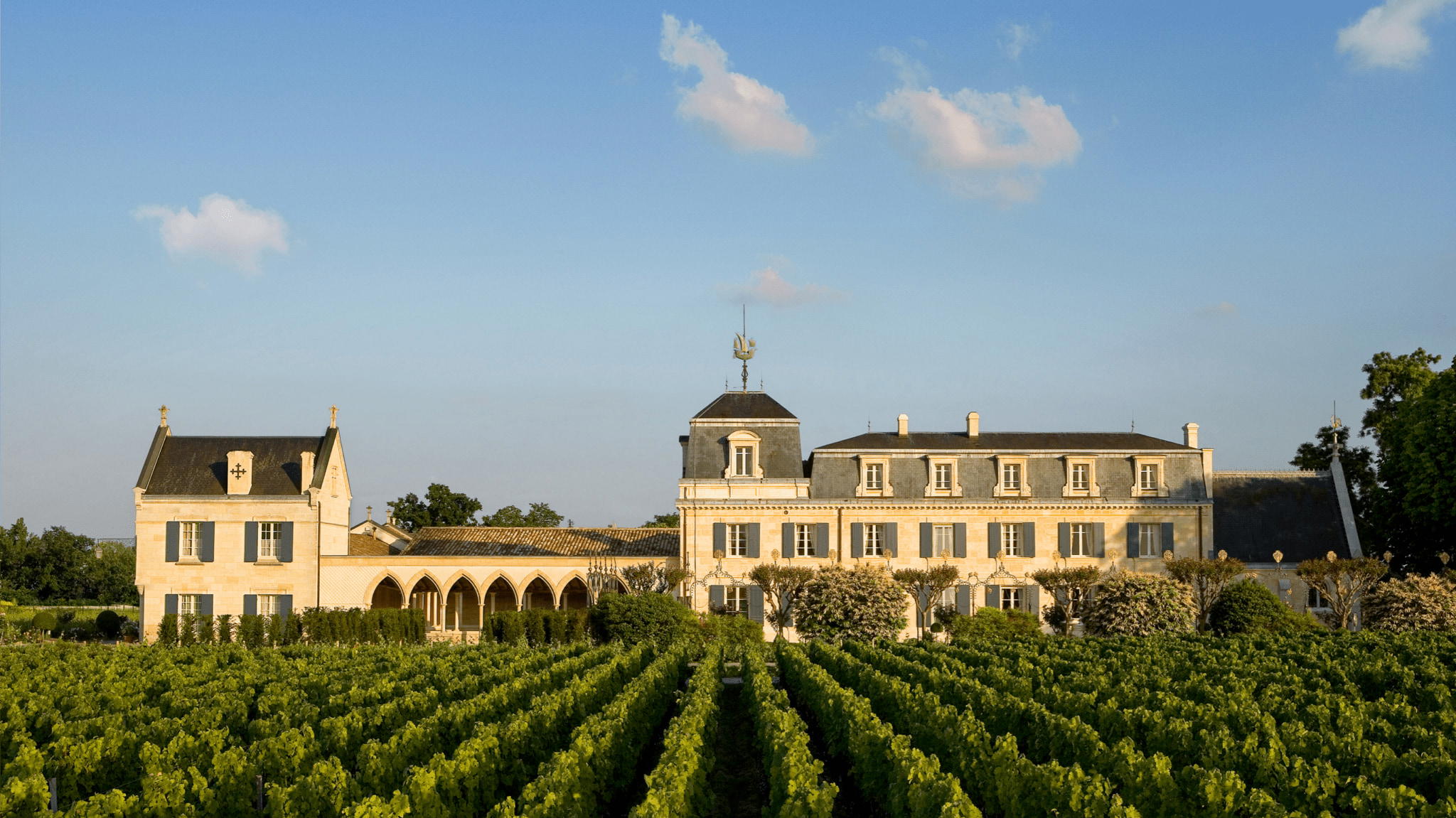
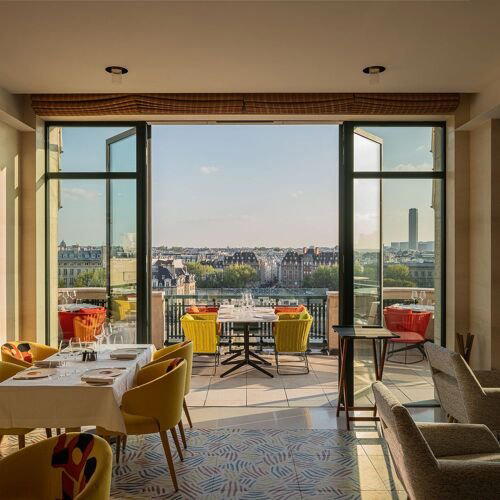
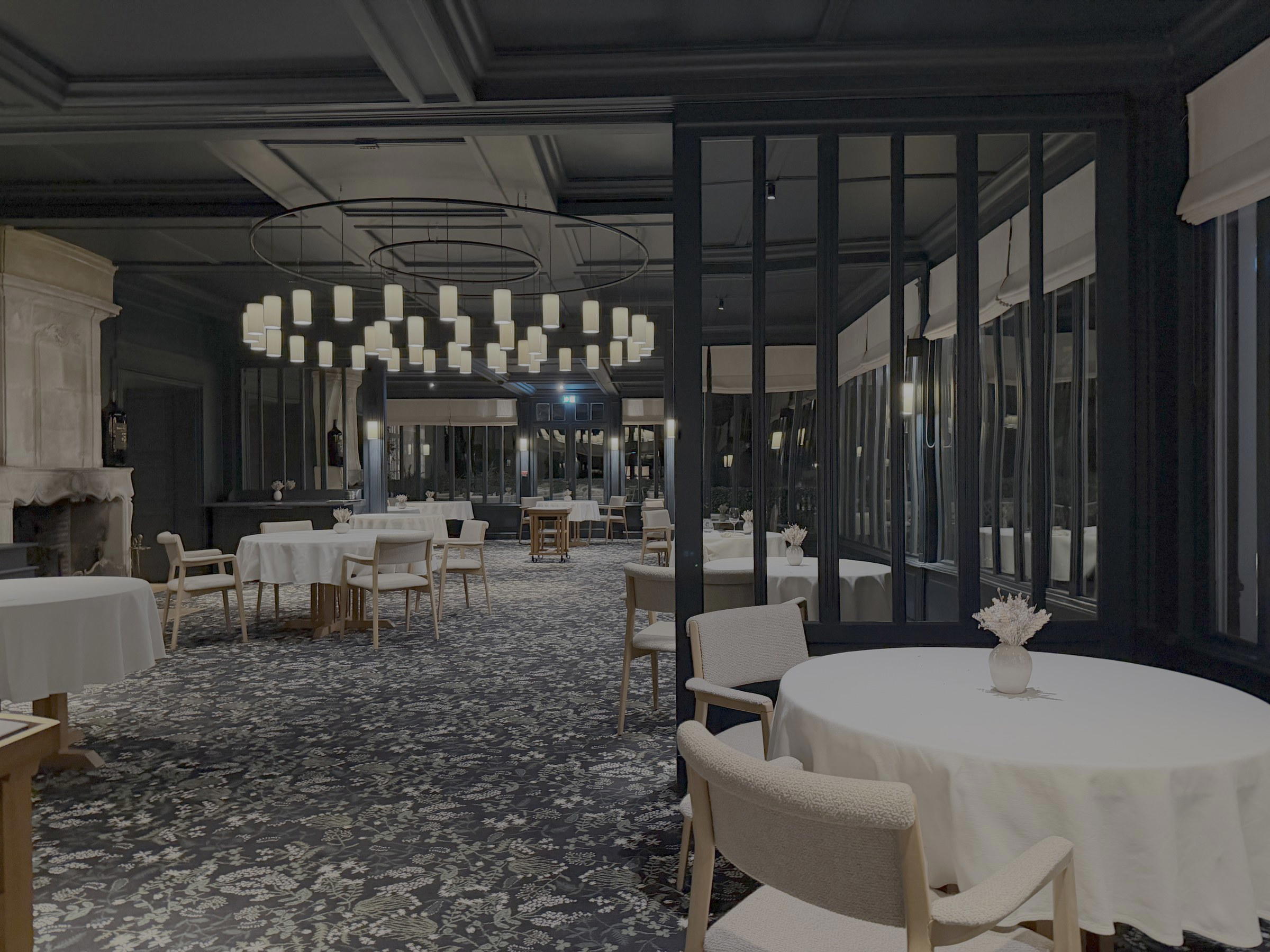
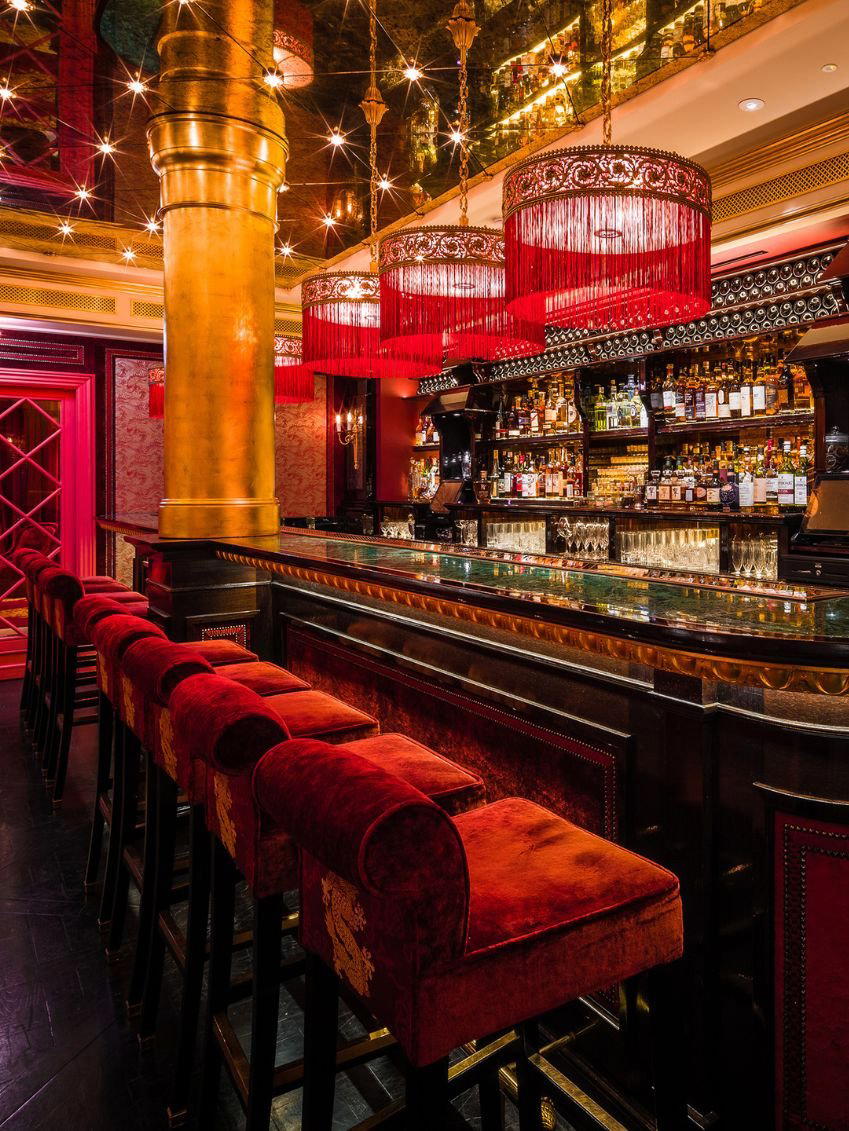
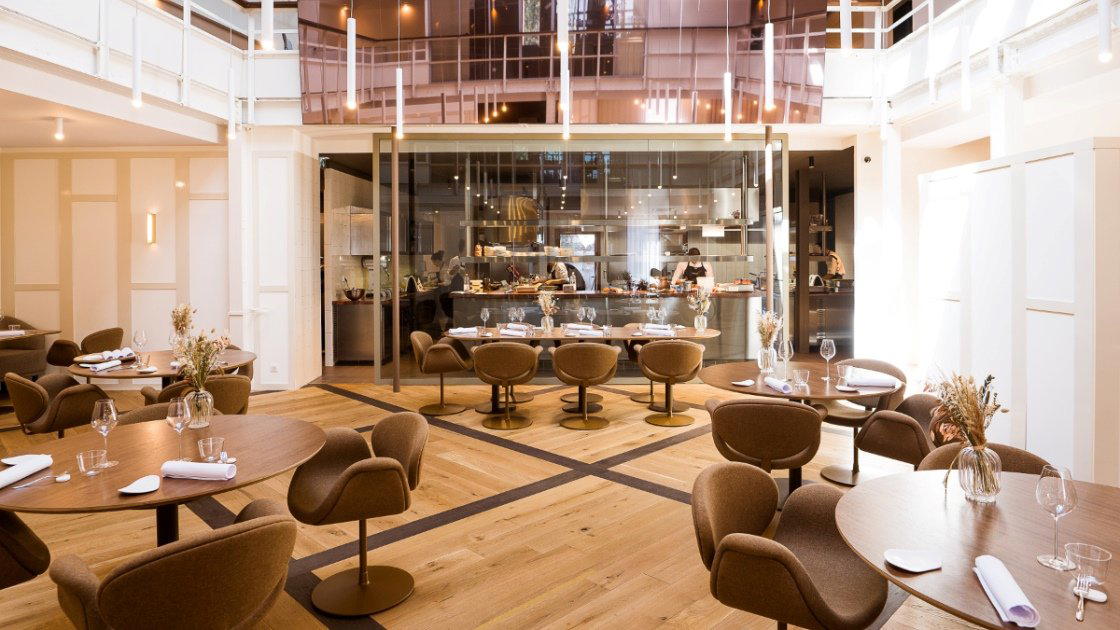
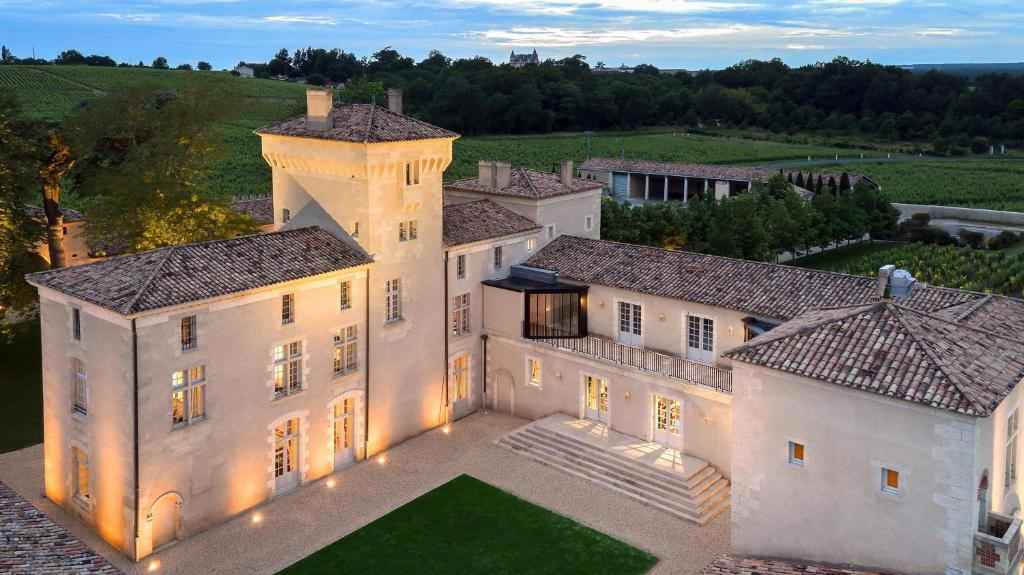
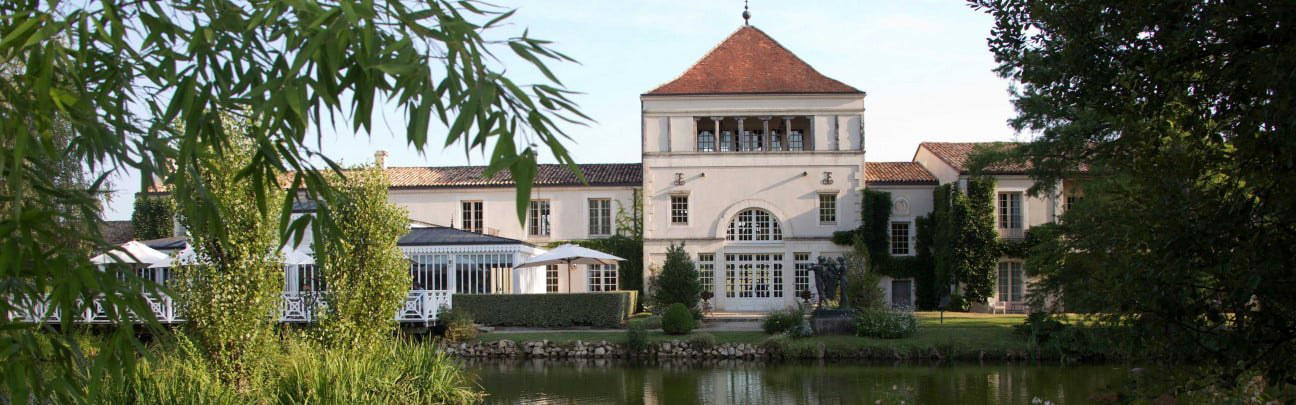
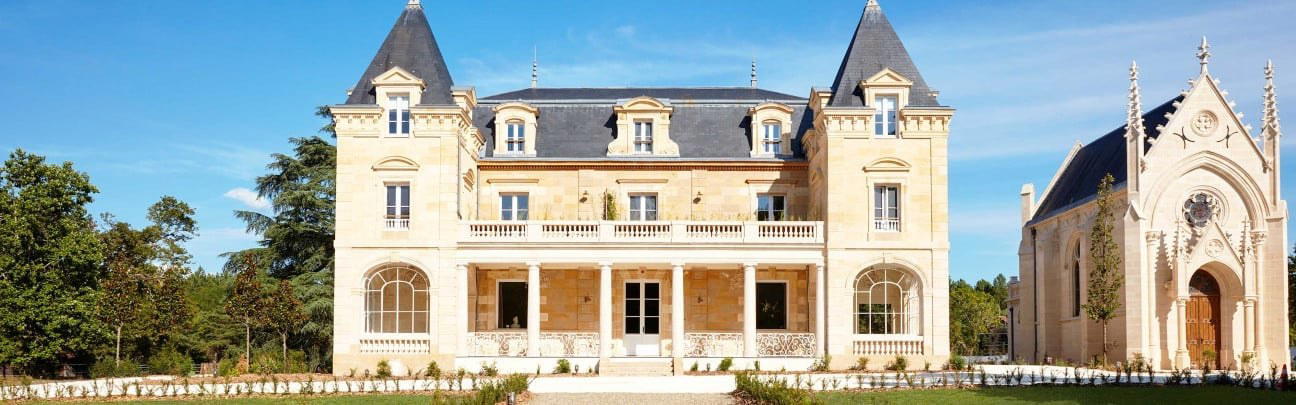
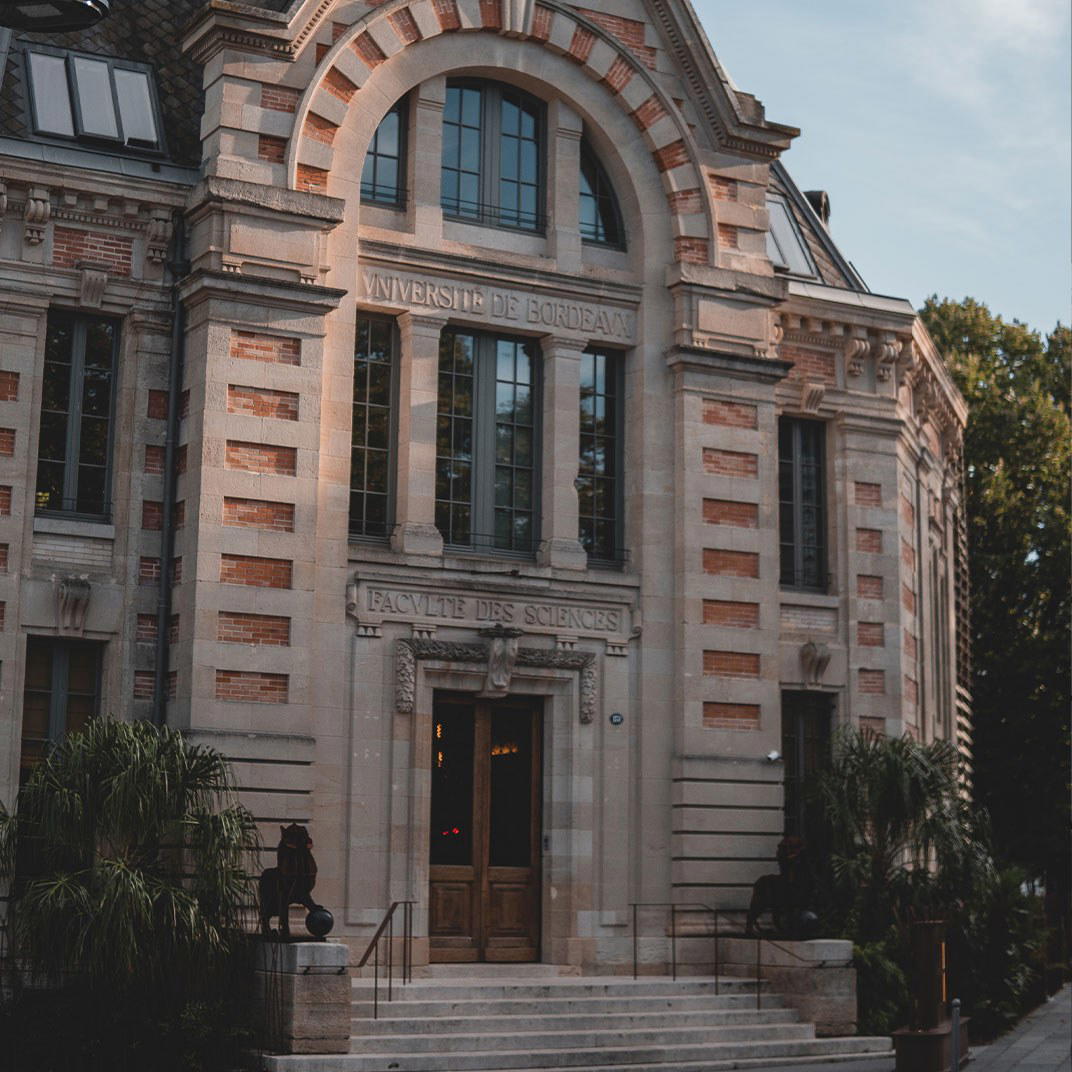
Elegant and refined historic atmosphere with a focus on sophisticated wine tasting in a classic chateau setting amid scenic vineyards.
Know Before You Go
- Getting there
- Climens lieu-dit, 33720 Barsac