
Falstaff Winery - 3 Stars
The winery represents a significant scale of production within the Spanish appellation system, with medals across multiple tiers confirming consistent quality from a house with deep roots in the region.

Pearl is the En Primeur Club membership app — saves, bookings, and concierge access live there. Same editors, same standards.
- Address
- Calle Pozo Fonso, 01320 Oyón-Oion, Araba
- Phone
- +34 945 60 12 28
- Website
- bodegasfaustino.com
- Directions
- Get directions
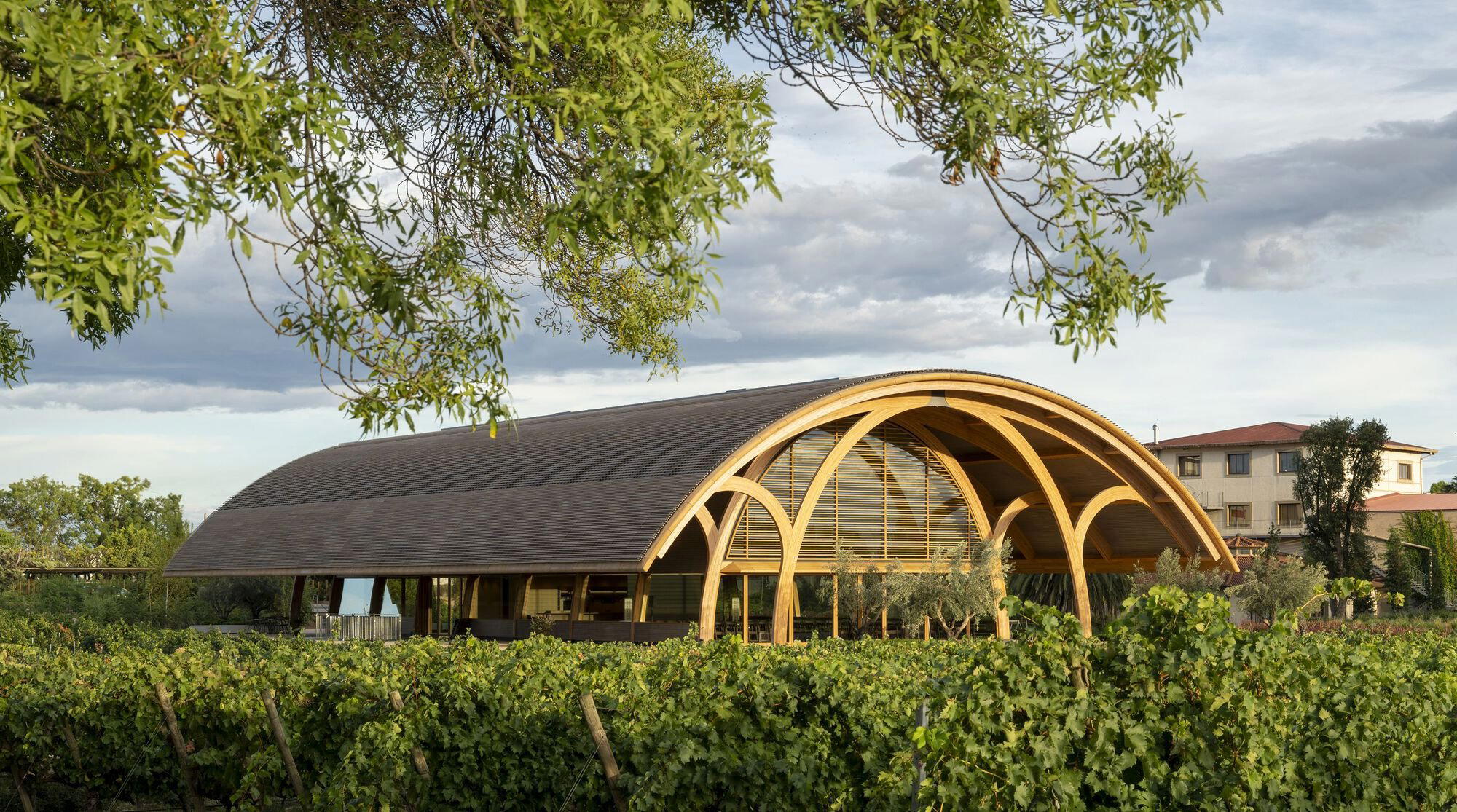
Rioja Alavesa and the Latitude That Shapes Everything
Oyón sits at the southwestern edge of the Basque Country, just inside Álava province, where the Sierra de Cantabria acts as a climatic wall between the wet Atlantic north and the drier Castilian meseta to the south. This topographic drama is not incidental to what ends up in the glass. Rioja Alavesa, as a sub-zone, receives less rainfall and more extreme diurnal temperature swings than Rioja Alta or Rioja Oriental, and those swings, sometimes exceeding 20°C between day and night during the growing season, slow ripening and preserve the aromatic freshness that distinguishes the appellation's better producers. Bodegas Ysios in Laguardia and CVNE (Cune) in Haro draw on related geography; the shared thread is how the Sierra's rain shadow concentrates solar exposure while the altitude keeps acidity in check rather than stripping it.
Bodegas Faustino, addressed at Calle Pozo Fonso in Oyón, occupies this corridor directly. The town itself is small, the landscape open, and the sense on arrival is of a property integrated into an agricultural working environment rather than positioned for wine tourism spectacle. That physical context matters for reading the wines: this is a region where viticulture has been the local economy for generations, and where the land's character is the primary reference point for production decisions.
Clay, Limestone, and the Tempranillo Argument
Rioja Alavesa's soils are predominantly clay-limestone, often with a calcaire topsoil sitting over harder bedrock. This combination drains well enough to stress the vine and concentrate fruit, while retaining sufficient moisture to carry the plant through dry spells without irrigation becoming essential. Tempranillo, the dominant grape across all three Rioja sub-zones, expresses itself differently here than it does on the sandier, alluvial soils closer to the Ebro. The Alavesa version tends toward firmer tannins, higher natural acidity, and a profile that ages more predictably under extended oak and bottle maturation.
The classical Rioja model, long ageing in American oak with deliberately oxidative character, has been under revision across the appellation since at least the early 2000s. Some producers have moved toward shorter oak contact and more fruit-forward profiles. Others have maintained the traditional approach with modifications, switching from American to French oak or reducing the proportion of new wood. Where Faustino positions itself within this ongoing conversation is visible in the medal spread from the 2025 Decanter World Wine Awards: 12 wines awarded, with medals ranging from Bronze through Silver to one Gold, suggests a portfolio spanning multiple styles and price points rather than a single-track production philosophy.
What the 2025 Decanter Results Actually Signal
At Decanter World Wine Awards, medal thresholds are calibrated by a panel system that accounts for vintage variation and regional typicity. A Gold medal represents a score of 95 points or above, marking wines that the judging panel regards as reference-quality within their category. Five Silver medals and six Bronze medals across a single producer's lineup indicate consistent quality at commercial and mid-range price tiers, not just isolated peak performance from a prestige bottling. This spread is editorially relevant: it positions Faustino as a producer with depth across its range rather than one relying on a single flagship to carry reputation.
For comparison within the broader Spanish fine wine context, Bodegas Protos in Peñafiel and Emilio Moro in Pesquera de Duero represent Ribera del Duero's alternative argument for Tempranillo-based ageing potential, while Clos Mogador in Gratallops and Marqués de Cáceres in Cenicero map the stylistic diversity within Spain's broader premium wine geography.
Visiting Oyón: Practical Orientation
Oyón sits roughly 70 kilometres south of Bilbao and approximately 90 kilometres northwest of Pamplona, making it accessible from either city by road in under an hour and a half. The nearest major transport hub is Logroño, about 15 kilometres to the south across the provincial border into La Rioja, which has train connections to Madrid and a small regional airport. The driving route from Logroño through the Ebro valley into Álava takes visitors through a continuous sequence of vineyards, making the journey itself an orientation in the region's agricultural scale. For broader context on dining and visiting options in the area, our full Oyón restaurants guide covers the surrounding food and wine scene.
Visiting Faustino directly requires advance planning. Faustino operates at a scale that typically supports cellar door visits and trade appointments, but specific tour formats and their availability should be verified directly. The broader Rioja Alavesa circuit, which includes properties like Bodegas Vivanco in Valle de Mena, offers enough density of serious producers to justify two to three days in the region.
Rioja in Its Competitive Frame
Spanish wine operates within a sprawling DO and DOC system, and Rioja DOCa remains the most recognised appellation internationally. That recognition brings a dual pressure: producers must satisfy export markets conditioned by a specific image of Rioja as a wood-aged, garnet-coloured red, while also responding to a domestic and connoisseur market that has moved toward Burgundian-influenced precision and parcel-level differentiation. This is the same structural tension that shapes production decisions at Abadía Retuerta in Sardón de Duero and Arzuaga Navarro in Quintanilla de Onésimo, producers working within different appellations but navigating the same question of how much to respect category convention and how much to depart from it.
Faustino's award spread at Decanter 2025 suggests the portfolio addresses multiple points on that spectrum. A house producing 12 award-winning wines in a single competition cycle is not operating as a micro-producer focused exclusively on premium allocation bottles; it is operating as a significant volume producer that also maintains quality at the upper tiers. That is a commercially demanding position to hold credibly, and the medal evidence indicates it is being managed. For readers building a comparative map of serious Spanish producers, Marqués de Griñón (Dominio de Valdepusa) in Malpica de Tajo, Codorníu in Sant Sadurní d'Anoia, and Lustau in Jerez de la Frontera each represent different axes of scale-meets-quality within the broader Spanish wine picture.
In Context: Similar Options
Comparable venues nearby, for context on price, style, and recognition.
| Venue | Cuisine | Price | Awards | Notes |
|---|---|---|---|---|
| Bodegas FaustinoThis venue — the venue you are viewing | Tempranillo, Graciano | Not listed | Falstaff Winery - 3 Stars | Not listed |
| La Orden del Libra Gin | Winery | Not listed | Not listed | Córdoba |
| Bodegas Baigorri | Tempranillo, Grenache | Not listed | Falstaff Winery - 3 Stars | Rioja Alavesa |
| CVNE (Cune) | Tempranillo, Viura | Not listed | Not listed | Barrio de la Estación |
| Bodegas Franco-Españolas | Tempranillo, Garnacha | $20–30 | Falstaff Winery - 1 Stars | Logroño |
| Bodegas Roda | Tempranillo, Graciano | $50–100 | Falstaff Winery - 4 Stars | Barrio de la Estación |
Recognition history
Dated appearances from independent guides and award organizations, with the underlying list record or original source where available.
Falstaff Winery - 3 Stars
Falstaff
Continue exploring
More in Oyón
Wineries in Oyón
Browse all →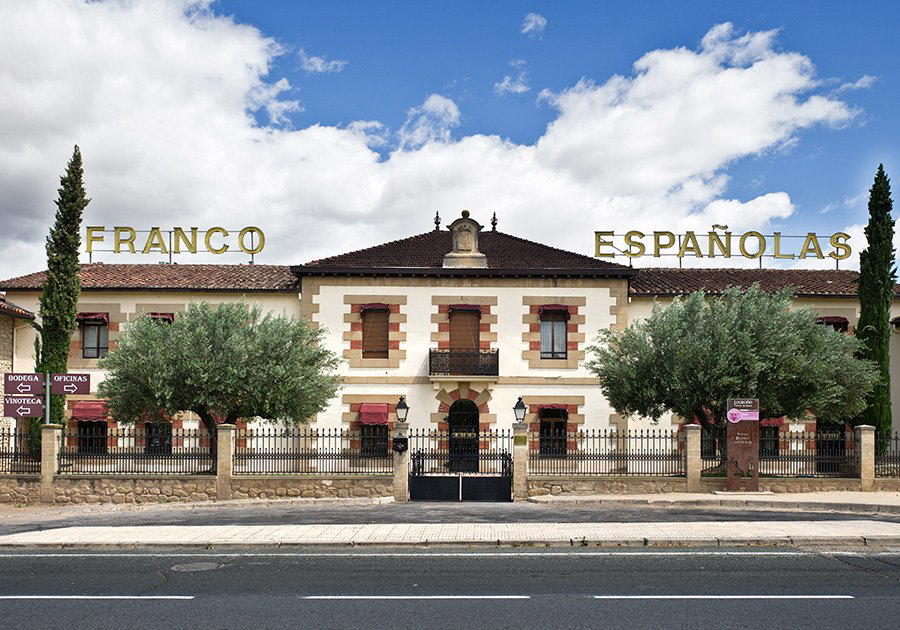
Bars in Oyón
Browse all →
Restaurants in Oyón
Browse all →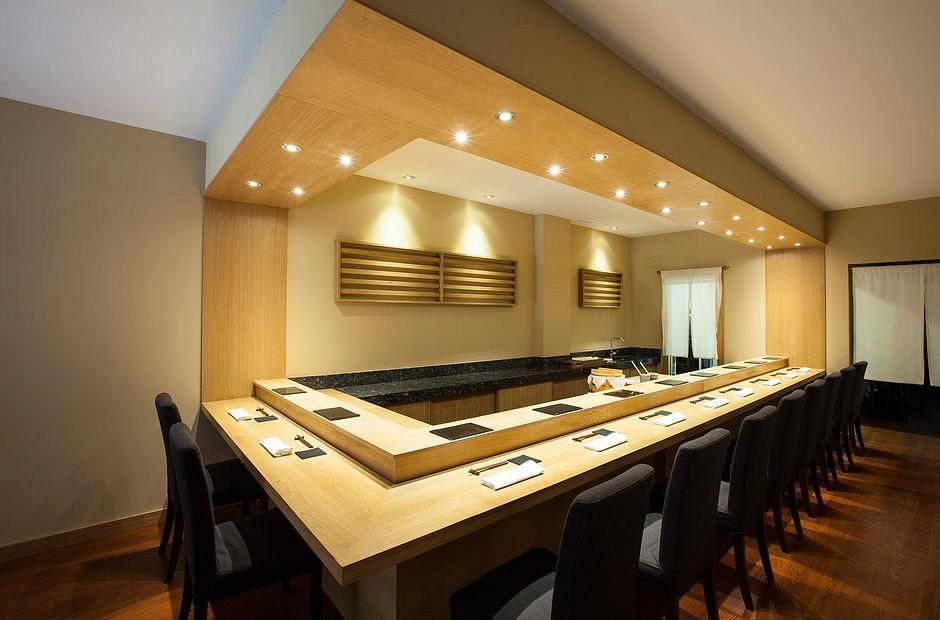
Details
- Classic
- Elegant
- Rustic
- Scenic
- Wine Education
- Group Outing
- Special Occasion
- Vineyard Tour
- Historic Building
- Panoramic View
- Organic
- Sustainable
- Vineyard
- Mountain
- Tempranillo
- Graciano
- Viura
- Garnacha
- Mazuelo
- Still Red
- Private Tasting
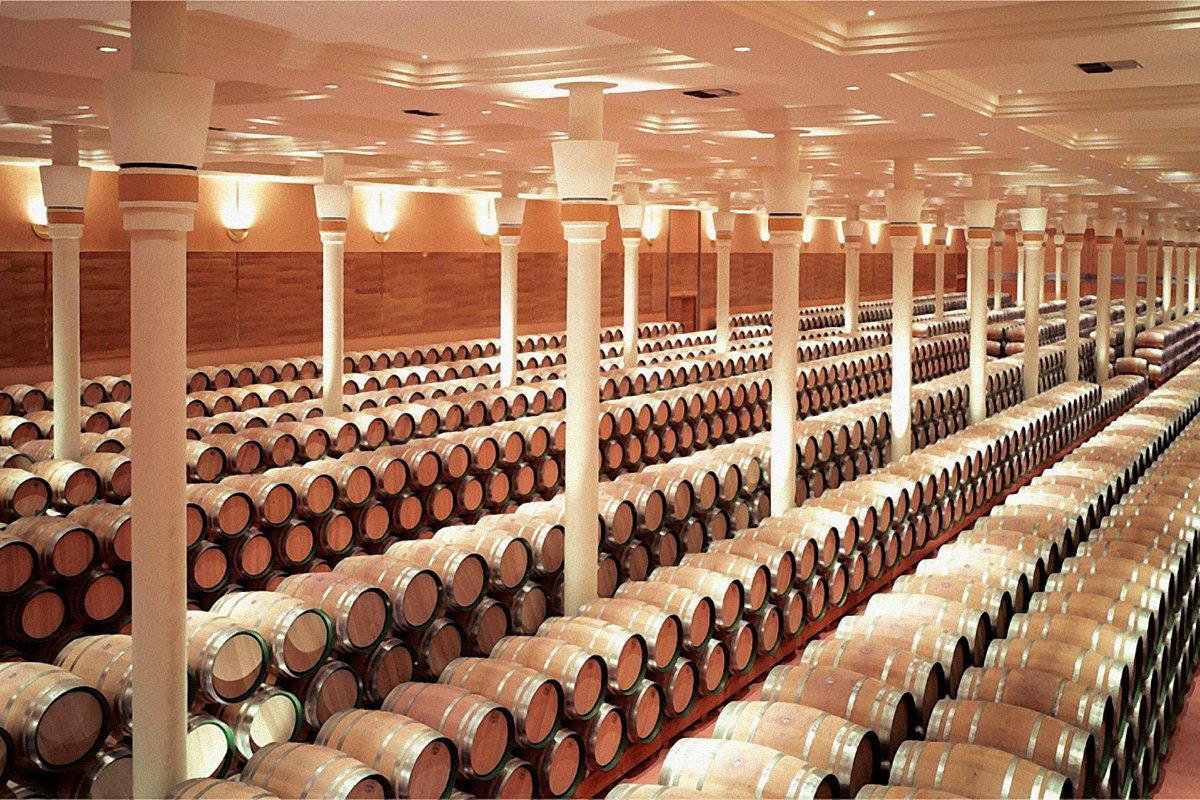
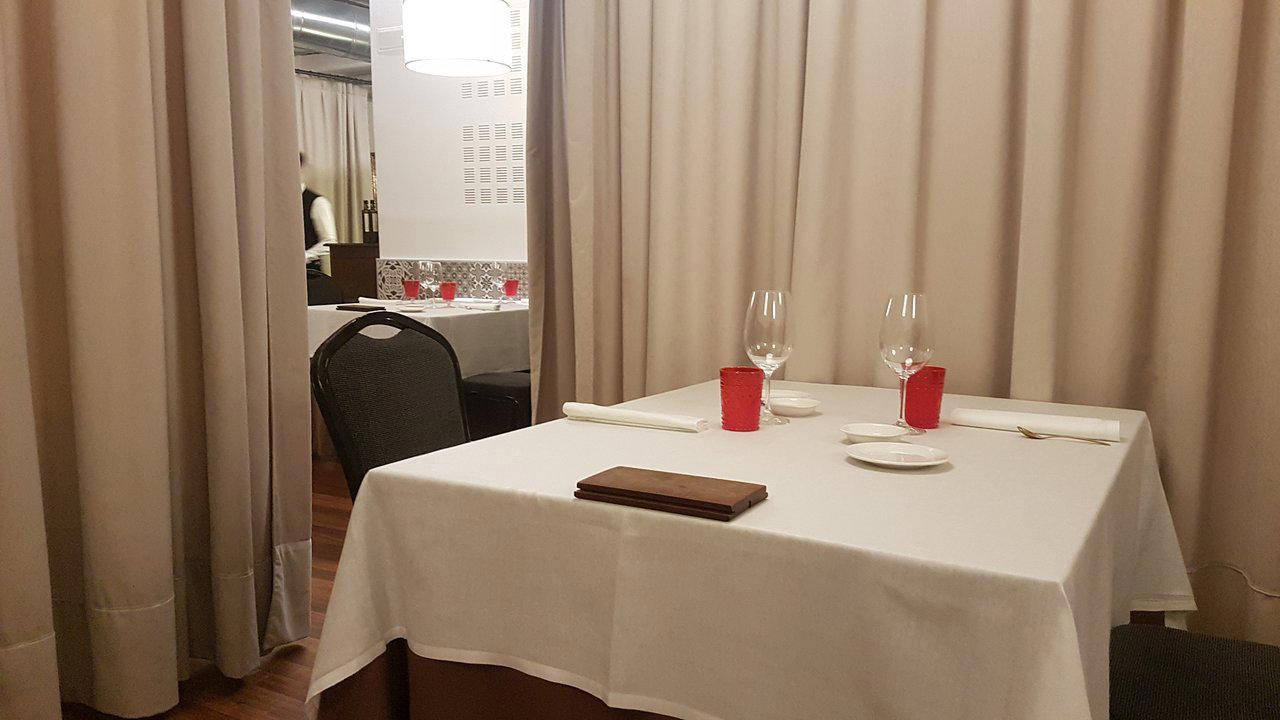
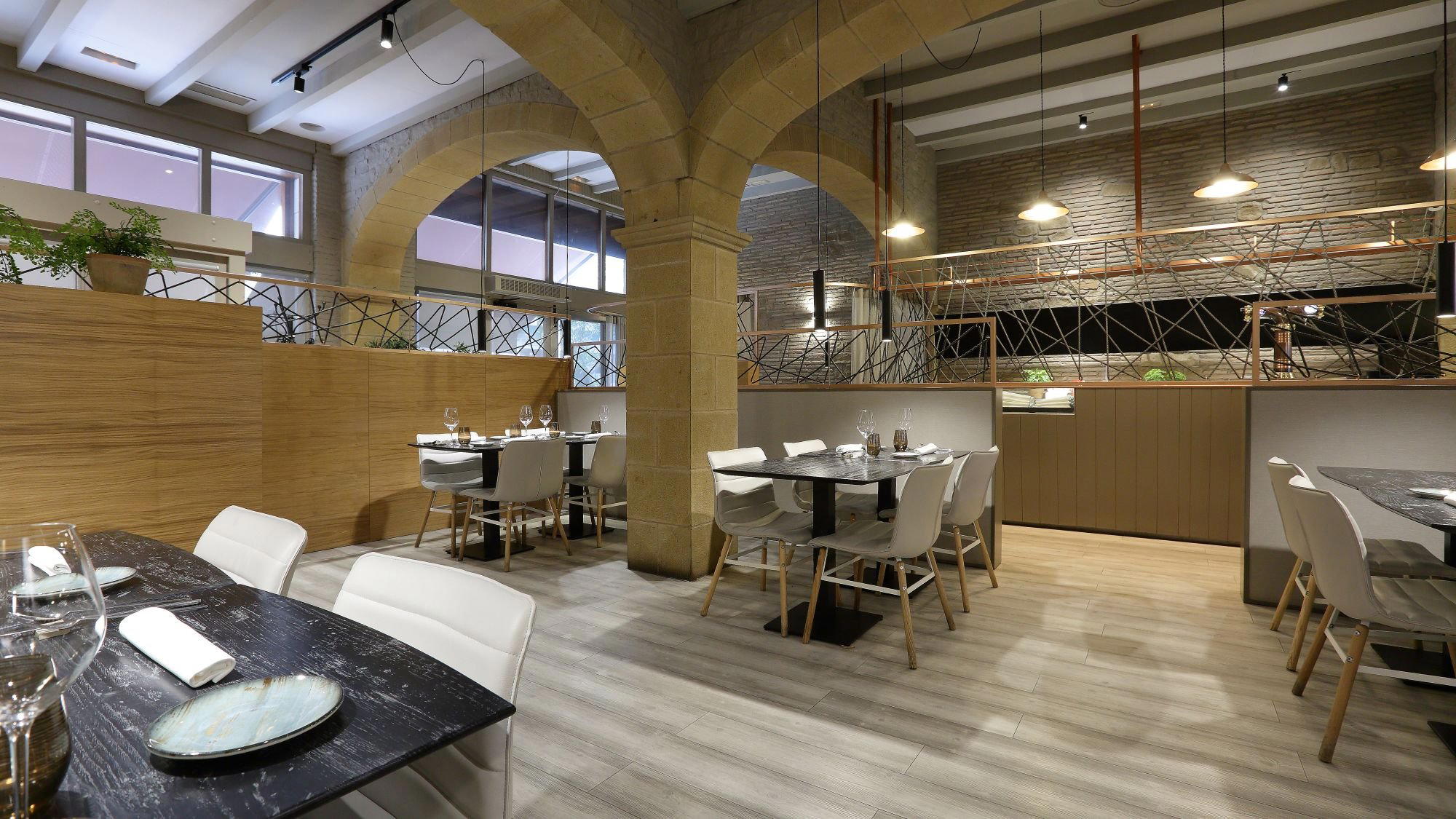
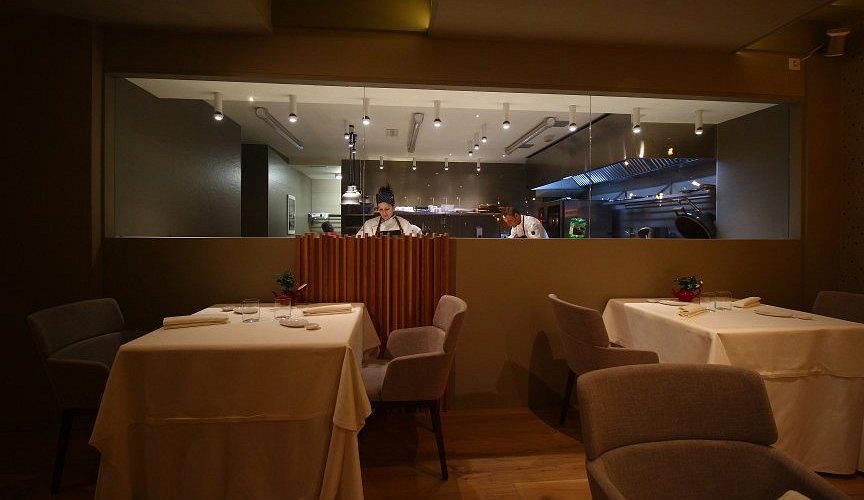
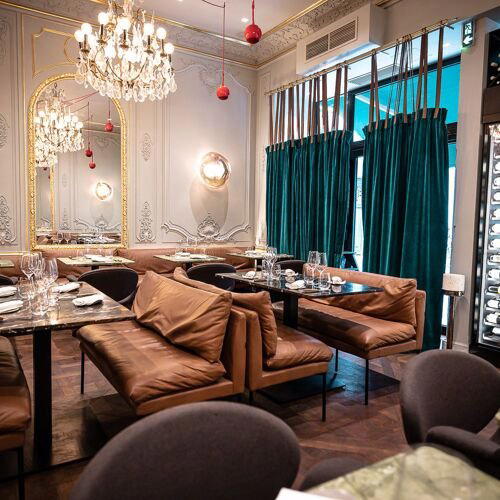
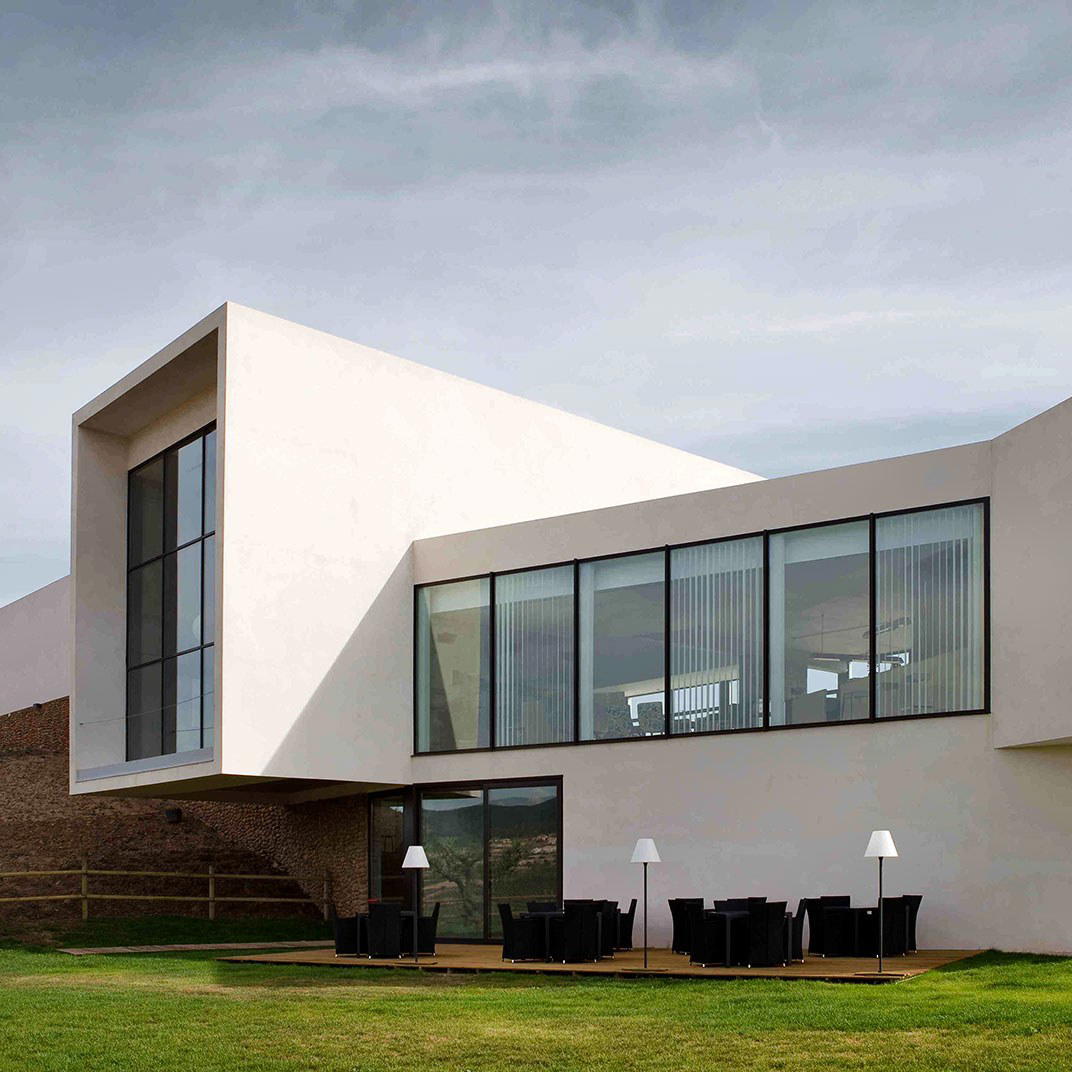
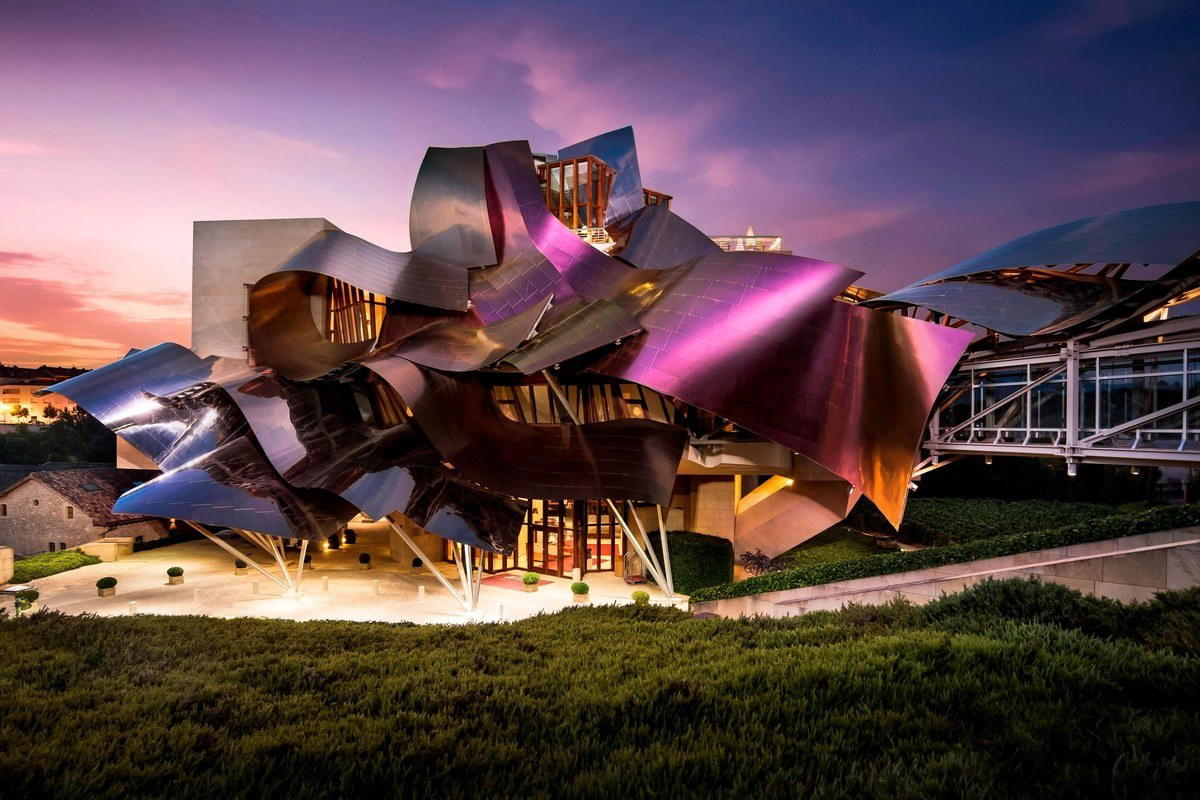
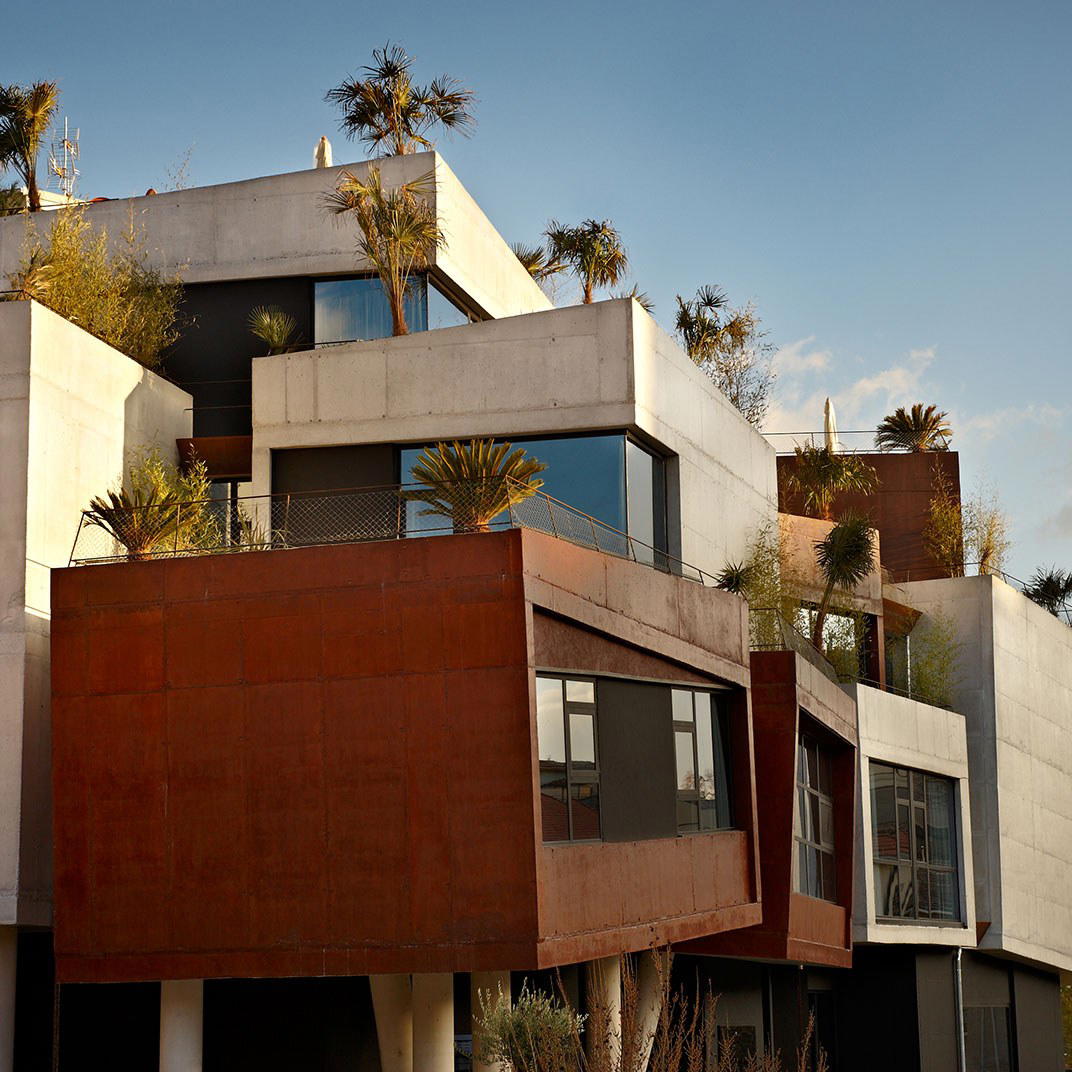
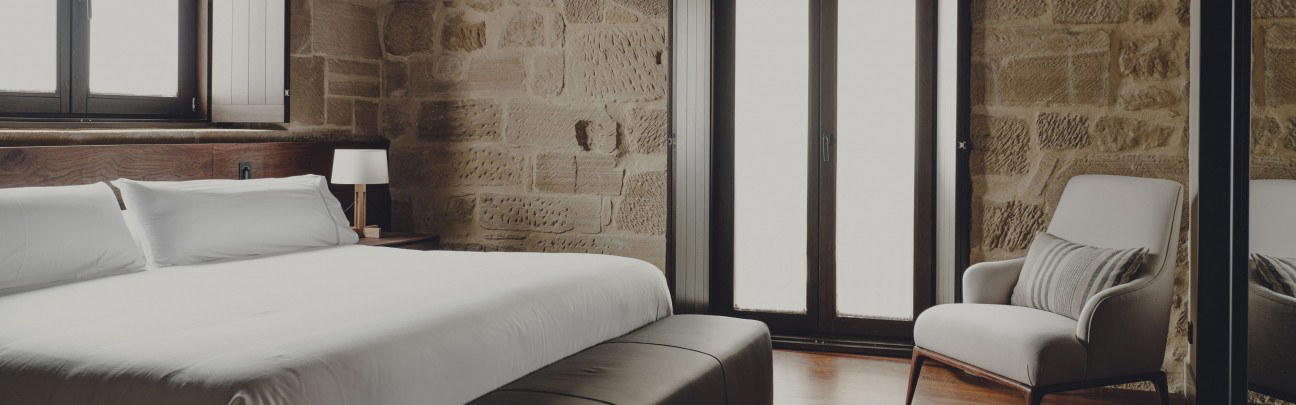
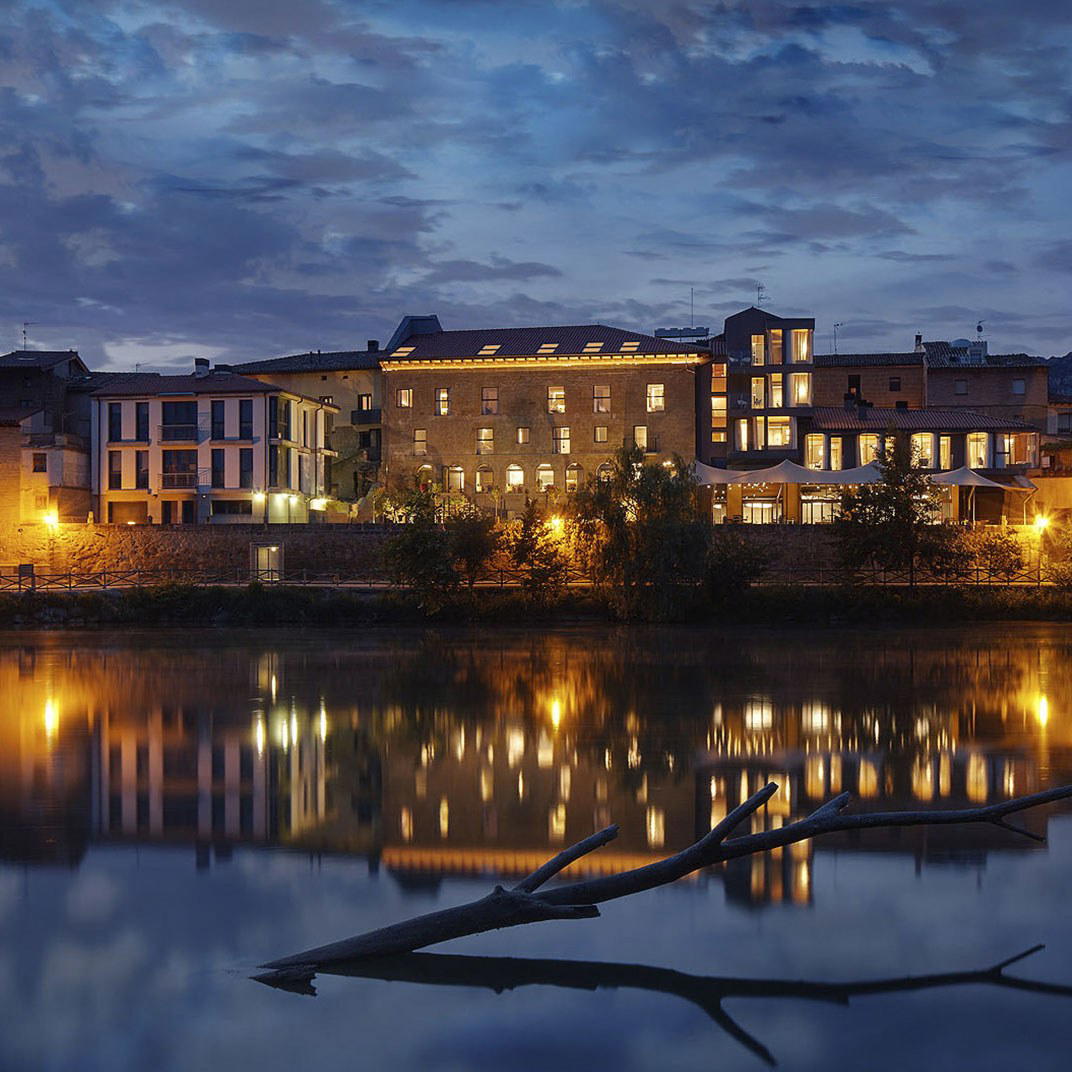
Spacious vaulted timber hall with natural light from skylights and glazed facades, earthy material palette creating a biophilic, soothing atmosphere that seamlessly integrates with the surrounding vineyard landscape.