

World's 50 Best #92 · Falstaff Winery - Listed
Château Kefraya sits in the Bekaa Valley's western reaches, where altitude and continental exposure shape wines that carry the imprint of Lebanon's most demanding growing terrain. For those exploring the country's serious wine tradition, Kefraya is a logical reference point.

Pearl is the En Primeur Club membership app — saves, bookings, and concierge access live there. Same editors, same standards.
- Address
- Kefraya Road, Kafraya, 16-5768
- Phone
- +961 1 485207
- Website
- chateaukefraya.com
- Directions
- Get directions
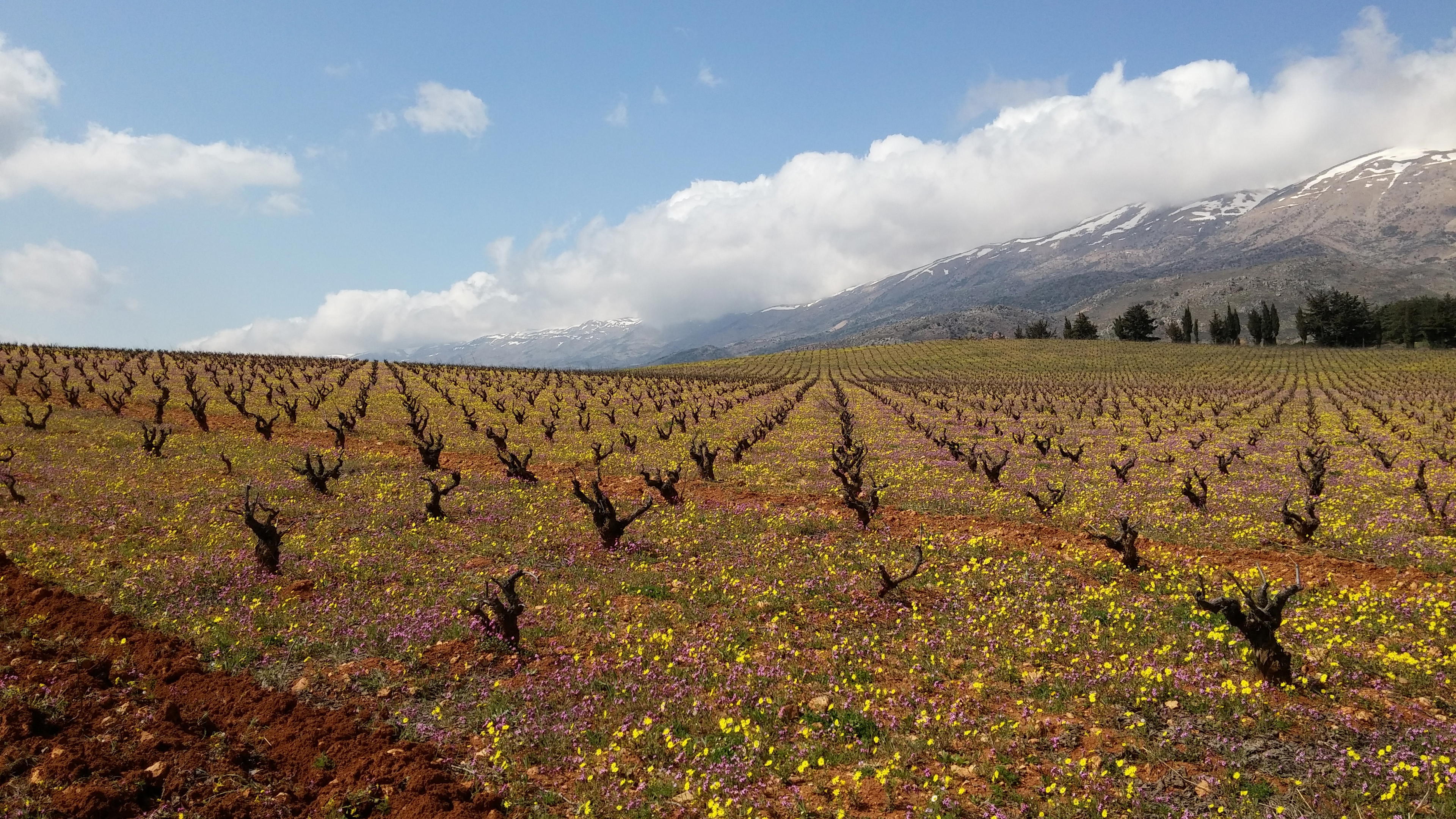
The Bekaa Valley has functioned as Lebanon's primary wine-producing region since Phoenician times, a tradition interrupted repeatedly by history and revived with considerable ambition in the modern era. The valley floor sits at roughly 900 to 1,000 metres above sea level, with the Anti-Lebanon range to the east and the Mount Lebanon range to the west. That corridor produces a continental climate with extremes: scorching midday heat offset by sharp drops after sundown, and rainfall patterns that demand irrigation discipline. Vines here work hard, and the results tend to carry a structural intensity that sets them apart from Mediterranean coastal productions. For broader context on how different Bekaa producers interpret this shared terroir, the Château Héritage in Bekaa Valley and Karam Wines in Southern Lebanon offer useful comparative reference points across the region's varying elevations and soil compositions.
Terroir as the Primary Argument
Lebanese wine's credibility conversation has, for at least two decades, centred on whether the Bekaa can produce wines with genuine complexity rather than raw power. The old critique of the region's reds was that heat drove alcohol and fruit extract to levels that traded finesse for weight. What the western Bekaa's elevation corrects, in capable hands, is the acid retention and phenolic development that makes a wine interesting across a bottle rather than impressive for a sip. Limestone-heavy soils add another variable: drainage capacity that stresses vines, reduces yields, and concentrates flavour compounds without relying on water manipulation.
Château Kefraya operates within this context, drawing on vineyards that sit at altitudes where the diurnal range does meaningful work on the grapes. That distinction matters when reading the award. For a country whose wine industry still contends with instability and infrastructure challenges, that kind of external verification carries weight beyond the label. You can explore our Château Cana operates with a different varietal emphasis and addresses a different export market segment. Across the broader winemaking world, looking at how producers in demanding continental climates work with elevation and limestone, from Albert Boxler in Alsace's Niedermorschwihr to Aldo Conterno in Monforte d'Alba, provides a useful frame for what Bekaa producers are attempting at altitude. The specific challenge in Lebanon is that producers do this without the institutional infrastructure, appellation regulation, or stable supply chains that their European counterparts have long taken for granted. The wines that emerge from that context carry a particular kind of argument.
Visiting: What the Experience Involves
Kefraya is a working estate in an active wine region, and visiting it fits within a circuit of Bekaa wineries rather than functioning as a standalone destination day trip from Beirut. The drive from the capital takes roughly two hours depending on conditions, passing through the Bekaa floor and ascending into the western ridge communities. This is not a journey to rush. The valley is worth reading slowly, and pairing a Kefraya visit with stops at neighbouring producers gives the terrain's variability a proper tasting framework. For visitors making this kind of comparative tour, properties like Château Héritage and Karam Wines offer different stylistic takes on the same geographical raw material.
Practical logistics for visiting Château Kefraya are best confirmed directly with the estate, as hours and tasting formats in Lebanon's wine country are not standardised across producers and can shift seasonally. Booking ahead is advisable for any estate visit in the Bekaa, both as a courtesy and because capacity at cellar door facilities in this region is rarely built for walk-in volume. Phone and web contact details for Kefraya are leading sourced through current local directories, as they were not confirmed at time of publication. Visiting outside that window, in spring when the vines are in early growth, allows access without the logistical competition of harvest tourism.
For travellers using the Bekaa as part of a wider wine itinerary that crosses regions and styles, the contrast with producers working in entirely different climatic conditions, such as Adelaida Vineyards in Paso Robles, Adelsheim Vineyard in Oregon's Newberg, or Alban Vineyards in Arroyo Grande, sharpens what is specific about altitude-driven continental viticulture. The Bekaa's particular combination of sun hours, elevation, and soil type produces wines that read differently from anything California or the Pacific Northwest offers, and that difference is the point of visiting.
The Broader Case for Lebanese Wine
Lebanon's wine industry asks something of the drinker that few other regions do: it asks them to hold the complexity of the country's situation alongside the quality of what's in the glass. Production has continued through periods when most industries would have ceased entirely. For producers like those behind All Saints Estate in Rutherglen or Alpha Omega in Rutherford, institutional continuity is largely assumed. In the Bekaa, it is achieved. The wines carry the altitude, the limestone, and the diurnal discipline of this particular valley floor. That is the argument the estate makes, and it is worth tasting on its own terms.
In Context: Similar Options
Comparable venues nearby, for context on price, style, and recognition.
| Venue | Cuisine | Awards | Notes |
|---|---|---|---|
| Château KefrayaThis venue — the venue you are viewing | Cabernet Sauvignon, Syrah | World's 50 Best #92 · Falstaff Winery - Listed | Not listed |
| Château Cana | Winery | World's 50 Best #48 · Falstaff Winery - Listed | بحمدون |
| Château Oumsiyat | Winery | World's 50 Best #21 | Bekaa Valley |
| Château Heritage | Winery | World's 50 Best #33 · Falstaff Winery - Listed | Bekaa Valley |
| Château Héritage | Cabernet Sauvignon, Syrah | World's 50 Best #33 · Falstaff Winery - Listed | Kab-Elias |
| Karam Wines | Winery | World's 50 Best #14 | Southern Lebanon |
Recognition history
Dated appearances from independent guides and award organizations, with the underlying list record or original source where available.
World's 50 Best Vineyards #92
World's 50 Best
Falstaff Winery - Listed
Falstaff
Full recognition history (4 entries)
World's 50 Best Vineyards #46
World's 50 Best
World's 50 Best Vineyards #41
World's 50 Best
Continue exploring
More in Kafraya
Wineries in Kafraya
Browse all →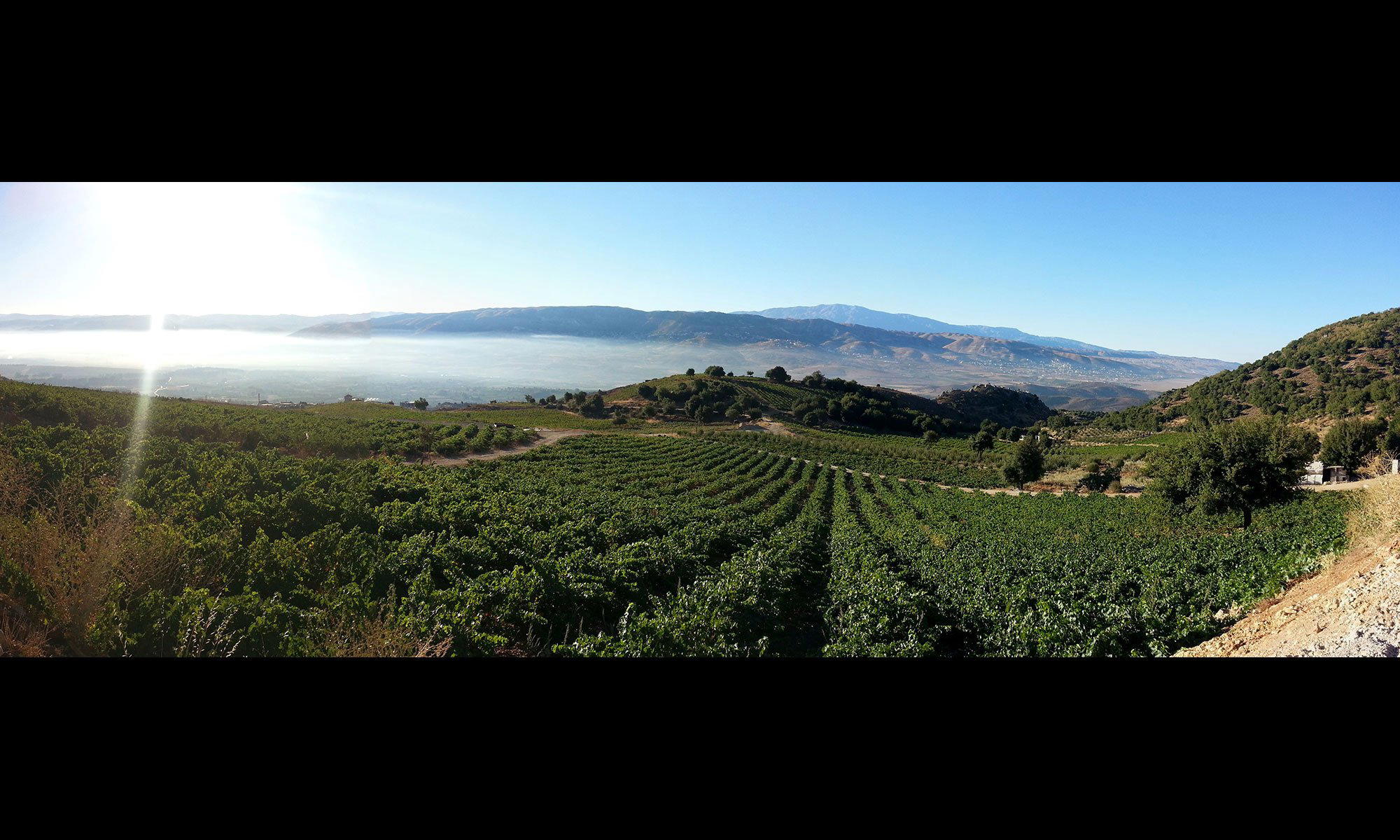

Bars in Kafraya
Browse all →
Restaurants in Kafraya
Browse all →
Details
- Scenic
- Elegant
- Rustic
- Sophisticated
- Wine Education
- Special Occasion
- Group Outing
- Vineyard Tour
- Estate Grounds
- Panoramic View
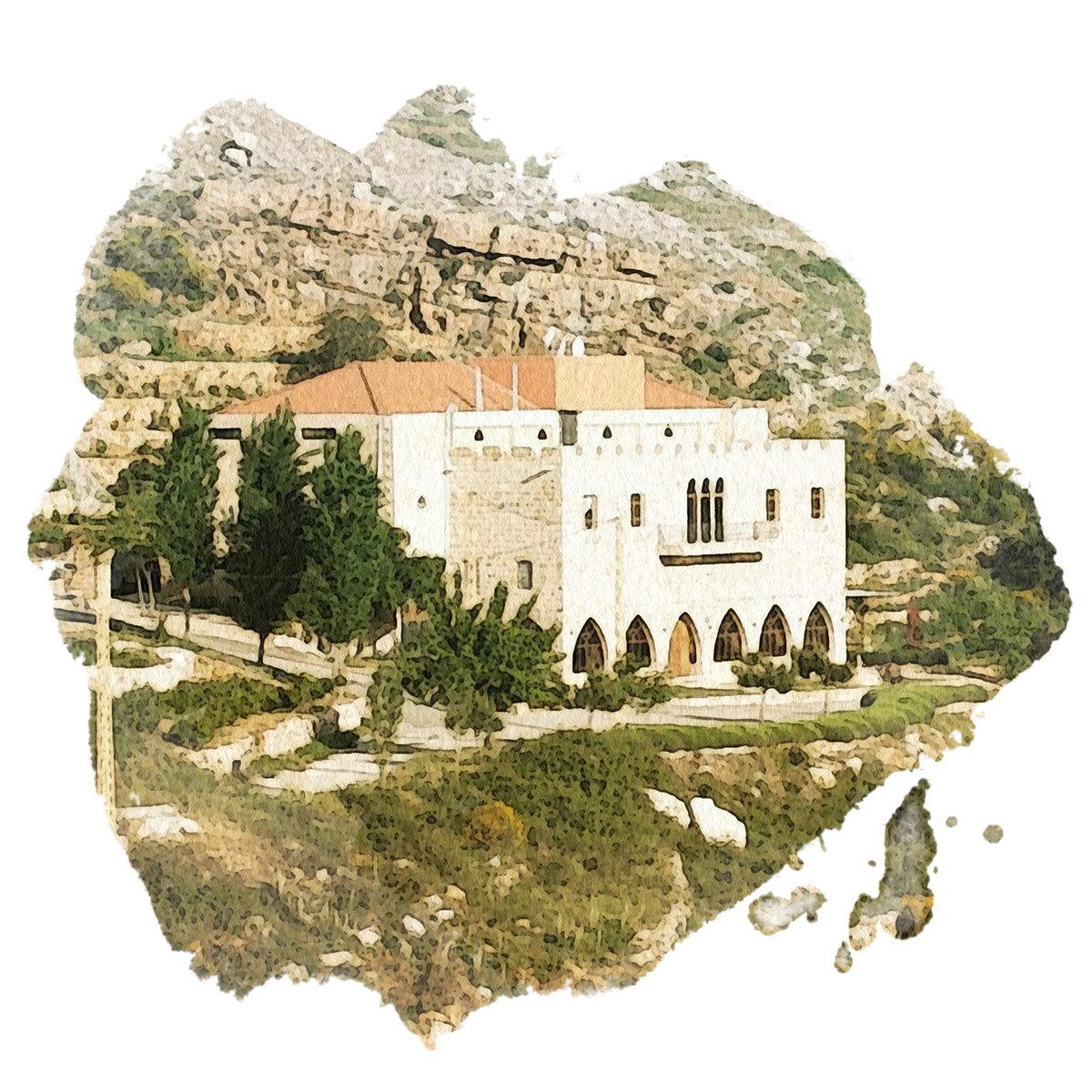
- Historic Building
- Organic
- Sustainable
- Mountain
- Vineyard
- Cabernet Sauvignon
- Syrah
- Chardonnay
- Viognier
- Carmenère
- Marselan
- Still Red
- Still White
- Still Rosé
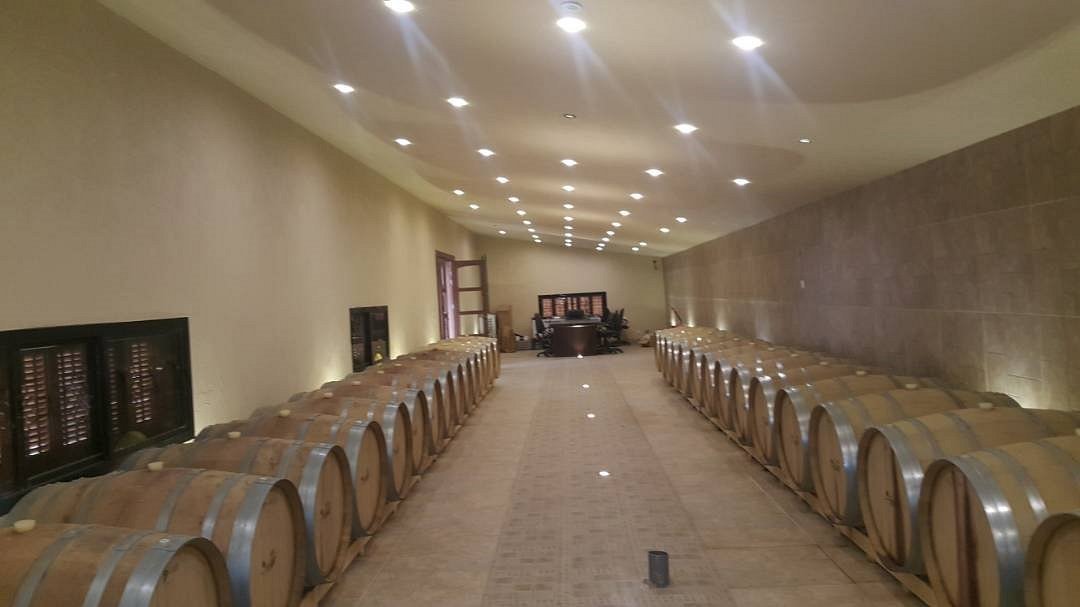
- Cave Tasting
- Barrel Room
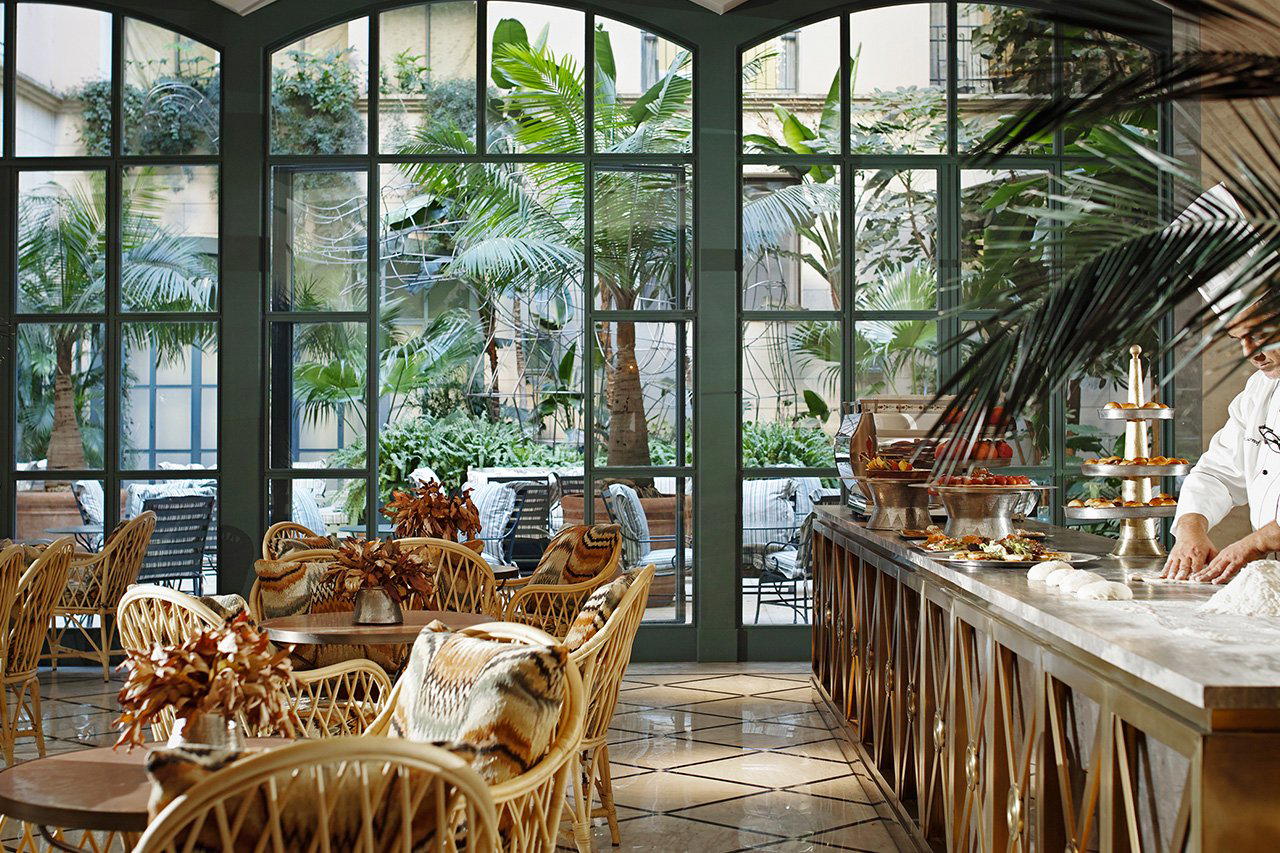
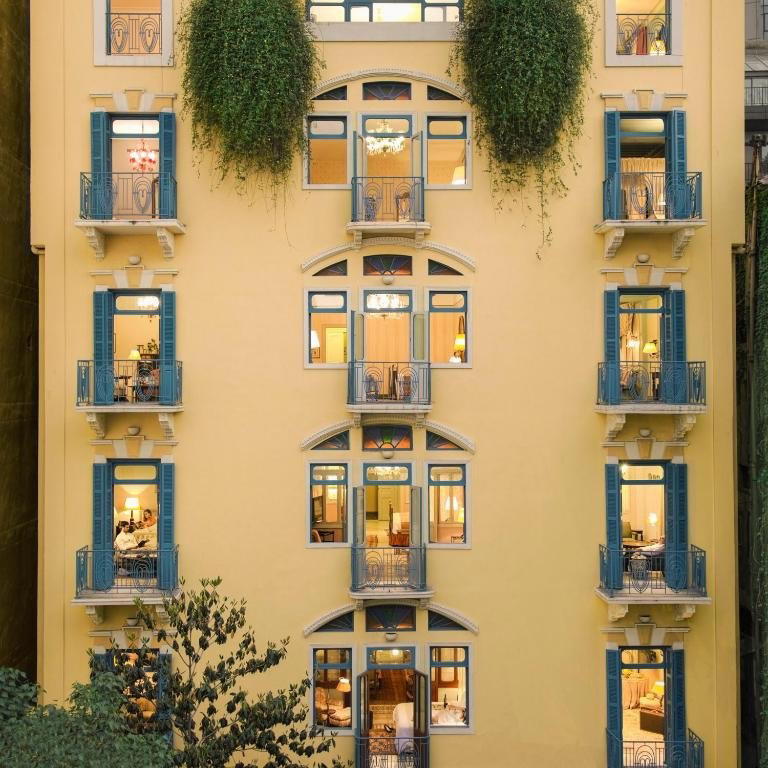
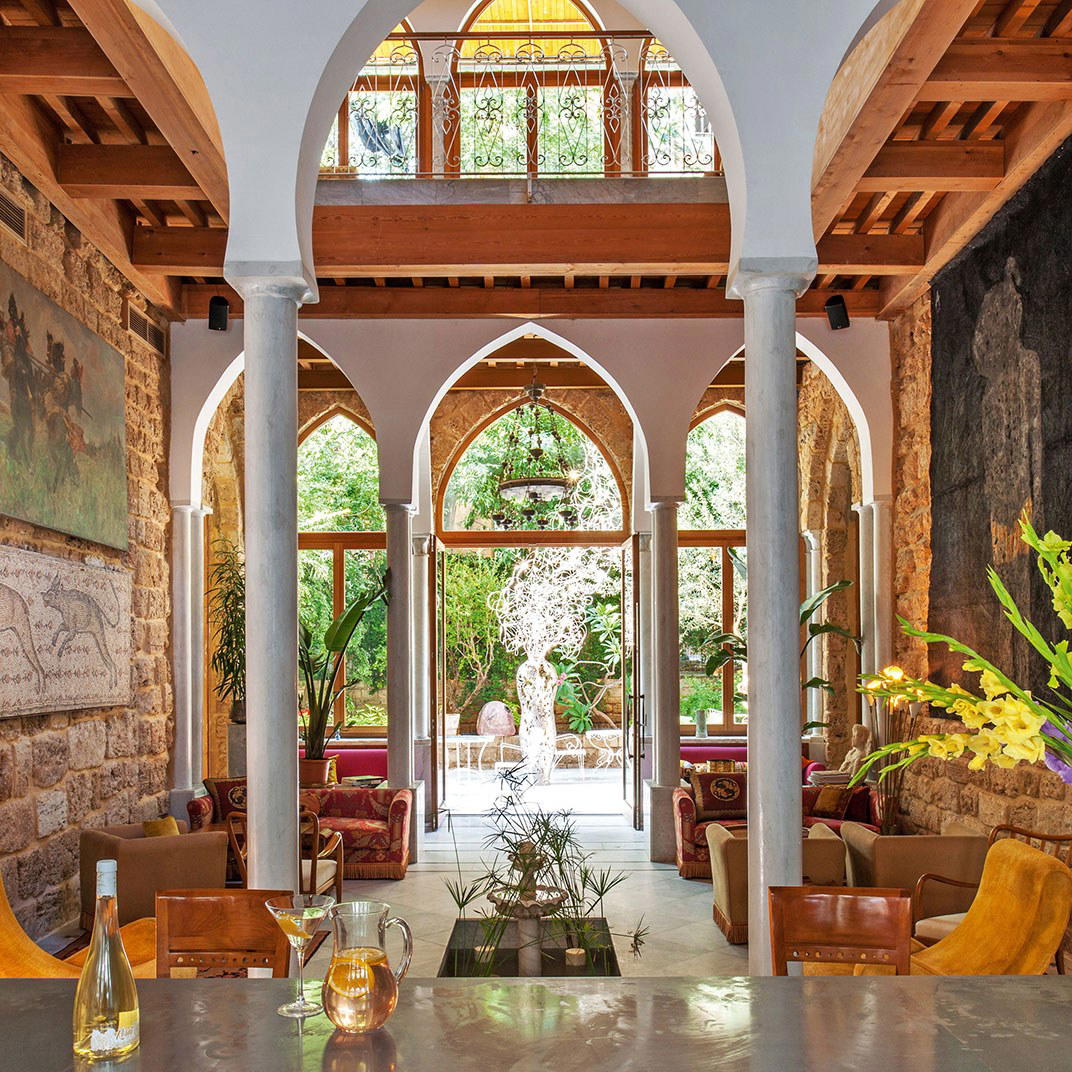
Elegant and refined atmosphere evoking ancient heritage amid terraced vineyards and mountain foothills.