
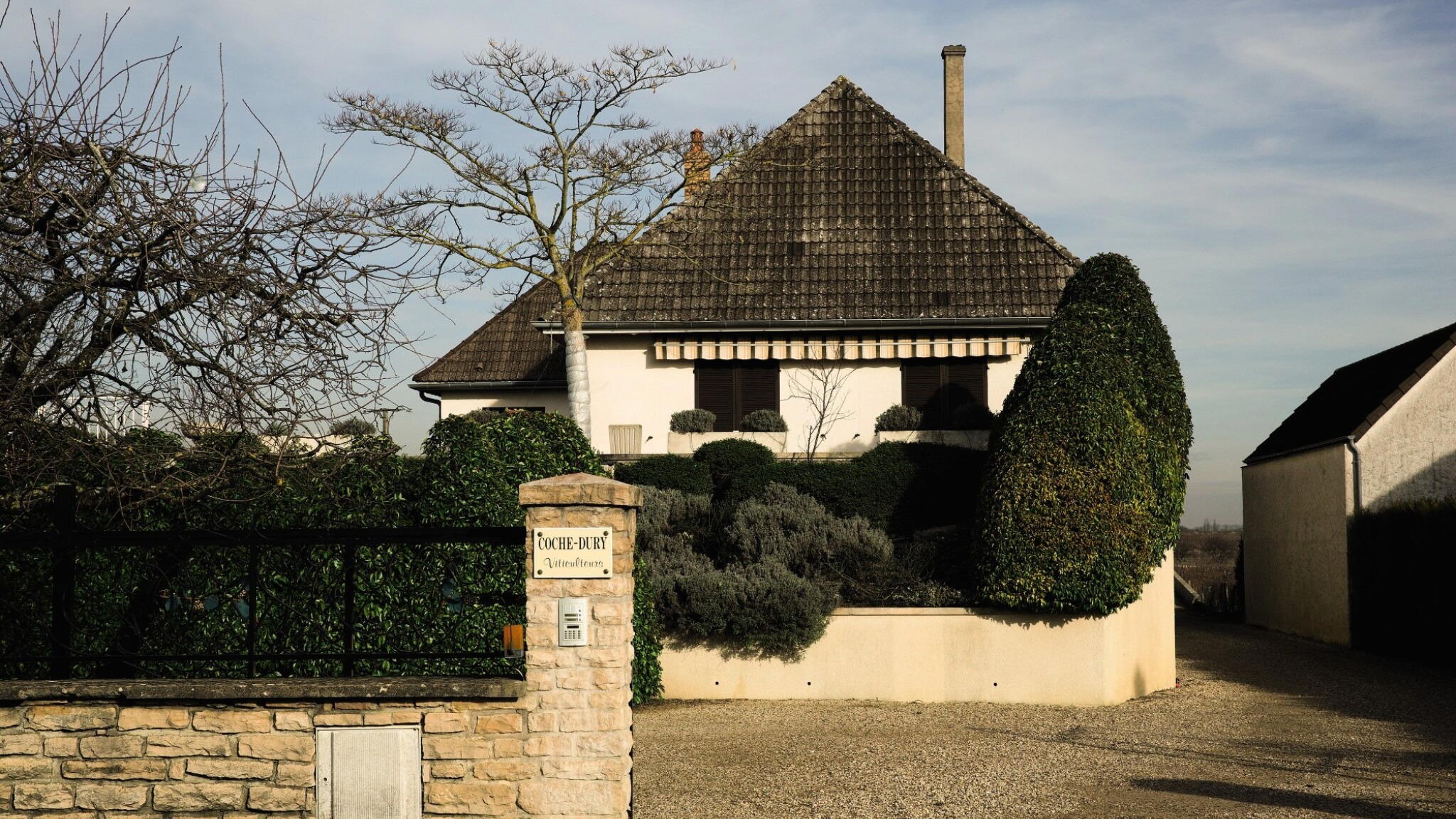
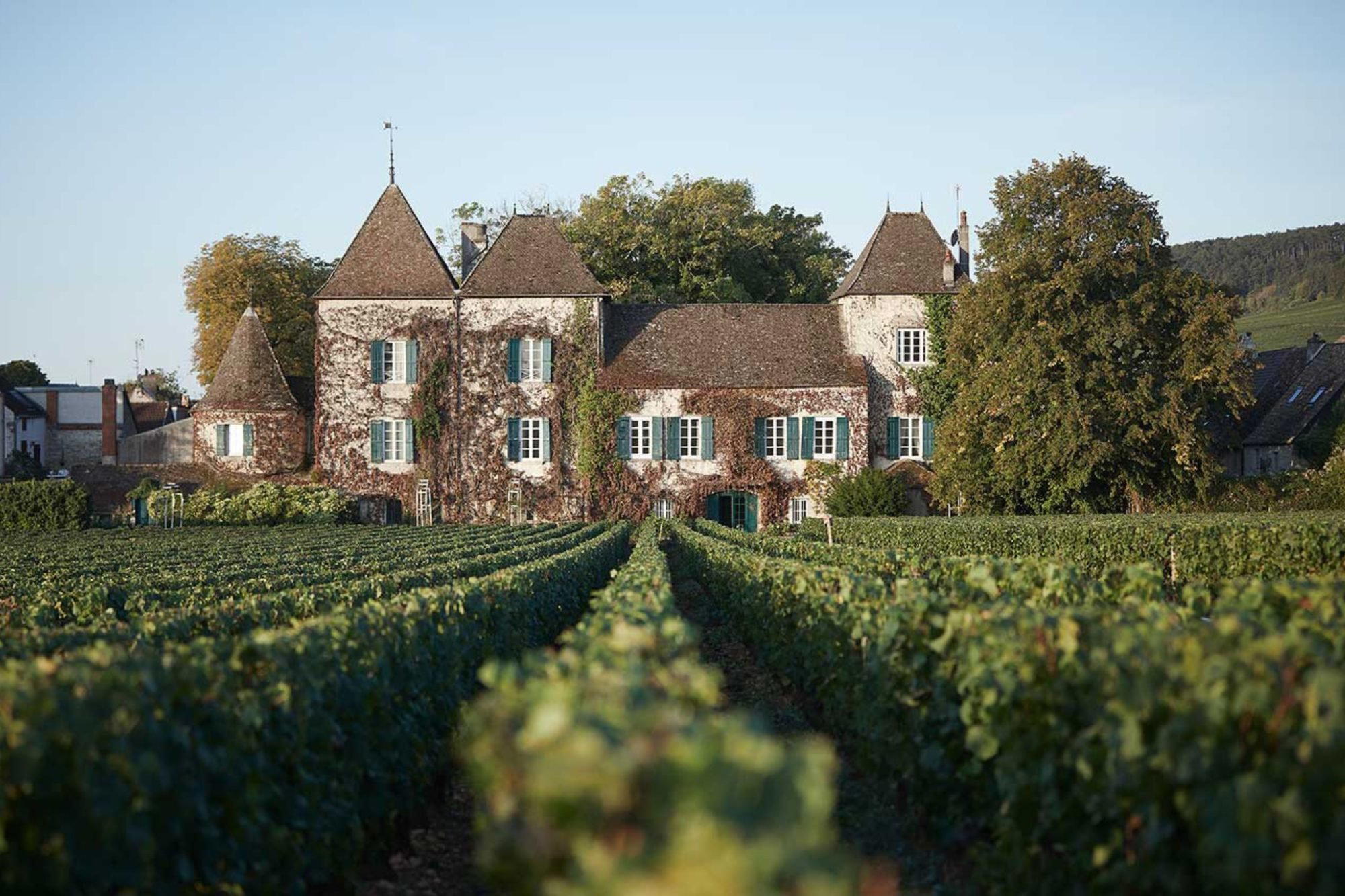
Domaine Thomas Bouley operates from the village of Volnay, one of the Côte de Beaune communes most associated with Pinot Noir of notable finesse and restraint. The domaine earned inclusion at the La Paulée 2026 event, placing it within the prestige tier of producers selected for that celebrated celebration of Burgundy. Visitors approaching Volnay find a working agricultural village where the cave and vines remain the primary subject.
Pearl is the En Primeur Club membership app — saves, bookings, and concierge access live there. Same editors, same standards.
- Address
- 10 Chem. de la Cave, 21190 Volnay
- Phone
- +33 3 80 21 62 33
- Website
- jean-marc-bouley.com
- Directions
- Get directions
 Saves & bookings on Pearl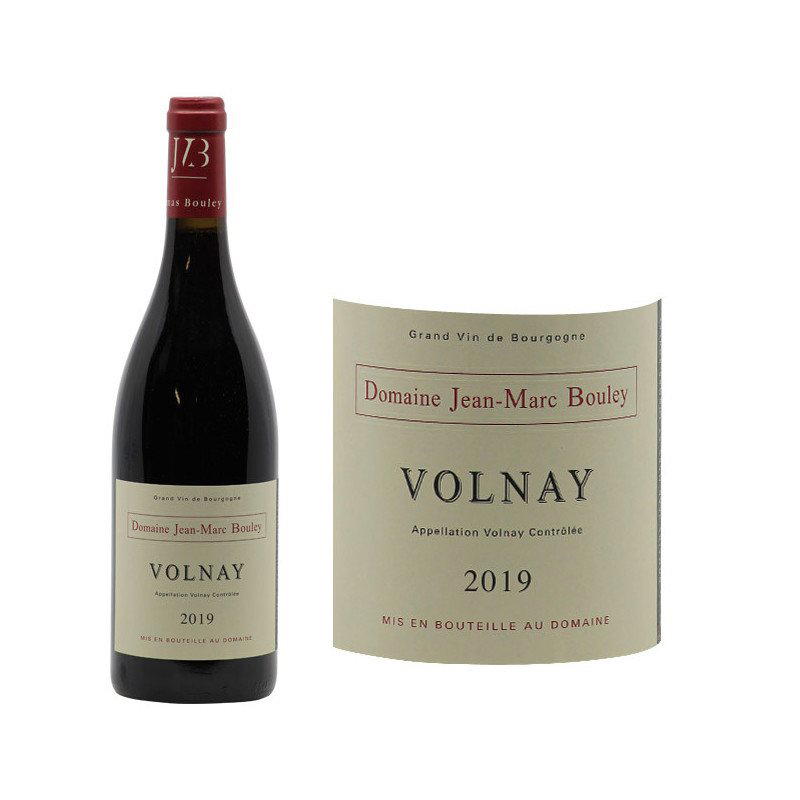
Volnay and the Pinot Noir Standard
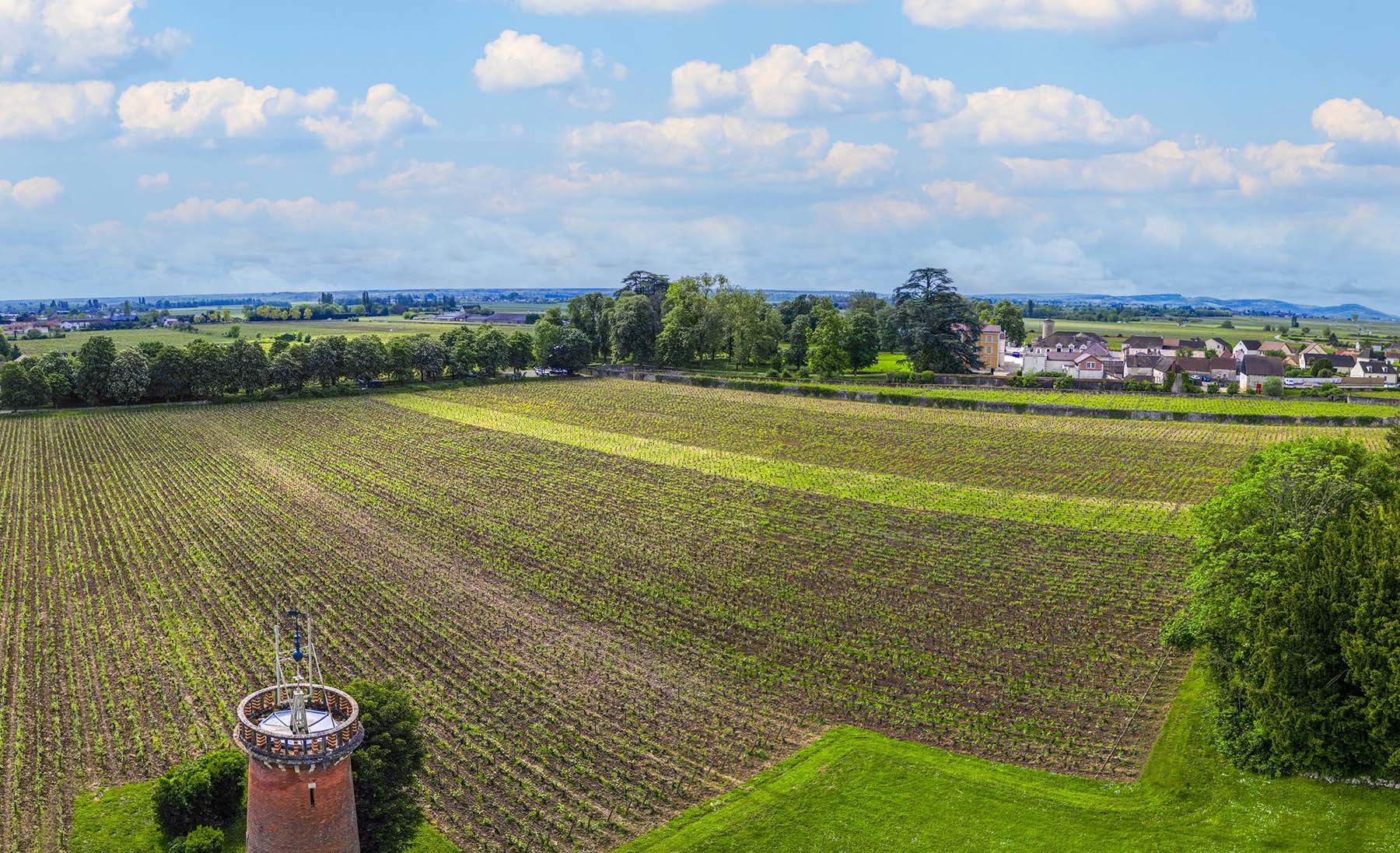
The village of Volnay sits on a limestone escarpment above the Route des Grands Crus, roughly midway along the Côte de Beaune. Its reputation among serious Burgundy collectors rests almost entirely on Pinot Noir: the appellation produces no classified white wine, and its red wines have historically been prized for a particular combination of aromatic lift and structural precision that sets them apart from the weightier expressions found further north in Pommard. That geographical specificity matters when situating a producer like Domaine Thomas Bouley. In a village this tightly defined, the address at 10 Chemin de la Cave is not incidental — cave-level premises in Volnay typically sit within steps of the vines themselves, with cellar access carved directly into the hillside.
Domaine Thomas Bouley earned inclusion in the La Paulée 2026 producer selection, calibrated at the Pearl prestige tier — a placement that positions the domaine within the same recognised stratum as Volnay estates long regarded as reference points for the appellation. La Paulée de New York, the annual Burgundy celebration held alongside the broader La Paulée de Meursault tradition, draws its producer list through an editorial process that filters for prestige and typicity. Selection at the Pearl tier is a trust signal, not a decoration.
Viticulture in a Village That Prizes Restraint
The broader shift in Burgundian viticulture over the past two decades has moved meaningfully toward reduced intervention in the vineyard. Across the Côte de Beaune, producers have adopted organic and biodynamic frameworks not as marketing positions but as responses to observed changes in vine health and fruit expression. In Volnay specifically, where the soils are relatively thin and the limestone subsoil close to the surface, the logic of working with the land rather than correcting it has deep practical roots. Synthetic herbicides and pesticides, when used on shallow soils, compound erosion risk and alter the microbial life that Burgundian winemakers increasingly regard as foundational to site expression.
Domaine Thomas Bouley operates within this context. While the domaine's specific certification status is not publicly documented in available records, the surrounding peer group in Volnay includes estates that have moved substantially in the direction of organic and low-intervention farming. Domaine Marquis d'Angerville has operated biodynamically across its Volnay holdings for years, setting a standard that shapes expectations for the village as a whole. Domaine Michel Lafarge moved to organic certification and is another reference for what site-faithful farming looks like in Volnay. When a village's most prominent names adopt these frameworks, the conversation about viticulture changes for every producer working the same soils.
The regenerative argument in Burgundy is not abstract. Cover crops, reduced copper and sulphur applications, and the abandonment of systemic chemical treatments are measurable practices with documented effects on vine root depth, canopy balance, and ultimately on the expression of terroir in the glass. Producers working the premier cru and village-level sites of Volnay who commit to these approaches are making a long-term bet on the soil capital that makes their wines identifiable as Volnay rather than generic Côte de Beaune Pinot Noir.
The Volnay Peer Group
To understand where Domaine Thomas Bouley sits, it helps to map the competitive structure of Volnay's producer field. The appellation supports a range of domaines from tightly allocated allocation-only operations to those with more accessible direct sales. Domaine de la Pousse d'Or and Domaine de Montille both represent the village at high international profile, with allocations that often move through négociant and importer channels before reaching retail. The La Paulée selection process draws from across this field, identifying domaines whose wines carry the typicity and cellar track record that justify a seat at a table designed around serious Burgundy.
Beyond Volnay, the broader French fine wine context provides useful calibration. Domaine Thomas Bouley operates in a different register from Bordeaux châteaux like Château Batailley in Pauillac or Château Branaire Ducru in St-Julien, where scale, classification, and Cabernet-dominant blending define the identity. Burgundy's small-domaine model, with its fragmented vineyard holdings and artisanal cellar scale, operates on entirely different logic, allocation scarcity, geological specificity, and vintage variation rather than brand consistency and volume.
Visiting Volnay and Planning Around the Domaine
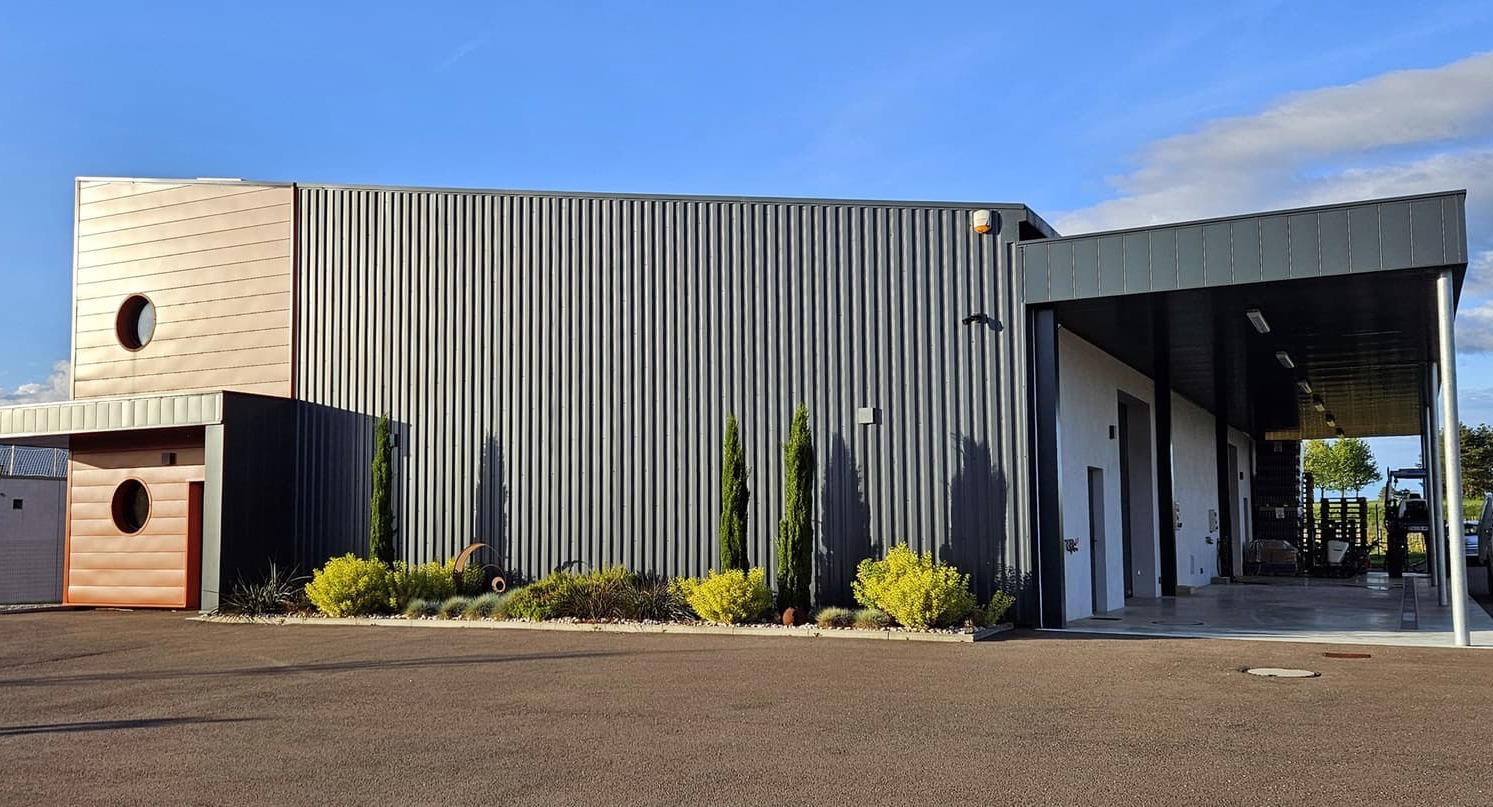
Volnay is a working agricultural village, not a tourist infrastructure. The drive from Beaune takes under fifteen minutes, and the village sits above Meursault and Monthélie along a road that passes through some of the most recognised vineyard names in Burgundy. Visiting the domaine directly requires advance contact, no booking information or visitor hours appear in publicly available records, which is consistent with how most small Volnay producers operate. Walk-in visits are rarely possible during harvest or bottling periods, which in Burgundy typically concentrate in autumn and spring respectively.
The La Paulée connection provides another access point. For collectors who follow the New York or Meursault La Paulée events, the producer list functions as a research tool. Domaine Thomas Bouley's Pearl tier placement signals wines worth tracing through specialist importers or Burgundy-focused merchants, particularly for those building allocations across a range of Côte de Beaune villages. For context on comparable prestige structures in entirely different French traditions, Chartreuse in Voiron illustrates how artisan production heritage generates international recognition through very different mechanisms.
For those using Volnay as a base for broader Côte de Beaune exploration, our full Volnay guide covers the village context in more detail. Further afield, the Alsace comparison is instructive: Albert Boxler in Niedermorschwihr represents the small, family-scale domaine model in a very different French terroir, with similar allocation dynamics and a similarly committed approach to vineyard-driven expression.
Recognition history
Dated appearances from independent guides and award organizations, with the underlying list record or original source where available.
Falstaff Winery - Listed
Falstaff
Michelin 3 Grapes
Michelin · 2026 Michelin 3 Grapes - Burgundy
Continue exploring
More in Volnay
Wineries in Volnay
Browse all →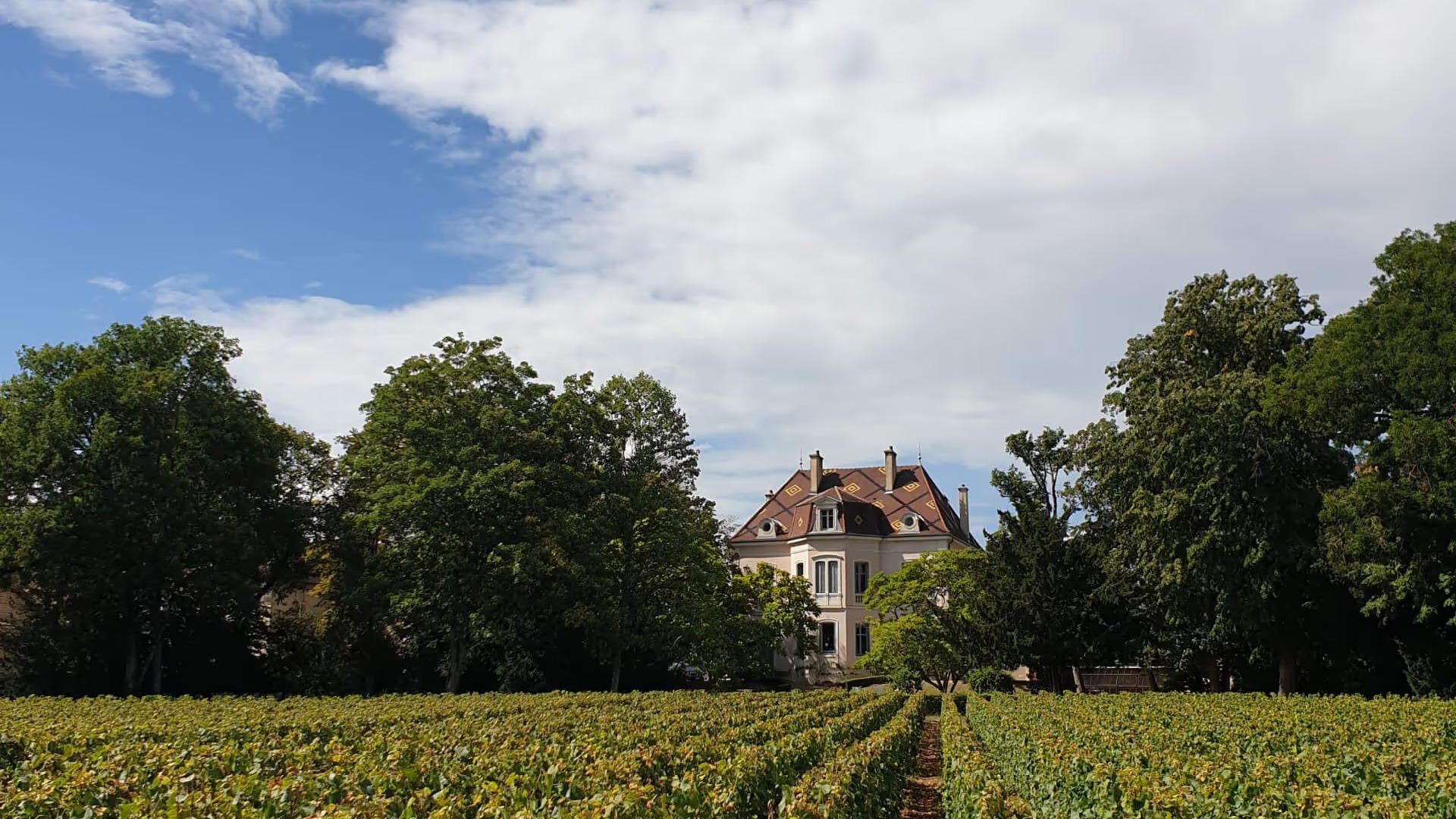
Bars in Volnay
Browse all →
Restaurants in Volnay
Browse all →
At a Glance
- Elegant
- Rustic
- Intimate
- Classic
- Wine Education
- Solo Exploration
- Special Occasion
- Cave Tasting
- Vineyard Tour
- Barrel Room
- Organic
- Sustainable
- Vineyard
- Volnay AOC
- Pinot Noir
- Chardonnay
- Aligoté
- Still Red
- Cave Tasting
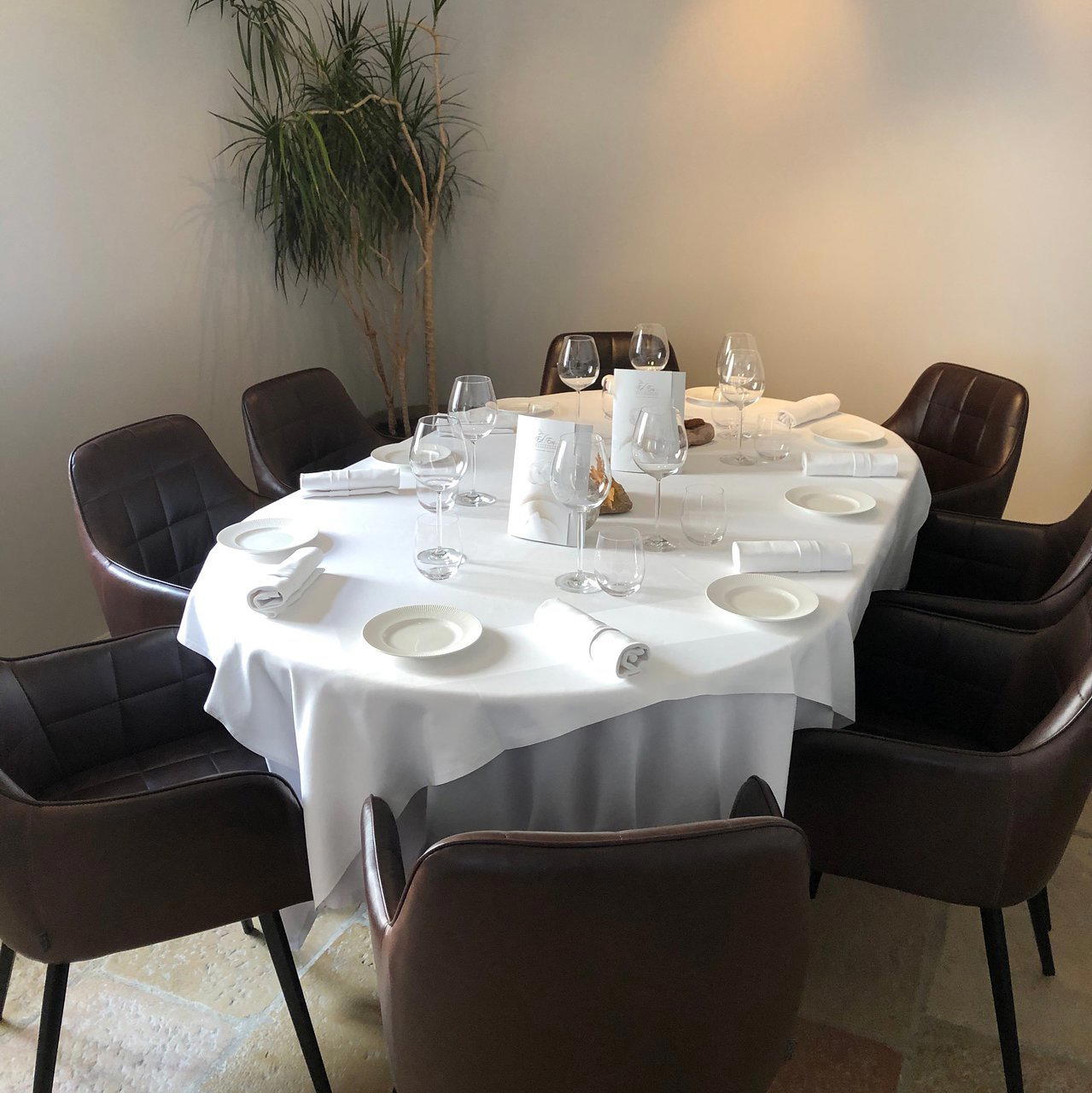
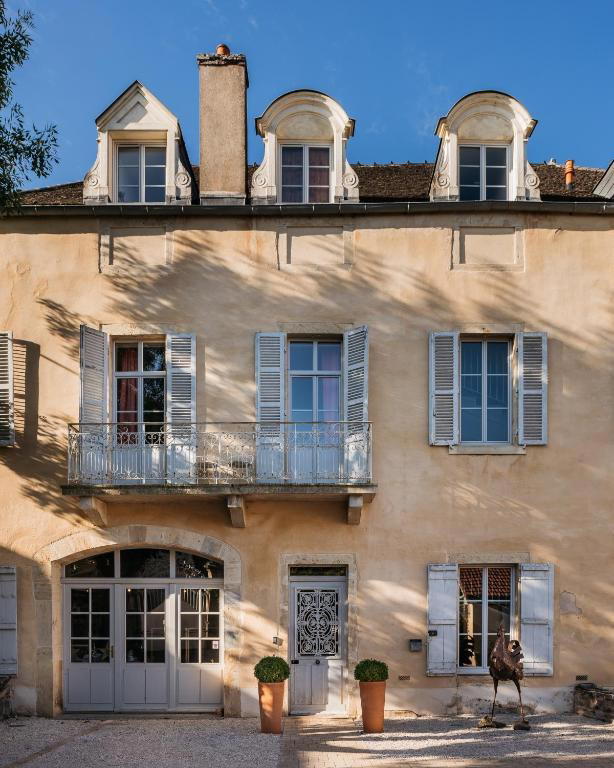
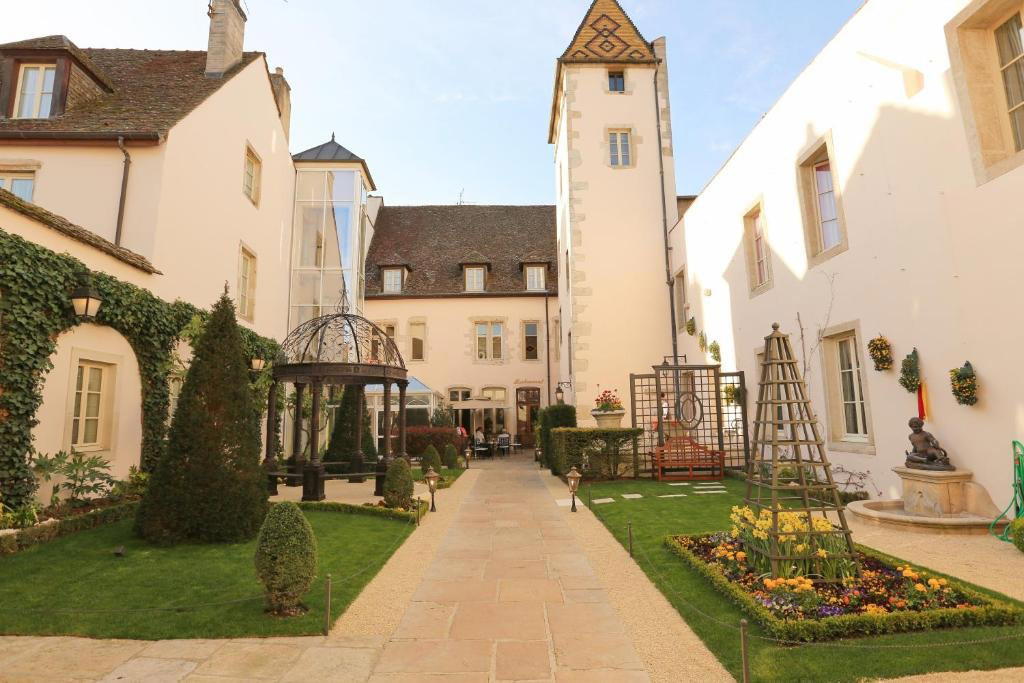
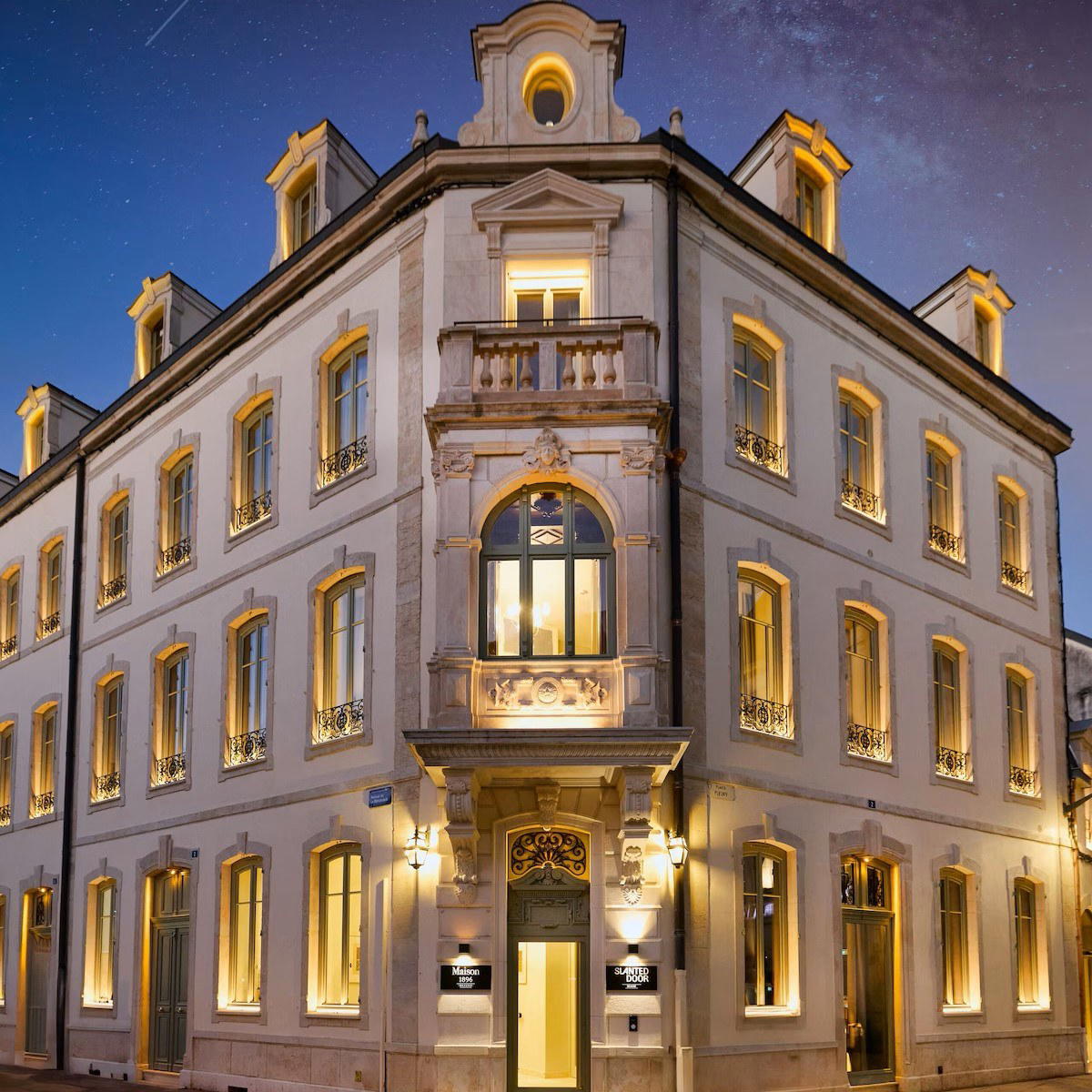
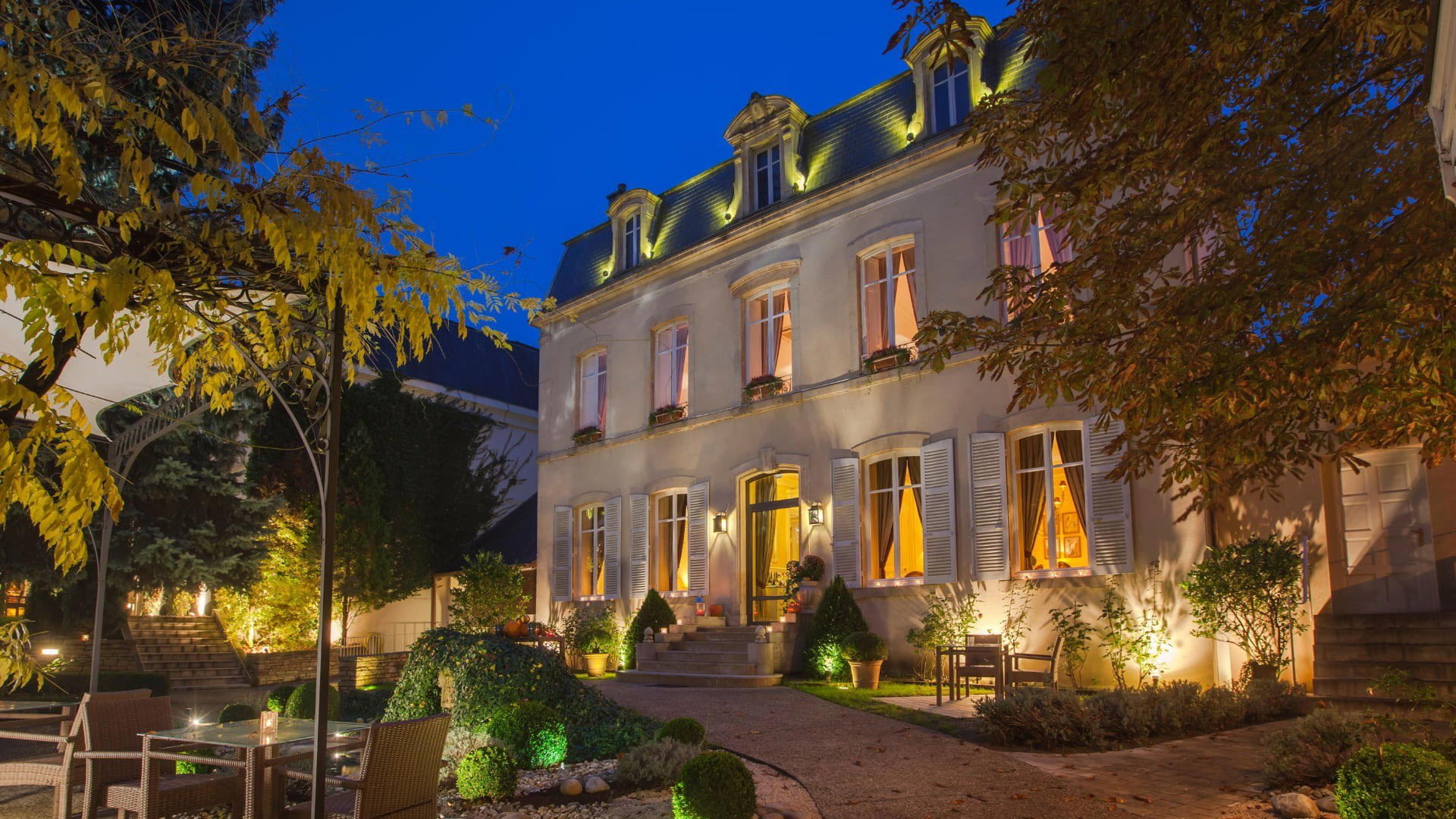
Classic rustic winery atmosphere in Burgundy hillside setting with focus on intimate tastings amid old vines and barrel aging.
Know Before You Go
- Getting there
- 10 Chem. de la Cave, 21190 Volnay