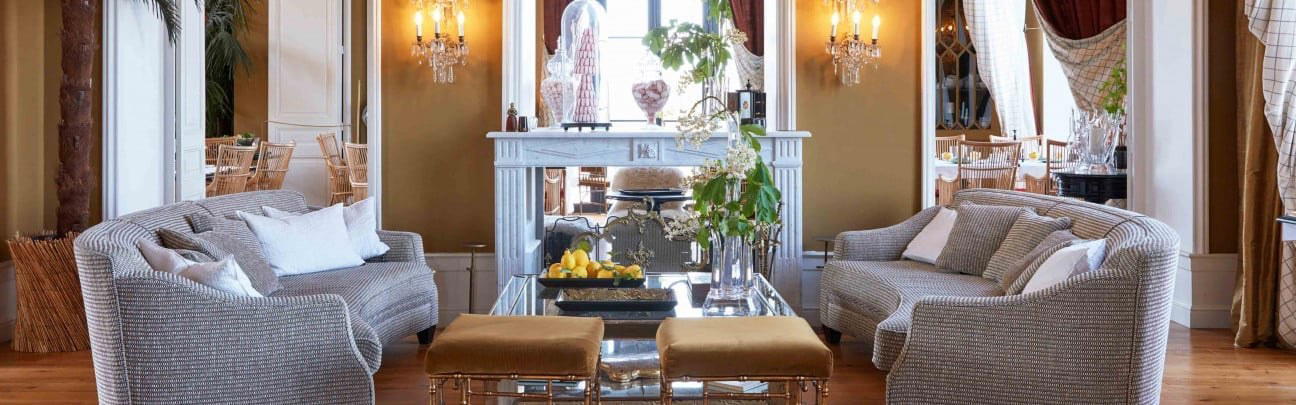
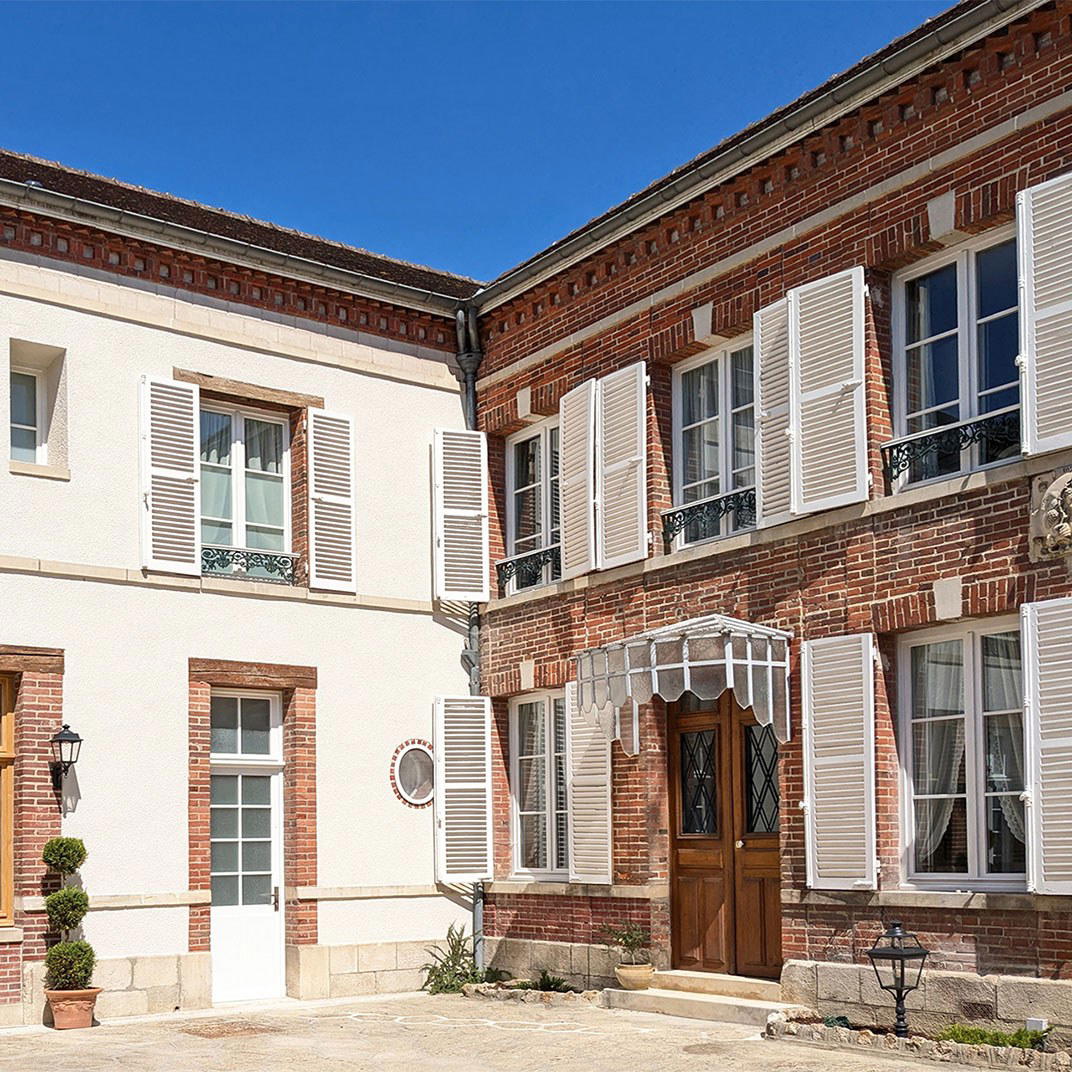
Bérêche et Fils

Bérêche et Fils operates from the village of Ludes in the Montagne de Reims, where brothers Raphaël and Vincent Bérêche have worked since the first vintage of 1979 to translate the chalk and clay soils of this understated Champagne sub-region into wines of marked precision. Awarded Pearl 4 Star Prestige in 2025, the domaine sits among the more compelling grower-producer addresses in the region.
Pearl is the En Primeur Club membership app — saves, bookings, and concierge access live there. Same editors, same standards.

Chalk, Clay, and the Montagne de Reims
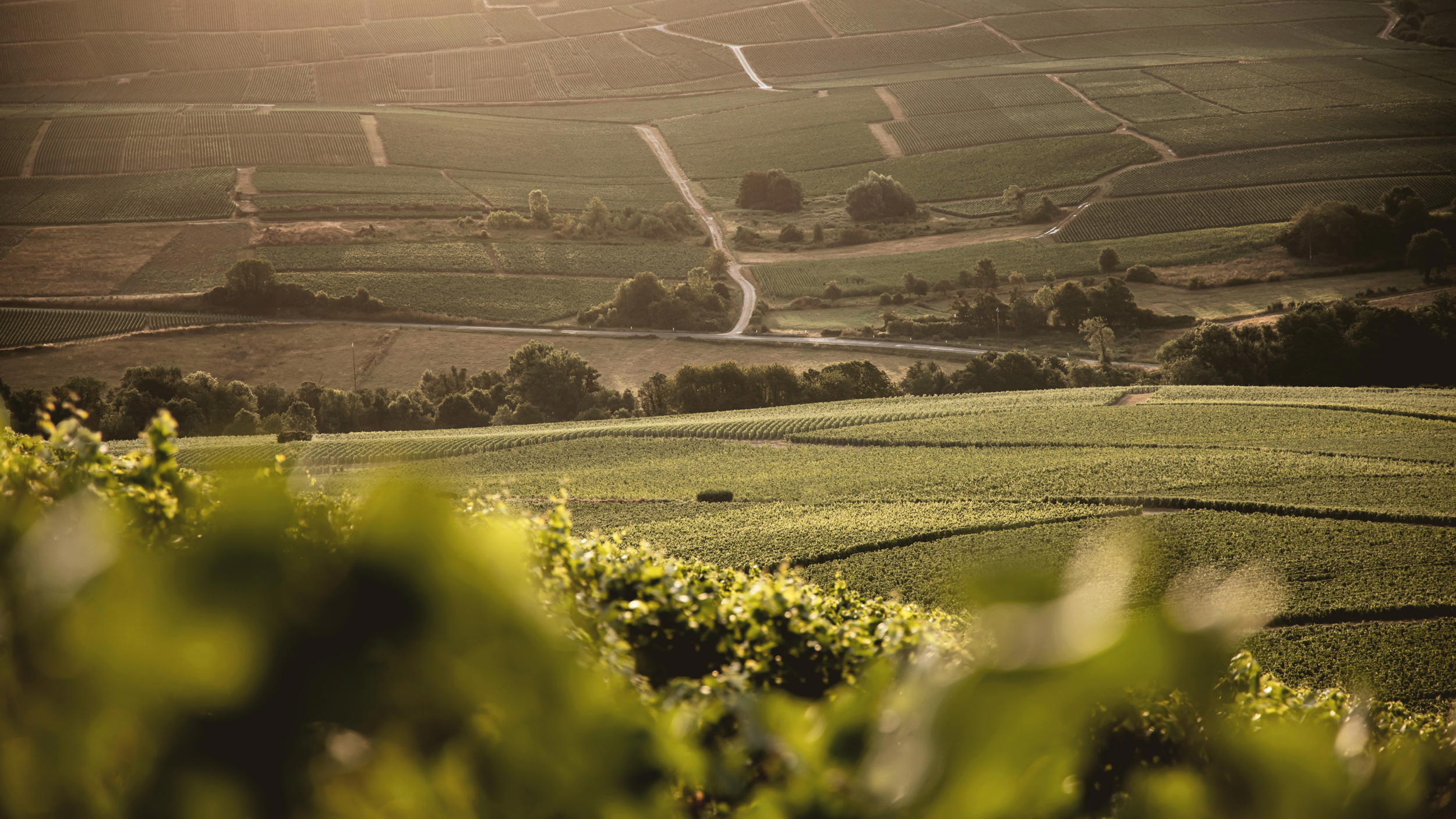
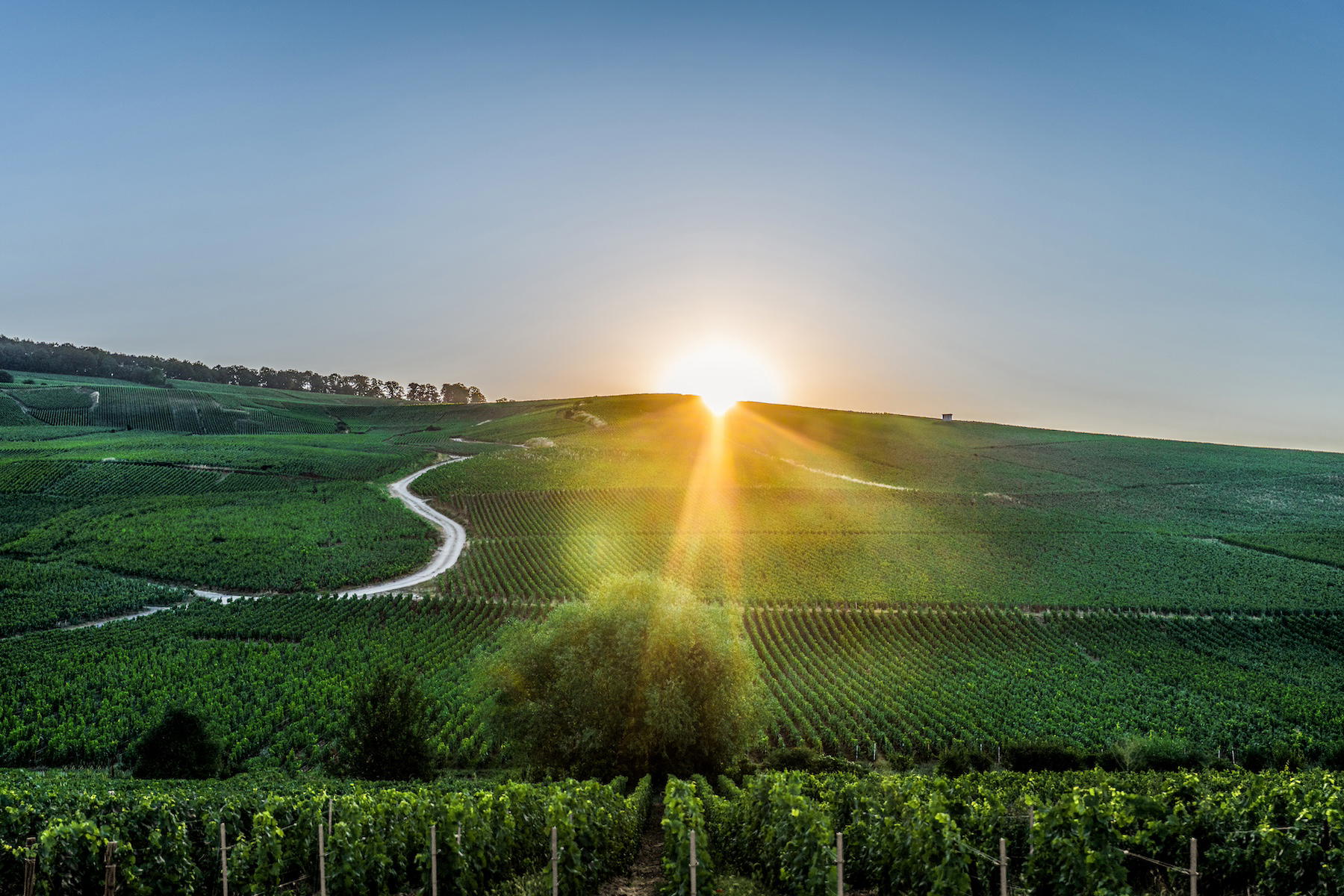
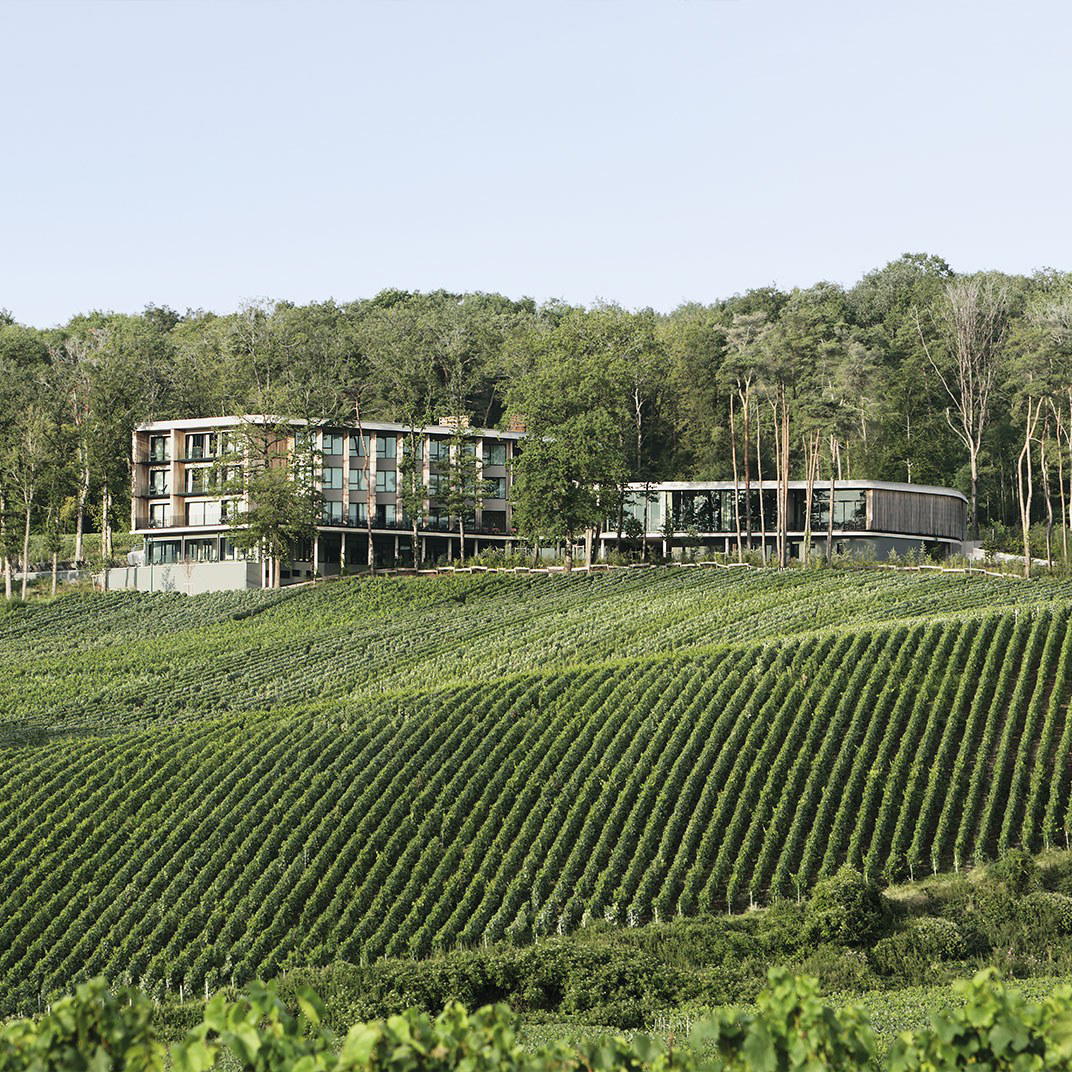
The villages southeast of Reims do not announce themselves. Ludes sits quietly among vines on the northern slopes of the Montagne de Reims, the escarpment that separates the broad Marne valley from the denser chalk belt running toward Épernay. Approaching from the plain, the landscape shifts from open agricultural land to a tighter, cooler canopy of pinot noir and chardonnay. This is not the Côte des Blancs, with its well-documented mineral signal, nor is it the more celebrated Vallée de la Marne. The Montagne occupies a different position in Champagne's internal hierarchy, one that serious grower-producers have spent the past two decades working to articulate on their own terms.
Bérêche et Fils operates from this terrain. The domaine is based at Route de Louvois, Le Craon de Ludes, and its orientation toward place-specific expression reflects a wider movement among Champagne's most thoughtful independent producers. Where the major houses blend across appellations to maintain a house style year after year, grower-producers like Bérêche work with far smaller plots and far more specific soils, a difference in approach that shows directly in the glass.
What Terroir Means Here
The Montagne de Reims is defined by its chalk subsoil, a geological layer that runs beneath much of the Champagne appellation but that expresses itself differently depending on depth, topsoil composition, and aspect. On the northern slopes around Ludes and its neighbouring villages, chalk is overlaid with clay and loam in proportions that produce wines of a particular texture and weight: fuller than the strictest blanc de blancs from the Côte des Blancs, yet tighter and more mineral than the richer styles produced further west in the Vallée de la Marne.
Pinot noir dominates plantings in this part of the Montagne, and the variety responds to the chalk with a structure that supports extended ageing. Chardonnay planted here tends toward a rounder profile than in the pure chalk villages of the south. The interplay between these characteristics, the soil's water retention in dry years and drainage in wet ones, the aspect that tempers the northern exposure, is precisely the kind of site-specific detail that grower Champagne producers have been most effective at communicating over the past generation. Bérêche, with a first vintage dating to 1979, belongs to that longer arc of family commitment to understanding a particular patch of ground.
Brothers Raphaël and Vincent Bérêche now lead the domaine, and their work continues within a broader regional pattern of producers moving away from heavy dosage and non-vintage blending toward wines that foreground vintage character and site. This shift parallels developments in other serious producing regions: the grower Champagne movement draws comparison with the rise of domaine-focused Burgundy and, more recently, with grower-led producers in regions like Alsace, where houses such as Albert Boxler in Niedermorschwihr have similarly prioritised plot-level specificity over commercial blending at scale.
Champagne's Grower Tier: Where Bérêche Sits
The grower-producer category in Champagne now spans a wide range of ambition and quality. At the lower end, it includes co-operative members with small estate bottlings; at the upper end, it includes domaines whose wines are allocated, aged extensively on lees, and priced against prestige cuvées from the major houses. Bérêche sits in the upper tier of this spectrum. The domaine's 2025 Pearl 4 Star Prestige award from EP Club places it in a peer group that includes other producers where critical recognition has confirmed what wine buyers and importers identified earlier: that these wines are serious, consistent, and worth planning around.
For context on how this tier compares across regions, it is worth noting that 4 Star Prestige recognition from EP Club reflects a level of performance that positions a producer alongside respected names elsewhere in France. Bordeaux estates operating at comparable prestige levels include Château Bélair-Monange in Saint-Emilion, Château Branaire Ducru in St-Julien, and Château Clinet in Pomerol. Sweet wine producers operating at equivalent prestige include Château Bastor-Lamontagne in Preignac and Château d'Arche in Sauternes. The peer set spans styles and regions, but the underlying signal is consistent: these are producers with demonstrable track records and wines that reward deliberate attention.
Reading the Range
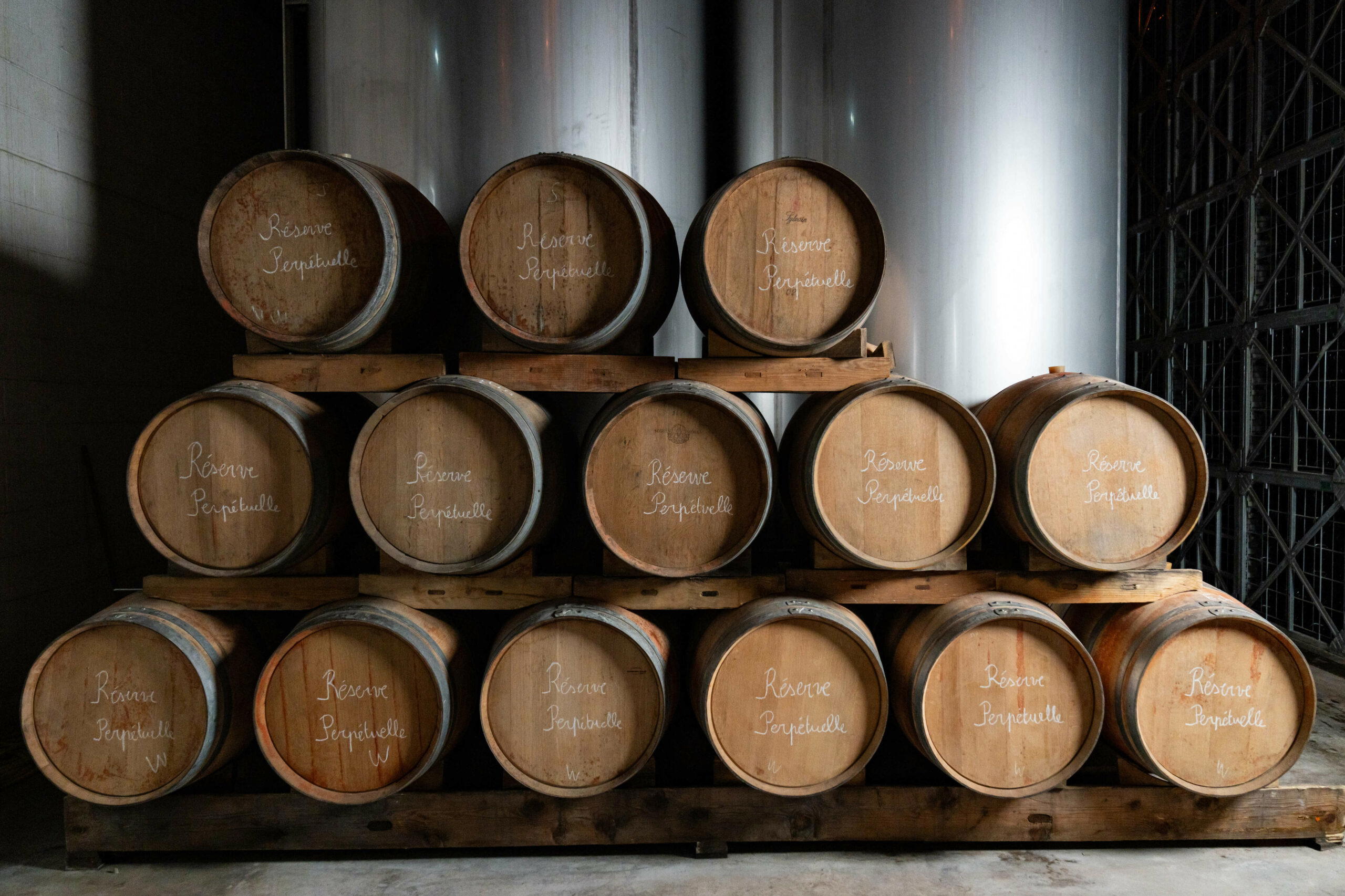
Without confirmed menu or tasting room details in the public record, it is not possible to specify which cuvées are available for tasting at the domaine on any given visit. What is established from the domaine's history is the structural logic of their range. Grower Champagne producers at this level typically work across non-vintage blends that establish a house baseline, single-terroir or single-vintage prestige cuvées, and occasionally experimental lots that reflect a specific vine age or vinification choice. The Bérêche range, as documented in the wine press over multiple vintages, follows this structure, with wines that demonstrate the difference between the chalky northern slope expression and the broader Montagne terroir.
Visitors should expect wines with lower to no dosage, extended lees ageing, and a vintage-transparent character that distinguishes them from the consistency-first approach of the major houses. This is not a criticism of either approach: they represent different products for different purposes. But for the reader interested in how Champagne's sub-regions actually taste, the grower-producer domaine is the more useful destination.
Planning a Visit
The domaine is located at Route de Louvois, Le Craon de Ludes, in the commune of Ludes, within easy reach of Reims. The Montagne de Reims route connects a number of serious grower addresses in this part of the appellation, and Bérêche sits within the broader geography covered in our full Vaudemange restaurants and producers guide. Phone and website details are not confirmed in the current database; visitors should verify contact information through specialist wine importers or current trade sources before arranging a visit. The domaine does not appear to operate as a walk-in tasting venue, and visits are most reliably arranged through prior appointment.
For those building a longer itinerary around serious French producers, the Champagne region pairs well with Alsace addresses including Albert Boxler, or with northern Rhône and Provence stops such as Château d'Esclans in Courthézon. For readers whose interests extend to spirits rather than wine, the Chartreuse production facility in Voiron represents a different but equally disciplined approach to French terroir-influenced production. Bordeaux collectors comparing estate visits might also consider Château Batailley in Pauillac, Château Boyd-Cantenac in Cantenac, Château Cantemerle in Haut-Médoc, or Château Dauzac in Labarde. Those whose itineraries extend to Scotland or California might include Aberlour or Accendo Cellars in St. Helena in a broader calendar of producer visits.
Quick Comparison
These are the closest comparables we have in our database for quick context.
| Venue | Cuisine | Price | Awards | Notes |
|---|---|---|---|---|
| Bérêche et Fils | This venue | |||
| Château Bastor-Lamontagne | ||||
| Château Branaire Ducru | ||||
| Château Canon-la-Gaffeliere | ||||
| Château Cantemerle | ||||
| Château Clinet |
Continue exploring
More in Vaudemange
Wineries in Vaudemange
Browse all →Bars in Vaudemange
Browse all →Restaurants in Vaudemange
Browse all →At a Glance
- Rustic
- Elegant
- Intimate
- Sophisticated
- Wine Education
- Special Occasion
- Solo Exploration
- Cave Tasting
- Barrel Room
- Vineyard Tour
- Biodynamic
- Organic
- Vineyard
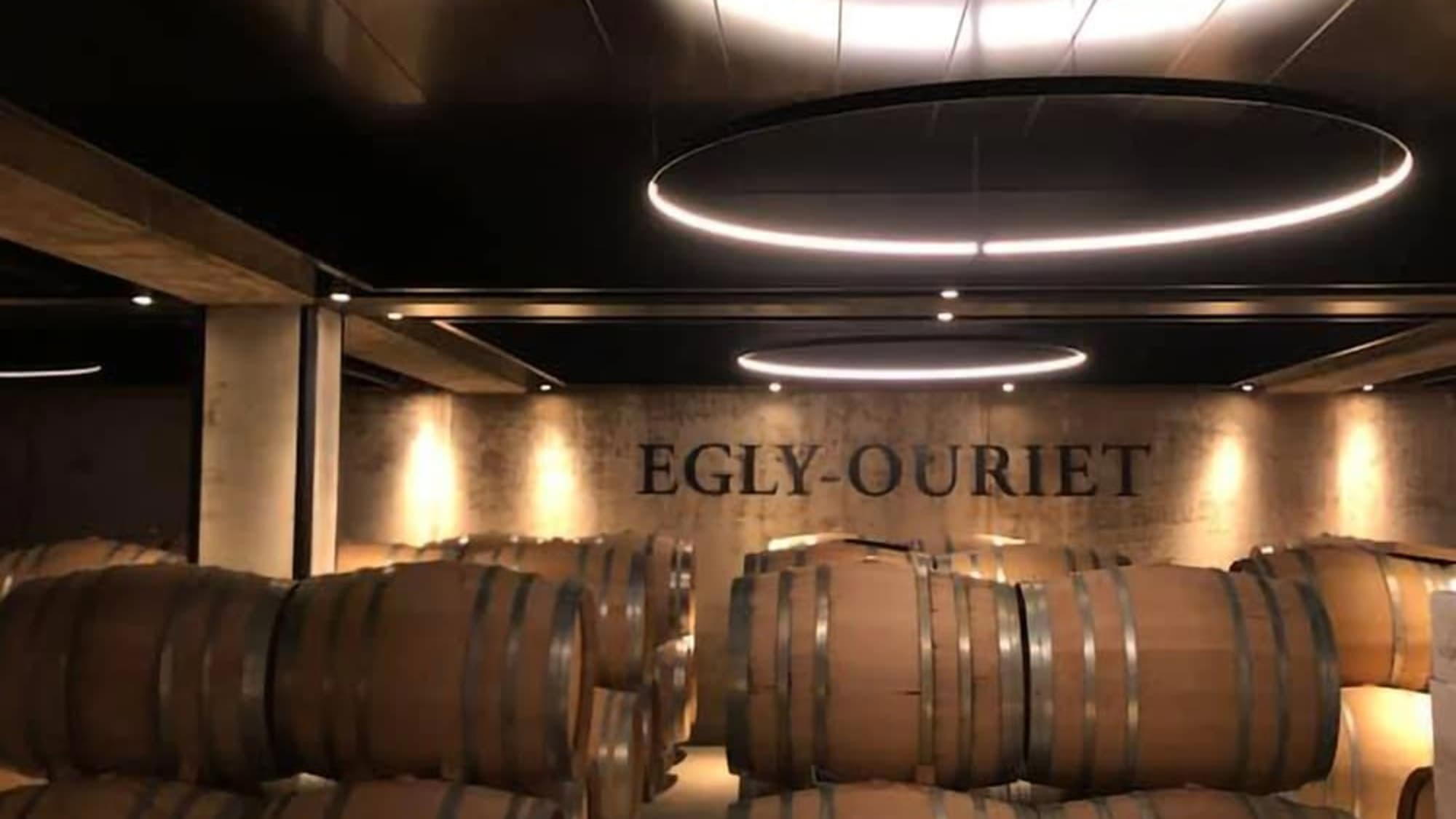
Refined and complex atmosphere from barrel-aged wines with depth, minerality, and aromatic nuance.