Weingut Markus Molitor

Weingut Markus Molitor operates from Zeltingen-Rachtig in the Mosel's Bernkastel-Wehlen zone, producing Riesling from some of the river's most closely watched slate sites. Serious collectors track its releases alongside peers such as Weingut Joh. Jos. Prüm.
Pearl is the En Primeur Club membership app — saves, bookings, and concierge access live there. Same editors, same standards.
- Address
- Klosterberg, 54492 Zeltingen-Rachtig
- Phone
- +49 6532 954000
- Website
- markusmolitor.com
- Directions
- Get directions
 Saves & bookings on Pearl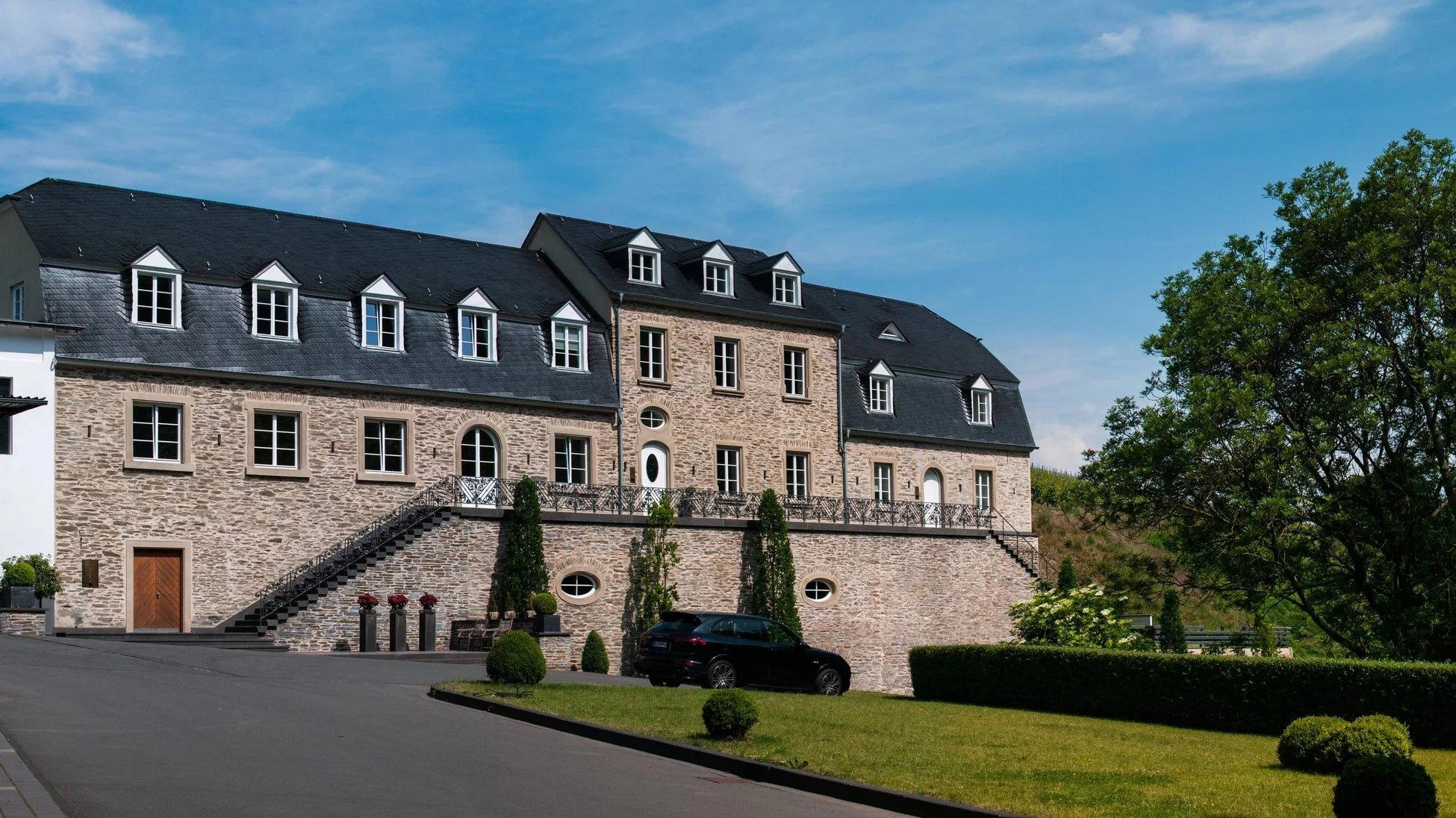
Slate, River Light, and the Mosel's Upper Register
The approach to the Mosel's middle reach tells you something before you taste a single wine. The river bends tightly through Bernkastel-Wehlen and Zeltingen-Rachtig, and the steep south-facing slopes above it capture light at angles that would be unremarkable on flat ground but become decisive when the gradient forces vines to angle their canopy skyward. This is the physical logic behind the Mosel's reputation for Riesling: not romance, but geology and exposure converting a cool climate into something capable of producing wines of genuine complexity. Weingut Markus Molitor, based at Klosterberg in Zeltingen-Rachtig, sits within that argument.
What the Mosel's Prestige Tier Actually Means
German wine has a classification logic that rewards patience to understand. The Prädikat system — from Kabinett through Trockenbeerenauslese — organises wines by must weight at harvest, but it maps only loosely onto quality at the estate level. What separates the Mosel's prestige producers from solid regional names is vineyard access combined with the discipline to work individual parcels rather than blend across sites. The estates that hold leading ratings from serious critics and earn allocation-list status tend to share a profile: historically significant vineyard holdings, low intervention in the winery that allows site character to register, and a track record of wines that age productively over decades.
Weingut Markus Molitor sits inside that profile. For context, the Mosel's most closely watched estates, including the likes of Weingut Joh. Jos. Molitor belongs to that conversation.
Riesling as the Central Argument
The Mosel's identity is built around Riesling in a way that few wine regions can claim for a single variety. While producers in the Pfalz such as Weingut Bassermann-Jordan in Deidesheim and Weingut Dr. Bürklin-Wolf in Wachenheim an der Weinstraße work across a broader varietal palette, and estates in Rheinhessen like Weingut Battenfeld-Spanier in Hohen-Sülzen have built reputations partly on Pinot Noir and Silvaner, the Mosel's serious producers have historically committed to Riesling as their primary case. The grape's affinity for the region's blue Devonian slate soils is well documented: the mineral charge that slate imparts, combined with the river's reflective heat and the naturally high acidity of cool-climate Riesling, produces wines with a tension that neither Alsace nor the Rhine's warmer banks replicate exactly.
That tension is what makes Mosel Riesling divisible into distinct styles. Wines from sites like Wehlener Sonnenuhr and Zeltinger Sonnenuhr on the steep middle Mosel tend toward citrus, stone fruit, and a pronounced minerality that the German wine trade has long described as Schieferton, slate character. Estates working these parcels face a constant editorial decision: how much residual sweetness to carry, how much to push toward Feinherb or fully dry Trocken expressions, and where to pitch each bottling in relation to the Prädikat classification. The choices made at harvest and in the cellar across these questions are what differentiate producers at the top of the quality register.
How Molitor Fits the Regional Conversation
The Mosel's prestige tier includes estates of varying scales and approaches, and they don't all point in the same direction. Weingut Fritz Haag in Brauneberg has long anchored its reputation in the Brauneberger Juffer Sonnenuhr; Weingut Grans-Fassian in Leiwen works sites further down the river. For collectors accustomed to working allocation lists for leading Mosel Riesling, the estate falls within the group of names that require advance planning rather than walk-in availability.
Producers working at this level in Germany also tend to attract comparison with houses operating in other northern European fine wine regions. Kloster Eberbach in Eltville, operating in the Rheingau, represents a different institutional model, while Weingut Georg Breuer in Rüdesheim am Rhein has built its identity around dry Riesling in a way that differs from the Mosel's traditional range. Weingut A. Christmann in Neustadt an der Weinstraße and Weingut Allendorf in Oestrich-Winkel represent the Pfalz and Rheingau respectively, completing a picture of how Germany's fine wine identity is distributed across its major regions. Molitor sits within this broader German premium tier, but the Mosel address and the slate-slope terroir give it a specific regional argument that sets it apart from Rhine-based peers.
For international comparison, the allocation-list dynamic and the producer-specific terroir focus at Molitor has more in common with Burgundy's domaine model than with the négociant structure common in parts of Bordeaux. Weingut Clemens Busch in Pünderich, another Mosel estate working biodynamic principles on steep slate sites, sits in a loosely parallel category, though the two estates occupy different sub-regional positions on the river.
Planning a Visit and Securing the Wines
Weingut Markus Molitor is based at Klosterberg, 54492 Zeltingen-Rachtig, in the Bernkastel-Wehlen wine zone of the Mosel. The village sits on the river's south-facing bank, accessible by road from Bernkastel-Kues roughly seven kilometres upstream. Wine tourism infrastructure along this stretch of the Mosel is well developed: the cycle path along the river connects the key villages, and the B53 road runs parallel for those arriving by car. Visitors planning time in the region will find Bernkastel-Kues a practical base, with accommodation options ranging from guesthouses to river-view hotels. The our full Bernkastel-Wehlen restaurants guide covers the broader scene for dining and discovery across the zone.
For wine acquisition specifically, the estate's prestige-tier positioning means that the most sought-after Prädikat bottlings typically move through allocation and mailing list channels rather than open retail. Visitors to the estate during the late-summer and autumn harvest period (broadly August through October) will find the region at its most active, though cellar visit availability at estates of this standing generally requires prior contact.
Those extending the trip into Germany's broader fine wine geography can reference estates including Weingut Bürgerspital zum Heiligen Geist in Würzburg for Franken's contrasting Silvaner-led tradition, or venture further afield to compare with New World producers such as Accendo Cellars in St. Helena and Aberlour in Aberlour for a sense of how single-site intensity translates across wine cultures.
Recognition history
Dated appearances from independent guides and award organizations, with the underlying list record or original source where available.
Falstaff Winery - 5 Stars
Falstaff
Continue exploring
More in Bernkastel-Wehlen
Wineries in Bernkastel-Wehlen
Browse all →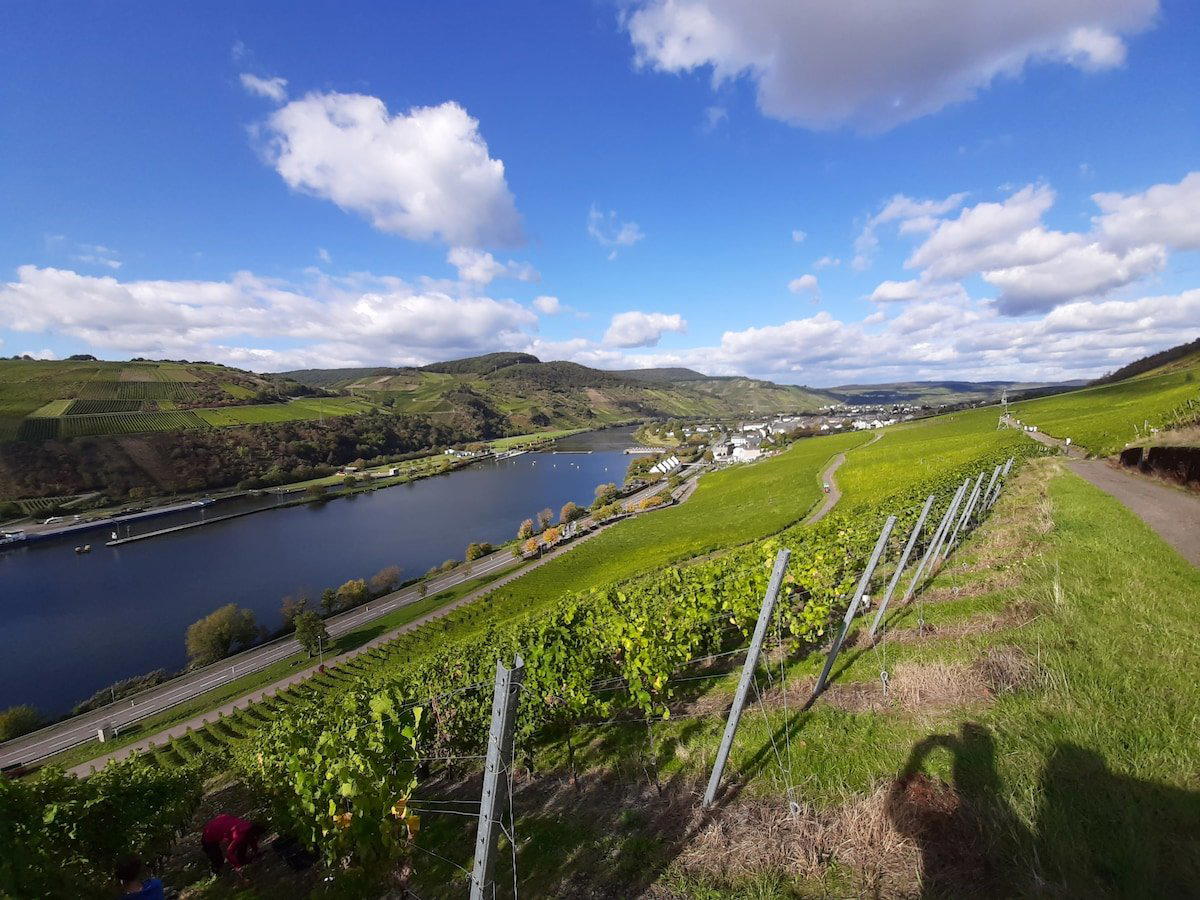
Bars in Bernkastel-Wehlen
Browse all →
Restaurants in Bernkastel-Wehlen
Browse all →
At a Glance
- Elegant
- Scenic
- Intimate
- Sophisticated
- Wine Education
- Solo Exploration
- Special Occasion
- Estate Grounds
- Historic Building
- Sustainable
- Vineyard
- Mosel
- Riesling
- Pinot Noir
- Pinot Blanc
- Still White
- Cave Tasting
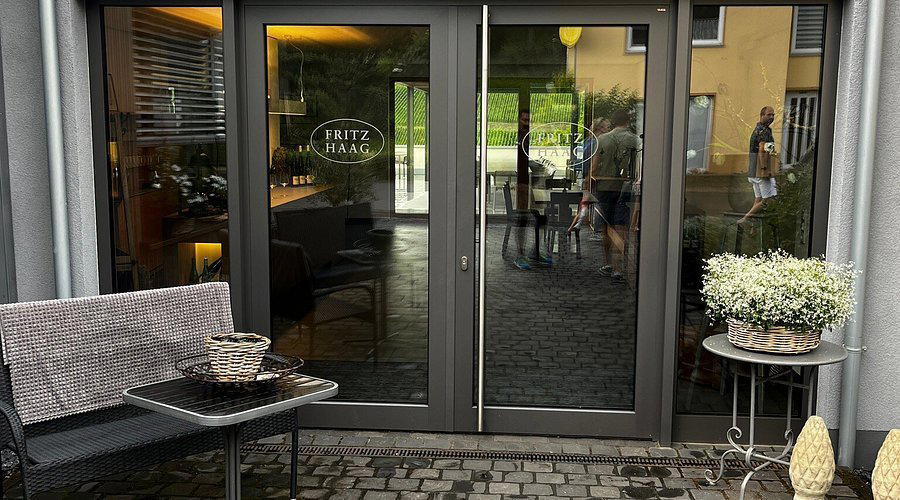
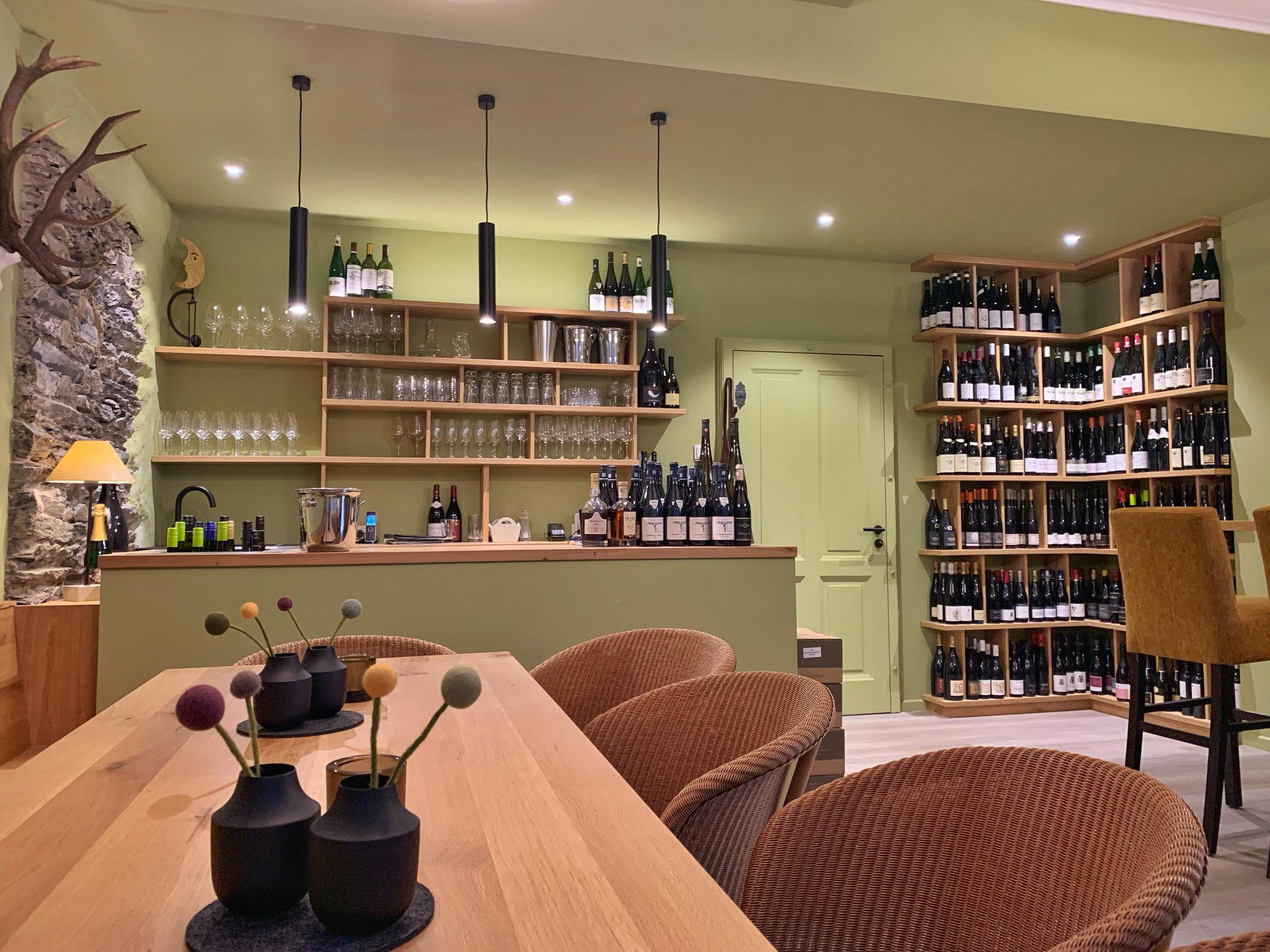
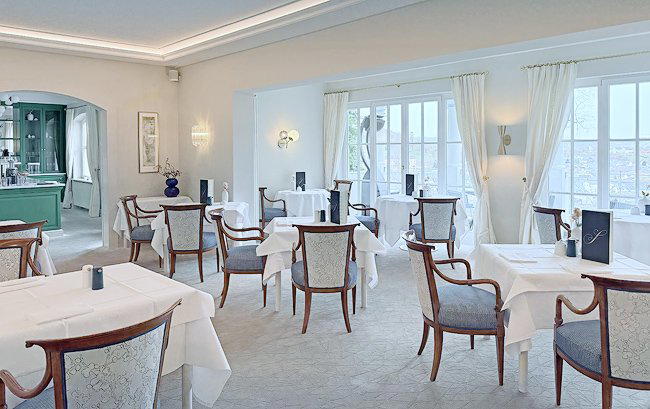
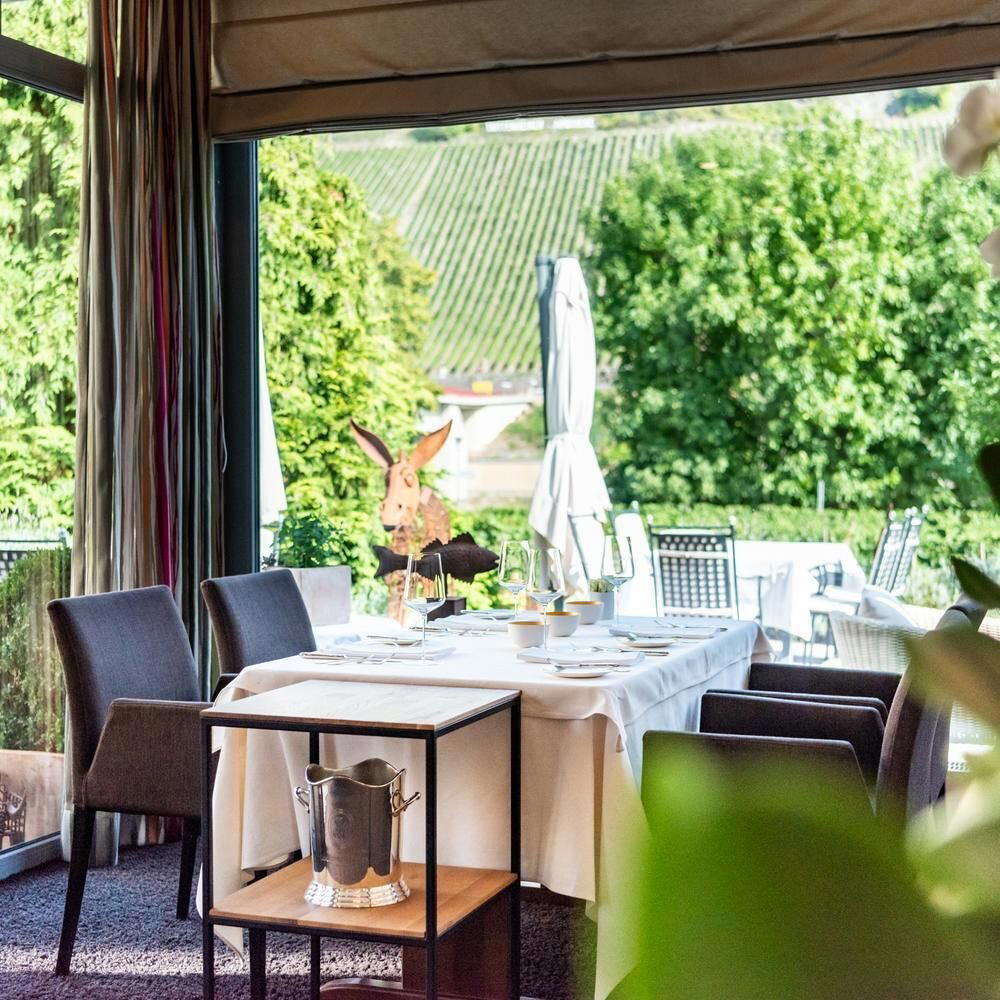
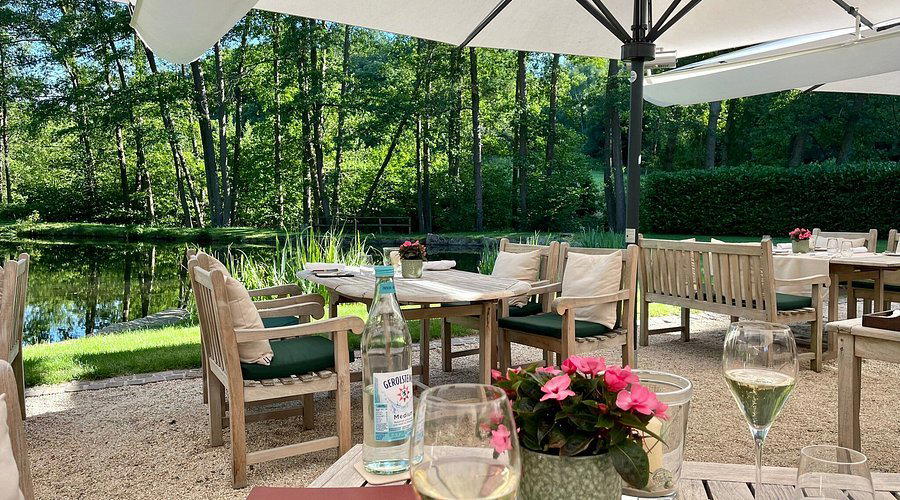
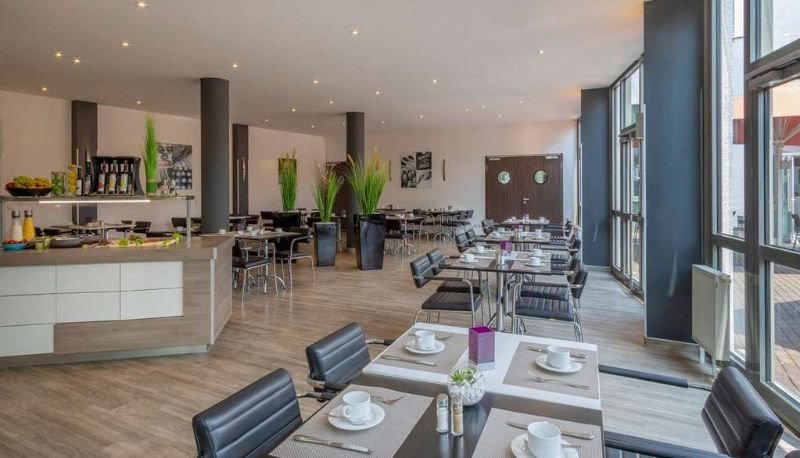
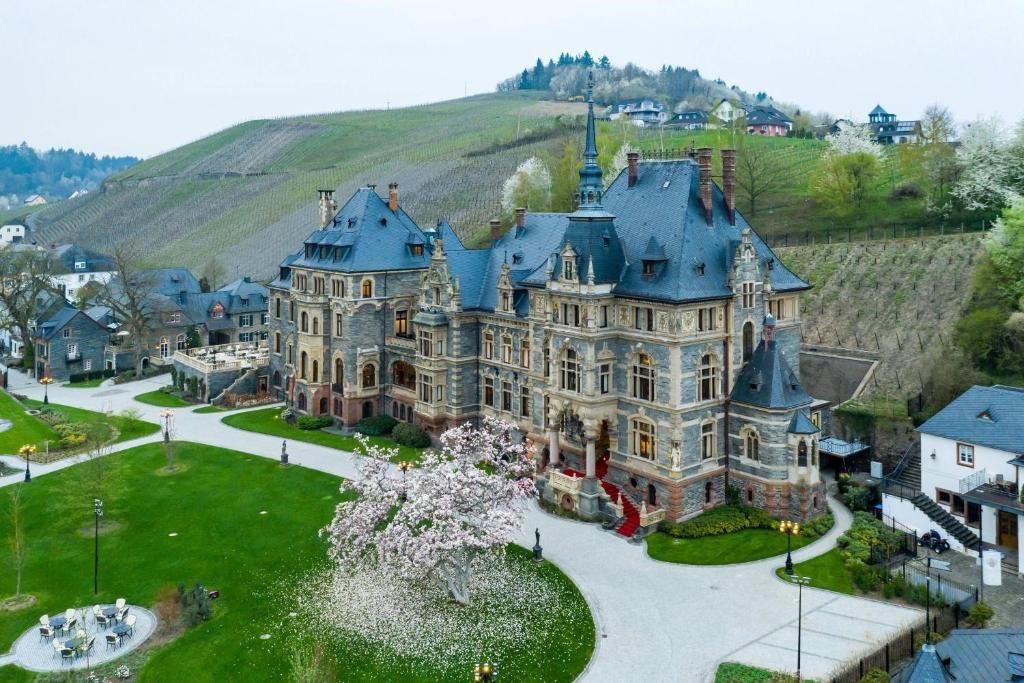
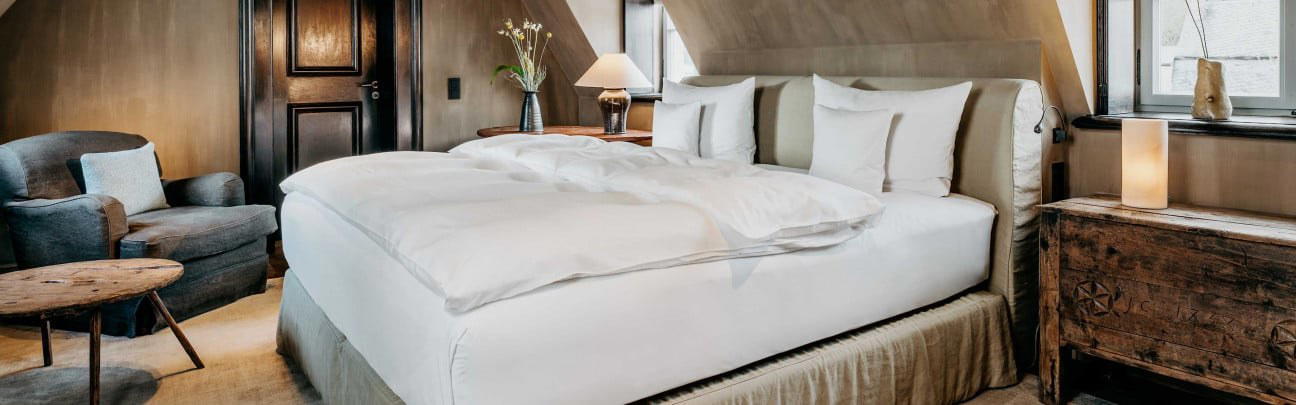
Puristically furnished yet elegant and cozy tasting room with minimalist modern interior, set amidst steep slate vineyards.
Know Before You Go
- Getting there
- Klosterberg, 54492 Zeltingen-Rachtig