

Henschke in Keyneton sits at the centre of South Australian wine history, with the Hill of Grace vineyard producing some of the country's most scrutinised Shiraz from vines planted in the 1860s.
Pearl is the En Primeur Club membership app — saves, bookings, and concierge access live there. Same editors, same standards.
- Address
- 1428 Keyneton Rd, Keyneton SA 5353
- Phone
- +61 8 8564 8223
- Website
- henschke.com.au
- Directions
- Get directions
 Saves & bookings on Pearl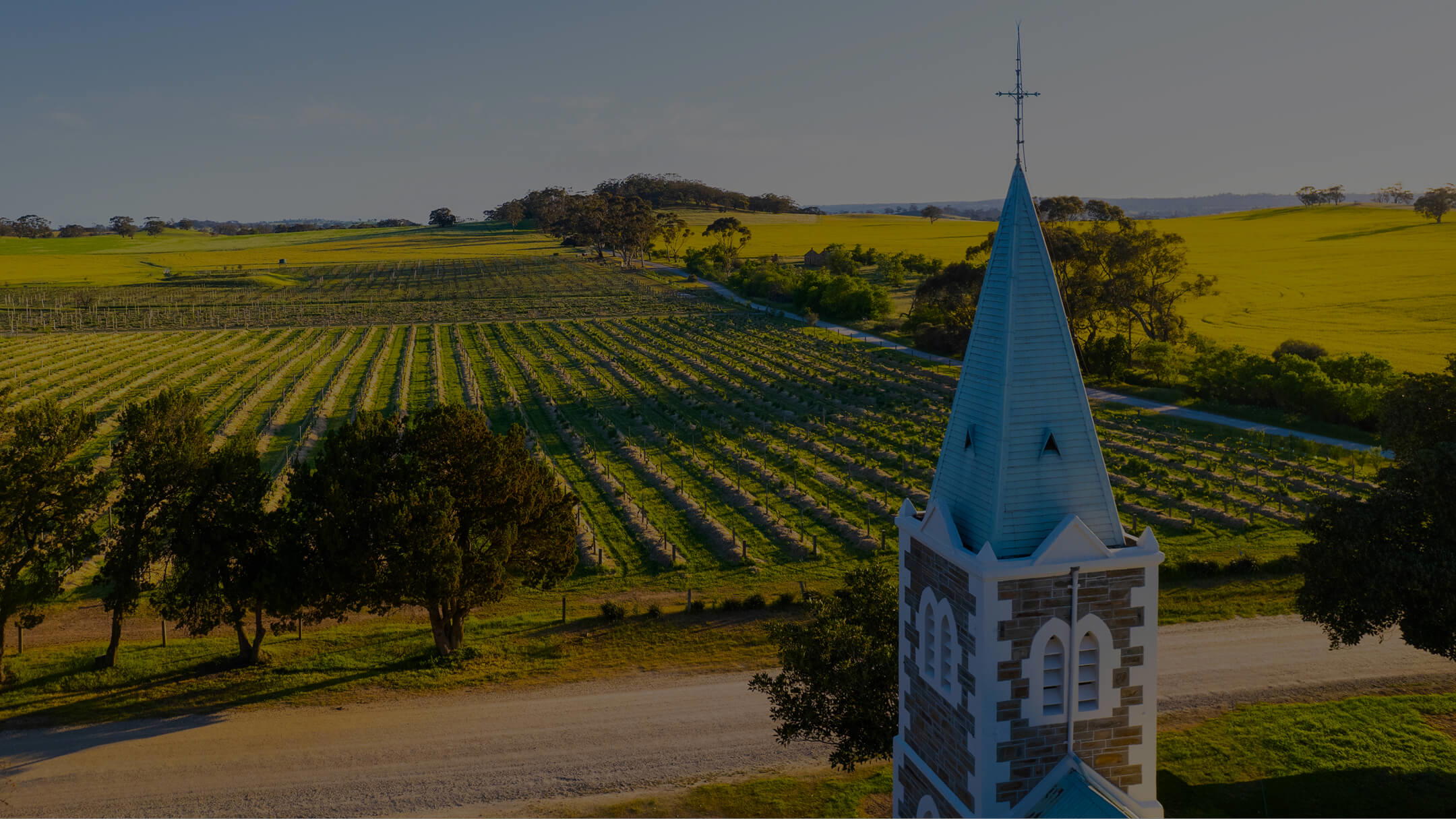
Where Ancient Vines Meet Eden Valley Schist
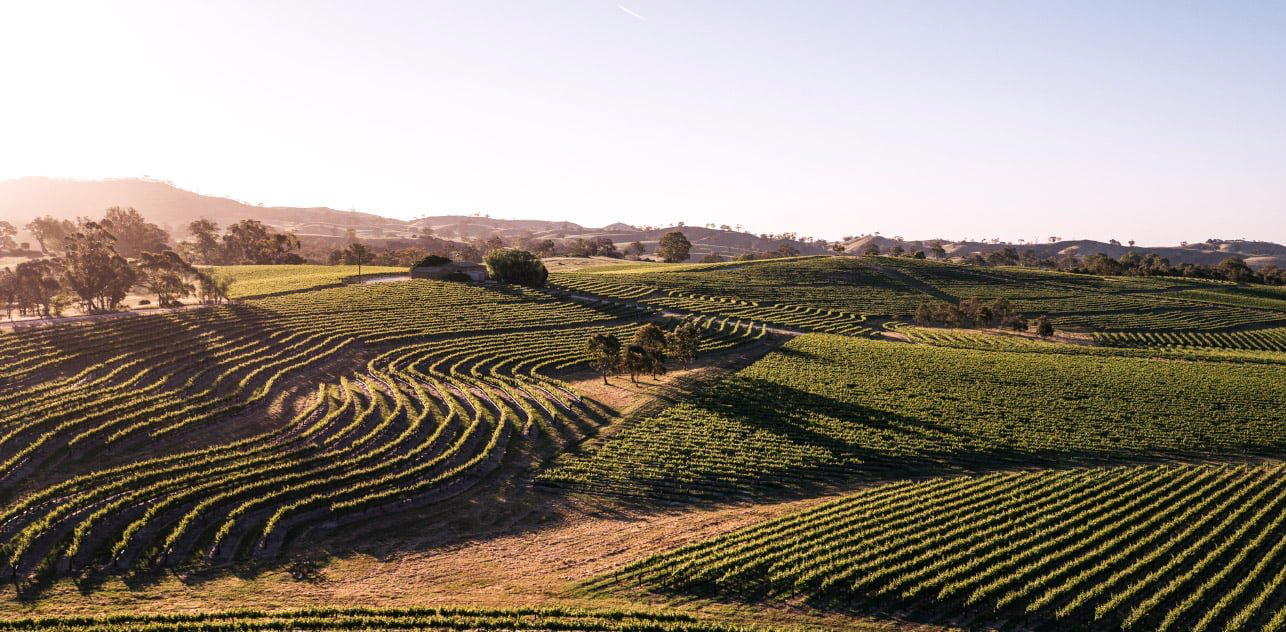
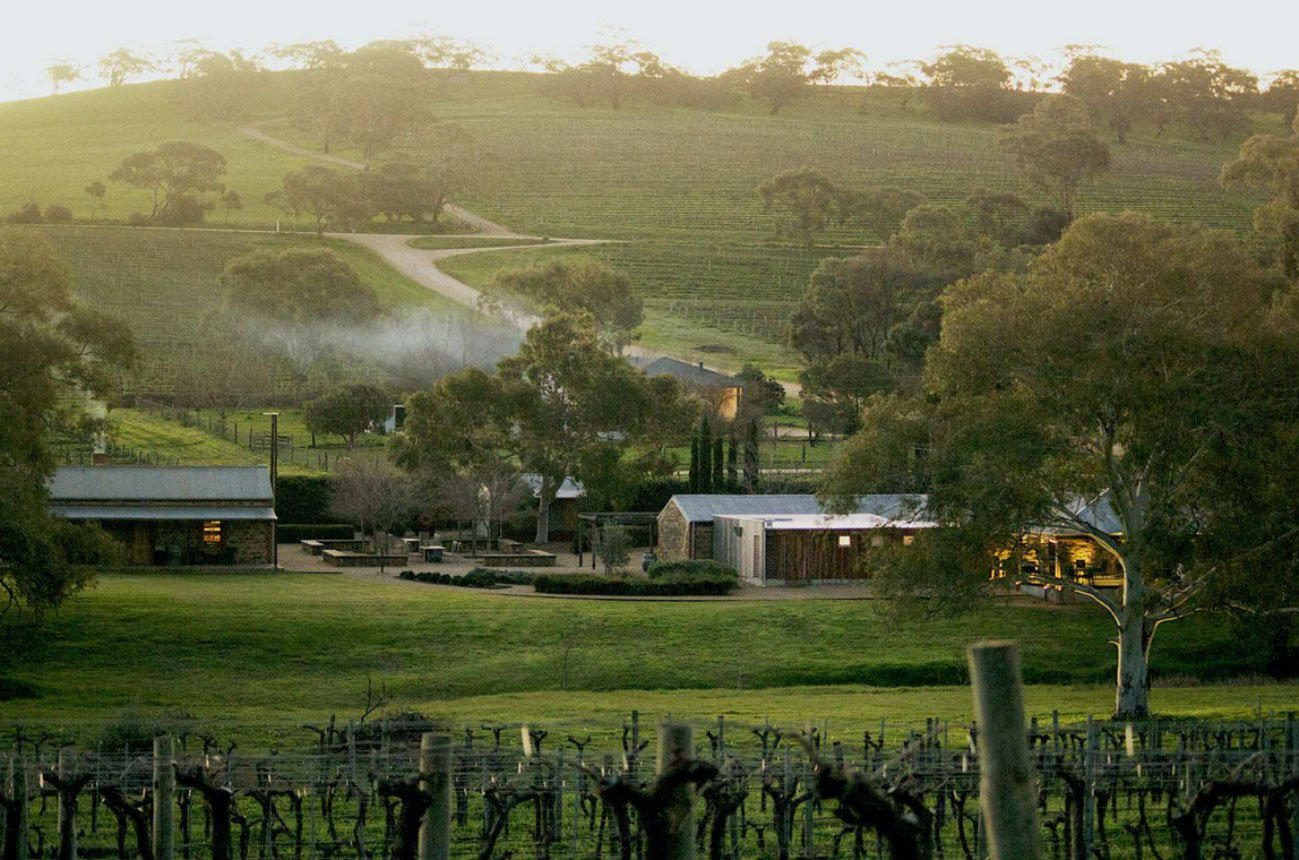
The Eden Valley's upper elevations run cool and dry in ways that distinguish them sharply from the warmer floor of the Barossa. At Keyneton, roughly an hour's drive northeast of Adelaide, the soils shift from the sandy loams of the valley floor to fractured schist and ironstone-heavy clay. It is terrain that stresses vines productively, concentrating flavour and forcing root systems into the rock over decades rather than years. Henschke's Hill of Grace vineyard occupies precisely this kind of ground, with Shiraz vines dating to the 1860s that have spent more than a century building a root network no new planting can replicate. The result is a wine whose depth comes less from winemaking intervention than from the accumulated geological fact of that site.
That relationship between place and wine is the central argument Henschke makes. Understanding it requires coming to Keyneton, where the connection between altitude, aspect, and vine age is visible rather than theoretical. The address at 1428 Keyneton Road is not a convenient cellar door stop on a regional tourist loop; it is a working estate where the vineyards are the destination.
The Hill of Grace in the Context of Australian Shiraz
Australian Shiraz has a complicated international reputation. At one end, the category is associated with commercially driven, heavily extracted wines built for immediate fruit impact. At the other end, a smaller group of producers works within a more restrained framework, where site specificity and vine age drive the character of the wine rather than winemaking additions. Henschke sits firmly in the second group, and Hill of Grace has been the reference point for that argument in Australia for decades.
To understand where Hill of Grace sits among peers, it helps to look at how single-vineyard old-vine Shiraz from this part of South Australia is priced and allocated internationally. The wine trades in the secondary market at levels that align it with Clarendon Hills Astralis and the upper tier of Penfolds releases rather than with general Barossa floor Shiraz. Both Clarendon Hills and Penfolds are comparison points for South Australian premium red production, and Hill of Grace occupies a separate position by virtue of vine age and the documented continuity of a single site rather than a blending program.
That recognition places Henschke alongside a relatively short list of Australian producers where terroir expression rather than winemaker personality is the primary editorial story. For context on how other Australian estates handle single-site production, Bass Phillip in Gippsland applies a similar logic to Pinot Noir in cool-climate Victoria, and Leading's Wines in Great Western draws on century-old plantings for its Shiraz programs.
What the Henschke Visit Is
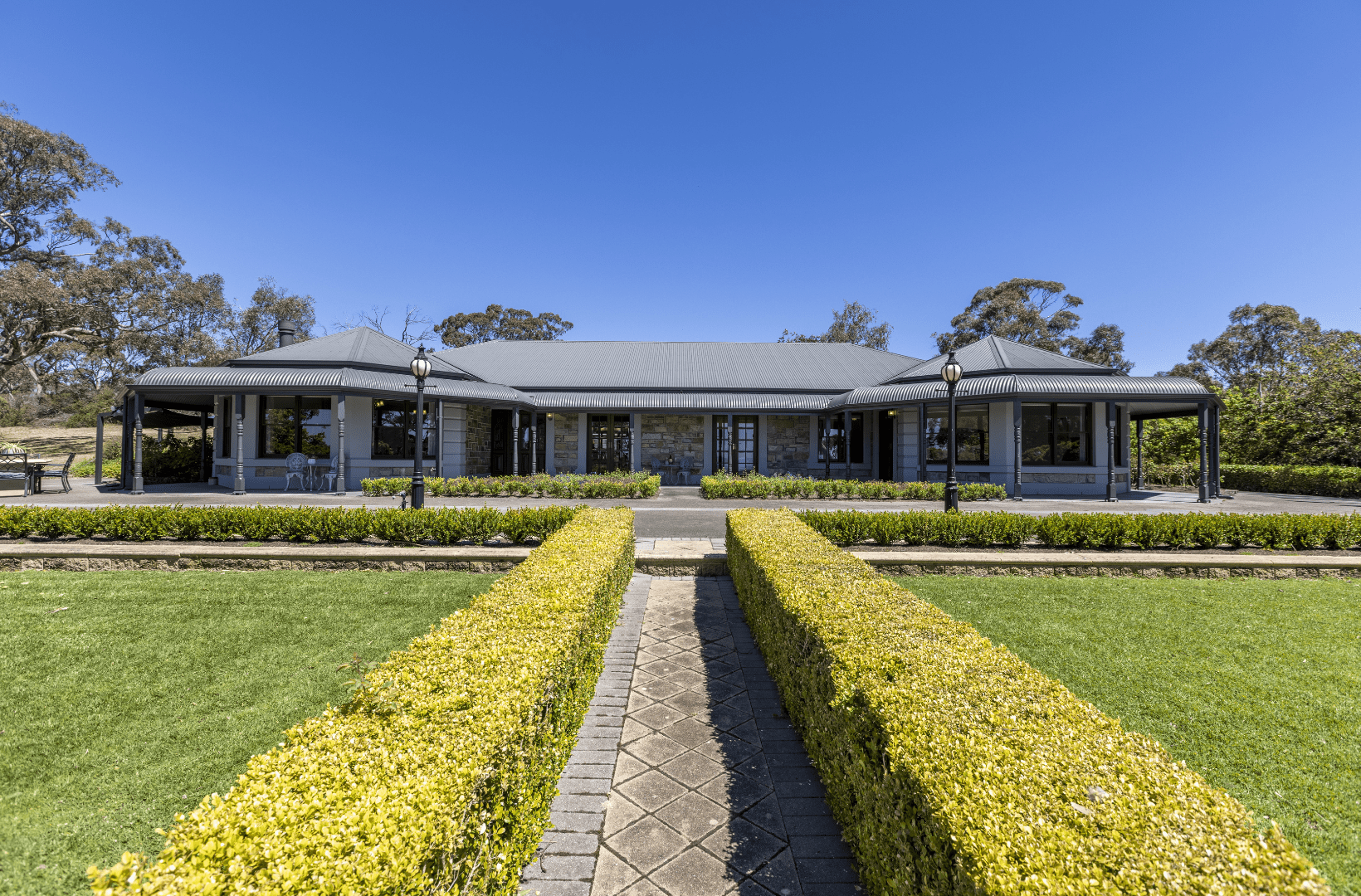
The Hill of Grace experience, as the estate frames it, is structured around communicating the connection between the specific vineyard block and the wine in the glass. Fifth-generation winemakers Stephen and Prue Henschke have overseen this program, and the estate's classification as one of Australia's First Families of Wine signals a multi-generational continuity that shapes how the experience is designed. This is not a tasting room format built around high visitor throughput; the physical setting and the depth of the Hill of Grace experience point toward a low-capacity, specialist format where the ratio of time to volume is inverted relative to most cellar door operations.
That format distinction matters for planning. Keyneton is a small settlement with limited surrounding infrastructure. The estate visit works well as the anchor of a day built around it rather than one stop among several. Arriving with adequate time and booking well in advance are both implied by the format; premium single-estate experiences at this level in Australia generally require advance contact, and the logistical position of Keyneton, a small community without significant nearby accommodation, means same-day arrival from Adelaide and a return trip is the practical default for most visitors.
Eden Valley and Its Regional Peers
The broader Eden Valley appellation includes a range of producers working across Riesling, Shiraz, and Cabernet Sauvignon, but Henschke's Hill of Grace has historically defined how the region's Shiraz is understood externally. The altitude contrast with the Barossa Valley floor, roughly 400 metres versus 270 metres at lower Barossa sites, translates into cooler growing temperatures, longer hang time, and higher natural acidity in the fruit. For Shiraz, that means wines with more structural tension and a longer trajectory than their Barossa Valley counterparts.
Comparing this to other Australian wine regions with long-established vine material is instructive. The old vine Grenache and Mourvedre of McLaren Vale, or the heritage Shiraz programs of producers like Angove Family Winemakers in Renmark, share a commitment to historic plantings but operate in warmer, lower-altitude conditions that produce a different stylistic result. Hill of Grace is specifically an Eden Valley argument, not a general old-vine argument.
Visitors planning a wider South Australian itinerary might pair a Keyneton visit with stops at Bird in Hand in Adelaide Hills, which represents the cooler southern end of the region's production spectrum, or consult our full Keyneton restaurants guide for context on the broader area. For comparison across Australian wine states, Brokenwood in Hunter Valley, Brown Brothers in King Valley, and Cape Mentelle in Margaret River each represent distinct regional arguments for the relationship between site and wine. Further afield, All Saints Estate in Rutherglen offers a different Australian generational winemaking context, while Blue Pyrenees Estate in Pyrenees and Casella Family in Griffith illustrate how differently Australian estates can be configured. Those interested in international comparisons might reference Accendo Cellars in St. Helena for how Napa Valley handles estate-level prestige positioning. For spirits-focused travel, Archie Rose Distilling Co in Sydney and Bundaberg Rum Distillery in Bundaberg offer points of comparison for how Australian producers communicate provenance across different drink categories. And for a Scotch whisky lens on terroir-driven estate thinking, Aberlour in Aberlour is a useful reference.
Planning a Visit to Henschke
Henschke is located at 1428 Keyneton Road, Keyneton SA 5353, a drive of approximately one hour from central Adelaide via the Eden Valley Road. Given the estate's position as a specialist, low-volume operation, advance booking through the estate's own channels is the assumed approach for the Hill of Grace experience. Timing a visit for late spring or autumn, when the Eden Valley's temperatures are moderate and the vineyard is either in early growth or post-harvest, tends to give the clearest sense of the landscape that underpins the wine.
Recognition history
Dated appearances from independent guides and award organizations, with the underlying list record or original source where available.
Falstaff Winery - Listed
Falstaff
World's 50 Best Best Vineyards #47
World's 50 Best
World's 50 Best Best Vineyards #26
World's 50 Best
World's 50 Best Best Vineyards #36
World's 50 Best
World's 50 Best Best Vineyards #25
World's 50 Best
World's 50 Best Best Vineyards #25
World's 50 Best
Continue exploring
More in Keyneton
Wineries in Keyneton
Browse all →
Restaurants in Keyneton
Browse all →

At a Glance
- Well Known
- Elegant
- Historic
- Rustic
- Sophisticated
- Wine Education
- Special Occasion
- Vineyard Tour
- Private Tasting
- Historic Building
- Sustainable
- Vineyard
- Garden
- Eden Valley
- Shiraz
- Riesling
- Still Red
- Private Tasting
Beautifully appointed, professionally elegant cellar door with knowledgeable hosting and a sense of storied family legacy.
Know Before You Go
- Getting there
- 1428 Keyneton Rd, Keyneton SA 5353