
Falstaff Winery - Listed
Winemaker Vincent Dauvissat works a small portfolio of premier and grand cru parcels that have become reference points for what mineral, age-worthy Chablis can achieve. Bottles rarely reach retail and are sought by collectors across Europe and North America.

Pearl is the En Primeur Club membership app — saves, bookings, and concierge access live there. Same editors, same standards.
- Address
- 8 Rue Émile Zola, 89800 Chablis
- Phone
- +33 3 86 42 11 58
- Website
- No official website
- Directions
- Get directions
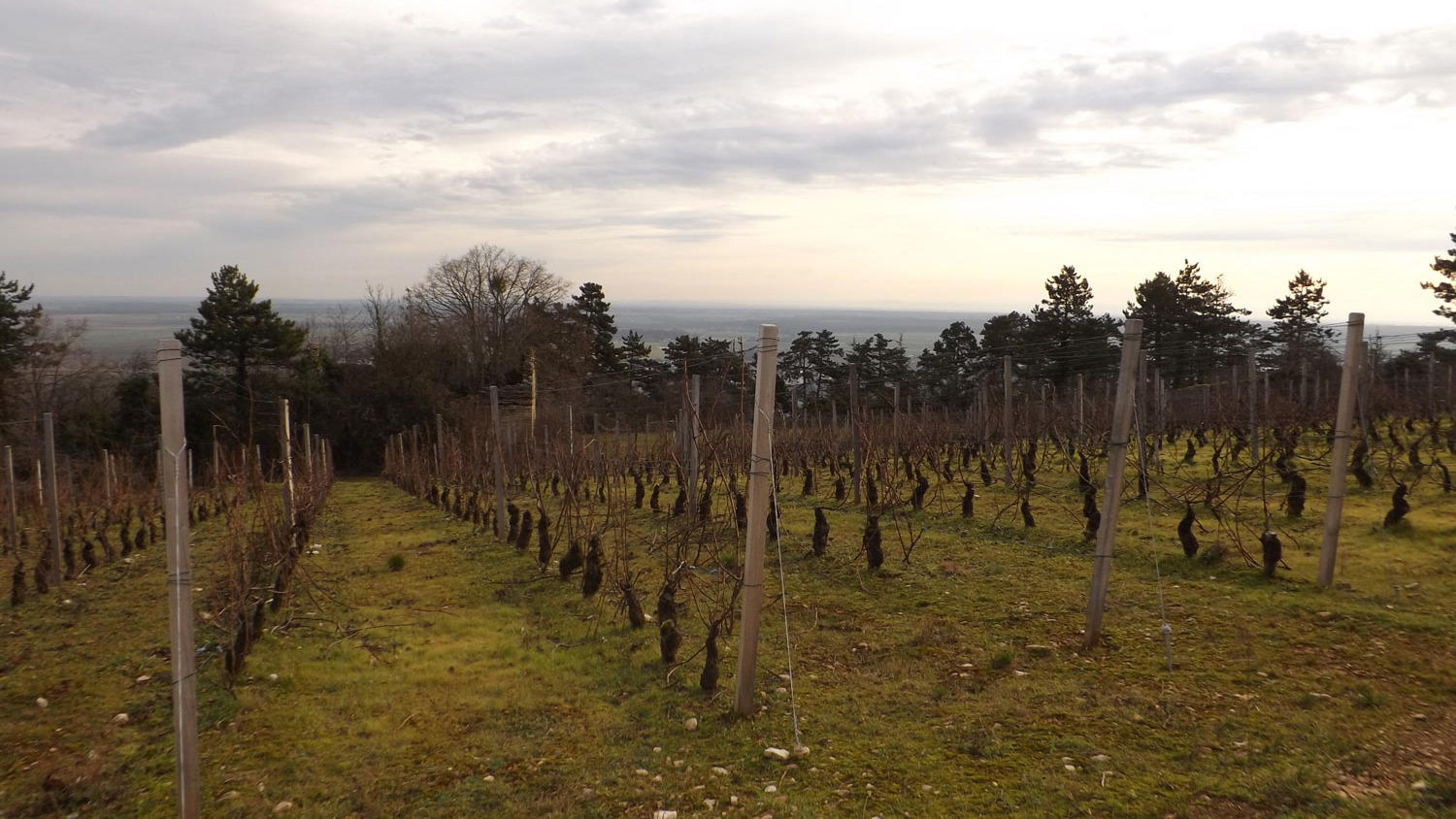
The Weight of Kimmeridgian Stone
Chablis operates on a different register from the rest of Burgundy. Where the Côte d'Or trades in texture and weight, this northernmost Burgundian appellation produces white wines defined by tension: a limestone and clay soil composition dating back to the Kimmeridgian age that gives the wines their signature mineral edge and their remarkable capacity to age. Within that appellation, a small group of domaines has spent decades separating itself from the cooperative-led mainstream. Domaine Dauvissat sits at the top of that group.
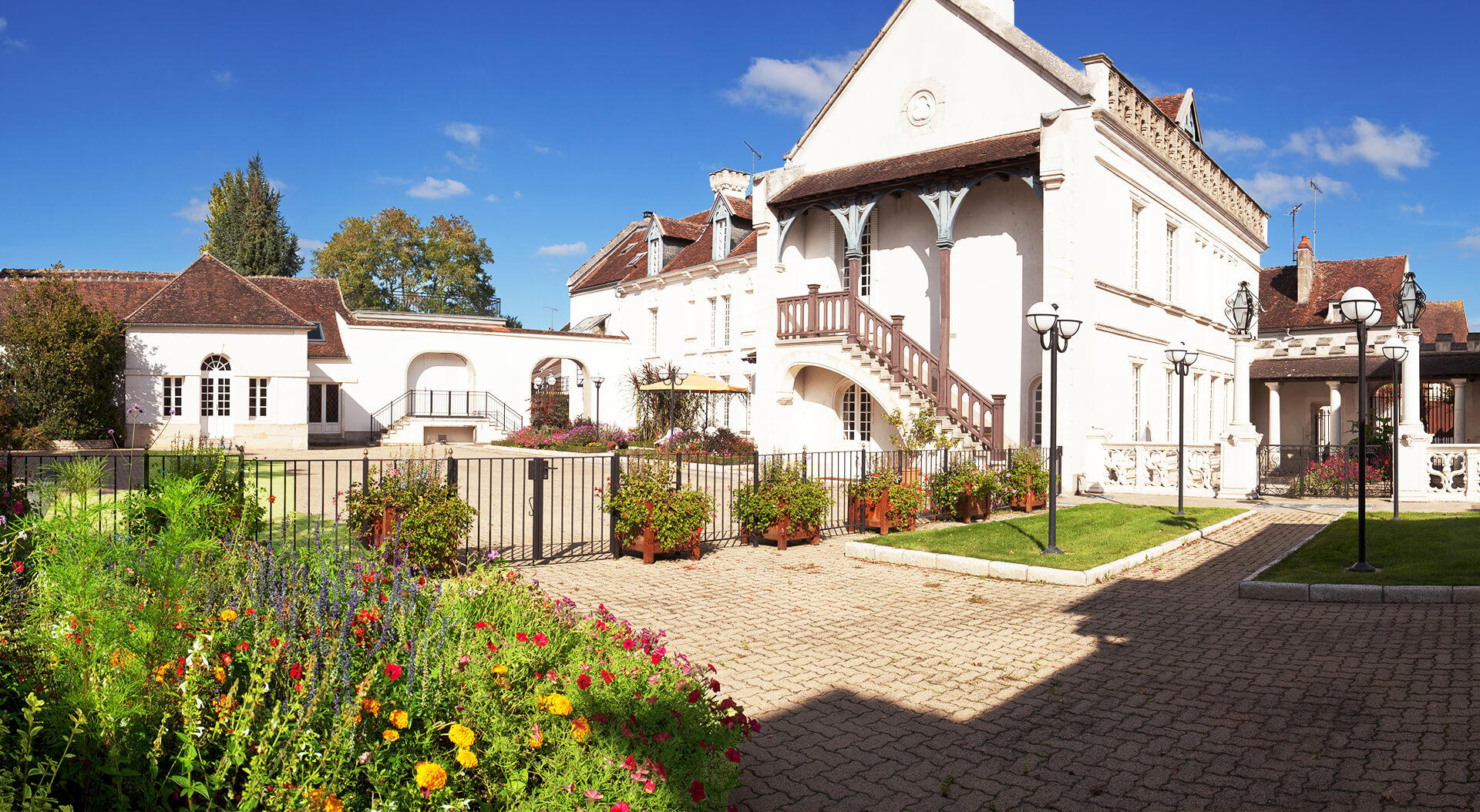
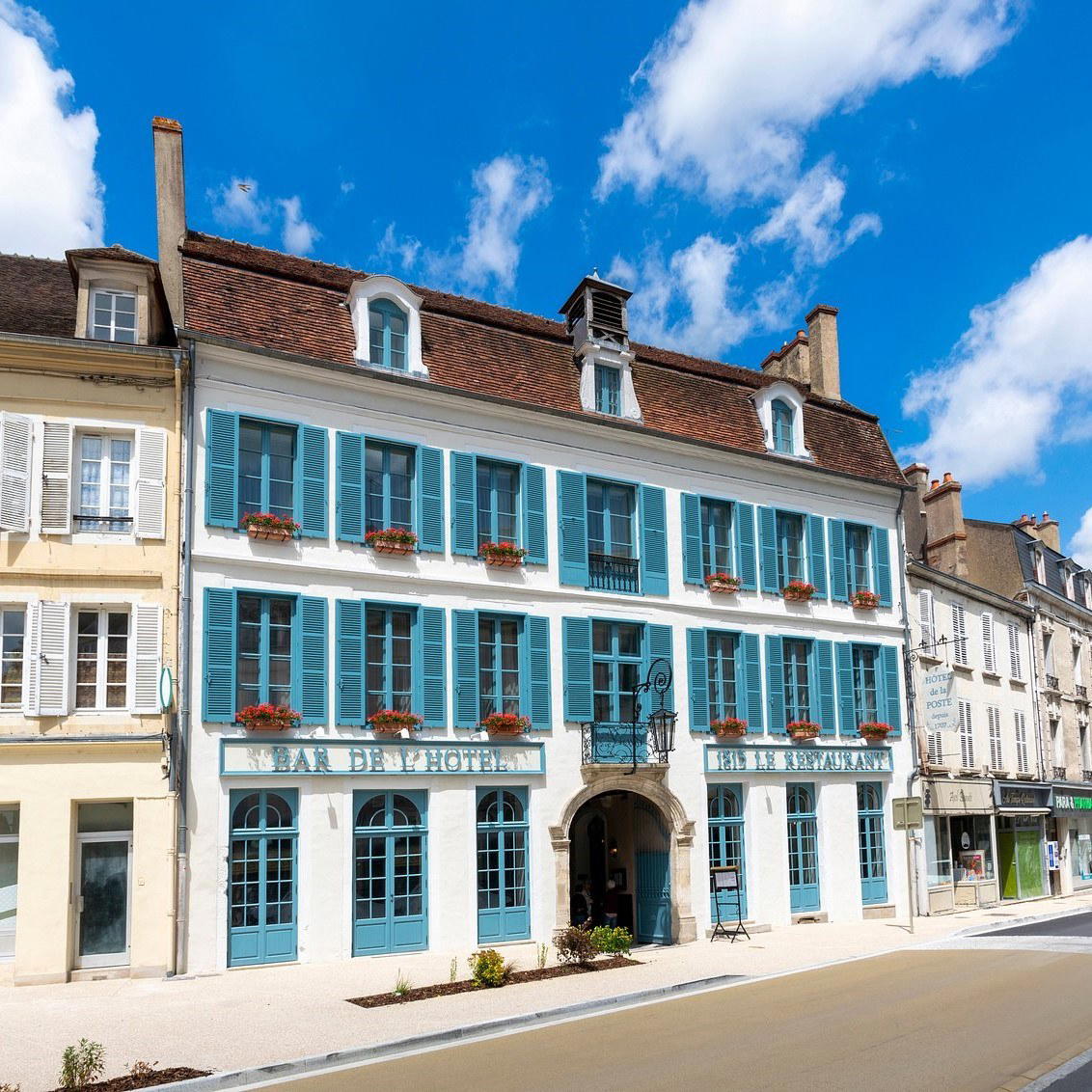
The domaine's address on Rue Émile Zola places it squarely in the town of Chablis itself, a short walk from the Serein river and the limestone slopes above it. The physical setting matters here in a way it doesn't in more industrialised wine regions: the proximity of the winemaker to the vines, across parcels worked with minimal outside intervention, is part of what shapes the house style. Visitors who make the trip to Chablis find a town that retains its working character — small, functional, not built for wine tourism — which makes the act of seeking out a producer like Dauvissat feel earned.
Vincent Dauvissat and the Minimal-Intervention Tradition in Chablis
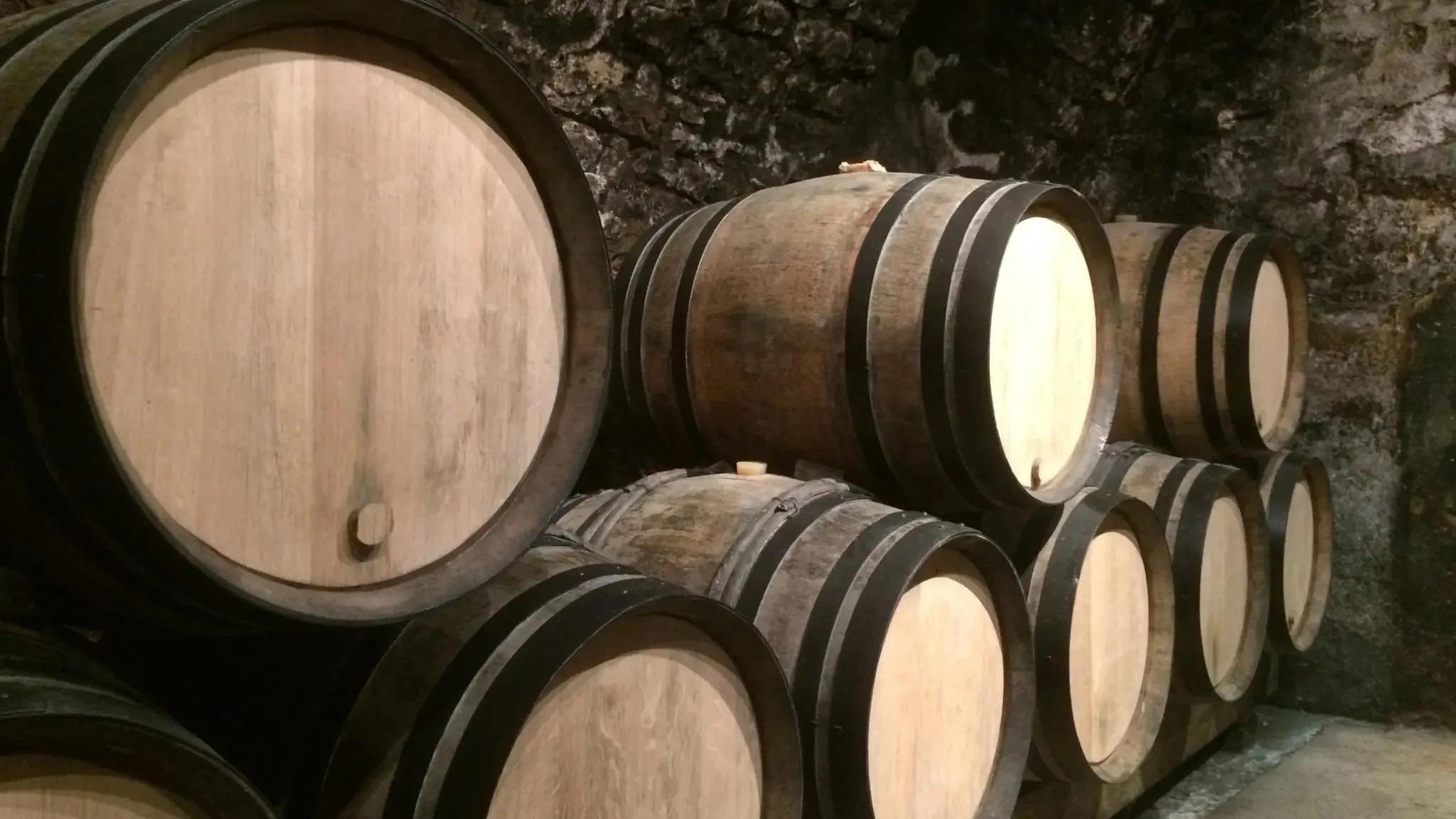
Winemaking philosophy in Chablis has split into two broad camps over the past thirty years. One camp uses stainless steel exclusively, prioritising freshness and the appellation's clean fruit character. The other works with old oak, either large casks or small barrels, to introduce texture and allow longer evolution. Domaine Dauvissat has long represented the oak camp's most rigorous expression, though the barrels here are old enough that their influence is mineral amplification rather than flavour addition.
Vincent Dauvissat's approach to the vines follows the same logic: low yields, old vines, and manual work through the growing season.
The first vintage recorded for the domaine is 1947, which puts Dauvissat among the older continuous-production estates in the appellation. That continuity matters for understanding the wine: the vines on premier and grand cru parcels that have been farmed across multiple generations carry an accumulated depth that newer plantings cannot replicate. Across Burgundy, estate histories of this length are used as quality signals partly because older vines produce lower and more concentrated yields, and partly because the accumulated knowledge of specific parcels passes through the winemaking lineage rather than arriving from outside.
The Wines: Premier Cru and Grand Cru as the Core Argument
Chablis's classification system runs from generic appellation through village, premier cru, and grand cru, with the seven grand cru vineyards, Blanchot, Bougros, Les Clos, Grenouilles, Preuses, Valmur, and Vaudésir, all occupying a single south-facing hillside above the town. Dauvissat holds parcels in several of these grand cru sites alongside premier cru holdings, giving the domaine's range a vertical structure that allows comparison across the classification. Among peers in this category, Domaine Eleni and Edouard Vocoret and the large-scale operations of La Chablisienne offer reference points for different price tiers and production philosophies.
What distinguishes Dauvissat's grand cru wines from those of neighbours is partly textural, the old-oak élevage adds a weight that stainless-steel fermented Chablis doesn't carry, and partly a question of tension held over years. These are wines that reward cellaring of five to fifteen years at grand cru level, which places them in direct conversation with white Burgundy from the Côte de Beaune rather than with the appellation's entry-level Chablis drunk young and cold at Parisian bistros. The premier cru wines, including parcels in Séchet and Vaillons, are more accessible in youth but track the same mineral logic.
Collectors who follow allocation wine from other regions will find Dauvissat's release structure familiar: production is small, demand exceeds supply, and the bottles that leave the domaine tend to move through a network of specialist importers and trusted accounts before reaching secondary markets. Those who want a comparative reference point in other French appellations might look at what Domaine François Lamarche represents in Vosne-Romanée: a family-owned estate with deep parcel history and allocation constraints that reflect demand far outpacing production.
Chablis in the Broader French Wine Hierarchy
Chablis sits in an interesting position commercially: it is one of the most recognisable French wine names globally, which has historically created a two-tier market where cheap imitations and serious estate wines share a name with very little else in common. The appellation's northern latitude and its Kimmeridgian subsoil are genuinely distinct from the Portlandian limestone that covers the larger Petit Chablis zone, but that geological distinction rarely reaches the consumer in clear terms. At the serious end, producers like Dauvissat serve as the appellation's argument for its own premium relevance.
That argument extends beyond Chablis. Elsewhere in France, domaines working with similar philosophies of low-intervention viticulture and patient élevage in old oak occupy comparable allocation positions. Albert Boxler in Niedermorschwihr holds a parallel status in Alsace: small production, old vines, deep parcel knowledge, and a following that consistently exceeds supply.
For those building a comparative framework across French wine regions, Château Bélair-Monange in Saint-Emilion, Château Branaire-Ducru in St-Julien, and Château Batailley in Pauillac each represent the kind of sustained estate reputation across decades that Dauvissat reflects in white Burgundy terms. Further afield, Accendo Cellars in St. Helena and Château Bastor-Lamontagne in Preignac illustrate how the allocation model for serious estate wine operates internationally.
Planning a Visit to Chablis
Chablis lies roughly two hours southeast of Paris by car and about ninety minutes from Dijon, making it a plausible day trip from either city or a logical stop on a broader Burgundy itinerary. The town has a small number of restaurants and hotels; those expecting the infrastructure of Beaune or Gevrey-Chambertin will find Chablis considerably quieter.
Visiting Domaine Dauvissat requires advance contact and is not a drop-in experience. No website or phone number is listed in EP Club's records, which means approach is typically through an importer relationship or a direct written inquiry. This is not unusual for allocation producers at this level: appointments are functional and focused on the wines rather than on hospitality programming. Those whose primary interest is exploration of the wider appellation without existing trade connections will find more structured visitor experiences at La Chablisienne, which operates a public tasting room in the centre of town. Our full Chablis guide covers the range of producers and restaurants across the appellation for those planning a broader stay.
For those extending the trip into broader French spirits and wine production, Chartreuse in Voiron and Aberlour represent other categories of serious French and Scottish production worth the detour. Château Boyd-Cantenac in Cantenac rounds out a Bordeaux comparison for those planning multi-region itineraries across France.
Booking and Cost Snapshot
Comparable venues nearby, for context on price, style, and recognition.
| Venue | Cuisine | Price | Awards |
|---|---|---|---|
| Domaine DauvissatThis venue — the venue you are viewing | Chablis, Chardonnay | $50–100 | Falstaff Winery - Listed |
| Domaine Willian Fevre | Chablis, Chardonnay, Sauvignon Blanc | Not listed | Falstaff Winery - Listed |
| Domaine Moreau-Naudet | Chablis, Chardonnay | Not listed | Falstaff Winery - Listed |
| Domaine Billaud-Simon | Chablis, Chardonnay | Not listed | Falstaff Winery - Listed |
| Domaine Eleni & Edouard Vocoret | Chablis, Chardonnay | Not listed | Falstaff Winery - Listed |
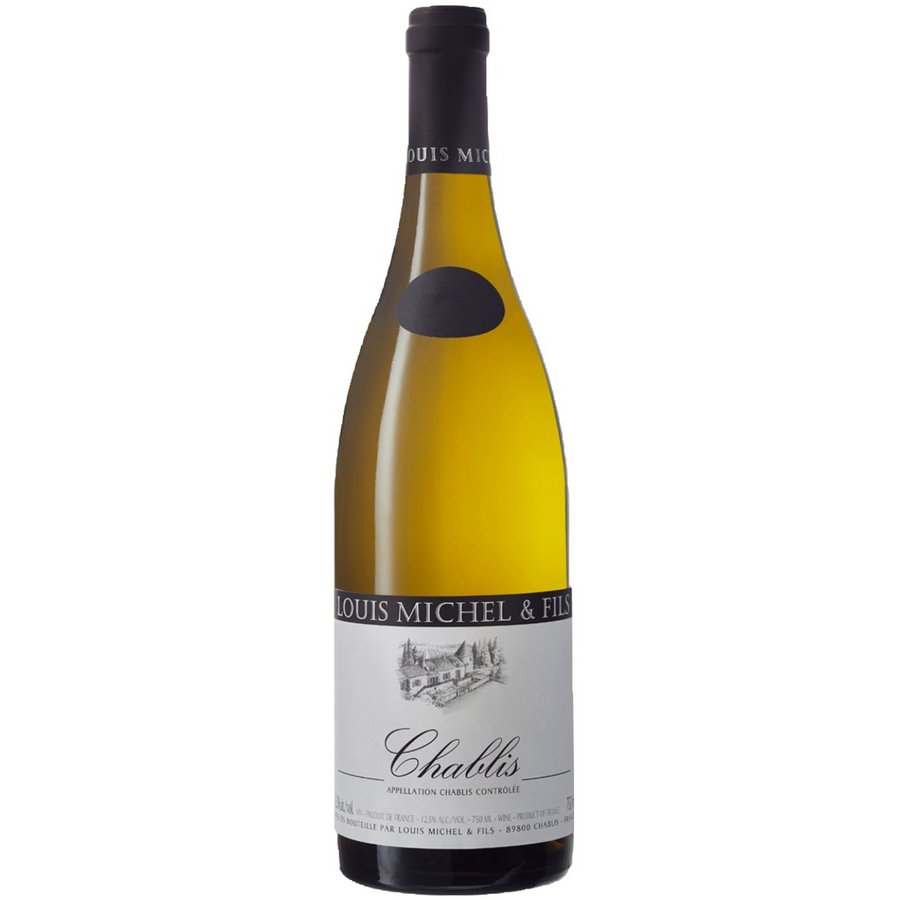
| Domaine Louis Michel & Fils | Chablis, Chardonnay | Not listed | Falstaff Winery - Listed |
Recognition history
Dated appearances from independent guides and award organizations, with the underlying list record or original source where available.
Falstaff Winery - Listed
Falstaff
Continue exploring
More in Chablis
Wineries in Chablis
Browse all →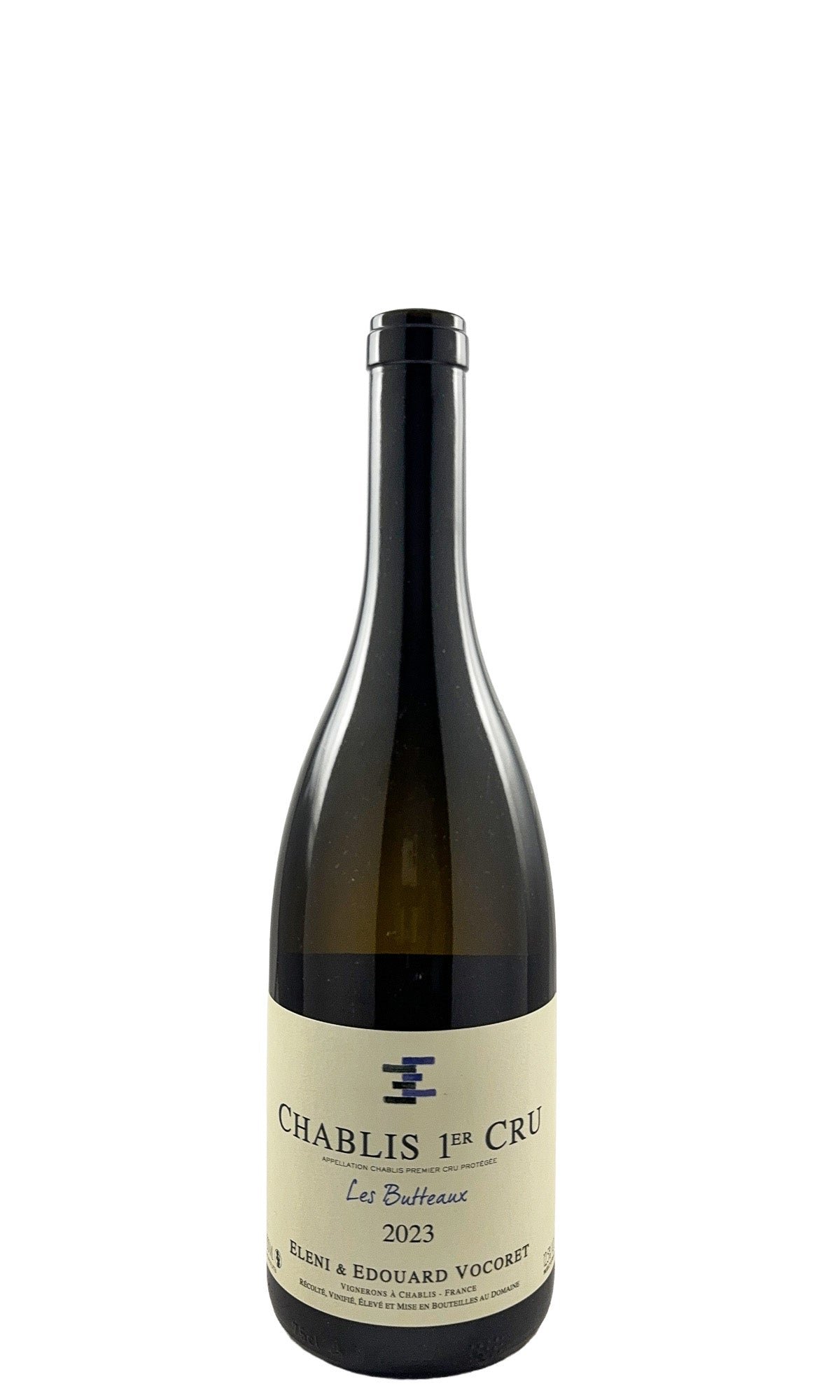

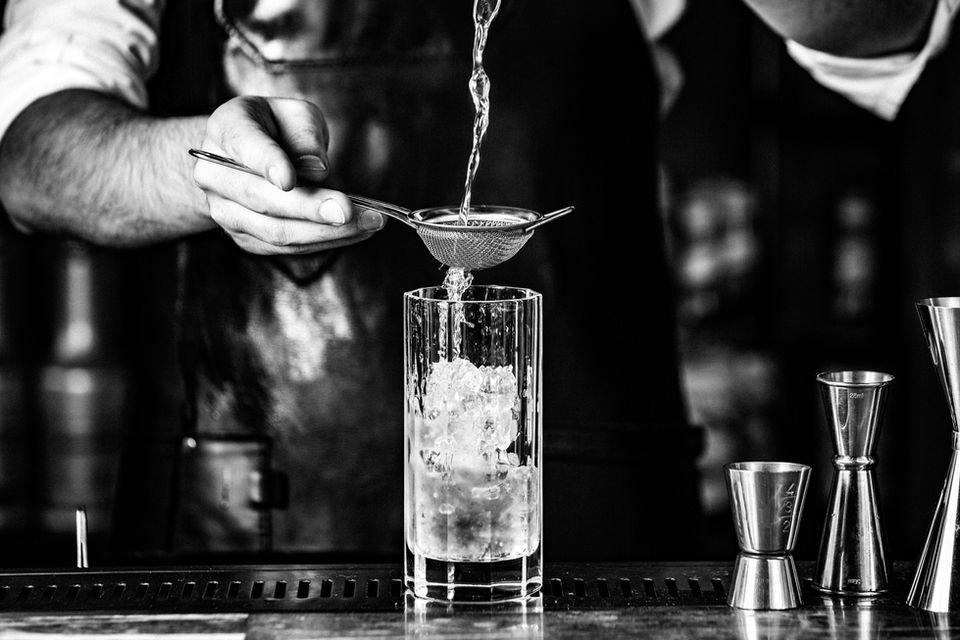
Bars in Chablis
Browse all →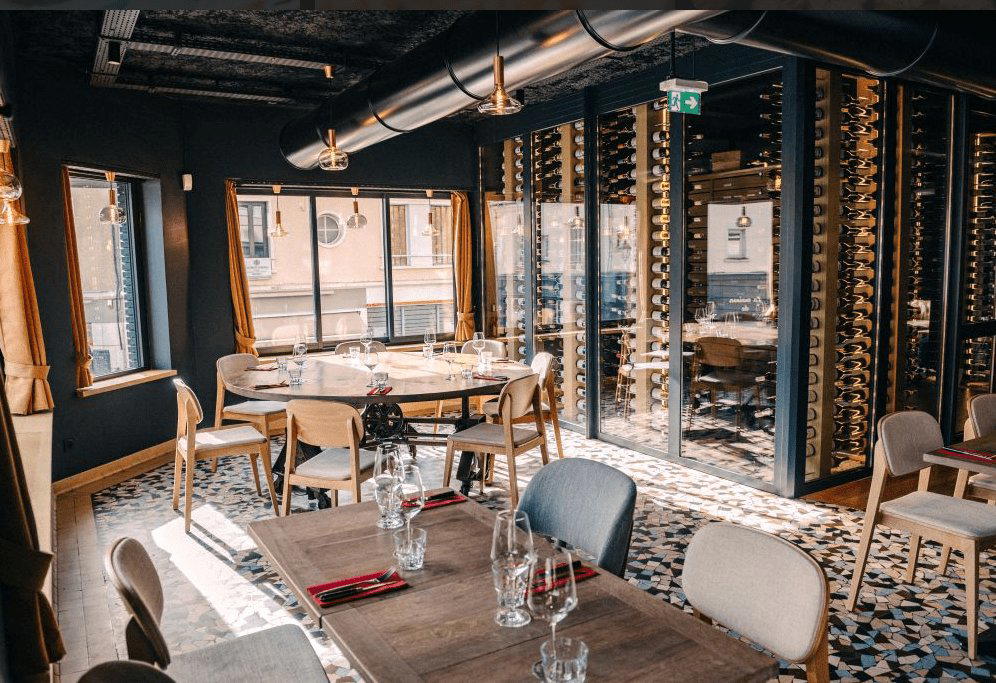
Restaurants in Chablis
Browse all →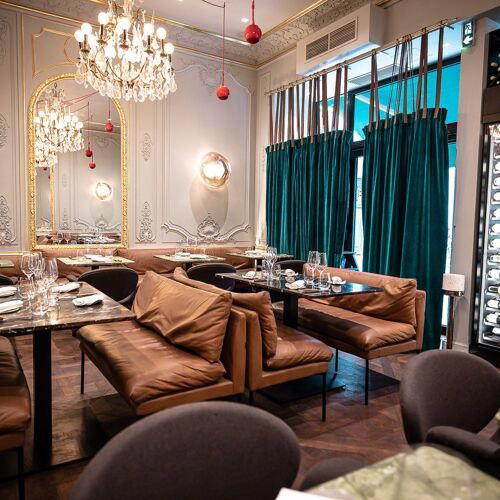
Details
- Classic
- Elegant
- Rustic
- Sophisticated
- Wine Education
- Special Occasion
- Solo Exploration
- Cave Tasting
- Barrel Room
- Estate Grounds
- Historic Building
- Biodynamic
- Organic
- Sustainable
- Vineyard
- Chardonnay
- Still White
- Cave Tasting
- Barrel Tasting
- French
- English
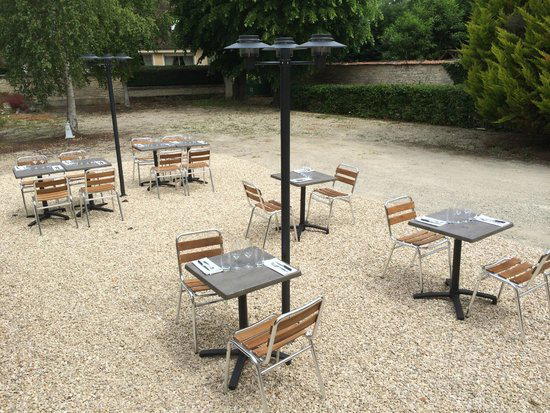
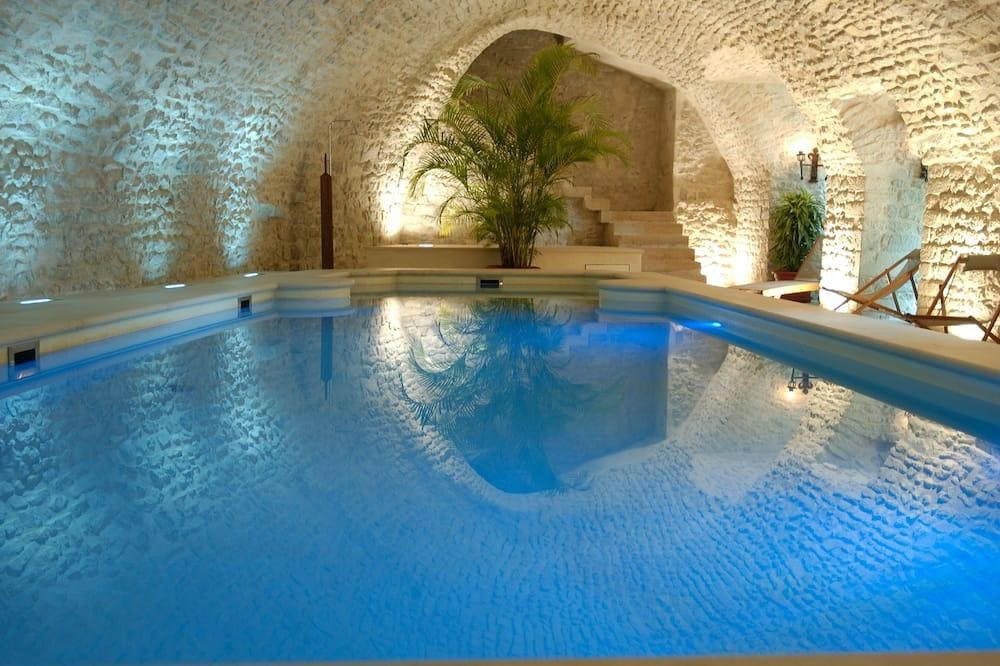
Traditional cellar environment housed in a 17th-century former presbytery, cool stone cellars maintained at 10-15°C year-round, austere and focused on terroir expression rather than opulence.