DURIGUTTI Family Winemakers


World's 50 Best #11 · Falstaff Winery - Listed
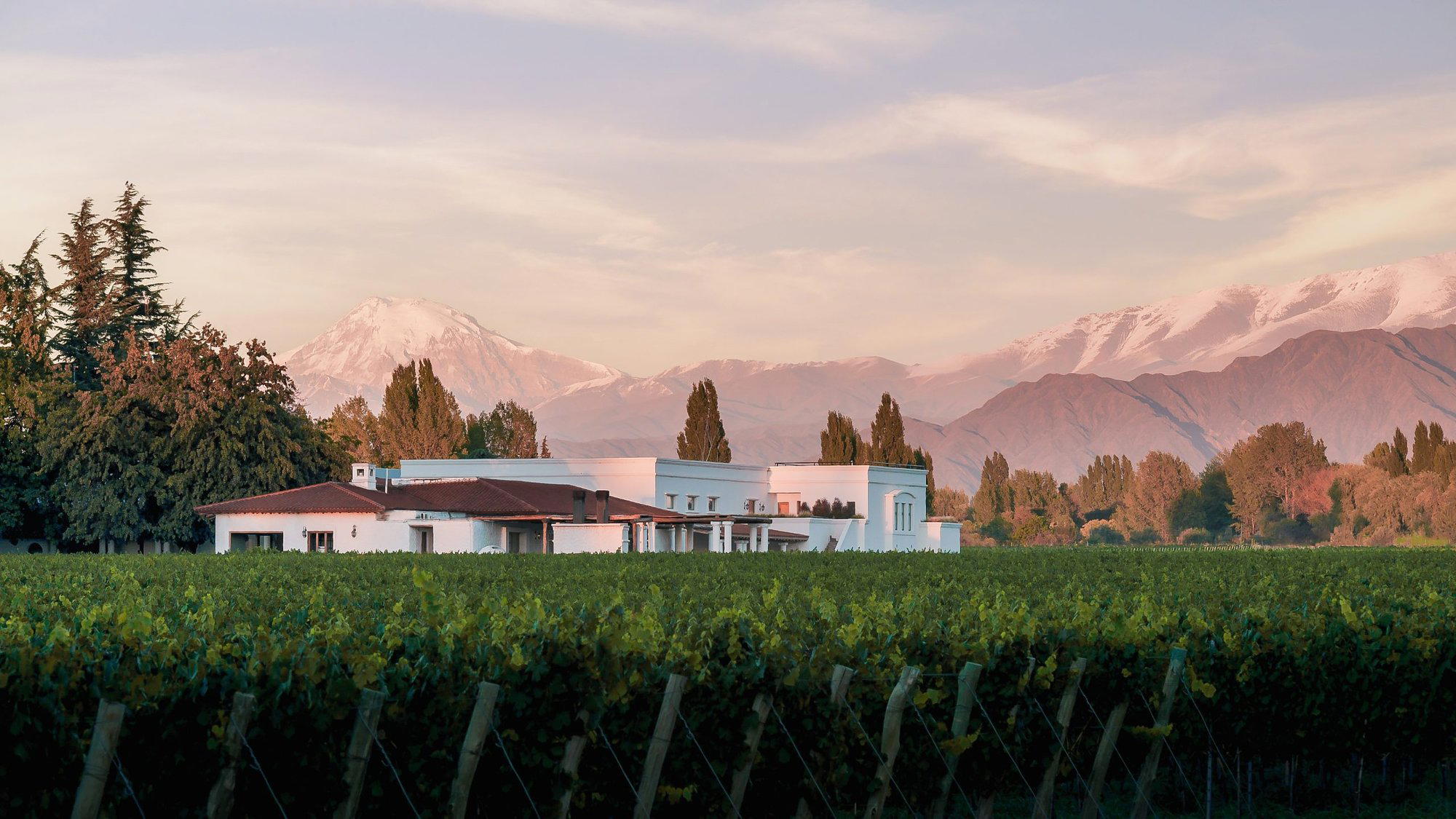
Durigutti Winemakers operates out of Las Compuertas, one of Luján de Cuyo's most closely watched sub-zones, where high-altitude growing conditions and old-vine material define the region's premium identity. For visitors interested in where Argentine fine wine is heading, this address is worth tracking.

Pearl is the En Primeur Club membership app — saves, bookings, and concierge access live there. Same editors, same standards.
- Address
- Pasaje de la Reta s/n, M5549 Las Compuertas, Mendoza
- Phone
- +54 9 261 598-8521
- Website
- durigutti.com
- Directions
- Get directions
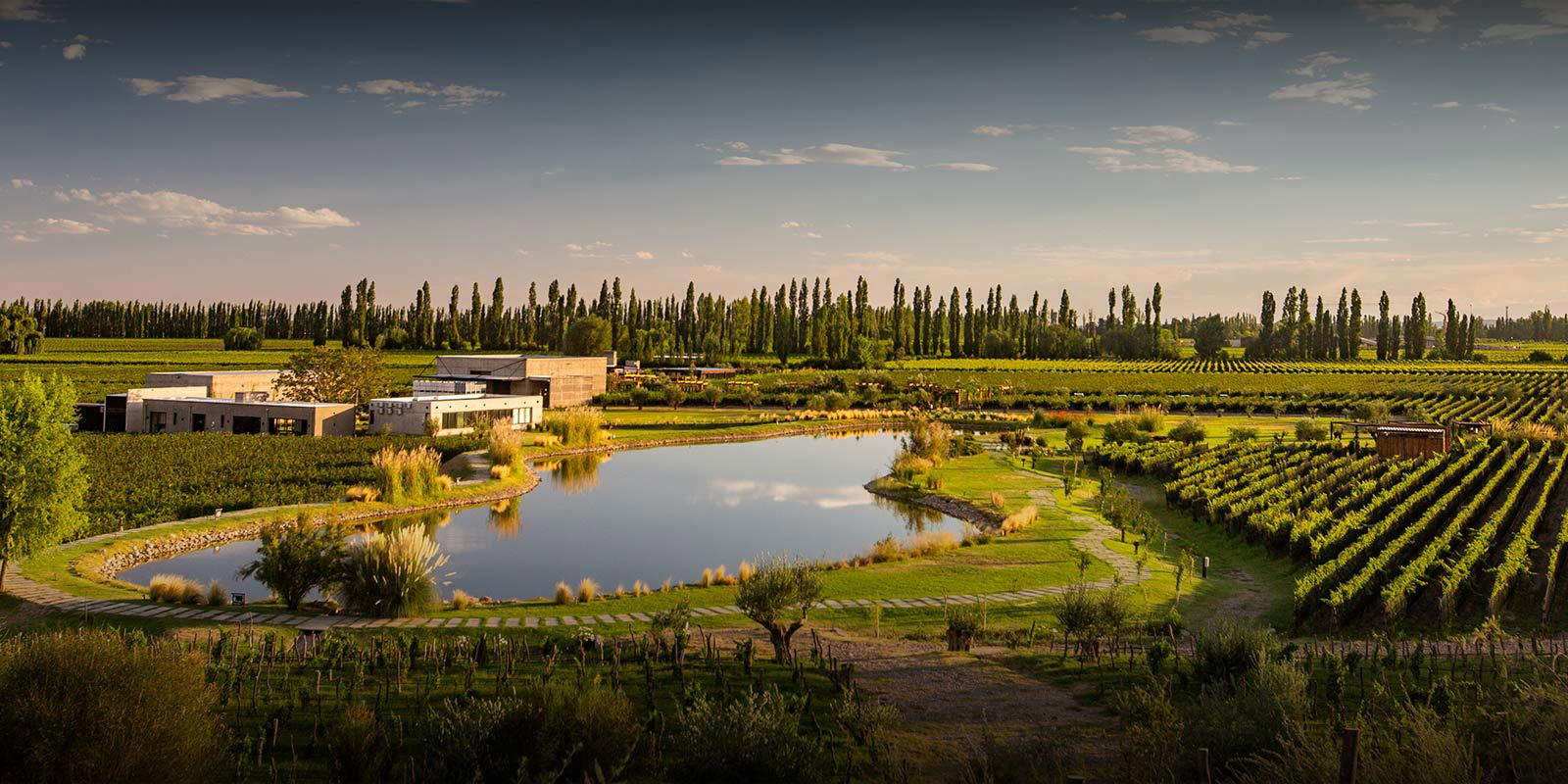
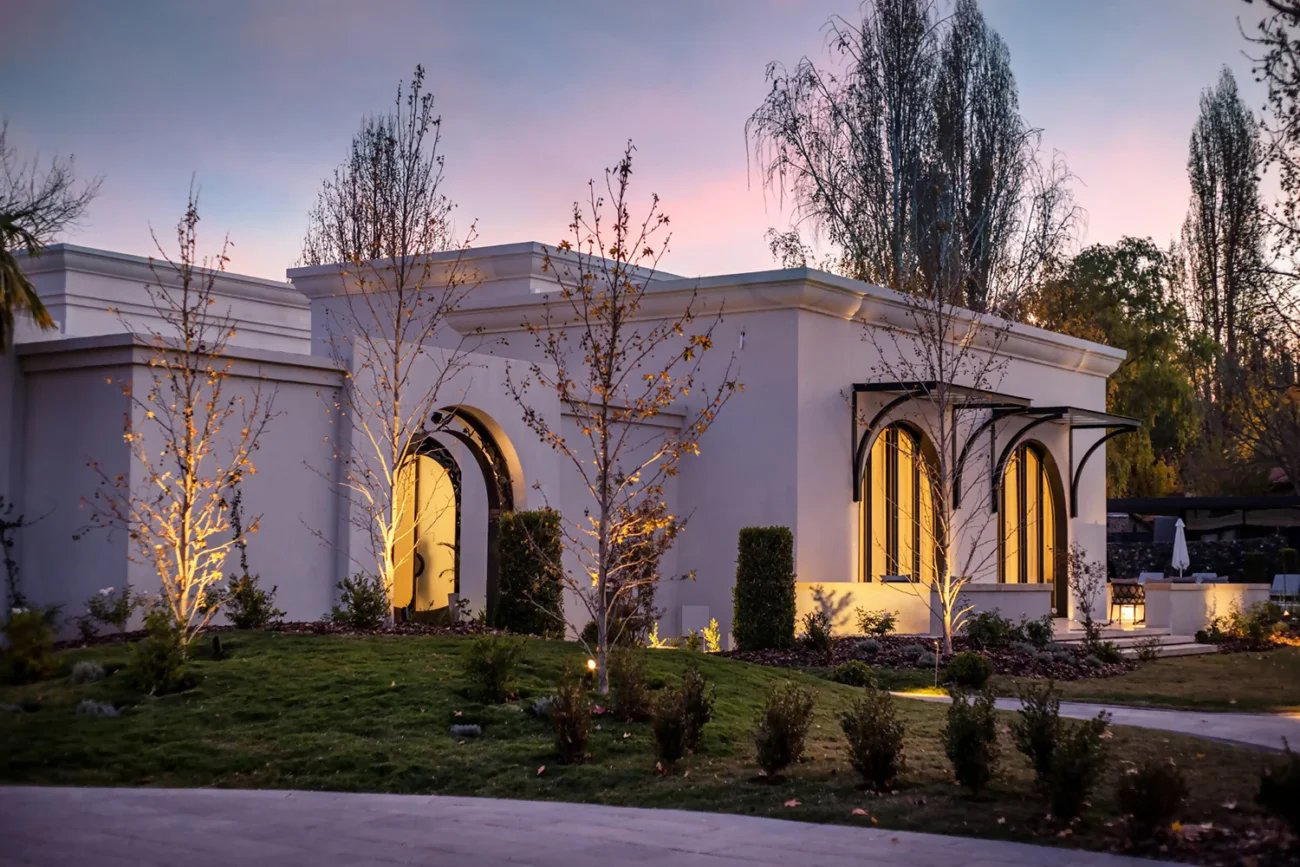
Las Compuertas and the Architecture of a Working Winery
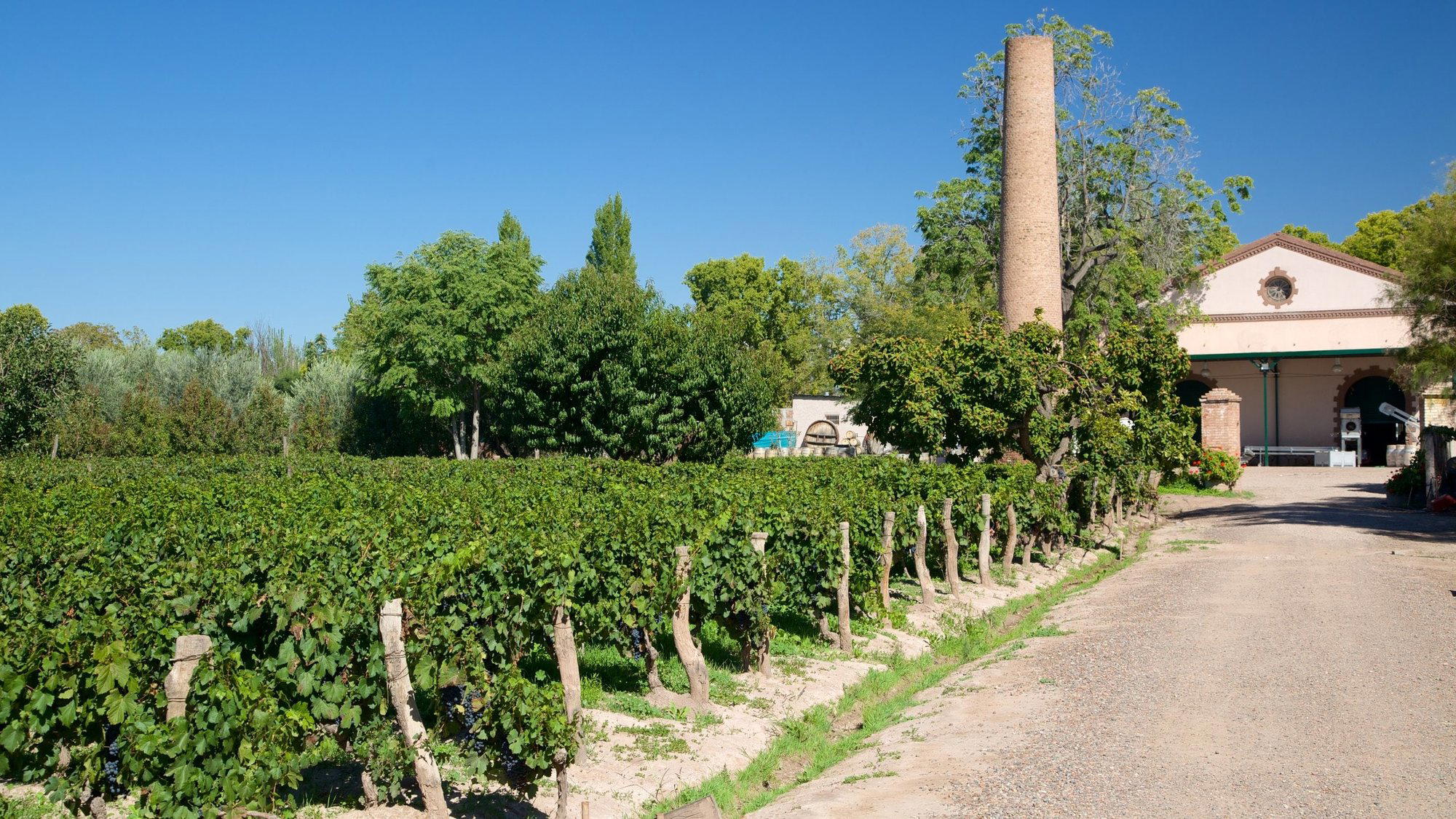
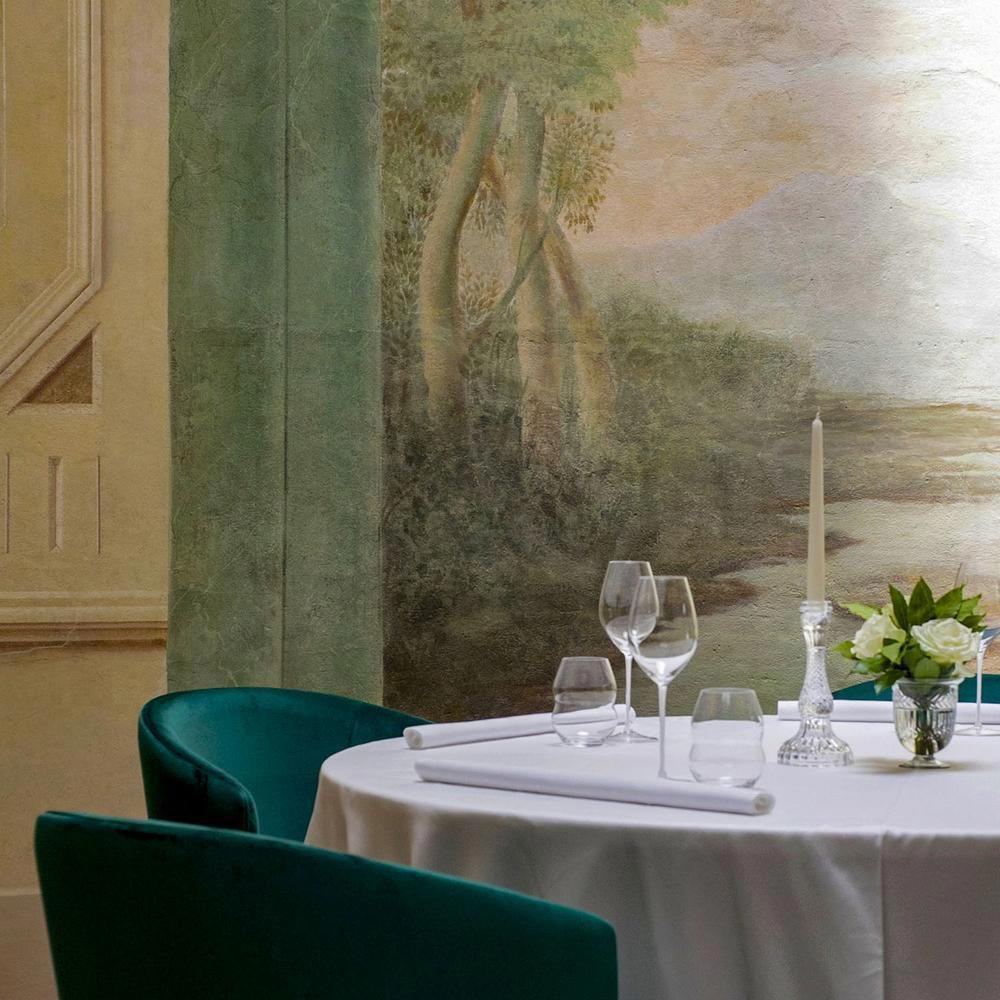
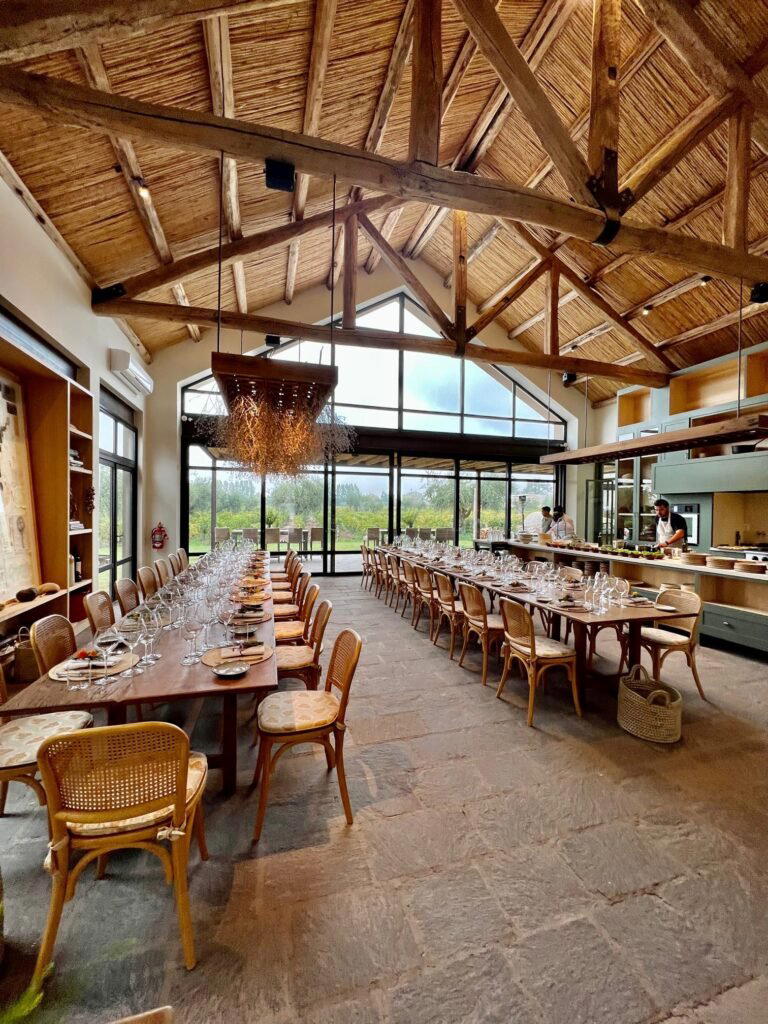
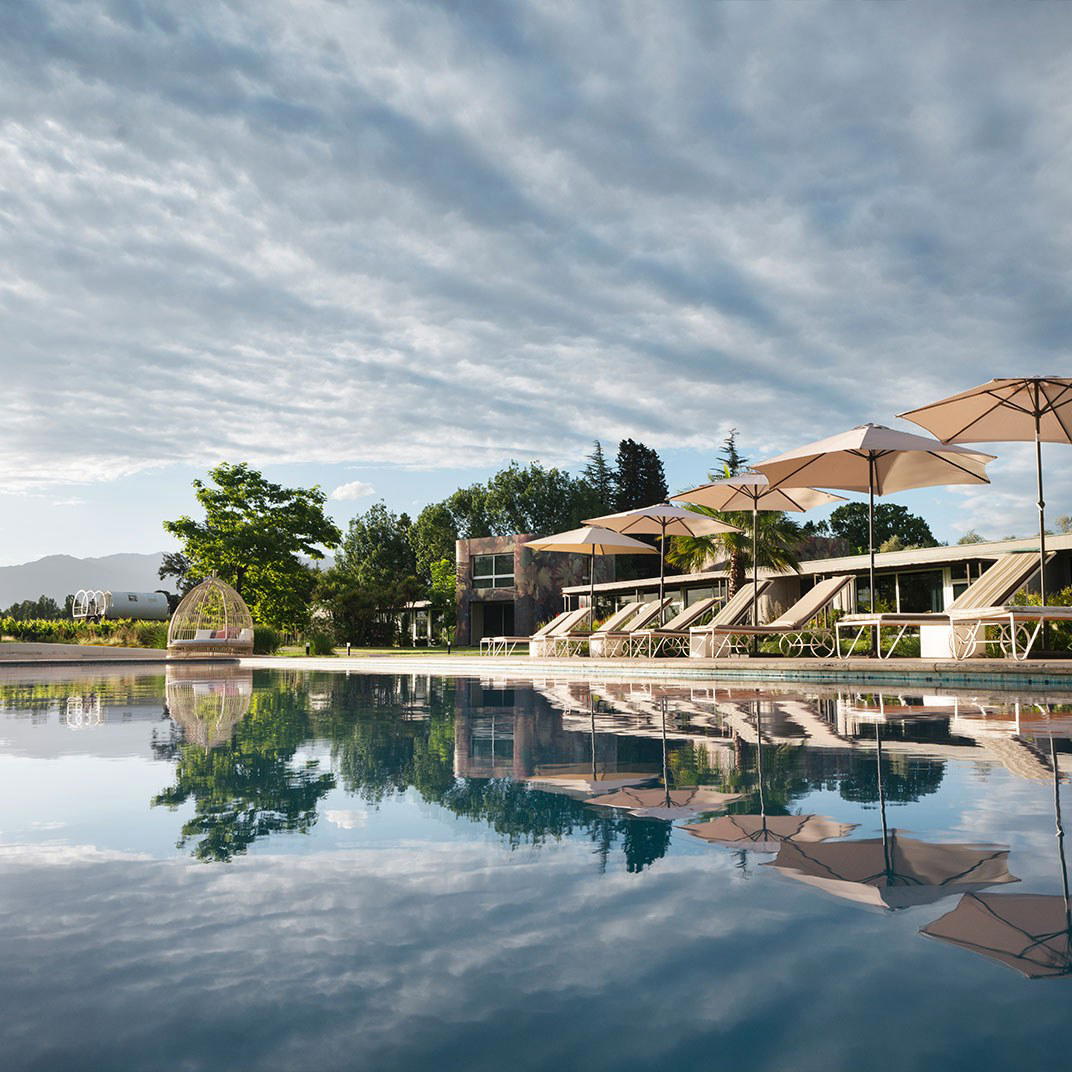
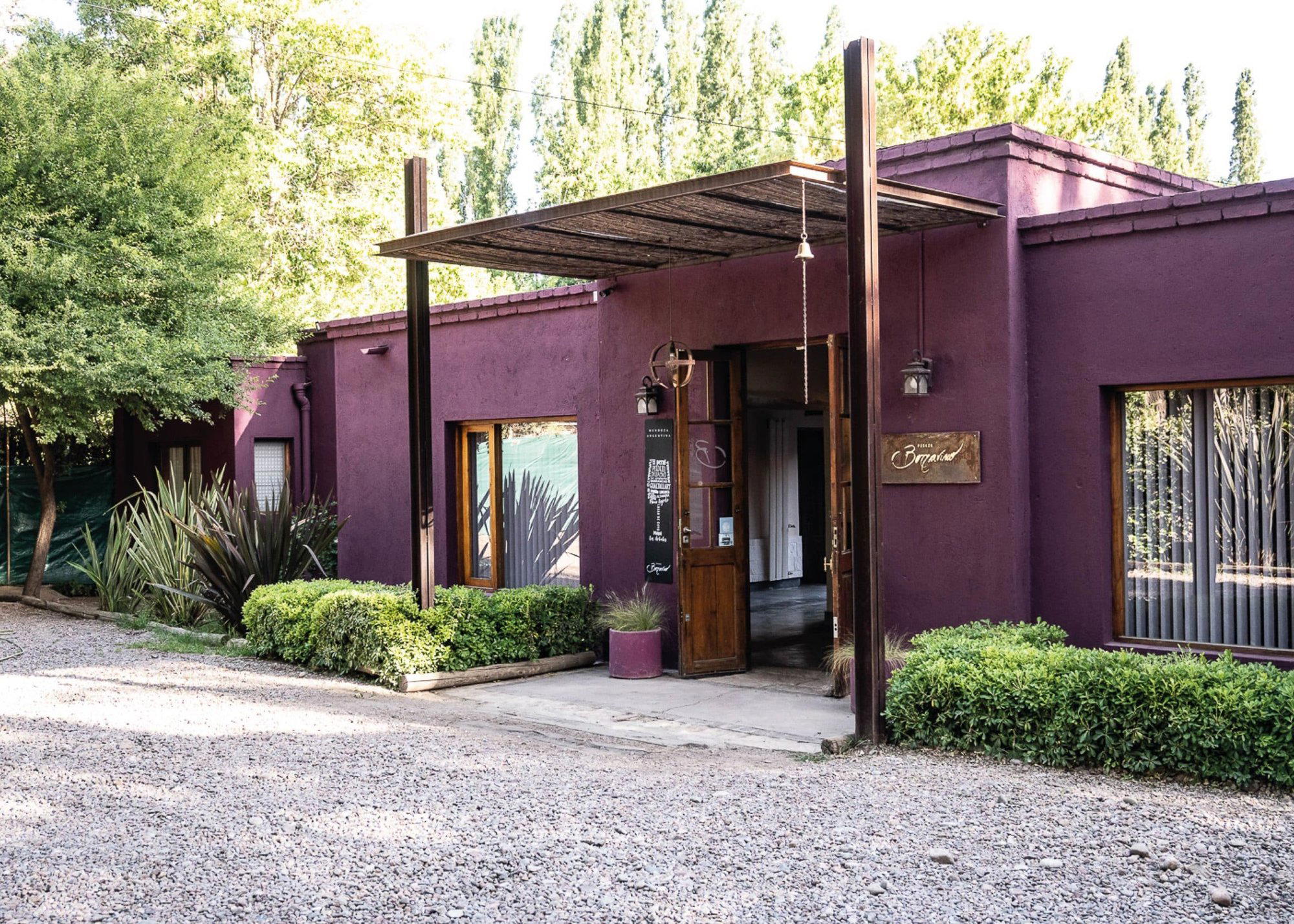
The road into Las Compuertas runs west from the city of Mendoza into a sub-zone that sits closer to the Andes than most of Luján de Cuyo's better-known districts. The light here is different: sharper, drier, and at altitude, it angles across the vineyard blocks in a way that makes the rows of old vines read like topographic lines on a map. Arriving at Durigutti Winemakers, the physical structure of the property is the first signal of what kind of operation this is. This is not the polished visitor campus architecture that now characterises the Luján circuit's larger estates. The built environment speaks to function, to production logic, to a winery that grew from the vineyard outward rather than the marketing brief inward.
That distinction matters more than it might seem. Across Mendoza, the capital-intensive renovation of historic bodegas over the last two decades has produced a tier of facilities designed as much for wine tourism as for winemaking. The visitor spaces at Bodega Lagarde and Bodega Norton reflect that investment in hospitality infrastructure. Durigutti occupies a different position: a producer whose spatial identity is anchored in the work rather than the welcome. That is not a criticism; it is a category distinction, and for visitors who want proximity to the actual winemaking environment rather than a curated tasting salon, it carries real value.
The Las Compuertas Sub-Zone and Why Location Defines Quality Here
Las Compuertas sits at the northern edge of Luján de Cuyo, at elevations that add measurable diurnal temperature variation to the growing season. The swings between daytime heat and cold overnight temperatures slow grape maturation, preserve acidity, and produce fruit with structural complexity that lower-altitude blocks in the region struggle to match. This is the same geographic logic that drives the premium pricing and critical attention attached to sub-zones like Agrelo and Perdriel, but Las Compuertas operates with a smaller profile in the international press, which means the leading producers here often deliver at a tier above what their recognition level might suggest.
The vine material in this part of Luján tends toward older plantings, some of which pre-date the formal appellation structure. Old-vine Malbec from Las Compuertas has a textural density that younger-vine fruit rarely achieves, and it is this material that has driven Mendoza's argument for geographic specificity in Malbec at the international level. Producers like Chakana Winery and Cheval des Andes have each built their premium identity partly on the same sub-zonal logic, investing in place-specificity as a differentiator in a market where generic Luján Malbec is now a commodity.
At the prestige tier, producers are assessed not only on the quality of their primary releases but on consistency across vintages, clarity of regional expression, and the coherence of their overall program. In Luján de Cuyo, where the density of recognised producers is high, reaching this tier requires differentiation beyond simply making competent Malbec.
For comparison, the Luján de Cuyo circuit includes prestige-tier estates with substantially larger international footprints, among them Nieto Senetiner, whose scale and export volumes sit in a different commercial register entirely.
Across Argentina's wine geography, this kind of recognition is increasingly concentrated in a few sub-zones. Bodega El Esteco in Cafayate holds comparable prestige recognition for its Torrontés and high-altitude Cabernet Sauvignon program in Salta, while Bodega Colomé in Molinos draws attention for extreme-altitude production in a different register entirely. Durigutti's positioning within the Luján de Cuyo tier, at Las Compuertas specifically, is its clearest argument.
Planning a Visit: Logistics and Practical Considerations
The winery address is Pasaje de la Reta s/n in Las Compuertas, Mendoza province. The Las Compuertas area is accessible by car from central Mendoza in under forty minutes depending on route and traffic; no public transit option serves this sub-zone reliably.
Visitors to the Luján de Cuyo circuit typically build itineraries across multiple estates in a single day, and the geographic cluster of producers in Las Compuertas makes that practical. Several established operators in Mendoza city run half-day and full-day wine route programs that include sub-zonal stops and can confirm current access at individual bodegas. For a broader picture of the region's dining and drinking options alongside its wine estates, the full Luján de Cuyo guide covers the circuit in detail.
Those extending travel into other Argentine wine regions will find instructive contrasts at Bodega DiamAndes in Tunuyán, whose Valle de Uco positioning offers a cooler-climate counterpoint to Luján's warmer terroir, and at Rutini Wines (La Rural) in Tupungato, where historical archive depth adds a different layer to the regional narrative. For producers working in the opposite direction on the altitude spectrum, Familia Schroeder in San Patricio del Chañar in Patagonia offers a useful comparison point for Argentine viticulture in a cooler, southern latitude context. For those curious about international parallels, Accendo Cellars in St. Helena operates with a comparable small-production prestige logic in a very different appellation, and Escorihuela Gascón in Godoy Cruz sits just outside Luján and rounds out the greater Mendoza circuit sensibly. Distillery visits are a separate category entirely, but Fratelli Branca Distillery in Buenos Aires gives context for Argentina's broader craft production culture for those making the capital crossing, and Aberlour in Aberlour represents a useful Old World spirits benchmark for comparison-minded visitors.
How It Stacks Up
Comparable venues nearby, for context on price, style, and recognition.
| Venue | Cuisine | Price | Awards | Notes |
|---|---|---|---|---|
| Durigutti WinemakersThis venue — the venue you are viewing | Malbec, Cabernet Franc | $50–100 | World's 50 Best #11 · Falstaff Winery - Listed | Not listed |
| Bodega Lagarde | Malbec, Cabernet Sauvignon | Not listed | World's 50 Best #95 · Falstaff Winery - Listed | Luján de Cuyo |
| Viña Cobos | Malbec, Cabernet Sauvignon | Not listed | World's 50 Best #49 · Falstaff Winery - Listed | Luján de Cuyo |
| Bodega Alta Vista | Malbec, Cabernet Sauvignon | $20–30 | Falstaff Winery - Listed | Chacras de Coria |
| Doña Paula | Malbec, Cabernet Sauvignon | $50–100 | Not listed | Luján de Cuyo |
Recognition history
Dated appearances from independent guides and award organizations, with the underlying list record or original source where available.
World's 50 Best Vineyards #11
World's 50 Best
Falstaff Winery - Listed
Falstaff
Full recognition history (4 entries)
World's 50 Best Vineyards #10
World's 50 Best
World's 50 Best Vineyards #13
World's 50 Best
Continue exploring
More in Luján de Cuyo
Wineries in Luján de Cuyo
Browse all →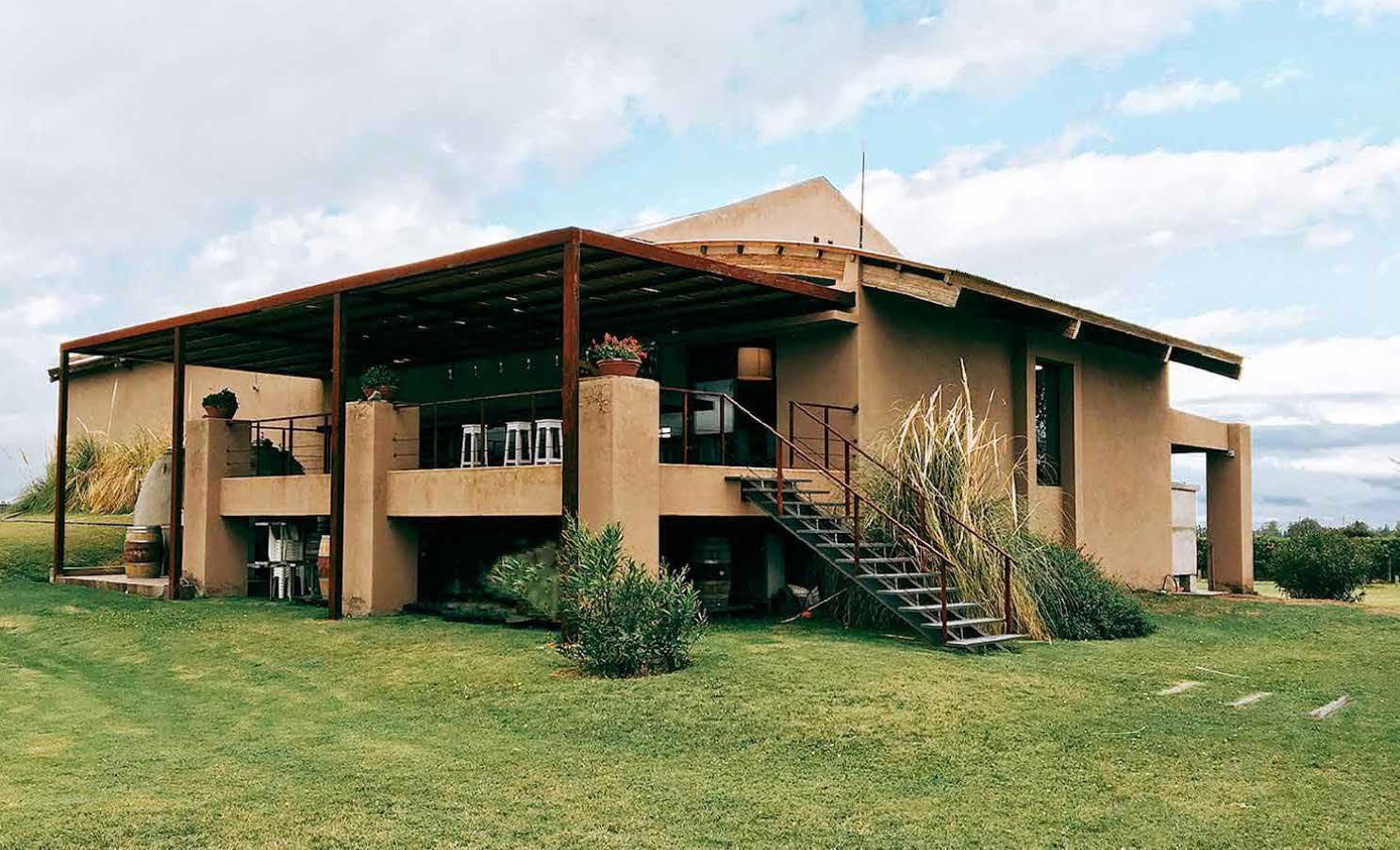
Bars in Luján de Cuyo
Browse all →
Restaurants in Luján de Cuyo
Browse all →
Details
- Rustic
- Scenic
- Elegant
- Intimate
- Wine Education
- Special Occasion
- Group Outing
- Vineyard Tour
- Estate Grounds
- Panoramic View
- Terrace
- Organic
- Vineyard
- Mountain
- Garden
- Malbec
- Cabernet Franc
- Bonarda
- Criolla
- Charbono
- Still Red
- Still White
- Cave Tasting
- Private Tasting
- English
- Spanish
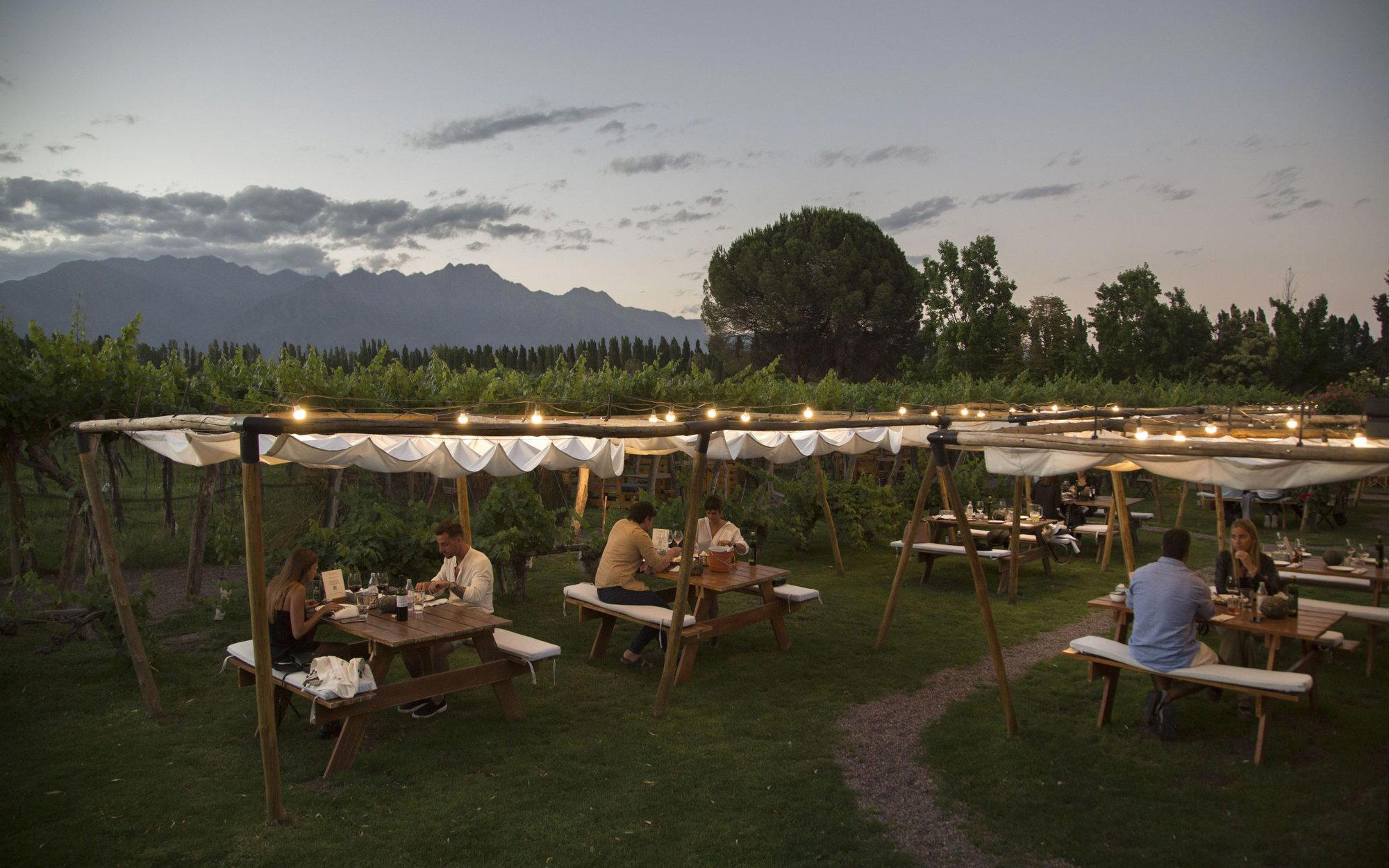
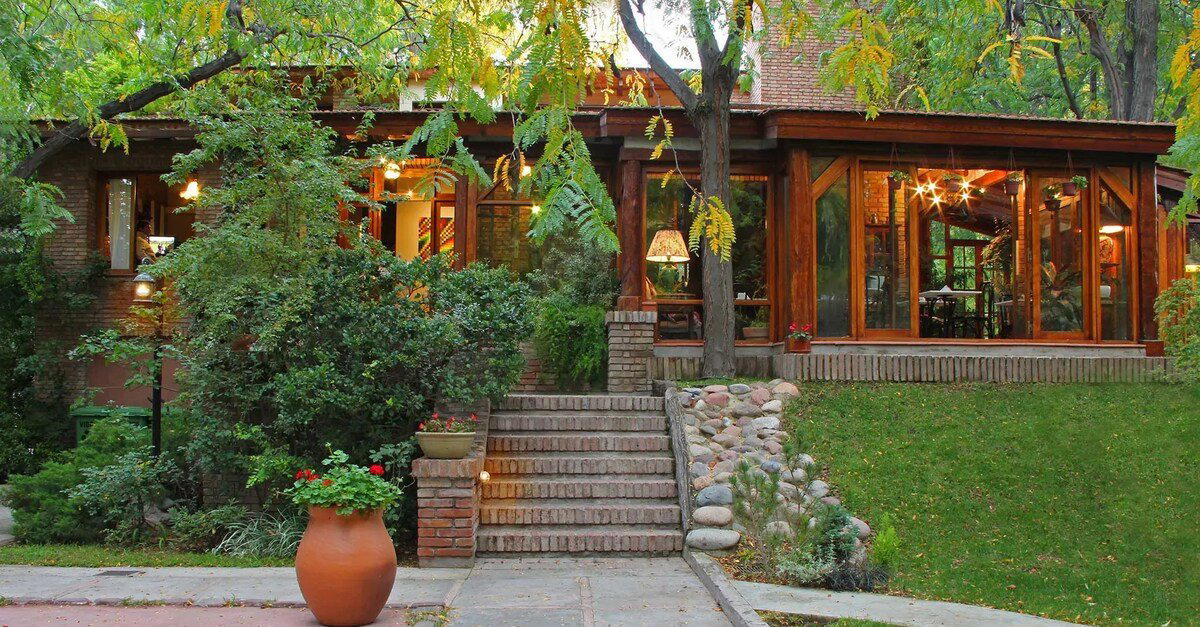
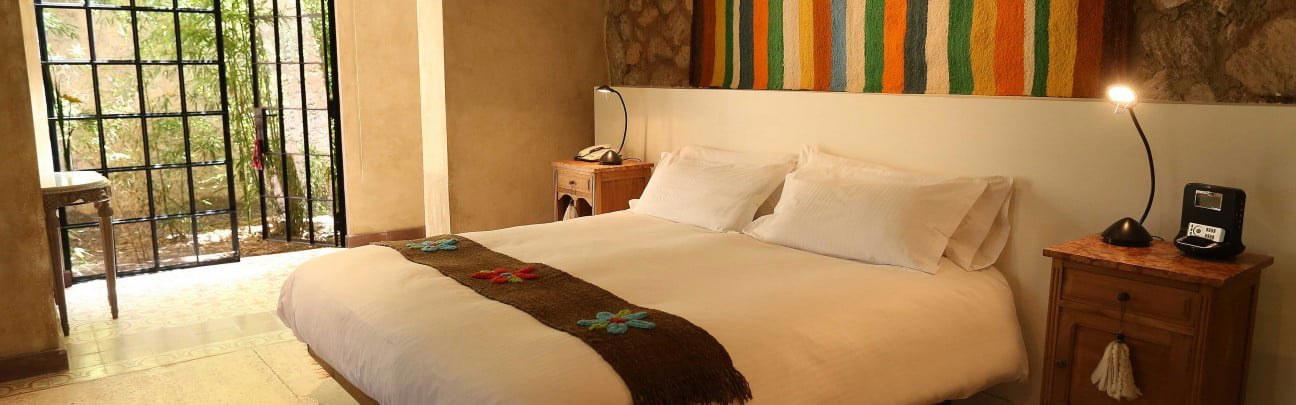
Immersed in natural landscape with vineyards, forests, lagoon, and Andes views; relaxed open-air atmosphere blending tradition and minimalism.