1
Sauternes, France




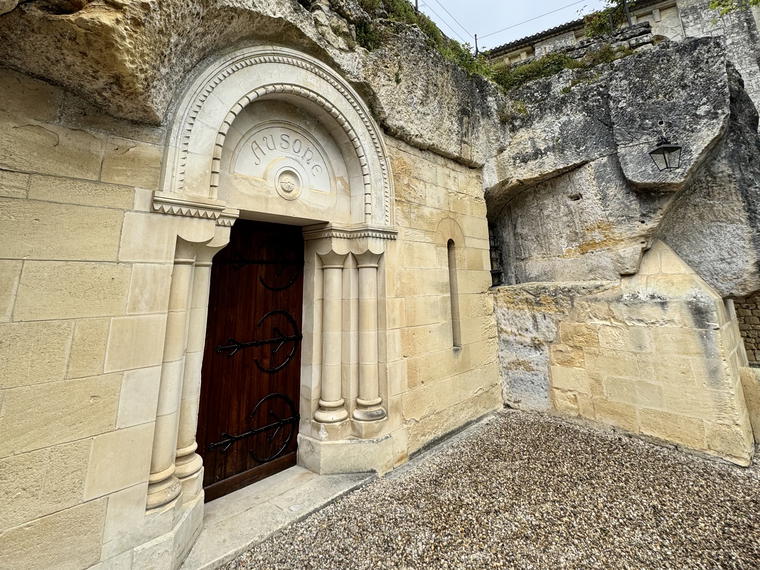
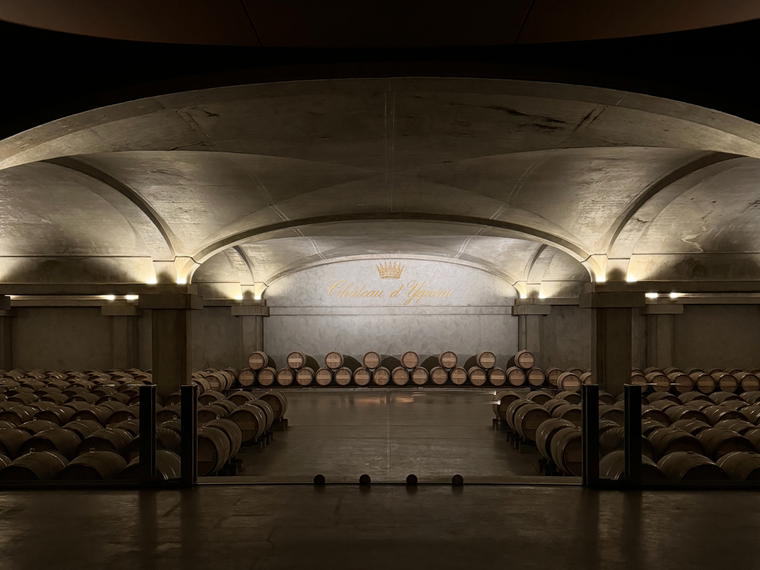
Château d'Yquem
Château d'Yquem sits at the apex of Sauternes because the appellation’s fragile equation of mist, autumn sun and noble rot is rarely expressed with such market confidence.
Results
Sauternes, France
Château d'Yquem sits at the apex of Sauternes because the appellation’s fragile equation of mist, autumn sun and noble rot is rarely expressed with such market confidence.
Magill, Australia
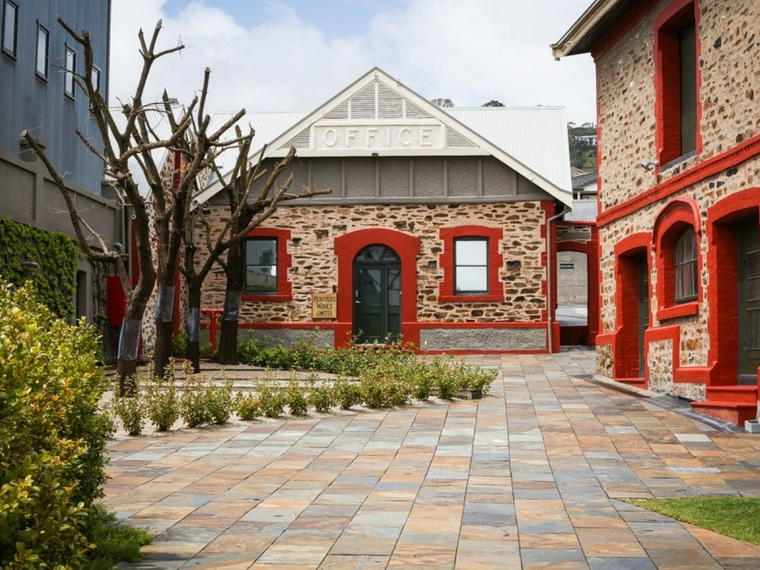
Penfolds Magill Estate sits on the original 1844 vineyard site in the foothills east of Adelaide, where the Barossa and Adelaide Hills converge in Grange's founding block.
Pauillac, France
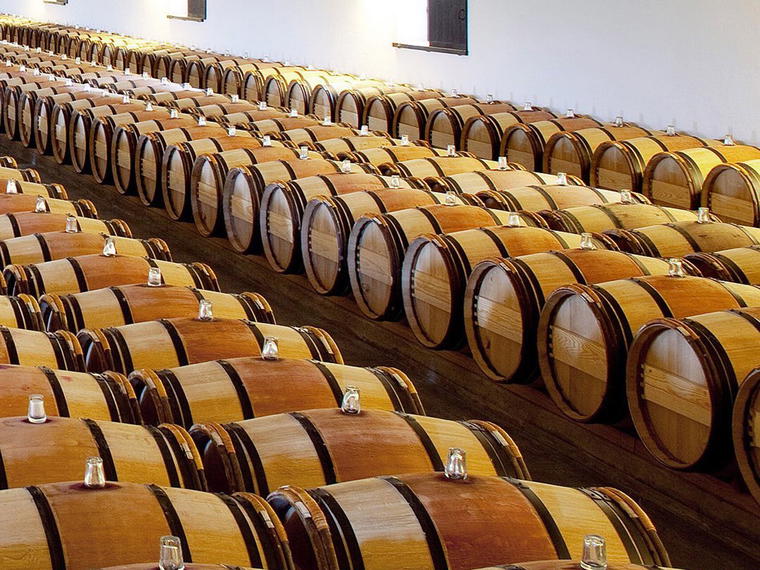
Chateau Mouton Rothschild sits in Pauillac’s Cabernet-led first-growth conversation, where gravel, drainage, and estuary influence shape wines built for long ageing. Its first vintage dates to 1780, and its post-1945 artist-label tradition gives the estate a cultural identity that reaches beyond the cellar without distracting from the Médoc question that matters: how Pauillac soil translates into structure, depth, and longevity.
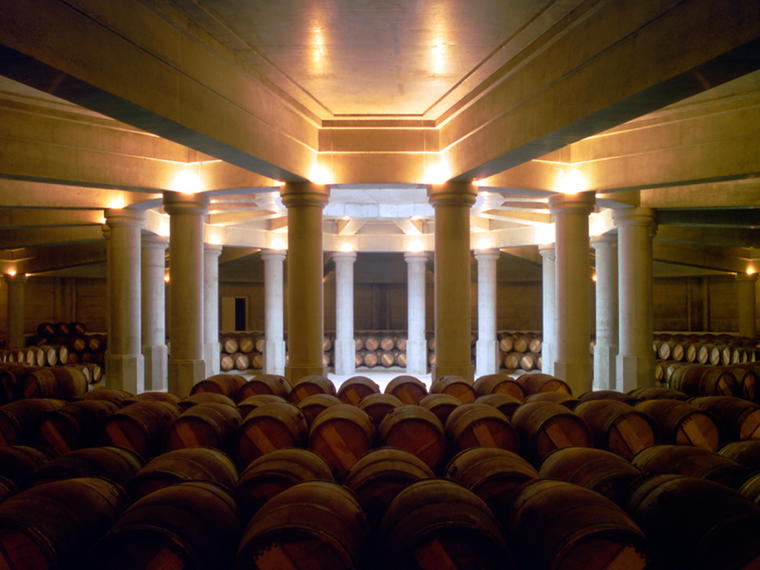
Pauillac, France
Under winemaker Éric Kohler, the estate sits at the apex of the 1855 classification system and benchmarks against a small peer group of first growths rather than the broader Pauillac appellation.
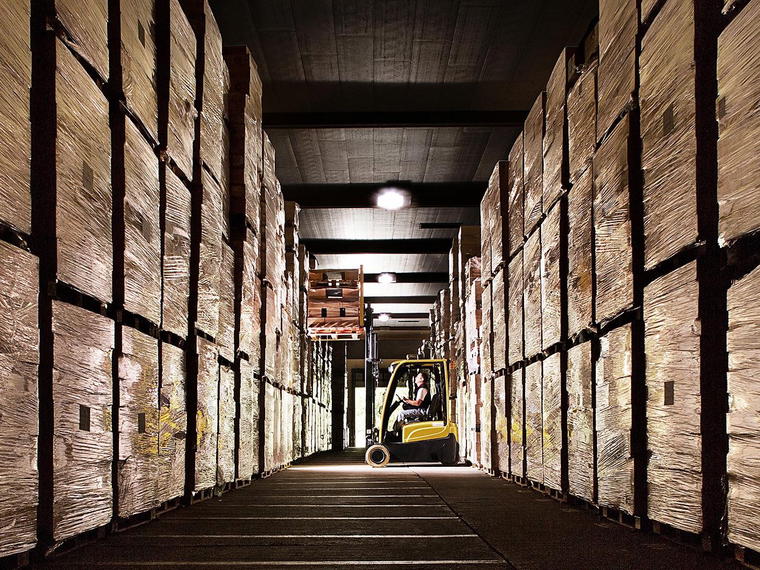
Pomerol, France
Pétrus sits at the apex of Pomerol, producing Merlot-dominant wines from a single hectare of blue clay that has defined the appellation's identity since its first commercial vintage in 1929. Visits are by appointment only, placing it firmly in the collector-access tier of Right Bank estates.
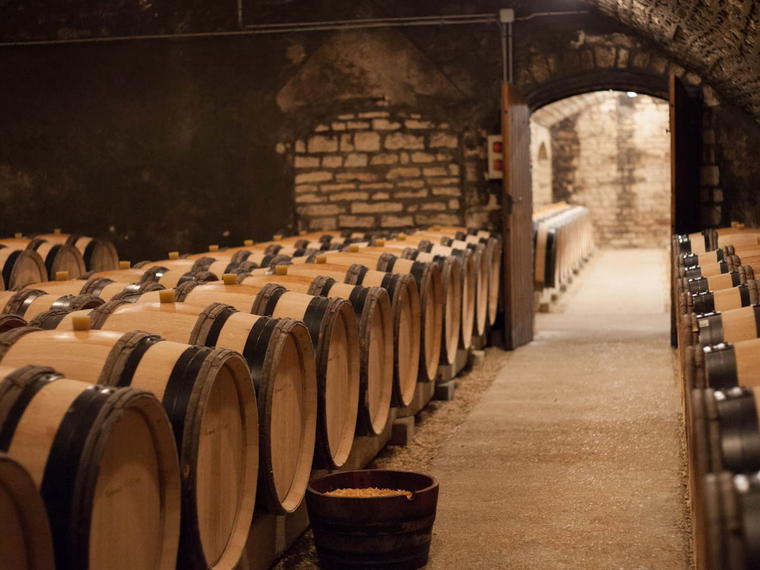
Vosne-Romanée, France
Domaine de la Romanée-Conti occupies a singular position in Burgundy's Côte de Nuits, producing grand cru wines from Vosne-Romanée's most closely watched parcels. Access is by allocation only, and bottles rarely trade at release price.
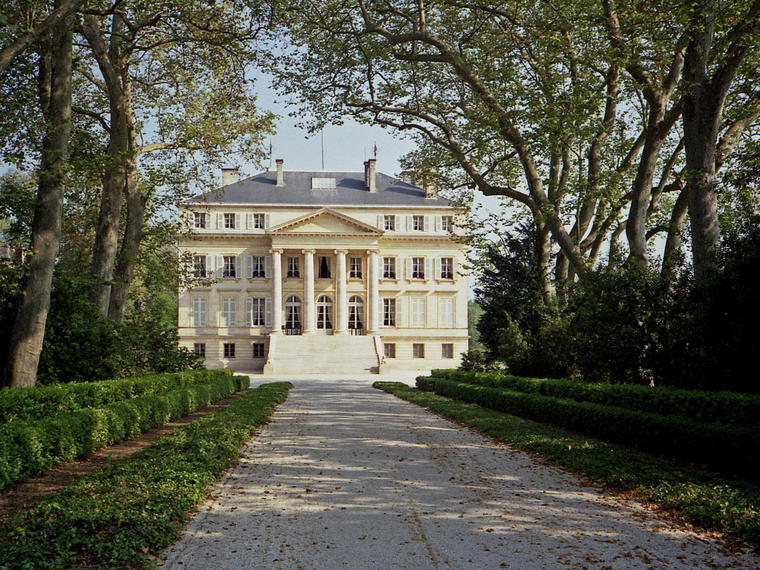
Margaux, France
Château Margaux belongs to the formal, Cabernet-led identity of the Médoc, where gravel soils, Atlantic influence, and long estate histories define the conversation.
Saint-Estèphe, France
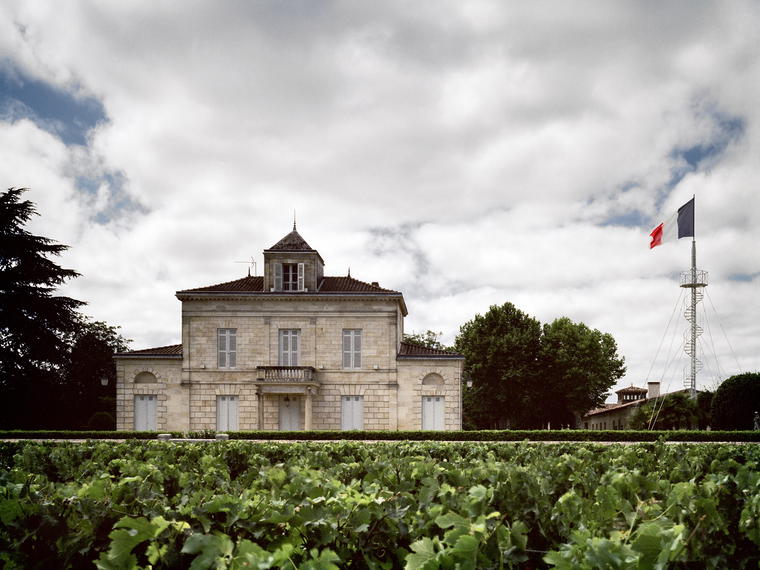
Among Saint-Estèphe's Second Growths, Château Montrose carries a lineage stretching to 1829 and a reputation built on Cabernet-dominant blends that reward patience.. The estate occupies a privileged riverside position above the Gironde, where the proximity to water shapes the terroir as directly as any winemaking decision.
Pessac, France
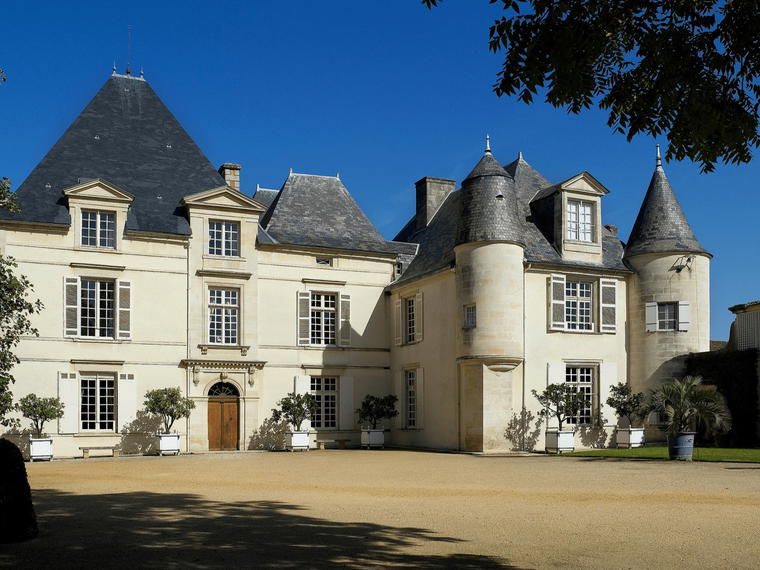
One of Bordeaux's most historically significant properties, Château Haut-Brion sits within the Pessac commune just south of the city, producing Graves wines that predate the 1855 Classification by centuries.
Meursault, France
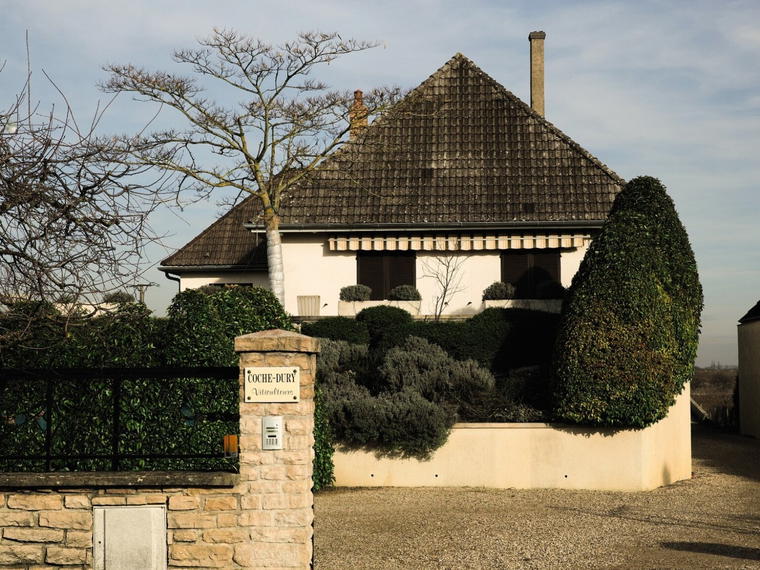
Domaine Coche-Dury in Meursault operates at the upper tier of Burgundy's allocation-driven white wine hierarchy, with winemaker Raphaël Coche continuing a lineage that defines the village's benchmark..
Vosne-Romanée, France
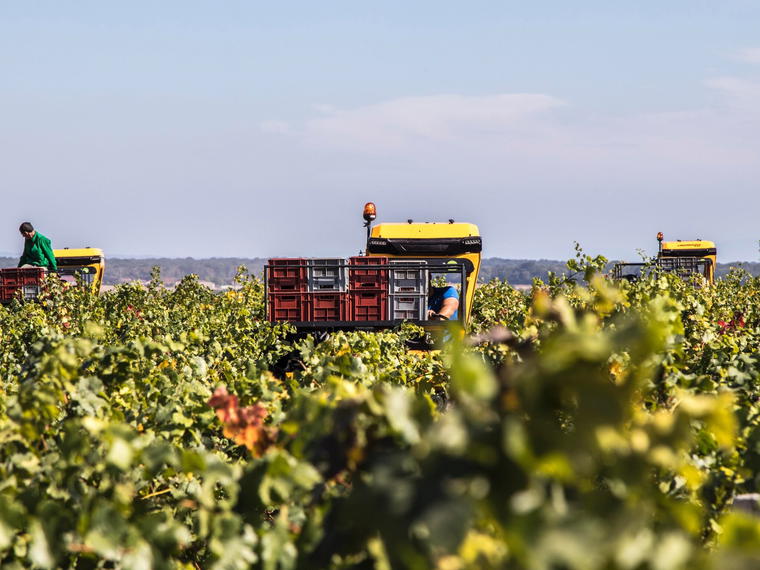
Domaine Leroy operates from a quiet lane in Vosne-Romanée, producing grands crus and premiers crus under a biodynamic farming model in place since the first vintage in 1988. Access is by arrangement through trade relationships; no public tasting room or booking channel is listed.
Martillac, France
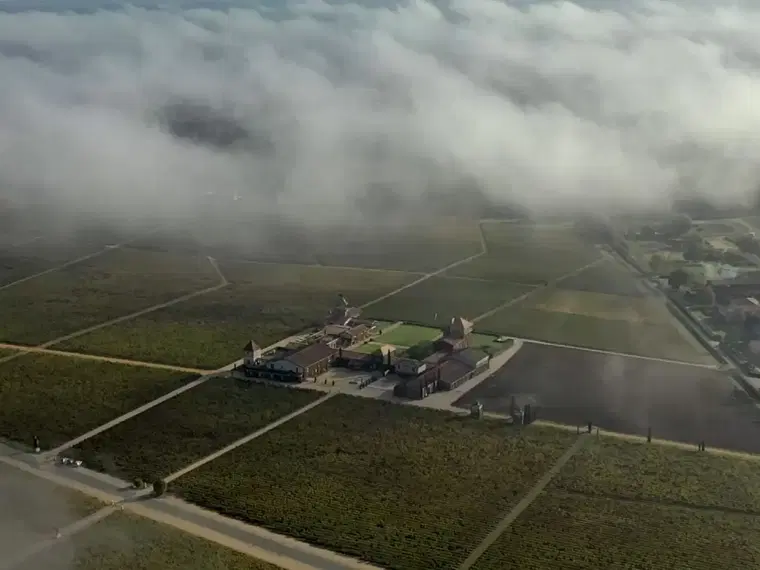
Château Smith Haut Lafitte belongs to the serious end of Martillac wine travel: a Grand Cru Classé estate where biodynamic farming, deep historical continuity, and modern cellar thinking meet in the glass. The draw is terroir rather than spectacle, with Fabien Teitgen’s winemaking set against a property whose first vintage dates to 1365.
Talence, France
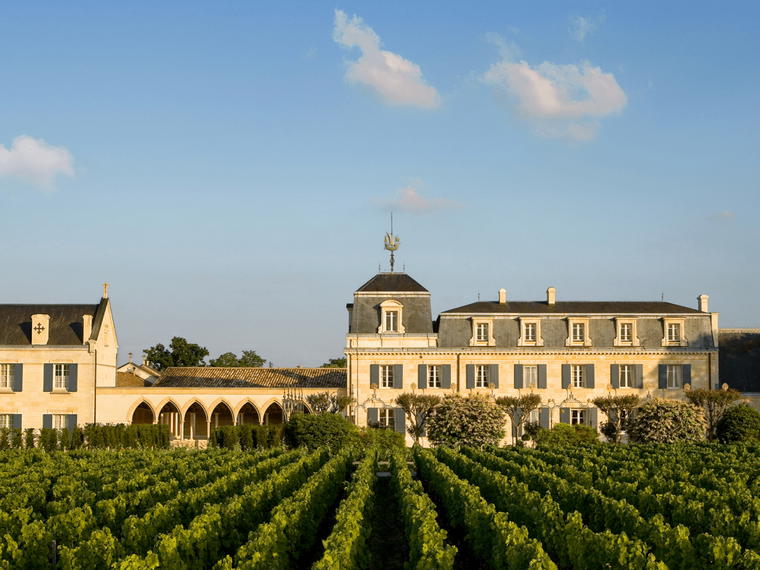
Château La Mission Haut-Brion is a Graves Classified Growth in Pessac-Léognan, rooted in gravel terraces, a chapel and cloister, and a long association with Domaine Clarence Dillon. Its appeal lies in the way Cabernet Sauvignon, Merlot, Cabernet Franc, Sémillon and Sauvignon Blanc translate this part of Pessac into age-worthy red and dry white Bordeaux.
San Vicente De Tagua Tagua, Chile
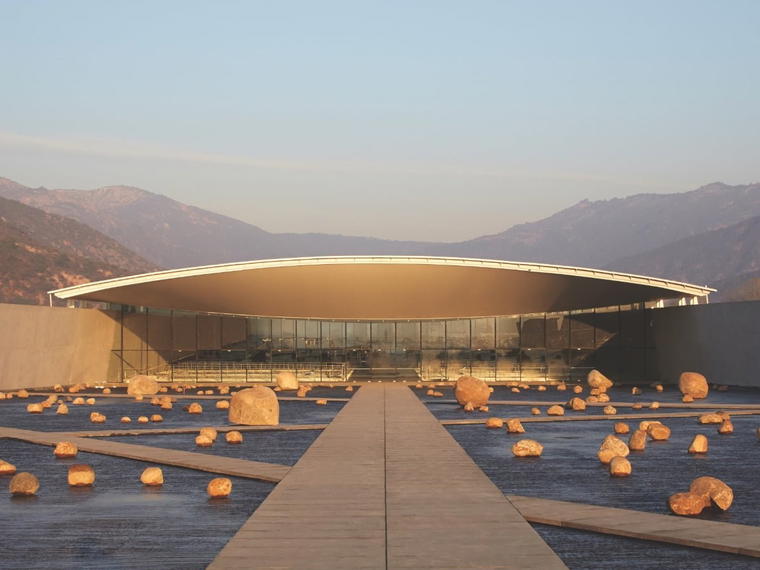
Viña VIK places Chilean wine tourism in the Millahue Valley rather than a tasting-room template.
Gevrey-Chambertin, France
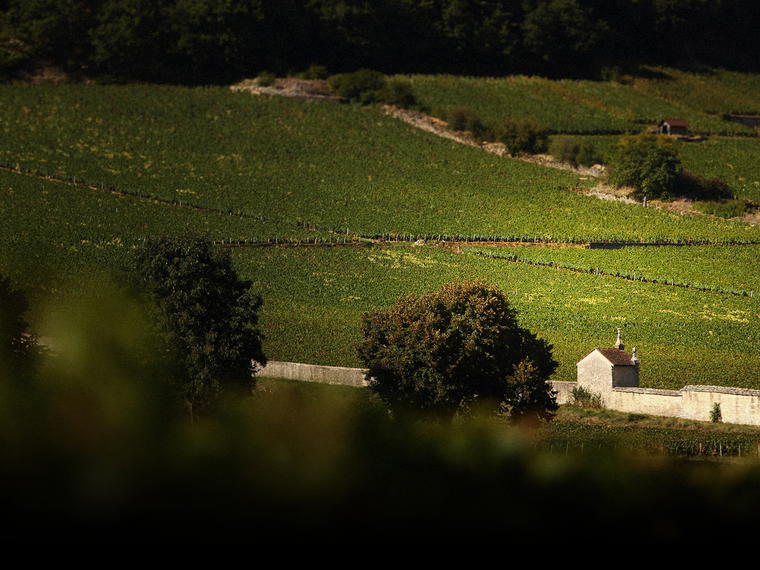
Few estates in Burgundy carry the weight of Domaine Armand Rousseau, a Gevrey-Chambertin producer whose first vintage dates to 1929 and whose holdings across Chambertin, Clos de Bèze, and several premier cru parcels represent a direct argument for how geology and vine age translate into the glass.
Meursault, France
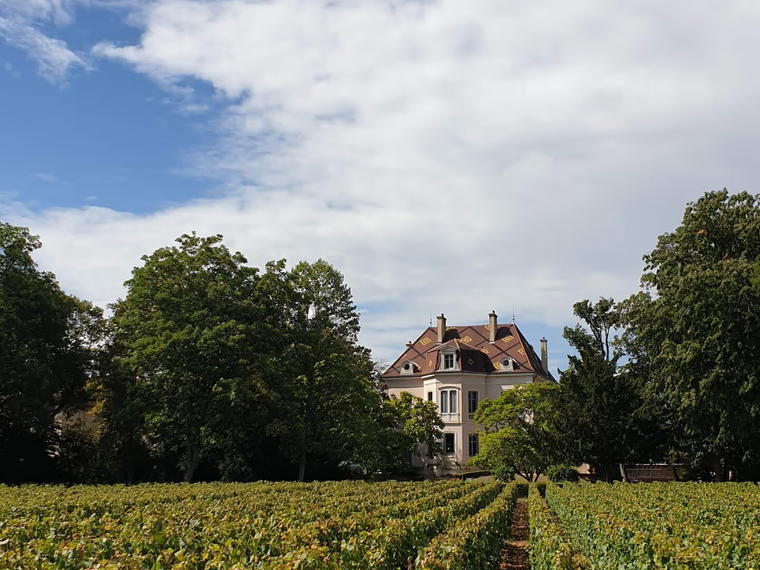
Domaine des Comtes Lafon, operating from the village of Meursault in Burgundy's Côte de Beaune, is among the more closely watched white wine addresses in France. Visitors arrive at 5 Rue Pierre Joigneaux to find a domaine whose reputation rests on allocation-driven scarcity and generational continuity.
Morey-Saint-Denis, France
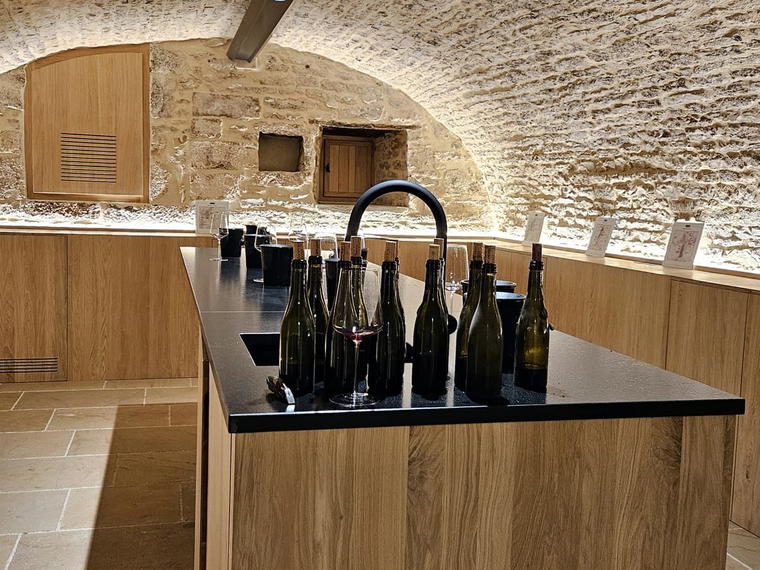
Domaine Dujac sits at 7 Rue de la Bussière in Morey-Saint-Denis, where the Seysses family has built one of the Côte de Nuits' most closely watched addresses across two generations.
Premeaux-Prissey, France
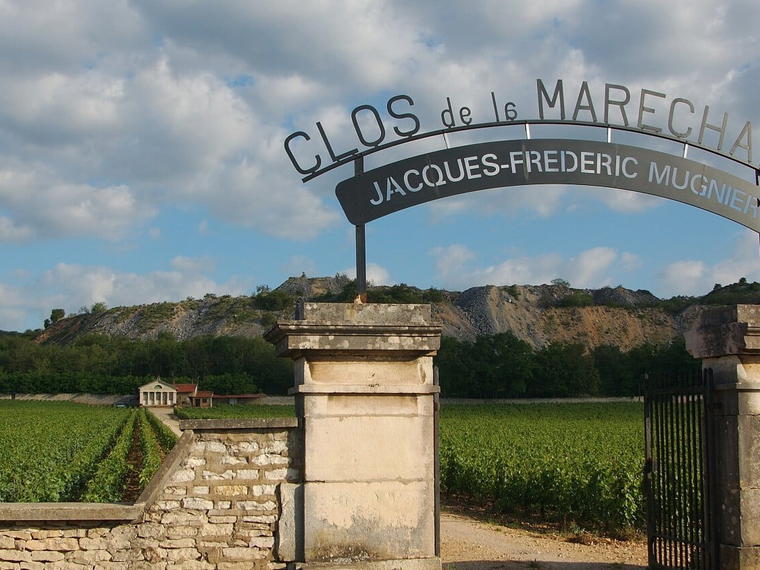
Domaine Jacques-Frédéric Mugnier sits in Premeaux-Prissey with a history reaching back to a first vintage in 1870 and Frédéric Mugnier as winemaker. The draw is terroir more than theatre: Burgundy drinkers come for the way site, season, and cellar restraint can register in the glass rather than for a hospitality spectacle.
Meursault, France
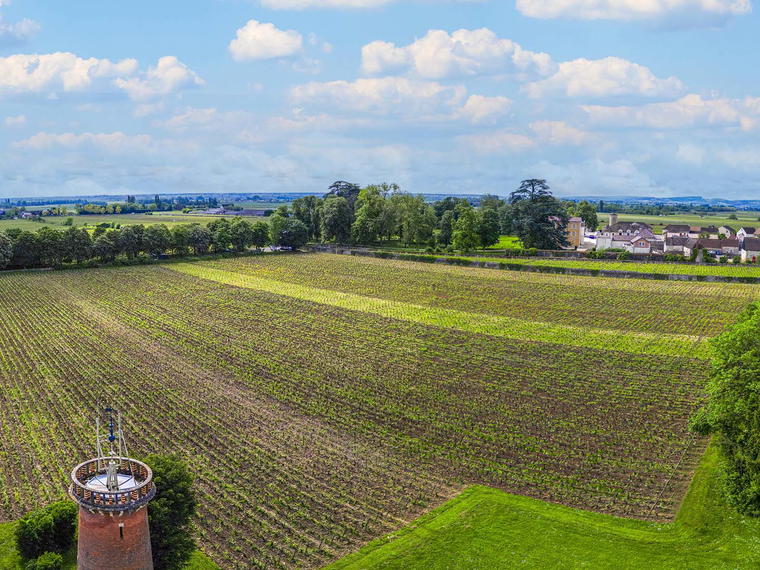
Domaine Arnaud Ente has produced Meursault from its base on Rue de la Gare since a first vintage in 1992. Production is small, allocations are tight, and the wines sit in Meursault's most serious peer group alongside Coche-Dury and Roulot. Visiting in any formal sense requires advance planning; the domaine does not operate a walk-in tasting room.
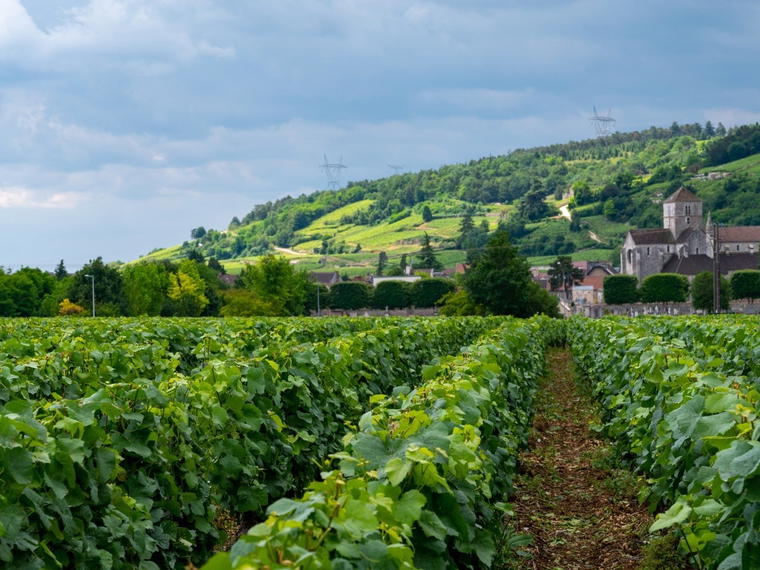
Chambolle-Musigny, France
Domaine Comte de Vogue is one of Chambolle-Musigny's most closely watched addresses, with winemaker Jean Lupatelli overseeing a portfolio anchored in the village's grand cru terroir. Allocations are tight and secondary-market prices reflect sustained collector demand across key vintages.
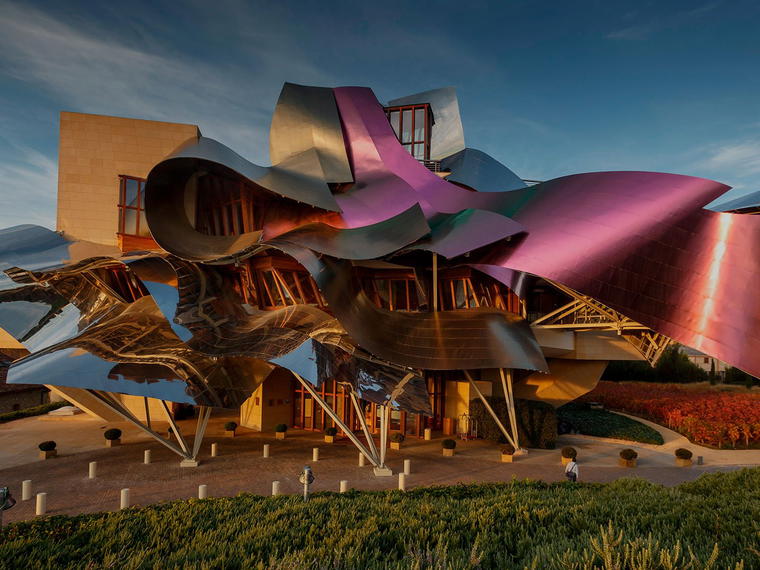
Elciego, Spain
Marqués de Riscal is Rioja seen through architecture as much as wine: Frank Gehry’s rippled hotel roof signals a cellar rooted in Elciego and the region’s long conversation between Tempranillo, limestone-clay soils and cellar ageing. Its 2025 Decanter Silver medal gives a current external marker, but the broader draw is how the estate frames Rioja’s tradition through a highly visible contemporary lens.
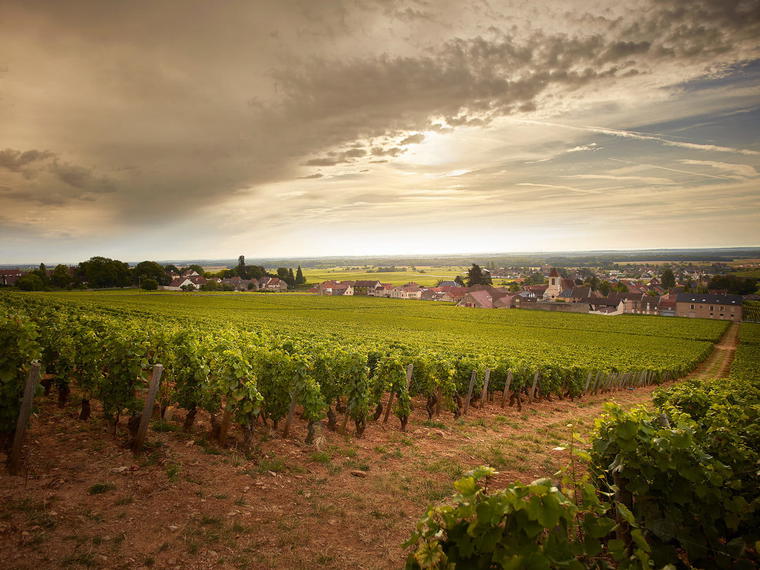
Morey-Saint-Denis, France
Clos de Tart is one of Burgundy's rarest Monopole Grand Crus, a single walled vineyard in Morey-Saint-Denis under the care of winemaker Alessandro Noli.
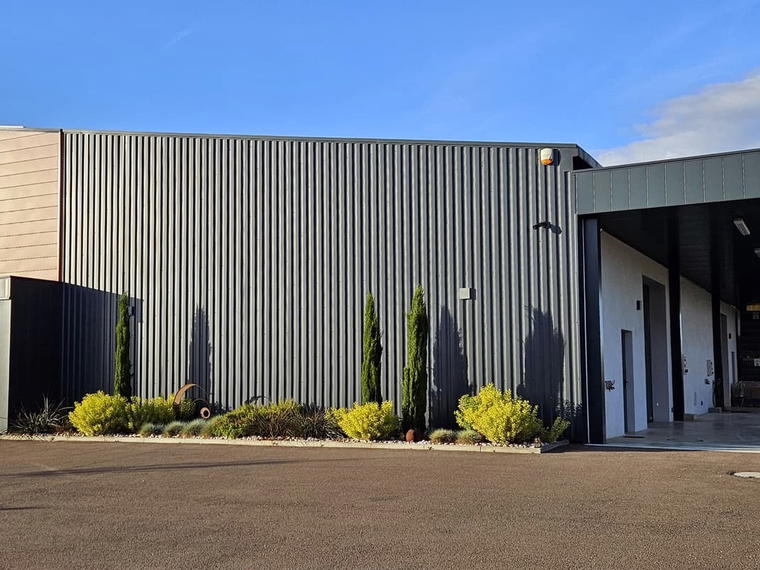
Meursault, France
Under Jean-Marc Roulot, the domaine has become a reference point for village and premier cru Chardonnay in the Côte de Beaune, drawing serious buyers well ahead of each release.
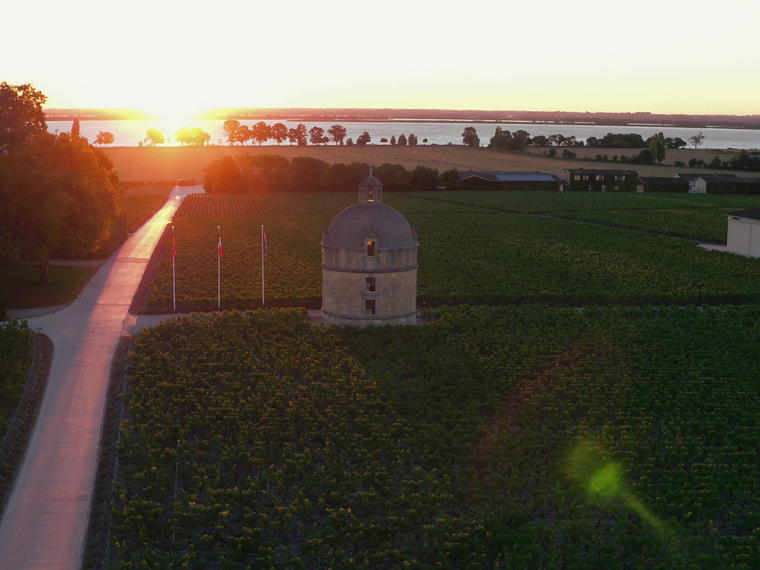
Pauillac, France
Château Latour belongs to the rare Bordeaux category where terroir is not a theme but the central argument. In Pauillac, its long historical arc, first vintage dated to 1378, and winemaking under Hélène Genin place it in a serious, land-led conversation rather than a lifestyle-winery circuit.
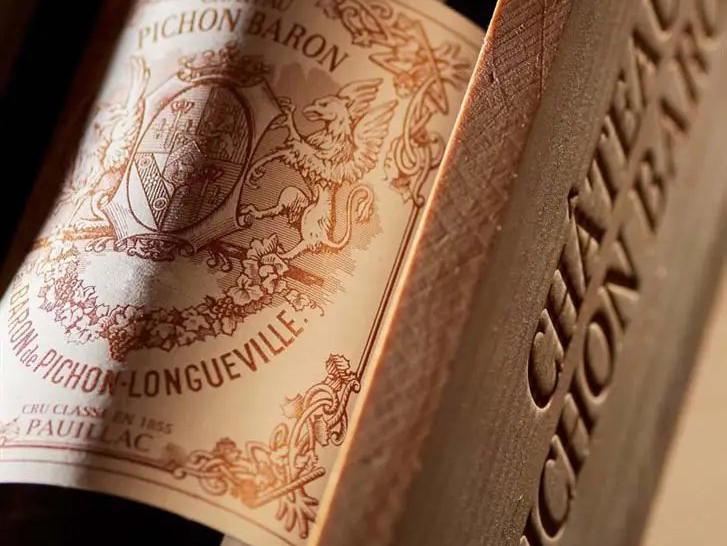
Pauillac, France
A Second Growth château whose nineteenth-century silhouette, turrets reflected in a still forecourt pond, has become among the more photographed images in the Médoc.
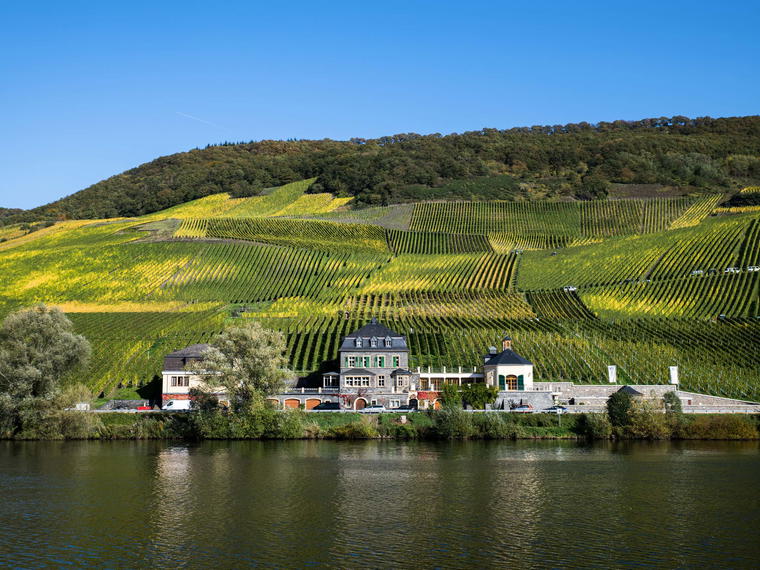
Bernkastel-Kues, Germany
Weingut Dr. Loosen belongs to the Mosel conversation where Riesling, slate, slope exposure, and patient cellar work matter more than luxury staging.
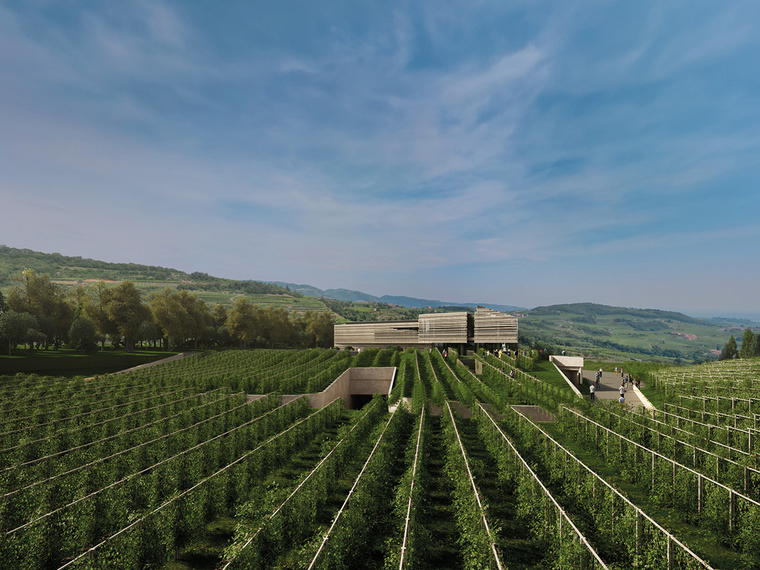
Sant'Ambrogio di Valpolicella, Italy
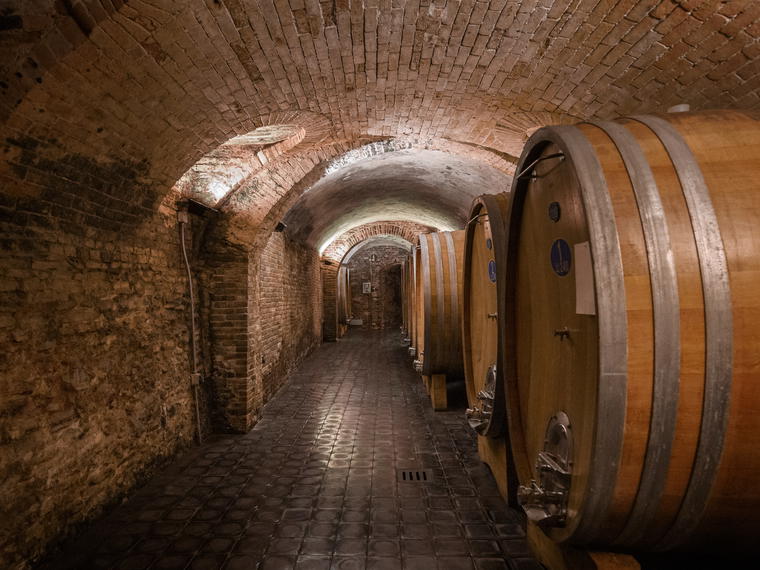
The estate sits within the Classico zone where Corvina, Rondinella, and Molinara define the regional canon, and where the appassimento technique gives Amarone its structural weight and cellar longevity.
Barbaresco, Italy
Gaja sits at Via Torino, 5 in the village of Barbaresco, Piedmont, and ranks among the more recognised Nebbiolo producers in Italy. Winemaker Angelo Gaja shaped the estate's modern identity through a combination of single-vineyard discipline and international ambition.
Santa Cruz, Chile
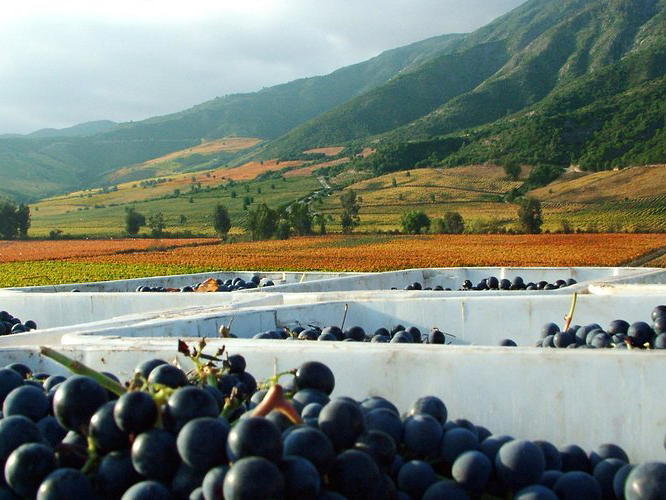
The appeal sits less in spectacle than in how the estate reads Colchagua’s dry heat, slopes, and red-wine tradition through a highly composed winery experience.
Dürnstein, Austria
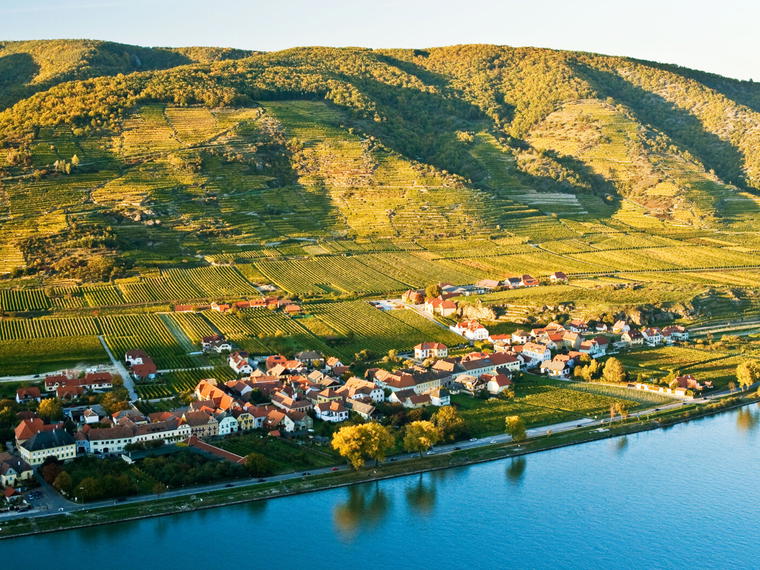
Domäne Wachau is a large cooperative winery in Dürnstein, Austria, operating from a Baroque estate above 300-year-old cellars in one of Europe's most distinctive wine regions. The setting alone — terraced vineyards above the Danube — frames the wines as clearly as any technical explanation could.
Montalcino, Italy
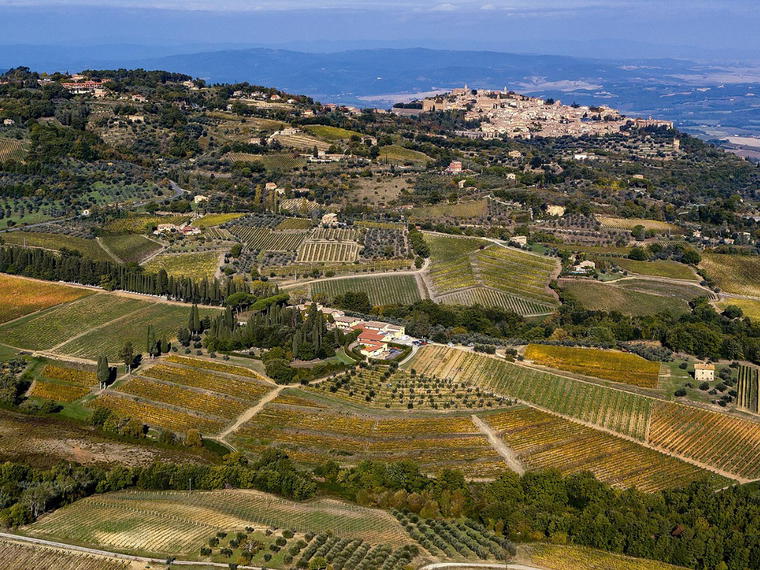
The estate that defined Brunello di Montalcino. For anyone tracking the origins of Italy's most age-worthy red wines, this address is the primary source.
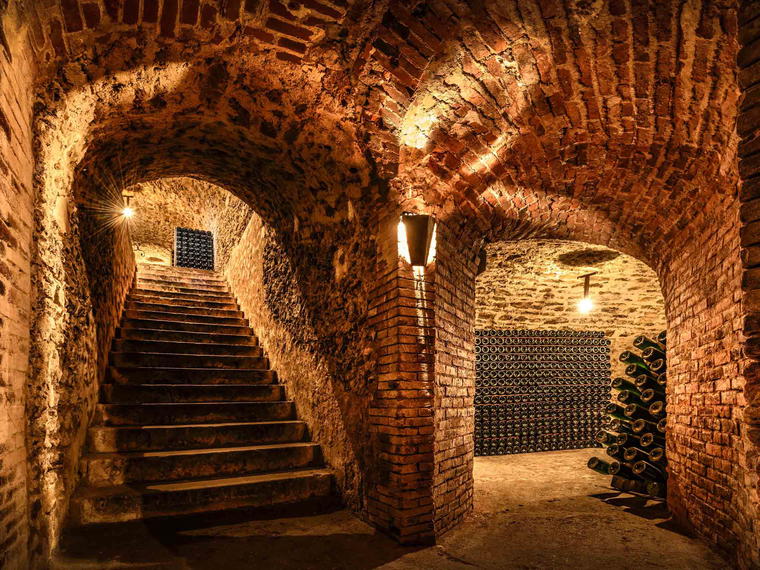
Le Mesnil-sur-Oger, France
Salon makes one Champagne: a vintage Blanc de Blancs from Chardonnay grown in Le Mesnil-sur-Oger. Its first vintage was 1905, and it releases wine only from selected years after long cellar ageing. Visits are limited to wine professionals.
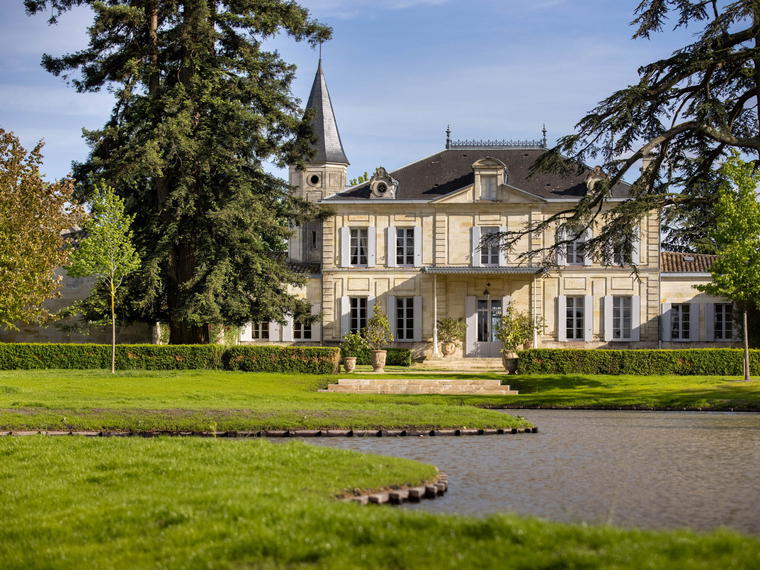
Saint-Émilion, France
Château Cheval Blanc has produced wine from its Saint-Émilion estate since 1821, making it one of the oldest continuously operating domaines on the Right Bank.
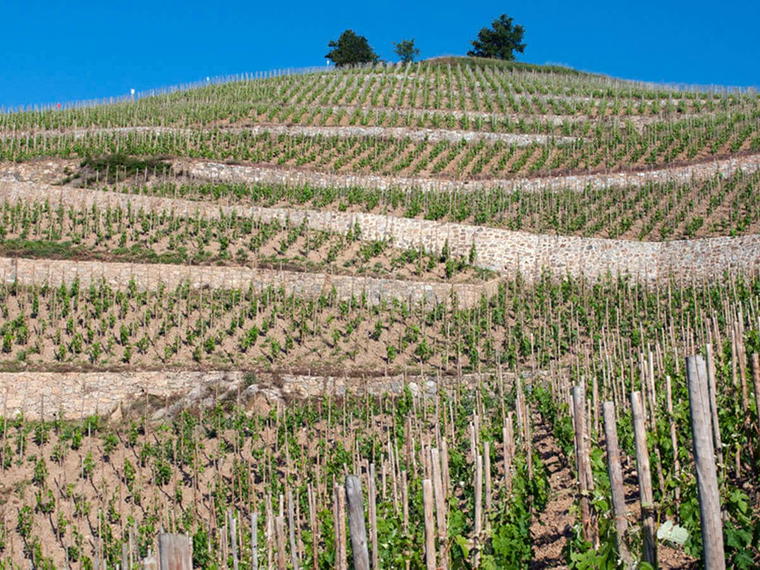
Mauves, France
Domaine Jean-Louis Chave, situated in Mauves along the Rhône's northern corridor, carries one of the appellation's most traceable lineages — continuous winemaking since 1481.
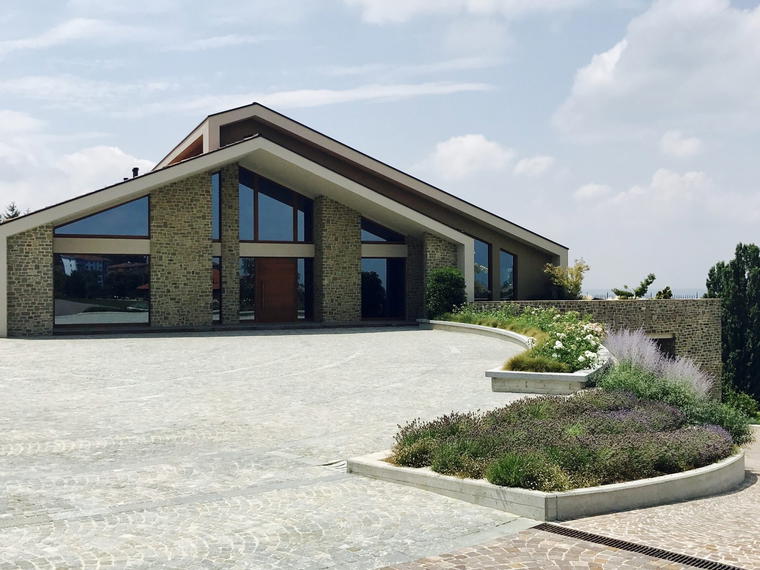
Monforte d'Alba, Italy
Giacomo Conterno, based at Località Ornati in Monforte d'Alba, is one of the Langhe's most closely watched Barolo producers. Visits are reserved for serious collectors and those already familiar with Piedmont's longer cycles of production.
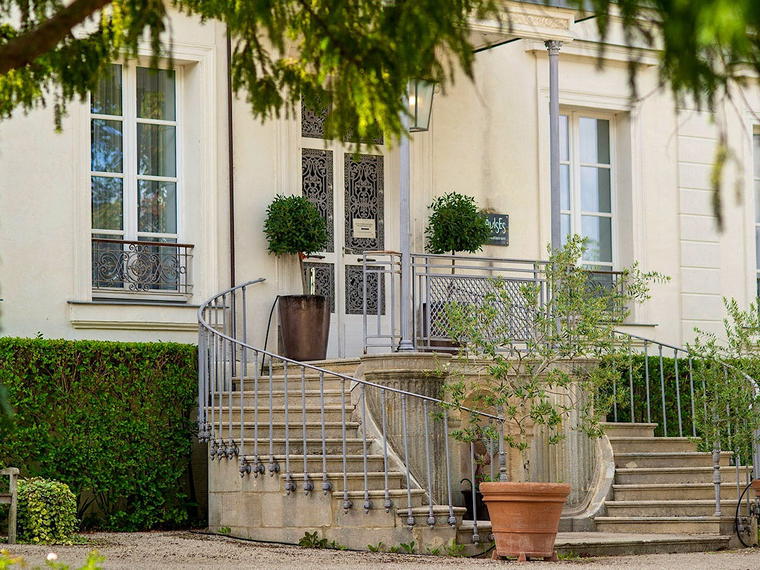
Avize, France
Jacques Selosse, based at 59 Rue de Cramant in Avize, is among the more discussed addresses in Champagne's Côte des Blancs. Under winemaker Anselme Selosse, the domaine has pursued an oxidative, terroir-led approach that repositioned how serious drinkers think about grower Champagne.
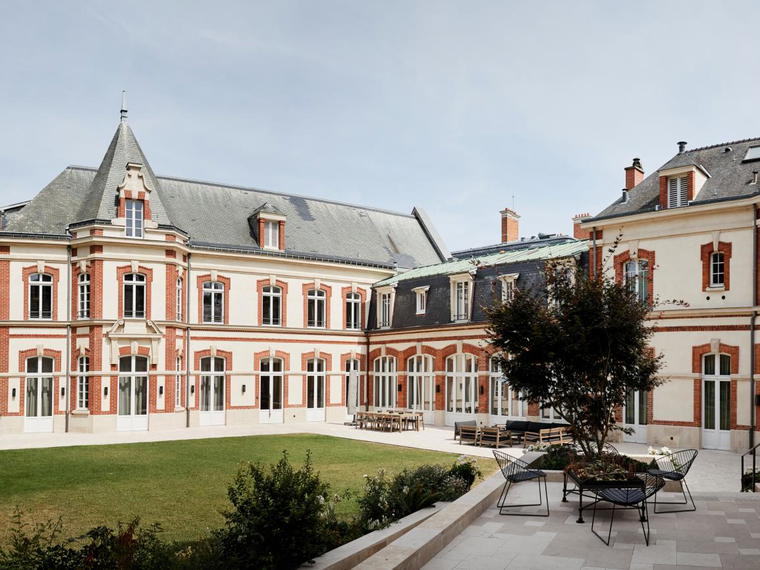
Reims, France
Founded in Reims in 1843, Krug makes Grande Cuvée by selecting wines from different plots and years. Its tasting committee assesses about 400 wines after each harvest; the house also makes single-plot Chardonnay and Pinot Noir Champagnes.
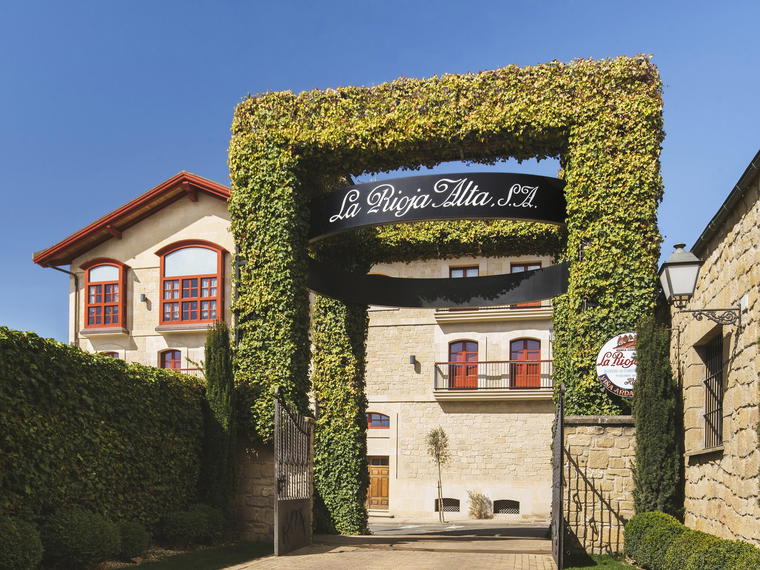
Haro, Spain
One of Haro's founding bodegas, La Rioja Alta has shaped the town's identity as the capital of traditional Rioja winemaking for well over a century. Its cellars on Avenida Vizcaya sit within walking distance of the famous Barrio de la Estación cluster, positioning it alongside Muga, CVNE, and López de Heredia as a cornerstone of the old-guard Rioja canon.
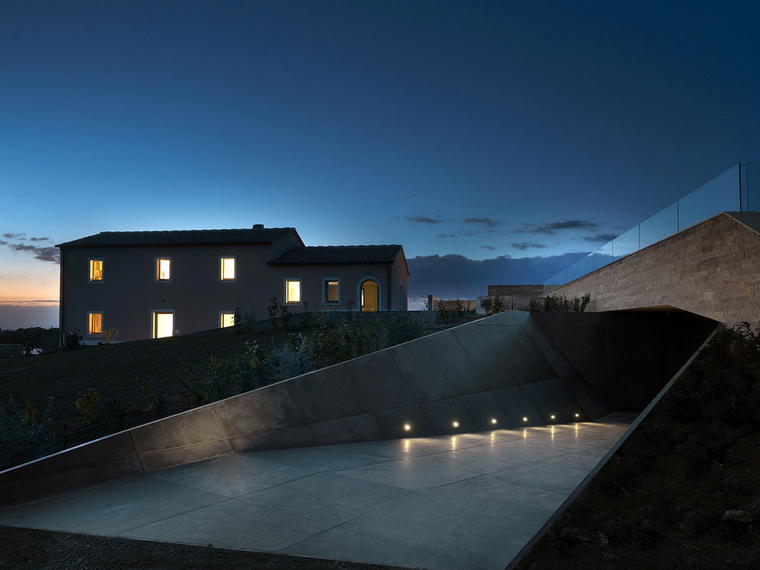
Castagneto Carducci, Italy
Masseto belongs to the Tuscan coast's small, high-pressure circle of benchmark estates, where clay, sea air, and Merlot sit at the centre of the argument. In Castagneto Carducci, its reputation is less about broad regional variety than about a single-site idea pursued with unusual discipline beside Ornellaia.
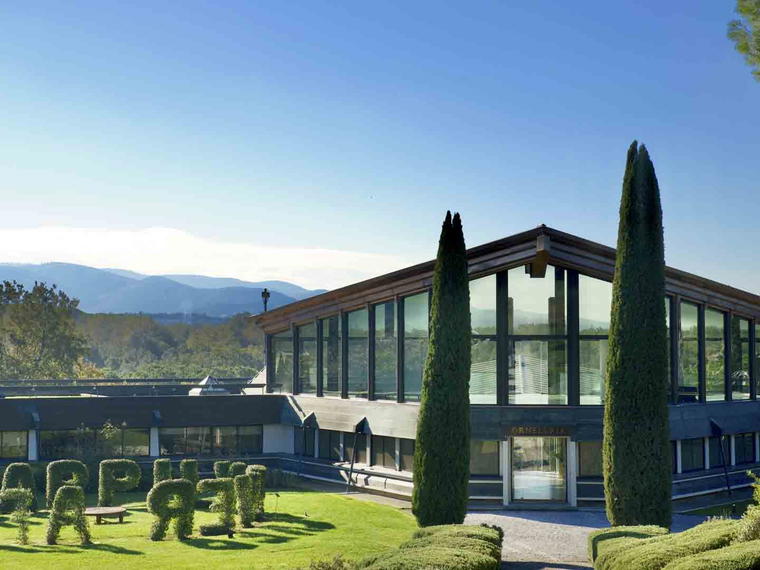
Castagneto Carducci, Italy
Ornellaia places Castagneto Carducci inside the international conversation on Bolgheri, where coastal Tuscany speaks through Bordeaux varieties rather than the region's older Sangiovese grammar. The visit is less about rustic cellar romance than about reading a modern Tuscan estate through site, structure, and comparison with names such as Masseto, Tenuta San Guido, and Le Macchiole.
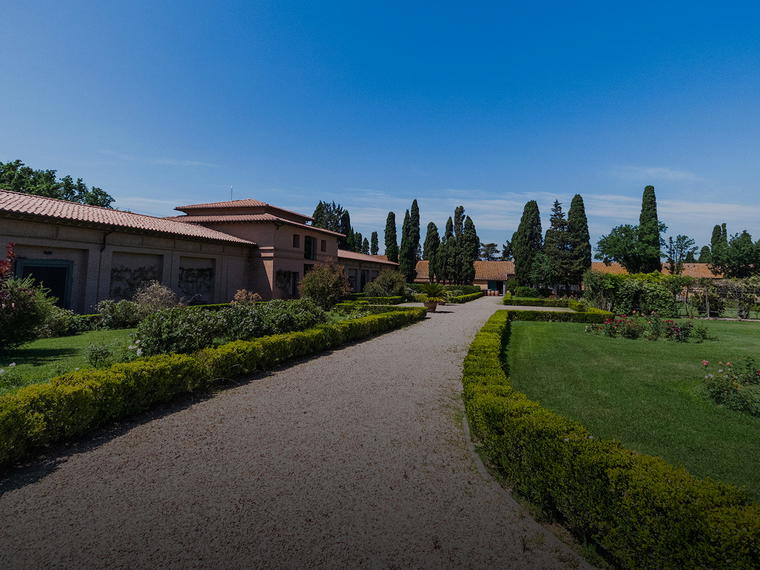
Bolgheri, Italy
Tenuta San Guido is the Bolgheri estate that defined the Sassicaia category and, by extension, rewrote the rules for Italian fine wine. With Graziana Grassini as winemaker and a first vintage dating to 1968, the estate operates at the upper tier of Bolgheri's appellation hierarchy.
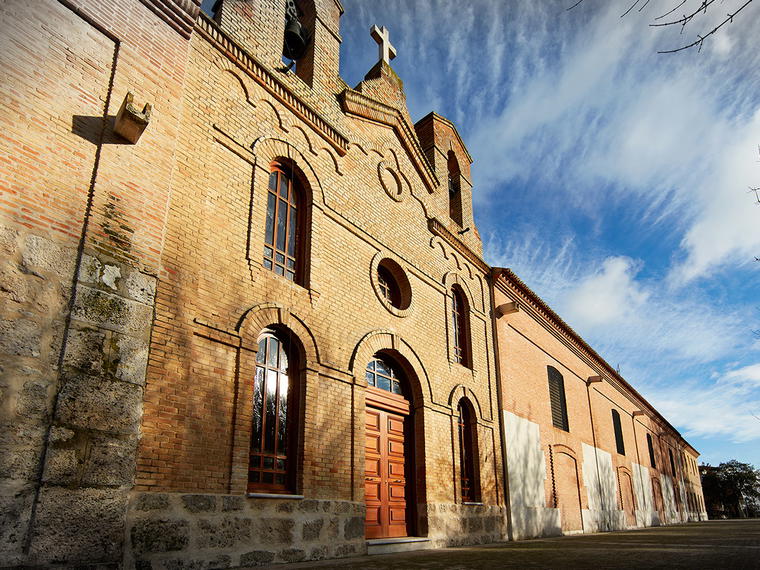
Valbuena de Duero, Spain
Vega Sicilia sits at the northern edge of Ribera del Duero's most demanding terrain, where continental extremes and poor calcareous soils push Tempranillo toward the long, slow ripening that defines the estate's signature wines..
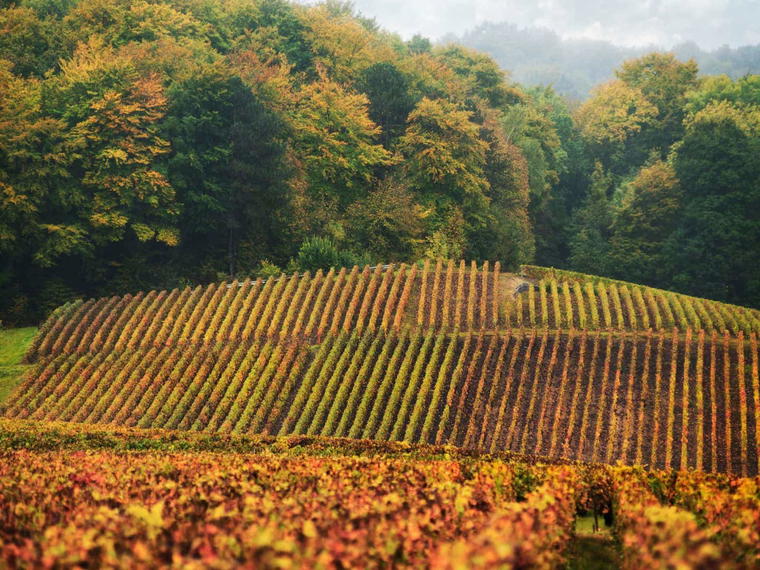
Reims, France
Ruinart gives Reims a clear lesson in Champagne's chalk logic: Chardonnay-led wines set against eight kilometres of crayères, lit with a restraint that keeps the geology in view. The house's 1729 date and Frédéric Panaïotis's winemaking role matter here less as heritage decoration than as context for a visit built around soil, cellar, and the long memory of Champagne production.
Morey-Saint-Denis, France
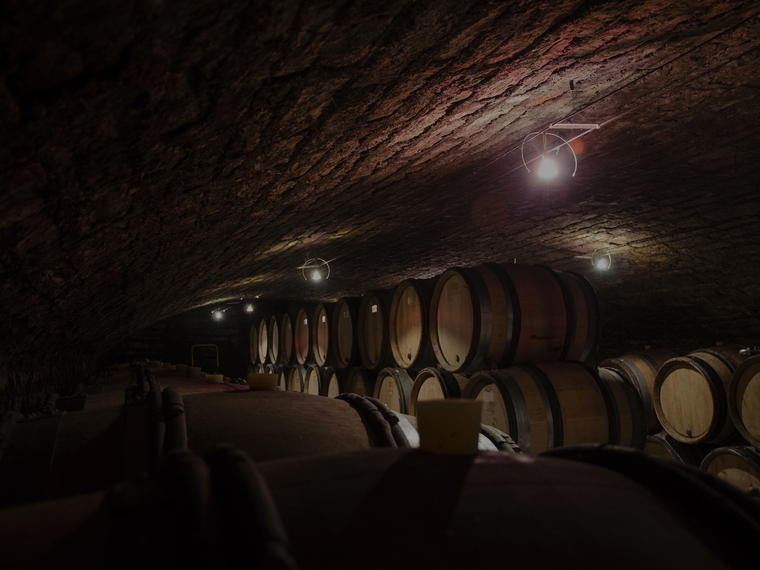
Operating from the same address on Morey-Saint-Denis's Route Nationale since its first vintage in 1943, Domaine Hubert Lignier represents one of the Côte de Nuits's longest-running family cellars. Under winemaker Laurent Lignier and.
Geisenheim-Johannisberg, Germany
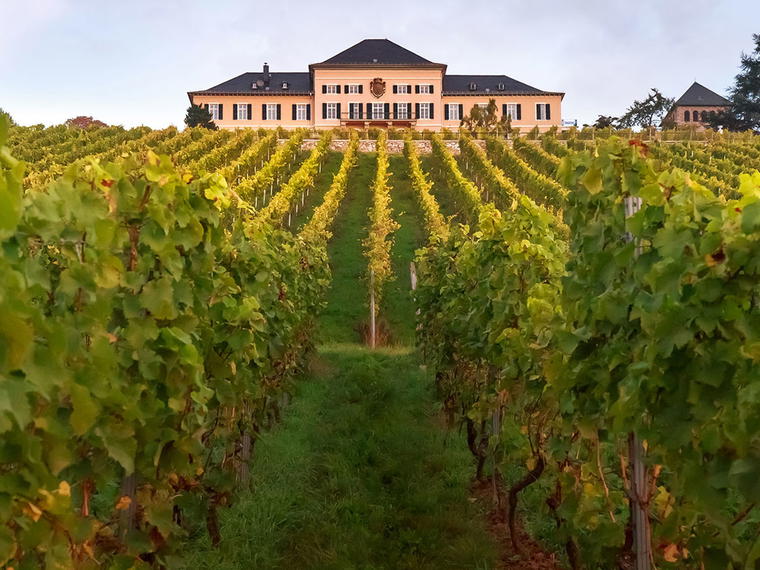
Schloss Johannisberg is a Riesling reference point in Geisenheim-Johannisberg, set around a Neoclassical palace on a hill first planted with vines in 817.
Sabrosa, Portugal
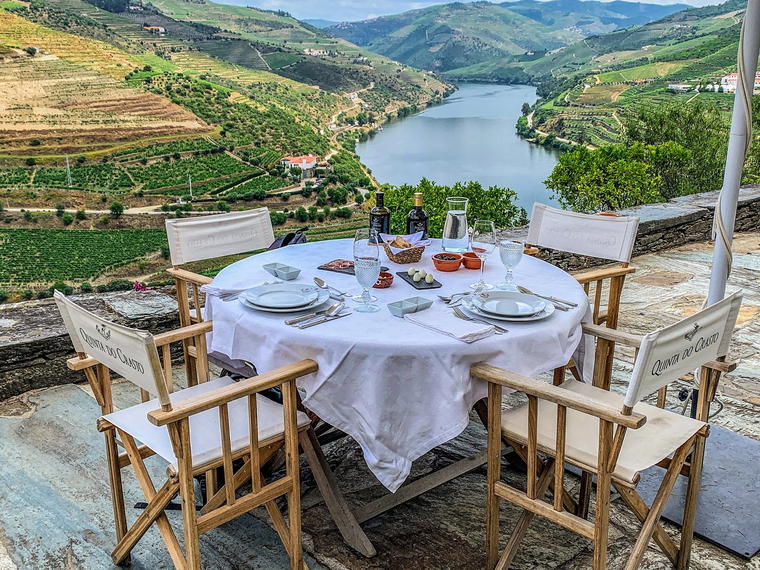
The property sits among the more established family-run quintas in the region, where winemaking and hospitality share the same address. Staying here places guests inside the working rhythms of one of Portugal's most respected wine estates.
Napa, United States
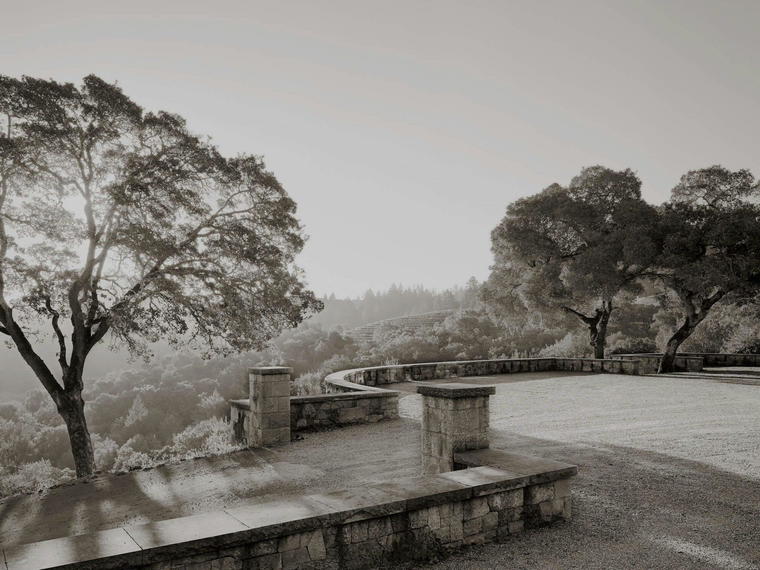
BOND Winery belongs to Napa's Cabernet conversation around site specificity rather than broad estate scale. First released from the 1997 vintage and guided by winemaker Cory Empting, it is better understood as a study of distinct Napa parcels than as a conventional tasting-room stop. For travelers searching bond estates napa or bond winery napa valley, the draw is terroir, allocation culture, and a serious Cabernet frame.
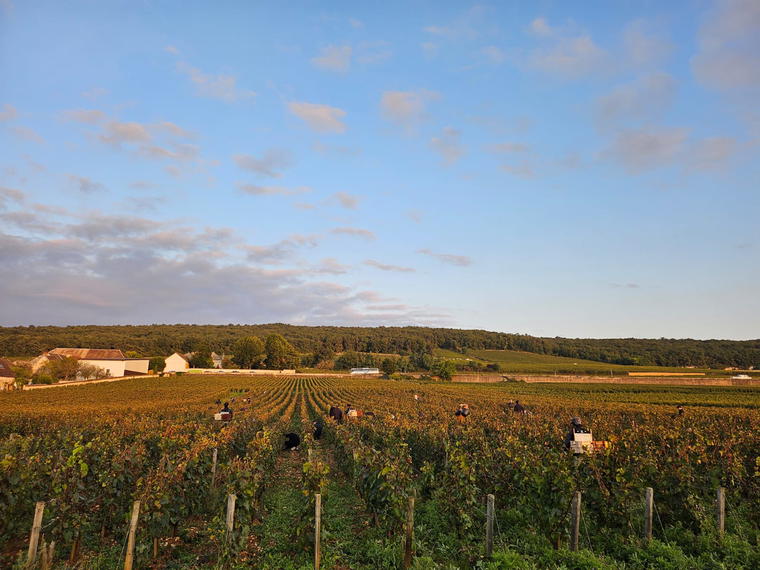
Vosne-Romanée, France
Domaine du Comte Liger-Belair operates from a château address at the heart of Vosne-Romanée, where winemaker Louis-Michel Liger-Belair oversees some of the appellation's most allocation-constrained releases.
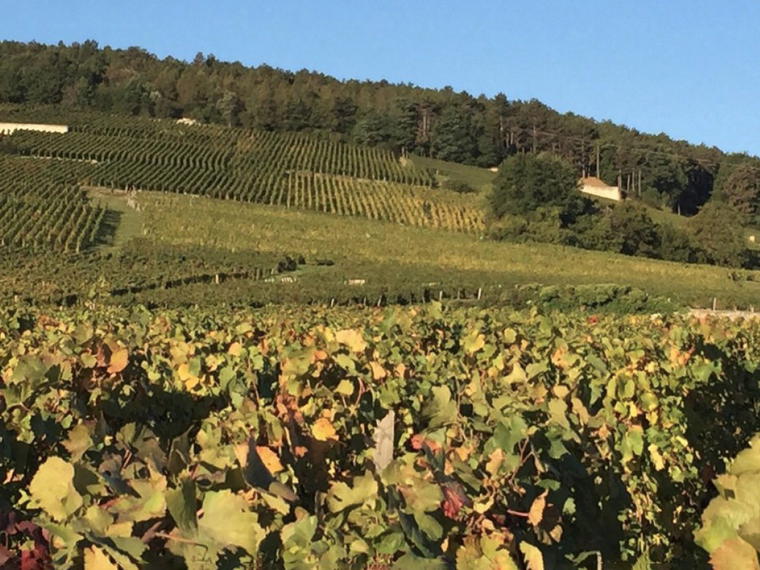
Flagey-Echézeaux, France
Working from Flagey-Echézeaux at the heart of the Côte de Nuits, Rouget's wines are allocation-only in most markets and trade at significant premiums on the secondary market.
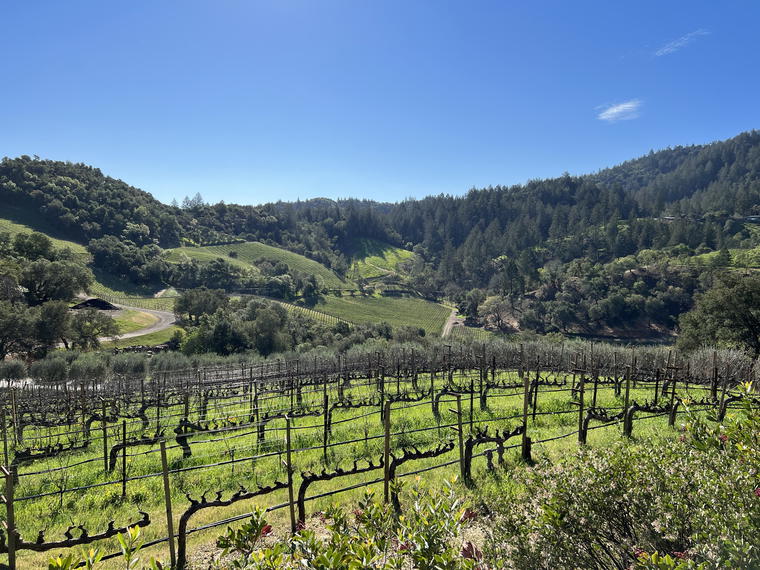
Napa, United States
Harlan Estate is one of Napa Valley's most allocation-driven Cabernet houses, producing its first vintage in 1990 and. Under winemaker Cory Empting, the Oakville property operates on a scale and selectivity that places it firmly in Napa's upper allocation tier. Access is managed through a private mailing list, making direct visits and bottle acquisition equally deliberate exercises.
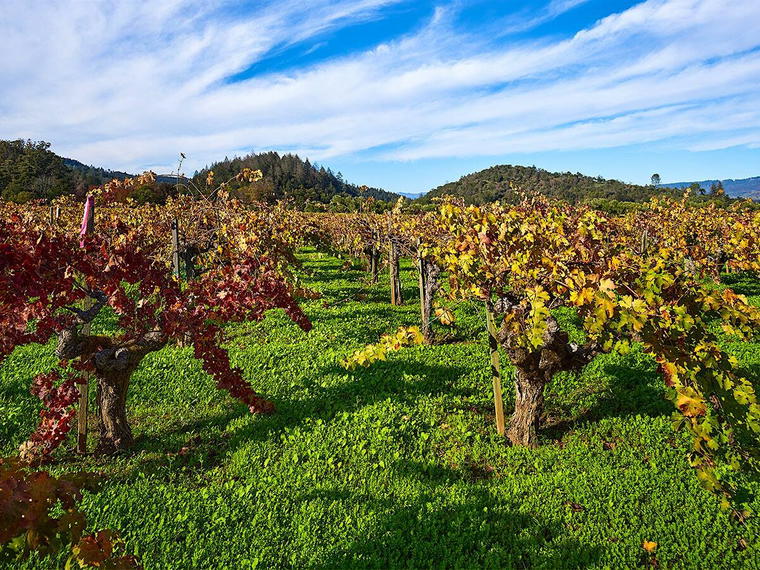
Napa, United States
Scarecrow belongs to Napa’s Cabernet-centered collector culture, where provenance, vineyard identity, and allocation signals matter as much as tasting-room polish. With Celia Welch as winemaker and a first vintage in 2003, it reads less like a casual drop-in winery and more like a focused study of Napa Valley Cabernet through a tightly held label.
Napa, United States
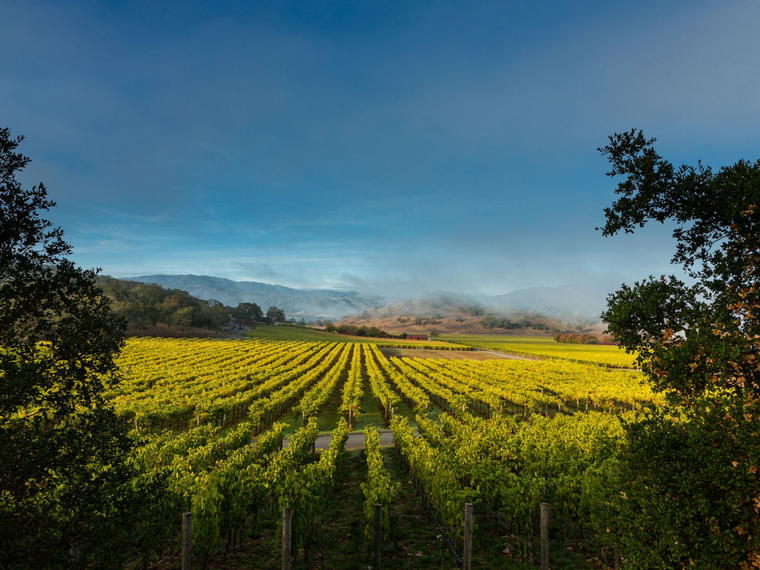
Screaming Eagle, addressed along Silverado Trail in Napa, is among the more allocation-restricted Cabernet Sauvignon producers in the United States, with a first vintage dating to 1992. Access is limited to a closely managed mailing list, making it a reference point for how scarcity and critical standing interact in Napa's collector tier.
Montalcino, Italy
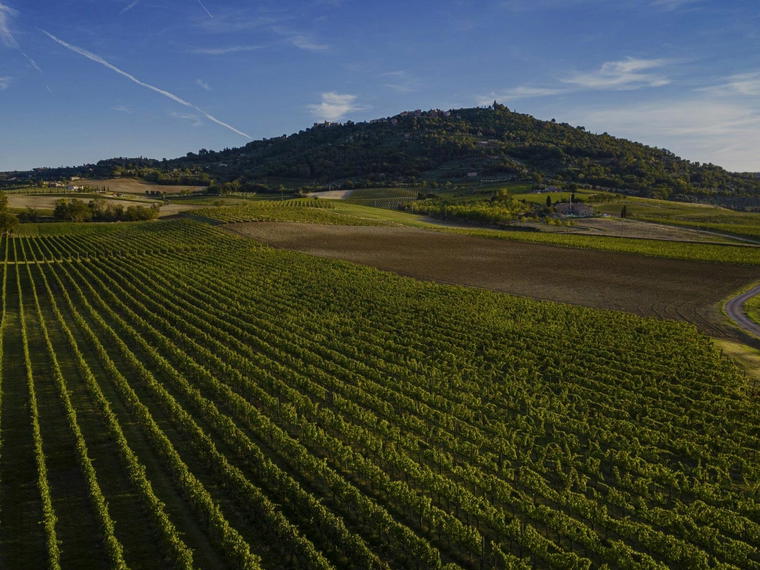
Valdicava Az Agr belongs to the Montalcino conversation where Brunello is judged less by polish than by how convincingly Sangiovese carries site, altitude, exposure, and vintage. With Vincenzo Abbruzzese associated with the estate and a first vintage recorded in 1987, it reads as a focused stop for travelers who want terroir rather than spectacle.
Pessac, France
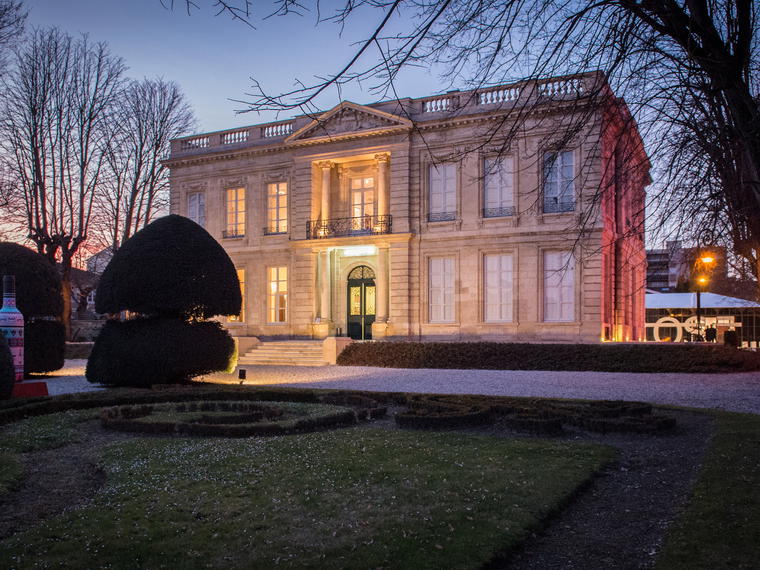
A Pessac estate with roots stretching to the eighth century, Château Pape Clement draws its name from Pope Clement V, one of its former owners.. Consultant winemaker Jean-Philippe Fort oversees the cellar programme.
Pinhão, Portugal
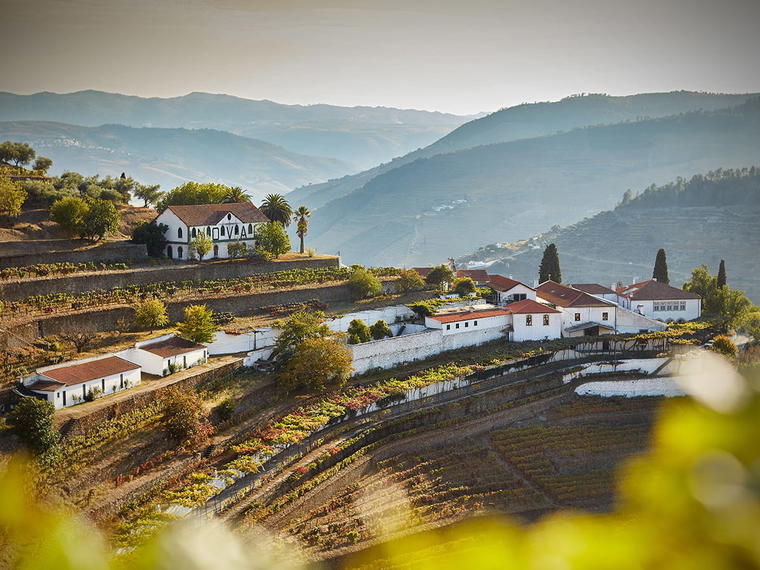
Quinta do Noval is a Douro reference point for travelers who care about vineyard origin rather than cellar theatrics. In Pinhão, its appeal lies in the relationship between steep terraced slopes, old vines, and Port culture, placing it in serious conversation with the area’s other historic quintas.
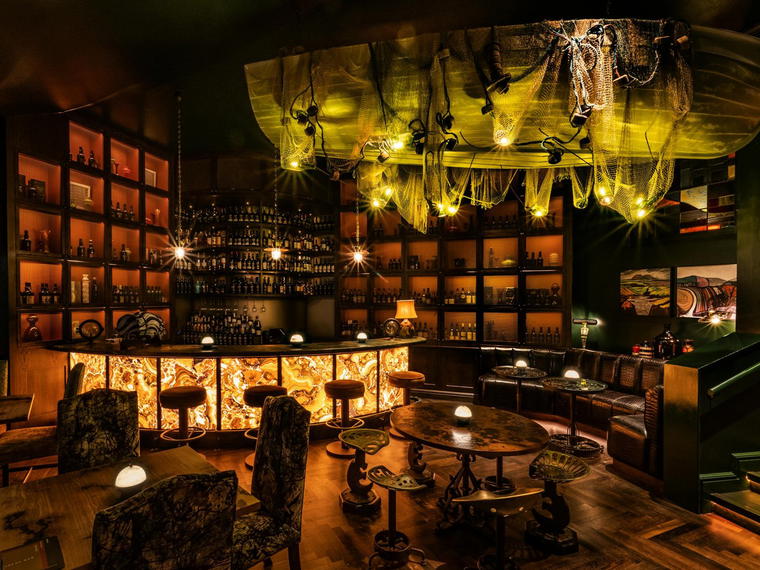
Port Ellen, United Kingdom
Its position alongside [Lagavulin](https://www.enprimeurclub.enprimeurclub.
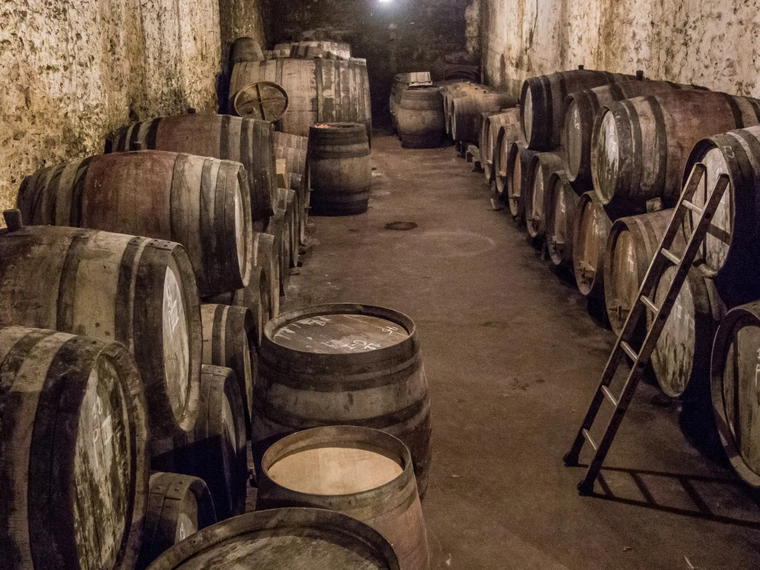
Châteauneuf-du-Pape, France
Chateau Rayas is among Châteauneuf-du-Pape's most scrutinised addresses, held up across the wine world as a reference point for what pure, old-vine Grenache can achieve in this southern Rhône appellation. Allocation is tight, critical attention is intense, and its wines consistently anchor debates about terroir expression in the region.
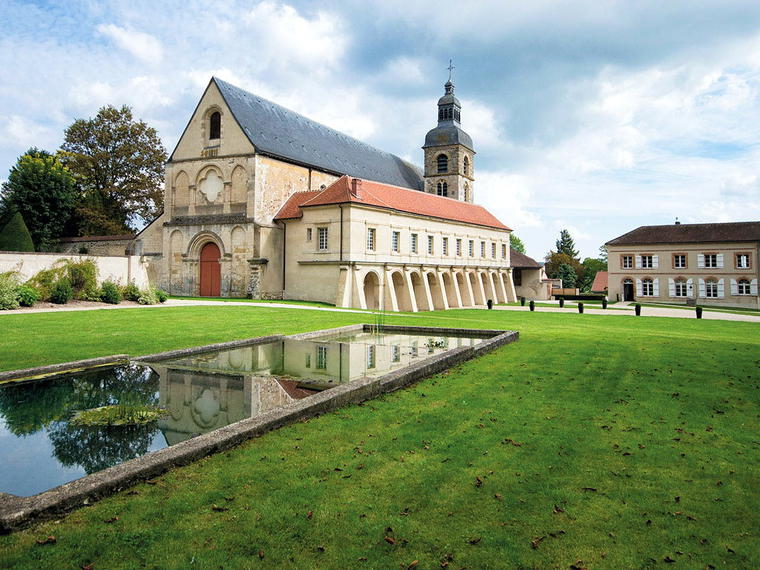
Hautvillers, France
Dom Pérignon is a vintage-only Champagne house within Moët Hennessy. Under Cellar Master Vincent Chaperon, each declared year is blended and matured to express that harvest rather than a non-vintage house blend.
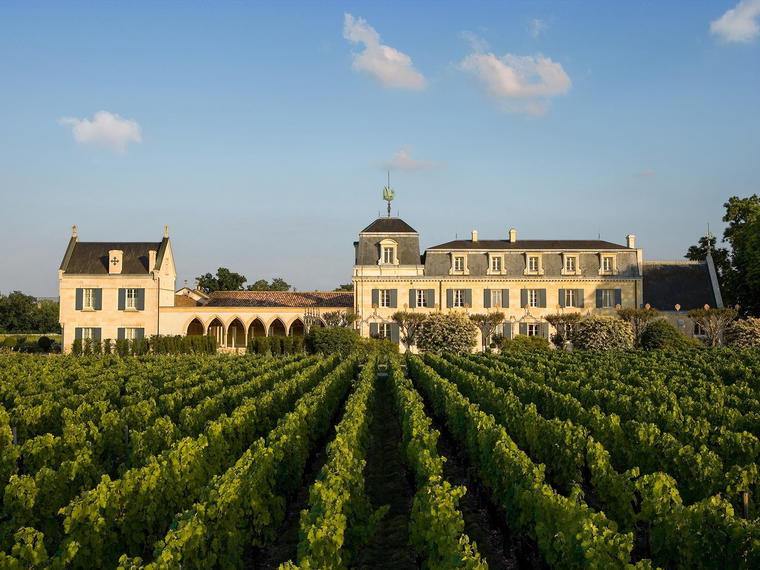
Pessac, France
Domaine Clarence Dillon operates from the heart of Pessac-Léognan, one of Bordeaux's most historically significant appellations. For collectors and visitors serious about left-bank terroir, this address on Avenue Jean Jaurès is a reference point in the appellation.

Chablis, France
Domaine Francois Raveneau belongs to the severe, limestone-driven end of Chablis, where Chardonnay is judged less by polish than by precision, age, and site definition. Founded with a first vintage in 1948 and now associated with Jean-Marie, Bernard, and Isabelle Raveneau, it sits among the region’s benchmark family domaines for collectors who care about terroir rather than theatre.
Châteauneuf-du-Pape, France
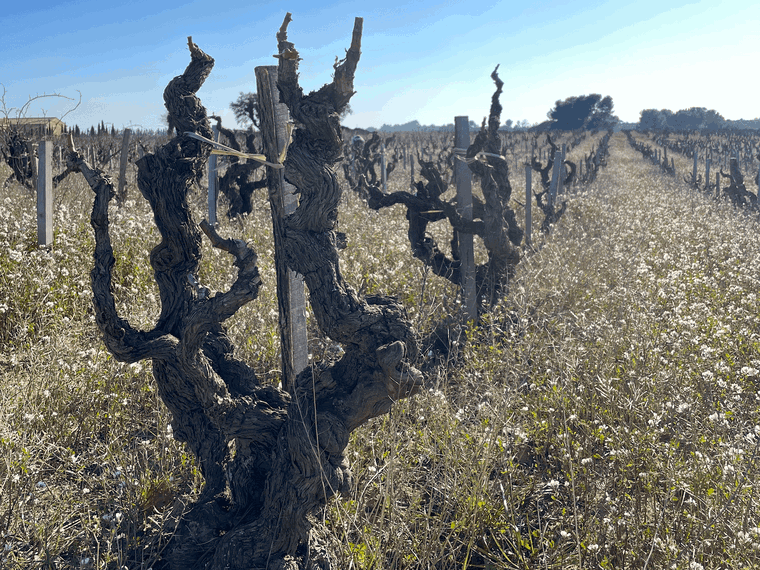
Domaine La Barroche is a Châteauneuf-du-Pape producer under winemaker Julien Barrot, working from a first vintage of 2003 and. The domaine operates within the southern Rhône's demanding terroir tradition, producing wines that have drawn serious collector attention. Based on the Chemin du Clos in the heart of the appellation, it represents one of the region's more closely watched addresses.
Bordeaux, France
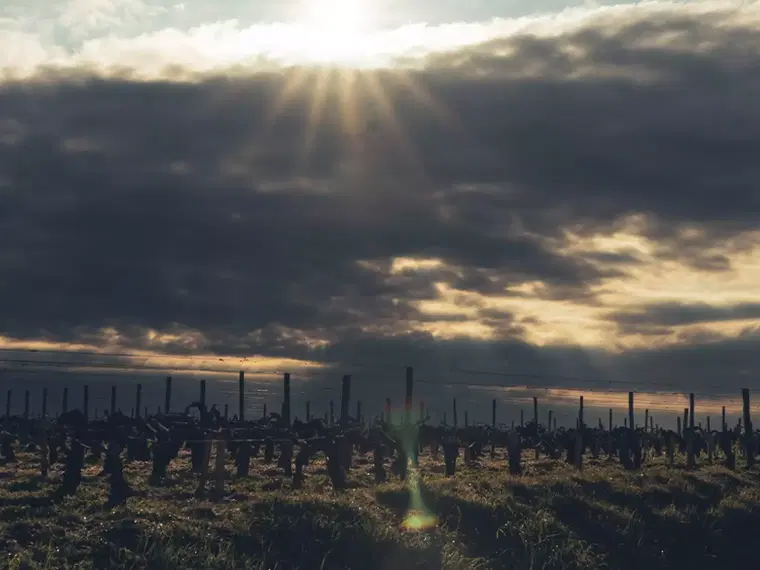
Domaines Barons de Rothschild (Lafite) represents one of Bordeaux's most closely watched names in the Premier Grand Cru conversation. Located on the Cours du Médoc, the operation spans estates across Pauillac and beyond, with a production philosophy that has shaped how collectors and critics read left-bank Cabernet for generations.
Vatan, France
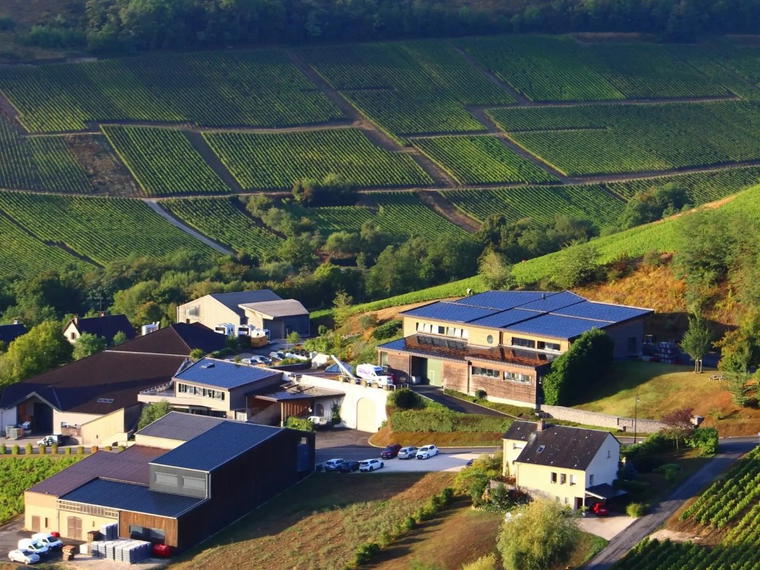
Edmond Vatan is a small domaine in Chavignol, within the Sancerre appellation, producing Sauvignon Blanc from some of the Loire Valley's most storied Kimmeridgian clay-limestone soils. For those tracking serious Loire white wine, this address in the Cher department carries significant weight.
Napa, United States
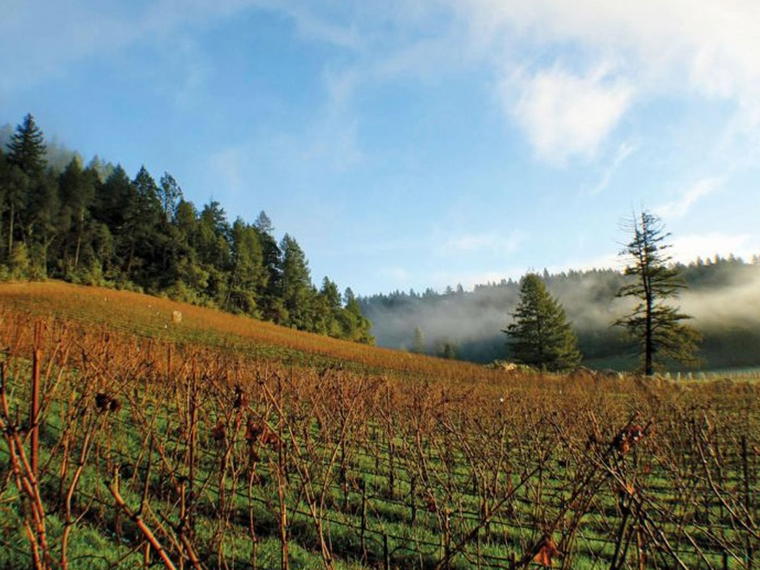
Hundred Acre is a St. Helena winery producing small-lot Cabernet Sauvignon from meticulously farmed individual vineyard sites. The winery's approach to single-vineyard expression and low-intervention farming has made it a reference point in the valley's premium Cabernet conversation.
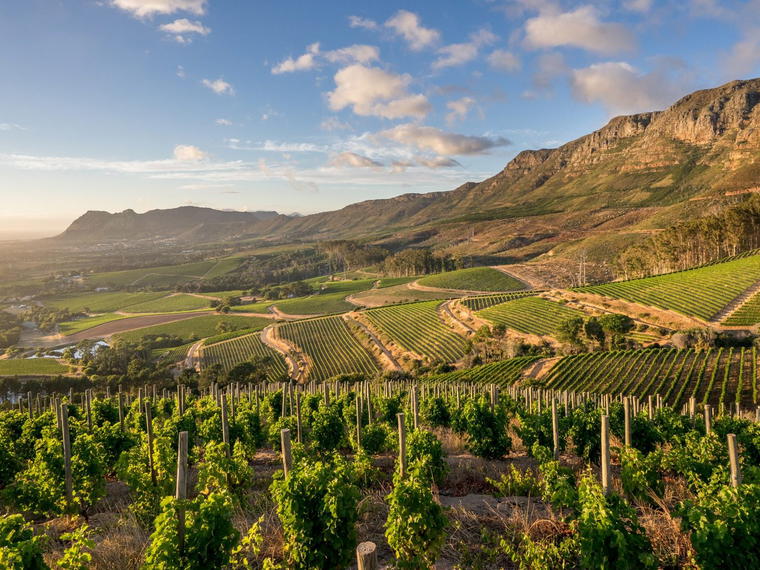
Cape Town, South Africa
Klein Constantia sits at the historic heart of Cape Town's Constantia Valley, carrying a winemaking lineage that reaches back centuries. The Constantia hills, framed by Table Mountain and distant ocean views, provide the geographical and cultural context that makes this address distinct among South African wine destinations.
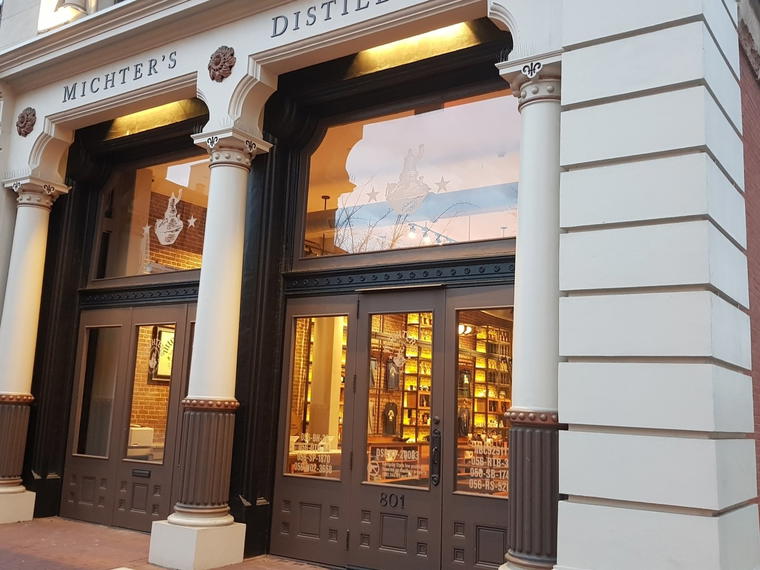
Louisville, United States
Michter's at 801 W Main St sits among Louisville's most recognised whiskey addresses. The distillery occupies a position at the upper end of the city's bourbon tourism tier, where production heritage and allocated releases set the competitive terms. Plan visits with lead time; demand at this level of recognition rarely leaves walk-in capacity.
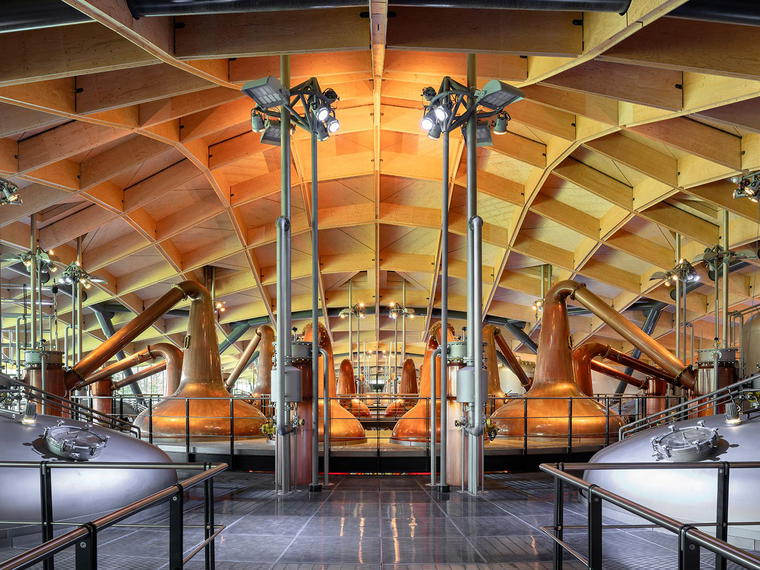
Aberlour, United Kingdom
On the banks of the River Spey in Aberlour, The Macallan operates at the upper tier of Scottish whisky distillery experiences. The Easter Elchies estate pairs architectural ambition with tasting formats that position it among the more seriously structured visitor programmes in Speyside. For those planning a distillery circuit through the region, it anchors the itinerary.
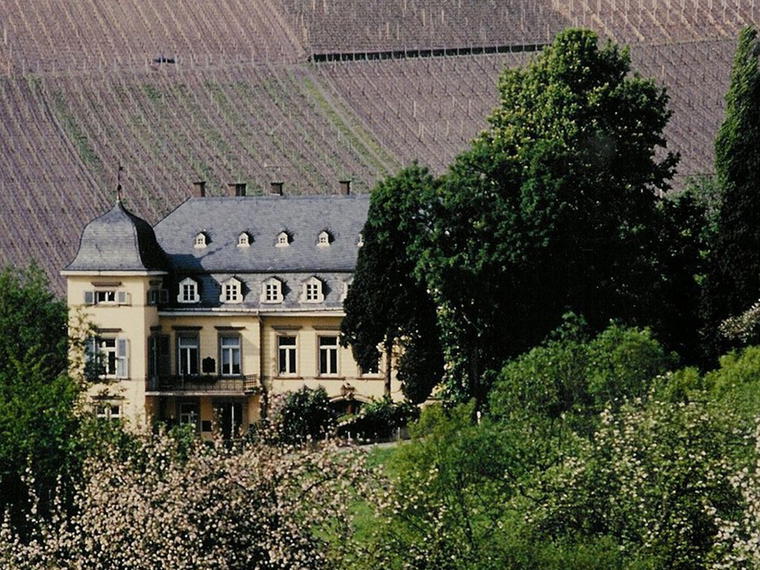
Wiltingen, Germany
Weingut Egon Müller belongs to the Saar's restrained, terroir-led Riesling tradition, where acidity, slate, slope exposure, and residual sugar matter more than cellar theatre. In Wiltingen, it sits inside a small but serious wine circuit, with Weingut Van Volxem offering the useful local counterpoint for readers mapping the village through Riesling rather than restaurant-style hospitality.
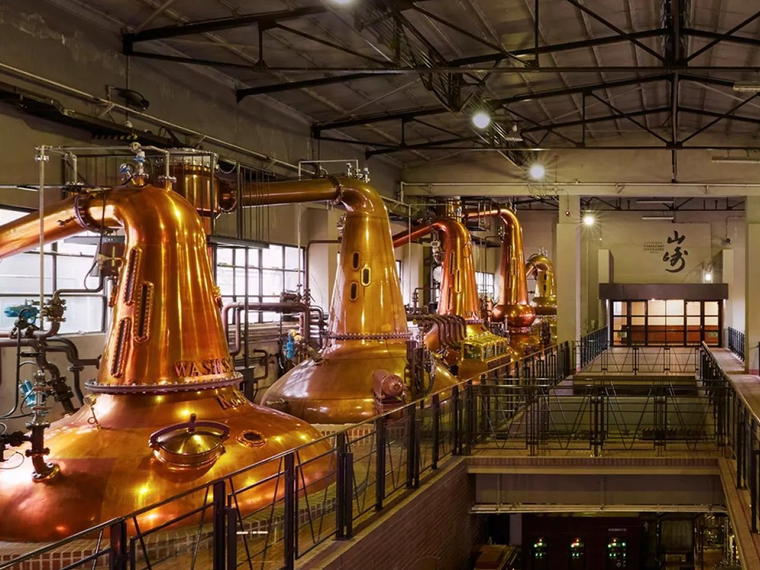
Shimamoto, Japan
Suntory's original distillery at Shimamoto, Osaka, sits at the confluence of the Katsura and Uji rivers, where the misty valley climate shaped what became Japan's most decorated whisky address.
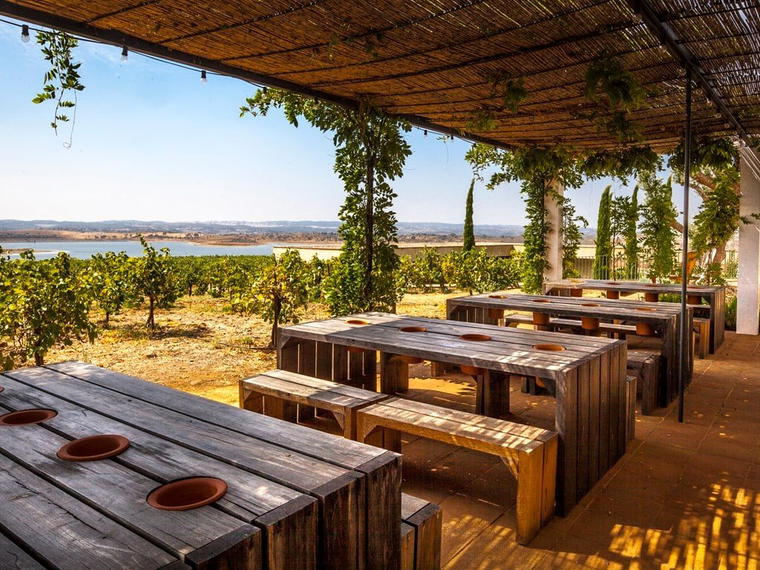
Reguengos de Monsaraz, Portugal
Herdade do Esporão sits in the Alentejo plains outside Reguengos de Monsaraz, where organic viticulture and a landscape of schist and granite shape wines that read as direct expressions of the region.
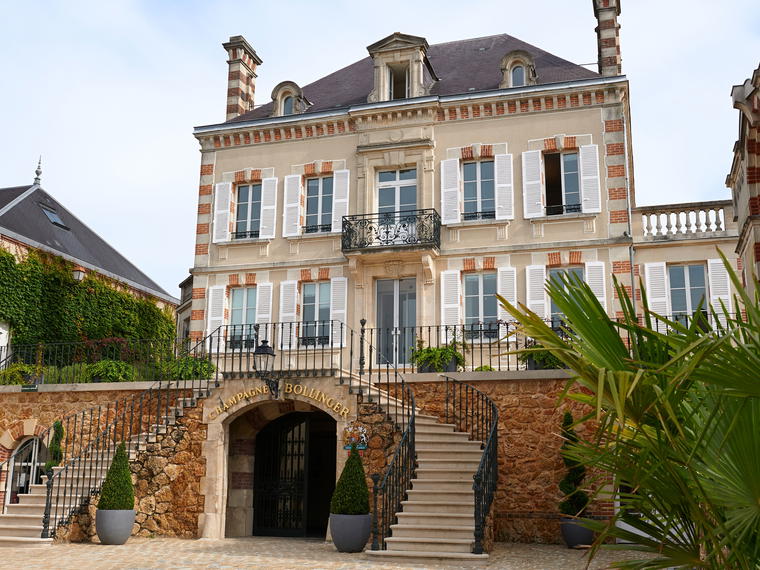
Aÿ, France
Founded in Aÿ in 1829, Bollinger places Pinot Noir at the centre of its Champagne range. Its PN editions focus on a selected cru and base vintage; the house also offers bookable cellar tours and tastings through 1829.
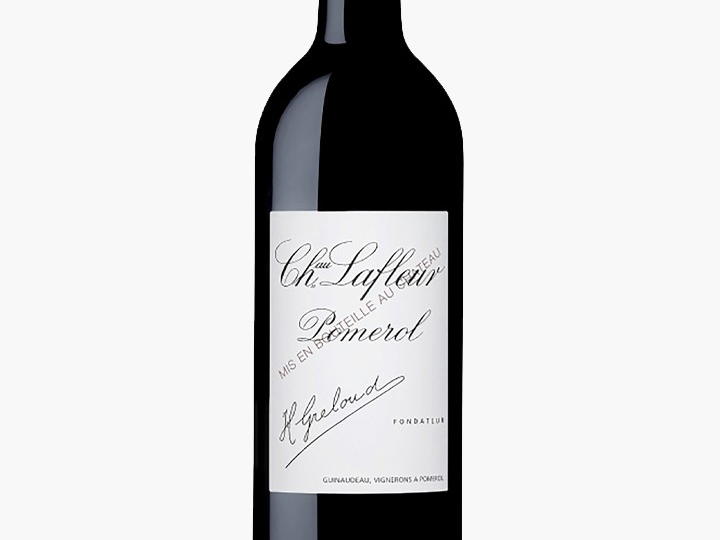
Pomerol, France
Château Lafleur sits at the upper tier of Pomerol's tightly held estates, where a two-hectare footprint and an annual production measured in thousands rather than tens of thousands of bottles defines the competitive set.
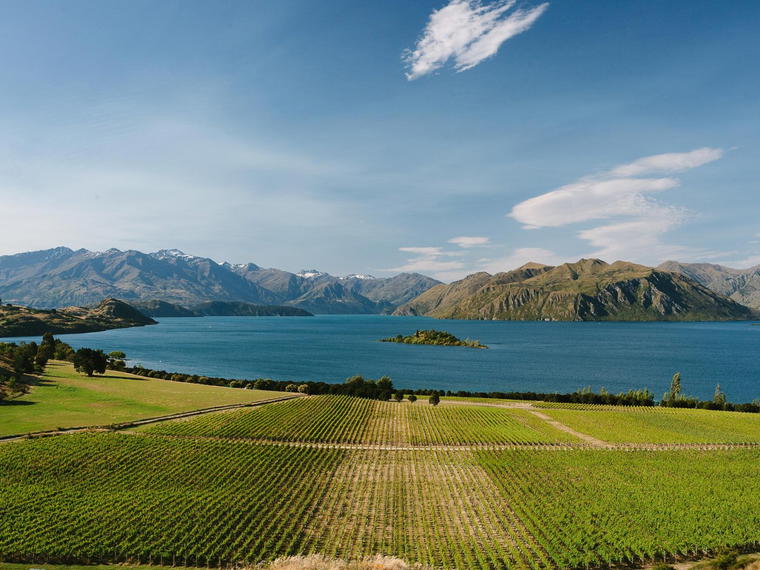
Wānaka, New Zealand
Rippon Vineyard sits on the western shore of Lake Wānaka, where schist soils and high-altitude cold nights define some of Central Otago's most site-specific wines. The setting alone draws visitors, but the wine keeps them paying attention.
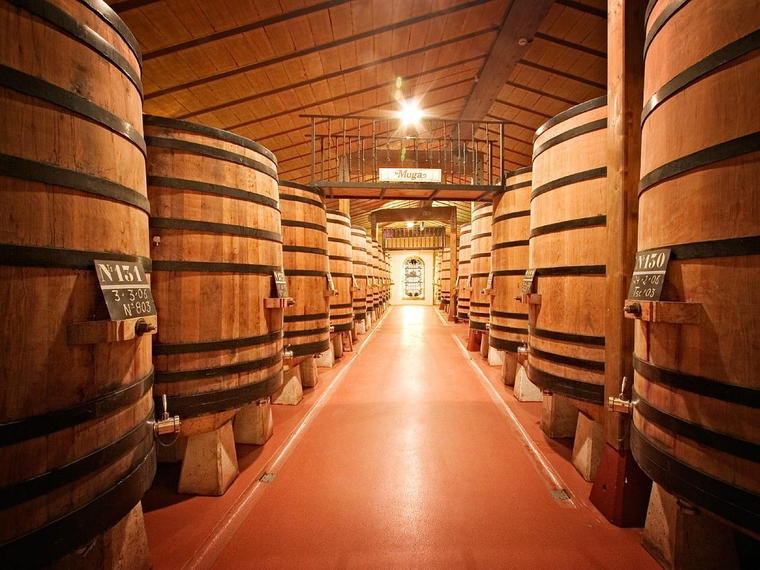
Haro, Spain
Founded in 1932 in Haro, the historic capital of Rioja Alta, Bodegas Muga has maintained continuous family ownership through four generations while holding to traditional winemaking methods that define the region's heritage style.
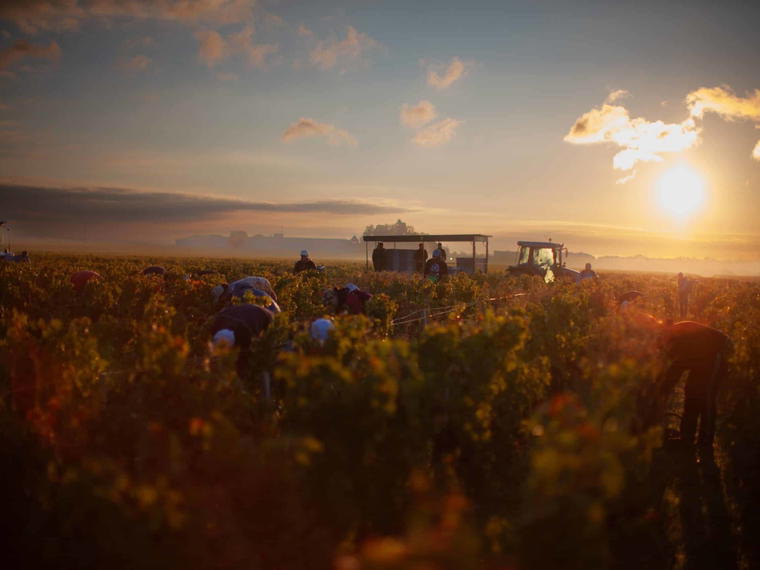
Saint-Estèphe, France
Château Cos d'Estournel has produced Saint-Estèphe Cabernet since 1811, operating at the upper tier of the Médoc's Second Growth classification.
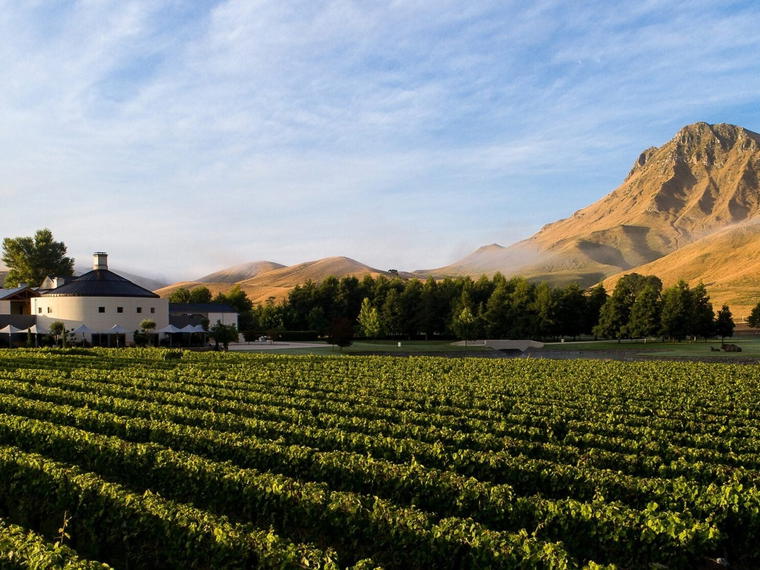
Hastings, New Zealand
The River Lodges offer cottage-style stays within the vineyard itself, placing guests directly inside one of New Zealand's most geologically expressive wine regions. It is a rare combination of serious viticulture and unhurried rural retreat.
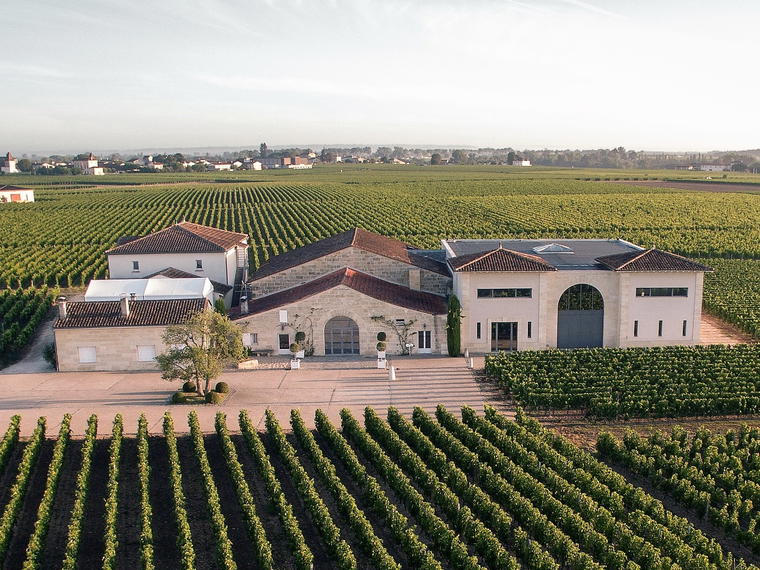
Pomerol, France
Château La Conseillante is a small Pomerol estate shaped by grey clay, sandy gravel and red clay subsoil, with a Merlot-led profile and Cabernet Franc playing a defining role. Its appeal is less about spectacle than precision: a historic vineyard identity, private tasting format, and a Grand Vin built around Right Bank restraint.
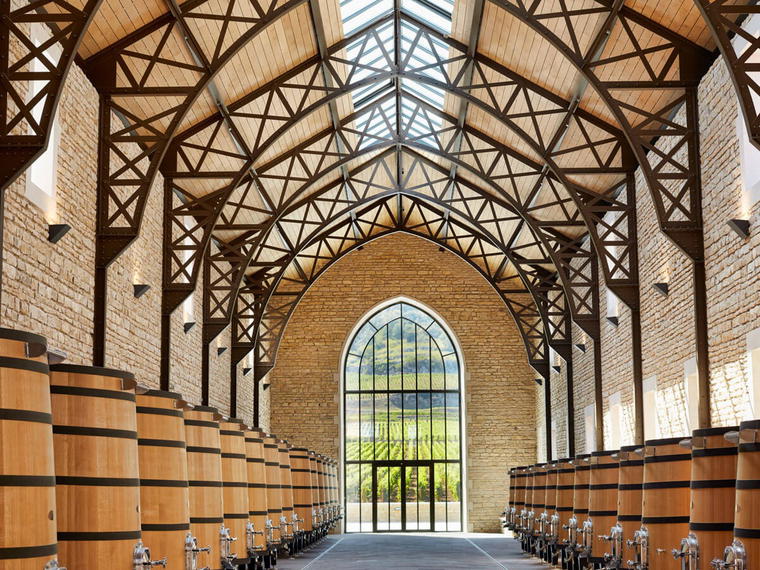
Nuits-Saint-Georges, France
Domaine Faiveley belongs to Burgundy's old-estate category: founded with a first vintage in 1825, now run by the seventh generation, Erwan and Eve Faiveley. In Nuits-Saint-Georges, its relevance comes from scale, continuity, and location inside the UNESCO-recognised Climats of Burgundy, where vineyard parcels and stone boundaries define how terroir is read in the glass.
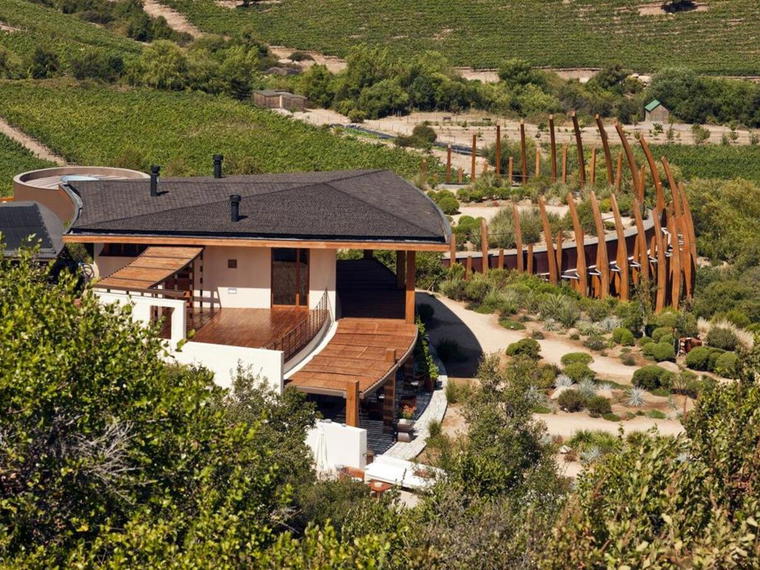
Santa Cruz, Chile
Clos Apalta is a gravitational winery in Chile's Colchagua Valley where architectural drama meets Old World restraint. Wooden staves emerge from native forest-covered hillside in a structure that functions as both winery and landscape feature.