Skip to Main Content

UpcomingDrink over $25,000 of Burgundy at La Paulée New York

← Collection
WinemakerRodolphe Péters
RegionLe Mesnil-sur-Oger, France
First Vintage1946
Pearl

Pierre Peters has produced Blanc de Blancs Champagne from Le Mesnil-sur-Oger's grand cru chalk since its first vintage in 1946, with winemaker Rodolphe Péters continuing a multi-generation family tradition. The domaine earned EP Club's Pearl 4 Star Prestige rating in 2025, placing it among the Côte des Blancs' most respected grower-producer addresses. For those tracing Chardonnay-driven Champagne at village level, this is the reference point on the Le Mesnil-sur-Oger map.

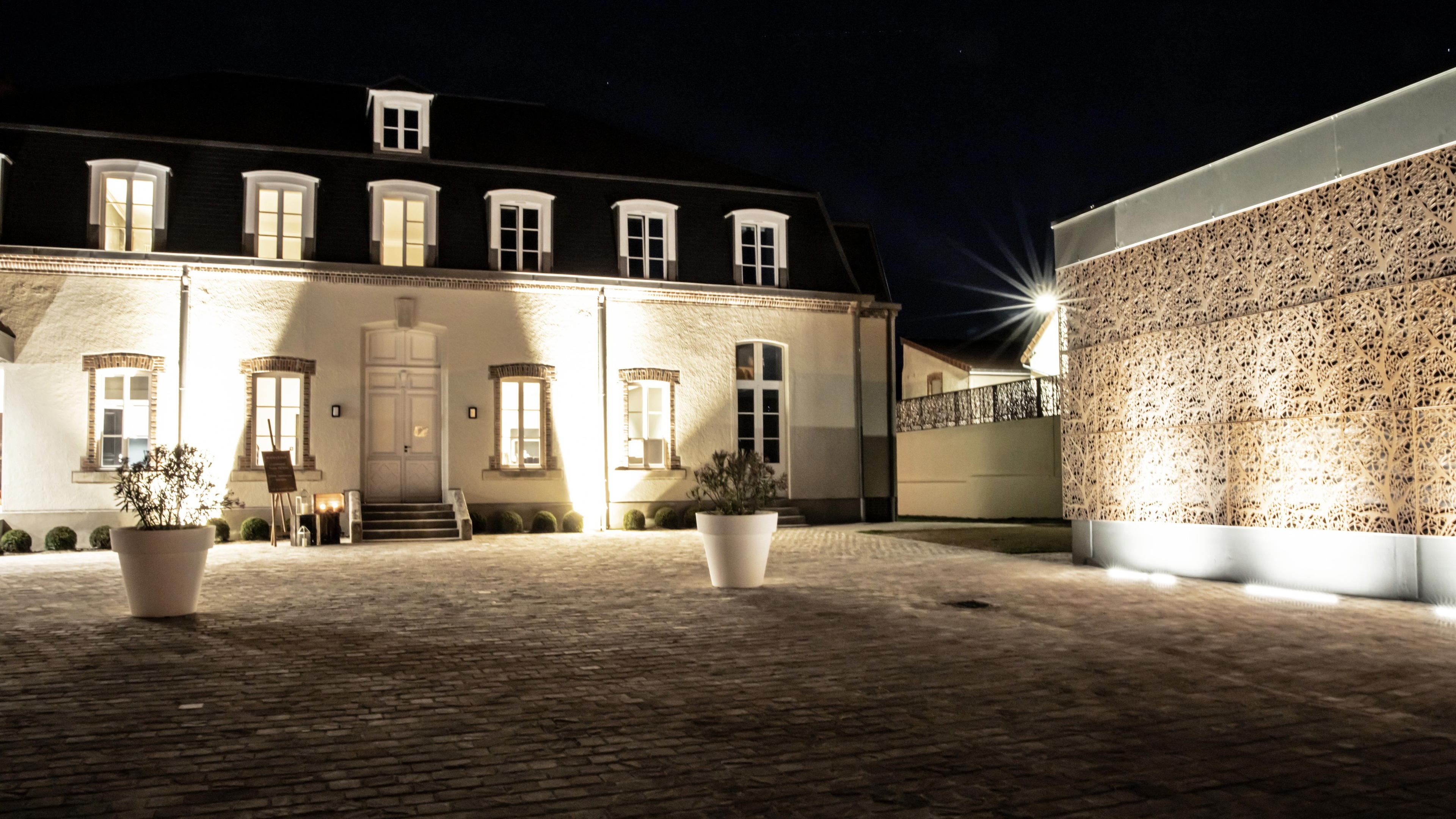
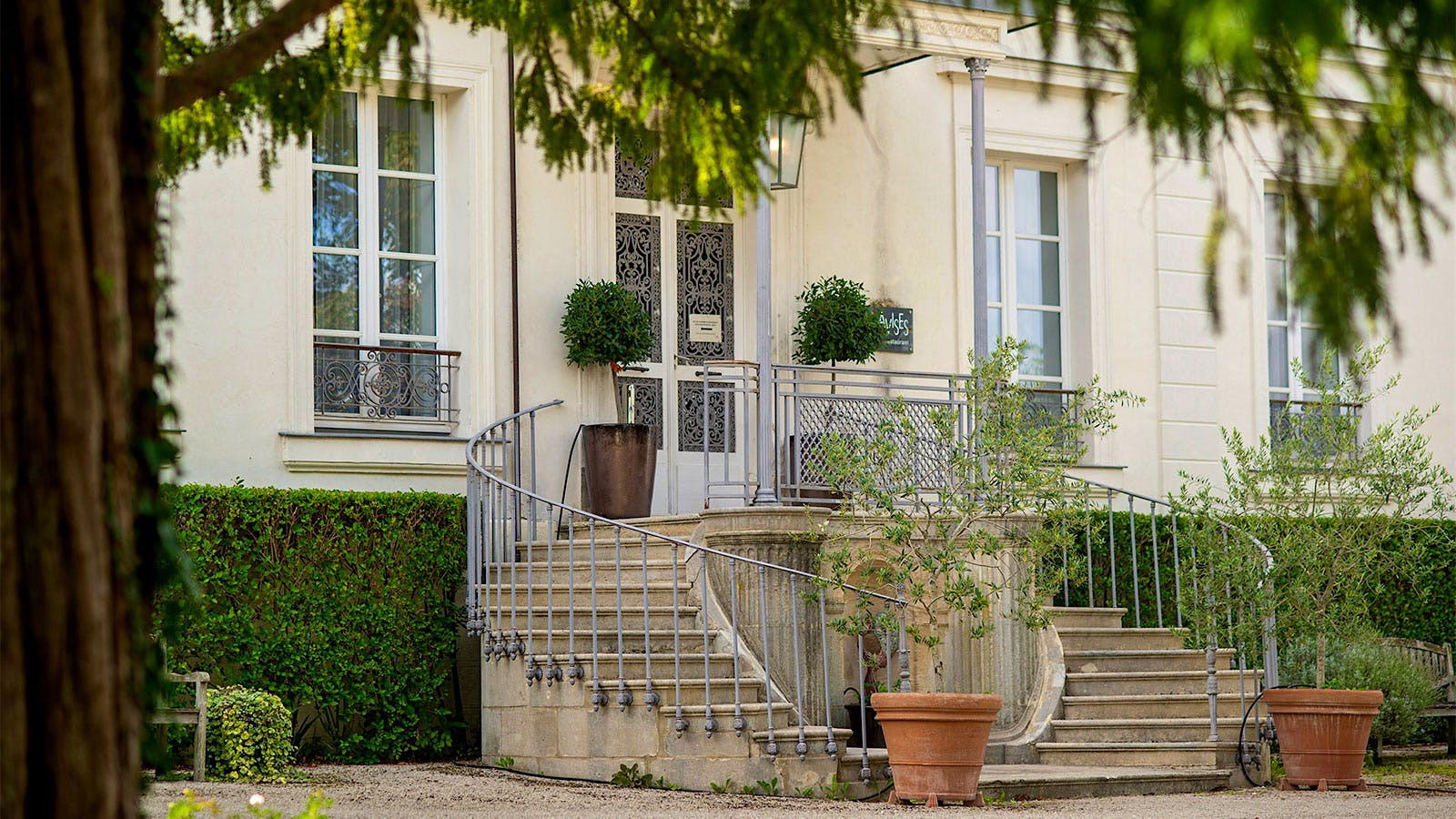
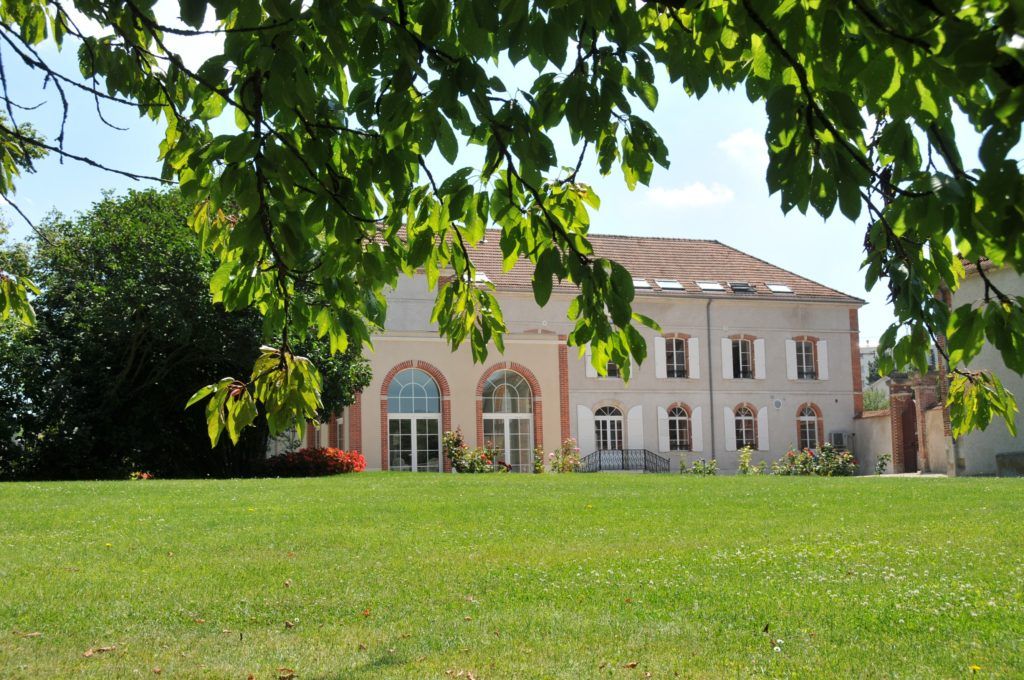
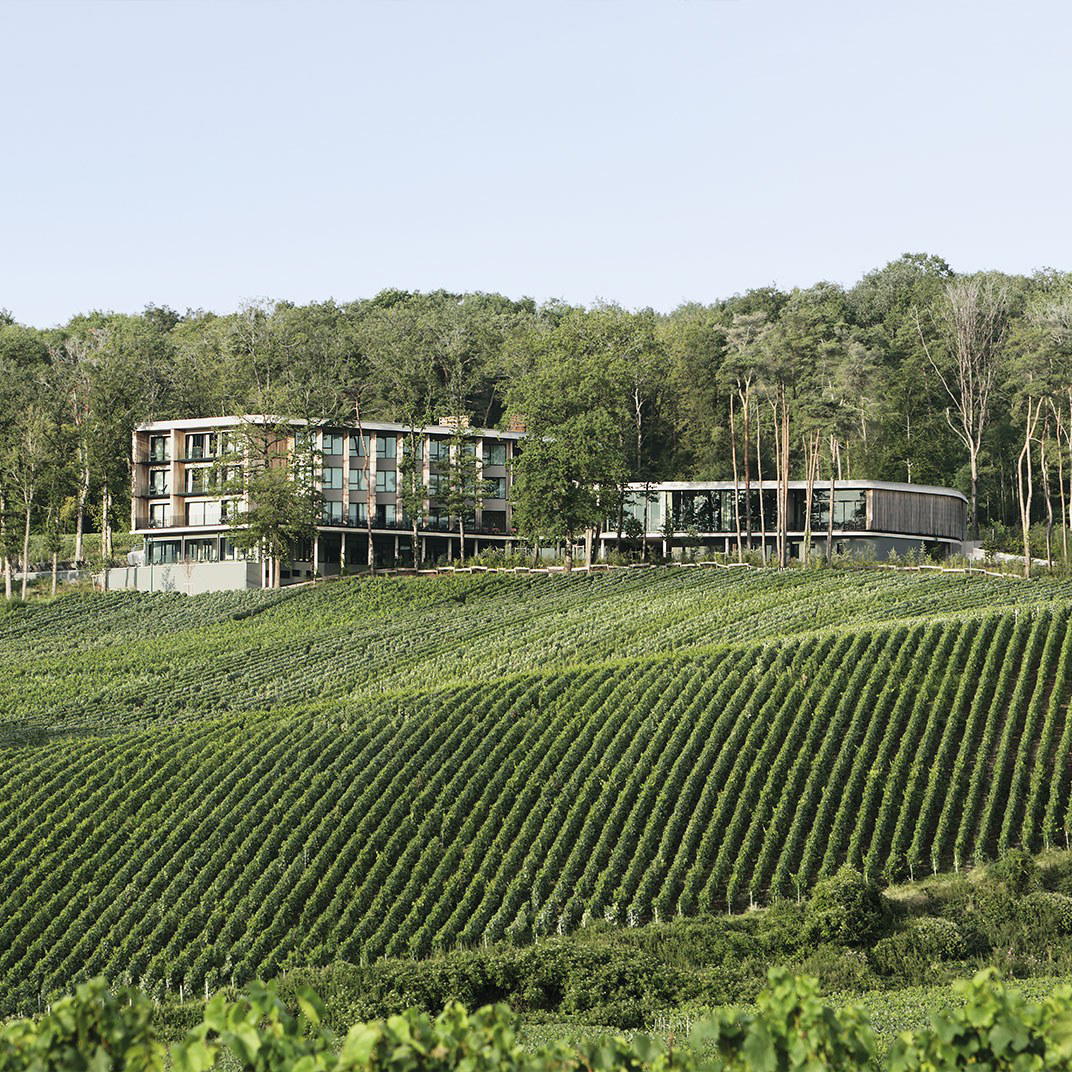
Pierre Peters winery in Le Mesnil-sur-Oger, France
About

Chalk, Stillness, and the Logic of Le Mesnil

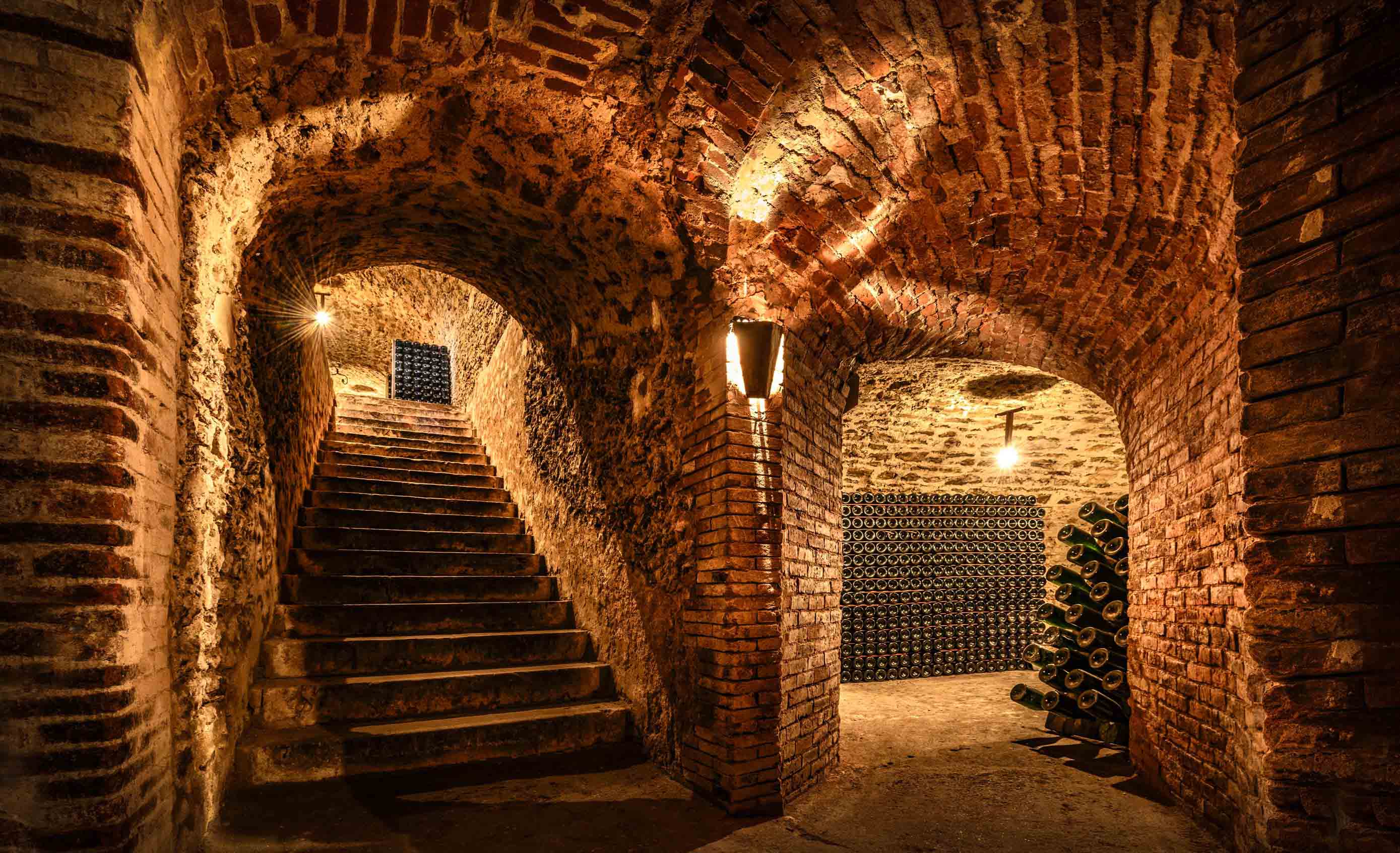
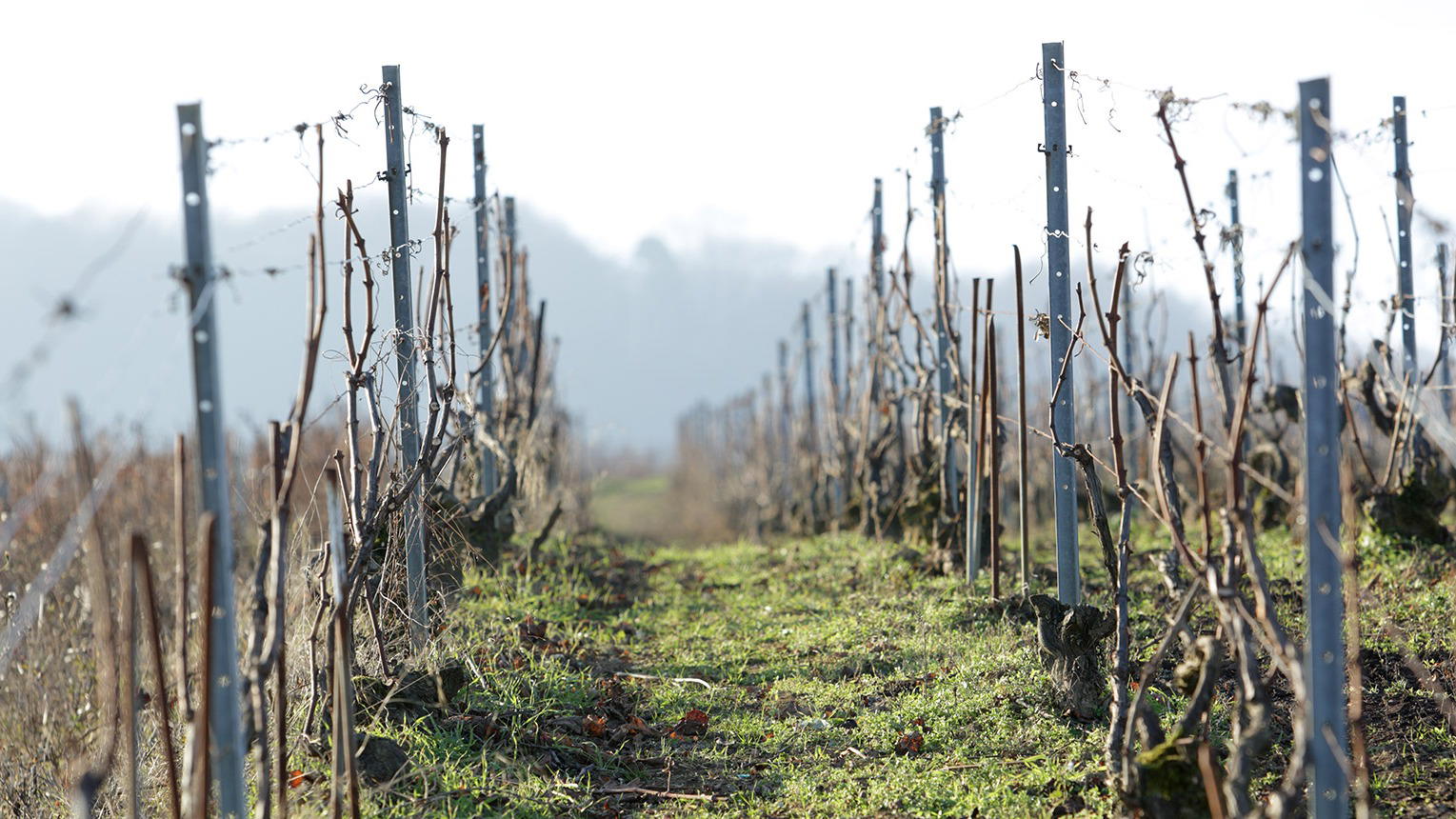
The village of Le Mesnil-sur-Oger does not announce itself. The road in from Vertus passes through unbroken vineyard rows, and the centre itself is compact to the point of severity: a church, a few lanes, and cellars that disappear below the surface into the chalk that defines everything grown above it. Pierre Peters sits on Rue de l'Église at the quiet heart of that arrangement. There is nothing theatrical about the approach, and that restraint is, in its own way, a statement of position. In a region where marketing budgets often dwarf vine age, grower houses in Le Mesnil tend to let the terroir carry the argument.

Le Mesnil-sur-Oger is one of Champagne's seventeen grand cru villages, and among Blanc de Blancs producers specifically, it operates as a gravitational centre. The chalk here runs deep and the drainage is severe, producing Chardonnay with a mineral density and acidity structure that differentiates the village from neighbouring grand crus such as Cramant or Avize. Visiting any of the serious producers in the village makes that distinction concrete in a way that no tasting note fully conveys. Pierre Peters, with a first vintage dated to 1946 and EP Club's Pearl 4 Star Prestige rating earned in 2025, is among the addresses where that argument is made most directly. For context on how this part of the Côte des Blancs positions itself within the broader appellation, see our full Le Mesnil-sur-Oger wineries guide.

The Tasting Room and What Visiting Here Actually Involves

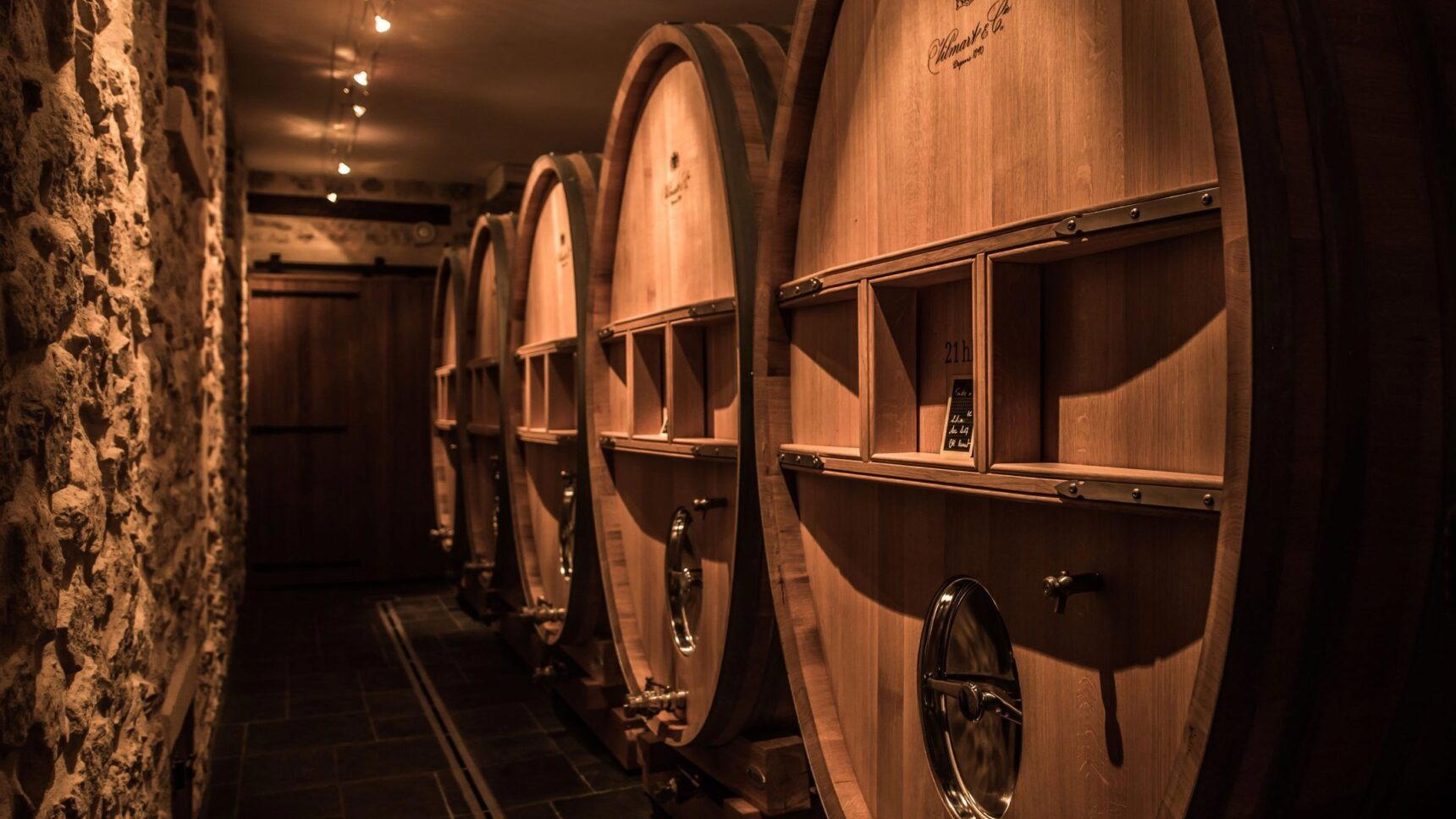
Grower Champagne tastings in the Côte des Blancs operate on a different register than the grand maison experiences associated with Reims or Épernay. There is no grand salon, no coordinated hospitality theatre. At domaines at this level, the format tends toward a direct conversation with someone close to production, held in a space that serves the winery first and visitors second. That informality is not a limitation. It concentrates attention on what is in the glass and, in cellars where chalk walls carry ambient cold year-round, on the physical conditions that shape what ends up there.

At Pierre Peters, winemaker Rodolphe Péters represents the generation currently steering a house that has been accumulating vineyard knowledge since the mid-twentieth century. That continuity matters in a village like Le Mesnil, where plot ownership, vine age, and cellar practice interact over decades rather than years. The domaine's 2025 Pearl 4 Star Prestige designation from EP Club places it in a tier of grower houses that can be meaningfully compared with other estate-focused Champagne addresses in the Côte des Blancs, including Champagne Salon and Delamotte, both of which also draw from Le Mesnil-sur-Oger fruit and share the village's Chardonnay orientation.

The visit format at estate-level producers in this part of Champagne typically rewards those who arrive with some baseline familiarity. Understanding what separates a Blanc de Blancs from a multi-varietal cuvée, or why vintage declarations differ between houses in the same grand cru, opens up the conversation considerably. Those coming from the Still Wine regions to the south, whether from Alsace estates like Albert Boxler in Niedermorschwihr or the Left Bank châteaux circuits that include addresses like Château Batailley in Pauillac or Château Boyd-Cantenac in Cantenac, will notice immediately how different the logic of a Champagne cellar visit is. The sparkling format, the disgorgement question, the relationship between reserve wines and non-vintage blends: these become live discussions rather than background facts.

What 1946 Means in Practice

A first vintage of 1946 is not a marketing claim so much as a record of survival. The post-war years were difficult across French wine regions, and domaines that maintained quality production through that period built institutional knowledge that compounding decades of viticulture can sustain. In Le Mesnil specifically, where land values have risen to among the highest per-hectare prices in all of Champagne, the families that established themselves before the modern era of appellation prestige hold a structural advantage in terms of vine age and plot access that cannot simply be purchased into.

For comparative framing, grower Champagne houses with pre-1950 founding dates occupy a distinct position in the current market. They predate the period of intense foreign investment and consolidation that reshaped much of the appellation from the 1980s onward. Their cellars carry library stocks, their vineyards carry old-vine character, and their reputations were built incrementally rather than by marketing investment. EP Club's Pearl 4 Star Prestige rating in 2025 reflects an assessment of where Pierre Peters lands in that lineage: in the upper register of grower houses where quality credentials are earned through the bottle rather than the press release.

The Village Beyond the Cellar

Le Mesnil-sur-Oger offers limited infrastructure beyond viticulture, which is part of its character. Accommodation options in the village itself are sparse; most visitors base themselves in Épernay and make the drive south into the Côte des Blancs as a half-day or full-day itinerary. The routes through the vineyards between villages are navigable by bicycle for those willing to engage with the terrain, and the visual experience of the chalk vineyards in morning light or at harvest, typically late September into October, is worth timing a visit around. For planning accommodation in the village itself, see our full Le Mesnil-sur-Oger hotels guide, and for additional dining and bar options in the area, both our Le Mesnil-sur-Oger restaurants guide and our bars guide cover what the village and immediate surrounds have available.

For those building a wider Côte des Blancs day, pairing a visit to Pierre Peters with a stop at one of the village's other recognized producers gives a useful calibration across house styles. The grand cru villages of Avize, Chouilly, and Cramant are each within a short drive, and the differences in Chardonnay character between them, perceptible in side-by-side tasting, are what make the Côte des Blancs a more complex subject than the undifferentiated Blanc de Blancs category label suggests. See our Le Mesnil-sur-Oger experiences guide for more on how to structure time in this part of the appellation.

Visitors planning producer visits across French wine regions in a single trip might also note how differently the tasting experience scales at estate-level addresses beyond Champagne. The spirit-focused operations, such as Chartreuse in Voiron or Aberlour in Aberlour, or Bordeaux right-bank estates like Château Bélair-Monange in Saint-Emilion and Château Bastor-Lamontagne in Preignac, tend toward more structured visitor programs. Le Mesnil estates like Pierre Peters operate closer to the working-farm model, where the visit reflects the production cycle rather than a curated guest itinerary. That is a feature for those who want contact with the actual winemaking process, and a limitation for those who prefer a more managed format. The Spanish estate Abadía Retuerta in Sardón de Duero represents the opposite end of that spectrum: a full hospitality infrastructure wrapped around viticulture, for comparison.

Planning a Visit

Pierre Peters is located at 9 Rue de l'Église in Le Mesnil-sur-Oger. Contact details and current booking procedures are leading confirmed directly with the domaine, as grower houses at this level typically manage appointments individually rather than through third-party booking platforms. Visiting outside the main harvest window, from November through April, often allows more time with the people responsible for production, as the winery pace shifts from field to cellar work. Spring visits coincide with the period when the previous harvest's wines are being assessed for blending decisions, which can make for a particularly engaged tasting conversation if you arrive at the right moment.

Frequently Asked Questions

What is Pierre Peters known for?

Pierre Peters is a grower Champagne house based in Le Mesnil-sur-Oger, one of Champagne's grand cru villages and a reference point for Chardonnay-driven Blanc de Blancs. The domaine has produced wine since its first vintage in 1946 and earned EP Club's Pearl 4 Star Prestige rating in 2025. Its positioning is firmly within the village's estate-producer tradition, where terroir specificity rather than volume defines the offer.

What do visitors recommend trying at Pierre Peters?

Le Mesnil-sur-Oger's reputation rests on Blanc de Blancs expression, and the range at Pierre Peters is built around that Chardonnay focus. Winemaker Rodolphe Péters oversees a portfolio that reflects the chalk-driven minerality the village is known for. The EP Club Pearl 4 Star Prestige rating in 2025 signals that the domaine's output sits at a level where both non-vintage and vintage expressions are worth the appointment. Visitors familiar with comparable producers like Champagne Salon or Delamotte will find useful calibration points.

Do they take walk-ins at Pierre Peters?

Grower houses in Le Mesnil-sur-Oger generally operate by appointment rather than open-door policy. Pierre Peters does not publish booking details online through a formal reservations system, so contacting the domaine directly in advance is the practical approach. Given the village's status as a destination for serious Champagne visitors, particularly during harvest season, advance planning is worth the effort regardless of how informal the eventual visit format turns out to be.

What is Pierre Peters a good pick for?

Pierre Peters suits visitors who want direct access to a Le Mesnil-sur-Oger grand cru estate with documented history (first vintage 1946) and a recognized quality position, reflected in the 2025 EP Club Pearl 4 Star Prestige designation. It is suited to those building a Côte des Blancs itinerary rather than those looking for a large-format visitor experience. The address is a reference for understanding how village-specific Chardonnay character develops in this part of the appellation.

How does Pierre Peters fit within the grower Champagne category more broadly?

Grower Champagne has expanded significantly as a commercial and critical category since the early 2000s, but the producers with pre-1950 founding vintages occupy a structurally different position from newer entrants. Pierre Peters, with a first vintage of 1946 and winemaking continuity through Rodolphe Péters, sits in the tier of Le Mesnil houses whose vine age and accumulated cellar reserves predate the category's mainstream recognition. The EP Club Pearl 4 Star Prestige rating in 2025 affirms that the domaine's standing within that tier remains current, not merely historical.

Collector Access

Access the Cellar?

Our members enjoy exclusive access to private tastings and priority allocations from the world's most sought-after producers.

Access the Concierge