Neive, Italy
Bruno Giacosa
Bruno Giacosa in Neive sits among the more closely watched addresses in Piedmont wine. For collectors tracing the arc of Barolo and Barbaresco, this is a foundational reference point.
Restaurants, hotels, bars and wineries in Neive from the En Primeur Club guide.
Accolades in Neive

These producers show how Neive’s wine scene is shaped by cru sites, family farming, and Nebbiolo.
Bruno Giacosa is a producer in Neive specialising in single-vineyard Barbaresco and estate Barolo. Its winemaking follows traditional Piedmontese methods, and the estate holds a Falstaff Winery listing for 2026.
A small family-run Barbaresco estate in Neive shaped around named crus rather than broad blending. Nebbiolo, Barbera, Dolcetto, and dry Brachetto are separated by parcel, vine age, and cellar treatment, giving drinkers a compact lesson in site expression across the commune.
A family-run Barbaresco estate in Serraboella with a strong vineyard-led identity. The estate works from Serraboella and Bricco di Neive, and the focus stays on Nebbiolo and the way these hills and marl soils show up in the glass, with a Falstaff Winery listing in 2026.
La Contea serves traditional multi-course Piedmontese cooking with local Barbaresco-area wines in the historic center. Distilleria Romano Levi makes grappa in Neive, while Fontanabianca produces Nebbiolo-led wines in Bordini (hamlet of Neive).
A traditional Piedmontese restaurant and locanda in Neive’s historic center, set around courtyard dining and communal tables. Its profile is regional cooking paired with local Barbaresco-area wines, with a Falstaff Winery listing in 2026.
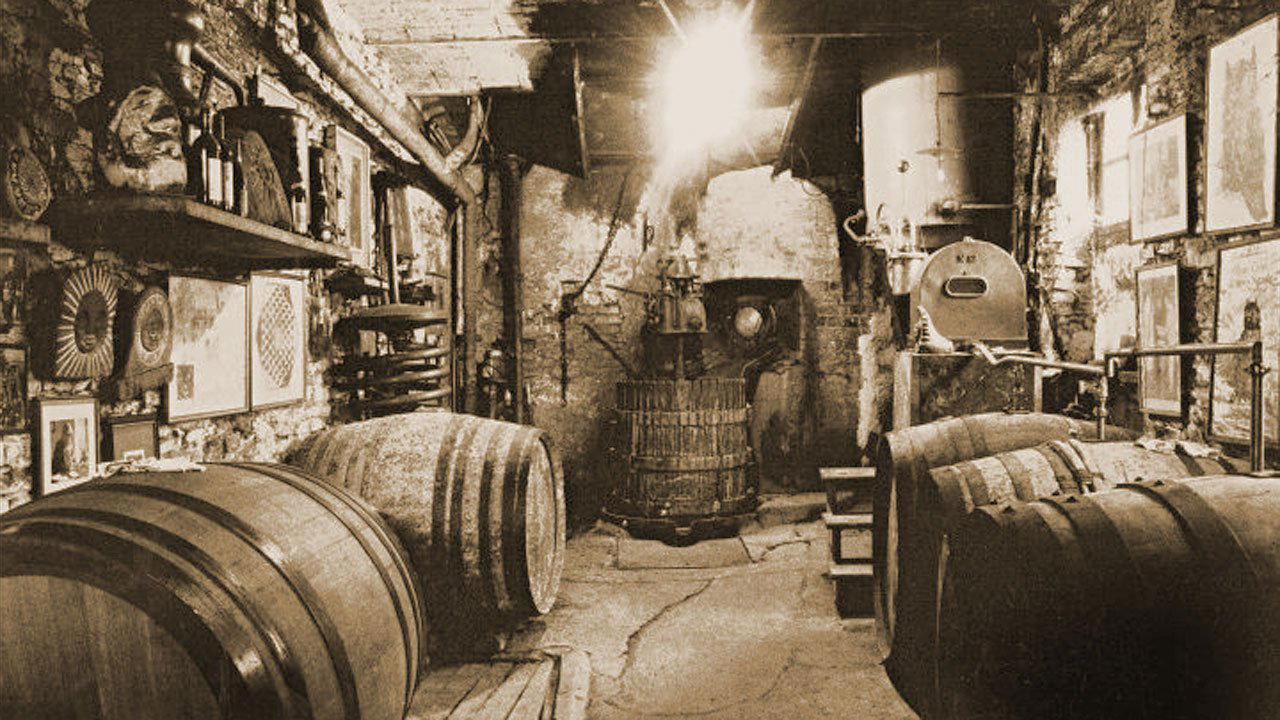
Distilleria Romano Levi produces grappa in Neive. Its museum houses a copper alembic still heated by direct fire, one of the last of its kind in Italy. The bottles carry labels applied by hand, illustrated with Romano Levi’s own depictions of the Wild Woman.
A family-run Barbaresco estate in the Bordini hamlet of Neive, with tastings in a cellar and tasting room surrounded by its own vineyards. The setting is enclosed by vines, and the cellar works with Nebbiolo-led wines and the clay-limestone slopes of the Langhe, with a Falstaff Winery listing in 2026.
Neive and Serraboella are the main centres in our guide, with 13 venues in Neive and 2 in Serraboella. The town also has individual stops in the historic center, Bricco di Neive, and the Bordini hamlet, so the scene is spread across vineyard sites as well as the village core.
Neive has no Michelin-starred restaurants in our guide. La Contea combines a traditional Piedmontese restaurant, locanda and azienda agricola in the historic center, serving multi-course regional cooking paired with local Barbaresco-area wines around courtyard dining and communal tables.
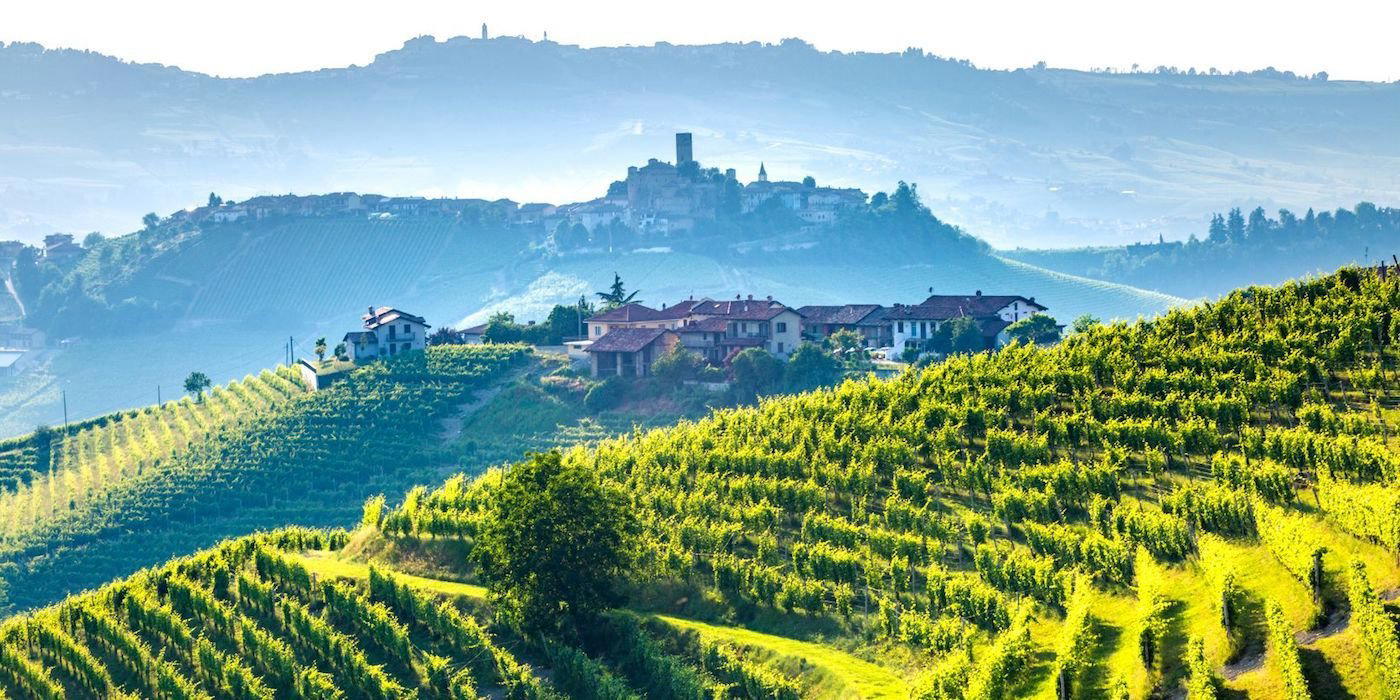
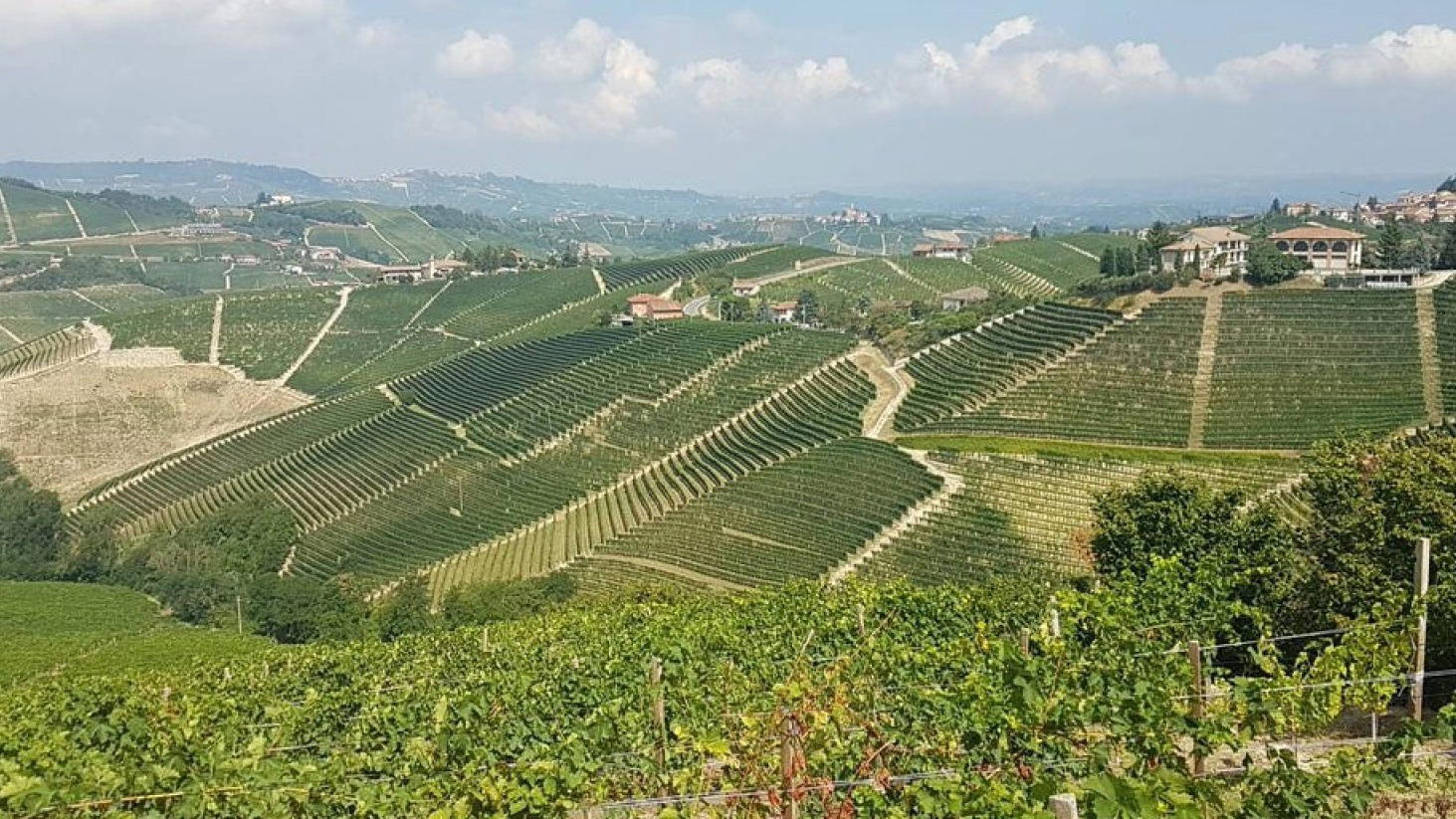
It appears across Neive, Serraboella, the historic center, and Bordini. The guide includes winery visits in the commune itself, in Serraboella, and at sites tied to the Barbaresco DOCG area and the Langhe hills, along with a distillery in Neive.
Bruno Giacosa is a legendary producer in Neive built around single-vineyard Barbaresco Santo Stefano di Neive and estate Barolos from Falletto, Asili, and Rabajà. Sottimano is a small family-run estate shaped around named crus. Azienda Agricola F.lli Cigliuti is a family-run Serraboella estate, and Fontanabianca is a family-run estate in Bordini.
By Emmett Haley · Updated October 8, 2026 · Editorial standards
Neive
Selected entries from the current guide for Neive.
No venues found.
Neive
Selected entries from the current guide for Neive.
No venues found.
Neive
Selected entries from the current guide for Neive.
No venues found.
Neive
Selected entries from the current guide for Neive.
Neive, Italy
Bruno Giacosa in Neive sits among the more closely watched addresses in Piedmont wine. For collectors tracing the arc of Barolo and Barbaresco, this is a foundational reference point.
Neive, Italy
Distilleria Romano Levi is a grappa producer in Neive, Piedmont. Operating from Via XX Settembre in the Langhe hills, the distillery holds a place in Italian artisan spirits culture that few producers in the region can match. Its hand-labelled bottles have become reference points for collectors and spirits historians across Italy.
Neive, Italy
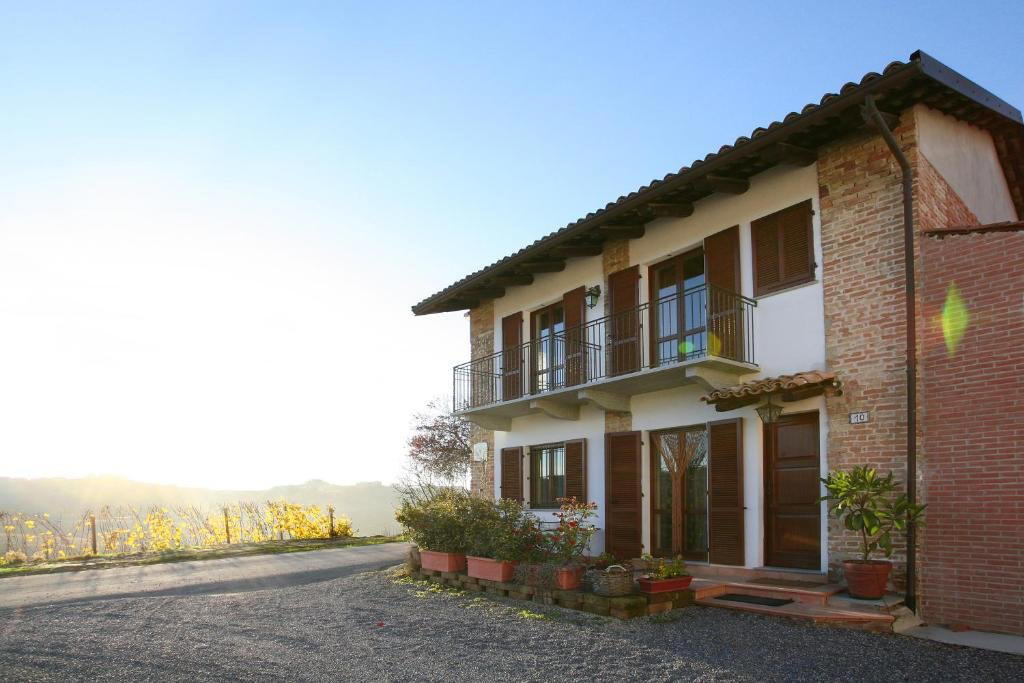
Antichi Poderi dei Gallina is a family-run Langhe winery and agriturismo in Neive, tied to the Gallina vineyard identity and the Barbaresco zone. Its appeal is terroir-led rather than spectacle-led: Nebbiolo, Moscato Bianco, Arneis, Barbera, Dolcetto, Grignolino and Chardonnay frame a broad Piedmontese portfolio with a small-estate feel.
Neive, Italy
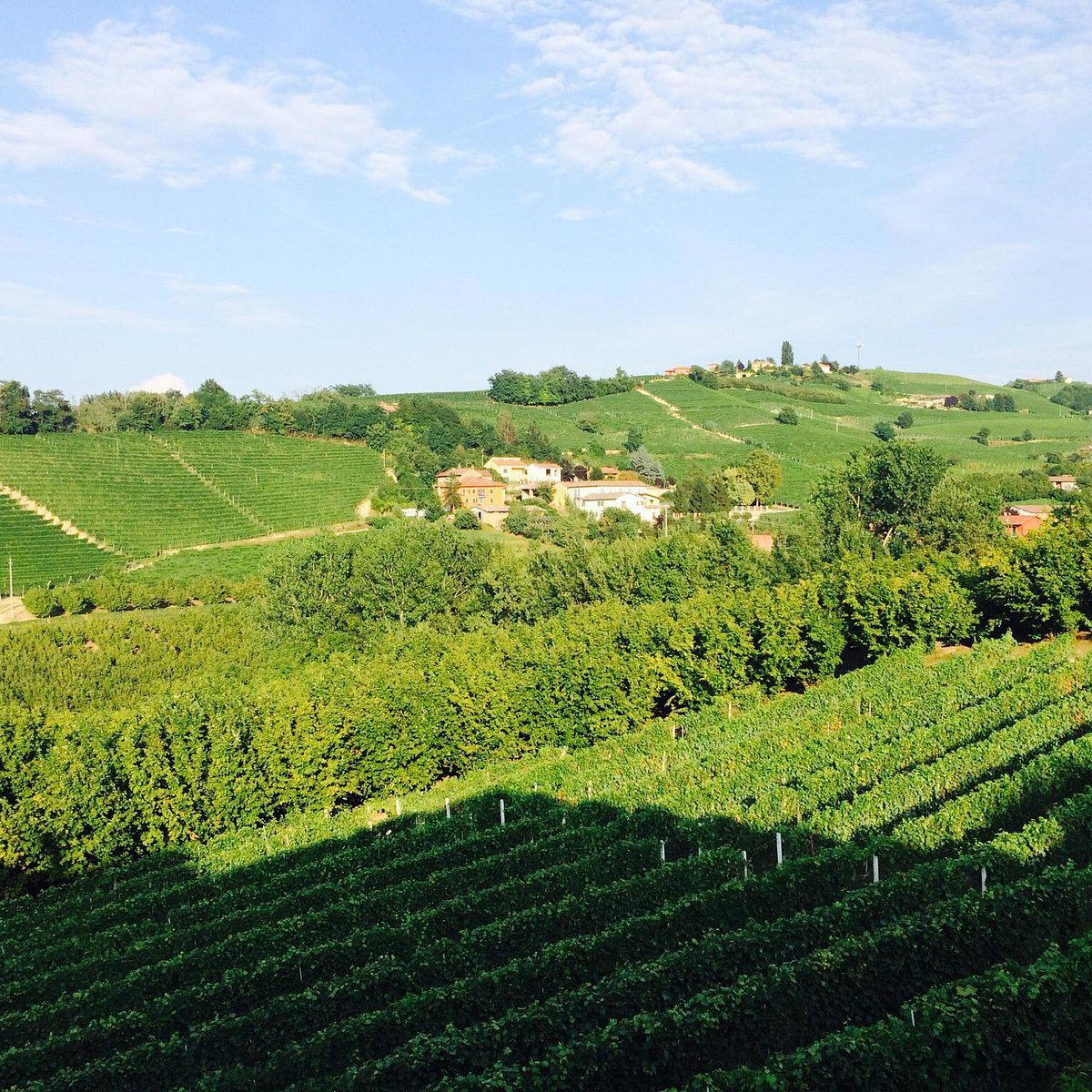
A small family-run Barbaresco estate in Neive, Azienda Agricola F.lli Cigliuti belongs to the quieter side of Langhe wine travel: vineyard-led, reservation-based, and focused on Nebbiolo rather than hospitality theatre. Its Serraboella and Bricco di Neive holdings make the visit useful for drinkers who want to understand how Barbaresco’s hills, marl soils, and family farming translate into the glass.
Neive, Italy
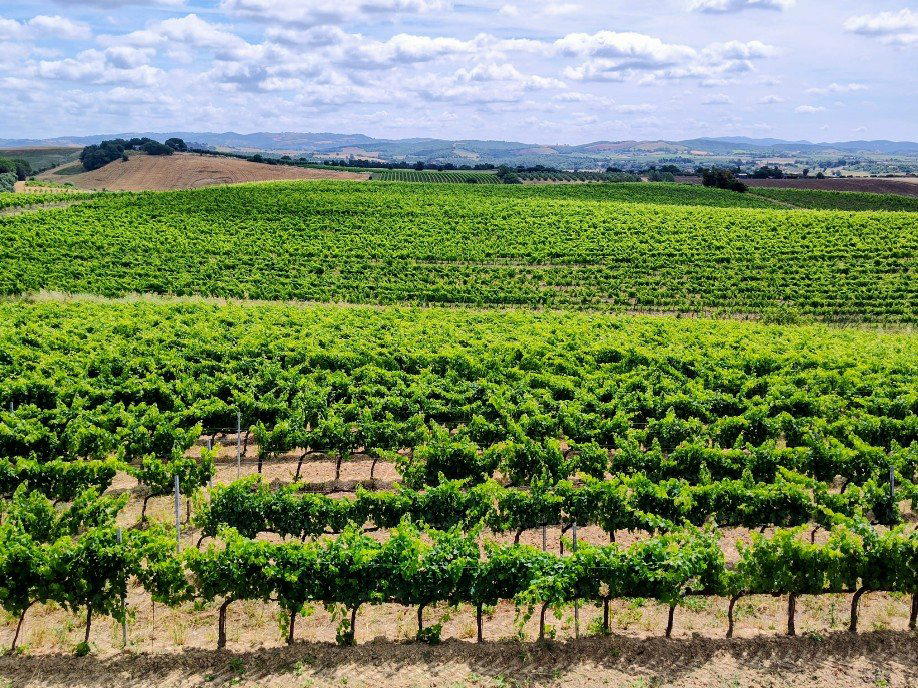
Azienda Agricola Prinsi is a small family-run estate in Neive, working within the Barbaresco DOCG tradition through Nebbiolo, Barbera, Dolcetto and Sauvignon Blanc. The draw is terroir rather than spectacle: 13 hectares of vines across a 25-hectare property, with San Cristoforo and Gallina among the key hillside sites shaping the estate’s Piedmontese register.
Neive, Italy
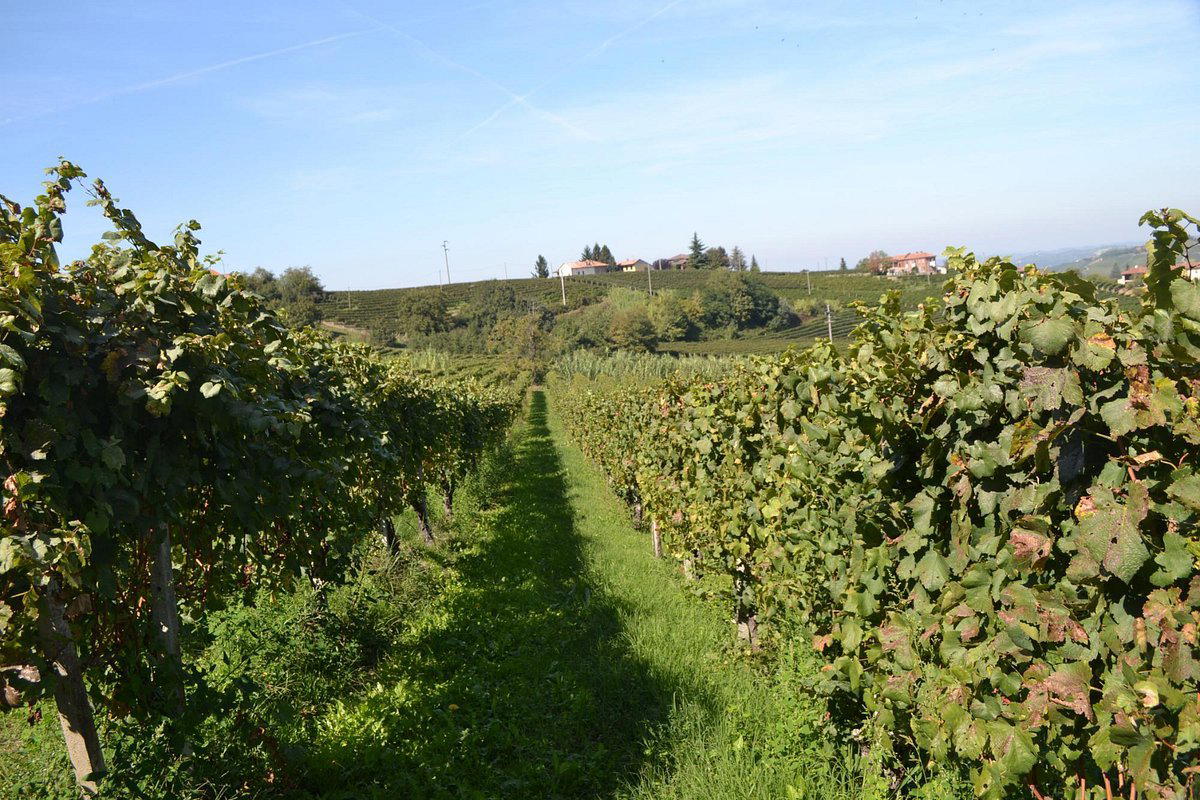
A small Barbaresco estate in Neive, Azienda Agricola Ressia is strongest when read through the Canova vineyard: steep south-facing slopes, calcareous marl and Nebbiolo handled with restraint. The appeal is not scale or spectacle, but an estate-grown view of Barbaresco DOCG shaped by Fabrizio Ressia’s 1997 shift toward focused winemaking and sustainable vineyard work.
Neive, Italy
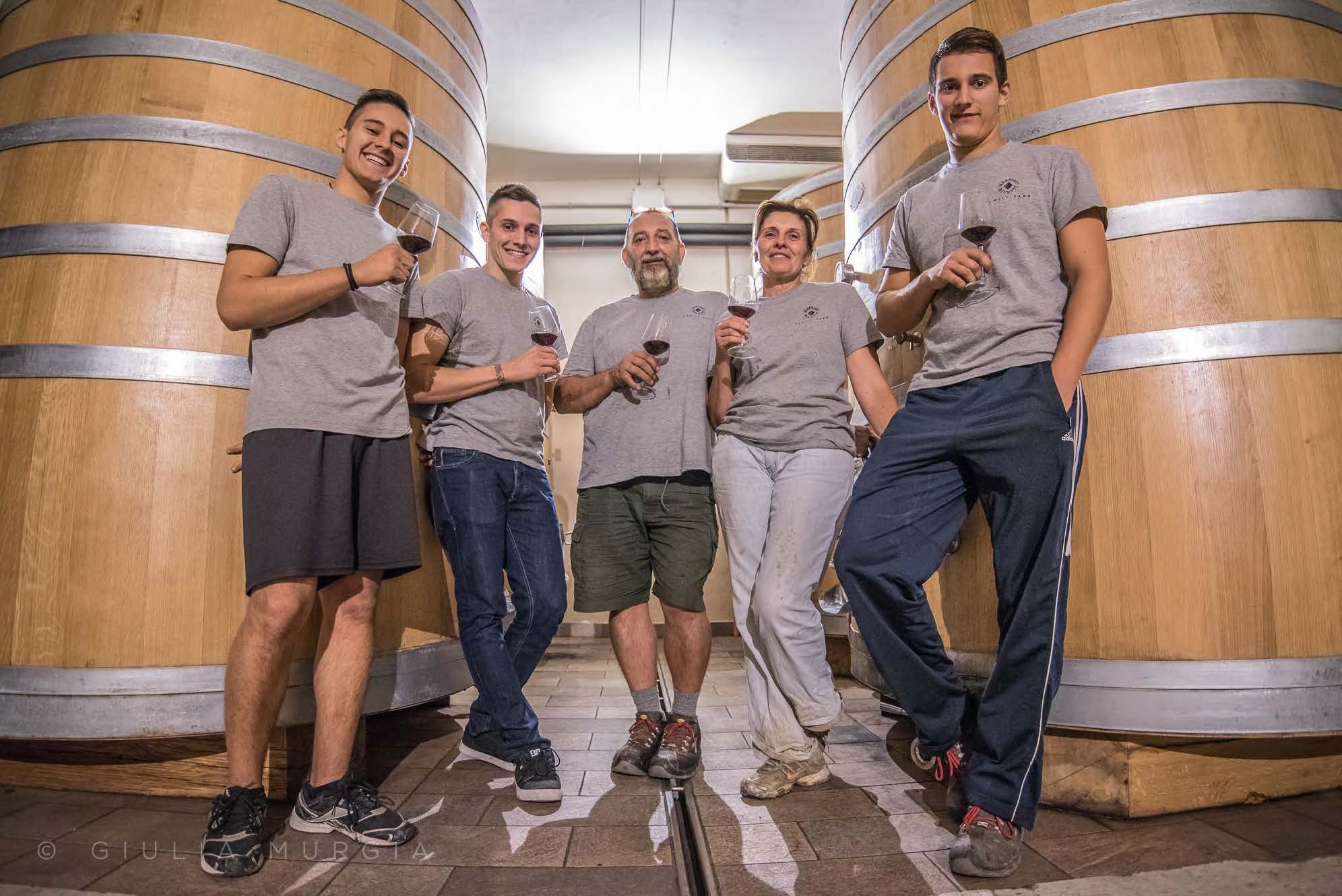
Azienda Agricola Rivetti Massimo frames Neive through Serraboella hill: organic vineyards, old vines, Barbaresco DOCG and Barbera d’Alba rather than showroom polish. The visit is built around vineyard-to-cellar context, guided tasting, and Piedmont varieties including Nebbiolo, Barbera, Moscato, Arneis and Chardonnay.
Neive, Italy
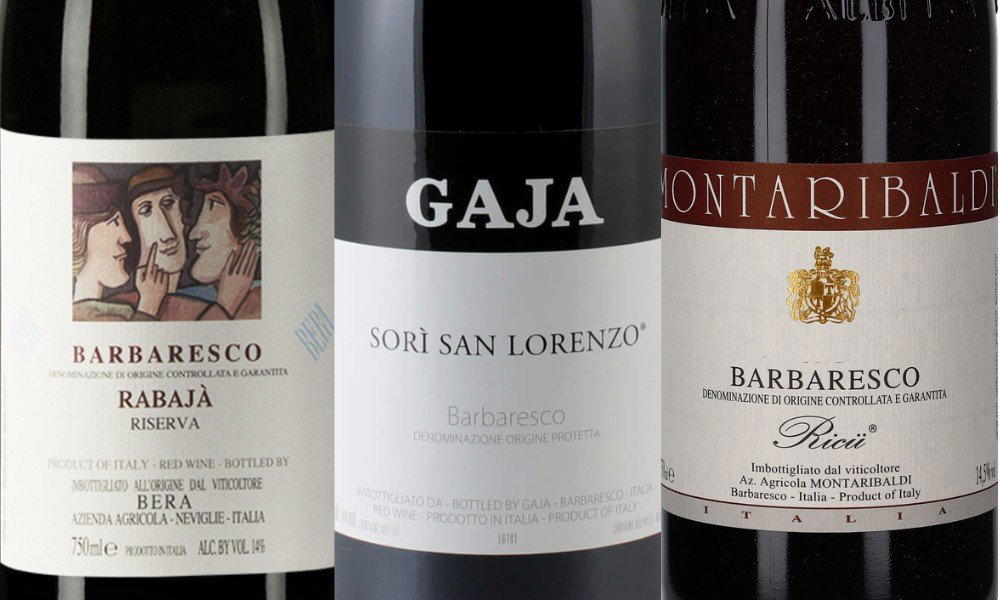
Azienda Vinicola Ugo Lequio belongs to Neive’s terroir-led Barbaresco conversation, with Gallina Hill giving the estate its spine. The focus is narrow and serious: Nebbiolo from historic vine plantings, large-cask ageing for Barbaresco Gallina DOCG, and a style that sits between contemporary precision and the older patience of Piedmontese cellar work.

Neive, Italy
Azienda vitivinicola Domenico Filippino is a small family estate in Neive, working about 10 hectares across the Serra Capelli and San Cristoforo slopes. The draw is traditional Piedmont rather than polished cellar-door theatre: Nebbiolo-led Barbaresco DOCG, Barolo, Barbera, Dolcetto, Moscato, Arneis and Cortese shaped by Langhe soils, long ageing and a quiet working-winery setting.
Neive, Italy
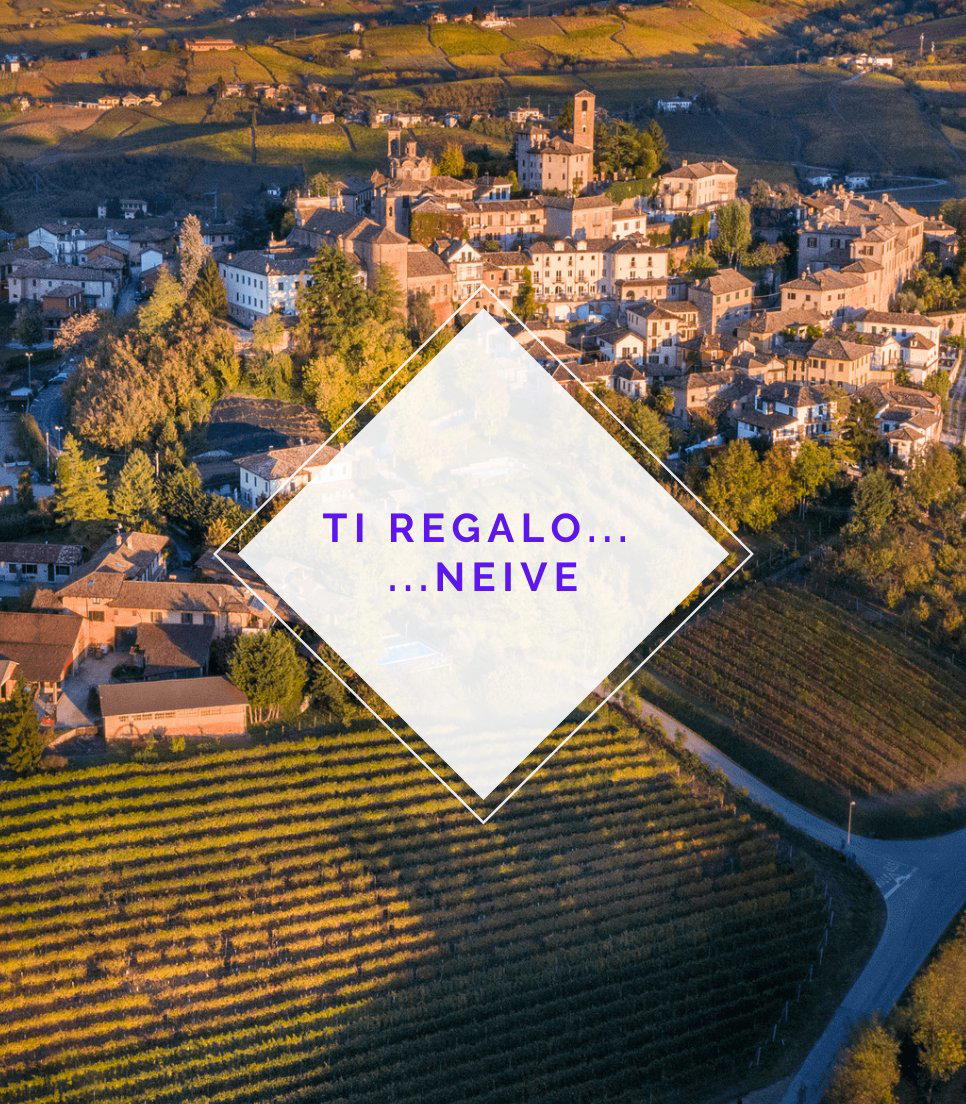
Castello di Neive gives the Barbaresco village a rare architectural lens: an 18th-century castle estate with historic cellars, courtyards and modern production spaces tied to Nebbiolo, Arneis and the Langhe’s mixed-variety tradition. The draw is terroir literacy rather than spectacle, with estate fruit, sustainable farming and a portfolio that reaches beyond red wine alone.
Neive, Italy
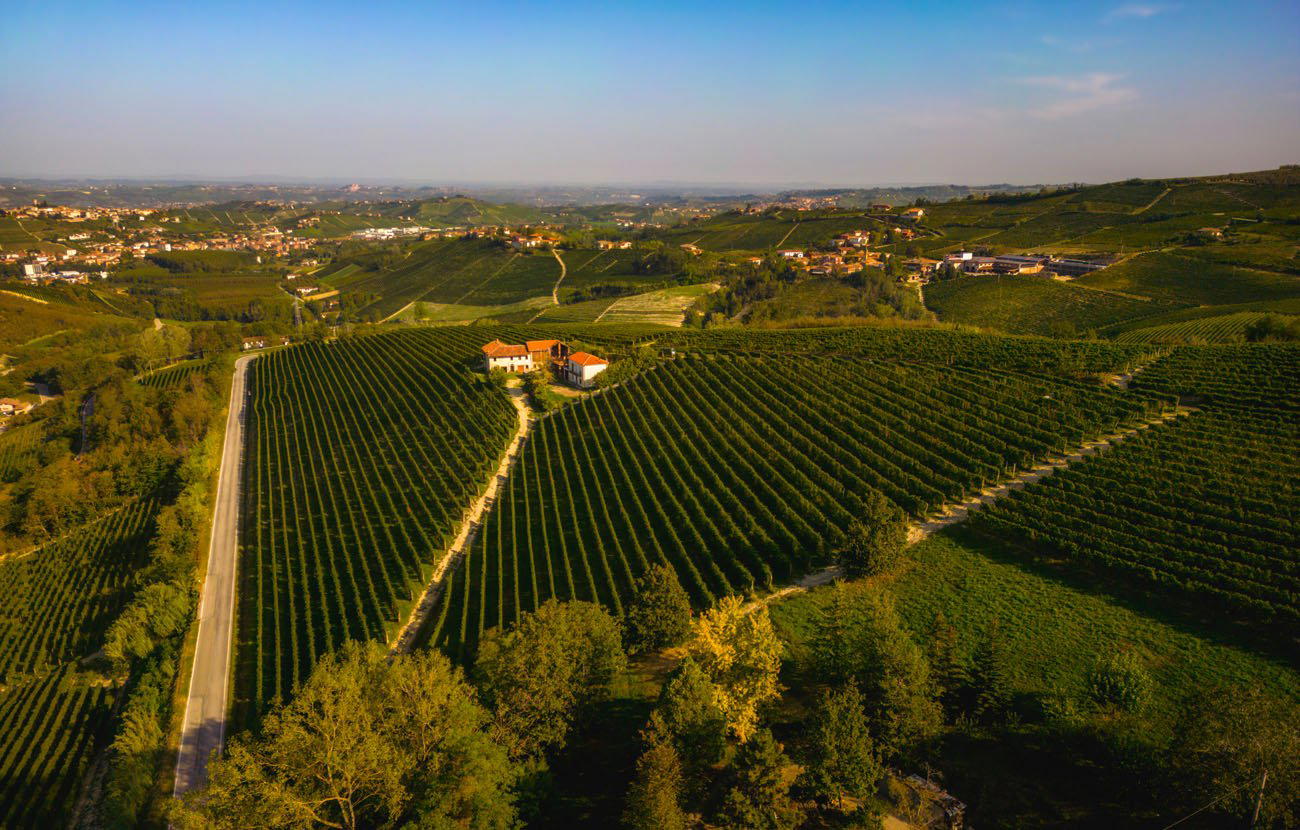
Dante Rivetti is a family-run Barbaresco estate in Neive, set around Bricco di Neive and a portfolio shaped by Nebbiolo, Barbera, Dolcetto, Moscato and Arneis. Its strongest argument is terroir: 55 hectares across Neive, Mango and Costigliole d’Asti, with single-vineyard Barbaresco bottlings that make the estate a useful stop for understanding how this corner of Piedmont speaks through wine.
Neive, Italy
Fontanabianca is a family-run Barbaresco estate in Neive, tied closely to the Bordini cru and the clay-limestone slopes of the Langhe. Its appeal is terroir rather than spectacle: Nebbiolo-led wines, a cellar that mixes stainless steel, large oak, barrique and old cement, and a tasting-room setting surrounded by vines.
Neive, Italy
Francone gives Neive’s Barbaresco culture a family-run, cellar-level reading rather than a polished tasting-room gloss. The draw is terroir made legible: Gallina vineyards, Nebbiolo-led wines, a 1964 cantina with museum-like viticulture material, and a guided format that connects Barbaresco, Arneis, Dolcetto, Moscato, Chardonnay, and traditional-method sparkling rosé to the Langhe’s UNESCO wine landscape.
Neive, Italy
Giacosa Fratelli is a fifth-generation Piedmont estate in Neive, founded in 1895 and built around named vineyard sites across Barolo, Barbaresco, Alba and the wider Langhe. Its appeal lies in the way Nebbiolo, Barbera, Dolcetto, Cortese and Arneis are mapped to specific soils, exposures and appellations, with sustainability treated as part of production rather than a side note.
Neive, Italy
La Contea is a traditional Piedmontese restaurant and locanda in Neive, shaped by courtyard dining, communal tables, and the wine culture of the Barbaresco area. Its appeal is not haute-cuisine theatre but the older rhythm of local hospitality: multi-course regional cooking, local bottles, and a setting that keeps the meal tied to the village rather than detached from it.
Neive, Italy
Paitin is a family-run Barbaresco estate in Neive, rooted in Serraboella and the Sorì Paitin parcel since 1796. The draw is terroir clarity rather than spectacle: organic farming, long macerations, large neutral botti and a small-scale cellar culture built around structured Nebbiolo from one of Barbaresco’s defining hills.
Neive, Italy
Pasquale Pelissero is a family-run Barbaresco estate in Neive, rooted in Cascina Crosa and a wine story that reaches back to 1921. The draw is not cellar theatre but a hilltop Langhe setting, eight hectares of vines, large-cask Nebbiolo, and a relaxed farmhouse style that places Barbaresco within its agricultural context.
Neive, Italy
Piero Busso is a small family-run Barbaresco estate in Neive, rooted in organic vineyard work and cru-specific Nebbiolo from sites including Gallina, Mondino, Albesani and San Stunet. The appeal is not cellar-door theatre but precision: a quiet, vineyard-led reading of Barbaresco where soil, exposure and commune character matter more than spectacle.
Neive, Italy
Poderi Elia is a small fourth-generation Barbaresco estate in Neive, rooted in family farming since 1890 and focused on Nebbiolo, Barbera, Dolcetto, Arneis and Moscato. Its strongest case is terroir: hand-tended vineyards, dry-farmed parcels, unfiltered wines and a cellar culture that favors structure over spectacle.
Neive, Italy
Punset is a hilltop organic Barbaresco estate in Neive, led by winemaker Marina Marcarino and rooted in low-intervention farming. The draw is not polished cellar-door theatre but a quiet Langhe reading of Nebbiolo, Barbera, Dolcetto and Arneis, with vineyard visits, producer tastings and four independent accommodations extending the experience beyond a pour.
Neive, Italy
Sottimano is a small family-run Barbaresco estate in Neive, shaped around named crus rather than broad regional blending. The draw is the way Nebbiolo, Barbera, Dolcetto and dry Brachetto are separated by parcel, vine age and cellar treatment, giving serious drinkers a compact lesson in Piedmontese site expression.
Neive, Italy
Taverna is a small family estate in Neive, inside the Barbaresco DOCG area, where the interest lies in vineyard identity rather than polished luxury. Its modern bottling era began with Barbaresco in 2016, but the family history reaches back to the 1930s and includes early cru bottling linked to Cascina Slizza.
Neive, Italy
Torregiorgi is a Neive-linked Piedmont wine name best read through mature Nebbiolo rather than cellar-door spectacle. Its known identity centers on Barbaresco DOCG and Barolo Riserva bottlings from the 1970s, placing it in the patient, age-driven side of the Langhe conversation.
Continue exploring