
Falstaff Winery - Listed
Allocation is tight and collector interest is high.

Pearl is the En Primeur Club membership app — saves, bookings, and concierge access live there. Same editors, same standards.
- Address
- 4600 Route du Recru, Le Vallin, 69420 Ampuis
- Phone
- +33 4 74 56 12 57
- Website
- cote-rotie-jamet.com
- Directions
- Get directions
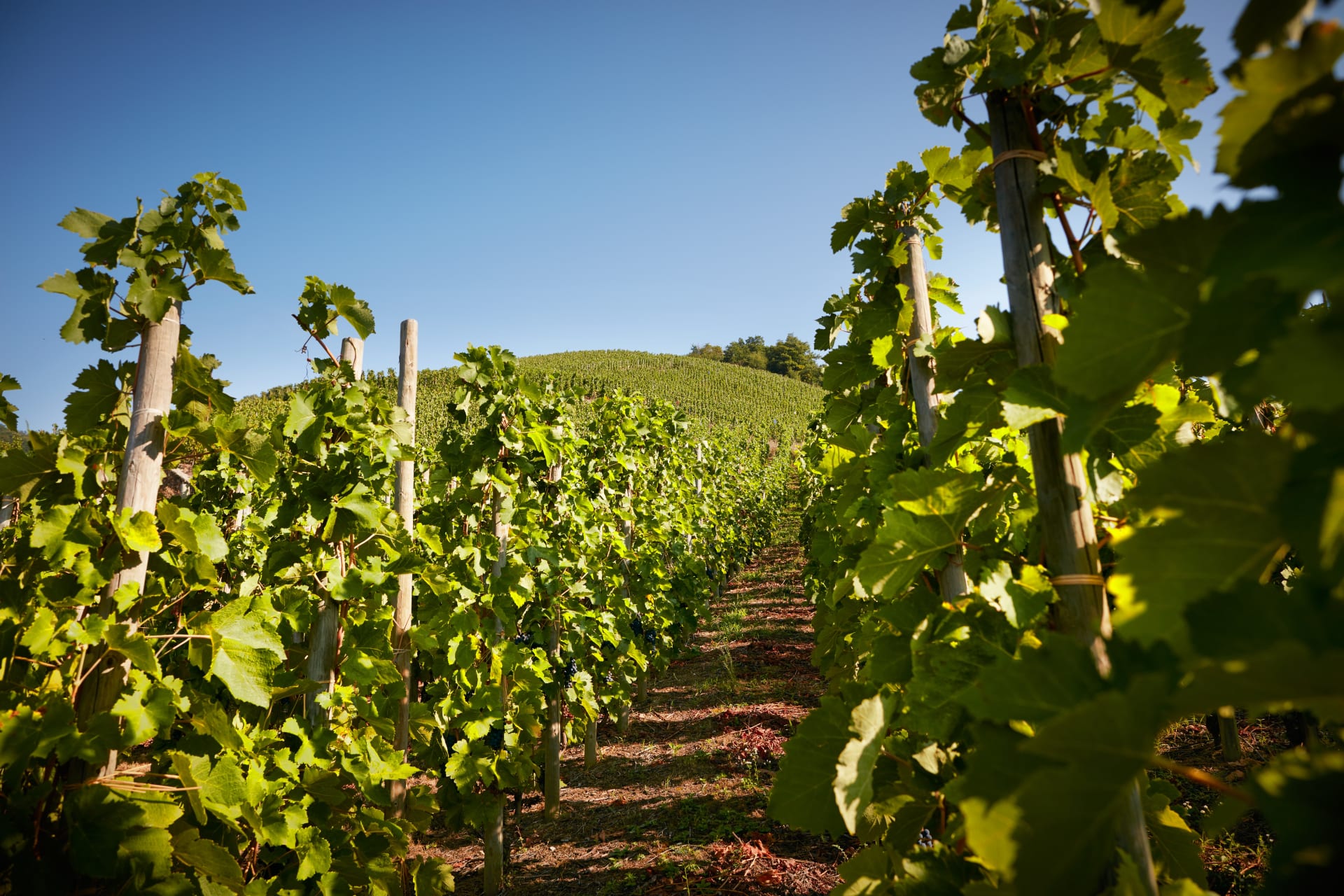
What the Terroir Is Actually Doing
Côte-Rôtie translates literally as the roasted slope, and the orientation matters as much as the geology. The hill faces southeast to southwest, capturing the Rhône Valley sun at an angle that would be unremarkable on flat land but becomes concentrating on a 40-degree gradient. Heat accumulates, granite retains warmth overnight, and the vines work hard in thin, mineral-rich soils with almost no water retention. The result is Syrah under a specific kind of pressure: fruit expression compressed by stress, structured by granite mineral character, and shaped by the altitude-driven temperature swings that keep acidity alive.
Within Côte-Rôtie, the two historic slopes — Côte Brune and Côte Blonde, produce noticeably different wines from what is nominally the same grape on the same hill. Côte Brune, with its iron-rich, heavier soils, tends toward deeper, more tannic structure. Côte Blonde, with its sandy, lighter soils, gives wines that open earlier and carry more floral lift. Many of the appellation's most discussed producers blend parcels from both to find a middle register. How individual estates navigate those parcel choices is one of the more consequential decisions in Northern Rhône viticulture.
The domaine's history with the appellation pre-dates the speculative interest that drove Côte-Rôtie prices sharply upward in the late 1980s, partly through the influence of American critics and partly through the commercial expansion of large négociant houses. E. Guigal, working from the same appellation, helped put Côte-Rôtie on the international radar through single-vineyard bottlings that drew extraordinary scores and equally extraordinary prices. Domaine Jamet operates at a different scale and with a different allocation model, positioned within the grower-producer tier rather than the large négociant format.
Jean-Paul and Loïc Jamet: Generational Continuity in a Demanding Appellation
Northern Rhône's grower estates tend to be small, family-run, and slow to change. The appellation's physical demands, the steep vineyard work, the limited mechanisation, and the small parcel structure make it difficult to scale and unattractive to outside capital in the way that Bordeaux châteaux or large Burgundy domaines have attracted investors. This means that continuity at places like Domaine Jamet represents something structurally significant: knowledge of specific parcels, vine age, and seasonal behaviour accumulated over decades and passed between generations.
Jean-Paul and Loïc Jamet are the winemaking team of record. The domaine's first vintage in 1976 establishes a nearly fifty-year record in the appellation, a timeline that spans the pre-Parker era through to the current period of collector-driven allocation markets. That longevity is relevant not as biography but as evidence: estates that maintain quality across half a century in a physically demanding appellation without outside capital or brand repositioning are rare.
This pattern of multi-generational, small-scale precision in difficult terrain has parallels elsewhere in French wine. Albert Boxler in Niedermorschwihr operates on similar principles in Alsace, where family continuity and parcel-level knowledge define the estate's identity more than marketing. The comparison is structural, not stylistic.
Allocation, Scarcity, and How to Approach the Domaine
Côte-Rôtie production is inherently limited. The appellation covers a narrow band of hillside with a total planted area that remains relatively small by French appellation standards. Add the physical constraints of steep-slope viticulture, the small domaine format, and collector demand that has grown steadily over twenty years, and the result is a market where bottles from addresses like Domaine Jamet move quickly through distributor and négociant channels before reaching retail.
There is no confirmed booking mechanism, online store, or visitor programme listed for the domaine. Contacting the estate directly in advance is the standard approach for serious enquiries in the Northern Rhône's grower-producer tier, though availability for tastings and cellar visits varies by season and by the estate's own schedule during harvest periods. Autumn visits, when harvest is underway, typically require more lead time and more flexibility. Spring, after bottling decisions are made and the appellation's new vintage is under discussion, tends to be a more productive period for engaging with small producers.
For collectors building Northern Rhône exposure, the grower-producer tier here competes in a different price bracket and allocation model than larger Bordeaux châteaux. Estates like Château Branaire Ducru in St-Julien, Château Batailley in Pauillac, or Château Cantemerle in Haut-Médoc operate through well-established négociant and en primeur systems with more predictable access. Domaine Jamet's allocation functions differently: it requires either an established relationship with a regional importer or distributor, or direct engagement with the estate.
The Northern Rhône in Its Broader Wine Context
Côte-Rôtie sits at the northern edge of the Rhône Valley's wine corridor, geographically and stylistically distinct from the southern Rhône's Grenache-dominant blends. The Northern Rhône's Syrah-based appellations, Côte-Rôtie, Hermitage, Crozes-Hermitage, Saint-Joseph, Cornas, each express the grape under different soil and elevation conditions, making the region a useful case study in how one variety reads across terroir variables.
The broader French fine wine market continues to reward diversity in collector portfolios. While Bordeaux maintains its structural position as the reference point for en primeur buying, with properties like Château Bélair-Monange in Saint-Émilion, Château Clinet in Pomerol, and Château Boyd-Cantenac in Cantenac all drawing consistent attention, the Northern Rhône operates outside that framework. Its grower estates have built followings through critical scores and scarcity rather than through the institutional infrastructure of classified growth Bordeaux.
Comparisons extend beyond France. Allocation-model estates in other regions, from Accendo Cellars in St. What distinguishes Domaine Jamet is the specific combination of appellation identity, vintage depth since 1976, and a rating that places it unambiguously in the upper register of Northern Rhône producers.
For reference on contrasting French regional production approaches, Chartreuse in Voiron and Château d'Arche in Sauternes offer instructive comparisons in how French terroir-rooted production communicates identity at different scales. Collectors interested in the full spectrum of French wine regions will also find relevant material at Château d'Esclans in Courthézon and Aberlour, though those estates operate in entirely different categories. The village itself is modest in scale; its significance is entirely wine-driven. No confirmed hours, visitor programme, or booking contact are published, so any visit requires direct outreach to the estate in advance.
Side-by-Side Snapshot
Comparable venues nearby, for context on price, style, and recognition.
| Venue | Cuisine | Awards | Notes |
|---|---|---|---|
| Domaine JametThis venue — the venue you are viewing | Syrah, Viognier | Falstaff Winery - Listed | Not listed |
| Domaine M&S Ogier D'Ampuis | Winery | Falstaff Winery - Listed | Ampuis |
| E. Guigal | Syrah, Viognier | World's 50 Best #42 · Falstaff Winery - 5 Stars | Ampuis |
| Domaine Jean Foillard | Gamay | Falstaff Winery - Listed | Villié-Morgon |
| Domaine Auguste Clape | Syrah, Marsanne | Falstaff Winery - Listed | Cornas |
| Domaine Michel Briday | Chardonnay, Pinot Noir | Not listed | Rully |
Recognition history
Dated appearances from independent guides and award organizations, with the underlying list record or original source where available.
Falstaff Winery - Listed
Falstaff
Continue exploring
More in Ampuis
Wineries in Ampuis
Browse all →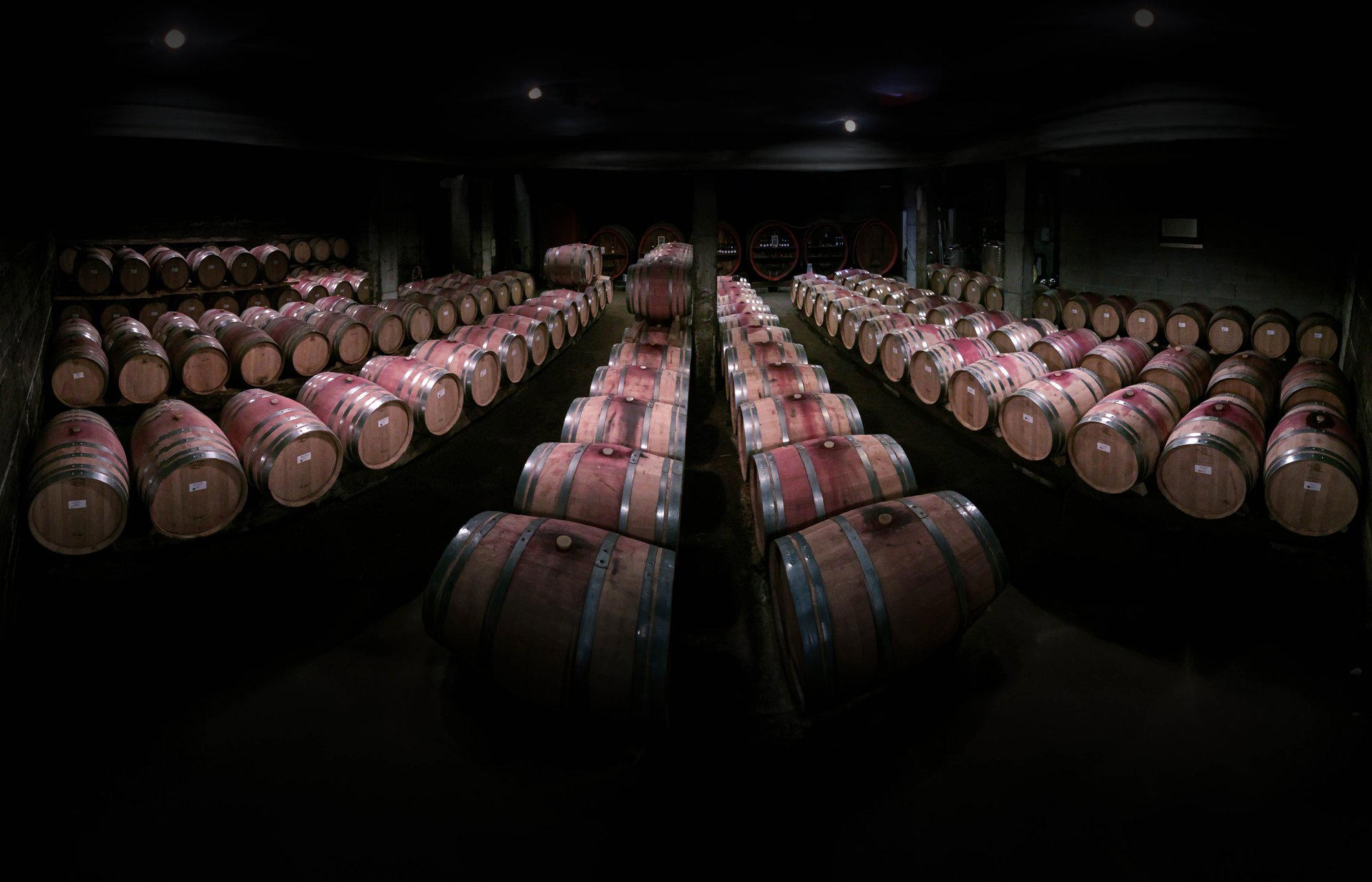
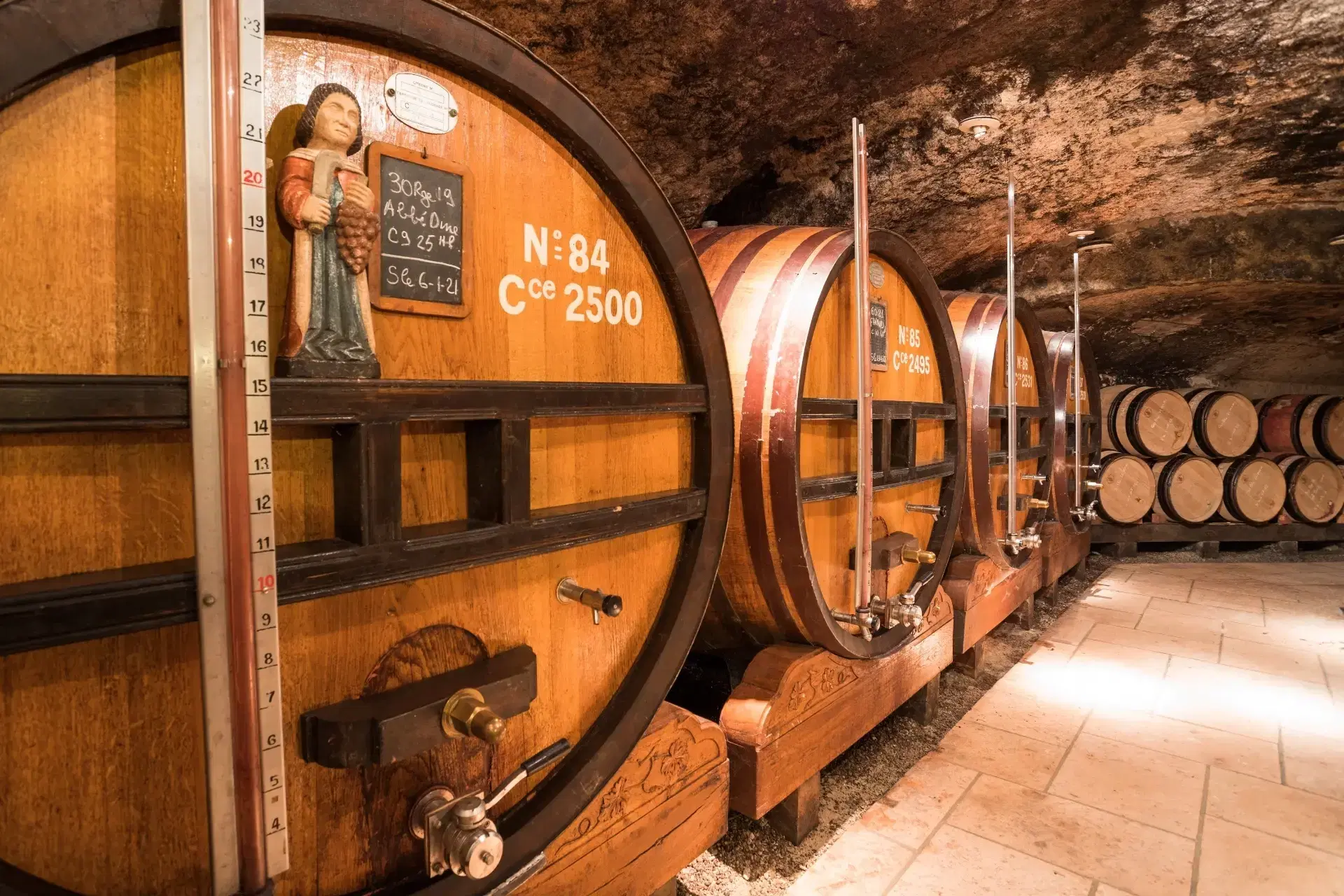

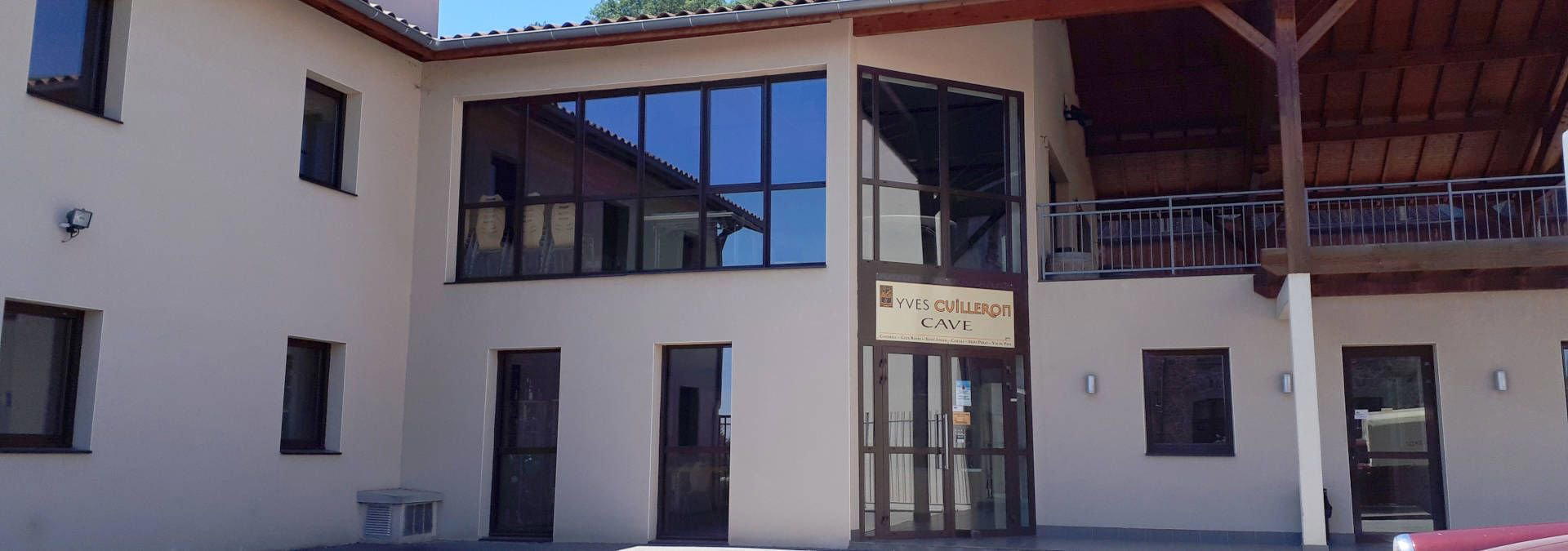
Bars in Ampuis
Browse all →
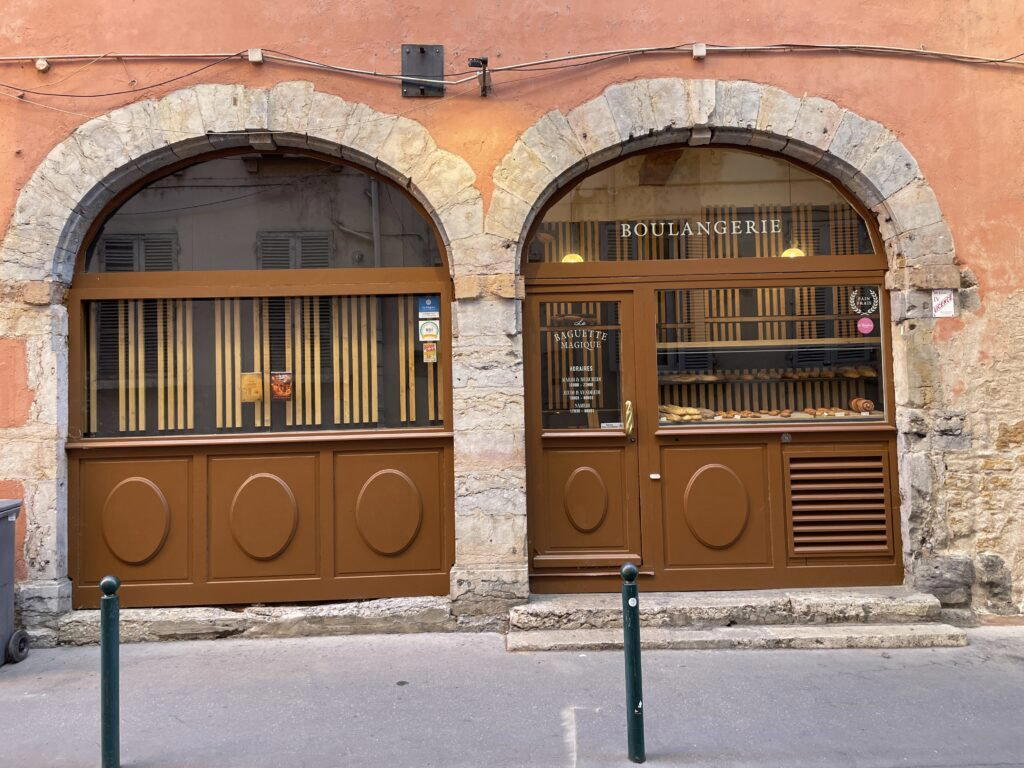
Restaurants in Ampuis
Browse all →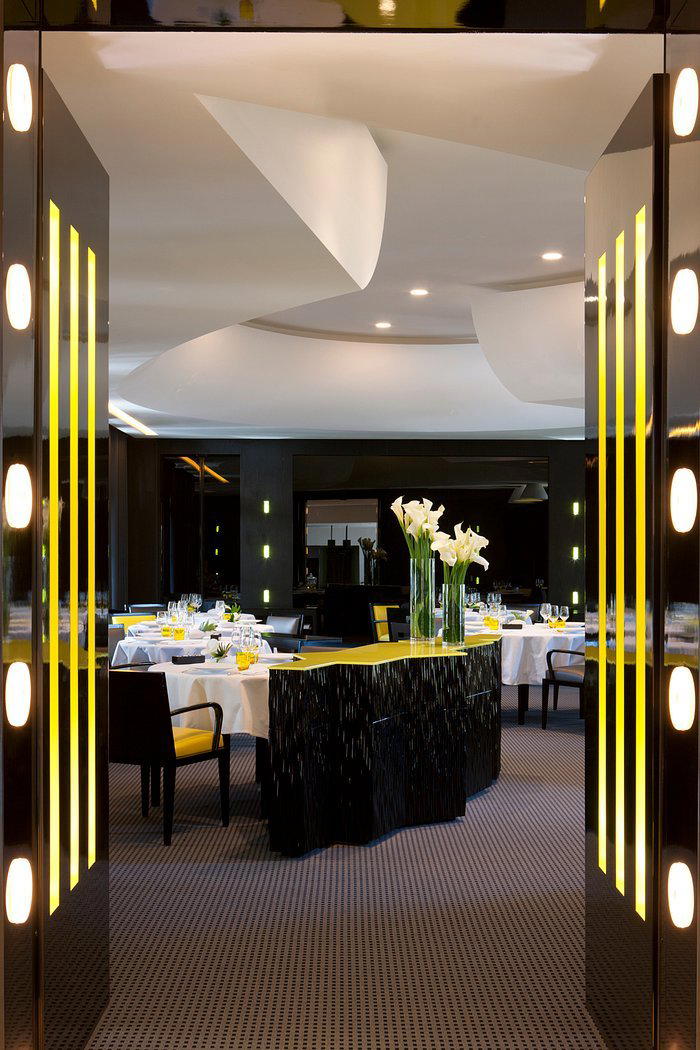
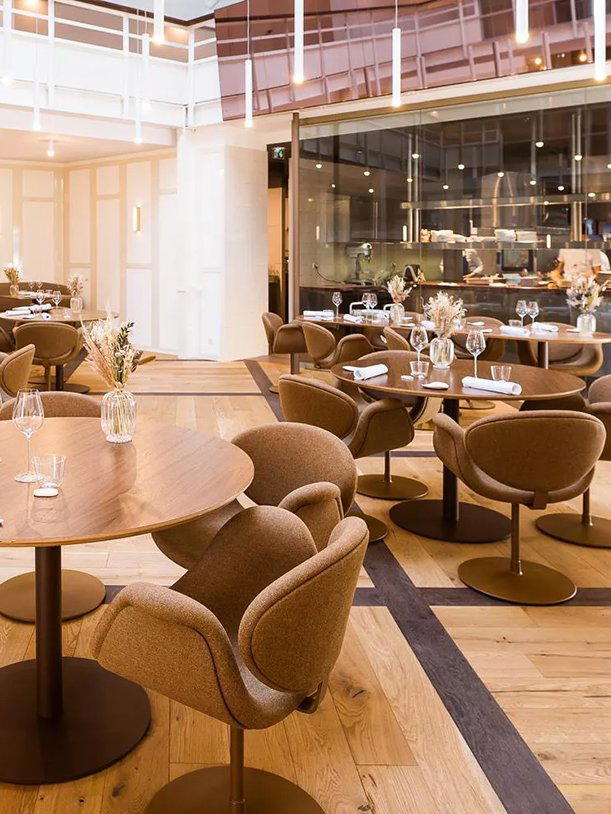
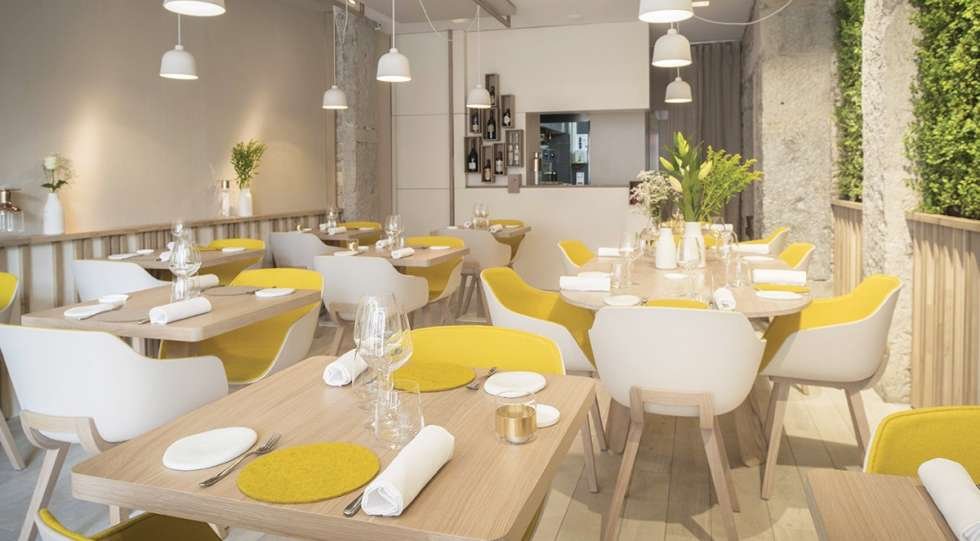
Details
- Rustic
- Classic
- Elegant
- Intimate
- Scenic
- Wine Education
- Solo Exploration
- Special Occasion
- Vineyard Tour
- Estate Grounds
- Cave Tasting
- Vineyard
- Mountain
- Syrah
- Viognier
- Marsanne
- Roussanne
- Still Red
- Cave Tasting
- French
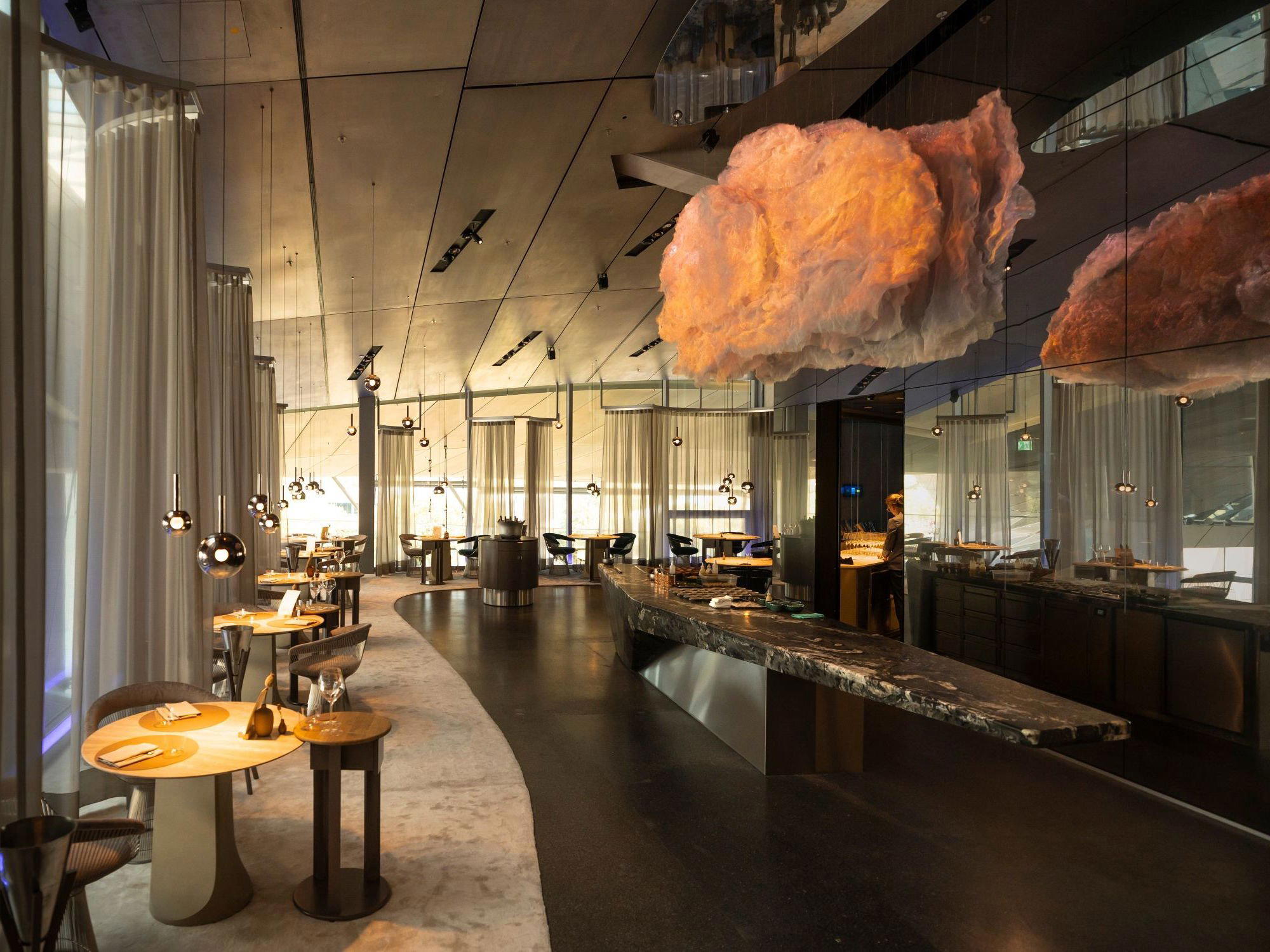
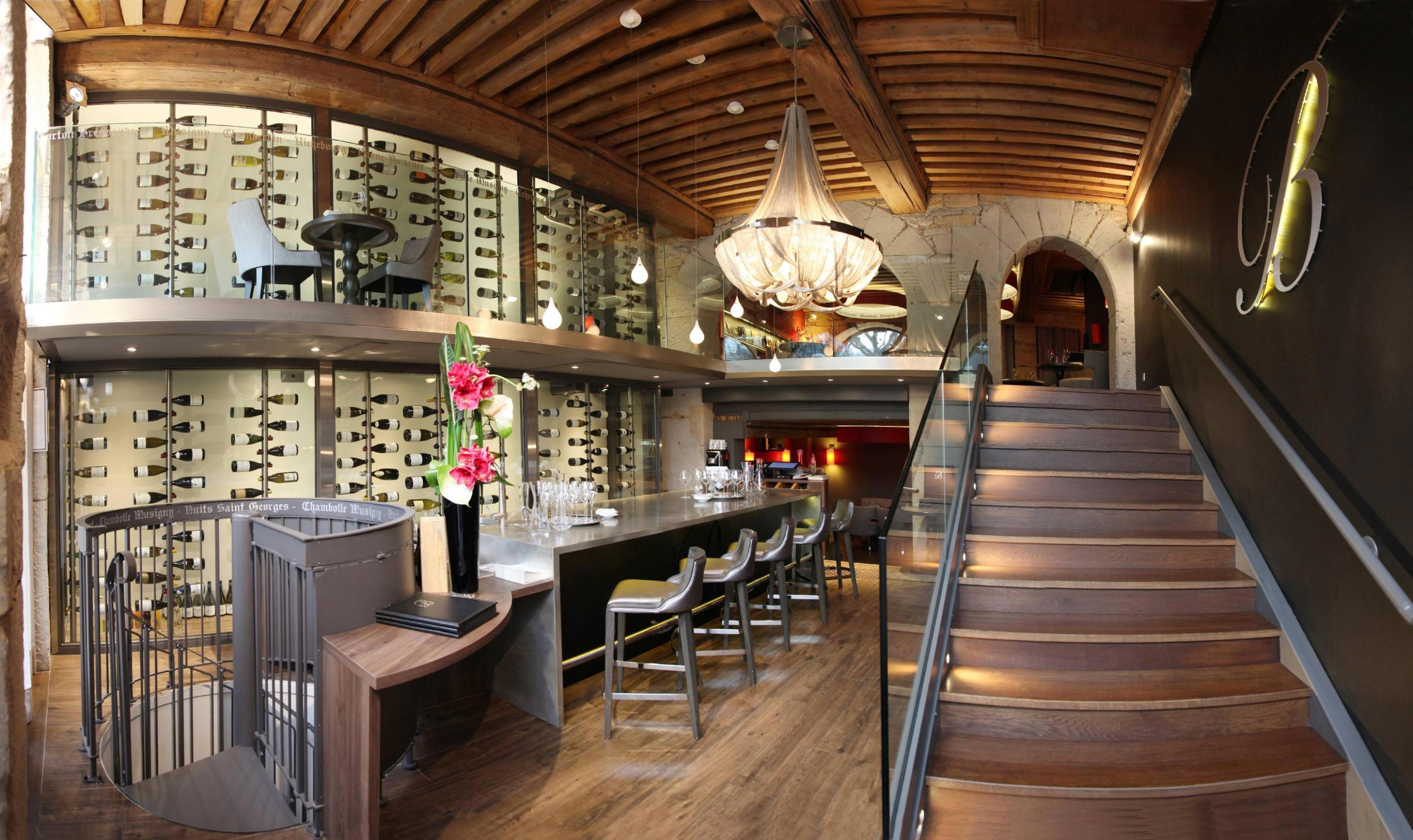
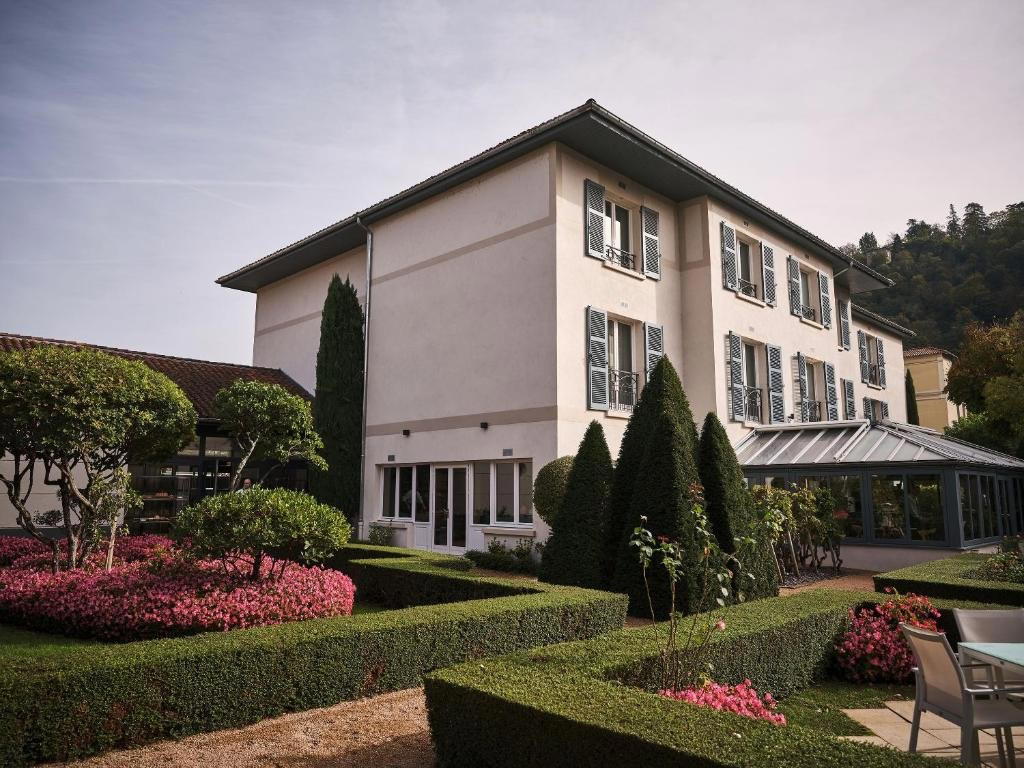
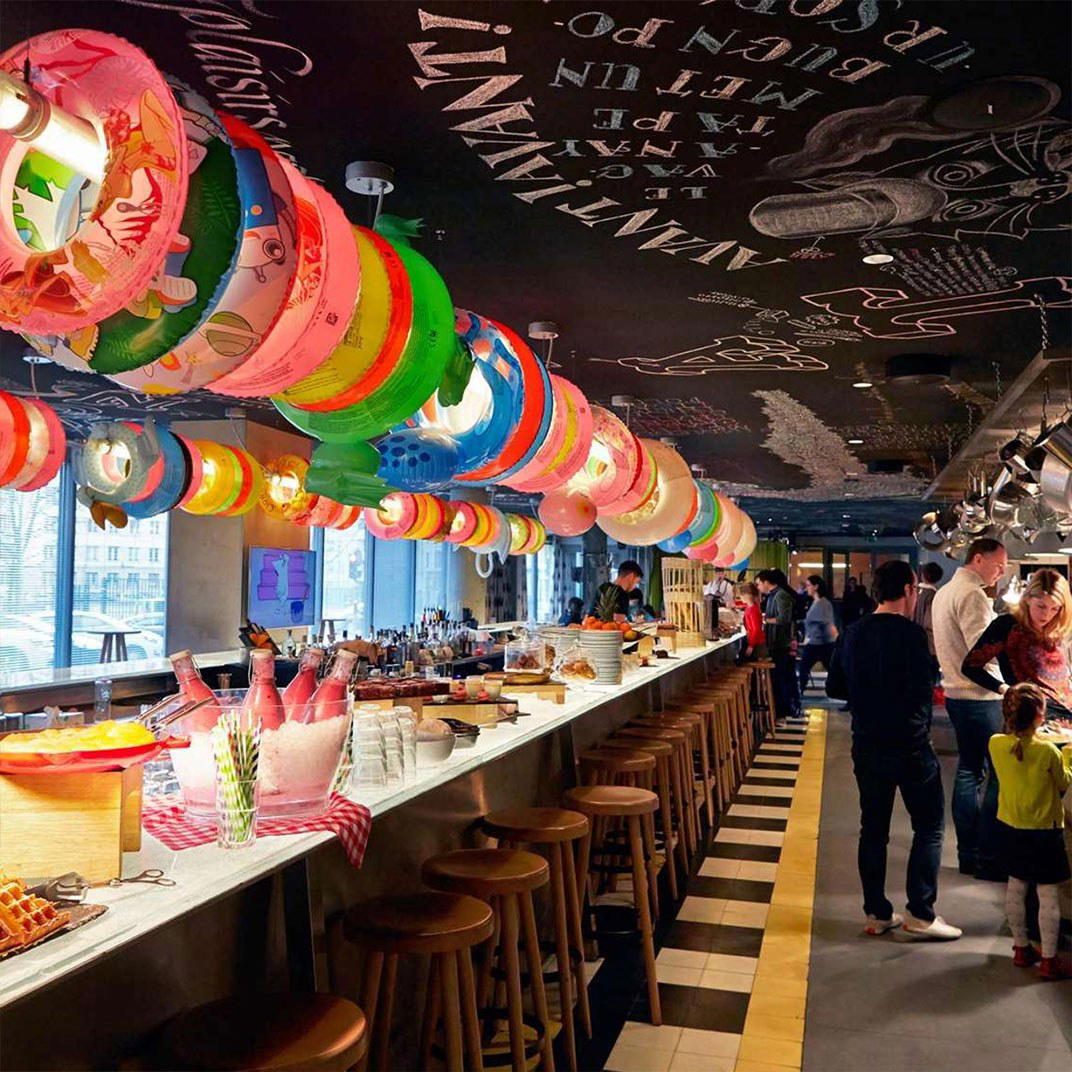
Traditional, terroir-driven atmosphere in a gravity-fed winery set amid steep vineyard hillsides above Ampuis, evoking rustic elegance and timeless winemaking heritage.