Skip to Main Content

UpcomingDrink over $25,000 of Burgundy at La Paulée New York

← Collection
WinemakerFrancis Egly
RegionAmbonnay, France
First Vintage1982
Pearl

Egly-Ouriet is one of the Montagne de Reims villages where terroir-driven grower Champagne finds its clearest argument. Operating since 1982 under winemaker Francis Egly, the house holds a Pearl 4 Star Prestige rating (2025) and produces from the Ambonnay Grand Cru, where Pinot Noir on chalk-seeded soils defines the house's direction.

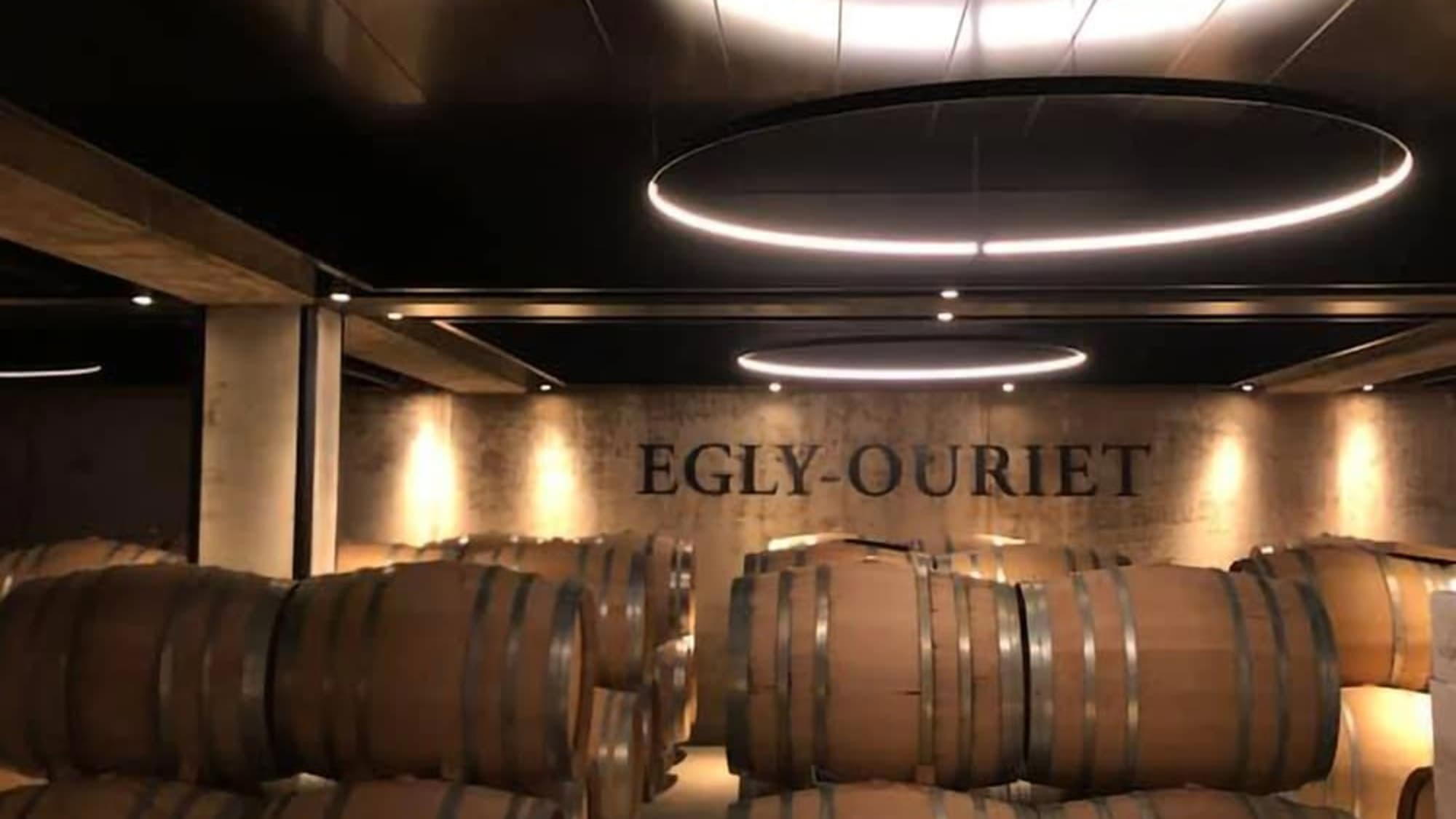
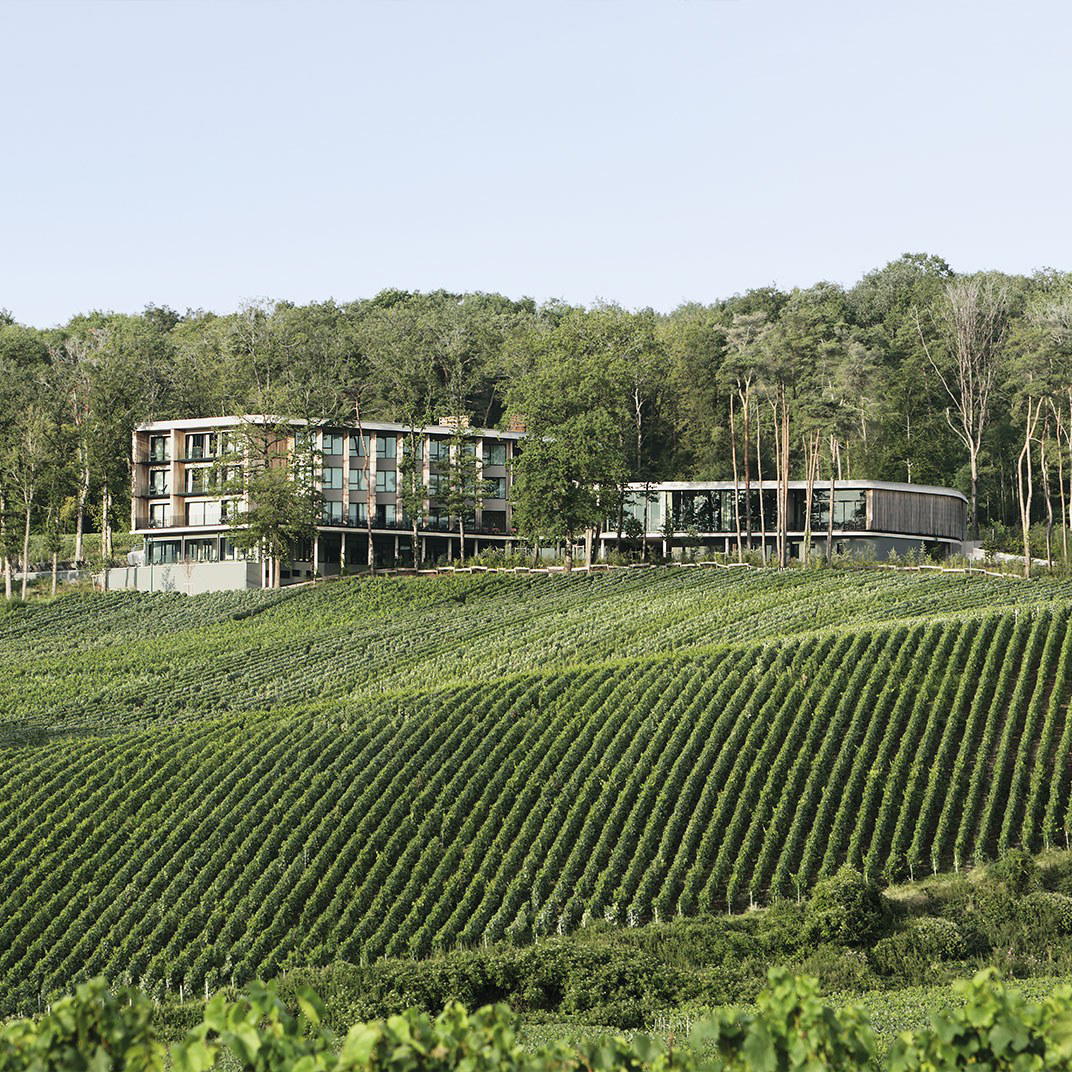
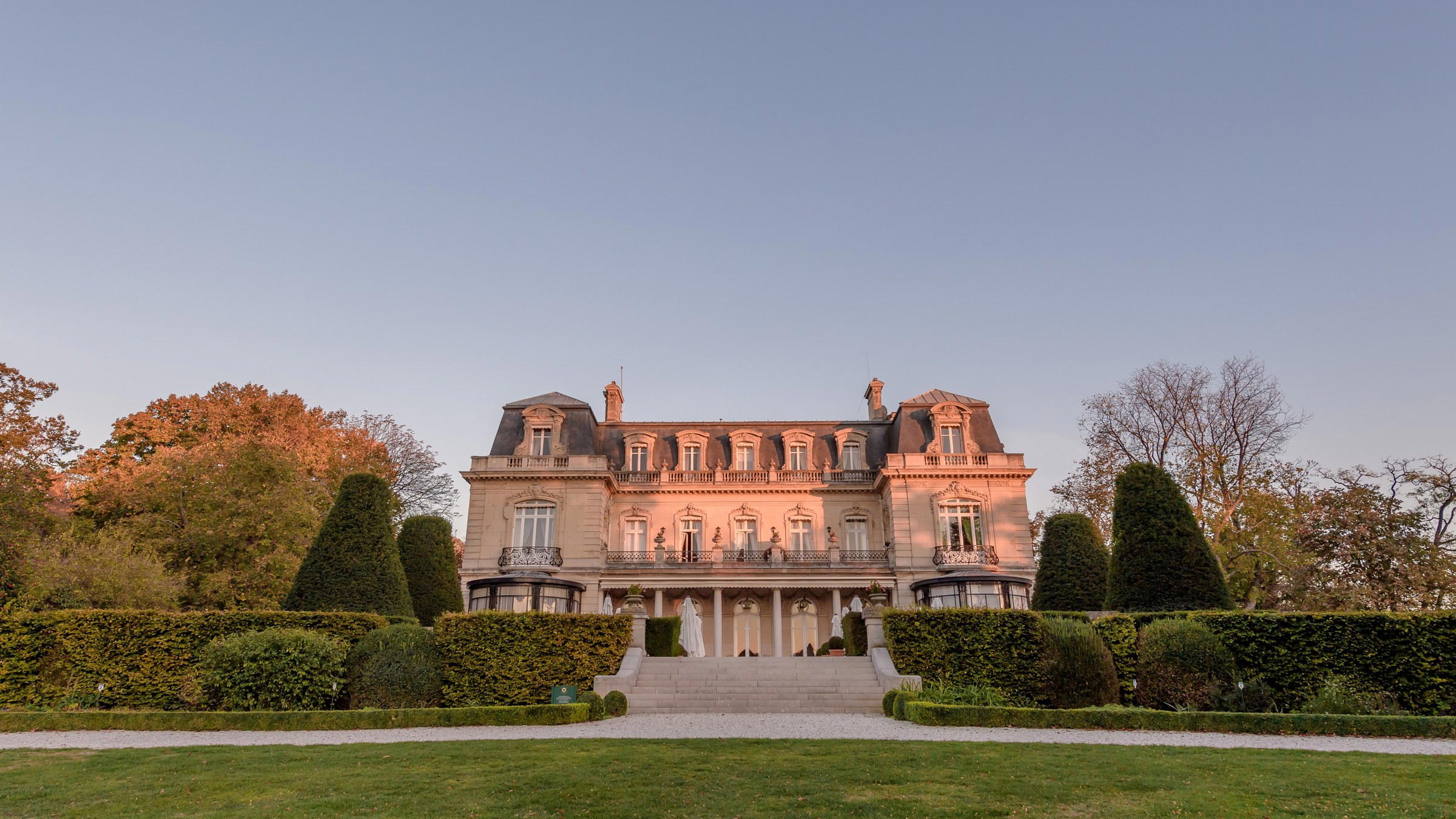
Egly-Ouriet winery in Ambonnay, France
About

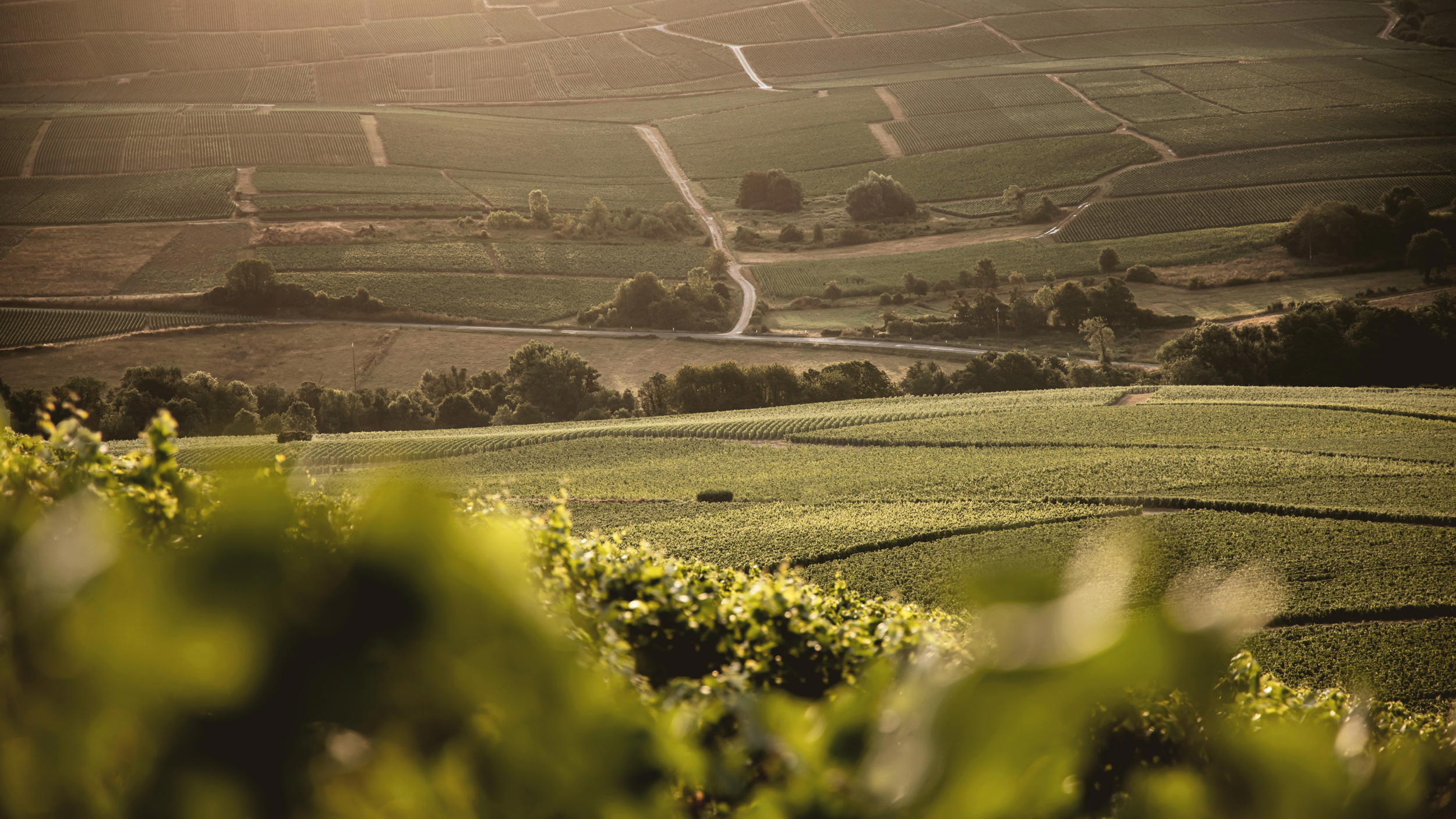
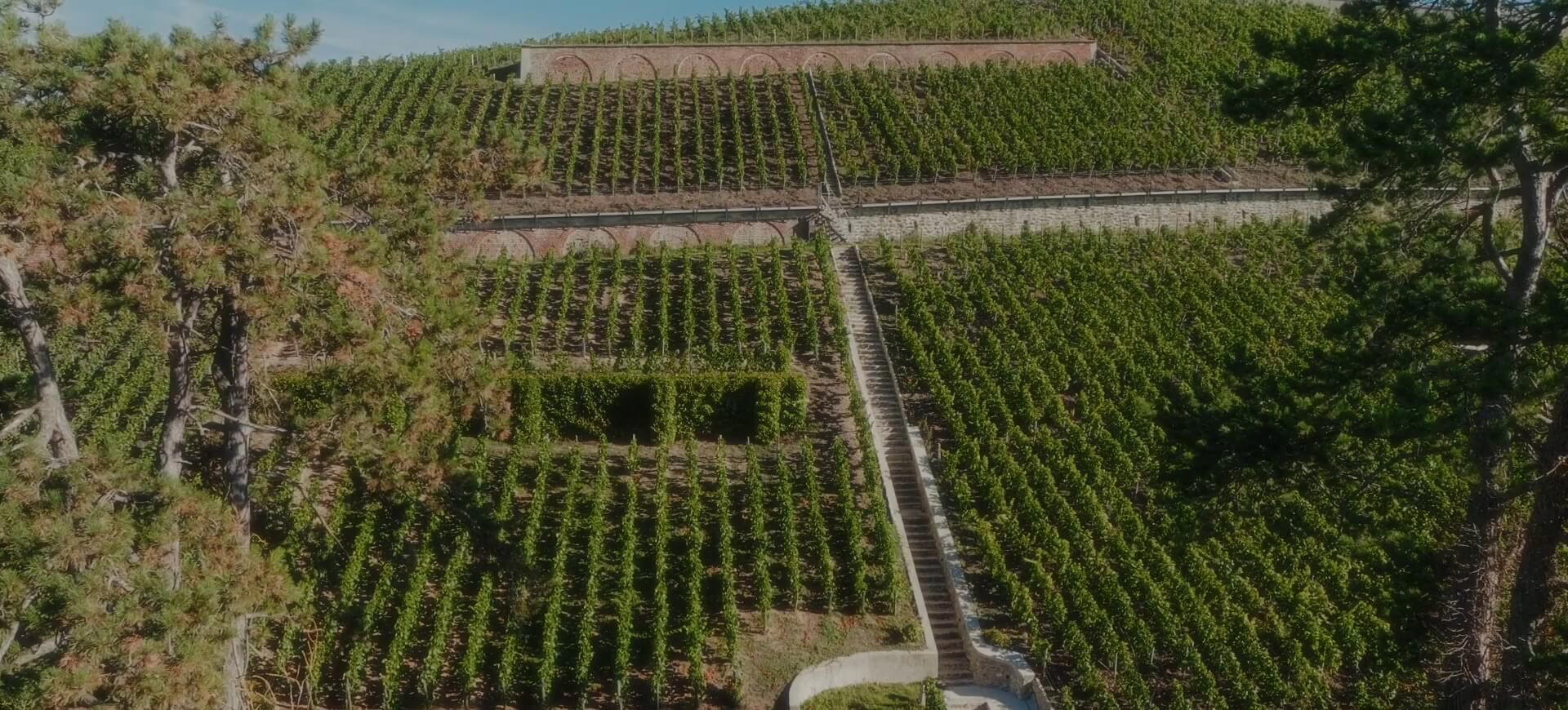
Ambonnay sits at the southern edge of the Montagne de Reims, a village of around 900 people that appears on Champagne maps almost exclusively because of what grows in its vineyards. The Grand Cru classification here applies to Pinot Noir above all else, and the chalk geology that runs beneath the Marne hillsides gives the fruit a particular tension — not lean, not generous in isolation, but calibrated in a way that winemakers with enough patience can preserve across extended ageing. The village is a short drive from Épernay but operates in a quieter register: no visitor boulevards, no branded hospitality infrastructure. What brings serious Champagne drinkers to Ambonnay, and specifically to 15 Rue de Trepail, is the work coming out of the Egly-Ouriet domaine.

Grower Champagne and the Ambonnay Argument

The grower Champagne movement reframed how the region's wines are discussed and purchased. Where négociant houses blend across villages and vintages to build a consistent house style, growers work with what their own land produces — meaning the relationship between site and glass is more direct, more traceable, and more exposed to the variables of any given year. Ambonnay, as a Grand Cru village with a strong Pinot Noir identity, is one of the stronger locations from which to argue that case. Egly-Ouriet, with Francis Egly as winemaker and a production history dating to the first vintage in 1982, sits among the reference addresses for this argument. The 2025 Pearl 4 Star Prestige rating places the domaine in the upper tier of EP Club's grower Champagne assessments.

Growers working from a single Grand Cru village occupy a different competitive context than larger houses. The comparison set is not Moët or Krug at scale but other village-focused producers whose reputations rest on plot-level decisions: how long the base wine spends on lees, whether the dosage is minimal or zero, how the house treats extended bottle age before disgorgement. These choices accumulate into a style that is inseparable from where the grapes grew. For Egly-Ouriet, Ambonnay's chalk and clay subsoils, combined with the Pinot Noir dominance of the village's Grand Cru parcels, shape every structural decision downstream.

What the Chalk Does

The geology of the Montagne de Reims is a defining factor in why Champagne produces wines that age. Chalk, which composes a significant portion of the subsoil across the better Grand Cru and Premier Cru sites, holds water during dry periods and drains efficiently during wet ones, moderating vine stress throughout the growing season. It also contributes a mineral character that registers in the finished wine as a certain linear quality , a sense of direction in the palate rather than volume or roundness for their own sake.

Ambonnay's chalk is not uniform across the appellation. The specific parcels a grower works within a Grand Cru village matter significantly: south-facing versus east-facing exposures, mid-slope versus upper-slope, older vines with deeper root systems versus younger plantings. A producer like Egly-Ouriet, working the same village for over four decades, accumulates an understanding of parcel-level behaviour that is built observation by observation rather than taught in a classroom. Francis Egly's tenure since the domaine's first vintage in 1982 represents more than forty years of that specific learning.

For visitors and buyers approaching grower Champagne from a terroir perspective, this matters practically. The wines produced from a single Grand Cru like Ambonnay will show differently depending on vintage conditions, but they maintain a consistent site identity across years that blended Champagne is specifically designed to smooth out. Both approaches are valid; they are simply different products answering different questions.

Visiting Egly-Ouriet in Context

The domaine is at 15 Rue de Trepail in Ambonnay, a village address that reflects the working-winery character of this part of the Montagne de Reims. Unlike the grand reception facilities maintained by larger houses in Reims or Épernay, grower estates in Grand Cru villages typically operate at a more direct scale. Visits are generally arranged in advance rather than through walk-in hospitality infrastructure, and the experience is closer to a working winery conversation than a polished tasting-room format.

Ambonnay itself warrants positioning as a destination rather than a detour. The village sits within a cluster of Grand Cru sites, and the surrounding area includes Bouzy, another Ambonnay-adjacent Grand Cru known for Pinot Noir, as well as Verzy and Verzenay to the north. A focused itinerary built around the southern Montagne de Reims can cover several grower estates across a single day. For accommodation and broader logistics, [our full Ambonnay hotels guide](/cities/ambonnay) covers the area's options, and [our full Ambonnay experiences guide](/cities/ambonnay) maps additional programming worth combining with a winery visit.

The practical approach to Egly-Ouriet is to contact the domaine directly and arrange in advance. Contact information is not listed in the public database, which is consistent with how many small grower estates manage visitor flow. The domaine's allocation-driven production model means that availability of specific cuvées at the cellar door cannot be assumed. Buyers and visitors who plan around the Pearl 4 Star Prestige recognition should do so with lead time, particularly around harvest season in September and October when working wineries are at their least available for tastings.

Egly-Ouriet in the Wider Grower Reference Set

Within EP Club's winery coverage, Egly-Ouriet sits among a range of prestige-rated producers assessed across different regions and styles. The comparison context for Ambonnay grower Champagne is narrower than for, say, Bordeaux châteaux or Alsatian domaines, but the same framework applies: the rating reflects what the wines demonstrate relative to their category and price tier, not against the region's largest commercial volumes. Producers like [Albert Boxler in Niedermorschwihr](/wineries/albert-boxler-niedermorschwihr-winery) represent a comparable commitment to estate-grown, terroir-led production in Alsace, and the comparison illuminates what makes grower-scale producers compelling as a category: the traceability from soil to bottle is the product's defining attribute.

For Bordeaux context, [Château Batailley in Pauillac](/wineries/chteau-batailley-pauillac-winery), [Château Bélair-Monange in Saint-Emilion](/wineries/chteau-blair-monange-saint-emilion-winery), and [Château Branaire Ducru in St-Julien](/wineries/chateau-branaire-ducru-st-julien) operate within classification frameworks that serve a different purpose than Champagne's Grand Cru village system, but the underlying editorial question is the same: what does the land contribute, and how clearly does the producer transmit that contribution? In Ambonnay, the answer from Egly-Ouriet, across more than four decades of continuous production, is specific enough to have earned sustained recognition.

For further regional coverage, [our full Ambonnay wineries guide](/cities/ambonnay) places Egly-Ouriet within the full local picture. [Our full Ambonnay restaurants guide](/cities/ambonnay) and [our full Ambonnay bars guide](/cities/ambonnay) round out the practical planning resources for the area.

Frequently Asked Questions

What's the general vibe of Egly-Ouriet?
Egly-Ouriet operates as a small grower estate in Ambonnay, one of the Montagne de Reims Grand Cru villages. The atmosphere is working-winery rather than hospitality-led, with visits oriented around the wines and the land rather than curated tasting-room experiences. The 2025 Pearl 4 Star Prestige rating positions it in a serious upper tier of grower Champagne, which the scale and approach of the domaine reflects.
What's the leading wine to try at Egly-Ouriet?
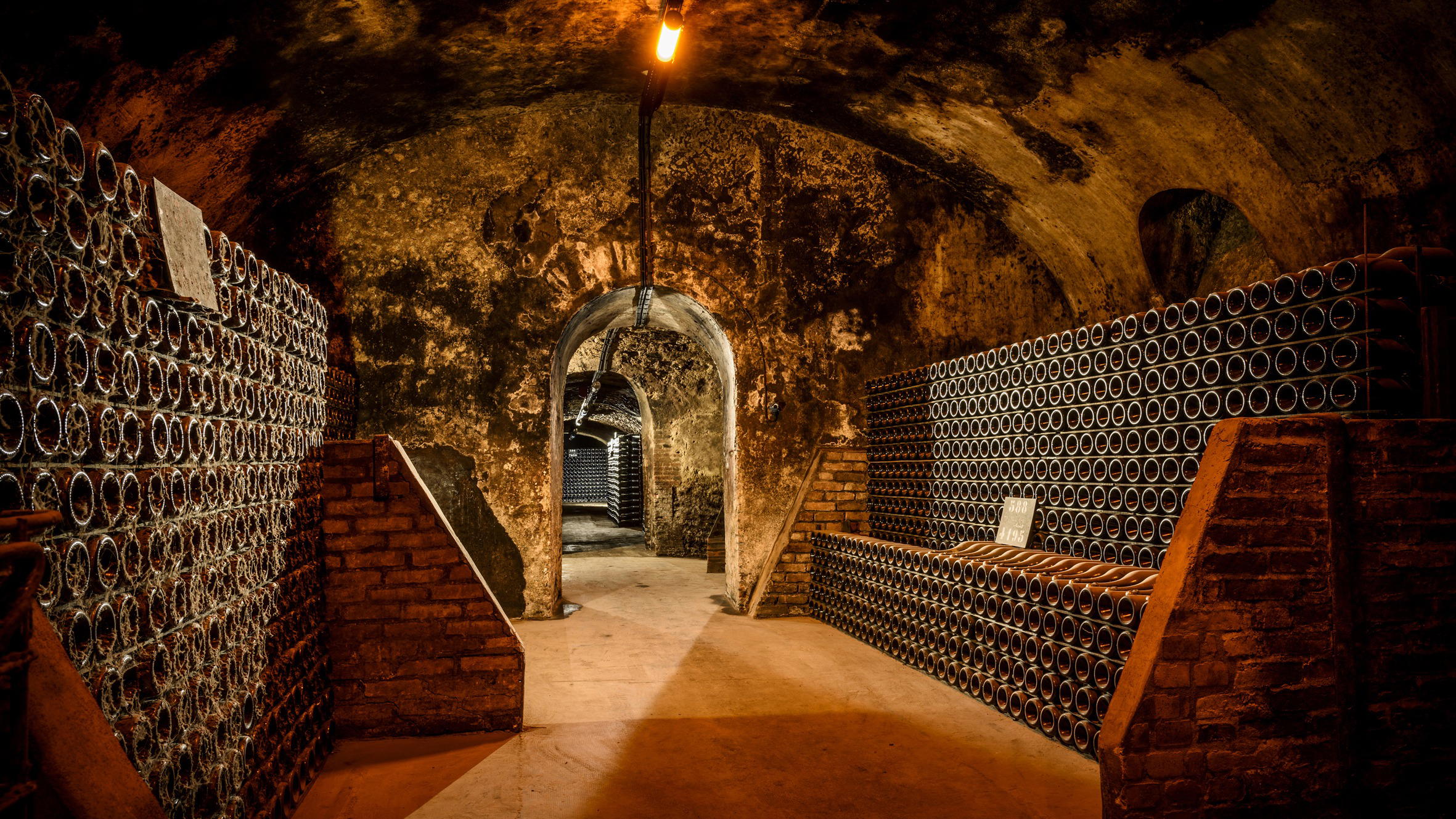
Egly-Ouriet's production centres on Ambonnay Grand Cru, where Pinot Noir dominates under winemaker Francis Egly. The domaine's longest-aged cuvées, which benefit from extended lees contact on chalk-influenced base wines, are the most direct expression of what makes this village's terroir compelling. The Pearl 4 Star Prestige recognition (2025) covers the domaine's output at the prestige level, which is where the terroir argument is made most clearly.
What makes Egly-Ouriet worth visiting?
The case for visiting Egly-Ouriet rests on the directness of the terroir-to-bottle relationship that grower Champagne from a single Grand Cru village makes possible. The domaine has been producing since 1982 under Francis Egly, and the 2025 Pearl 4 Star Prestige rating confirms sustained critical standing. Ambonnay itself is a focused destination for Pinot Noir-driven Champagne, and the village's compact geography makes it practical to combine with other producers in the same area.
Should I book Egly-Ouriet in advance?
Yes. Egly-Ouriet is a small grower estate and does not operate walk-in hospitality. Contact should be made directly and well in advance, particularly if visiting during harvest season (September to October) when working wineries have limited availability. The Pearl 4 Star Prestige recognition drives interest in the domaine, and allocation-level production means specific cuvée availability cannot be assumed at the cellar door. No public booking platform or listed phone number is available; direct outreach to the domaine at 15 Rue de Trepail, Ambonnay, is the appropriate approach.
How does Egly-Ouriet's first vintage in 1982 affect the wines available today?
A production history beginning in 1982 means Francis Egly has worked the Ambonnay Grand Cru parcels across more than four decades of growing seasons, including multiple benchmark vintages and challenging years. This accumulated site knowledge is reflected in a house style that prioritises terroir consistency over vintage-to-vintage adjustment. Older library stocks, where available, offer the opportunity to track how the domaine's approach to Pinot Noir-dominant Champagne has developed, and the Pearl 4 Star Prestige rating (2025) signals that critical assessment has kept pace with the estate's maturity.

For broader regional planning, [our full Ambonnay experiences guide](/cities/ambonnay), [our full Ambonnay hotels guide](/cities/ambonnay), and [our full Ambonnay wineries guide](/cities/ambonnay) cover the full scope of what the area offers alongside a visit to Egly-Ouriet. Additional winery context from other regions is available through profiles including [Château Cantemerle in Haut-Médoc](/wineries/chateau-cantemerle-haut-medoc), [Château Boyd-Cantenac in Cantenac](/wineries/chteau-boyd-cantenac-cantenac-winery), [Château Bastor-Lamontagne in Preignac](/wineries/chateau-bastor-lamontagne), [Abadía Retuerta in Sardón de Duero](/wineries/abada-retuerta-sardn-de-duero-winery), and [Aberlour in Aberlour](/wineries/aberlour-aberlour-winery).

Collector Access

Access the Cellar?

Our members enjoy exclusive access to private tastings and priority allocations from the world's most sought-after producers.

Access the Concierge