Superbueno




Superbueno on First Avenue in the East Village holds North America's #2 bar ranking from World's 50 Best (2025) and a 2025 James Beard Award for Outstanding Professional in Cocktail Service. The bar runs a technically driven Mexican-American drinks program alongside a food menu built around refined cantina classics, all delivered through a hospitality approach that has made it one of New York's most-visited bars.
Pearl is the En Primeur Club membership app — saves, bookings, and concierge access live there. Same editors, same standards.
- Address
- 13 1st Ave, New York, NY 10003
- Phone
- +1 347-866-7739
- Website
- superbuenonyc.com
- Directions
- Get directions
 Saves & bookings on Pearl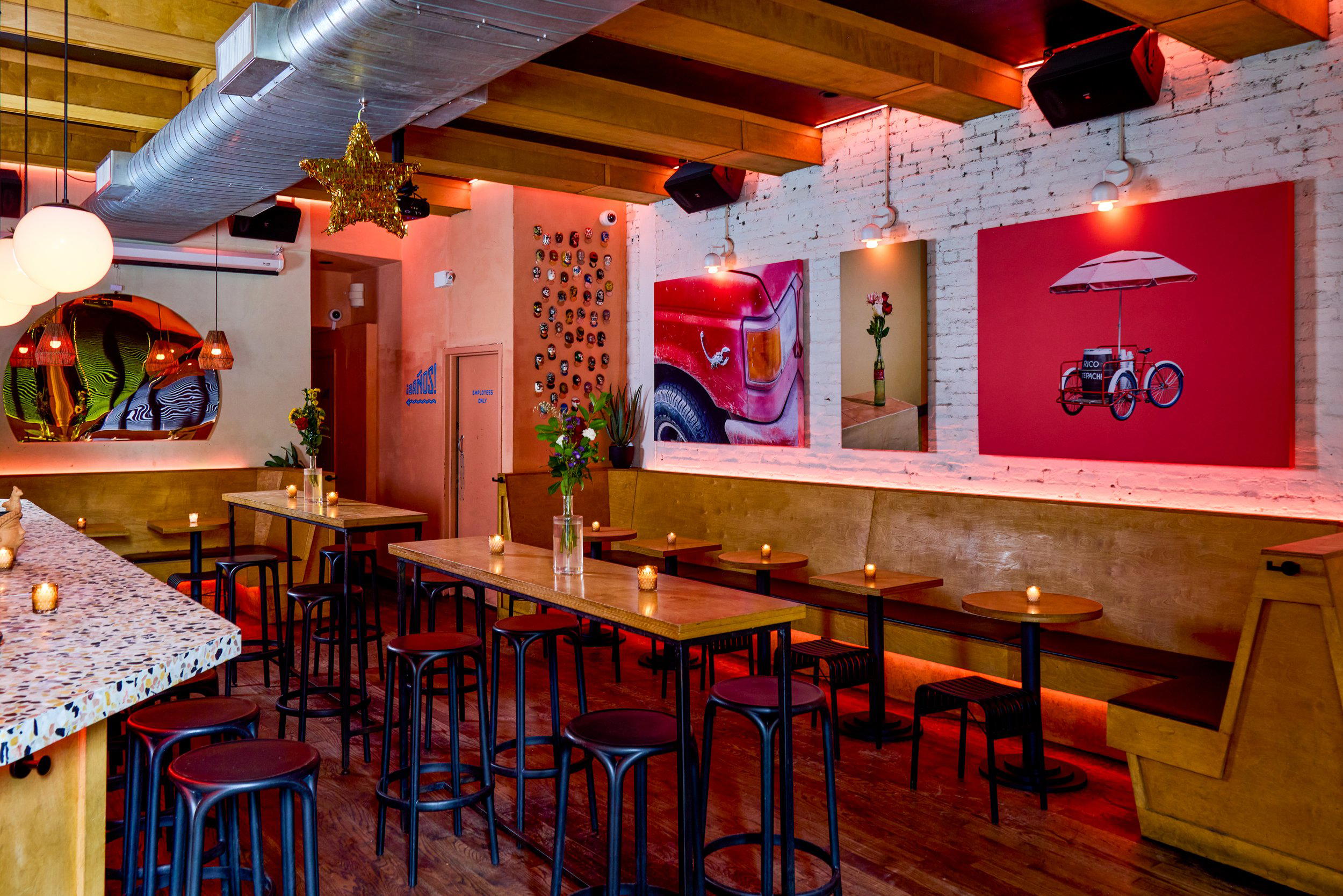
Two Decades of Mexican-American Hospitality, Distilled Into One East Village Address
New York's cocktail scene has long cycled through identities: the speakeasy revival of the early 2000s, the molecular phase, the hyper-local fermentation era. What has proved harder to sustain is a bar that holds technical ambition and genuine warmth in the same room without either diluting the other. Superbueno, at 13 First Avenue in the East Village, sits in that small category. Its 2025 placement at #2 on North America's Leading Bars and #27 on the World's 50 Best Bars list, paired with a 2025 James Beard Award for Outstanding Professional in Cocktail Service, places it alongside the most credentialed bars operating in the United States today.
The context matters. Ignacio 'Nacho' Jimenez has spent two decades building a presence in New York hospitality, and Superbueno reads as a summation of that period rather than a debut statement. The bar's Mexican-American register is deliberate and specific: not a theme, not a trend response, but a programme rooted in ingredients, formats, and a social culture that Mexican cantinas have practiced for generations. That specificity is part of what separates it from the broader wave of Latin-inflected cocktail menus that appeared across American cities through the early 2020s.
The Programme: Technical Mastery Anchored in Mexican Tradition
The drinks list at Superbueno operates in a register familiar to anyone who has followed serious cocktail development in cities like New York, Chicago, or London: fat-washing, clarified punches, ingredient-forward builds that require preparation time invisible at the bar. What distinguishes the programme here is that the technical framework serves Mexican source material rather than generic craft aesthetics.
Head bartender Kip Moffitt's Salted Plum and Tamarind Milk Punch (charanda, ayuuk, salted plum and tamarind, lojana tea, milk) applies a centuries-old clarification technique to a flavour profile rooted in Mexican street culture. The Mole Negroni (mole fat-washed mezcal, amari blend, sweet vermouth, xocolati bitters) takes a format that New York bars have been reworking for fifteen years and grounds it in a specifically Mexican culinary tradition. Neither drink is asking for recognition of its cleverness; both are asking to be drunk.
The list extends beyond cocktails in a way that reflects the bar's cantina philosophy. Mexican beers and wines sit alongside a non-alcoholic programme that has earned its own reputation, and rotating slushies and tepache on tap maintain a sense of seasonal rhythm in a drinks programme that might otherwise feel static. For bars operating at this award level, the non-alcoholic offering is increasingly a credentialing signal, and Superbueno's is taken seriously.
The food programme, led by chef Cyed Adraincem, holds the bar's register without drifting into restaurant territory. The signature Birria Grilled Cheese, built from braised beef, a Mexican cheese blend, cilantro lime mayo, cotija, lime, and bolillo bread and served with consommé, is a dish that works specifically in the bar context: it requires the drink to make sense of it, and the drink benefits from it. That kind of kitchen-to-bar alignment is rarer than it should be at this level.
The Room and the Dynamic That Runs It
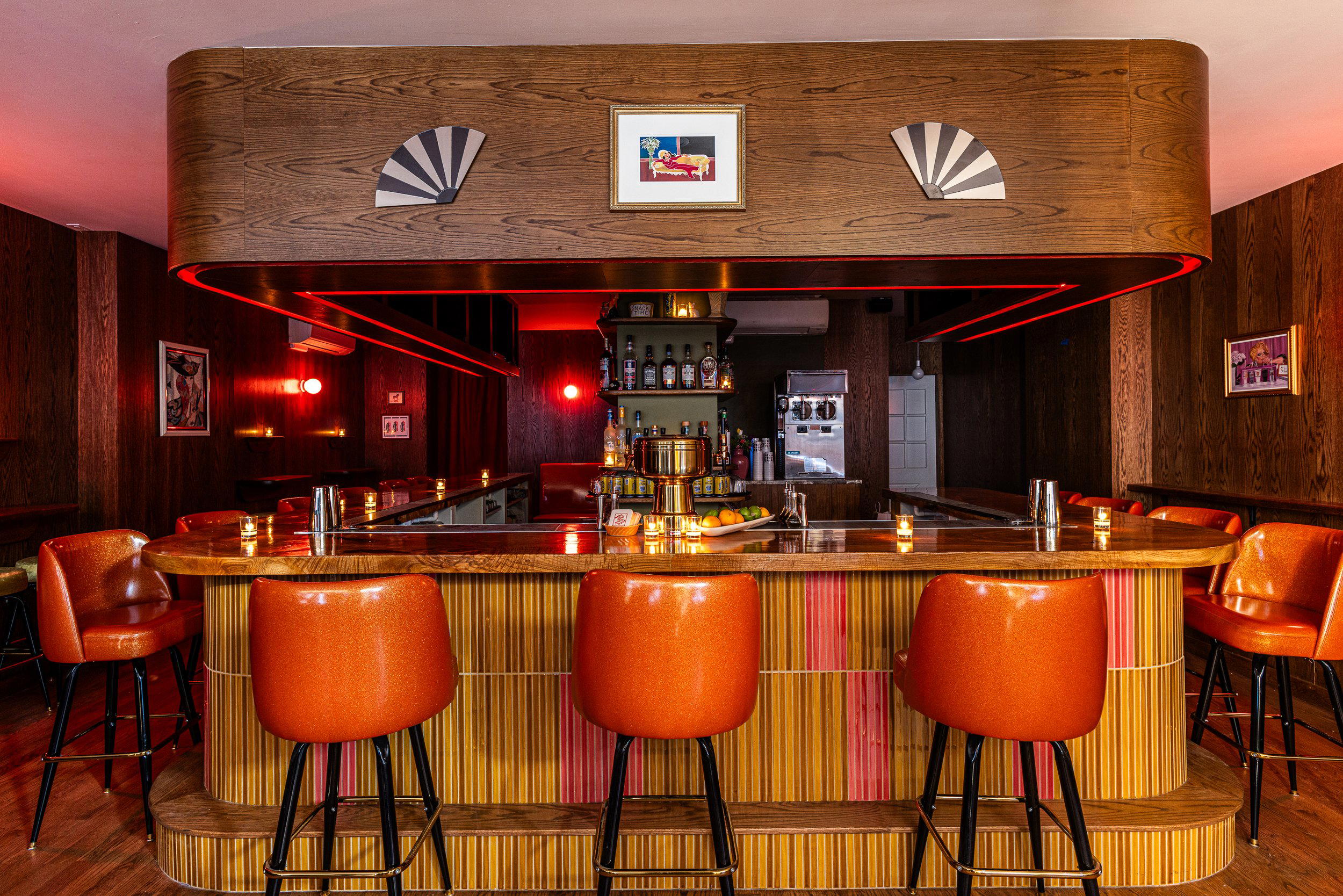
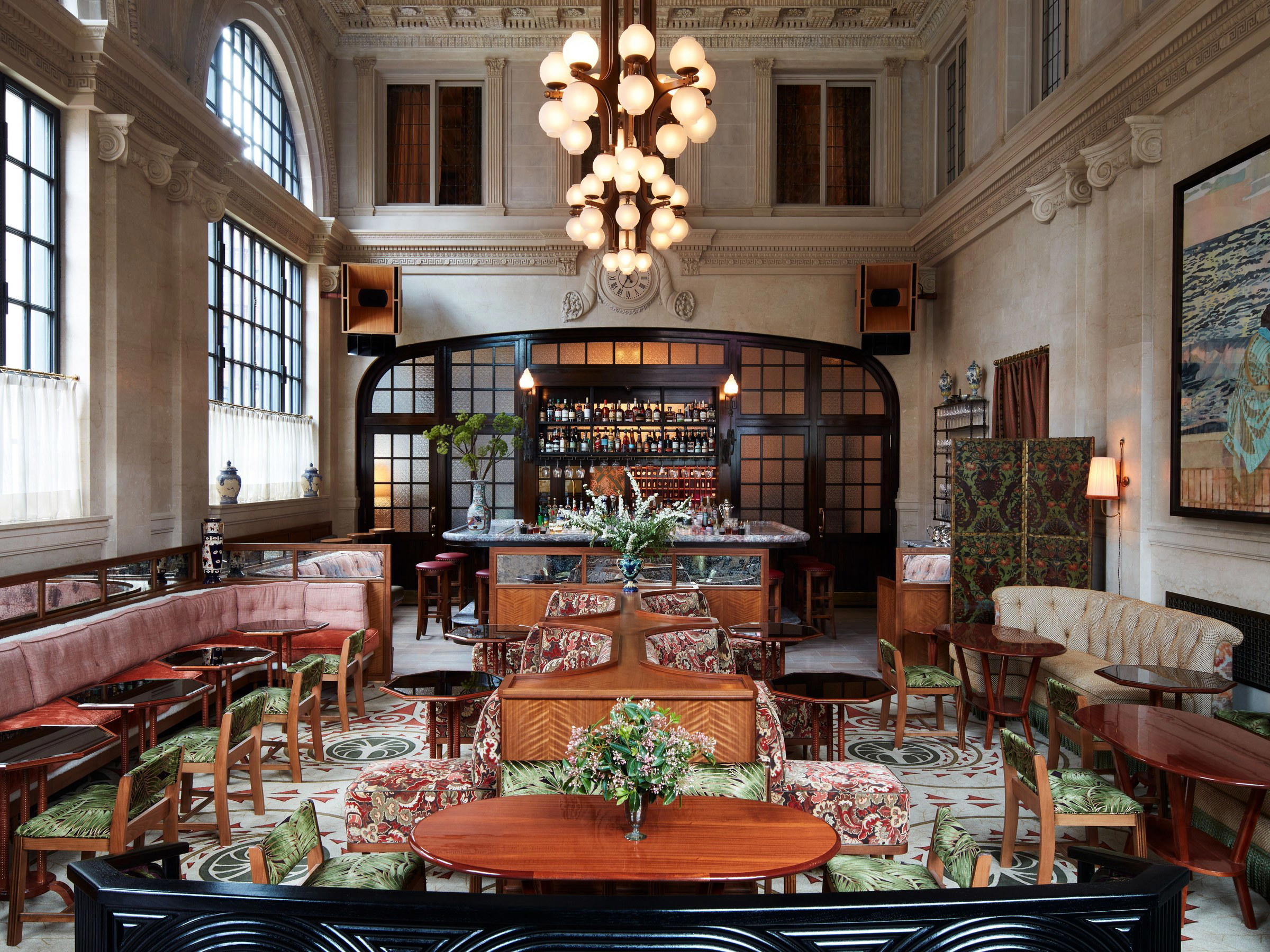
East Village bar design has moved through several phases since the neighbourhood's bar culture began drawing serious attention. Superbueno's interior sits closer to festive Mexican cantina than to the considered-neutral minimalism that characterises many award-winning bars. Primary colours, neon lights, and globe lights over the bar leading establish a visual register that the crowd tends to match: swanky, social, and operating at a pace that is distinctly Manhattan. The atmosphere is celebratory without being loud in the pejorative sense.
The editorial angle here is the team dynamic, and it is the correct one for understanding why Superbueno works. The bar runs on a visible collaboration between Jimenez's front-of-house presence, Moffitt's technical programme behind the bar, and Adraincem's kitchen. Jimenez is frequently on the floor, personally greeting guests and contributing to the pace of service in ways that most bar owners at this profile level do not. That presence is not incidental: it is the mechanism by which the bar's hospitality philosophy becomes a physical experience rather than a stated value. The result is what is sometimes called Mexican-American hospitality in its most functional form: inclusive, warm, and operating at high competence simultaneously.
Among New York bars working adjacent territory, Amor y Amargo runs a focused amaro programme in a more studiedly intimate format, while Attaboy NYC built its reputation on the no-menu approach and the trust dynamic that requires. Angel's Share and Bar Contra each occupy distinct positions in the city's cocktail ecology.
Nationally, the bars that rank closest in terms of award profile include Kumiko in Chicago, ABV in San Francisco, Jewel of the South in New Orleans, Julep in Houston, and Allegory in Washington, D.C.. Each defines its programme through a specific regional or cultural lens; Superbueno's Mexican-American specificity places it comfortably in that cohort. Internationally, bars like The Parlour in Frankfurt on the Main and Bar Leather Apron in Honolulu represent the same tendency toward cultural rootedness over generic craft positioning.
Planning Your Visit
Superbueno is located at 13 First Avenue in the East Village, a neighbourhood with enough bar density that a visit fits naturally into a broader evening. The bar draws a regular crowd and is frequently at capacity, so arriving early or on a weekday reduces waiting time. Walk-in culture is part of the bar's ethos, but given its current ranking, patience is worth building into the plan. See our full New York City restaurants guide for neighbourhood context and how Superbueno maps to the broader East Village bar circuit.
Quick Reference: Superbueno, 13 First Avenue, East Village, New York City. No reservations listed; walk-in recommended with early arrival for peak periods. Awards: World's 50 Best Bars #27 (2024), North America's Leading Bars #2 (2024 and 2025), Top 500 Bars #35 (2025), James Beard Award 2025 (Outstanding Professional in Cocktail Service).
How Superbueno New York City compares with similar nearby venues.
| Venue | Awards |
|---|---|
| Superbueno | World's 50 Best Bars #27 (2024) |
Recognition history
Dated appearances from independent guides and award organizations, with the underlying list record or original source where available.
Opinionated About Dining Casual in North America Recommended
Opinionated About Dining
Tales Spirited Awards Best U.S. Cocktail Bar by Gruppo Montenegro Top Four Finalist
Tales Spirited Awards · Tales Spirited Awards 2026 - Best U.S. Cocktail Bar by Gruppo Montenegro - Best U.S. Cocktail Bar by Gruppo Montenegro (Top Four Finalist)
Tales Spirited Awards Best U.S. Bar Team presented by William Grant & Sons Top 10 Nominee
Tales Spirited Awards · Tales Spirited Awards 2026 - Best U.S. Bar Team presented by William Grant & Sons - Best U.S. Bar Team presented by William Grant & Sons (Top 10 Nominee)
Tales Spirited Awards Best U.S. Bar Team presented by William Grant & Sons Top Four Finalist
Tales Spirited Awards · Tales Spirited Awards 2026 - Best U.S. Bar Team presented by William Grant & Sons - Best U.S. Bar Team presented by William Grant & Sons (Top Four Finalist)
Tales Spirited Awards Best U.S. Cocktail Bar Top 10 Nominee
Tales Spirited Awards · Tales Spirited Awards 2026 - Best U.S. Cocktail Bar - Best U.S. Cocktail Bar (Top 10 Nominee)
World's 50 Best North America's Best Bars #9
World's 50 Best
James Beard Award Outstanding Professional in Cocktail Service #1
James Beard Award
James Beard Award Semi Finalist
James Beard Award
James Beard Award Outstanding Professional in Cocktail Service
James Beard Award
Opinionated About Dining Casual in North America
Opinionated About Dining
Top 500 Bars Best Bars #35
Top 500 Bars
World's 50 Best Best Bars #12
World's 50 Best
World's 50 Best North America's Best Bars #2
World's 50 Best
World's 50 Best North America's Best Bars #2
World's 50 Best
World's 50 Best Best Bars #27
World's 50 Best
Continue exploring
More in New York City
Bars in New York City
Browse all →
Restaurants in New York City
Browse all →
Hotels in New York City
Browse all →




At a Glance
- Lively
- Trendy
- Energetic
- Date Night
- Group Outing
- Late Night
- Casual Hangout
- Design Destination
- Standalone
- Seated Bar
- Booth Seating
- Craft Cocktails
- Low Abv
- Zero Proof
Know Before You Go
- Getting there
- 13 1st Ave, New York, NY 10003