Château Canon


Michelin 2 Grapes · Falstaff Winery - 4 Stars
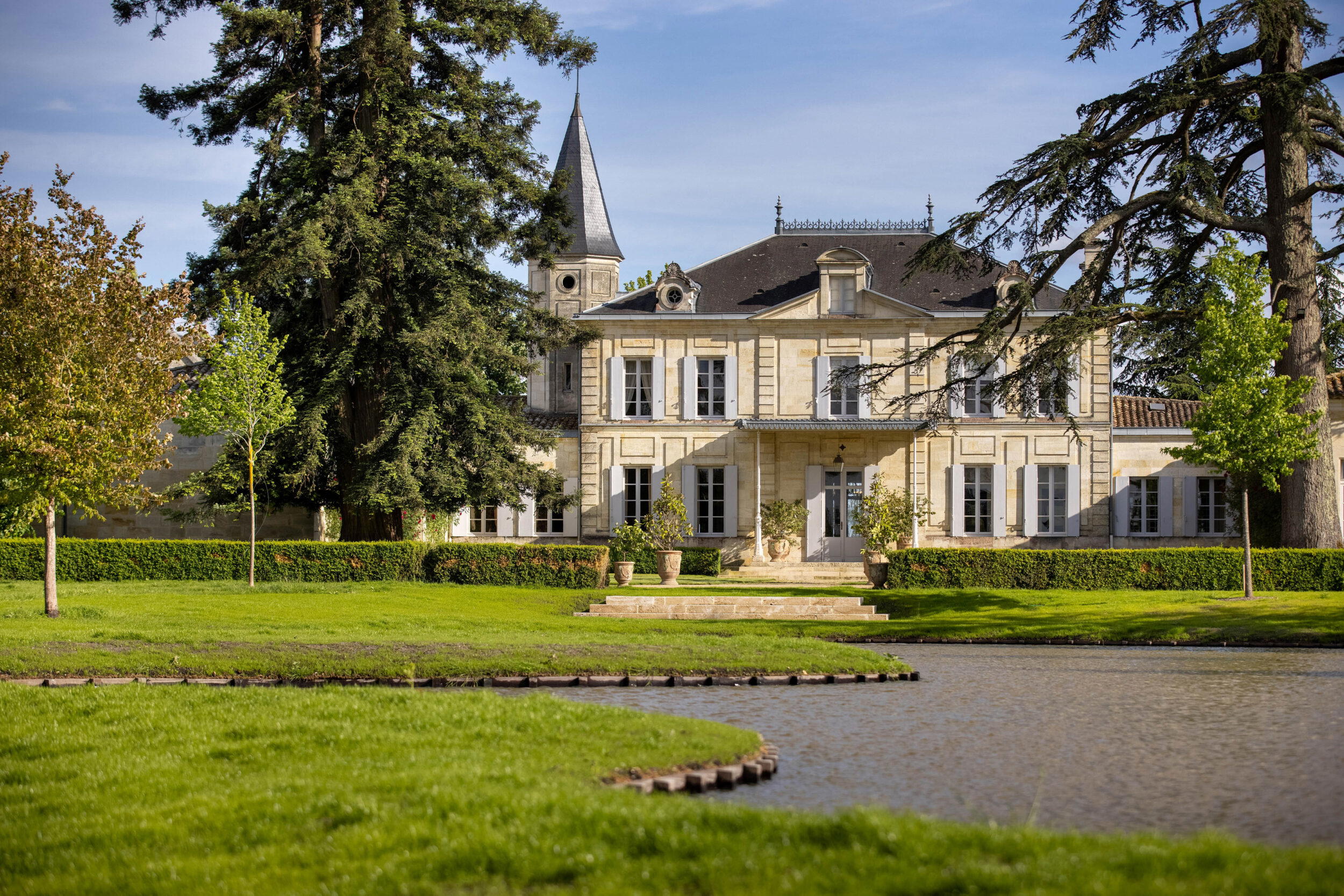
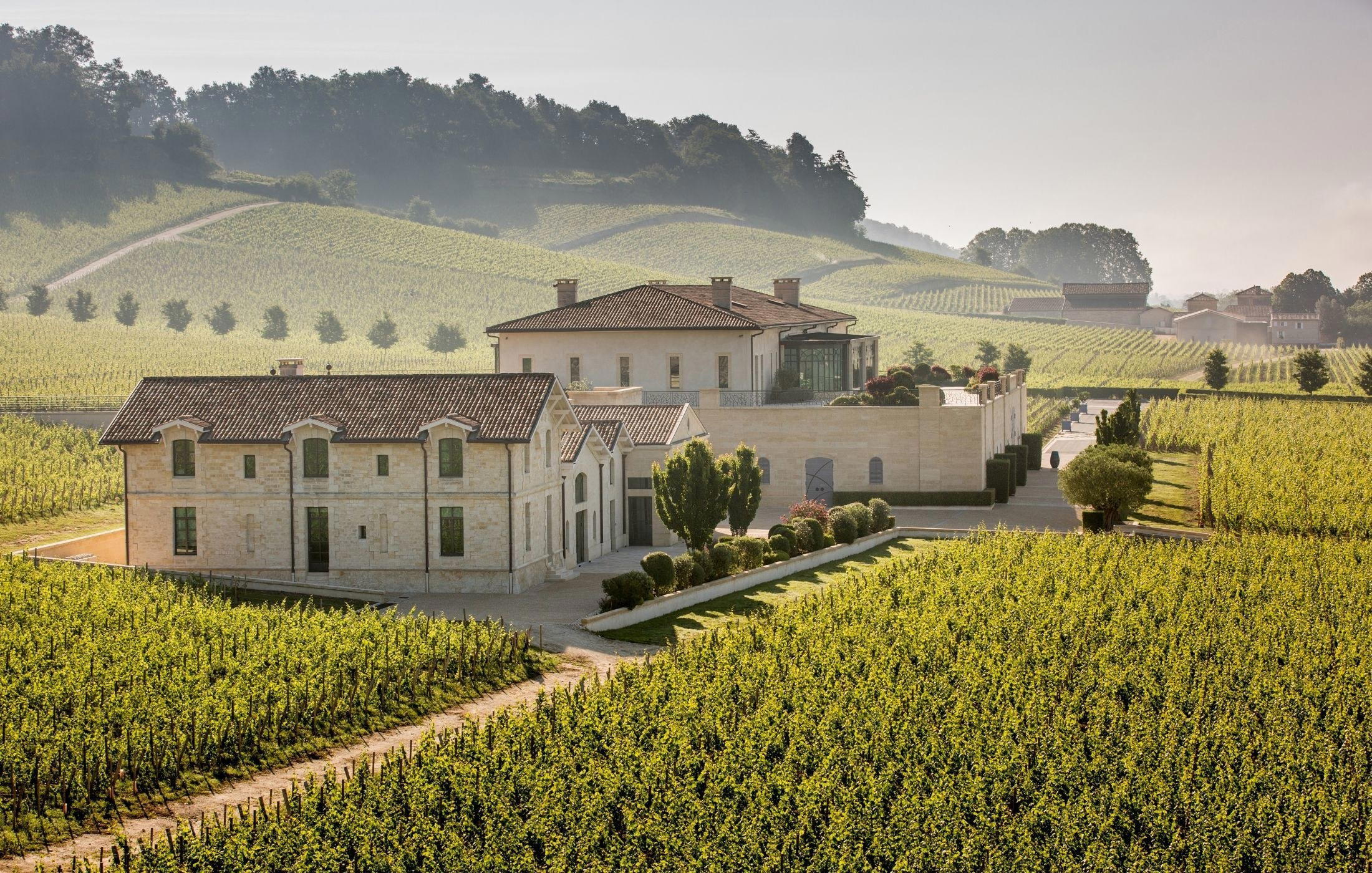
One of Saint-Émilion's oldest continuously producing estates, Château Canon has operated from its limestone plateau position since 1770. The estate's approach to the plateau's clay-limestone soils anchors it in the regenerative viticulture conversation that is reshaping the appellation's upper tier.

Pearl is the En Primeur Club membership app — saves, bookings, and concierge access live there. Same editors, same standards.
- Address
- 99 Ramonet, 33330 Saint-Émilion
- Phone
- +33 5 57 55 23 45
- Website
- chateaucanon.com
- Directions
- Get directions
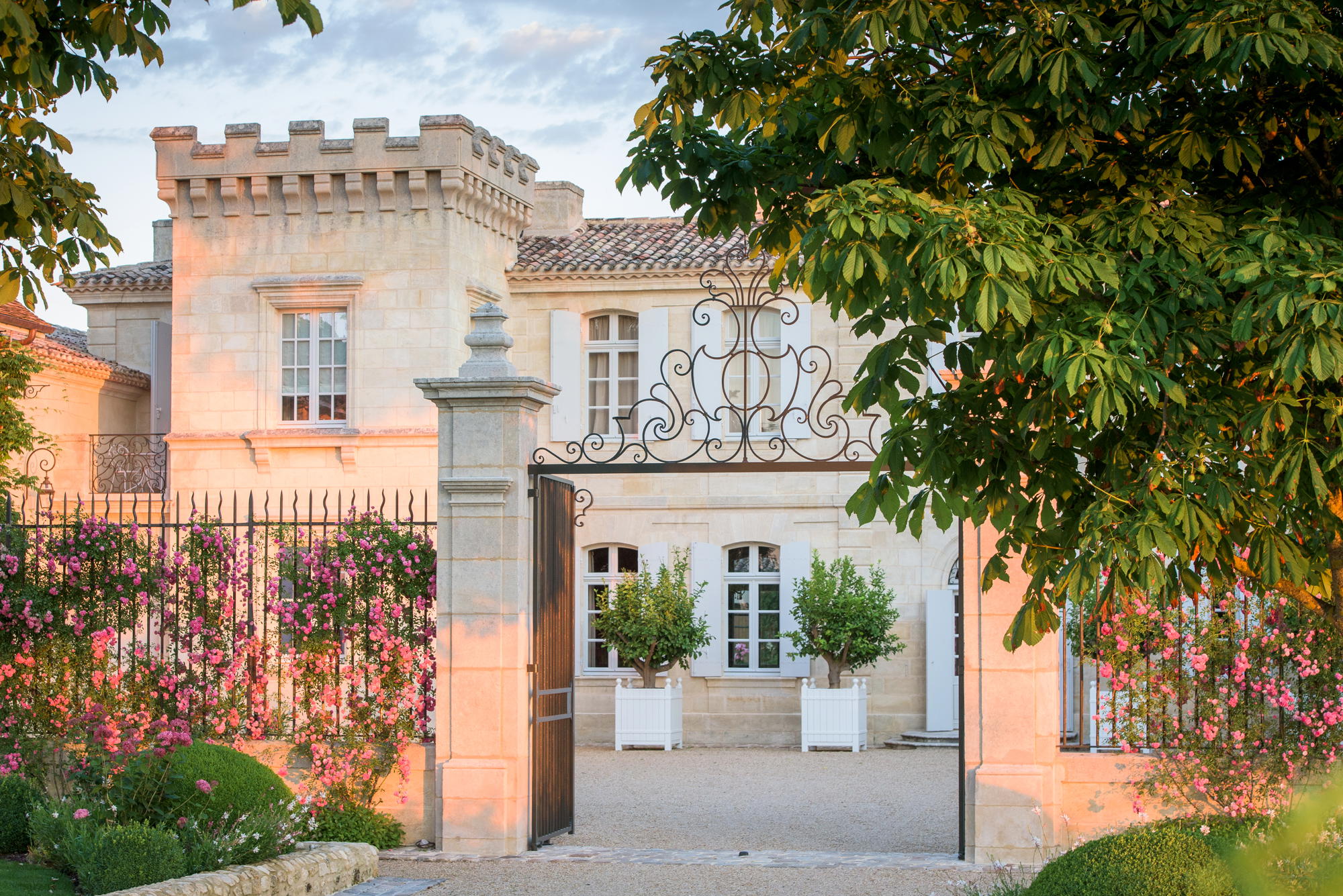
Limestone, Longevity, and the Weight of 1770
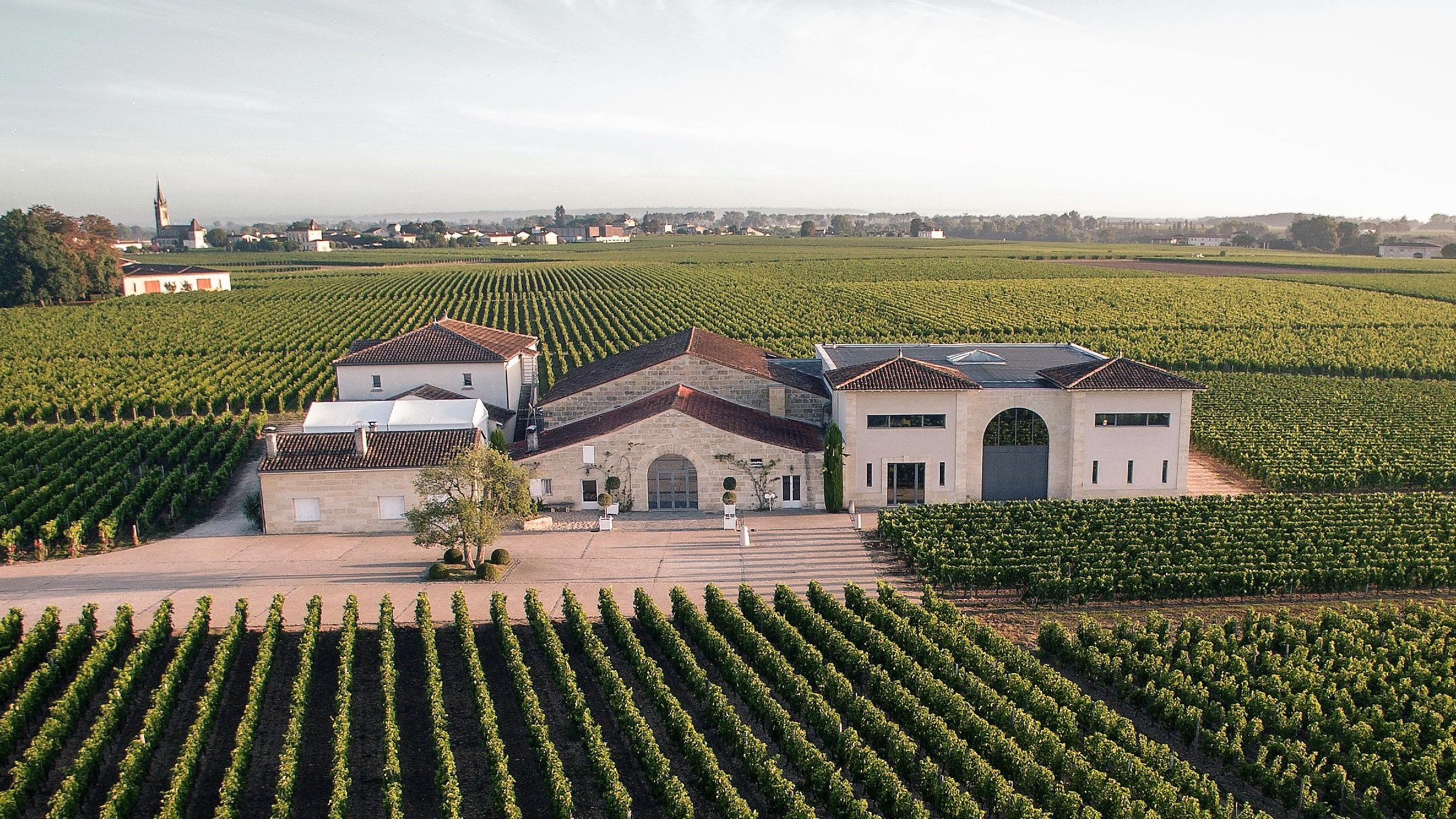
The plateau of Saint-Émilion is one of the most closely studied vineyard formations in Bordeaux, a shallow shelf of clay-limestone that sits directly above the town's famous network of caves and cellars. Walking the parcel boundaries here, you understand why premiers grands crus classés cluster on this ridge rather than the surrounding slopes: the soil drains precisely enough to concentrate, yet retains enough subsoil moisture to moderate the growing season. Château Canon has worked this ground since 1770, making it one of the appellation's longest-documented continuous producers, and that continuity matters when reading what the estate does today.
For broader context on the Saint-Émilion winemaking scene and how to plan a visit to the appellation, see our full Saint-Emilion restaurants guide.
Where Canon Sits in the Appellation's Competitive Tier
Saint-Émilion's classification system was revised most recently in 2022, and the upper bracket of premiers grands crus classés A and B now functions as a distinct peer group, priced and allocated against each other rather than against generic Bordeaux. Château Canon holds a premier grand cru classé B position, which places it in a tier populated by estates with serious secondary-market interest and allocation-level demand for recent vintages. Neighbours in that conversation include Château Bélair-Monange, Château Canon-la-Gaffelière, Château Clos Fourtet, and Château La Mondotte, each working the same geological formation with distinct stylistic emphases.
That rating places it in a small cohort across France, including estates as varied as Château Batailley in Pauillac, Château Branaire-Ducru in Saint-Julien, and Château Cantemerle in Haut-Médoc, all recognised in the same 2025 round.
Viticulture as the Central Argument
Across Bordeaux's classified estates, the most consequential shift of the past decade has been in the vineyard rather than the cellar. The move toward organic certification, cover cropping, reduced copper inputs, and deeper engagement with soil biology has separated the appellation's forward-thinking properties from those still running conventional programmes. This is the frame through which Château Canon's current phase reads most clearly.
The clay-limestone of the plateau responds particularly well to regenerative approaches: the soil structure is dense enough to benefit from root-zone aeration through mechanical tillage, and the biological activity stimulated by cover cropping helps moderate the plateau's tendency toward compaction after wet winters. Winemaker Nicolas Audebert has overseen the vineyards through this transition, and the estate's direction under the Wertheimer family reflects a longer-term investment thesis in soil health that is common to the highest-performing plateau estates in the appellation.
This kind of viticultural commitment requires comparing Canon not just against its immediate neighbours but against the broader French fine wine scene where regenerative credentials now function as quality signals in their own right. The conversation spans very different categories: from Albert Boxler in Alsace to Accendo Cellars in Napa, the estates attracting serious collector attention in 2025 almost uniformly have a credible answer to how they farm, not just how they vinify.
Nicolas Audebert and the Wertheimer Era
The Wertheimer family, better known as owners of the Chanel fashion house, acquired Château Canon in 1996. Long-term institutional ownership of this kind has a specific effect on classified Bordeaux estates: it tends to shift the investment horizon from vintage-to-vintage performance to decadal estate repositioning. Cellar renovation, precision viticulture equipment, and the patience to replant underperforming parcels all become more plausible under that ownership structure.
Winemaker Nicolas Audebert sits inside that longer-term programme, responsible for translating what the plateau's soils offer in each harvest into a wine that earns its classification position year on year. His role at Canon places him in the tradition of estate-rooted winemakers who accumulate site knowledge across decades, a pattern that distinguishes this tier of Bordeaux from properties where winemaking consultants cycle across multiple estates. By contrast, consider how other respected French producers work the same principle of deep site knowledge: Chartreuse in Voiron and Château Coutet both demonstrate how continuity of production stewardship shapes output quality over time.
The Right Bank Style and What the Plateau Delivers
Saint-Émilion's plateau wines occupy a different stylistic register from the Left Bank's Cabernet-dominant structure. Merlot leads on the Right Bank, and the plateau's clay-limestone amplifies the grape's mid-palate texture and aromatic precision. Where Left Bank classified growths from Margaux sub-appellations or Sauternes neighbours build architecture through tannin framework, plateau Saint-Émilion wines like Canon tend toward density achieved through concentration rather than grip.
The first vintage date of 1770 is not merely a heritage marker. It signals 250-plus years of documented adaptation to a specific parcel, which means the estate's current viticultural choices are informed by a far longer observation window than most wine regions can claim. In practical terms for the collector, this continuity of site record allows comparisons across climatic periods that are becoming increasingly relevant as Bordeaux seasons shift warmer and drier.
Planning a Visit
Château Canon sits at 99 Ramonet in the 33330 postal district of Saint-Émilion, on the limestone plateau above the medieval town centre. The address places it within the tight cluster of premiers grands crus classés estates that define the appellation's prestige core, accessible on foot from the town or by car along the ridge road. Cellar visits and tastings at this classification level in Bordeaux typically require advance booking through the estate directly; walk-in visits are not standard practice for Canon or its immediate neighbours.
Timing matters in Saint-Émilion. The en primeur campaign in April draws trade professionals and serious collectors for barrel tastings of the most recent vintage, and this period gives the clearest picture of where a wine like Canon is heading stylistically. Autumn visits, during and after harvest in September and October, offer a different kind of access: the working vineyard in its most revealing state, and the possibility of seeing how the team responds to each season's specific conditions.
For visitors building a Right Bank itinerary, the proximity of Canon to Bélair-Monange, Canon-la-Gaffelière, and Clos Fourtet makes a single-day comparative tasting of plateau premier grand cru classé B estates feasible. The contrast between how each property interprets the same geological base is the most instructive wine education the appellation offers.
Recognition, Side-by-Side
Comparable venues nearby, for context on price, style, and recognition.
| Venue | Cuisine | Price | Awards | Notes |
|---|---|---|---|---|
| Château CanonThis venue — the venue you are viewing | Merlot, Cabernet Franc | $150–200 | Michelin 2 Grapes · Falstaff Winery - 4 Stars | Not listed |
| Château Valandraud | Merlot, Cabernet Franc | Not listed | Falstaff Winery - 4 Stars | Saint-Emilion |
| Château Pavie Macquin | Merlot, Cabernet Franc | Not listed | Falstaff Winery - 4 Stars | Saint-Emilion |
| Château Peby Faugeres | Merlot, Cabernet Sauvignon | Not listed | Falstaff Winery - 4 Stars | Saint-Emilion |
| Château Beau-Séjour (héritiers Duffau-Lagarrosse) | Merlot, Cabernet Franc | Not listed | Michelin 1 Grape · Falstaff Winery - 4 Stars | Saint-Emilion |
| Château Angelus | Merlot, Cabernet Franc | Not listed | Michelin 2 Grapes · Falstaff Winery - 4 Stars | Saint-Emilion |
Recognition history
Dated appearances from independent guides and award organizations, with the underlying list record or original source where available.
Michelin 2 Grapes
Michelin
Falstaff Winery - 4 Stars
Falstaff
Continue exploring
More in Saint-Émilion
Wineries in Saint-Émilion
Browse all →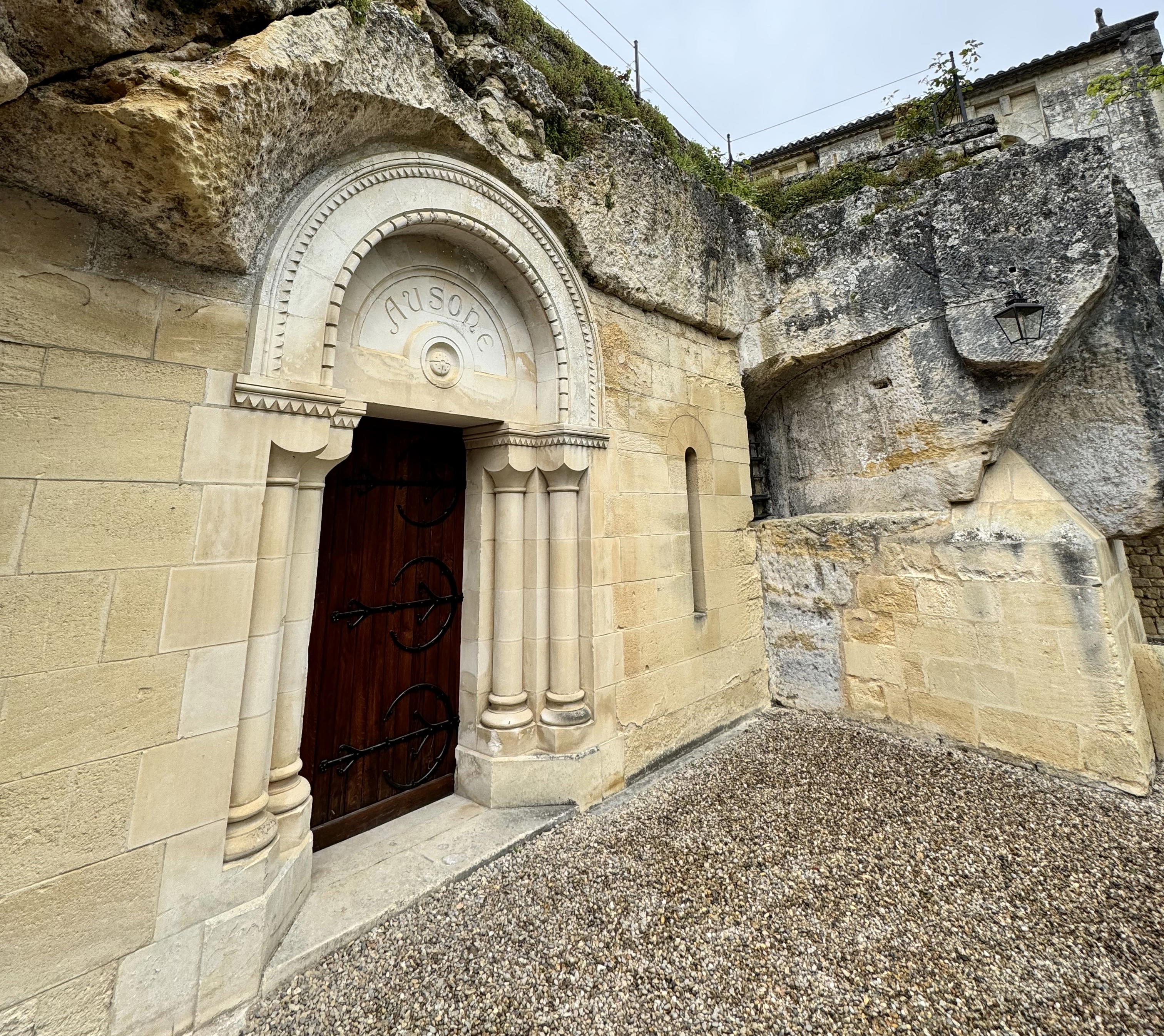
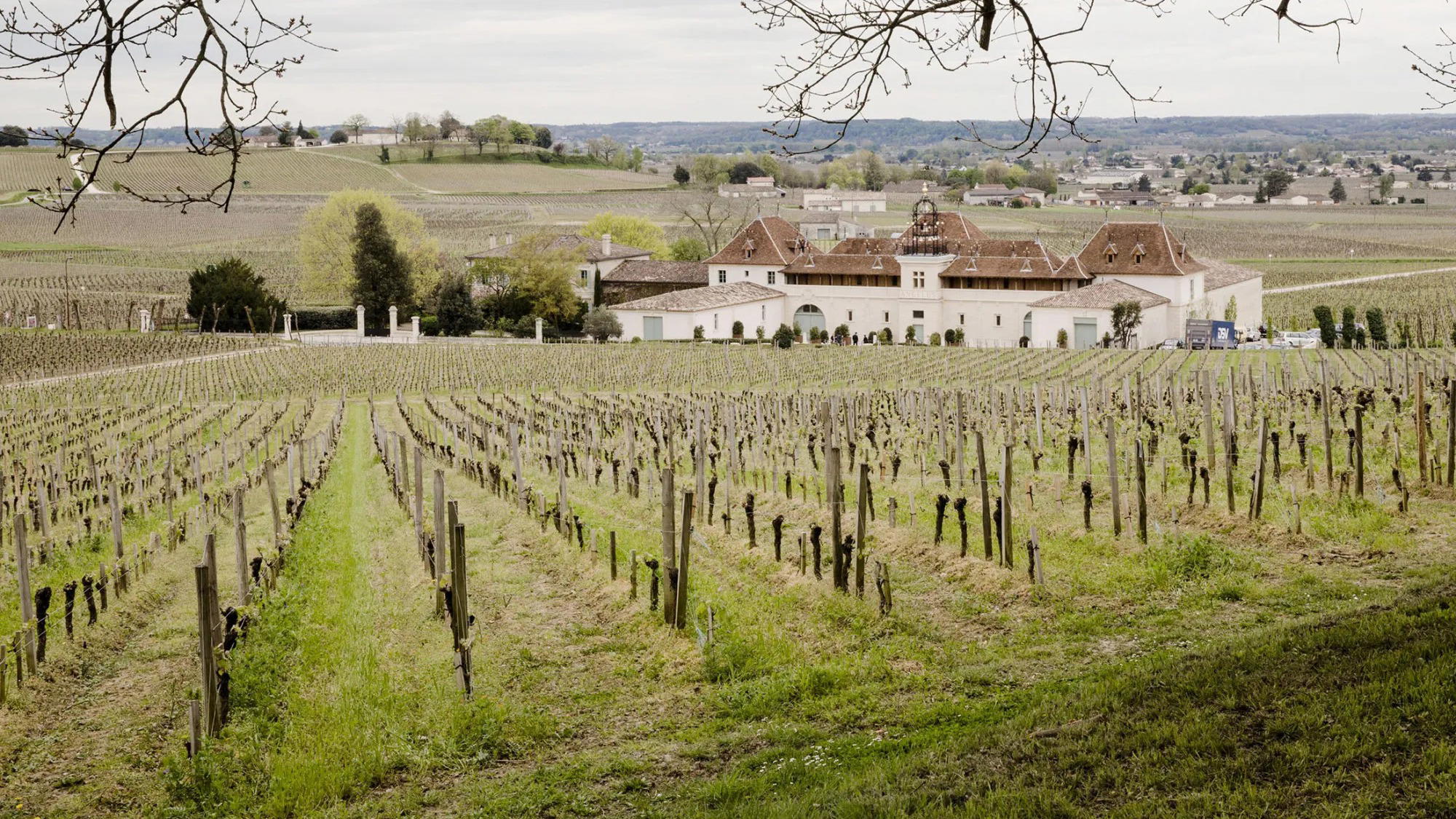
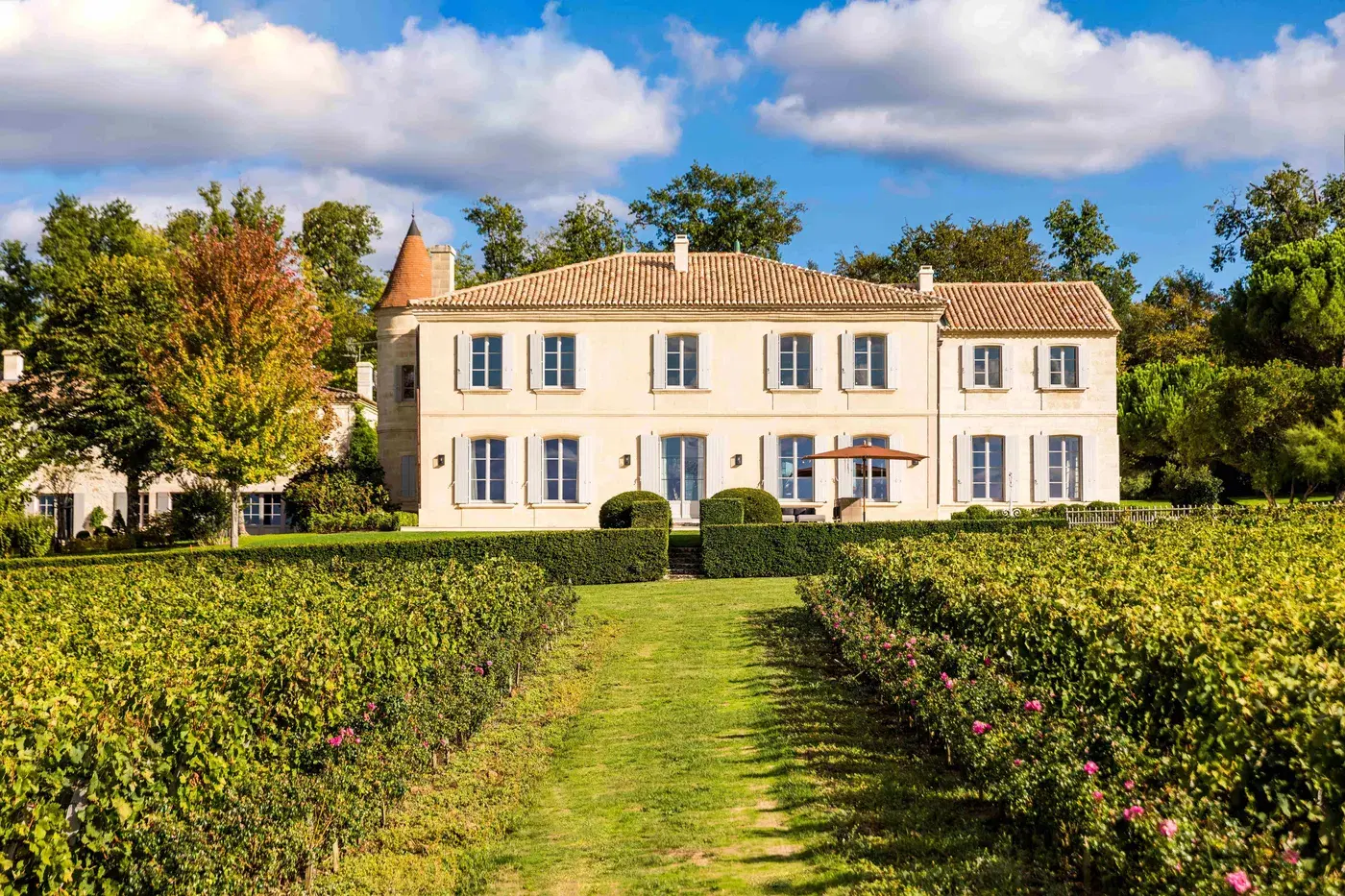
Bars in Saint-Émilion
Browse all →
Restaurants in Saint-Émilion
Browse all →
Details
- Elegant
- Classic
- Sophisticated
- Romantic
- Wine Education
- Romantic Getaway
- Special Occasion
- Celebration
- Vineyard Tour
- Estate Grounds
- Barrel Room
- Historic Building
- Panoramic View
- Sustainable
- Vineyard
- Merlot
- Cabernet Franc
- Still Red
- Estate Tasting
- Barrel Tasting
- English
- French
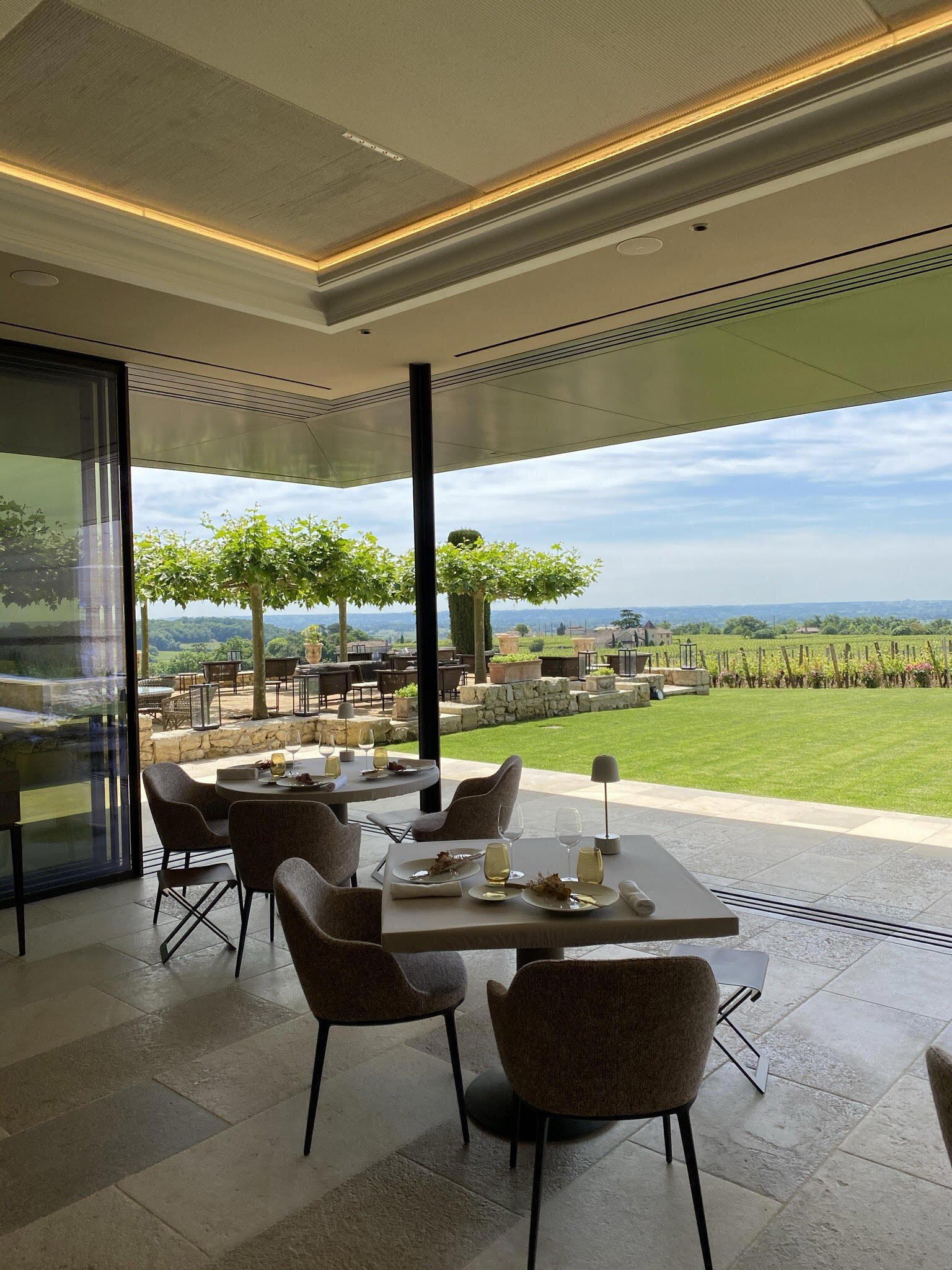
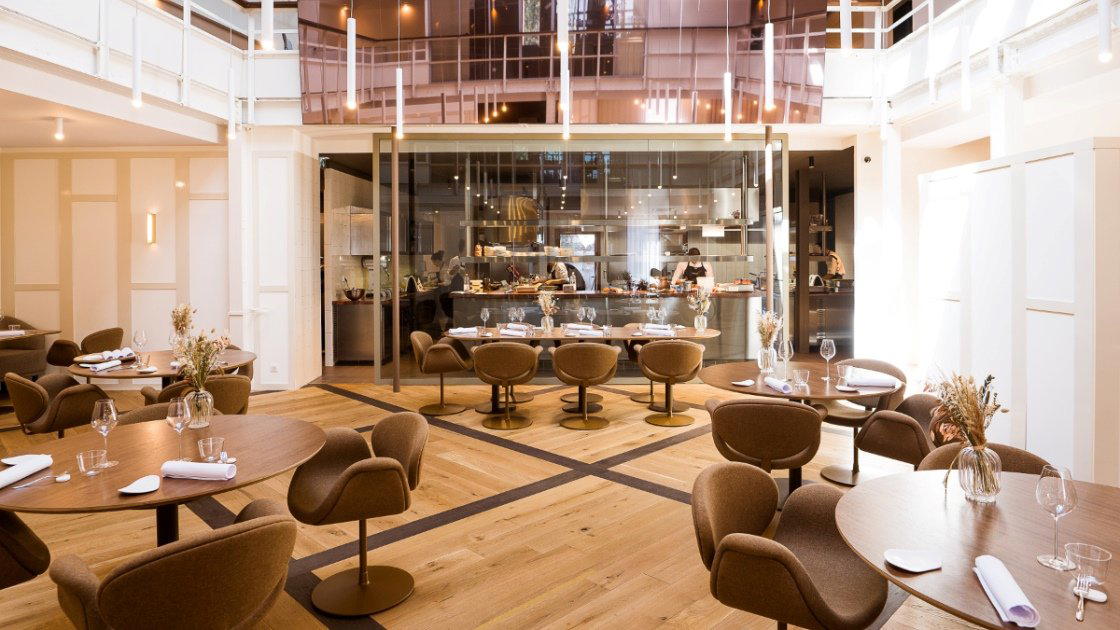
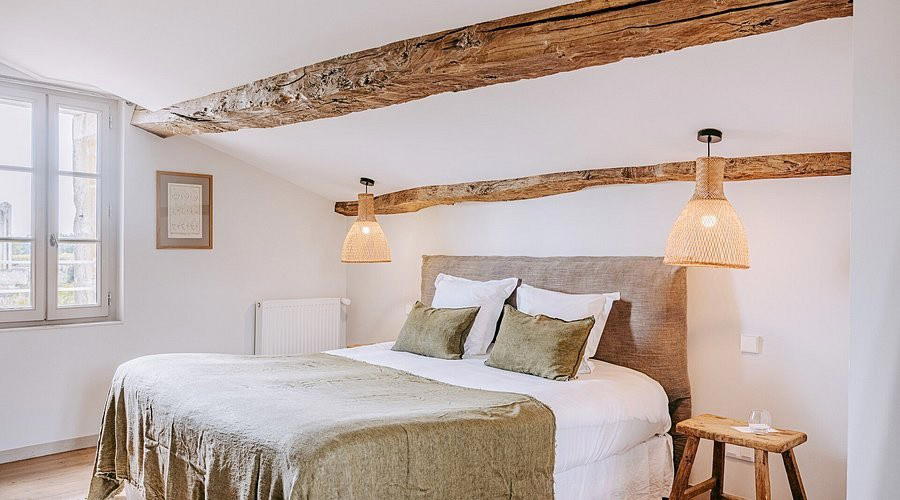
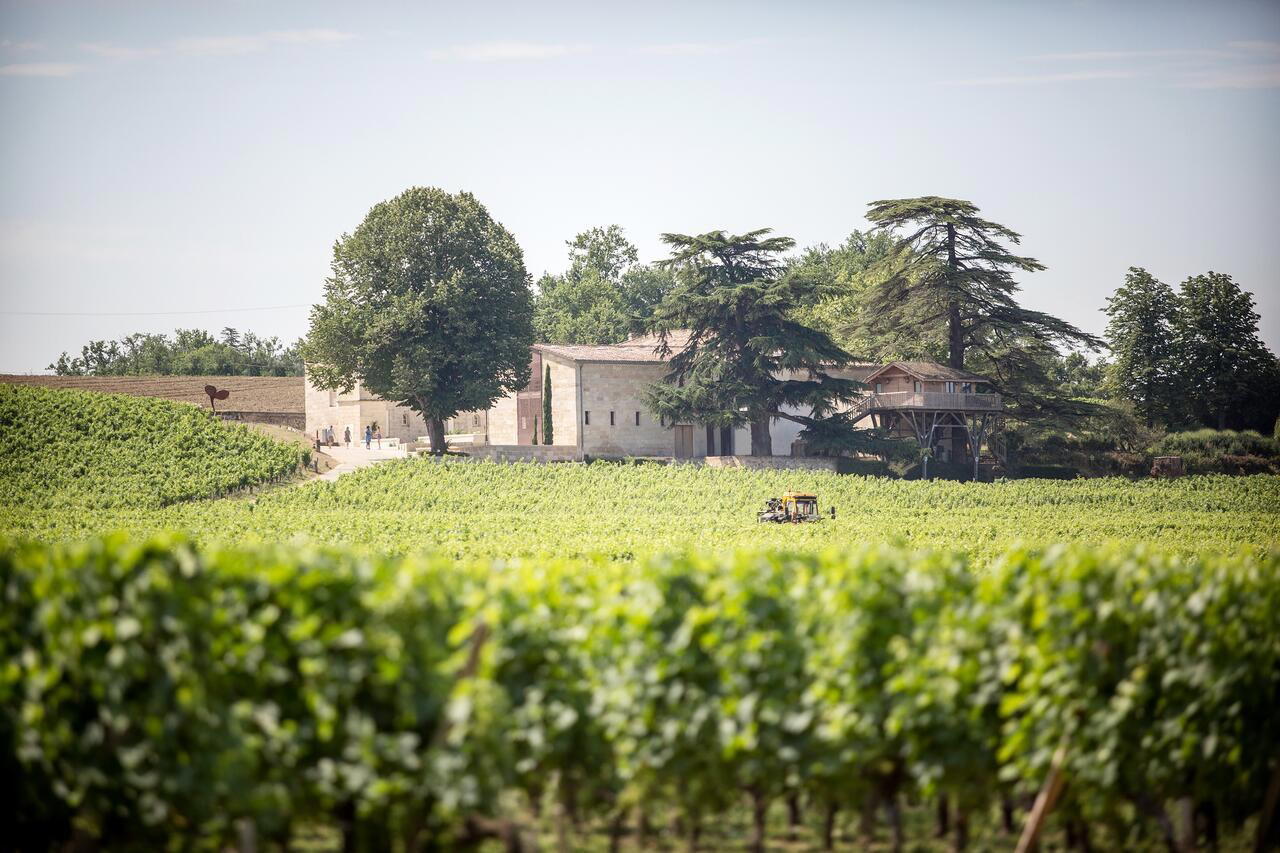
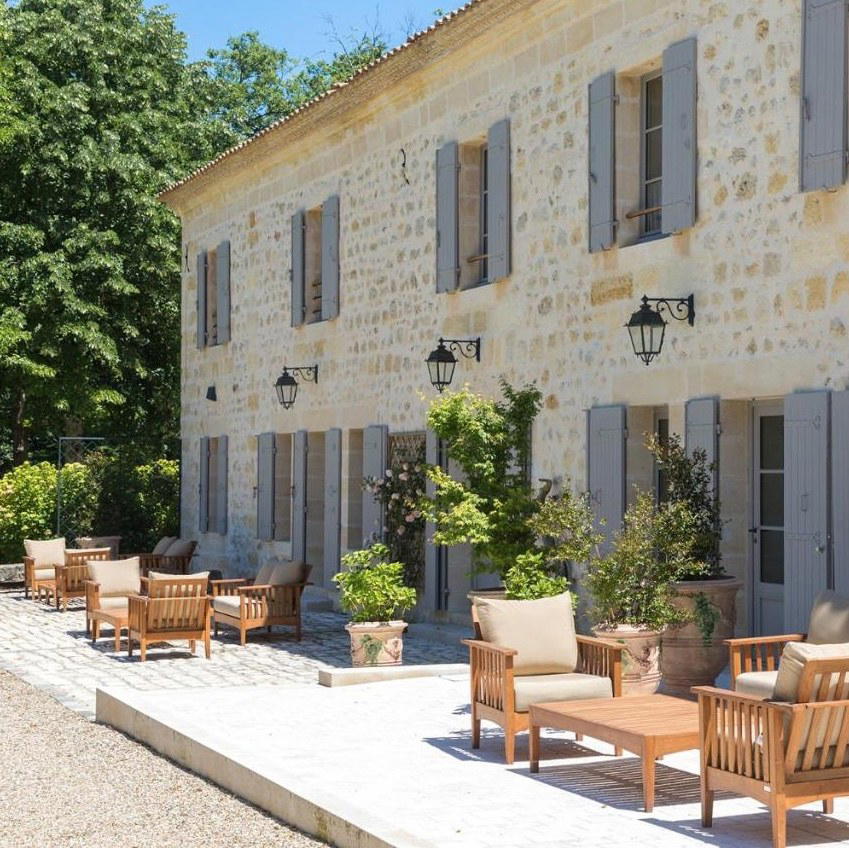
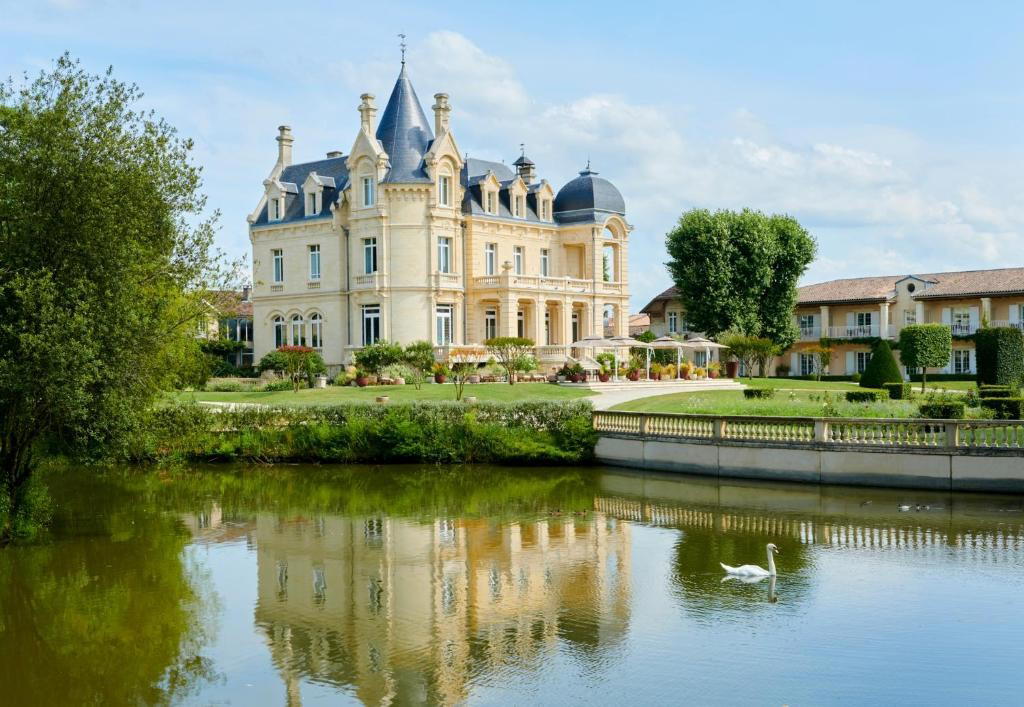
Historic 18th-century château with refined, understated elegance; limestone plateau setting with panoramic vineyard views; traditional winemaking atmosphere blending heritage with modern precision.