Montevertine

Montevertine is a small estate in Radda in Chianti that has shaped the identity of Sangiovese-dominant winemaking in Tuscany since its first vintage in 1971.
Pearl is the En Primeur Club membership app — saves, bookings, and concierge access live there. Same editors, same standards.
- Address
- Località Montevertine, 53017 Radda in Chianti SI
- Phone
- +39 0577 738009
- Website
- montevertine.it
- Directions
- Get directions
 Saves & bookings on Pearl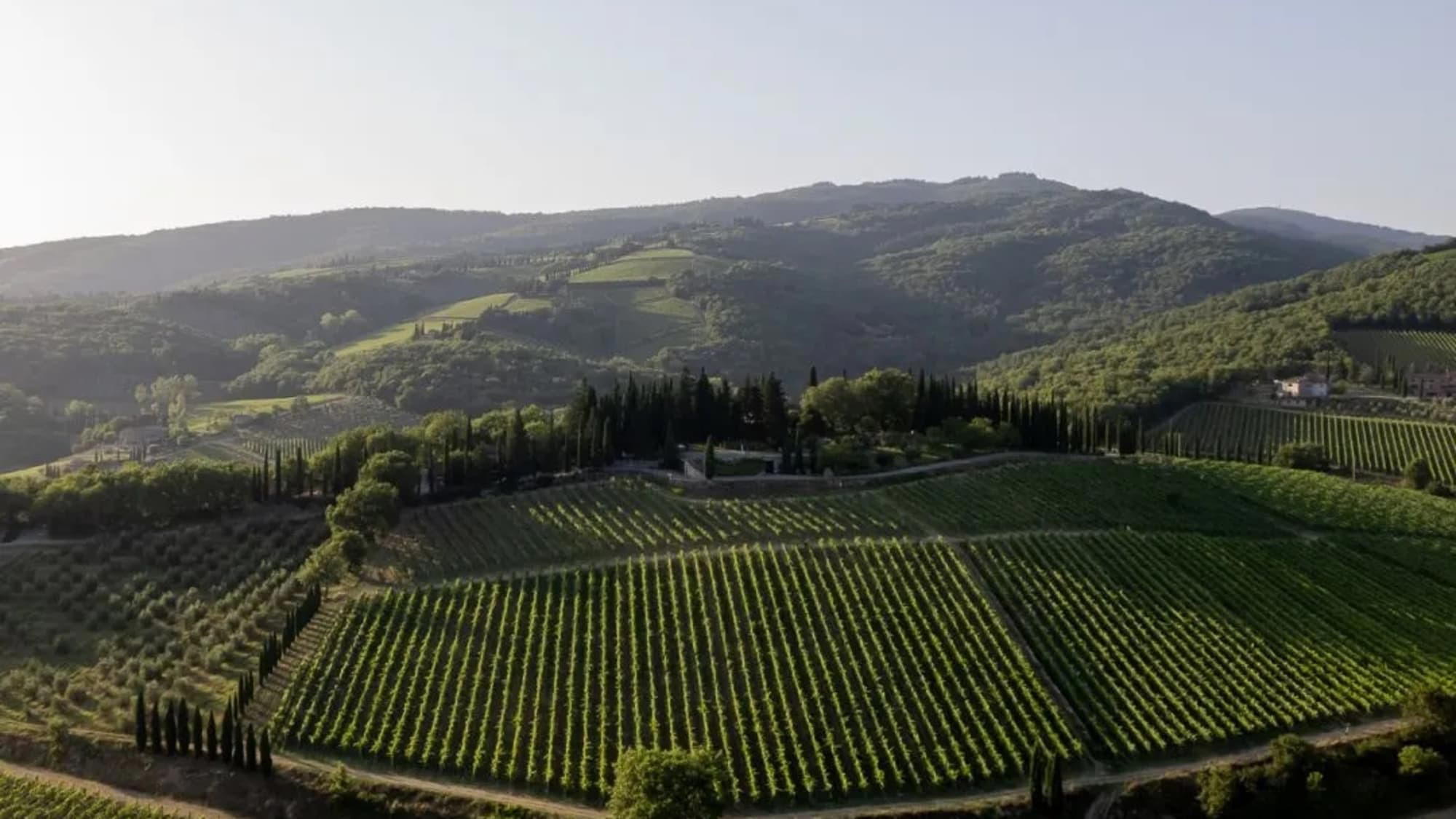
Sangiovese Without the Safety Net
The hills above Radda in Chianti produce some of the zone's highest-altitude vineyards, and the estates that have worked this ground for decades carry a particular kind of authority. Montevertine winery sits at that intersection of altitude, age, and accumulated decision-making. It is a winery in Radda in Chianti, producing artisan Sangiovese under winemaker Martino Manetti. Its first vintage dates to 1971, placing it among a generation of Chianti Classico producers who predate the zone's modern appellation reforms and whose choices about varieties, yields, and winemaking have shaped what Sangiovese can mean when it is handled without intervention. That lineage earns attention that newer estates cannot manufacture.
Radda sits at the northern end of the Chianti Classico denomination, cooler and slower-ripening than the lower-lying communes to the south. The macchia and alberese soils here tend to produce wines with more pronounced acidity and mineral definition than the fuller-bodied expressions from around Castelnuovo Berardenga. For producers willing to work with that character rather than against it, the wines can age in ways that few other Tuscan red wines match. Castello di Volpaia, which similarly operates from high-altitude parcels in the same commune.
What Martino Manetti Represents in the Chianti Classico Conversation
The editorial angle on Montevertine runs through winemaker Martino Manetti, whose role here is best understood as the continuation of a philosophy rather than its originator. Montevertine has long been associated with an approach that privileges Sangiovese as a sole or dominant variety at a time when the denomination allowed and often encouraged blending with international grapes. That positioning was contrarian when it began and has since been validated by the market's shift toward single-variety, site-expressive wines. Manetti's stewardship of the estate sits within that story: a winemaker working a lineage stretching back to 1971 who must make the wines credible to a contemporary audience without breaking the chain of practice that gives the estate its authority.
The Chianti Classico zone has split in recent years between estates that have pursued Gran Selezione as their flagship tier and those that have held to older production models. Montevertine's positioning as a producer of wines classified outside the standard Chianti Classico DOCG pyramid (its wines are typically sold as IGT Toscana) is a deliberate statement about autonomy from classification politics. That choice positions it alongside a handful of Tuscan producers who decided early that their wines could find a market and a critical audience without appellation marketing. It is a different competitive logic than that employed by, say, L'Enoteca Banfi in Montalcino or Poggio Antico, both of which operate within established DOC/DOCG frameworks where appellation prestige is part of the value proposition.
The Estate and Its Setting
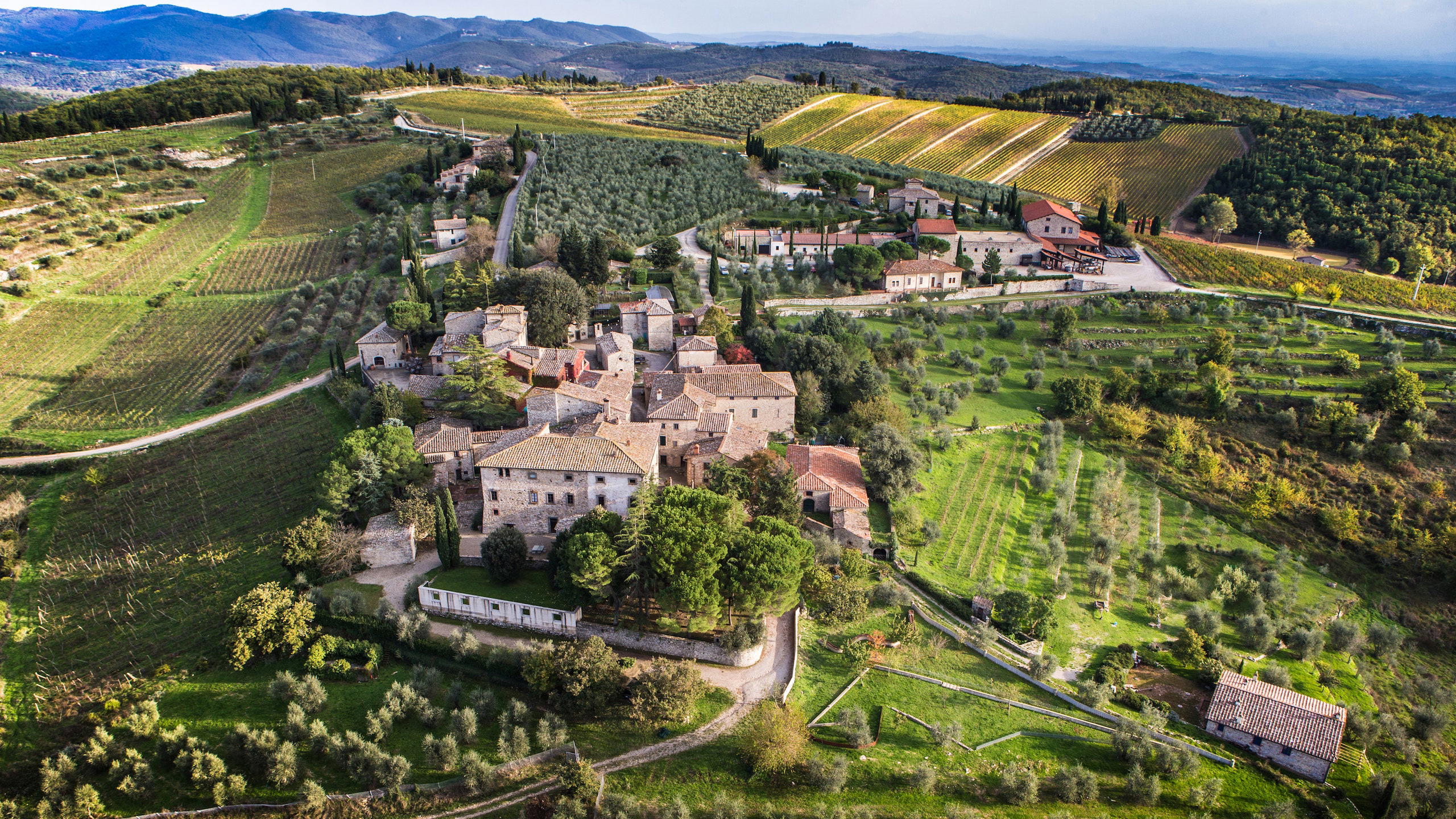
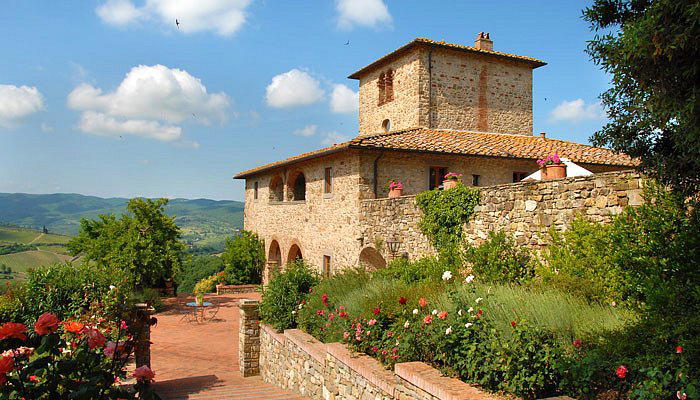
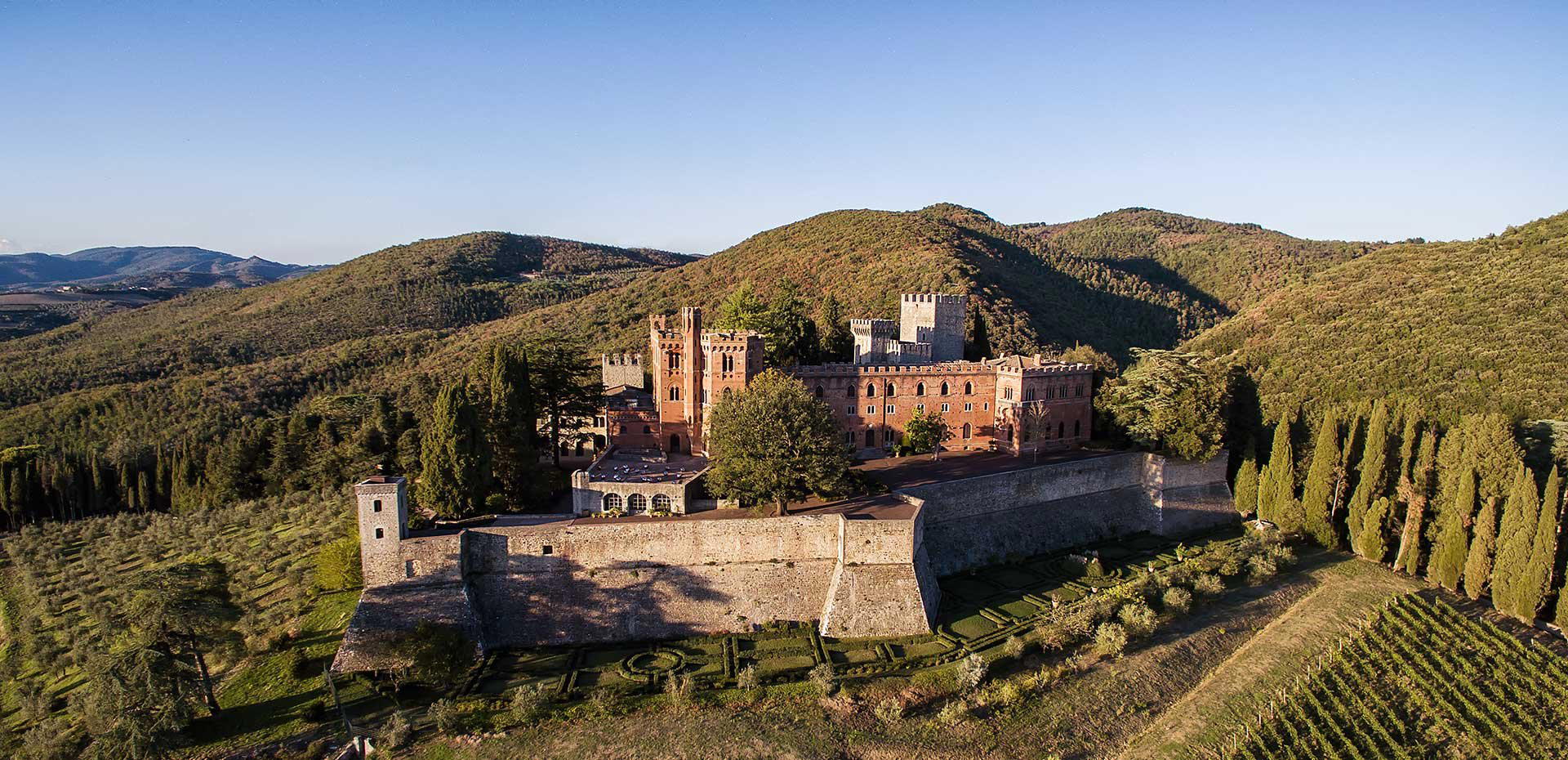
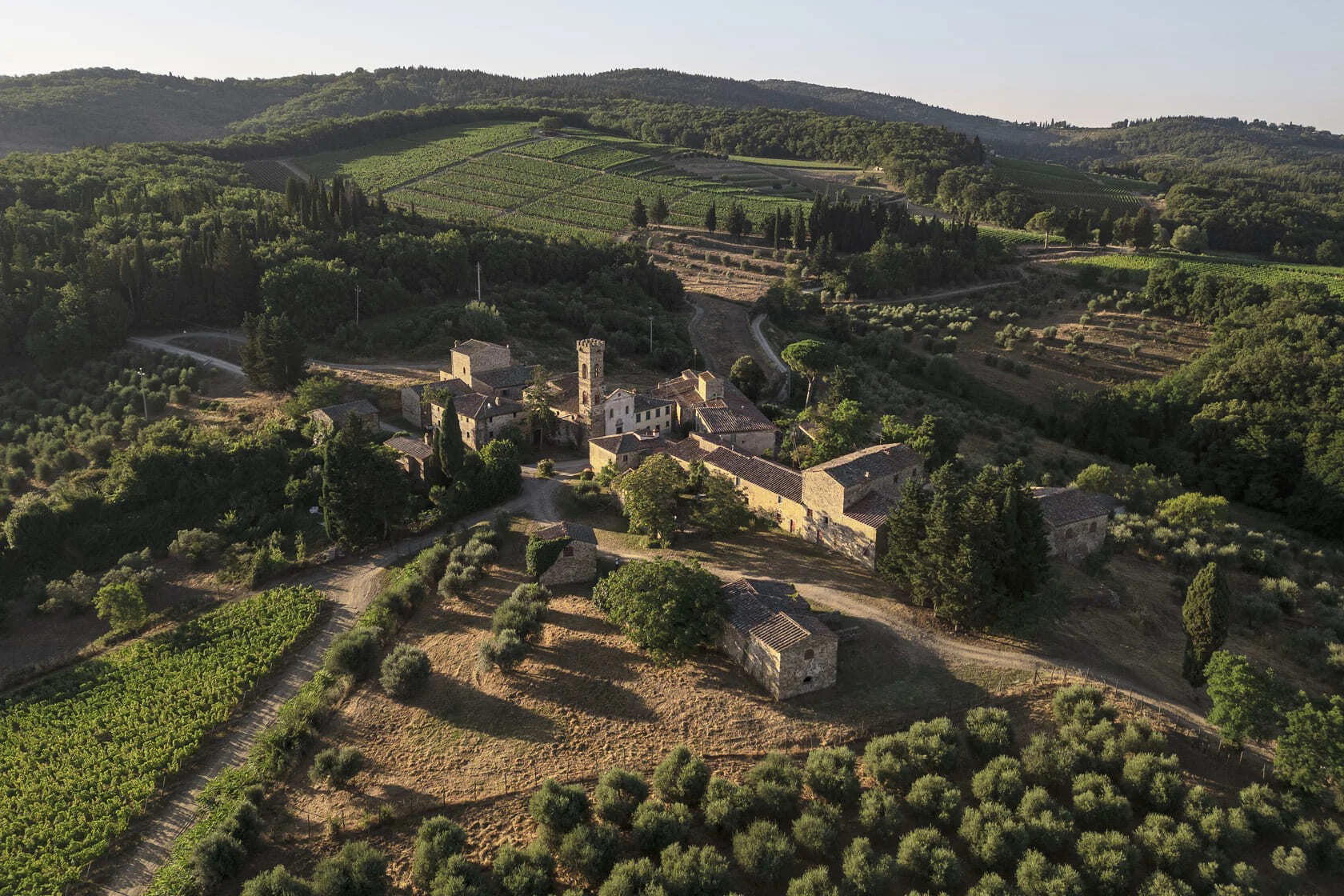
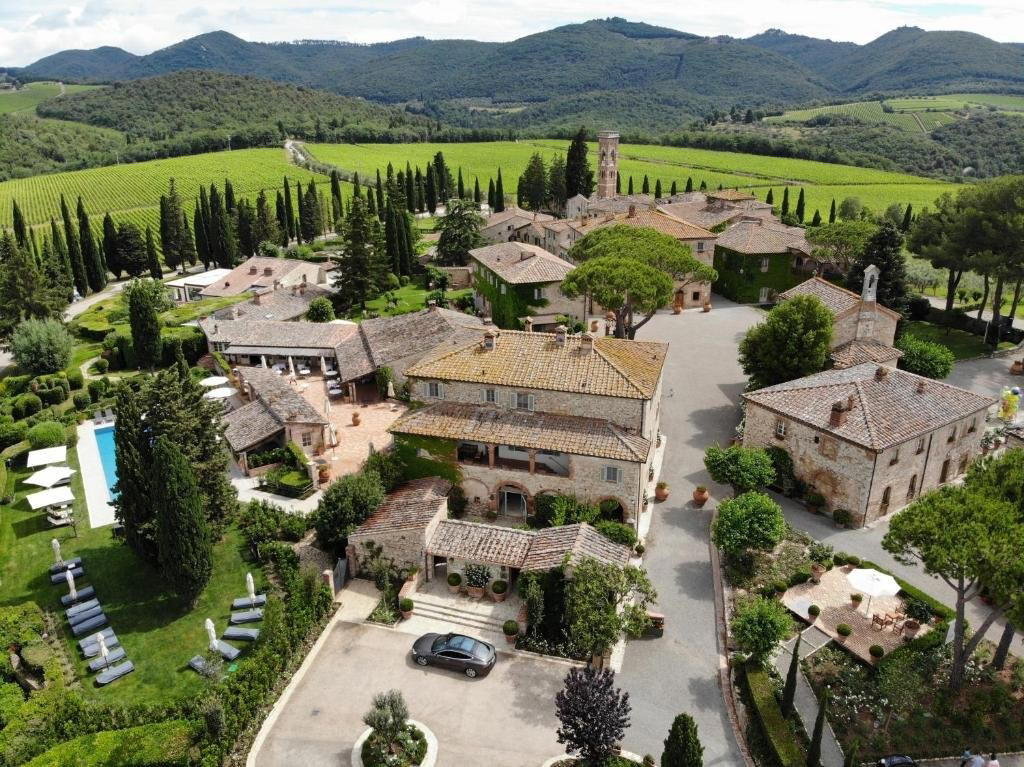
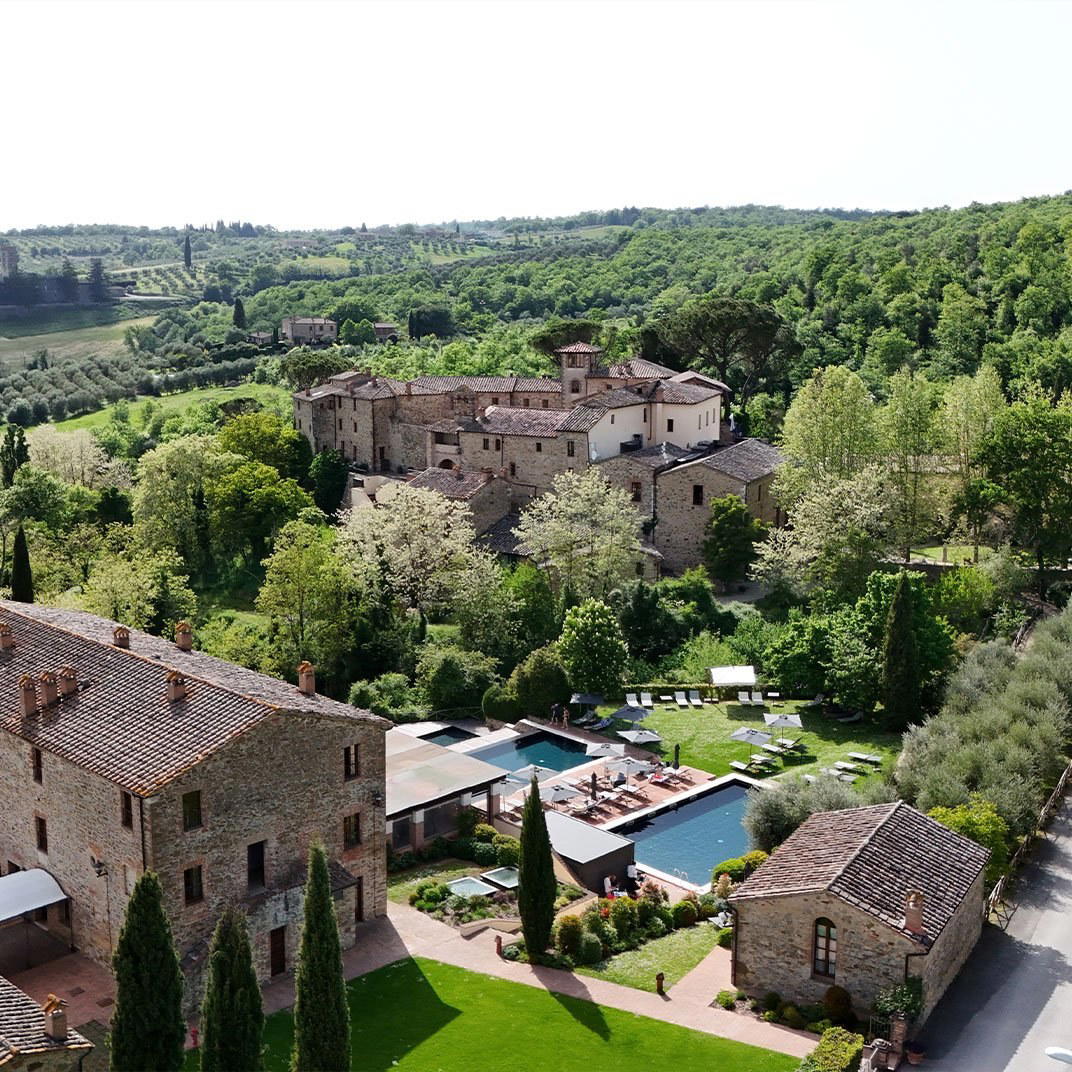
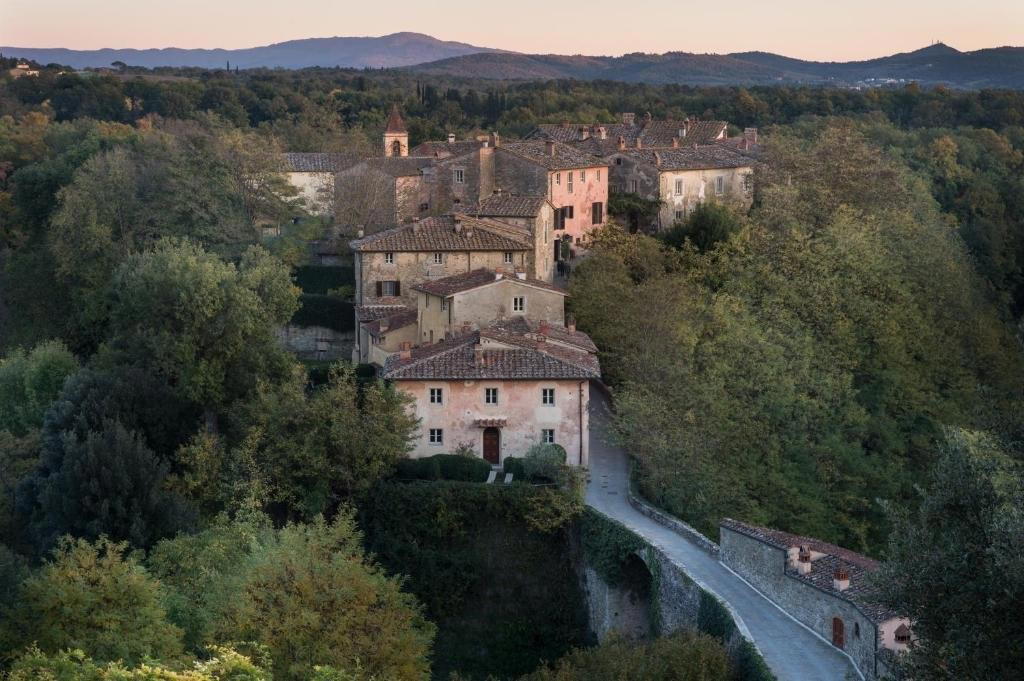
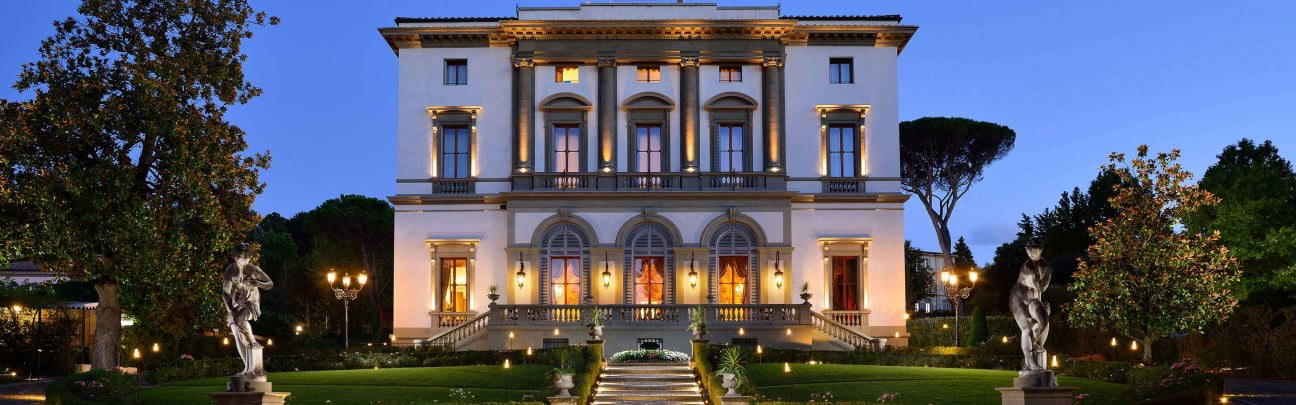
Approach to Montevertine follows the pattern common to smaller Chianti Classico estates: narrow roads through oak and cypress, the transition from asphalt to unpaved track, the eventual arrival at buildings that read as functional farm structures first and wine tourism destinations second. This is not a estate that has rebuilt itself around the visitor experience in the way that some larger operations have. The working character of the place is part of what signals seriousness to those who track Italian fine wine. The vineyards occupy the slopes surrounding the estate buildings, and the combination of elevation and aspect gives the site its thermal range, warm enough during the day to ripen Sangiovese fully, cool enough at night to retain the acidity that distinguishes Radda wines from more southerly expressions.
Visitors who come expecting a curated tasting experience in the mold of estates that have invested heavily in architecture and hospitality infrastructure will need to calibrate expectations. Montevertine's draw is the wine itself and the context of tasting it on the property where it was made. That is a sufficient reason to make the trip, and those who have tracked the estate's output over time will recognize what is in the glass. For broader coverage of where to eat and drink in the area,
Placing Montevertine in the Italian Wine Picture
Italian wine at the prestige tier has a geography problem: the country produces serious wine from dozens of regions and communes, and the critical attention tends to cluster around Barolo, Brunello, and Chianti Classico as the three poles of Italian red wine. Within Chianti Classico, the attention further concentrates on a small group of estates whose output is consistent enough and scarce enough to sustain collector interest across vintages. Montevertine falls within that group. Its 1971 founding gives it a depth of archive vintages that few Italian estates can match for breadth of reference.
Aldo Conterno in Monforte d'Alba in the sense that both are family-connected operations with long production histories that anchor critical conversation about their respective varietals. The parallels are not absolute: Barolo and Chianti Classico have different aging requirements, different market dynamics, and different collector bases. But the logic of a multigenerational estate where winemaking continuity is itself a product attribute applies in both cases.
Further afield within the Italian producer landscape, estates like Lungarotti in Torgiano and Planeta in Menfi represent different regional models: larger-scale operations that have built appellation reputations partly through their own market presence. Montevertine's model is narrower and more concentrated, which suits a different kind of collector. Distilleria Marzadro in Nogaredo, Distilleria Romano Levi in Neive, Nonino Distillery in Pavia di Udine, and Poli Distillerie in Schiavon (Vicenza) shows a parallel Italian commitment to small-batch, identity-driven production across categories. Outside Italy, estates like Ca' del Bosco in Erbusco and Accendo Cellars in St. Helena represent different national contexts for prestige winemaking, as does Aberlour in Aberlour for Scotch whisky or Campari in Milan for Italian spirits heritage more broadly.
Planning a Visit
Montevertine is located at Località Montevertine, 53017 Radda in Chianti SI. Visits are by appointment only.
A Pricing-First Comparison
Comparable venues nearby, for context on price, style, and recognition.
| Venue | Cuisine | Price | Notes |
|---|---|---|---|
| MontevertineThis venue — the venue you are viewing | Radda in Chianti, Sangiovese, Colorino | $$$ | Not listed |
| Castello di Volpaia | Radda in Chianti, Sangiovese, Merlot | $$$ | Not listed |
| Tenuta Sette Ponti | Castiglion Fibocchi, Sangiovese, Merlot | $$$ | Not listed |
| Castello di Monsanto | Not listed | $$$ | San Donato in Poggio, Sangiovese, Canaiolo |
| Distillerie Buton (Vecchia Romagna) | Bologna, Trebbiano | $$$ | Not listed |
| Altesino | Not listed | $$$ | Montalcino, Sangiovese, Trebbiano Toscano |
Recognition history
Dated appearances from independent guides and award organizations, with the underlying list record or original source where available.
Falstaff Winery - 5 Stars
Falstaff
Continue exploring
More in Radda in Chianti
Wineries in Radda in Chianti
Browse all →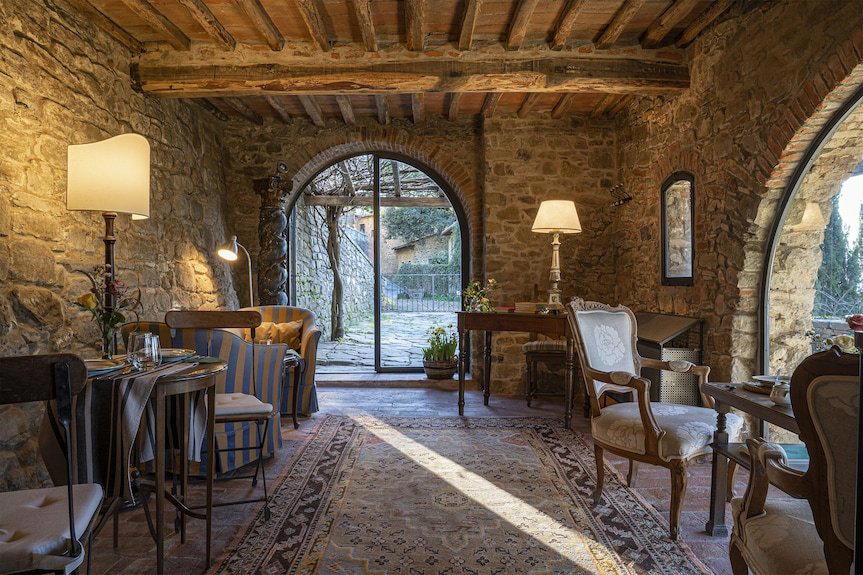
Bars in Radda in Chianti
Browse all →
Restaurants in Radda in Chianti
Browse all →
At a Glance
- Well Known
- Rustic
- Elegant
- Scenic
- Wine Education
- Romantic Getaway
- Special Occasion
- Vineyard Tour
- Estate Grounds
- Barrel Room
- Historic Building
- Panoramic View
- Organic
- Vineyard
- Mountain
- Rosso Di Toscana IGT
- Sangiovese
- Colorino
- Canaiolo
- Still Red
- Estate Tasting
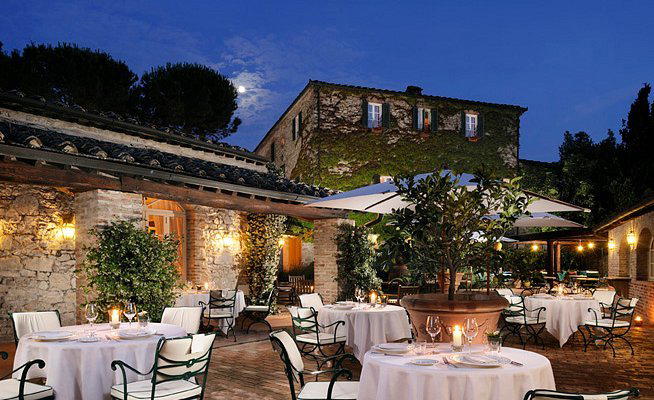
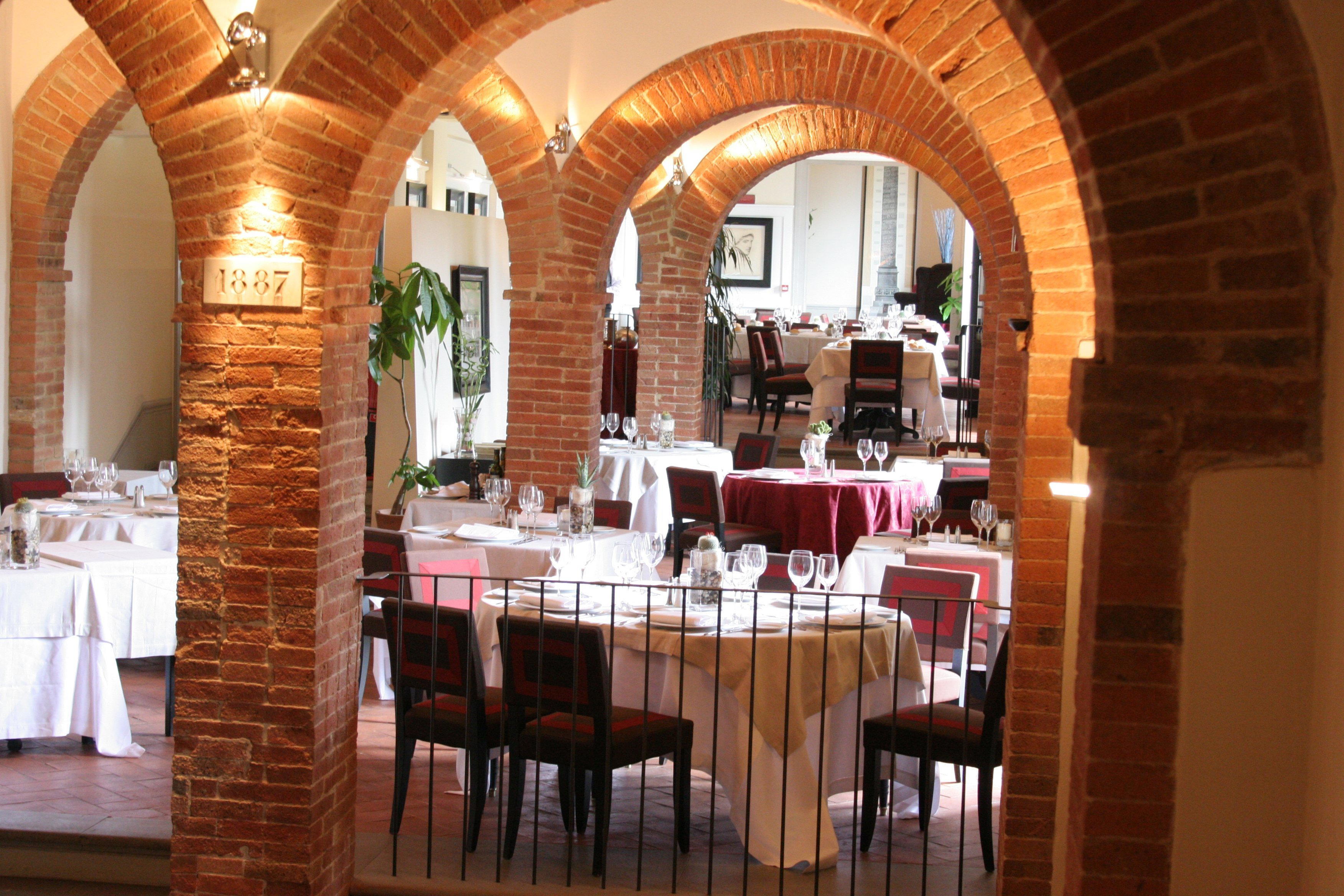
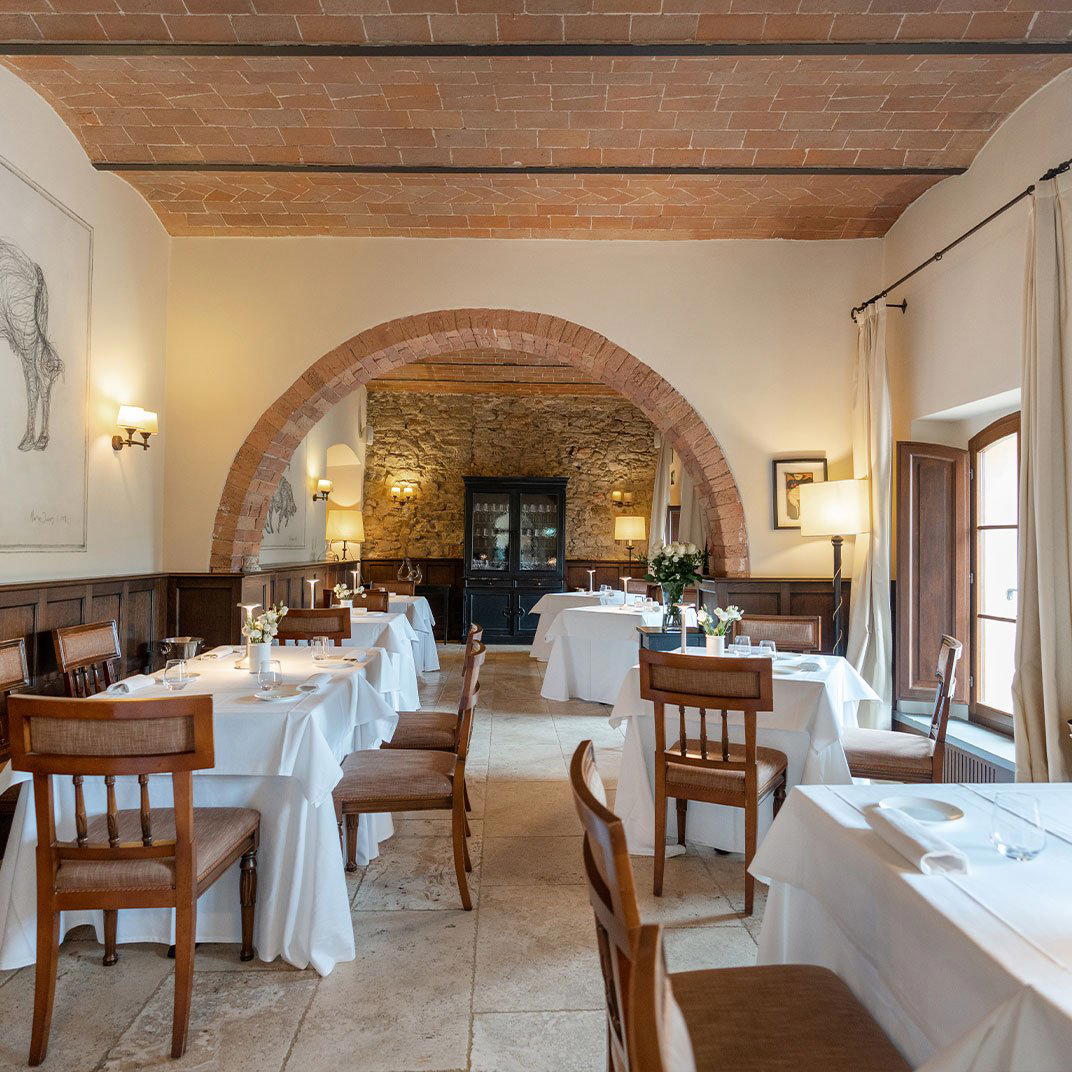
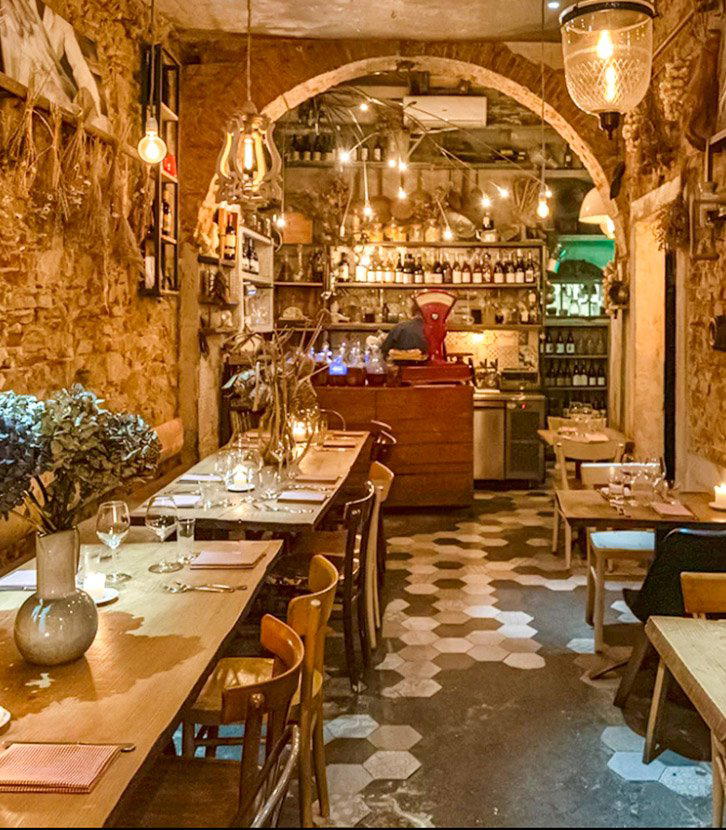
Historic hilltop setting with rustic charm, featuring hand-painted wine labels and a reverent atmosphere dedicated to Sangiovese expression and terroir authenticity.