
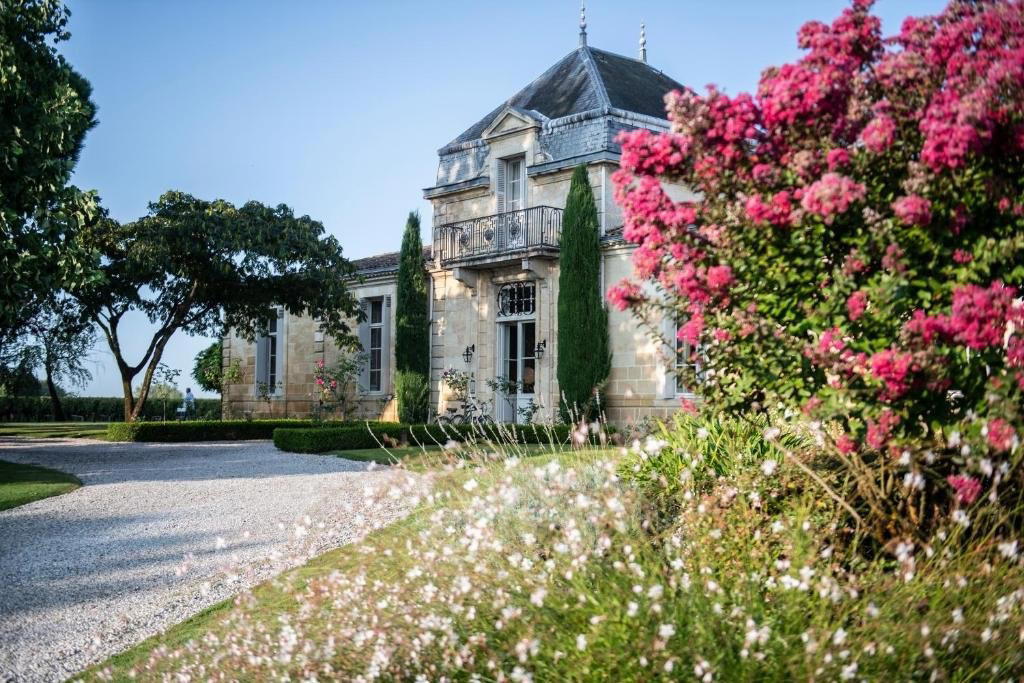
One of Margaux's oldest continuously operating estates, Chateau Malescot St.
Pearl is the En Primeur Club membership app — saves, bookings, and concierge access live there. Same editors, same standards.
- Address
- 16 Rue Georges Mandel, 33460 Margaux-Cantenac
- Phone
- +33 5 57 88 97 20
- Website
- malescot.com
- Directions
- Get directions
 Saves & bookings on Pearl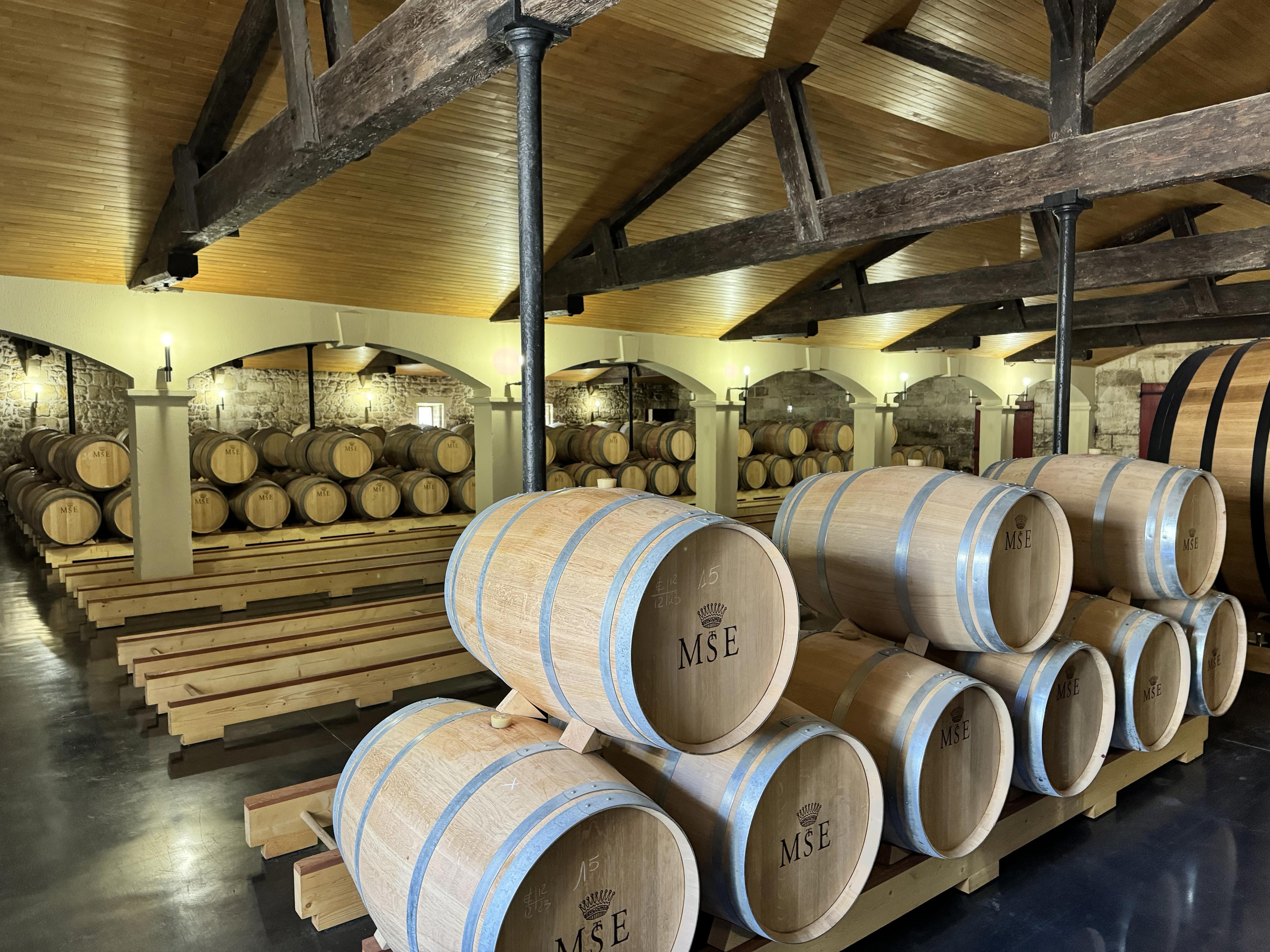
Where Margaux's Long Memory Meets Modern Vineyard Practice
The road into the Margaux appellation runs past a succession of walled estates that carry dates few wine regions anywhere can match. Chateau Malescot St. Exupery, addressed at 16 Rue Georges Mandel in the village of Margaux-Cantenac, sits within this historic corridor with a founding year of 1660, placing it among the oldest continuously documented estates in the Médoc. That kind of provenance shapes everything: the terroir has been read, mapped, and farmed across more than three and a half centuries of successive vintages, giving any serious student of Bordeaux a rare longitudinal lens.
What distinguishes the contemporary Malescot project from its long history is the direction winemaking has taken under Nicolas Audebert. Across the Médoc, the broader trend of the past two decades has moved toward lower intervention, reduced new-oak dependency, and closer attention to what the vineyard actually produces rather than what the cellar can impose. Malescot's positioning within that shift places it in a different conversation than the highly extracted, heavily structured Margaux releases of the 1990s.
Viticulture as the Foundation, Not the Afterthought
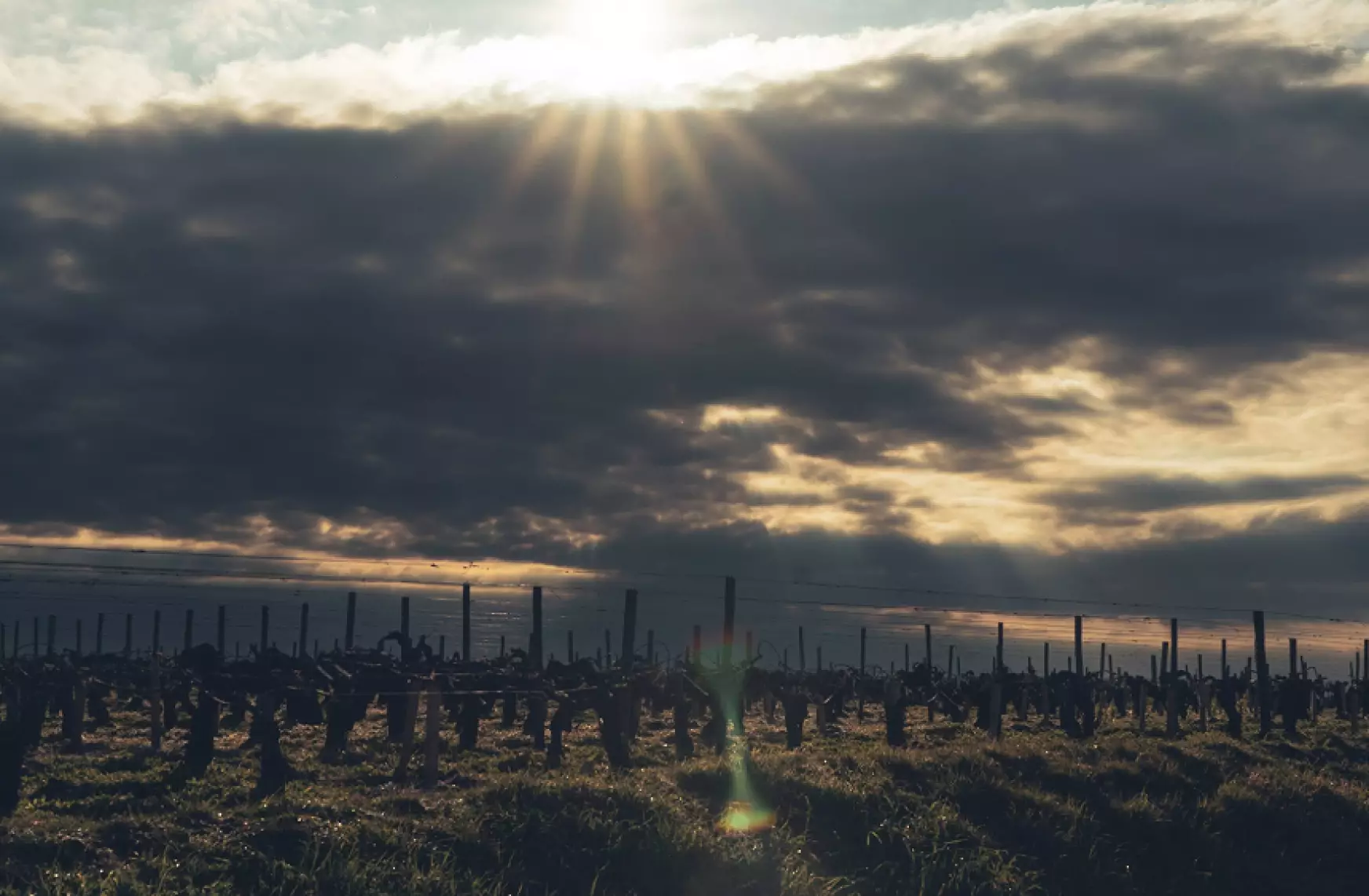
Across the Margaux appellation, the conversation about quality has gradually shifted from cellar technique to what happens in the vineyard before harvest. Estates that made their reputations on extraction and new oak in earlier decades are now competing on farming credentials: cover cropping between rows, reduced chemical inputs, and the kind of soil health work that takes five to ten years to register in the glass. Malescot's parcels sit on the characteristic gravel-over-clay subsoil that defines Margaux's western bank, and that terroir responds well to the kind of patient, low-disturbance farming that sustainable viticulture requires.
The move toward organic and biodynamic approaches is not uniform across the appellation. Larger estates with multiple separately farmed parcels face logistical challenges that smaller holdings do not. What Malescot shares with neighbours such as Château Ferrière and Château Marquis-de-Terme is a recognition that the long-term identity of Margaux wine depends on the health of its gravel beds and the complexity of its microbial soil life, not just on grape selection at the sorting table. Estates across the broader Bordeaux system, from Château Bélair-Monange in Saint-Emilion to Château Bastor-Lamontagne in Preignac, have made parallel moves, suggesting that the regenerative viticulture turn in Bordeaux is systemic rather than trend-driven.
Winemaker Nicolas Audebert's position at Malescot connects the estate to a generation of Bordeaux practitioners who came of age during the post-Parker recalibration of the 2010s, when the market began rewarding precision and restraint over sheer concentration. That generational shift produced different results in different appellations: in Pauillac, where Château Batailley and others operate within a Cabernet Sauvignon-dominant tradition that suits structure-forward winemaking, the shift registered differently than in Margaux, where the appellation's reputation rests on aromatic finesse and mid-palate texture rather than raw power.
Margaux's Internal Hierarchy and Where Malescot Sits
The 1855 Classification remains the defining document of Médoc prestige, and Margaux sits at the top of that document with more classified estates than any other commune. Within the appellation, the internal hierarchy runs from Château Margaux at the apex through the second, third, fourth, and fifth growths, each tier operating within its own peer group and pricing bracket. Malescot, classified as a Third Growth in 1855, competes in a tier that includes estates with comparable historical standing but very different contemporary trajectories.
The Third Growth category in Margaux is particularly competitive because it includes estates that have invested heavily in recent decades to close the gap with the second growths. Château Boyd-Cantenac in Cantenac sits in the same commune, and the comparison is instructive: two classified estates working the same appellation soils, differentiated by farming approach, cellar decisions, and the specific parcel composition of their holdings. For serious Bordeaux buyers, those distinctions matter more than classification tier alone.
Further afield, the precision-over-scale ethos finds expression in producers such as Accendo Cellars in St. Helena, where low-volume, site-specific Cabernet programs draw on similar philosophical ground.
The Estate in Context: Why 1660 Is More Than a Marketing Date
The founding date of 1660 is not merely decorative. Few wine estates anywhere have a continuous operational record that spans the reign of Louis XIV, the French Revolution, the phylloxera crisis, two world wars, and the post-1945 transformation of the Bordeaux negociant system. Each of those events reshaped the estate's ownership, farming practices, and commercial relationships.
For visitors approaching the estate, the village of Margaux-Cantenac offers the kind of quiet, working-agricultural character that distinguishes the Médoc from more heavily trafficked wine tourism corridors. The D2 road through the commune passes between walled properties and through a landscape where the distance between estates is measured in metres rather than miles. Château Malescot at 16 Rue Georges Mandel sits within that fabric, its address placing it close to the village centre in a commune where most serious estates remain actively focused on production rather than visitor programming. For full orientation to the Margaux appellation, including estate access and the full range of classified producers, see our full Margaux restaurants and wineries guide.
For those building comparative context across French wine regions, the Bordeaux left bank's structured, Cabernet-forward style contrasts instructively with the abbatial production tradition at Chartreuse in Voiron or the long-maturation philosophy of single-malt producers such as Aberlour in Aberlour, both of which share with Malescot an emphasis on time as a production input rather than an obstacle.
Planning Your Visit
The Médoc is most accessible between April and October, with harvest typically falling in late September or early October depending on the vintage. Classified-growth estates in Margaux do not operate as open-door visitor destinations; contact and booking arrangements for Malescot should be confirmed through the estate directly or through a specialist Bordeaux broker or en primeur merchant. For buyers interested in the en primeur system, the spring following harvest is when barrel samples circulate and futures pricing is set, making the window between April and June the most active period for serious purchasing decisions.
Recognition history
Dated appearances from independent guides and award organizations, with the underlying list record or original source where available.
Michelin Main Selection
Michelin
Continue exploring
More in Margaux
Wineries in Margaux
Browse all →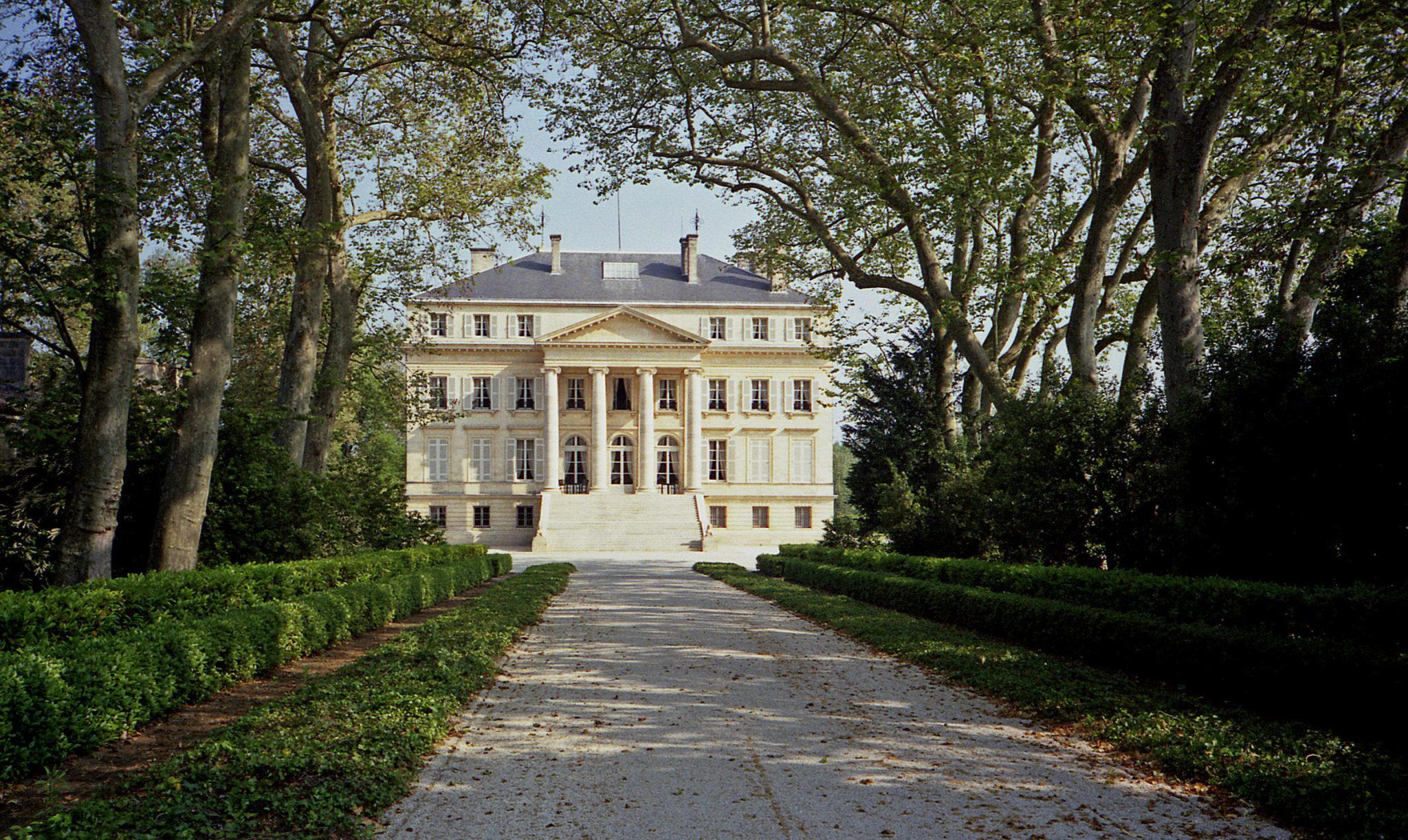
Bars in Margaux
Browse all →
Restaurants in Margaux
Browse all →
At a Glance
- Elegant
- Classic
- Sophisticated
- Well Known
- Wine Education
- Special Occasion
- Vineyard Tour
- Historic Building
- Vineyard
- Margaux
- Cabernet Sauvignon
- Merlot
- Cabernet Franc
- Petit Verdot
- Still Red
- Cave Tasting
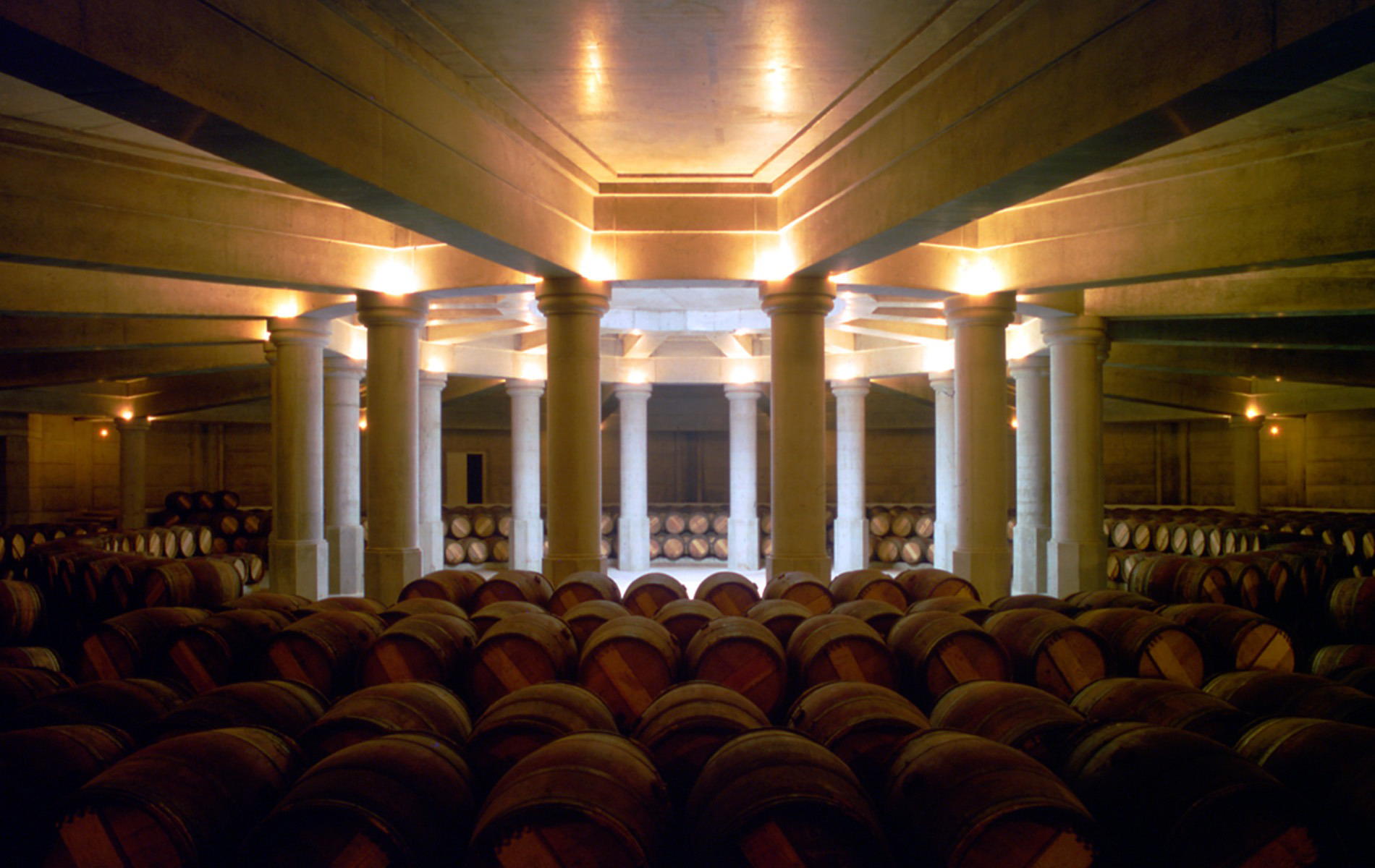
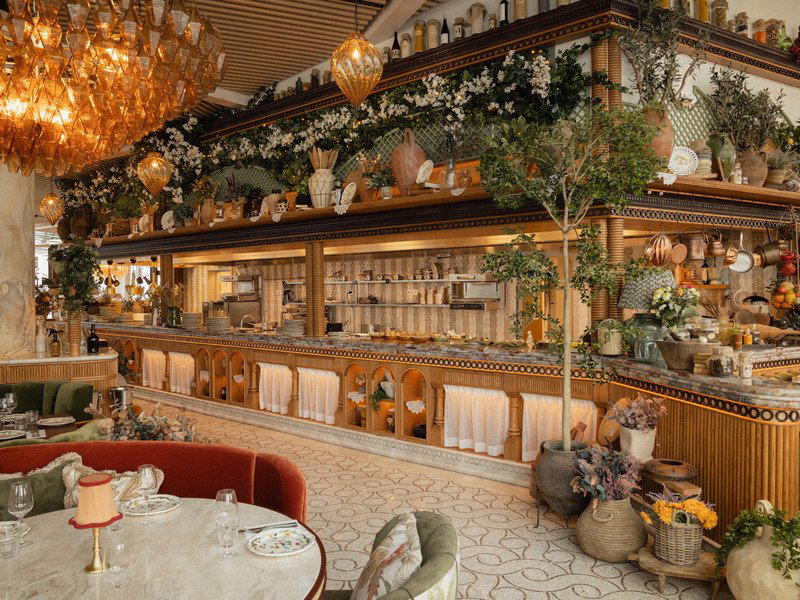
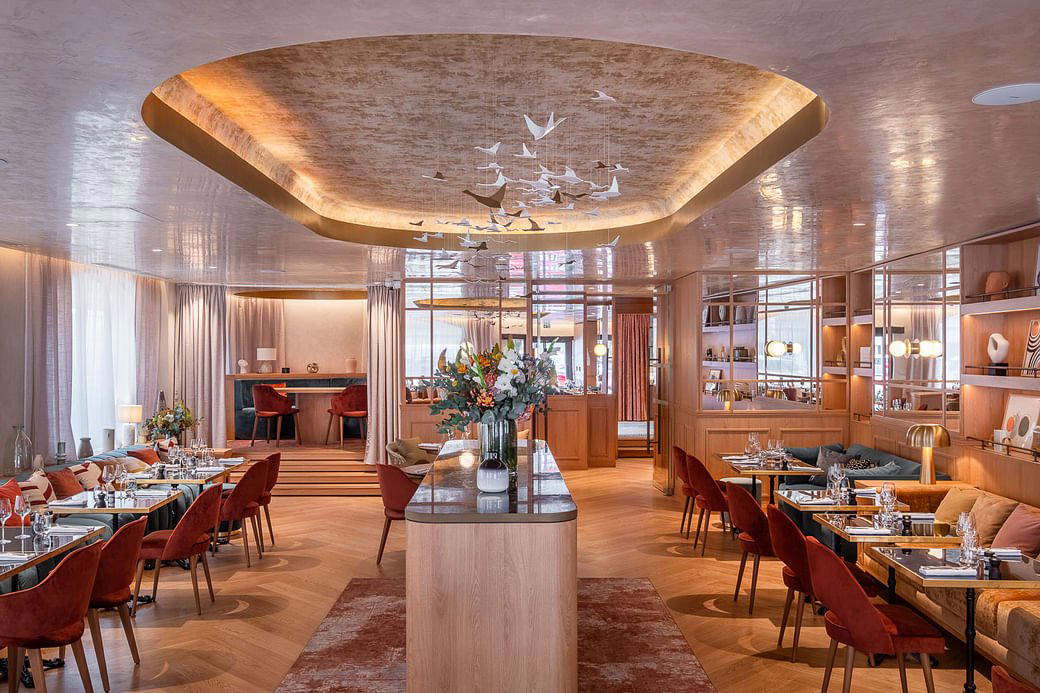
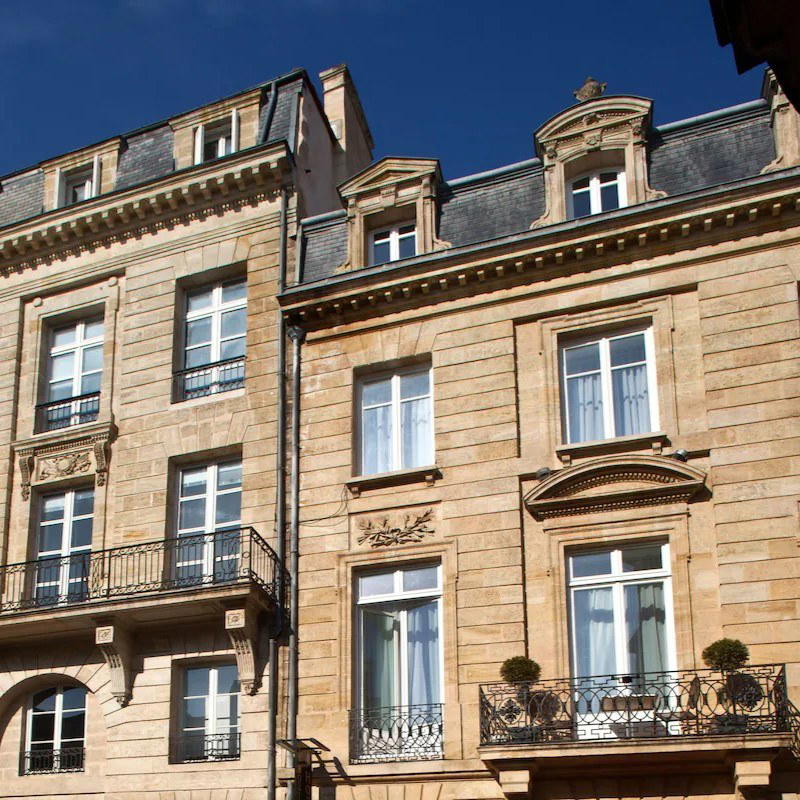
Classic chateau atmosphere with elegant, historic cellars evoking timeless Bordeaux sophistication.
Know Before You Go
- Getting there
- 16 Rue Georges Mandel, 33460 Margaux-Cantenac