
Falstaff Winery - 3 Stars
Under winemaker Caroline Latrive, the house draws directly on the Marne Valley's Pinot Noir-dominant terroir to produce wines that sit at the restrained, precision end of the regional spectrum. It belongs to a small cohort of Aÿ-based producers where address is itself a statement of intent.

Pearl is the En Primeur Club membership app — saves, bookings, and concierge access live there. Same editors, same standards.
- Address
- 1 rue Edmond de Ayala, 51160 Aÿ-Champagne
- Phone
- +33 3 26 55 15 44
- Website
- champagne-ayala.fr
- Directions
- Get directions
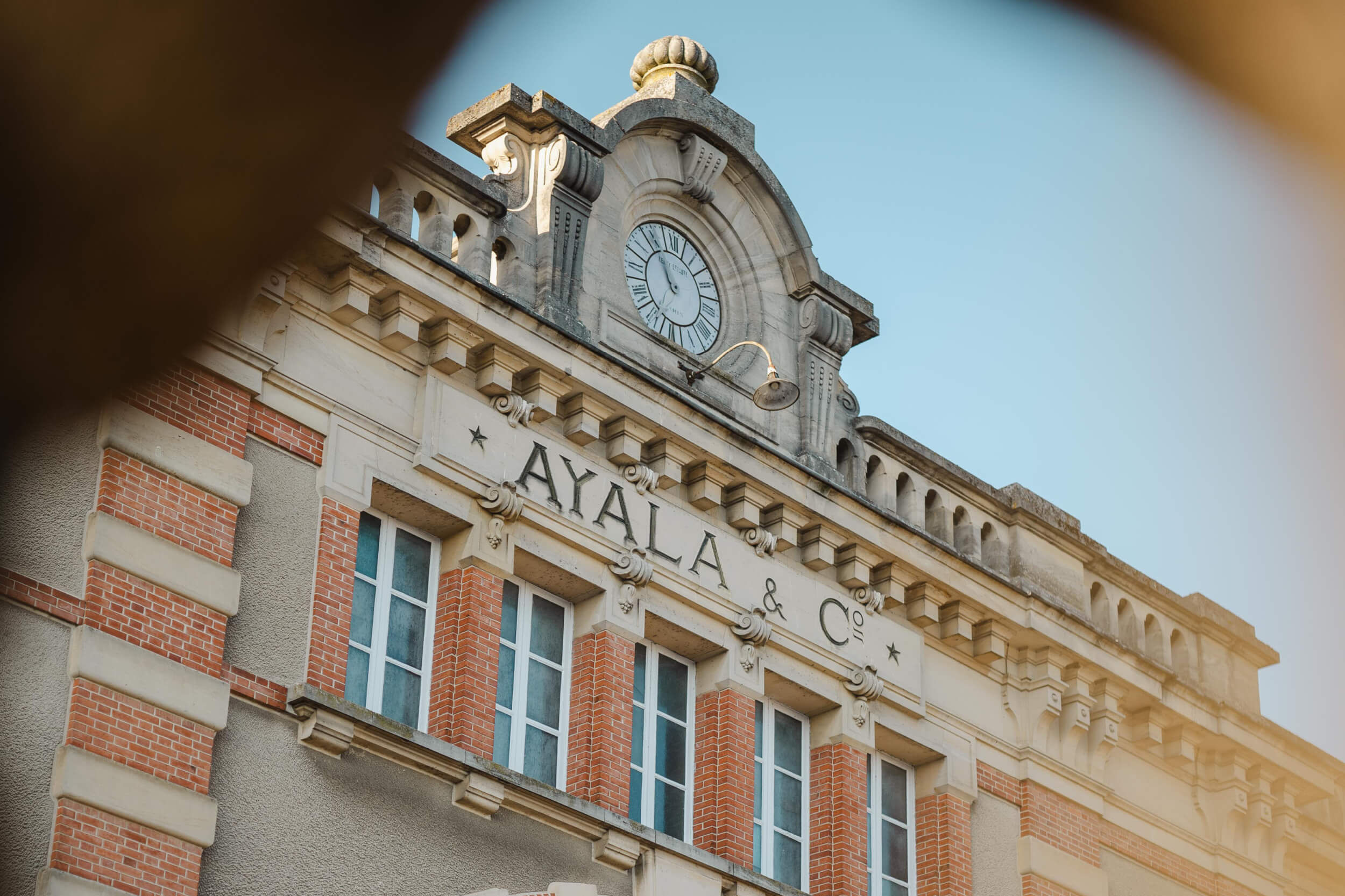
Aÿ and the Argument for Address
In Champagne, where most large houses operate from Reims or Épernay, a producer headquartered directly in Aÿ is making a statement before a cork is pulled. The village sits at the heart of the Marne Valley, its south-facing slopes among the most consistently high-scoring Pinot Noir sites in the region. Grand Cru status applies to the entire commune, which means every tonne of fruit sourced locally carries a classification that blending-focused houses spend considerable effort approximating from elsewhere. For a house like Ayala, with cellars at 1 rue Edmond de Ayala in Aÿ-Champagne, that proximity is structural, not incidental.
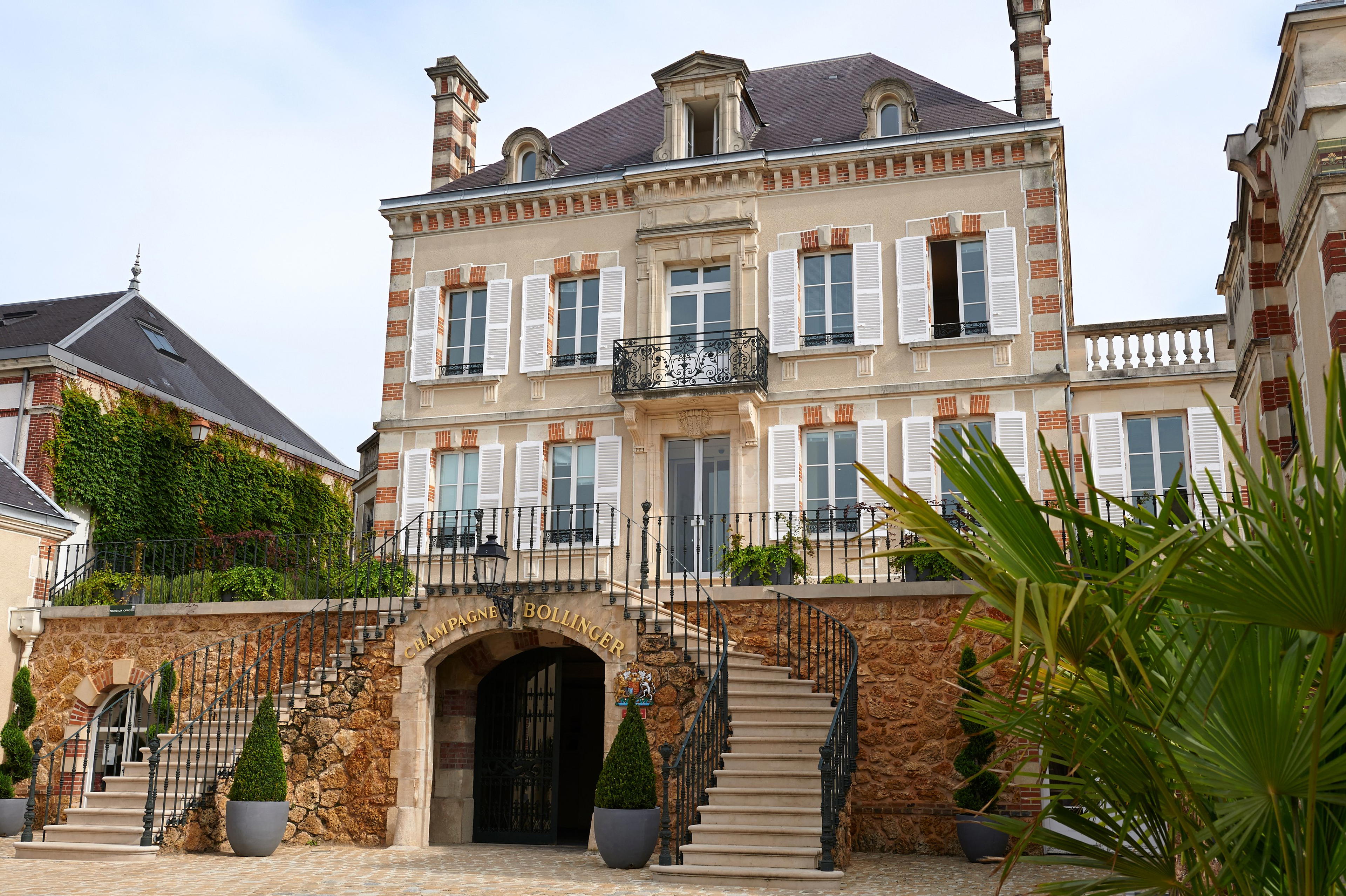
The Aÿ address places Ayala in direct company with some of the region's most address-conscious producers. Bollinger is headquartered in the neighbouring village of Aÿ proper and has long used that location as a signal of Pinot depth. Deutz operates from the same commune and emphasises a similar terroir argument. Lallier and Philipponnat are further reference points in the same geographic and stylistic cluster. Within this peer group, the competitive logic is less about scale and more about the specificity of fruit sourcing and the transparency with which house style reflects the underlying Grand Cru character of the appellation.
Terroir as the Central Argument
The Marne Valley's topography does something particular: the chalk subsoil that defines Champagne's minerality sits closer to the surface around Aÿ than in many other zones, and the southern exposure of the grand cru slopes generates a ripeness in Pinot Noir that carries structure rather than weight. Wines built on this terroir tend toward a specific tension — fruit that reads generous at first contact but resolves into a long, taut finish anchored by acidity rather than dosage.
That tension is what separates terroir-transparent Champagne from technically correct but geographically neutral production. Houses that draw primarily on Aÿ fruit and handle it with restraint produce wines that taste of a specific place rather than a specific recipe. Under winemaker Caroline Latrive, Ayala's production sits within that discipline. Latrive's involvement is the current expression of a house that has been working this terroir since its first vintage in 1882, making it one of the older continuous operations in a region where longevity correlates — though does not guarantee, depth of site knowledge.
That 140-plus year production history matters in a practical sense: understanding how a specific plot behaves across decades of climate variation, which parcels ripen earliest, which retain acidity in warmer years, is knowledge that accumulates slowly and can't be replicated by a newer operation regardless of investment. Aÿ's position in the Champagne hierarchy means this accumulated site knowledge applies to some of the most consequential fruit in the appellation.
In a region where the gap between a technically correct wine and a genuinely terroir-expressive one is often difficult to articulate but immediately apparent in the glass, a Prestige-level assessment signals that the house is operating above the threshold of mere competence.
For context on what this tier of recognition means across French wine production more broadly: houses awarded at this level typically share a consistent approach to sourcing, a winemaker with documented regional credentials, and a production philosophy that can be articulated in terms of place rather than market positioning. Comparable Prestige-tier producers in other French appellations include Albert Boxler in Niedermorschwihr, Château Bastor-Lamontagne in Preignac, Château Batailley in Pauillac, Château Bélair-Monange in Saint-Emilion, Château Branaire Ducru in St-Julien, and Château Boyd-Cantenac in Cantenac, each of which earns recognition through production discipline rather than brand scale. Outside France, producers at this level include Aberlour in Aberlour, Chartreuse in Voiron, and Accendo Cellars in St. Helena.
The Aÿ Producer Ecosystem
Visiting Aÿ as a wine destination rewards a specific kind of attention. The village is compact, and the cellars of multiple Grand Cru-classified producers are within easy walking distance of each other, a density that has no real parallel in Bordeaux or Burgundy, where significant estates are often separated by considerable distance. The practical implication for serious visitors is that a focused half-day can encompass Ayala alongside neighbours like Bollinger, Deutz, Lallier, and Philipponnat, with Billecart-Salmon a short drive south toward Mareuil-sur-Aÿ. That geographic compression makes the Marne Valley corridor one of the most efficient routes through high-quality Champagne production available anywhere in the region.
For broader context on what the village offers beyond the cellar doors, see our full Aÿ restaurants guide, which covers the hospitality infrastructure around Aÿ-Champagne in detail.
Planning a Visit
Ayala's cellars are located at 1 rue Edmond de Ayala in Aÿ-Champagne, a village on the southern bank of the Marne approximately five kilometres east of Épernay. Aÿ is accessible by train from Paris Gare de l'Est via Épernay, a journey of roughly 90 minutes to the regional hub, with Aÿ itself a short taxi or local connection from Épernay station. The Champagne harvest season, typically September into October, brings the highest visitor interest and the tightest cellar availability across all Aÿ houses; visits planned outside the harvest window tend to be more easily arranged and allow more focused engagement with the winemaking team. As with most prestige-tier Champagne producers, direct contact through official channels is the appropriate route to visit arrangements, no booking platform or third-party intermediary is confirmed for Ayala, and the house's production focus means visits operate on a more selective basis than larger commercially-oriented maisons.
Comparison Snapshot
Comparable venues nearby, for context on price, style, and recognition.
| Venue | Cuisine | Price | Awards | Notes |
|---|---|---|---|---|
| AyalaThis venue — the venue you are viewing | Chardonnay, Pinot Noir | $30–50 | Falstaff Winery - 3 Stars | Not listed |
| Lallier | Pinot Noir, Chardonnay | Not listed | Falstaff Winery - 2 Stars | Aÿ |
| Deutz | Pinot Noir, Chardonnay | Not listed | Falstaff Winery - 4 Stars | Aÿ |
| Philipponnat | Pinot Noir, Chardonnay | $100–150 | World's 50 Best #76 | Aÿ |
| Bollinger | Pinot Noir, Chardonnay | $150–200 | World's 50 Best #15 · Falstaff Winery - 5 Stars | Aÿ |
| Billecart-Salmon | Chardonnay, Pinot Noir | Not listed | World's 50 Best #27 · Falstaff Winery - 5 Stars | Mareuil-sur-Ay |
Recognition history
Dated appearances from independent guides and award organizations, with the underlying list record or original source where available.
Falstaff Winery - 3 Stars
Falstaff
Continue exploring
More in Aÿ
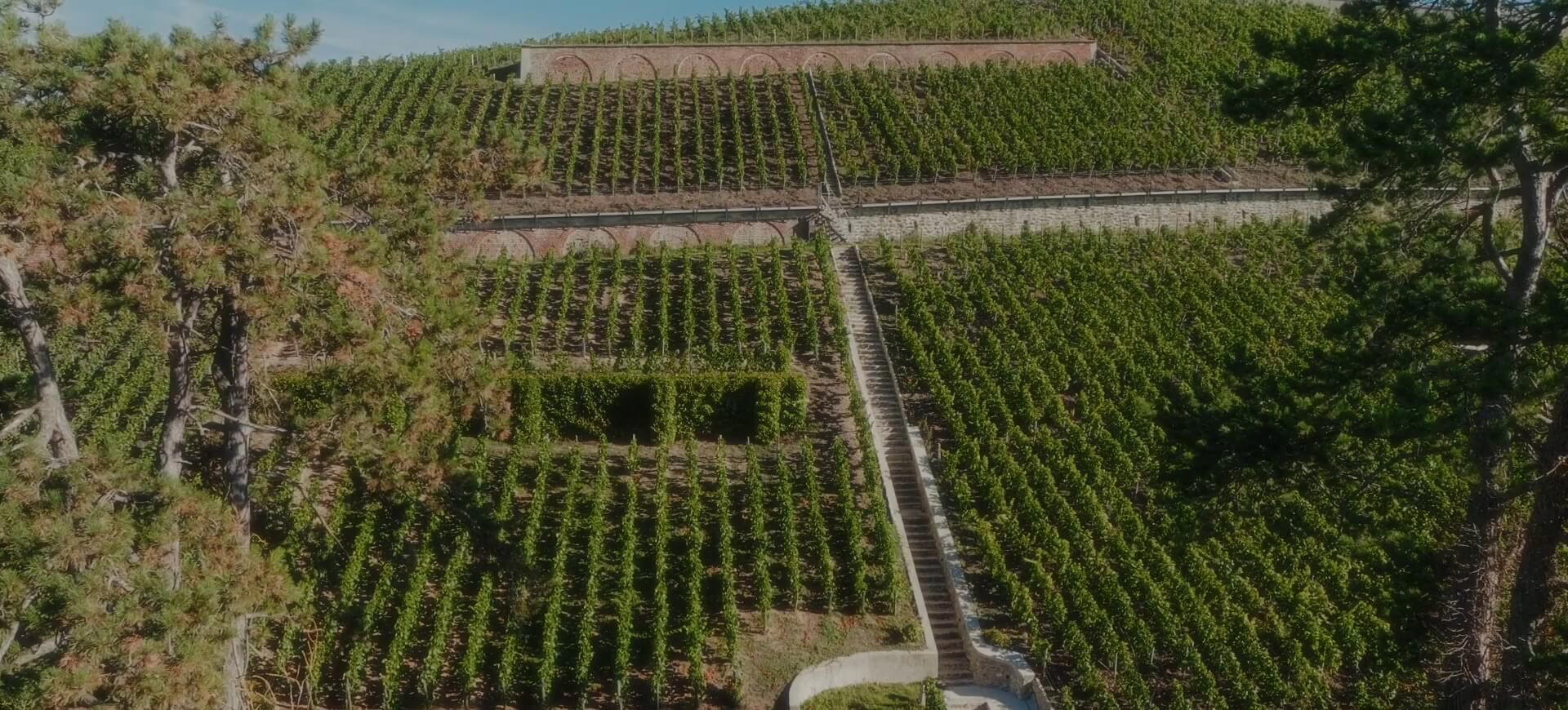
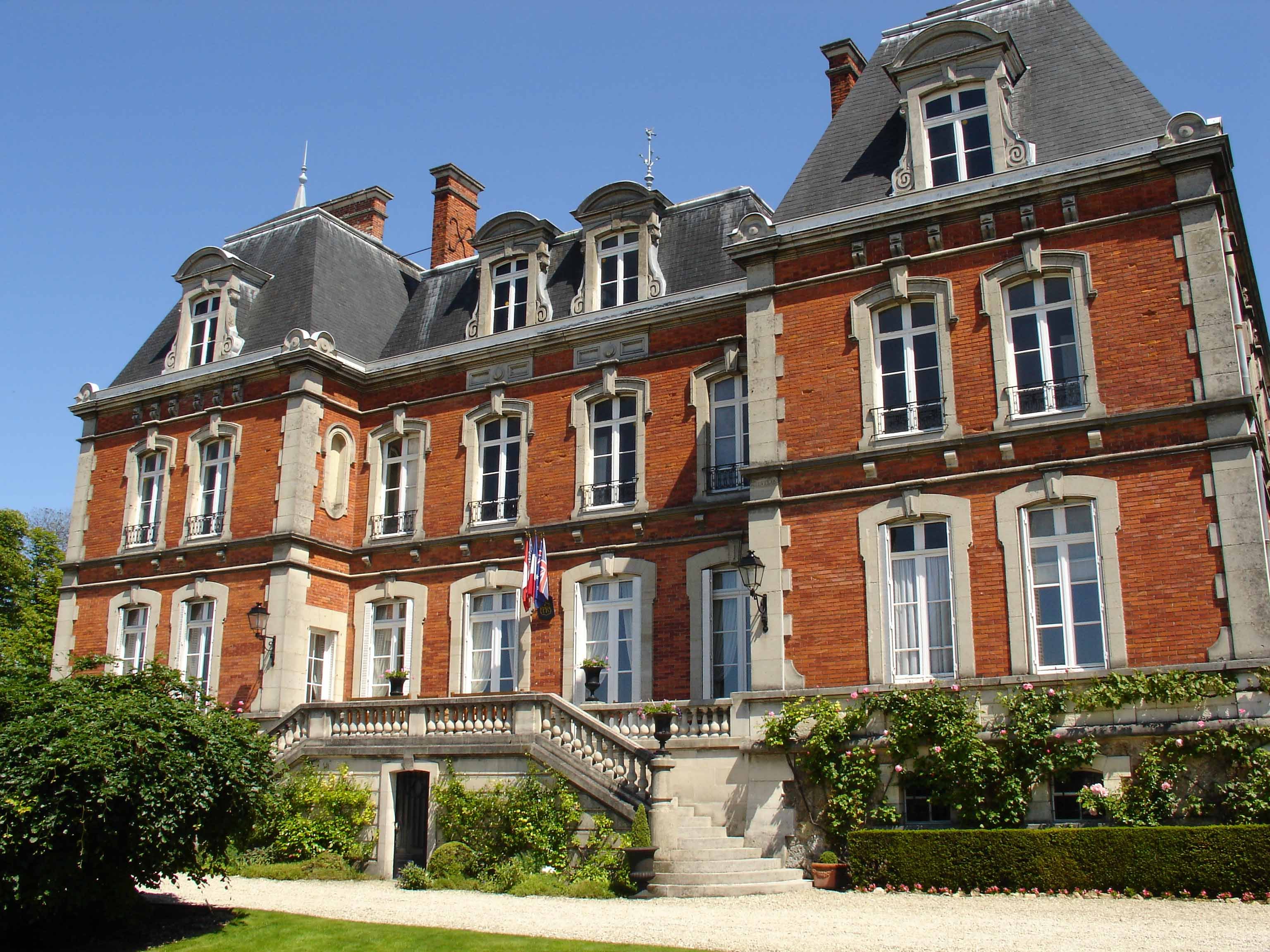
Wineries in Aÿ
Browse all →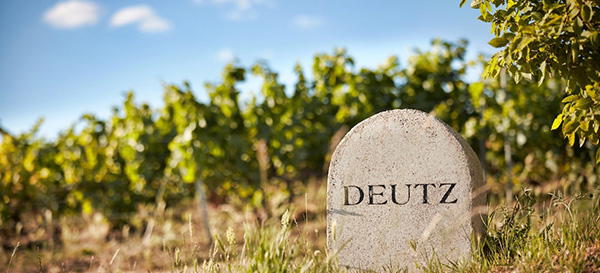
Bars in Aÿ
Browse all →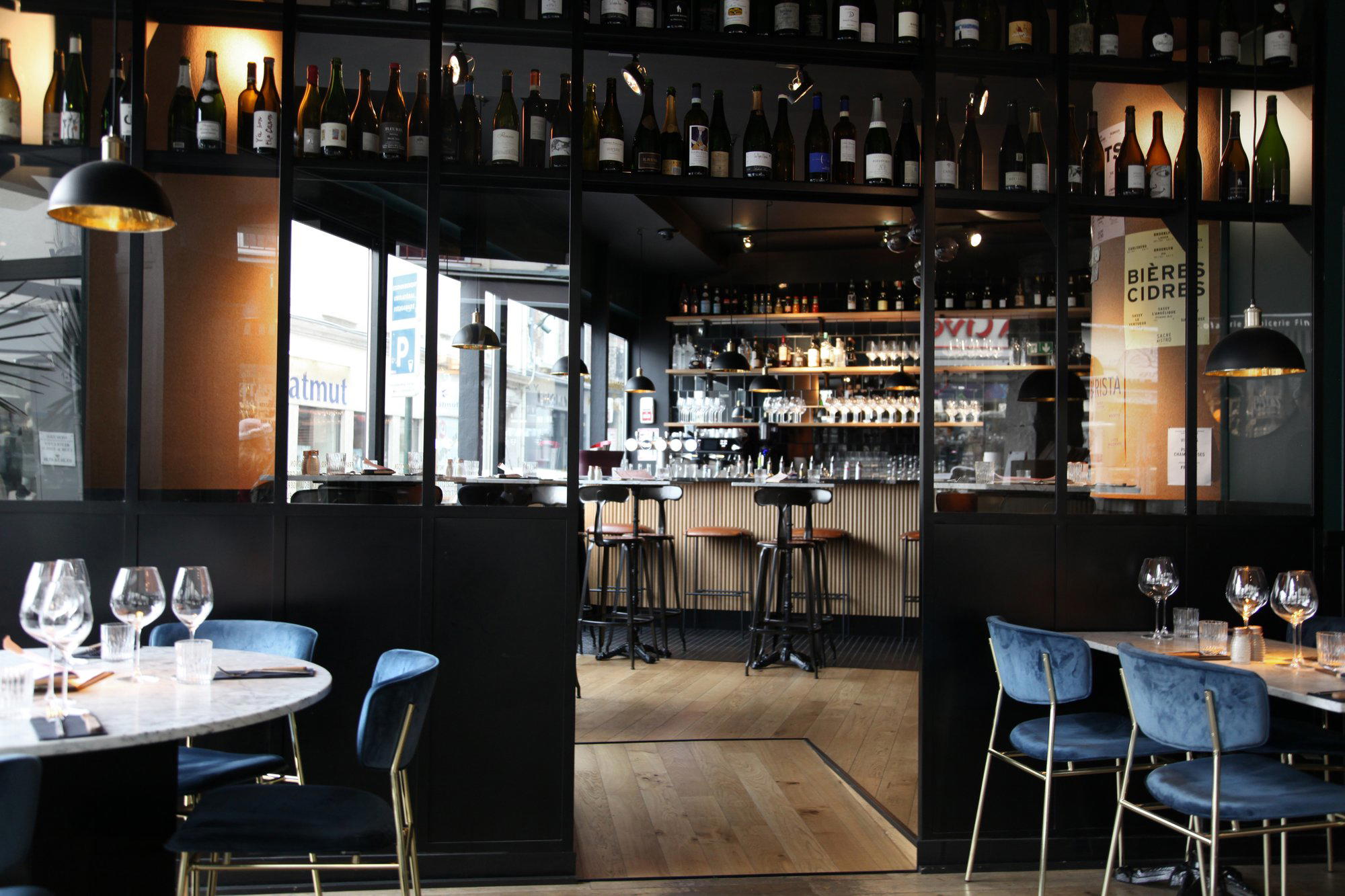
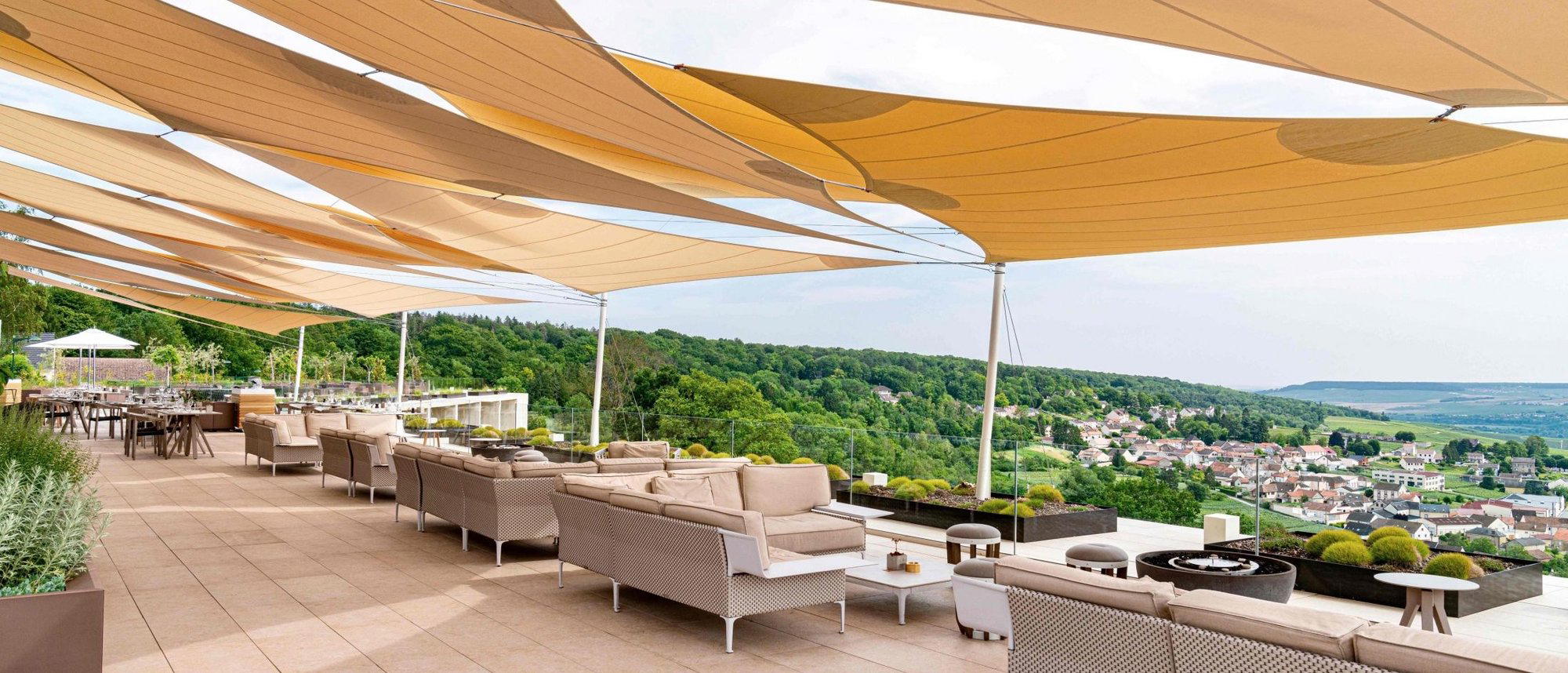
Restaurants in Aÿ
Browse all →
Details
- Elegant
- Classic
- Sophisticated
- Historic
- Wine Education
- Celebration
- Special Occasion
- Cave Tasting
- Historic Building
- Private Tasting
- Sustainable
- Organic
- Vineyard
- Chardonnay
- Pinot Noir
- Pinot Meunier
- Sparkling
- Guided Tasting
- Cellar Tour With Tasting
- English
- French
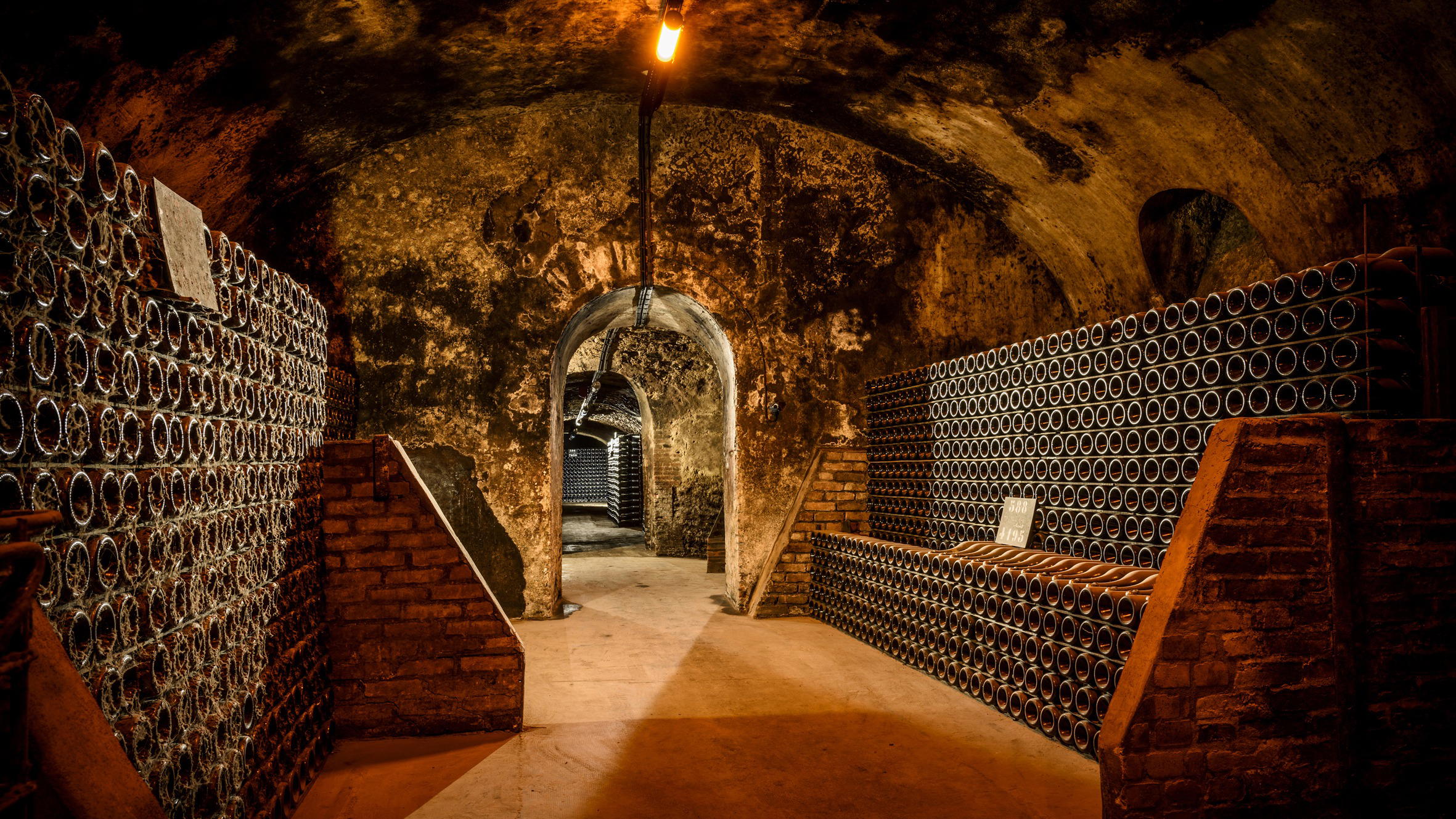
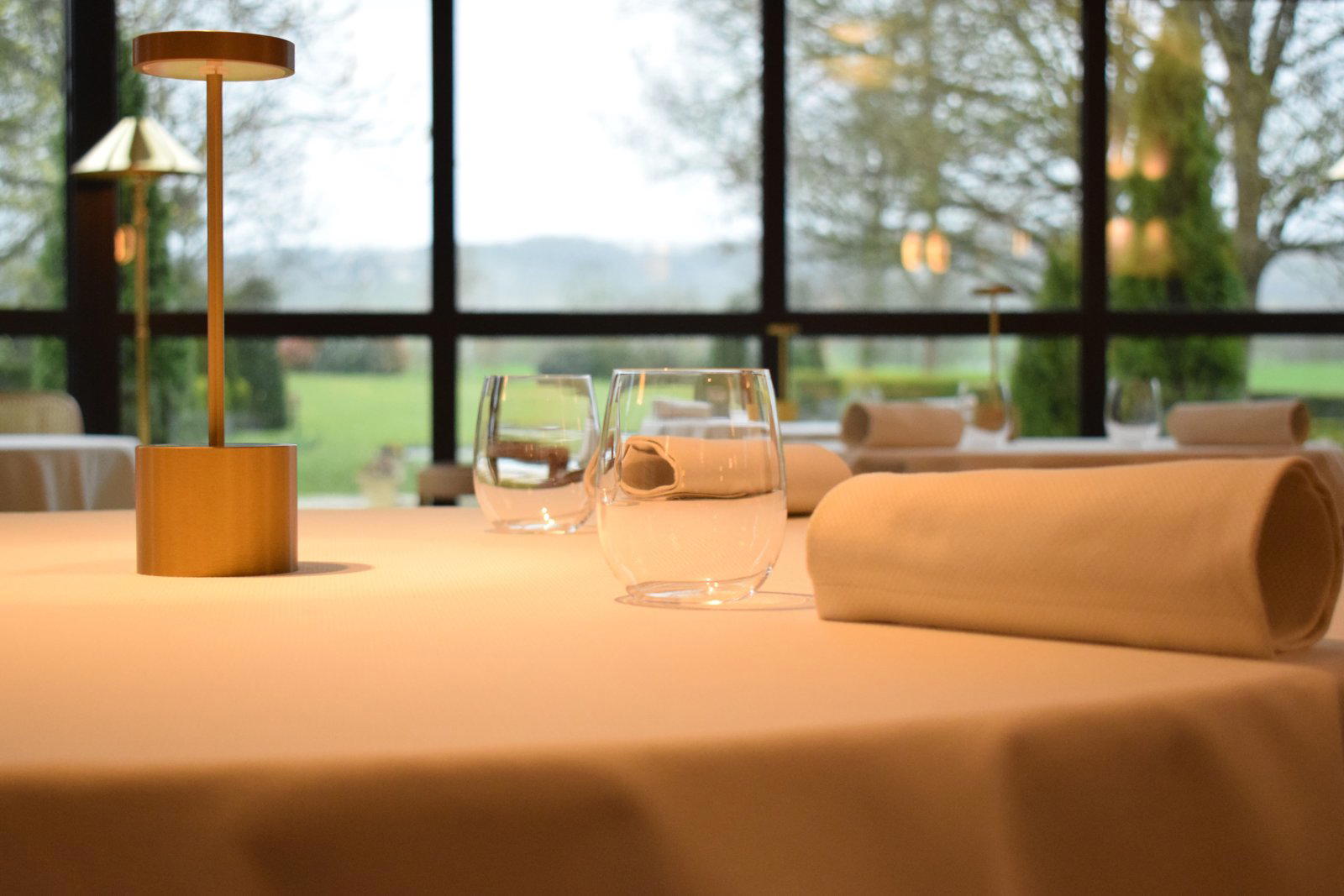
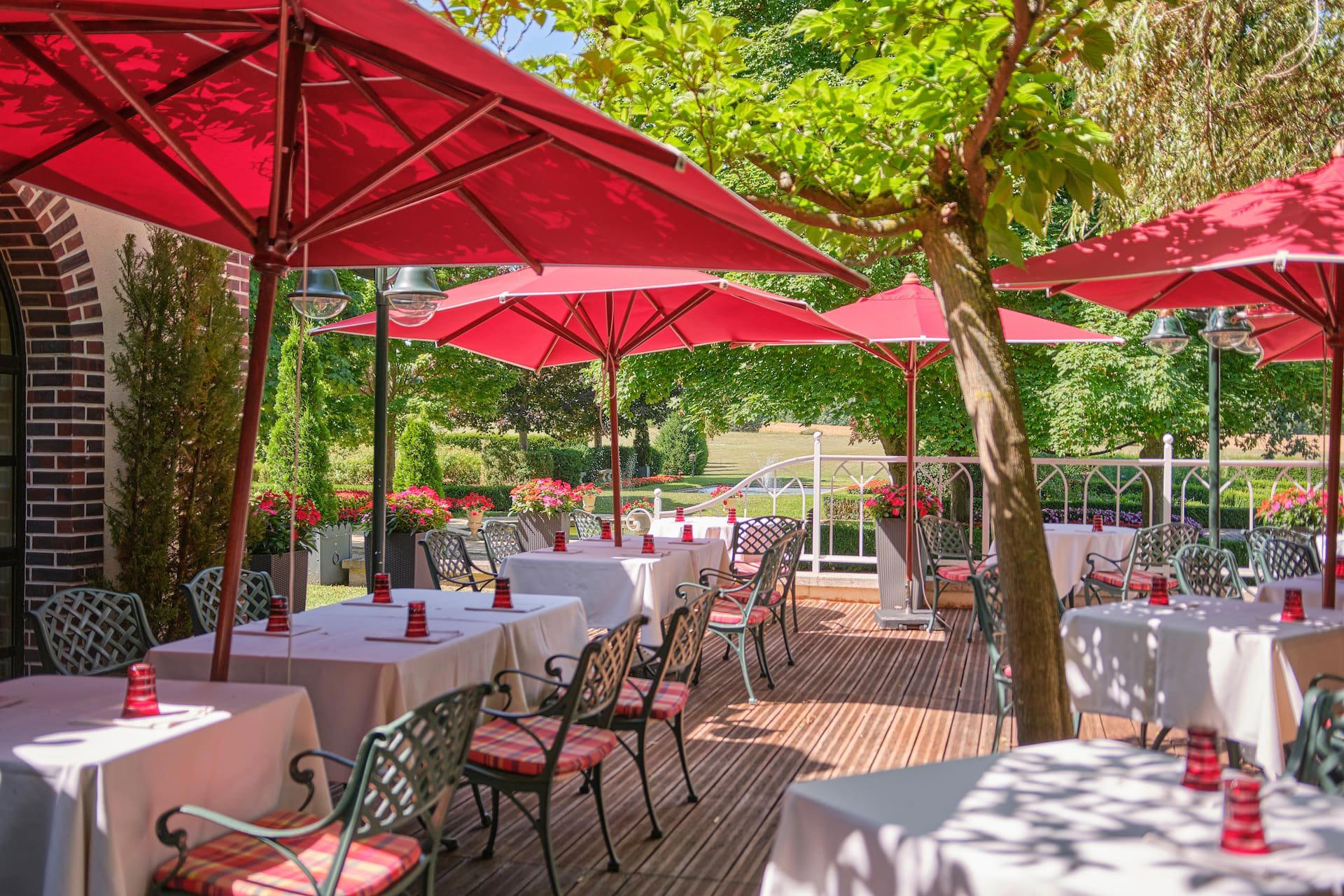
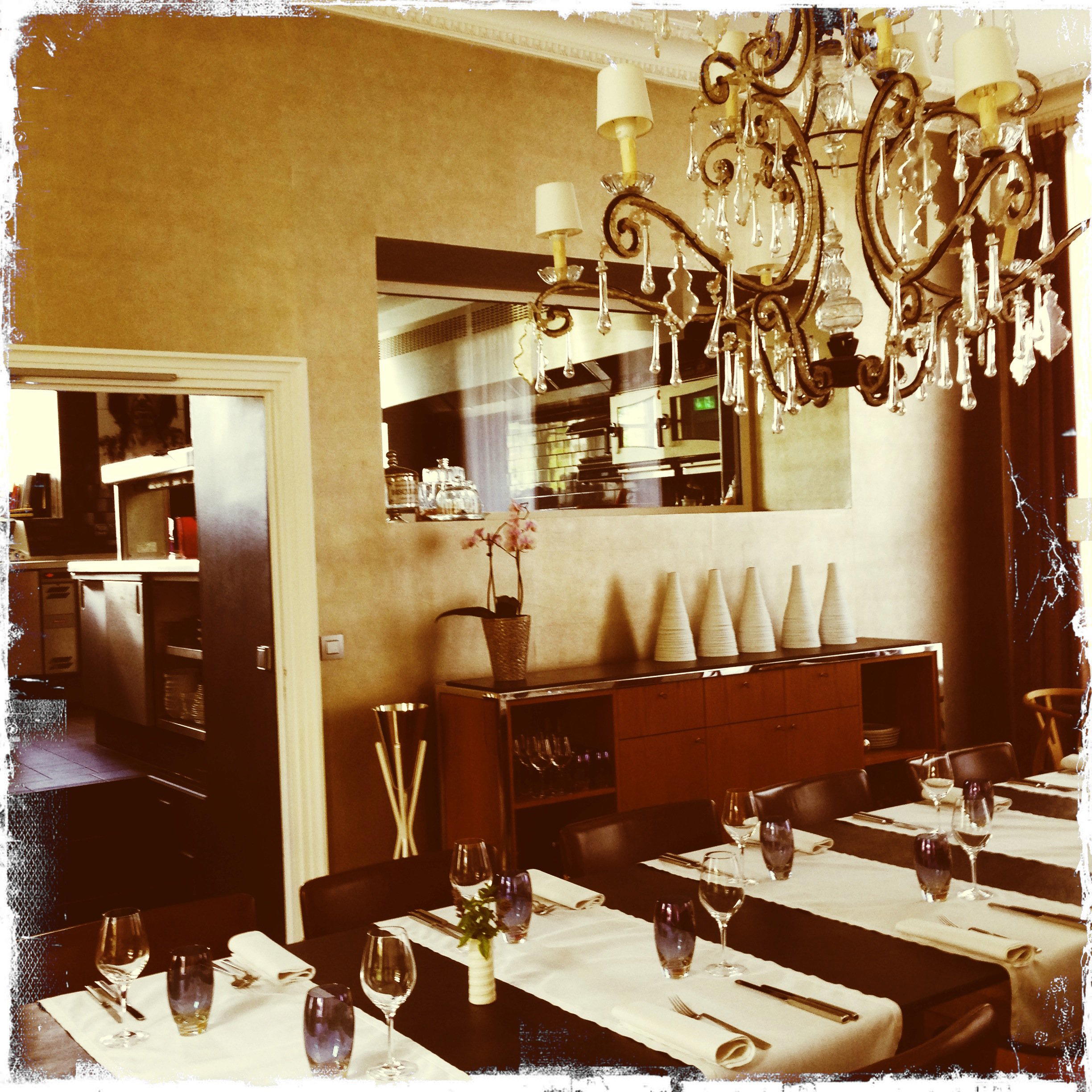
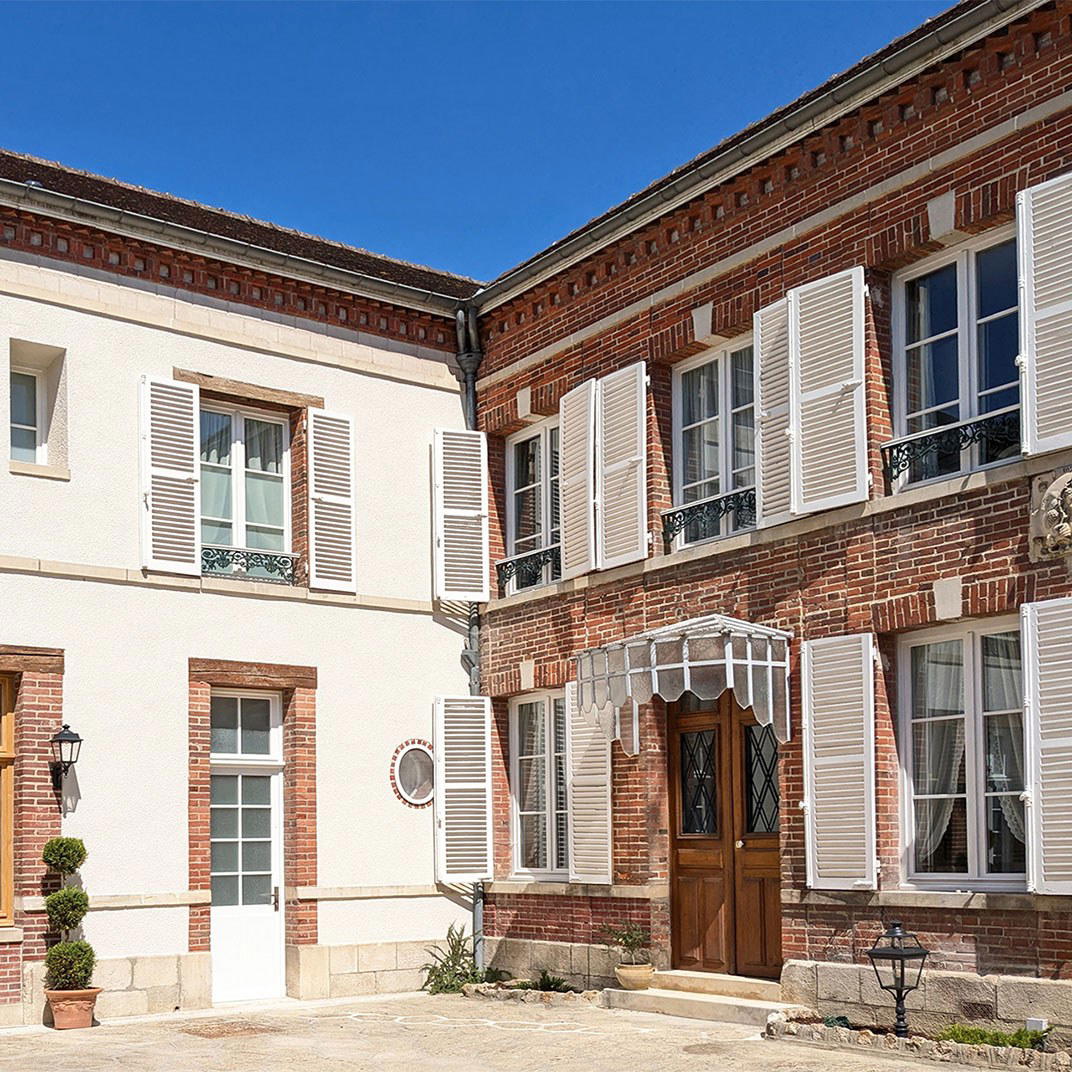
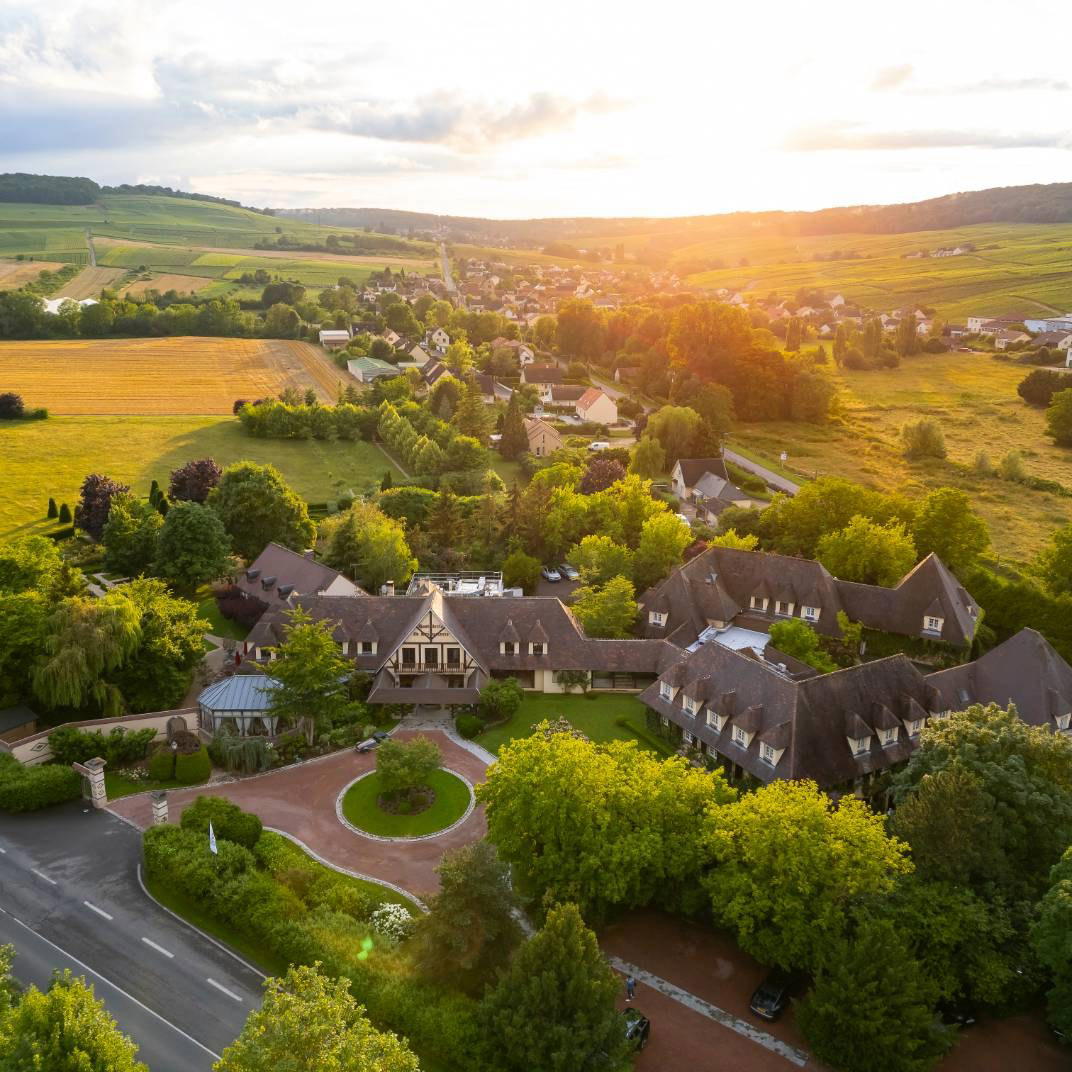
Art Deco cellars dating to 1912 with preserved architectural heritage; contemporary spirit combined with 160 years of history; refined and intimate tasting environment.