
Falstaff Winery - 4 Stars
Tenuta Guado al Tasso is Antinori's flagship Bolgheri estate, responsible for one of the Tuscan coast's most closely followed Cabernet-led blends since its first vintage in 1990.

Pearl is the En Primeur Club membership app, where members save venues, book tables and use the concierge.
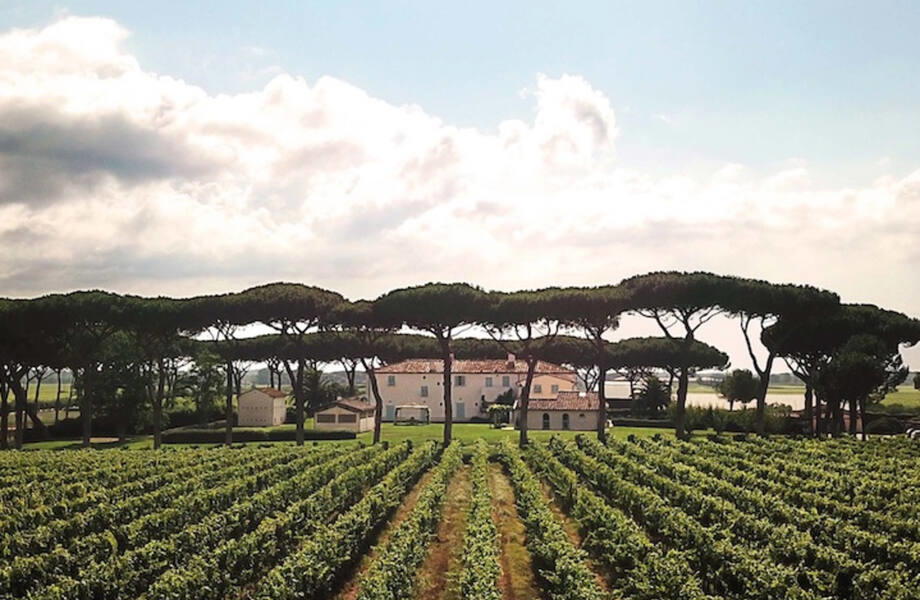
The Bolgheri Setting and What It Signals
The road that runs through Bolgheri's cypress-lined approach has become one of the most referenced drives in Italian wine tourism, and the estates that line it carry reputations built over decades rather than marketing cycles. Visitors arriving from the town of Bolgheri pass through a stretch of coastally influenced terrain where the combination of maritime breezes, clay-rich soils, and long growing seasons produces the conditions that made the region's reputation in the first place.
The appellation itself earned its standing through a handful of properties that demonstrated Cabernet Sauvignon, Merlot, and Syrah could ripen fully this close to the Tyrrhenian Sea, delivering wines that competed with international benchmarks on structure and ageing potential. Tenuta Guado al Tasso entered that story early. The 1990 vintage placed the estate within the founding generation of Bolgheri's premium tier, before the appellation's DOC rules formalised what had largely been produced as Vino da Tavola.
Where It Sits in the Appellation Hierarchy
Bolgheri's upper tier is a small cohort. Tenuta San Guido, the estate behind Sassicaia, effectively created the appellation's international profile. Le Macchiole built its reputation through varietal purity and consistency across a narrow, focused range. Tenuta di Biserno brought a different ownership profile and Bordeaux-trained perspective to the same coastal soils. Tenuta Guado al Tasso operates within that competitive set, drawing on the Antinori family's centuries of Italian wine production while applying that institutional knowledge to a coastal terroir that behaves differently from the family's Chianti Classico holdings.
That signal matters when visiting: the experience here is calibrated to that tier, not to the more casual drop-in format of smaller coastal producers.
For broader context on what defines winemaking at this level across Italy, properties such as Aldo Conterno in Monforte d'Alba, Ca' del Bosco in Erbusco, and Lungarotti in Torgiano offer useful reference points for how Italian estates of generational standing approach the balance between estate identity and market positioning.
Renzo Cotarella and the Winemaking Framework
Renzo Cotarella's name attached to a property carries specific weight in Italian wine circles. His career spans the period during which Antinori systematically repositioned itself across multiple appellations, and his involvement at Guado al Tasso places the estate within a winemaking philosophy that prioritises structure and precision over early accessibility. Bolgheri's warm, maritime-influenced growing conditions require that kind of discipline to avoid wines that read as immediately fruit-forward but lack the architecture for development. The fact that the estate has been producing since 1990 under consistent oversight is one of the clearest signals that the programme here is built for the long term.
Winemaking lineage of this kind is worth comparing against estates in other regions where institutional continuity has produced a defined house style over decades. Castello di Volpaia in Radda in Chianti offers a parallel in Chianti Classico, where family continuity and a consistent approach to the estate's terroir have built a recognisable identity over time.
The Tasting Experience at This Tier
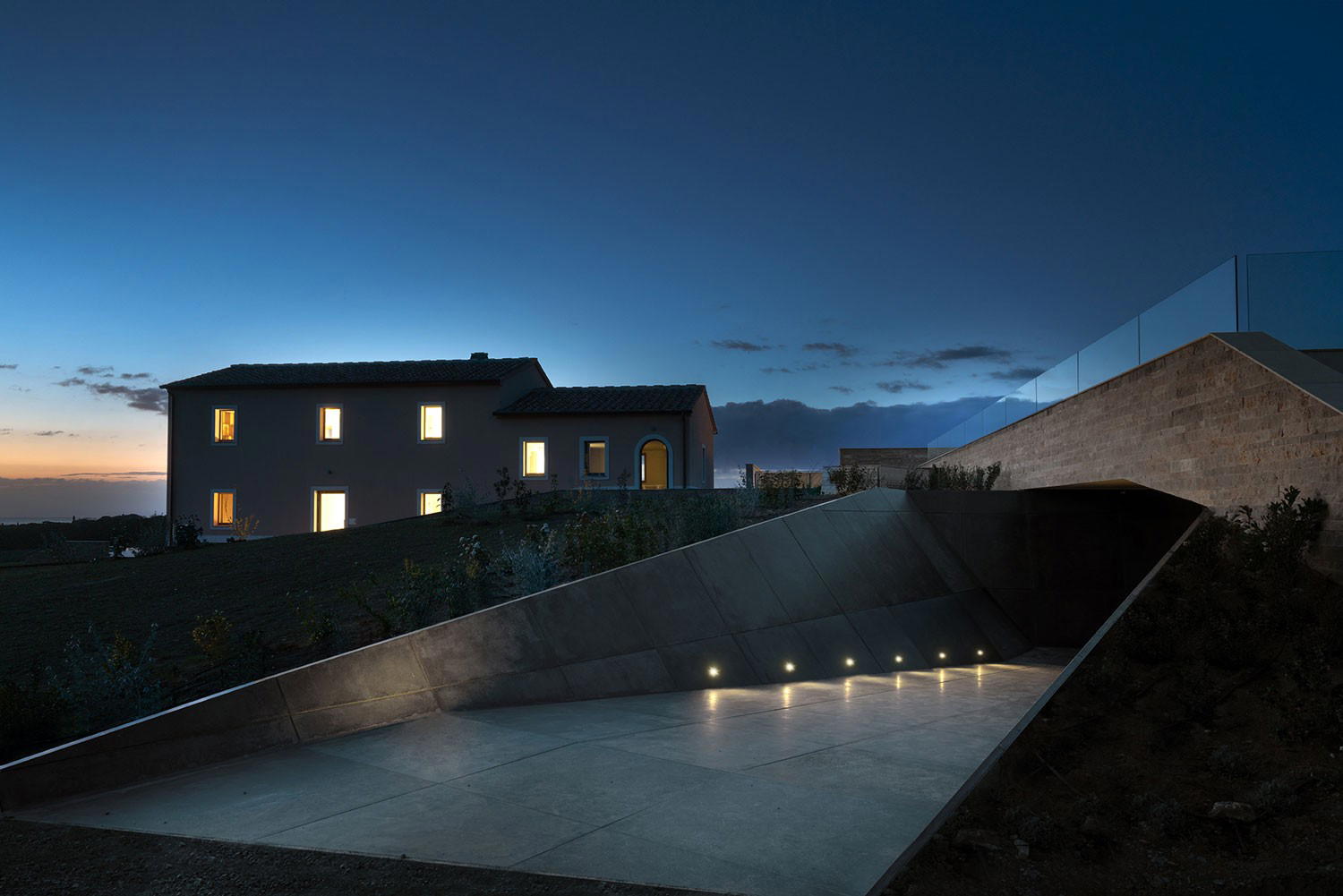
Visiting a Bolgheri estate at the Guado al Tasso level is a different proposition from a casual cantina stop. The format here reflects the estate's position: this is not a walk-in wine bar but a structured encounter with a property that takes its archive and its terroir seriously. The physical approach to the estate along the Bolgherese road sets the tone before you reach the buildings. The cypress corridor, the estate's scale, and the quality of the surrounding vineyard land communicate immediately that the wines being made here are expensive to produce and carefully positioned.
Tasting at this level generally means working through a range that reflects the estate's winemaking hierarchy: entry-level coastal blends that demonstrate appellation character, through to the flagship Bordeaux-variety blends that represent the estate's ceiling. The first vintage being 1990 means that any serious visit can involve wines with three-plus decades of bottle development, which shifts the tasting experience substantially. Older vintages from a well-managed cellar programme reveal what Bolgheri's soils can deliver in terms of longevity, a question that remained open for much of the appellation's early history and that properties like Guado al Tasso helped answer.
Visitors planning a Bolgheri wine circuit will find that the appellation rewards a structured approach. Checking our full Bolgheri restaurants guide for context on where to eat in the area is worthwhile: the village of Bolgheri is small, and the leading dining options in the area book ahead, particularly during the summer harvest-adjacent season from late August through October when estate visits are at their highest frequency.
Planning a Visit
The estate address at Strada Provinciale Bolgherese, Località San Walfredo 184/A, km 3.9, places it on the principal road through the appellation, accessible by car from the coastal town of Castagneto Carducci or from the A12 motorway. The estate sits within a region where distances between properties are short, making multi-estate visits on a single day logistically direct if scheduled carefully. Given the estate's tier and the seasonal concentration of visits, advance enquiry is advisable rather than arriving without prior arrangement.
For those building an Italian wine itinerary beyond Bolgheri, the regional map extends meaningfully in multiple directions. Properties with similar institutional depth include L'Enoteca Banfi in Montalcino to the south, and those interested in Italian spirits alongside wine will find reference points at Nonino Distillery in Pavia di Udine, Distilleria Marzadro in Nogaredo, and Distilleria Romano Levi in Neive. For those whose itineraries extend beyond Italy, Aberlour in Aberlour and Accendo Cellars in St. Helena represent premium producer visits in their respective regions, while Campari in Milan anchors a different but complementary strand of Italian drinks heritage.
What It’s Closest To
Comparable venues nearby, for context on price, style, and recognition.
| Venue | Cuisine | Price | Awards | Notes |
|---|---|---|---|---|
| Tenuta Guado al TassoThis venue (the venue you are viewing) | Cabernet Sauvignon, Merlot | $50–100 | Falstaff Winery - 4 Stars | Not listed |
| Tenuta San Guido | Cabernet Sauvignon, Cabernet Franc | Not listed | Falstaff Winery - 5 Stars | Bolgheri |
| Tenuta di Biserno | Cabernet Franc, Merlot | Not listed | Falstaff Winery - Listed | Bolgheri |
| Le Macchiole | Merlot, Cabernet Franc | Not listed | Falstaff Winery - 5 Stars | Bolgheri |
| Masseto | Merlot | Not listed | Falstaff Winery - 5 Stars | Castagneto Carducci |
| Solaia (Marchesi Antinori) | Cabernet Sauvignon, Sangiovese | Not listed | Not listed | San Casciano in Val di Pesa |
Recognition history
Dated appearances from independent guides and award organizations, with the underlying list record or original source where available.
Falstaff Winery - 4 Stars
Falstaff
Continue exploring
More in Bolgheri
Wineries in Bolgheri
All wineries in Bolgheri →

Bars in Bolgheri
Browse all →
Details
- Elegant
- Scenic
- Rustic
- Sophisticated
- Wine Education
- Special Occasion
- Group Outing
- Vineyard Tour
- Estate Grounds
- Panoramic View
- Sustainable
- Vineyard
- Garden
- Cabernet Sauvignon
- Merlot
- Cabernet Franc
- Petit Verdot
- Syrah
- Vermentino
- Still Red
- Winery Tasting
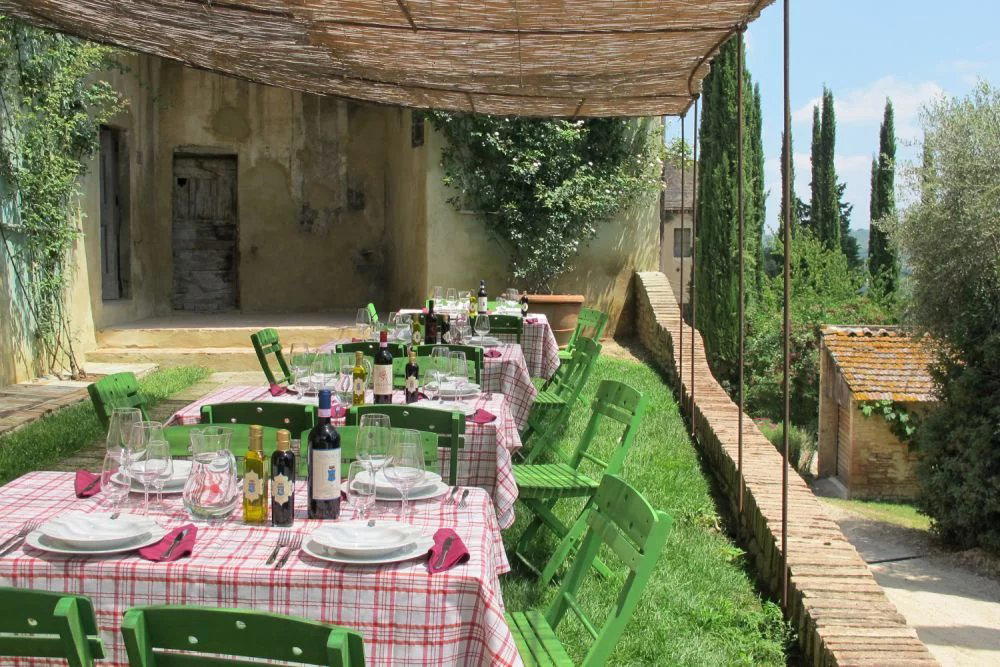
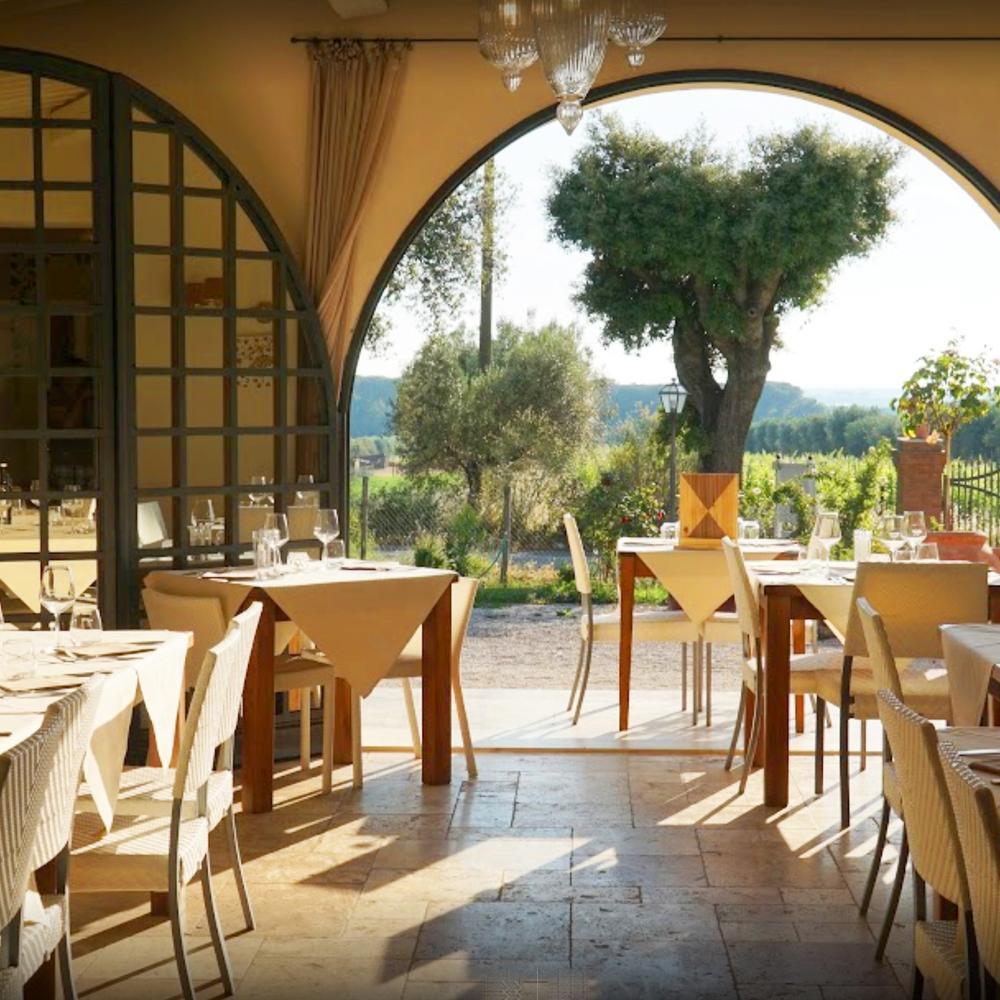
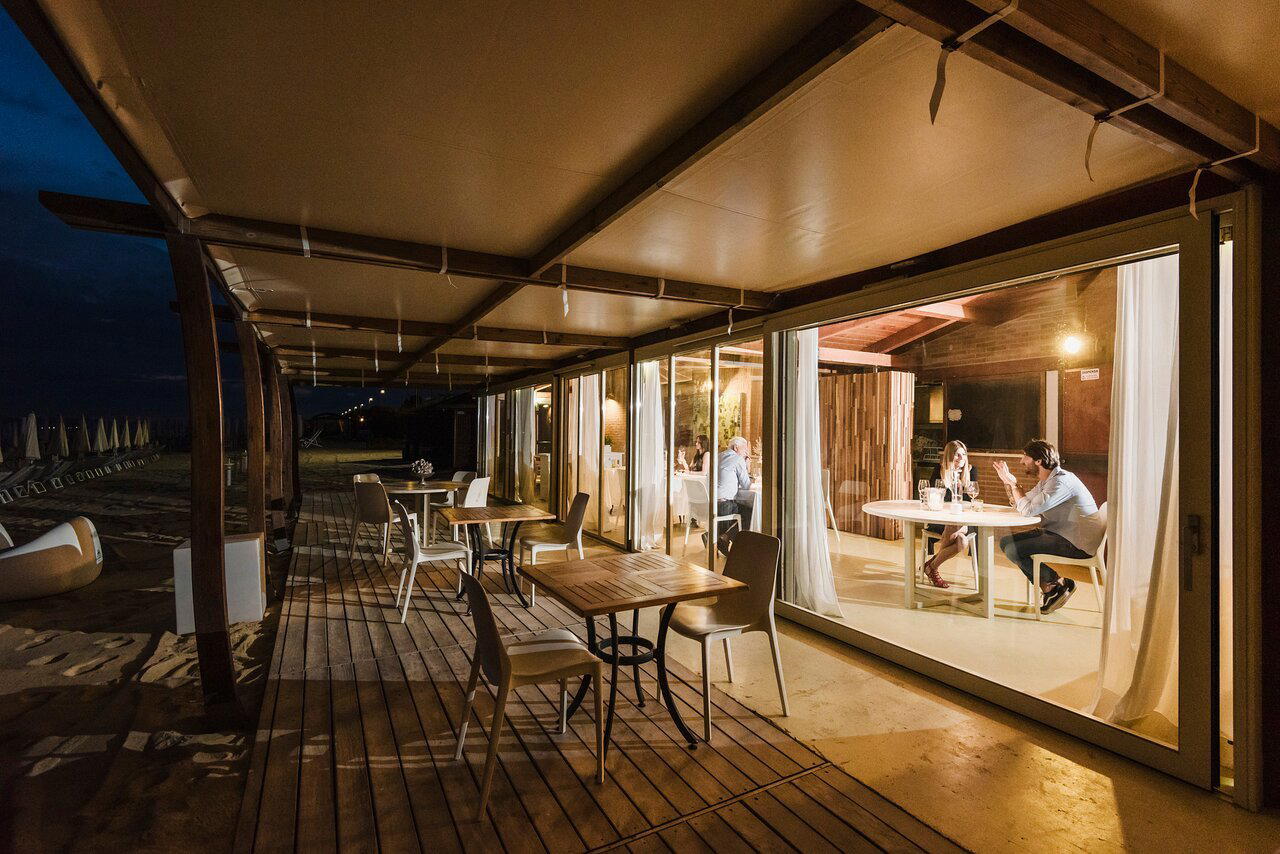
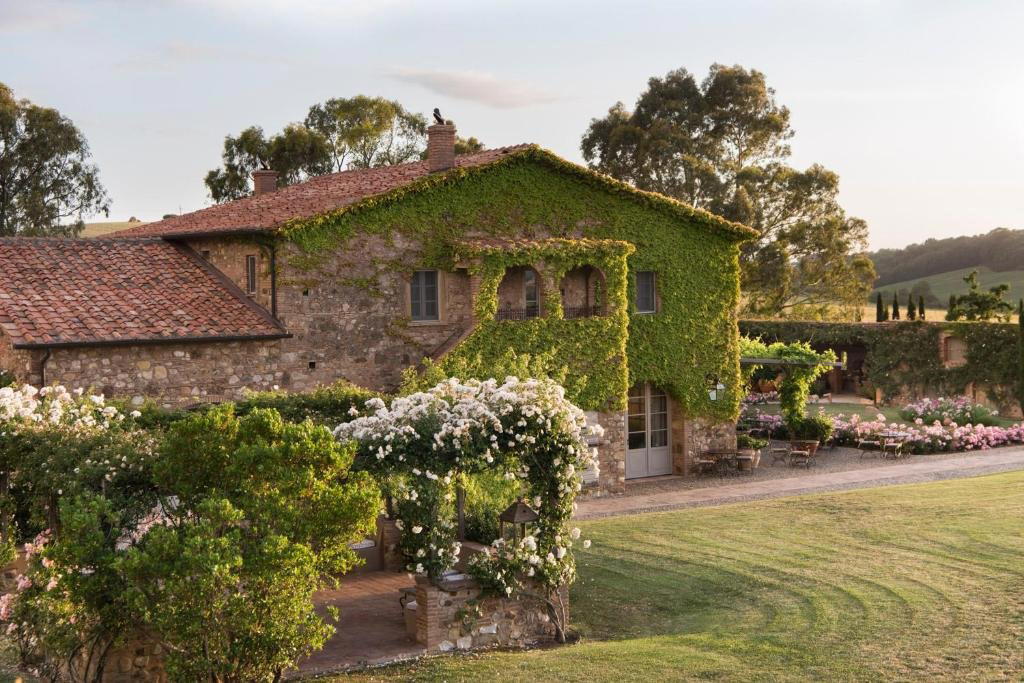
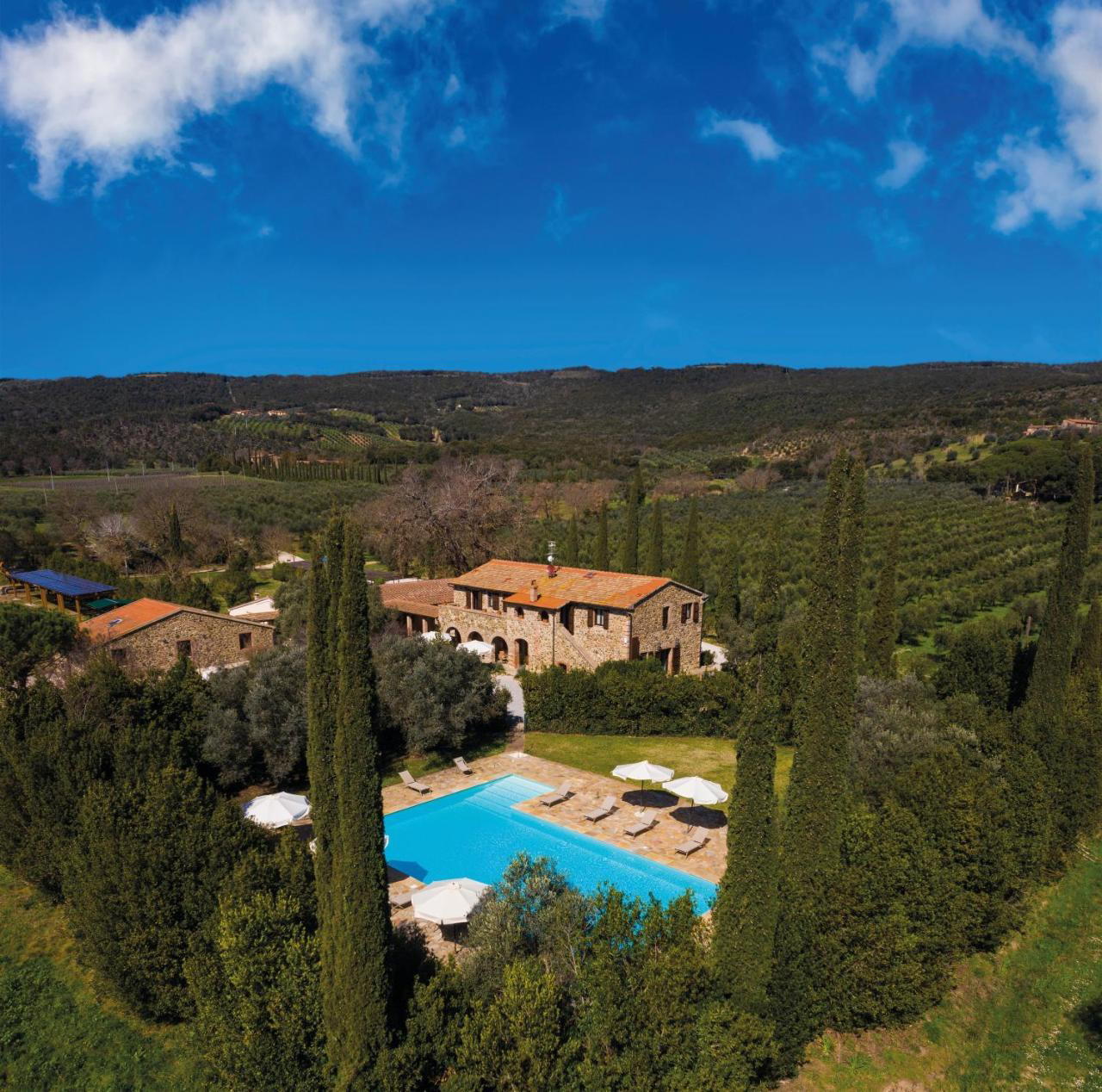
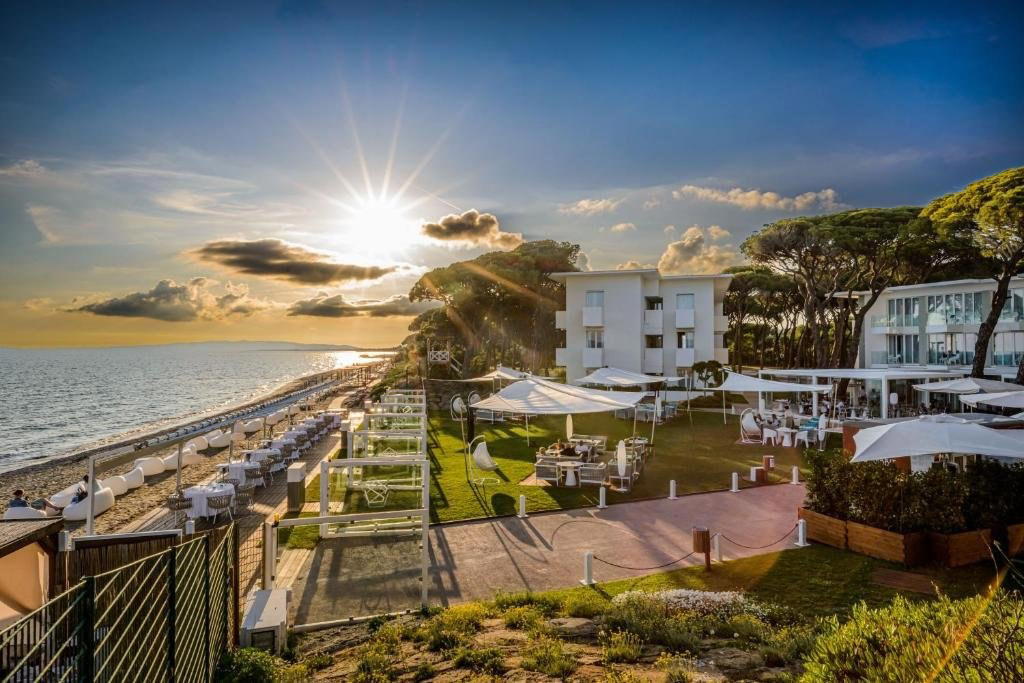
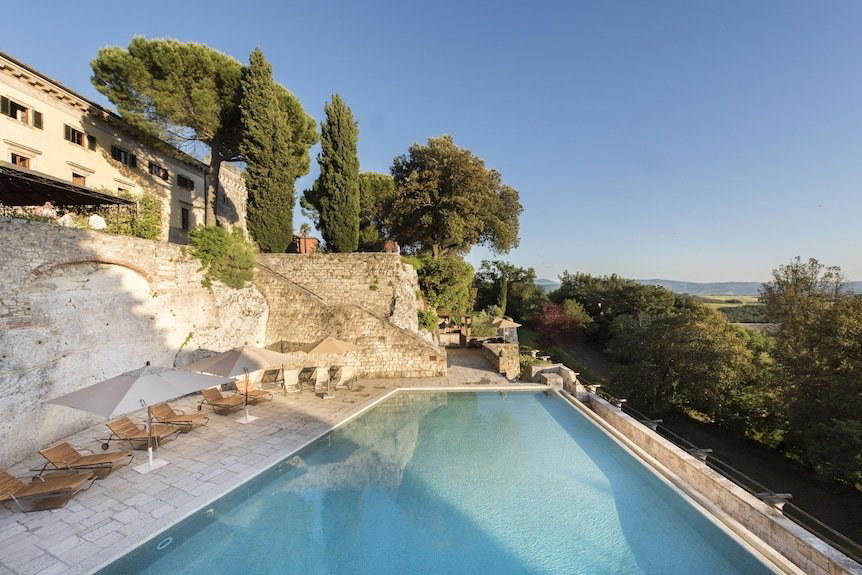
Elegant and serene atmosphere amid expansive vineyards and rolling hillsides, with a classic Tuscan winery feel.