Poggio di Sotto

Falstaff Winery - 5 Stars
Cult-status Poggio di Sotto crafts Montalcino's most coveted Brunello from 50-year-old Sangiovese vines, where Pier Paolo Pagiusco's traditional methods create allocation-only wines commanding devotion from collectors worldwide.

Pearl is the En Primeur Club membership app, where members save venues, book tables and use the concierge.
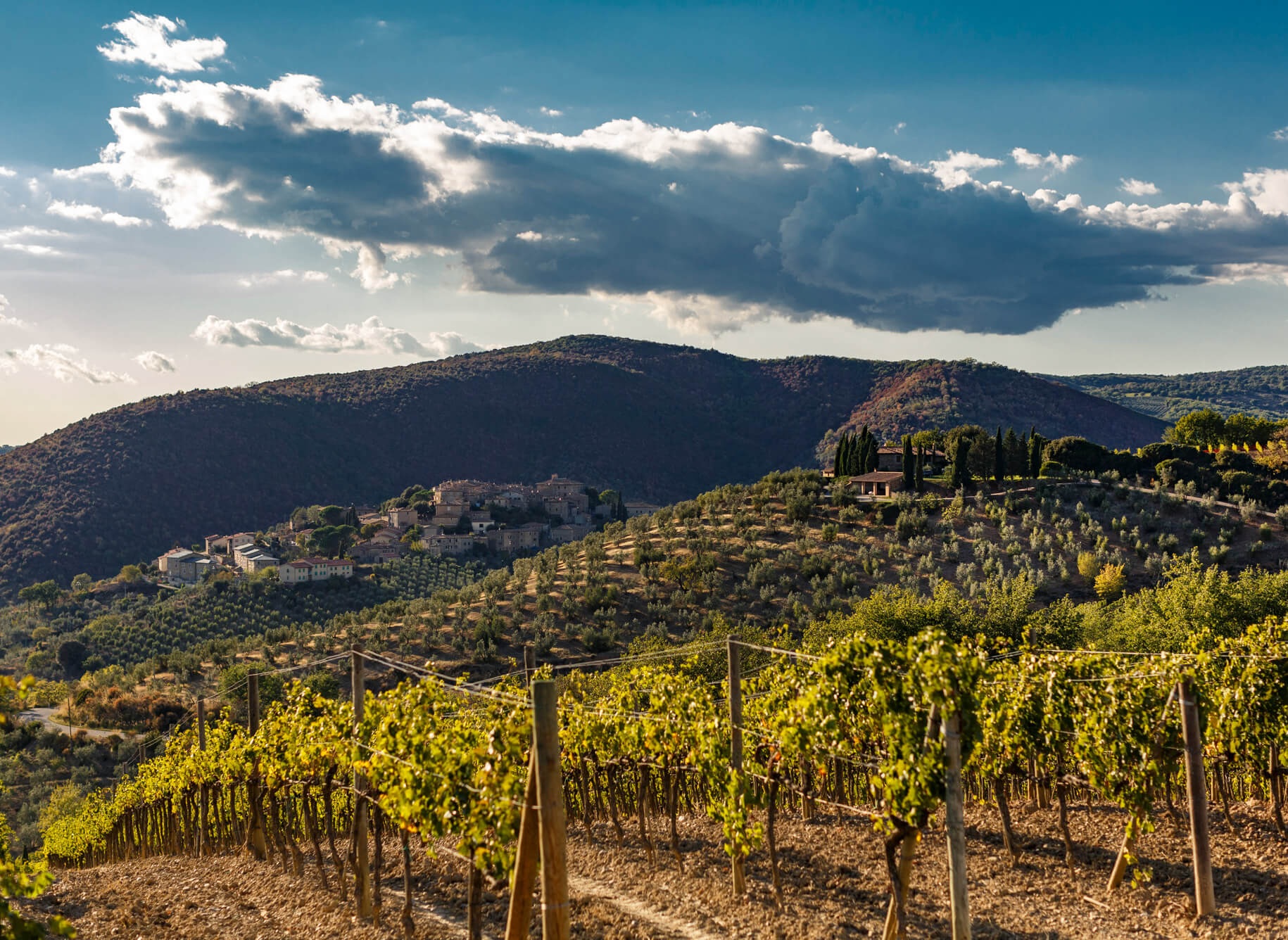
Sangiovese at Its Southern Edge
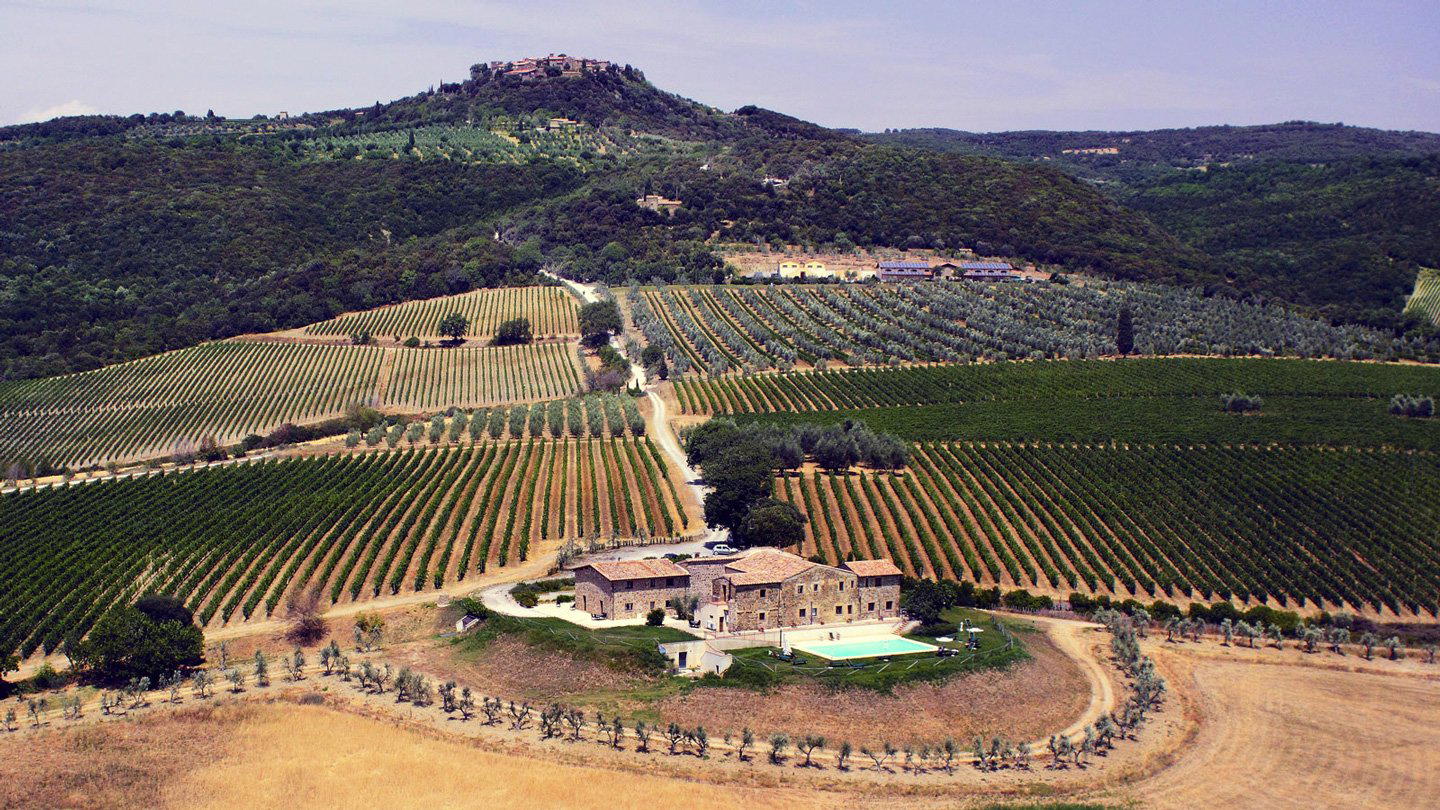
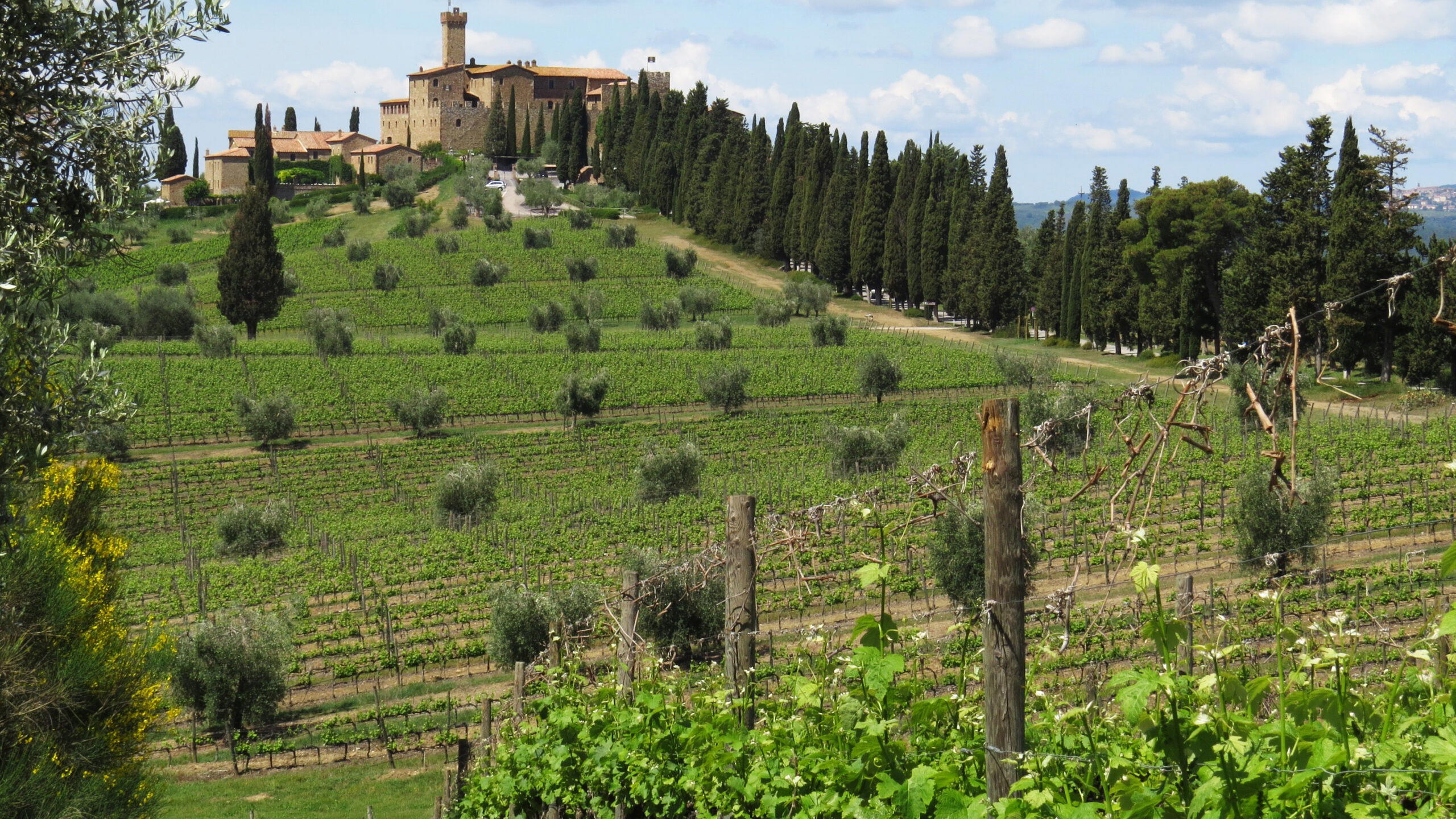
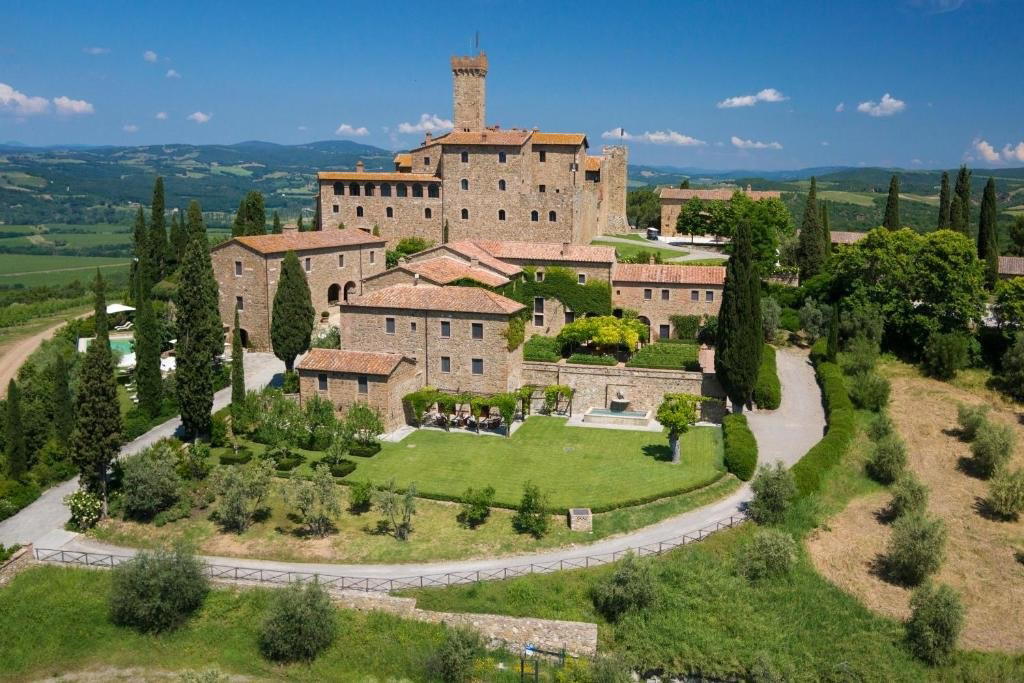
The road to Castelnuovo dell'Abate drops below the main ridge of Montalcino, where the elevation eases and the vineyards face southeast toward Monte Amiata. The air shifts here, less windswept than the northern slopes near Sant'Antimo, more sheltered, with a warmth that registers in the wines long before you open a bottle. Poggio di Sotto sits in this southern corridor, at Localita' Castelnuovo dell'Abate, and it is a property whose address tells you most of what you need to know about its stylistic DNA. Southern Montalcino produces Brunello that tends toward riper fruit and rounder structure than its northern counterparts; Poggio di Sotto has built a reputation working precisely within those conditions rather than against them.
Brunello di Montalcino occupies a specific tier in Italian fine wine, not the approachable-early segment, but the age-worthy, allocation-driven category where estates are judged over decades rather than vintages. Within that category, the appellation has its own internal hierarchy. Large, historically established producers such as L'Enoteca Banfi anchor the commercial mainstream. Estates like Il Poggione and Altesino represent the mid-tier with long track records. Then there is a smaller cohort of estate-driven producers whose wines are sought by collectors specifically for their terroir expression and limited output. Poggio di Sotto belongs to that last group, alongside names such as Cerbaiona and Valdicava, where scarcity and critical attention are intertwined.
The estate's first vintage was 1989, a date that places it firmly in the modern era of Brunello but far enough back to have accumulated a credible vertical record. That 35-year span of vintages is consequential: it means the wines have been assessed across multiple growing seasons, including the difficult years that reveal a producer's actual decision-making, not just its performance in warm, generous harvests.
Comparative context is useful here: this is the same recognition bracket occupied by producers in Piedmont such as Aldo Conterno in Monforte d'Alba and in Umbria such as Lungarotti in Torgiano, estates where the combination of regional authority and consistent output justifies the classification.
Winemaking at Castelnuovo dell'Abate
Brunello production follows DOCG rules that mandate long aging in oak followed by additional bottle rest before release, meaning the wines that reach visitors and buyers represent decisions made several years earlier. The winemaker at Poggio di Sotto is Pier Paolo Pagiusco, whose name appears consistently in the estate's technical context. In the Montalcino southern zone, decisions around harvest timing, fermentation vessel selection, and oak format have an outsized effect on whether wines express the warmth of the microclimate as richness or as weight. The estate's reputation suggests those choices have been made with restraint in mind.
For context on what distinguishes high-performing Montalcino estates from their peers, the comparison with Argiano and Casanova di Neri is instructive, both operate in the same appellation with different stylistic outcomes, demonstrating how varied the interpretations of Sangiovese Grosso can be within a single DOCG. Poggio di Sotto occupies a different position than either: smaller in scale, more focused in output, and oriented toward the collector market that values that specificity.
Food Pairing and the Table at Poggio di Sotto
Brunello di Montalcino has a particular hospitality tradition built around the intersection of wine and Tuscan food culture. The wines demand food: the tannin structure of aged Brunello flattens against neutral pairings and opens considerably against protein-rich, fat-carrying dishes. This is not a regional coincidence, it reflects the conditions under which the wine evolved, in a landscape that produces cinghiale, aged pecorino, hand-cut pappardelle, and bistecca from Chianina cattle. Any serious visit to an estate in this category presumes an encounter with that food culture alongside the wine.
The estate's address in Castelnuovo dell'Abate places it within reach of the village's small but focused restaurant scene, where local producers have long understood that visitors arrive with an appetite shaped by the cellar visit. The pairing logic here is less about prescribed matches and more about understanding that Brunello at this level performs differently at different stages of its development: younger releases tend to need more tannin-softening from fat and slow-cooked protein, while older vintages open toward leaner preparations where their secondary flavours, dried herbs, earth, leather, can register without competition.
For those approaching the estate through a broader Italian itinerary, it is worth noting how the hospitality model at places like Castello di Volpaia in Radda in Chianti or Ca' del Bosco in Erbusco contrasts with the southern Montalcino model. The former two lean into full agriturismo or event programming; the Castelnuovo dell'Abate properties tend to keep the focus on the wine, with food as context rather than spectacle. That distinction shapes what to expect from a visit and how to plan accordingly.
Planning a Visit: Practical Notes
Poggio di Sotto's address at Localita' Castelnuovo dell'Abate, 53024 Montalcino SI, places it roughly 12 kilometres southeast of Montalcino town by road. The route involves narrow provincial roads through vineyard and olive groves, and is navigable by standard hire car but requires attention in both directions. No public transport serves the locality directly, so independent transport is the practical assumption for any visit.
The estate does not publish contact details or a website in the standard channel, which is consistent with the allocation-led model common to this tier of Brunello producer, access to wines and visits tends to operate through the trade, through specialist importers, or through established relationships rather than open booking. Visitors who arrive without prior contact are unlikely to find a tasting room in the walk-in sense. Planning ahead through a wine specialist or a programme such as EP Club's regional itineraries is the functional approach.
Montalcino town, 12 kilometres north, provides the practical base for the southern zone: hotels, restaurants, and enotecas are concentrated there, and the broader visiting circuit connects multiple producers in a single stay. Our full Montalcino restaurants guide covers the town's dining options alongside producer context for the wider appellation.
Seasonally, the harvest period in September and October brings the most activity to the estate zone, with the pre-harvest weeks in August offering the clearest view of vine condition before picking decisions are made. Spring, after the DOCG's annual Benvenuto Brunello releases, is when newly available vintages can be tasted in the context of their release, a structurally useful time for any serious vertical assessment.
Beyond Montalcino: Italian Fine Wine in Context
The concentration of serious wine production in central Tuscany has few international parallels outside Burgundy and Napa, but the Italian context also includes estates in completely different categories that are worth mapping for the travelling collector. Distilleria Marzadro in Nogaredo and Distilleria Romano Levi in Neive represent the grappa tradition that often accompanies aged Brunello at the end of a serious Tuscan meal, a pairing logic that runs through the culture rather than through formal programming. Similarly, international reference points such as Accendo Cellars in St. Helena or Aberlour in Aberlour sit in different categories entirely but are part of the same premium allocation world that Poggio di Sotto occupies in its region. And for those who encounter Campari in Milan as a pre-dinner aperitivo before heading south, that, too, is part of how Italian wine culture frames the experience of what follows.
Fast Comparison
Comparable venues nearby, for context on price, style, and recognition.
| Venue | Cuisine | Price | Awards | Notes |
|---|---|---|---|---|
| Poggio di SottoThis venue (the venue you are viewing) | Sangiovese | Not listed | Falstaff Winery - 5 Stars | Not listed |
| Argiano | Sangiovese Grosso, Cabernet Sauvignon | $50–100 | Falstaff Winery - 5 Stars | Sant'Angelo in Colle |
| L'Enoteca Banfi | Sangiovese, Sangiovese Grosso | $50–100 | Not listed | Montalcino |
| Cerbaiona | Sangiovese Grosso, Sangiovese | Not listed | Falstaff Winery - Listed | Cerbaia contrada |
| Biondi-Santi Tenuta Greppo | Sangiovese | Not listed | Falstaff Winery - 5 Stars | Montalcino |
| Il Poggione | Sangiovese | $50–100 | Falstaff Winery - 4 Stars | Sant'Angelo in Colle |
Recognition history
Dated appearances from independent guides and award organizations, with the underlying list record or original source where available.
Falstaff Winery - 5 Stars
Falstaff
Poggio di Sotto
Featured Guides
Continue exploring
More in Montalcino
Wineries in Montalcino
All wineries in Montalcino →
Bars in Montalcino
All bars in Montalcino →
Restaurants in Montalcino
All restaurants in Montalcino →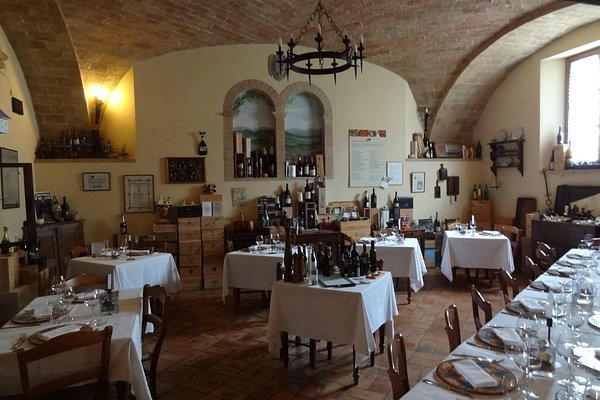
Details
- Elegant
- Rustic
- Scenic
- Quiet
- Sophisticated
- Wine Education
- Special Occasion
- Solo Exploration
- Vineyard Tour
- Estate Grounds
- Panoramic View
- Organic
- Vineyard
- Mountain
- Sangiovese
- Still Red
- Estate Tasting
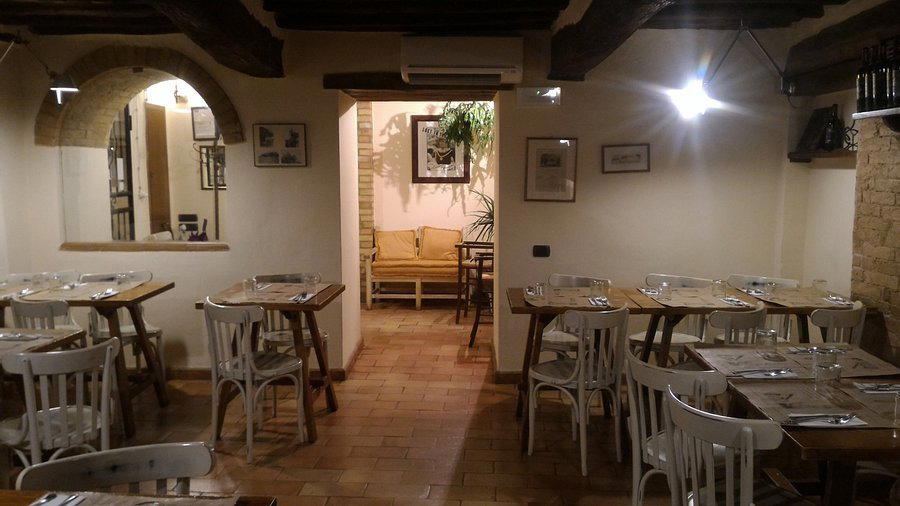
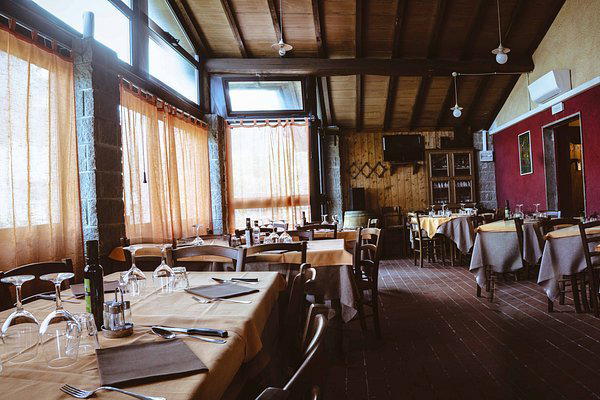
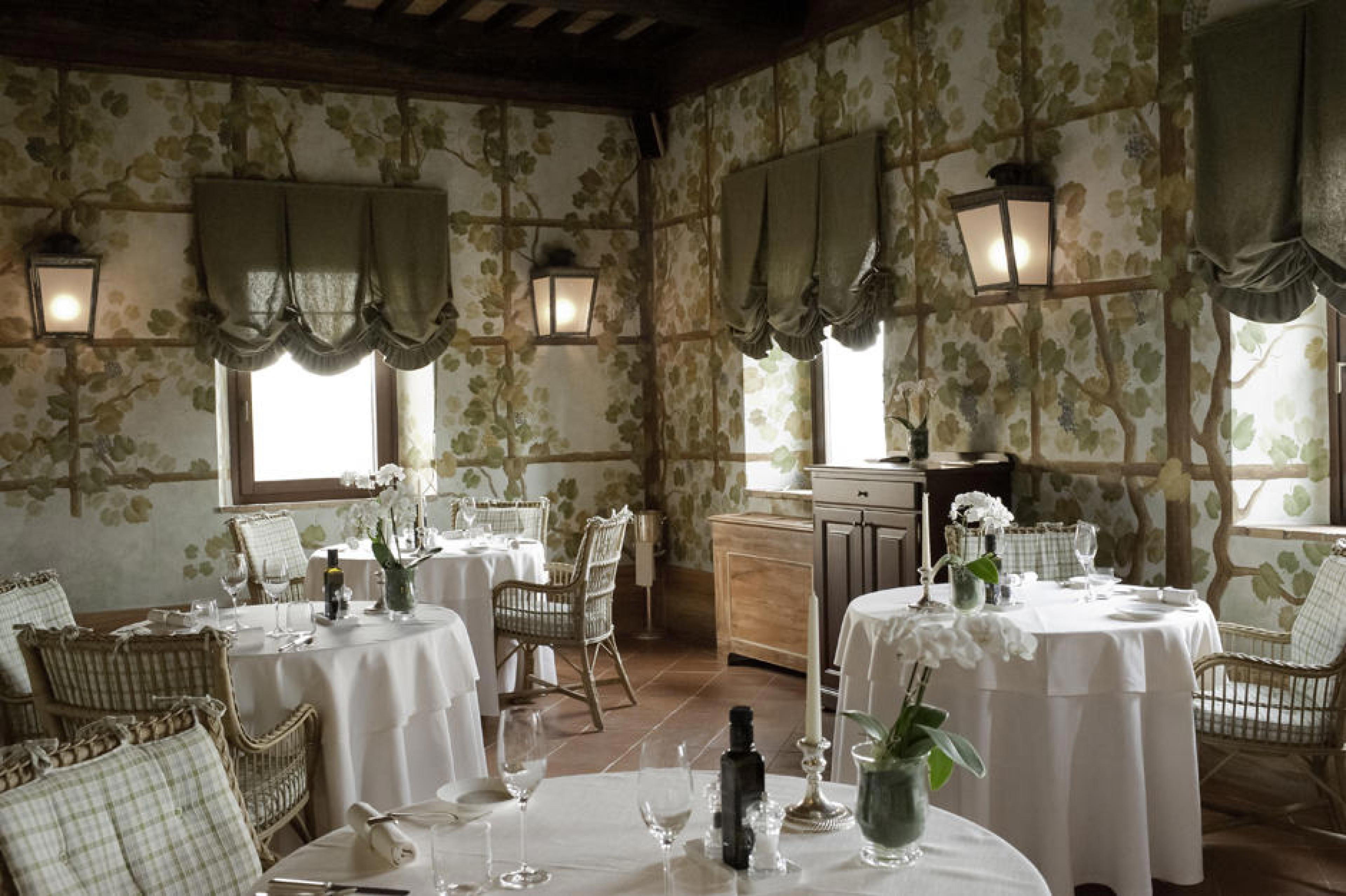
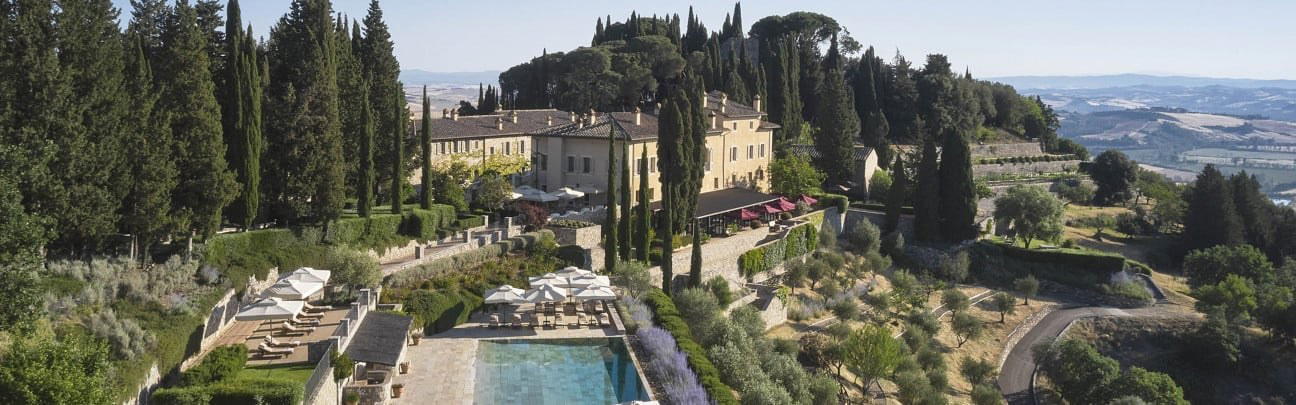
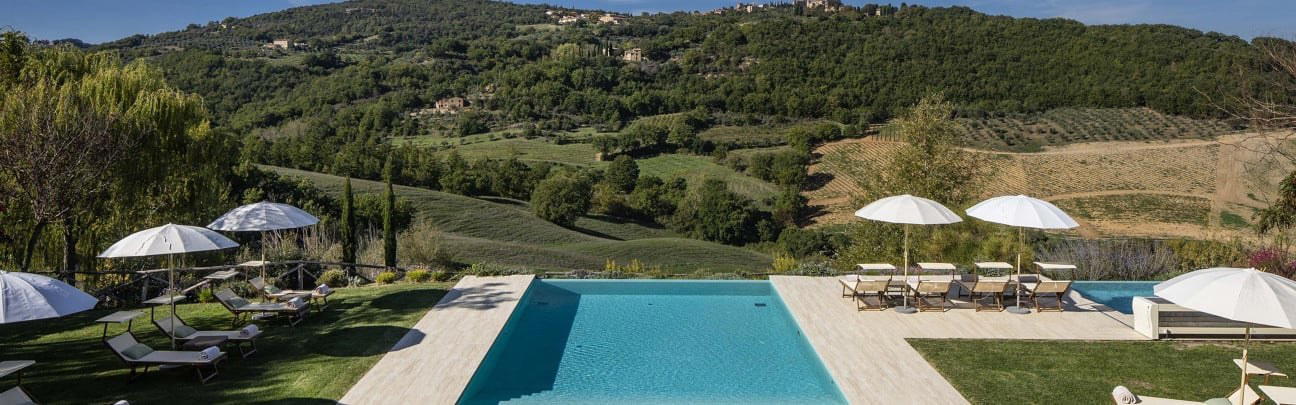
Elegant and serene atmosphere shaped by the historic estate's natural surroundings, steep slopes, and traditional winemaking.