Corison Winery

Falstaff Winery - Listed
Corison Winery in St. Visitors seeking serious Napa Cabernet in a format shaped by decades of consistent production will find it here.

Pearl is the En Primeur Club membership app — saves, bookings, and concierge access live there. Same editors, same standards.
- Address
- 987 St Helena Hwy, St Helena, CA 94574
- Phone
- (707) 963-0826
- Website
- corison.com
- Directions
- Get directions
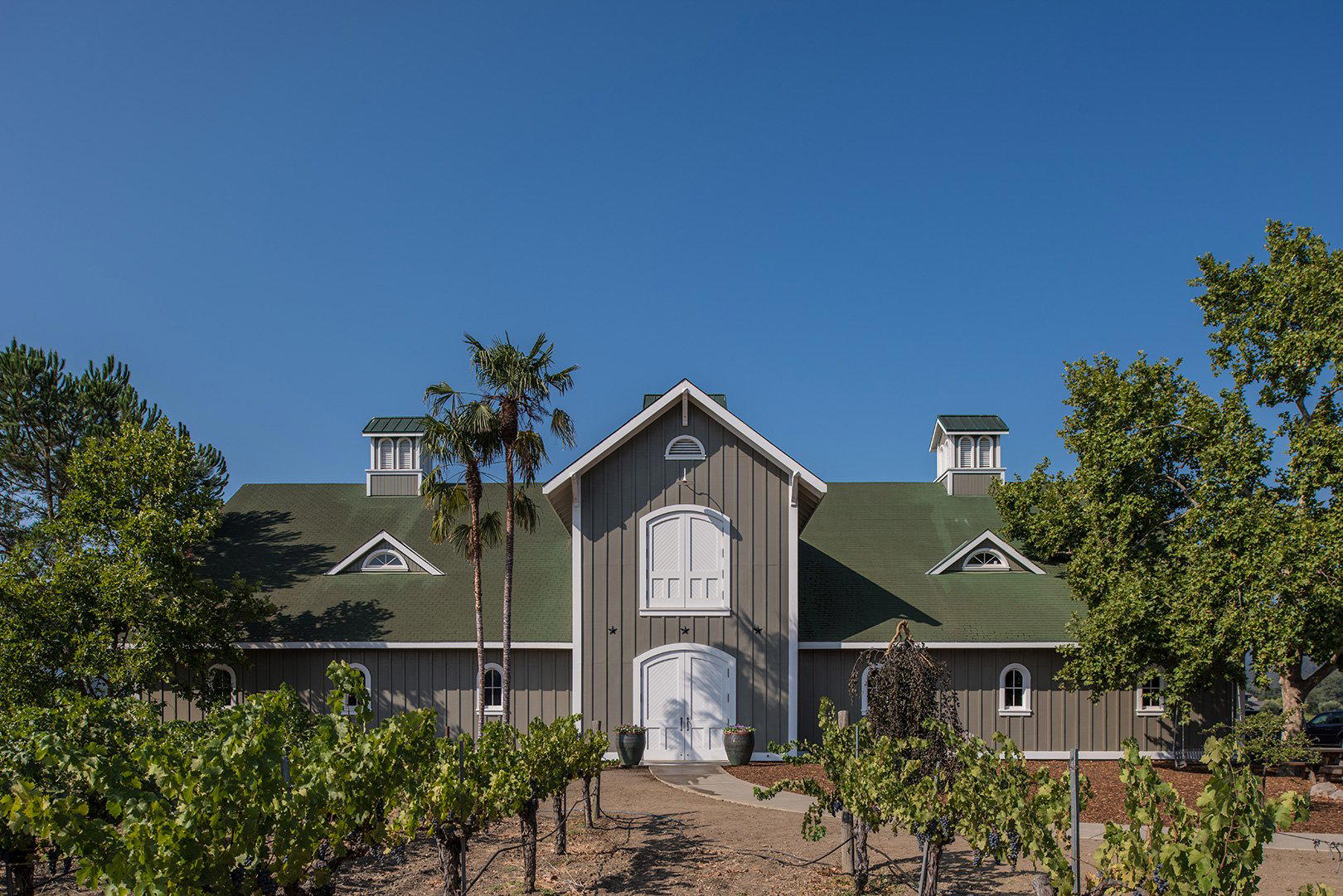
Where Napa's Restraint Tradition Takes Root
Napa Valley's identity in the broader wine world is almost synonymous with Cabernet Sauvignon, but within that category a meaningful split has developed over the past three decades. On one side sit producers who lean into concentration, extraction, and high-impact fruit profiles aimed at scores and immediate cellar presence. On the other, a smaller cohort has held to a different standard: wines built for the table, shaped for time, and calibrated for balance over power. Corison Winery, at 987 St. Helena Highway in St. Helena, operates firmly in that second tradition.
That distinction matters when you start mapping Napa's higher tiers. St. Helena is particularly dense with serious producers. Accendo Cellars and Brand Napa Valley occupy the allocation-only, ultra-premium bracket, while Chappellet Winery and Charles Krug bring longer institutional histories to the same corridor. Dana Estates represents the vineyard-specific, precision end of the modern St. Helena conversation.
The Approach Behind the Bottle
Across California wine country, the producers who have generated the most durable critical respect tend to share a set of commitments: site selection over appellation branding, consistent house style across vintages, and a resistance to trend-chasing. These are the signals that allow a winery to build a genuine track record rather than a series of peak-vintage performances. Corison fits this pattern. Based on Highway 29 in the heart of St. Helena, the winery draws from Napa Valley floor vineyards, a growing area where the mix of gravel, loam, and alluvial material produces fruit with natural structure rather than relying on elevation or dramatic diurnal shift to achieve tension.
The valley floor has sometimes been undervalued relative to Napa's hillside appellations, but producers who have worked it carefully for long periods have demonstrated that it can generate wines of genuine complexity. The key is restraint in the cellar matching restraint in farming: lower intervention, attention to alcohol calibration, and an aging program that allows tannin integration without demanding that the wine show immediately. This is where the collaboration between winemaking philosophy and the tasting experience becomes visible. A wine built this way arrives in the glass with more precision and less heat, and it rewards the kind of focused attention that a dedicated tasting visit allows.
Inside the Tasting Experience
Tasting rooms on the St. Helena stretch of Highway 29 vary considerably in format. Some operate as large visitor centers where throughput matters; others run as intimate, appointment-focused spaces where the conversation about the wine is as structured as the wine itself. Corison operates at the more focused end of that spectrum. The physical address on Highway 29 places it in direct proximity to Napa's primary north-south artery, making it accessible without the detour required by some hillside producers, but the experience inside is shaped by a different logic than convenience.
The team dynamic at this kind of winery is worth understanding before you visit. In a production-focused, relationship-driven house, the front-of-house staff are not simply pouring ambassadors. They carry the interpretive layer between the winemaking decisions and the guest's glass, and the quality of that layer determines whether a tasting becomes a genuine education or simply a sequence of samples. At Corison, the tasting staff work within a context defined by decades of consistent house style, which gives them material depth to draw on when explaining why a particular vintage expresses the way it does, or how the valley floor site profile differs from what a mountain appellation would deliver in the same year. That institutional knowledge is a form of service infrastructure that takes years to build.
This is also a winery where the relationship between winemaking and hospitality decisions is unusually integrated. The calibration of which wines appear in the tasting lineup, how they are sequenced, and what context accompanies them reflects the same disciplined thinking that shapes the production side. Visitors who engage with that structure rather than simply drinking through the flight tend to leave with a meaningfully different understanding of what Napa Cabernet can be at this tier.
Placing Corison in the Wider California Conversation
For visitors working through a broader California wine itinerary, it helps to understand where Corison sits relative to producers outside the immediate St. Helena cluster. Adelaida Vineyards in Paso Robles operates in a comparably serious register on the Central Coast, where limestone soils and high elevation produce a different structural profile but a similarly restraint-oriented philosophy. Adelsheim Vineyard in Newberg and Alban Vineyards in Arroyo Grande represent the Pacific Northwest and Southern Central Coast ends of that same tradition. Alexander Valley Vineyards in Geyserville offers a useful Sonoma-side comparison for visitors trying to triangulate what Napa valley floor Cabernet delivers against a warmer, looser appellation.
For those building an itinerary around producers who have sustained consistent critical recognition rather than chasing specific vintage scores, Alpha Omega Winery in Rutherford sits just south on the same valley floor and provides a useful contrast in style and format. Andrew Murray Vineyards in Los Olivos and Artesa Vineyards and Winery in Napa round out a picture of how California's diverse regions approach serious production from different terroir starting points.
Outside California entirely, the comparison points become stylistic rather than geographic. Achaia Clauss in Patras and Aberlour in Aberlour represent the kind of historically grounded production houses where longevity and house consistency carry as much weight as any individual release, which maps usefully onto the Corison philosophy even across entirely different categories.
Planning Your Visit
The St. Helena stretch of Highway 29 is leading approached with a morning start if you are covering multiple producers in a single day; afternoon traffic on the valley floor, particularly on weekends between June and October, adds meaningful time to any itinerary. The winery's Highway 29 address makes it direct to include as part of a north-valley day that might also take in Chappellet's hillside perspective or a Charles Krug historical visit. Booking ahead is advisable for any serious tasting experience in this tier; walk-in availability at focused production houses tends to be limited, particularly during harvest season from August through October.
For more on what St. Helena offers beyond any single producer, our full St. Helena restaurants and winery guide covers the corridor in detail.
Recognition, Side-by-Side
Comparable venues nearby, for context on price, style, and recognition.
| Venue | Cuisine | Awards | Notes |
|---|---|---|---|
| Corison WineryThis venue — the venue you are viewing | Cabernet Sauvignon | Falstaff Winery - Listed | Not listed |
| Barnett Vineyards | Cabernet Sauvignon, Petit Verdot | Not listed | Spring Mountain District |
| Charbay Winery & Distillery | Chardonnay, Cabernet Sauvignon | Not listed | Spring Mountain District |
| Snowden Vineyards | Cabernet Sauvignon, Cabernet Franc | Not listed | St. Helena |
| Titus Vineyards | Cabernet Sauvignon, Cabernet Franc | Not listed | St. Helena |
| Accendo Cellars | Cabernet Sauvignon, Sauvignon Blanc | Not listed | St. Helena |
Recognition history
Dated appearances from independent guides and award organizations, with the underlying list record or original source where available.
Falstaff Winery - Listed
Falstaff
Continue exploring
More in St. Helena
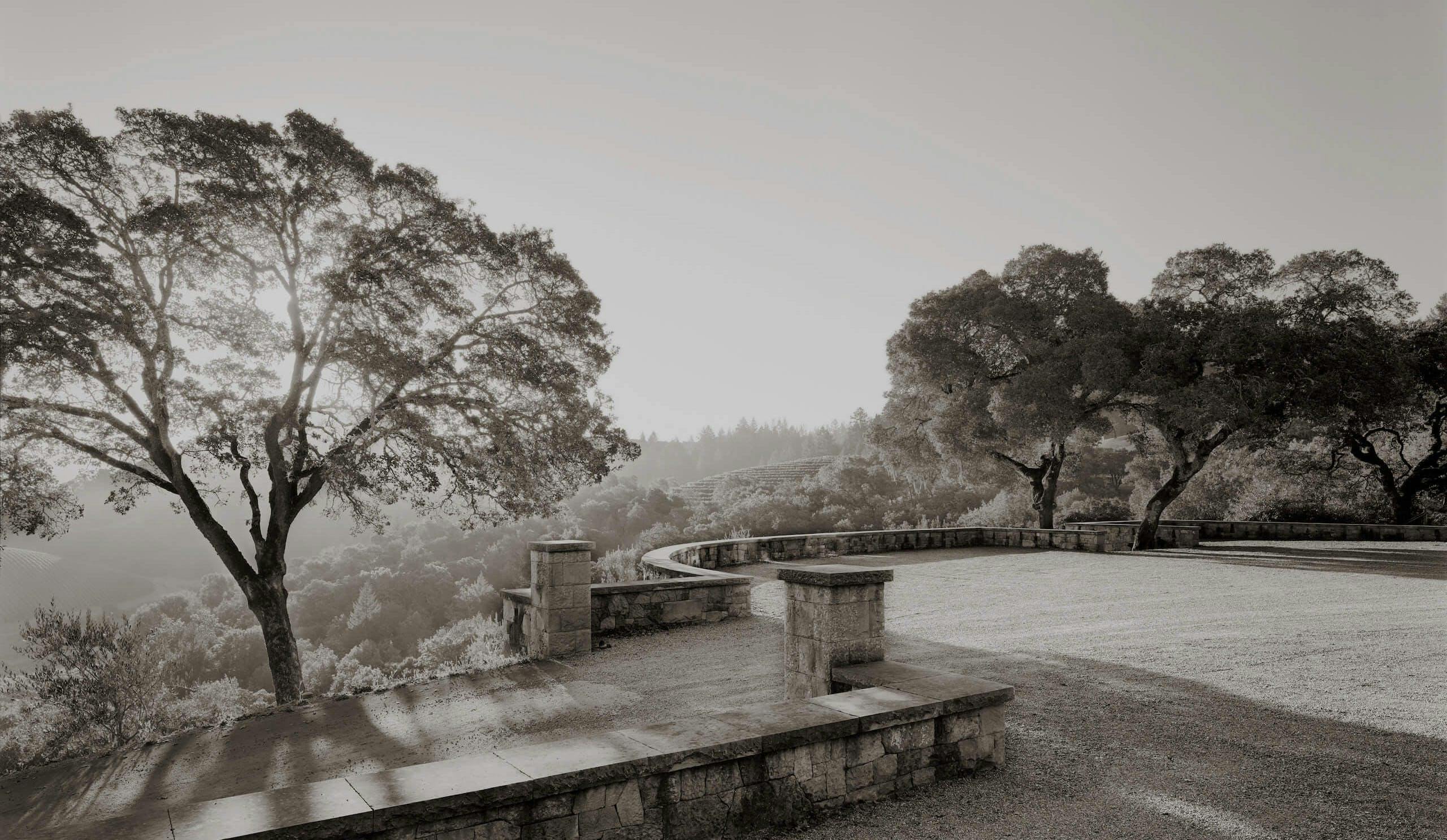
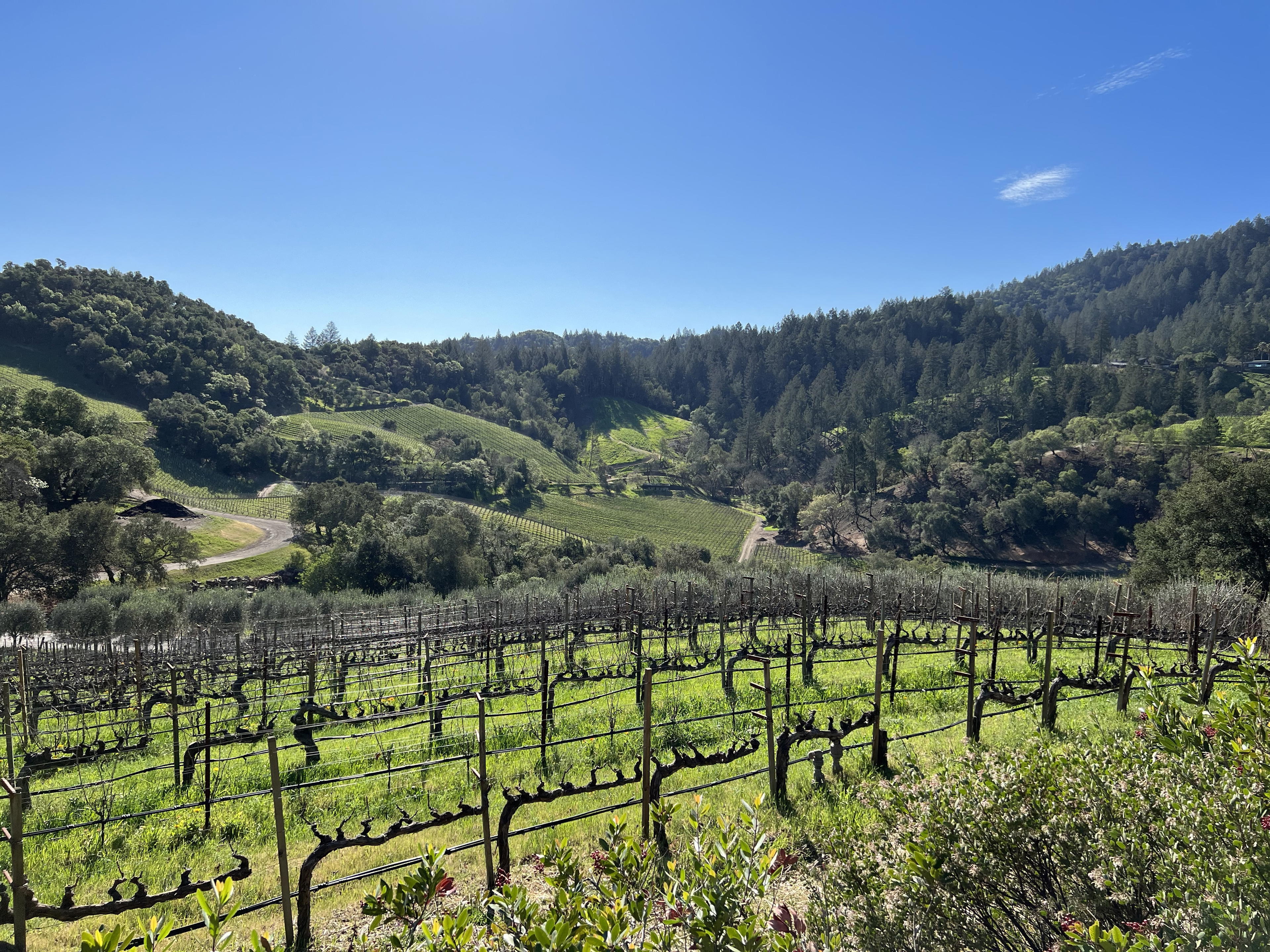
Wineries in St. Helena
Browse all →
Bars in St. Helena
Browse all →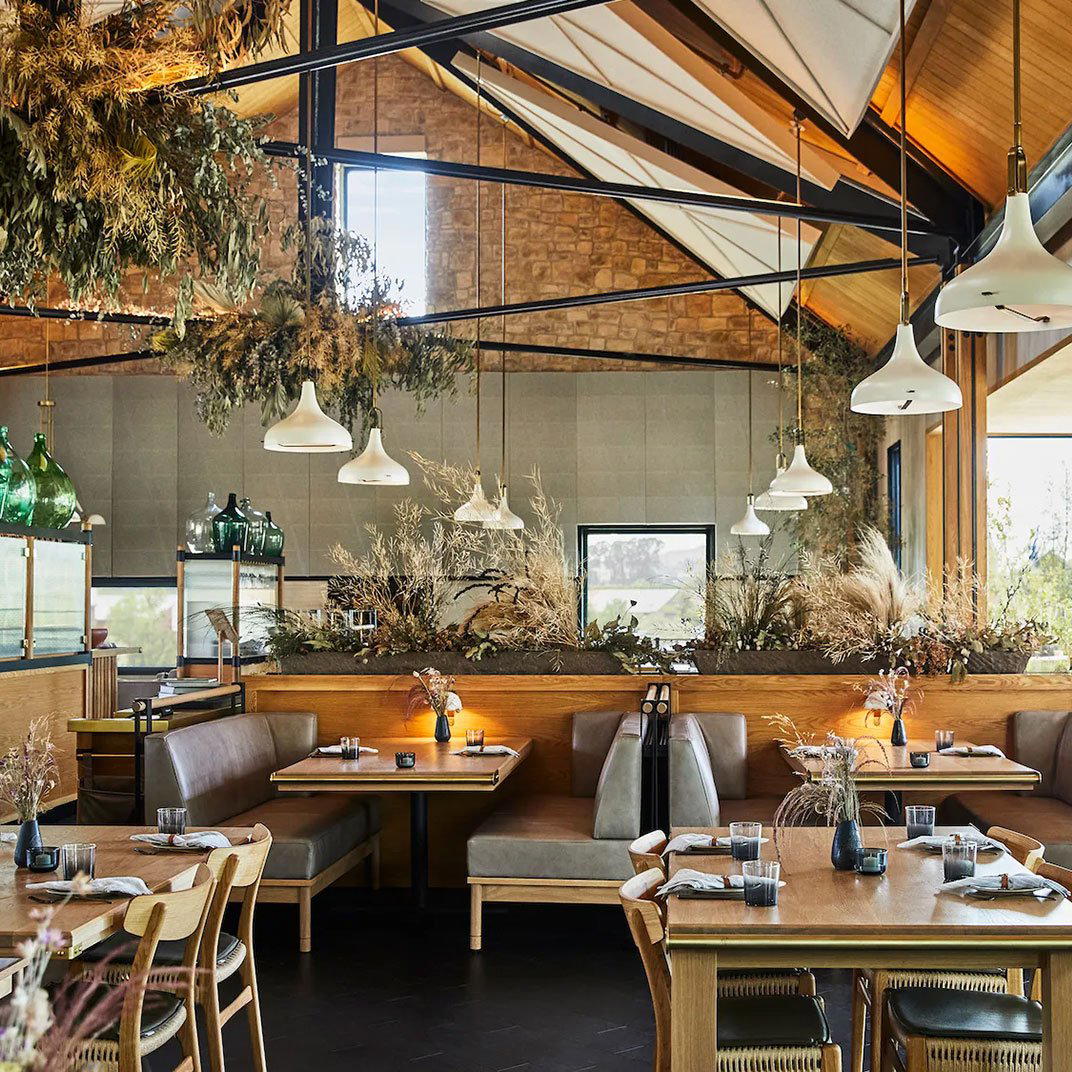
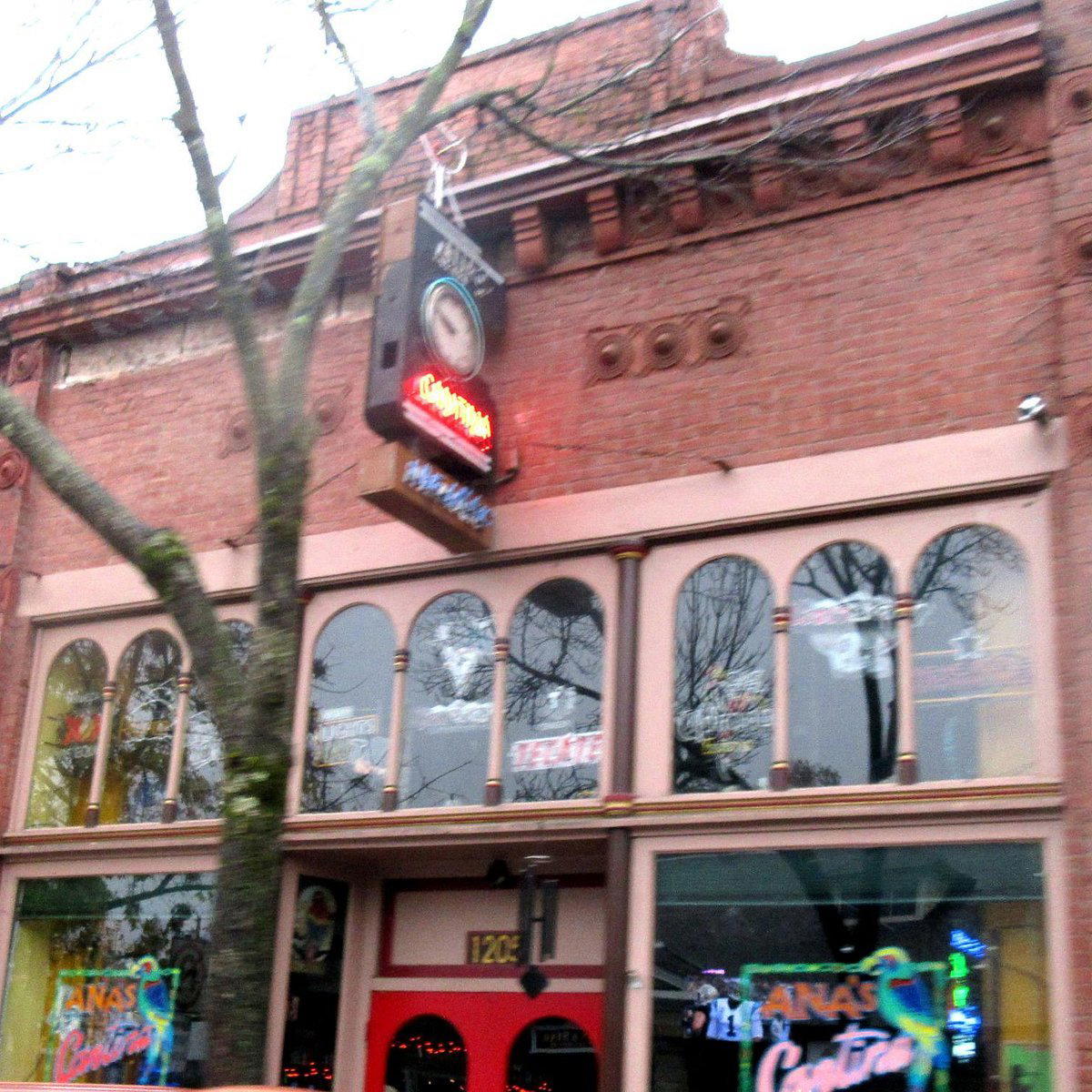
Restaurants in St. Helena
Browse all →
Details
- Quiet
- Elegant
- Rustic
- Intimate
- Scenic
- Wine Education
- Special Occasion
- Vineyard Tour
- Barrel Room
- Estate Grounds
- Organic
- Vineyard
- Garden
- Cabernet Sauvignon
- Still Red
- Library Tasting
- Single Vineyard Tasting
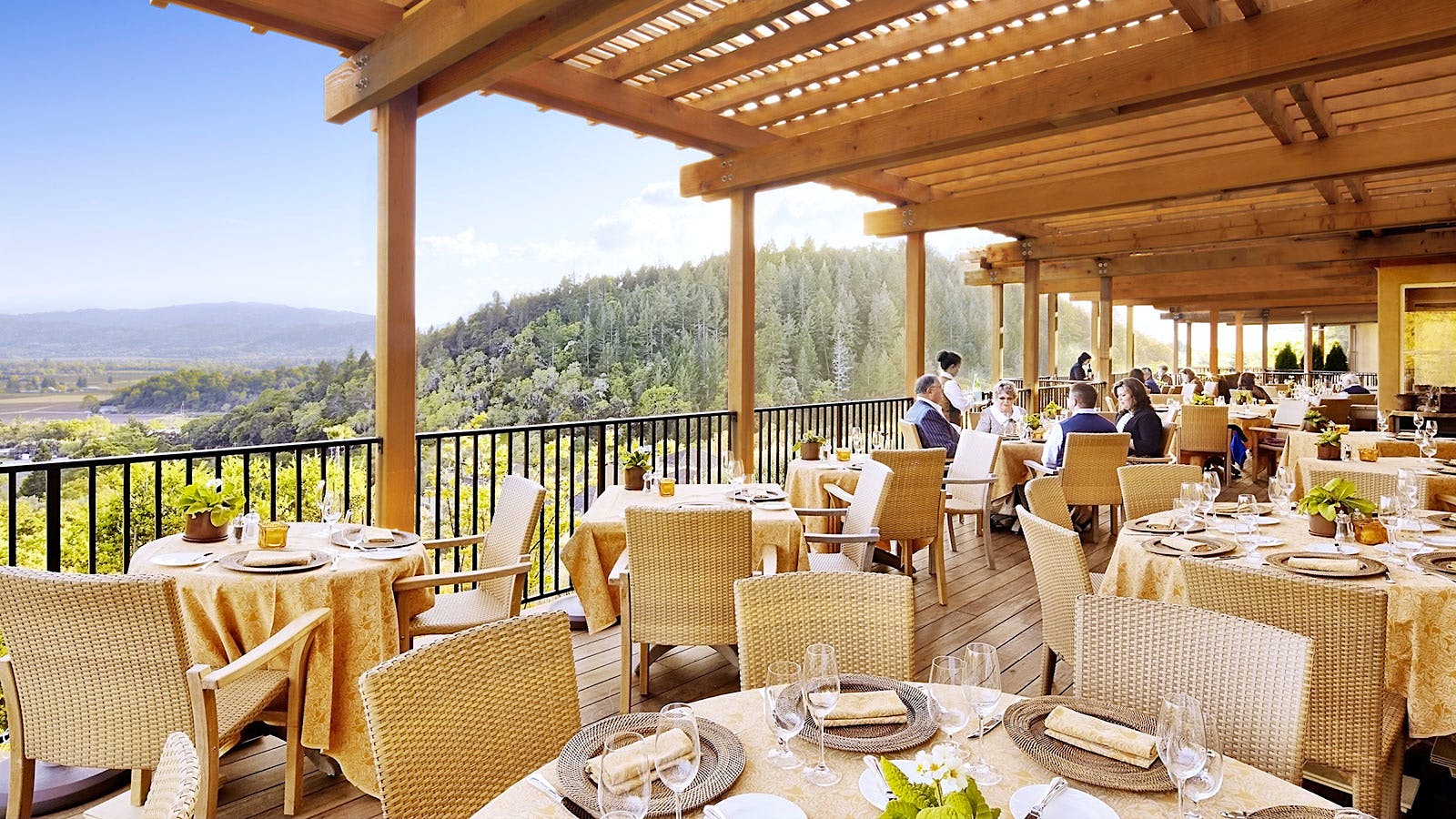
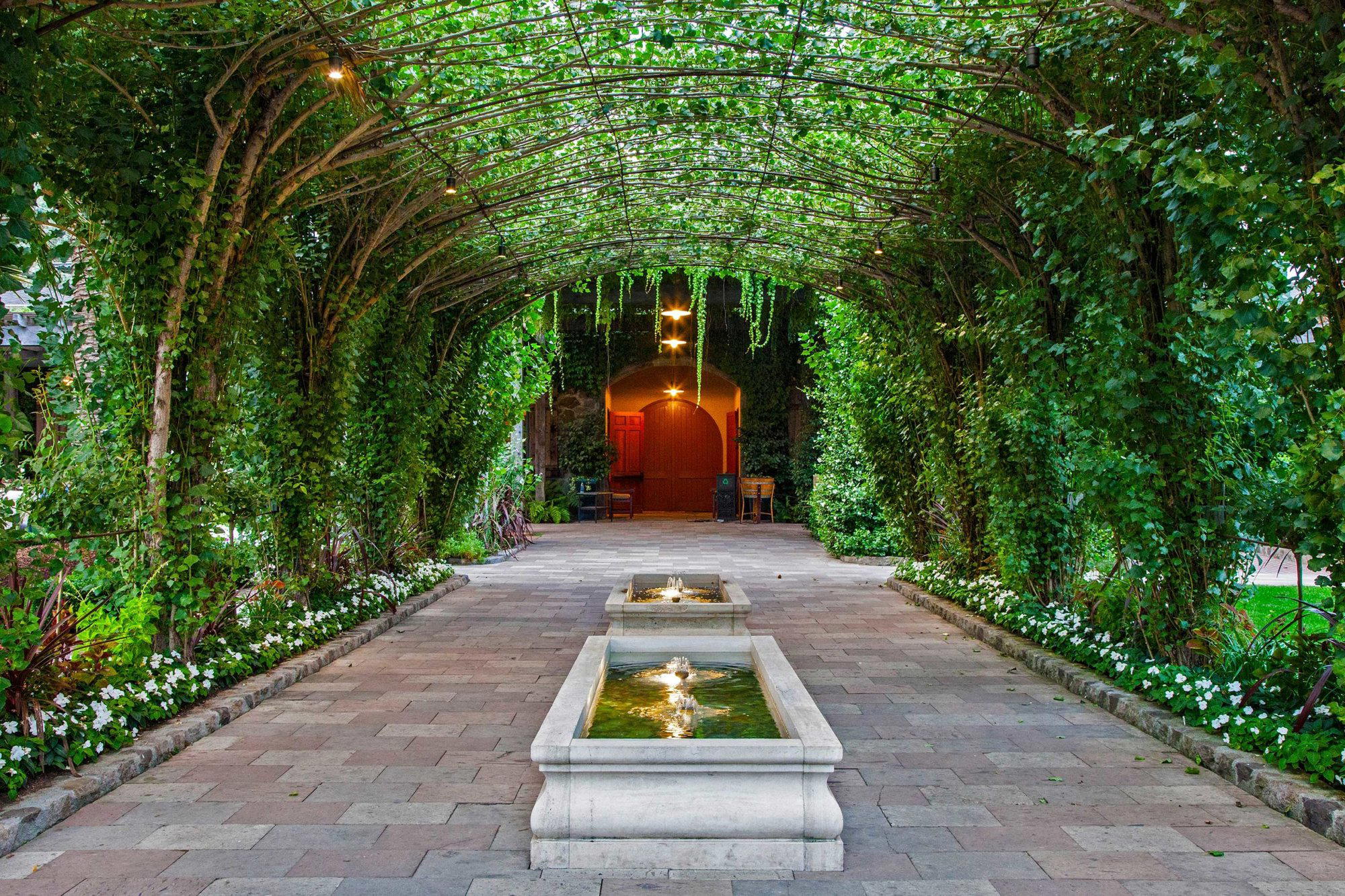
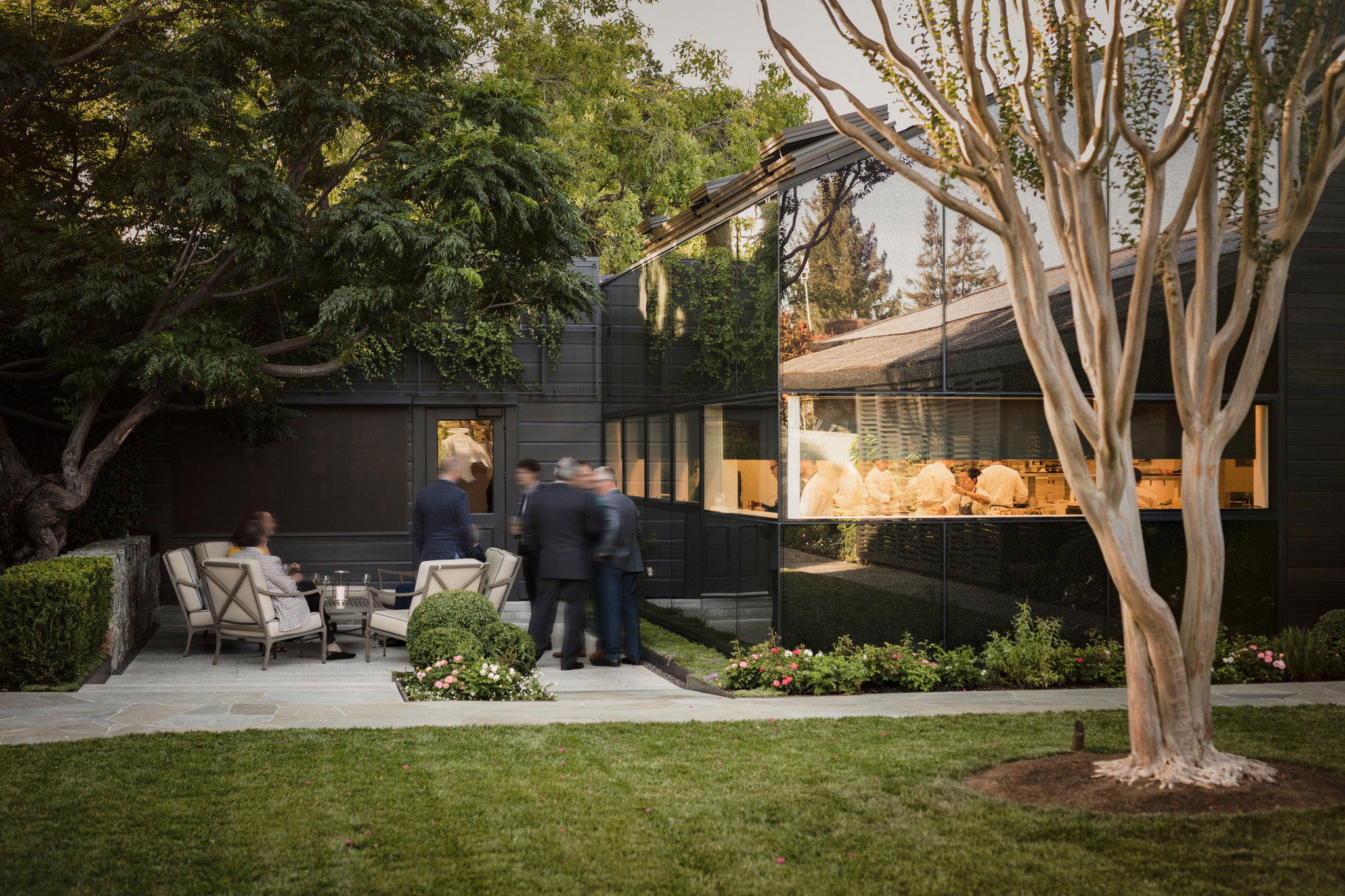
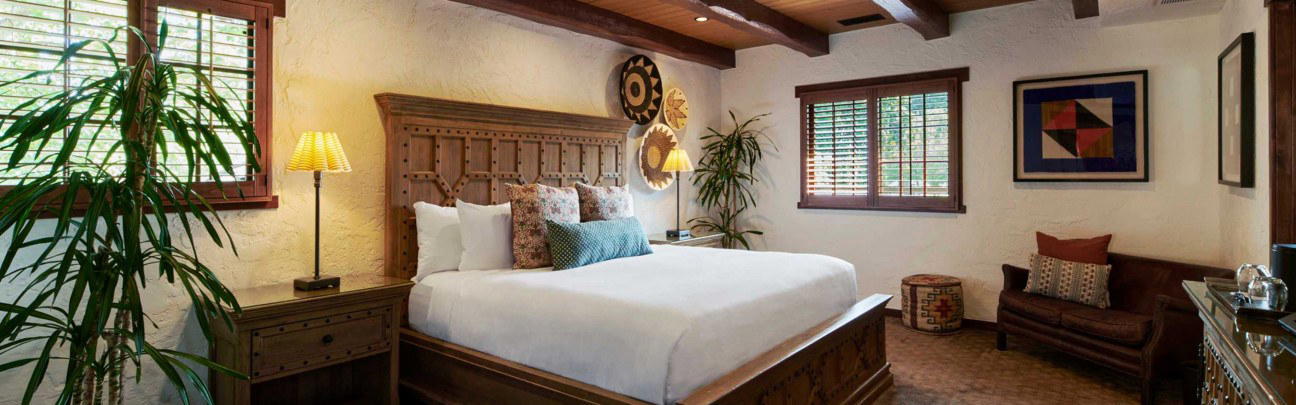
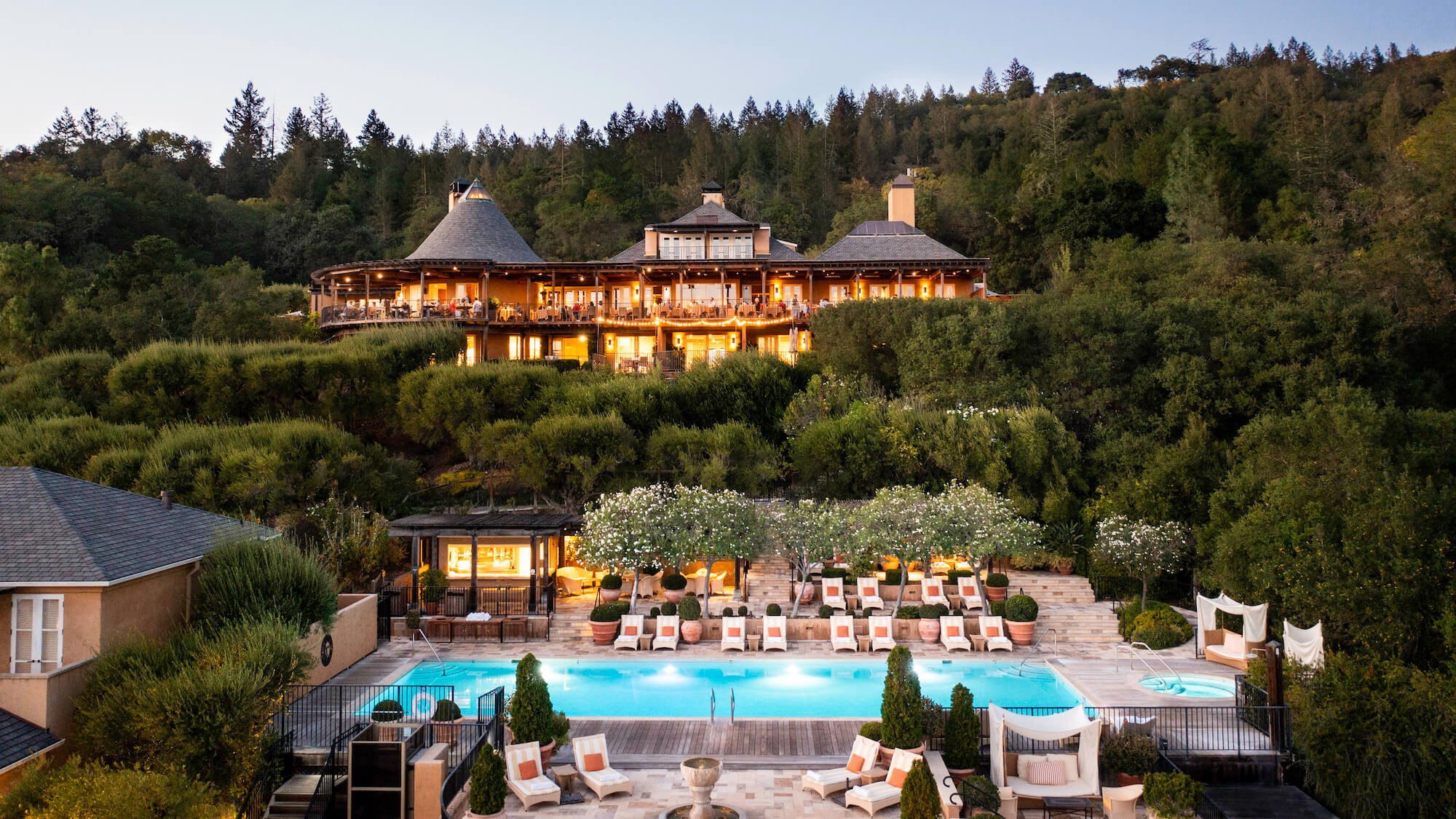
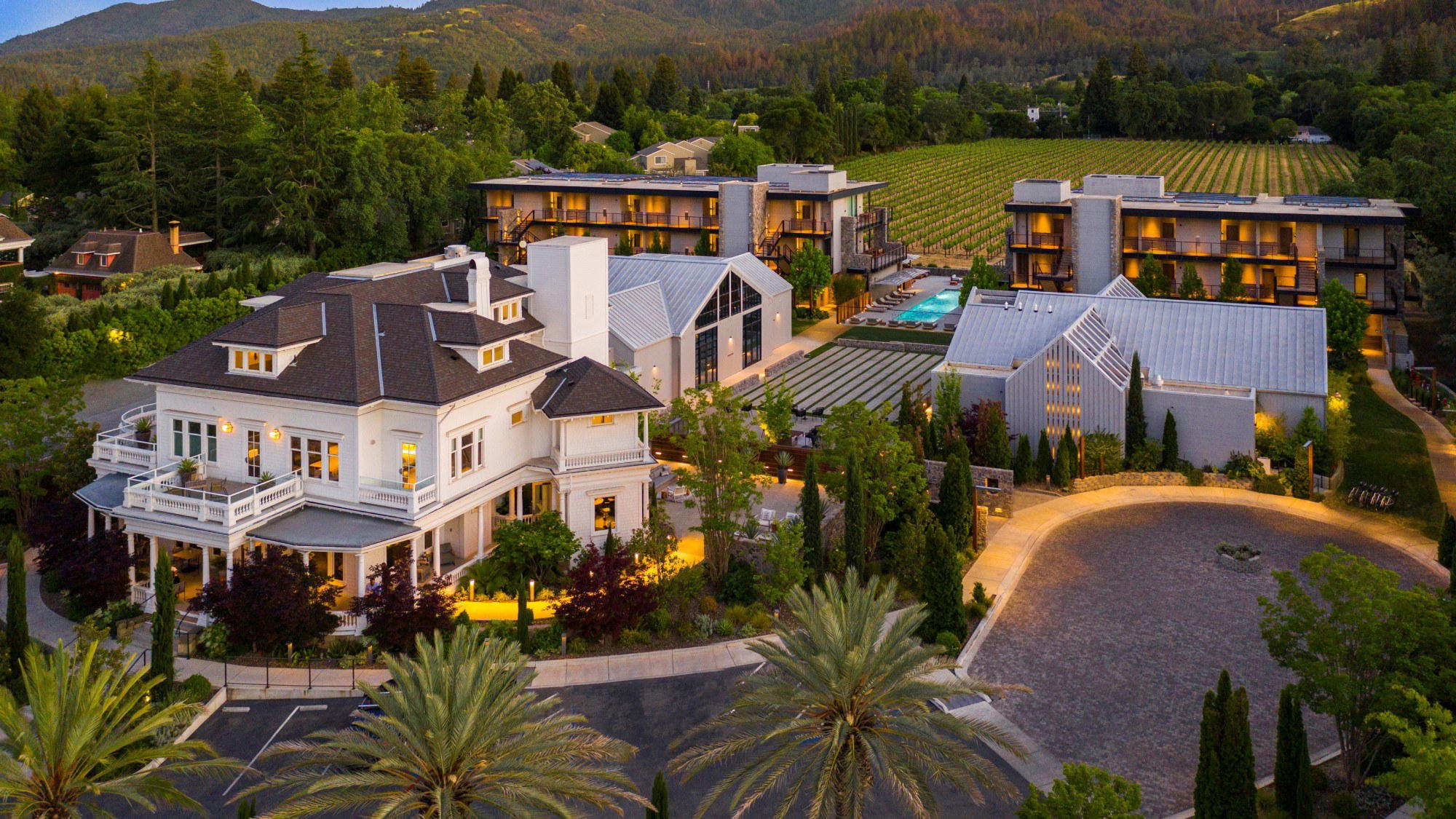
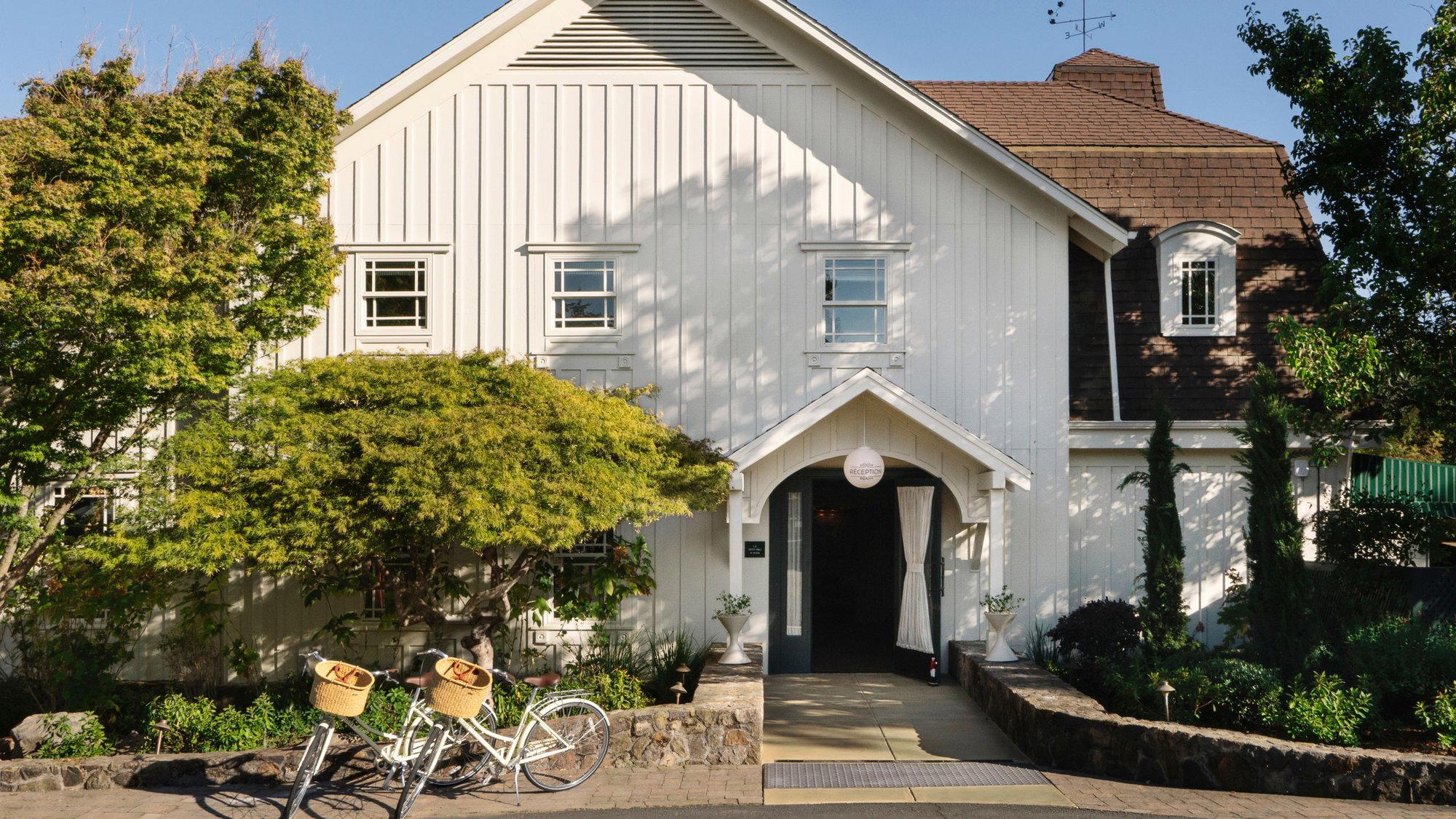
Laid-back and welcoming atmosphere in a stately Victorian-style barn with barrel room tastings, cozy private residence feel, and vineyard views.