Paul Jaboulet Aîné

One of the Northern Rhône's most historically rooted négociants, Paul Jaboulet Aîné has operated out of Tain-l'Hermitage since 1834. Visiting puts you at the centre of one of France's most concentrated fine wine appellations.
Pearl is the En Primeur Club membership app — saves, bookings, and concierge access live there. Same editors, same standards.
- Address
- 25 Pl. du Taurobole, 26600 Tain-l'Hermitage
- Phone
- +33 4 75 09 26 20
- Website
- jaboulet.com
- Directions
- Get directions
 Saves & bookings on Pearl
Almost Two Centuries on the Granite Hillside
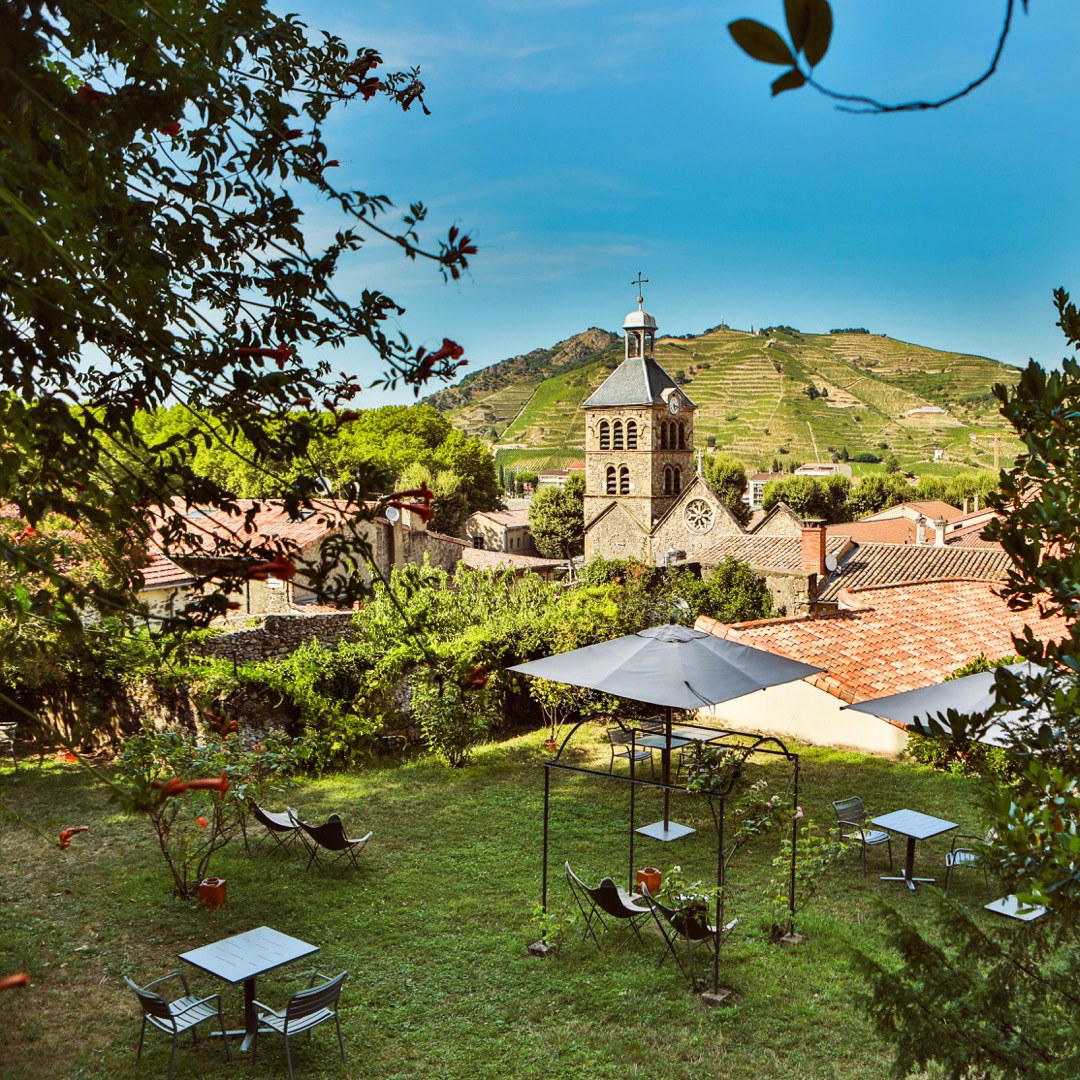
Stand at the base of the Hermitage hill in Tain-l'Hermitage and you are looking at among the more consequential slopes in French wine. The granite-and-loess terroir above the Rhône produces Syrah of a density and structured longevity that has defined the appellation's reputation across multiple generations. Paul Jaboulet Aîné is a winery in Tain-l'Hermitage. It has operated within that tradition since 1834. That continuity is not sentiment, it is a logistical and viticultural asset that shapes how the house sources fruit, manages relationships across the appellation, and positions its wines against a comparable set that includes Chapoutier and Delas Frères, both anchored within the same tight geography of Tain.
The Northern Rhône négociant model, buying grapes or wine from growers across a patchwork of appellations while maintaining estate holdings, places enormous weight on relationship depth and buying discipline. Houses with nearly two centuries of presence have access to growers and parcels that newer entrants cannot replicate. That structural advantage is part of what makes the Jaboulet address on the Place du Taurobole more than a heritage address: it represents accumulated appellation knowledge expressed through each vintage.
Caroline Frey and the Direction of the Cellar
Winemaker philosophy in the Northern Rhône has shifted considerably over the past two decades. The high-extraction, heavily oaked style that dominated international markets in the 1990s has given way, across many serious houses, to approaches that prioritise site expression over winemaker signature. The transition at Jaboulet, where Caroline Frey took the helm following the Frey family's acquisition of the estate, sits within that broader recalibration. Frey brought a rigorous agricultural focus to the domaine, investing in the vineyard rather than compensating for it in the cellar. The effect, visible in the wines over successive vintages, is a move toward transparency of terroir rather than the imposition of a single house style.
That direction aligns Jaboulet with a cohort of producer-négociants in France, from Alsace estates such as Albert Boxler in Niedermorschwihr to Bordeaux châteaux such as Château Bélair-Monange in Saint-Emilion, where ownership changes or generational shifts produced a measurable uplift in precision. The editorial question worth asking of any such transition is whether the quality signal holds across a range of price points and appellations, not only at the flagship level. At Jaboulet, the answer involves watching performance across Crozes-Hermitage and Saint-Joseph alongside the more scrutinised Hermitage releases.
La Chapelle and the Weight of Reference
No discussion of Jaboulet is complete without acknowledging the specific gravitational pull of La Chapelle, the house's Hermitage rouge, named for the small chapel visible on the hill above Tain. In fine wine circles, the 1961 La Chapelle is treated as a benchmark for what Northern Rhône Syrah can achieve at its outer limits: a wine still in active circulation on auction markets more than six decades after harvest. That single reference point has shaped how collectors and critics position the entire house, which is both an asset and a complication. The asset is an unusually strong proof of longevity. The complication is that any subsequent vintage invites comparison against a historically strong year across what is now a different cellar operation.
It places Jaboulet in the upper tier of a competitive set that includes Château Branaire Ducru in St-Julien, Château Batailley in Pauillac, and Château Cantemerle in Haut-Médoc, estates that carry long institutional histories while being evaluated on the merit of contemporary production. Across that peer group, the common thread is houses that have managed reputational continuity through ownership transitions and changing cellar philosophies.
The Appellation Context: Why Tain Matters
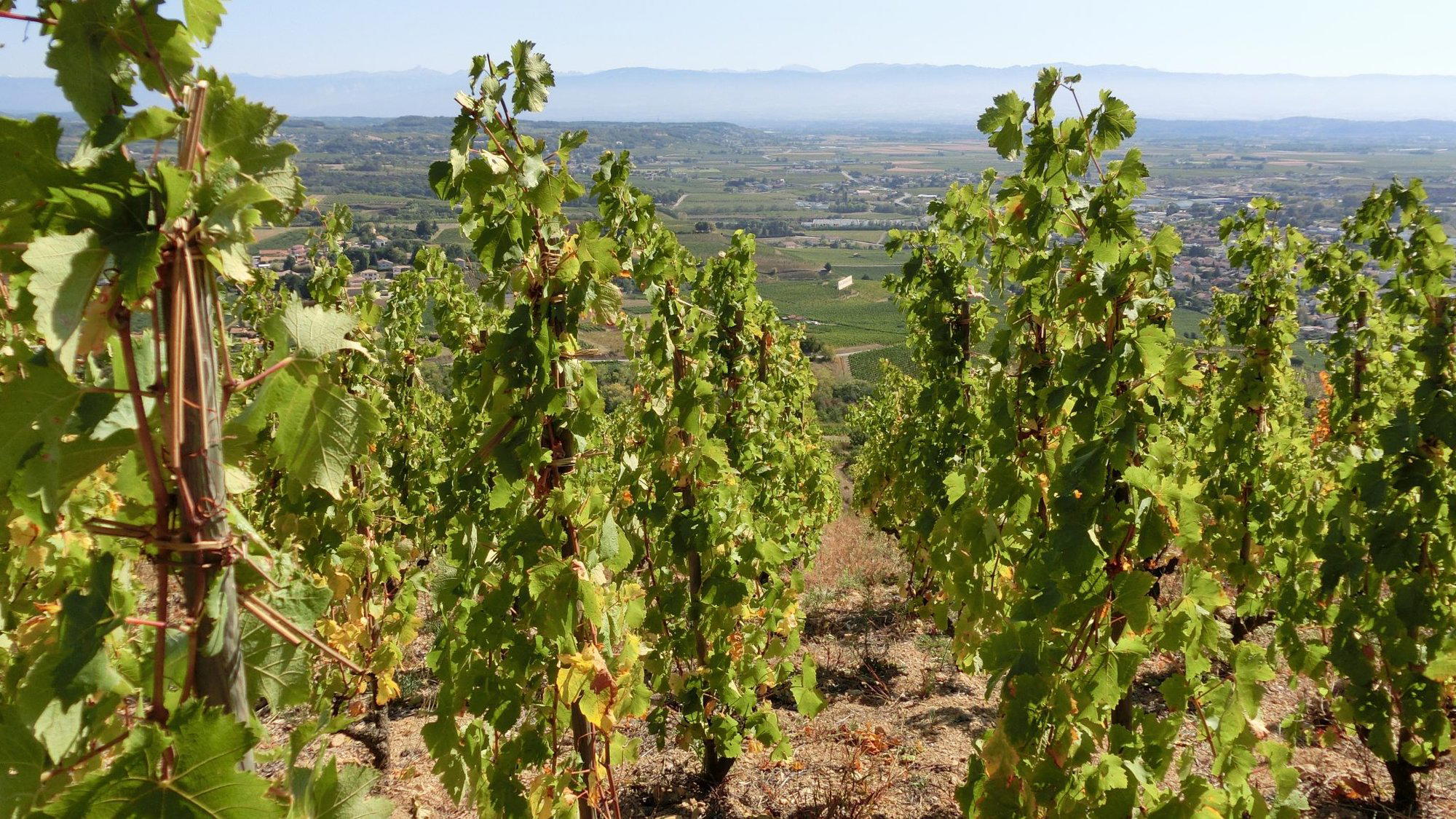
Tain-l'Hermitage is a small town with a disproportionate concentration of serious wine production. The appellation's total planted area is compact, Hermitage itself covers roughly 136 hectares, which keeps total production limited and maintains scarcity logic across the premium tier. For visitors arriving to understand Northern Rhône Syrah, Tain functions as a practical base: the major houses are accessible on foot or by short drive from the town centre, the Rhône valley scenery provides immediate visual context for the terroir discussion, and the proximity of Crozes-Hermitage, Saint-Joseph, and Cornas means a single trip can span the full Northern Rhône stylistic range.
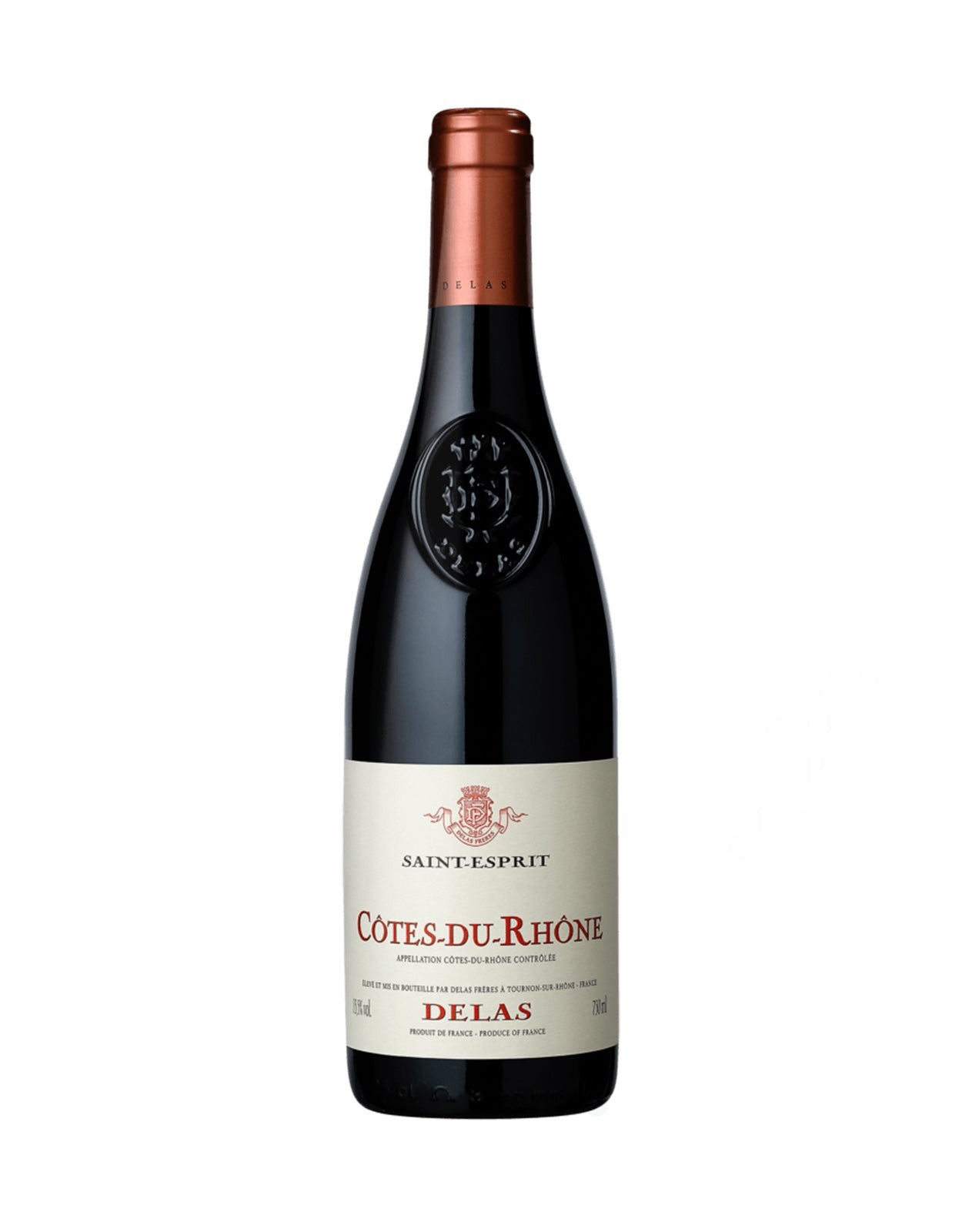
The concentration of production also means that visiting Jaboulet puts you within range of directly comparable tastings at neighbouring houses. The contrast between Jaboulet's approach and those of Chapoutier or Delas Frères, each with distinct philosophies on biodynamics, blending, and grape sourcing across the Northern Rhône, becomes instructive when tasted in sequence. That comparative density is a feature of the region that few appellations in France can match at this scale. For context on how similar depth develops outside the Rhône, the Chartreuse operation in Voiron illustrates how proximity and institutional continuity compound into regional identity over time.
Placing Jaboulet in a Wider French Fine Wine Frame
France's fine wine ecosystem includes a tier of houses defined less by single-vineyard trophy status and more by range depth and appellation breadth. Jaboulet's portfolio spans multiple Northern Rhône appellations, which means the house functions simultaneously as a regional ambassador and a tiered offering from entry-level to prestige. This model has direct parallels in Bordeaux, where châteaux such as Château Bastor-Lamontagne in Preignac, Château d'Arche in Sauternes, Château Clinet in Pomerol, and Château Boyd-Cantenac in Cantenac operate within recognised classification systems that anchor their identity across varying price points. Jaboulet's equivalent anchor is appellation reputation, the Hermitage designation carries sufficient weight to function as a quality guarantee at the summit of the range, while the Crozes-Hermitage and Saint-Joseph labels offer access points at lower price thresholds.
The same structure appears in spirits production: Aberlour in Aberlour and operations like Accendo Cellars in St. Helena each operate within heritage-anchored frameworks where a flagship expression underwrites the credibility of the wider range. In Jaboulet's case, La Chapelle performs that function, its track record supports the house's ability to price across all tiers with institutional credibility behind it.
Planning a Visit to Tain-l'Hermitage
Paul Jaboulet Aîné is located at 25 Place du Taurobole in Tain-l'Hermitage, a town well-connected by rail from Lyon (approximately one hour south by TGV) and a short drive from Valence. The spring and autumn months are particularly practical for cellar visits in the Northern Rhône: harvest activity runs through September and October, and the post-harvest period through November offers direct access to the new vintage in tank before bottling. Summer visits coincide with peak tourist traffic through the Drôme and Ardèche regions, which can complicate accommodation options in Tain itself.
Booking and Cost Snapshot
Comparable venues nearby, for context on price, style, and recognition.
| Venue | Cuisine | Price | Awards |
|---|---|---|---|
| Paul Jaboulet AînéThis venue — the venue you are viewing | Tain-l'Hermitage, Syrah, Marsanne | $$$ | Not listed |
| Delas Freres | Tain-l'Hermitage, Syrah, Marsanne | $$$ | Not listed |
| Chapoutier | Tain-l'Hermitage, Syrah | $$$ | World's 50 Best #42 |
| Domaine Jean-Louis Chave | Mauves, Syrah, Marsanne | $$$ | Not listed |
| Domaine Auguste Clape | Cornas, Syrah, Marsanne | $$$ | Not listed |
| Domaine du Cayron | Gigondas, Grenache, Syrah | $$$ | Not listed |
Recognition history
Dated appearances from independent guides and award organizations, with the underlying list record or original source where available.
Falstaff Winery - 4 Stars
Falstaff
Continue exploring
More in Tain-l'Hermitage
Wineries in Tain-l'Hermitage
Browse all →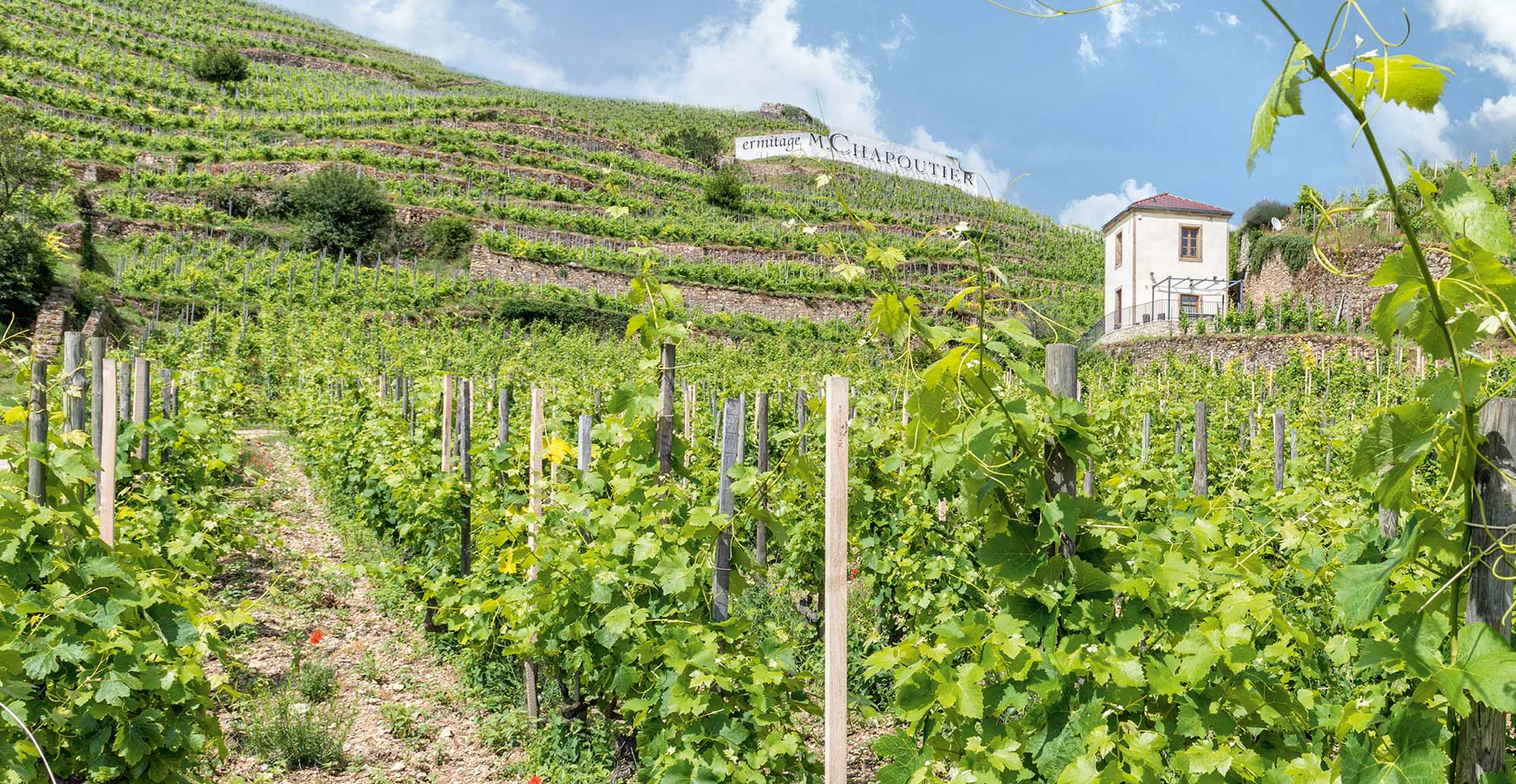

Bars in Tain-l'Hermitage
Browse all →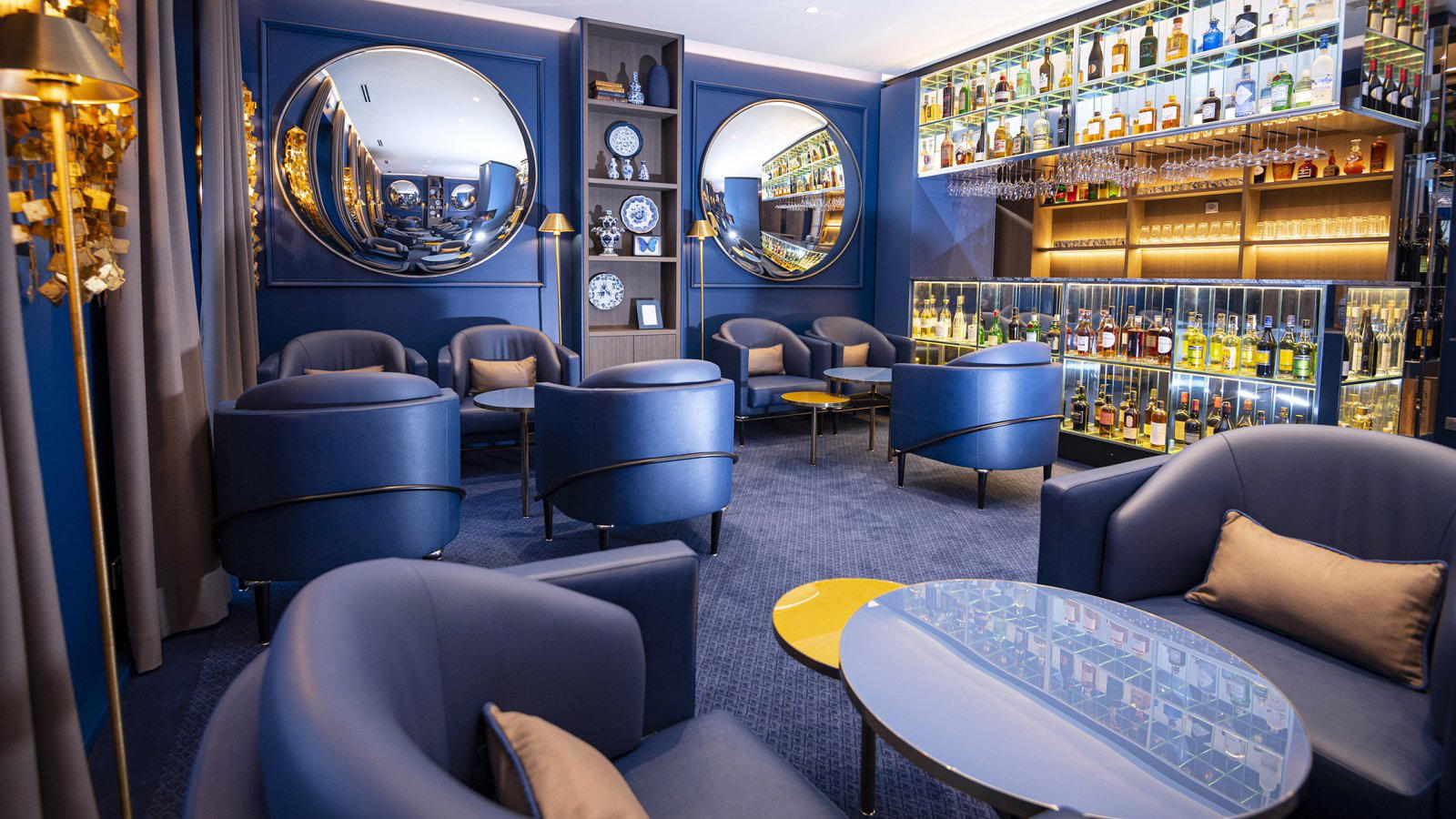
Restaurants in Tain-l'Hermitage
Browse all →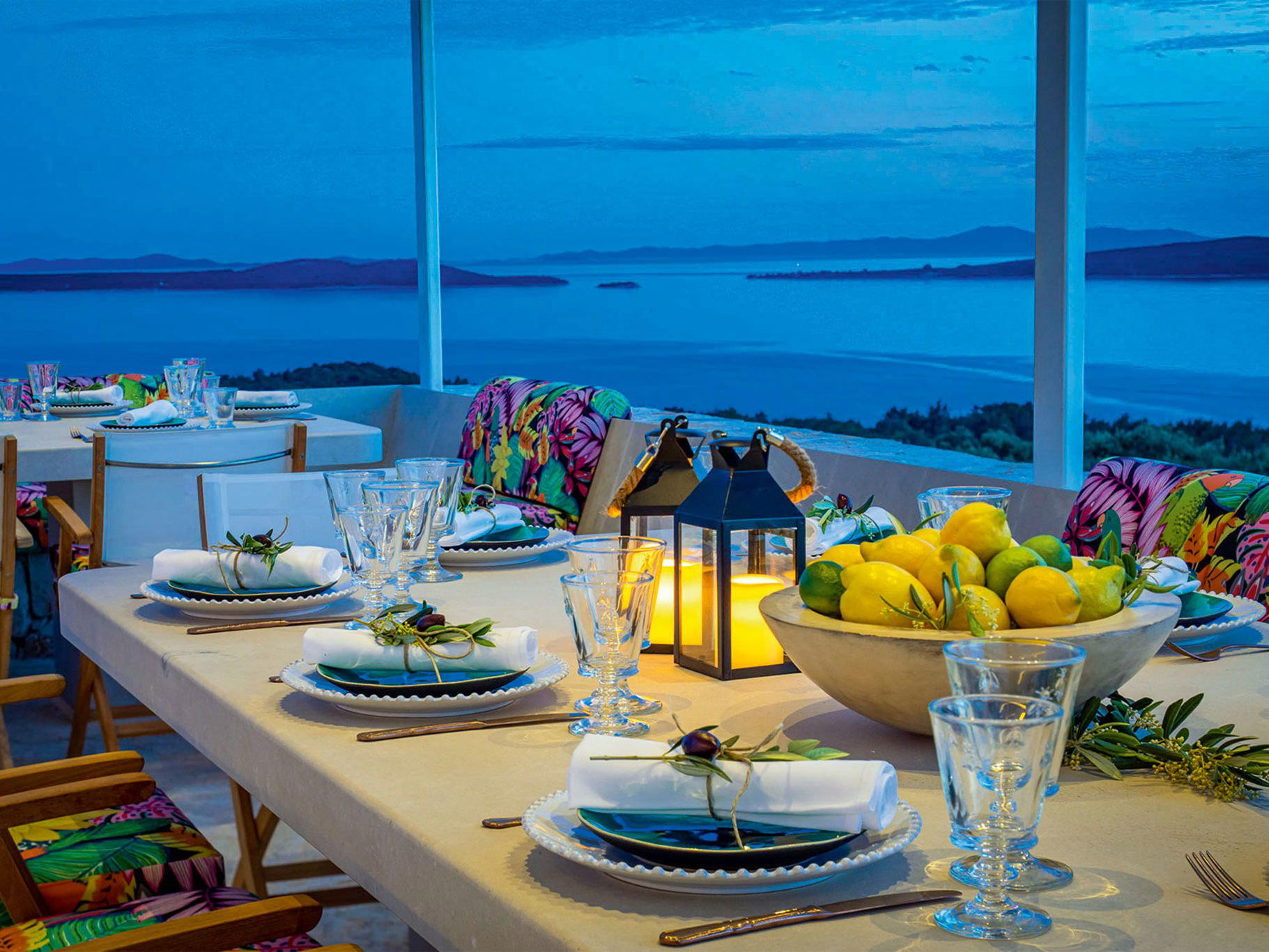
At a Glance
- Classic
- Well Known
- Elegant
- Scenic
- Wine Education
- Special Occasion
- Vineyard Tour
- Historic Building
- Panoramic View
- Organic
- Vineyard
- Mountain
- Hermitage AOC
- Syrah
- Marsanne
- Roussanne
- Grenache
- Mourvedre
- Still Red
- Still White
- Cave Tasting
- Private Tasting
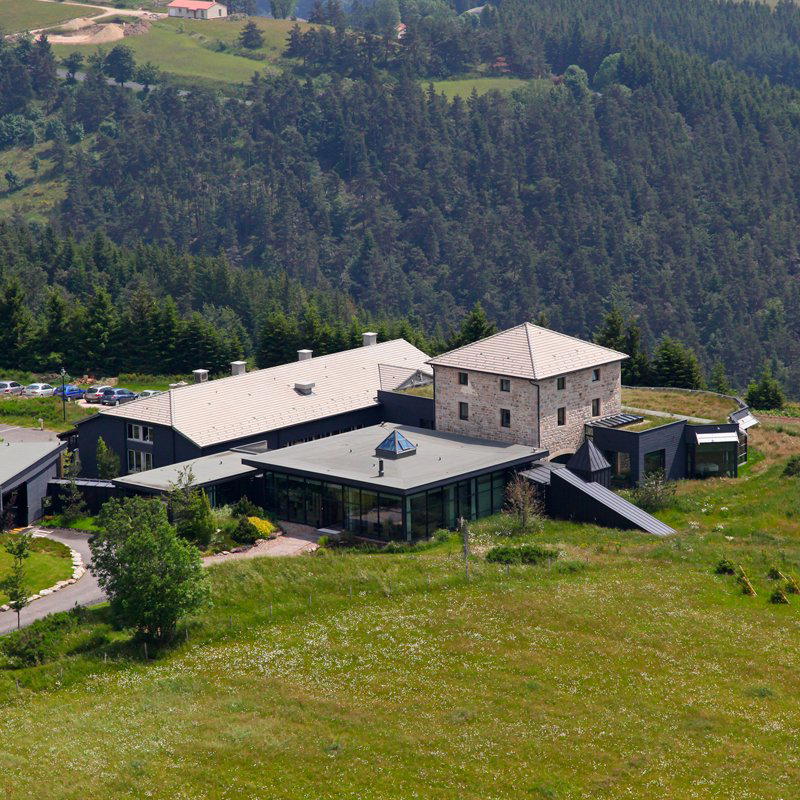
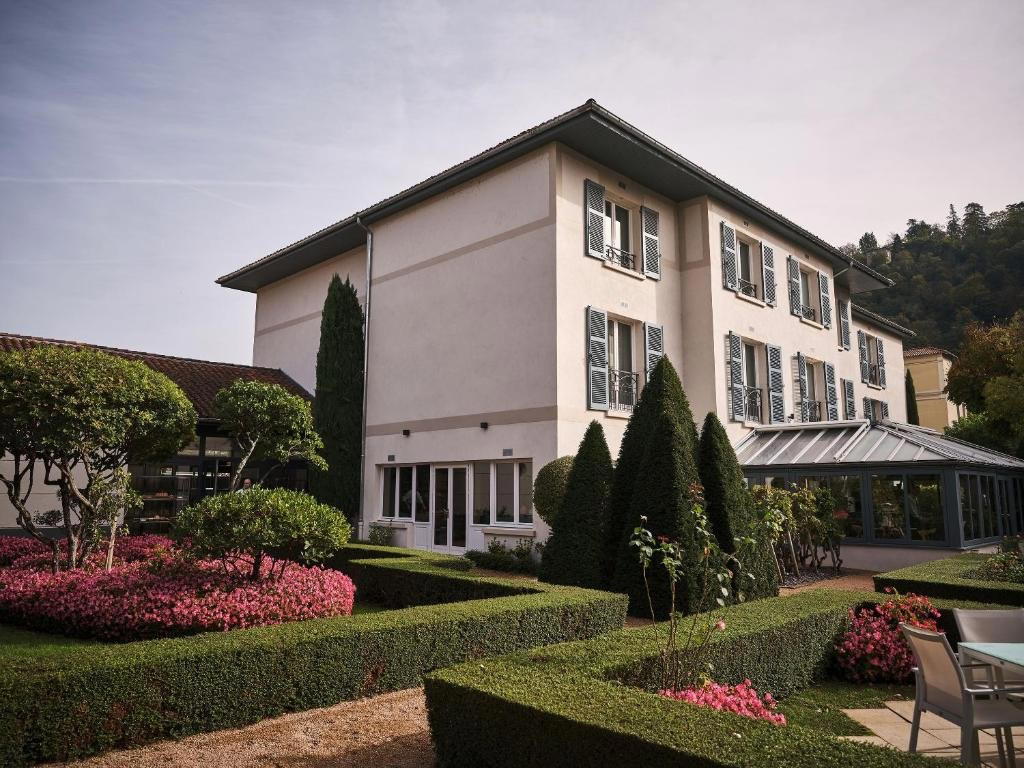
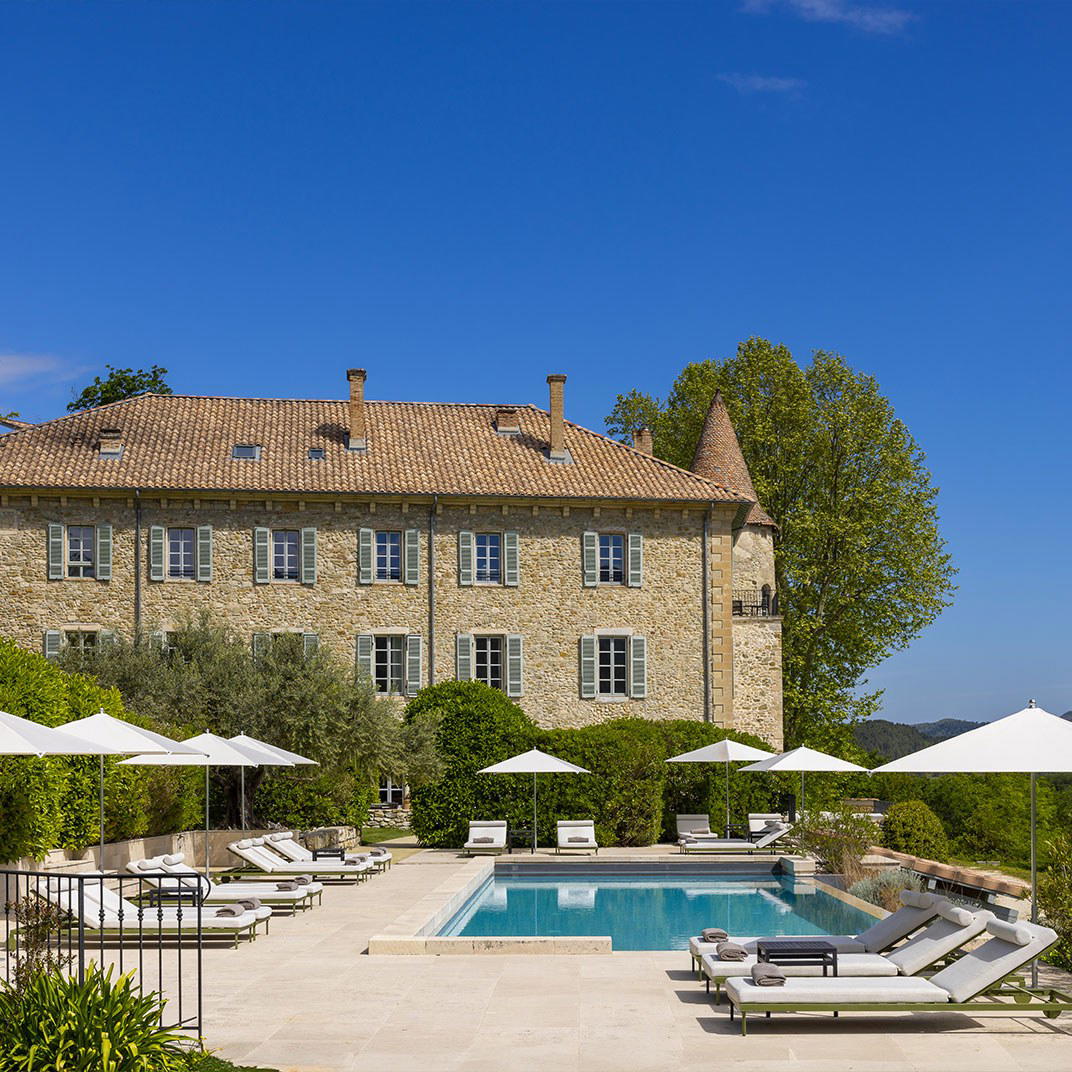
Classic and elegant historic winery atmosphere with scenic hillside views.