
Under winemaker Alice Paillard, the house pursues low-dosage, terroir-driven Champagne from a range built on transparency and traceability, each bottle carries its disgorgement date, a rarity in the category.
Pearl is the En Primeur Club membership app — saves, bookings, and concierge access live there. Same editors, same standards.
- Address
- Av. de Champagne, 51100 Reims
- Phone
- +33 3 26 36 20 22
- Website
- champagnebrunopaillard.com
- Directions
- Get directions
 Saves & bookings on Pearl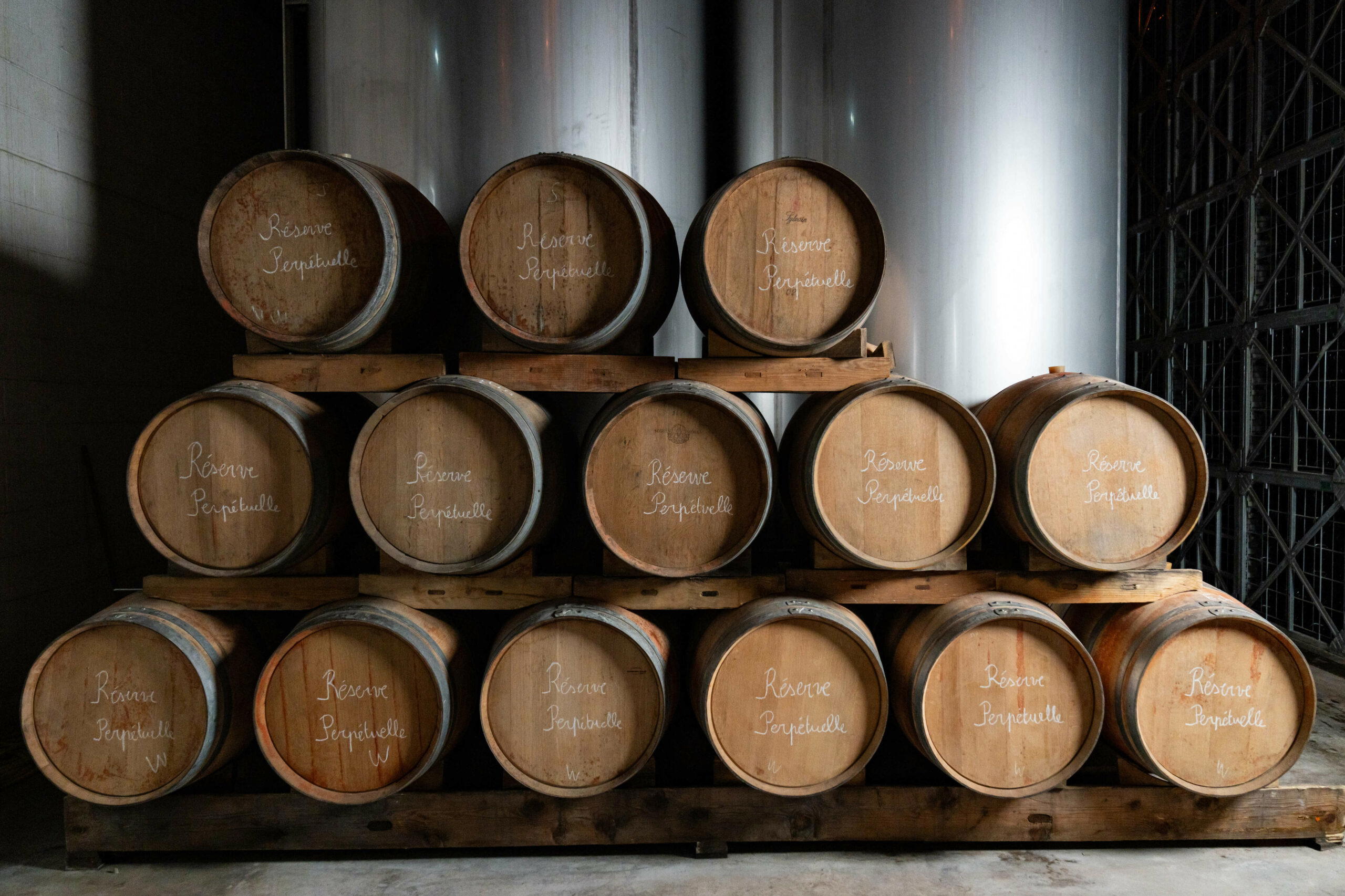
The Avenue de Champagne, and Where Bruno Paillard Sits on It
Reims positions its Champagne houses along corridors of old money and older chalk. The Avenue de Champagne in nearby Épernay holds the famous linear parade of grandes maisons, but Reims itself carries a different register, more industrial in its cellaring architecture, more varied in its house philosophies. Within that city, Bruno Paillard occupies a particular tier: not a centuries-old négociant operating under a conglomerate umbrella, but an independent house founded in 1981, making it one of the younger prestige operations in the appellation. That relative youth is not a liability. It means the house was built with a deliberate philosophy from the outset rather than inheriting one through acquisition and rebranding.
Terroir as the House Argument
Champagne's commercial mainstream has long treated terroir as secondary to house style, blending across villages, vintages, and varieties to maintain a recognisable profile year after year. Bruno Paillard operates from a different premise. The house's approach emphasises single vineyard and single variety expression where the fruit warrants it, and the disgorgement date appears on every bottle, giving the buyer precise information about how long the wine has rested on its lees post-riddling. That level of documentation is uncommon in a category where many houses obscure such details. The reader should understand this not as a marketing gesture but as a structural commitment: it changes how the wines age in buyers' cellars and how sommeliers position them on lists.
Winemaker Alice Paillard oversees the technical program, and the house's evolution under her direction has reinforced the focus on low dosage and parcel-level sourcing. In Champagne, dosage, the sugar added at disgorgement to adjust sweetness and balance, has become a proxy debate for authenticity. The houses pushing toward zero or near-zero dosage argue that the fruit and terroir should do the structural work. The winery's position in that conversation aligns it with a small group of prestige independents rather than with the volume-driven grandes marques. Compare this with the scale and historic weight of houses like Veuve Clicquot Ponsardin or Pommery, and the distinction in operational philosophy becomes immediately apparent.
What the Chalk Gives This Part of France
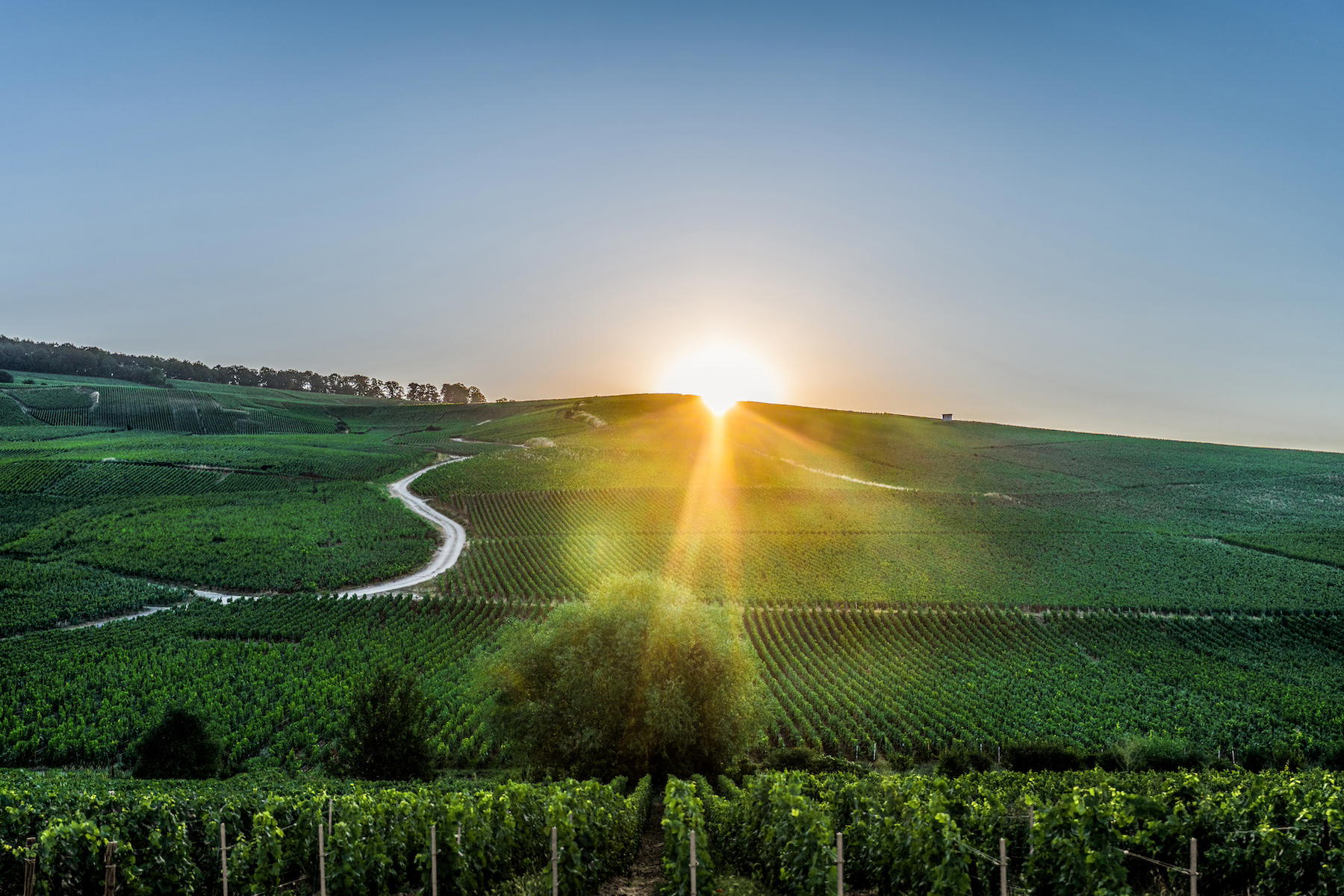
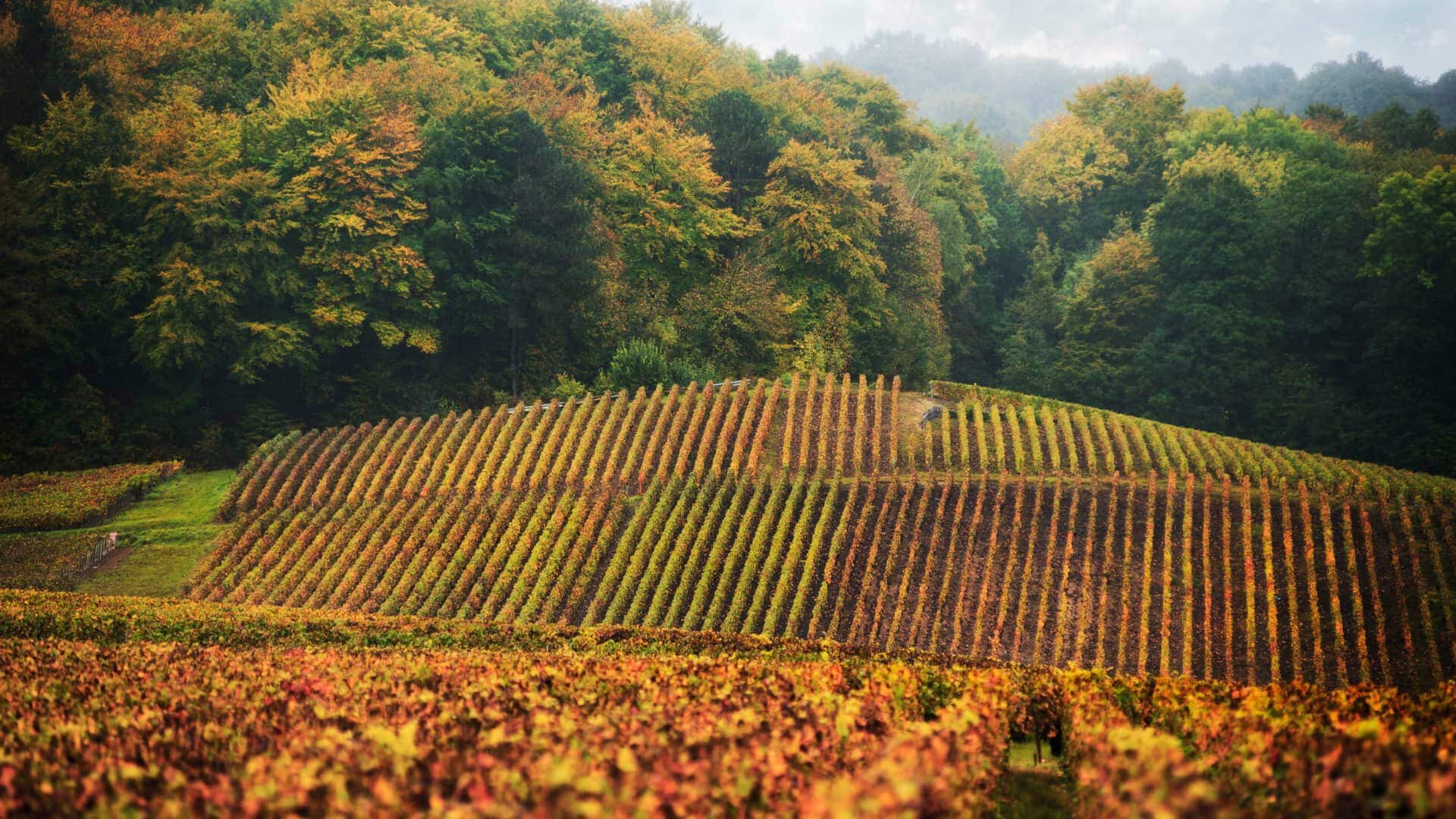
The Champagne appellation's geological foundation is Belemnite chalk, a highly porous, calcium-rich substrate that drains freely yet retains moisture deep enough to keep vines from summer stress. This chalk is what allows grapes to ripen slowly and evenly across the Montagne de Reims, the Côte des Blancs, and the Vallée de la Marne. The result in the glass, when a house chooses to express it rather than smooth it away, is a particular mineral tension: wines that carry acidity without aggression and that develop secondary complexity over years rather than months.
The winery's sourcing draws from across these sub-zones, and the house's commitment to displaying disgorgement dates means that the consumer can track exactly how that chalk-driven tension has developed in bottle. This is more than technical transparency, it is the house's central argument about what Champagne can be when the winemaking gets out of the way. For reference points in other French regions where similar terroir-first arguments are being made, Albert Boxler in Niedermorschwihr makes an instructive Alsace parallel, and the commitment to place over house style is a thread visible from the Loire to Burgundy.
The comparable set in Reims and Épernay
Placing the winery accurately requires understanding the tiering that operates within prestige Champagne. At the summit of the visibility curve sit houses with century-long brand recognition and distribution at scale: Krug, Charles Heidsieck, Henriot. These houses operate with substantial reserve wine programs and, in several cases, LVMH or Rémy Cointreau ownership. The winery operates independently, founded in 1981 by the house's namesake, it remains family-controlled, which gives it the flexibility to make decisions about dosage, disgorgement timing, and parcel selection without committee approval. That independence has direct consequences for how the wines are made.
For those arriving in Reims with a comparative tasting agenda, the house sits in a peer group with other quality-independent operations rather than with the grandes marques by output or distribution.
Visiting: The Practical Realities
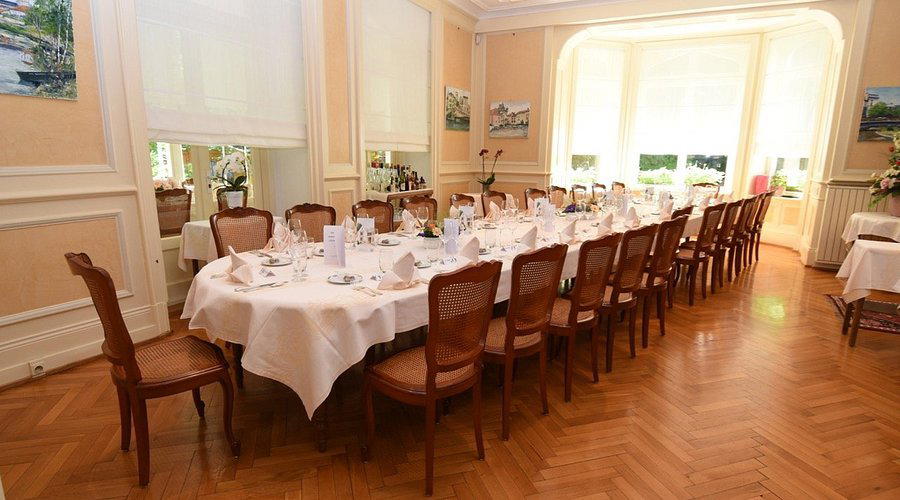
The house does receive visitors, and because it operates at a different scale than the large maisons with industrial-format cellar tours, the experience tends toward a more considered format.
Château Batailley in Pauillac and Château Branaire Ducru in St-Julien in Bordeaux's left bank to Château Bélair-Monange in Saint-Emilion on the right. For those moving into Sauternes, Château Bastor-Lamontagne in Preignac offers a comparative reference in the sweet wine register. Beyond France, Accendo Cellars in St. Helena and Aberlour in Aberlour represent the platform's reach into Napa and Speyside respectively, while Chartreuse in Voiron and Château Boyd-Cantenac in Cantenac extend the French coverage further into spirits and Margaux.
Quick Comparison
Comparable venues nearby, for context on price, style, and recognition.
| Venue | Cuisine | Price | Awards | Notes |
|---|---|---|---|---|
| Bruno PaillardThis venue — the venue you are viewing | Chardonnay, Pinot Noir | $$$ | Not listed | Not listed |
| Piper-Heidsieck | Pinot Noir, Chardonnay | $$$$ | Not listed | Reims |
| Charles Heidsieck | Chardonnay, Pinot Noir | $$$$ | Not listed | Saint-Nicaise Hill |
| Krug | Pinot Noir, Chardonnay | $$$$ | Not listed | Reims |
| Henriot | Chardonnay, Pinot Noir | $$$ | Not listed | Reims |
| Veuve Clicquot Ponsardin | Pinot Noir | $$$$ | World's 50 Best #38 | Reims |
Recognition history
Dated appearances from independent guides and award organizations, with the underlying list record or original source where available.
Falstaff Winery - 4 Stars
Falstaff
At a Glance
- Elegant
- Sophisticated
- Classic
- Well Known
- Wine Education
- Special Occasion
- Group Outing
- Cave Tasting
- Estate Grounds
- Historic Building
- Design Destination
- Organic
- Sustainable
- Vineyard
- Champagne AOC
- Chardonnay
- Pinot Noir
- Pinot Meunier
- Sparkling
- Cave Tasting
- Vins Clairs Tasting
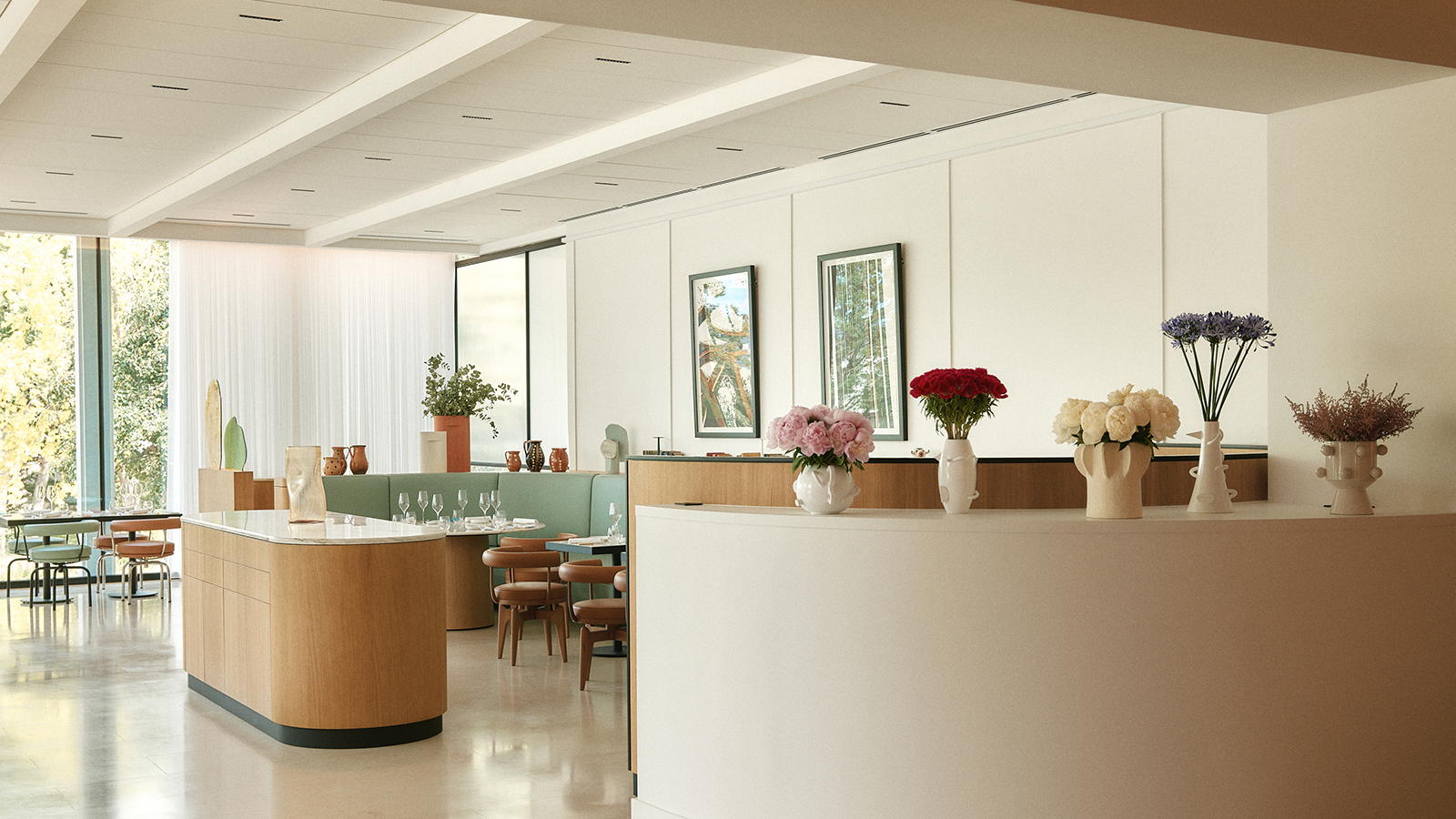
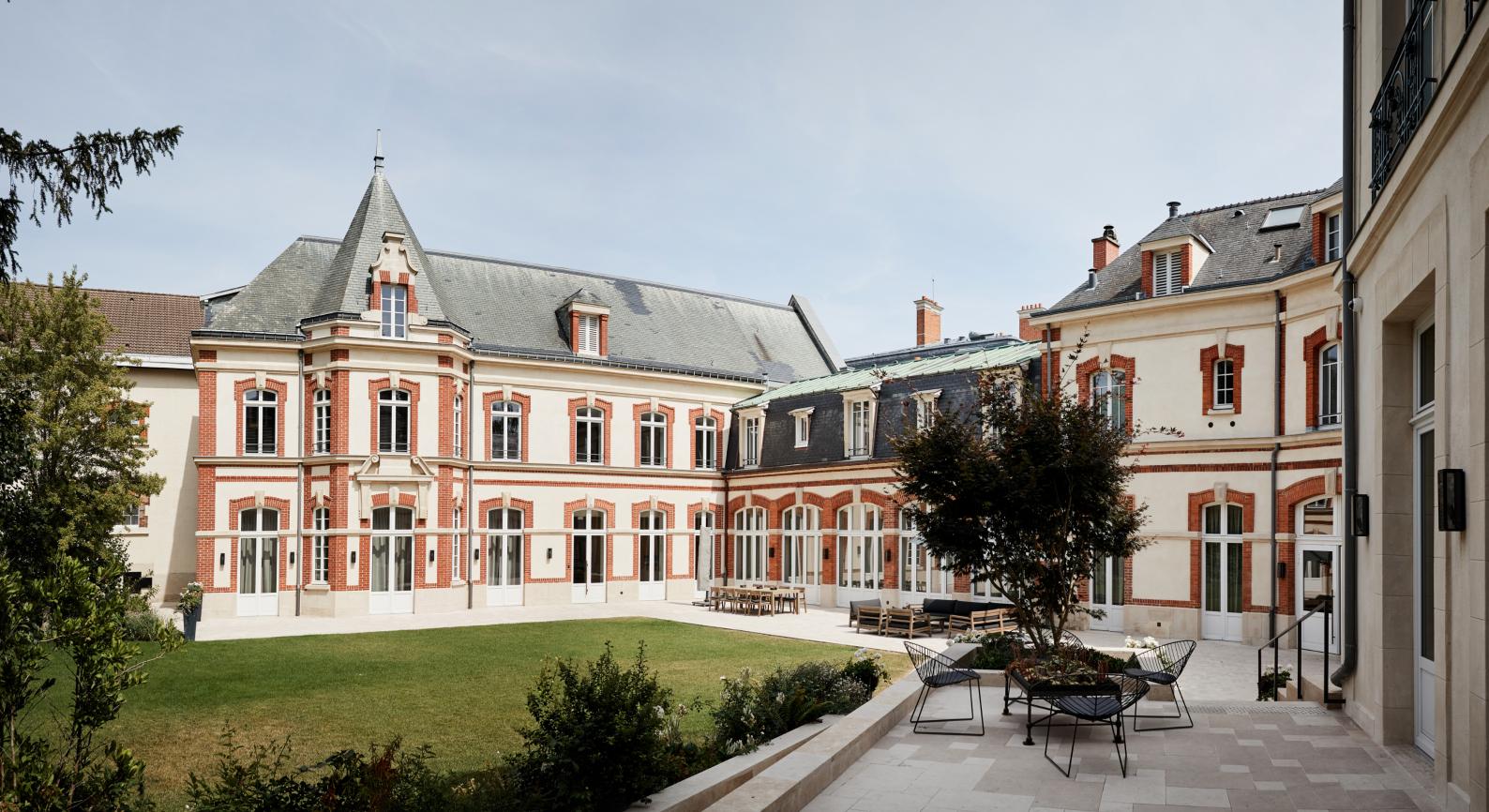
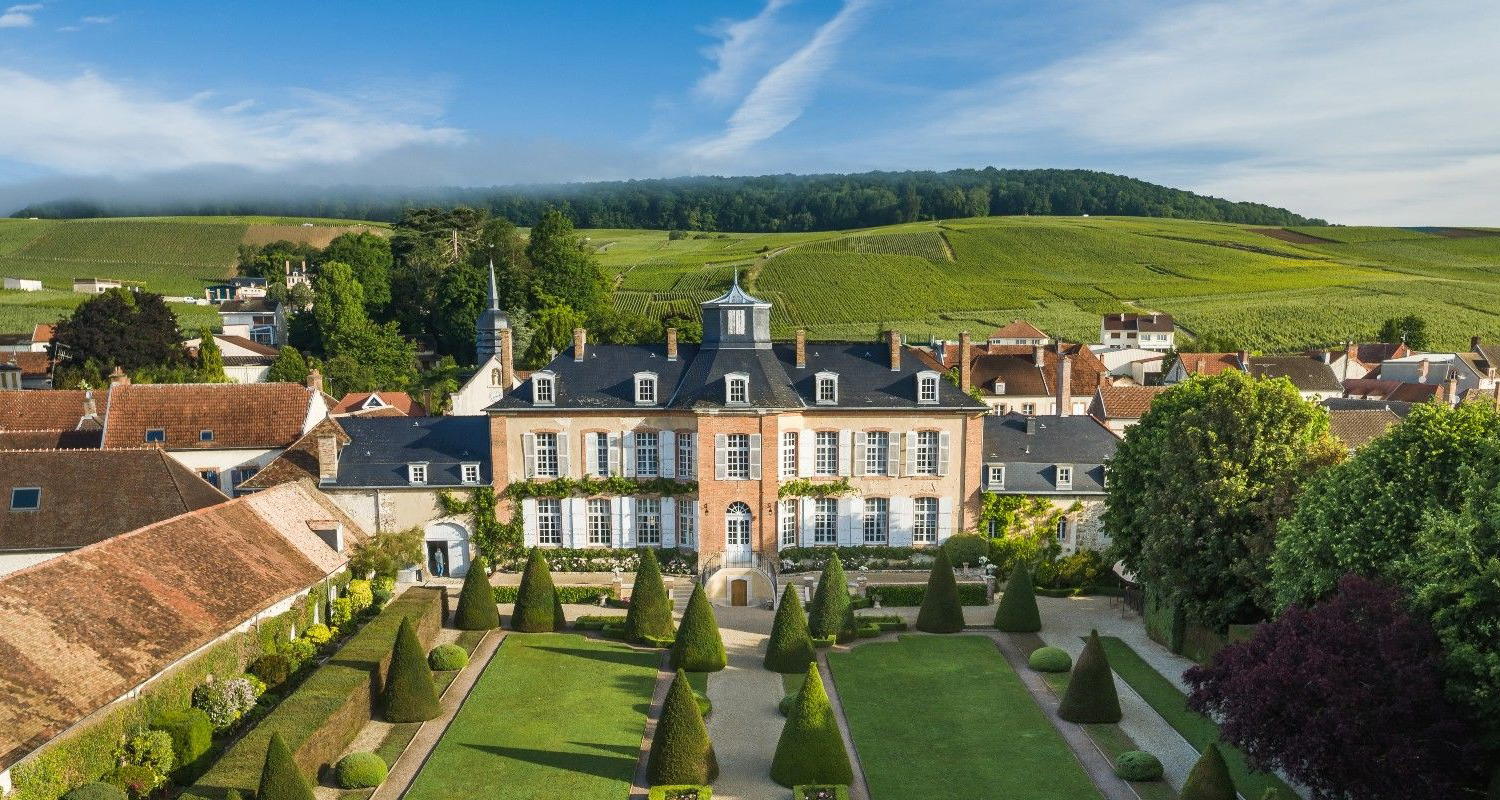
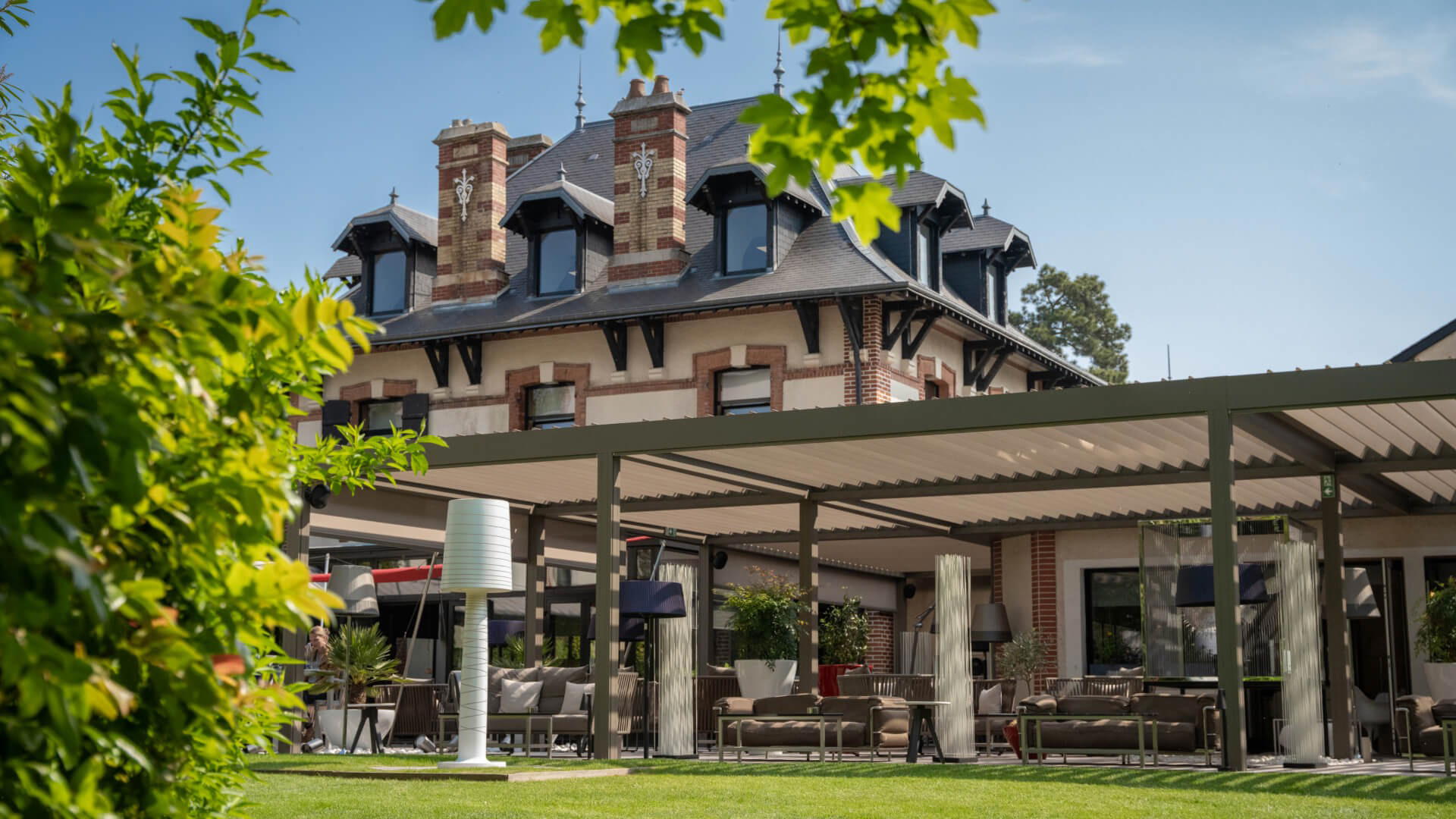
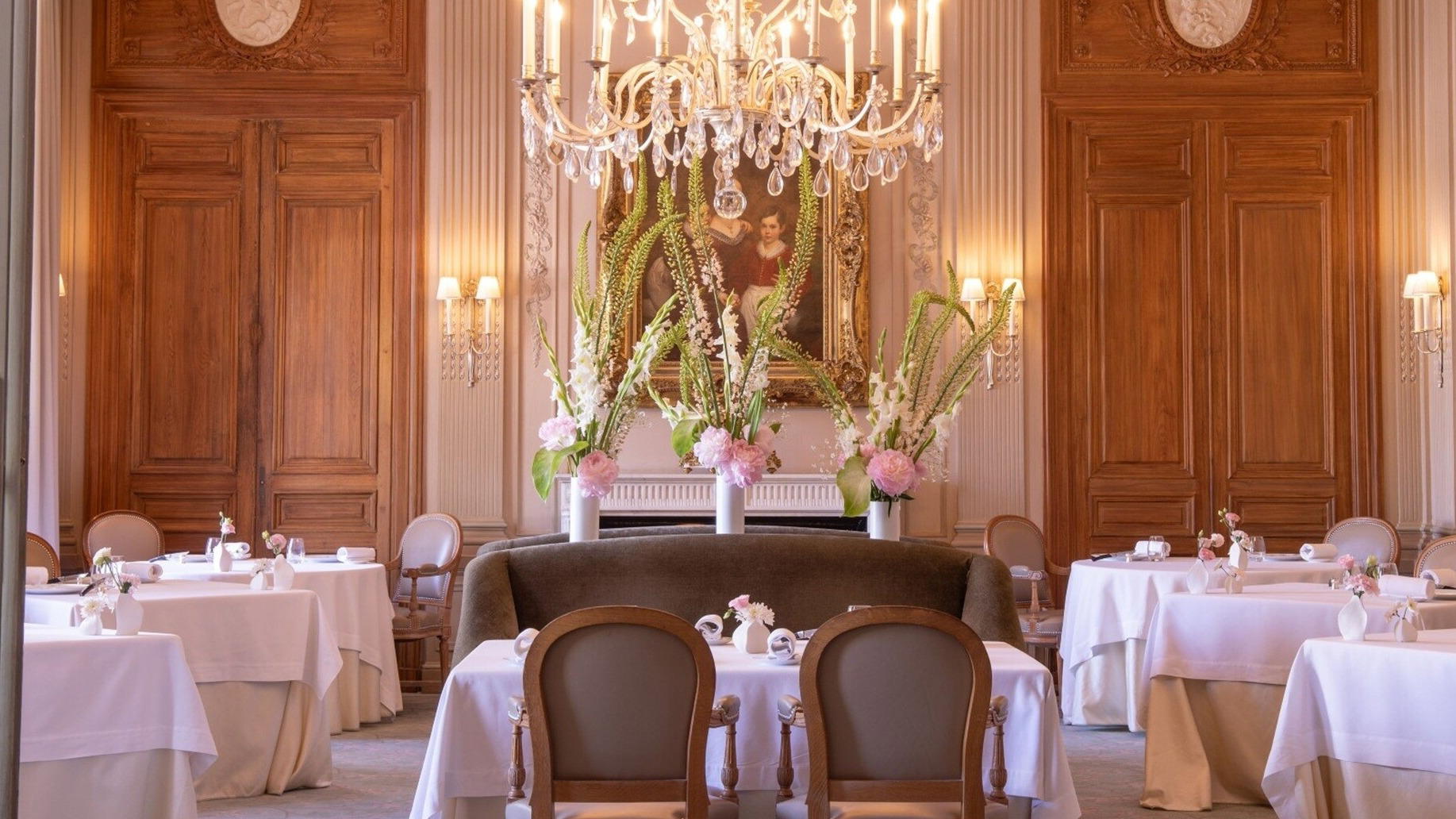
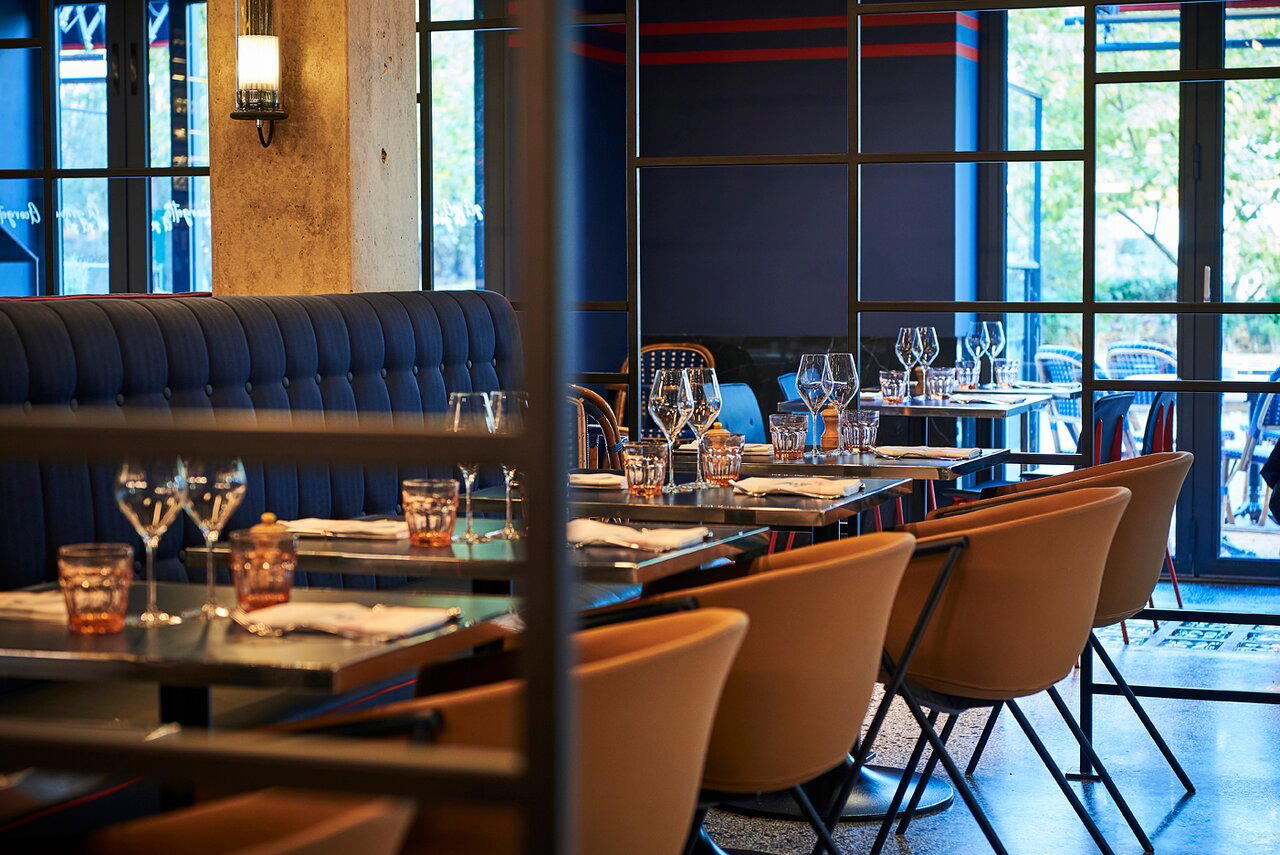
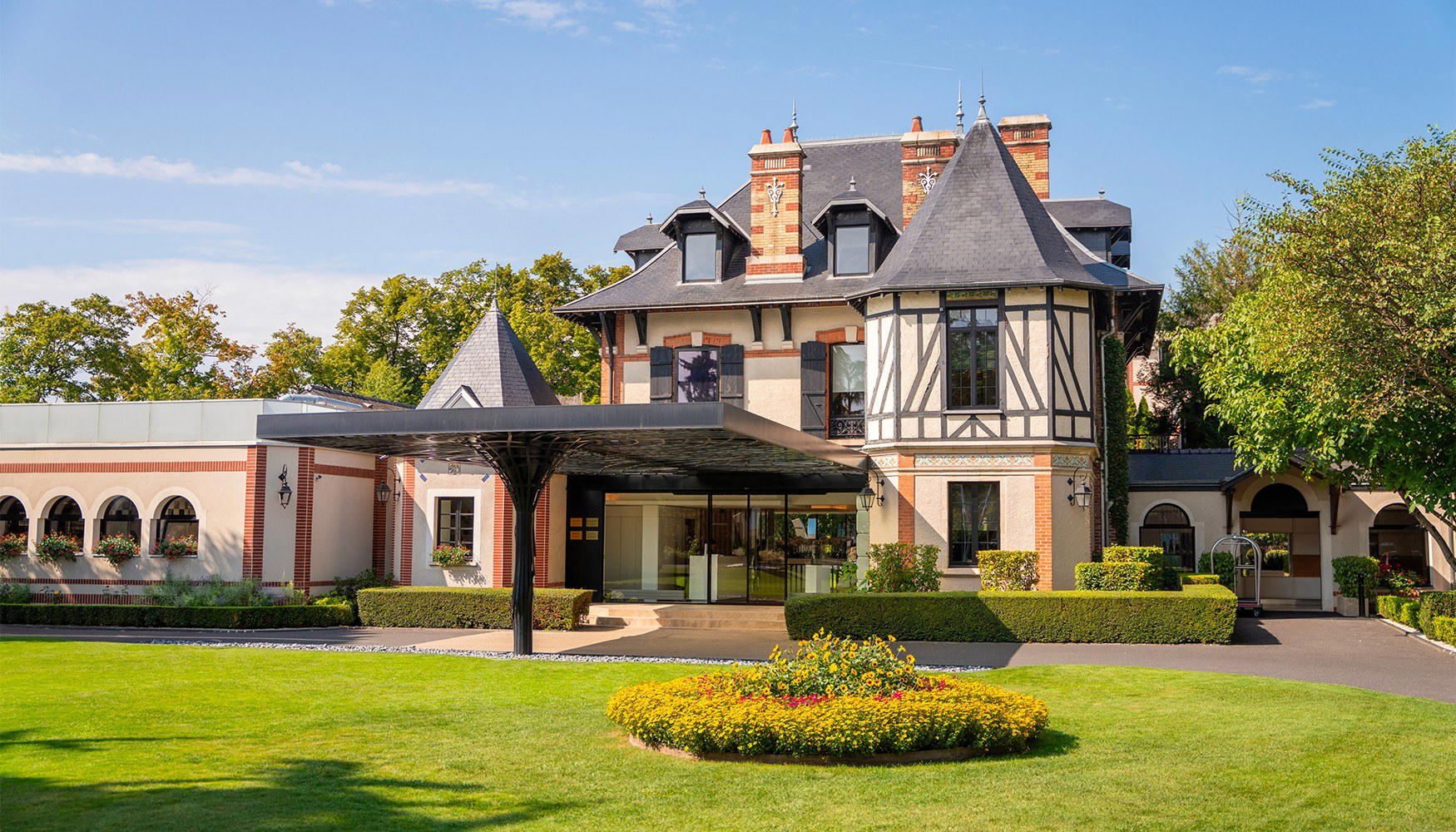
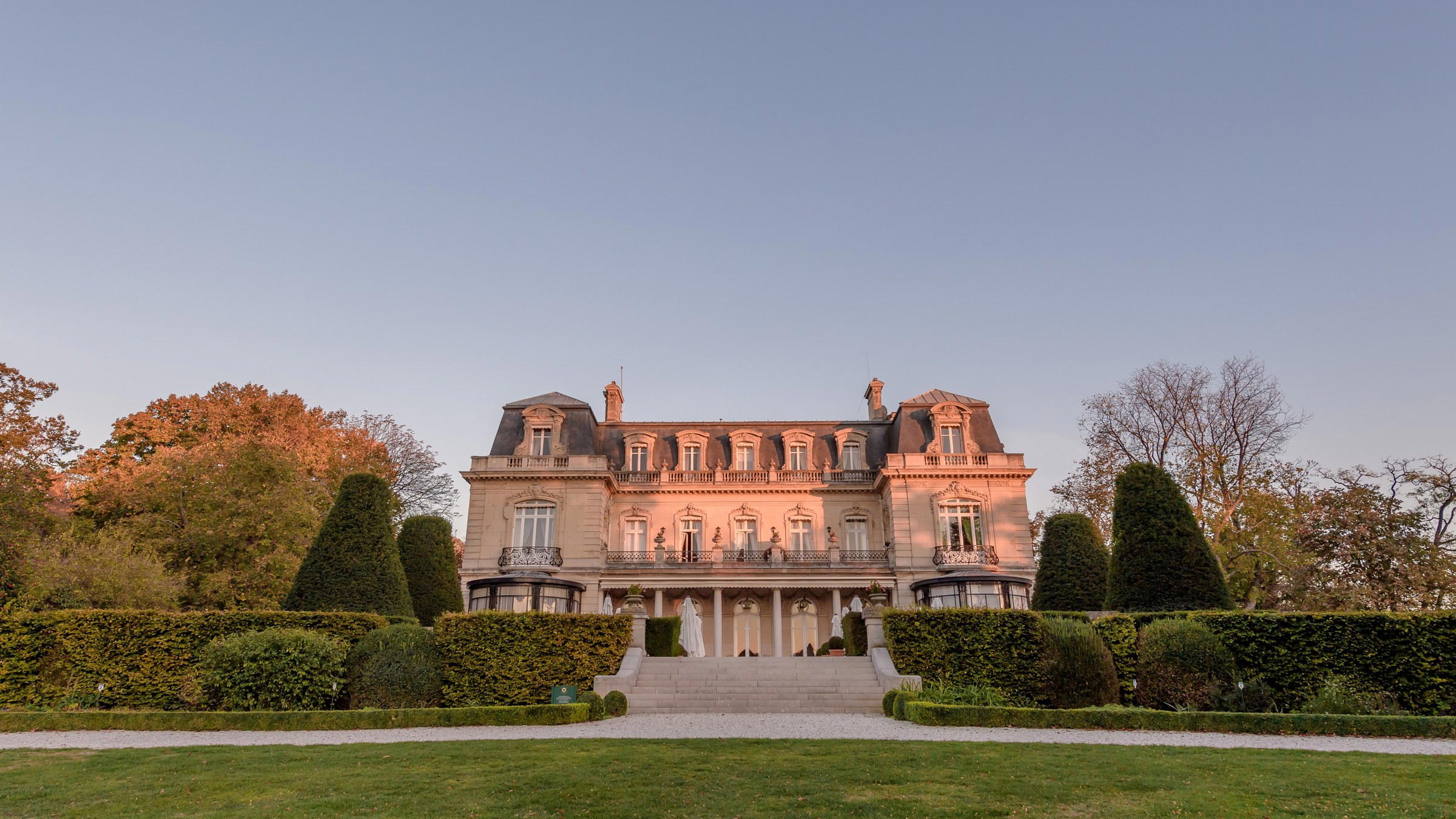
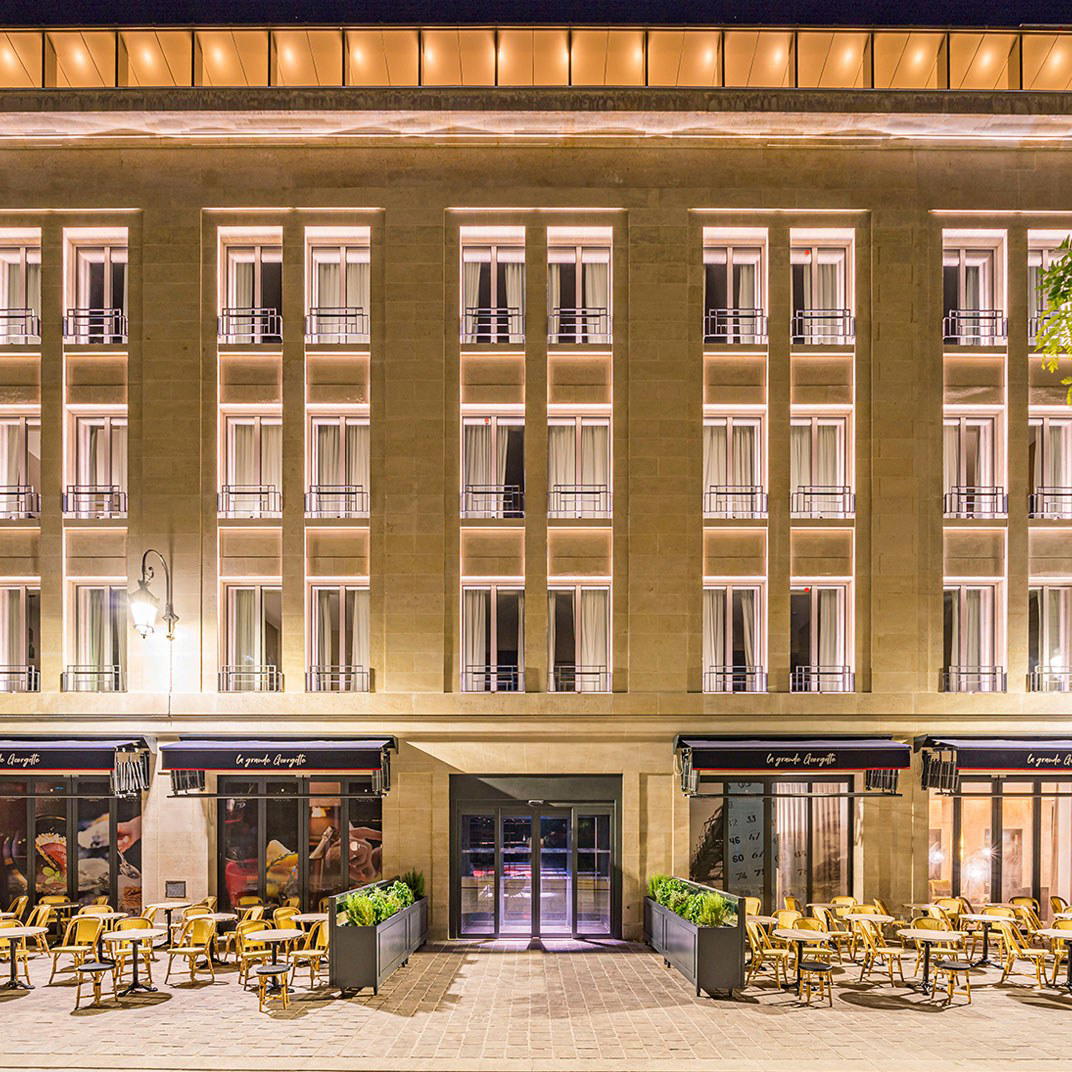
Modern winery with stainless steel, glass and wood architecture symbolizing Champagne production vessels; professional and educational atmosphere focused on quality and terroir expression.