


Chateau Mouton Rothschild sits in Pauillac’s Cabernet-led first-growth conversation, where gravel, drainage, and estuary influence shape wines built for long ageing. Its first vintage dates to 1780, and its post-1945 artist-label tradition gives the estate a cultural identity that reaches beyond the cellar without distracting from the Médoc question that matters: how Pauillac soil translates into structure, depth, and longevity.
Pearl is the En Primeur Club membership app — saves, bookings, and concierge access live there. Same editors, same standards.
- Address
- Château Mouton Rothschild, 33250 Pauillac
- Phone
- +33 5 56 73 21 29
- Directions
- Get directions
 Saves & bookings on Pearl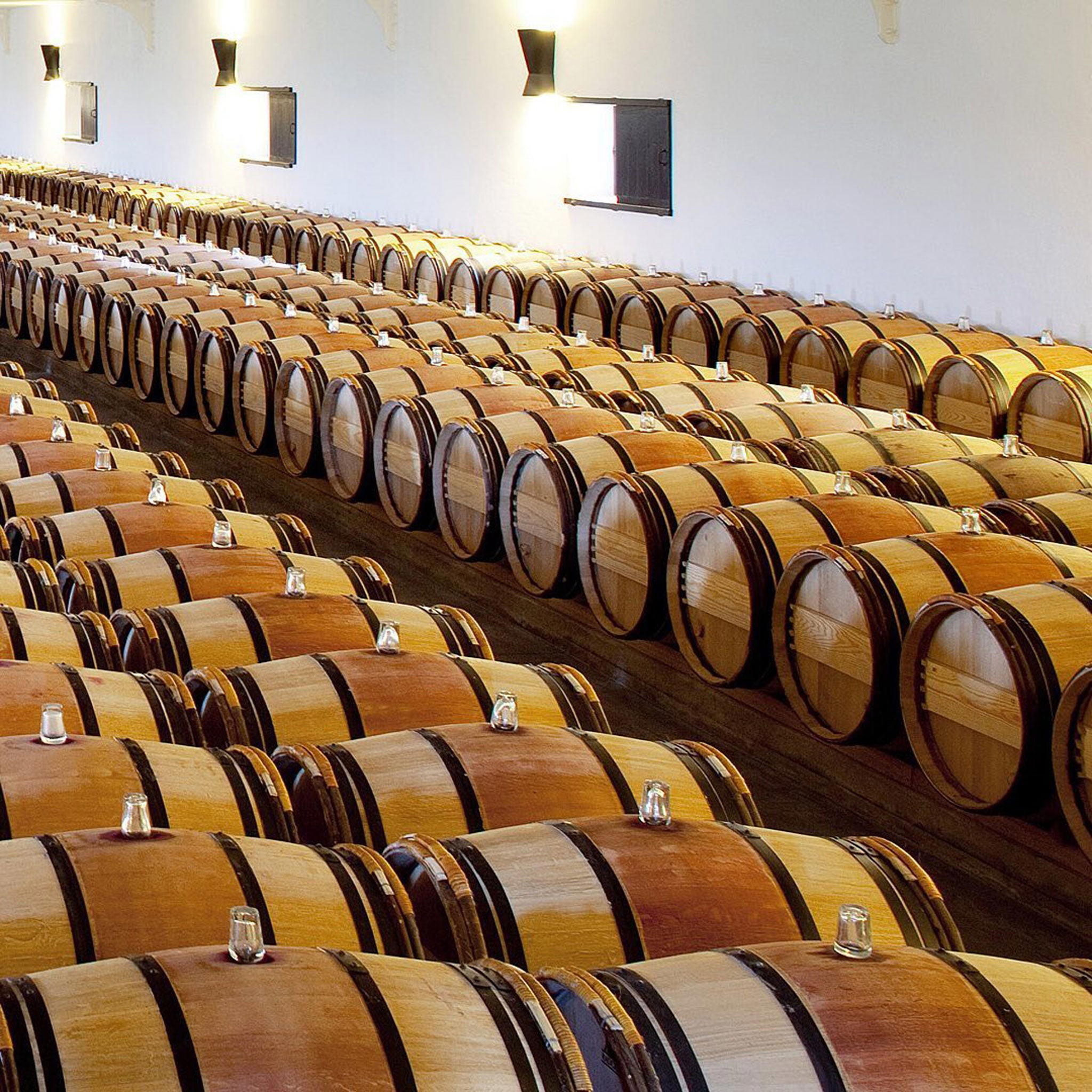
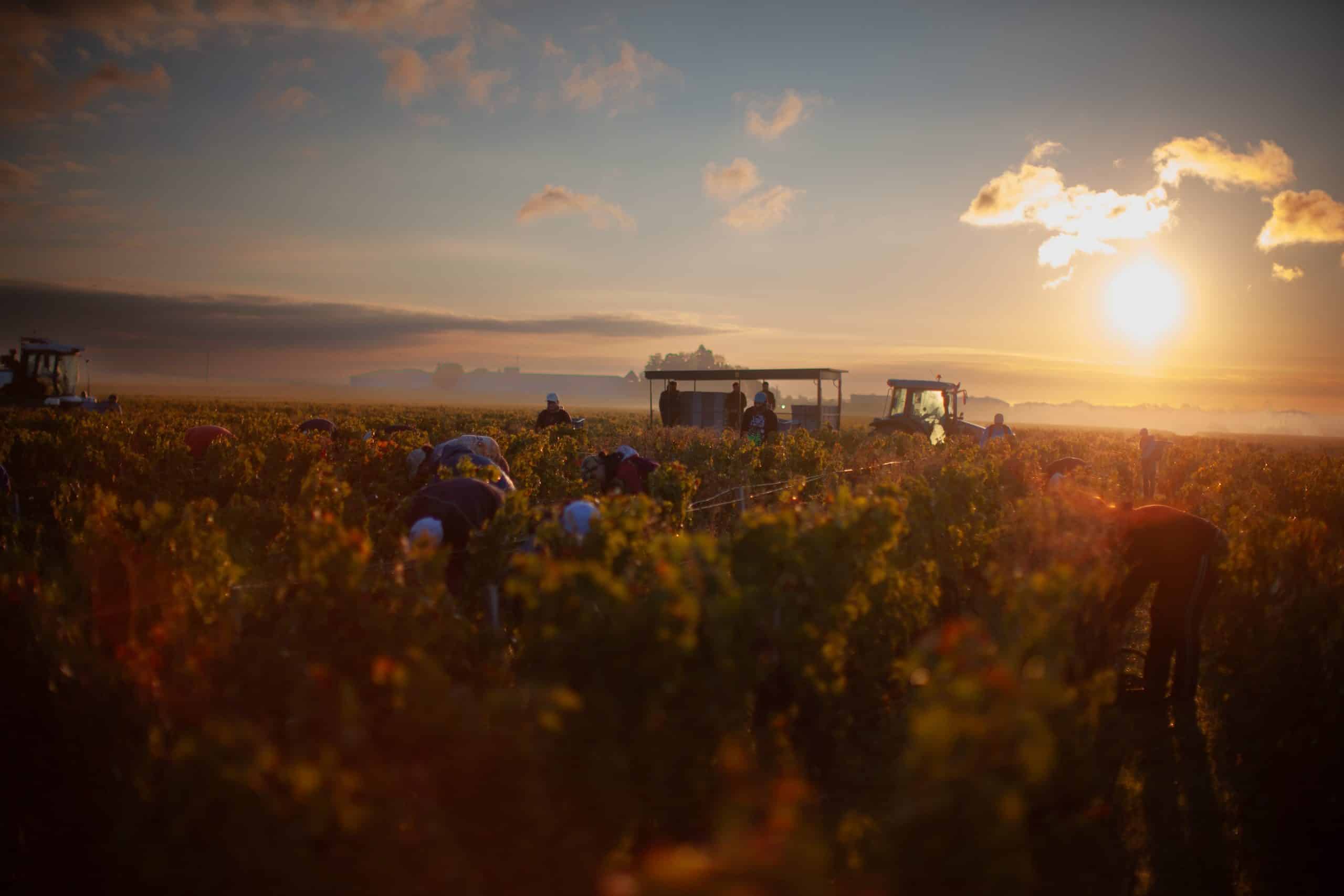
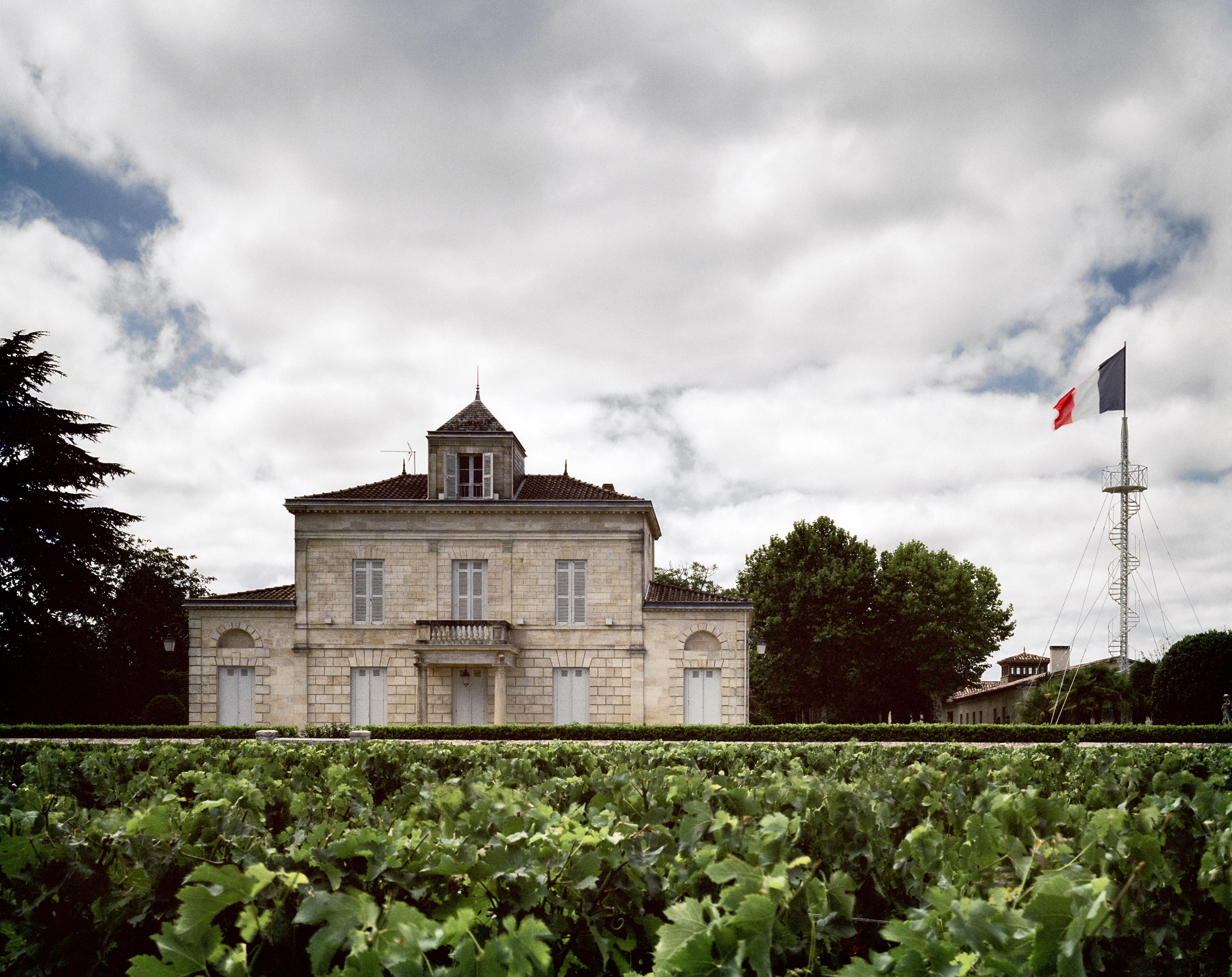
Approaching Pauillac, the wider Bordeaux setting is less a backdrop than part of the explanation. The surrounding landscape, the local wine culture, and the long view of the Médoc all help explain why Chateau Mouton Rothschild is discussed through place as much as through prestige. The estate belongs to this grammar of Pauillac: a château whose reputation is tied not simply to decorative luxury, but to the area’s practical logic of site, exposure, and time.
Pauillac has a narrower identity than many famous wine regions. It is not a village of stylistic scatter; it is a place where power is measured against restraint and longevity is part of the conversation. In that context, Mouton is read alongside neighbors such as Chateau Lafite Rothschild, Château Clerc Milon, Château d’Armailhac, Château Pontet-Canet, Château Pédesclaux, and other Pauillac estates whose differences often come down to site, cellar decisions, and the patience expected of the drinker.
Pauillac structure, château identity, and the prestige frame
The Médoc’s prestige is often described through reputation, but the more useful lens is agricultural. Pauillac’s setting helps explain why the area has become a reference point for structured Bordeaux. The local conversation tends to focus on depth, balance, and the ability of a wine to develop over time rather than on immediate charm alone.
Within Bordeaux, leading estates function as both history and market signal. Mouton’s standing carries the weight of Pauillac expectation, and that matters because drinkers often buy by comparative reference. Chateau Lafite Rothschild tends to be discussed through its own house identity; Mouton is more often placed in the conversation around breadth, depth, and expressive force. Those are broad stylistic readings rather than tasting promises for a single bottle, but they explain why the estate sits in a different decision set from many Pauillac neighbors.
The more useful point is not a date or a biography; it is that contemporary Pauillac has become a study in controlled power, where polish is expected but cannot replace the site. Mouton’s role in that conversation is to make the region feel legible: the place, the château identity, and the long cultural memory around the bottles all reinforce one another.
The artist-label tradition is culture, not decoration
Since 1945, the Rothschild family has commissioned an artist to create a label for bottles of each new vintage, with names including Picasso, Dalí, Miró, and Bacon associated with the series. This tradition can be mistaken for branding, but in Bordeaux it performs a more specific role: it turns the vintage into a cultural document. Each bottle carries both agricultural time and an artistic marker, so the year becomes legible in two registers, vineyard and image.
That matters because high-end Bordeaux is often discussed in abstract language: reputation, release history, critics’ windows, cellar potential. The label program gives Mouton a visual archive that non-specialists can understand, while collectors still judge the wine by the stricter measures of provenance, storage, vintage conditions, and release history. The art does not make the wine serious; Pauillac does that work. But it gives the estate a public identity that few châteaux can match without relying only on conventional prestige signals.
Compared with nearby estates, the distinction is less about claiming a separate category than about the way Mouton joins land, reputation, and cultural memory. Pauillac’s terms are stern and comparative. The village asks how much structure a wine can carry, how clearly it reflects its place, and how long it needs before the architecture becomes pleasure rather than promise.
How to place Mouton in a Pauillac-focused itinerary
For travelers building a wine-led stay around Pauillac, the smarter approach is to treat the commune as a study in comparison rather than a checklist of famous gates. Mouton gains meaning when placed beside estates such as Château Pontet-Canet, Château Pédesclaux, Clerc Milon, d’Armailhac, and Lafite, because the differences between them sharpen the reader’s understanding of Pauillac itself. The appellation’s value lies in repetition with variation: Bordeaux structure, long-lived wines, and distinct house readings of power.
That same logic applies beyond the cellar. Pauillac is not a city built around nightlife in the way Bordeaux is; it rewards travelers who plan around wine appointments, long lunches, and quiet evenings rather than spontaneous urban wandering. For broader planning, use Our full Pauillac wineries guide as the anchor, then layer in Our full Pauillac restaurants guide, Our full Pauillac hotels guide, Our full Pauillac bars guide, and Our full Pauillac experiences guide according to how much time is being spent in the Médoc rather than Bordeaux city.
Mouton is a strong fit for travelers who want Pauillac prestige to feel concrete. The estate’s significance is not only that it belongs to the upper conversation of Bordeaux; it demonstrates why that conversation exists. The land explains the structure, the market explains the attention, and the label history explains the estate’s broader cultural reach. Taken together, those elements make it a reference point for understanding why Pauillac remains one of wine’s most disciplined expressions of place.
For readers comparing regions rather than staying within Bordeaux, the contrast is instructive. Other wine regions may frame reputation through different soils, varieties, hospitality styles, or producer scale. Pauillac’s lesson is narrower and more severe: a disciplined Bordeaux landscape, built for time, judged against history, and clarified by comparison with its closest neighbors.
Quick Comparison
Comparable venues by cuisine and price in the same metro.
| Venue | Cuisine | Price |
|---|---|---|
| Chateau Mouton RothschildThis venue — the venue you are viewing | From Picasso, Dalí, Miró and Bacon to; Every year since 1945, the Rothschild family has commissioned an artist to create a label for bottles of its new vintage. From Picasso, Dalí, Miró and Bacon to; Every year since 1945, the Rothschild family has commissioned an artist to create a label for bottles of its new vintage. From Picasso, Dalí, Miró and Bacon to; Every year since 1945, the Rothschild family has commissioned an artist to create a label for bottles of its new vintage. From Picasso, Dalí, Miró and Bacon to | This venue |
Recognition history
Dated appearances from independent guides and award organizations, with the underlying list record or original source where available.
Falstaff Winery - 5 Stars
Falstaff
Michelin 2 Grapes
Michelin
World's 50 Best Best Vineyards #22
World's 50 Best
World's 50 Best Best Vineyards #36
World's 50 Best
World's 50 Best Best Vineyards #33
World's 50 Best
World's 50 Best Best Vineyards #39
World's 50 Best
Continue exploring
More in Pauillac
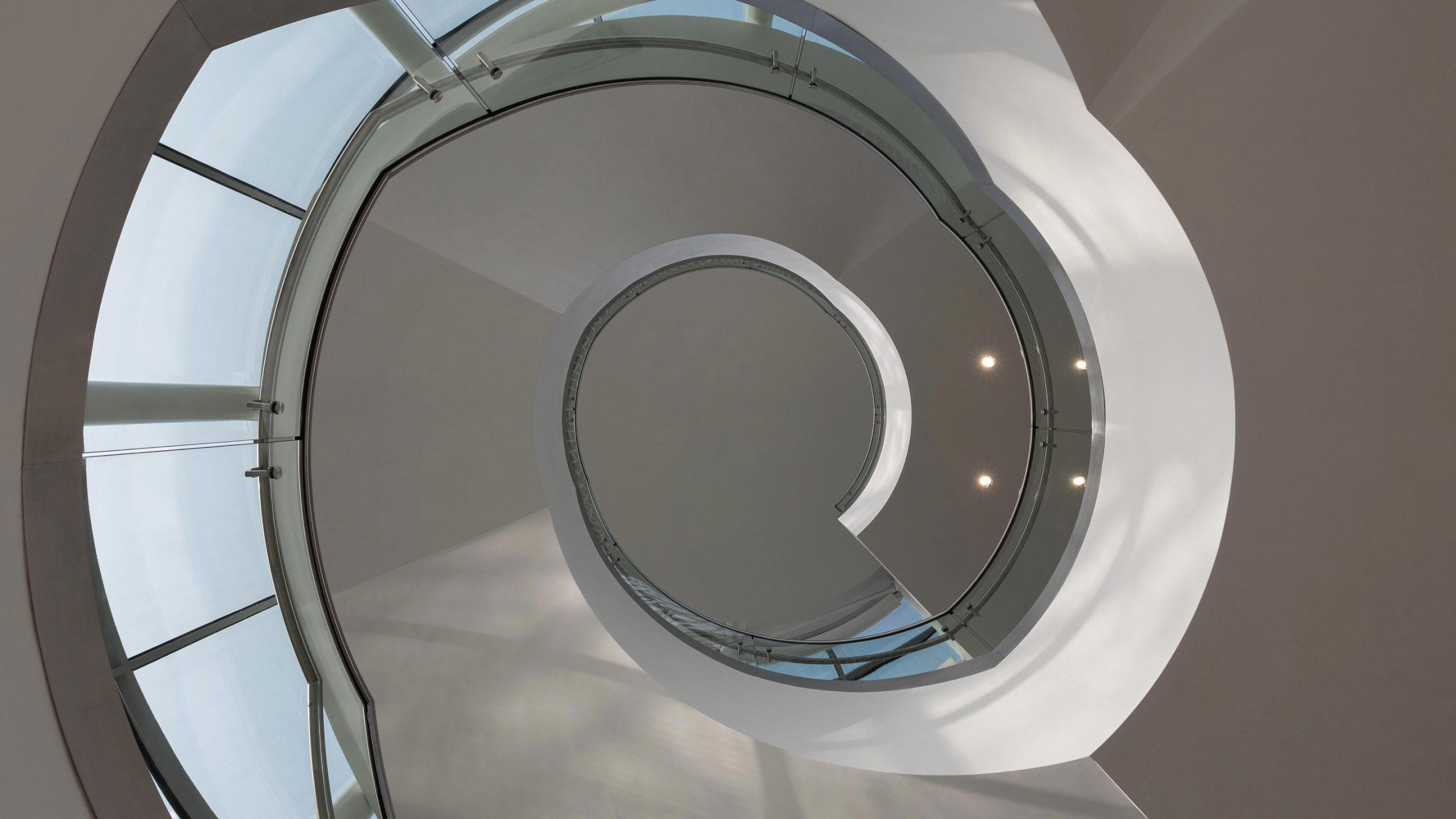
Wineries in Pauillac
Browse all →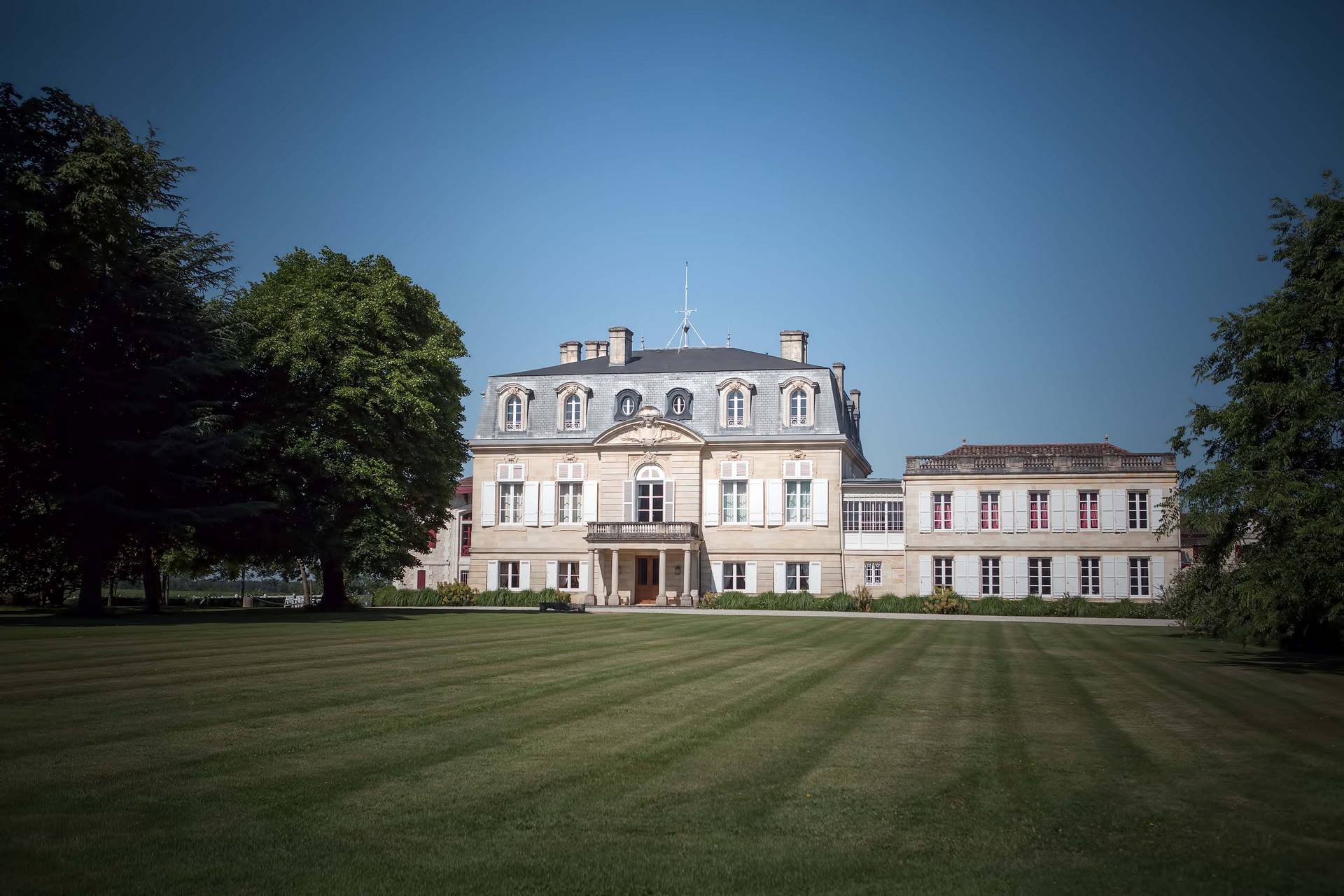
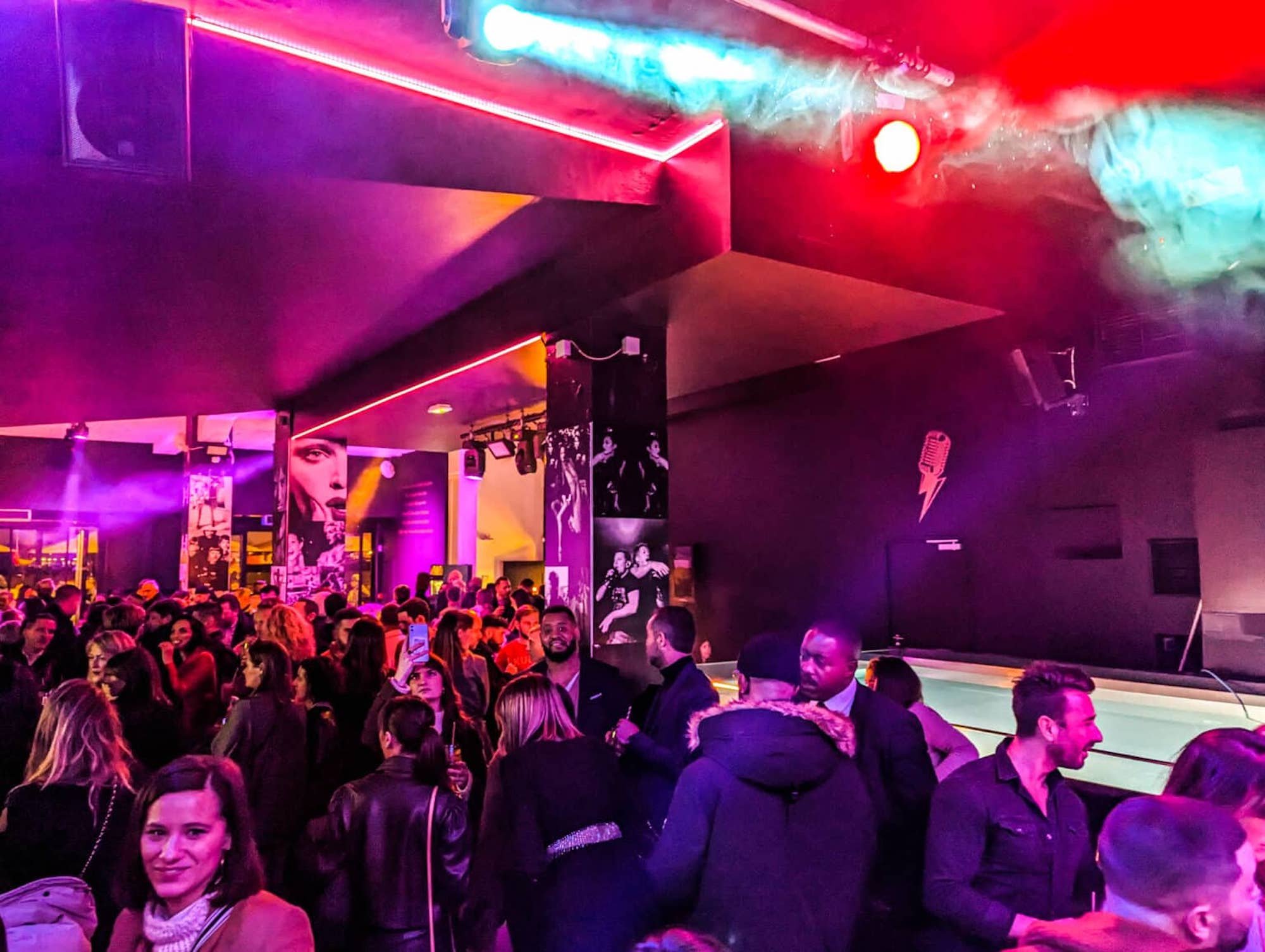
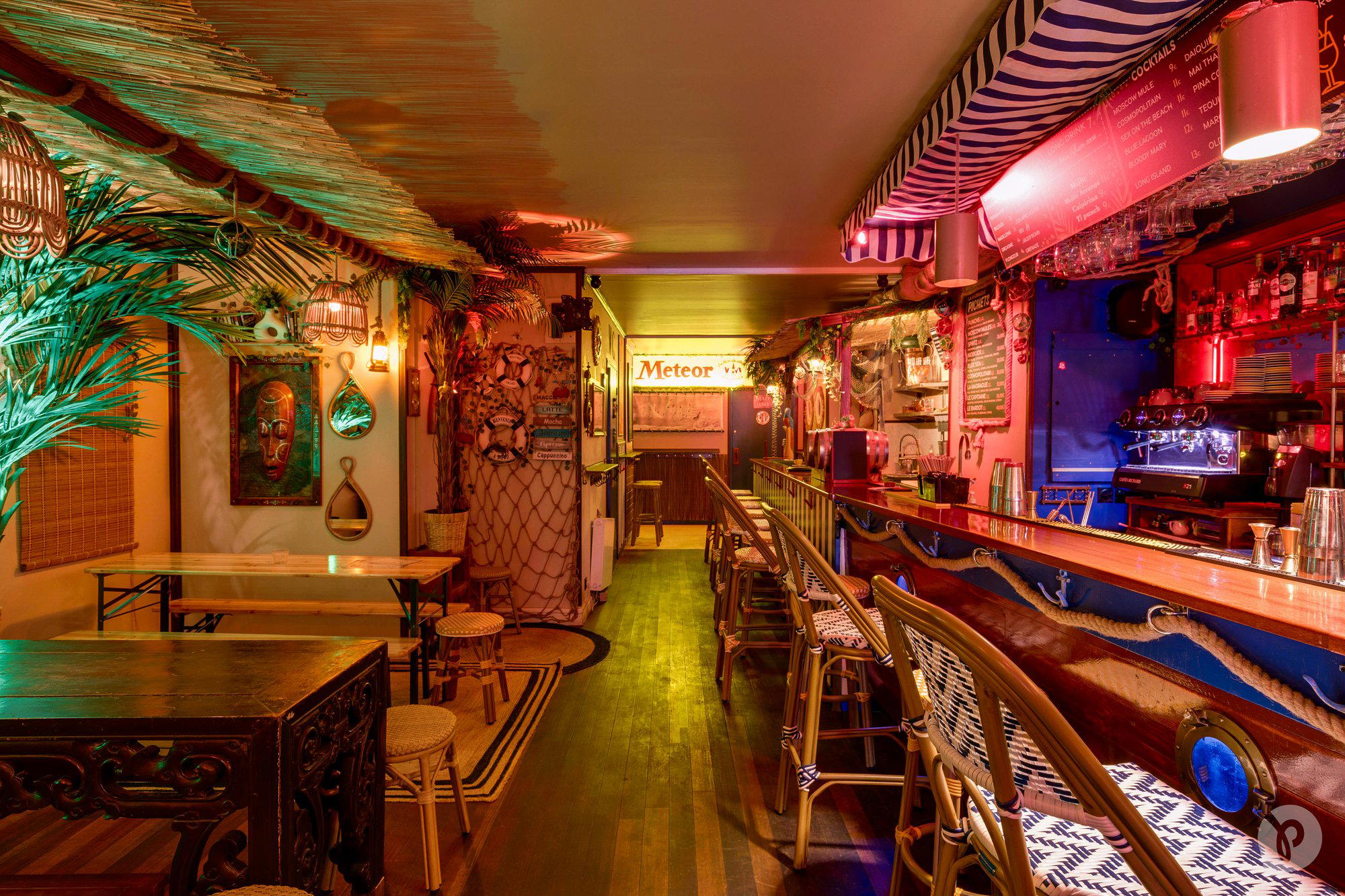
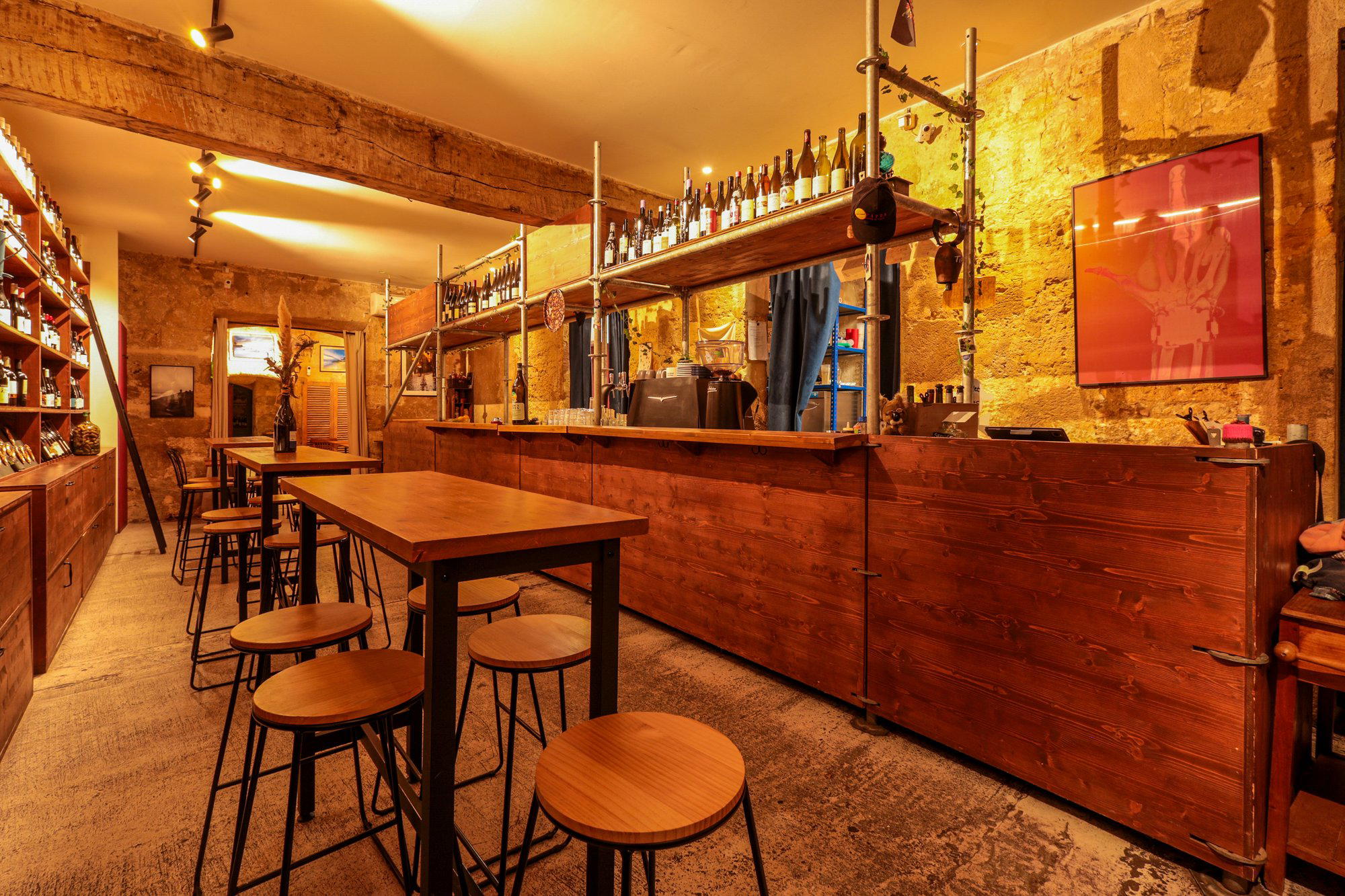
Bars in Pauillac
Browse all →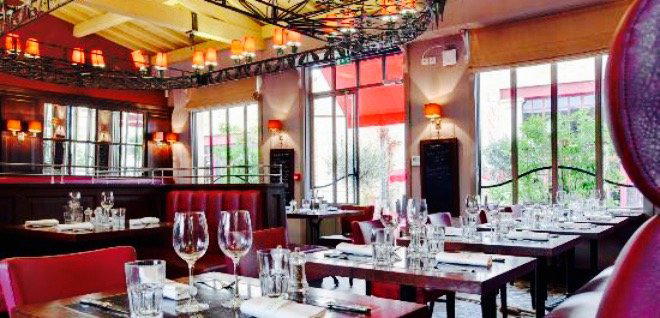
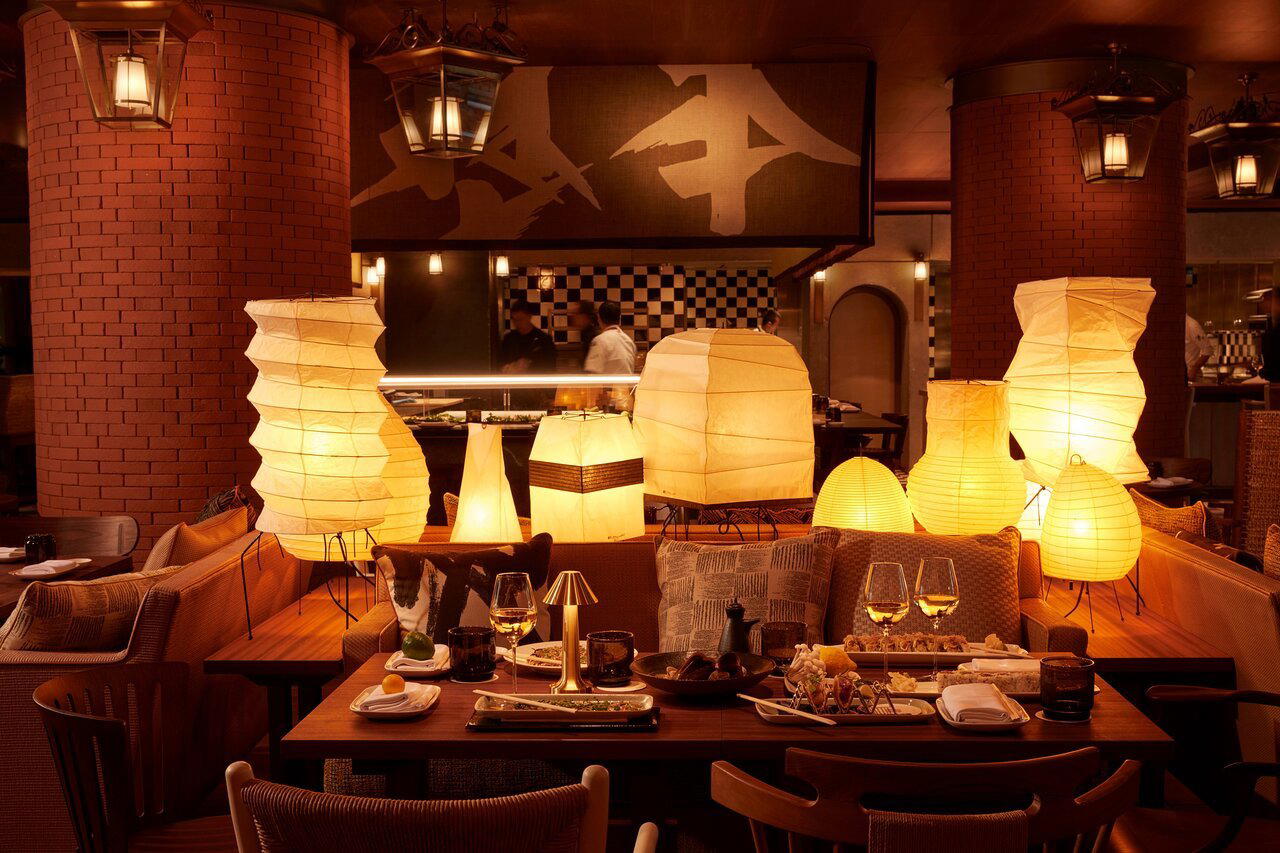
Restaurants in Pauillac
Browse all →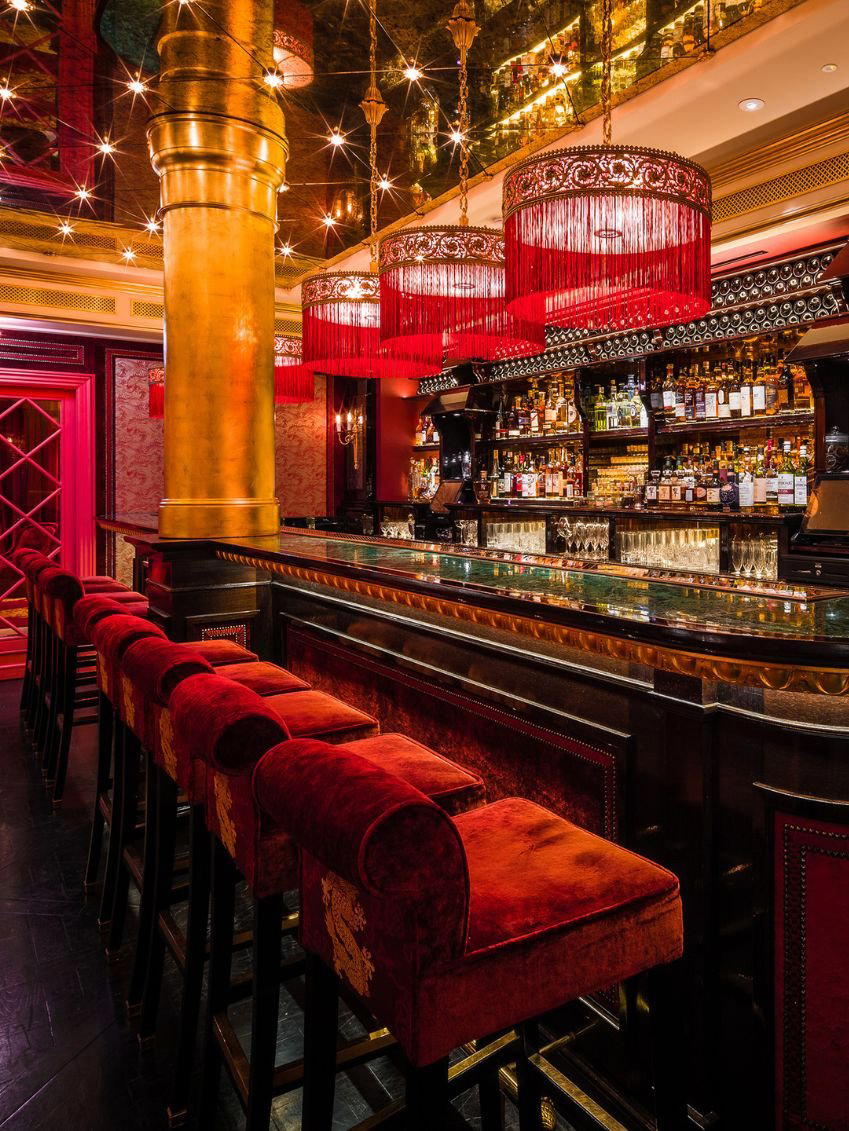
At a Glance
- Elegant
- Sophisticated
- Well Known
- Classic
- Ornate
- Special Occasion
- Wine Education
- Vineyard Tour
- Historic Building
- Private Tasting
- Vineyard
- Pauillac AOC
- Cabernet Sauvignon
- Merlot
- Cabernet Franc
- Petit Verdot
- Still Red
- Cave Tasting
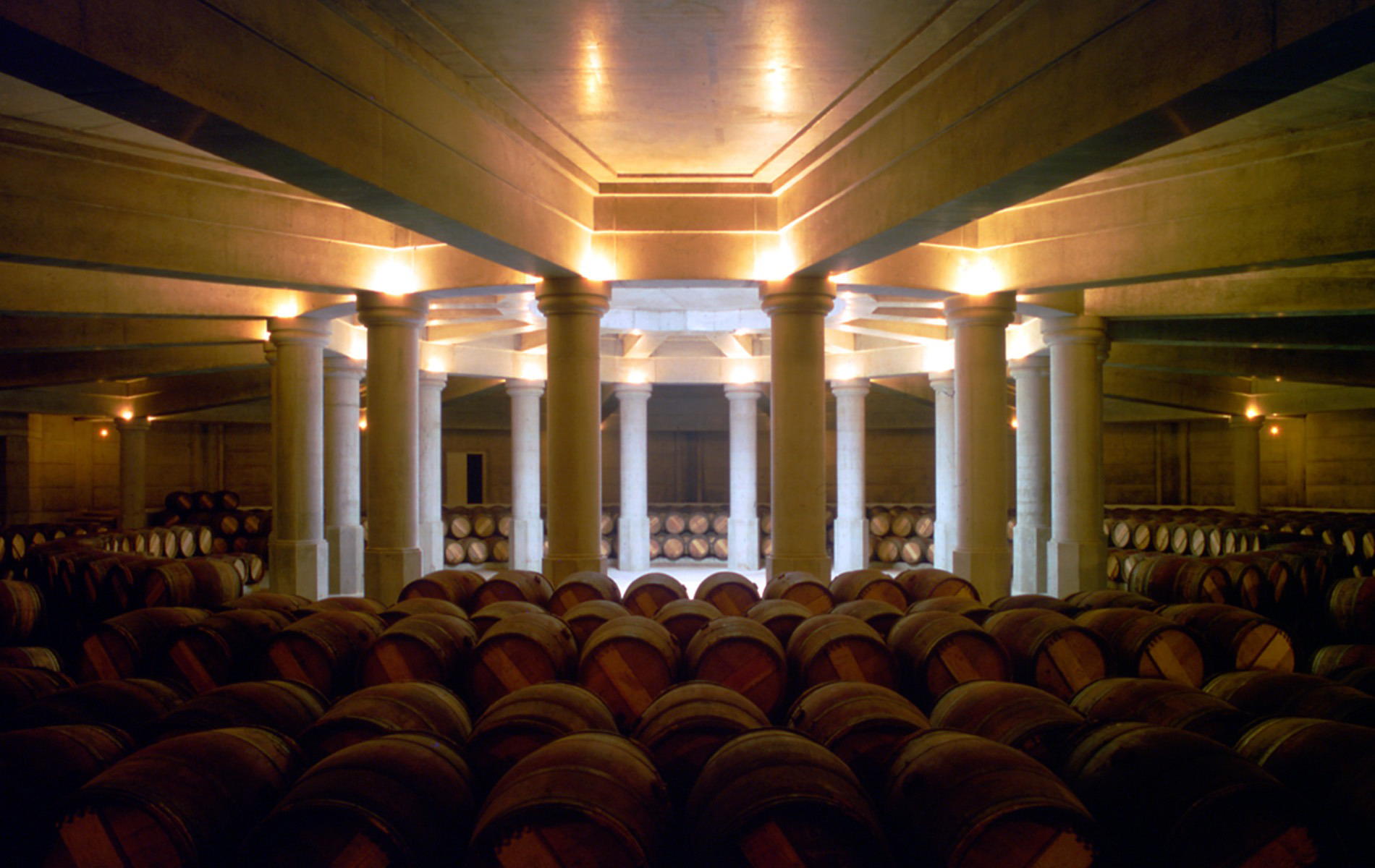
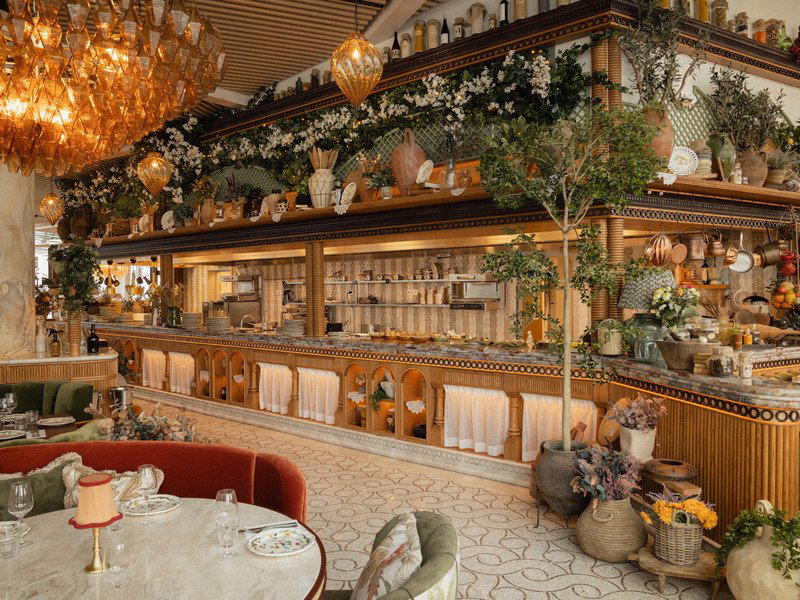
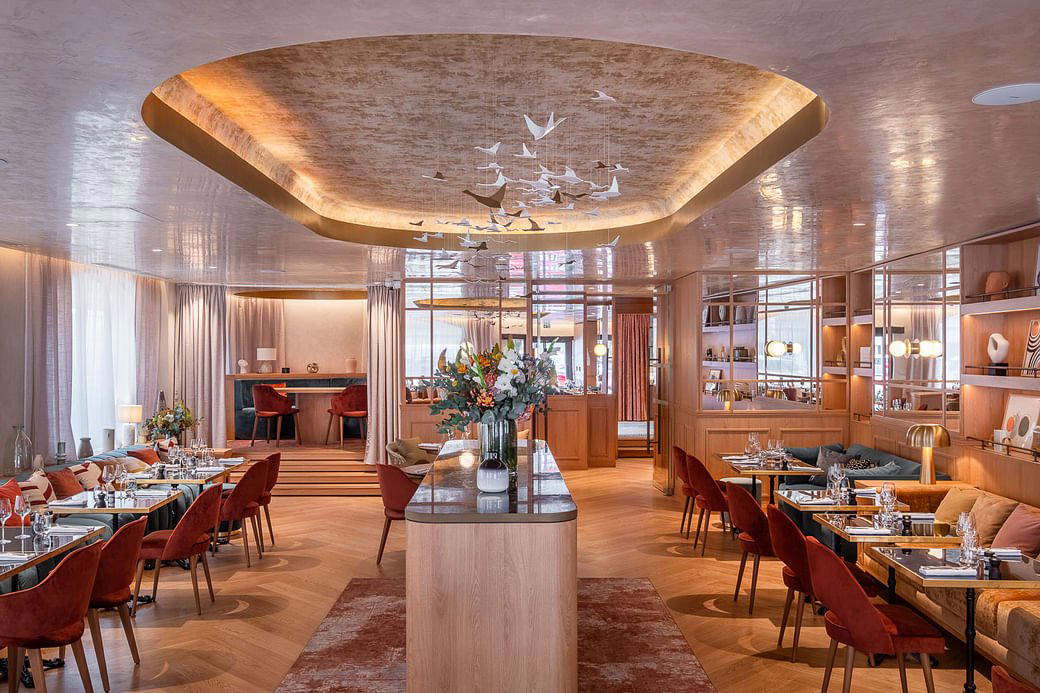
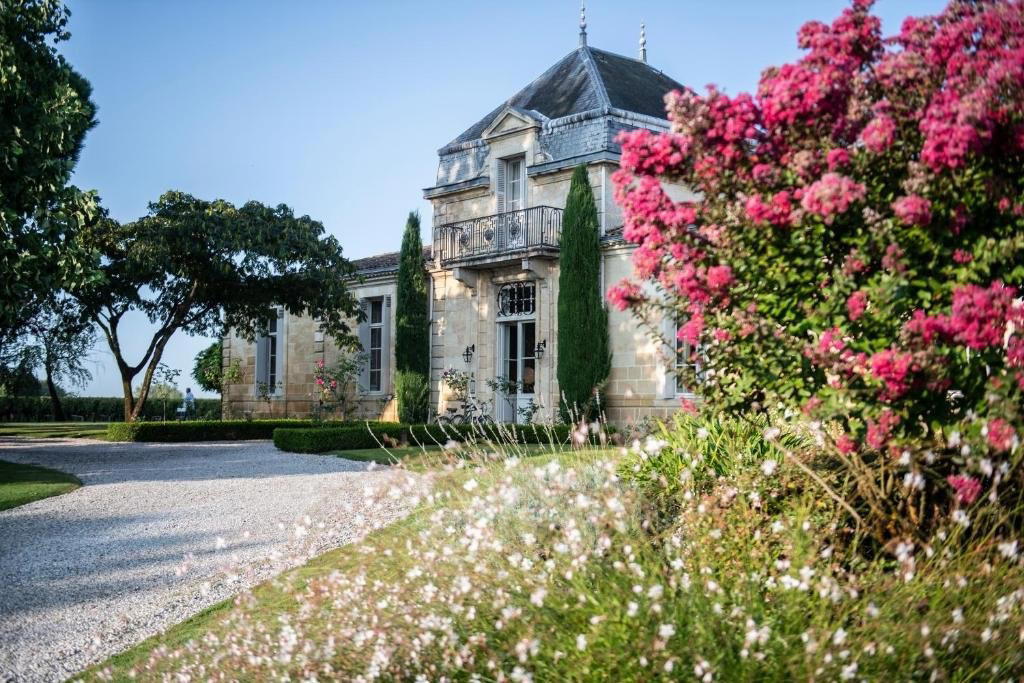
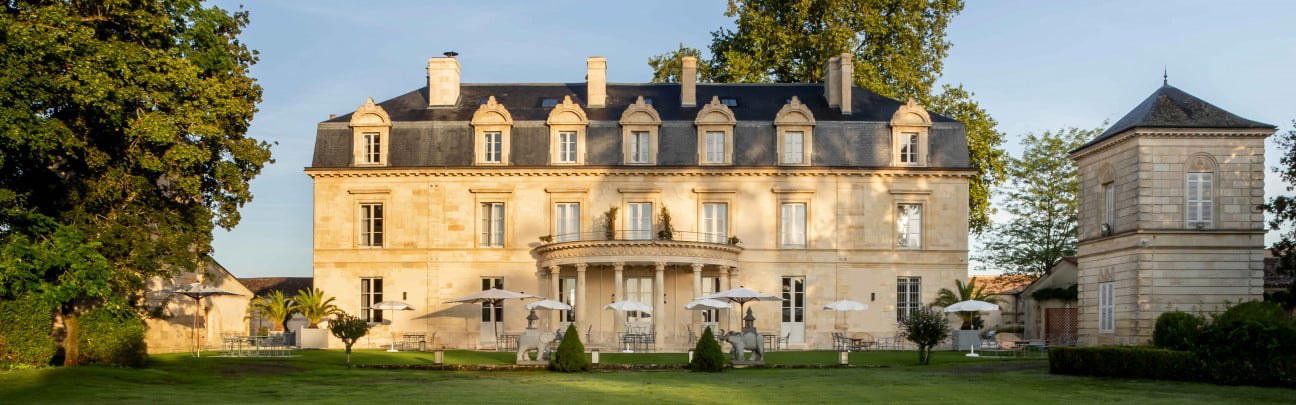
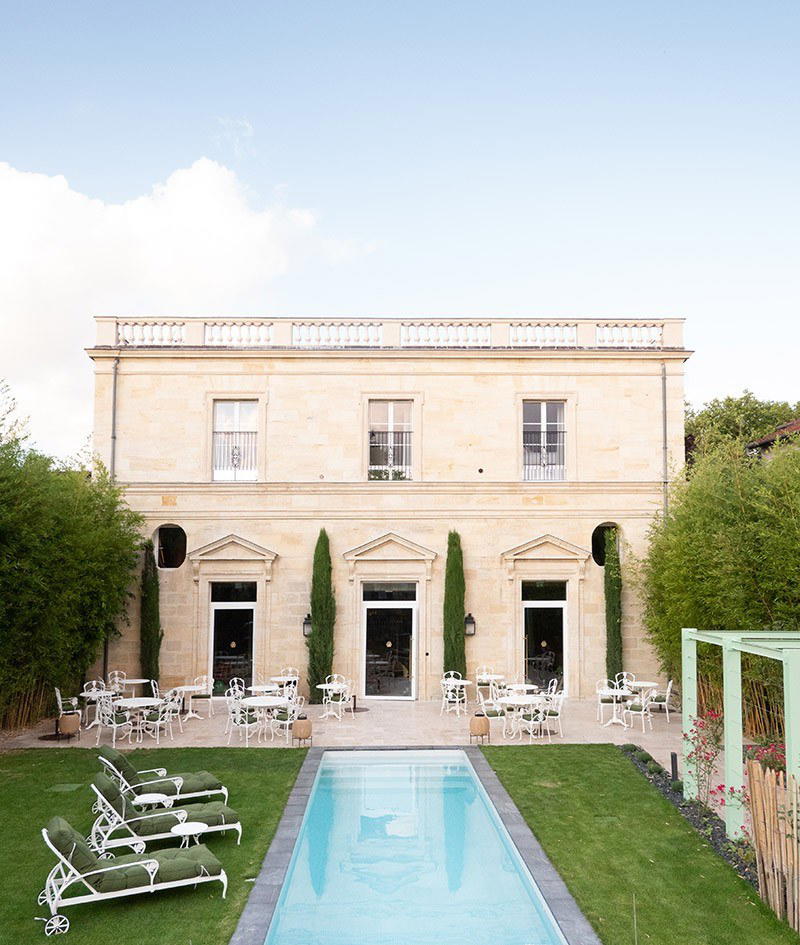
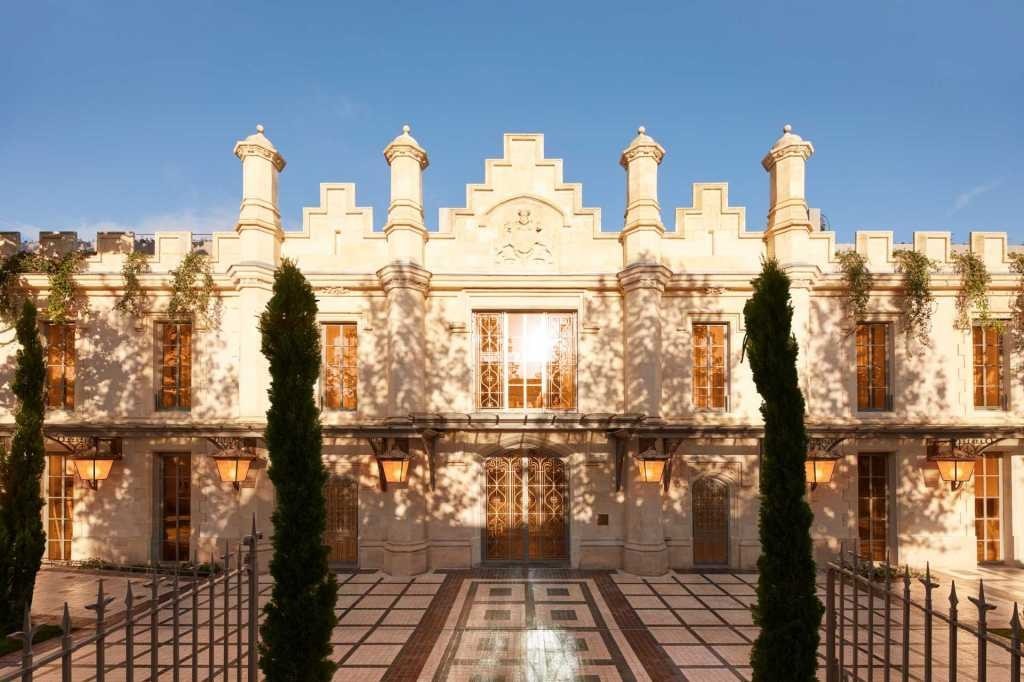
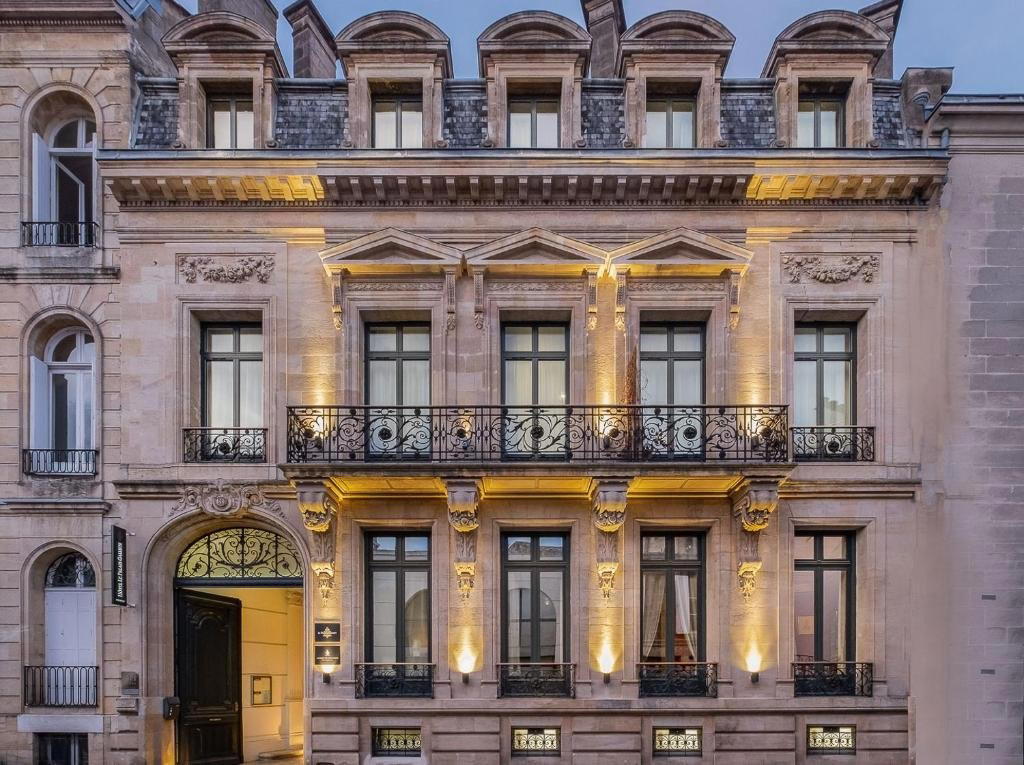
Ornate and historic with beautiful fermentation rooms, grand chai, art galleries, and a sophisticated tasting atmosphere.
Know Before You Go
- Reservations
- Appointment only
- Dress code
- Smart casual
- Getting there
- Château Mouton Rothschild, 33250 Pauillac