
Domaine Huet is among the Loire Valley's most consequential addresses for Chenin Blanc, producing Vouvray across the full spectrum of sweetness levels from a trio of distinct vineyards..
Pearl is the En Primeur Club membership app — saves, bookings, and concierge access live there. Same editors, same standards.
- Address
- 13 Rue de la Croix Buisée, 37210 Vouvray
- Phone
- +33 2 47 52 78 87
- Website
- domainehuet.com
- Directions
- Get directions
 Saves & bookings on Pearl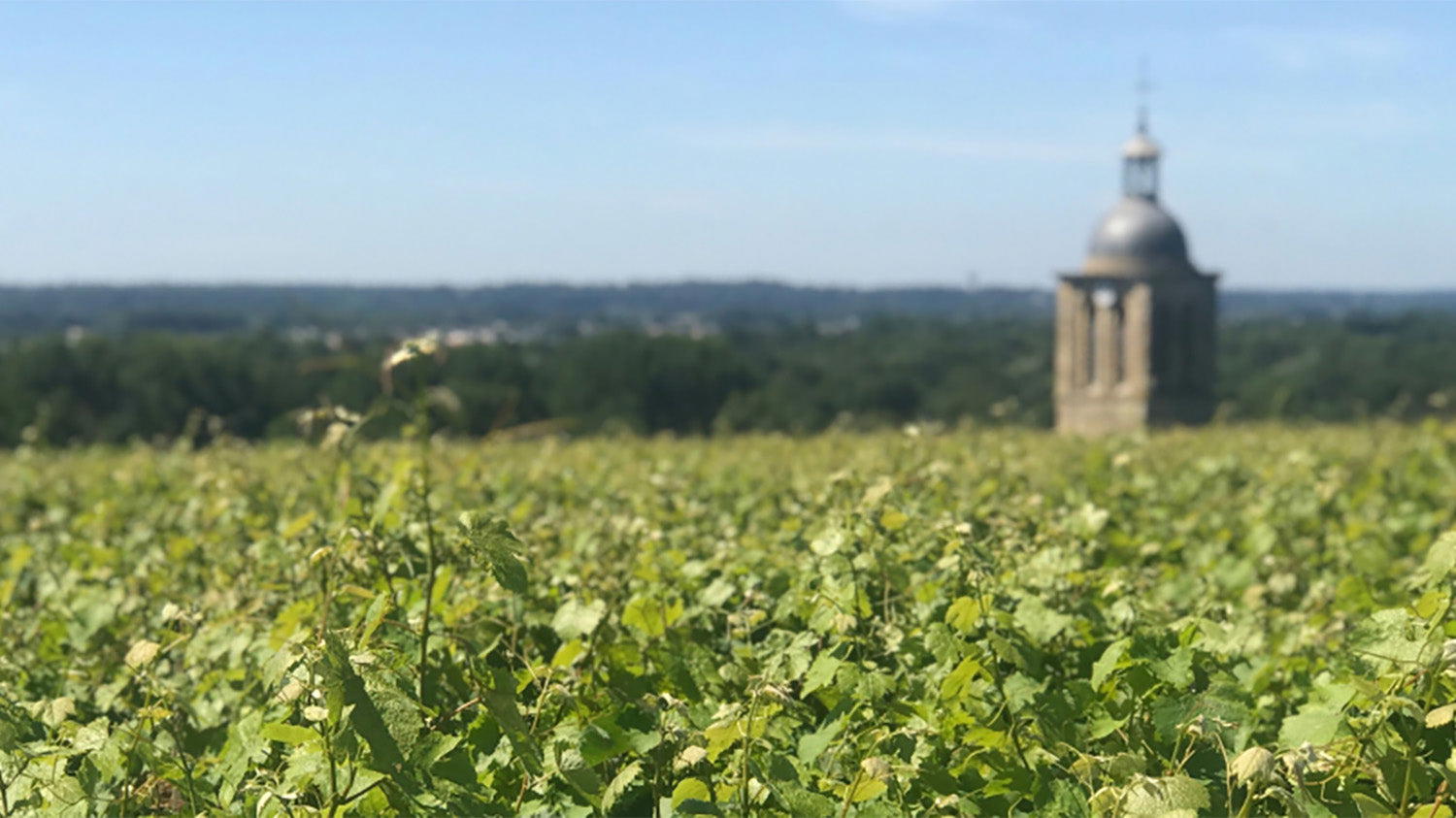
Where Tuffeau Meets Chenin: The Logic of Vouvray
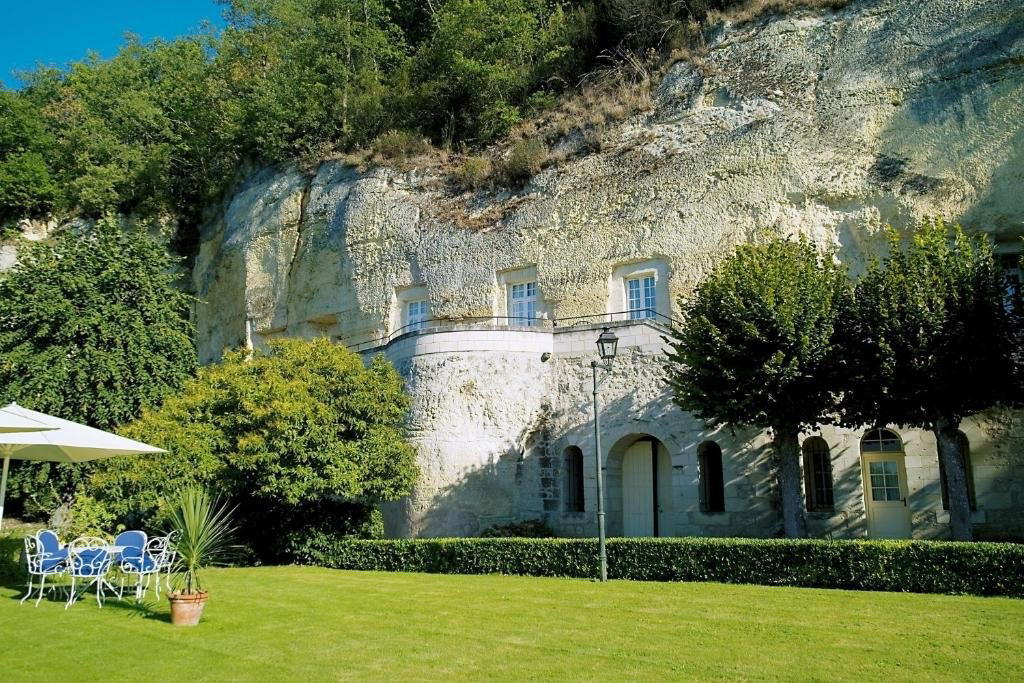
The road into Vouvray from Tours follows the north bank of the Loire, passing through a stretch of France where the ground does much of the talking. The tuffeau, that pale, porous limestone beneath the vineyards, absorbs moisture in wet years and releases it slowly through dry ones, giving Chenin Blanc a thermal buffer that few other white-wine soils can match. It is this geological circumstance, as much as any winemaking decision, that explains why Vouvray has produced serious, age-worthy whites for centuries, and why the appellation commands attention in circles that rarely bother with the Loire at all.
Domaine Huet, addressed at 13 Rue de la Croix Buisée, sits at the centre of that story. The statement is in the vineyards, and those vineyards span three distinct lieux-dits, each of which has a well-documented personality of its own.
Three Vineyards, Three Arguments for Terroir
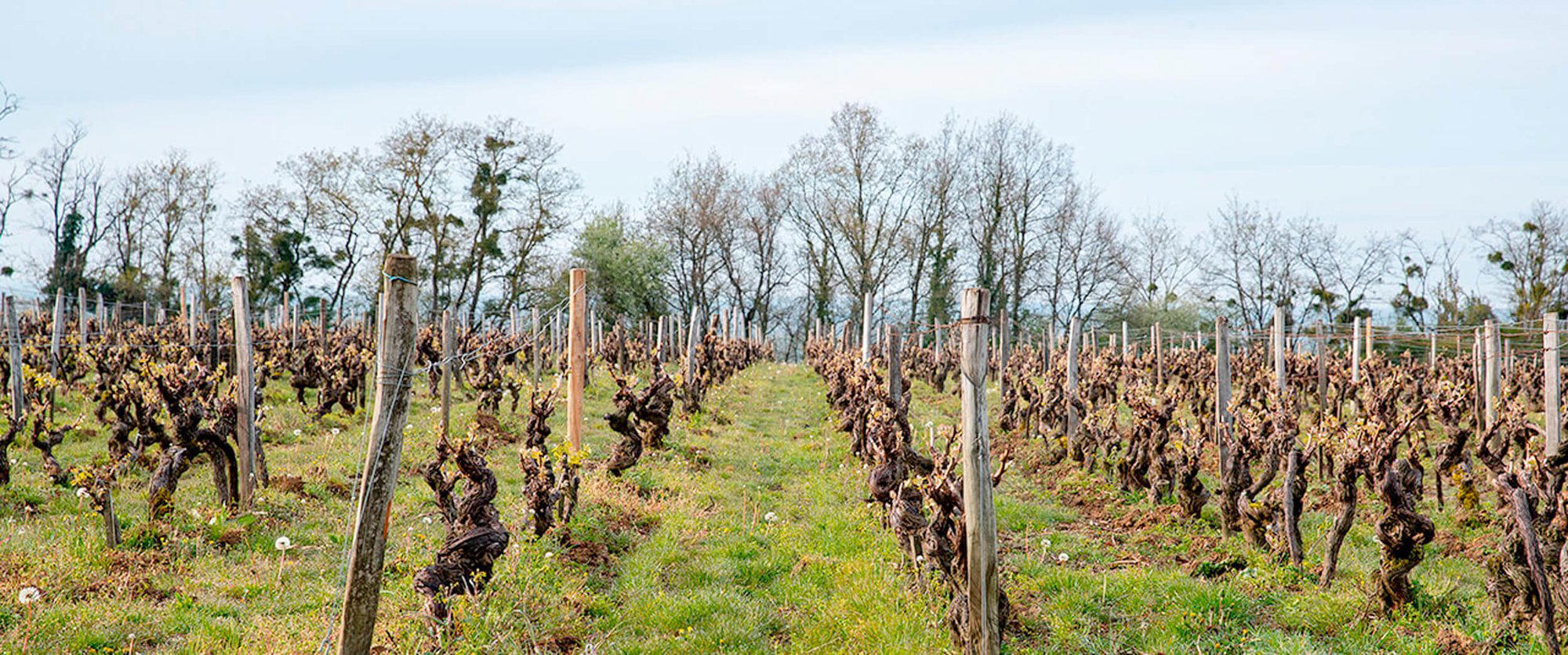
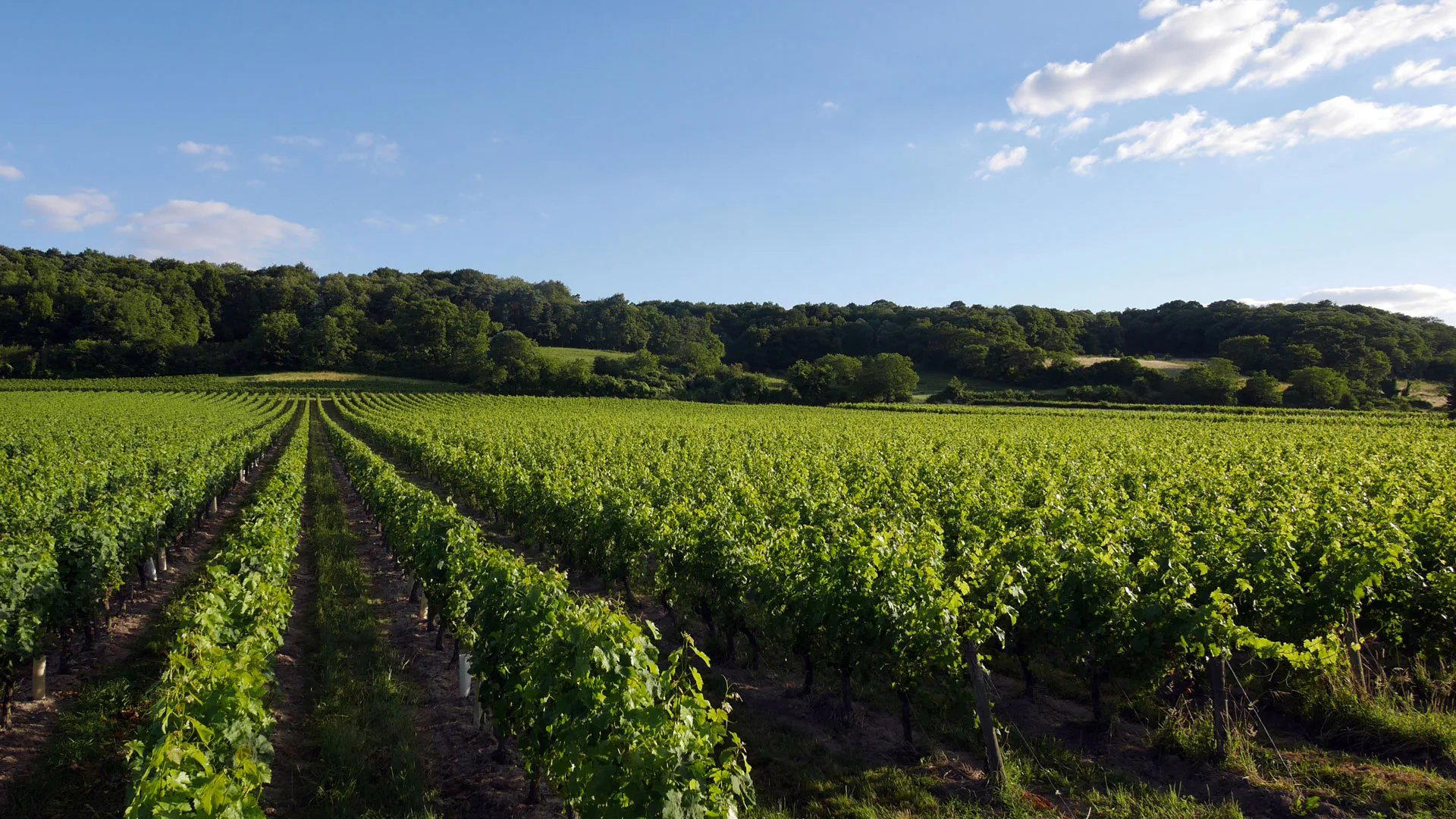
The Vouvray appellation is built around Chenin Blanc exclusively, but within that single-variety constraint the range of expression is considerable. Sweetness level varies with harvest decisions, sec, demi-sec, moelleux, and pétillant or sparkling all fall within the appellation rules, but at Domaine Huet the more fundamental variation is geographical. Le Haut-Lieu, Le Mont, and Clos du Bourg are the three sites, each carrying different aspects, slope gradients, and soil compositions within the broader tuffeau framework.
This is the structural feature that makes the domaine particularly useful for understanding how terroir functions in practice. Tasting across the three sites in a single vintage is one of the more instructive exercises available in French white wine, because the fruit source, vinification approach, and sweetness levels are held relatively constant while the geological variable shifts. The differences that emerge, in texture, in mineral register, in how the wine carries its acidity, are a direct argument for the relevance of individual vineyard identity within an appellation that outside observers sometimes treat as monolithic.
For context on how this single-appellation, multi-terroir approach compares across France, consider how producers in Alsace such as Albert Boxler in Niedermorschwihr similarly parse their grands crus as distinct statements rather than a unified house style, or how estates in Bordeaux like Château Bélair-Monange in Saint-Emilion and Château Clinet in Pomerol are defined as much by what the ground beneath them is as by what happens in the cellar.
Chenin Blanc and the Patience Economy
Vouvray's core competitive advantage, and the reason it occupies a specific niche rather than a mass-market position, is the aging capacity of Chenin Blanc grown on tuffeau. The grape's naturally high acidity, combined with the slow sugar development that the Loire's cooler continental-Atlantic climate produces, means that wines at the moelleux and demi-sec end of the spectrum can develop over decades. Old Vouvray from leading producers can command prices that may surprise those who think of the Loire as inexpensive white-wine country.
The sec expressions from the region are a separate argument. Dry Vouvray at the level Domaine Huet produces operates in a different competitive set than most French white wines, less about immediate fruit accessibility and more about the slow integration of phenolic grip, mineral salinity, and the beeswax-and-quince character that Chenin develops with bottle age. Pairing them with the regional food tradition, rillettes, goat cheeses from Sainte-Maure-de-Touraine, freshwater fish from the Loire, is not a cliché but a genuinely well-matched combination that reflects centuries of local culinary logic.
This patience economy extends to how visitors should approach the domaine. Planning contact and travel well in advance reflects how serious Loire producers generally operate: these are working estates, not tasting rooms designed for walk-in traffic.
Vouvray in the Loire's Broader White Wine Geography
The Loire Valley stretches roughly 1,000 kilometres from the Atlantic coast inward, covering an extraordinary range of appellations and grape varieties. Vouvray is one of the handful of zones that wine professionals consider genuinely irreplaceable, not because there is no other Chenin Blanc in France, but because the specific combination of tuffeau geology, the meso-climate created by the Loire's thermal mass, and the accumulated knowledge of producers like Domaine Huet over generations produces a wine type with no close substitute.
Within this geography, the north bank of the Loire east of Tours, Vouvray on one side, Montlouis-sur-Loire directly opposite, functions as the intellectual centre of French Chenin Blanc. The appellation sits roughly 10 kilometres east of Tours by the D952, accessible from the city and from the main rail connections to Paris. For visitors building a Loire itinerary, Vouvray pairs naturally with château visits along the river and with the Touraine food culture that is among the more coherent regional dining traditions in central France.
Properties at this award level in Bordeaux include Château Batailley in Pauillac, Château Branaire Ducru in St-Julien, Château Cantemerle in Haut-Médoc, Château Boyd-Cantenac in Cantenac, and Château Dauzac in Labarde, alongside sweet wine specialists such as Château Bastor-Lamontagne in Preignac and Château d'Arche in Sauternes. The range of that comparable set underscores that the 2025 recognition is cross-regional, not confined to Loire specialists.
Planning a Visit
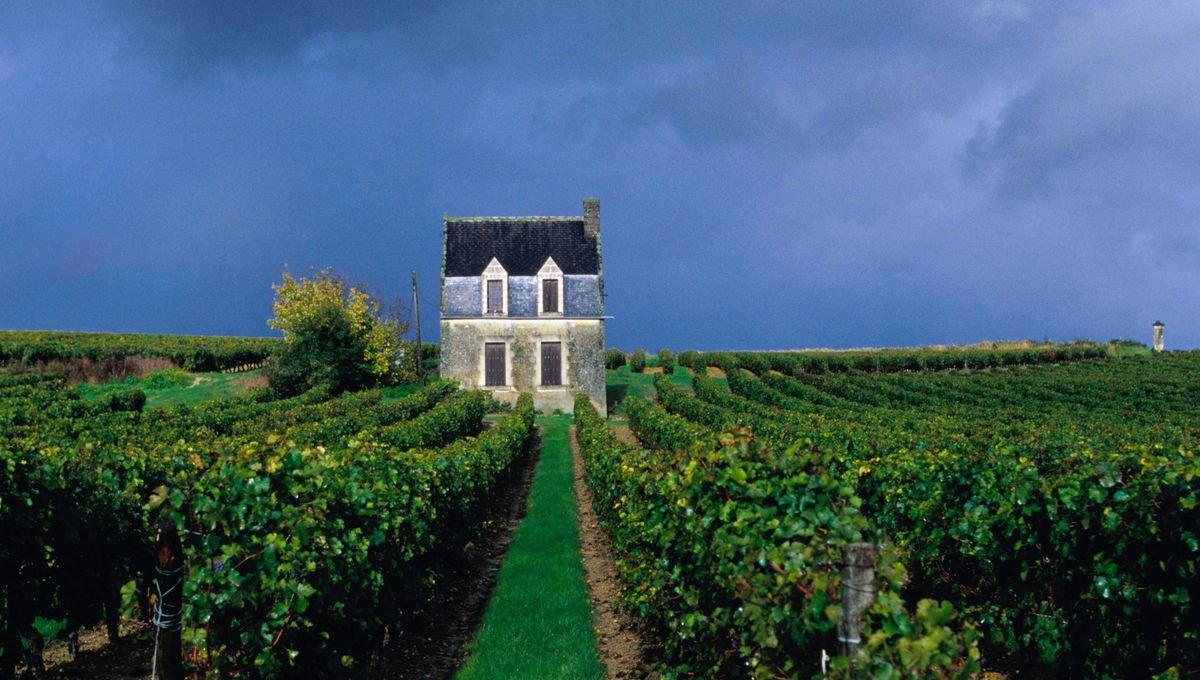
Vouvray is a direct day trip from Tours or a natural stop for those travelling the Loire by car. The domaine's address at 13 Rue de la Croix Buisée places it in the village proper. Given the estate's profile and its 2025 prestige recognition, visitor demand from the specialist wine audience tends to be meaningful, particularly during the harvest period in October and in the spring months when producers are assessing how the vintage is developing. Visits are by appointment only, so plan ahead.
How It Stacks Up
Comparable venues nearby, for context on price, style, and recognition.
| Venue | Cuisine | Price | Notes |
|---|---|---|---|
| Domaine HuetThis venue — the venue you are viewing | Chenin Blanc | $$$ | Not listed |
| Château de Ferrand | Merlot, Cabernet Franc | $$$ | Saint-Hippolyte |
| King Family Vineyards | Winery | Not listed | Crozet |
| Château du Breuil | Mettais, Rouge Duret | $$$ | Le Breuil-en-Auge |
| Domaine Willian Fevre | Chardonnay, Sauvignon Blanc | $$$ | Chablis |
| Delamotte | Chardonnay, Pinot Noir | $$$ | Le Mesnil-sur-Oger |
Recognition history
Dated appearances from independent guides and award organizations, with the underlying list record or original source where available.
Falstaff Winery - Listed
Falstaff
Continue exploring
More in Vouvray
Wineries in Vouvray
Browse all →
Bars in Vouvray
Browse all →
Restaurants in Vouvray
Browse all →
At a Glance
- Classic
- Elegant
- Rustic
- Scenic
- Intimate
- Wine Education
- Special Occasion
- Solo Exploration
- Vineyard Tour
- Cave Tasting
- Historic Building
- Estate Grounds
- Biodynamic
- Vineyard
- Vouvray AOC
- Chenin Blanc
- Still White
- Dessert
- Sec
- Demi Sec
- Moelleux
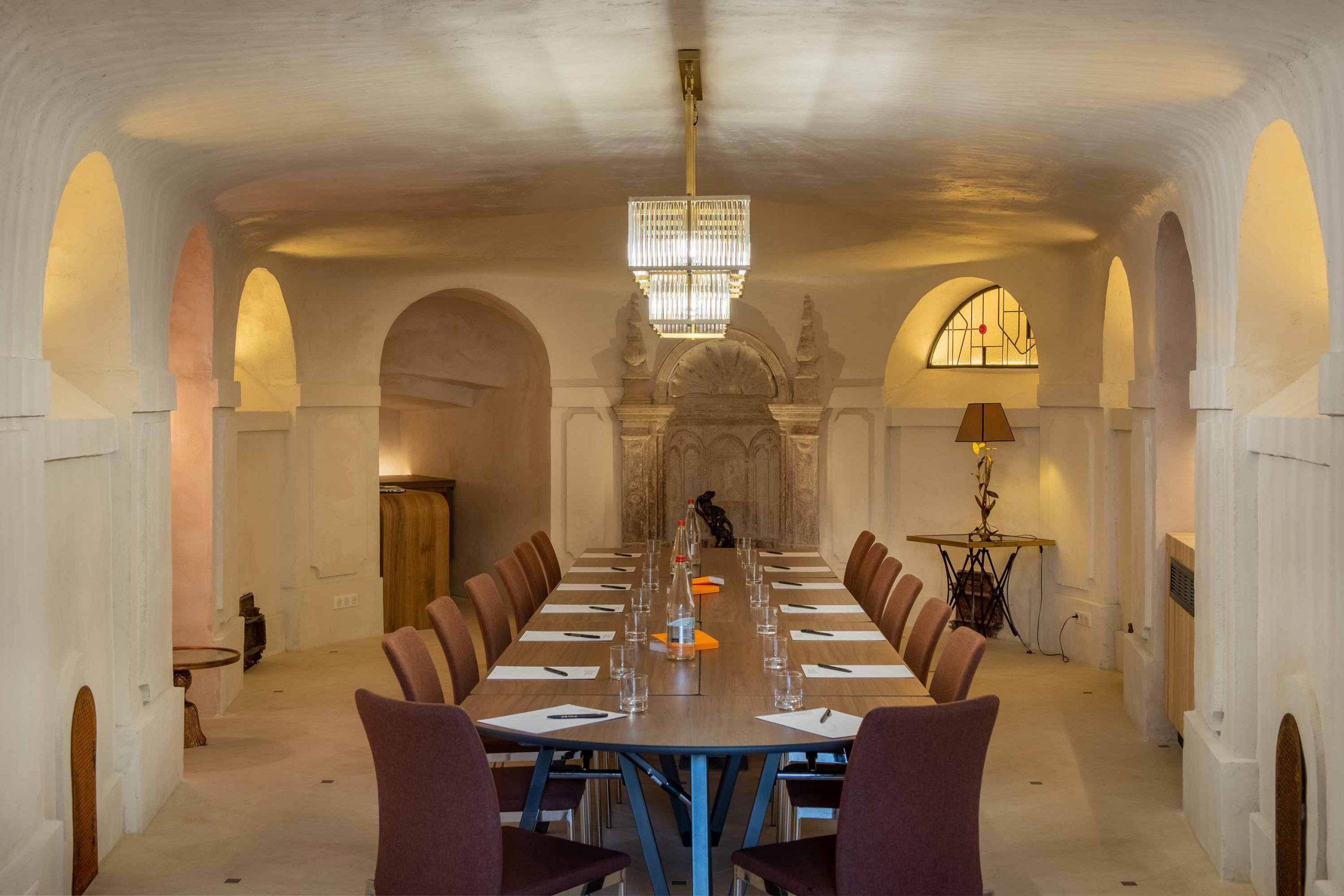
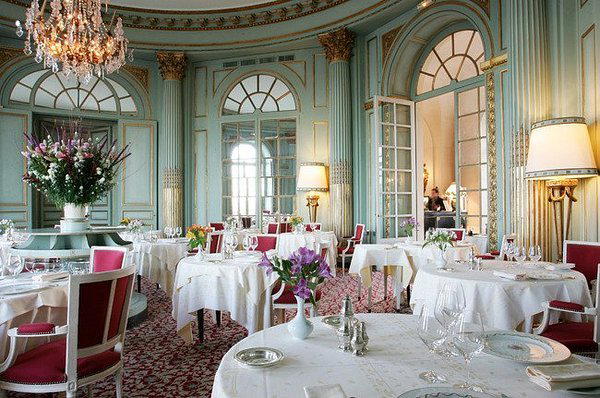
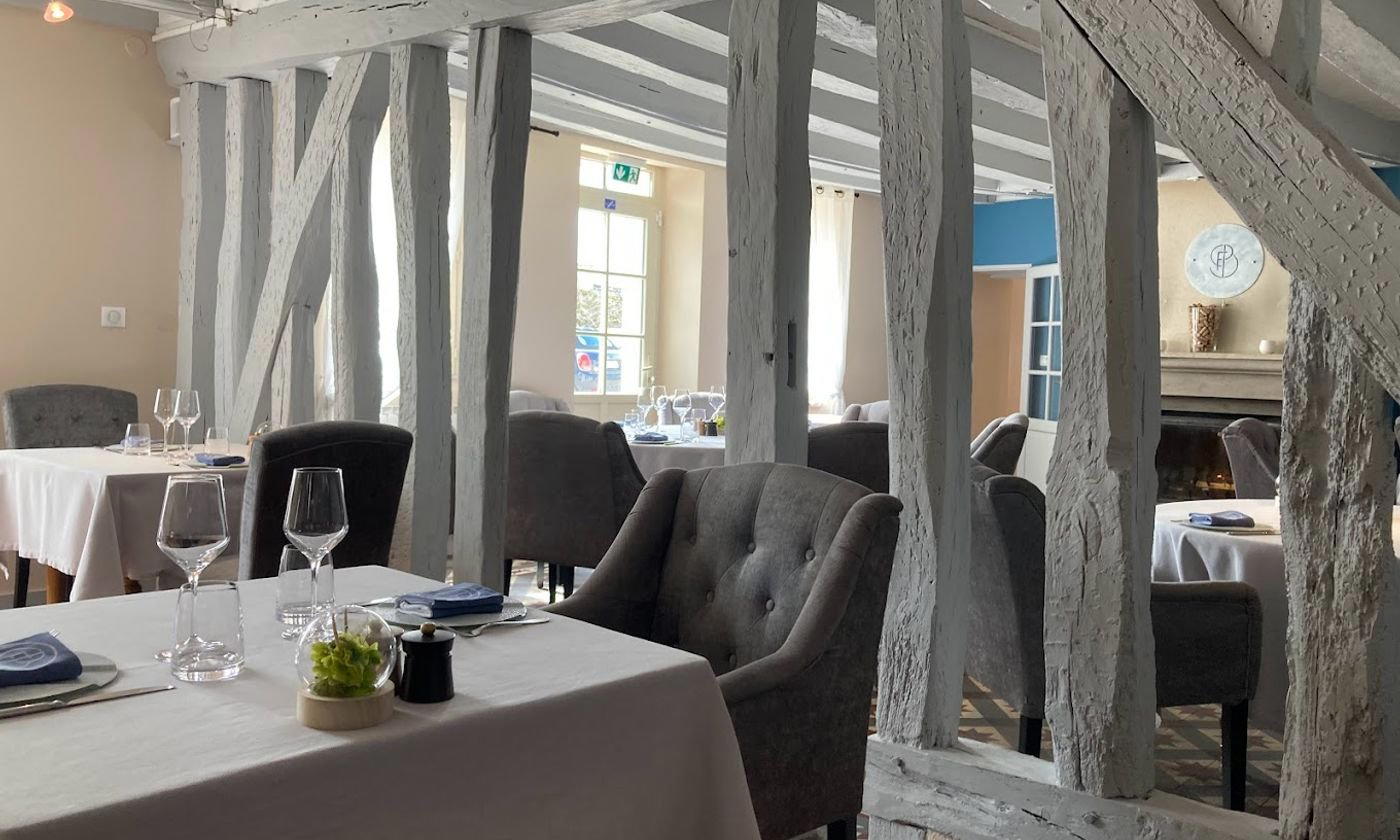
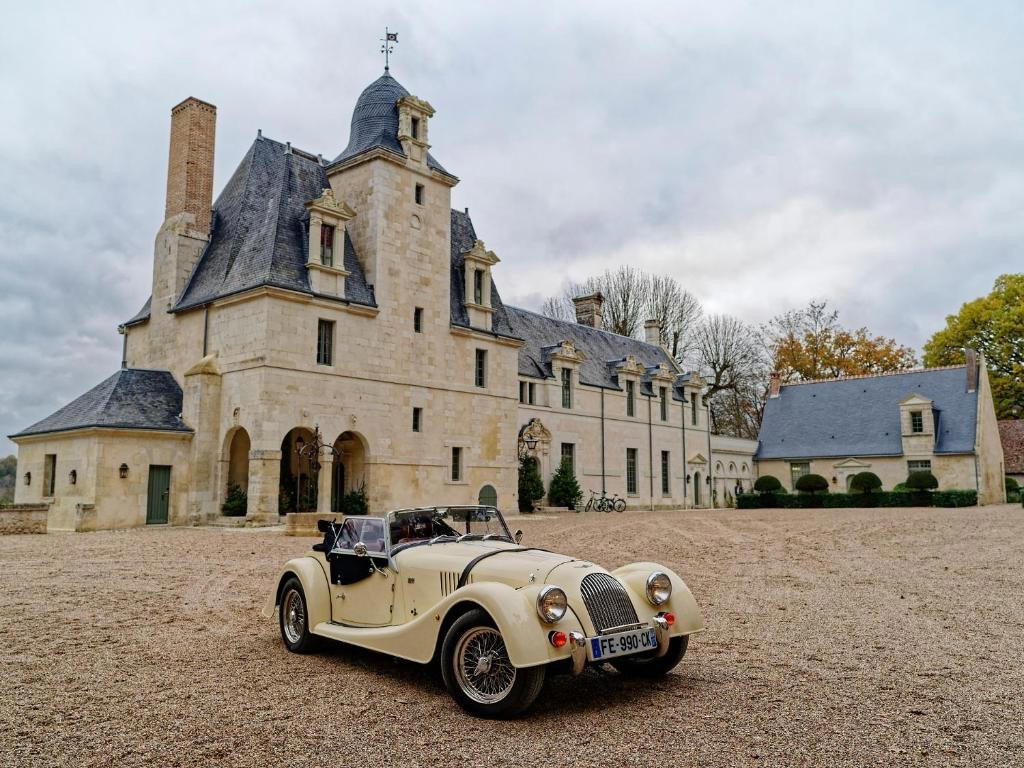
Elegant and historic with tuffeau cellars evoking timeless sophistication and serene vineyard surroundings.