Domaine Rossignol-Trapet

Domaine Rossignol-Trapet sits at the heart of Gevrey-Chambertin, where brothers Nicolas and David Rossignol tend some of the Côte de Nuits' most closely watched Grand Cru parcels.
Pearl is the En Primeur Club membership app — saves, bookings, and concierge access live there. Same editors, same standards.
- Address
- 4 Rue de la Petite Issue, 21220 Gevrey-Chambertin
- Phone
- +33 3 80 51 87 26
- Website
- rossignol-trapet.com
- Directions
- Get directions
 Saves & bookings on Pearl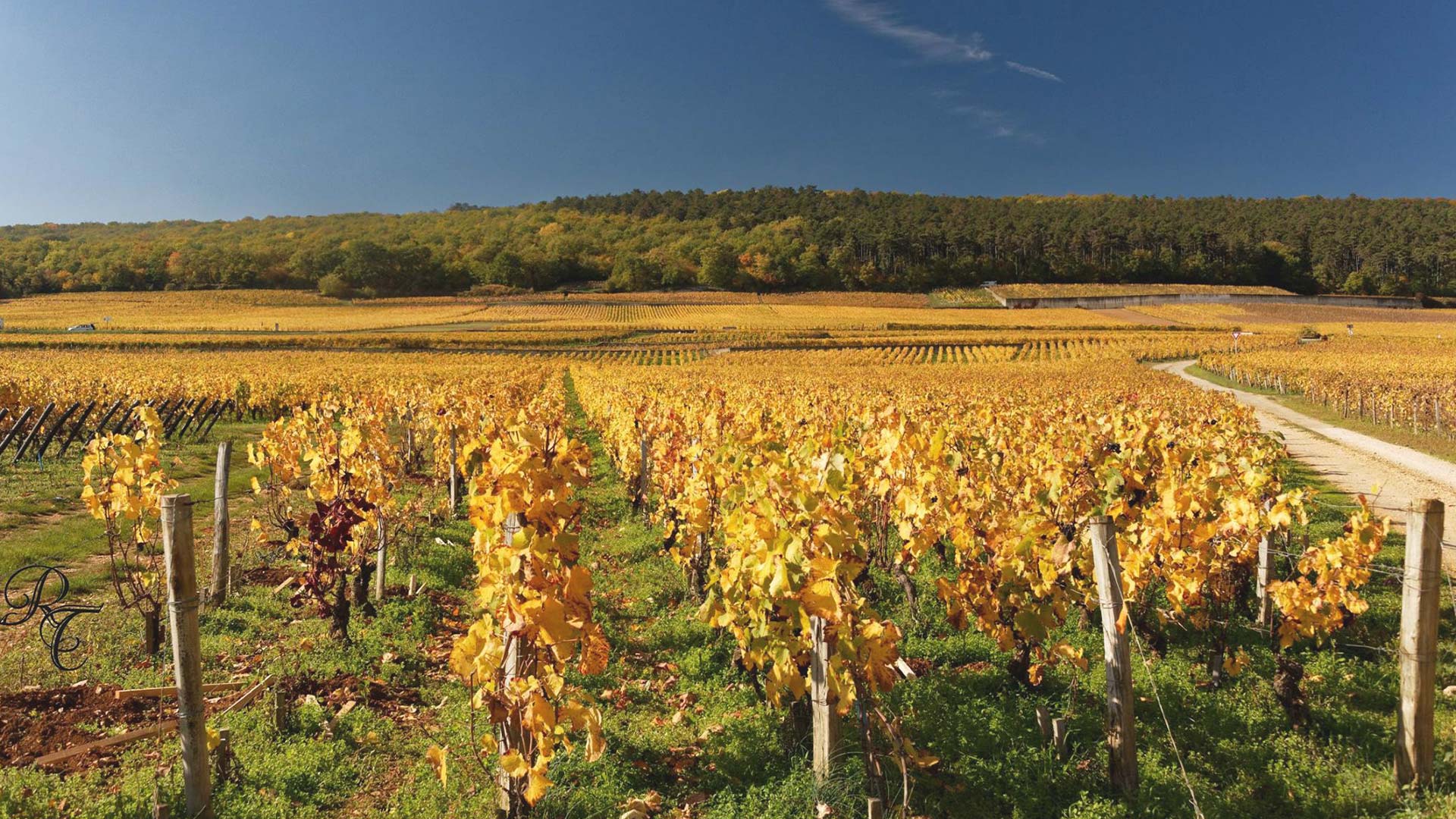
Gevrey-Chambertin and the Weight of Its Soil
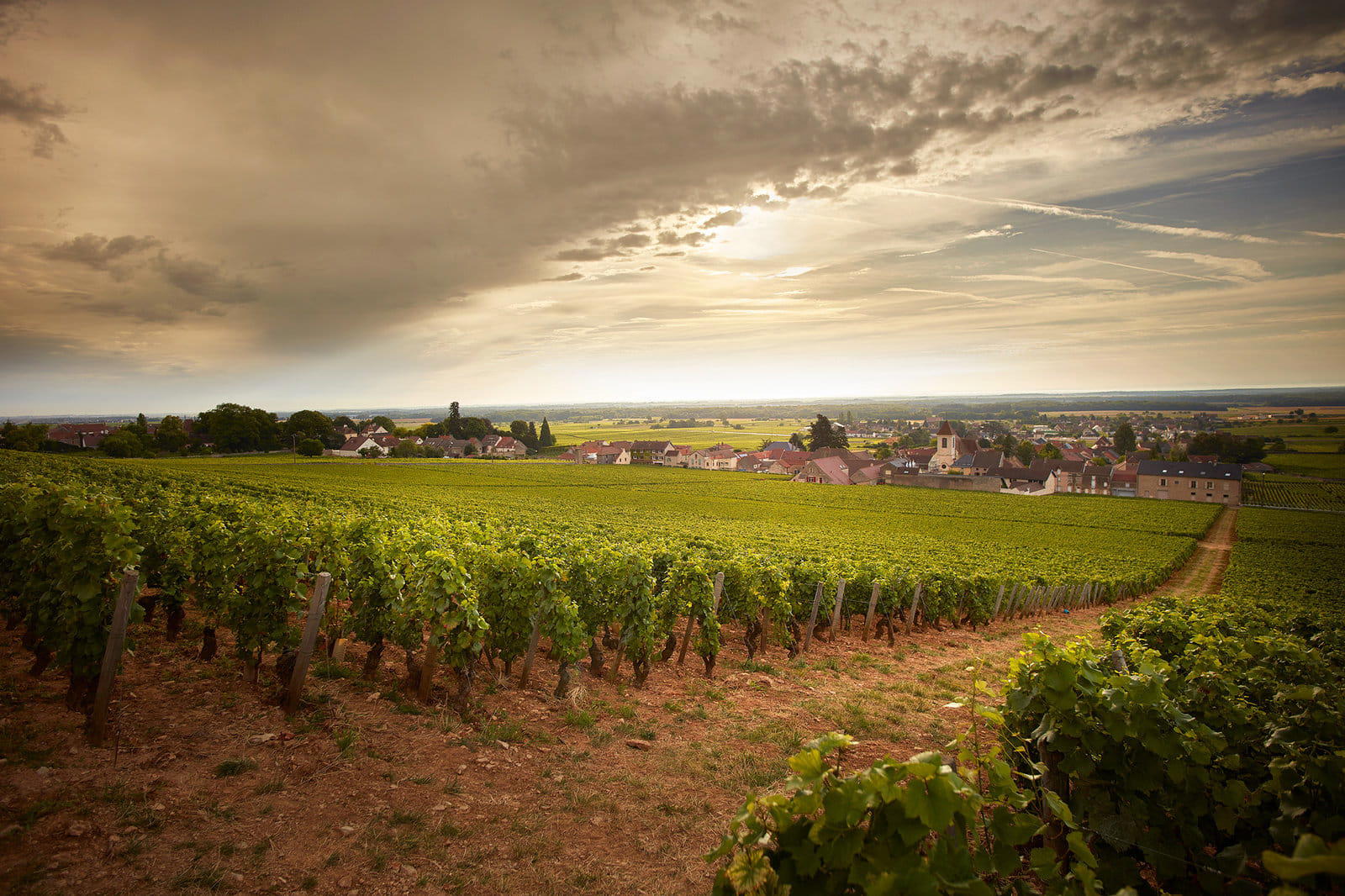
Arriving in Gevrey-Chambertin in any season, the village announces itself before you reach it. The appellations are stencilled onto road signs, the walls of old domaine buildings carry surnames that appear on the world's most closely tracked wine lists, and the vineyards climb the hillside in tightly managed rows that have been documented since at least the medieval period. This is especially densely credentialed red-wine village in Burgundy, home to nine Grand Crus, more than any other Côte de Nuits commune, and that concentration of upper-tier land means competition for attention is constant. In a village where Domaine Dugat-Py, Domaine Drouhin-Laroze, and Domaine Duroché all operate within walking distance of one another, any producer's reputation is continuously tested against its neighbours.
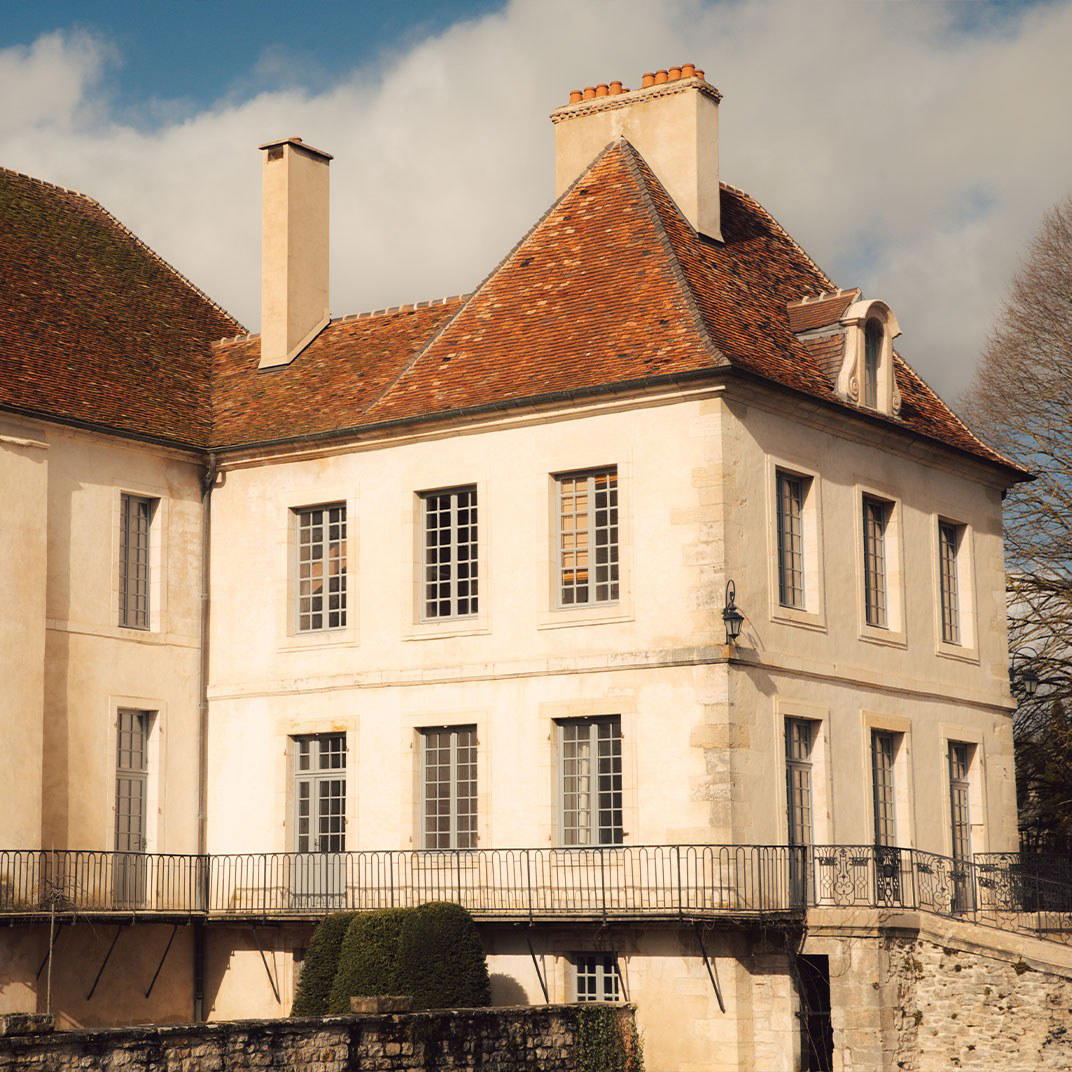
Domaine Rossignol-Trapet sits on the Rue de la Petite Issue, a quiet address that places it physically and symbolically inside the village core rather than on its margins. The domaine emerged from a division of the historic Domaine Trapet Père et Fils, which means its vineyard holdings carry deep historical roots in the appellation. That lineage matters in Burgundy, where the origin of a parcel, who farmed it, when, and how, carries as much weight in collector conversations as the wine currently in bottle.
Where the Domaine Sits in the Gevrey Hierarchy
Gevrey-Chambertin's producer landscape divides into several tiers. At the apex sit names like Domaine Armand Rousseau and Domaine Denis Mortet, whose allocations are effectively pre-spoken and whose secondary market prices track well above release. A second tier includes estates with strong Grand Cru exposure, consistent critical attention, and a following among specialist importers and private collectors, but whose wines can still, occasionally, be acquired with reasonable effort through the right channels. Rossignol-Trapet occupies that second tier, alongside producers such as Domaine Joseph Roty and Domaine Henri Rebourseau, where the combination of serious vineyard holdings and restrained production keeps supply tight without the speculative frenzy that surrounds the village's leading names.
In a village with this density of credentialed names, that kind of sustained recognition across multiple vintages and appellations carries more weight than a single high-scoring release.
Nicolas and David Rossignol share winemaking responsibility, which in Gevrey terms positions this as a family estate in the traditional sense: decisions made between two people who know the land over years, rather than a larger team operating to a commercial brief. That structure is common among the village's most respected names, and it tends to produce wines that reflect vineyard character closely rather than a house style imposed from the winery.
The Vineyard Holdings and What They Imply
The historical split from Domaine Trapet Père et Fils gave Rossignol-Trapet access to parcels across the appellation's quality spectrum, from village-level Gevrey-Chambertin through Premier Cru and into Grand Cru territory. In Burgundy, that breadth across a single commune is significant: it allows a producer to demonstrate how the same hand and the same philosophy translate across different soils and exposures within one village. The step from a well-made village Gevrey to a Lavaux Saint-Jacques Premier Cru to a Chambertin Grand Cru, all from the same producer, becomes an education in the appellation's hierarchy.
Grand Cru holdings in Gevrey are finite and closely held. The total surface area of Chambertin itself is only around 28 hectares, shared among multiple owners. Any producer with meaningful parcels there operates in a context where even small volumes attract significant collector interest. This structural scarcity underpins the allocation model that governs how most serious Gevrey estates distribute their leading wines.
Visiting the Domaine and Planning Around It
Gevrey-Chambertin sits approximately 12 kilometres south of Dijon along the Route des Grands Crus. The village itself is compact enough to cover on foot, with the main domaine addresses concentrated within a few streets of the central church. For visitors planning a serious tasting circuit, the practical reality is that most Gevrey estates operate on an appointment basis, with walk-in access uncommon among producers of this standing. Contacting Rossignol-Trapet directly through their address at 4 Rue de la Petite Issue remains one reliable route to an arranged visit.
Harvest period in late September through early October brings the village to life, and many domaines are focused on the cellars rather than receiving visitors during those weeks. Spring and early summer, when the vines are in leaf but before the pressure of the growing season peaks, tend to offer more relaxed reception conditions at family estates.
Placing Rossignol-Trapet in a Wider Burgundy Context
Gevrey-Chambertin is a red-wine village in a way that few Burgundy communes are so completely: Pinot Noir dominates here with an authority that Chambolle-Musigny or Morey-Saint-Denis, for all their quality, cannot quite replicate in terms of sheer name recognition. Producers working at this level in Gevrey exist in a different conversation from their counterparts in, say, Alsace, where a producer like Albert Boxler in Niedermorschwihr builds a reputation around Riesling and Gewurztraminer in a completely different terroir logic, or from Bordeaux estates such as Château Bastor-Lamontagne in Preignac, Château Batailley in Pauillac, or Château Bélair-Monange in Saint-Emilion, where the scale of production and the classification system create different frameworks for evaluating prestige. The Burgundy model, small parcels, family ownership, limited production, allocation access, is its own distinct category, and Rossignol-Trapet operates squarely within it.
Collectors who track the Médoc, following producers like Château Branaire Ducru in St-Julien or Château Boyd-Cantenac in Cantenac, often find that building a Gevrey position requires a different approach: fewer négociant options, more direct domaine relationships, and patience with a system that rewards established buyers. Those coming from a spirits background, familiar with the allocation culture around producers like Aberlour in Aberlour, will recognise the logic if not the specific mechanics. California collectors who have worked through the Napa allocation model, as at Accendo Cellars in St. Helena, will find parallels in how relationship-based access operates, even if the price points and vineyard scale differ considerably.
The 2025 rating represents a producer operating at a level where consistent quality across the range, vineyard seriousness, and sustained critical attention all align. In a village as competitive as Gevrey-Chambertin, that rating places Rossignol-Trapet clearly above the broad field of village-level producers and within the peer group that collectors and serious trade buyers track actively. It does not signal the kind of scarcity-driven frenzy that surrounds the village's most traded names, but it does indicate that the wines merit the attention their reputation suggests, and that visits, when arranged, are worth building an itinerary around.
Peers in This Market
Comparable venues nearby, for context on price, style, and recognition.
| Venue | Cuisine | Price | Notes |
|---|---|---|---|
| Domaine Rossignol-TrapetThis venue — the venue you are viewing | Pinot Noir | $$$$ | Not listed |
| Domaine Pierre Damoy | Pinot Noir | $$$$ | Gevrey-Chambertin |
| Domaine Armand Rousseau | Pinot Noir | $$$$ | Gevrey-Chambertin |
| Domaine Trapet Père et Fils | Pinot Noir, Gamay | $$$$ | Gevrey-Chambertin |
| Domaine Henri Rebourseau | Pinot Noir | $$$$ | Gevrey-Chambertin |
| Domaine René Bouvier | Pinot Noir, Chardonnay | $$$ | Gevrey-Chambertin |
Recognition history
Dated appearances from independent guides and award organizations, with the underlying list record or original source where available.
Falstaff Winery - Listed
Falstaff
Continue exploring
More in Gevrey-Chambertin
Wineries in Gevrey-Chambertin
Browse all →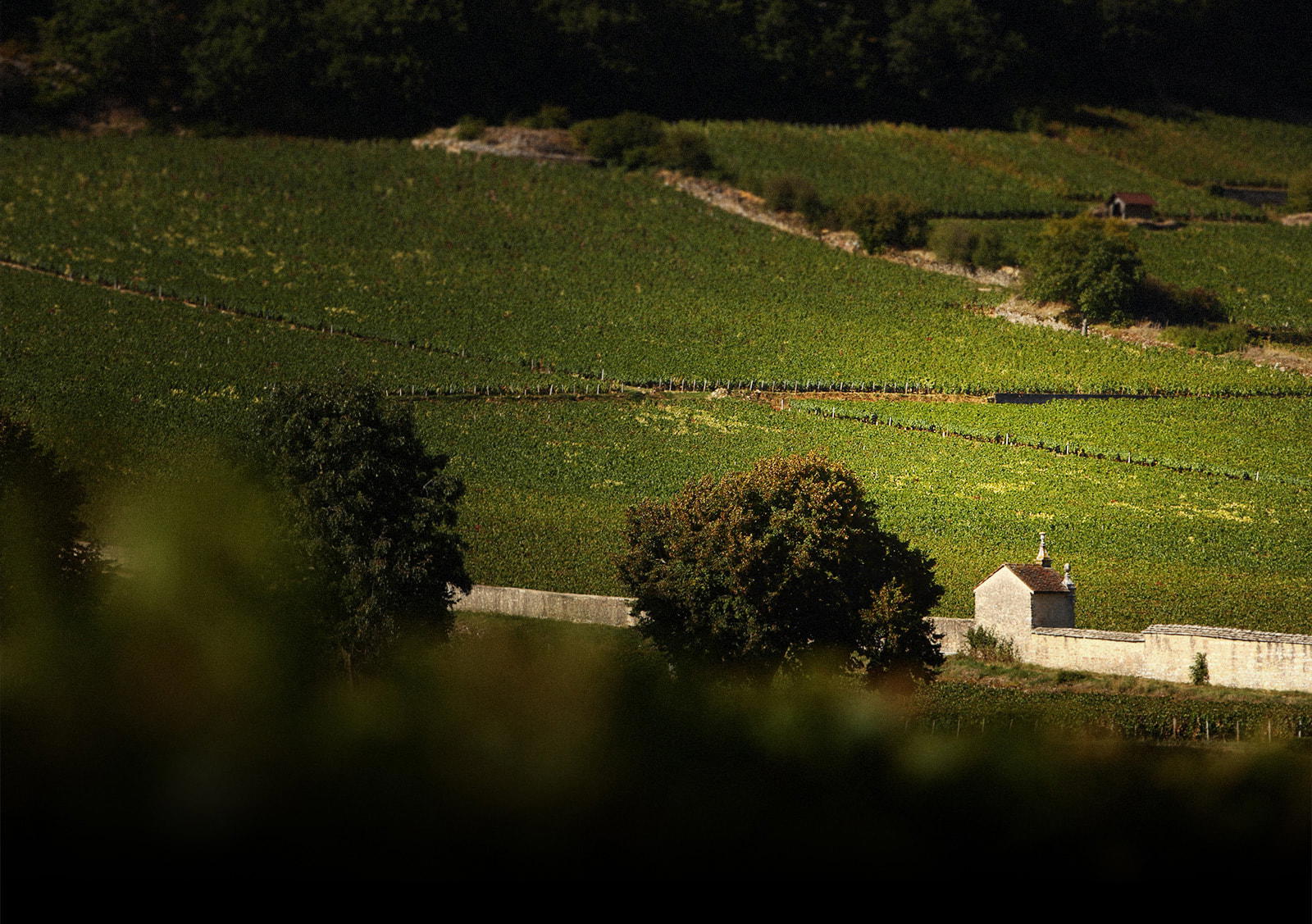
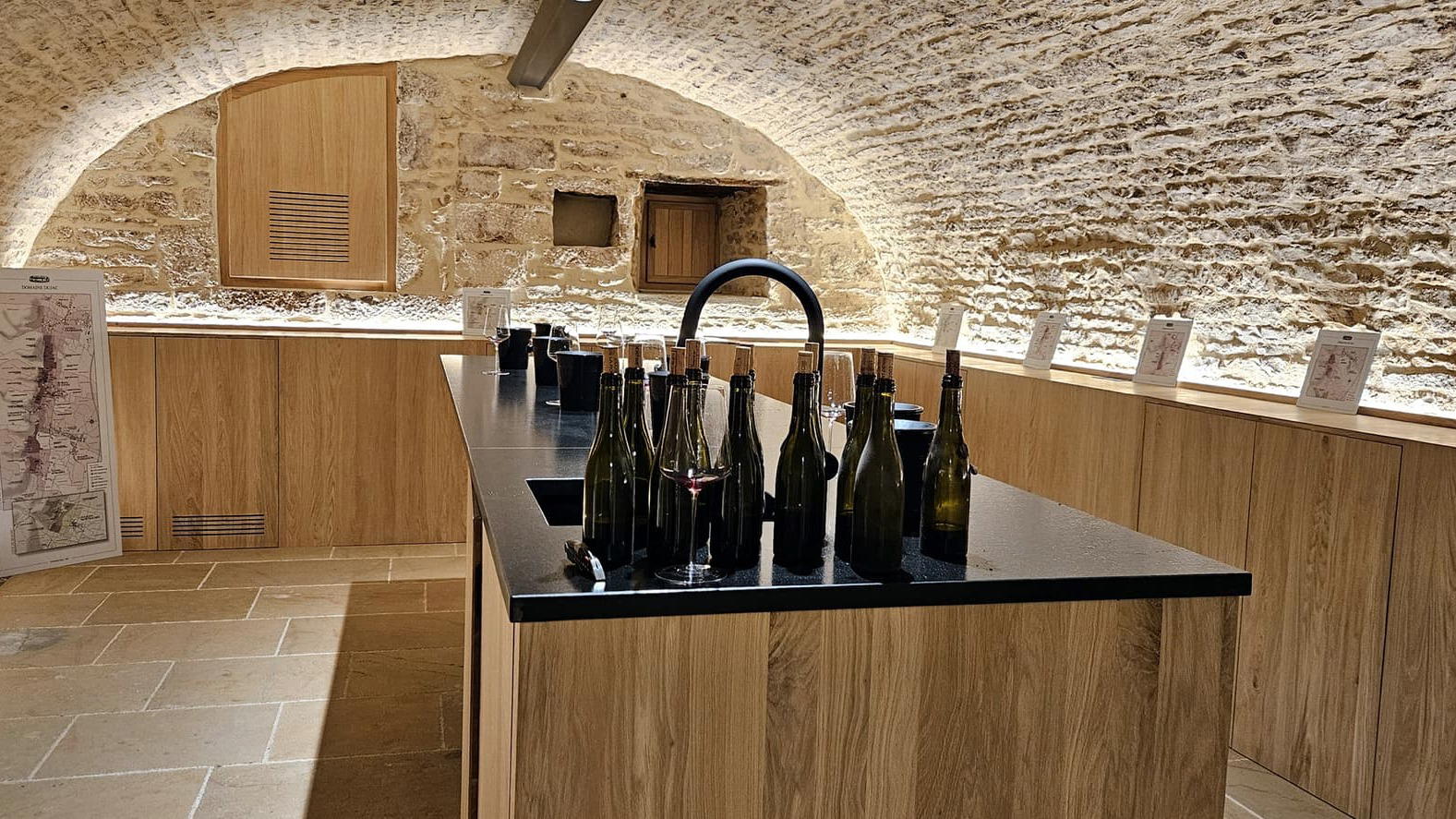
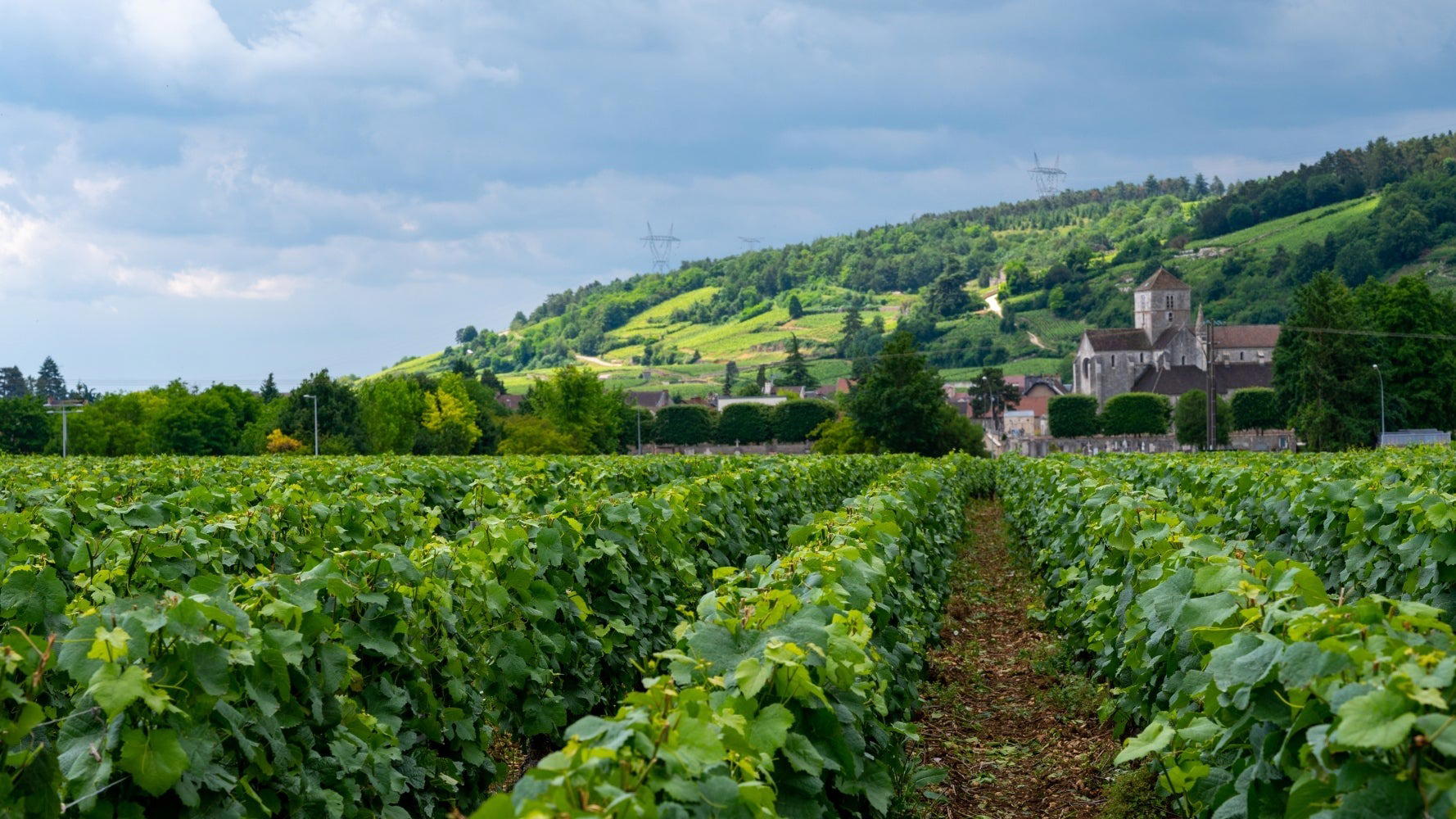
Bars in Gevrey-Chambertin
Browse all →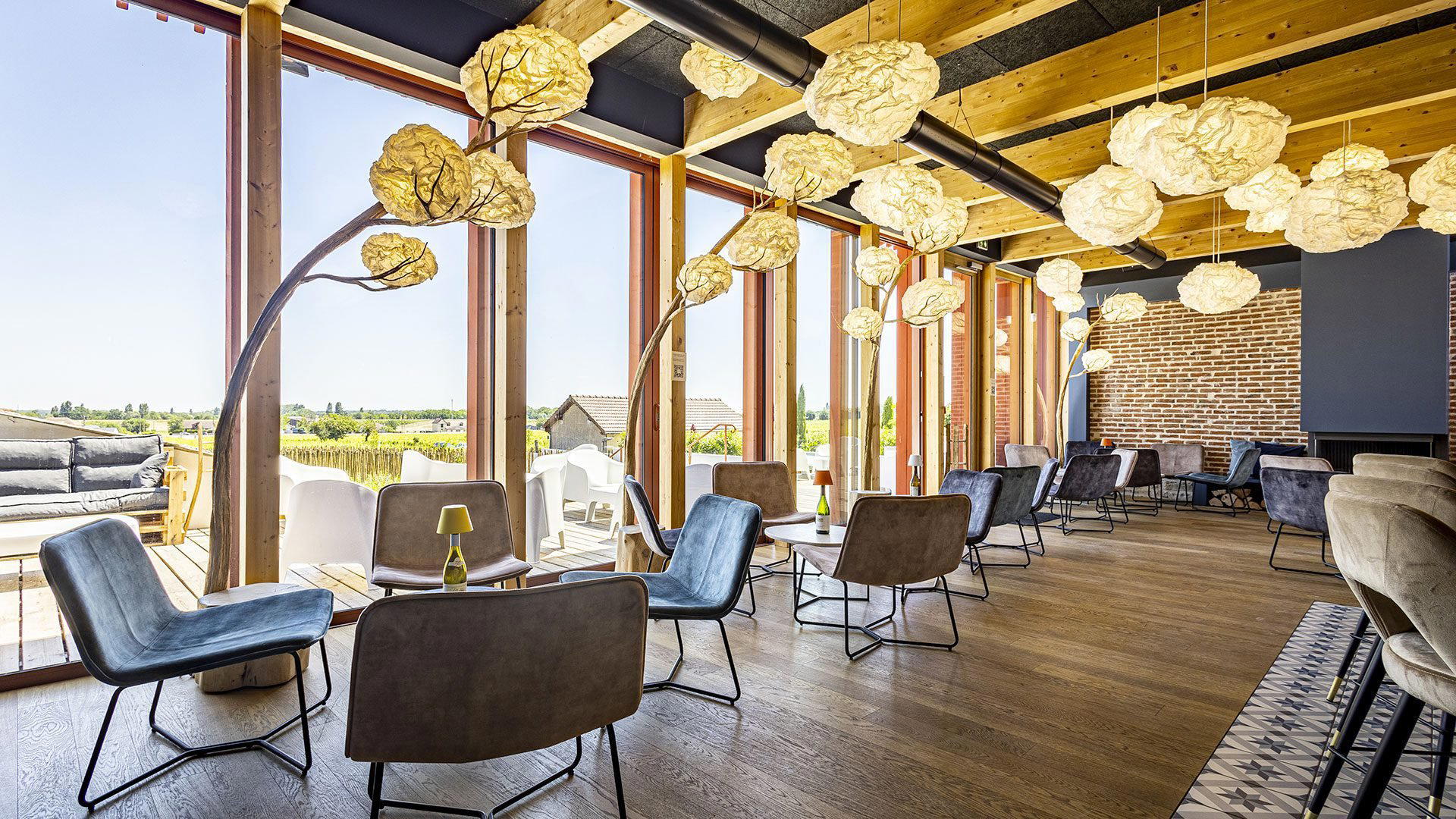
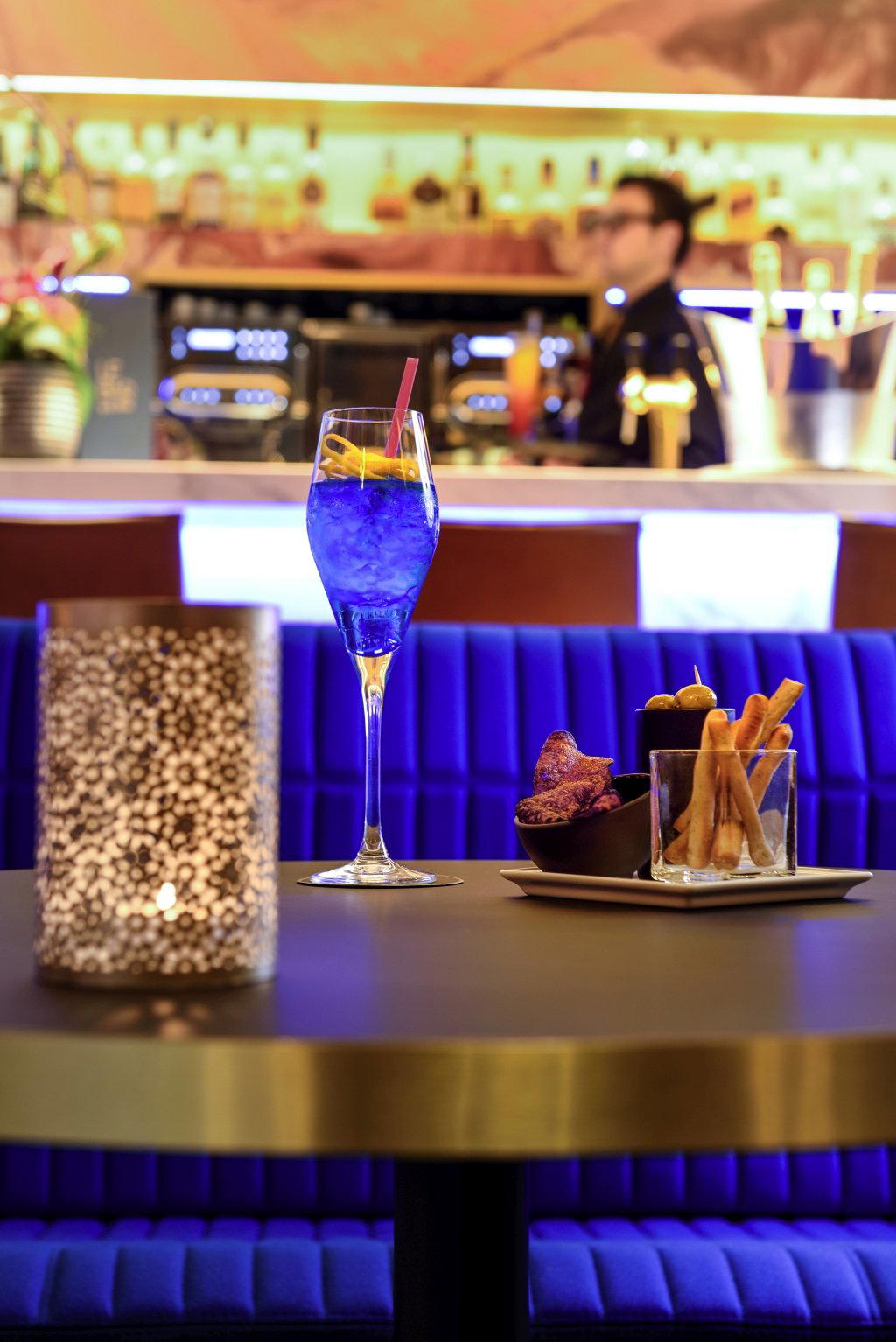
Restaurants in Gevrey-Chambertin
Browse all →
At a Glance
- Elegant
- Classic
- Sophisticated
- Rustic
- Wine Education
- Romantic Getaway
- Special Occasion
- Vineyard Tour
- Barrel Room
- Cave Tasting
- Estate Grounds
- Biodynamic
- Organic
- Sustainable
- Vineyard
- Gevrey Chambertin AOC
- Pinot Noir
- Still Red
- Cave Tasting
- Vineyard Tour
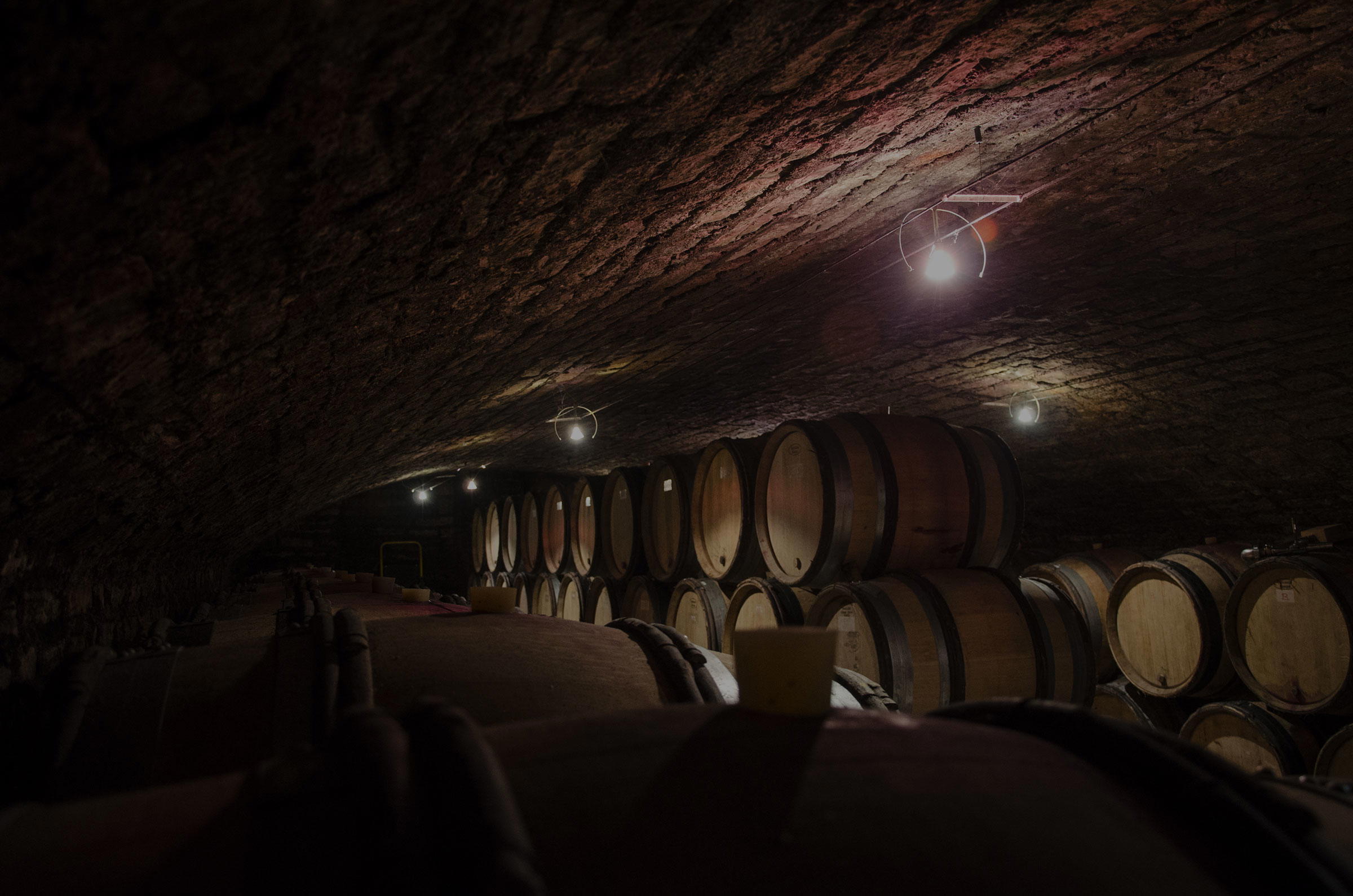
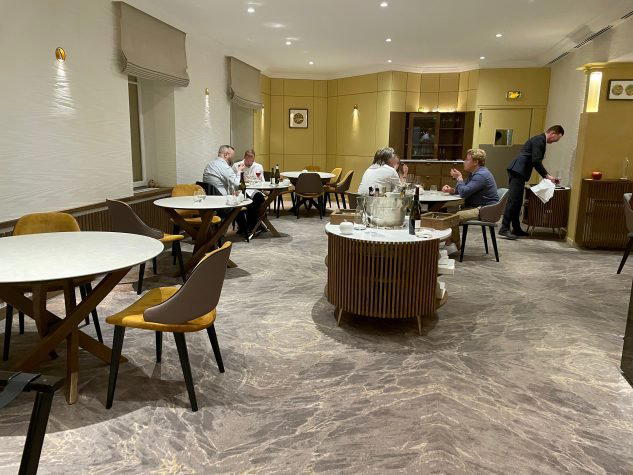
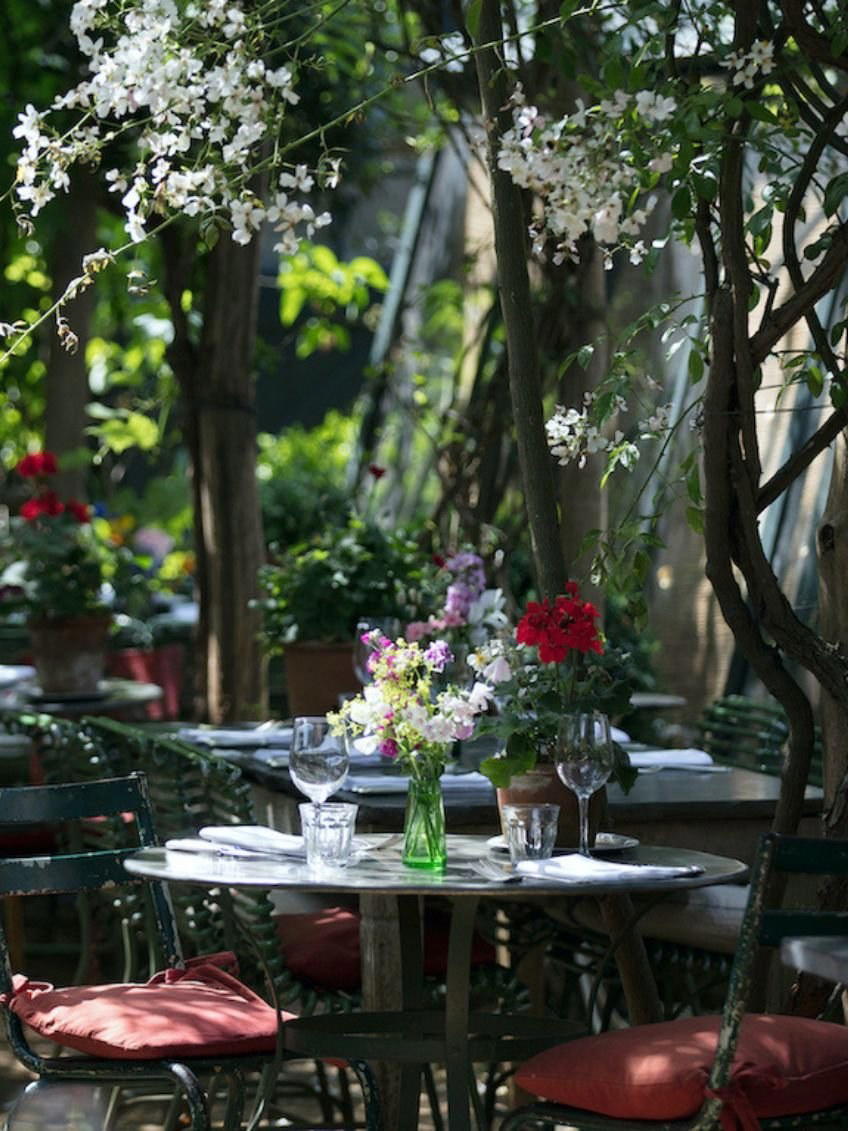
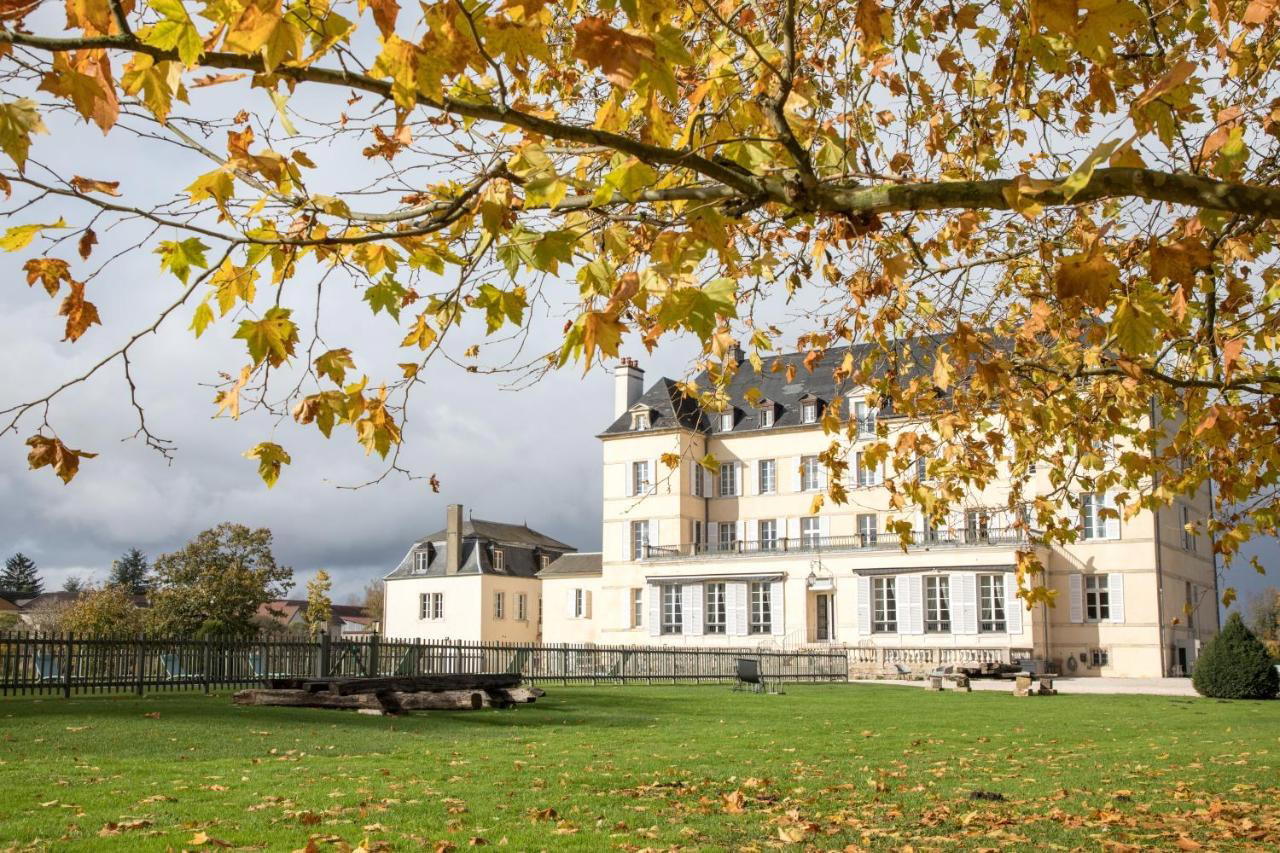
Traditional Burgundian estate with a focus on terroir-driven winemaking; the winery emphasizes natural light and minimal intervention in both vineyard and cellar, creating an atmosphere of understated elegance and authenticity.