Pingus

Pingus is the Ribera del Duero estate that changed how the world reads Spanish Tempranillo. Under winemaker Peter Sisseck, its flagship wine operates in a global allocation tier usually reserved for Burgundy grands crus.
Pearl is the En Primeur Club membership app — saves, bookings, and concierge access live there. Same editors, same standards.
- Address
- 47350 de, C. Millán Alonso, 49, 47350 Quintanilla de Onésimo, Valladolid
- Phone
- +33 6 78 64 81 90
- Website
- pingus.es
- Directions
- Get directions
 Saves & bookings on Pearl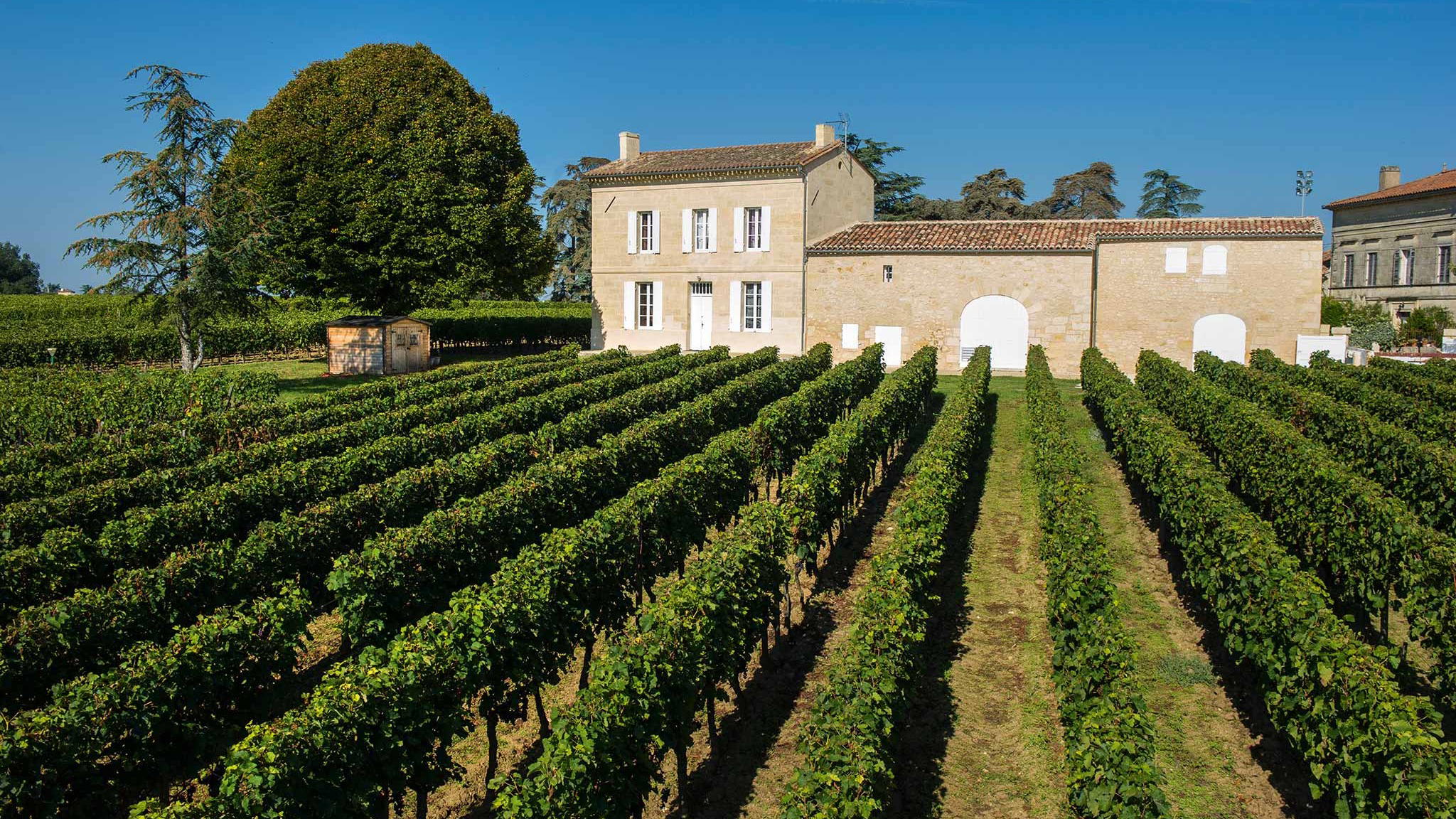
Where the Meseta Speaks in Tempranillo
The plateau west of Valladolid is not a landscape that flatters itself. The Duero valley cuts through high, arid tableland where summer temperatures swing violently between midday heat and cold nights, and where winter arrives without apology. Vines here do not have it easy, and that agricultural severity is precisely the point. The wines that come from this corner of Castile carry the imprint of those conditions in ways that are not easily replicated elsewhere in Spain, and Pingus, operating from Quintanilla de Onésimo in the heart of that plateau, is among the most concentrated expressions of what the zone can produce.
Ribera del Duero established its international reputation later than Rioja, but it caught up quickly. By the 1990s, the appellation had become a reference point for old-vine Tempranillo of serious ambition, drawing comparisons not just within Spain but against premium Cabernet programs in Bordeaux and California. Pingus arrived at that moment and occupied a position that has not shifted: a micro-production estate making Tempranillo at a quality tier that prices it against first-growth Bordeaux rather than against the broader Ribera market. For context on how the broader appellation operates, our full Ribera del Duero restaurants guide maps the region's wider hospitality offer.
Old Vines, Old Soils, and Why Both Matter
The editorial angle around Pingus only makes sense if you understand what its source material represents. The estate draws from old-vine Tempranillo planted on limestone and clay soils at altitude, in a continental climate where water stress is structural rather than occasional. Vine age matters here not as romantic shorthand but as a technical factor: older vines develop deeper root systems, access different mineral strata, and naturally regulate their yields downward, concentrating flavour in ways that canopy management alone cannot replicate.
In Ribera del Duero, old-vine Tempranillo planted before the post-Franco replanting boom of the 1970s and 1980s represents a shrinking and irreplaceable resource. Estates that control blocks of pre-war or early postwar vines hold a positional advantage that cannot be built in a decade. Pingus, under winemaker Peter Sisseck, works within that context. Sisseck's approach to the fruit aligns with what has become the estate's signature register: extraction calibrated to the vintage, minimal intervention in the cellar, and a preference for allowing the soil and the year to speak rather than imposing a house style that irons out variation.
That philosophy places Pingus in a peer group that extends beyond Spain. Estates like Clos Mogador in Gratallops and Marqués de Griñón (Dominio de Valdepusa) in Malpica de Tajo have pursued similar winemaking positions in Spain, prioritising terroir legibility over commercial accessibility. The shared logic across that group is that the land should be audible in the glass, and that audibility requires restraint in the winery.
How Pingus Sits Within the Ribera del Duero Tier Structure
Ribera del Duero is not a homogeneous market. Its producer range spans entry-level cooperative wines through to a small cluster of estates that operate global allocation programs. Pingus occupies the best of that latter tier. Its flagship wine, the Pingus itself, is produced in quantities that make it functionally unavailable through standard retail, and secondary market prices have for years benchmarked against the finest wines of Bordeaux and Burgundy rather than against Spanish peers.
The rating reflects positioning within a global competitive set, not just a regional one. For comparison, Emilio Moro in Pesquera de Duero and Arzuaga Navarro in Quintanilla de Onésimo, both serious Ribera producers in their own right, operate in a different pricing and distribution register. Bodegas Protos in Peñafiel represents the more accessible, higher-volume end of the appellation's quality offer. Pingus, by contrast, functions on scarcity and critical consensus rather than volume or accessibility.
The estate also produces Flor de Pingus, a second wine that draws from younger vines and a wider sourcing base. It occupies a more approachable price point and allows access to the house's winemaking logic without the allocation constraints of the flagship. For collectors tracking the estate's output, Flor de Pingus serves as the more reliably acquirable data point on how a given vintage is developing.
Placing Pingus in a Wider Spanish and European Context
Spain's premium wine map has diversified considerably over the past two decades. The traditional Rioja axis, represented by estates like CVNE (Cune) in Haro and Marqués de Cáceres in Cenicero, remains a reference point for age-worthy Tempranillo in a more traditional style. Ribera del Duero positioned itself as the higher-altitude, more structured alternative, and Pingus arrived as proof that the appellation could compete at the top of the international market on its own terms.
That comparison extends beyond Spain's borders when you consider estates operating in a similar micro-production, terroir-first mode. Accendo Cellars in St. Helena works with comparably small volumes in a high-prestige Napa context, while the allocation dynamics at Pingus parallel what collectors encounter with domaine-bottled Burgundy. The logic across all of these estates is consistent: production is small enough that demand structurally exceeds supply, and the winemaking is disciplined enough that critical consensus reinforces that demand over time.
For context on how Spain's broader premium wine geography fits together, estates like Abadía Retuerta in Sardón de Duero and Bodegas Vivanco in Valle de Mena represent the more architecturally ambitious, visitor-oriented end of the Spanish wine estate model. Pingus operates with notably less infrastructure around the visitor experience, which is consistent with its production priorities. Estates like Bodegas Ysios in Laguardia have leaned heavily into design-led hospitality as a brand signal; Pingus has not pursued that path.
Planning a Visit and Managing Expectations
Access to Pingus as a visitor experience is not comparable to the larger Ribera estates that run scheduled tours and tastings. The estate operates at micro-production scale, which means visitor infrastructure is limited and access requires direct enquiry well in advance. No publicly listed booking method, phone number, or standard tasting format is available through the venue database, and prospective visitors should approach with the understanding that this is a working winery first. The physical address places the estate in Quintanilla de Onésimo, reachable from Valladolid and positioned within the Ribera del Duero appellation's main corridor. Lustau in Jerez de la Frontera and Codorníu in Sant Sadurní d'Anoia both offer more structured visitor programs if a more accessible tasting format is the priority. For those focused specifically on Ribera, Aberlour in Aberlour offers a useful comparison for how small-production prestige estates in other categories manage visitor access at a similar tier.
Recognition history
Dated appearances from independent guides and award organizations, with the underlying list record or original source where available.
Falstaff Winery - 5 Stars
Falstaff
Continue exploring
More in Ribera del Duero
Wineries in Ribera del Duero
Browse all →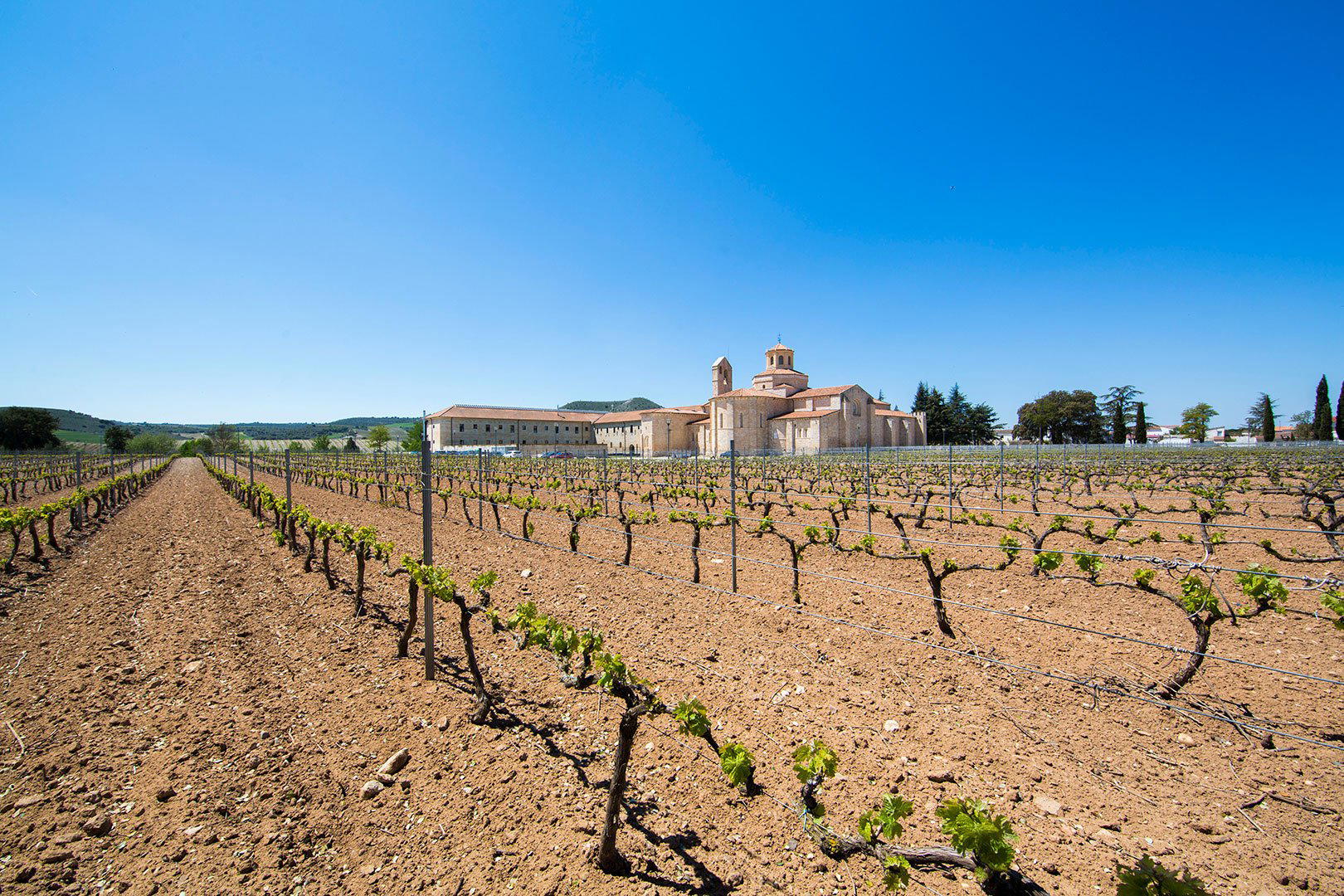
Bars in Ribera del Duero
Browse all →
Restaurants in Ribera del Duero
Browse all →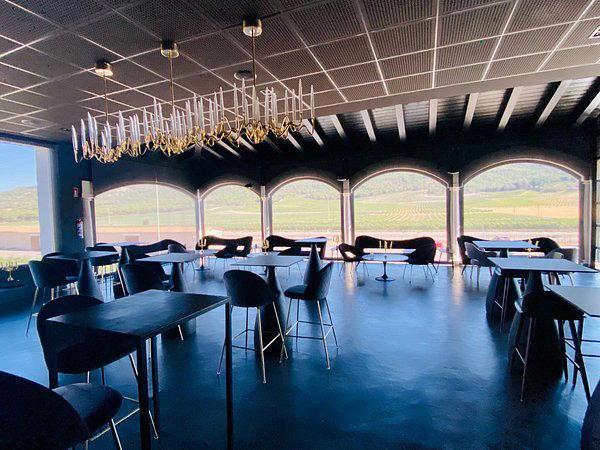
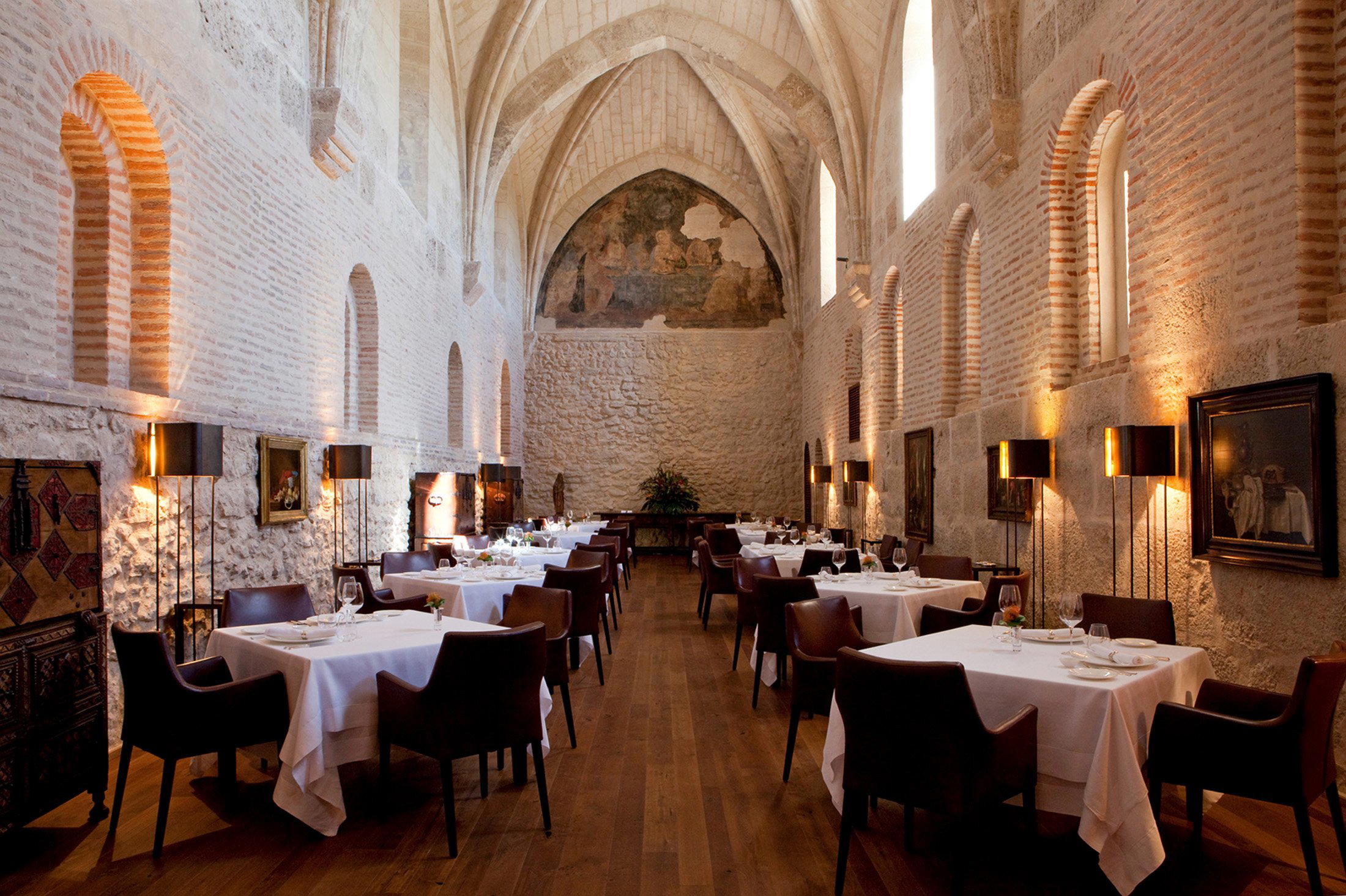
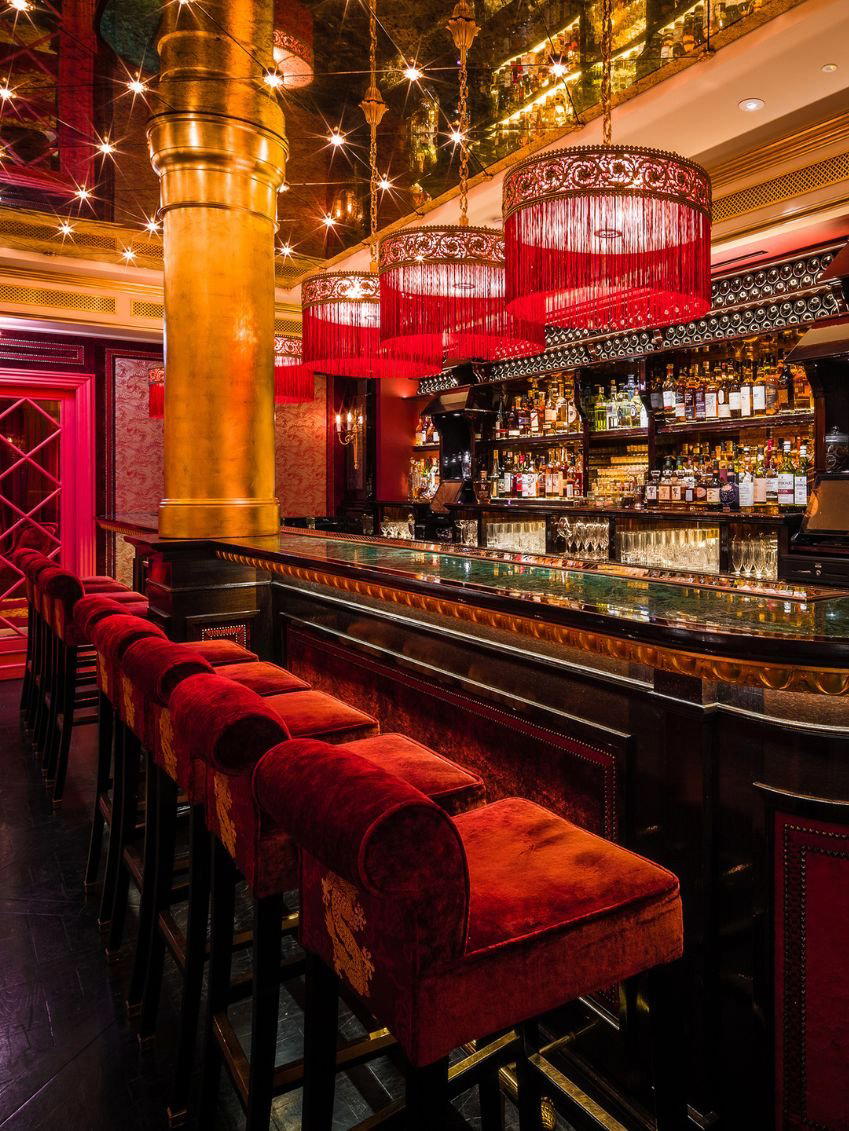
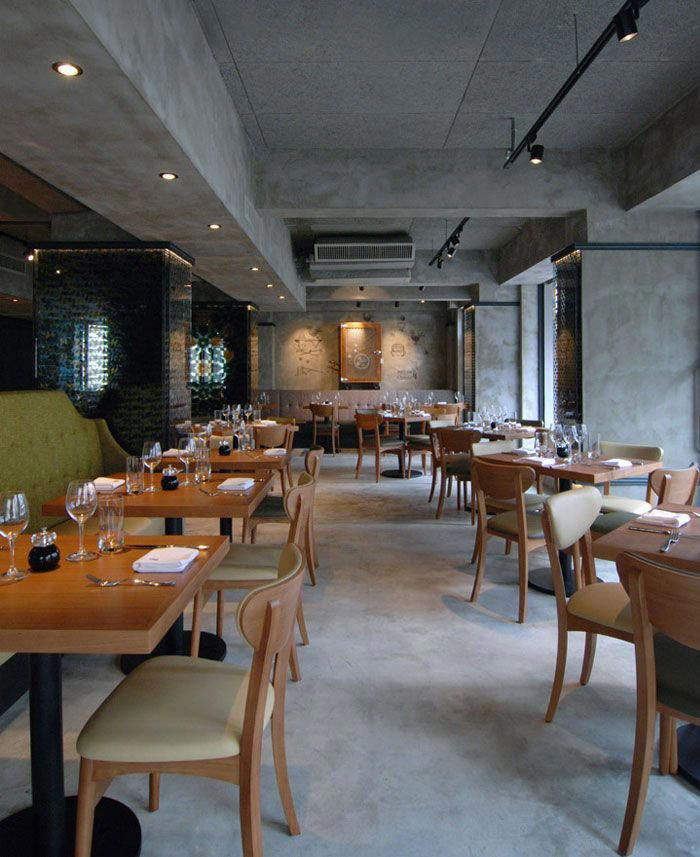

At a Glance
- Elegant
- Rustic
- Intimate
- Sophisticated
- Special Occasion
- Wine Education
- Vineyard Tour
- Barrel Room
- Biodynamic
- Vineyard
- Ribera Del Duero
- Tempranillo
- Garnacha
- Still Red
- Private Tasting
Elegant and sophisticated with a rustic touch from old vines and minimal intervention winemaking.
Know Before You Go
- Getting there
- 47350 de, C. Millán Alonso, 49, 47350 Quintanilla de Onésimo, Valladolid