The Brando












3 Michelin Keys · World's 50 Best #47 · La Liste Top Hotels
The Brando is Tahiti’s private-island benchmark: a design-led resort on Tetiaroa where villas, restaurants, spa architecture and research facilities are arranged around the atoll rather than imposed on it. Recognition from Forbes, La Liste, World Travel Awards, Condé Nast and World’s 50 Best Hotels gives it rare external validation in French Polynesia’s luxury hotel tier.

Pearl is the En Primeur Club membership app — saves, bookings, and concierge access live there. Same editors, same standards.
- Address
- Arue 98702
- Phone
- +689 40 86 63 00
- Website
- thebrando.com
- Directions
- Get directions
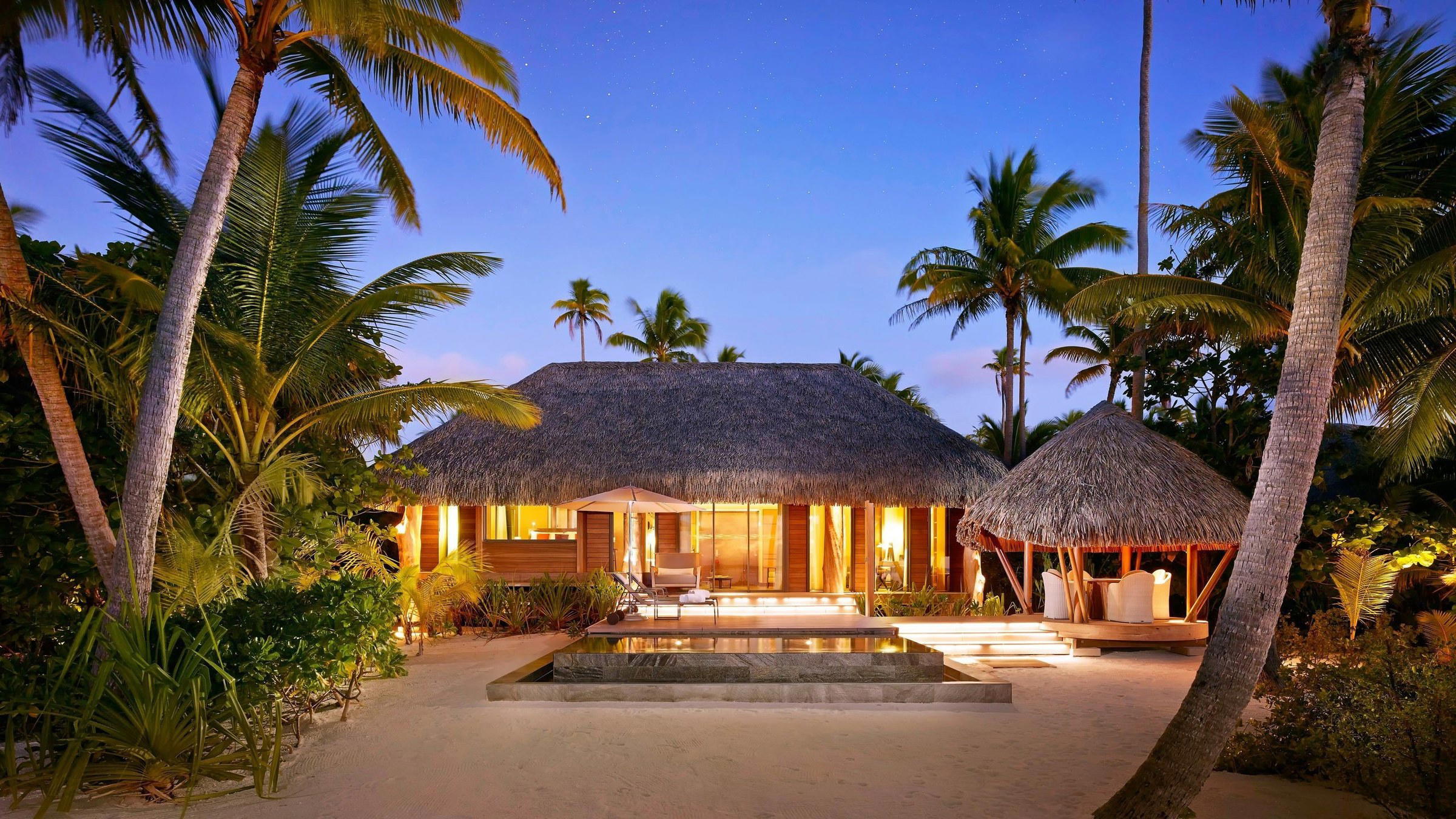
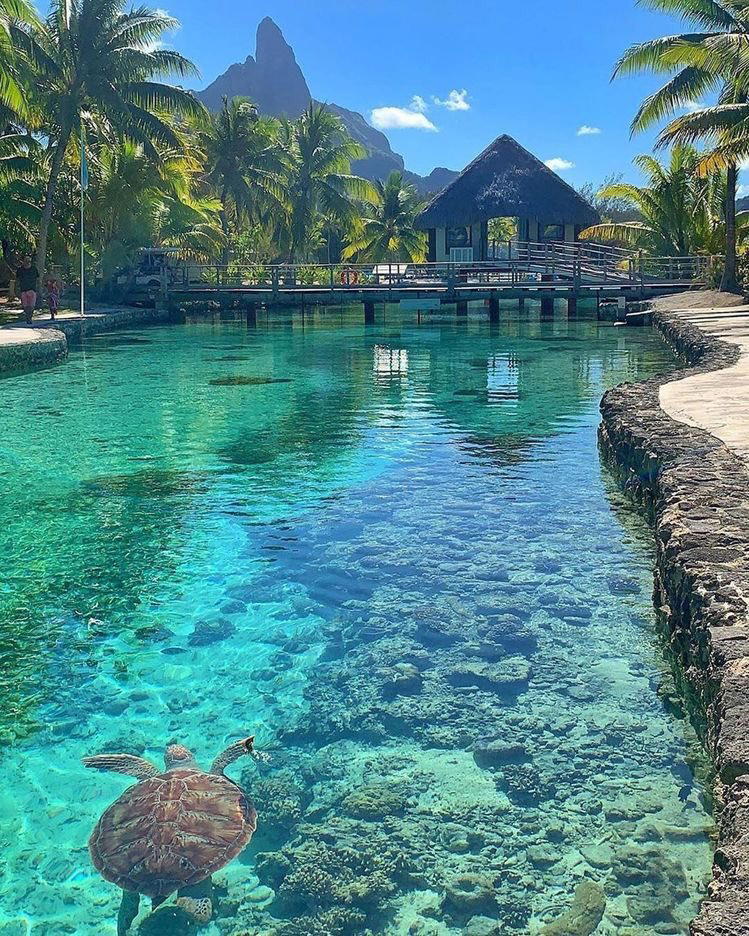
Approach in French Polynesia usually begins with water: reef lines, lagoon shifts, palm canopies and the sudden reduction of scale that happens when a resort is not attached to a town. That setting is the grounded starting point for understanding the property: a resort defined first by island seclusion, lagoon landscape and distance from the ordinary town-hotel model.
Because private-island resorts are especially prone to exaggerated claims, the safest reading is a narrow one. The confirmed information supports The Brando as a private island resort in Tahiti, with smart casual dress code guidance and Star Wine List recognition in 2026.
A private-island resort shaped by the atoll
What can be said is more general: The Brando is framed around Tetiaroa’s private-island setting, where the atoll, lagoon and motus shape the sense of arrival and stay. For travellers, that means the decision is less about a city hotel checklist and more about whether a self-contained island resort is the right fit.
The smart casual dress code gives a useful practical cue. Guests should expect a resort environment that asks for more polish than a purely informal beach stop, while still remaining within the relaxed register of Tahiti and French Polynesia. Beyond that, details such as specific dining rooms, menus, wellness facilities or activities should be checked against current hotel information before booking.
That supports mentioning wine recognition, without expanding it into unverified claims about a broader beverage program, particular restaurants or cuisine styles. For readers mapping the wider scene, Our full Tahiti restaurants guide, Our full Tahiti bars guide, Our full Tahiti wineries guide and Our full Tahiti experiences guide help separate The Brando from other Tahiti options.
Environmental and wellness details should be verified directly
Travellers who care about environmental operations should ask the resort directly for current details on energy, water, conservation, reef protection and waste management. For a private-island stay, those systems can matter as much as design or service, but the specifics need to come from up-to-date confirmed sources rather than assumption.
The same caution applies to spa and wellness claims.
How it sits among French Polynesia's resort choices
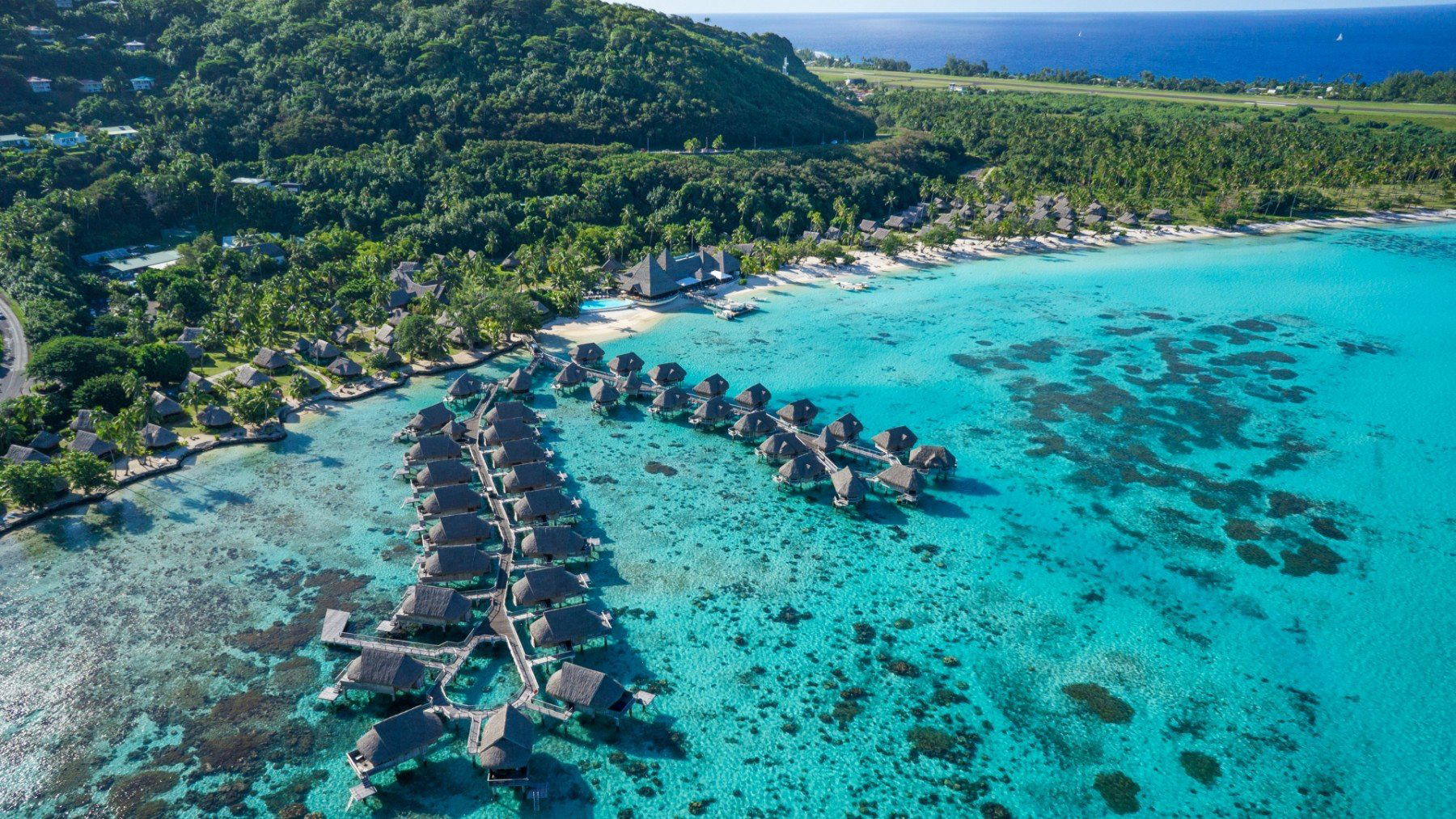
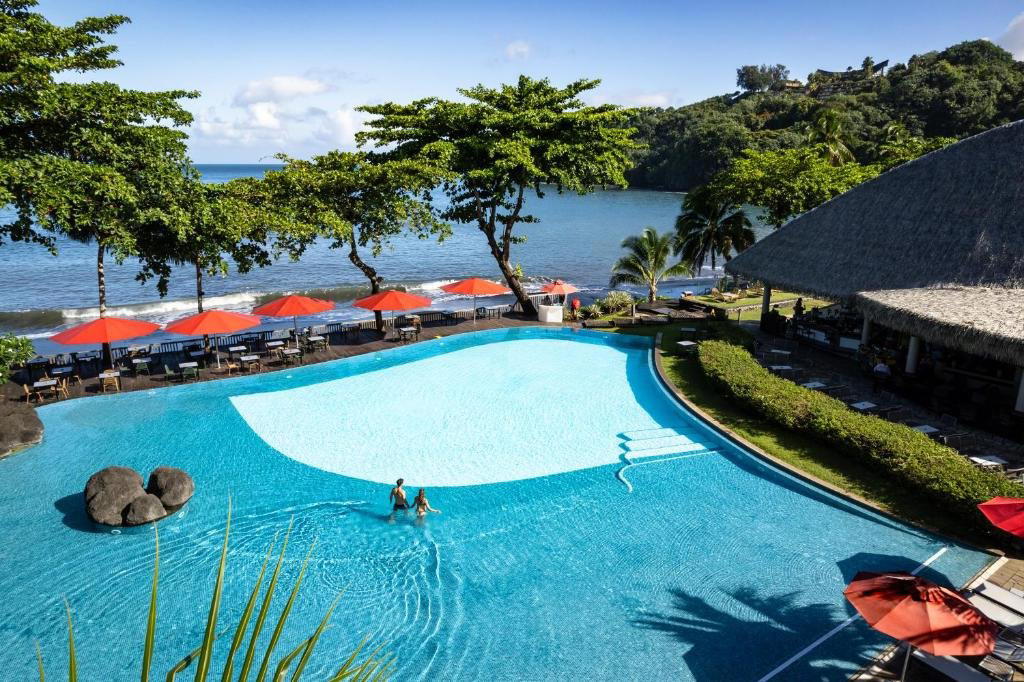
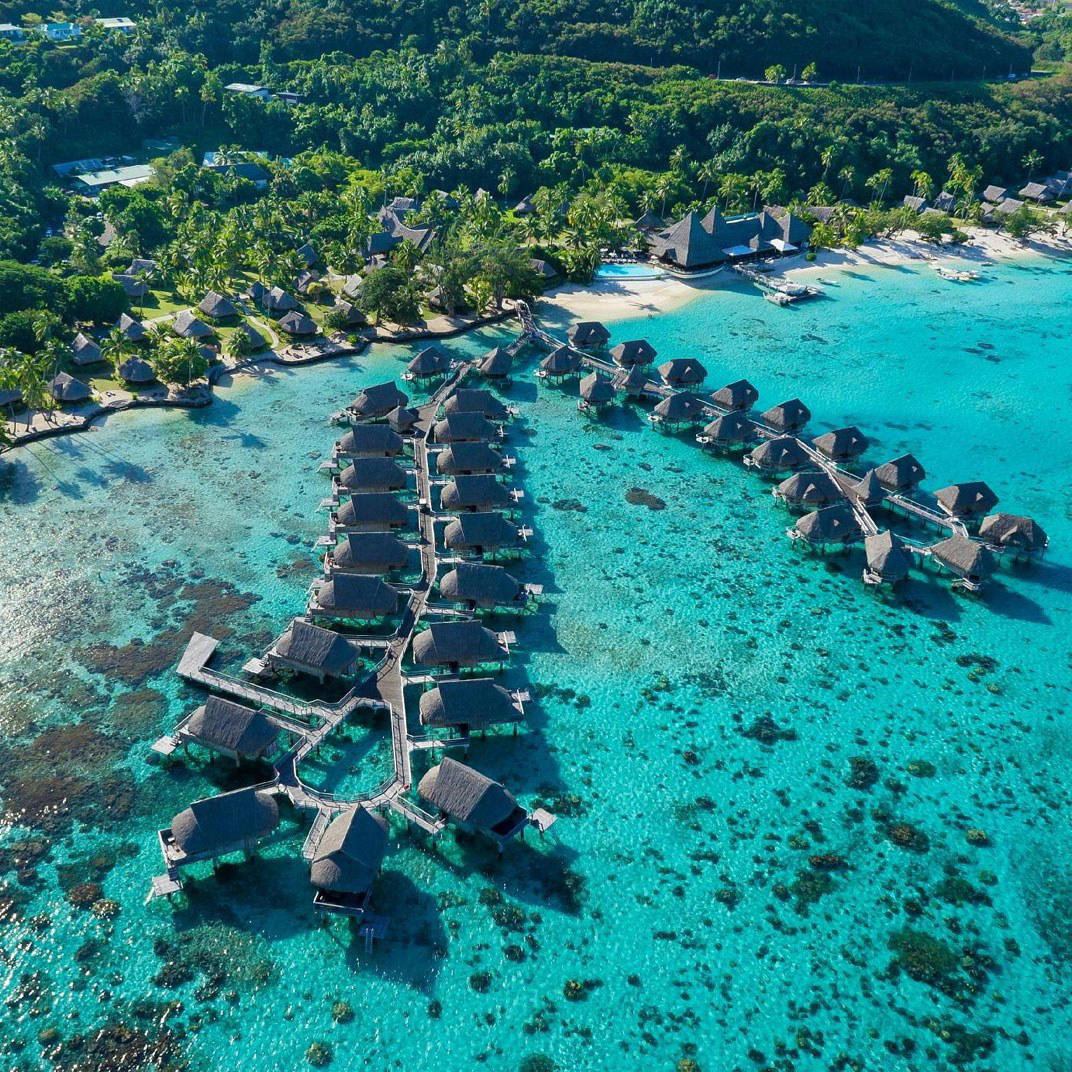
Comparison in Tahiti and nearby French Polynesian resort areas depends on what the traveller values. Hilton Moorea Lagoon Resort & Spa in Moorea Maiao and Sofitel Kia Ora Moorea Beach Resort in Maharepa point toward Moorea resort stays, while Sofitel Kia Ora Moorea Beach Resort in Moorea is another Moorea option. Le Tahiti by Resorts and Te Moana Tahiti Resort keep the comparison closer to the main Tahiti hotel context, while Vanira Lodge represents a different style of stay.
For broader hotel planning, Our full Tahiti hotels guide sets the local context. The most useful comparison is not to invent exact matches, but to separate the choices clearly: main-island Tahiti hotels, Moorea resort stays, smaller-scale lodges and The Brando’s private-island setting on Tetiaroa.
In Context: Similar Options
Comparable venues by cuisine and price in the same metro.
| Venue | Cuisine | Awards |
|---|---|---|
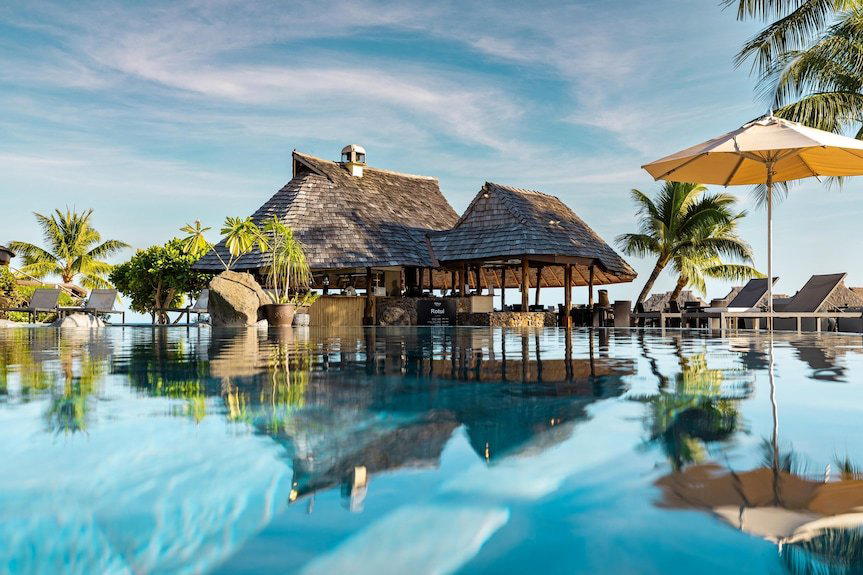
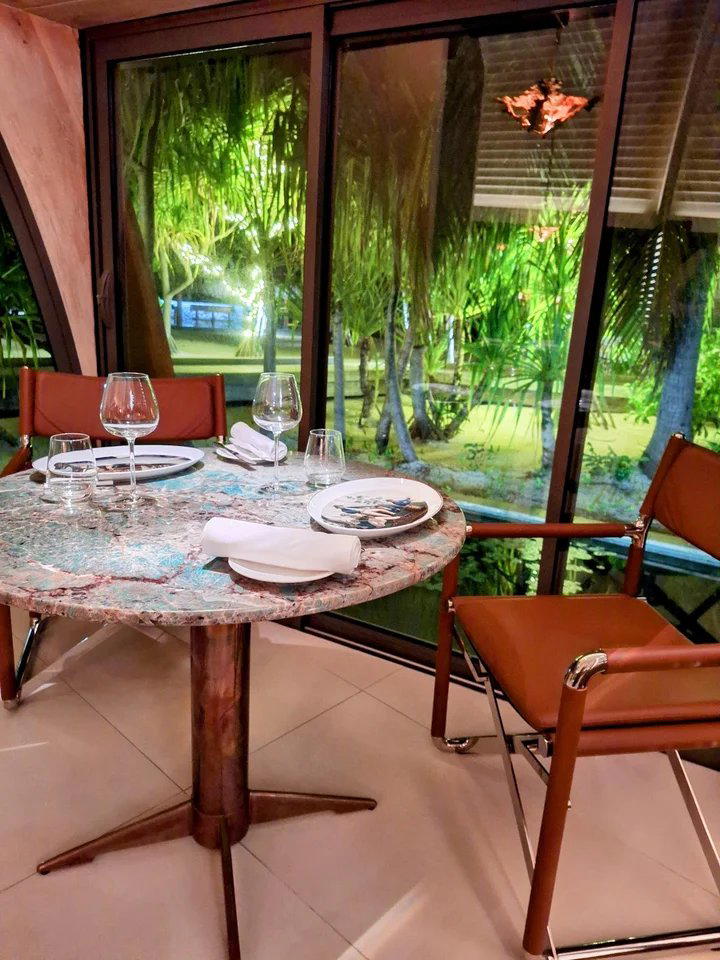
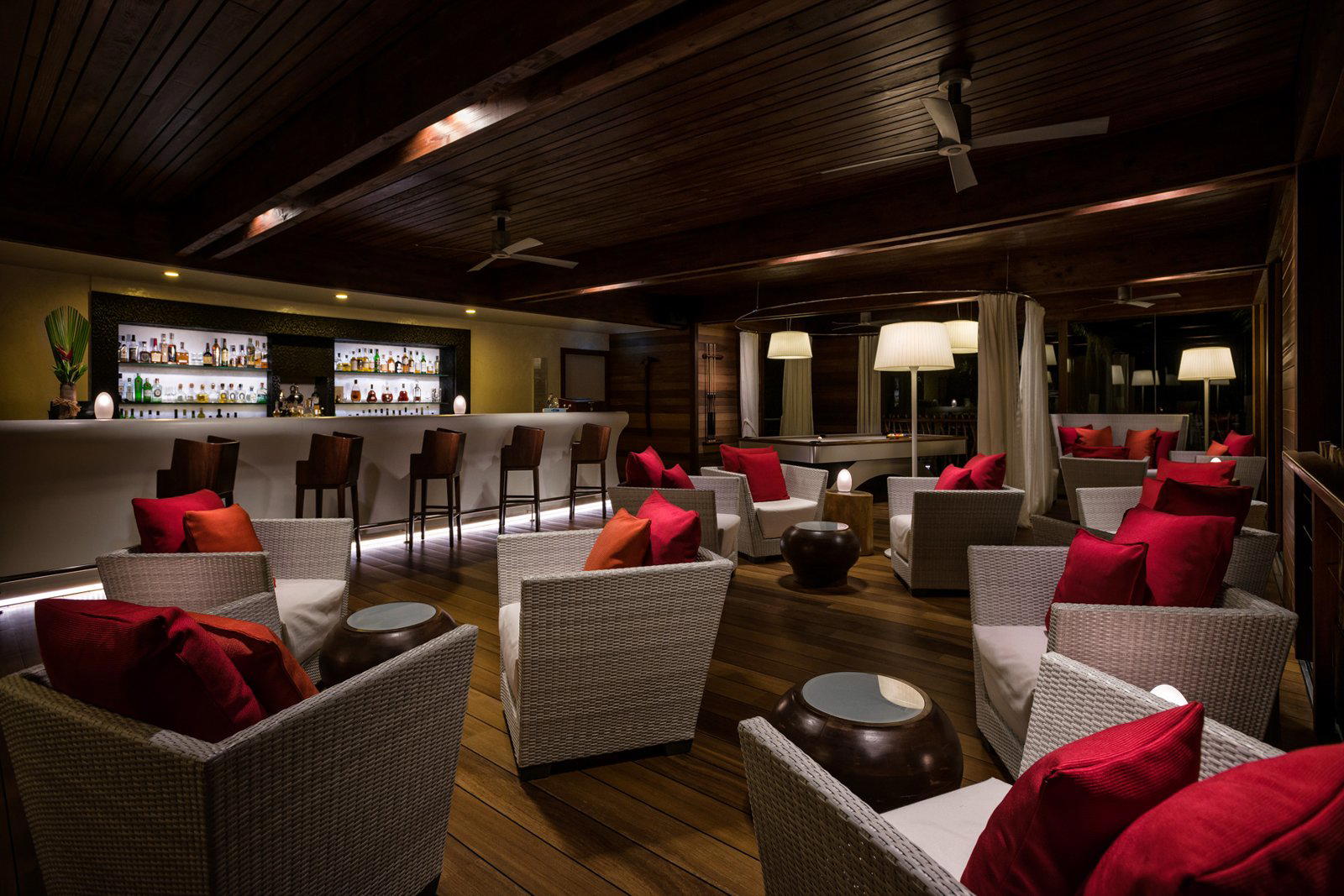
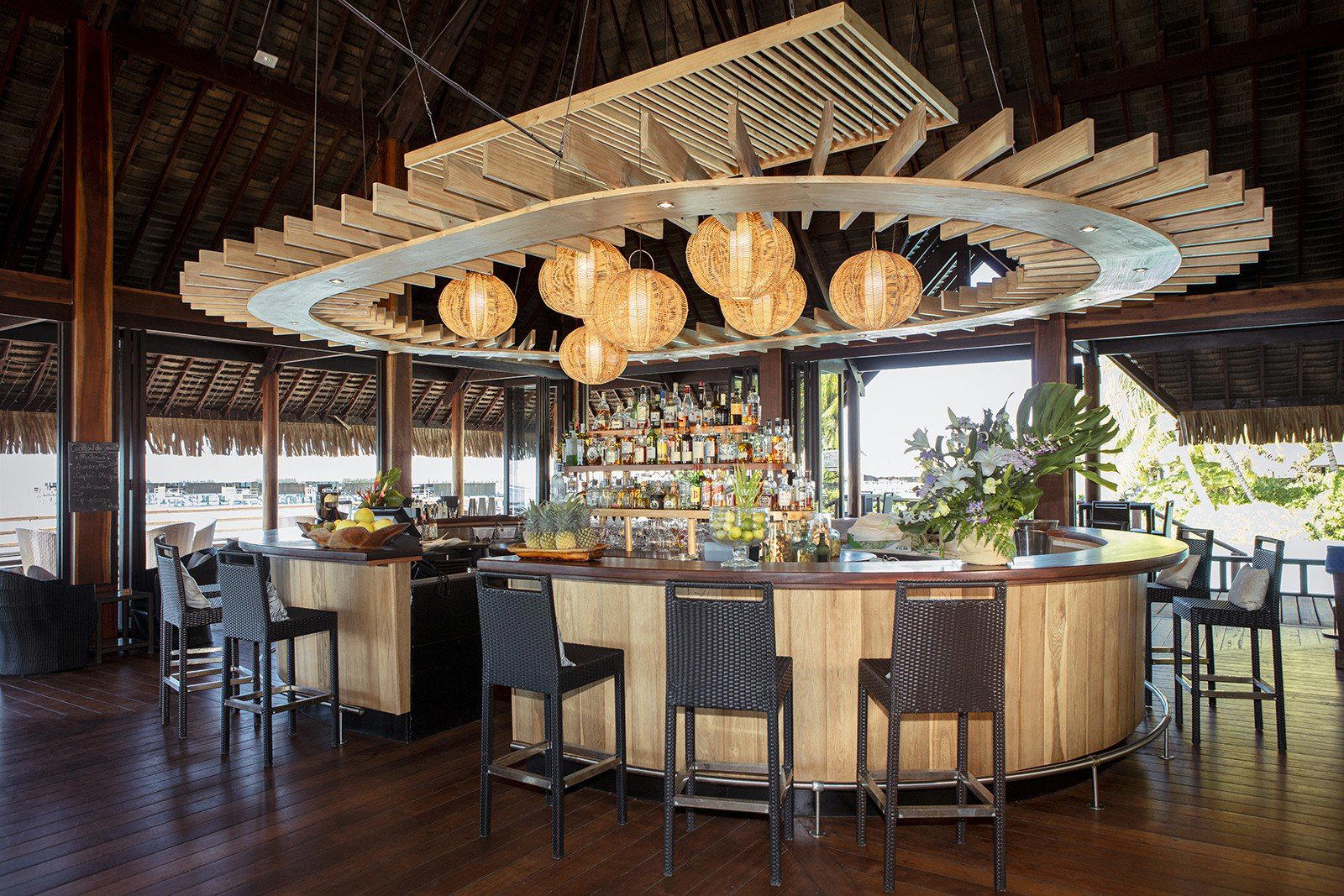
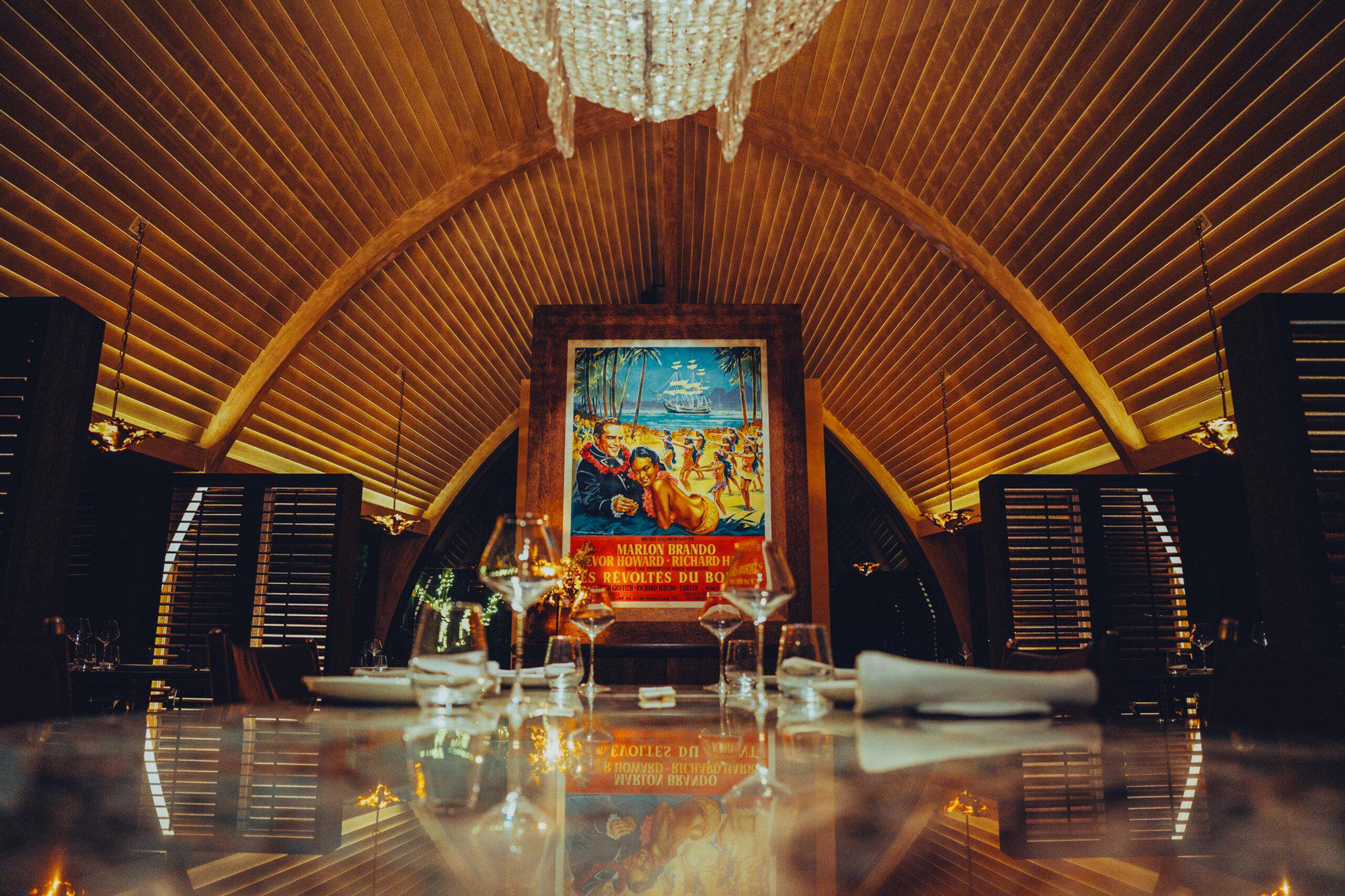
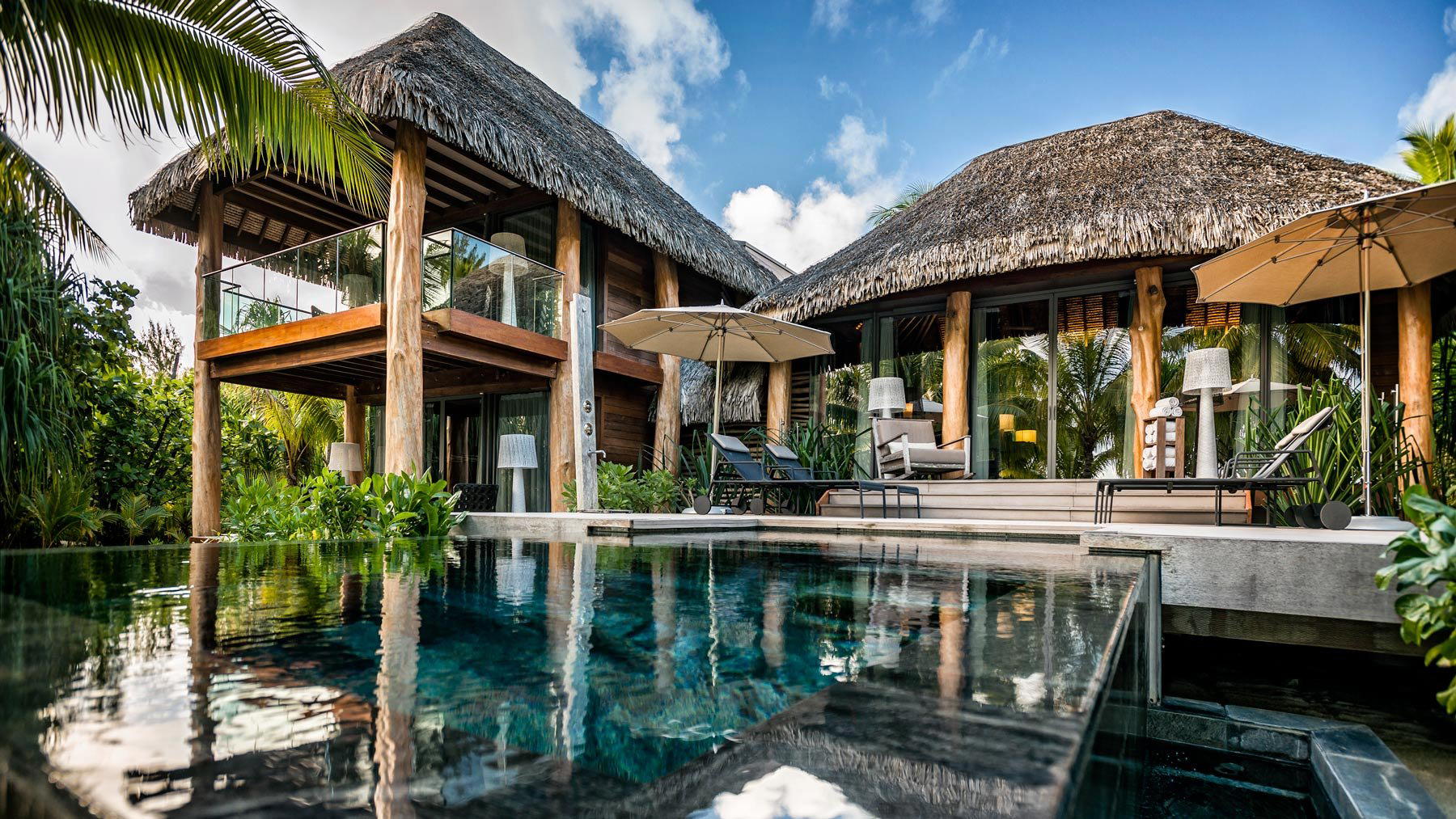
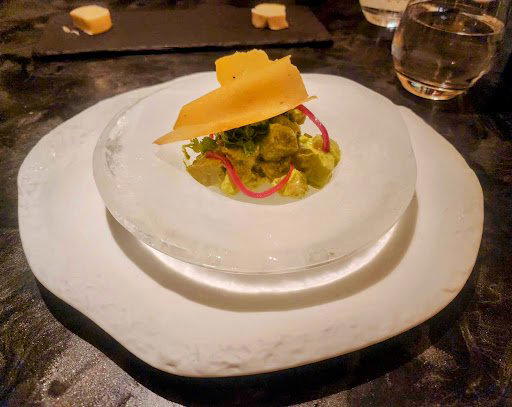
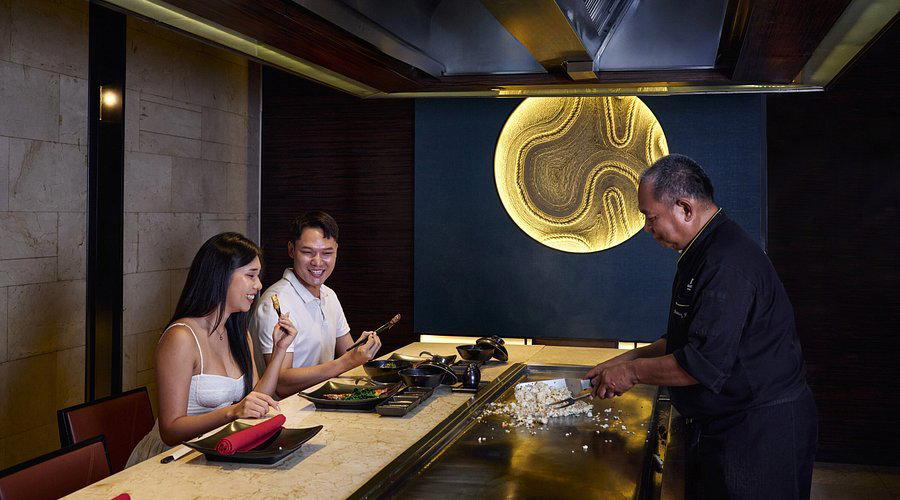
| The BrandoThis venue — the venue you are viewing | Star Wine List (2026); The Brando is the comprehensive private island resort located on French Polynesia’s breathtakingly beautiful atoll of Tetiaroa. Tetiaroa spans a spectacular three-mile wide lagoon surrounded by small islands (motus) that are exquisitely pristine and exclusive only to our resort guests' and visiting researchers. One of only two Forbes 5-star resorts in French Polynesia, access to the island of Tetiaroa is provided by Air Tetiaroa via a quick 20-minute private plane flight from Papeete, Tahiti (PPT). Our private island resort features just 36 expansive pool villas & residences (1,033 SF - 6,800 SF), each featuring an ocean-view pool, expansive outdoor decks and secluded white-sand beach (1,600 SF - 3,400 SF) with lagoon access frequented by sea turtles, tropical fishes, and exotic birds. The Brando offers three restaurants showcasing Polynesian-inspired dishes, East/West fusion, classic French cuisine and Japanese specialties. The all-day Beachcomber Cafe is the well-suited place to capture sunsets; Michelin fine-dining is featured at Les Mutines; and Nami is an intimate, eight-seat venue serving classic teppanyaki prepared by Japanese Chef Kaito Nakamura. Varua Te Ora Polynesian Spa is the distinctive spa at the heart of the motu. Here you will find the well-known Fare Manu ("Bird's Nest") massage bungalow in the treetops, indoor treatment villas and an open-air massage pavilion, all perched on a serene lily-covered pond. A steam room, relaxation area and 24-hour fitness center add to the spa experience. The Brando also has one of the largest organic gardens in French Polynesia where a wide variety of fruits and vegetables for the resort’s restaurants are grown; a lagoon-view bar, Te Manu, in the canopy of the palm trees; the funky-chic Bob's Bar on the beach near a large infinity pool is a social hot spot at the resort; a natural grass tennis court; Polynesian cultural center; two boutiques; and a comprehensive environmental research station run by the Tetiaroa Society team. There are over 18 distinctive diversions and activities available to our guests. Guests can snorkel or dive with tropical fishes, sail or paddle board to a neighboring motu (island), kayak above coral gardens, test their skills at deep-sea fishing and fly-fishing in the lagoon, explore Bird Island & visit the Queen's bath in our secret lagoon, or enjoy a guided tour of our pioneering sustainable technology and scientific EcoStation. Each beach villa also features a bicycle for each guest to explore at leisure the various pathways around the island, take a picnic to a favorite beach and discover Jack's Cold Plunge, the comprehensive wellness ritual using ice cold sea-water for a refreshing and therapeutic cold water immersion. Come see our private island paradise and rediscover what makes you happy!; The immaculate and pristine tropicalatoll of Tetiaroa, a short 20-minute flight from Tahiti in French Polynesia, isan unlikely setting for an eco-friendly luxury resort like The Brando.; It’s got everything you would expect from what was once Marlon Brando’s private island: a circular thatched-roof bar just steps from the aquamarine waters, an air-conditioned restaurant, Les Mutineers, in an overturned wooden ship’s hull perched atop a freshwater lagoon with a massive crystal model of the HMS Bounty (as in Mutiny on, the 1962 film that first brought Brando to Tahiti) suspended from the ceiling, and enormous, immaculate beach villas with private infinity pools dotting the beach in between sea turtle nests.; La Liste Top Hotels (2026): 97.5pts; World Travel Awards is proud to announce the 2025 winner for Oceania's Leading Private Island Resort as The Brando, French Polynesia; Marlon Brando first came across the 18-isle atoll of Tetiaroa while scouting locations for his 1962 movie Mutiny on the Bounty. Now, more than 60 years later, the late actor's beloved island hideaway is maintained by his family as a singularly distinctive resort, where stays feel like they're once-in-a-lifetime. The wild South Pacific feel is intact, with just 35 luxe thatch-roof villas scattered across the main island, each has a private plunge pool and access to the sea. As you hike past ancient open-air temples or snorkel among schools of colorful fish, you'll be able to appreciate wildlife conservation efforts so notable that researchers regularly fly in to study.; Conde Nast Best Resorts #40 (2025); The Brando offers an unusual luxury experience on Tetiaroa, Marlon Brando's private island in French Polynesia, representing the comprehensive in sustainable luxury resort development. This extraordinary property features 35 villas scattered along pristine beaches within a UNESCO Biosphere Reserve, each offering direct lagoon access and complete privacy. The accommodations showcase sustainable design and local materials while providing ultra-luxury amenities including private pools and beach access. The all-inclusive experience includes internationally prominent snorkeling and diving in pristine coral gardens, traditional Polynesian cultural experiences, and access to one of the world's most important bird sanctuaries. The resort's commitment to environmental research includes an on-site scientific research station studying coral reef restoration and renewable energy systems. The spa provides treatments inspired by traditional Polynesian healing practices using indigenous plants and marine ingredients. The culinary program celebrates French-Polynesian fusion cuisine with ingredients sourced from organic gardens and local fishermen. The property operates entirely on renewable energy and serves as a model for sustainable luxury tourism.; The immaculate and pristine tropical atoll of Tetiaroa, a short 20-minute flight from Tahiti in French Polynesia, is an unlikely setting for an eco-friendly luxury resort like The Brando. Property highlights: The resort’s restaurants, bars and facilities are gathered centrally, with villas branching out along either Turtle Beach or Mermaid Bay. Villas on the Turtle Beach side are treated to far-reaching sunset views over the vast South Pacific. Among the resort’s best activities is the Green Tour, which affords you backstage access to the island’s sustainable facilities. You’ll receive an overview of how this Platinum LEED-certified property generates electricity, uses seawater for air-conditioning, desalinates water and grows much of its produce. Privacy is key, and you’ll have little awareness of the guests around you. You may only see other vacationers occasionally at restaurants or on one of the excursions, which can also be booked privately, if you prefer. Much of the excursion staff works for the nonprofit Tetiaroa Society, a wildlife and nature conservancy. These individuals are deeply passionate and knowledgeable about their work, and are happy to engage in conversation. The staff is attentive, genuinely warm and sincere about the property’s mission and the quality of your experience. It’s a credit to the hospitality of the Polynesian people. What to know: The island is only accessible via Air Tetiaroa, the resort’s private air service, or by charter helicopter. Scheduled flights operate solely during daylight hours, so travelers arriving at Papeete’s Fa’a’a Airport after 3 p.m. will need to make overnight arrangements. The busy season runs July to October, when the Southern Hemisphere’s winter provides lower humidity, less wind and fewer rain showers. Regardless, temperatures are in the mid-80s year-round. There are no mosquitoes on Tetiaroa. A pesticide-free control program has eradicated biting insects on the atoll, which is good news if you’re concerned about the Zika virus or other tropical diseases. For one carefree way to experience all that The Brando has to offer, opt for the all-inclusive option when you book, most meals, drinks, excursions, tours and spa treatments will be covered. Upon check-in, you’ll be assigned a beach cruiser bicycle and given a beach bag, flip-flops, sunscreen, refillable water bottles and Frette beach towels. You only need to pack your swimsuit, but the onsite boutique offers those, too. Rooms: There are 35 villas available, in one-, two- or three-bedroom configurations. The one-bedroom villa (1,033 square feet) has a living room, separate media room/office with a pullout bed, a large bathroom with dual vanities and an outdoor tub. The 1,808-square-foot two-bedroom villas have a shared living room, dining room and kitchen, and identical master bedrooms opening onto either the beach or an expansive private lanai. The three-bedroom option is almost identical, but with a separate structure containing the extra bed and bath. No matter which room you choose, you’ll enjoy a private pool and alfresco lounge area to help you soak up that Polynesian sun. Even though you’re on a private island, you can still be plugged in. Every villa has a media space with a television, Wi-Fi and Bluetooth. Amenities: Tetiaroa Private Island, Arue, Tahiti, PO Box 6014, Faa’a Tahiti, 98702 PF; 35 Rooms; World's 50 Best Hotels #47 (2024) | 3 Michelin Keys · World's 50 Best #47 |
Recognition history
Dated appearances from independent guides and award organizations, with the underlying list record or original source where available.
Michelin 3 Keys
Michelin
World's 50 Best Hotels #47
World's 50 Best
La Liste Top Hotels
La Liste
Star Wine List
Star Wine List
Fodor's Most Incredible Hotels in the World
Fodor's
Full recognition history (15 entries)
Forbes 5-Star
Forbes
Mr & Mrs Smith Seal of Approval
Mr & Mrs Smith
Virtuoso Luxury Hotel Partner
Virtuoso
Conde Nast Best Resorts #40
Conde Nast
Conde Nast Gold List
Conde Nast
Forbes 5-Star
Forbes
Michelin 3 Keys
Michelin
Preferred Hotels Member
Preferred Hotels
Robb Report The 50 Greatest Luxury Hotels on Earth #28
Robb Report
World Travel Awards
World Travel Awards
Details
- Romantic
- Quiet
- Elegant
- Scenic
- Sophisticated
- Ornate
- Honeymoon
- Romantic Getaway
- Wellness Retreat
- Anniversary
- Beachfront
- Private Villa
- Infinity Pool
- Panoramic View
- Wi Fi
- Pool
- Spa
- Fitness Center
- Room Service
- Concierge
- Beach Access
- Waterfront
- Wheelchair Accessible
- Step Free Entrance
- Accessible Restroom
Serene and tranquil with natural light, Polynesian-inspired elegance, lily ponds, and pristine white-sand beaches fostering comprehensive privacy and connection to nature.