
Agrapart & Fils works roughly seven hectares of grand cru Chardonnay in Avize, one of the Côte des Blancs villages that defines the intellectual edge of grower Champagne.
Pearl is the En Primeur Club membership app — saves, bookings, and concierge access live there. Same editors, same standards.
- Address
- 57 Av. Jean Jaurès, 51190 Avize
- Phone
- +33 3 26 57 51 38
- Website
- champagne-agrapart.com
- Directions
- Get directions
 Saves & bookings on Pearl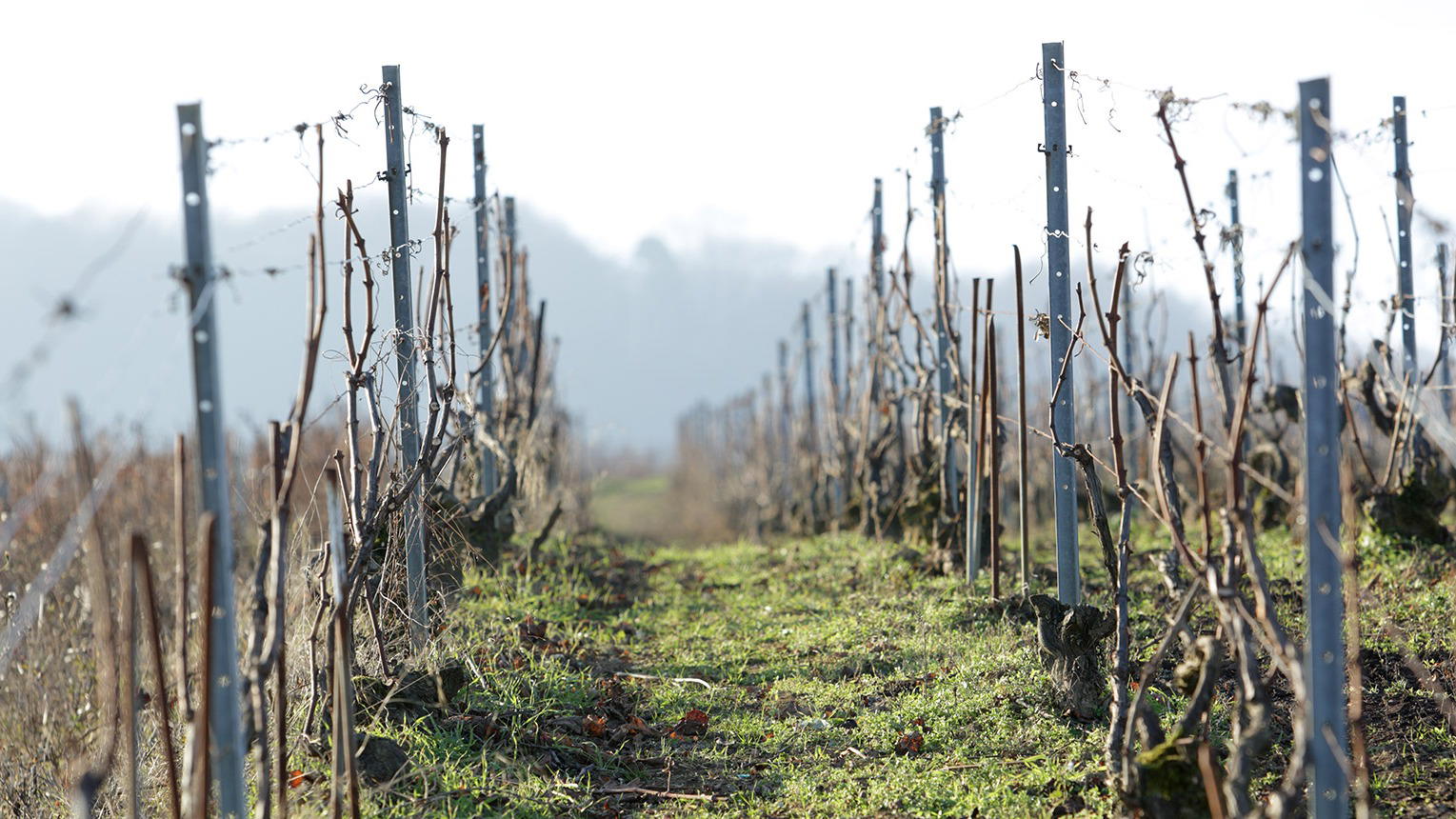
The Côte des Blancs runs south from Épernay in a narrow chalk ridge, and its grand cru villages, Avize, Cramant, Oger, Le Mesnil-sur-Oger, supply the raw material for particularly analytically serious Champagne produced today. Avize sits near stronger examples from that hierarchy, its southeast-facing slopes delivering Chardonnay with a mineral drive and tensile structure that separates it clearly from the broader Marne style. In this context, Agrapart & Fils at 57 Avenue Jean Jaurès is less a destination address than a working farm embedded in the village grid, its cellar activity more legible to the serious collector than to the casual visitor.
What Grand Cru Avize Actually Means
Champagne's classification system awards grand cru status to seventeen villages where grapes were historically purchased at one hundred percent of the reference price. Avize is one of five grand cru villages on the Côte des Blancs, and it is the one most associated with Chardonnay of a specific personality: tight at release, slow to open, and capable of evolving across a decade in bottle. The chalk subsoil here is particularly deep and porous, allowing vine roots to draw water and mineral compounds through a profile quite different from the clay-limestone mixes further north. What arrives in the glass from well-farmed Avize Chardonnay is a combination of citrus precision, saline finish, and a firmness that can read as austerity in youth but resolves into complexity with time. This is the geological argument underpinning everything Agrapart & Fils does.
Grower Champagne and the Domaine's Position Within It
The grower Champagne category split into distinct tiers over the past two decades. At one end sit producers farming a handful of parcels and bottling in low quantities for allocation-based distribution; at the other end sit larger récoltant-manipulants with commercial ambitions and broad export reach. Agrapart occupies the serious end of the small-production spectrum. Pascal Agrapart oversees vines that have been in the family since the domaine's first commercial vintage in 1986, and the production philosophy reflects the extended post-war generation of Côte des Blancs growers who positioned terroir fidelity against négociant blending logic. For context on the grower-versus-négociant dynamic in Champagne, Jacques Selosse represents another reference point from the same Avize village, with a fermentation approach that pushed debate about oak and oxidative ageing into the mainstream conversation.
Terroir Expression: The Argument Made in Chalk
The editorial angle that matters most at Agrapart is how directly the wines translate their geological origin. Domaines working Avize grand cru tend to produce Champagnes where dosage decisions, lees contact duration, and harvest timing are all calibrated to amplify what the chalk already provides rather than to compensate for deficiencies. In warmer vintages, the structural tension inherent to Avize Chardonnay can absorb ripeness without losing its line; in cooler years, the same structure can demand extended cellaring before the fruit integrates. This is the challenge and the argument of single-village, single-variety Champagne: the wine reflects conditions honestly rather than manufacturing consistency through blending across years or regions. Pascal Agrapart's role is as steward of that argument rather than author of a house style imposed on the terroir. The domaine first produced wine commercially in 1986, giving it nearly four decades of vintage data from the same parcel set, a continuity of observation that informs dosage and release timing decisions.
The Côte des Blancs as a Reference Region
Situating Agrapart within the broader French fine wine geography helps clarify its comparable set. The Côte des Blancs is to blanc de blancs Champagne what the Côte de Nuits is to red Burgundy: a compact geographic strip where village-level variation in soil and aspect produces wines of distinct character across short distances. Producers from other French appellations with similarly rigorous terroir approaches include Albert Boxler in Niedermorschwihr, whose Alsace work reflects a comparable commitment to variety expression from a defined parcel set. Beyond France, the logic of small-production, site-specific viticulture connects to estates like Accendo Cellars in St. Helena, though the stylistic outcome differs substantially given California's climate and variety profile.
Planning a Visit to Avize
Avize is a working village, not a wine-tourism infrastructure. The drive from Épernay takes roughly fifteen minutes south on the D10, a road that traces the eastern edge of the Côte des Blancs with vine rows visible from the car window for most of the route. Agrapart & Fils operates primarily on allocation and direct-relationship distribution. Travellers serious about visiting should initiate contact well in advance through the domaine's address at 57 Avenue Jean Jaurès. Staying in Épernay provides one practical base for exploring both Avize and the broader Côte des Blancs, with the additional option of visiting the Marne valley négociant houses to understand the contrast in production scale. For a broader view of what the village and surrounding area offer, our full Avize restaurants guide covers the wider food and drink context.
Where Agrapart Sits in the Collector Market
In the French fine wine context more broadly, the domaine competes for collector attention against estates from other appellations that received comparable recognition: Château Bélair-Monange in Saint-Emilion, Château Batailley in Pauillac, Château Branaire Ducru in St-Julien, Château Clinet in Pomerol, Château Boyd-Cantenac in Cantenac, Château Cantemerle in Haut-Médoc, Château Bastor-Lamontagne in Preignac, Château d'Arche in Sauternes, and Château d'Esclans in Courthézon. The comparison is instructive: these are estates where appellation provenance and production discipline carry weight independent of volume or marketing scale. Agrapart's position within that cohort reflects the degree to which Côte des Blancs grower Champagne has achieved recognition parity with classified Bordeaux and upper-tier Alsace production at the collector level. Additional reference points from beyond France include Chartreuse in Voiron and Aberlour in Aberlour, two producers whose artisanal production logic and geographic specificity parallel, in spirit if not style, the Agrapart approach.
Side-by-Side Snapshot
Comparable venues nearby, for context on price, style, and recognition.
| Venue | Cuisine | Price | Notes |
|---|---|---|---|
| Agrapart & FilsThis venue — the venue you are viewing | Chardonnay, Pinot Noir | $$$ | Not listed |
| Jacques Selosse | Chardonnay, Pinot Noir | $$$$ | Avize |
| Alfred Gratien | Chardonnay, Pinot Noir | $$$ | Épernay |
| Paul Bara | Pinot Noir, Chardonnay | $$$ | Bouzy |
| Domaine Louis Michel & Fils | Chardonnay | $$$ | Chablis |
| Deutz | Pinot Noir, Chardonnay | $$$ | Aÿ |
Recognition history
Dated appearances from independent guides and award organizations, with the underlying list record or original source where available.
Falstaff Winery - 4 Stars
Falstaff
Continue exploring
More in Avize
Wineries in Avize
Browse all →
Bars in Avize
Browse all →
Restaurants in Avize
Browse all →
At a Glance
- Classic
- Elegant
- Rustic
- Intimate
- Sophisticated
- Wine Education
- Special Occasion
- Solo Exploration
- Vineyard Tour
- Cave Tasting
- Estate Grounds
- Organic
- Sustainable
- Vineyard
- Champagne Grand Cru Côte Des Blancs
- Chardonnay
- Pinot Noir
- Sparkling
- Still White
- Cave Tasting
- Private Tasting
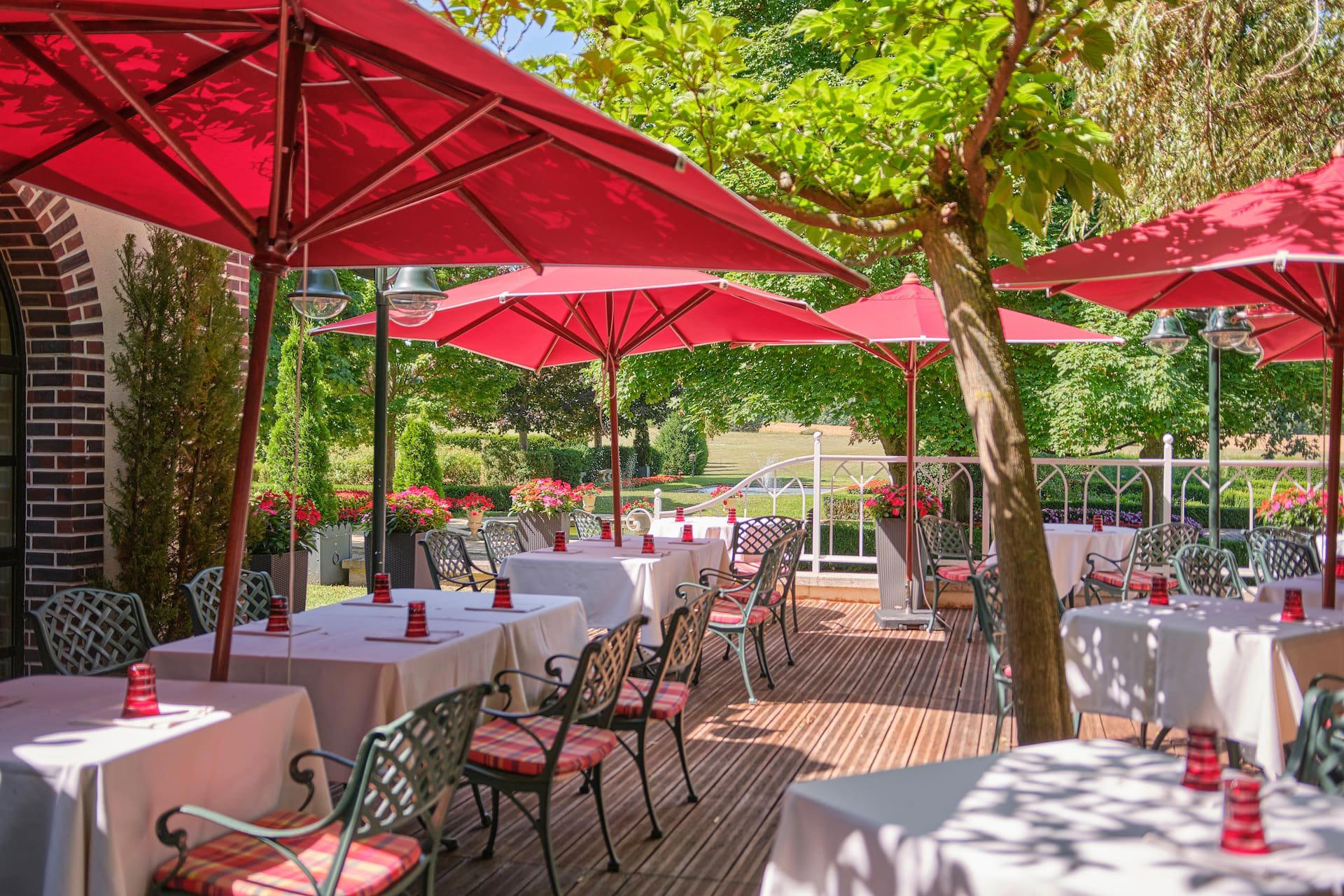
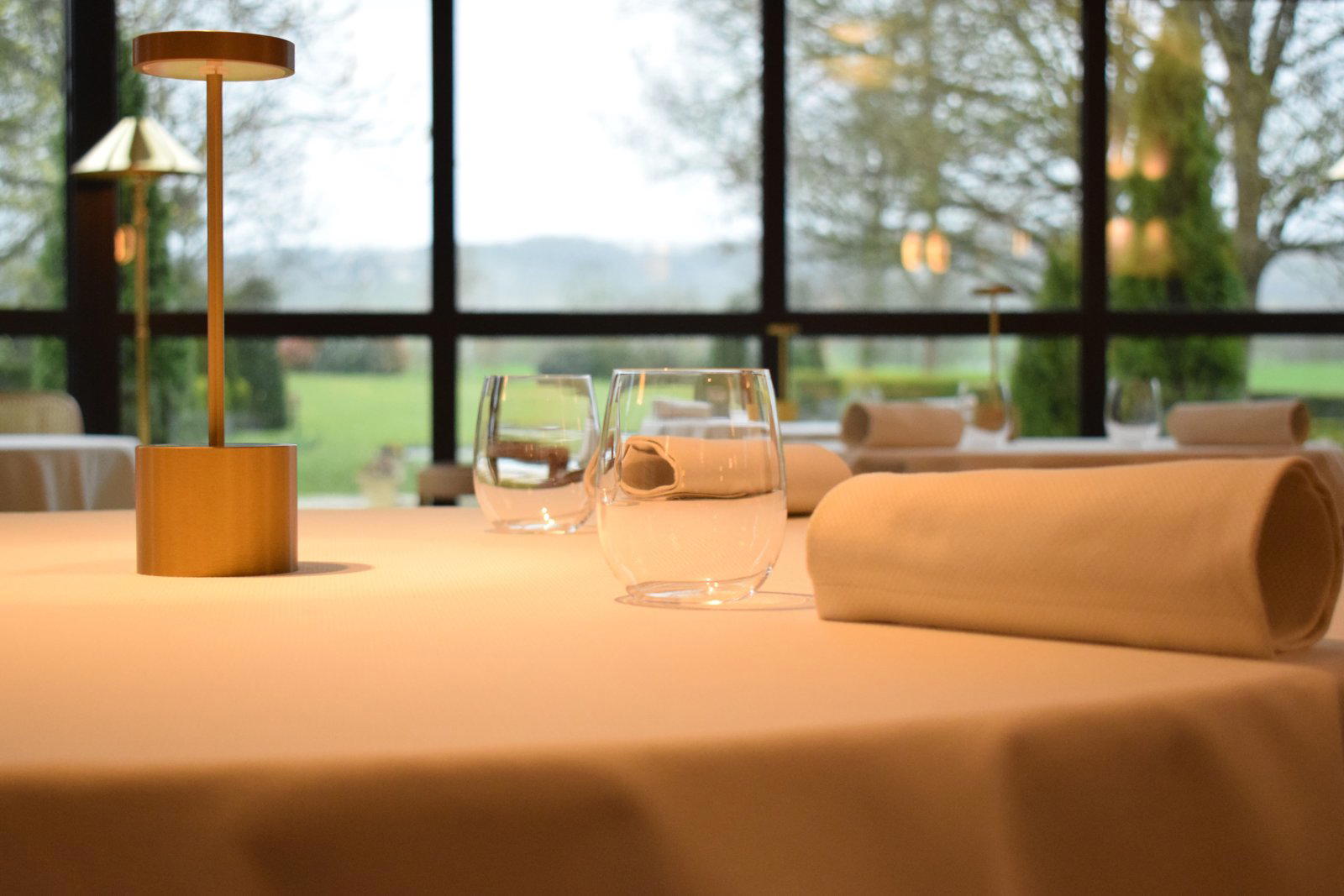
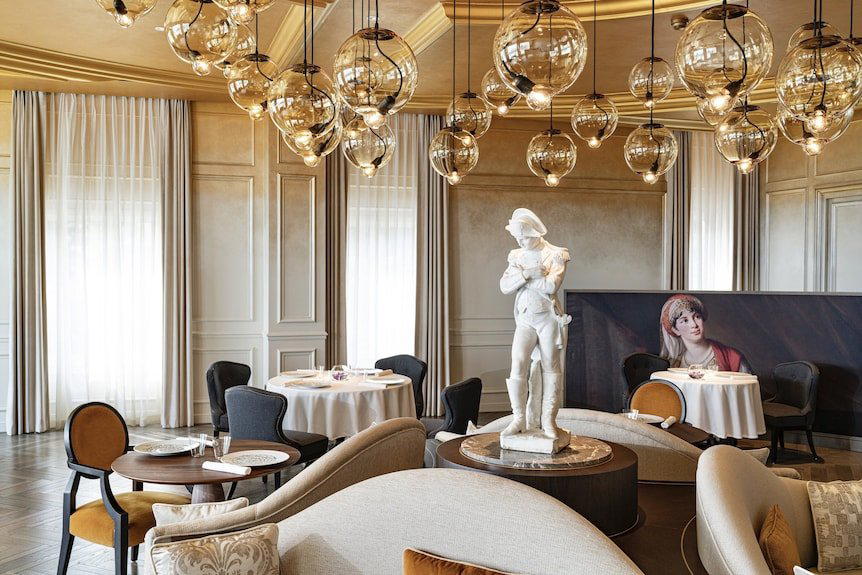
Refined and mineral-driven atmosphere reflecting the chalky terroir, with elegant, precise Champagnes showcasing density, salinity, and complexity from ancestral practices.