
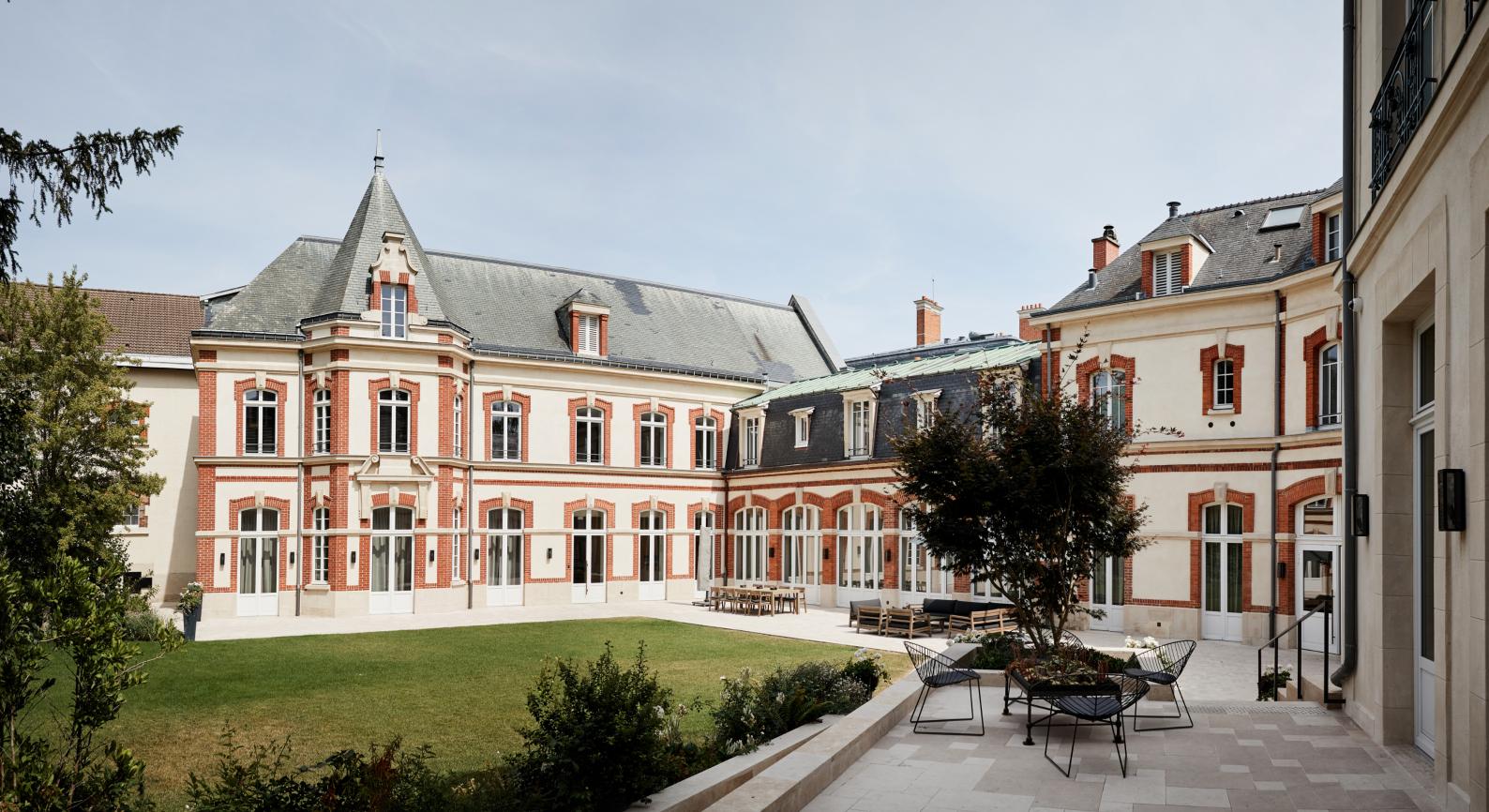
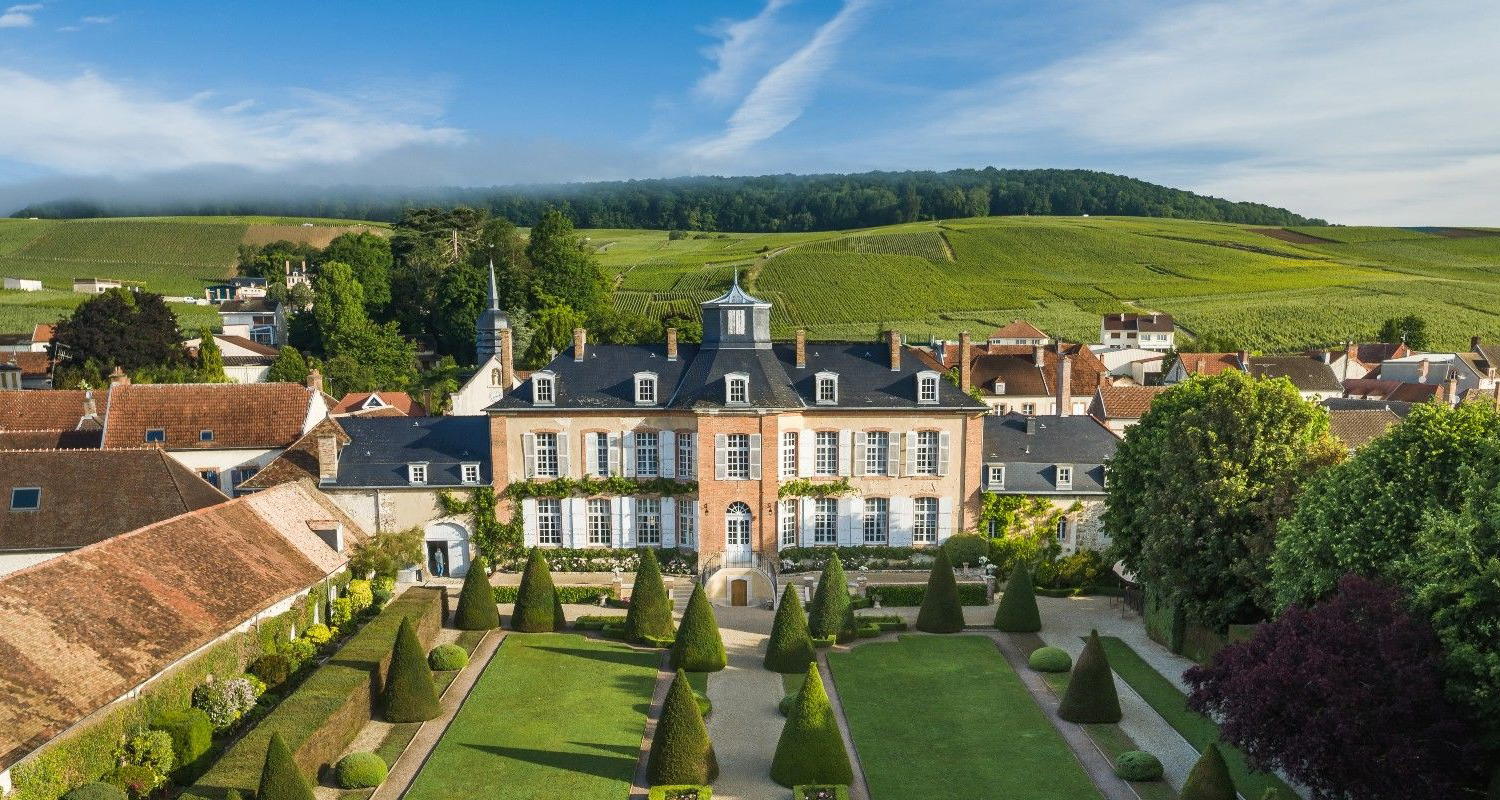
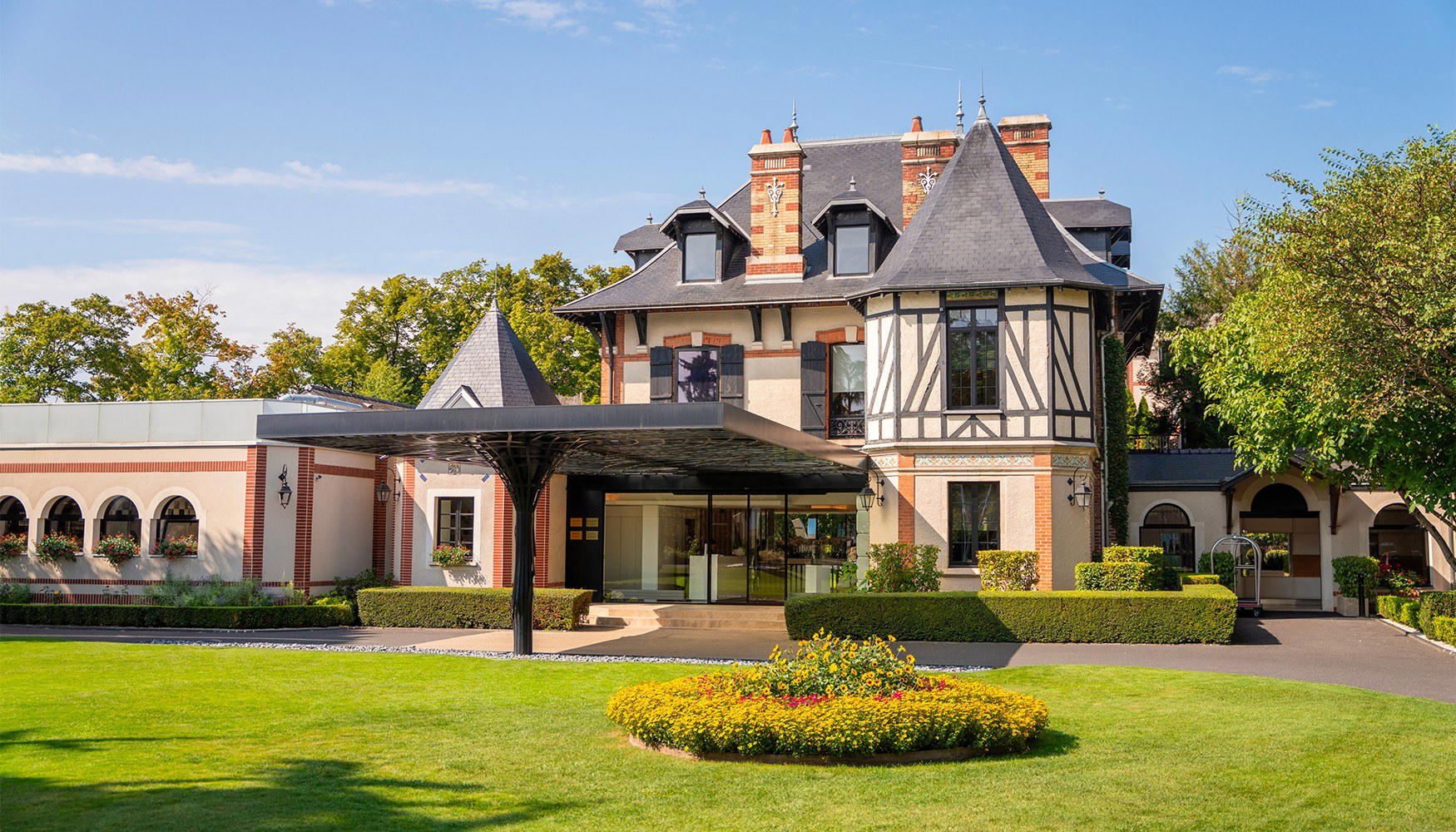
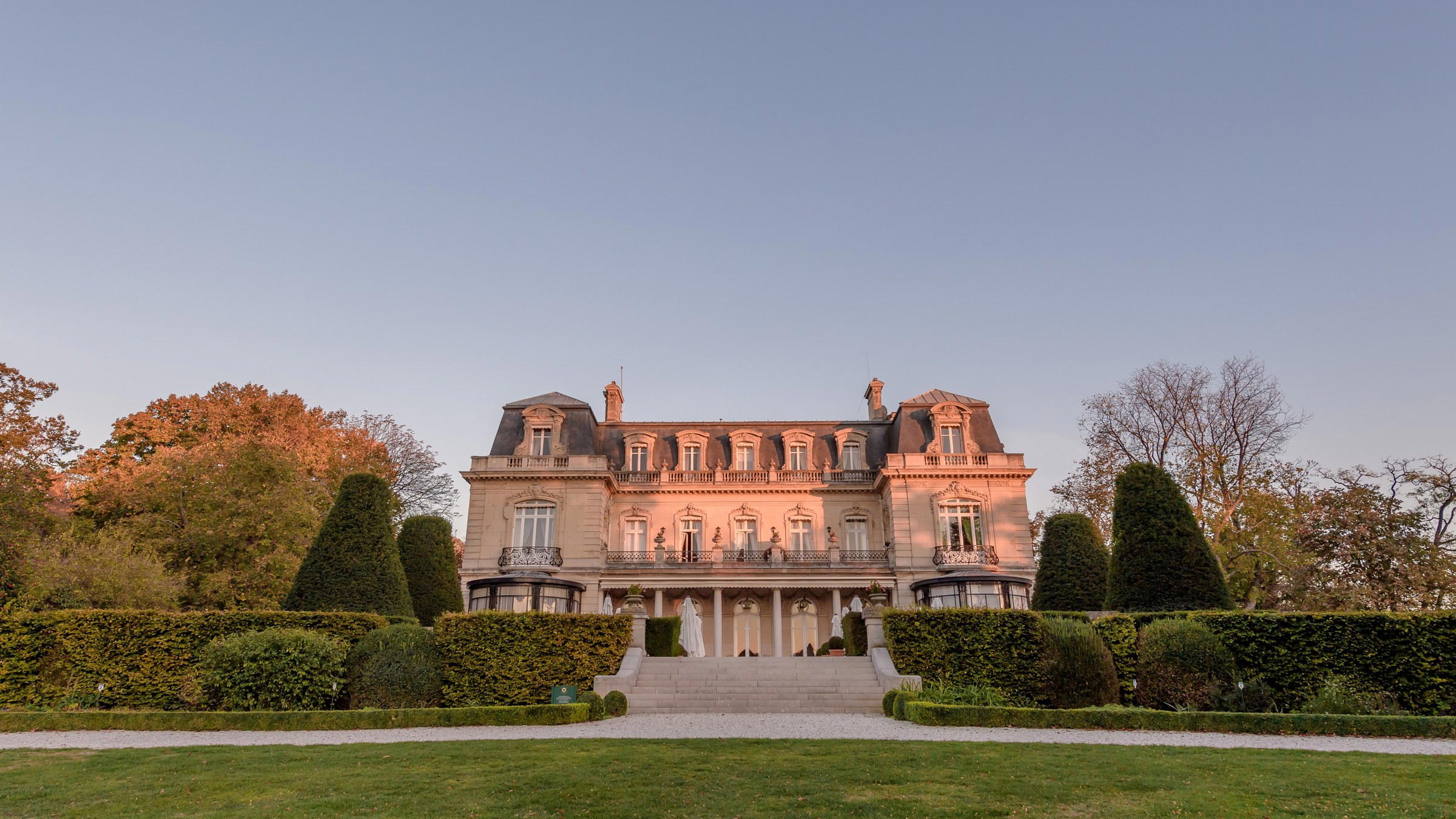
One of Champagne's most storied houses, Charles Heidsieck has produced wine since 1851 from its base at 12 Allée du Vignoble in Reims. Under Chef de Cave Cyril Brun, the house occupies a restrained, cellar-driven position in the prestige tier. The cellars, carved from Gallo-Roman chalk crayères beneath the city, are among the more historically significant in the region.
Pearl is the En Primeur Club membership app — saves, bookings, and concierge access live there. Same editors, same standards.
- Address
- 12 All. du Vignoble, 51100 Reims
- Phone
- +33 3 26 84 43 00
- Website
- piper-heidsieck.com
- Directions
- Get directions
 Saves & bookings on Pearl
Chalk, Time, and the Reims Tradition
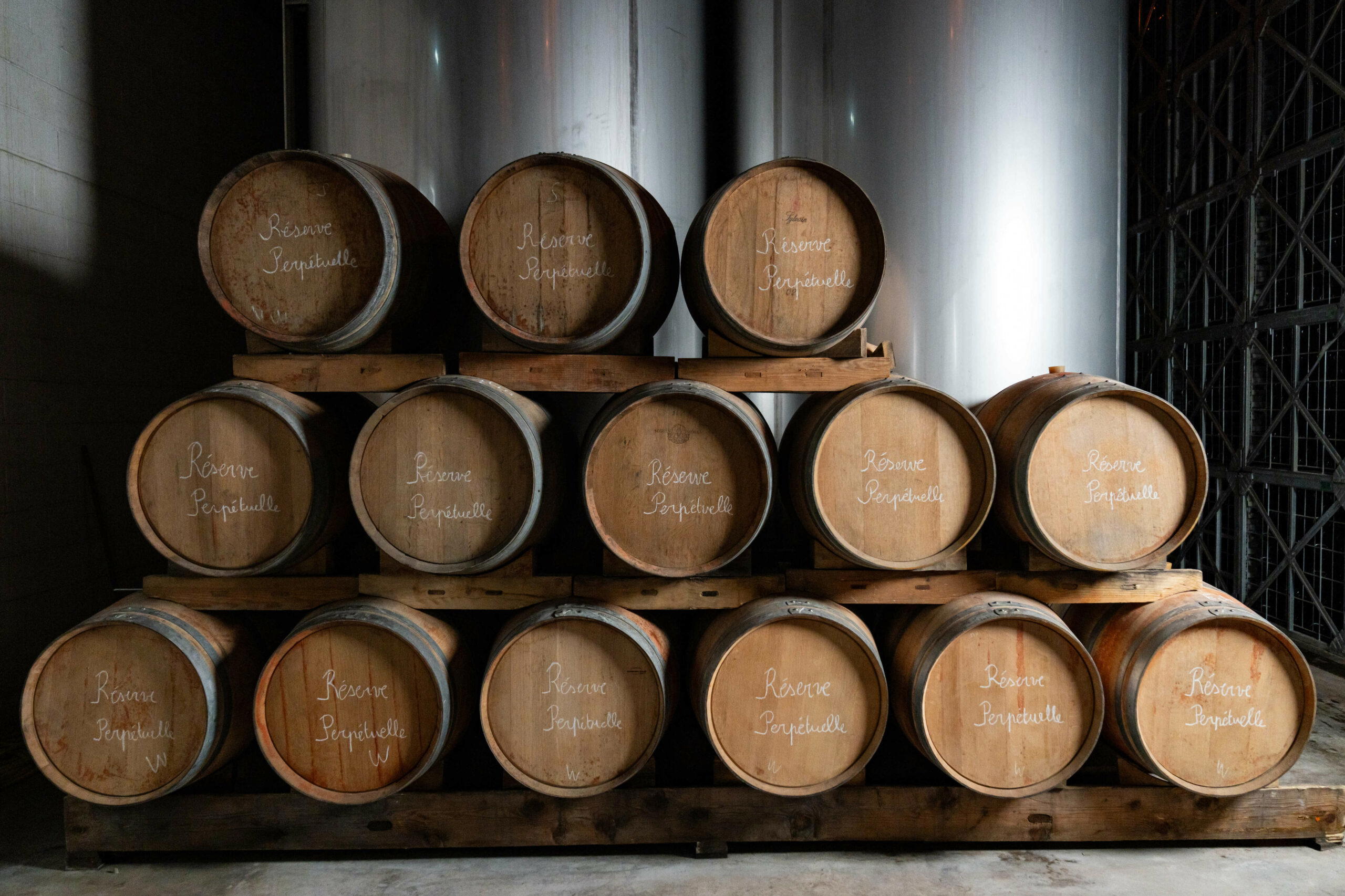
Beneath the streets of Reims, roughly 200 kilometres of Gallo-Roman chalk tunnels, the crayères, form the architectural foundation of Champagne as a category. Temperature stays near 10°C year-round without intervention. Humidity is constant. The geology that attracted the Romans for quarrying turned out, centuries later, to be effective natural ageing infrastructure in the world. Charles Heidsieck, operating from 12 Allée du Vignoble since the nineteenth century, keeps its reserve wine library and extended-ageing cuvées in these tunnels. What the chalk does to a wine over three, five, or ten years of lees contact is the real argument for visiting Reims at all, a conversation that Charles Heidsieck enters with more historical credibility than most houses on the street.
For context, many of the region's most discussed houses were founded in similar decades: Pommery and Veuve Clicquot Ponsardin both established their identities in the same era, and the competitive tension between them shaped the commercial grammar of prestige Champagne that still operates today.
Cyril Brun and the Cellar-Led Approach
The winemaker-led model, where a named Chef de Cave holds public accountability for house style, is not universal in Champagne. Many large négociant houses rotate technical direction without announcement. Charles Heidsieck's decision to centre Cyril Brun as the visible creative authority reflects a particular position in the market: houses that compete on style consistency and reserve-wine depth rather than volume or vineyard ownership alone. Brun's tenure has been defined by an emphasis on aged reserve wines and extended lees contact, the kind of approach that produces bottles built to improve in a buyer's cellar rather than to be consumed immediately after release.
This places the house in the same philosophical conversation as Krug, where multi-vintage blending and reserve depth are the primary differentiators, and at some distance from houses that prioritise fresh, early-drinking profiles. Bruno Paillard pursues a similar reserve-led philosophy from a smaller production base; Henriot occupies a comparable prestige-but-not-ultra-luxury position. What distinguishes the winery's argument is the length of the reserve library and the crayères themselves, depth in both senses.
Brun's approach to dosage has also drawn attention from critics tracking the broader shift in Champagne toward lower dosage across the prestige tier. That movement, driven partly by climate (warmer years producing riper base wines that need less sugar addition) and partly by taste shifts among the collector market, has changed what a non-vintage Brut means at the summit of the category. The winery's flagship cuvées sit inside that shift rather than resisting it.
Reims as a Wine City
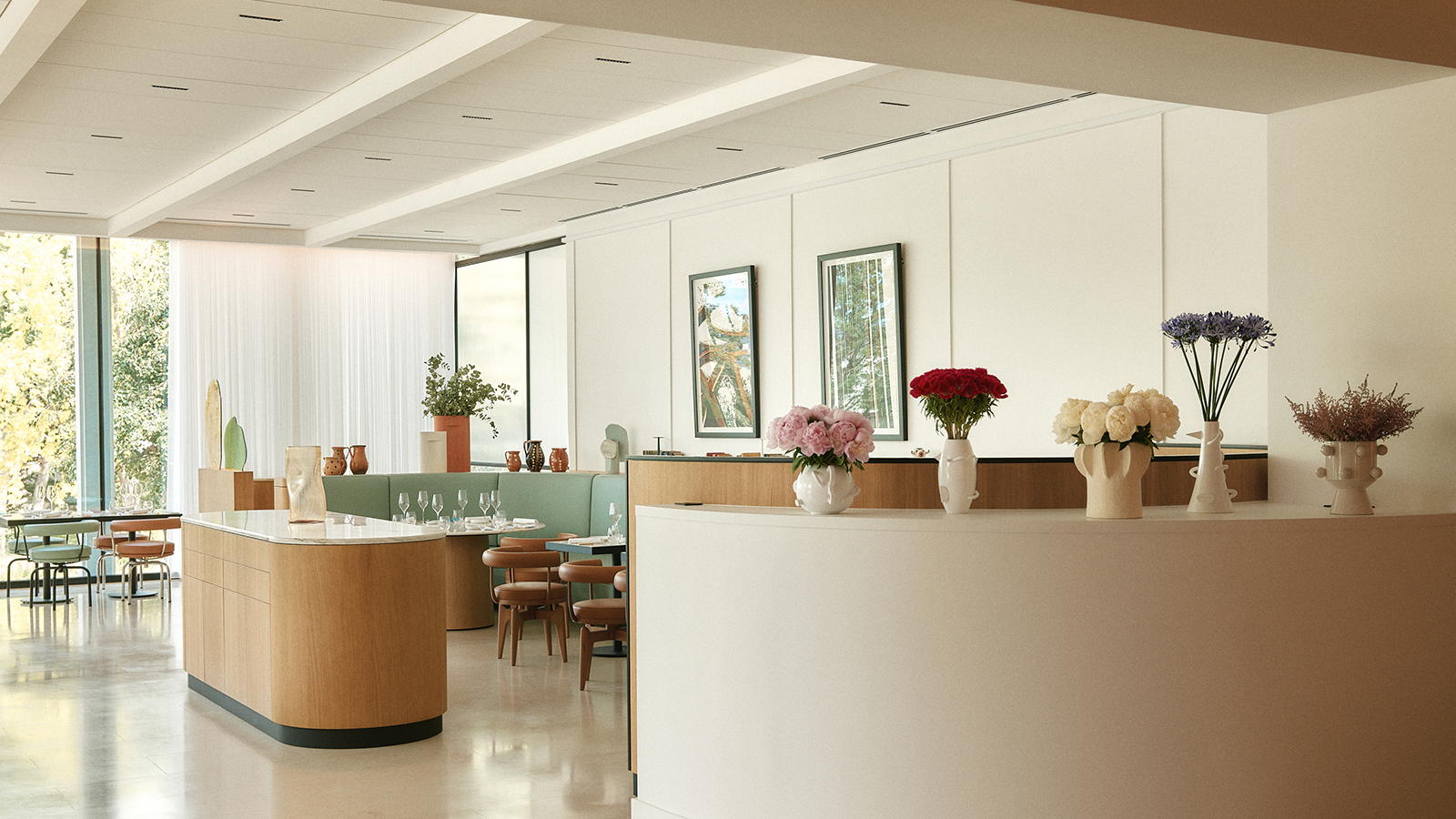
Reims operates differently from Épernay as a Champagne destination. Épernay's Avenue de Champagne offers a concentrated walking route past grande marque facades; Reims distributes its cellars across a larger urban footprint, requiring more planning. The city itself rewards the extra effort, the Gothic cathedral, the Art Deco streetscape rebuilt after World War One, and the concentration of serious houses within a short drive of each other make it a more complete two- or three-day itinerary than a single avenue visit. The winery's address on the Allée du Vignoble is accessible from the city centre and well-signposted within the established Champagne tourism circuit.
Where Charles Heidsieck Sits in the Prestige Tier
Champagne's prestige tier has always been a contested category. Allocation-driven houses like Krug set one ceiling. Volume-led grandes marques set another floor. The winery occupies a middle position: recognised for quality by critics and collectors, available without the allocation friction of a Krug or a Dom Pérignon, but priced and positioned above the mass-market end of the same brands.
For comparison, the kind of reserve-focused, cellar-credentialed positioning that winery employs is not exclusive to Champagne. In Alsace, Albert Boxler in Niedermorschwihr uses long élévage and vineyard-specific depth to occupy a similar critical position above the appellation average. In Bordeaux, houses like Château Branaire-Ducru in St-Julien and Château Batailley in Pauillac use classified-growth status alongside consistent critical reception to hold a comparable market tier. The pattern repeats across French wine: houses that compete on track record, depth, and style consistency rather than scarcity alone.
Sweet wine producers like Château Bastor-Lamontagne in Preignac and precision-focused estates like Château Bélair-Monange in Saint-Emilion occupy analogous positions in their respective appellations. Even at distance, Accendo Cellars in St. Helena, Aberlour in Aberlour, or Chartreuse in Voiron, the critical vocabulary of depth, time, and cellar intelligence recurs as the differentiator for producers operating below the ultra-luxury ceiling but above the commodity floor. The winery makes that same argument from one of the oldest vantage points in Champagne. And Château Boyd-Cantenac in Cantenac reinforces how classified prestige and consistent critical standing work in concert across French appellations.
Planning a Visit
The winery is located at 12 Allée du Vignoble, 51100 Reims.
Price and Recognition
Comparable venues nearby, for context on price, style, and recognition.
| Venue | Cuisine | Price | Awards | Notes |
|---|---|---|---|---|
| Charles HeidsieckThis venue — the venue you are viewing | Not listed | $$$$ | Not listed | Not listed |
| Henriot | Reims, Chardonnay, Pinot Noir | $$$ | Not listed | Not listed |
| Piper-Heidsieck | Reims, Pinot Noir, Chardonnay | $$$$ | Not listed | Not listed |
| Krug | Reims, Pinot Noir, Chardonnay | $$$$ | Not listed | Not listed |
| Bruno Paillard | Not listed | $$$ | Not listed | South of Reims city centre, Chardonnay, Pinot Noir |
| Veuve Clicquot Ponsardin | Reims, Pinot Noir | $$$$ | World's 50 Best #38 | Not listed |
Recognition history
Dated appearances from independent guides and award organizations, with the underlying list record or original source where available.
Falstaff Winery - 4 Stars
Falstaff
At a Glance
- Elegant
- Classic
- Sophisticated
- Well Known
- Wine Education
- Special Occasion
- Cave Tasting
- Historic Building
- Sustainable
- Champagne AOC
- Chardonnay
- Pinot Noir
- Pinot Meunier
- Sparkling
- Cave Tasting
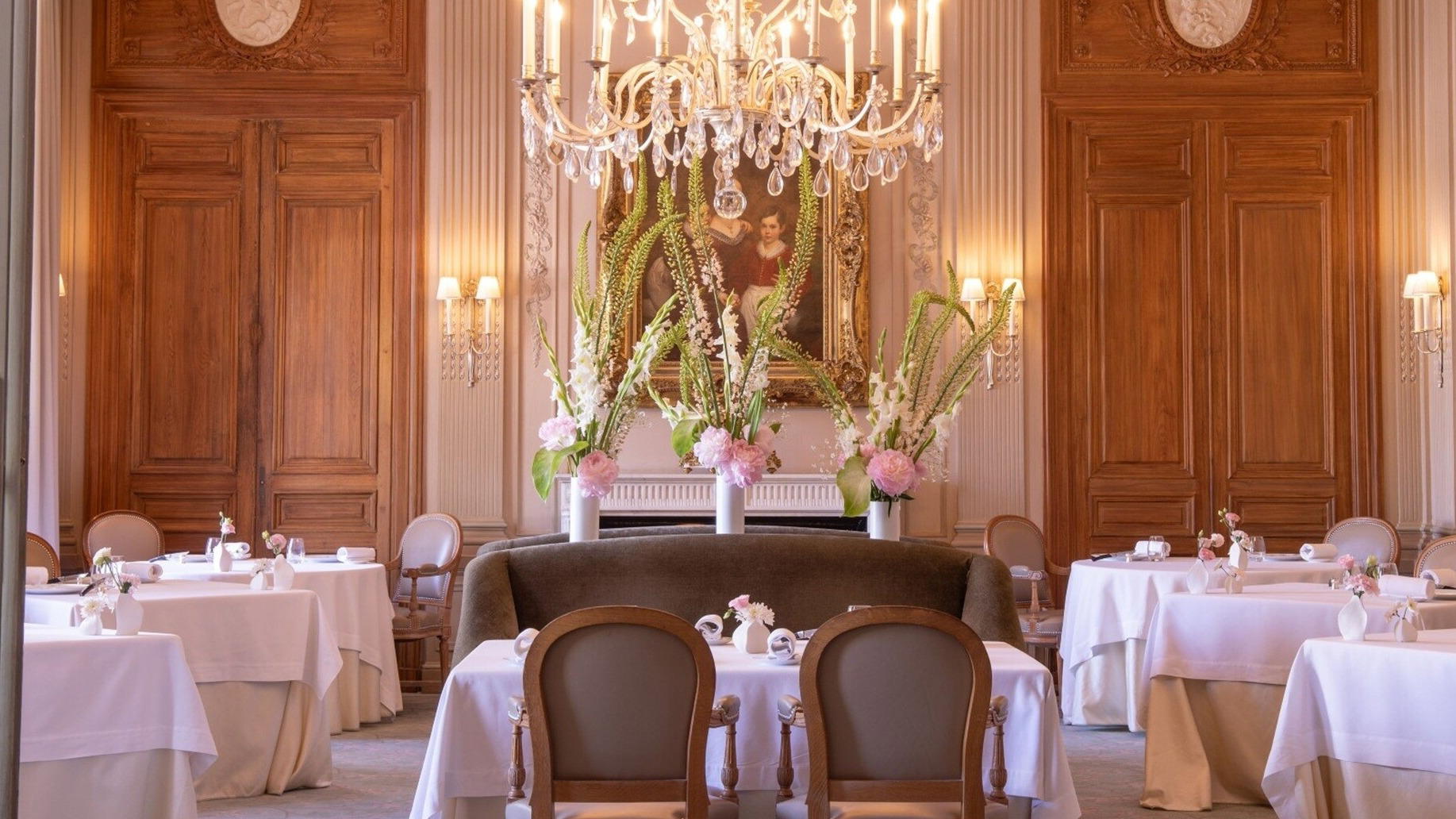
Ornate underground chalk cellars with well-suited constant temperature, fostering rich, complex Champagnes through long maturation.