

Michelin 3 Grapes · Falstaff Winery - 5 Stars
Pétrus sits at the apex of Pomerol, producing Merlot-dominant wines from a single hectare of blue clay that has defined the appellation's identity since its first commercial vintage in 1929. Visits are by appointment only, placing it firmly in the collector-access tier of Right Bank estates.

Pearl is the En Primeur Club membership app — saves, bookings, and concierge access live there. Same editors, same standards.
- Address
- 7 Rue de Tropchaud, 33500 Pomerol
- Phone
- +33 5 57 51 78 96
- Website
- moueix.com
- Directions
- Get directions
The Blue Clay Standard: What Pétrus Means for Pomerol
Pomerol is a small appellation without a formal classification system, yet it has produced some of the most expensive bottles in Bordeaux for the better part of a century. That paradox traces directly to a single estate. Pétrus, addressed at 7 Rue de Tropchaud, sits on an refined plateau at the heart of the appellation, on a soil composition so specific — a near-continuous seam of blue-grey clay — that it functions less like terroir and more like a geological argument. The clay retains water with unusual precision, moderating vine stress in dry years and draining efficiently in wet ones. The result, across most vintages since the first commercial release in 1929, has been Merlot of a weight and aromatic complexity that other Pomerol soils replicate only partially.
Understanding Pétrus requires understanding that Pomerol operates differently from the Médoc. There is no 1855 classification here, no tiered hierarchy of Grands Crus Classés to position one estate against another. Instead, the appellation's hierarchy has emerged organically through secondary-market pricing, critic scores, and allocation scarcity. Pétrus sits at the top of that informal structure, in a peer group that includes neighbours such as Château Trotanoy, Château L'Eglise Clinet, and Château Clinet, all of which share the appellation's Merlot-dominant character but differ substantially in soil composition, drainage, and secondary variety inclusion.
Winemaker Continuity as a Signal of House Style
One of the more instructive facts about the estate's direction is the Berrouet family's generational presence. Olivier Berrouet, the current winemaker, follows his father Jean-Claude, whose tenure shaped Pétrus through some of the appellation's most celebrated vintages. This kind of father-to-son continuity is unusual even by Bordeaux standards, where property transfers and consulting arrangements frequently reset stylistic direction. At Pétrus, the continuity functions as an institutional commitment: the same family's palate has guided decisions about harvest timing, extraction, and barrel policy for decades. For collectors tracking house style across vertical tastings, that continuity is a reliable anchor point. It also places Pétrus in a different analytical category from estates that have cycled through multiple winemakers or shifted toward more interventionist techniques in response to changing critical fashions.
Among the estates EP Club profiles in Pomerol, including Château Gazin and Château Le Gay, Pétrus occupies a tier defined by allocation restriction and secondary-market pricing rather than production volume.
Right Bank Context: Where Pétrus Sits in Bordeaux
Bordeaux's reputation has long been shaped by the Left Bank's Cabernet Sauvignon-led estates in Pauillac, Saint-Julien, and Margaux. The Right Bank, by contrast, built its identity around Merlot and the particular expression of Saint-Émilion and Pomerol's varied clay and limestone soils. Pétrus made the commercial and critical case that Merlot, on the right geology, could command prices that equalled or exceeded the grandest Médoc properties. That argument, sustained across nine decades of releases beginning with the 1929 vintage, shifted how collectors and merchants assessed the relative value of Cabernet and Merlot as base varieties.
For comparison, consider how the Right Bank's premium identity has fragmented across different appellation styles. Château Bélair-Monange in Saint-Émilion represents the limestone plateau style, while Pomerol's clay plateau produces a heavier, more plush structure in most vintages. Both sit in the allocation-constrained upper tier of the Right Bank, but they represent different answers to the question of what Merlot can do. The difference is geological before it is stylistic.
That context extends beyond Bordeaux. Winemakers at properties as geographically distant as Accendo Cellars in St. Helena have cited Pomerol's clay plateau estates as reference points when developing their own restrained, soil-expressive programs. The conversation is not about imitation but about the underlying logic of how specific clay compositions affect water retention and, ultimately, the aromatic and textural weight of the finished wine.
Allocation, Access, and the Pétrus Acquisition Model
Pétrus produces from a small, tightly managed vineyard. The practical consequence is that access operates almost entirely through the en primeur system and established négociant relationships. Direct purchase from the estate, outside of rare institutional arrangements, is not a realistic acquisition route for most buyers.
The en primeur release, buying futures in the spring after harvest, before bottling, remains the primary entry point for new cases. Pricing at the en primeur stage reflects both vintage quality assessments and anticipated secondary-market appreciation. For a property of Pétrus's standing, the gap between release price and mature-bottle secondary pricing has historically been significant across strong vintages, which is why allocation access at négociant level is treated as a commercial asset by merchants who hold it.
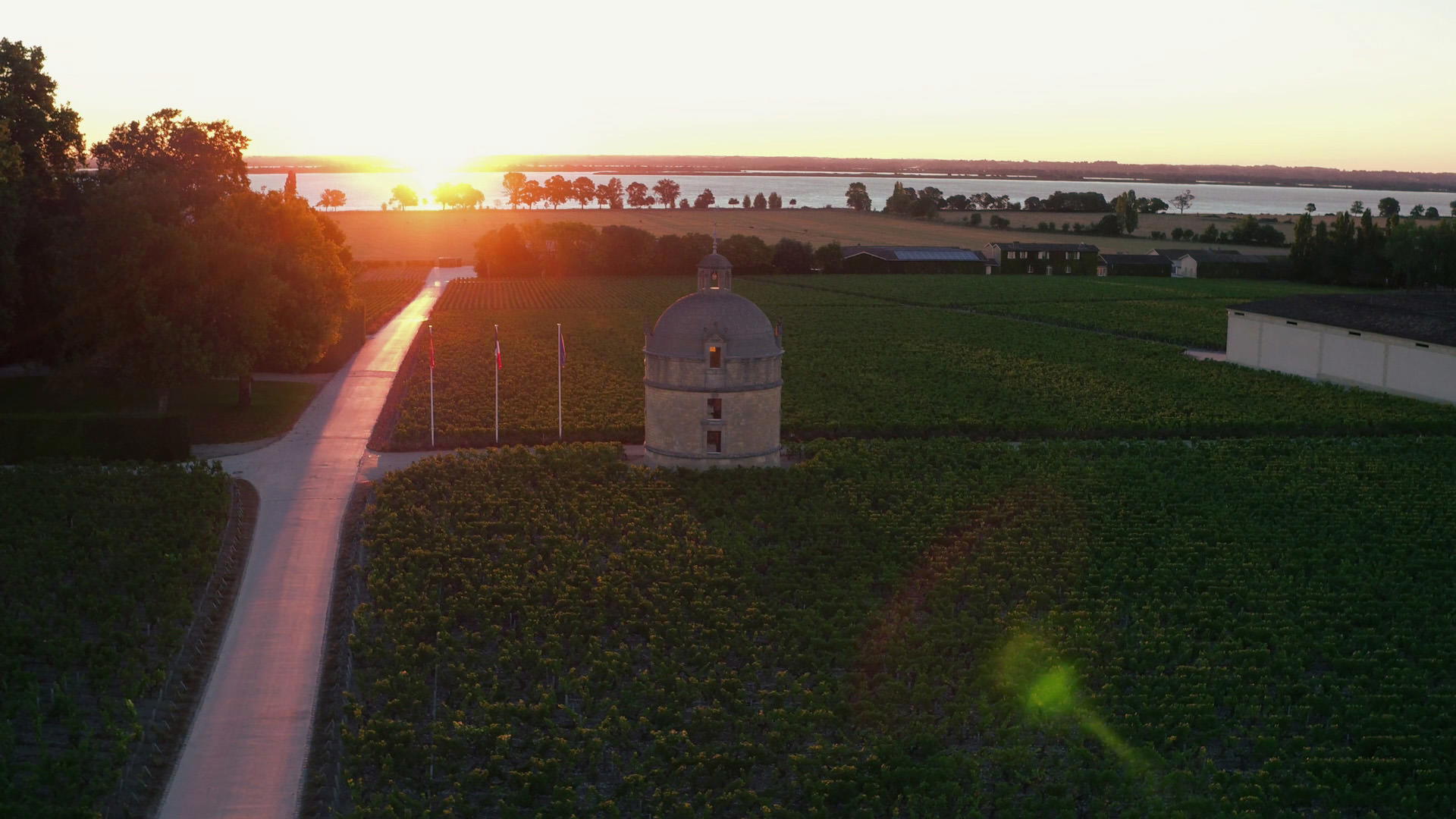
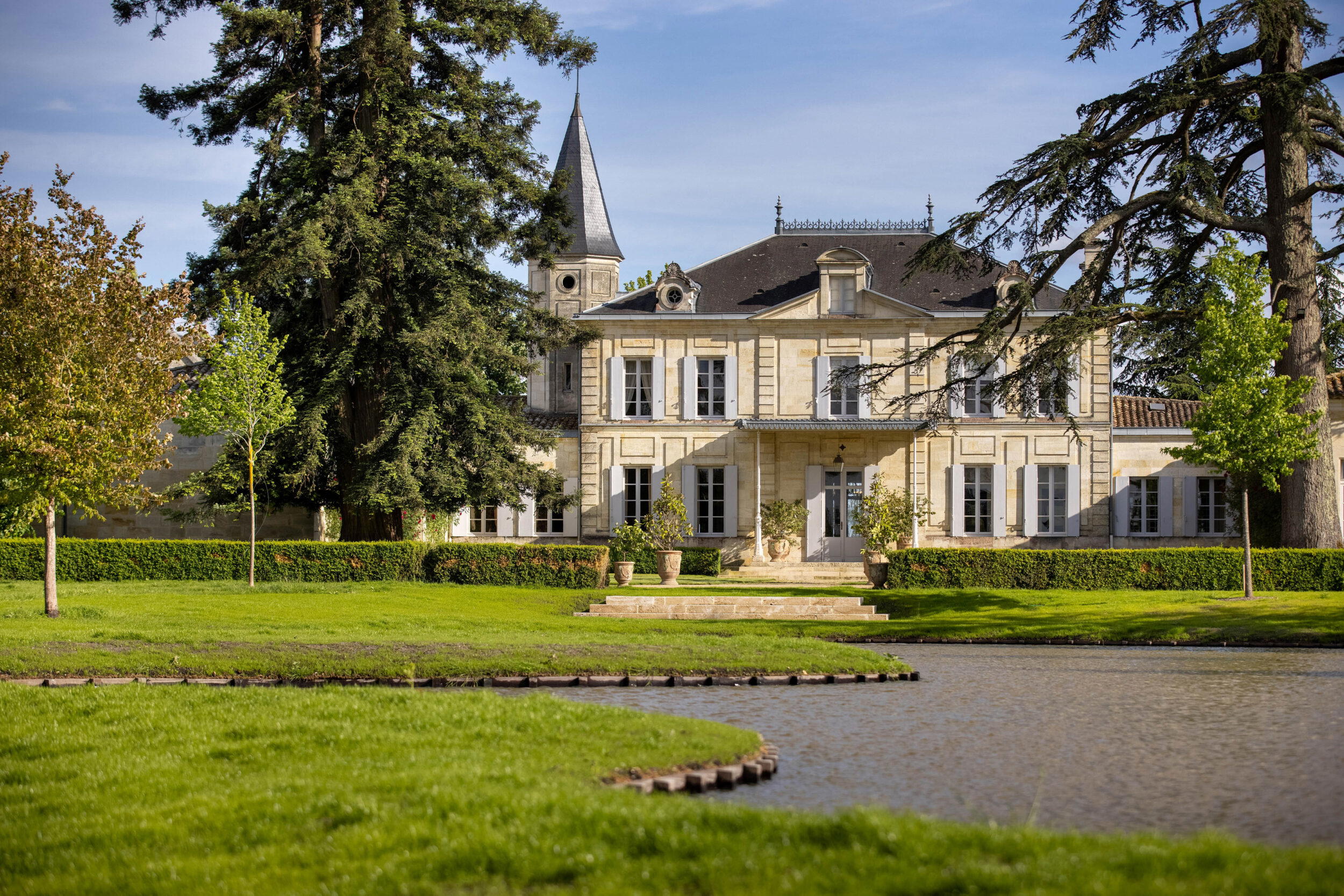
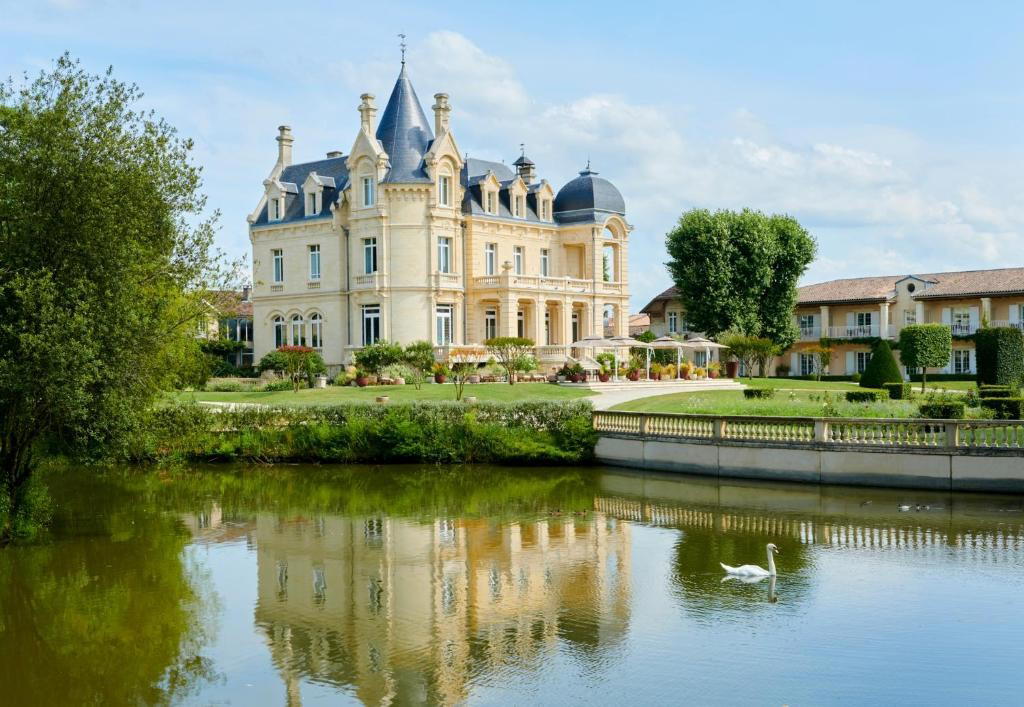
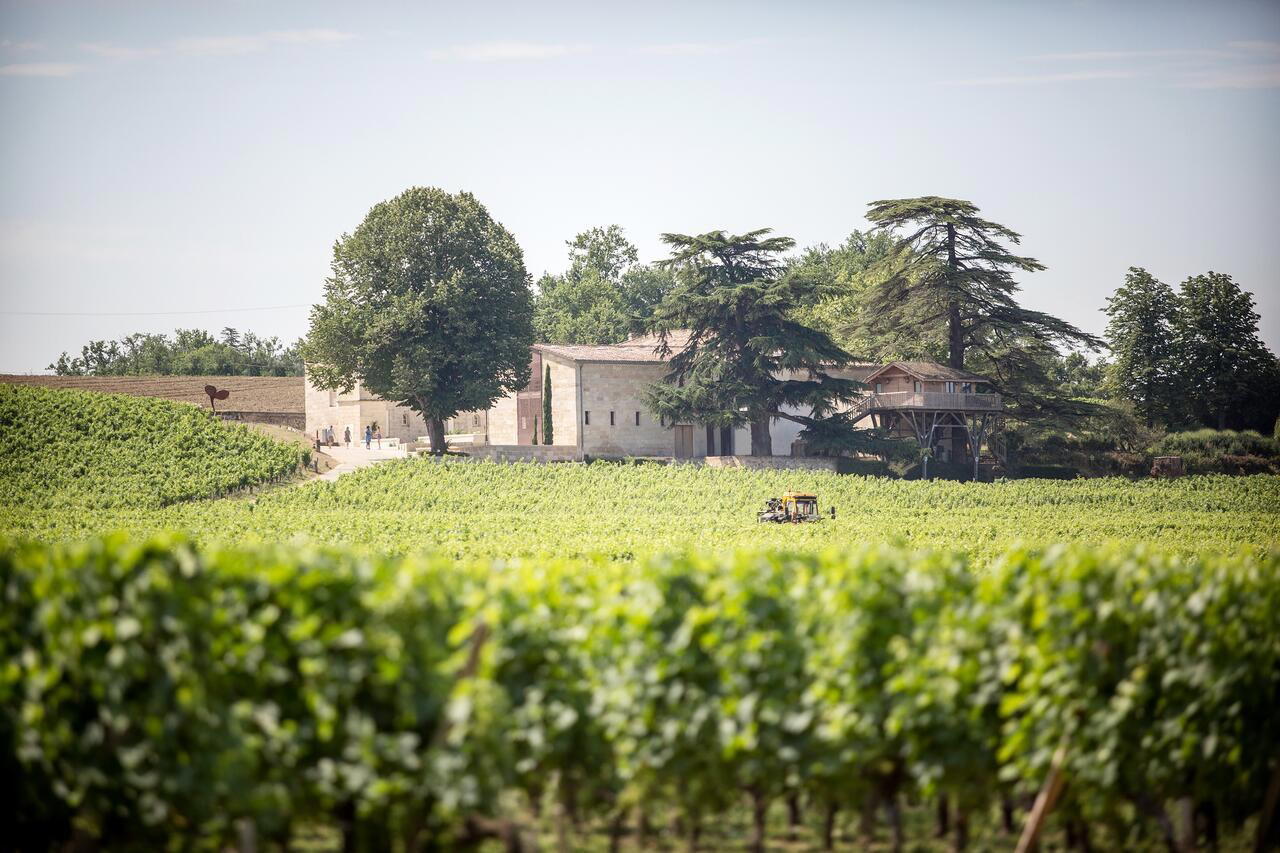
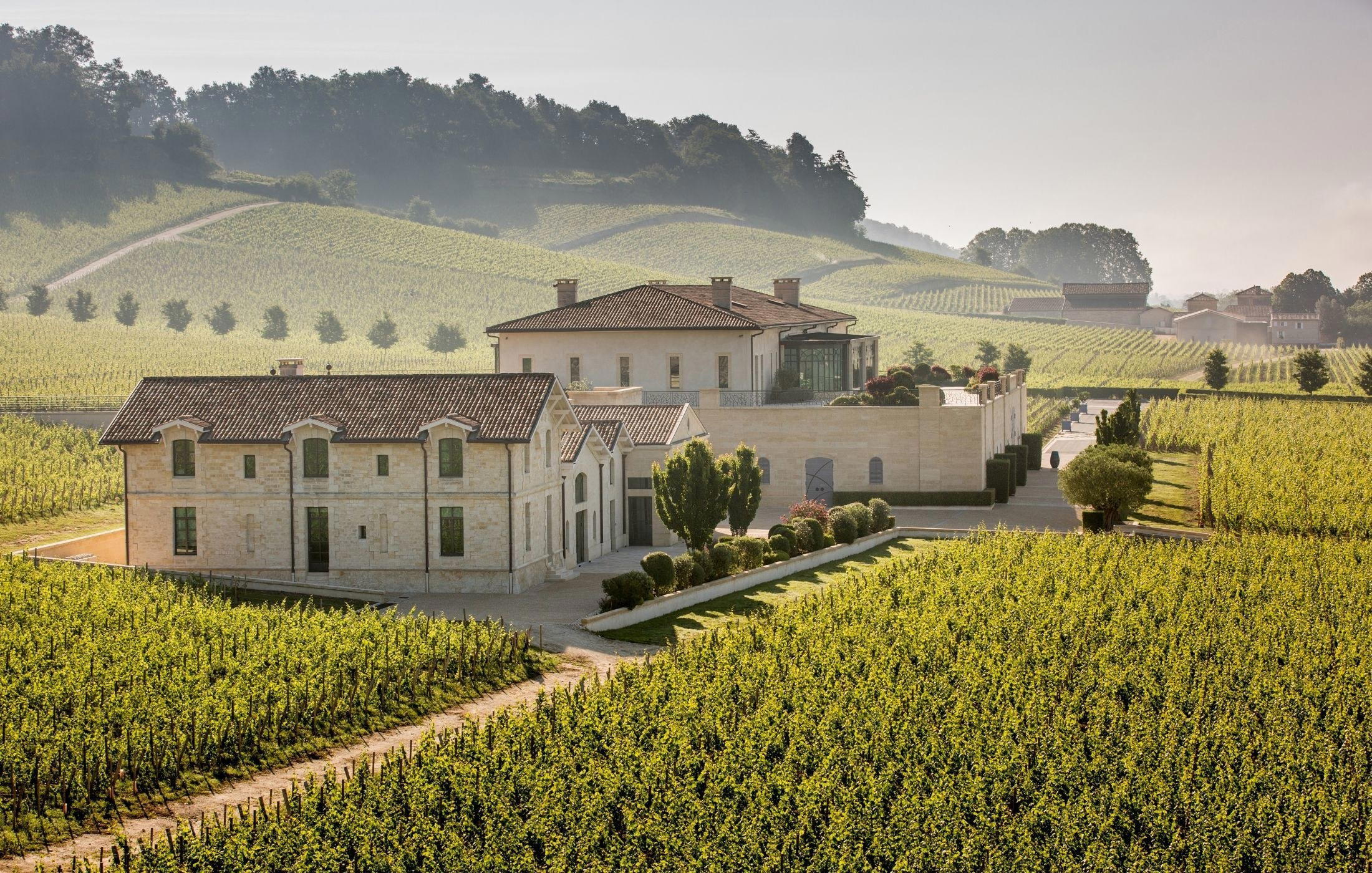
For those visiting the Pomerol appellation, access to the estate itself is by appointment and is not a standard visitor experience in the way that some larger Bordeaux châteaux offer. The physical setting, a modest working estate on the plateau rather than an architecturally grand château in the Médoc mould, reflects the Right Bank's generally less theatrical approach to estate presentation. The wine is the primary text; the buildings provide minimal commentary. Visitors planning a broader Right Bank itinerary can use our full Pomerol guide to map the appellation's key properties relative to one another.
Placing Pétrus in a Wider Collector Reference Set
Collectors who follow Pétrus as part of a broader Right Bank program often track it alongside several other appointment-based, allocation-constrained estates across France. The common thread is not geography but the combination of small production, generational winemaking continuity, and a clearly defined terroir argument. Albert Boxler in Niedermorschwihr represents the Alsace equivalent of this model, tight allocation, family continuity, and a plot-specific approach that has built a collector following over decades without institutional scale. In a different category, Château Batailley in Pauillac and Château Branaire Ducru in Saint-Julien sit in the Left Bank's classified tier, offering contrasting Cabernet-dominant profiles for buyers constructing vertically diverse cellars.
Outside wine entirely, properties like Chartreuse in Voiron and Château Bastor-Lamontagne in Preignac demonstrate how different corners of French production, spirits and Sauternes respectively, operate under analogous logic: controlled production, sustained institutional identity, and market positions built through decades of consistent quality rather than volume growth.
Château Boyd-Cantenac in Cantenac and Aberlour in Aberlour complete a wider reference map that spans classified Margaux and Highland single malt, a reminder that the collector logic of appellation positioning and production constraint operates across categories, not only in Bordeaux.
Practical Planning
Pétrus is located at 7 Rue de Tropchaud in Pomerol, approximately 35 kilometres east of Bordeaux city centre, accessible by car from the A89 motorway via Libourne. The appellation is compact enough that a day focused on the plateau estates, including neighbours Trotanoy, Clinet, and L'Eglise Clinet, is logistically manageable. Given that visits to the estate require advance arrangement rather than walk-in access, any itinerary should be confirmed several weeks ahead. Libourne serves as the nearest town for accommodation and dining, with Bordeaux providing a broader base for multi-day Right Bank itineraries.
Just the Basics
Comparable venues nearby, for context on price, style, and recognition.
| Venue | Cuisine | Price | Awards |
|---|---|---|---|
| Chateau PetrusThis venue — the venue you are viewing | Pomerol, Merlot | Not listed | Michelin 3 Grapes · Falstaff Winery - 5 Stars |
| Château Le Gay | Pomerol, Merlot, Cabernet Franc | $150–200 | Falstaff Winery - 3 Stars |
| Vieux Château Certan | Pomerol, Merlot, Cabernet Franc | Not listed | Michelin 2 Grapes · Falstaff Winery - 4 Stars |
| Château Les Carmes Haut-Brion | Pessac-Léognan, Cabernet Franc, Merlot | Not listed | Michelin 2 Grapes · Falstaff Winery - 3 Stars |
| Château La Fleur Petrus | Pomerol, Merlot, Cabernet Franc | Not listed | Michelin 1 Grape · Falstaff Winery - 4 Stars |
| Château Clinet | Pomerol, Merlot, Cabernet Sauvignon | Not listed | Michelin 1 Grape · Falstaff Winery - Listed |
Recognition history
Dated appearances from independent guides and award organizations, with the underlying list record or original source where available.
Michelin 3 Grapes
Michelin
Falstaff Winery - 5 Stars
Falstaff
Continue exploring
More in Pomerol
Wineries in Pomerol
Browse all →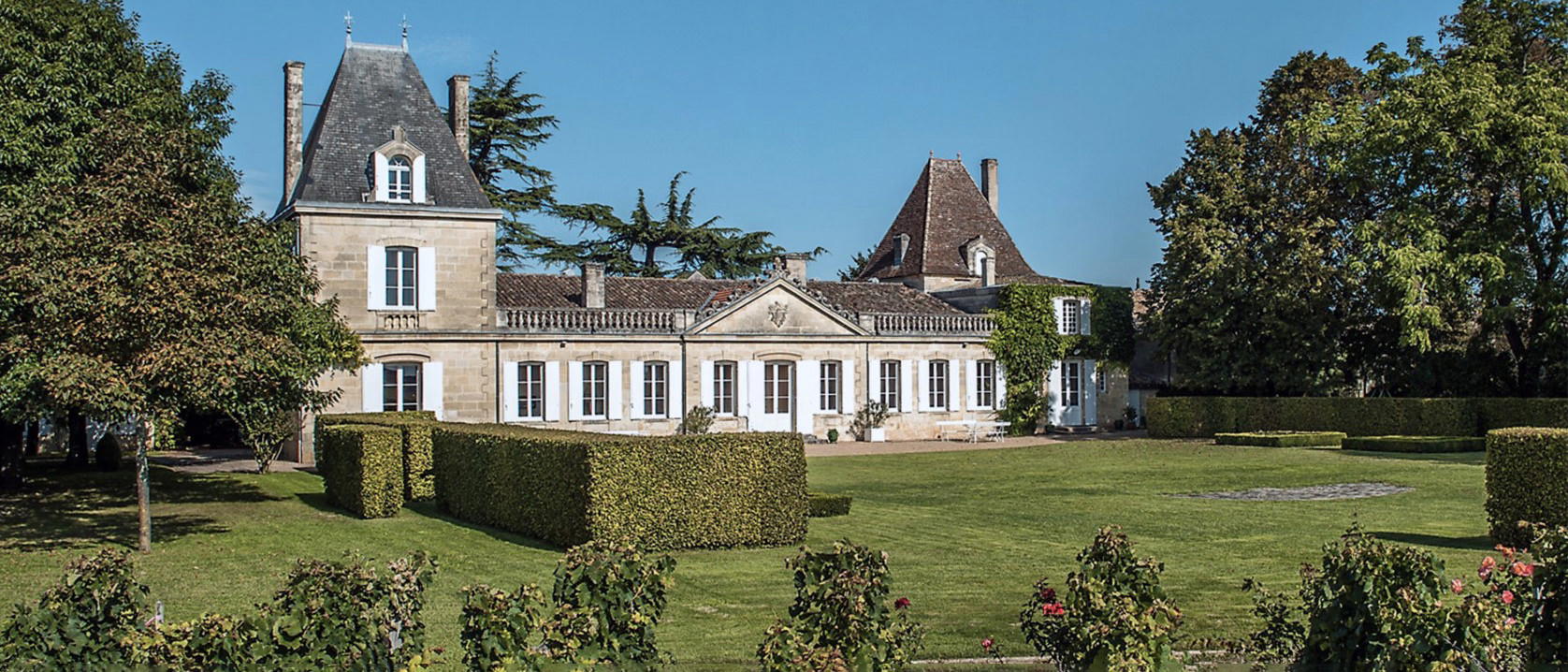
Bars in Pomerol
Browse all →

Restaurants in Pomerol
Browse all →
Details
- Elegant
- Sophisticated
- Well Known
- Classic
- Special Occasion
- Wine Education
- Vineyard Tour
- Estate Grounds
- Vineyard
- Merlot
- Still Red