Château Pavie

Falstaff Winery - 4 Stars
The estate occupies one of the appellation's most geologically complex sites, where clay, limestone, and sandy soils converge across a single slope. For serious collectors, it sits at the upper tier of Right Bank Bordeaux.

Pearl is the En Primeur Club membership app — saves, bookings, and concierge access live there. Same editors, same standards.
- Address
- 2 Pimpinelle, 33330 Saint-Émilion
- Phone
- +33 5 57 55 43 43
- Website
- vignoblesperse.com
- Directions
- Get directions
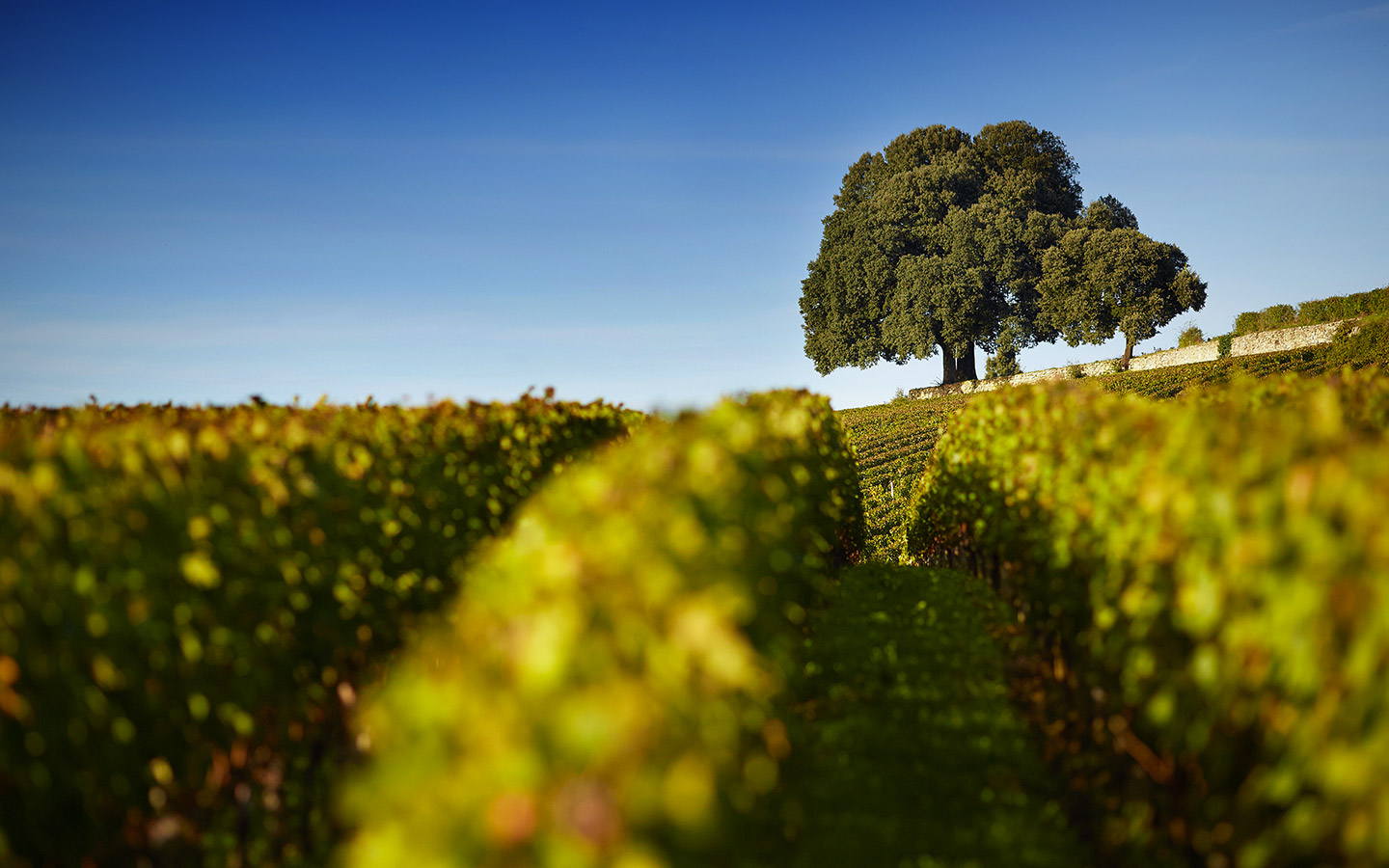
Where the Limestone Speaks First
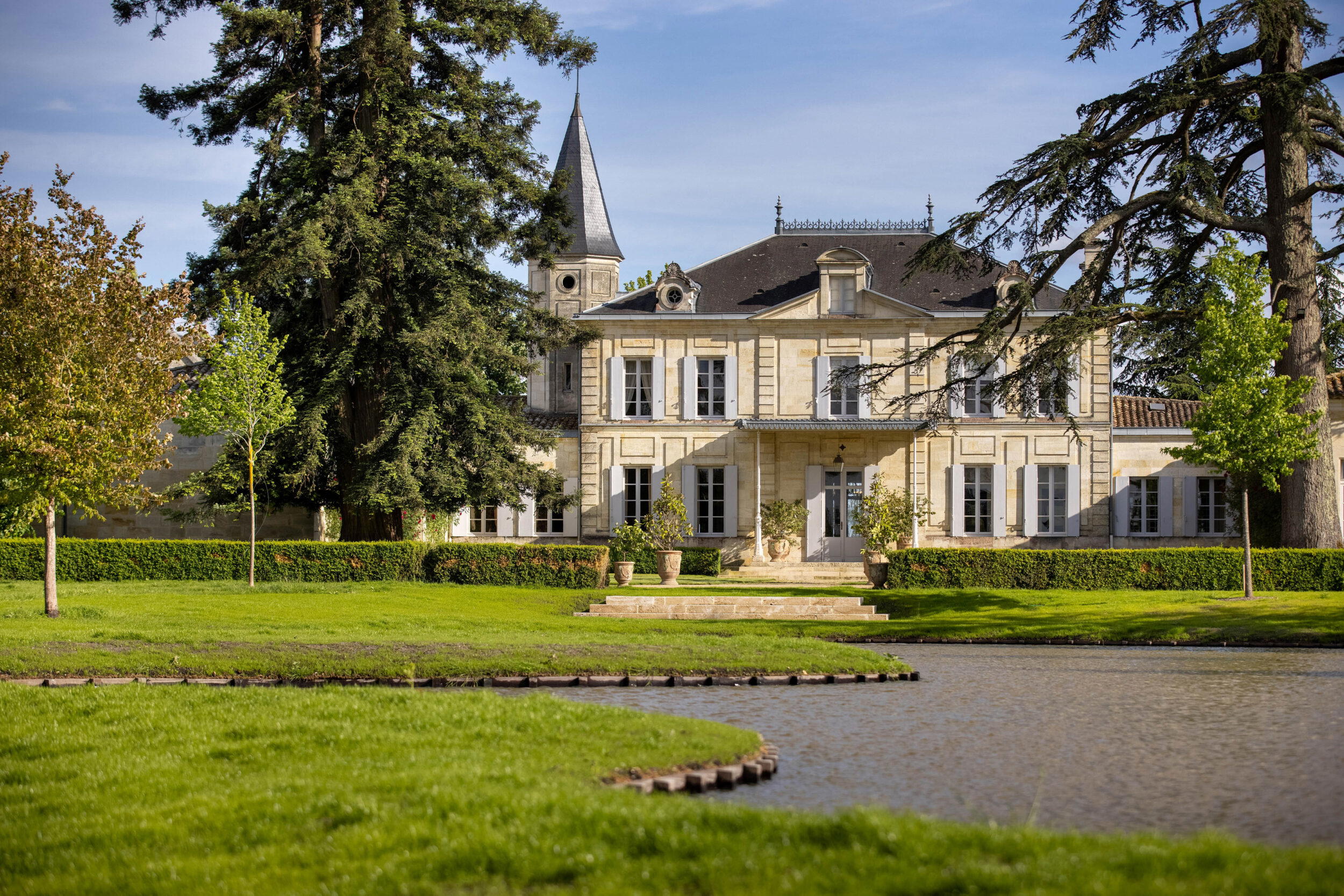
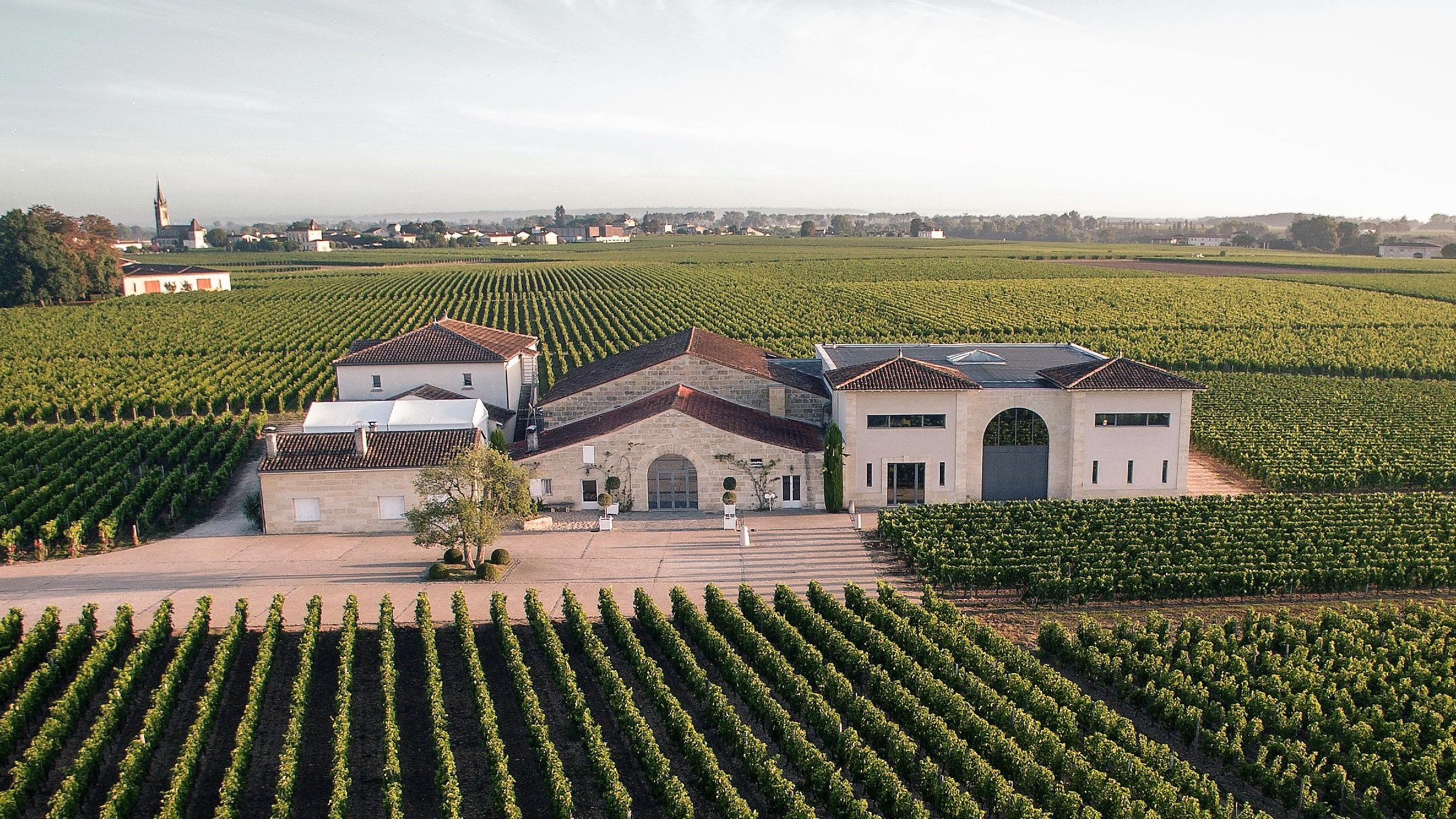
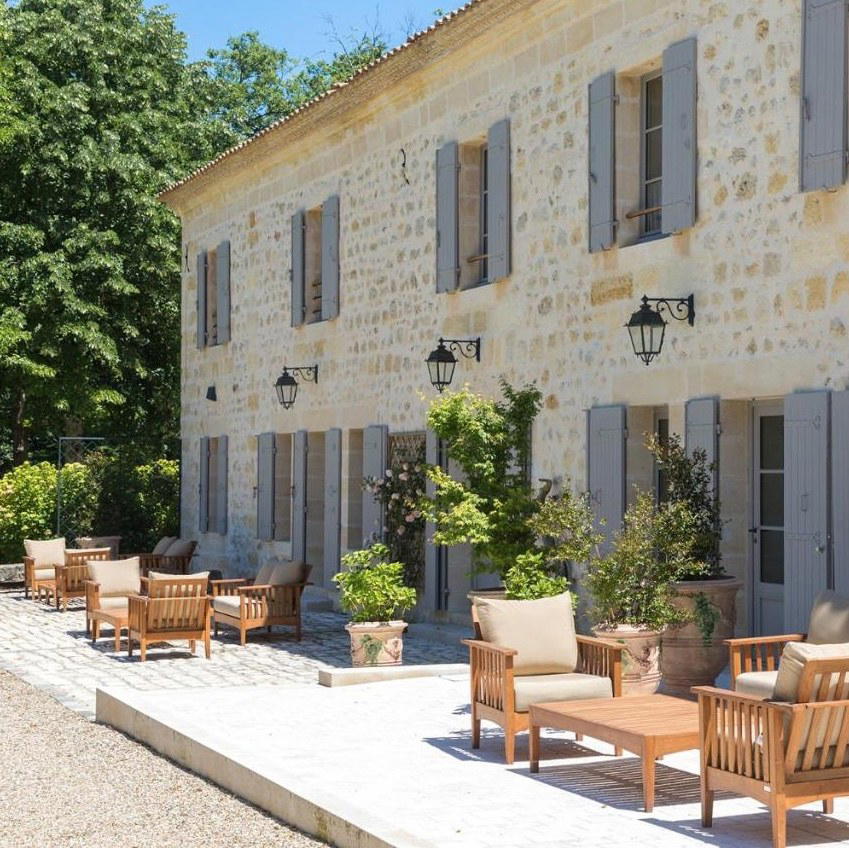
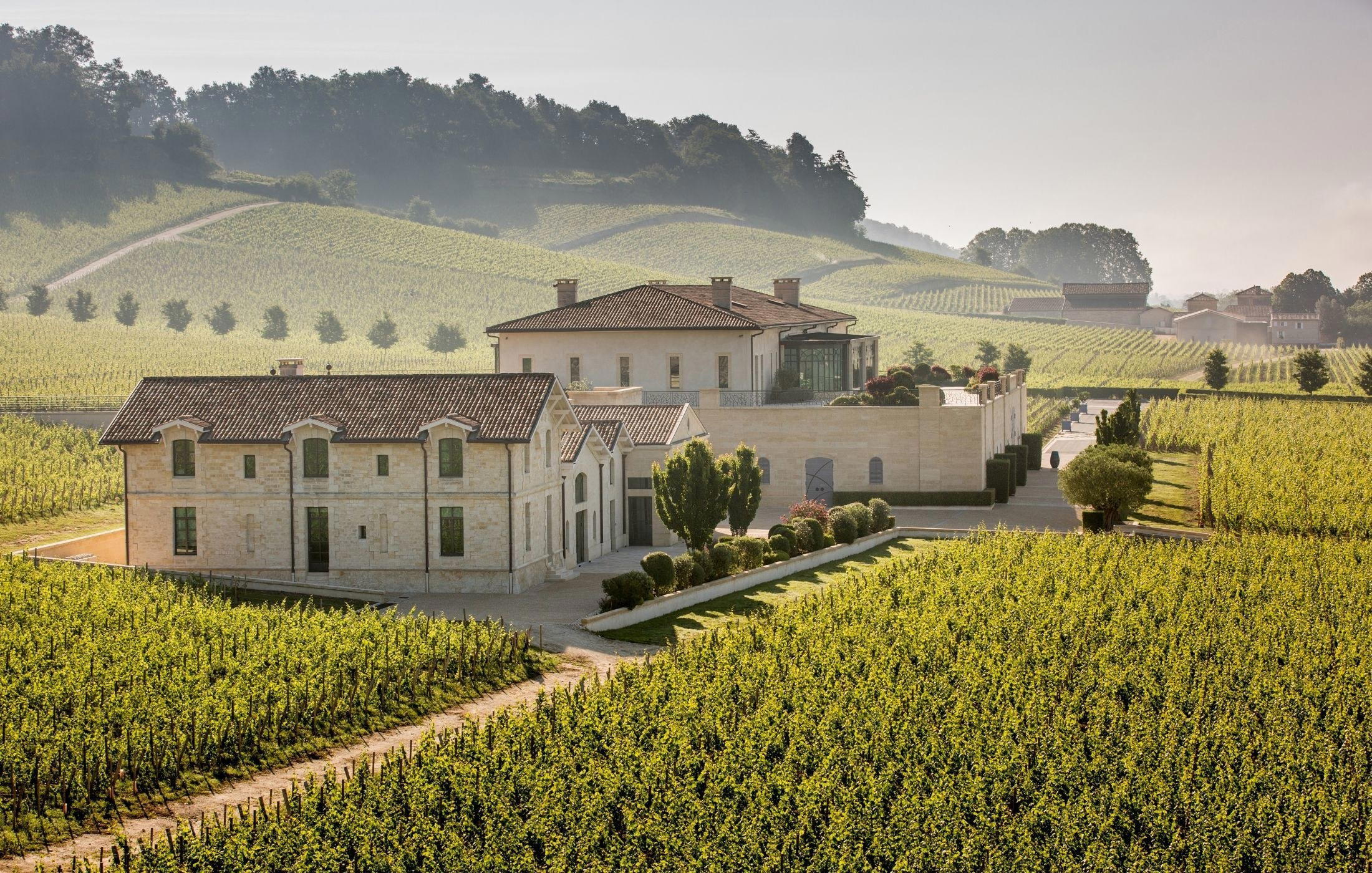
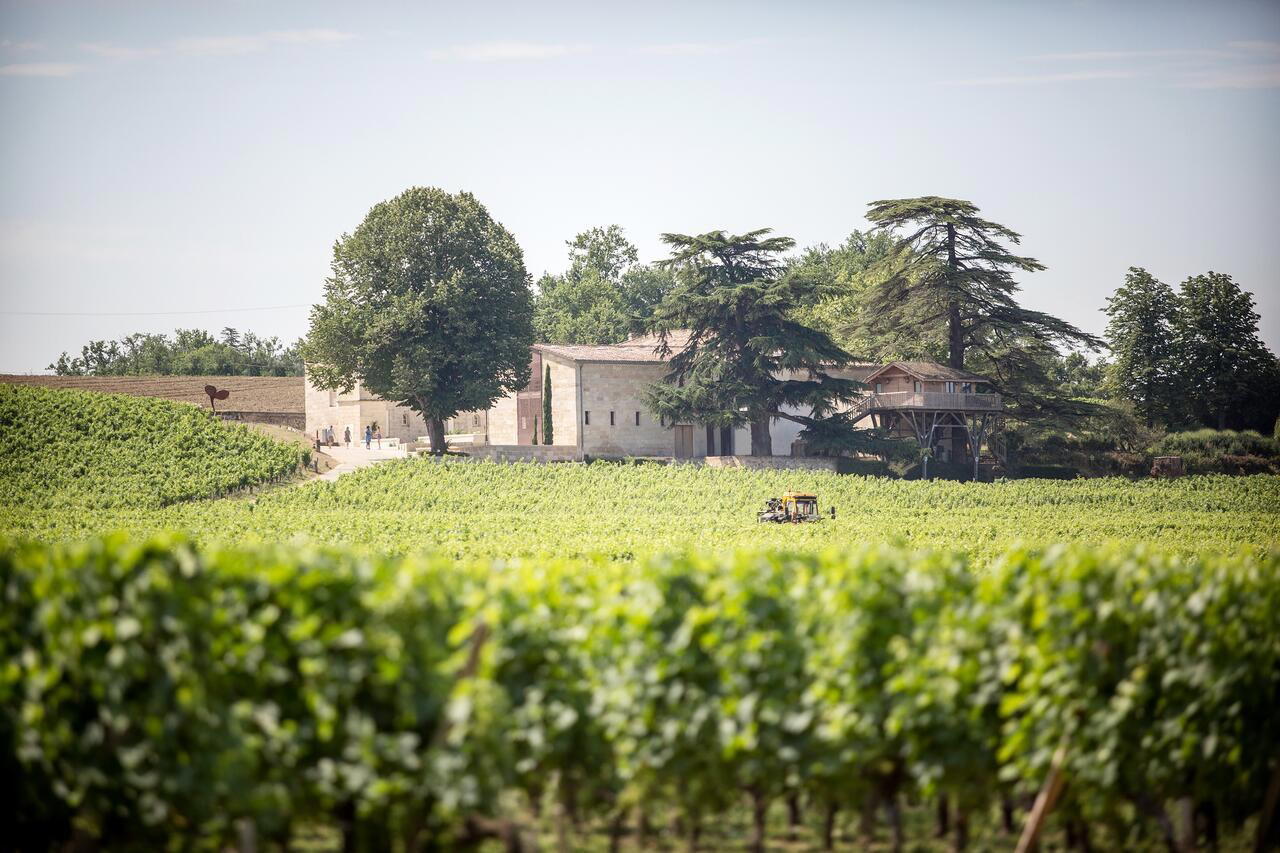
Approach Château Pavie from the D245 and the vineyard announces itself before the buildings do. The slope rises steeply from the base of Saint-Émilion's plateau, and the visual effect is immediate: a single, south-facing amphitheatre of vines arranged across soils that shift from sandy loam at the foot to pure limestone and clay at the crest. This kind of geological complexity, compressed into one contiguous site, is not common in the appellation, and it shapes everything that follows in the cellar.
The estate's first vintage on record dates to 1904, placing Château Pavie among the longer-established names in Saint-Émilion, a commune where ownership has changed hands frequently and where historical continuity carries weight in collector markets. Winemaker Henri Parent currently oversees production, working with a terroir that offers the kind of natural variation most blenders spend careers trying to synthesise from multiple parcels.
Saint-Émilion's Upper Tier and What It Demands
Saint-Émilion's classification system has historically rewarded a combination of terroir quality and institutional ambition, and the estates that sit at its apex operate under different commercial logic than the broader appellation. The comparison matters because it frames how Château Pavie is positioned: not as a regional curiosity, but as a property that competes for the attention of collectors who are simultaneously tracking Accendo Cellars in St. Helena and comparable allocation-driven estates.
Within Saint-Émilion itself, the estate's closest peers by site quality and ambition include Château Bélair-Monange, which shares the Grand Cru Classé plateau, and Château Canon-la-Gaffelière, another limestone-dominant estate that has attracted significant critical attention over the past decade. Château Clos Fourtet and Château La Mondotte round out the grouping of estates where soil type and slope orientation are regularly discussed alongside vintage scores.
The distinction between these properties is rarely about grape variety — Merlot and Cabernet Franc dominate across the plateau — and more about how each estate reads the vintage. In warmer years, limestone sites like Pavie's upper parcels tend to retain acidity that flatter, sandier soils give up early. In cooler years, the same stone radiates stored heat and extends the ripening window. That dual function is the technical argument for the site's reputation.
Critical Reception and the 2025 Recognition
This kind of tiered recognition has practical consequences: it signals to the collector community where the property sits relative to its regional peers and validates the pricing logic that governs allocation access.
The broader critical conversation around Château Pavie has, over the years, been conducted in the international wine press with considerable intensity. Few Right Bank estates generate as much sustained debate about stylistic direction, and that debate itself is a form of recognition. Properties that attract no argument attract no attention; Pavie has consistently attracted both. For a collector building a cellar, that critical engagement is a data point as much as any score.
The 1904 founding date provides historical depth that newer estates cannot replicate, and in a market where provenance and continuity matter to buyers at auction, this is not a trivial consideration. Compare this with operations like Aberlour in Aberlour or Chartreuse in Voiron, where institutional age is itself a marketing instrument. At Pavie, the vintage record functions similarly: it provides a continuous line of evidence for how the terroir performs across decades and market cycles.
The Bordeaux En Primeur Framework and Where Pavie Fits
Bordeaux's en primeur system structures how most serious buyers first encounter a property like Château Pavie. Futures are offered in the spring following harvest, priced against a mixture of vintage quality, critical scores, and the producer's positioning within the market. At the level Pavie occupies, en primeur pricing is set with an eye on secondary market dynamics, particularly for vintages that attract broad critical consensus.
Buyers new to the en primeur process often compare the Right Bank's limestone-dominant châteaux with Sauternes estates like Château Coutet or Médoc properties such as Château Batailley in Pauillac, Château Branaire Ducru in St-Julien, and Château Cantemerle in Haut-Médoc. The comparison is instructive not because the wines resemble each other, but because it illuminates how differently the Right Bank's leading estates are valued relative to Médoc equivalents at the same classification tier. Pavie consistently commands a premium that reflects both terroir specificity and the global demand concentrated at Saint-Émilion's upper end.
For those building positions across the broader Bordeaux spectrum, estates like Château Bastor-Lamontagne in Preignac, Château Boyd-Cantenac in Cantenac, and Albert Boxler in Niedermorschwihr occupy adjacent or alternative tiers that offer different risk and reward profiles. Pavie sits at the apex of that spectrum on the Right Bank.
Planning a Visit to Saint-Émilion
Château Pavie's address at 2 Pimpinelle, 33330 Saint-Émilion places it within the broader commune, accessible from the village centre by vehicle. Saint-Émilion itself is roughly 40 kilometres east of Bordeaux, served by a direct train line that deposits visitors at the Saint-Émilion station below the medieval town. Visits to the estate are leading coordinated in advance; properties at this level do not operate open-door tasting rooms on the model of smaller négociant houses. Contact should be made directly through formal channels, and those travelling for en primeur week in late April or early May should plan accommodation well ahead, as the commune fills quickly during that window.
For a broader orientation to the appellation's dining and hospitality context, our full Saint-Émilion guide covers the restaurants, hotels, and tasting sequences that make the most of a two- or three-day visit.
Category Peers
Comparable venues nearby, for context on price, style, and recognition.
| Venue | Cuisine | Price | Awards | Notes |
|---|---|---|---|---|
| Château PavieThis venue — the venue you are viewing | Merlot, Cabernet Franc | Not listed | Falstaff Winery - 4 Stars | Not listed |
| Château Figeac | Cabernet Sauvignon, Cabernet Franc | Not listed | Michelin 3 Grapes · Falstaff Winery - 4 Stars | Saint-Emilion |
| Château Clos Fourtet | Merlot, Cabernet Franc | Not listed | Michelin Main Selection · Falstaff Winery - 4 Stars | Saint-Emilion |
| Château Angelus | Merlot, Cabernet Franc | Not listed | Michelin 2 Grapes · Falstaff Winery - 4 Stars | Saint-Emilion |
| Château Valandraud | Merlot, Cabernet Franc | Not listed | Falstaff Winery - 4 Stars | Saint-Emilion |
| Château Canon | Merlot, Cabernet Franc | $150–200 | Michelin 2 Grapes · Falstaff Winery - 4 Stars | Saint-Émilion |
Recognition history
Dated appearances from independent guides and award organizations, with the underlying list record or original source where available.
Falstaff Winery - 4 Stars
Falstaff
Continue exploring
More in Saint-Émilion
Wineries in Saint-Émilion
Browse all →
Bars in Saint-Émilion
Browse all →
Restaurants in Saint-Émilion
Browse all →
Details
- Elegant
- Sophisticated
- Classic
- Well Known
- Ornate
- Special Occasion
- Wine Education
- Celebration
- Vineyard Tour
- Estate Grounds
- Historic Building
- Panoramic View
- Sustainable
- Organic
- Vineyard
- Merlot
- Cabernet Franc
- Cabernet Sauvignon
- Still Red
- Private Tasting
- Cave Tasting
- French
- English
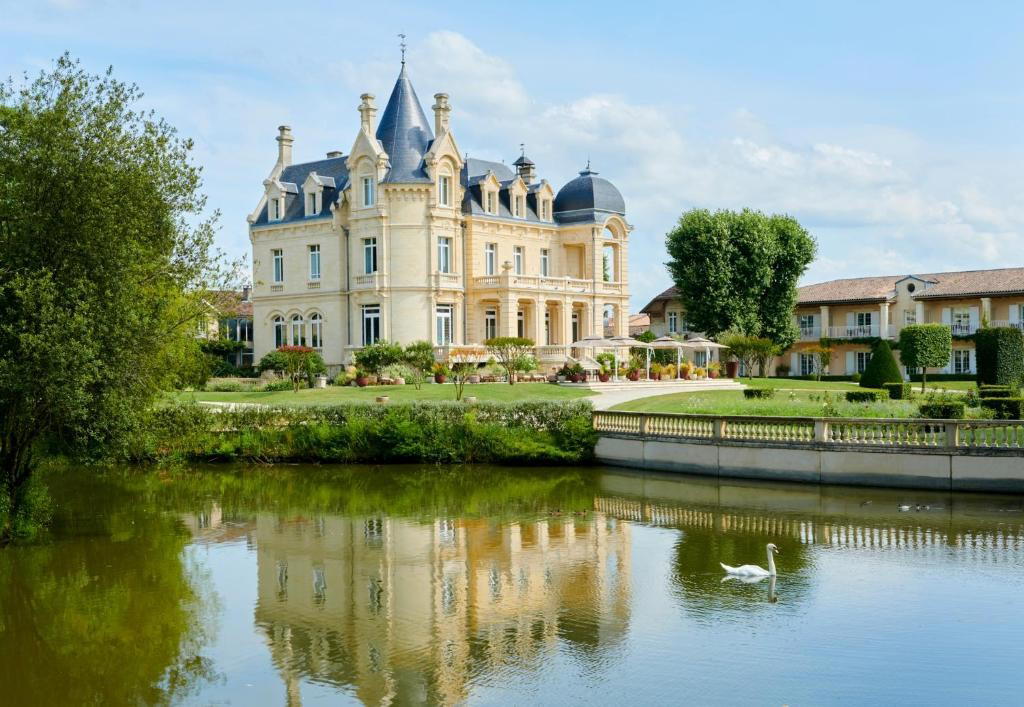
Elegant and sophisticated with marble-clad cellars and a serene, historic atmosphere.